
National, ACT say no need to reform hate speech laws, Greens 'committed'
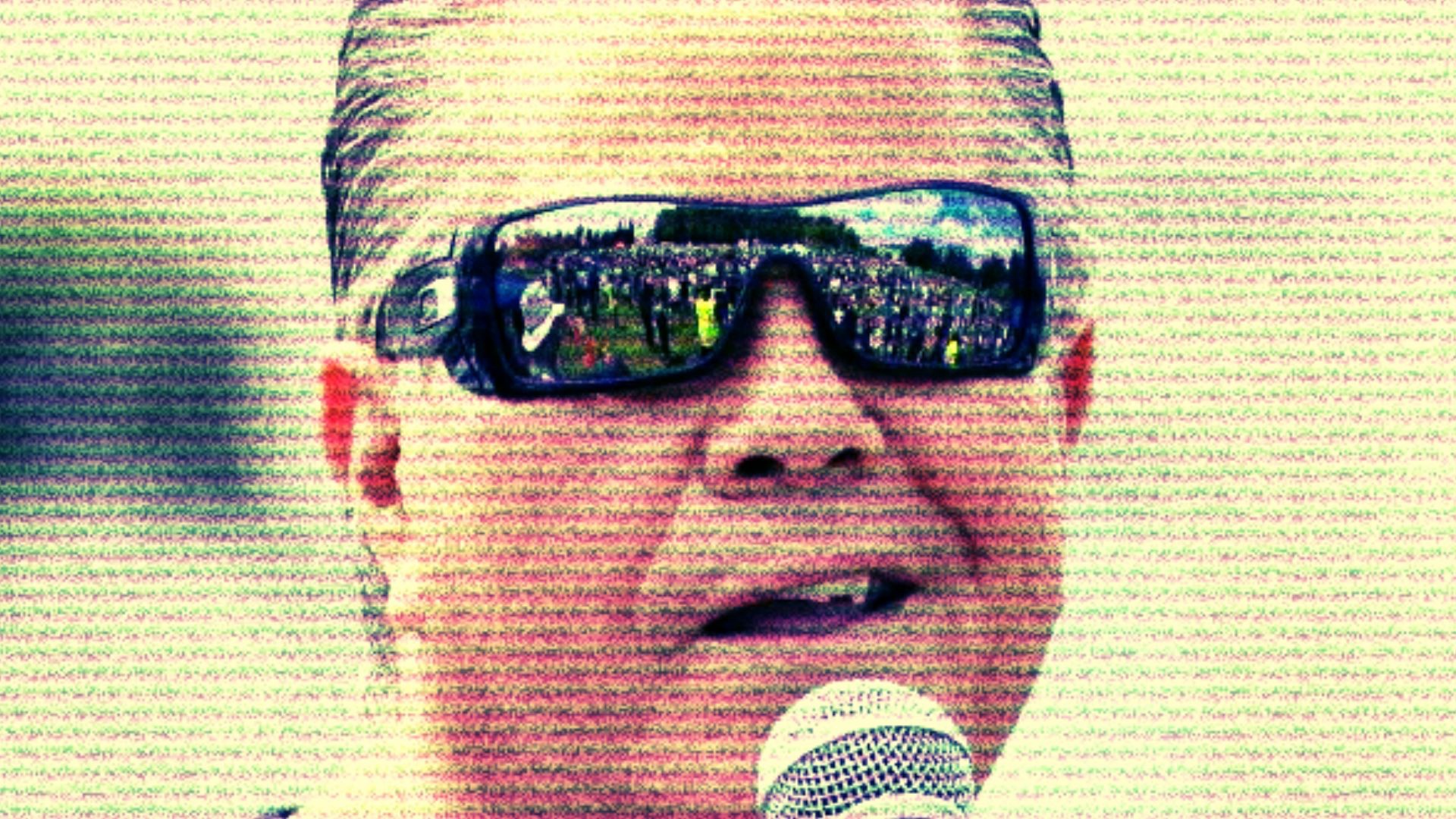
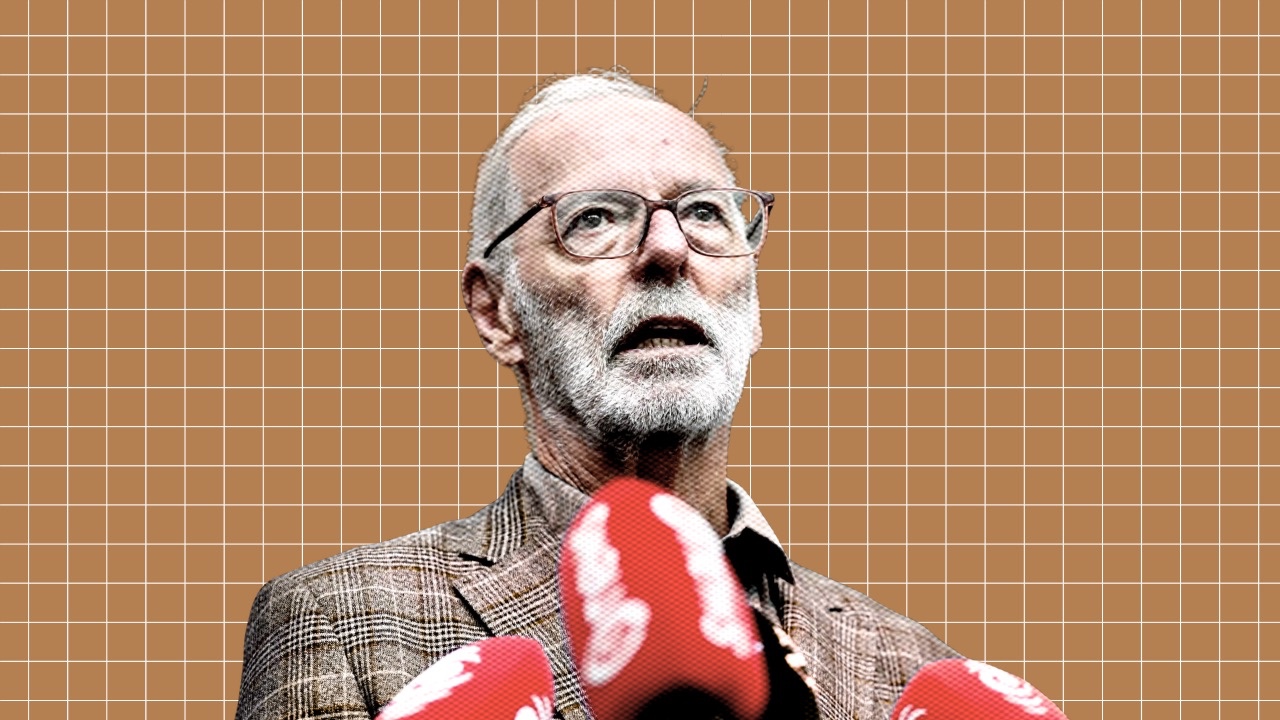
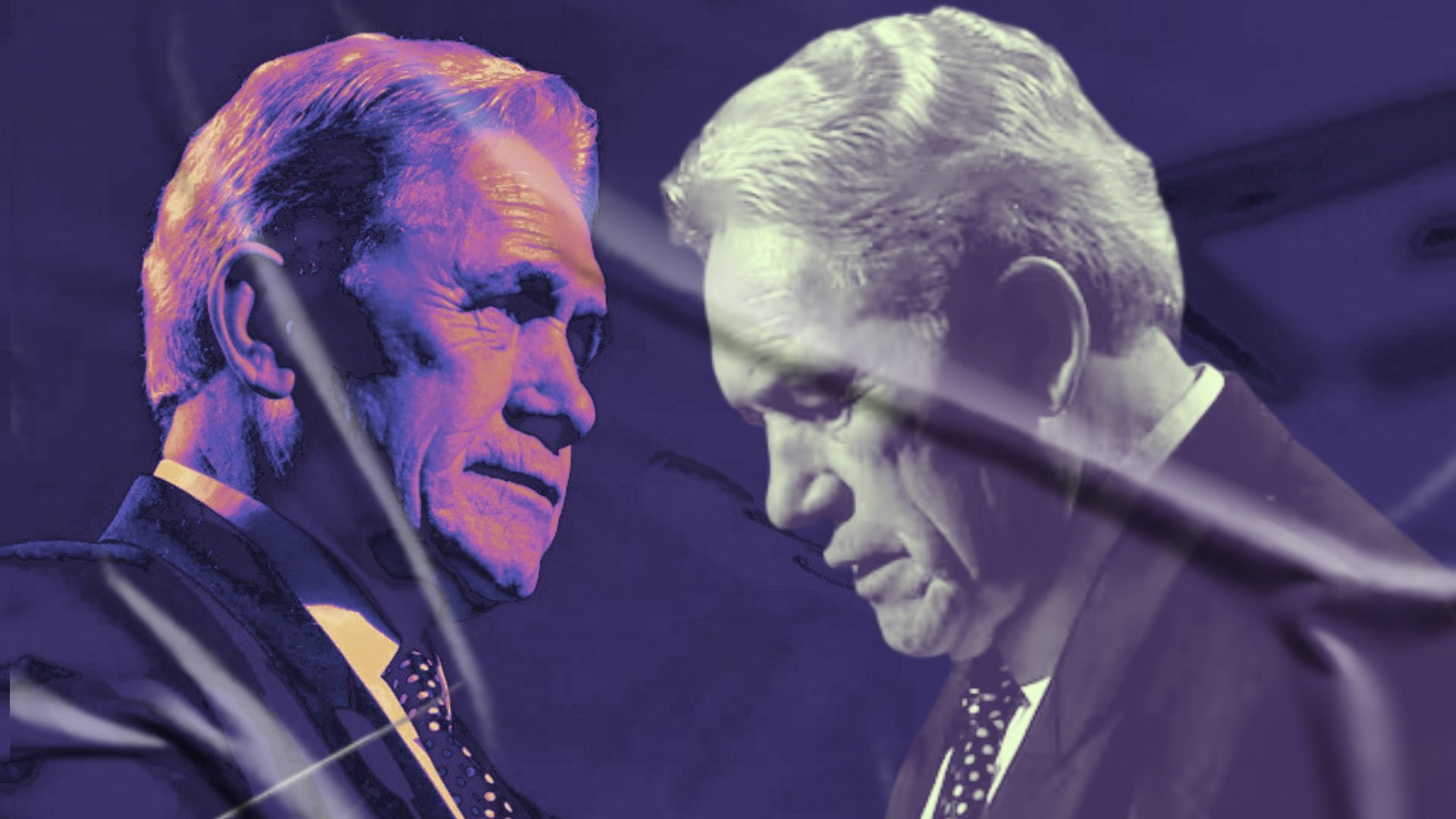
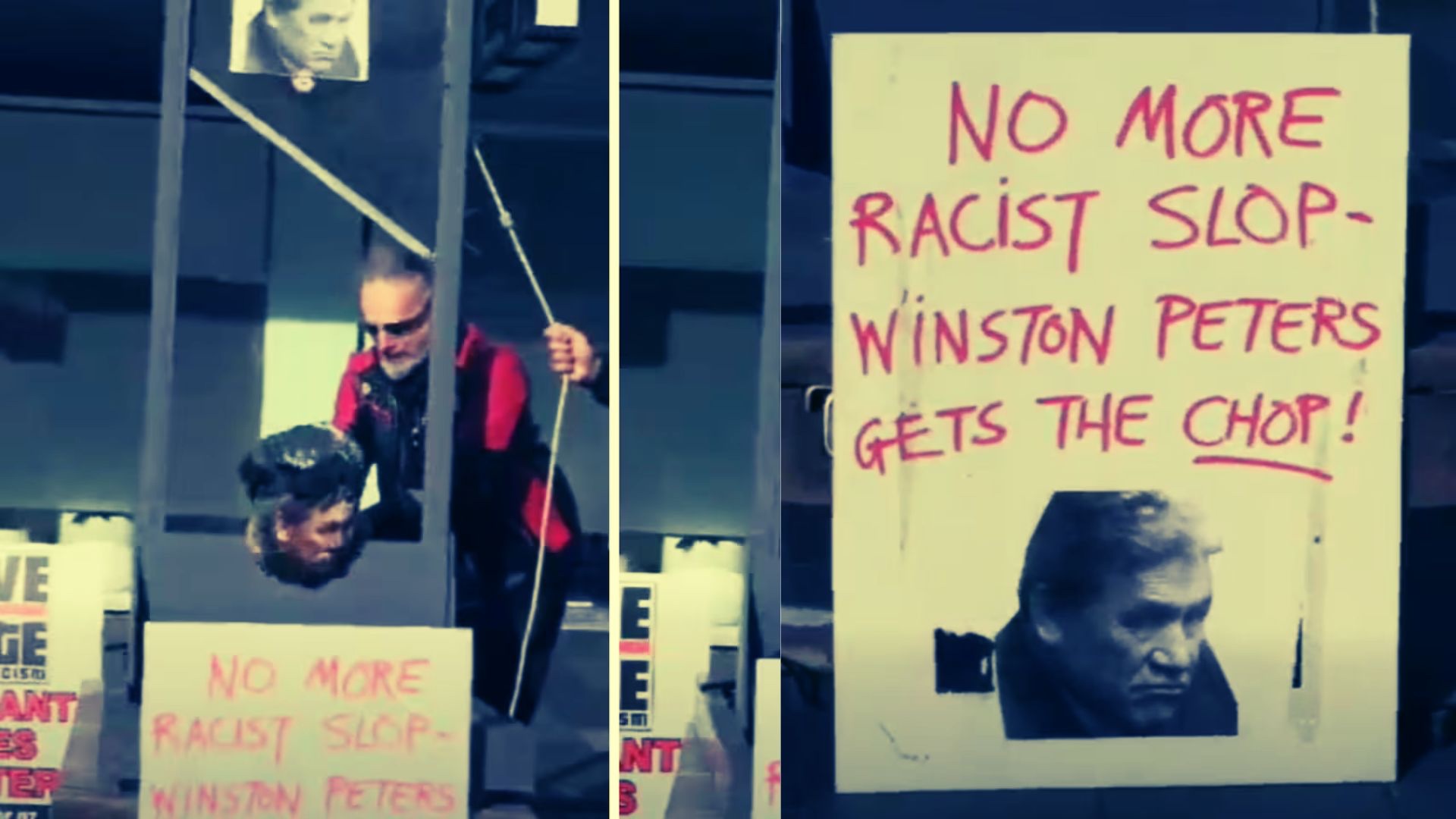
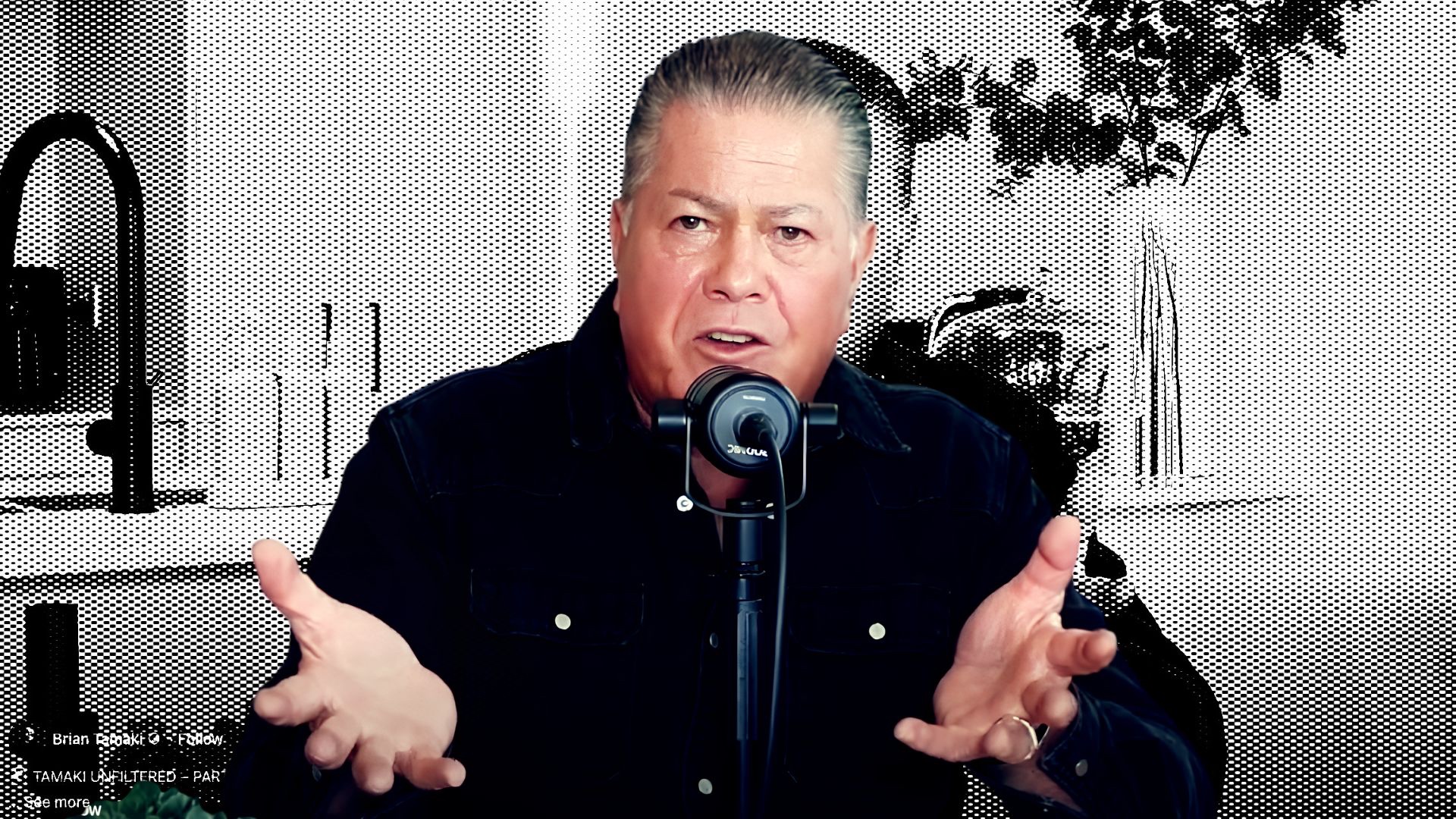
Destiny Church leader Brian Tamaki.
Labour says it is developing and refining its ethnic and social cohesion policies.
Political parties on both sides of the aisle have adopted mixed positions on calls for them to amend hate speech legislation.
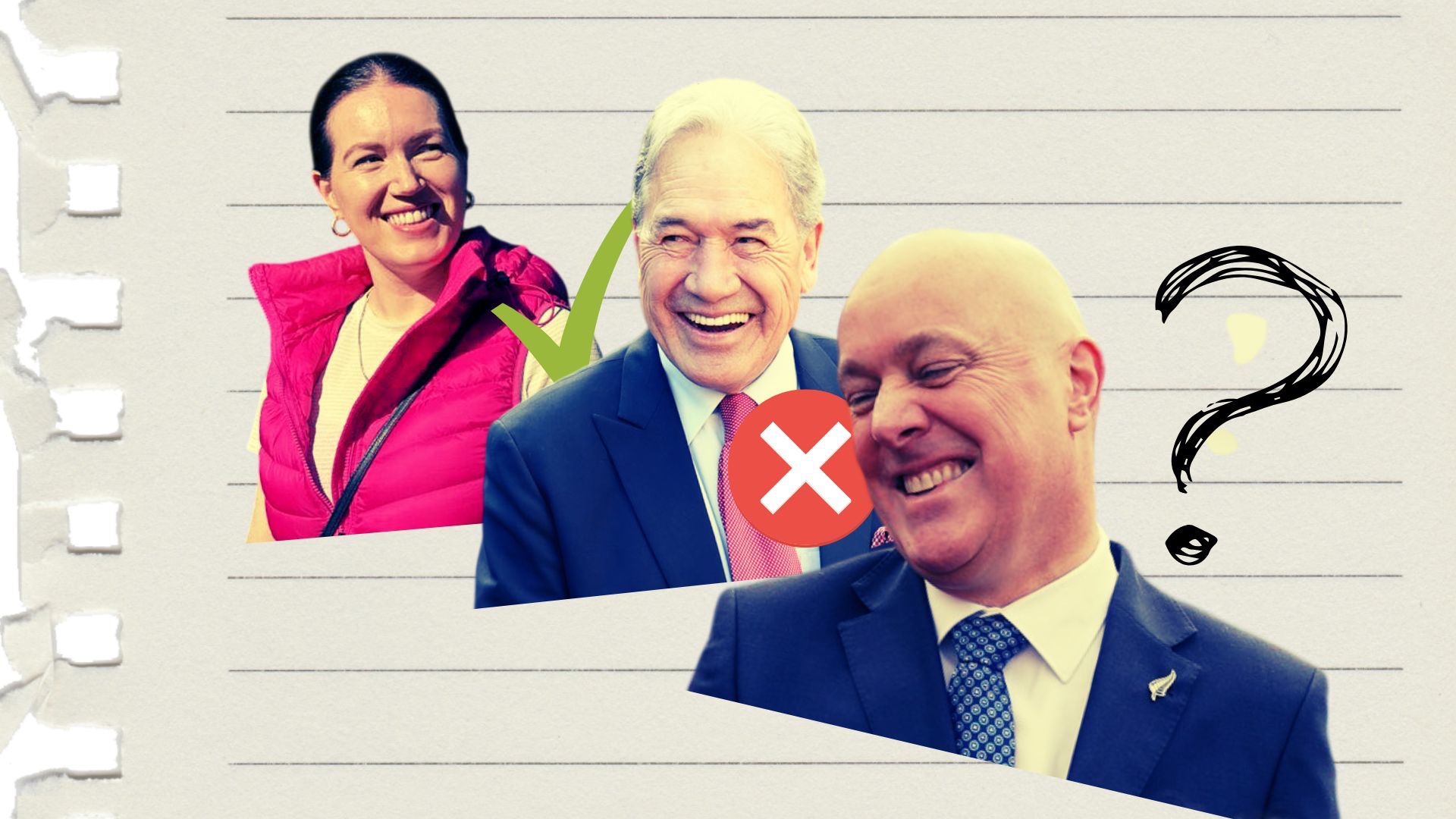
The National Party did not support legislating against hate speech, while the ACT Party believed more enforcement of existing legislation was needed, according to responses RNZ received to media questions on the issue.
Meanwhile, a spokesperson for the Greens said the party was open to extending hate speech legislation.
Te Pāti Māori also appeared to broadly support legislative reform.
A Labour spokesperson said the party was in the process of developing and refining its ethnic and social cohesion policies, promising to share more detailed positions in due course.
Selfie: ‘Daddy, please don’t take me to an India-NZ cricket match’. A migrant's dilemma Can a migrant embrace a new home without abandoning old loyalties? Sports often offers a reckoning for migrants.
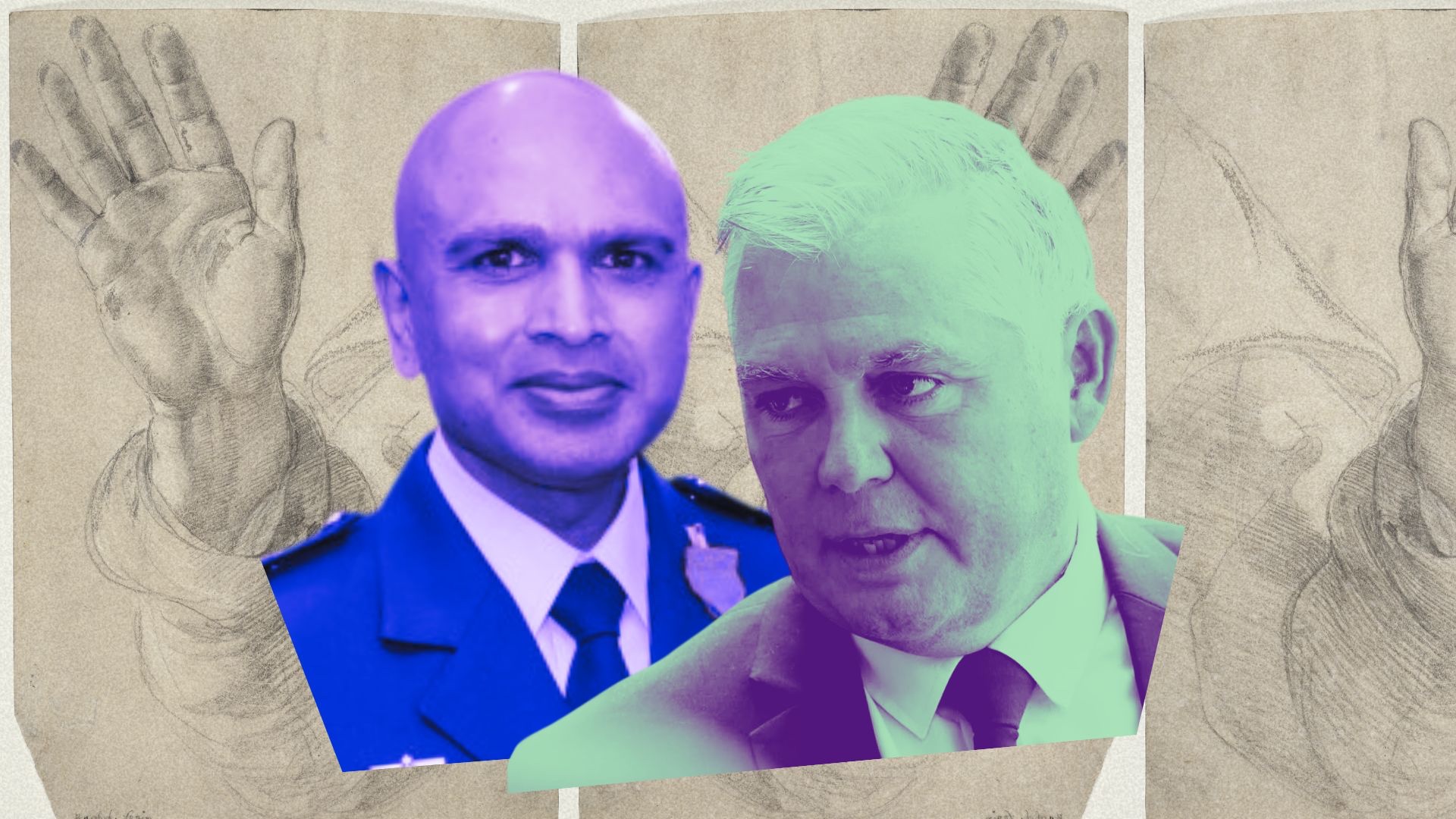
Migrant prison guards in Auckland accused of drug smuggling can't work, can't go home Two fathers facing serious corruption charges have been unable to work elsewhere because of their visas and awaiting criminal trials in 2028.
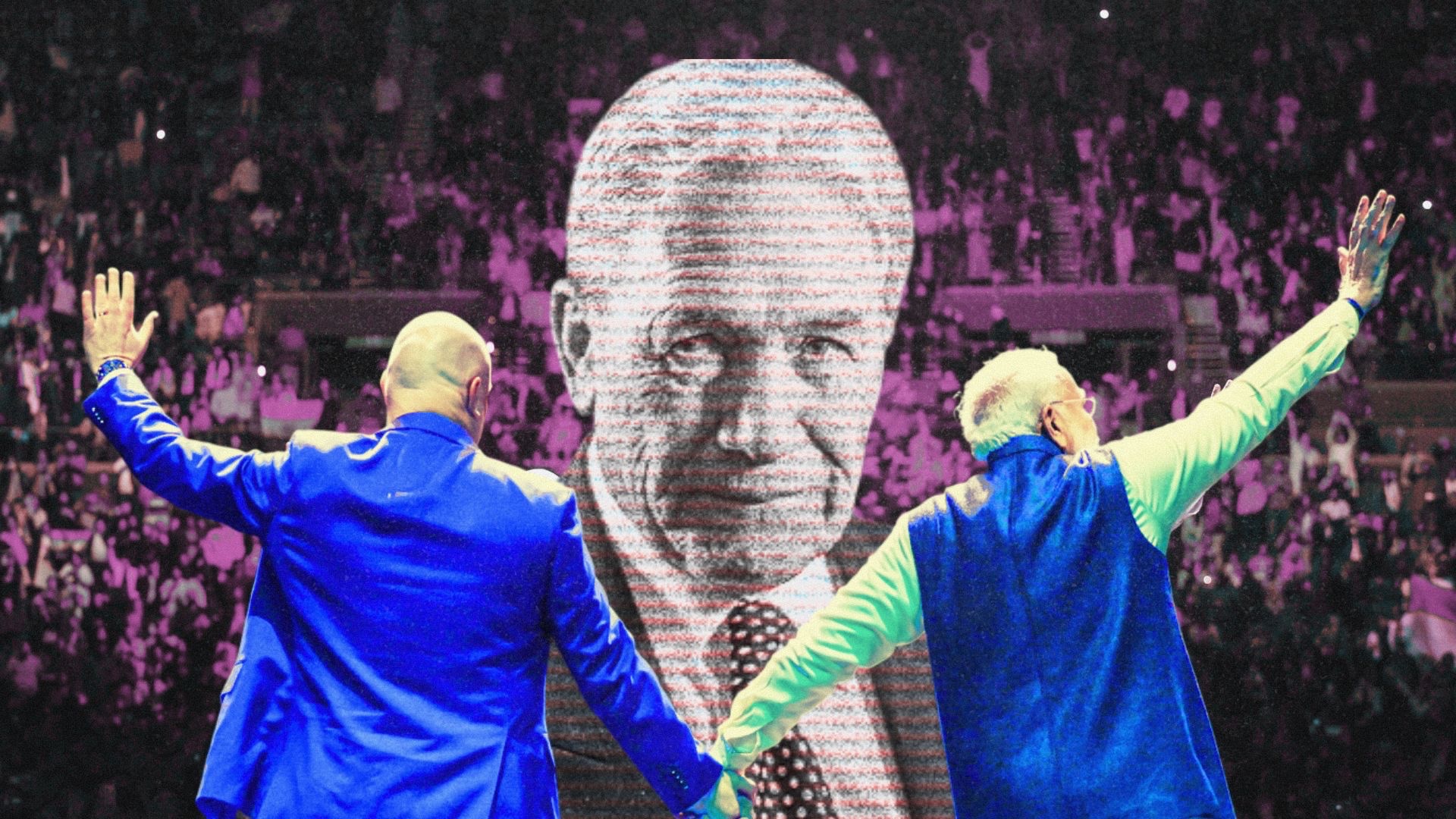
Can you be Indian and Kiwi? National's Mahesh Muralidhar on patriotism, racism and belonging National's big ticket Indian-origin candidate on what ethnic representation really achieves and why New Zealanders still struggle to get along.
The mixed positions follow a call by 10 organisations representing the country's ethnic, faith and multicultural communities to amend hate speech legislation in an "election message to political parties" last week.
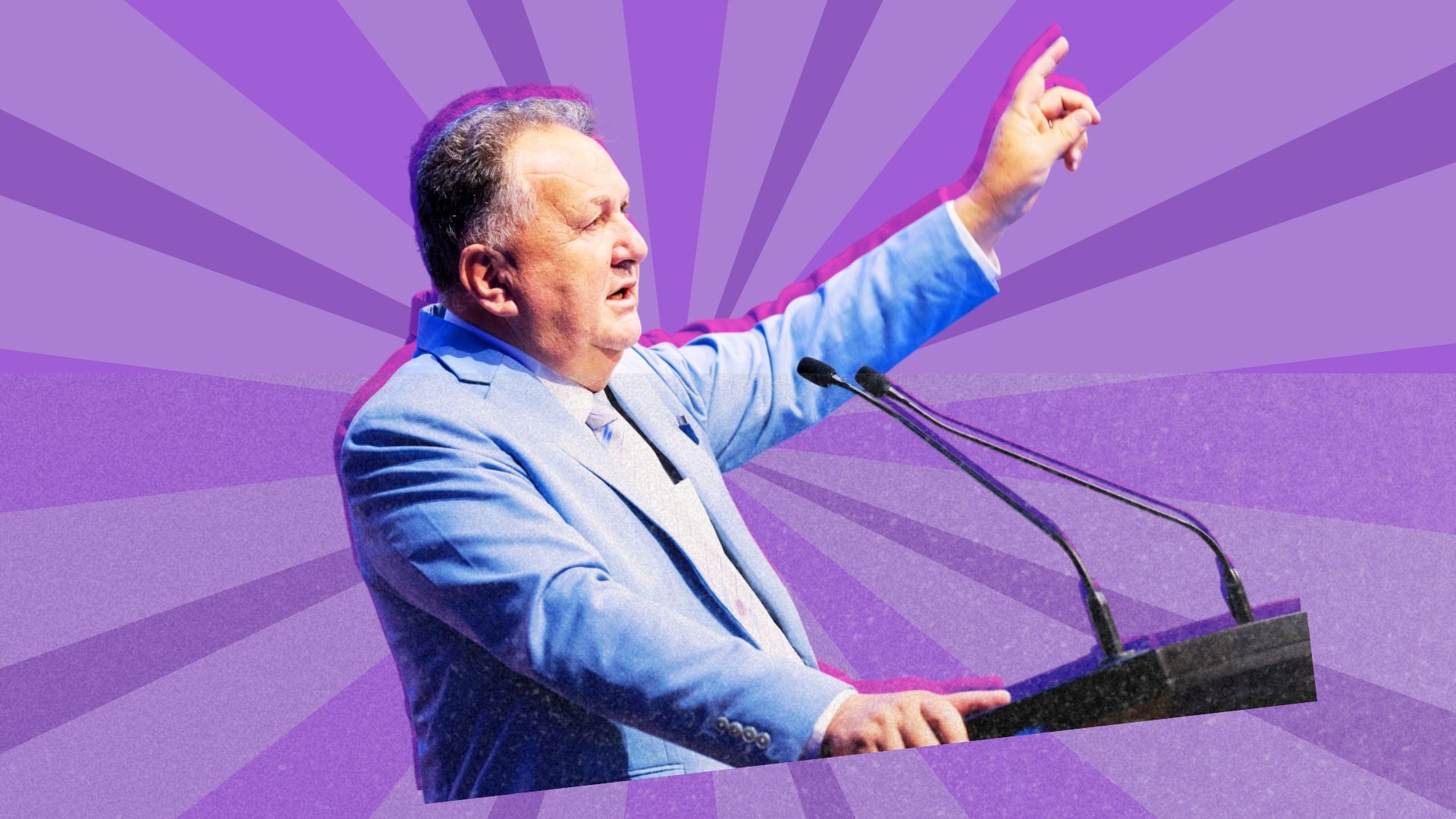
The demand follows Destiny Church leader Brian Tamaki's recent call on social media to purge Hindus, Sikhs and Muslims from the country.
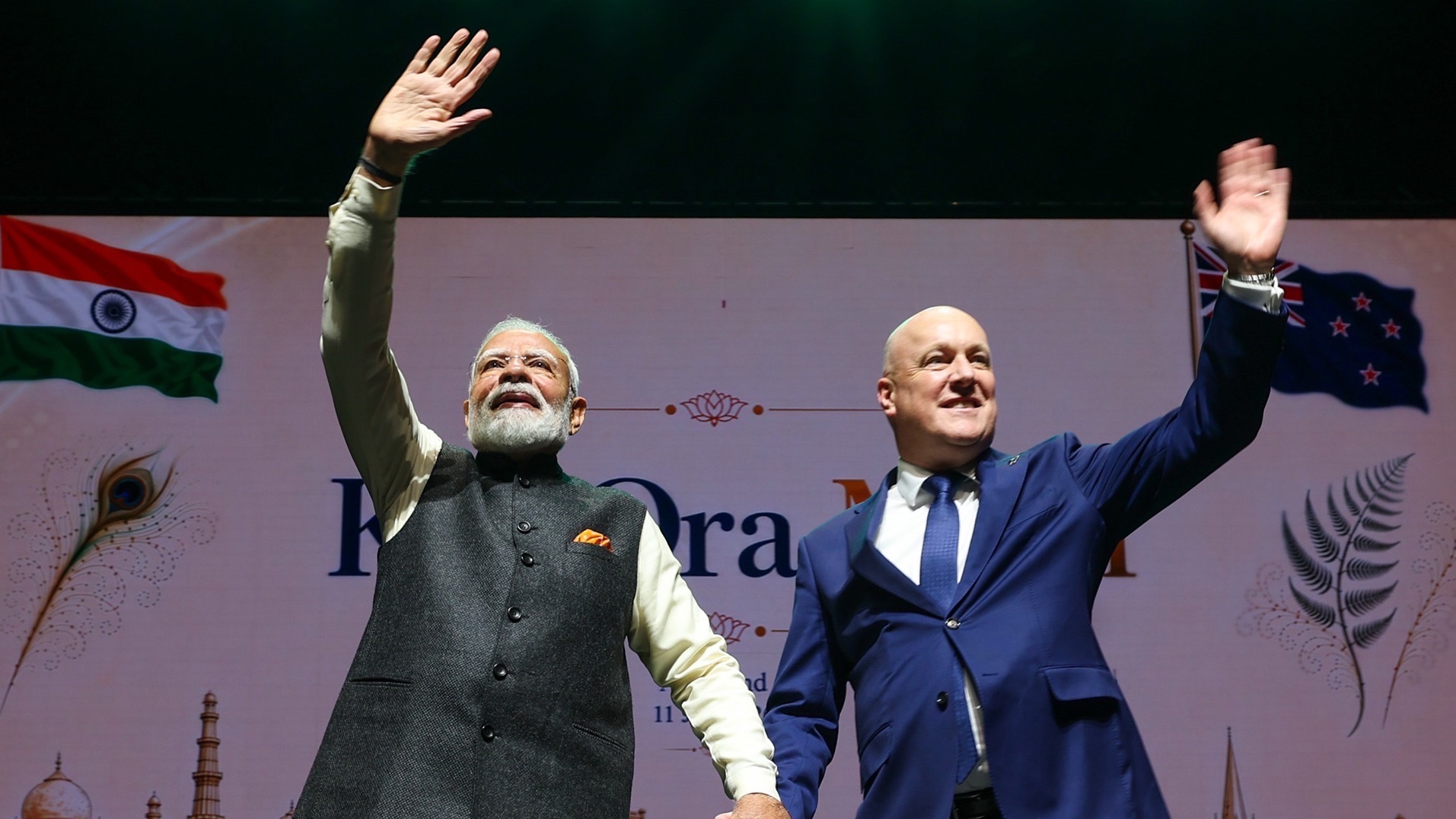
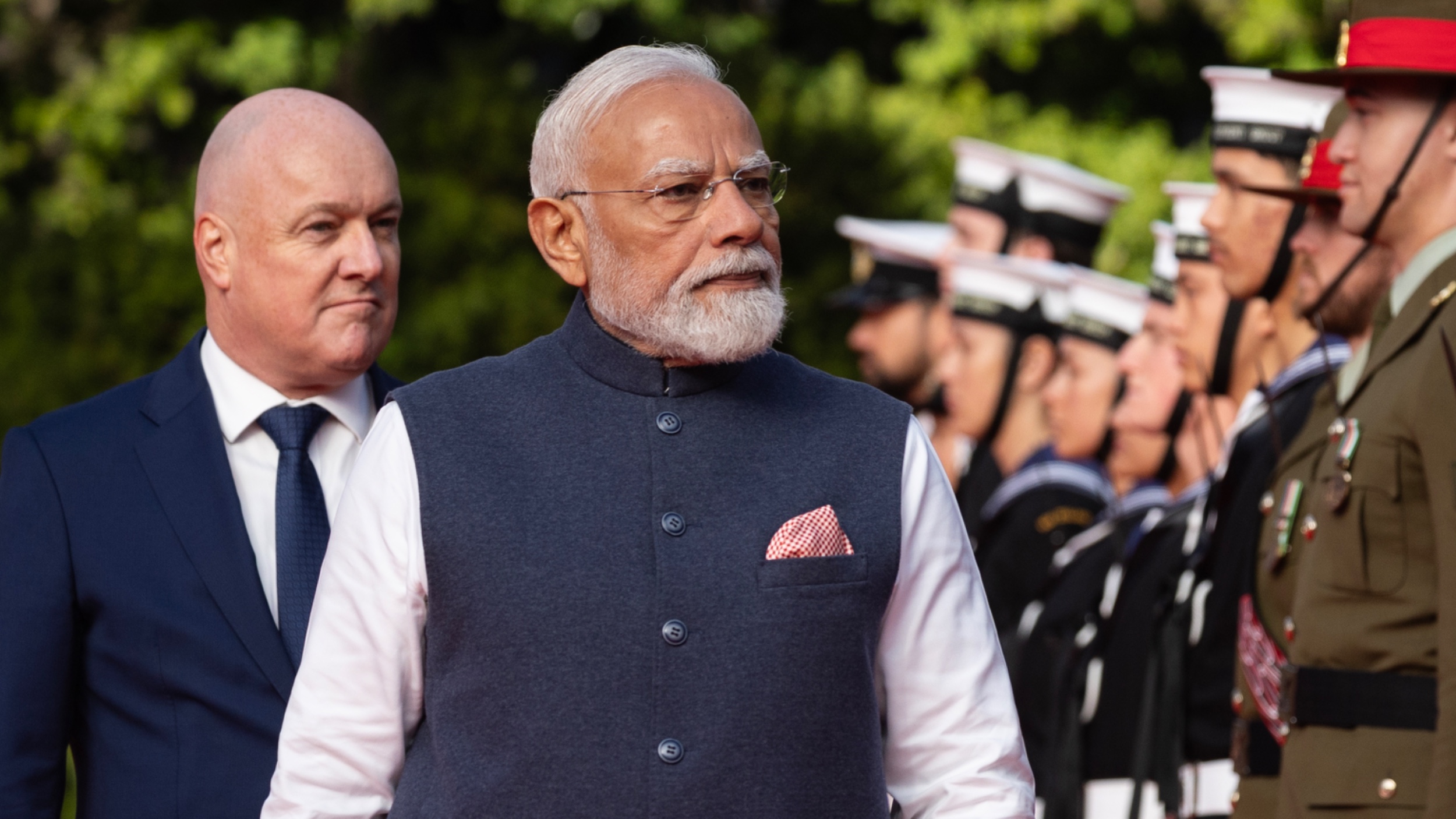
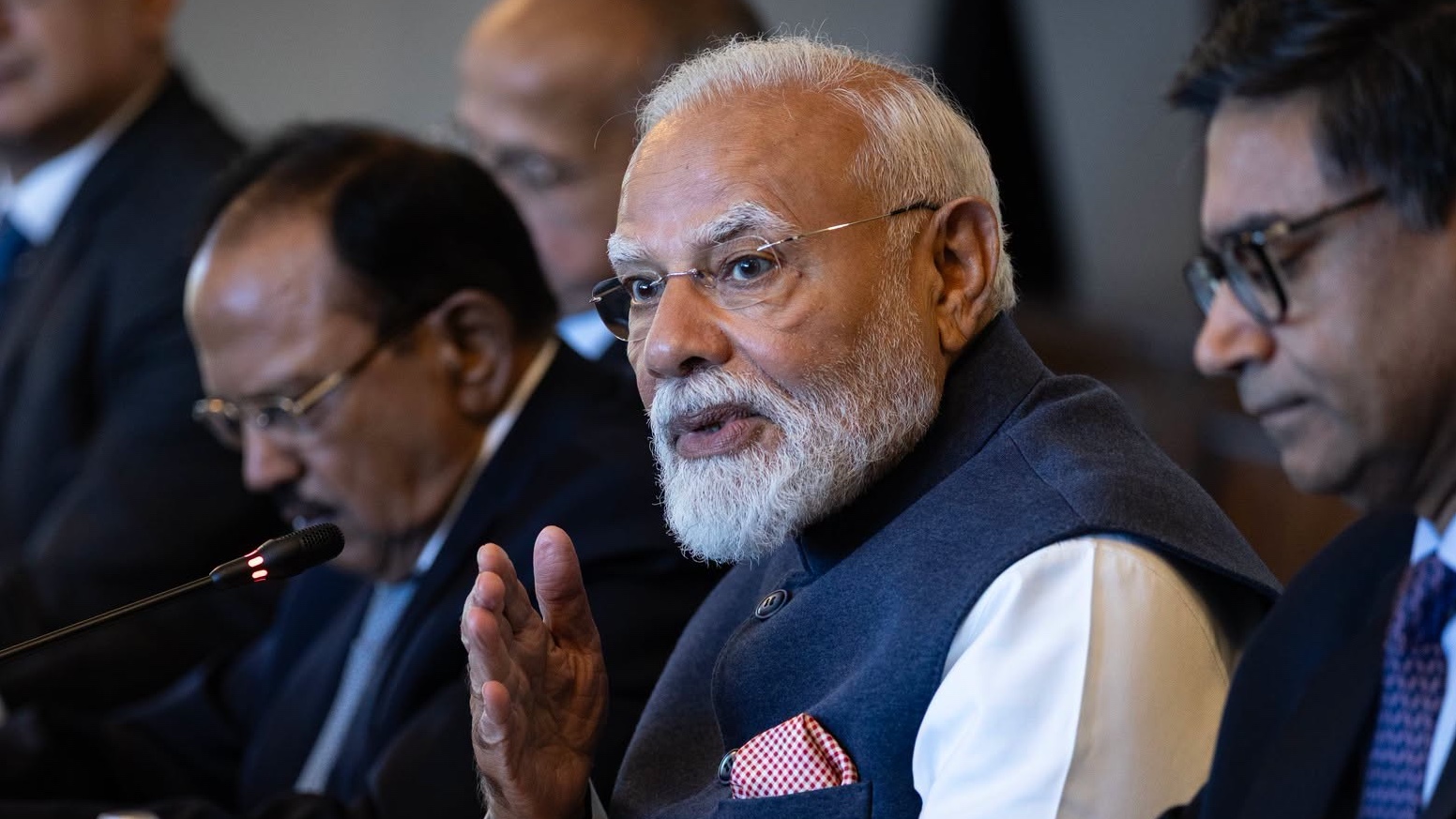
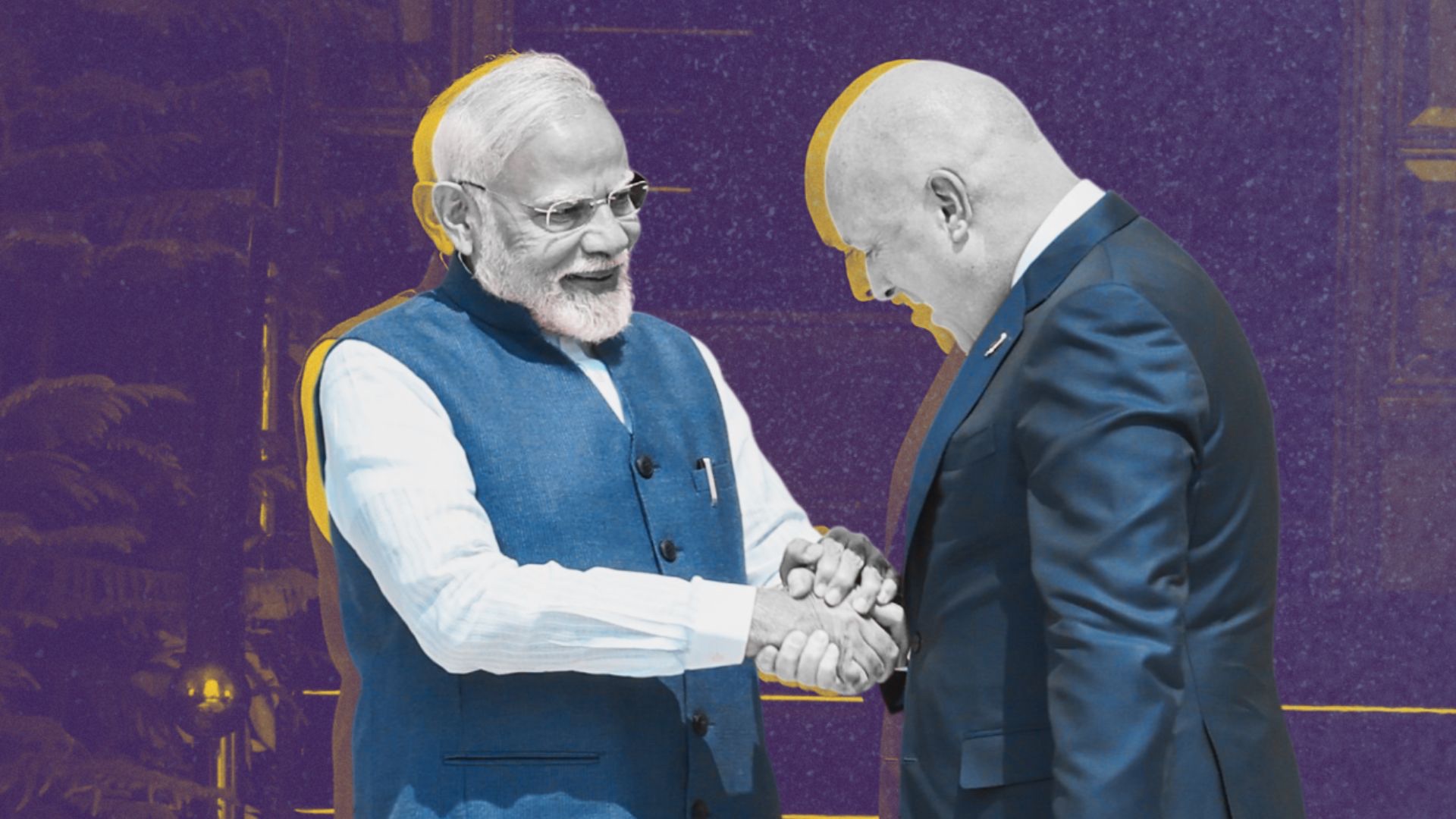
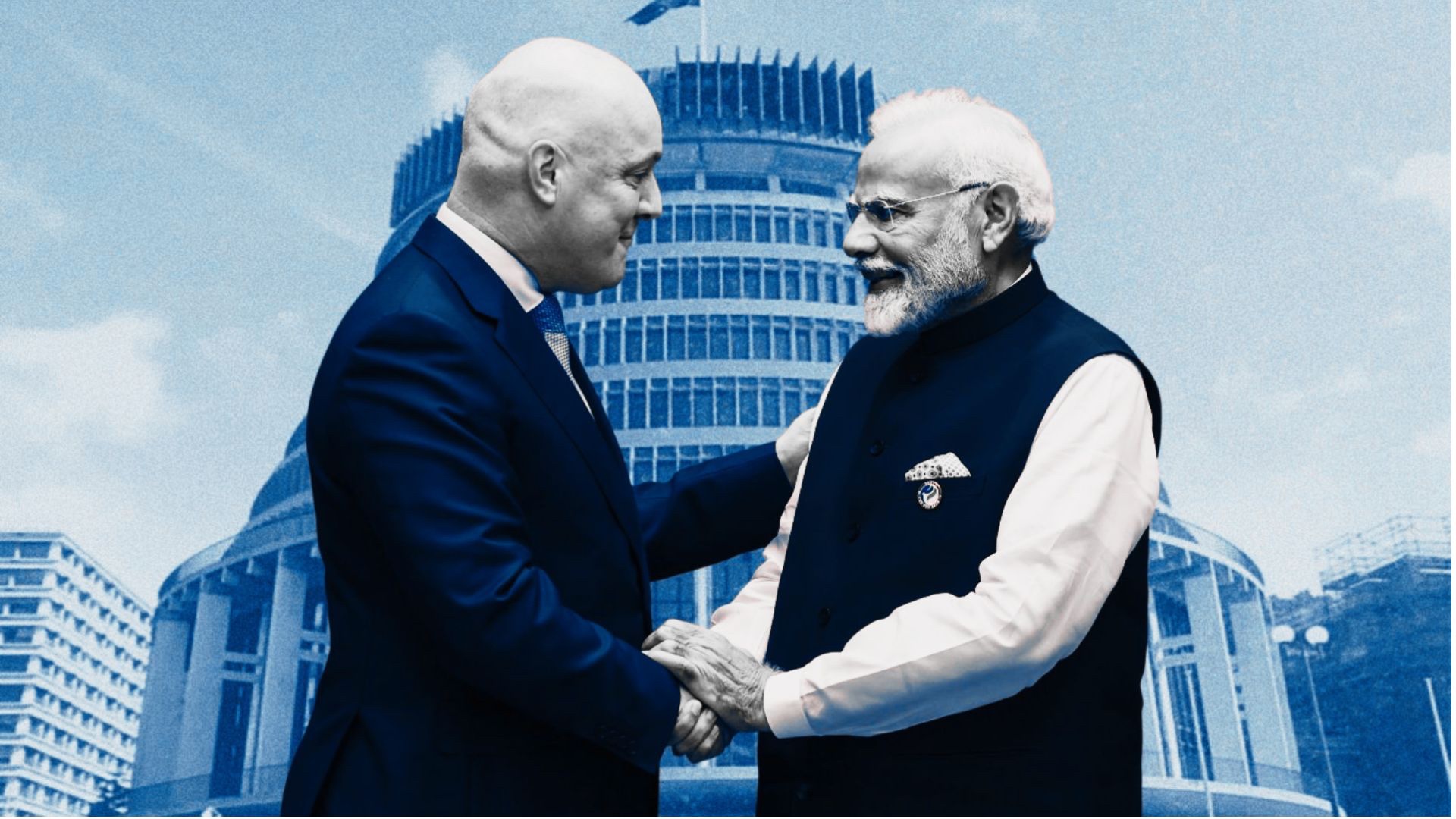
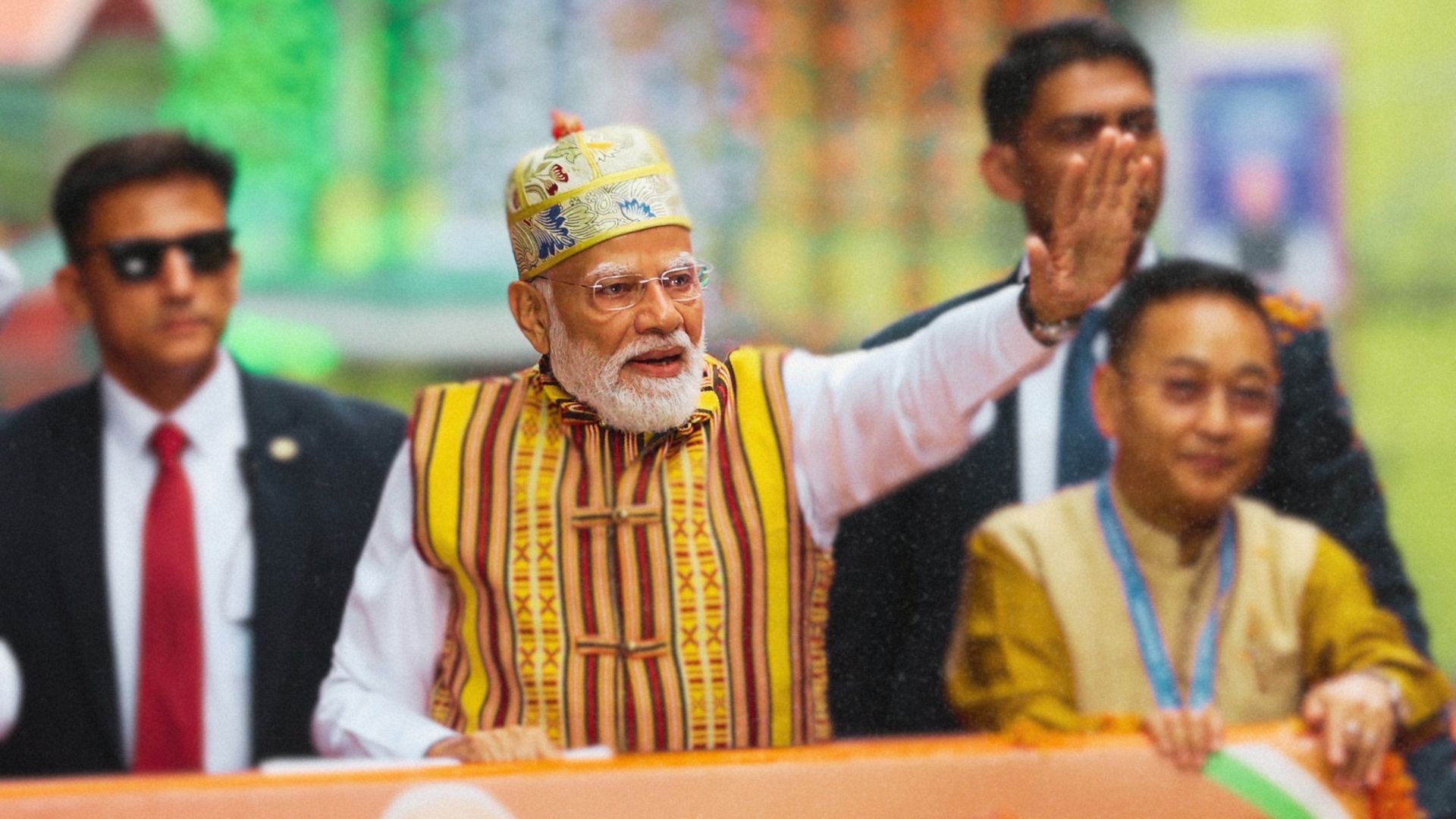
In a video posted on Facebook, Tamaki accuses Indian Prime Minister Narendra Modi of purging Christians in the South Asian nation and burning down church buildings.
"I think we should reciprocate in kind. Let's purge New Zealand of Hindus, Sikhs and Muslims," Tamaki said.
"And, while we're at it, if they're burning churches down, why don't we burn mosques and their temples down? Tit for tat."
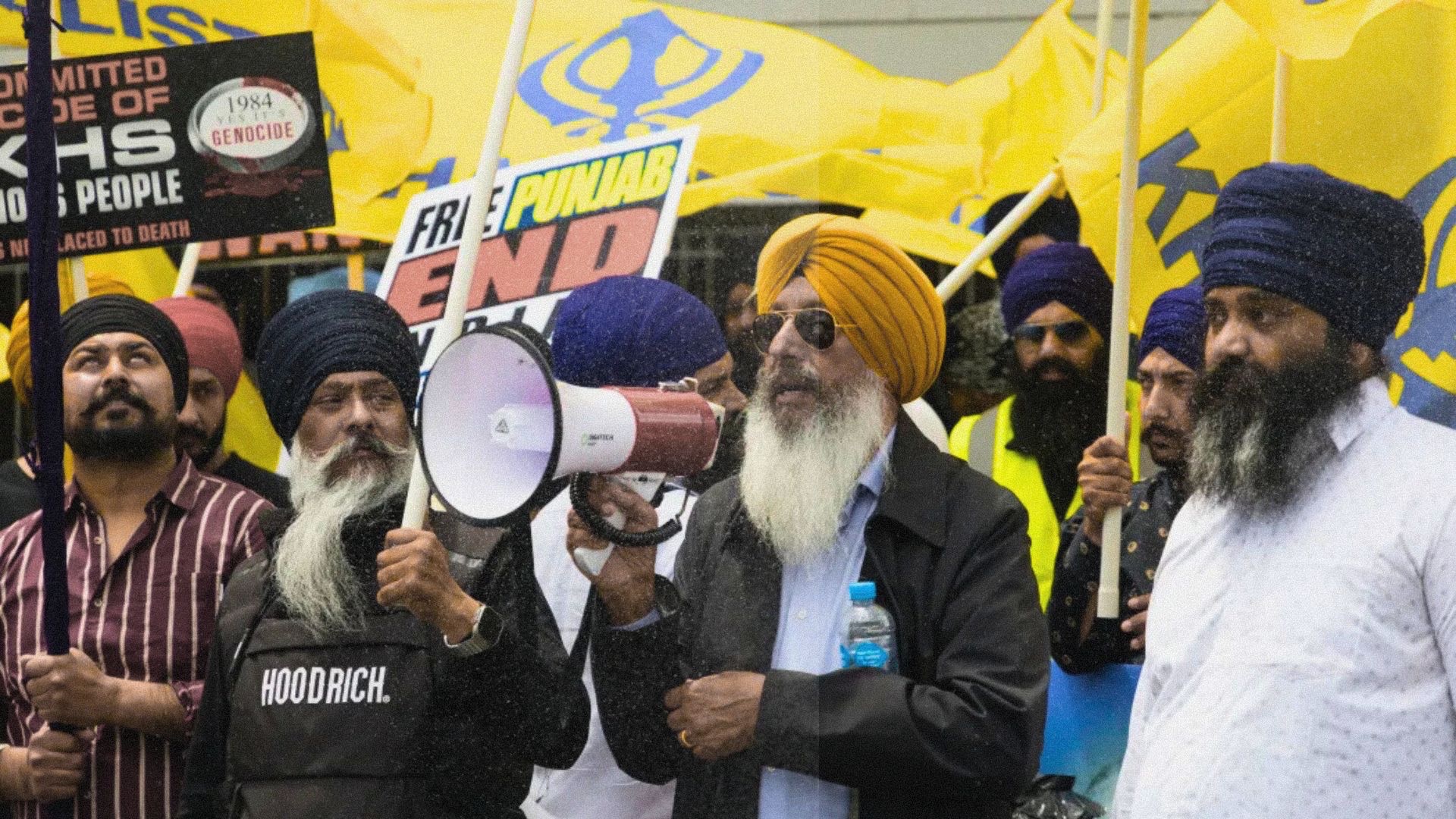
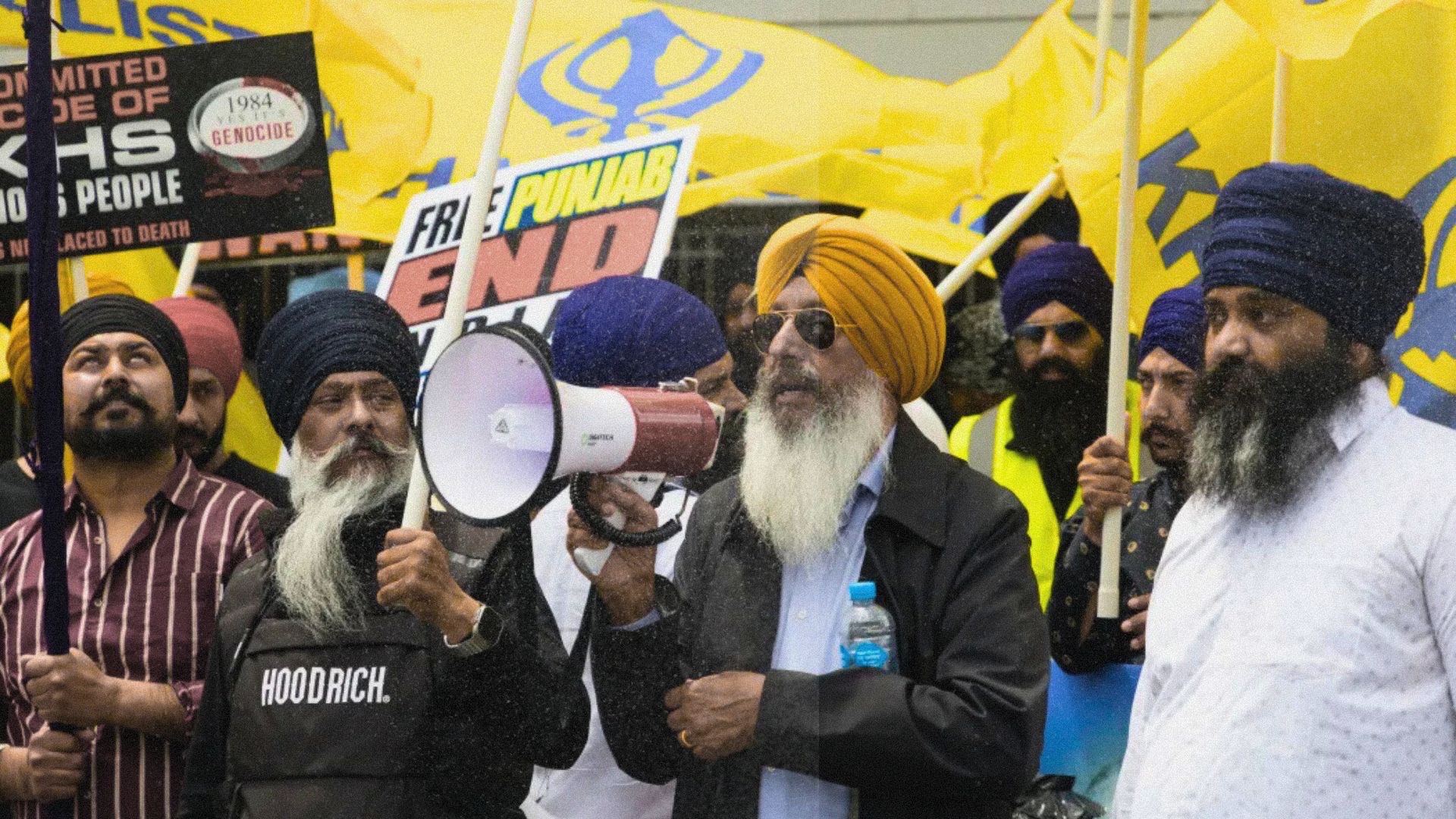
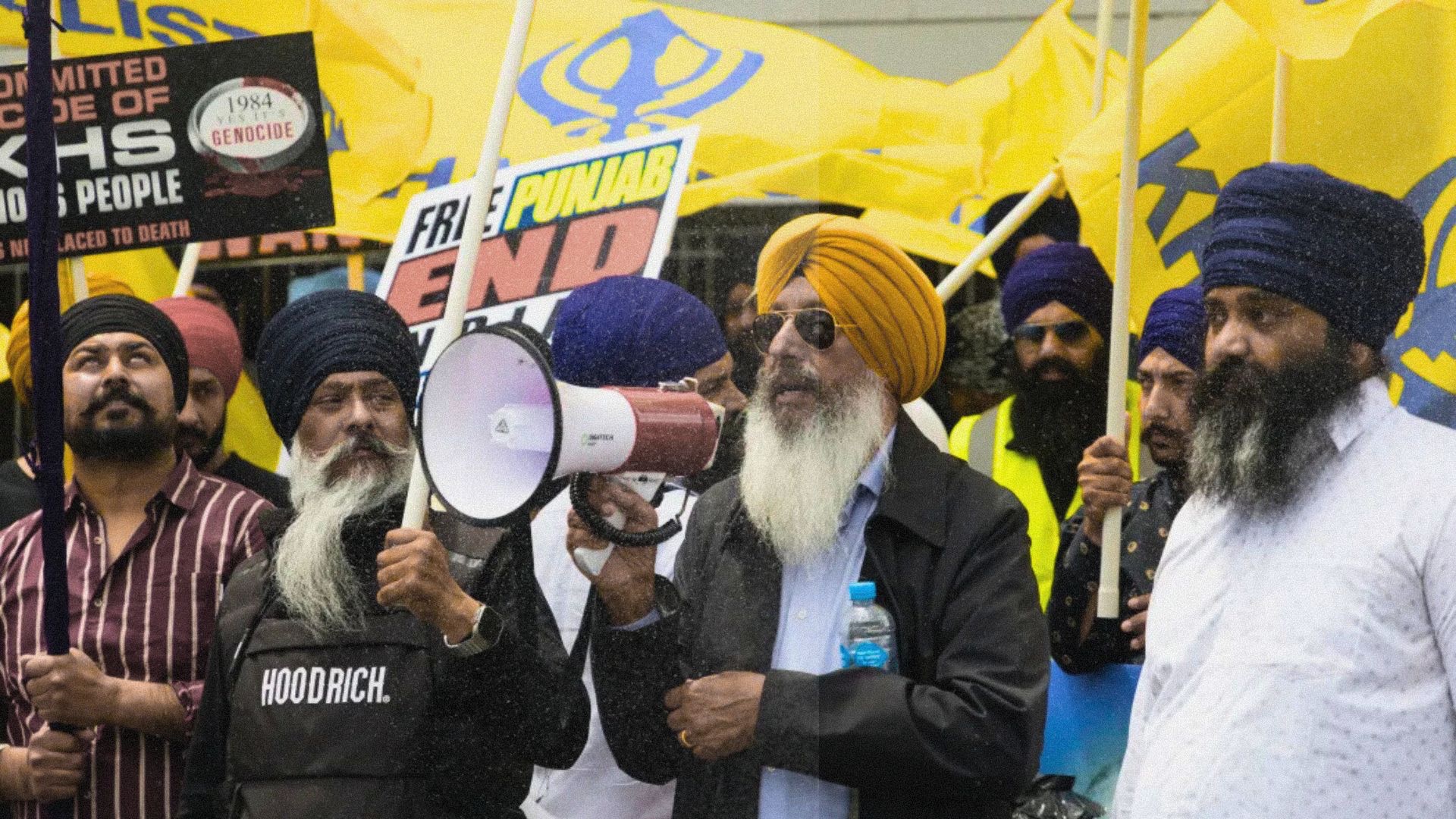
Responding to Tamaki's call, a joint statement by the Hindu Council of New Zealand, Supreme Sikh Society New Zealand, the Federation of Islamic Associations of New Zealand, among others, said ethnic communities were living in fear.
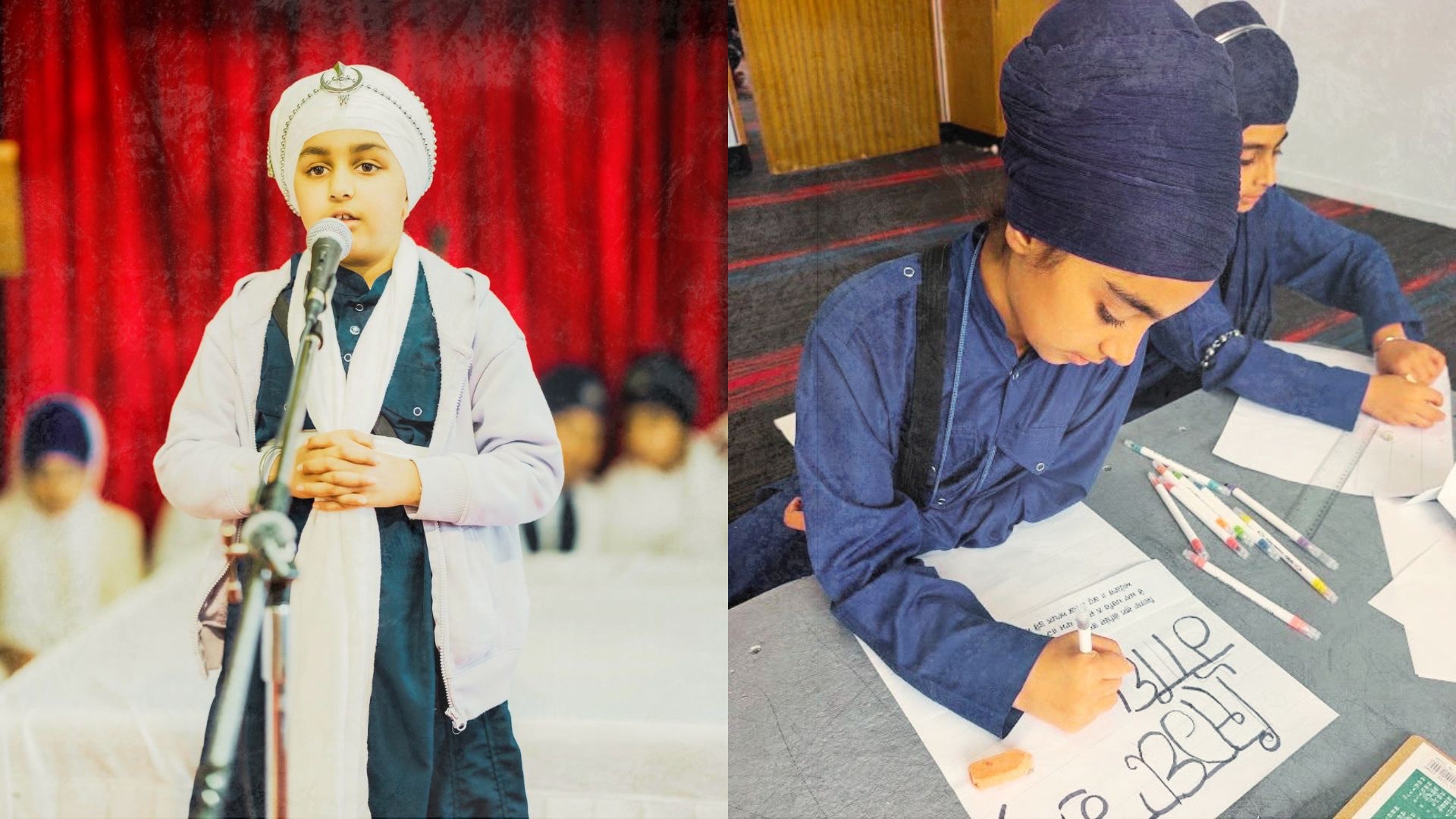
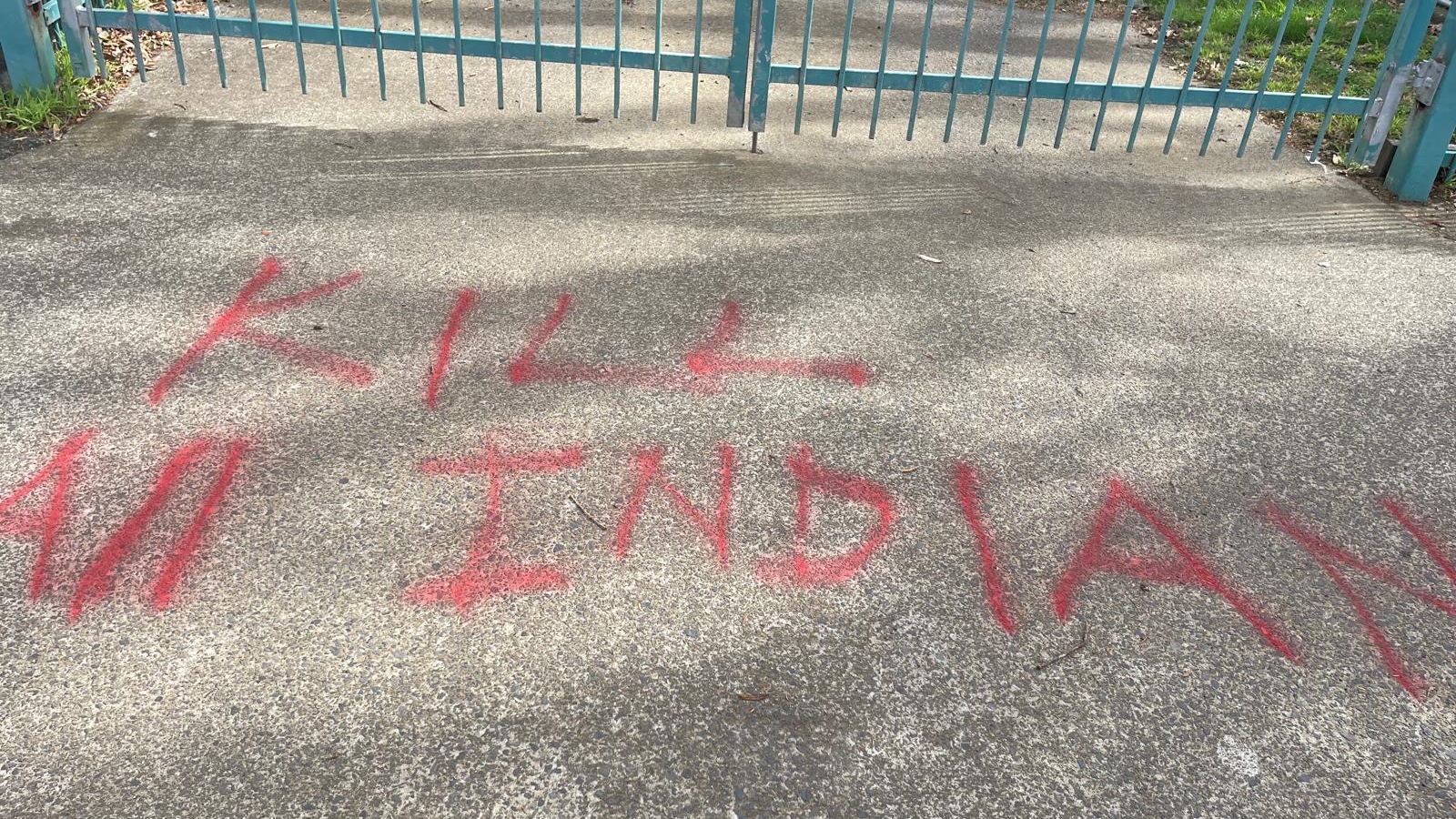
"Today, children are scared to go to places of worship due to threats of being burnt," the statement said. "Our communities live with this fear."
The joint statement called on political parties to outline their specific policies with respect to such hate provocation and social cohesion.
"As ethnic, faith and multicultural community leaders, we shall make these policies known to our communities for their decision-making on the party vote," the statement said, noting that ethnic communities made up sizeable percentage of the voting population.
"The Royal Commission warned of such incitement and provocation seven years ago [after the Christchurch mosque shootings], and successive governments have put the issue in the 'too hard' basket," the statement said.
"No one wants New Zealand to become a hate-divided society, or where hate is normalised and violent threats to burn are tolerated as free speech," the statement said.
"We request fit-for-purpose legislative settings and community-focused social cohesion and education programmes that protect every New Zealander, regardless of their faith, ethnicity or background."
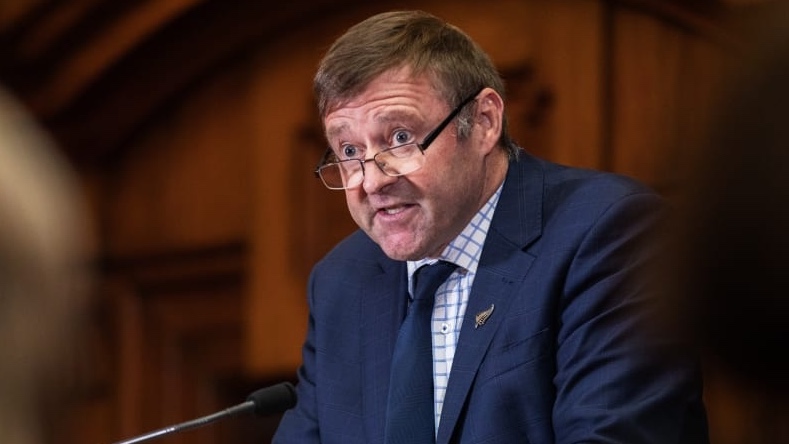
Ethnic Communities Minister Mark Mitchell immediately labelled Tamaki's remarks as the "actions of a scared bully", and police have referred the social media post for legal assessment.
The Free Speech Union called Tamaki's remarks "divisive and inflammatory and run contrary to the principles of a free and pluralistic society".
In what it described as its strongest statement since the Christchurch mosque attacks in March 2019, FIANZ called Tamaki's comments "verbal bullets of incitement and provocation".
Tamaki, meanwhile, said his comments fell within the thresholds outlined in the Human Rights Act.
New Zealanders had the right to speak openly about human rights abuses, religious persecution, immigration, foreign policy and the future direction of our country, Tamaki said.
Parties outline positions on hate speech reform
A National Party spokesperson confirmed the party did not support legislating against hate speech.
"In government, the National Party led the work on the Peace and Harmony Accord, which brings together leaders of a number of faith and ethnic organisations - many of whom are signatories to the open letter - to work toward peaceful and tolerant dialogue in New Zealand," the spokesperson said.
"[The National Party] will continue to protect and strengthen our social cohesion, and the accord puts the onus on fostering peace and harmony back on communities, with the support of the government. That is where it should be," the spokesperson said.
"We are also proud to live in a strong and free democracy that protects all of our right to freedom of speech."
Parmjeet Parmar, spokesperson for ethnic communities of the ACT Party and one of two Indian-origin politicians in Parliament, said Tamaki's comments had "crossed a line by encouraging purges and the burning of temples".
However, she said ACT's position was that the country's existing legislation related to hate provocation was adequate.
"New Zealand has laws against incitement to crime and incitement to hatred," Parmar said.
"ACT's strong belief is that these laws should be enforced."
Parmar said police had told her the situation was under investigation.
"I hope to see an outcome that gives people of all faiths confidence that their safety in New Zealand is taken seriously," she said.
The Green Party said it was committed to implementing the recommendations of the Royal Commission on the Christchurch mosque attacks regarding hate speech and hate crimes, including extending hate speech laws and prohibited grounds of discrimination in the Human Rights Act.
"We are appalled by the ongoing hate speech against our communities," said Lawrence Xu-Nan, Greens spokesperson for ethnic communities.
"We stand with our ethnic, faith and multicultural communities, and we will continue to advocate for stronger accountability measures for anyone, including politicians, who incite and provoke hate in Aotearoa New Zealand."
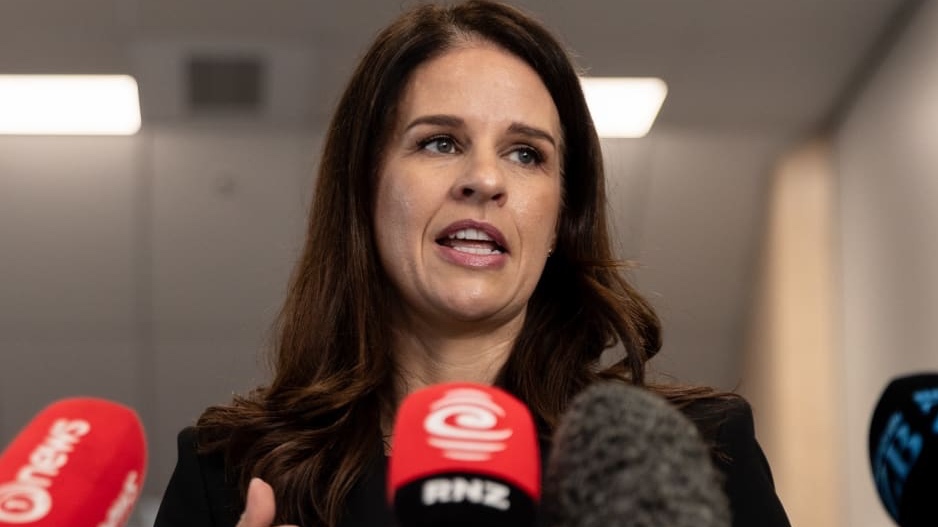
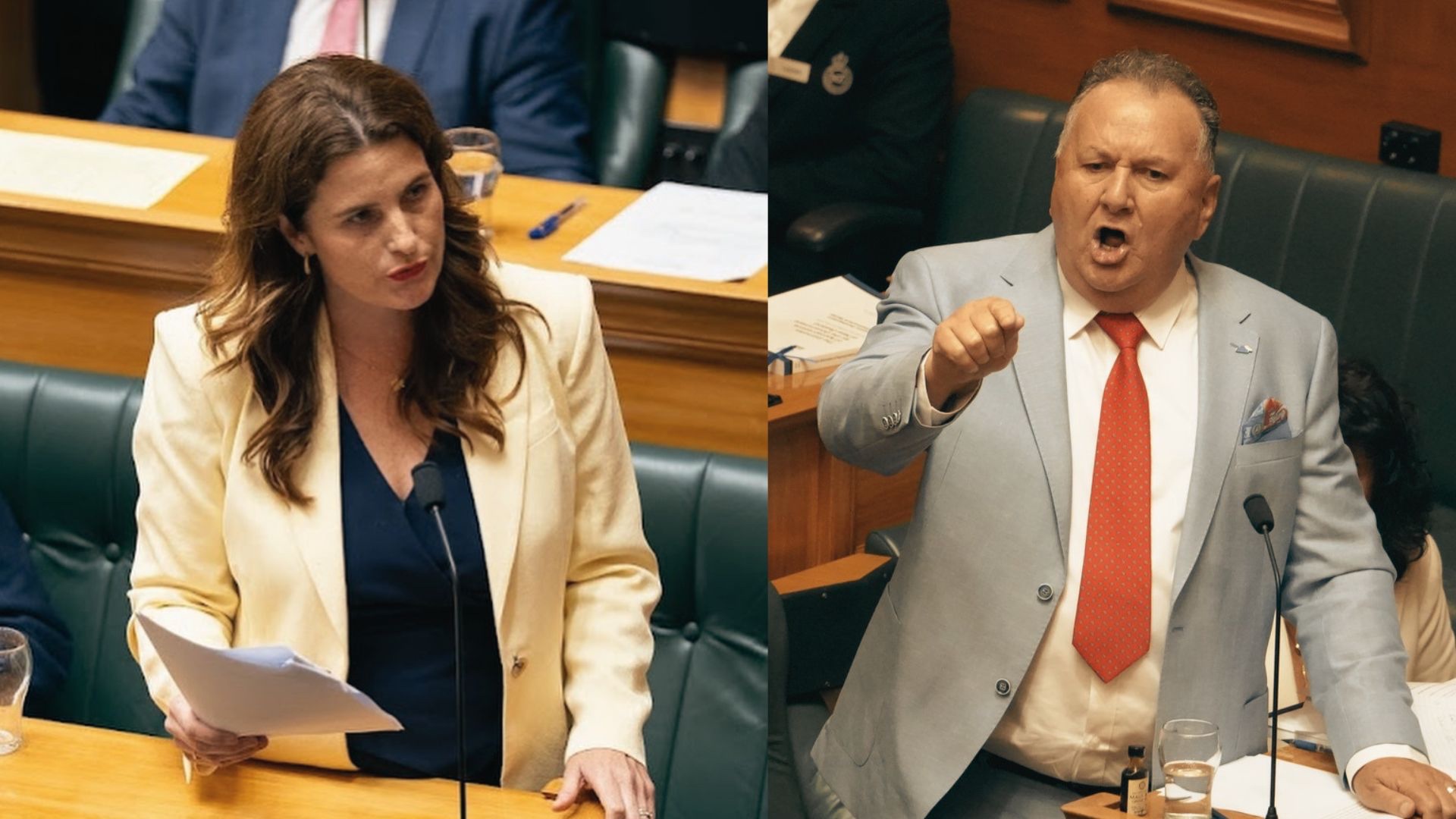
Jenny Salesa, Labour spokesperson for ethnic communities, said her party was currently developing and refining its ethnic and social cohesion policies to ensure they were "practical, effective and informed by the voices of affected communities".
"This work includes considering legislative settings alongside community-based initiatives that promote safety, respect and unity," Salesa said.
"We remain committed to engaging with community leaders as this work progresses and will share more detailed policy positions in due course."
Te Pāti Māori in a statement said it supported the statement by ethnic, multicultural and faith-based community leaders and signatories.
"We agree that hate provocation by politicians and political parties is not an abstract concern and which leaves communities living in fear," the statement said.
"Te Pāti Māori stands by you."
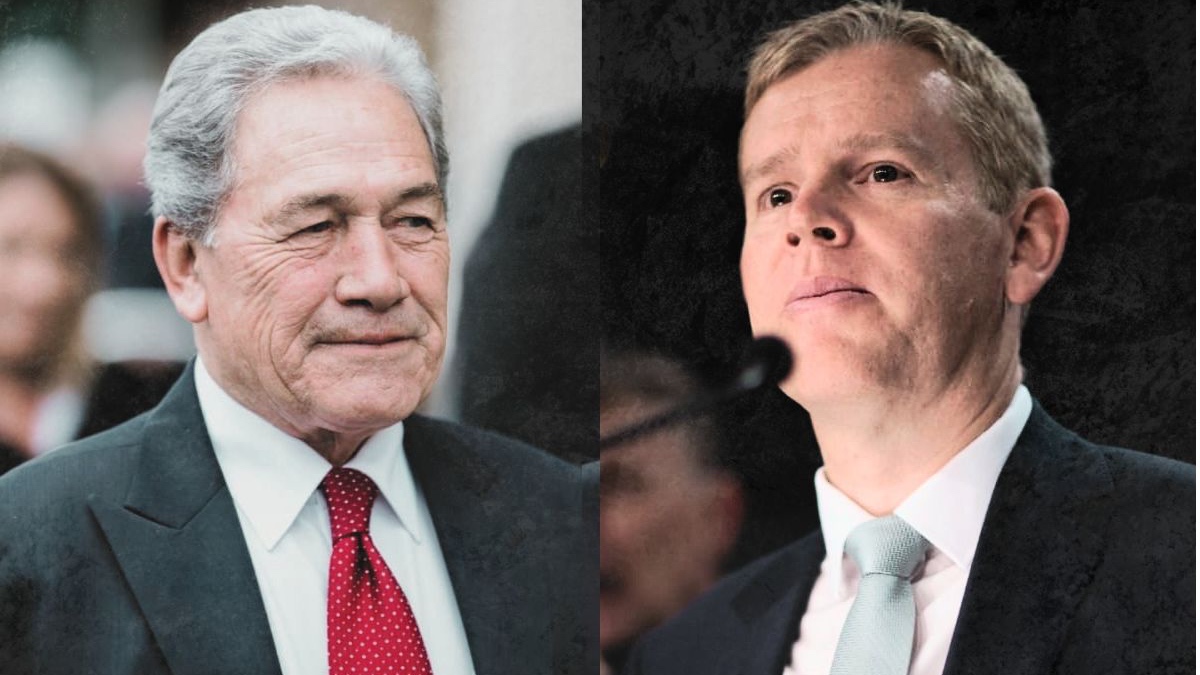
RNZ has approached New Zealand First for its response to the joint statement by community leaders.