
Analysis: Police review of Rakesh Naidoo’s Labour move finds the problem wasn’t Naidoo

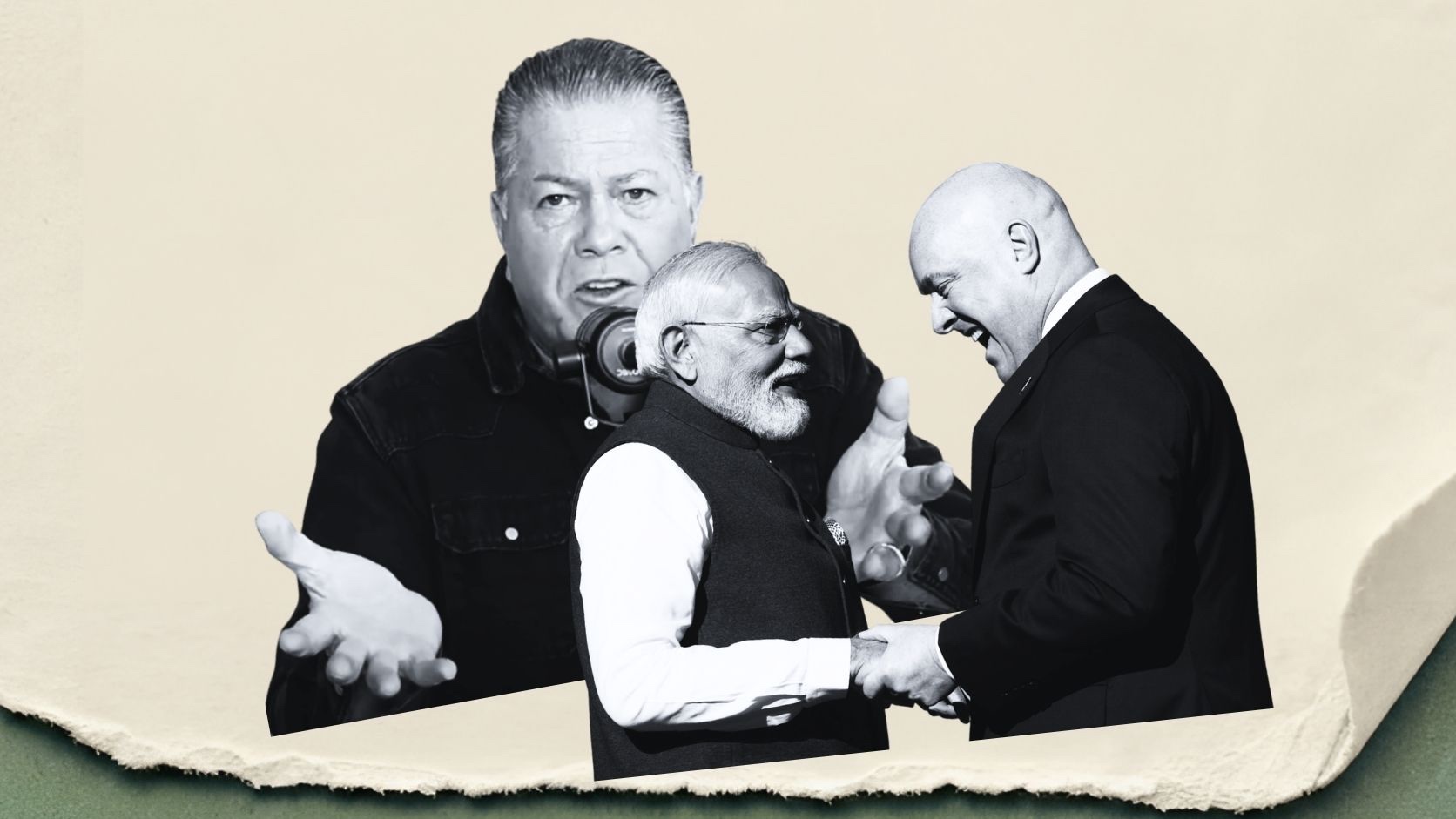
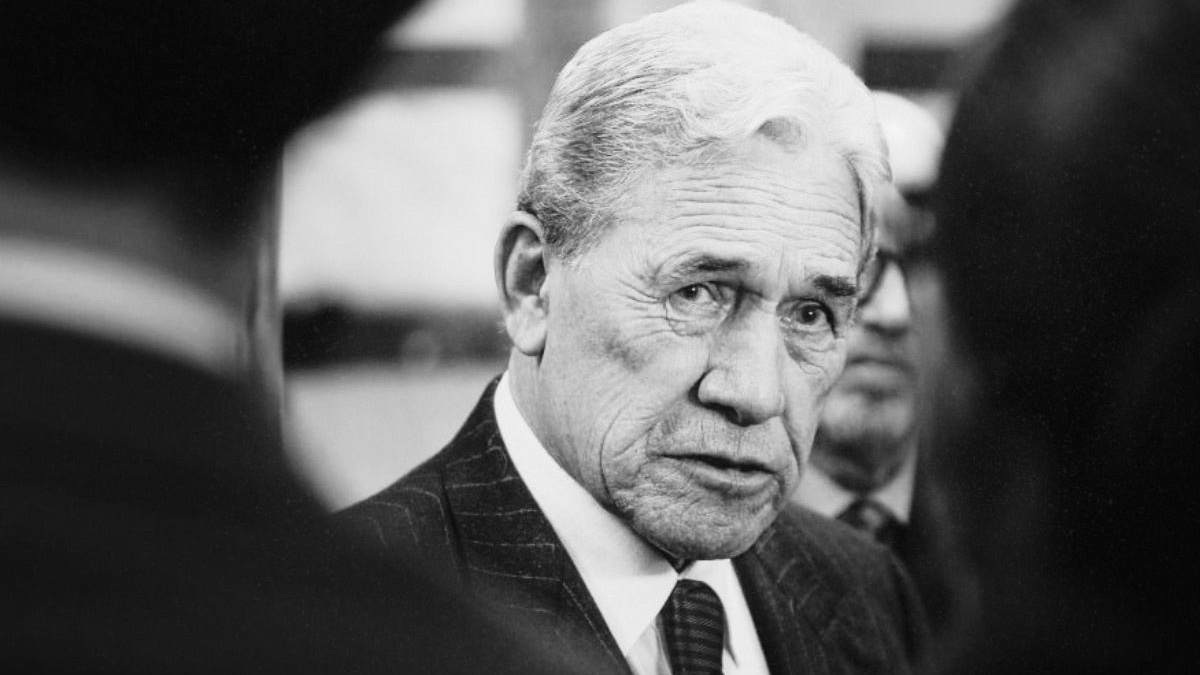
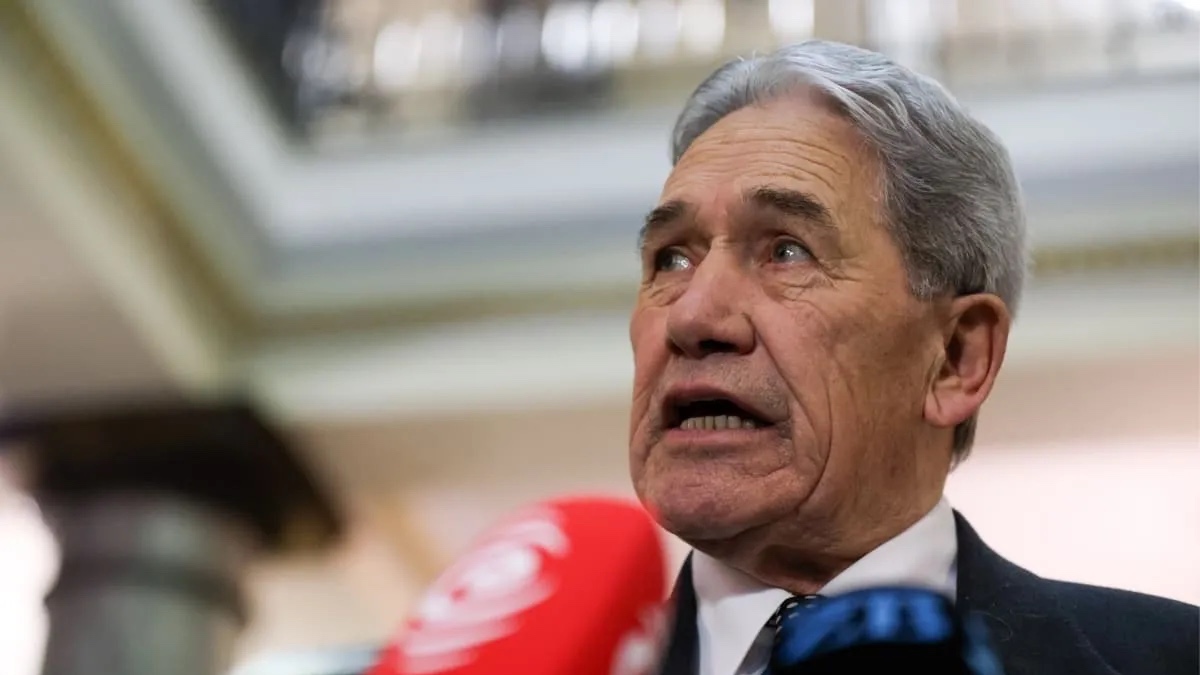
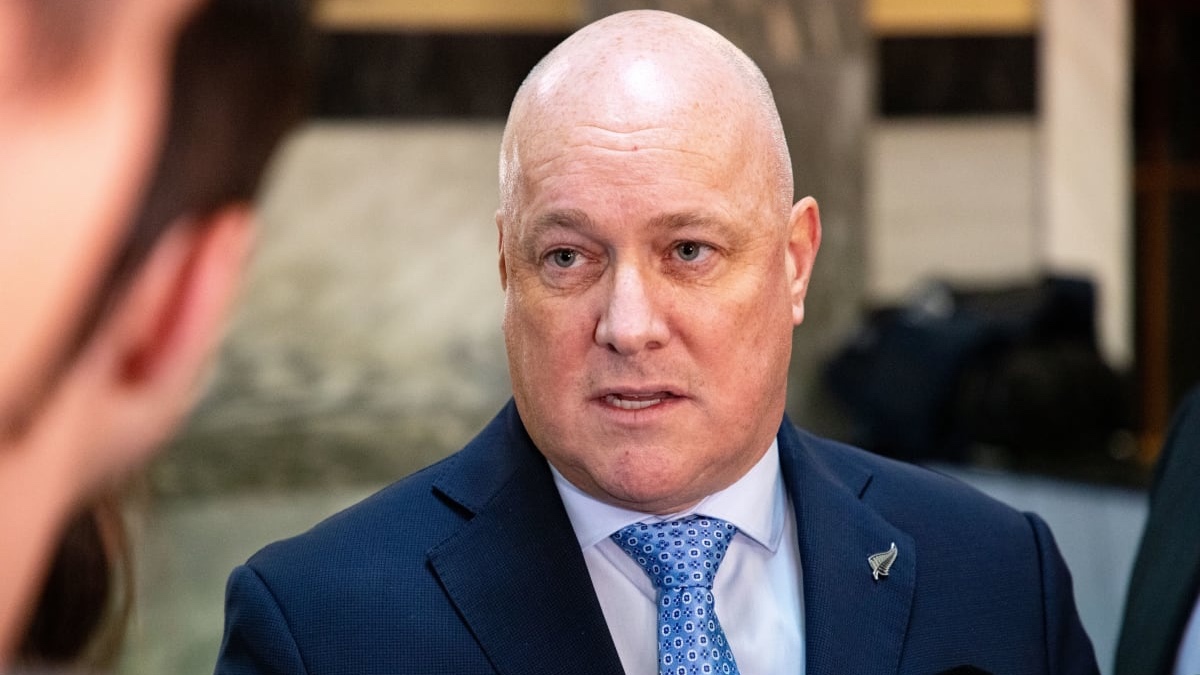
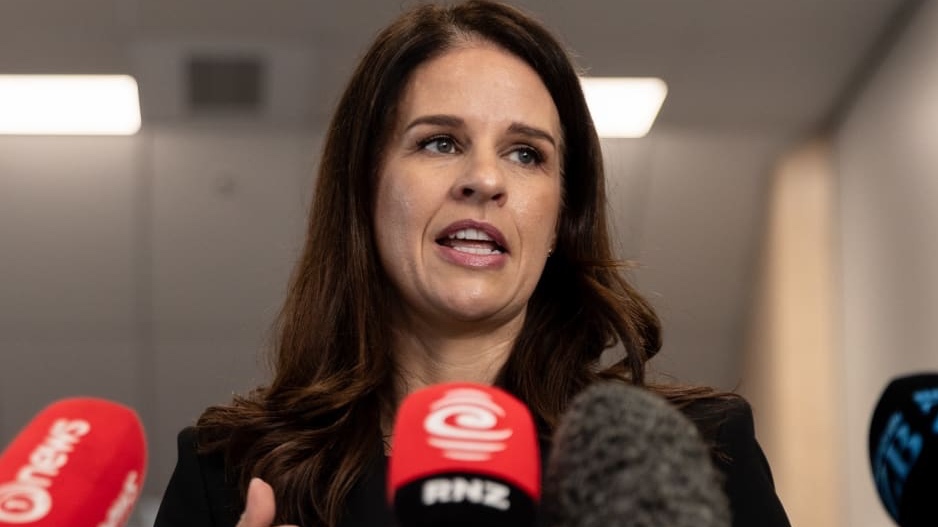
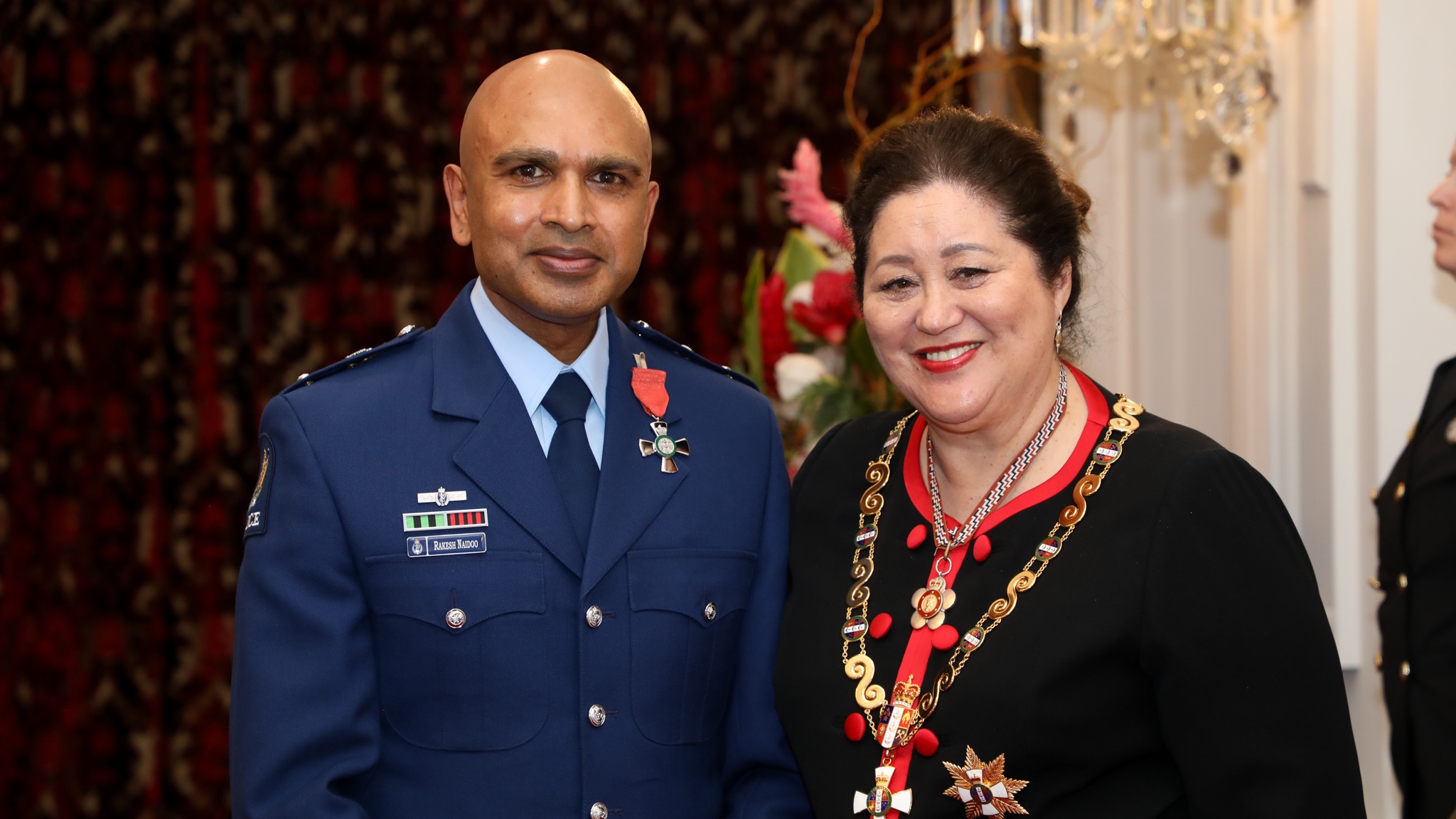
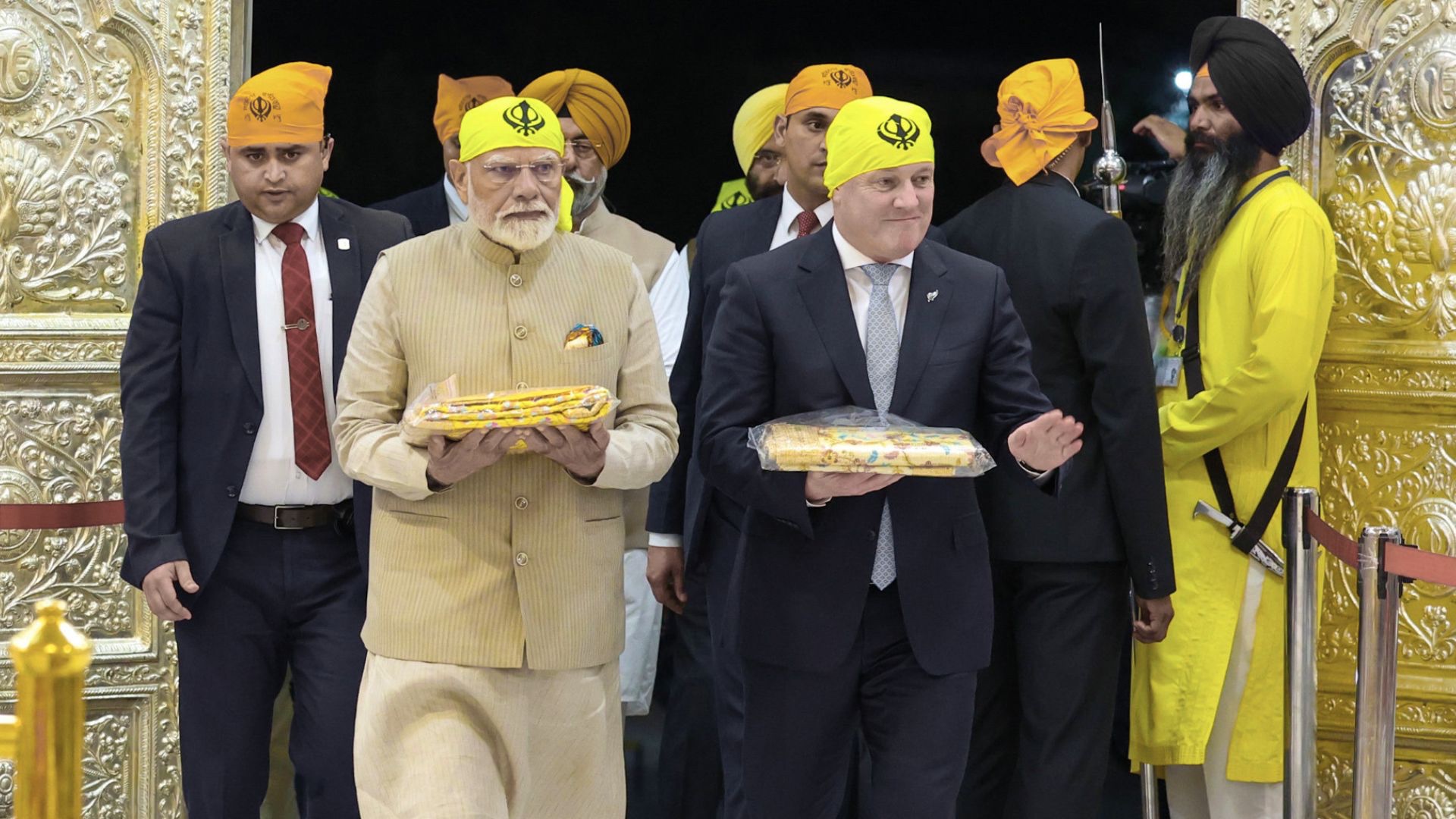
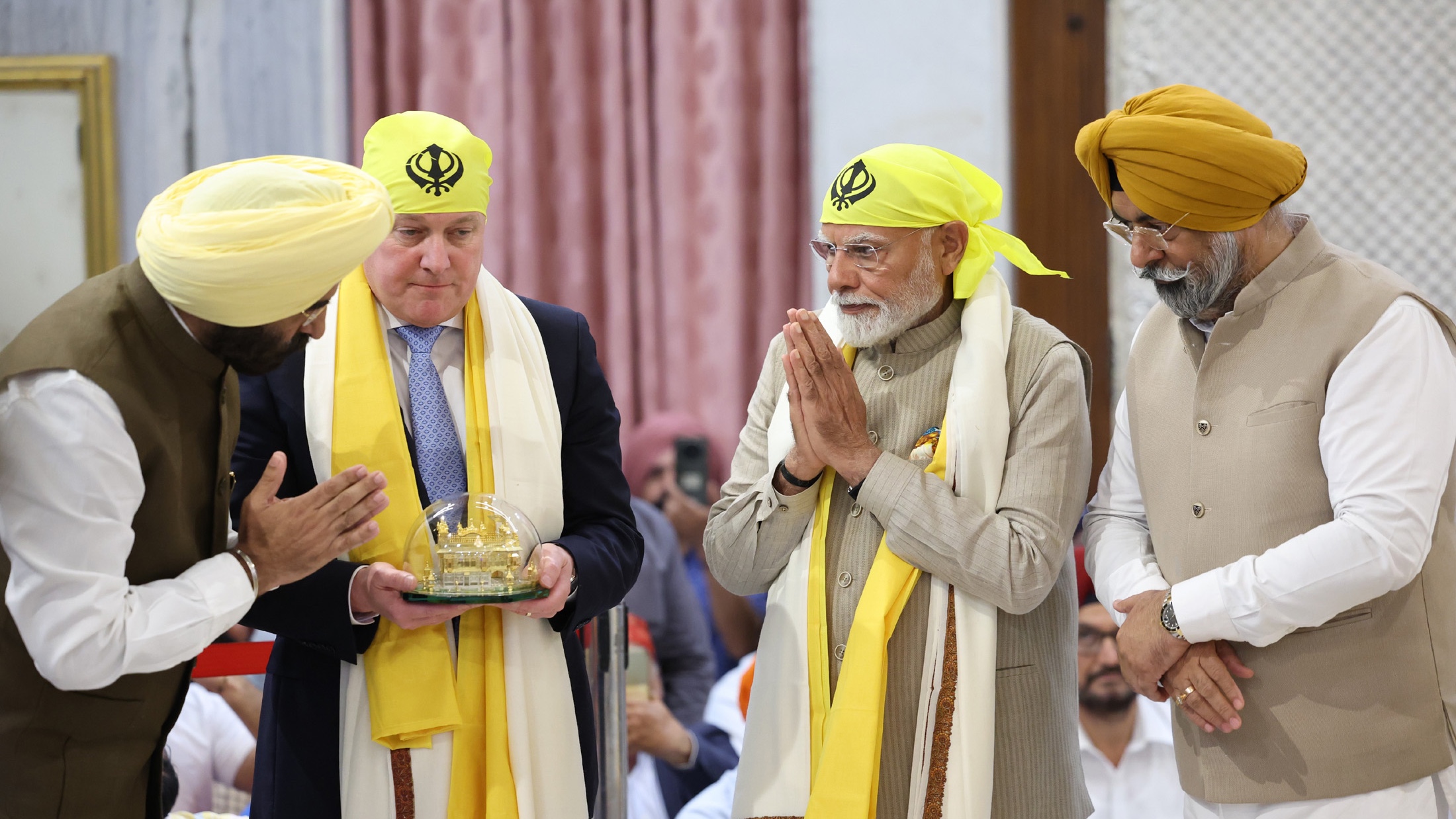
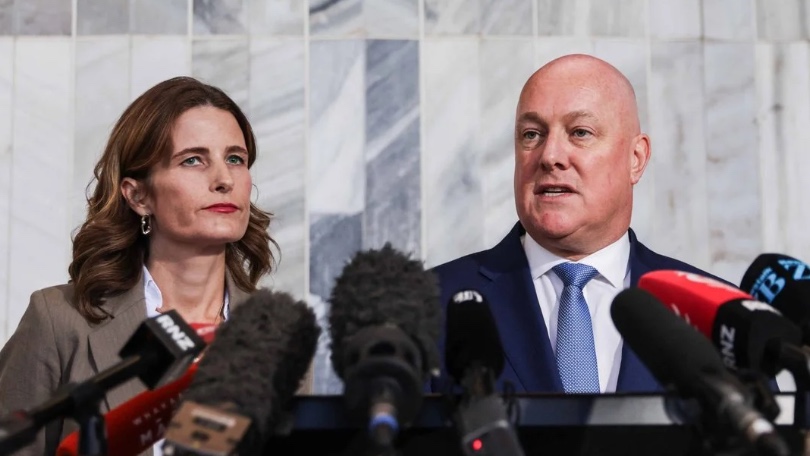
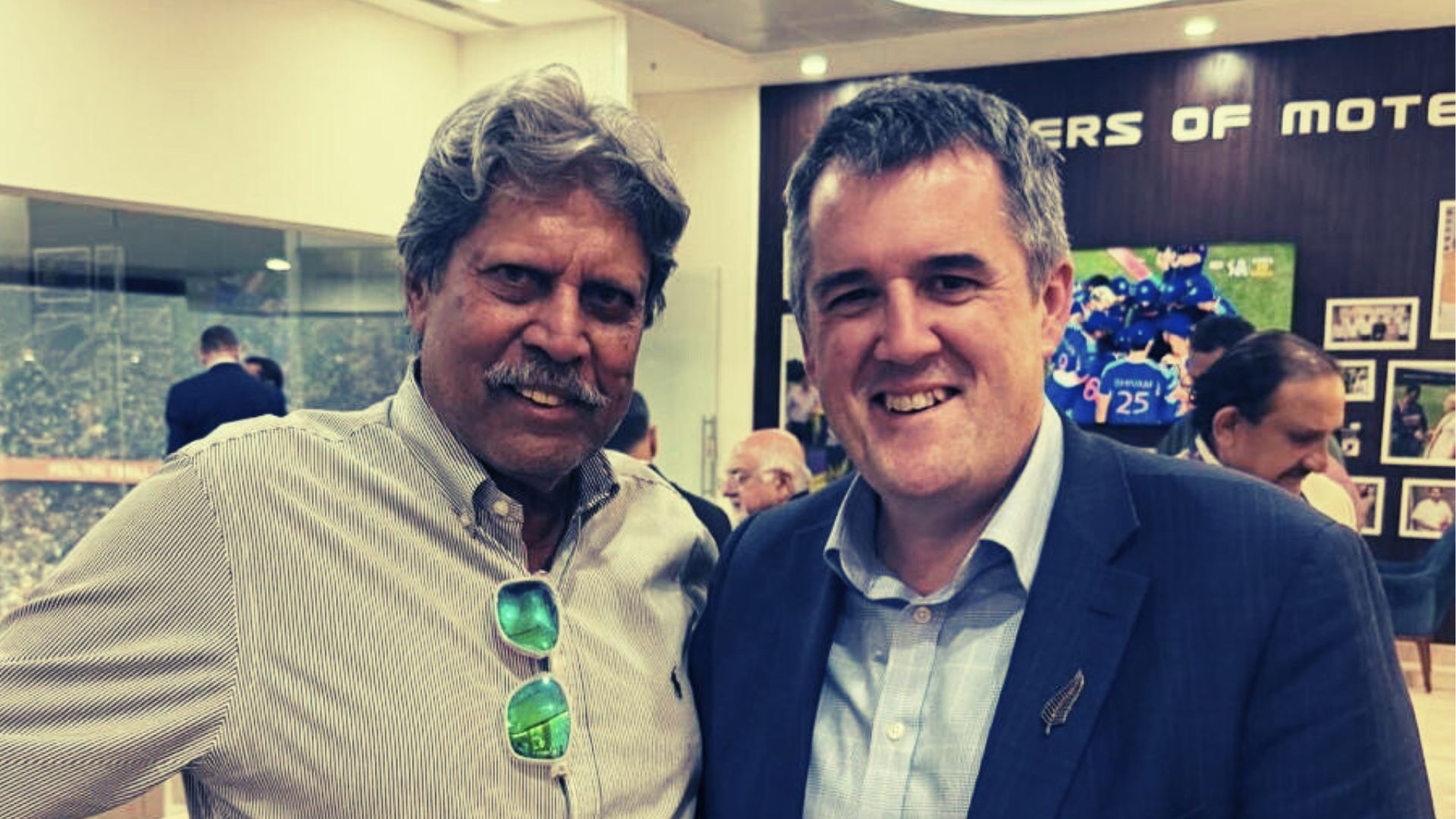
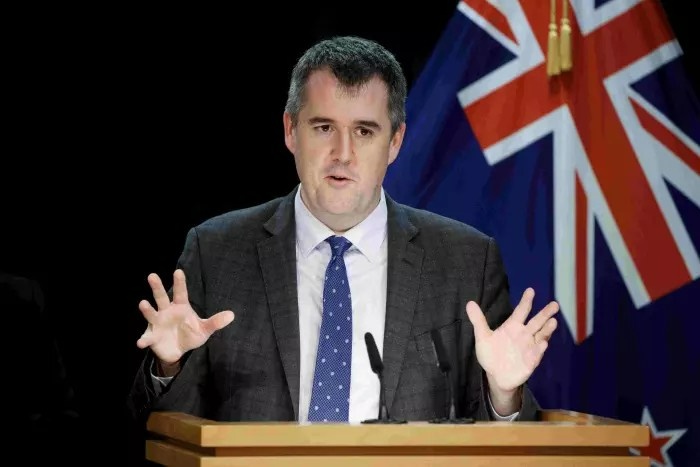
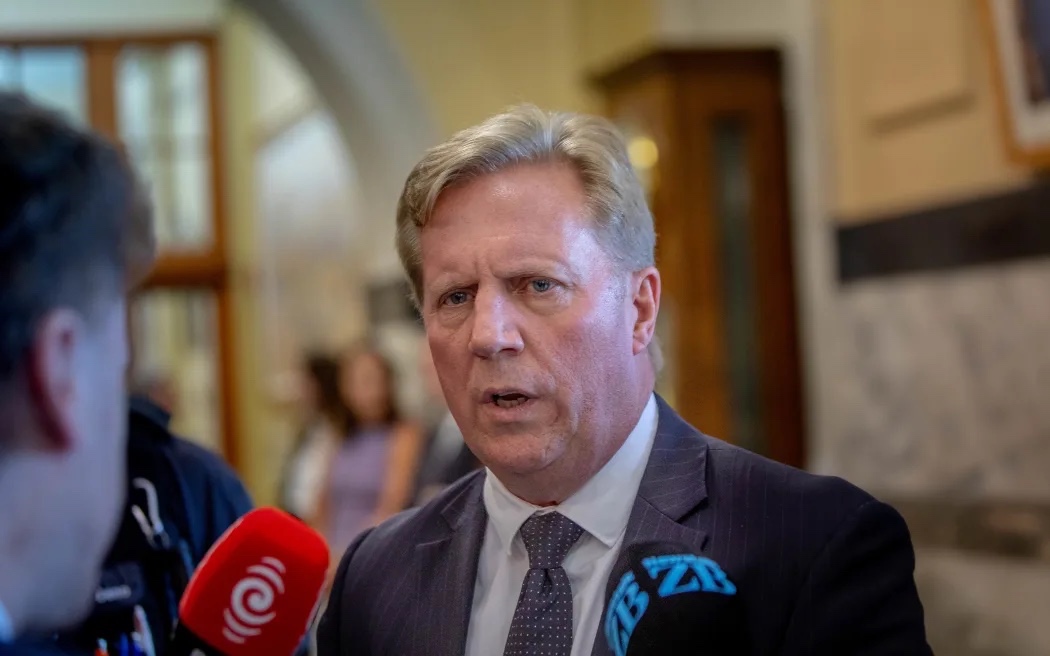
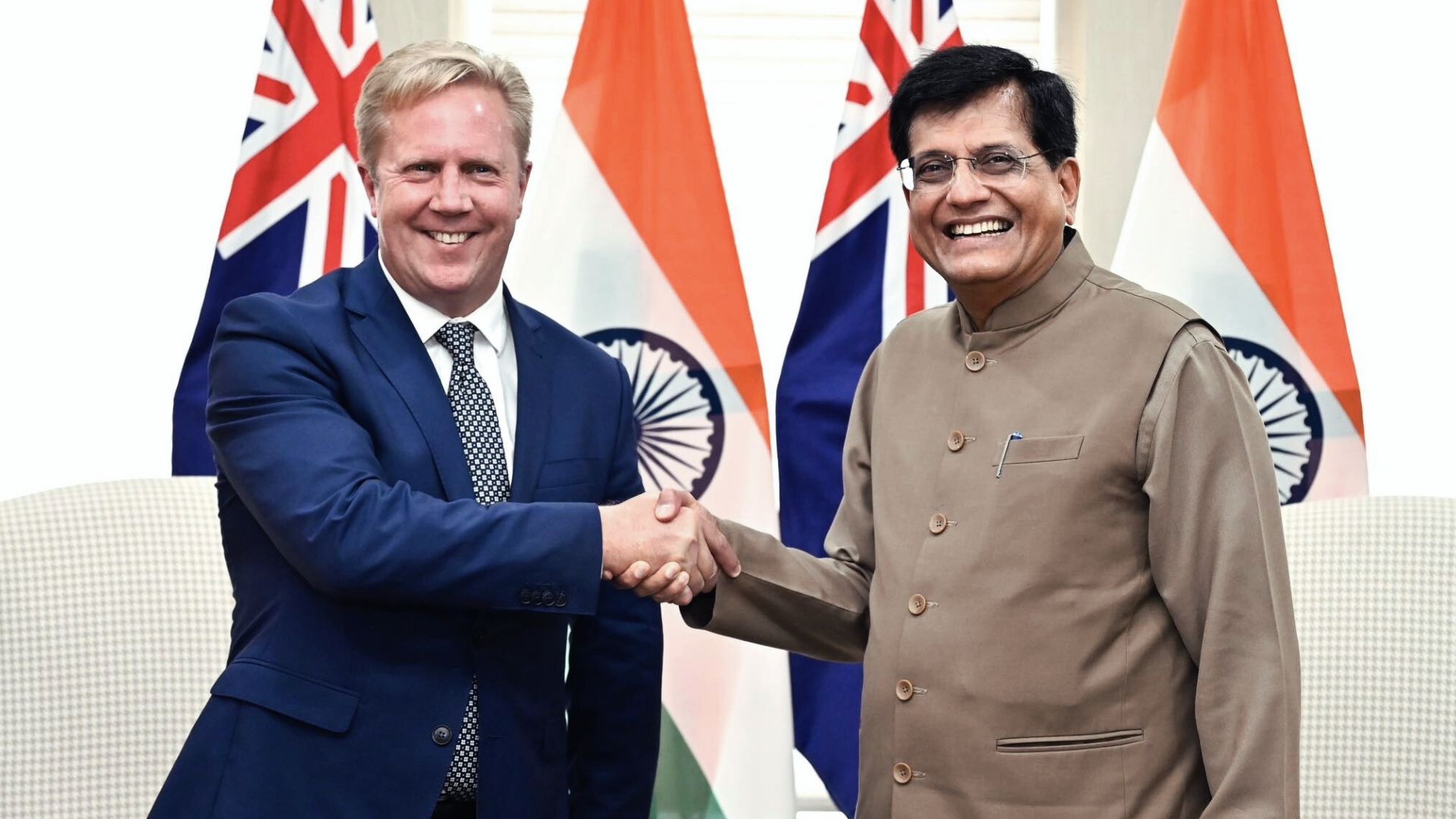
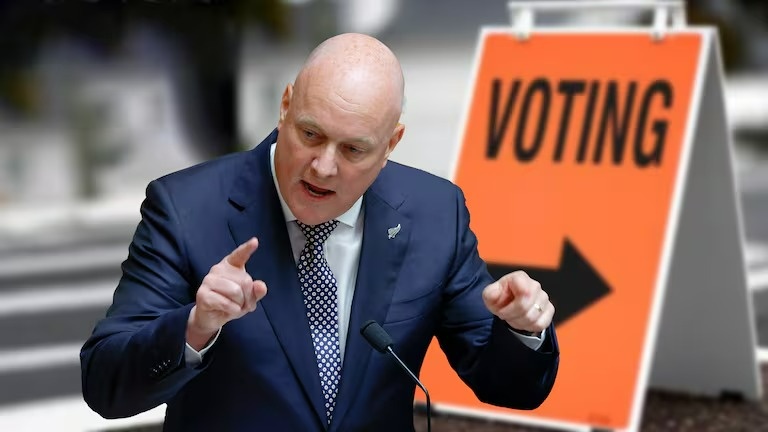
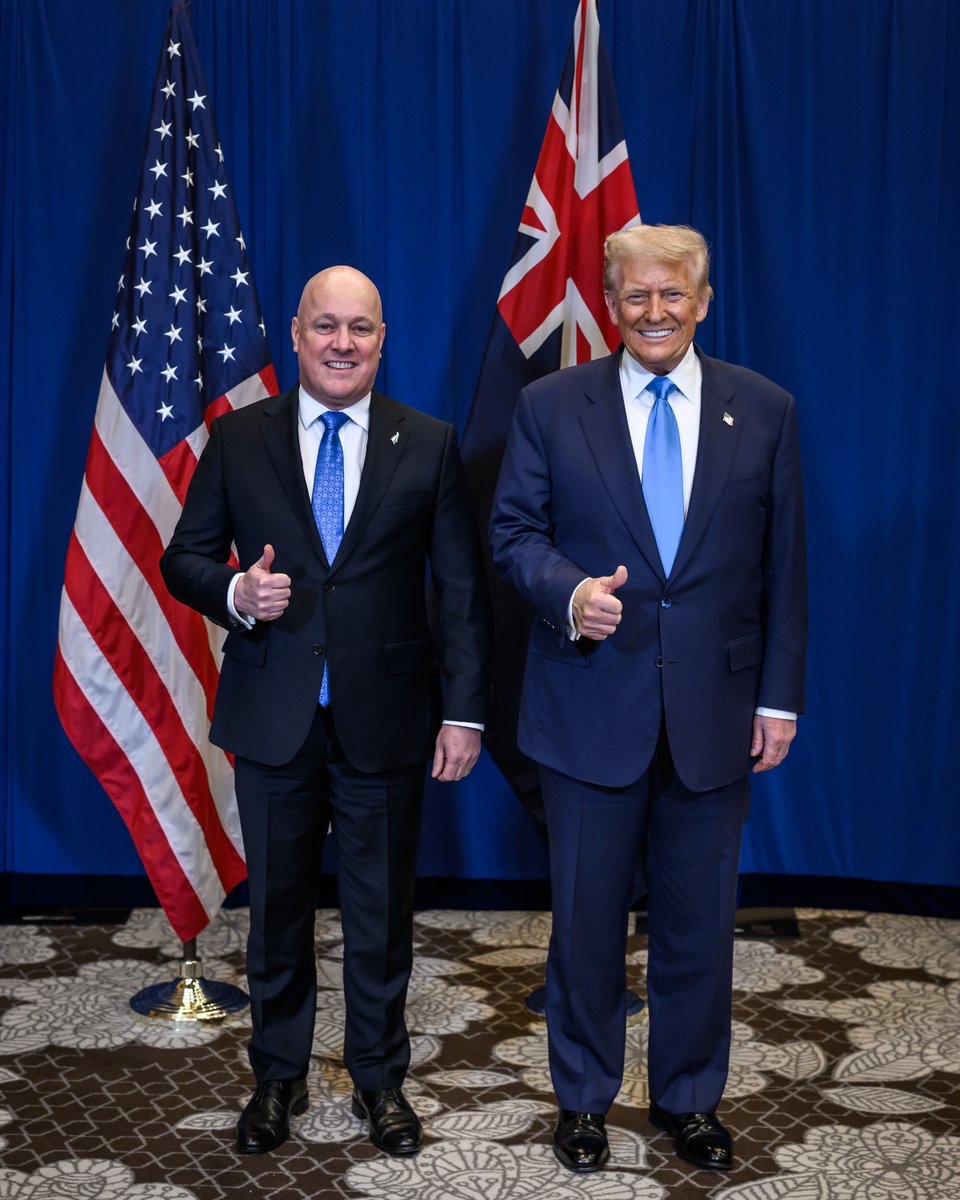
(From right) Police minister Mark Mitchell and Labour Party's MP candidate Rakesh Naidoo.
An internal review has found the senior police officer's conduct in the days leading up to his big political reveal seems quite kosher.
When Rakesh Naidoo was unveiled as Labour’s 13th-ranked list candidate in June, the questions came quickly. Had a senior police officer been quietly discussing a move into party politics while still attending sensitive briefings? Had he properly disclosed what he was doing?
Police have now checked, and the evidence points in a fairly clear direction. That Naidoo appears to have done what the rules required.
Police say a review of his engagement with Labour found he complied with police policy when it came to informing police of his intention to stand. The detailed chronology subsequently obtained by RNZ helps explain why.
In the week beginning May 25, Naidoo told his manager, Assistant Commissioner Tim Anderson, that he was considering standing for Labour. At that stage, he had not made a decision.
On May 28, Naidoo went a step further. He gave Anderson printed copies of police policies, Public Service Commission guidance and extracts from the Electoral Act relevant to what would need to happen if he decided to stand.
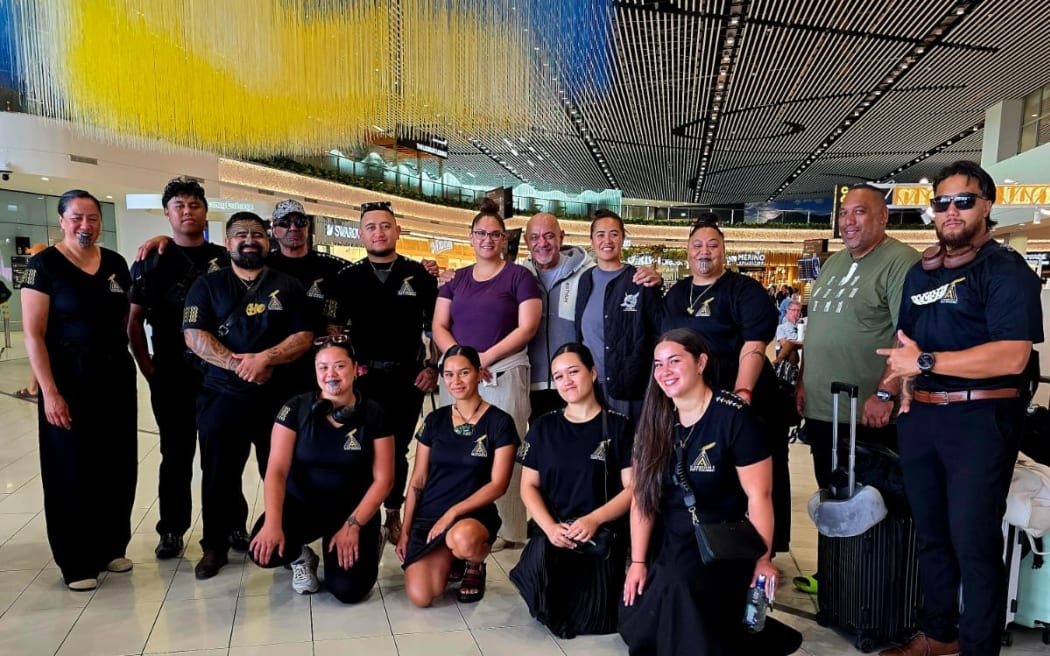
South Asian diaspora raises over $200,000 for New Zealanders missing in Nepal flood "I'm so proud of the Indian community here who...supported us, saying it is not a Nepal problem but our problem."
Tamakis launch Indian-origin candidate for Epsom who surrendered passport and has ‘assimilated’ “I know a whole lot of people are going to be like shocked,” says Hannah Tamaki.
Priyanca Radhakrishnan tries to puncture Luxon’s FTA victory, says India was already sold “Things have changed quite dramatically on the Indian government side,” says the Indian-origin Labour MP.
Naidoo was not pursuing a political candidacy first and worrying about the rules afterwards. Before making a decision, he was already putting the relevant rules in front of his manager.
Then, on June 4, Naidoo told Anderson he would put his name forward for Labour’s list-ranking process and attend a Labour moderating meeting two days later. Anderson informed police commissioner Richard Chambers that same afternoon.
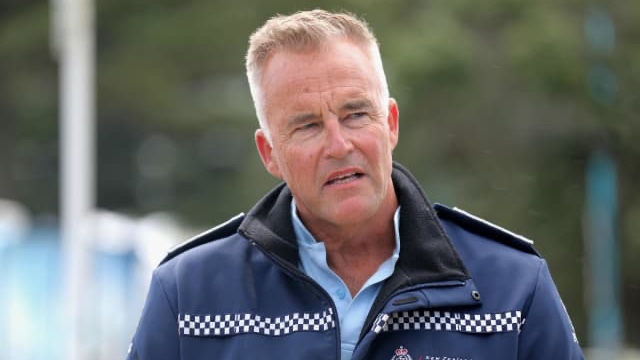
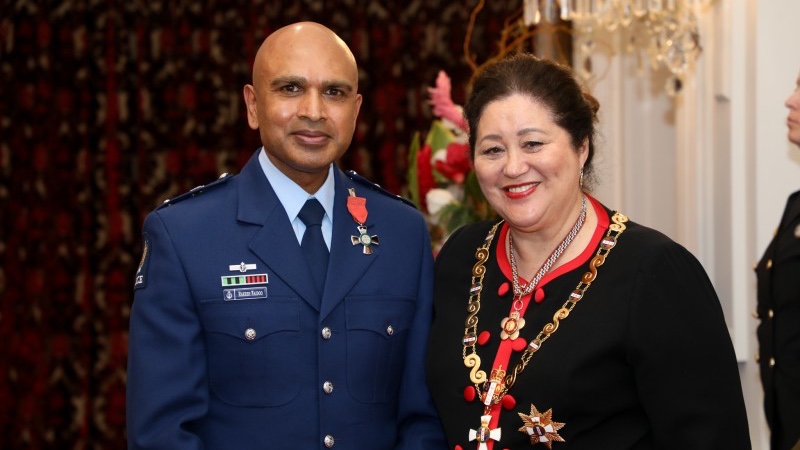
Assistant commissioner Tim Anderson. (RNZ/Nick Monro)
On June 7, Naidoo told Anderson he had been selected for a place on Labour’s list but was still deciding whether to accept it. Chambers was updated again.
Later that day, Naidoo confirmed he would accept the placement and put that decision in writing. He also set out how he intended to manage the transition, saying he would continue serving police in an apolitical manner and follow police, electoral and public-service guidelines.
Labour publicly announced his candidacy the following day. In other words, the Commissioner knew four days before the announcement that Naidoo was entering Labour’s list process, and was updated again the day before his candidacy became public.
That sequence sits awkwardly with the impression created when the controversy first broke.
Chambers had said Naidoo’s existing police role was untenable and announced a review into the period during which he had been engaging with Labour. That review would look at the meetings he attended, the sensitive information he had access to and whether anything had been improperly shared.
Police minister Mark Mitchell also expressed disappointment that Naidoo had recently attended sensitive briefings and events with him. He later doubled down on that criticism.
Those were legitimate matters for police to examine. But the review has now produced answers, and none of the publicly disclosed findings establishes wrongdoing by Naidoo.
Police say he complied with policy. They also checked his police email account and found no messages directly sent to or received from a Labour Party address between January and June 10 that related to his candidacy.
Police separately examined correspondence involving Labour MPs. Of 239 emails to or from parliamentary addresses, none was found to raise concerns about Naidoo’s plans to enter politics.
Police said that correspondence instead related to his official role working with ethnic communities. So the two most obvious areas where misconduct might have emerged — failure to disclose his political intentions and improper use of police resources — produced no breach.
What did emerge was a problem elsewhere in the communication chain.
Anderson has acknowledged that when Naidoo first told him he was considering standing, he treated the conversation as confidential because Naidoo had not yet decided what he would do. He did not tell Chambers at that point.
Anderson later said that, in hindsight, it would have been helpful to do so. He apologised to both Chambers and Naidoo for confusion that had resulted in incorrect information being provided to media.
That distinction is central to understanding what happened.
The initial gap was not between what Naidoo had told his manager and what he should have disclosed. It was between what Naidoo had already told his manager and what his manager passed on to the commissioner.
Police do say earlier notification would have been “prudent” so potential or perceived conflicts could be managed. But they do not say Naidoo breached policy. The person who has apologised over the breakdown in communication is his manager.
That matters because the public questioning of Naidoo went well beyond a dry argument over process.
As Awaaz reported at the time, former Labour leader Phil Goff accused Mitchell and Chambers of questioning Naidoo’s integrity without evidence after the possibility was raised that sensitive information could have been shared.
Naidoo was also alluded to by an NZ First candidate in a social-media post about a “DEI hire” and keeping an employer informed during candidate selection.
Mitchell continues to raise concerns about a sensitive briefing Naidoo attended before advising anyone at police of his political intentions. The details of that briefing have been withheld, so we can't fully assess the minister’s concern.
But that concern now sits alongside a completed police review, an examination of Naidoo’s email traffic and a detailed chronology showing what he told his superiors and when.
Naidoo has since returned to police under agreed alternative duties until he takes leave. Police continue to describe him as a “respected and valued member”.