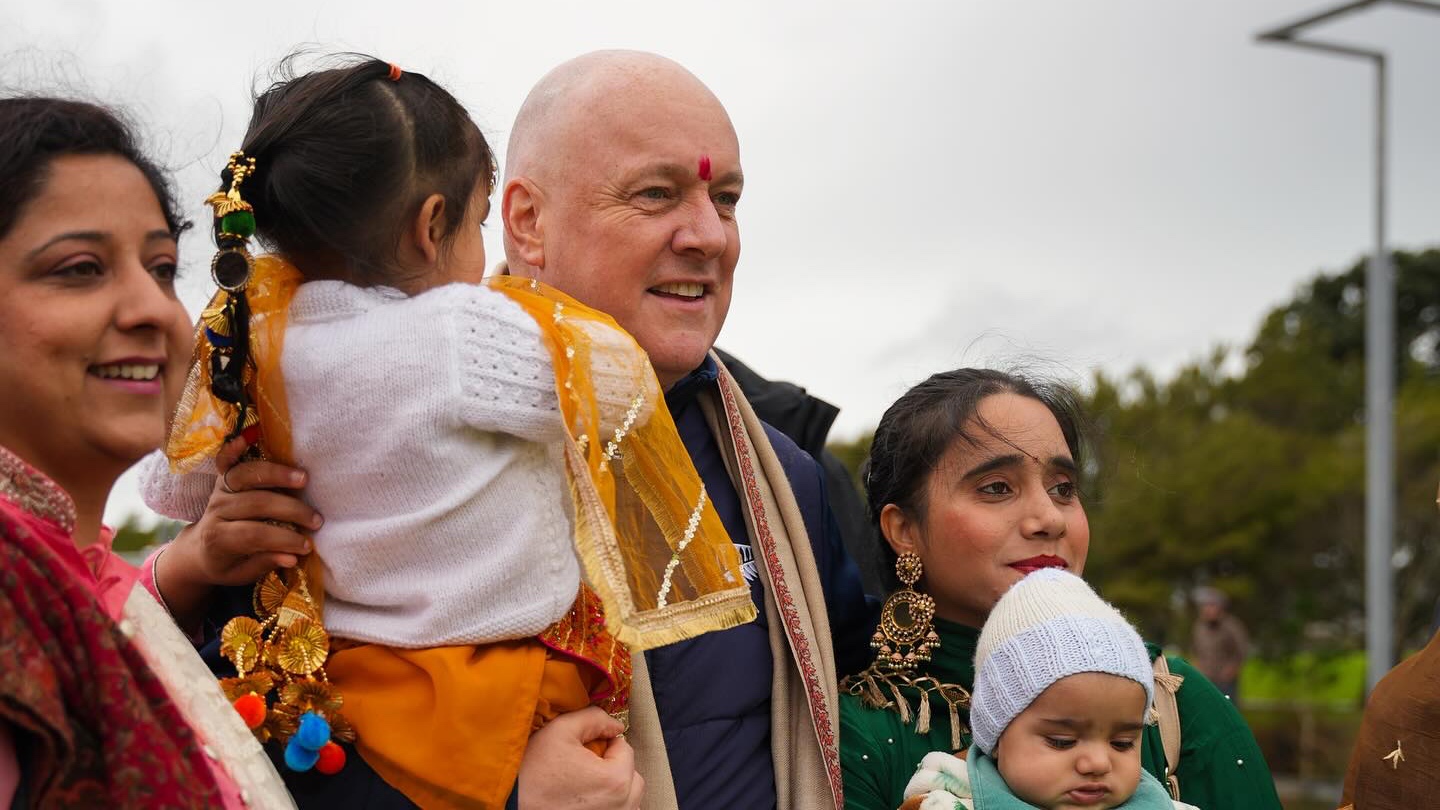

Woman denied freedom to choose husband in India granted asylum in New Zealand
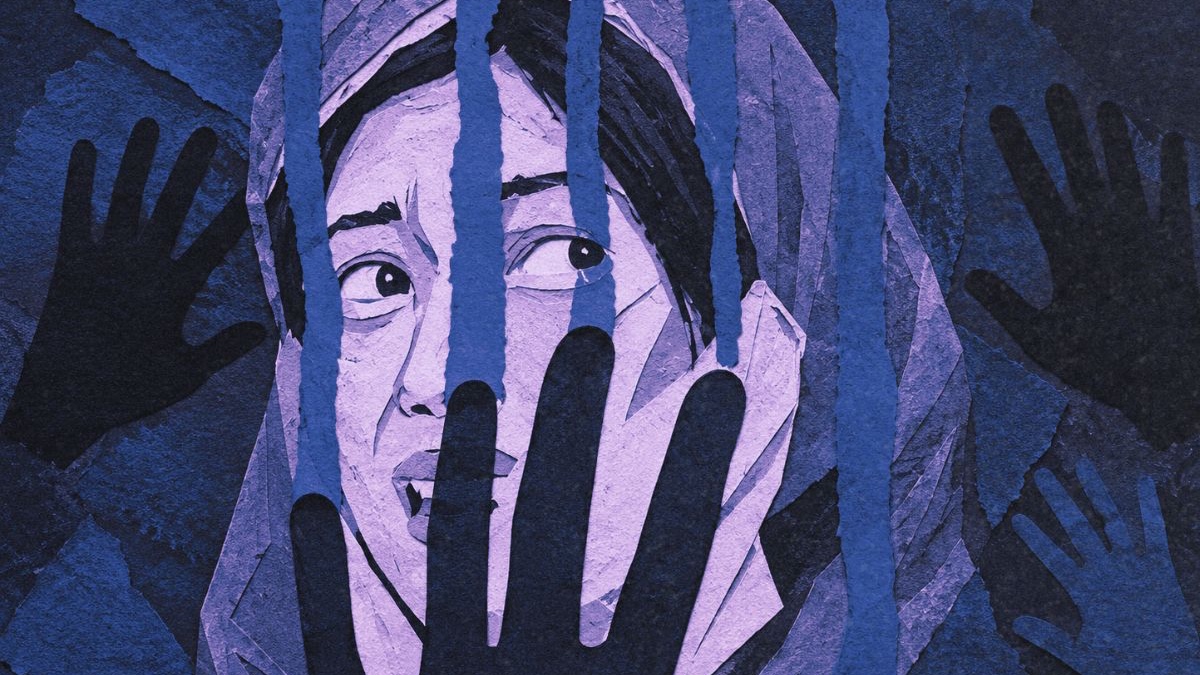
The woman says she was nearly killed by her family who didn't approve of her relationship with a man.
In recognising her as a refugee, the immigration tribunal has identified the relevant protected social group simply as "women".
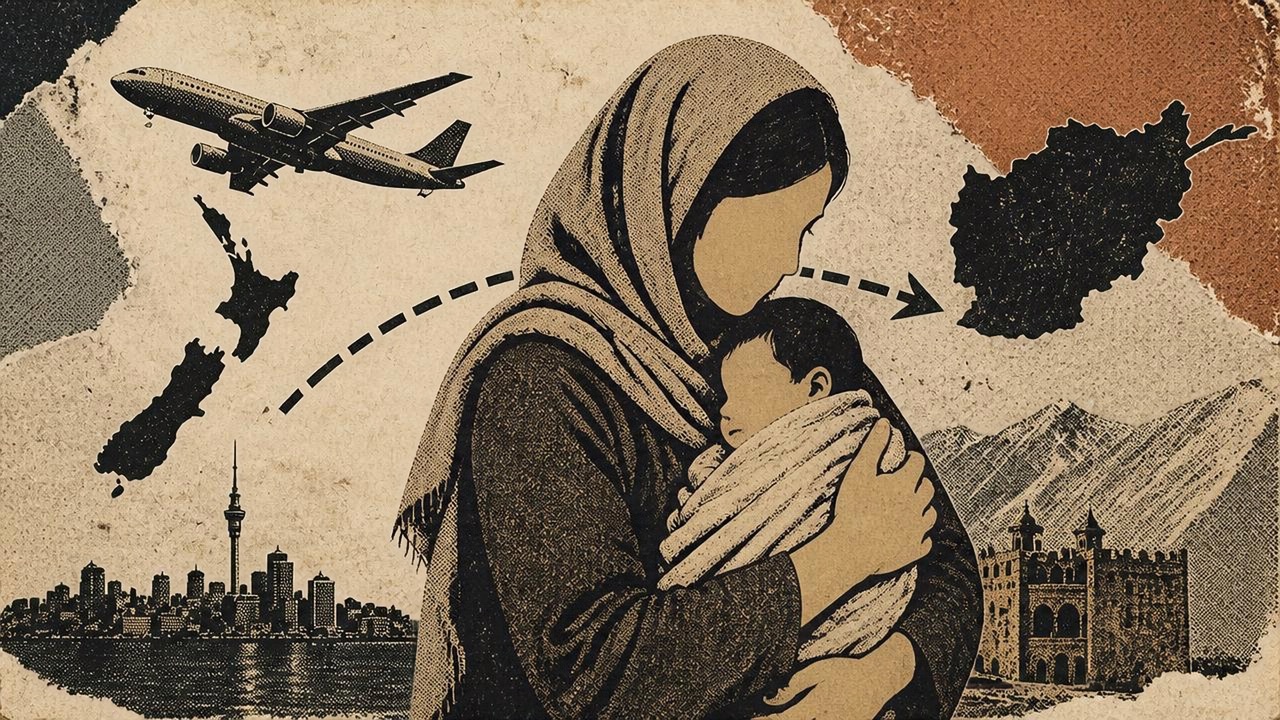
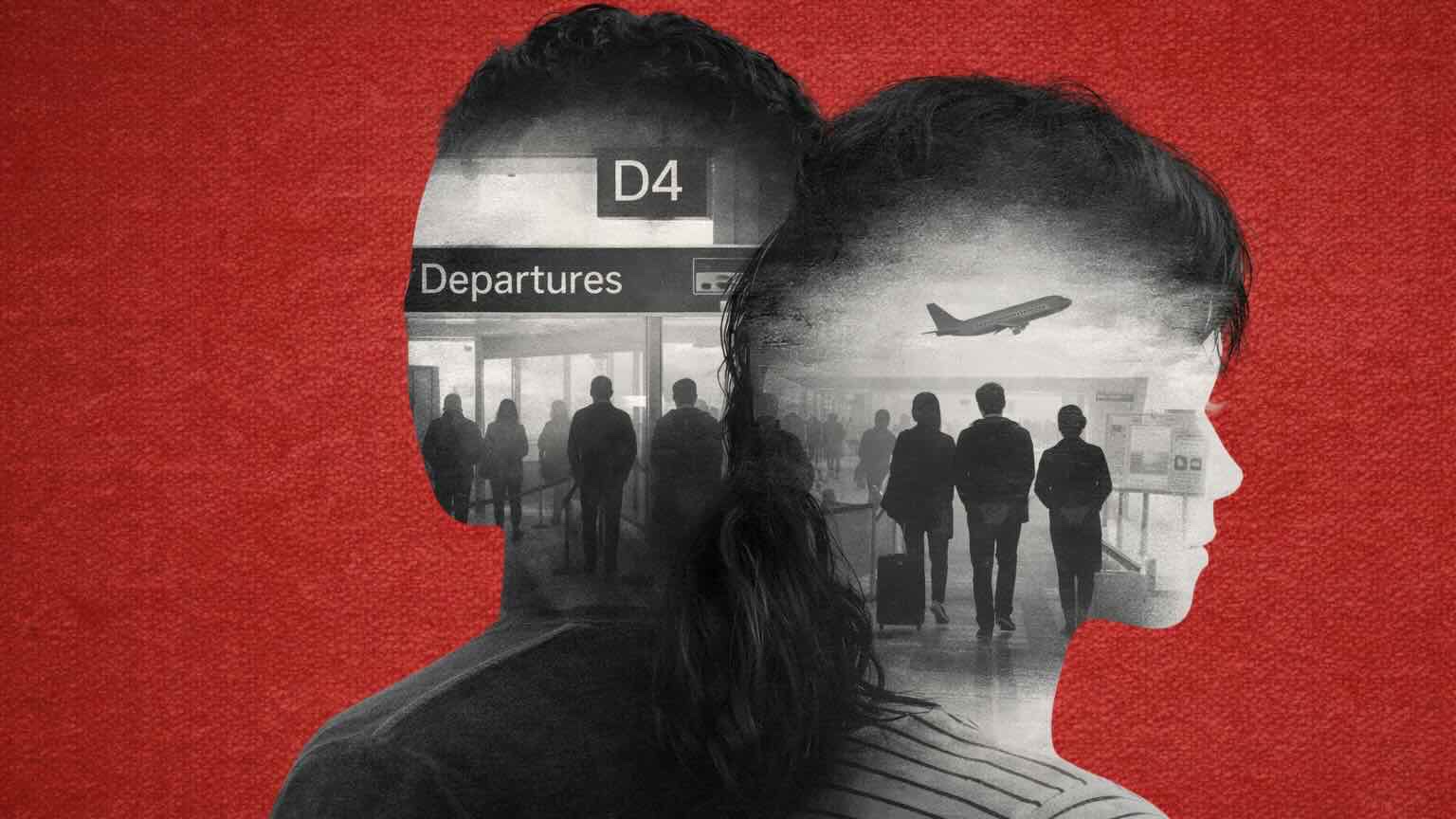
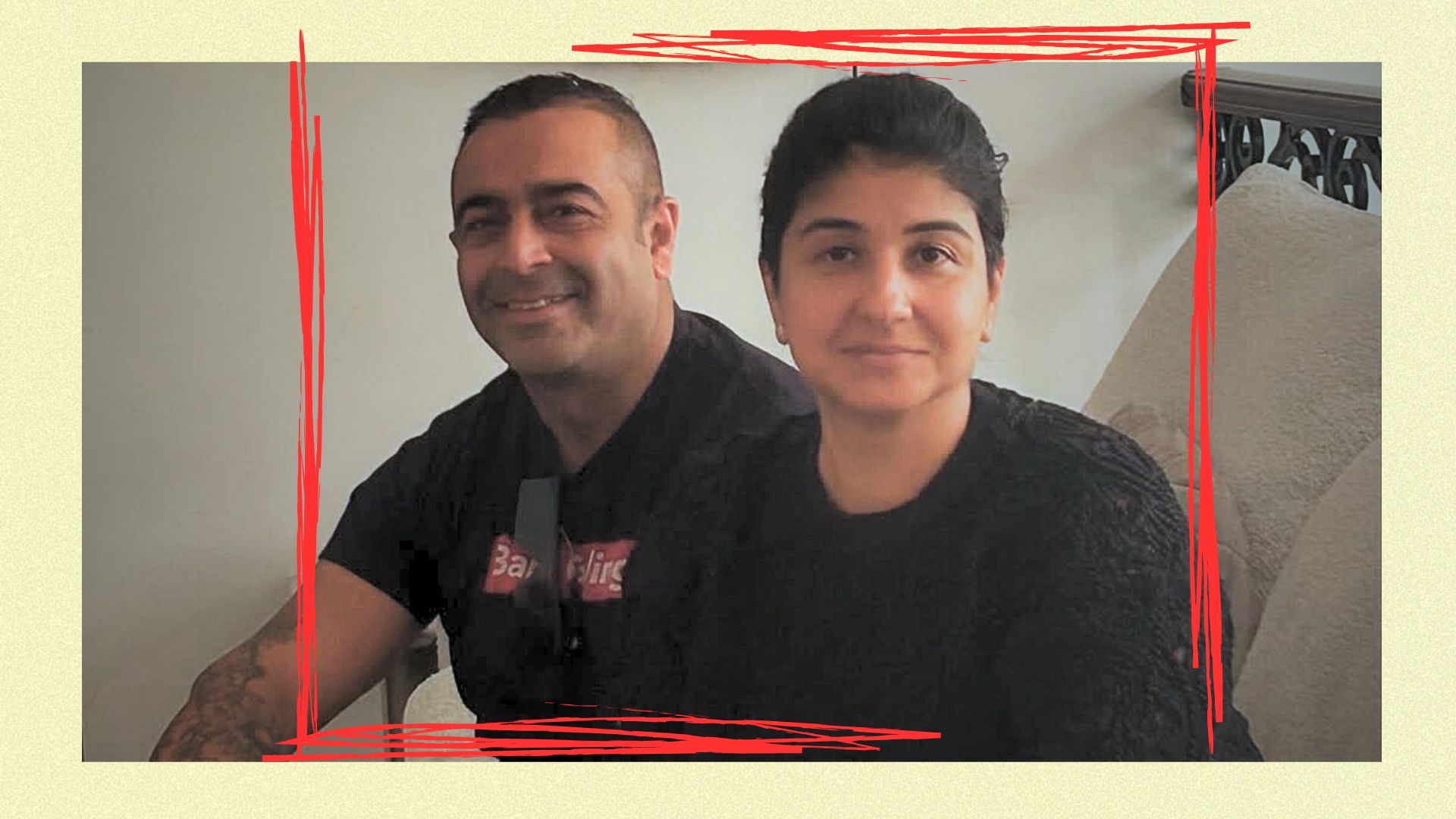
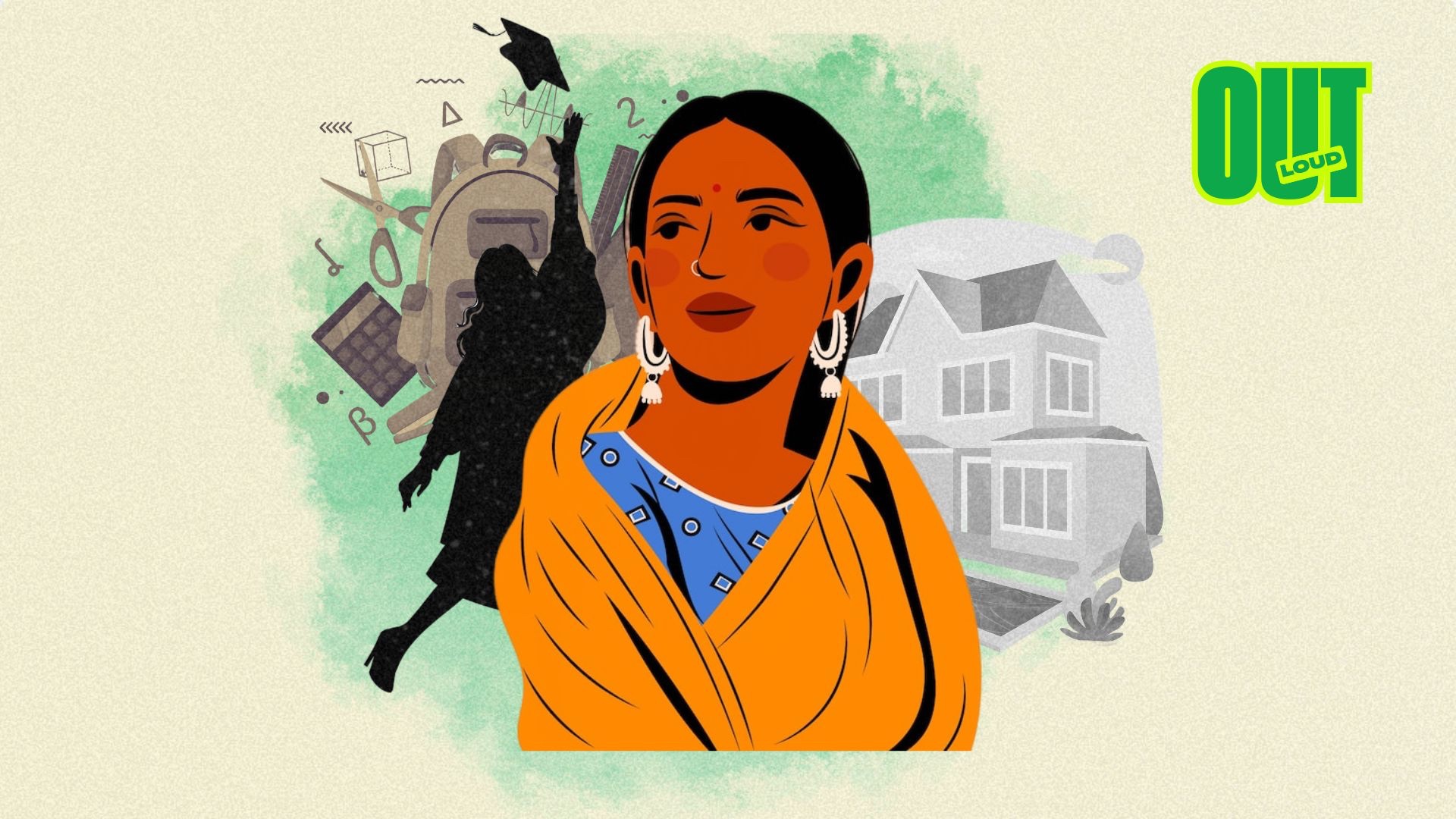
A woman whose father beat her unconscious and tried to set her on fire after discovering her relationship with a lower-caste man has been granted refugee status in New Zealand.
The country's appellate immigration tribunal found the woman would face a real risk of persecution if she returned to India, even though the relationship that originally triggered the violence has since ended.
At the heart of the case was her ability to choose her own partner. The Immigration and Protection Tribunal described her as “a young woman who seeks to be free from parental dictate over the choice of any future partner”.
The woman, in her mid-30s, was raised in a high-caste Hindu family in a village in the northern Indian state of Haryana. She is well educated and, with her father's support, had studied and worked away from home, including in healthcare.
But that independence only went so far, tribunal member AN Molloy noted in the judgement on August 4.
Truant student may have to curb Khalistan speech in India but will be deported, NZ tribunal rules The 21-year-old's education provider terminated his enrollment within a year because of poor attendance.
New Zealand-trained Indian pilot hailed for saving 174 people in Flydubai suspected crash bid Smit Machchhar trained with Mainland Air in Dunedin for about 18 months between 2008 and 2009.
54 hours worked, 26 hours paid: Indian migrant wins $60,000 from Auckland employer The man's additional claim that he paid unlawful premiums to procure the visa didn't hold up in the employment tribunal.
The woman had been in a relationship since about 2015 with a man from the same village who belonged to a lower caste. The couple planned to marry but kept the relationship secret because they knew her family would object.
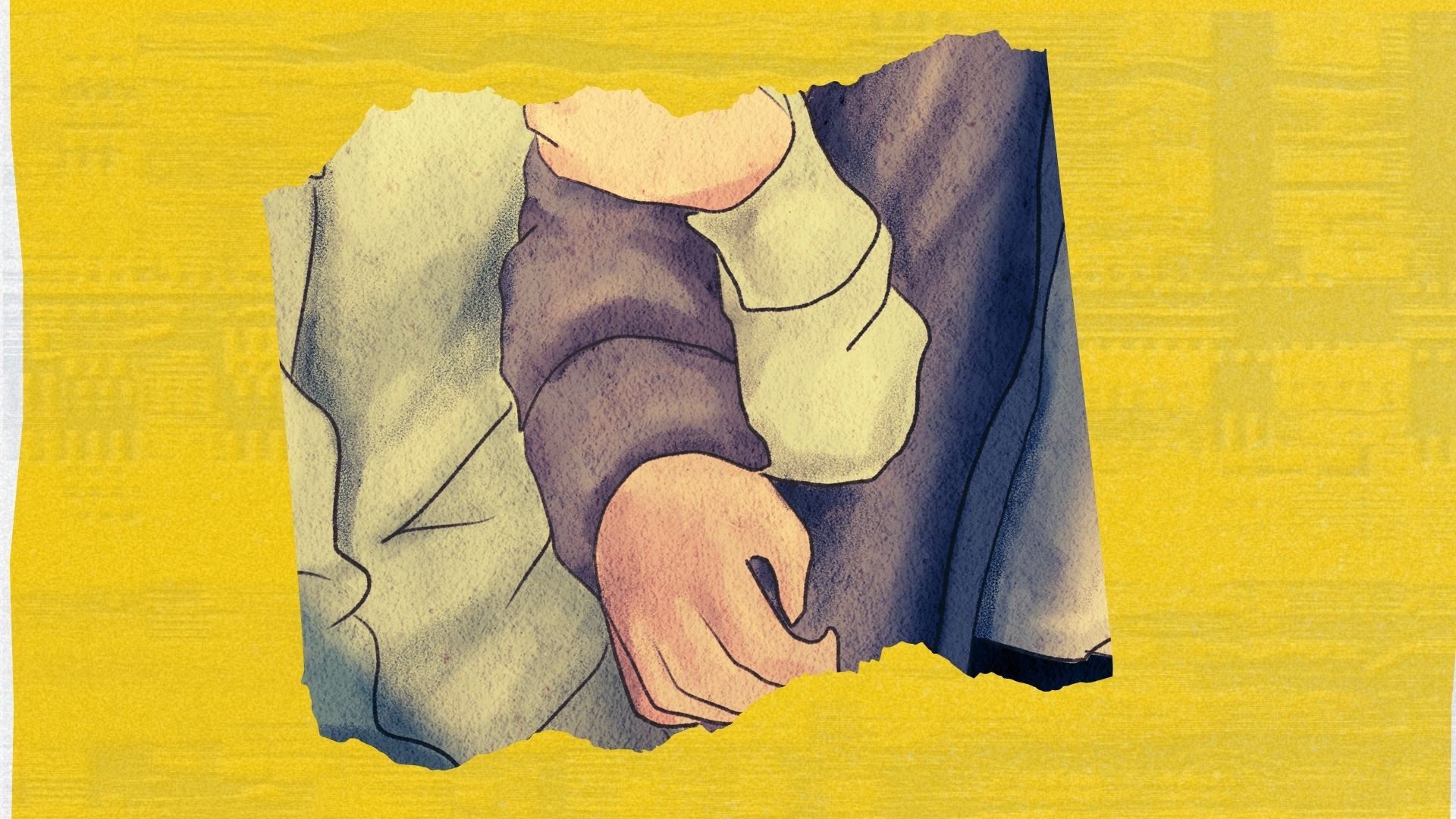
That secrecy unravelled in late 2022, when one of her uncles saw them together at a restaurant and told her parents. Her parents travelled to where she was living. The tribunal accepted that her father assaulted her until she lost consciousness, packed her belongings and took her back to the family home.
The following day, her father and other male relatives went to her partner's home and threatened his family. When her father returned, he dragged his daughter to an outbuilding on the family farm, poured petrol over her and tried to set her alight.
Her mother, grandmother and maternal uncle intervened. Her partner was later attacked by her relatives and beaten badly enough to require hospital treatment.
The woman then spent about three months at her grandmother's home. During that period, her parents began trying to arrange her marriage, and two prospective husbands were brought to meet her.
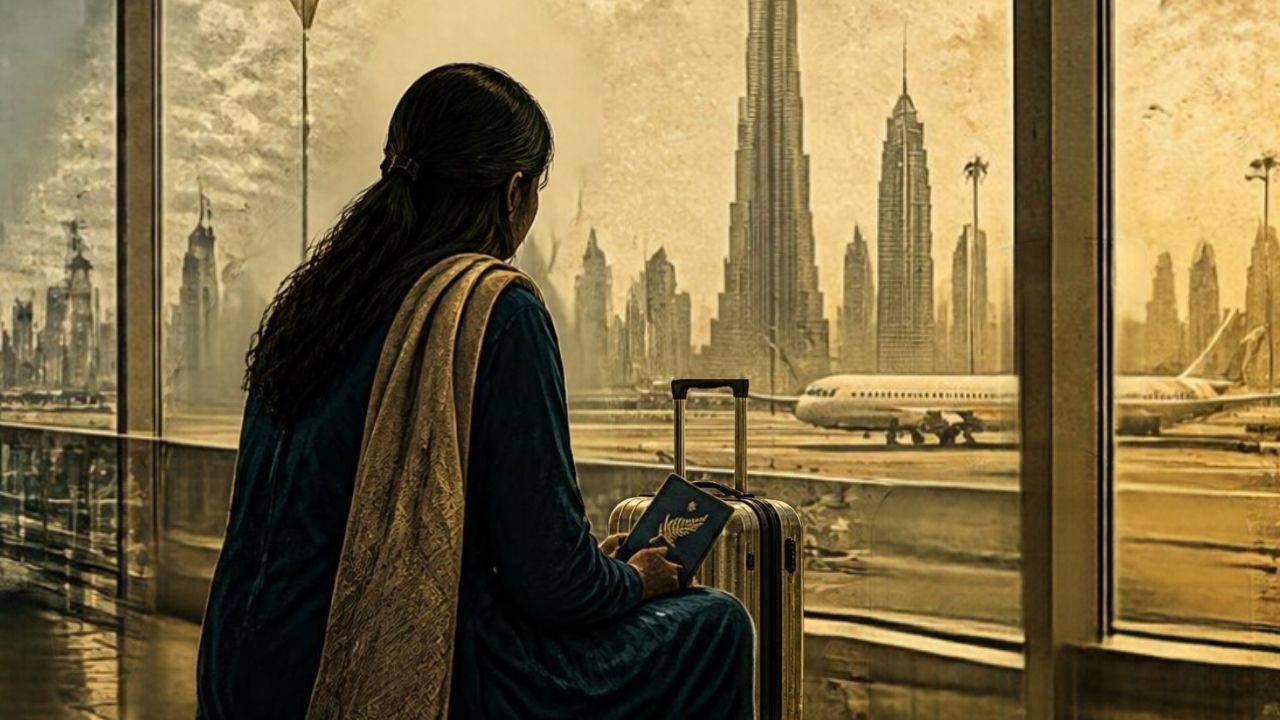
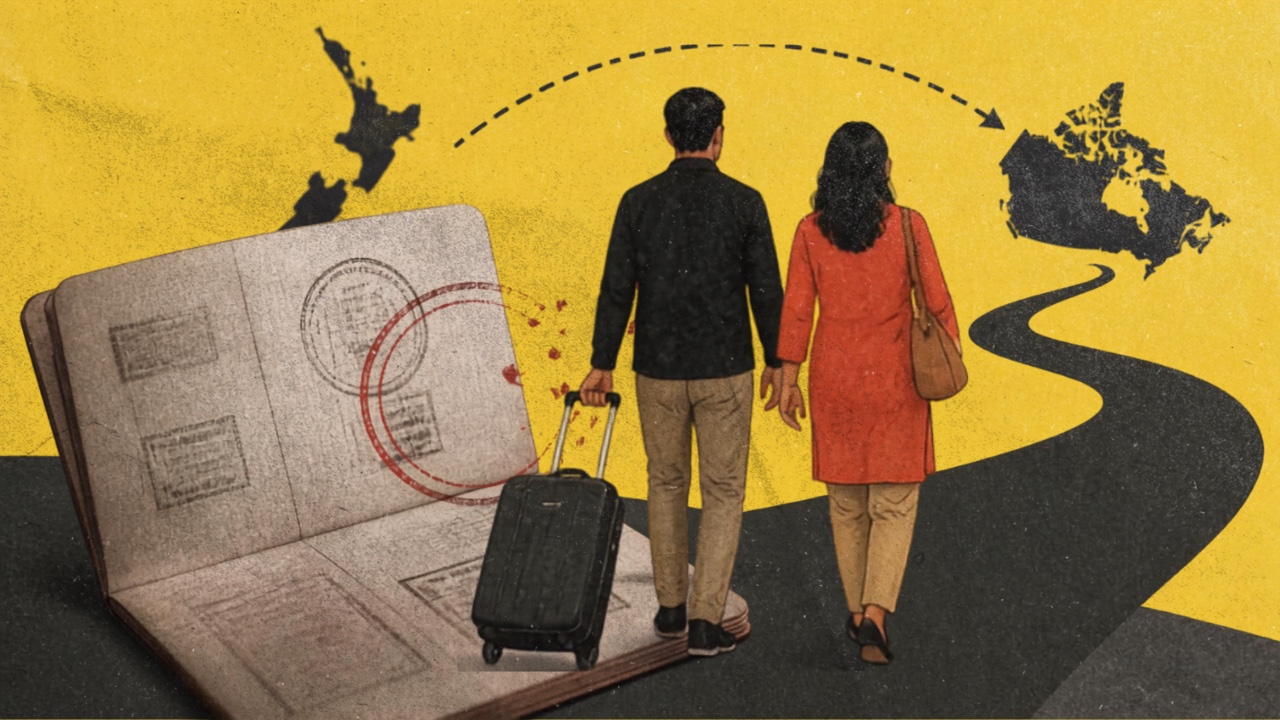
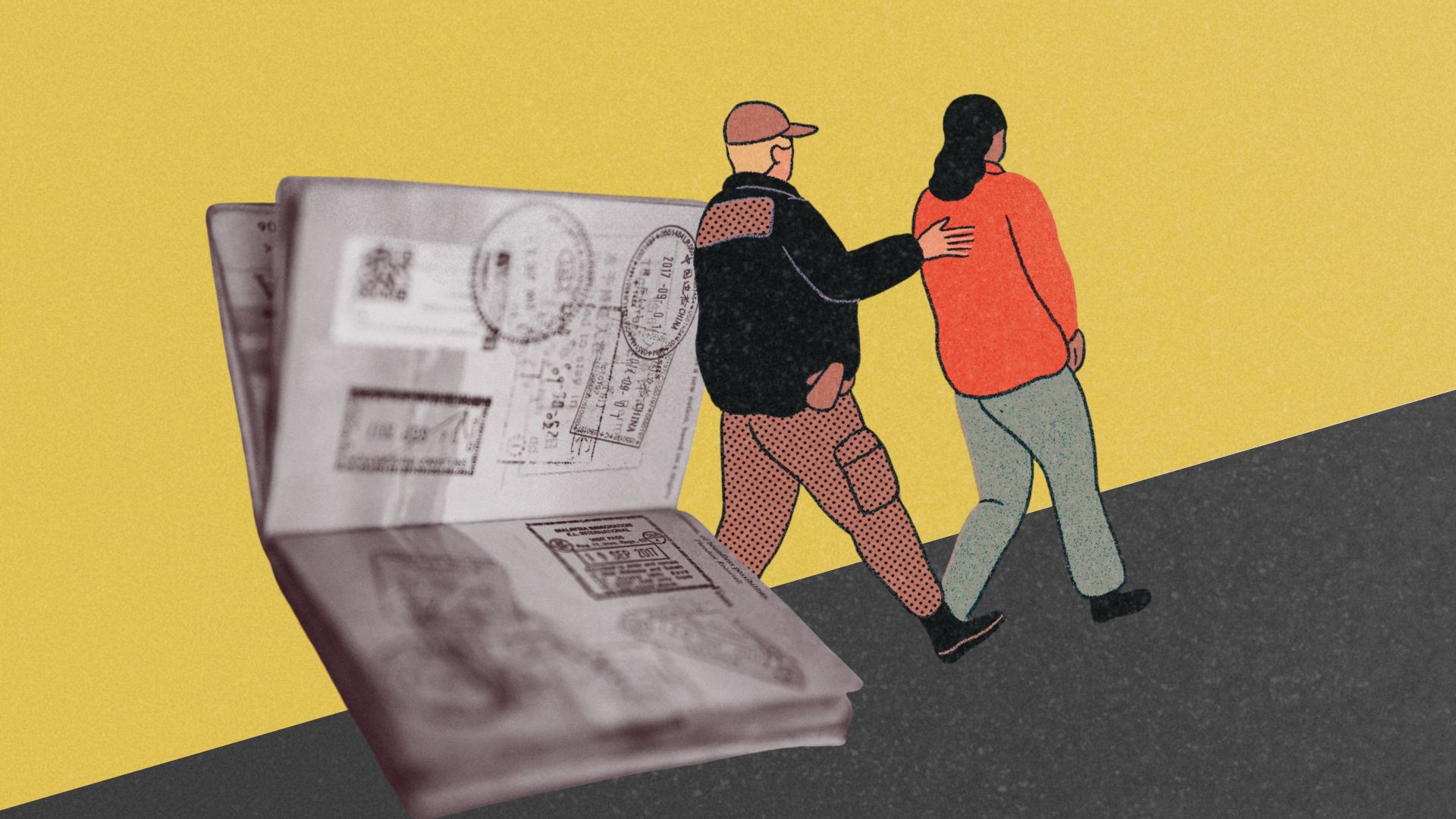
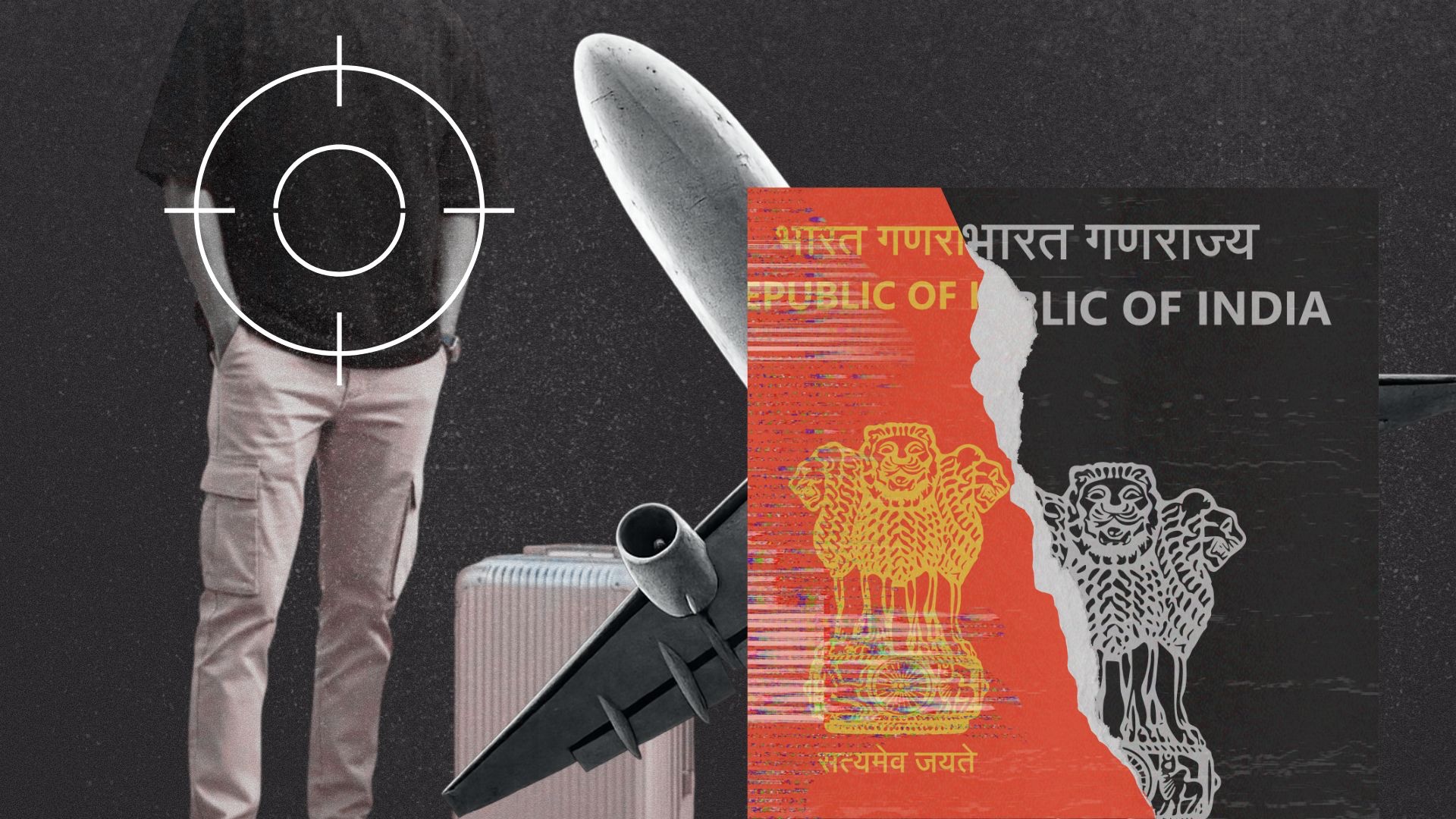
By the end of February 2023, she contacted her partner again and suggested they run away together. With help from her sister, the couple contacted an agent who arranged for them to leave India. They chose New Zealand, but the cost meant only the woman could initially travel.
She arrived in New Zealand in 2023, believing the agent had arranged a work visa. After arriving, she discovered she had instead been issued a visitor visa.
For more than a year, she lived with a family and cared for their daughter in exchange for food and accommodation. In mid-2024, she lodged a refugee claim.
By then, however, the relationship at the centre of the violence had ended. But the tribunal found the end of that relationship did not remove the danger.
The woman wanted the freedom to decide for herself whether she entered another relationship and whom she chose. The tribunal accepted that her parents were unlikely to tolerate that autonomy.
The consequences of making such a choice had already been demonstrated. When her earlier relationship was discovered in 2022, her father had beaten her unconscious and attempted to set her alight.
The tribunal found her life had been at risk. Her refugee claim was initially declined by a refugee status officer in September 2025, prompting her appeal to the tribunal.
The ruling points out the woman's fundamental rights were at stake, including her right to life, freedom from cruel or degrading treatment, liberty and security, and her right not to enter into marriage without her free and full consent.
If she returned to India and chose another partner her parents disapproved of, the tribunal found there was a real risk her father would again respond violently.
It also concluded she could not rely on effective state protection. In reaching that finding, the tribunal considered country information about violence against women in India, including violence associated with inter-caste relationships and so-called honour crimes.
It ultimately found there was a real chance the woman would be persecuted if returned to India.
The Refugee Convention ground applied in her favour was not her caste or the caste of her former partner. The tribunal identified the relevant protected social group simply as "women".
The case also raised another question. Could an educated and employable woman avoid the danger simply by settling elsewhere in India?
The tribunal accepted that she could physically relocate to a large city. She had lived away from her family before, had healthcare qualifications and was capable of finding employment.
But her previous independence had been made possible partly by her parents' financial and practical support. Returning as a single woman estranged from them would be fundamentally different.
The tribunal considered evidence about the difficulties single women living independently in India can face, including stigma, harassment, violence and restricted access to socioeconomic resources.
Illness, unemployment or another setback could ultimately push her back towards her parents' home, where both her safety and her ability to decide whether and whom she married would again be compromised.
The tribunal also considered it likely her family would try to locate her once they learnt she had returned. It, therefore, found she had no viable internal protection alternative elsewhere in India.