Migrants trapped in loans taken to move overseas increasingly seeking asylum in NZ, tribunal warns
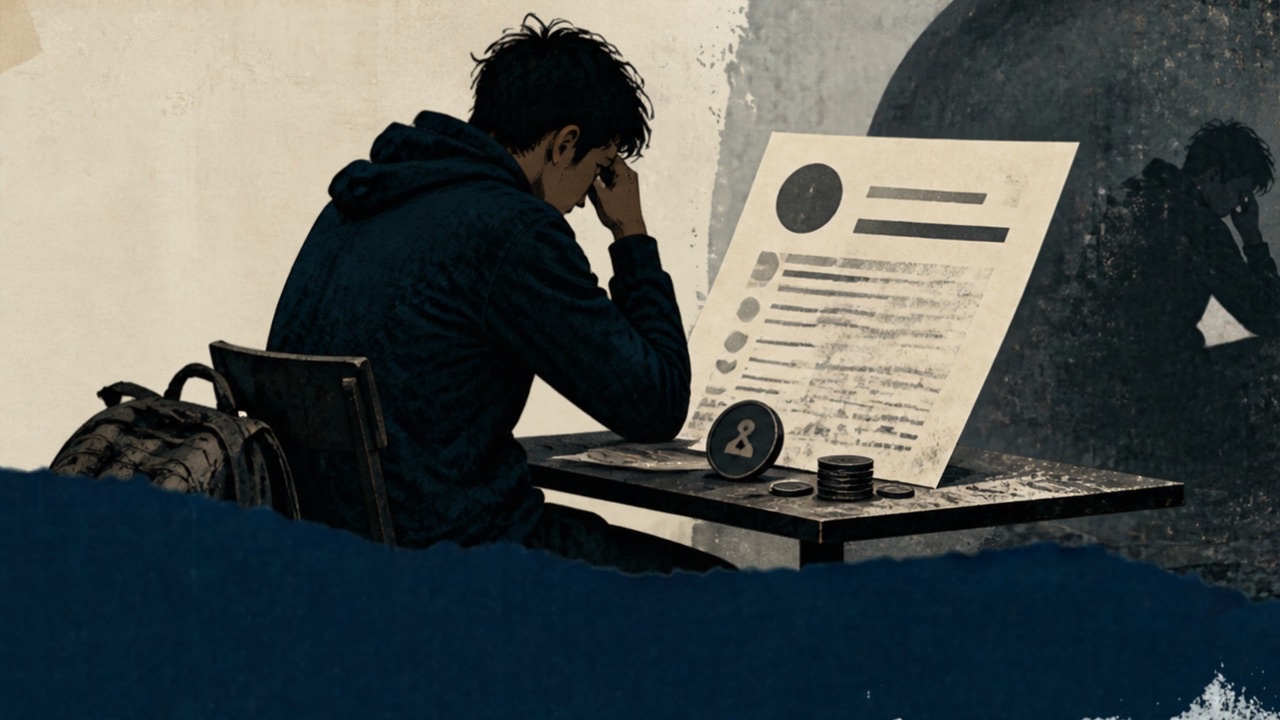
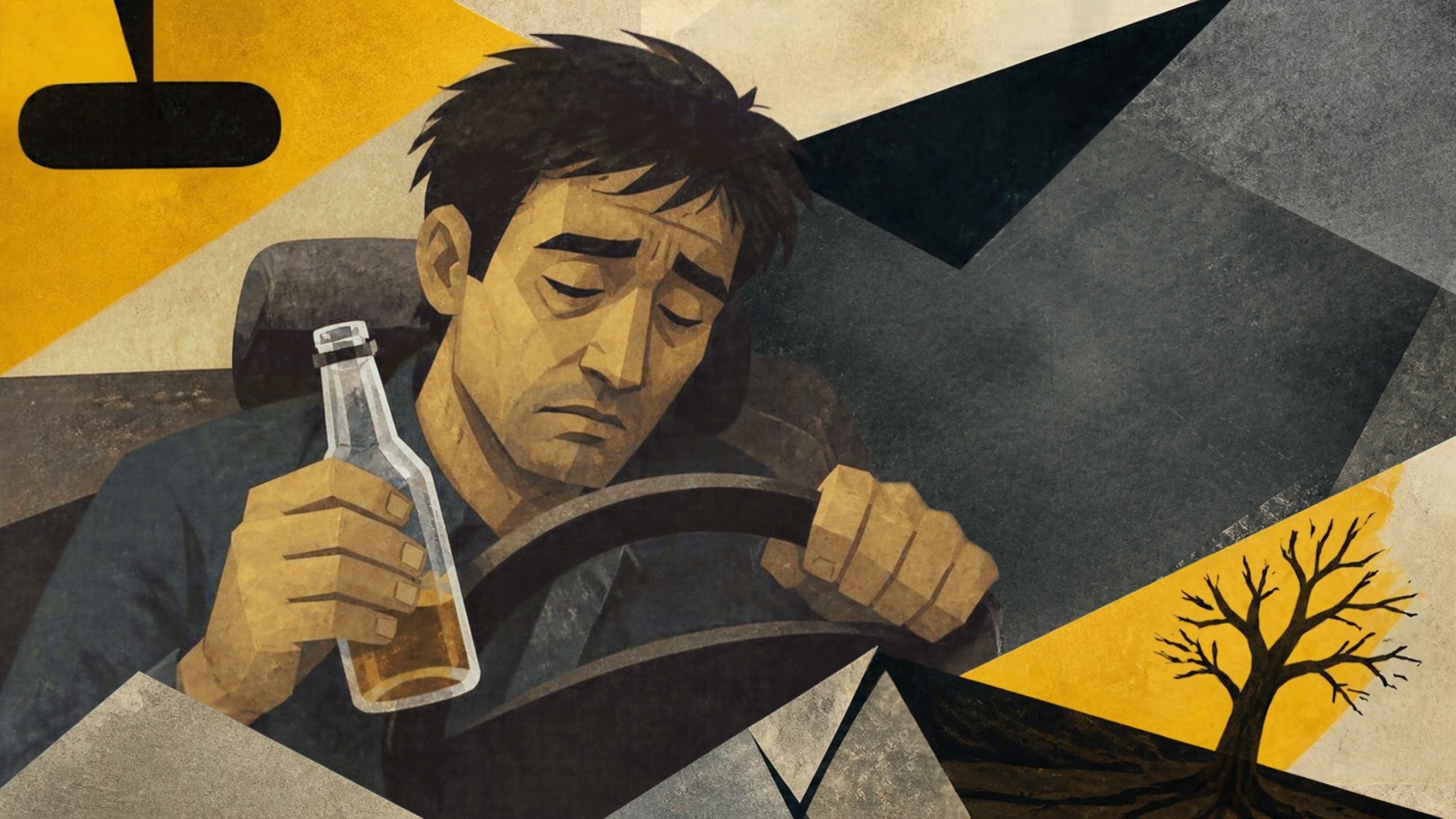
The financial pressures of migration can follow families long after they have settled overseas.
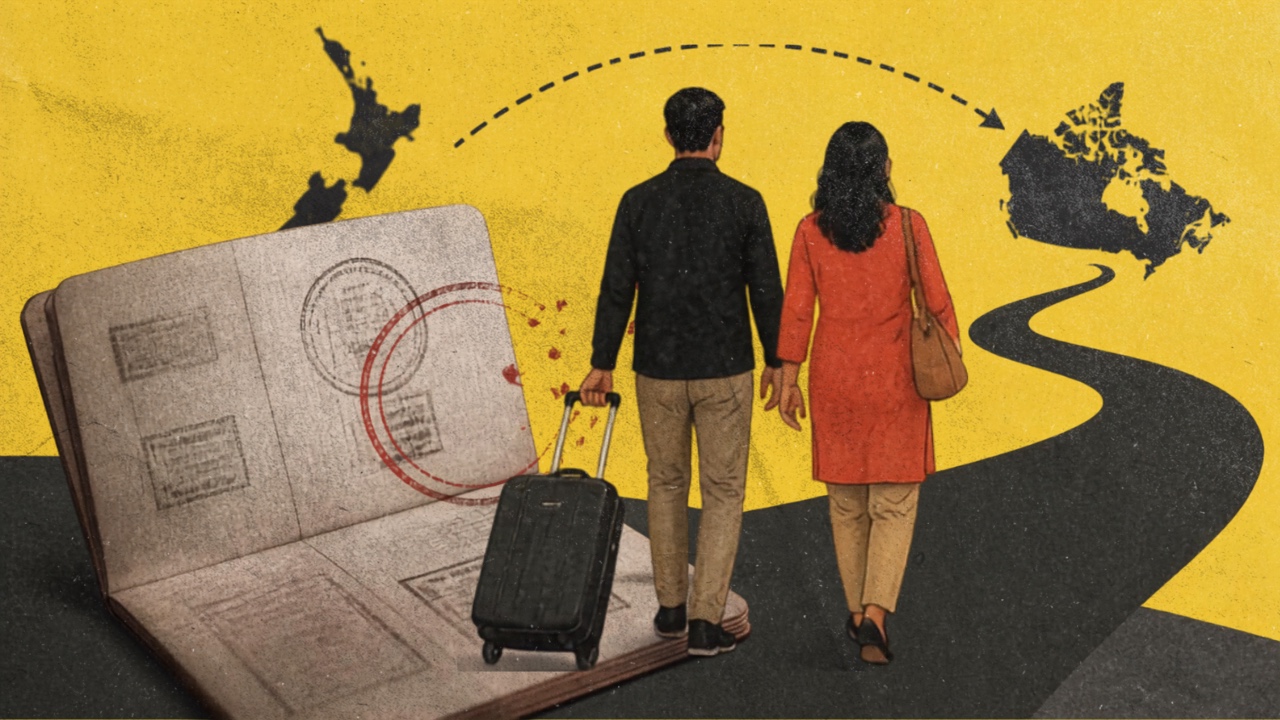
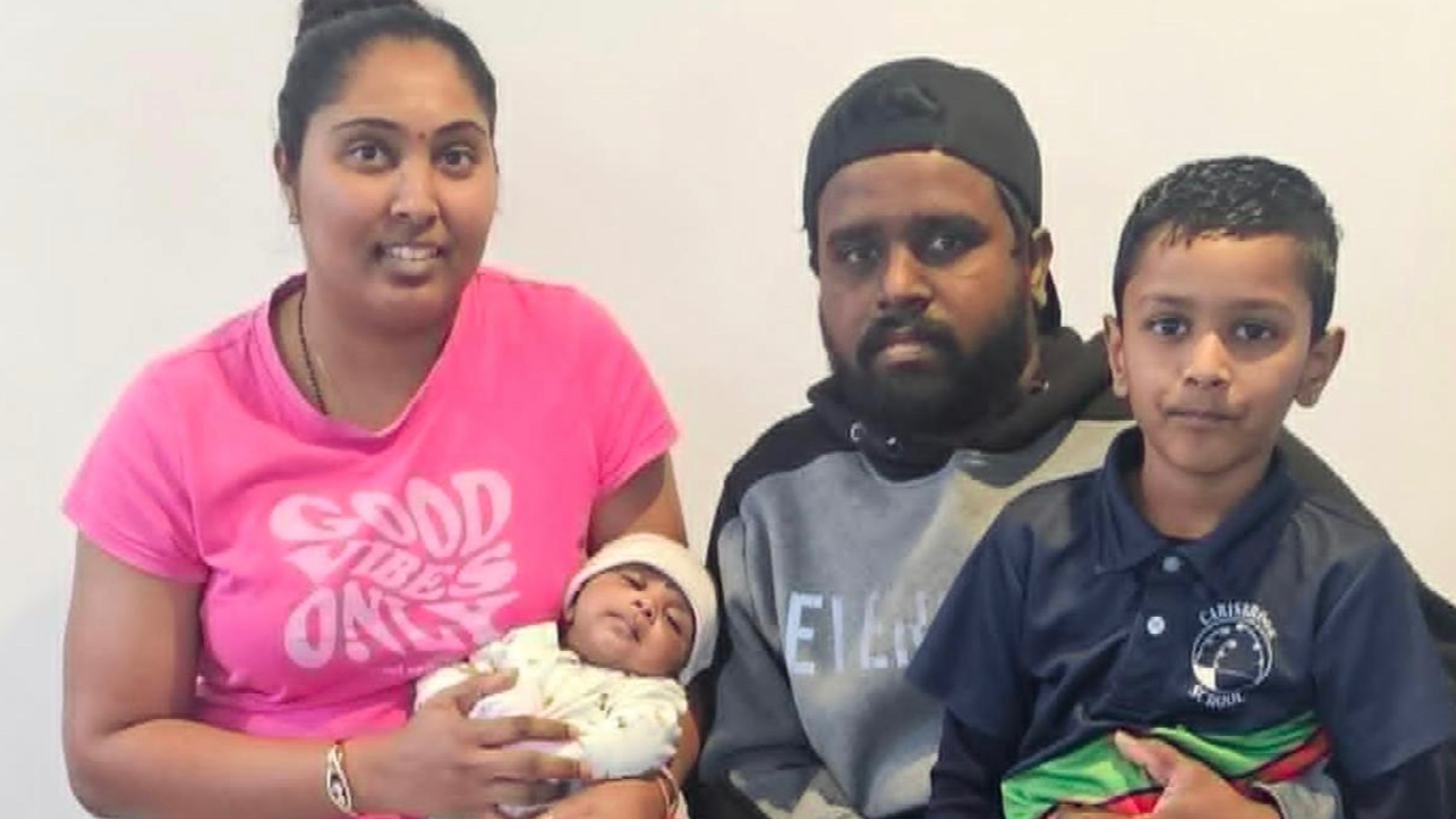
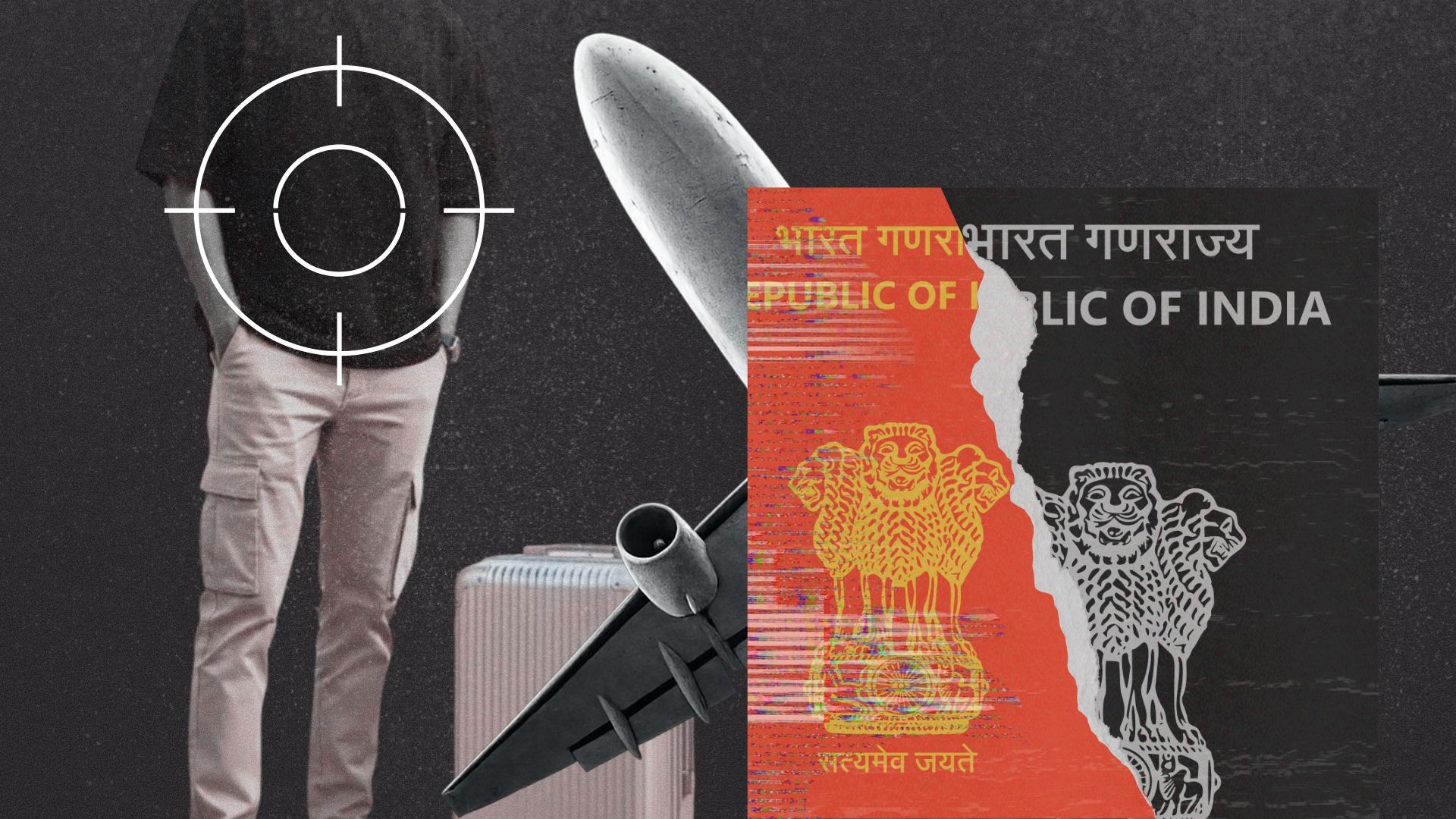
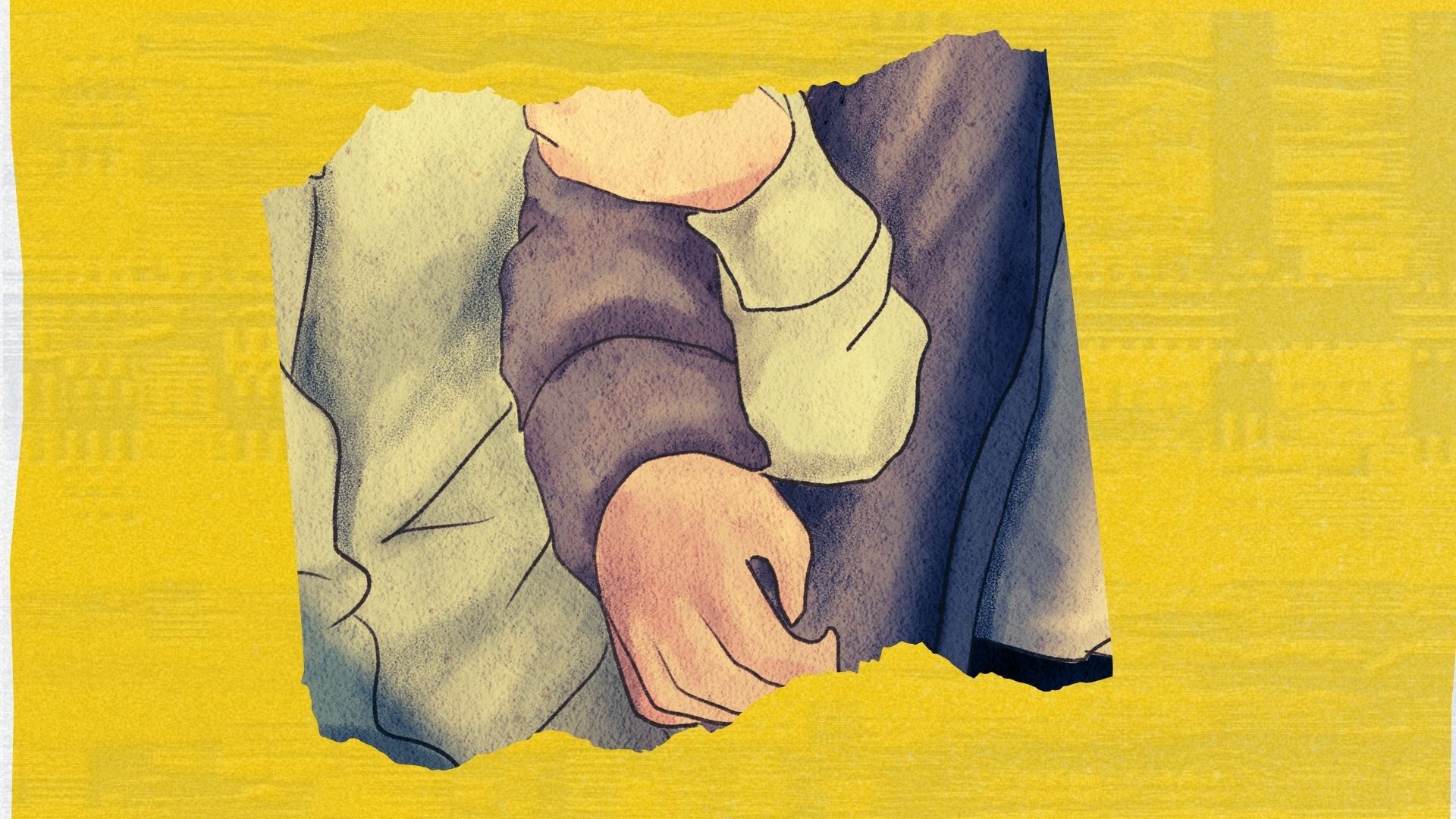
An Indian couple's $56,000 loan ballooned into a $336,000 demand, exposing the financial risks behind some migration journeys.
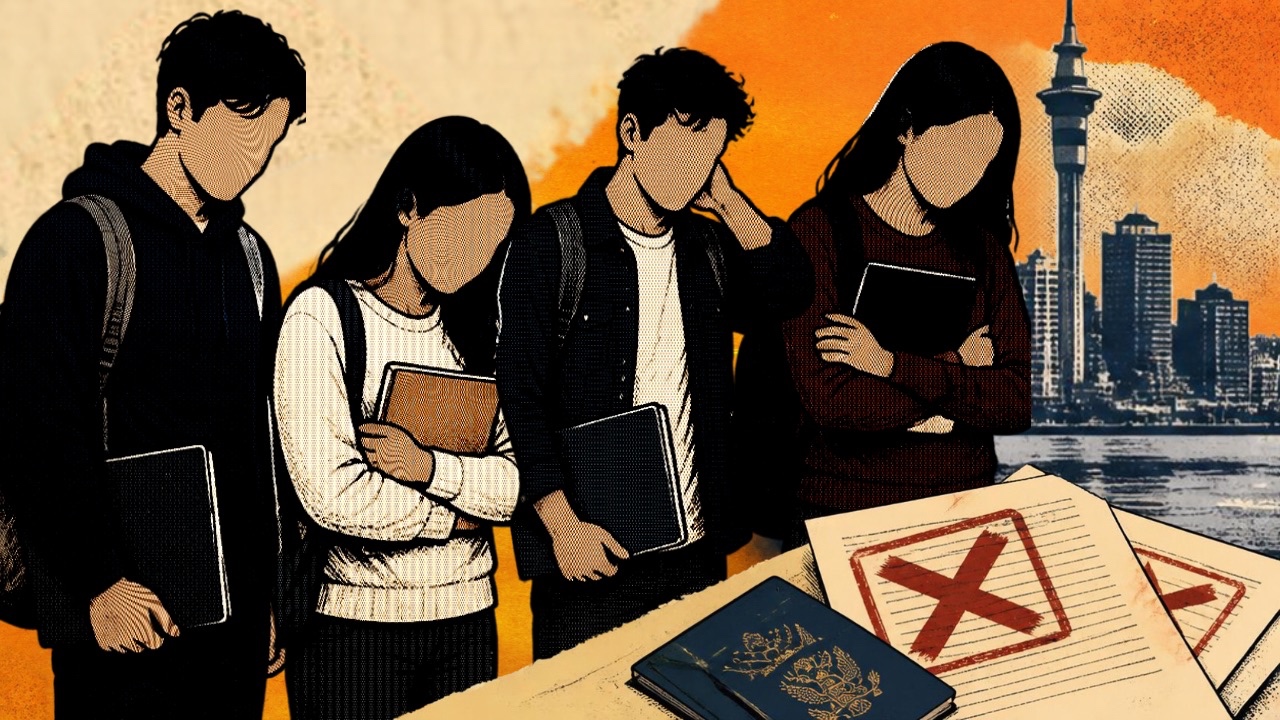
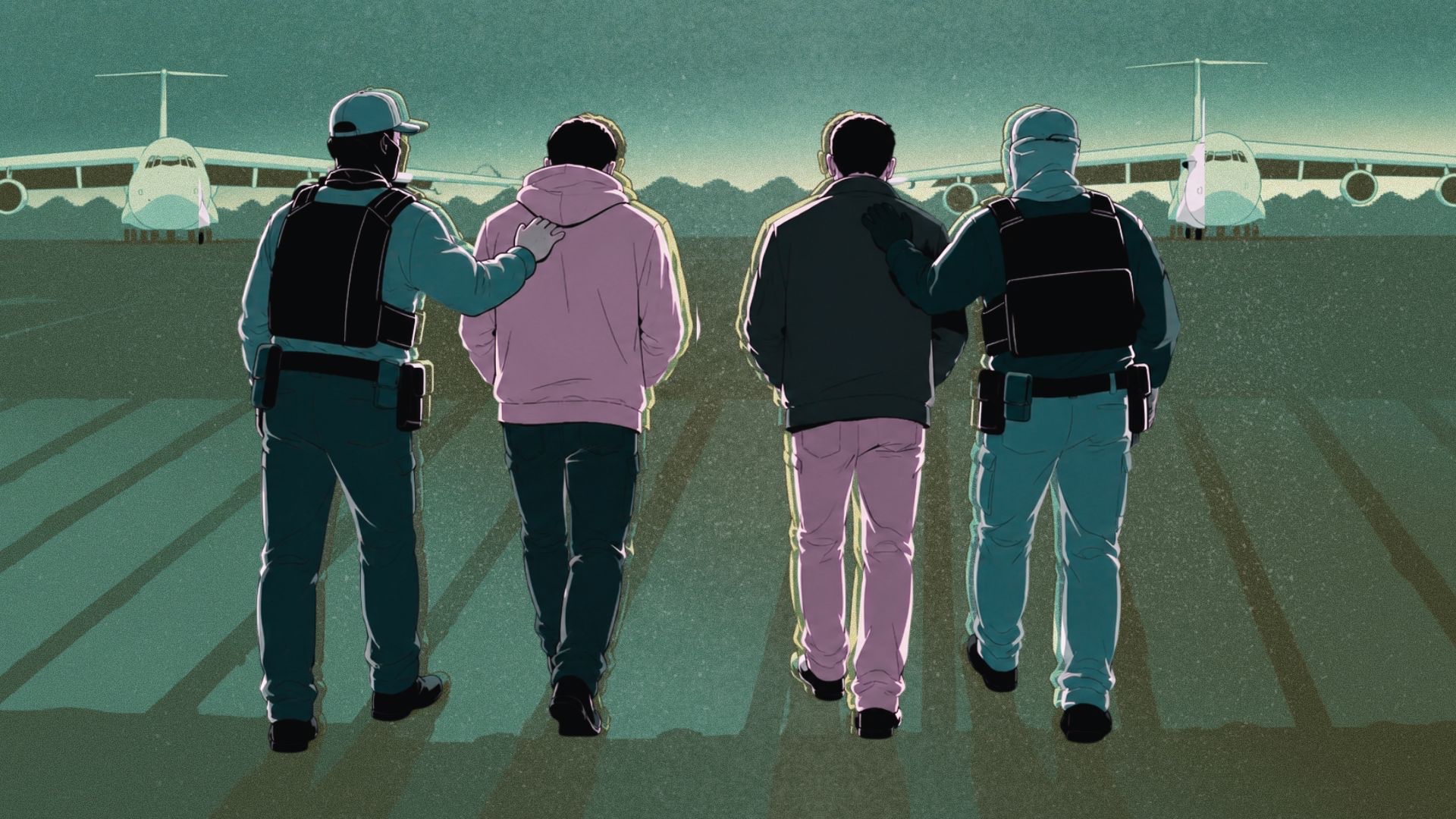
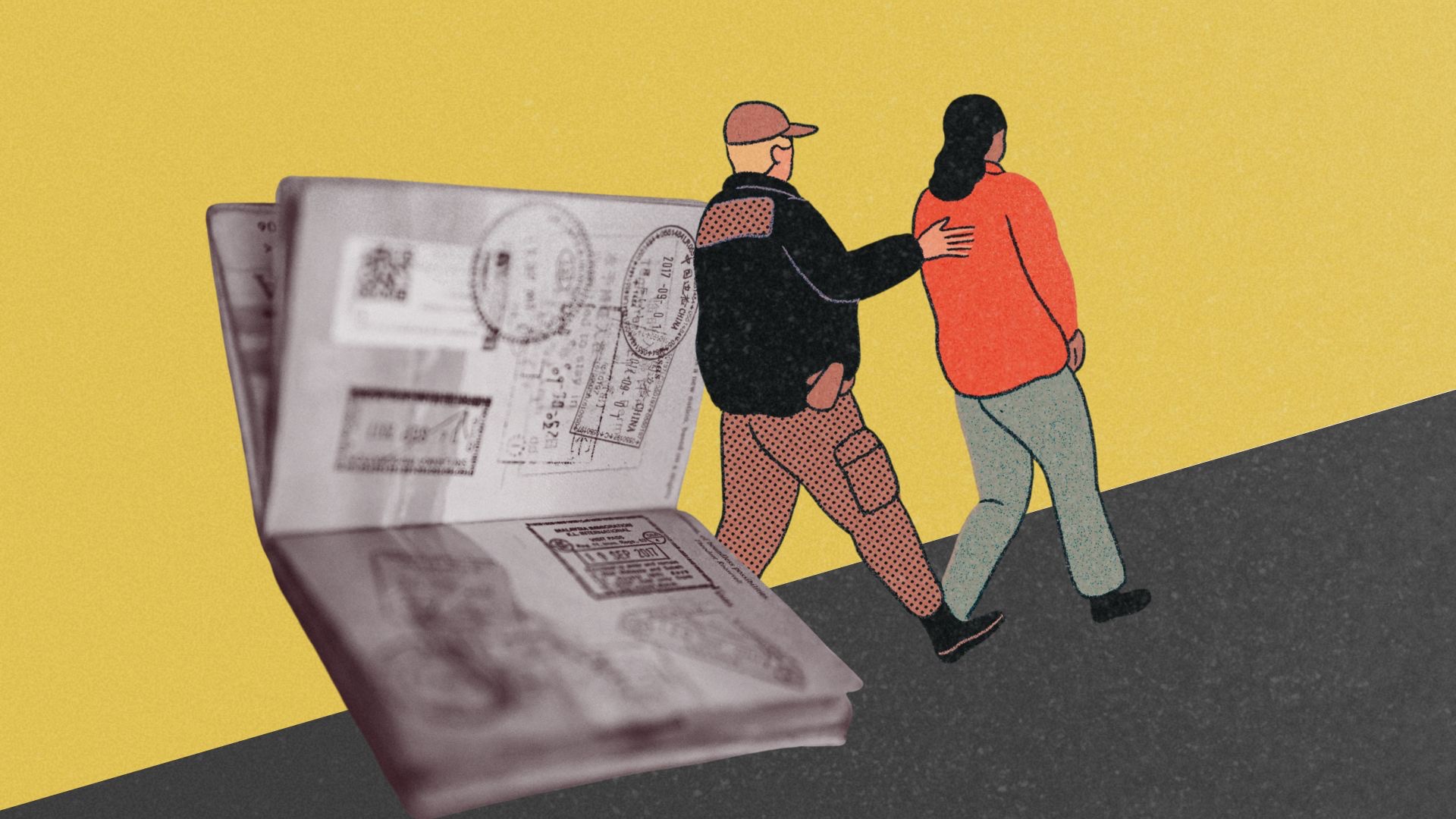
Migrants who borrow heavily from private moneylenders to finance overseas study and employment are increasingly turning to New Zealand's refugee protection system when they find themselves unable to repay their debts, the country's apex immigration tribunal has warned.
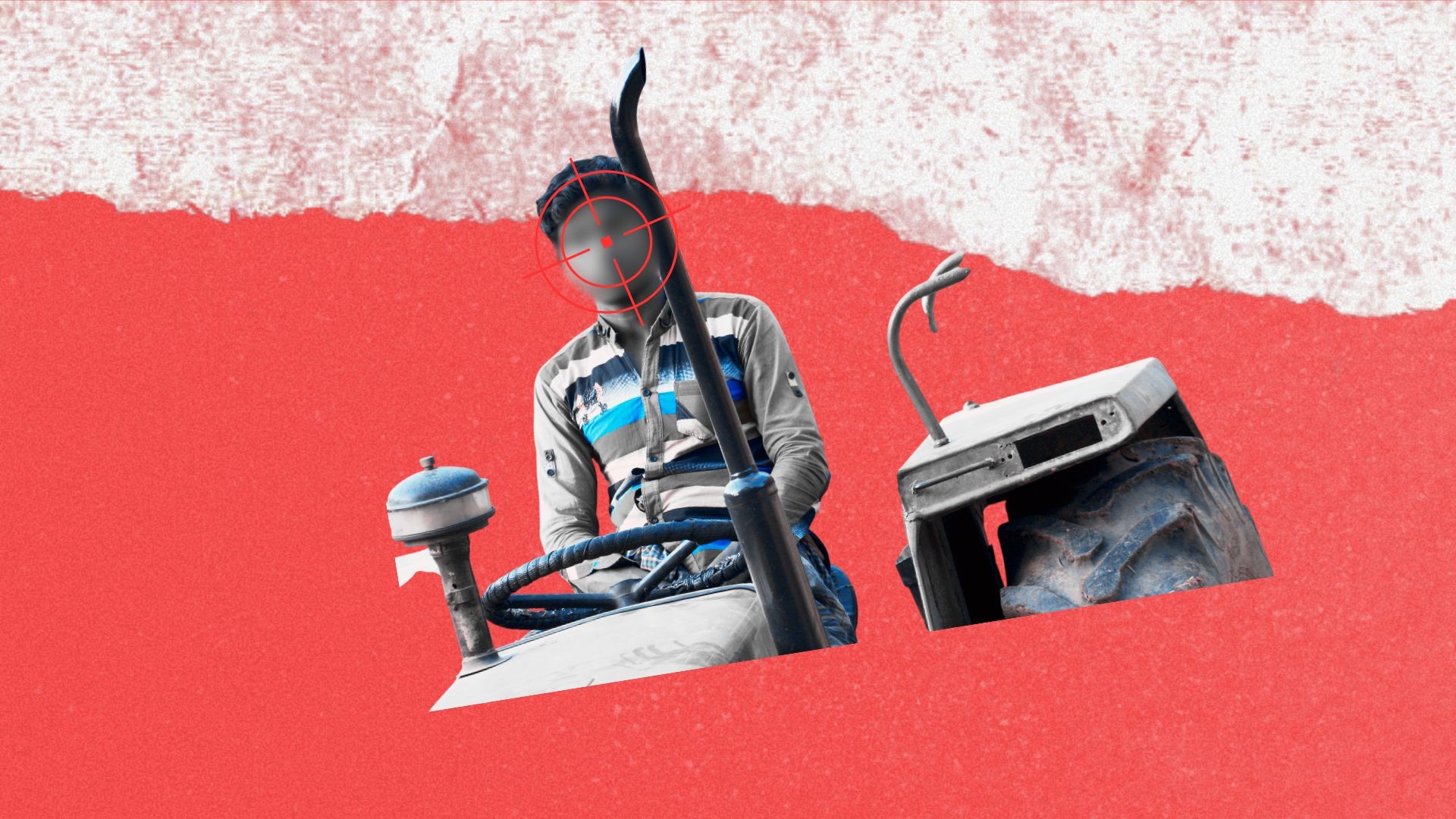
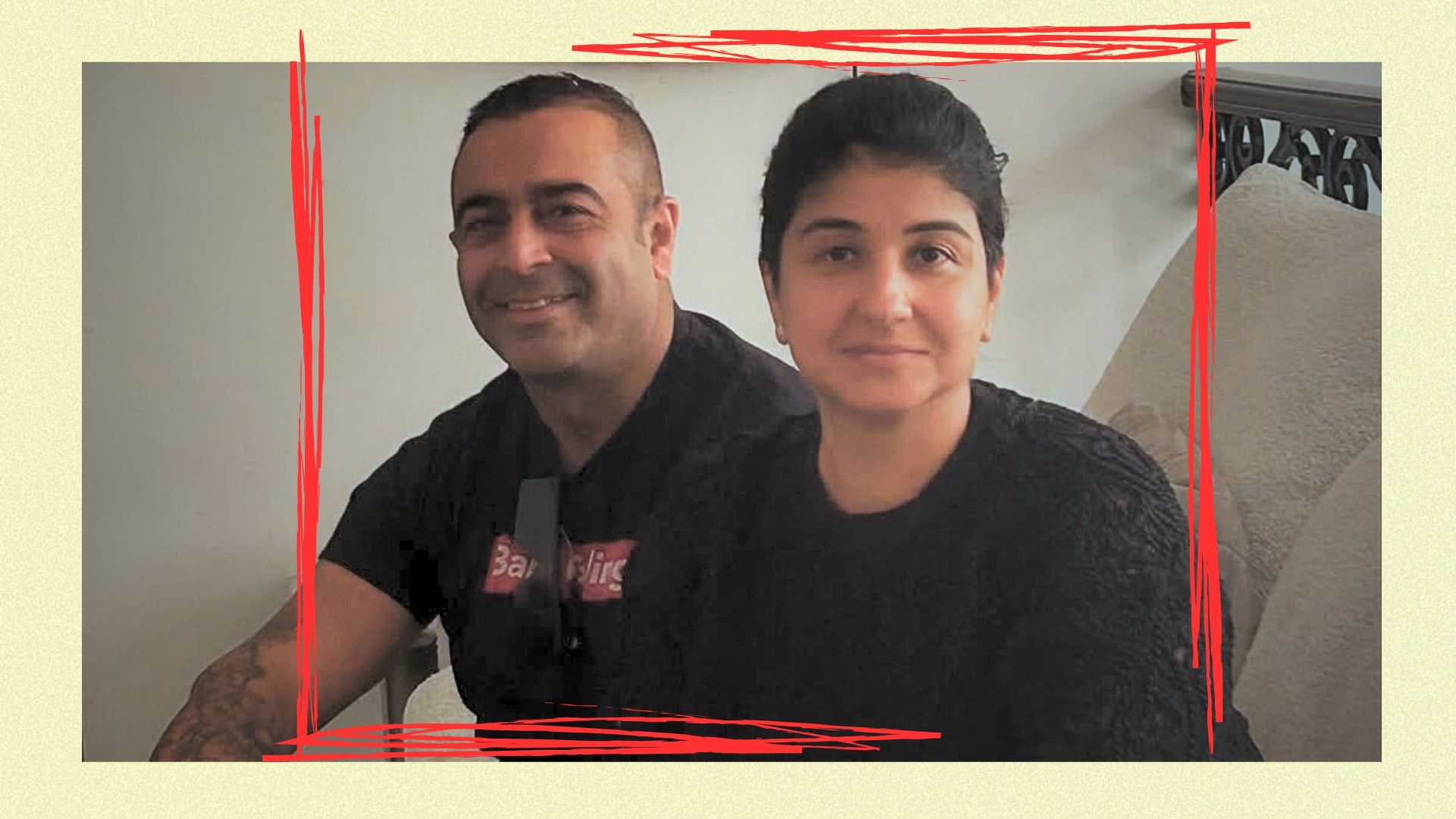
The Immigration and Protection Tribunal (IPT) made the observation while dismissing the refugee appeals of an Indian Sikh couple whose $56,000 loan had allegedly ballooned to more than $336,000, leaving them facing death threats and legal proceedings in India.
In a decision on October 29, tribunal member B L Burson identified a wider pattern of migrants taking out expensive private loans to fund their journeys overseas, including to New Zealand.


He described indebtedness to private and unlicensed moneylenders as a structural feature of the Indian economy and said harassment by debt recovery agents was common.
Burson observed that many other migrants were increasingly coming before the tribunal with similar protection claims, having borrowed to fund overseas study or work.
Christchurch motel convicted of exploiting migrants received $1.27m in government grants Despite working between 84 and 98 hours each week, the workers were generally paid for only 40 hours.
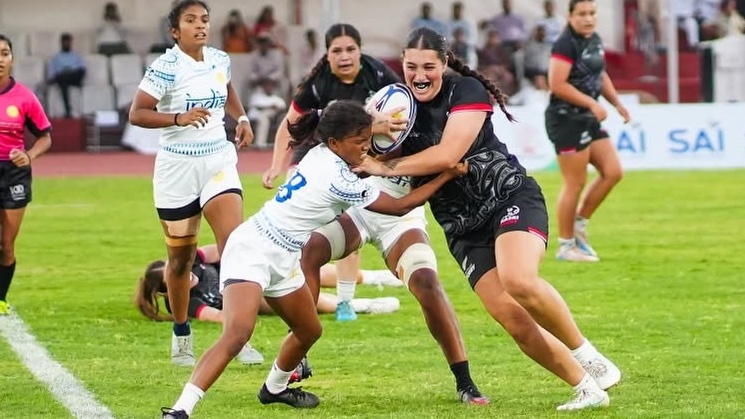
India's U20 women's rugby team stuns Māori sevens side 17–0 in historic victory A dominant defensive display in Bihar gave India's young women a landmark win during a centenary sporting exchange.
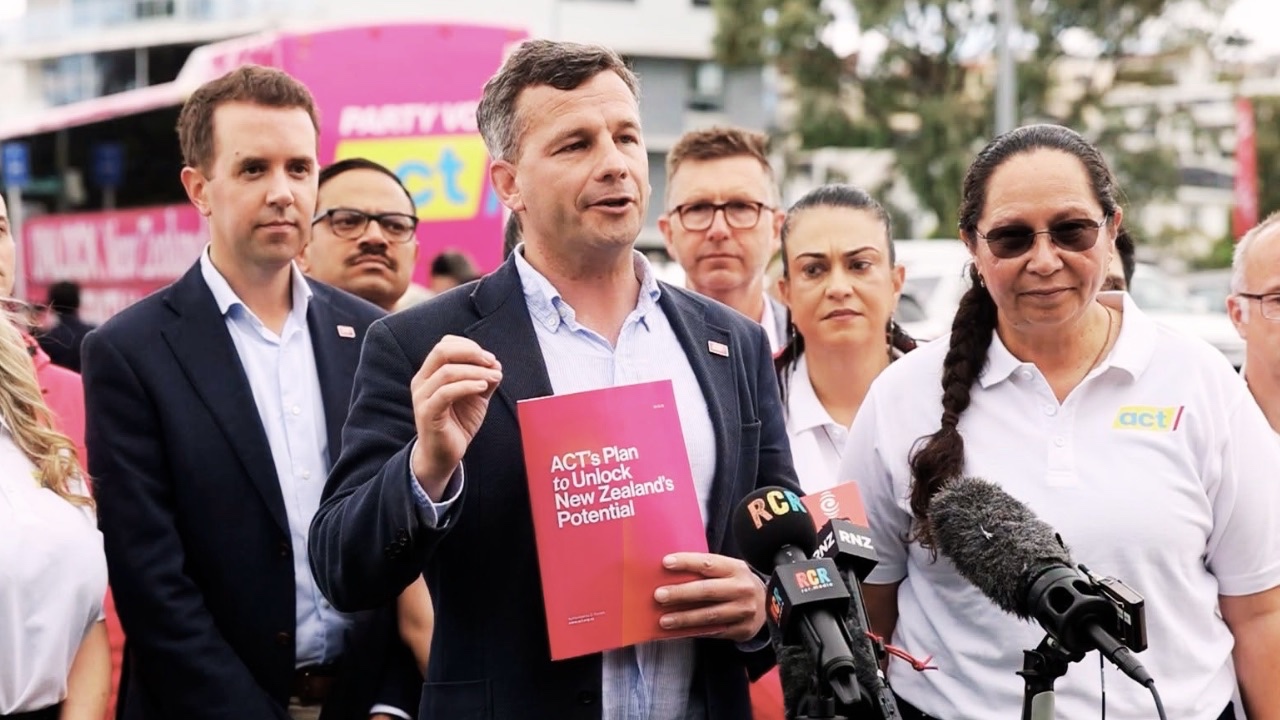
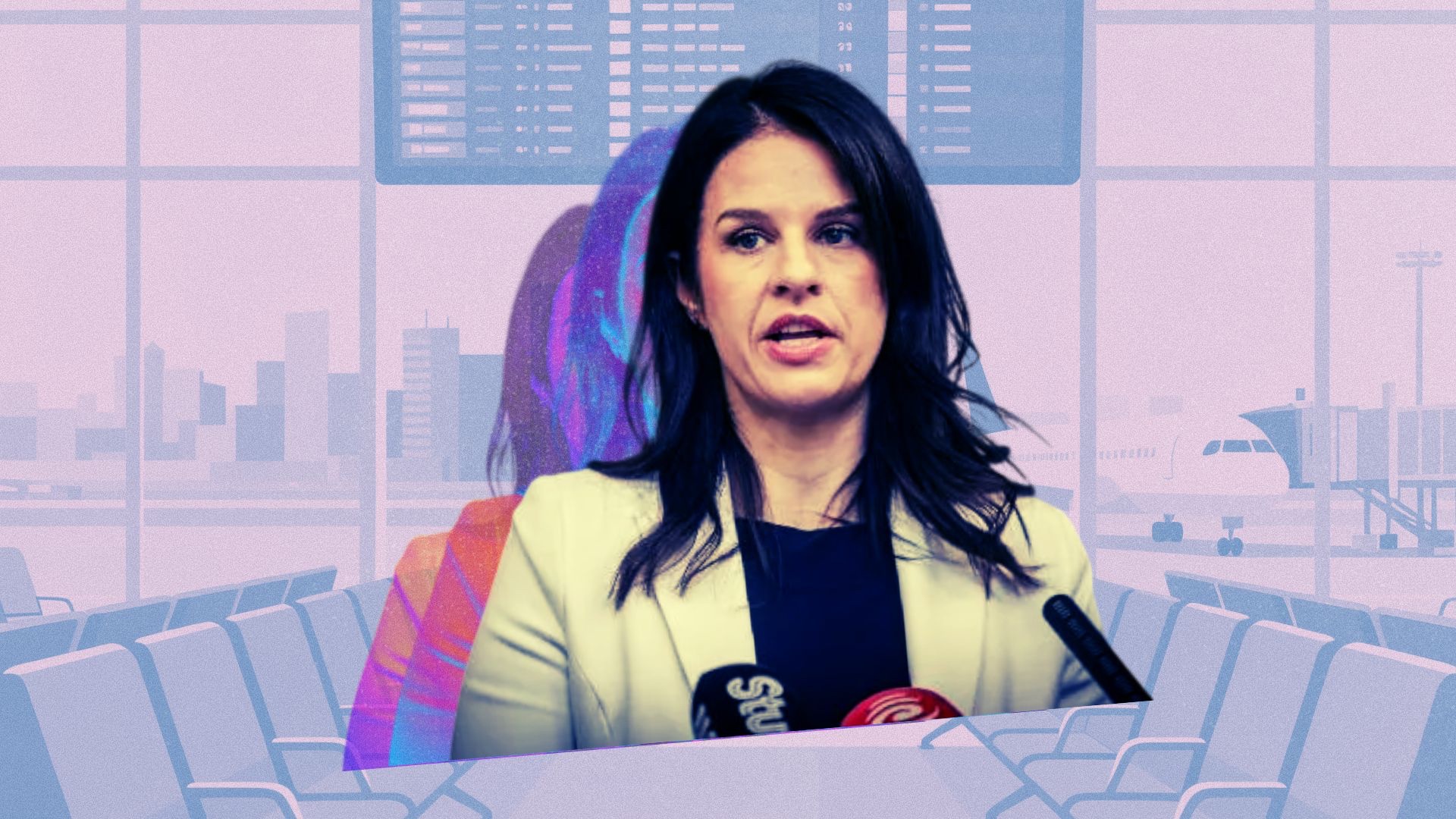
Inside Qiulae Wong's quest to become the first Asian leader of a political party in Parliament Opportunity leader speaks about racism, immigration, coalition negotiations and her commitment to the party beyond the election.
"This can be expected to continue into the future," he wrote.
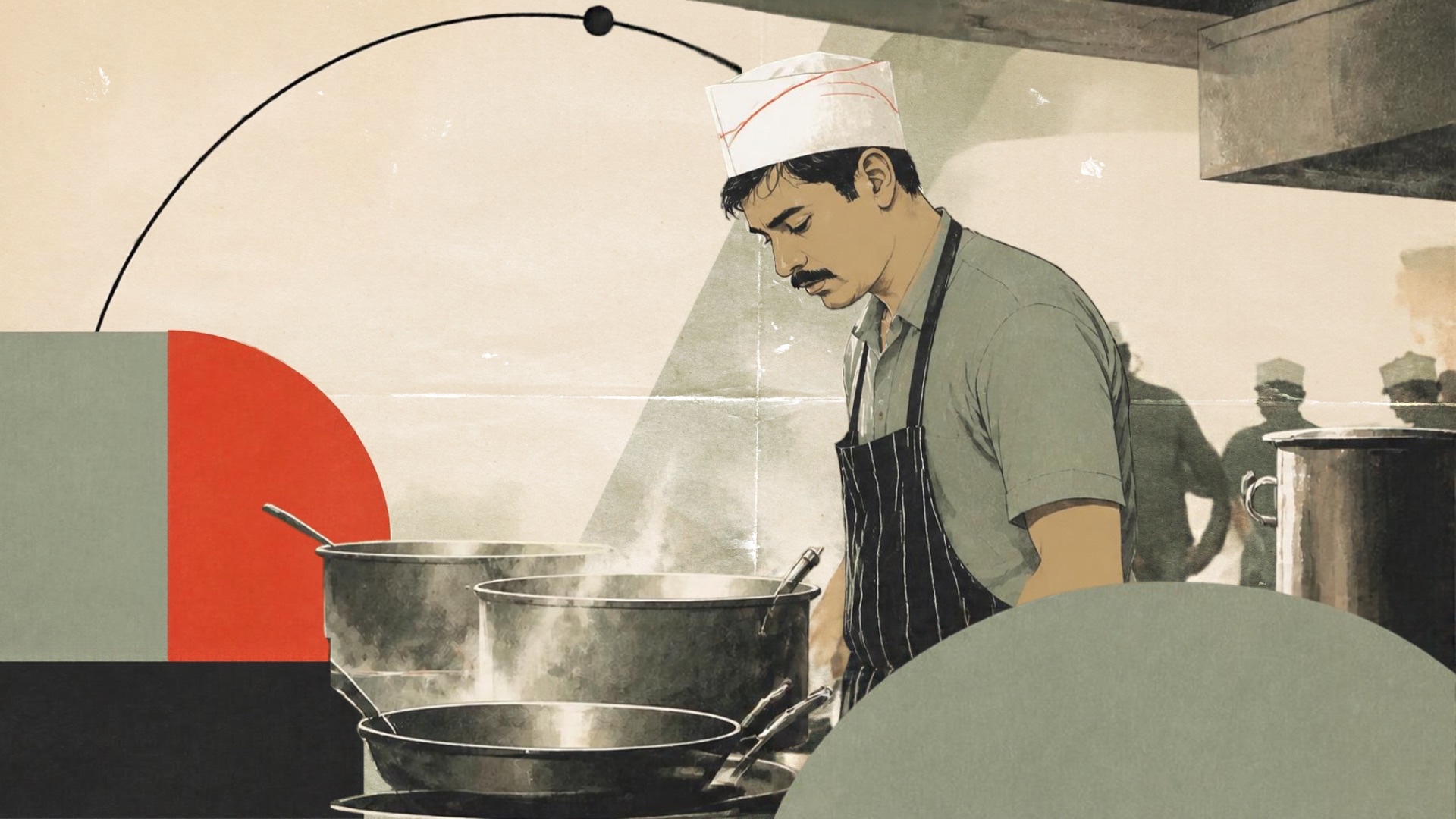
The observation offers a glimpse into the financial pressures behind some migration journeys, where families borrow substantial amounts in the hope that overseas opportunities will eventually allow them to repay their debts.
A $56,000 loan becomes $336,000
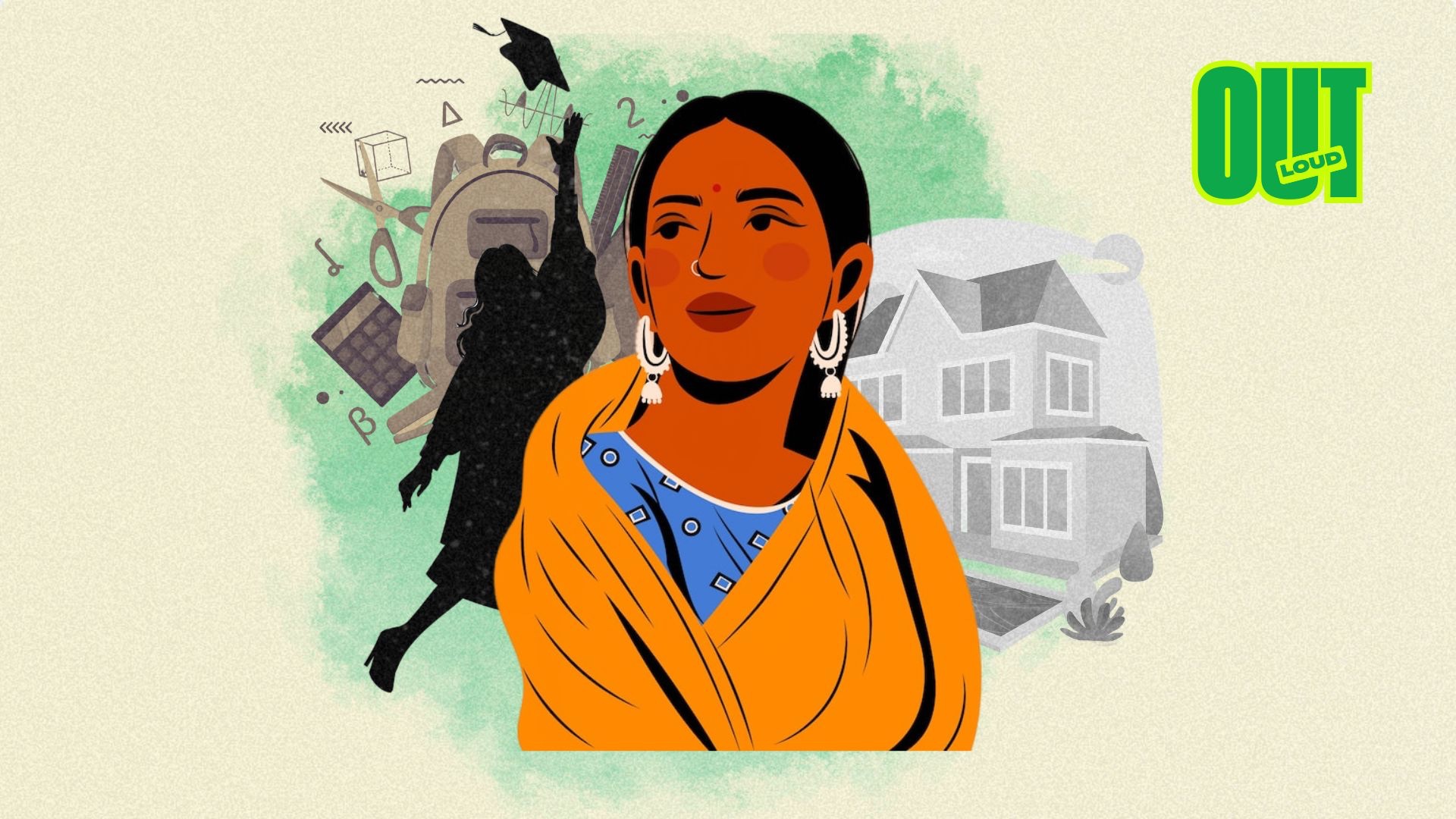
The couple's journey began in the northern Indian state of Punjab, where the wife wanted to pursue further education overseas.
In December 2015, she borrowed money from a bank to finance her studies. Her father-in-law provided land ownership documents as security, while the family also borrowed from relatives.
Her New Zealand student visa was approved in January 2016. Two months later, her husband and father-in-law borrowed the equivalent of NZ$56,000 from an unlicensed moneylender to repay the earlier debts.
The loan carried interest of two per cent a month and was supposed to be repaid within two years. The husband joined his wife in New Zealand in May 2016.
But the debt remained unpaid. By 2018, the moneylender had begun demanding repayment. What started as requests for money eventually escalated into threatening phone calls and messages.
The husband's father became so frustrated that he signed an affidavit disowning the couple from his property.
In March 2024, the moneylender allegedly attacked the father and threatened to kill him and his son. A complaint to the local village council and police resulted in a compromise under which the lender agreed to stop pursuing the father and deal only with the husband.
The following month, the lender sent the husband a calculation showing that the outstanding amount had risen to nearly NZ$336,000.
The couple applied for refugee protection in April 2024.
Threats and legal proceedings
The husband continued receiving threatening messages from the lender, who claimed to have powerful connections across India. In one WhatsApp voice message reproduced in the judgment, the lender threatened to initiate multiple court cases and prevent the husband from leaving prison.
"I'll destroy your and your family's life," the lender warned. The moneylender subsequently initiated proceedings in India after two cheques issued by the husband were dishonoured because of insufficient funds.
Why the tribunal rejected their claims
The IPT dismissed the couple's appeals without an oral hearing, finding them manifestly unfounded. Burson concluded the underlying dispute was a loan default rather than persecution connected to a ground recognised under the Refugee Convention.
He also found insufficient evidence that the couple faced a real risk of serious harm meeting the legal thresholds for refugee or protected-person status.
In assessing the death threats, Burson reasoned that killing the husband would undermine the moneylender's efforts to recover his money. "Dead people cannot pay their bills," he wrote.
The tribunal considered the couple could seek protection from Indian police and pursue legal remedies. Burson acknowledged their predicament could be unjustifiable but said New Zealand's international protection obligations were not designed to address every form of hardship.
He concluded that the problems arising from private moneylending and debt recovery had to be addressed through India's legal system rather than New Zealand's refugee protection framework.
The decision also draws a distinction between the financial hardship that may follow a failed migration investment and the serious harm required to qualify for international protection.
Burson said the limits of refugee and protected-person status meant New Zealand could not be expected to resolve problems originating in India's financial and banking systems.