
Voting in Auckland’s Khalistan referendum didn't make Sikh man a refugee, tribunal rules
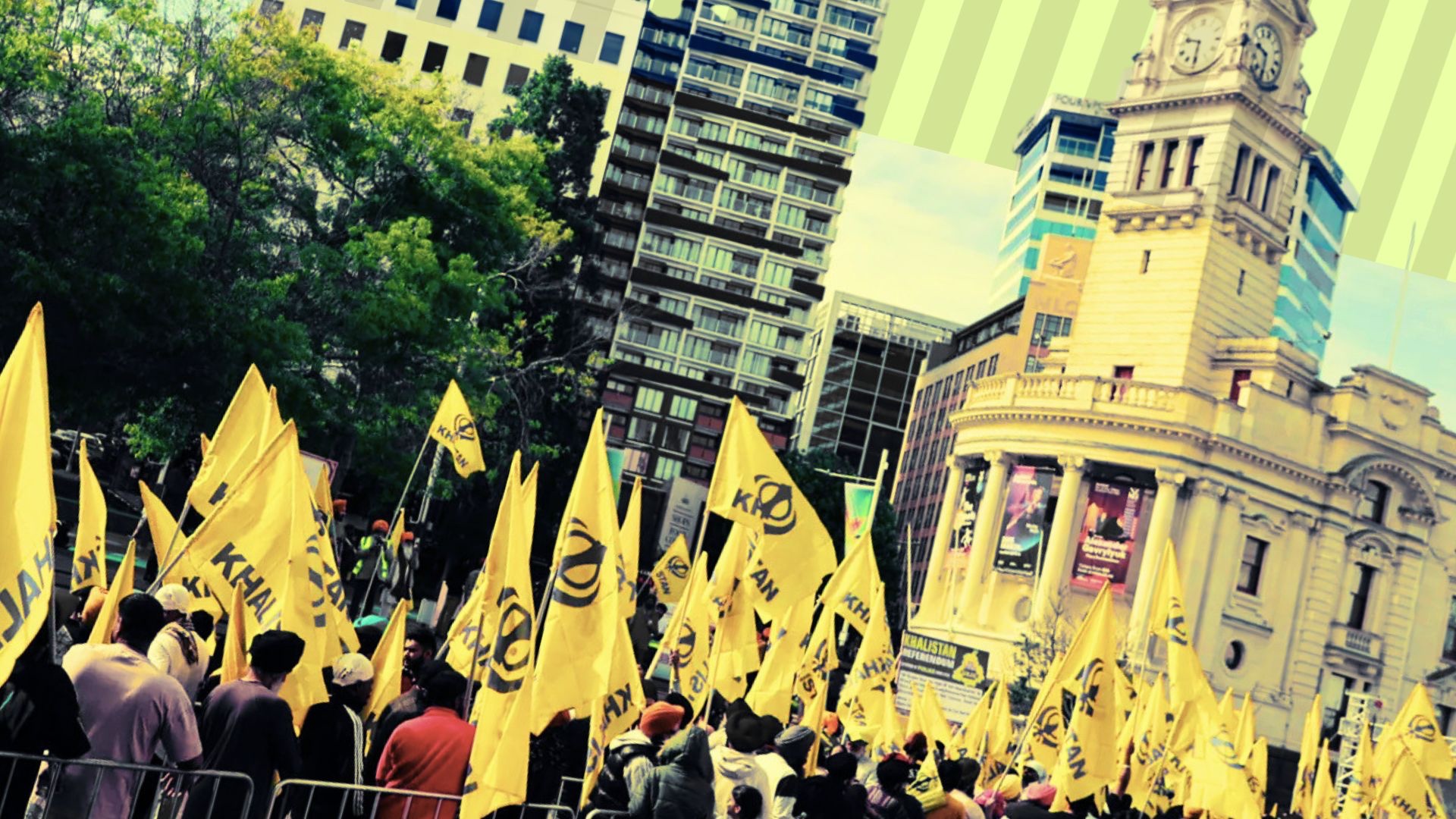
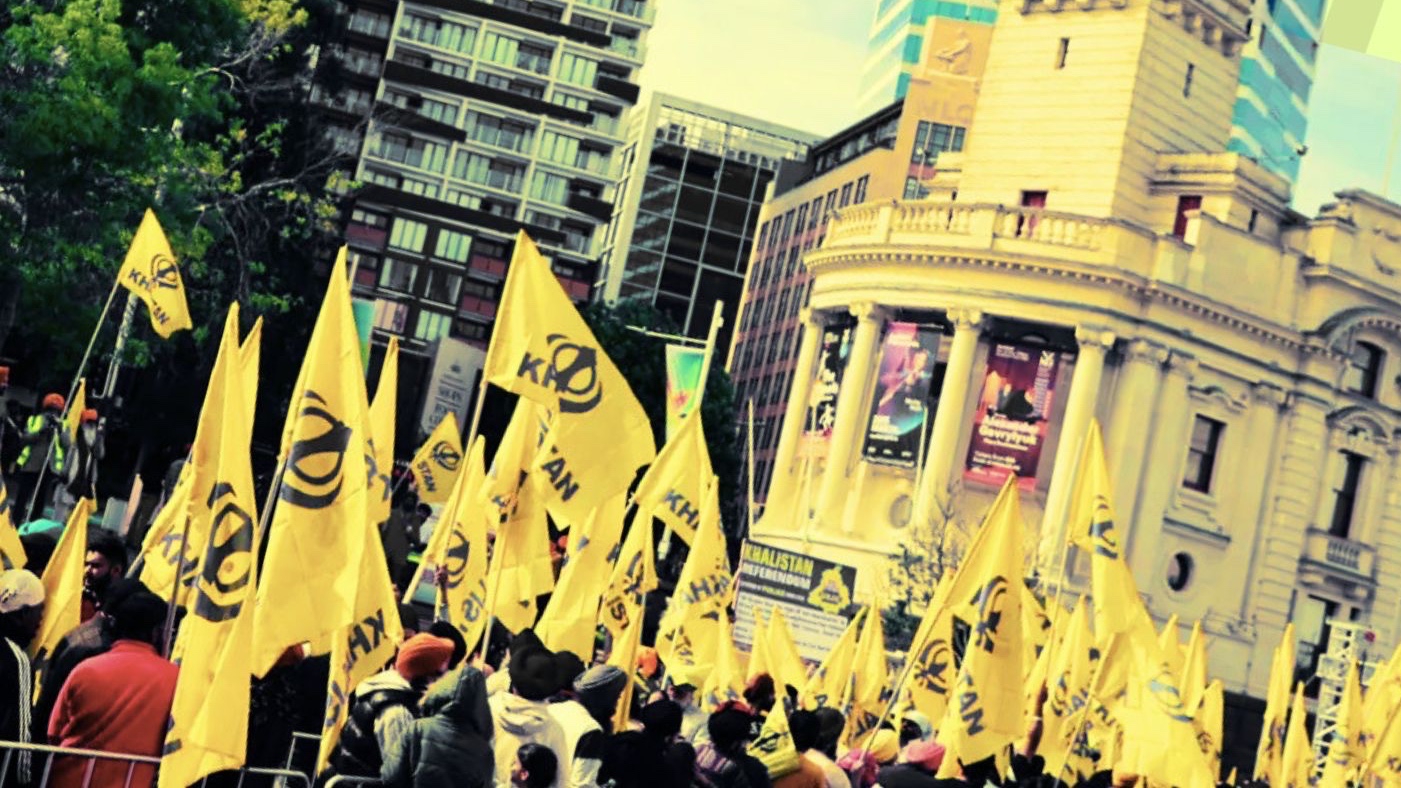
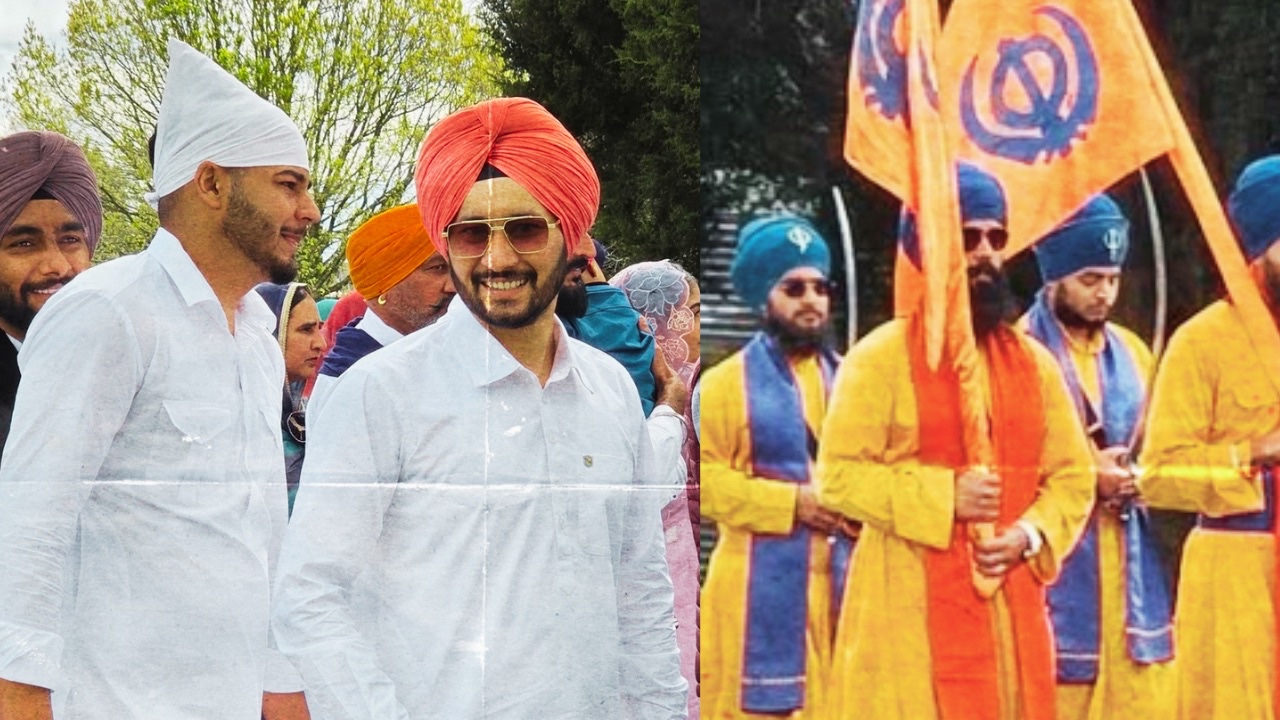
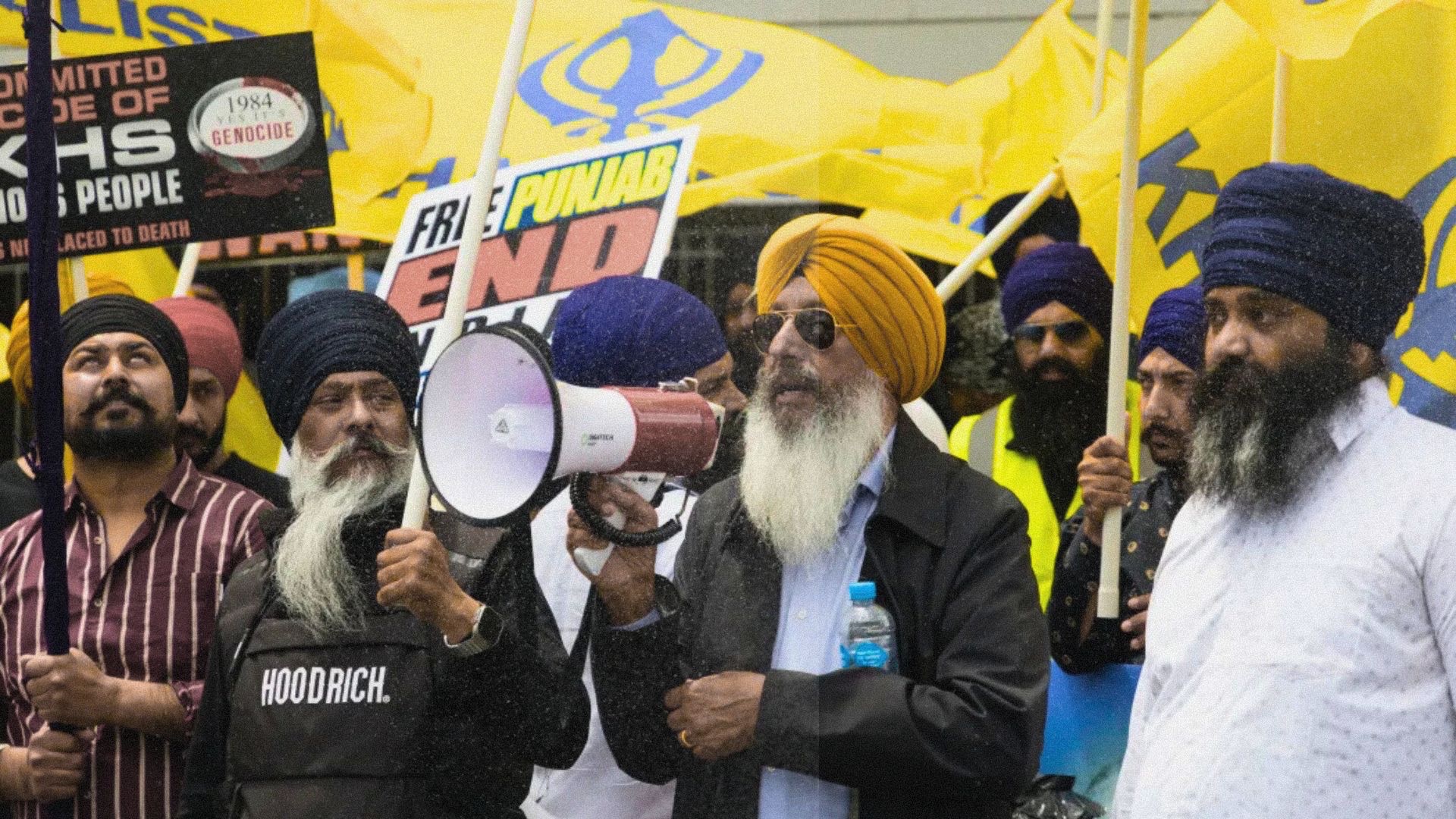
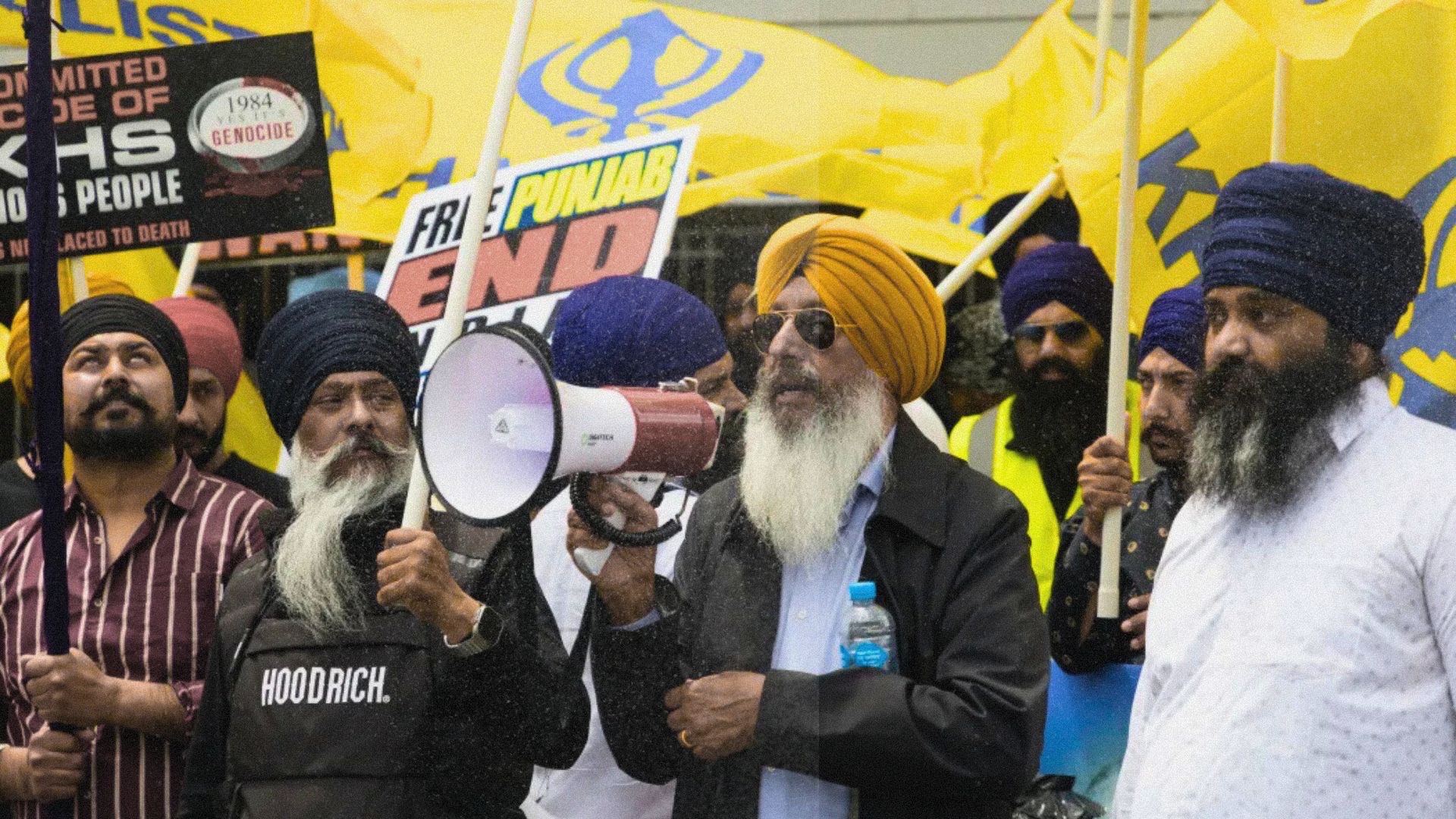
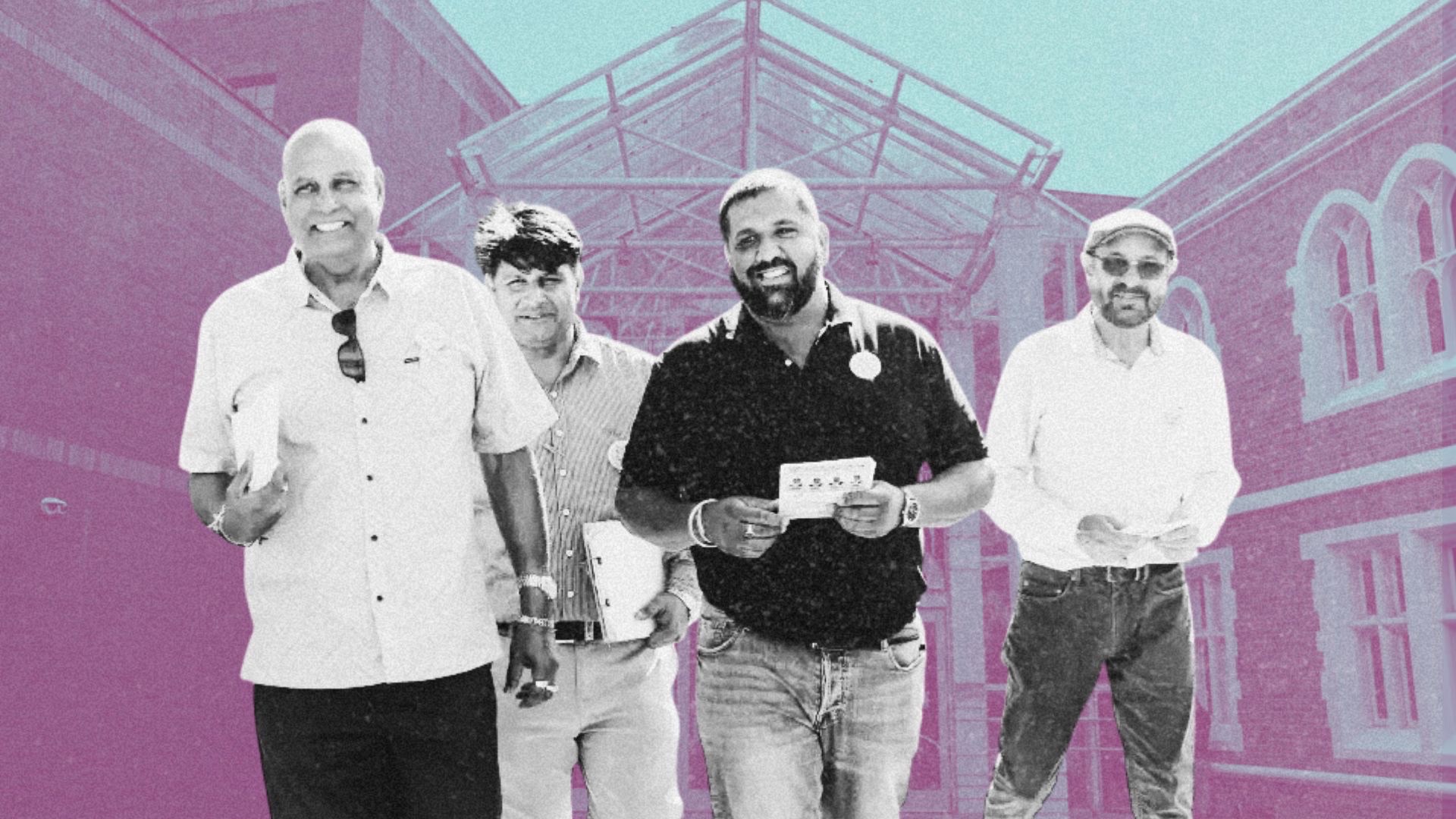
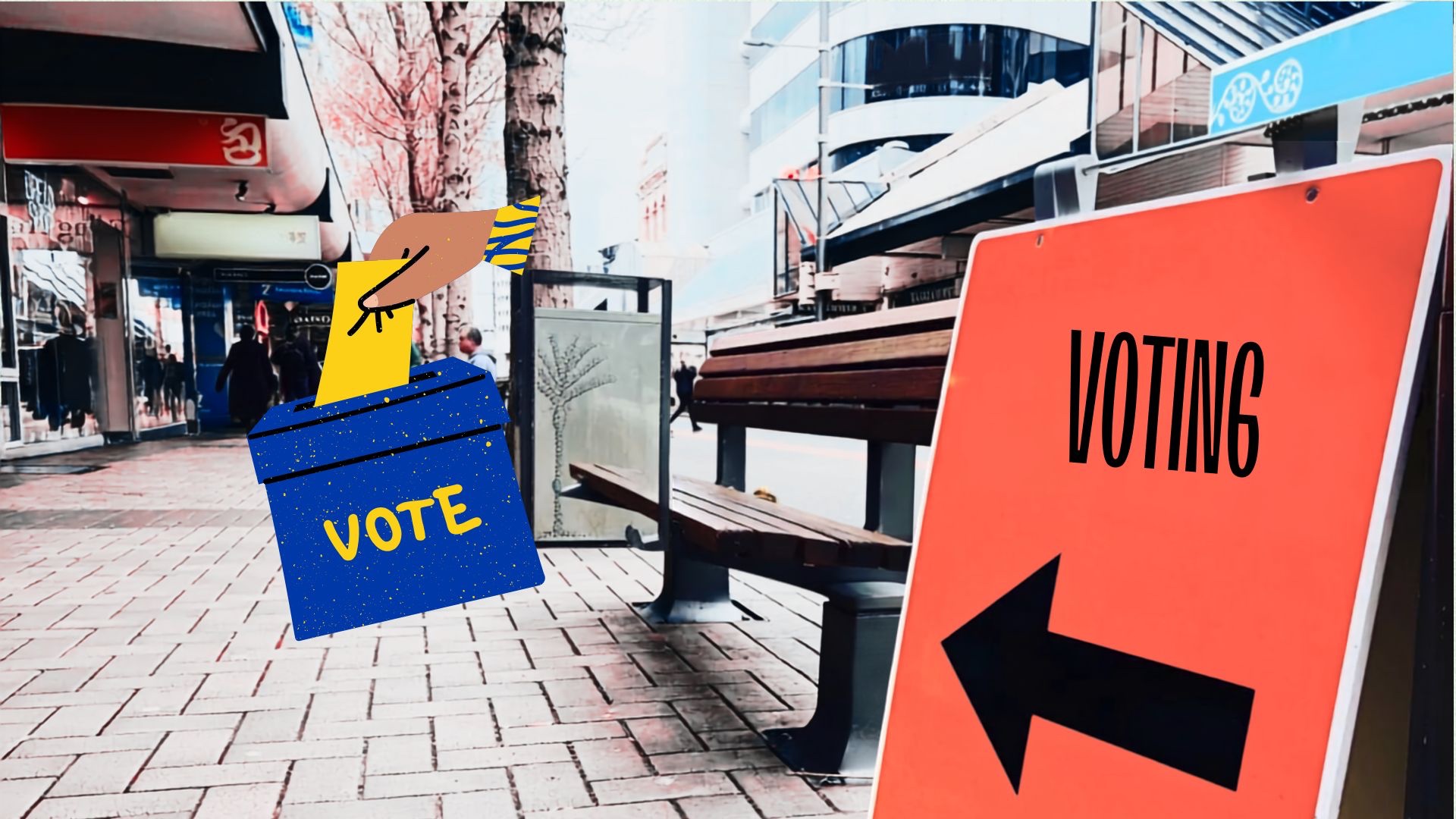
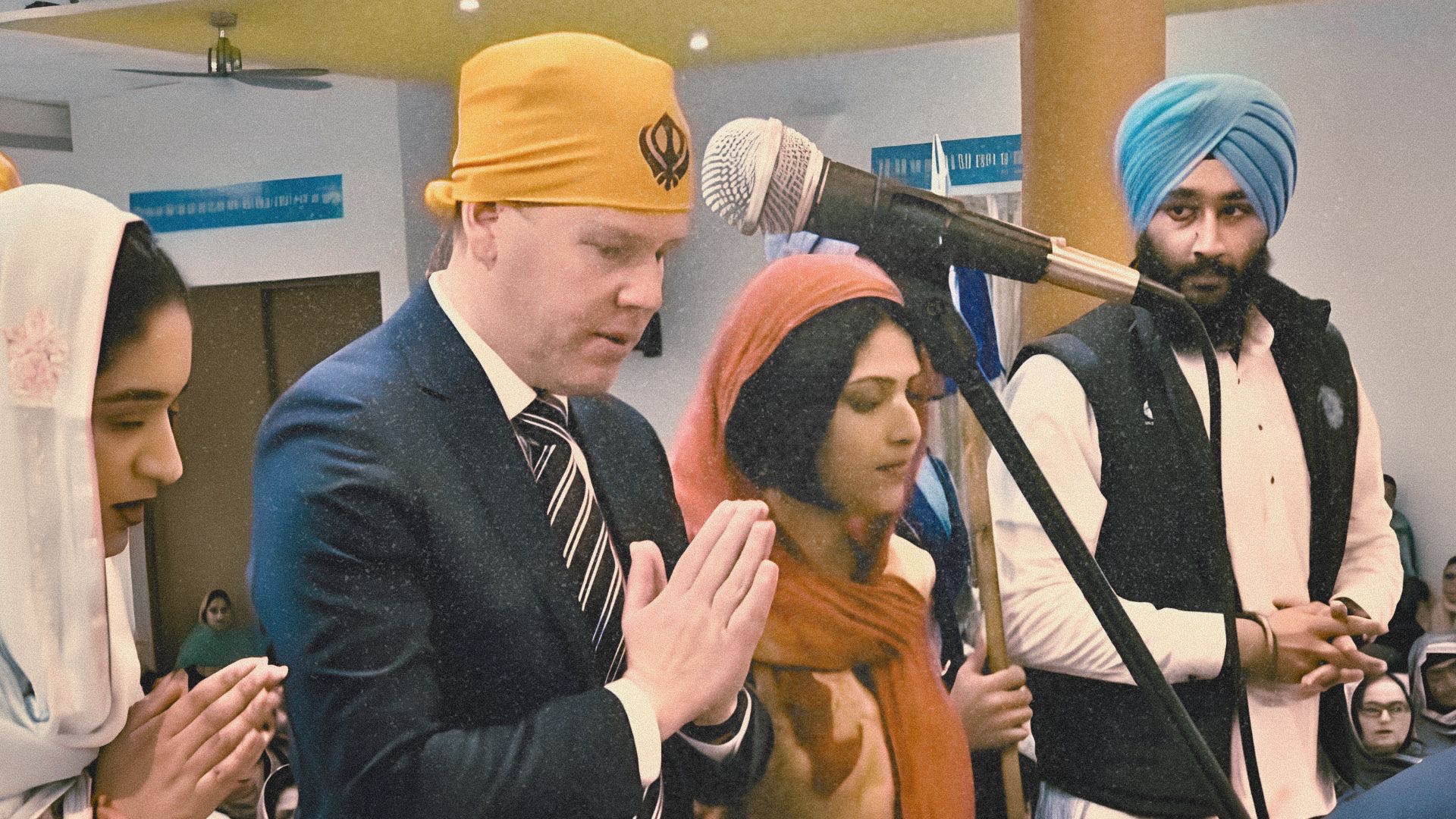
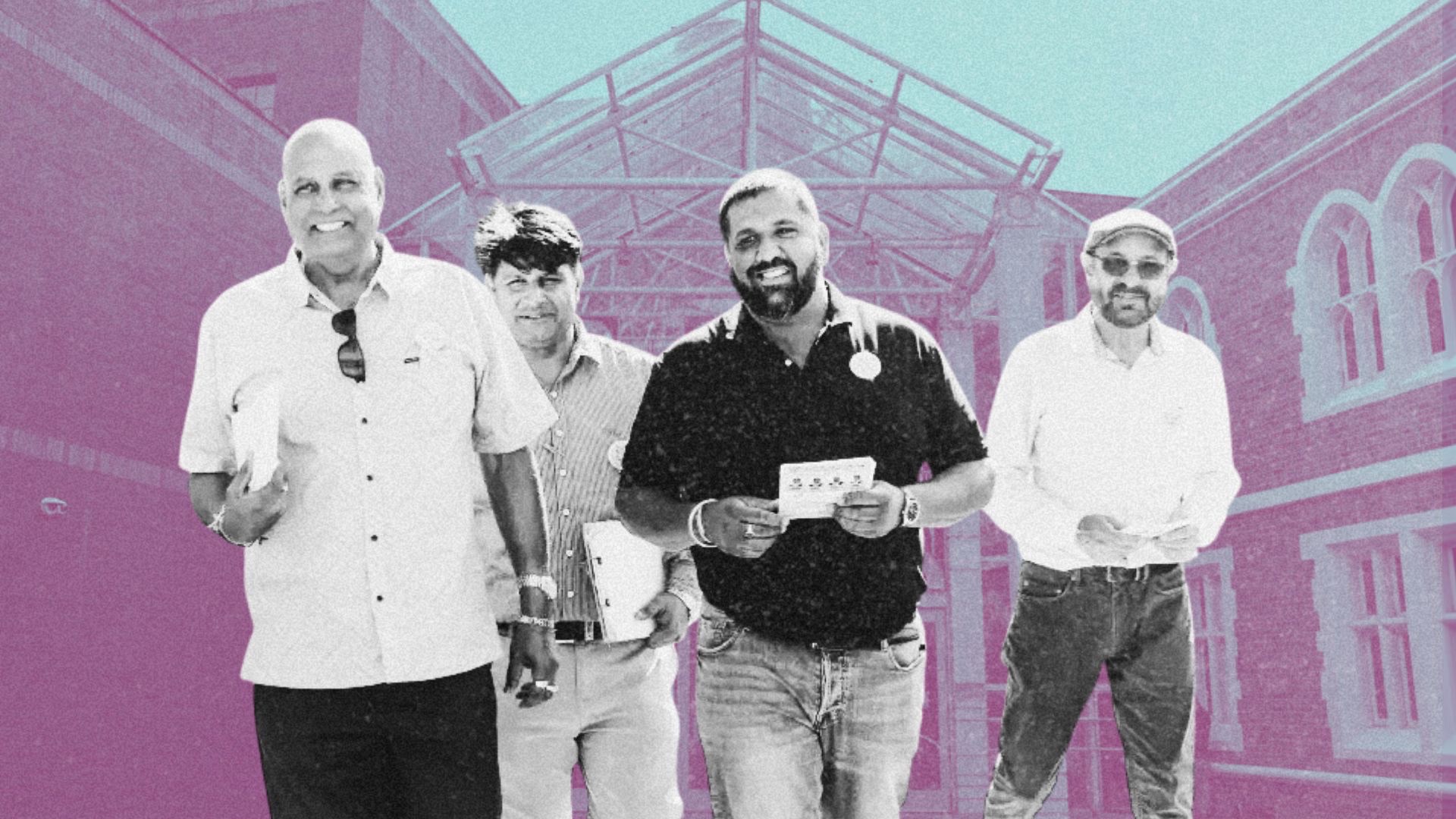
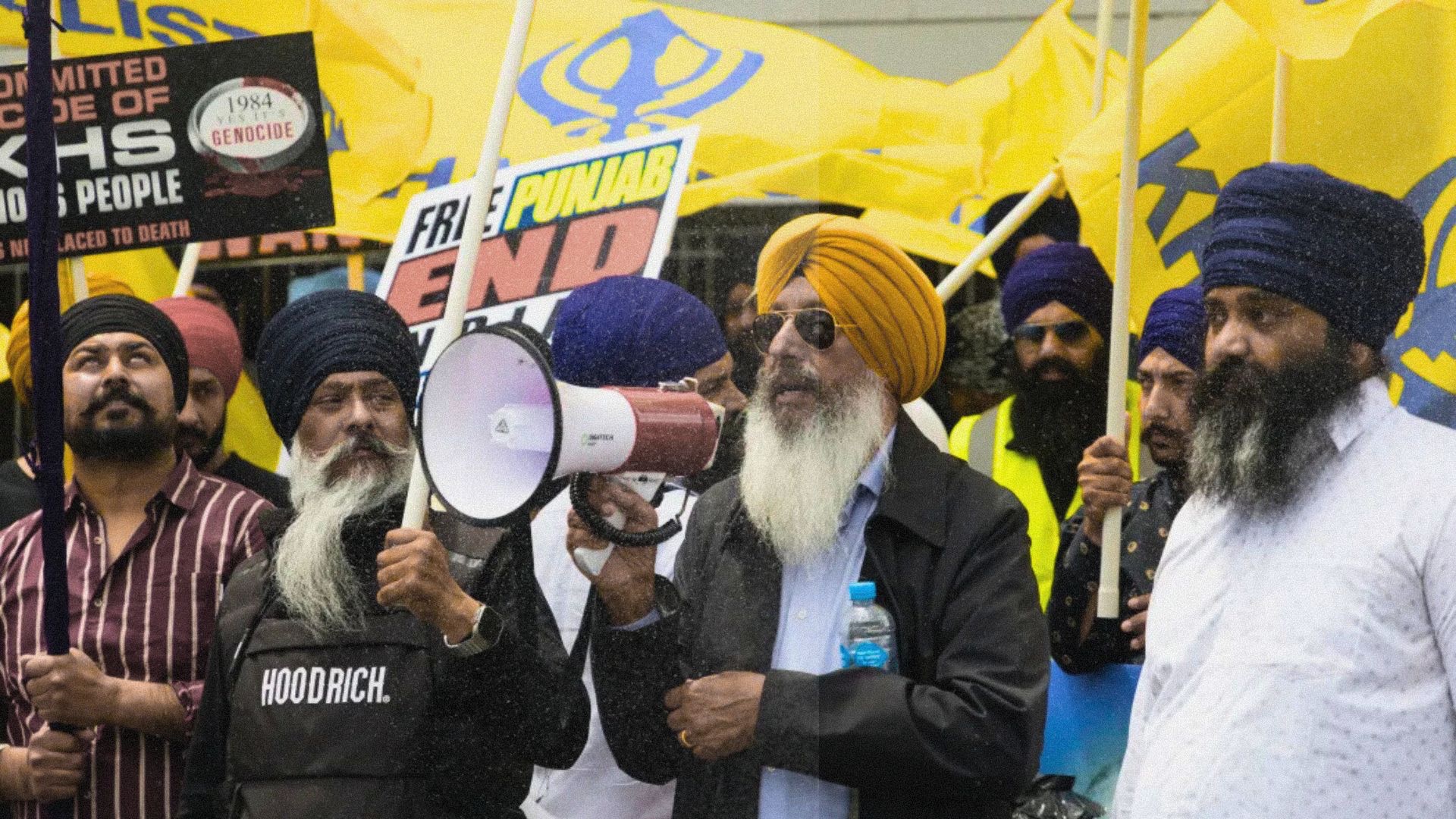
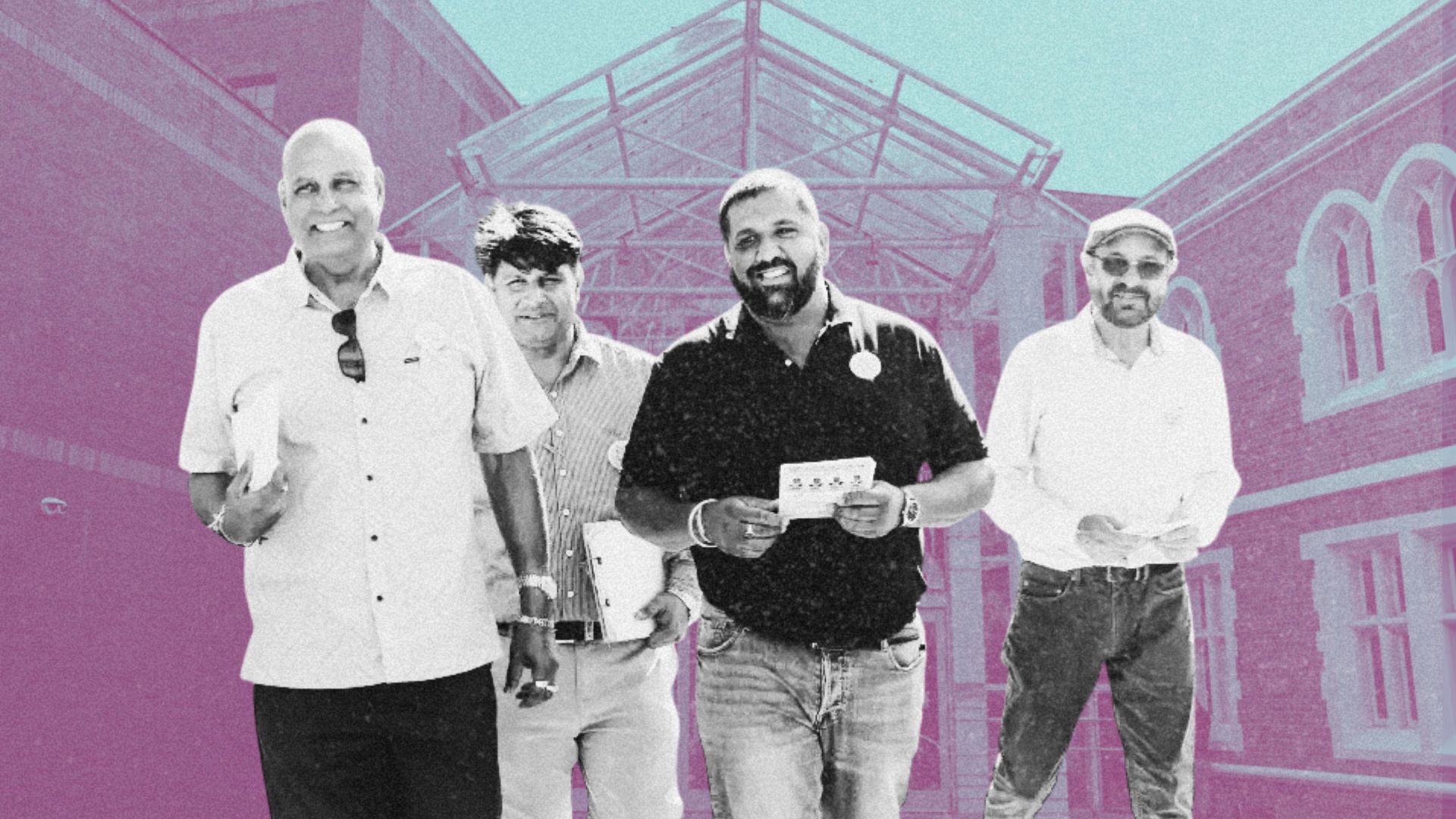
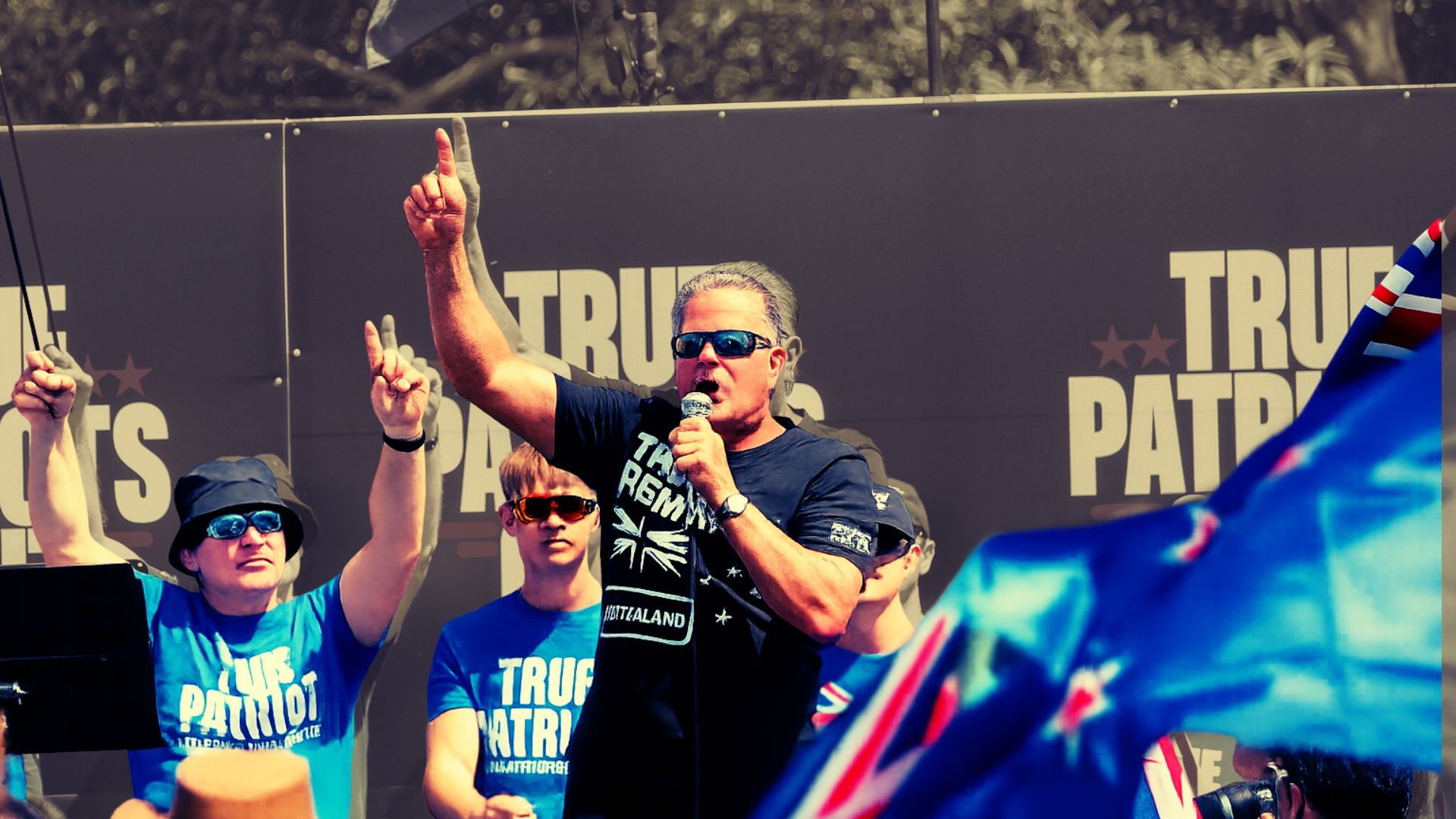
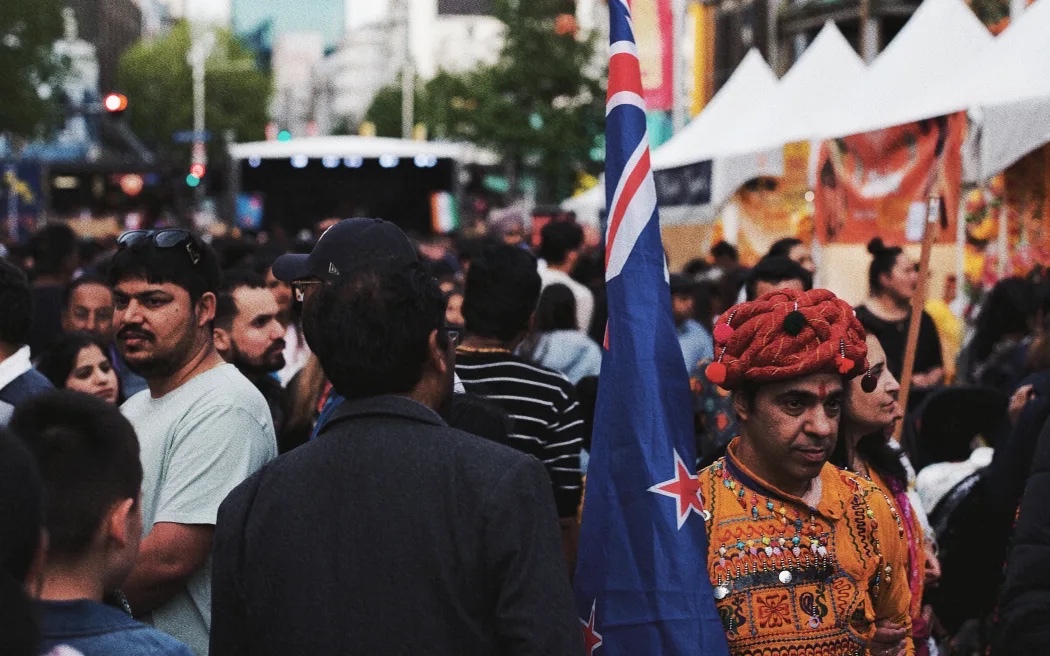
People gather at Auckland's Aotea Square on November 18, 2024, to vote in a non-binding "referendum" on Khalistan.
The man from Rajasthan also submitted photographs of him waving a flag outside the Indian high commission in Wellington.
Participating in an unofficial, non-binding 'referendum' calling for an independent state of Khalistan in Auckland in 2024 didn't put a Sikh man at any real risk of persecution back in India, New Zealand's top refugee tribunal has ruled.
The man, a citizen of India in his mid-20s, said he feared being targeted because of his political activity back in the northern Indian state of Punjab, and his support for Khalistan.
Since arriving in New Zealand in September 2023, he had promoted the non-binding referendum at a rally on November 18, 2024, voted in Auckland and attended a protest outside the Indian high commission in Wellington.


But the Immigration and Protection Tribunal (IPT) has found his political involvement remained low-level, and there was no evidence his activities had attracted the attention of Indian authorities.
“In 2024, he participated in a rally promoting the upcoming referendum and, alongside thousands of other individuals in New Zealand, then voted in the Khalistan referendum,” a recent tribunal order states..
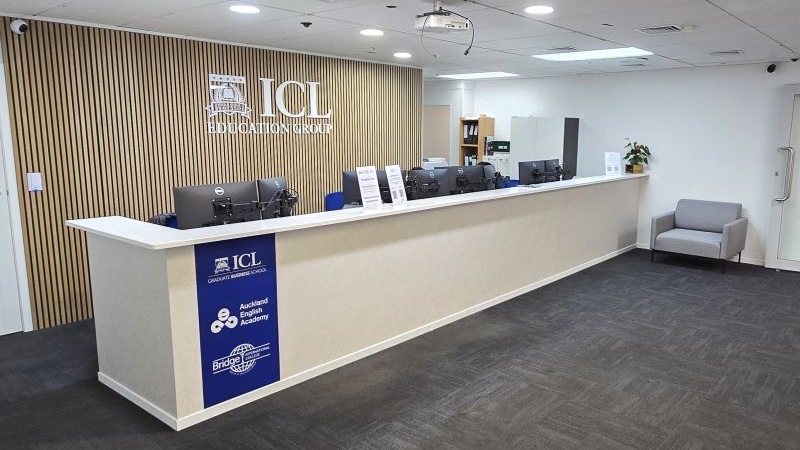
Students with NZ visas told not to travel as Auckland business school faces enrollment ban The school says existing students can continue their studies and that it is working to have the restrictions lifted.
Police have confirmed Rakesh Naidoo is not under investigation, Labour says "The police need to front up here and explain what is going on."
'Don't escalate': Appeal for calm as police increase presence during Diwali amid planned protests Police promise a visible presence and urge festivalgoers to avoid confrontation as Brian Tamaki plans a rally on the same day.
He had also been photographed outside the Indian high commission holding a Khalsa flag and a placard calling for Sikh prisoners to be freed.
“There is no evidence that any of these activities have generated any attention from the Indian authorities,” it said.
The man followed pro-Khalistan accounts online but had not personally published political posts. The tribunal described his social-media profile and footprint as relatively small and unlikely to expose him to serious harm.
It distinguished his case from two successful appeals decided in 2024, in which the applicants had more substantial histories of pro-Khalistan activity.
In one case, the tribunal found a combination of the man’s Khalistan beliefs, history of advocacy, online engagement and a tattoo created a real chance that he would attract the interest of Indian authorities.
In the other, a person’s long-standing membership of several pro-Khalistan Facebook groups, combined with their particular social-media footprint, was found to create a real chance of persecution.
The tribunal said the present appellant’s activities were “significantly” more limited. “As a low-level supporter, the appellant does not appear to fall within an ‘at risk’ category,” it said.
Assaulted after Sikh rally
The man came from a village in the northwestern state of Rajasthan. He told immigration authorities he distributed food and aid to poor people, volunteered at his local gurdwara and followed Sikh and pro-Khalistan pages on Facebook, Instagram and TikTok.
He said before he arrived in New Zealand, unidentified men he believed to be supporters of the Bharatiya Janata Party (BJP) had repeatedly told him to stop supporting Khalistan.
In July 2023, after moving temporarily to another city for work, he said three men approached him by name while he was sightseeing and again told him to stop supporting Khalistan.
He returned home and later stayed in Delhi and Mumbai before travelling to New Zealand. The tribunal assessed his appeal on the assumption that his account was credible.
However, it said the past incidents, while “objectionable”, did not by themselves establish a well-founded fear of future persecution.
“The protection afforded by the Refugee Convention is not focussed on harm in the past. Its gaze is fixed firmly on the risk of harm in the future,” the tribunal stated.
The last physical assault occurred in October 2022, and the man continued living in the same locality for several months without further incident.
His family had experienced no problems since he left India, nobody had enquired about his whereabouts and there was no indication the politician or his alleged supporters retained any interest in him.
The tribunal found the risk of future serious harm was remote and speculative rather than a “real chance”.
Could relocate within India
The tribunal said there was a second reason the claim failed. The man could safely relocate elsewhere in India.
His lawyer argued the BJP had a broad nationwide network and that the influence of Hindu nationalism and police corruption meant he could be found and targeted wherever he went.
The tribunal said no country information had been provided to substantiate the existence of a network through which local BJP figures could locate and harm people with a low political profile across India.
It said similar claims were regularly made in appeals involving people who feared the BJP, but substantive evidence supporting the existence or use of such a network had not been produced.
“For all its faults, India remains a relatively open and functioning democracy where the rule of law is largely respected,” the tribunal said.
The tribunal found he could live in Delhi or in major Punjab cities such as Ludhiana, Jalandhar or Amritsar, which have substantial Sikh populations.
He spoke Hindi and Punjabi, held an information-technology qualification and had previously found work both in India and New Zealand.
The tribunal said the alleged interest in him was highly localised and any chance of the local politician, his supporters or police officials locating and harming him elsewhere was no more than remote and speculative.
The appeal was determined without an oral hearing after the tribunal concluded it was “manifestly unfounded”.
It dismissed his claims for refugee status and protection under the Convention Against Torture and the International Covenant on Civil and Political Rights.