
Children can't be blamed for overstayer mother, says tribunal, as family is granted residence

The mother didn't qualify for any residence criteria.
The ruling puts the spotlight back on migrant children who grew up in New Zealand while their parents overstayed their visa.
An overstayer mother and her three children have been granted New Zealand residence after the country's appellate immigration ruled the children could not be blamed for their unlawful status.
The ruling draws a distinction between a parent who becomes unlawful and children whose immigration affairs were managed for them.
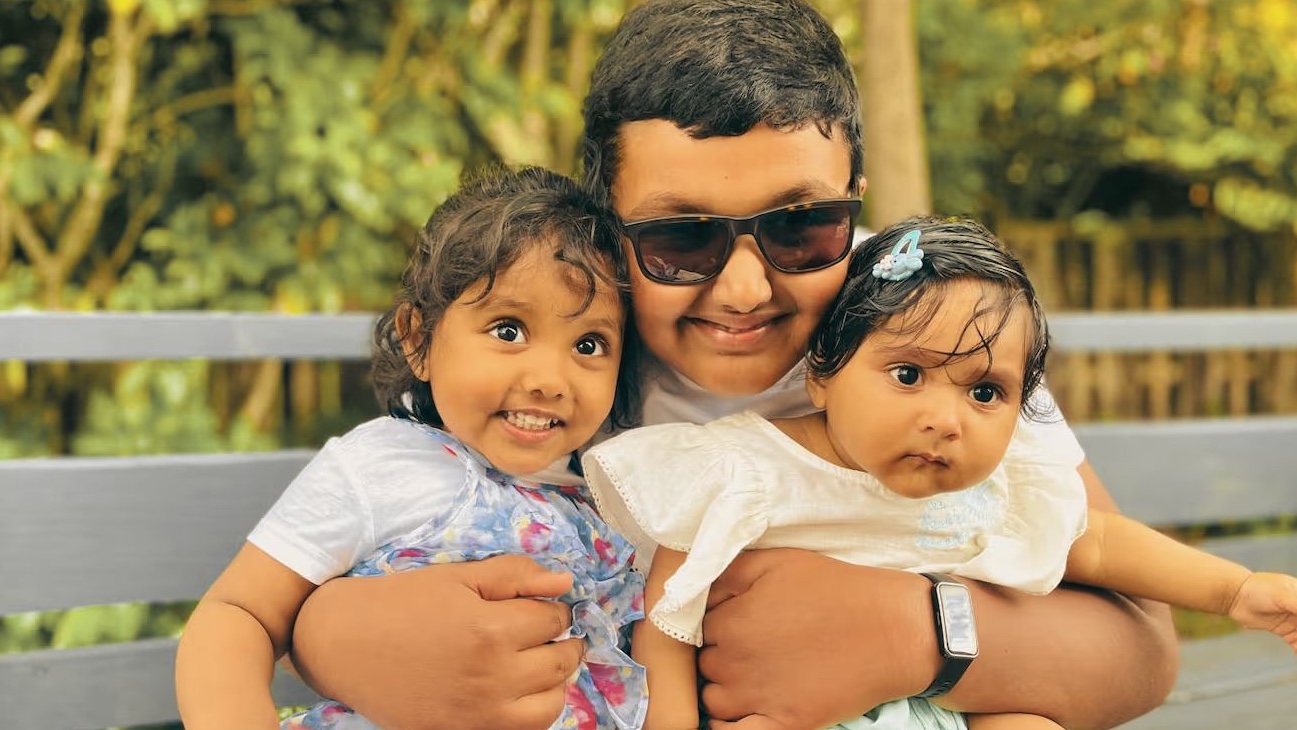
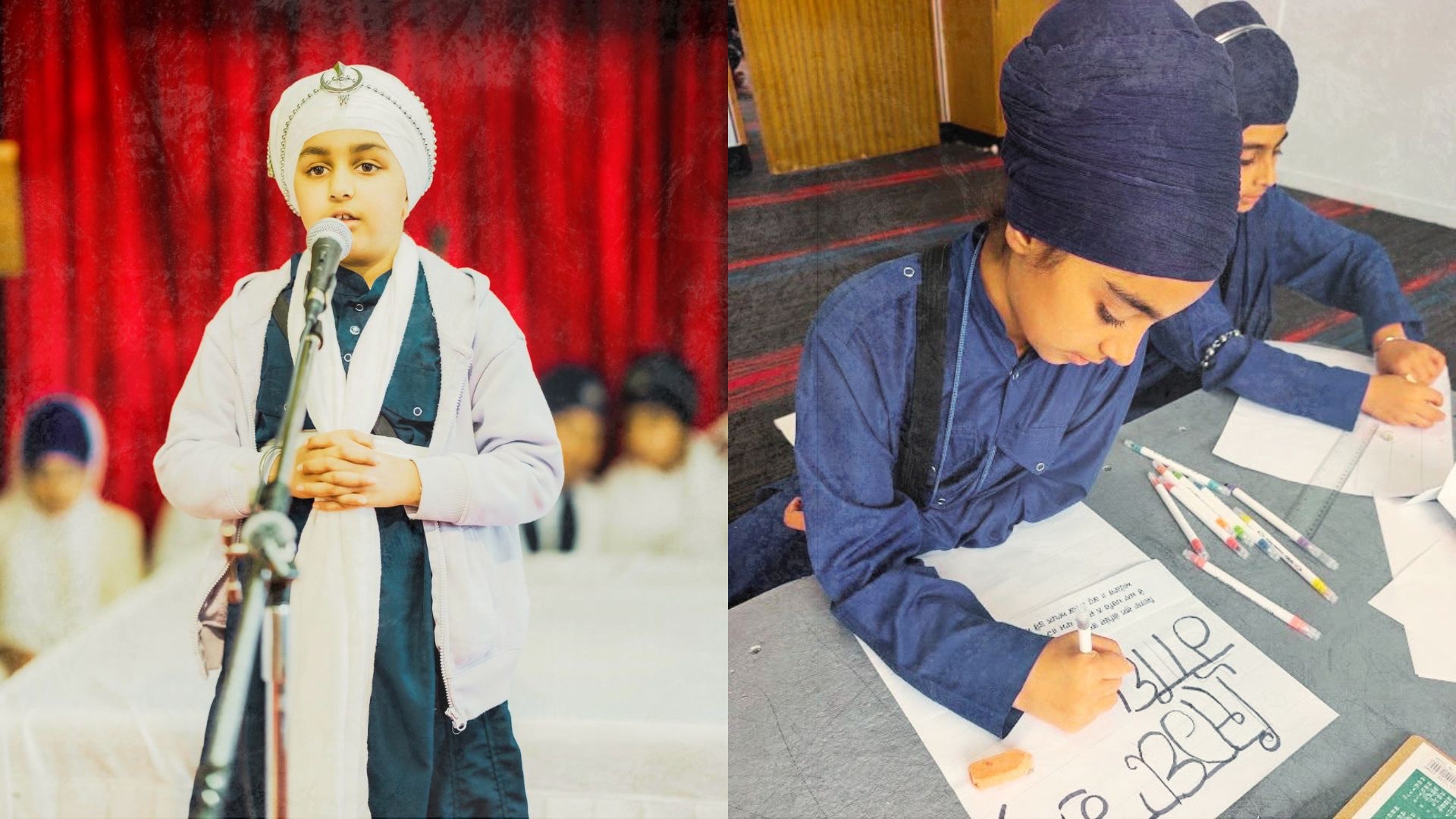
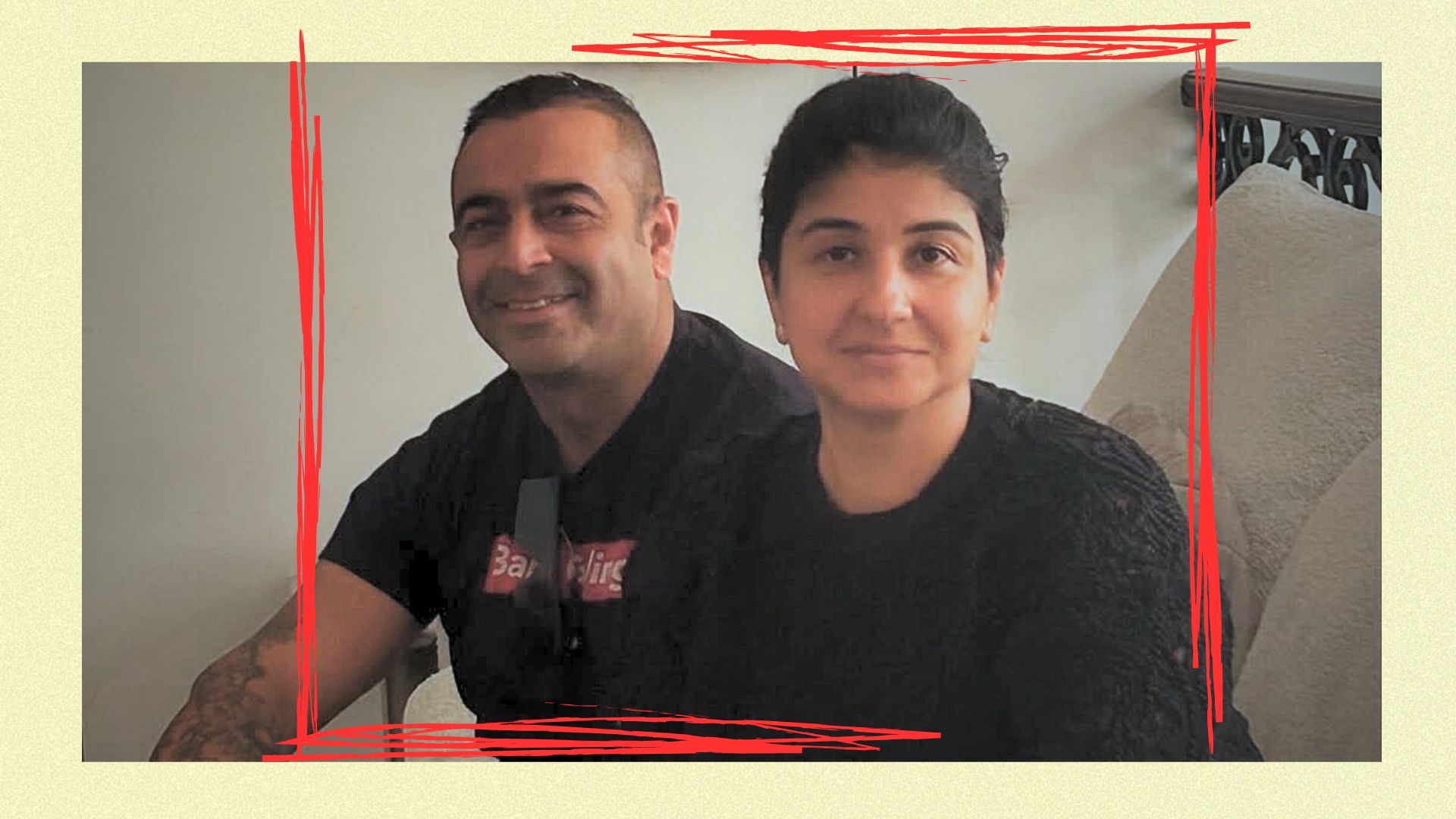
It also has echoes of recent cases of New Zealand-born Indian teenagers Daman Kumar and Navjot Singh, who grew up here without lawful immigration status because of their parents’ circumstances.


Daman was eventually granted residence through ministerial intervention after facing deportation to India, a country he had never visited, but his parents were not allowed to remain with him.
Navjot, who was also born in New Zealand and has never been to India, had his request for residence through ministerial intervention declined last year.
Students with NZ visas told not to travel as Auckland business school faces enrollment ban The school says existing students can continue their studies and that it is working to have the restrictions lifted.
Police have confirmed Rakesh Naidoo is not under investigation, Labour says "The police need to front up here and explain what is going on."
'Don't escalate': Appeal for calm as police increase presence during Diwali amid planned protests Police promise a visible presence and urge festivalgoers to avoid confrontation as Brian Tamaki plans a rally on the same day.
In a decision dated August 20, Immigration and Protection Tribunal (IPT) member M B Martin has allowed a Malaysian family’s humanitarian appeal and directed that all four members be granted resident visas.
The 45-year-old mother and her children – a 20-year-old son and daughters aged 15 and six – became unlawful after their temporary visas expired.
The mother, son and older daughter had lived in New Zealand since 2017, while the youngest daughter was born here in 2020. The mother had applied for residence, but Immigration New Zealand (INZ) indicated she did not qualify under any existing residence category.
In considering their deportation appeals, Martin drew a clear distinction between the mother and her children. “The tribunal does not hold the daughters responsible for the situation that they now find themselves in.”
Their immigration affairs had been managed by their mother, and the tribunal said neither could be held responsible for becoming unlawful. It did, however, hold the mother responsible for her own immigration status.
But the circumstances of the older children weighed heavily in the family (and the mother's) favour.
The 15-year-old daughter arrived in New Zealand shortly after turning seven and had completed most of her schooling here. She could not speak, read or write Malay and was not sufficiently proficient in Mandarin to study in that language.
The tribunal found moving her to Malaysia during her senior secondary schooling would cause serious disruption.
Her 20-year-old brother had similarly spent his teenage years in New Zealand, completed secondary school here and developed strong social and community ties.
The tribunal also found it was in the interests of the immediate family to remain together. It ultimately ordered resident visas for all four, including the mother since it was in the best interests of the children.

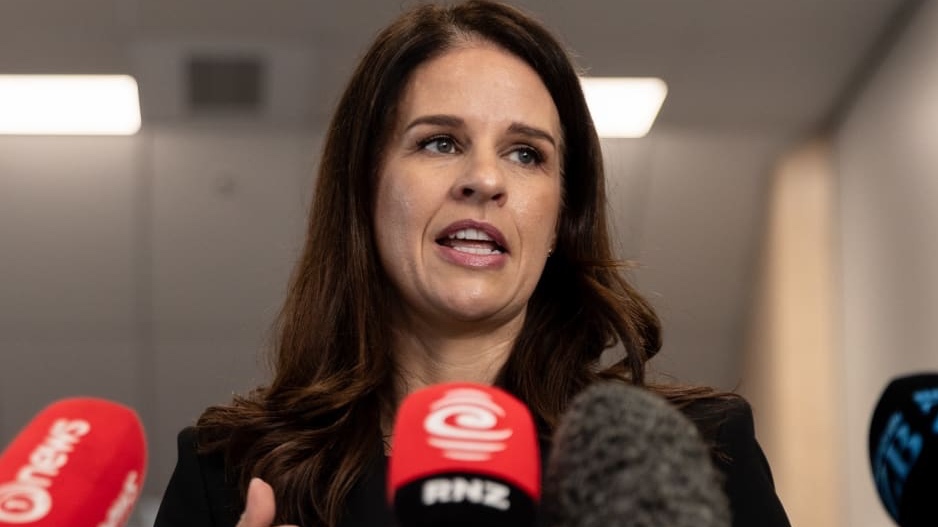
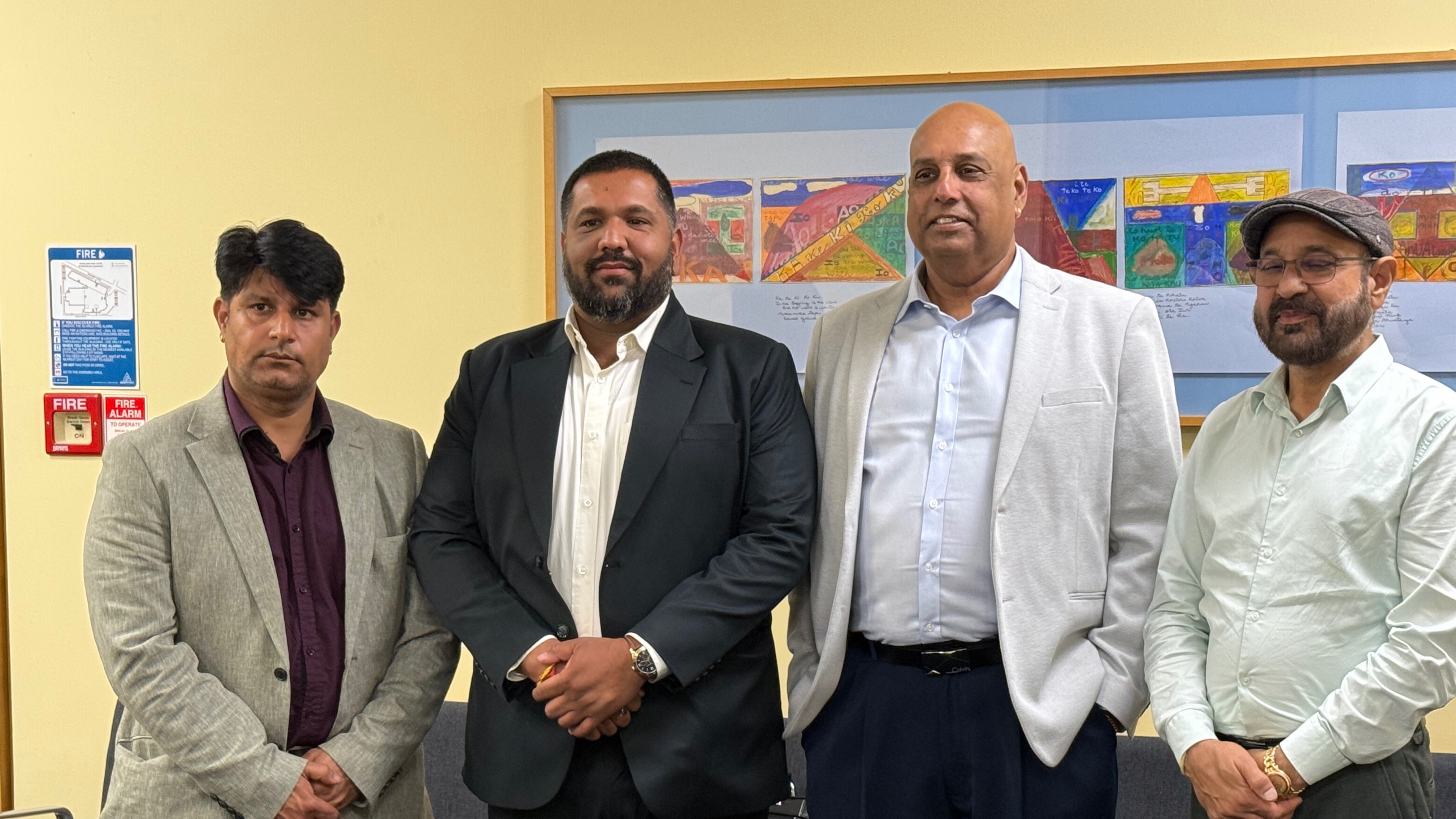
Auckland-based immigration lawyer Alastair McClymont. (Supplied photo)
Immigration lawyer Alastair McClymont said the ruling reflected two humanitarian principles recognised in other western jurisdictions.
“The first is that children develop roots in a country during their formative years, and there comes a point where deporting them from the only society they really know can no longer be justified,” said McClymont, who was involved in both Daman Kumar and Navjot Singh’s immigration cases.
“The second is that separating a family is not necessarily the answer. If the children have established their lives in a country, there is a strong argument that their immediate family should be able to remain with them.”
McClymont said versions of those principles could be found in United States case law and European human rights law, but New Zealand had historically been more reluctant to embrace them politically.
“I think we are seeing an increasing disconnect between the way the Immigration and Protection Tribunal approaches these situations and the way the present government approaches them,” he said.

Daman Kumar, 18, was offered residency after facing deportation. (Supplied photo)
That tension has been visible in the treatment of Daman and Navjot. Daman was born in New Zealand in 2006 and had never been to India when he faced deportation at the age of 18.
The INZ said because his mother was unlawful when he was born, he inherited her unlawful immigration status. After his case attracted public attention, associate immigration minister Chris Penk granted him residence in February 2025.
His parents were not granted visas, leaving the family facing separation – an outcome that contrasts with the tribunal’s emphasis in the Malaysian case on keeping the immediate family together.
Navjot’s case went the other way. Born in Auckland in 2007, he grew up without lawful immigration status and has never been to India. His request for residence through ministerial intervention was declined last year.
At the time, the government said there was no policy work underway to create a specific pathway for children in such situations, pointing instead to individual remedies including ministerial intervention and appeals to the IPT.
McClymont, who represents Navjot, has said the tribunal route is effectively unavailable to him because humanitarian appeals generally have to be lodged within 42 days of becoming liable for deportation.
For someone unlawful from birth, that window can expire while they are still a baby.