
Modi's Australia visit shows how India’s place in the region has changed
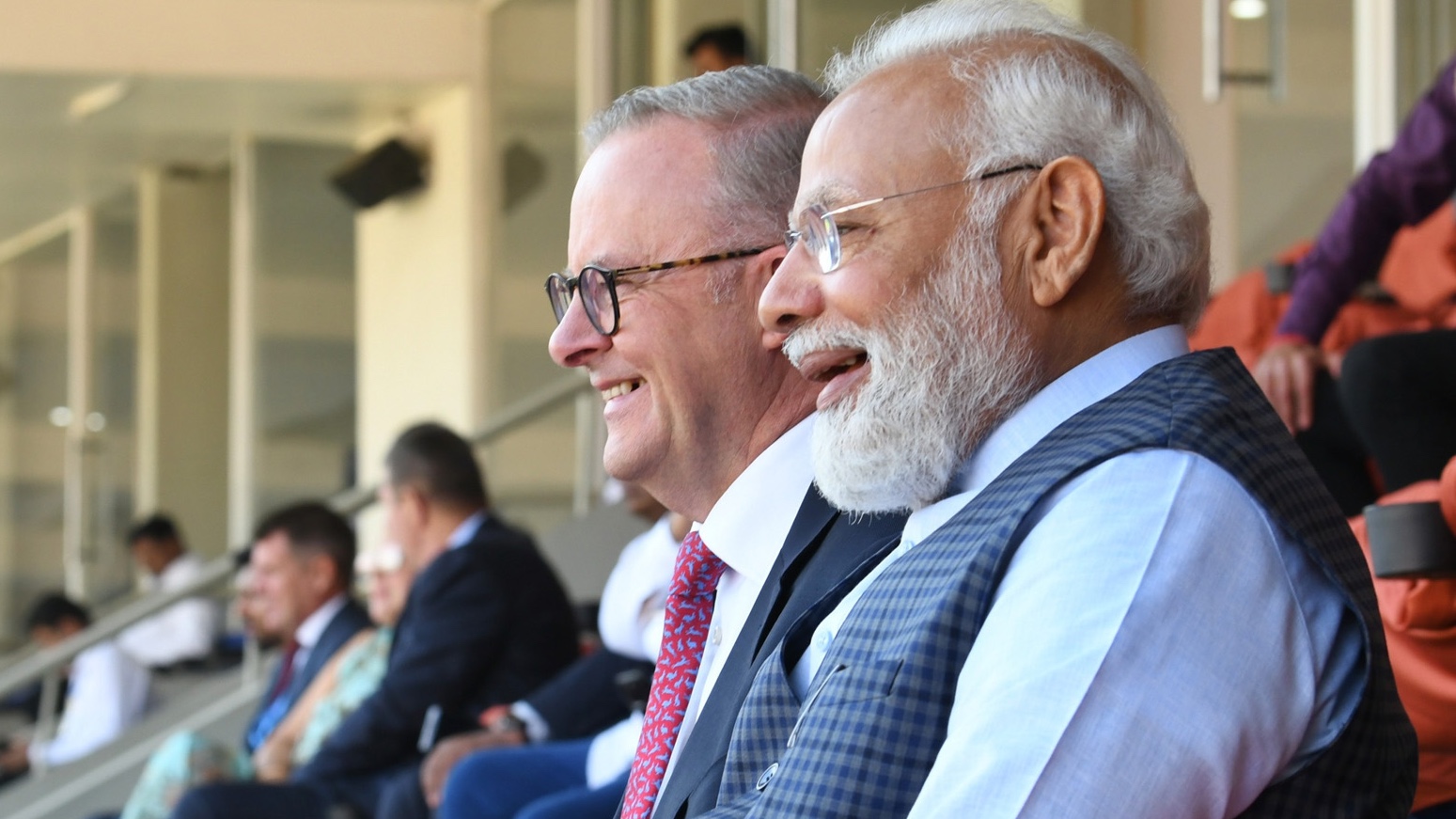
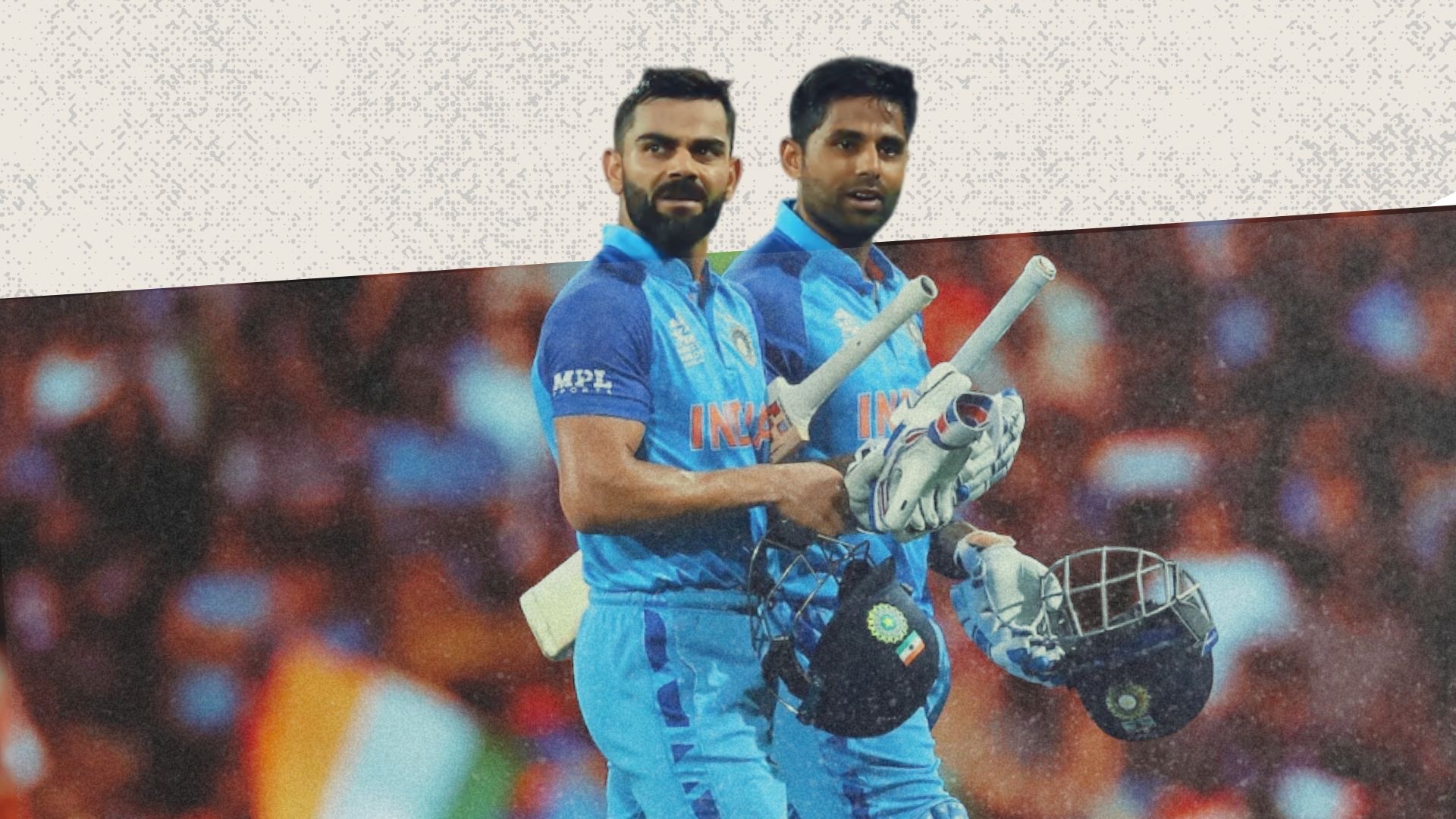
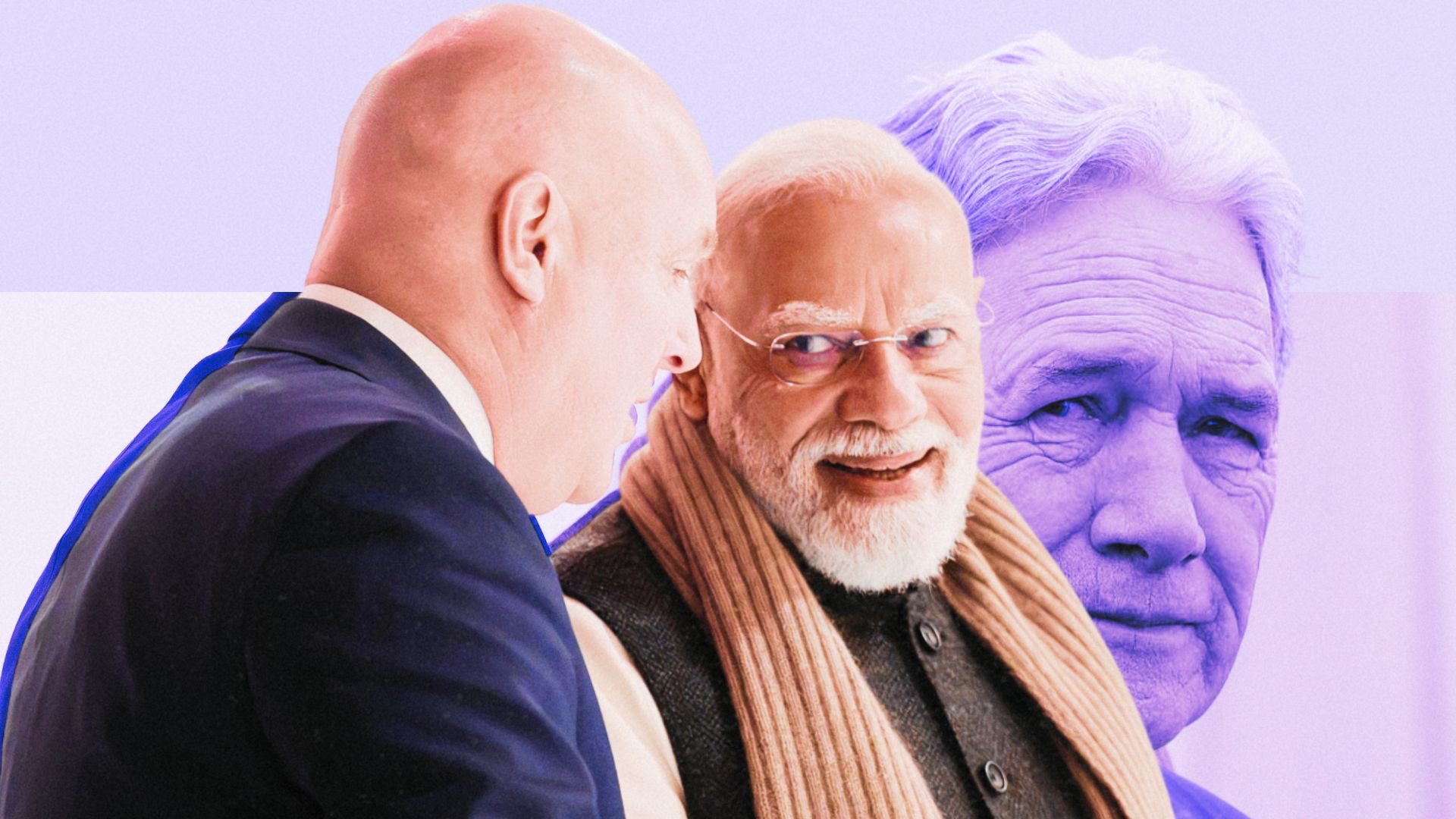
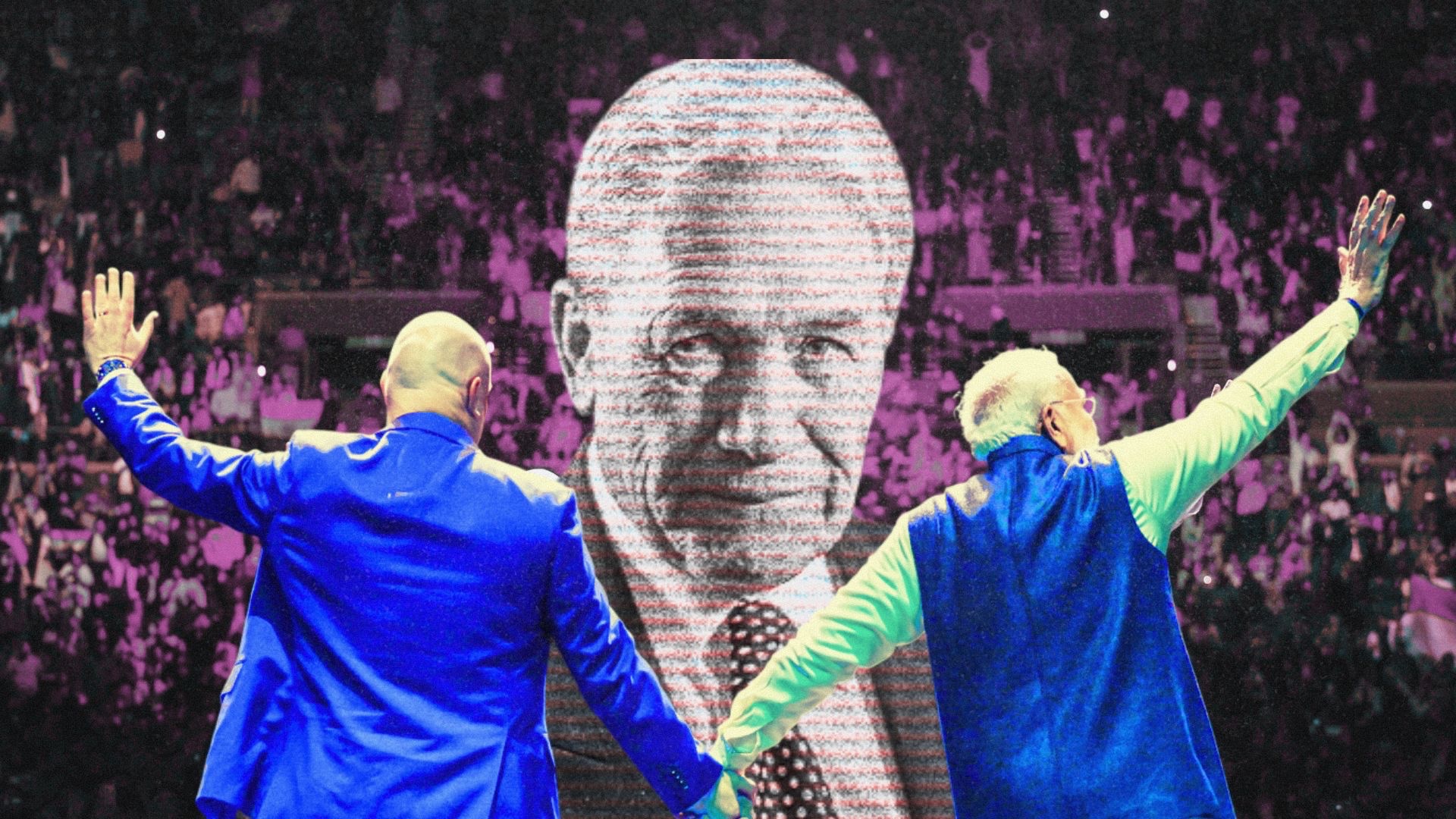
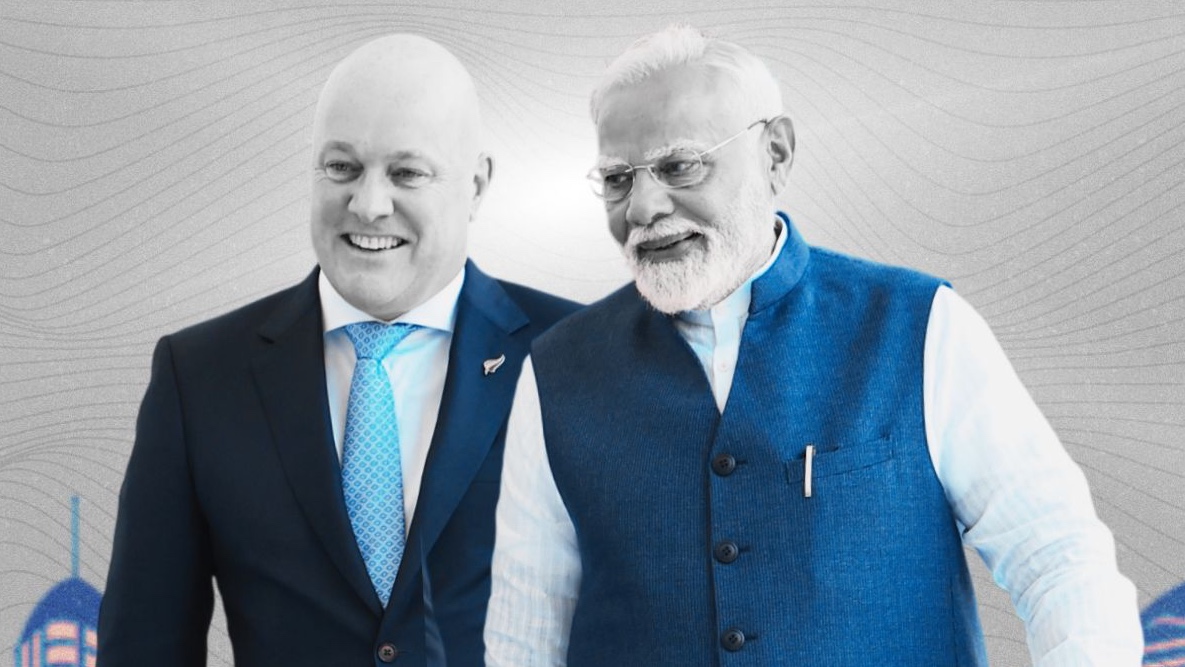
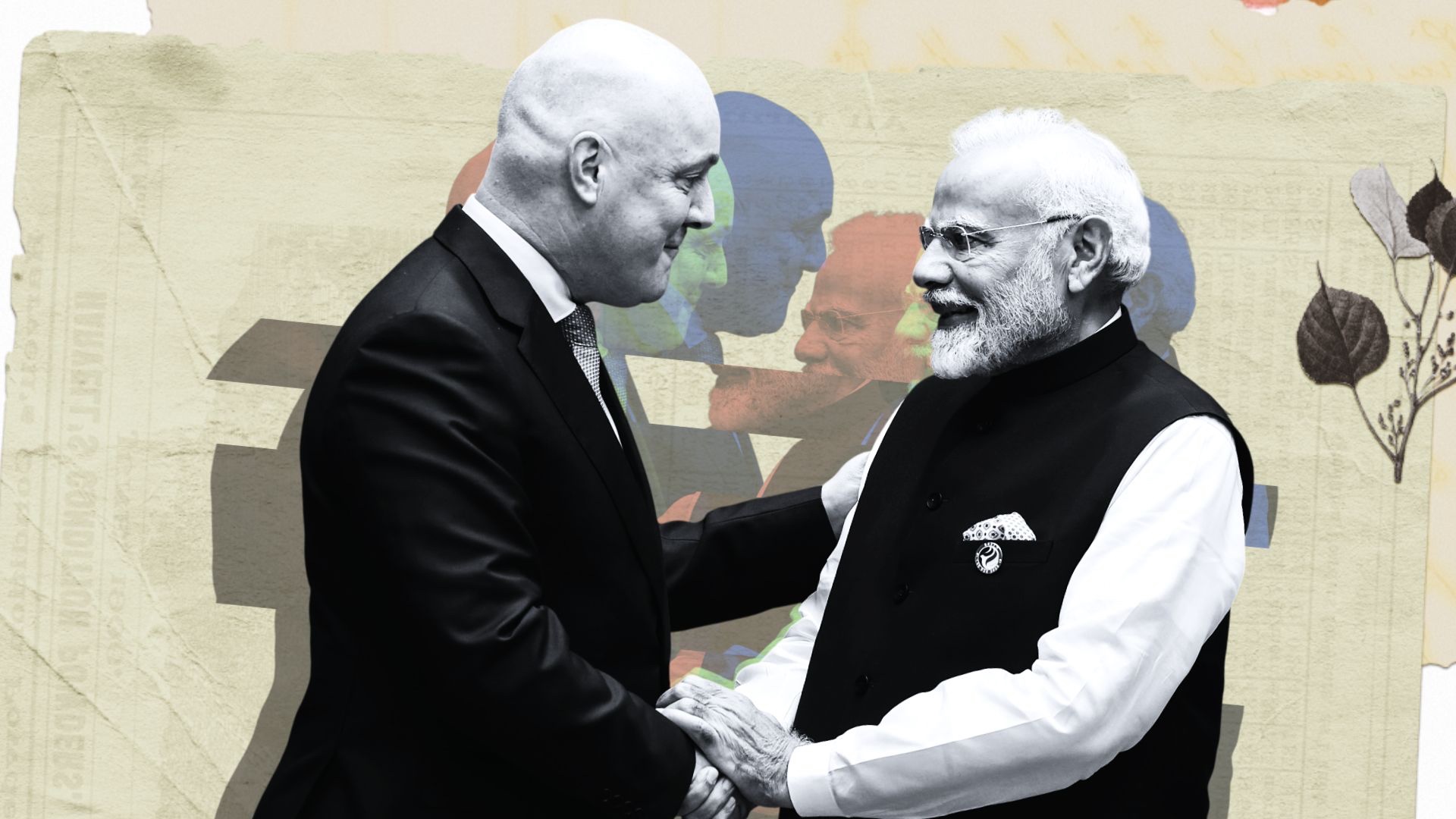
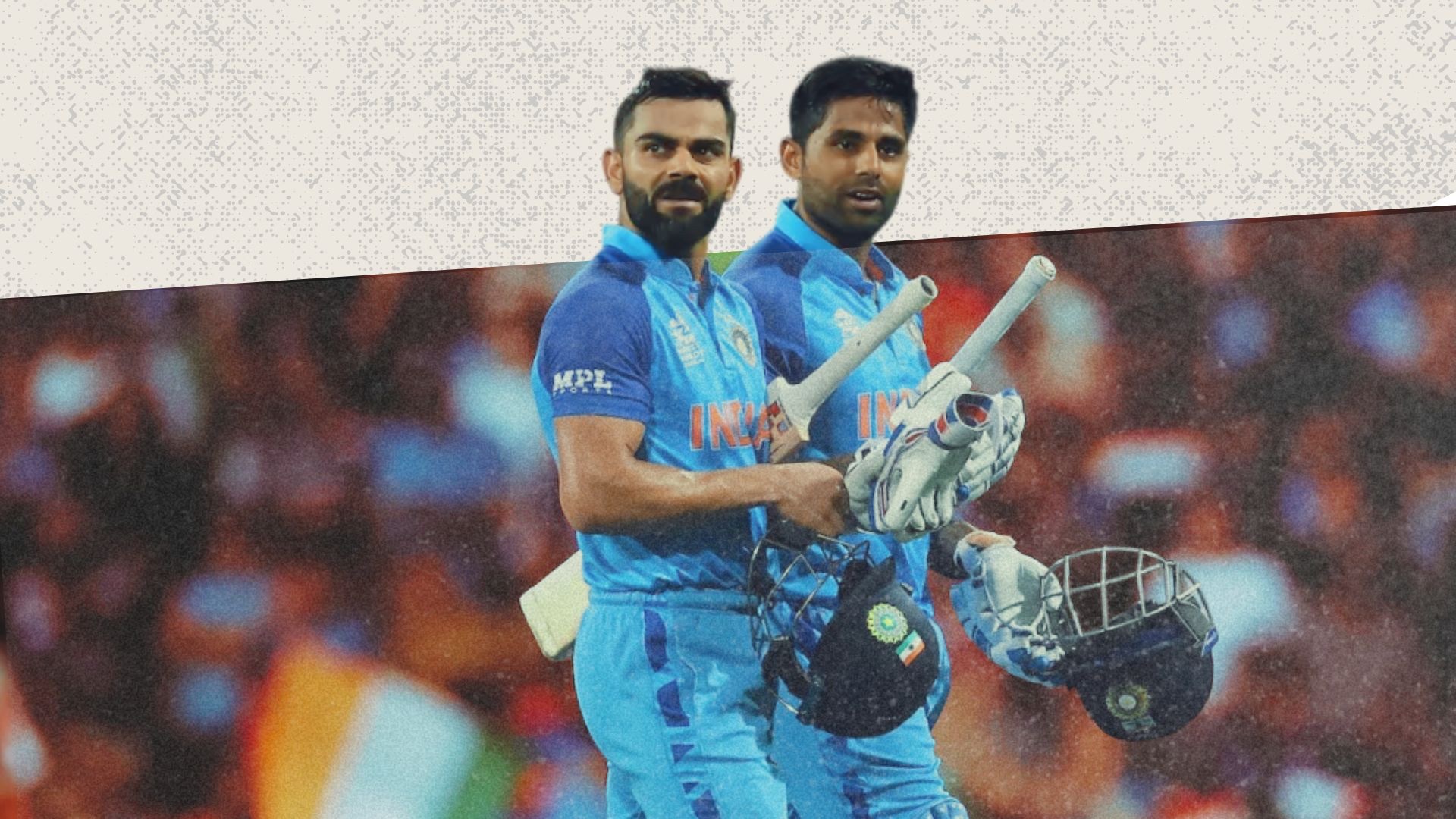
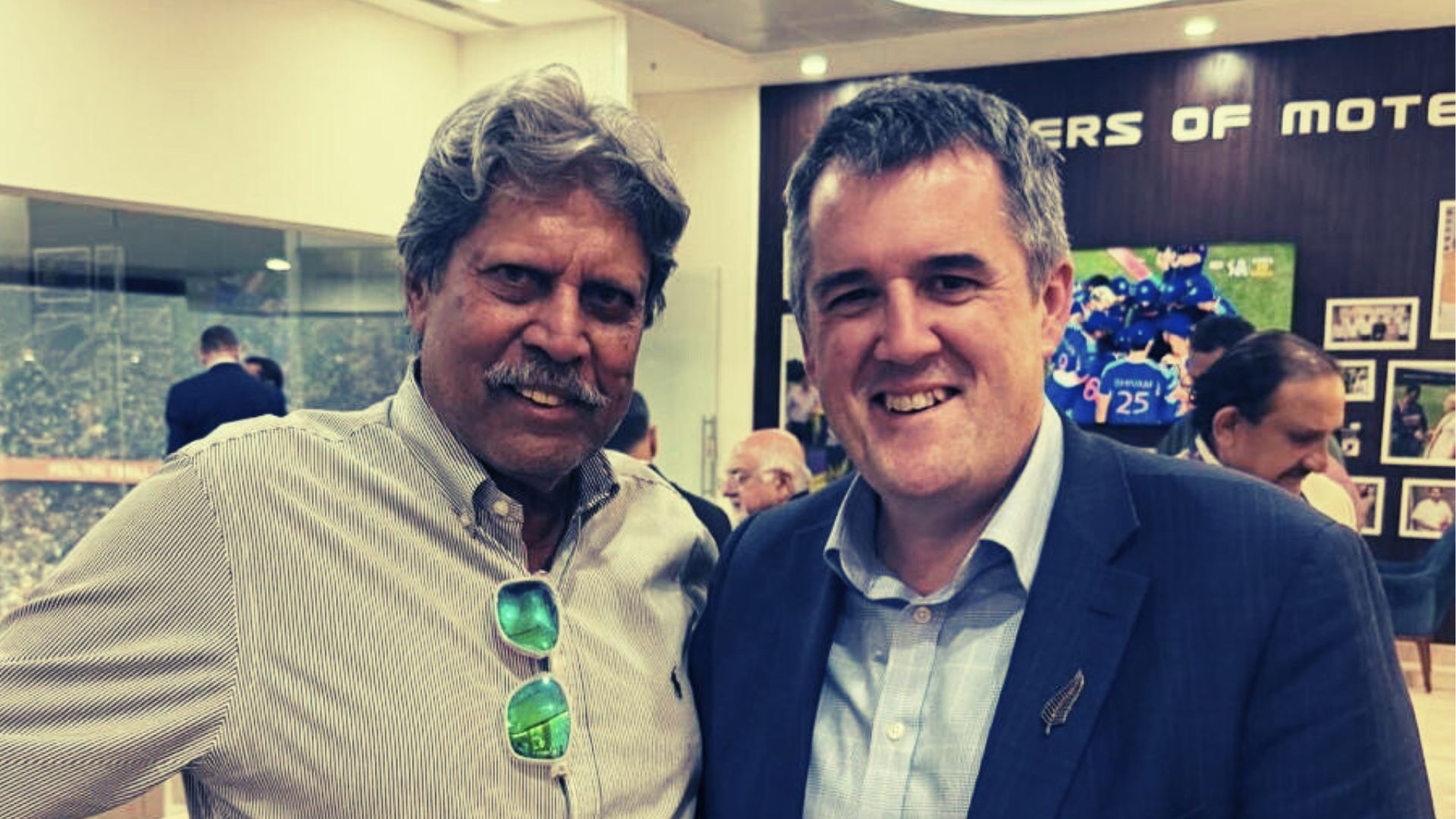
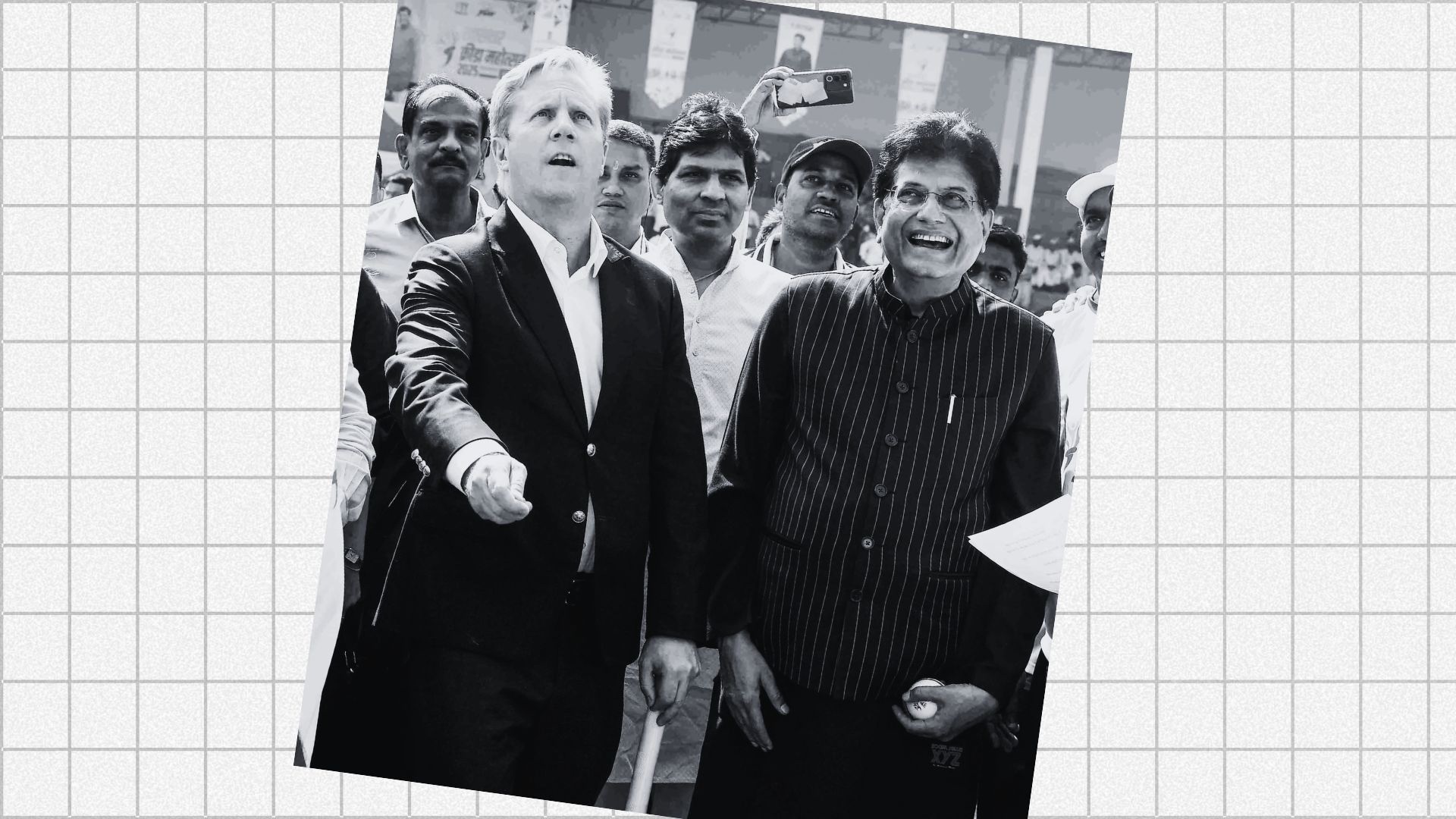
Indian and Australian prime ministers watch a cricket match at Narendra Modi Stadium in Gujarat in March 2023. (Supplied photo)
India and Australia have moved from uneasy partners to strategic allies, but shifting regional dynamics will test what comes next.
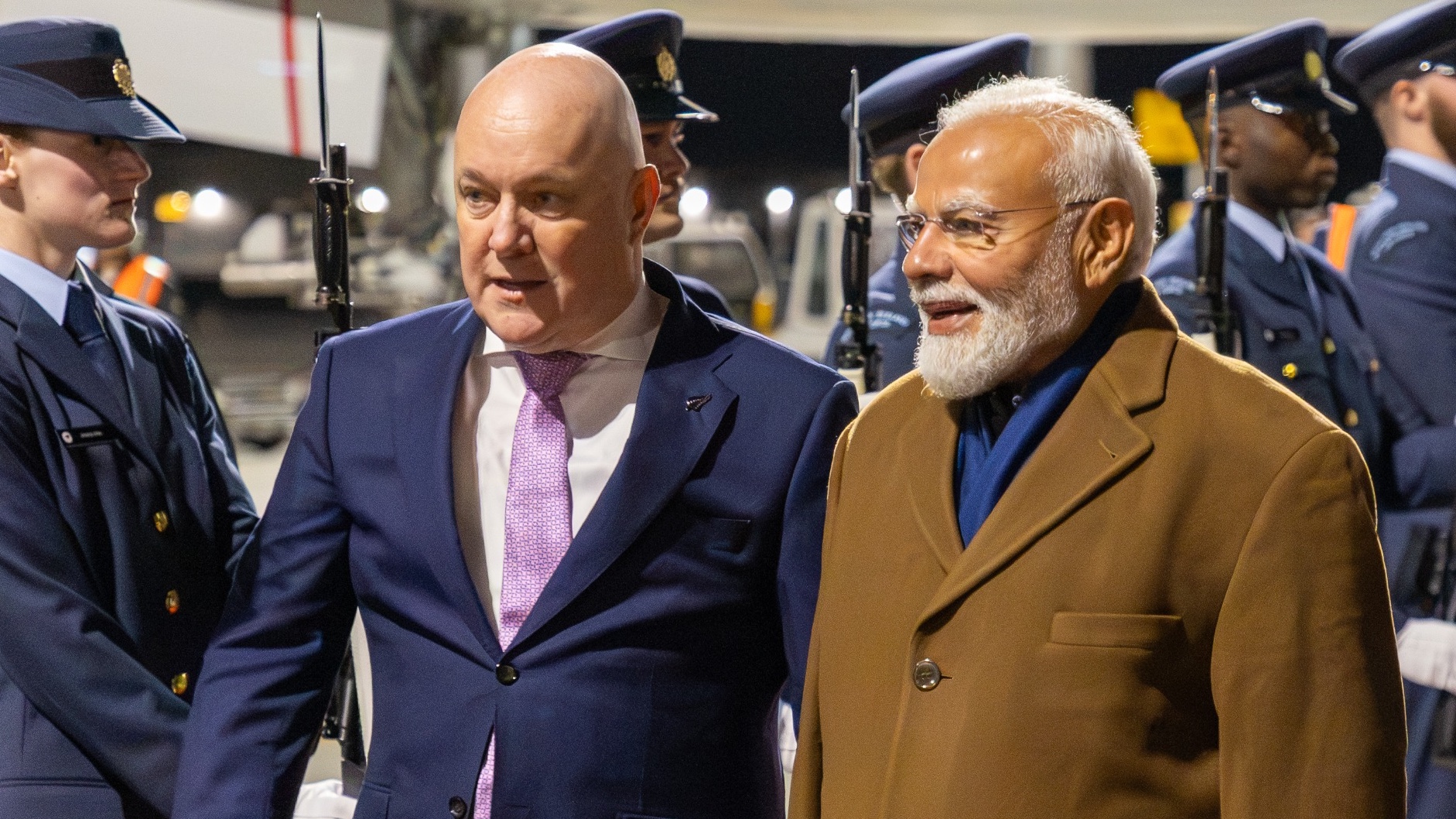
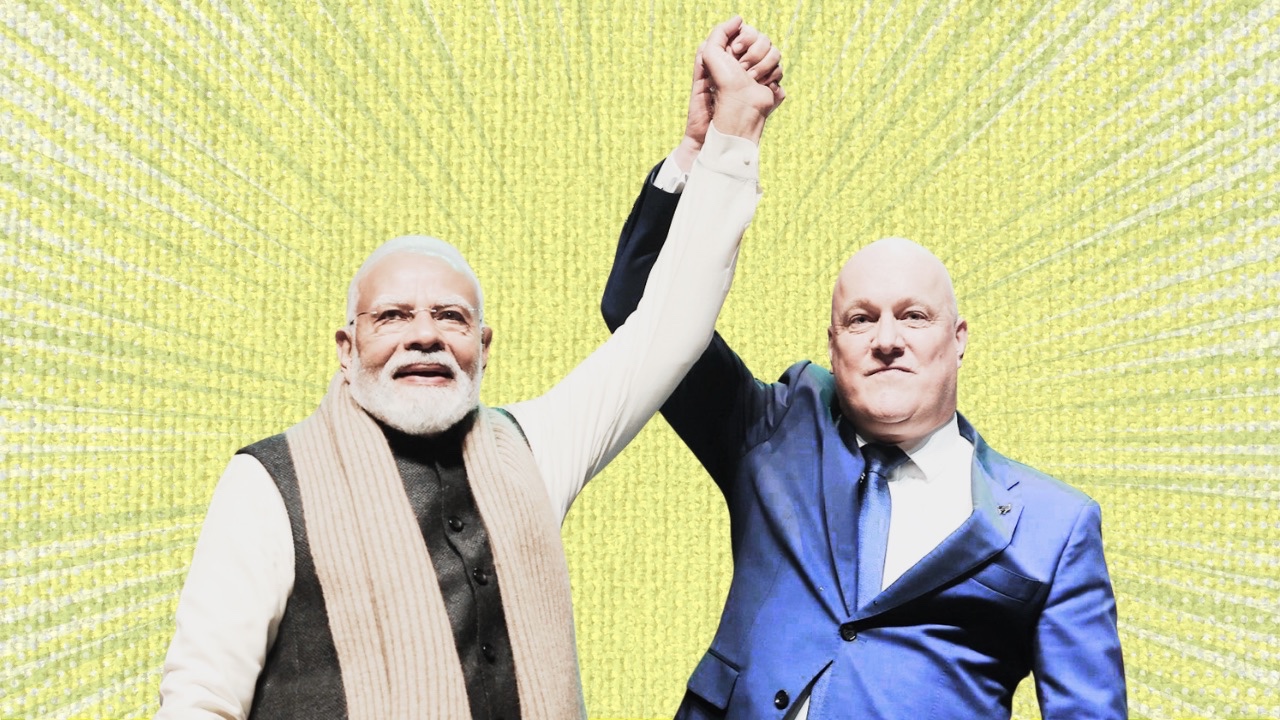
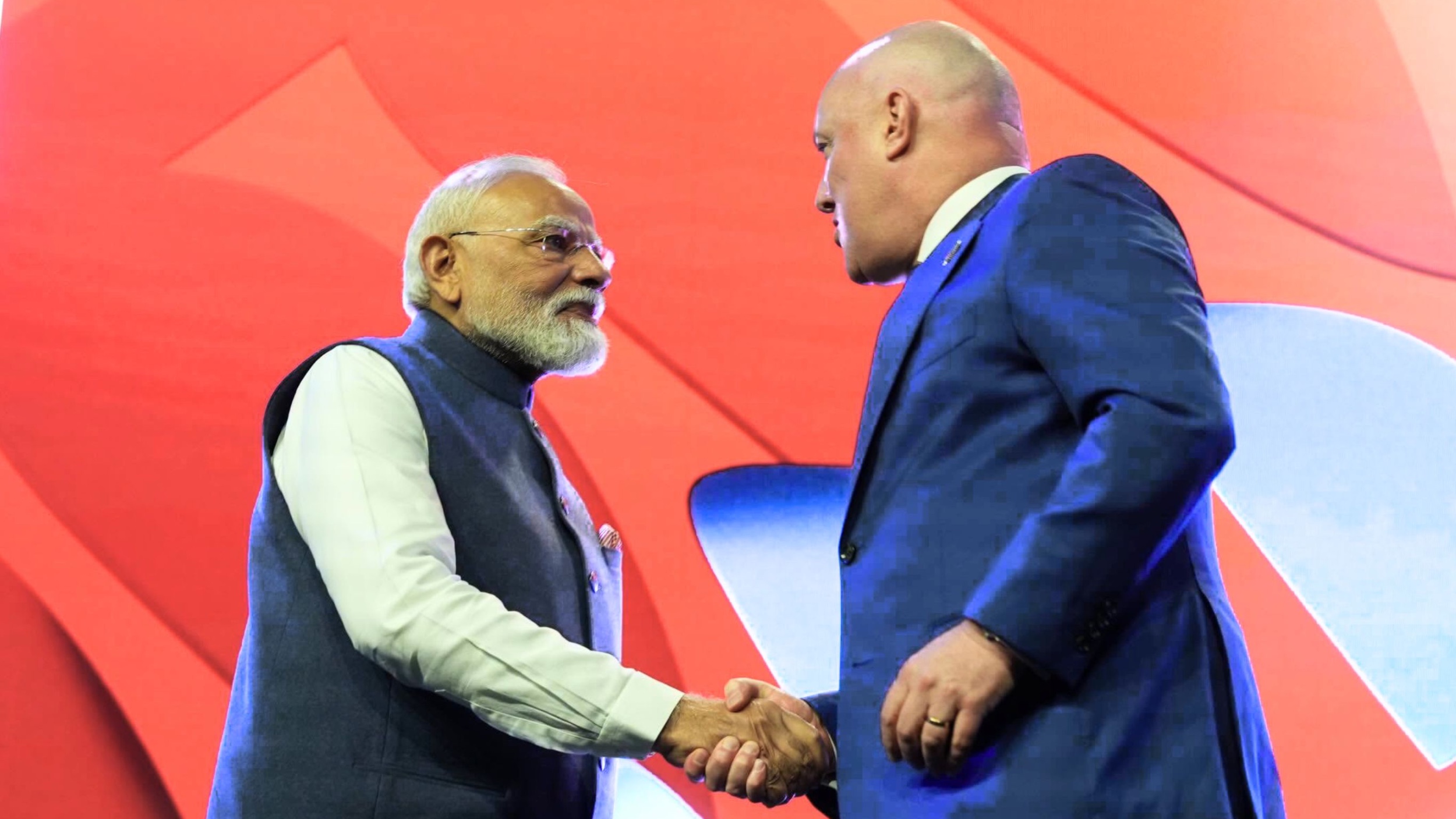
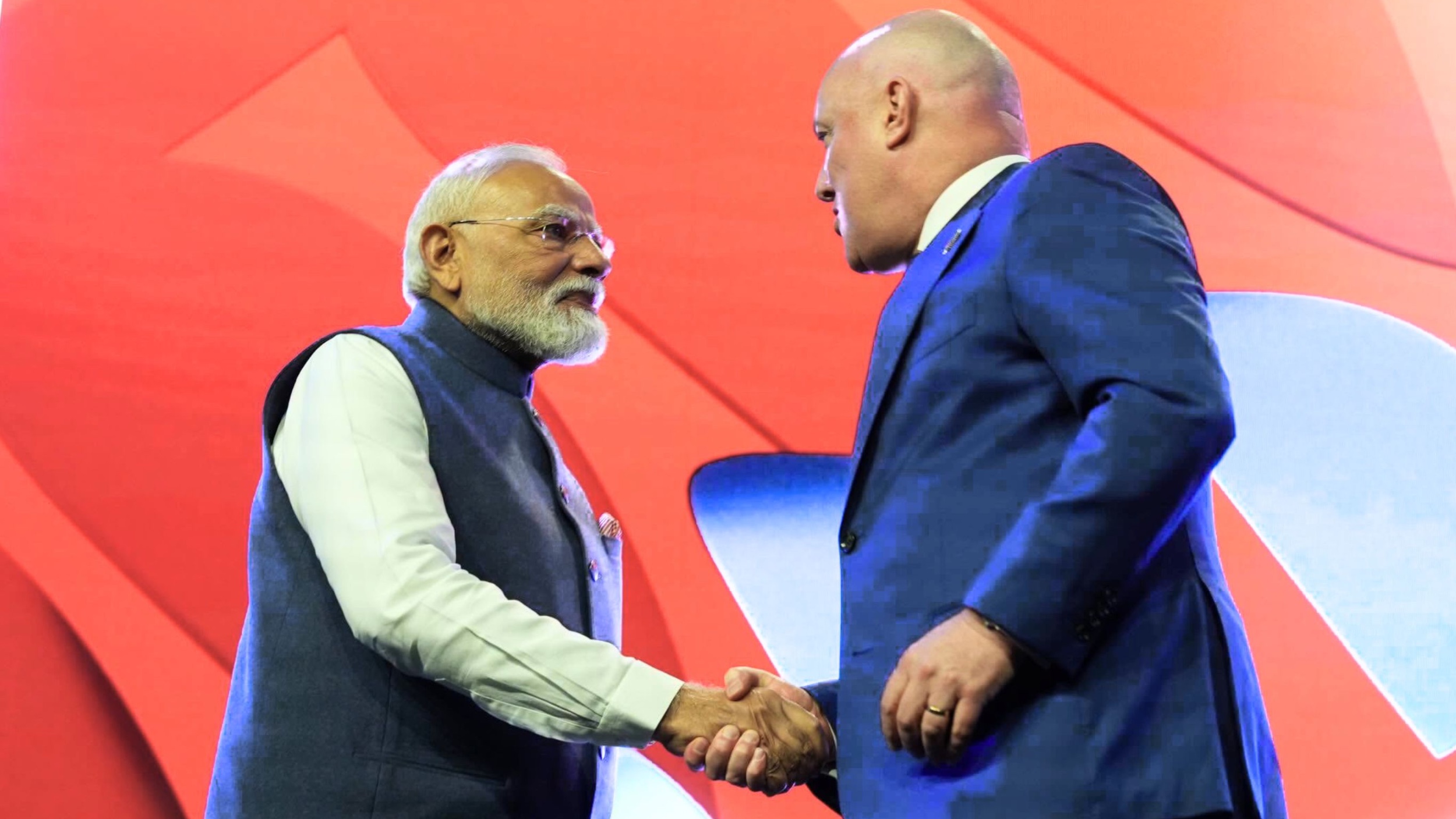
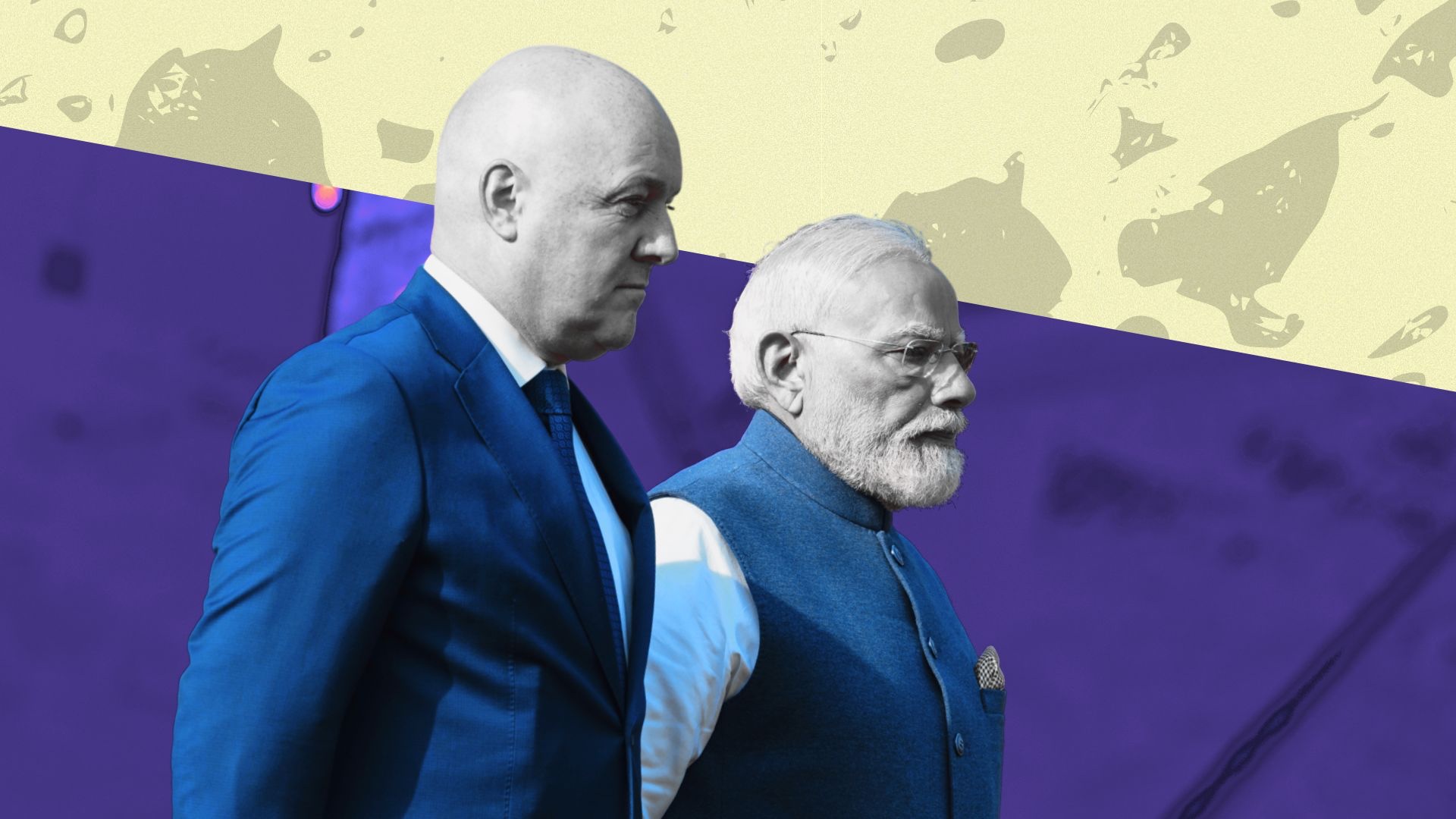
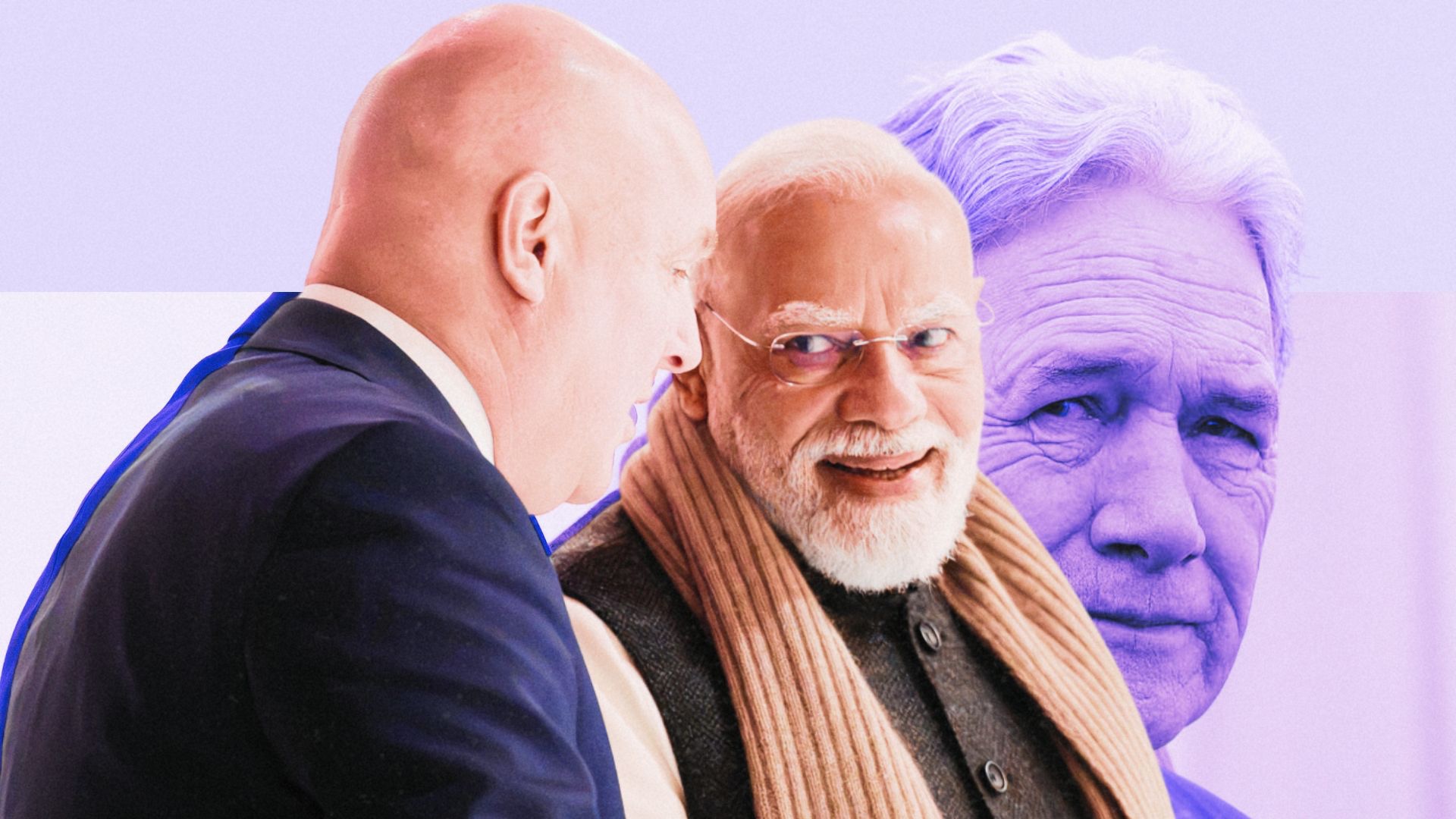
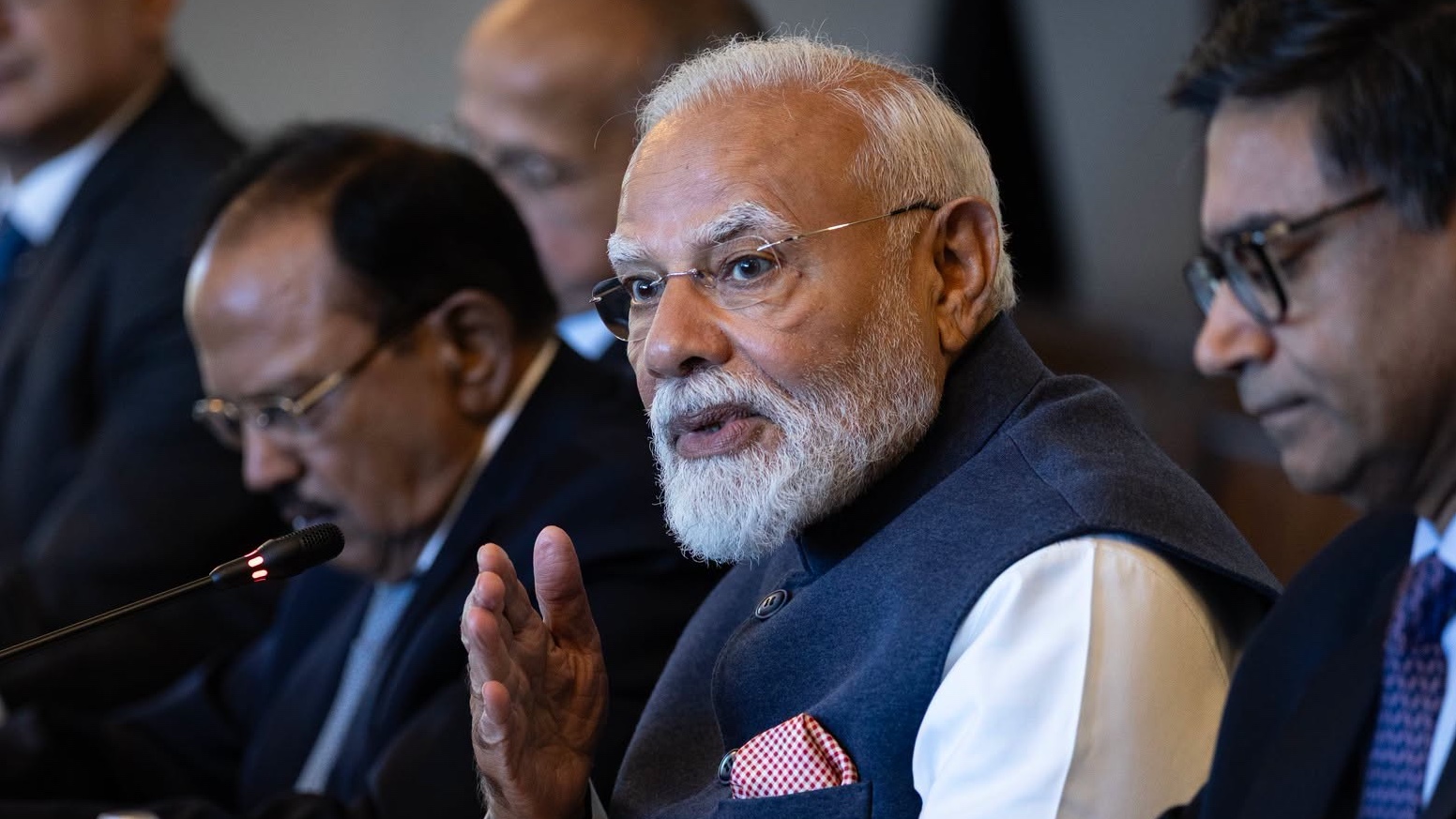
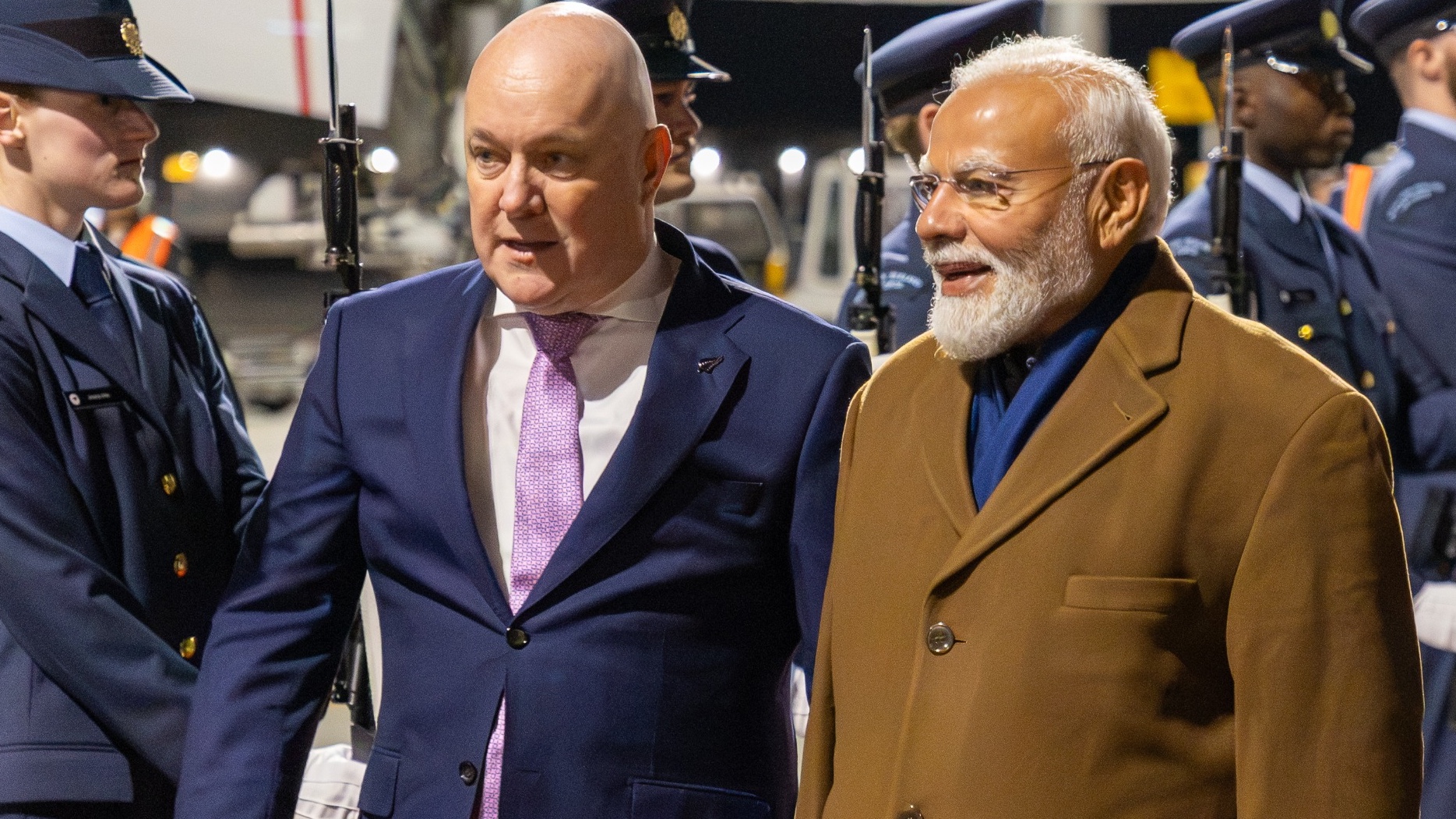
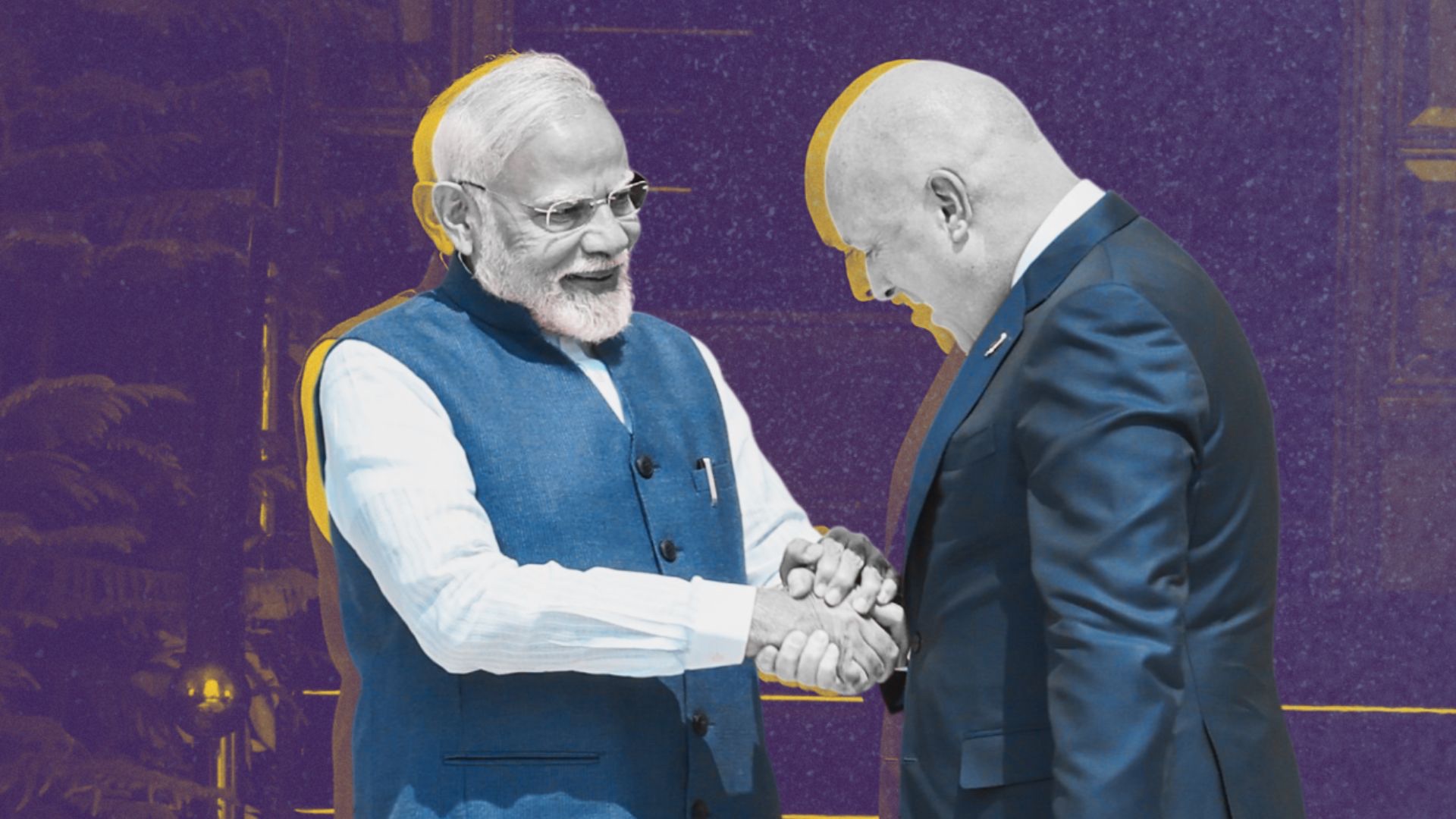
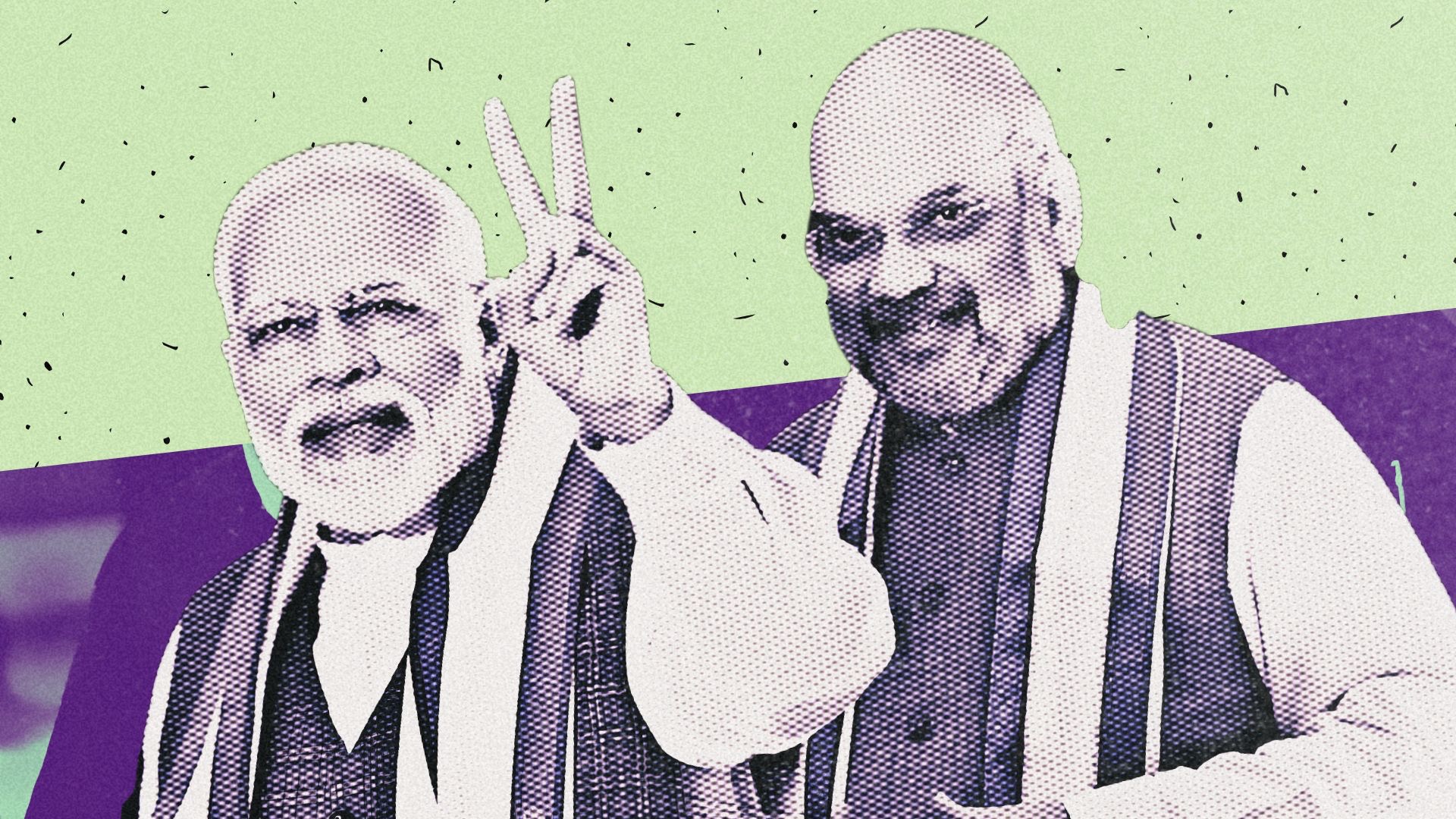
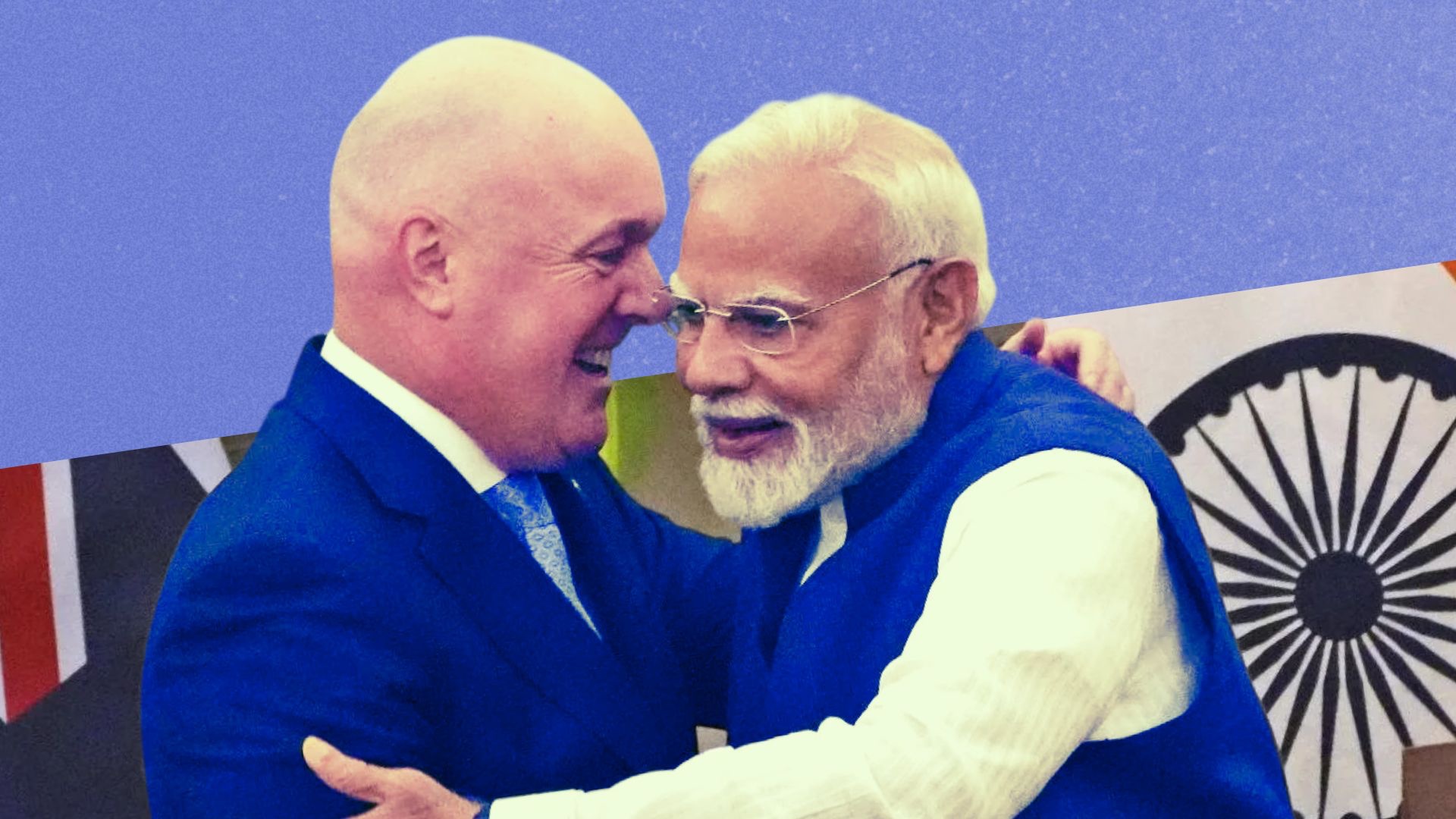
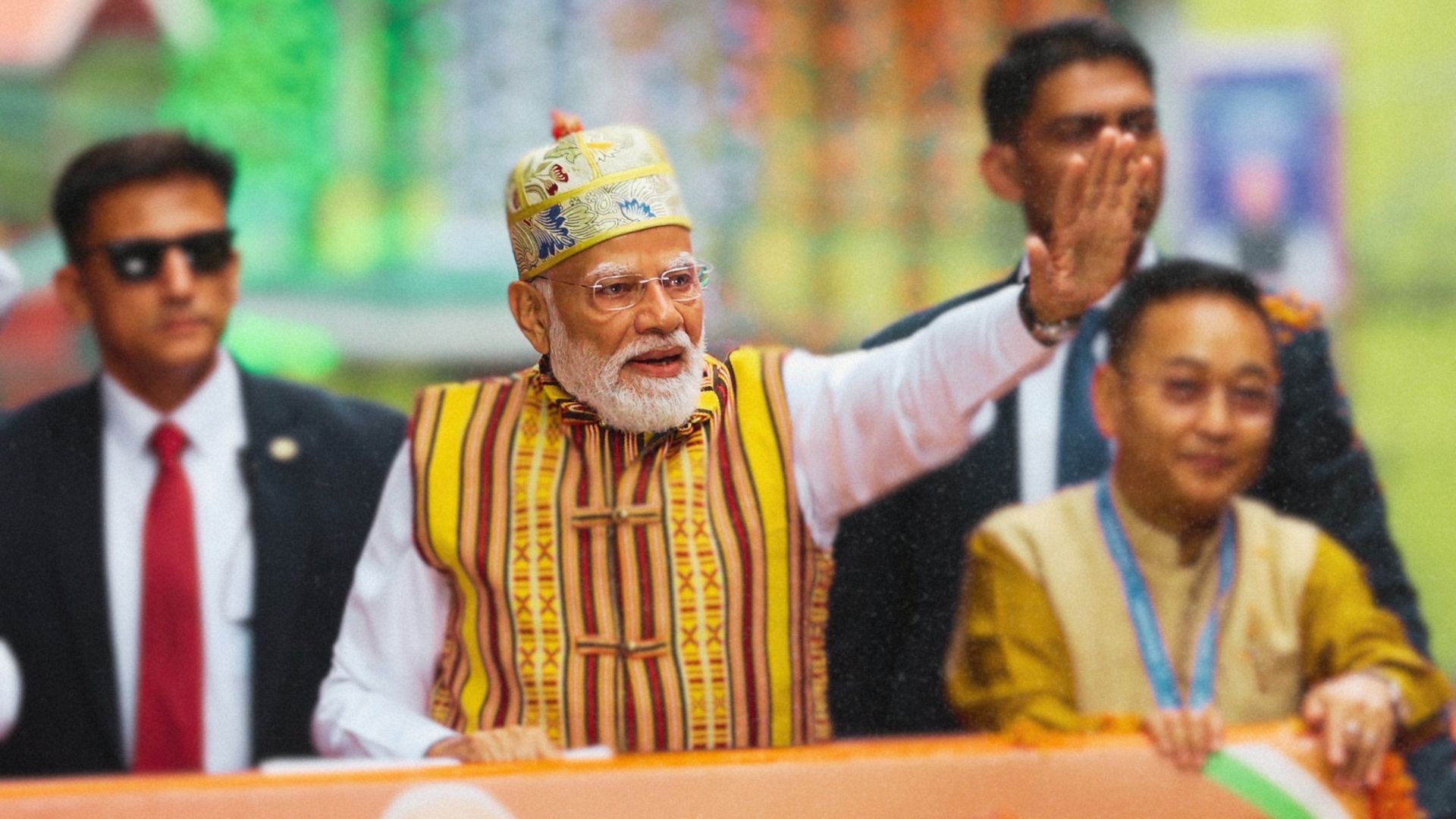
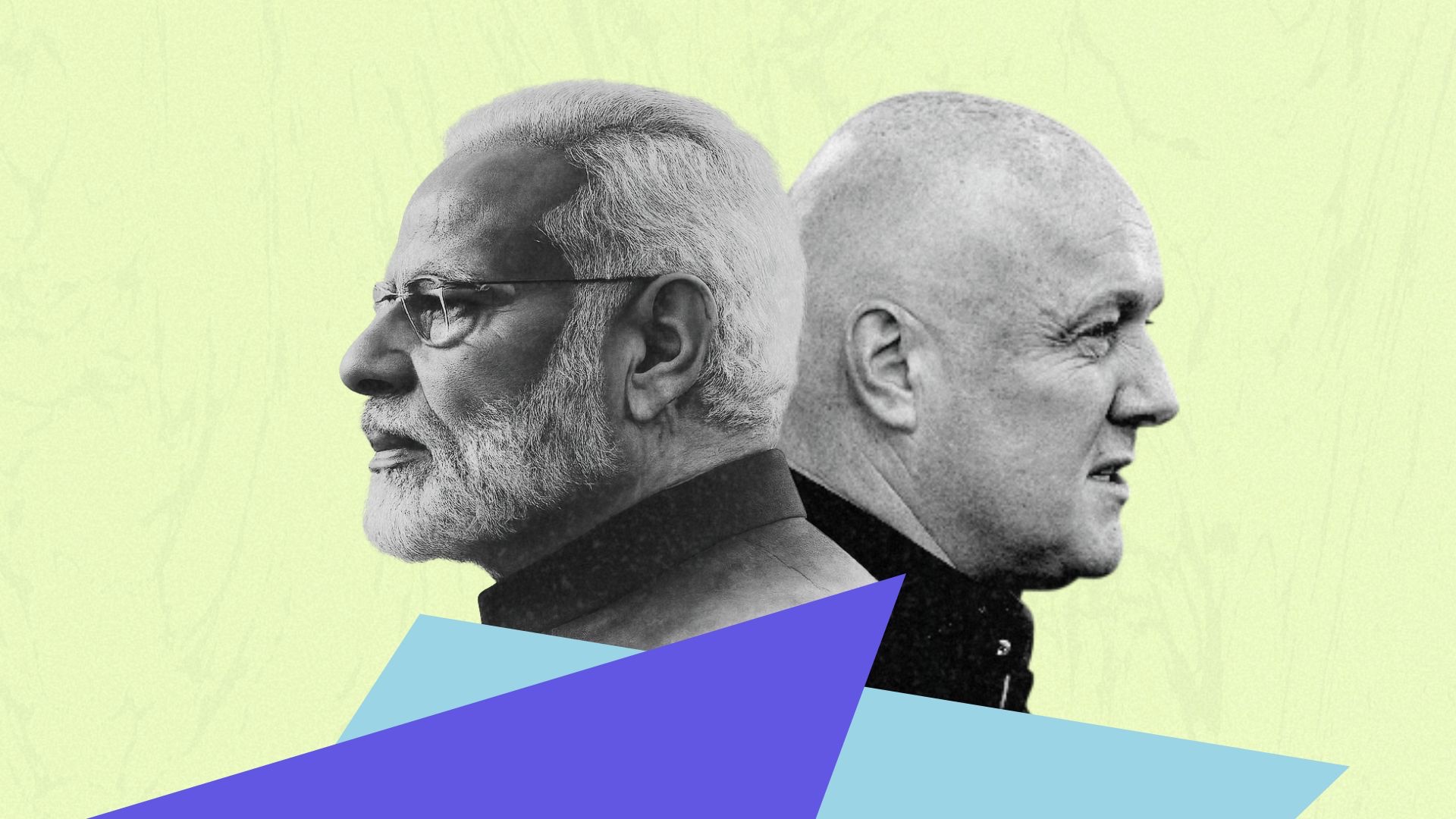
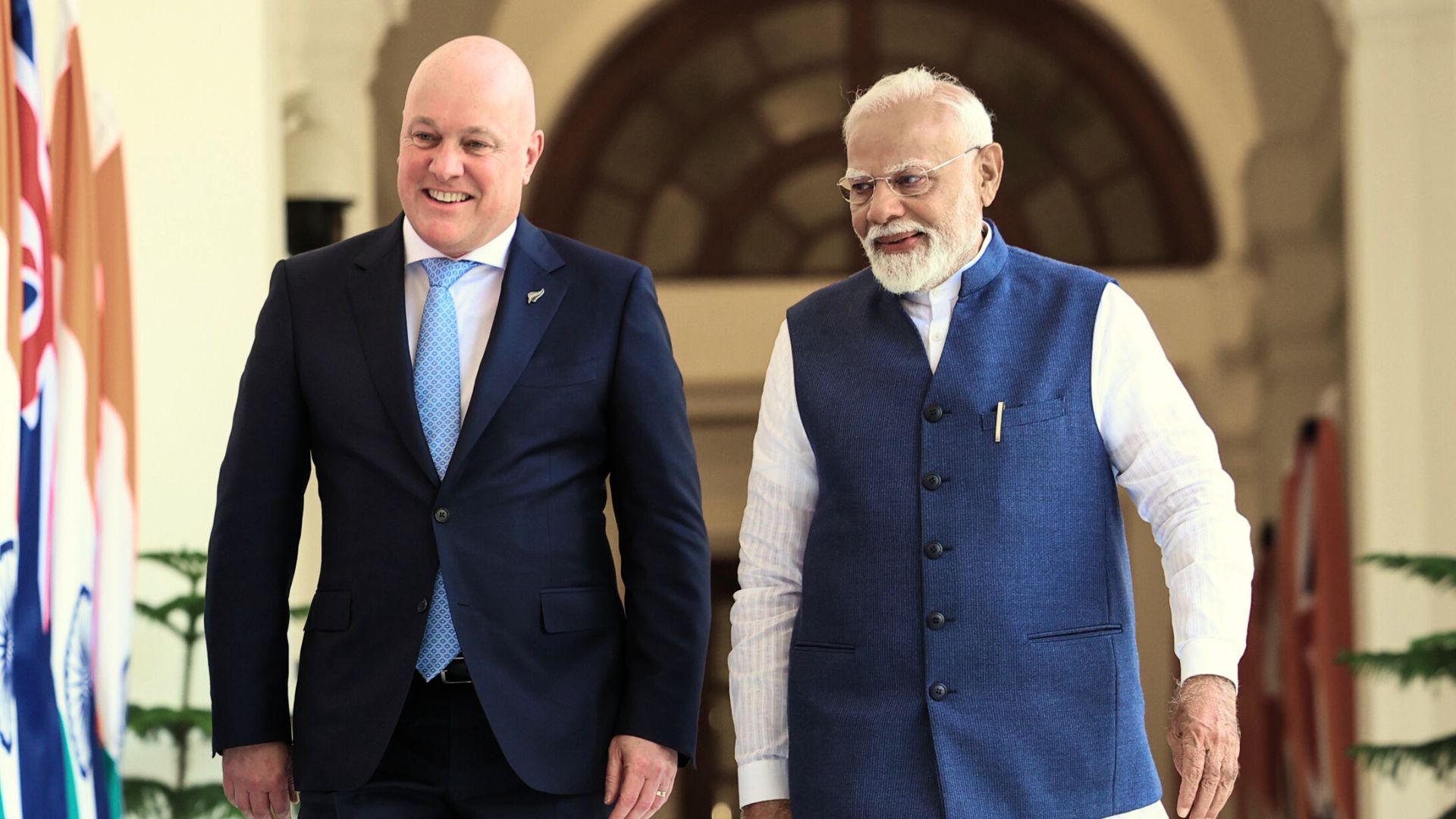
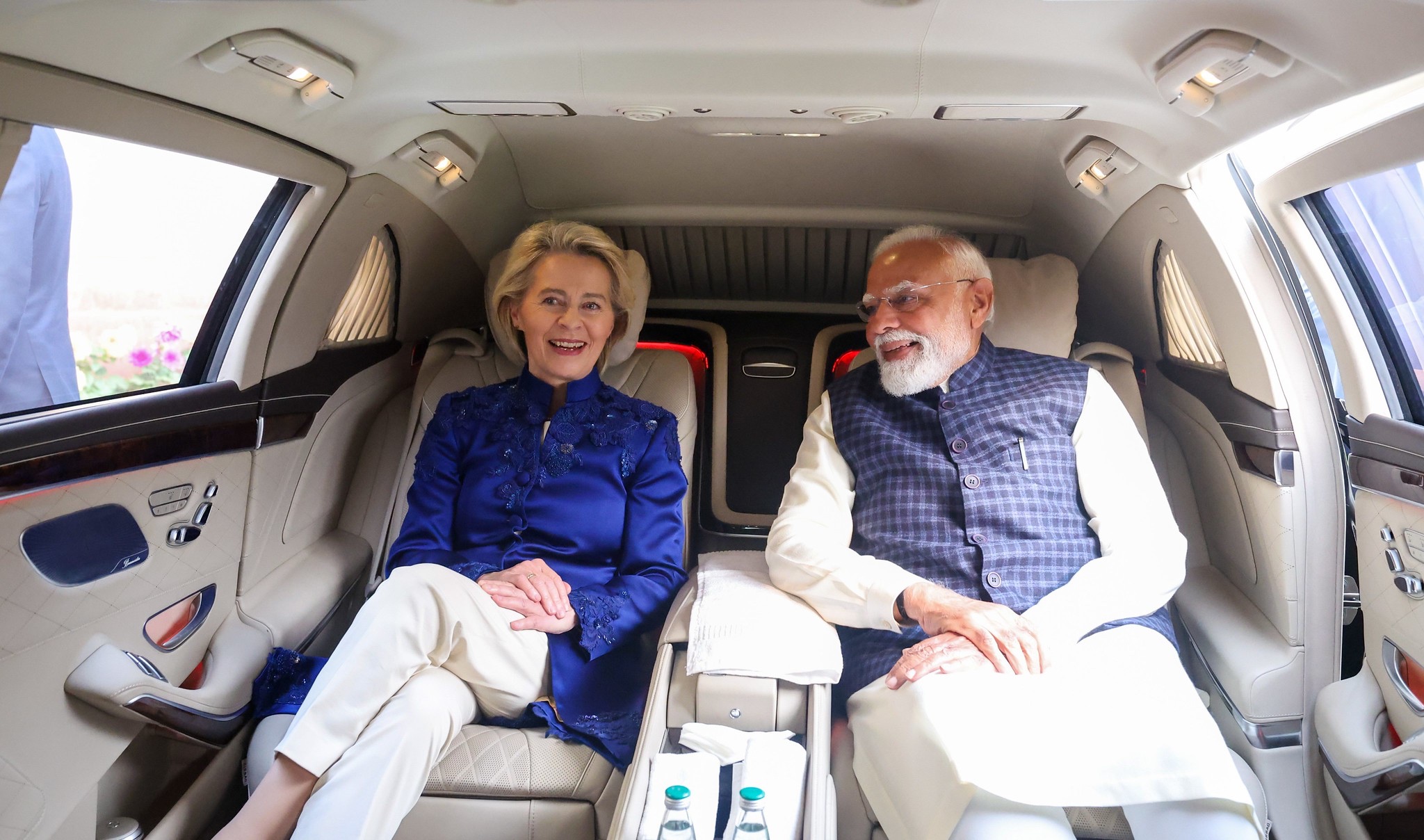
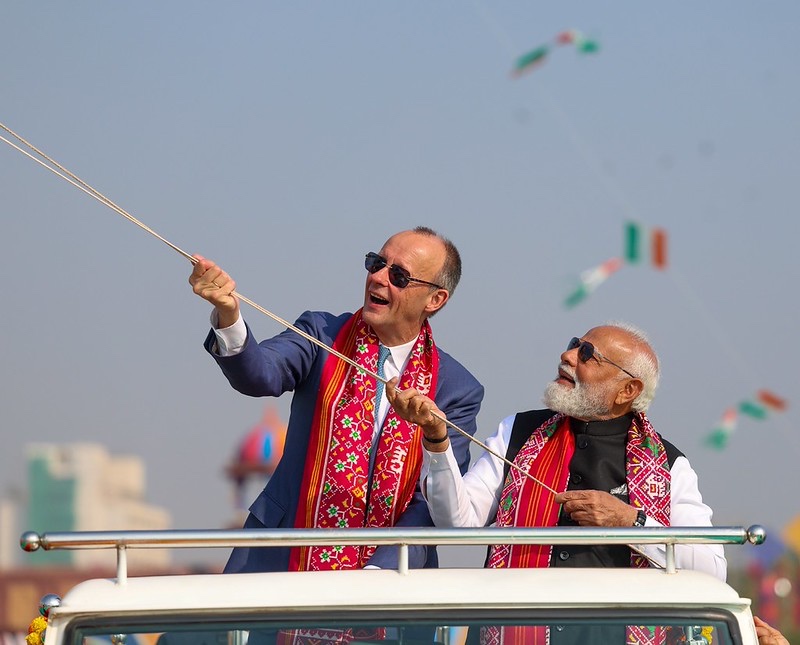
Indian Prime Minister Narendra Modi arrives in Melbourne on July 8. This marks his third official visit to Australia, making him the most frequent visiting Indian prime minister in the history of the bilateral relationship.
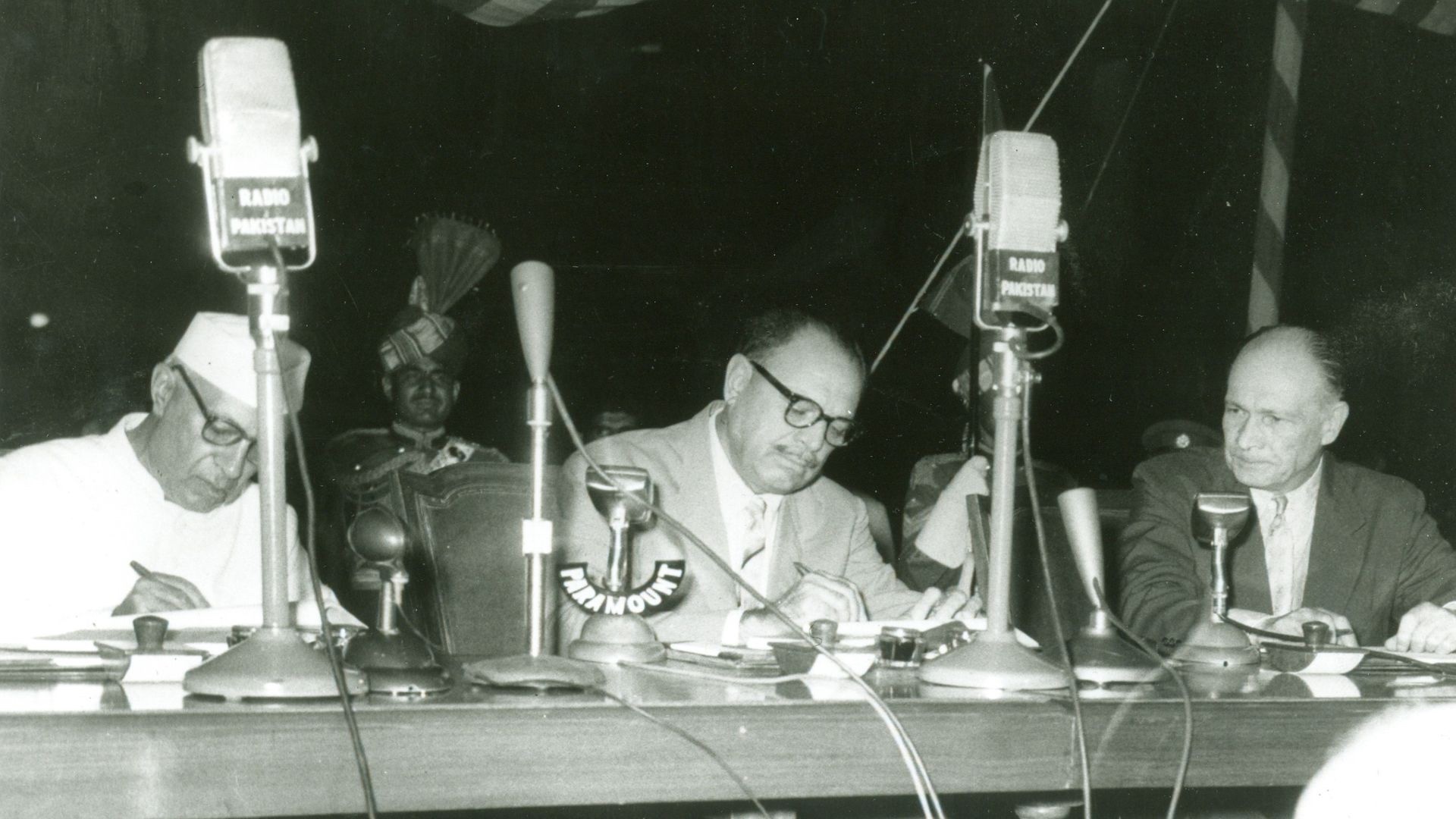
It also reflects the remarkable transformation of the Australia–India relationship. While once contentious – largely a result of differing Cold War ideologies – the strategic partnership is now firmly cemented.
But as political priorities shift in both Australia and India, maintaining momentum in the bilateral relationship will require continued engagement and policy coordination.
Countering Chinese ambition
Signed in 2020, the comprehensive strategic partnership is underpinned by a shared assessment by New Delhi and Canberra that there are significant challenges posed by a rising China in the Indo-Pacific.
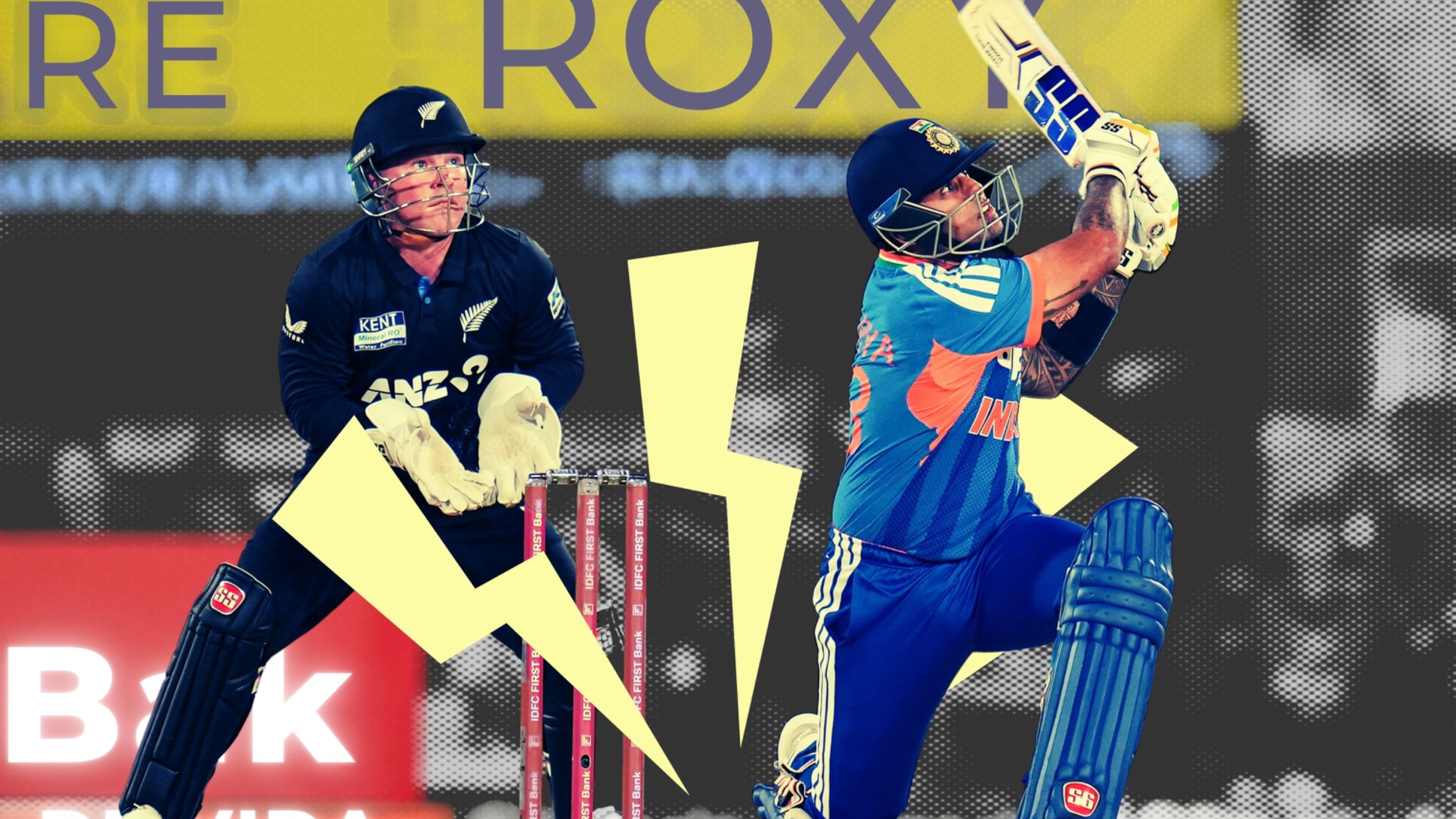
India is coming to Auckland: Full schedule revealed for cricket, football, hockey, Diwali From the Black Caps and All Whites taking on India to Diwali, hockey, bowls and city-wide light displays, Auckland has revealed its sporting centenary programme.
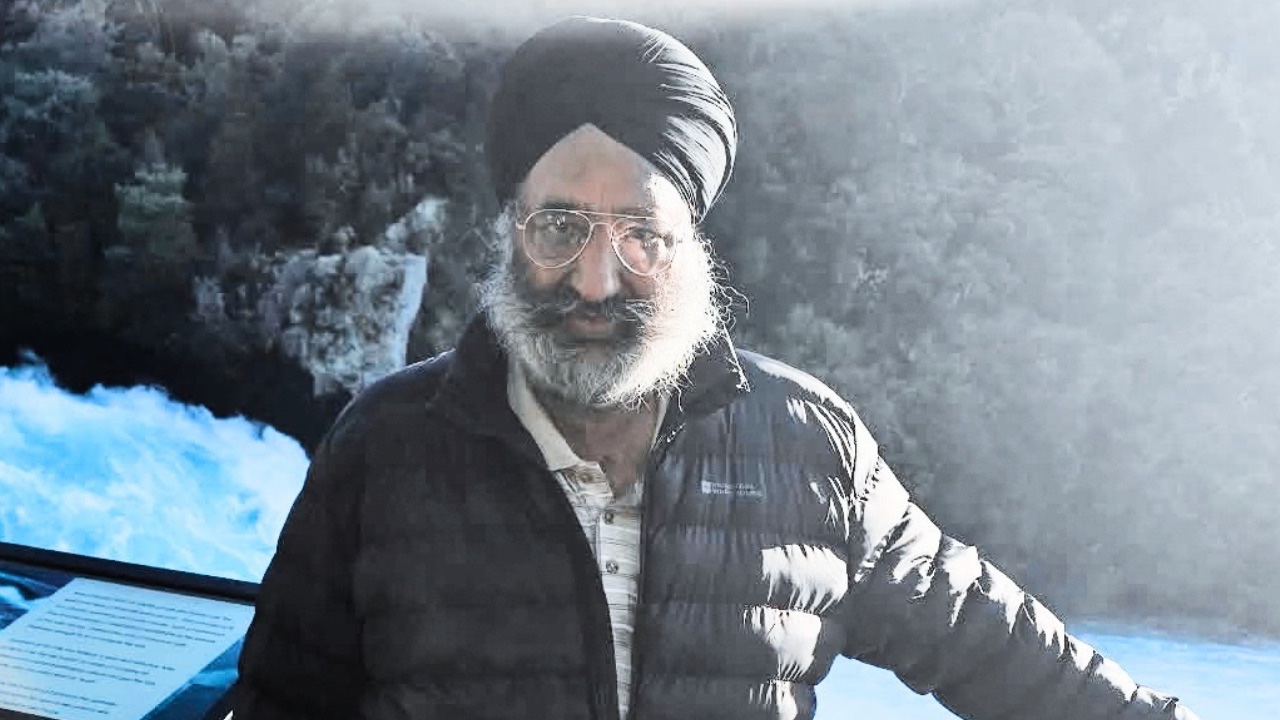
Indian man dies six months after arriving in New Zealand, fundraiser launched Emergency services were called to the crash at Kawarau Falls on Sunday.
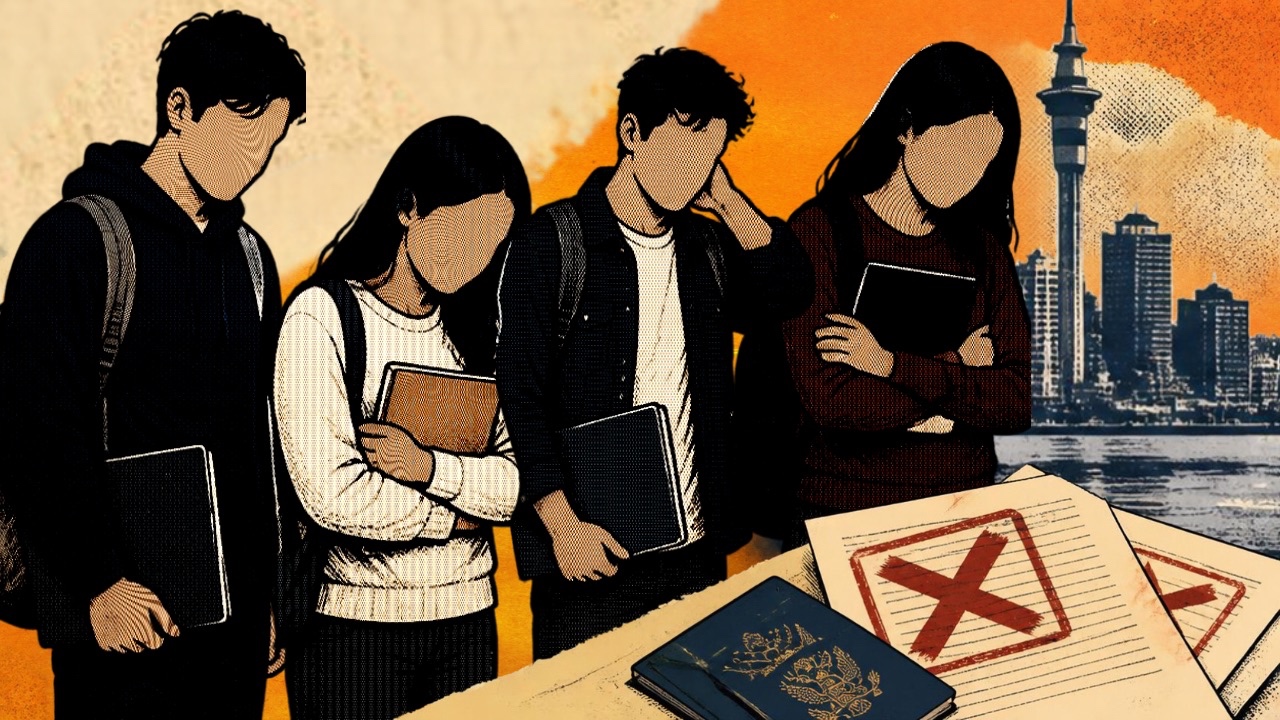
$70,000 bill for Rotorua man after father visiting from India to help with newborn twins has stroke A fundraiser has been launched after the uninsured visit has left the family carrying the full cost of hospital treatment
As a result, Australia and India have partnered in a number of bilateral and regional initiatives as a form of deterrence. Most notable of these is the Quad: a diplomatic partnership between Australia, India, Japan and the United States.
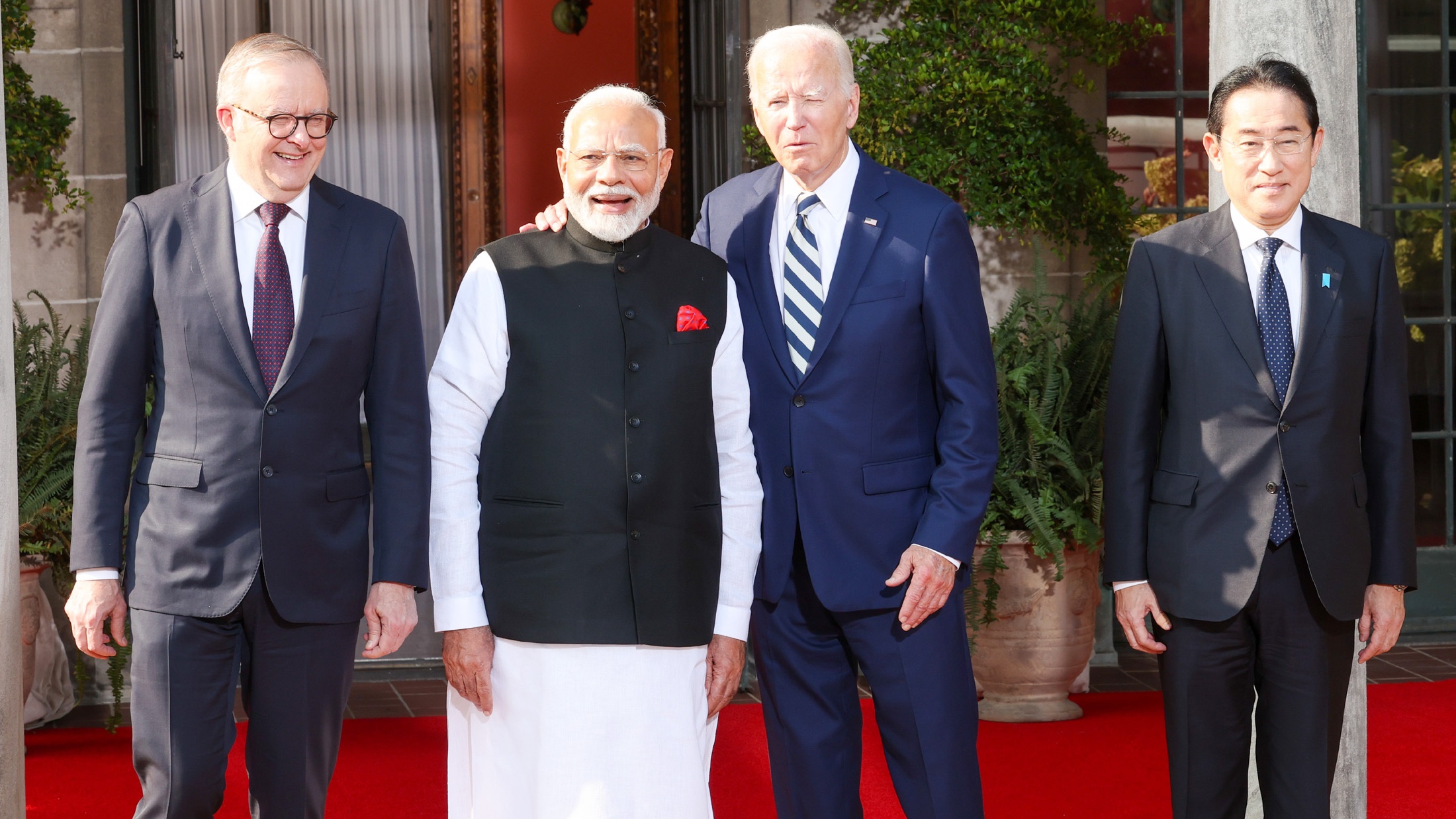
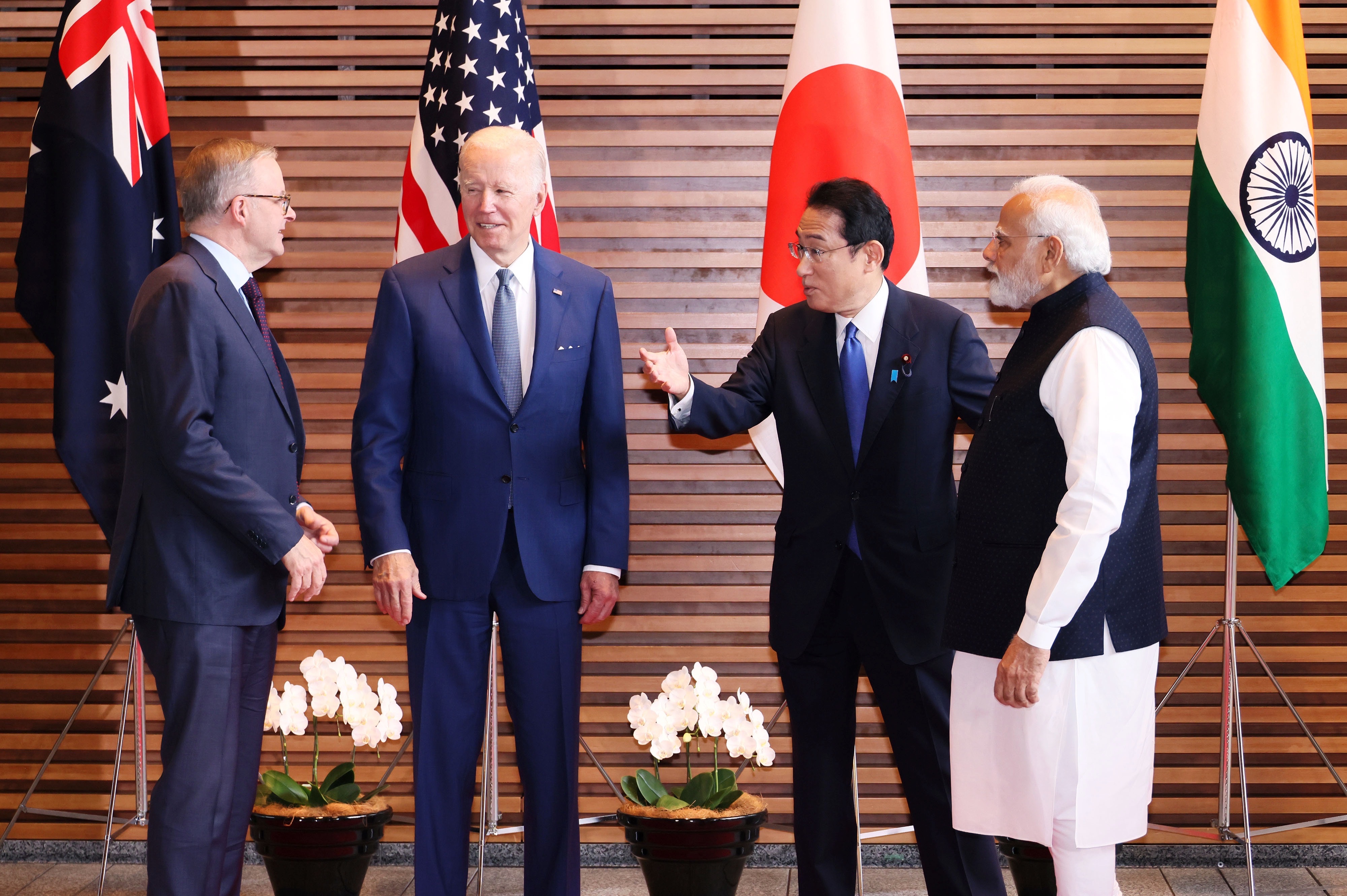
Anthony Albanese, Narendra Modi, Joe Biden and Fumio Kishida at the most recent meeting of the Quad in 2024. (Supplied photo)
It was initially developed as a disaster relief response to the 2004 Indian Ocean tsunami, but has since been used in various different ways.
Its most recent rebirth in 2017–2018, after being inactive for nearly ten years, and was largely a response to rising Chinese aggression. For India the catalyst was the 2017 Doklam border crisis. For Australia it was China’s militarisation of the South China Sea.
The focus of the group is to address shared concerns, not just of the members but also to others in the region. This includes issues such as maritime domain awareness and critical mineral supply chain resilience.
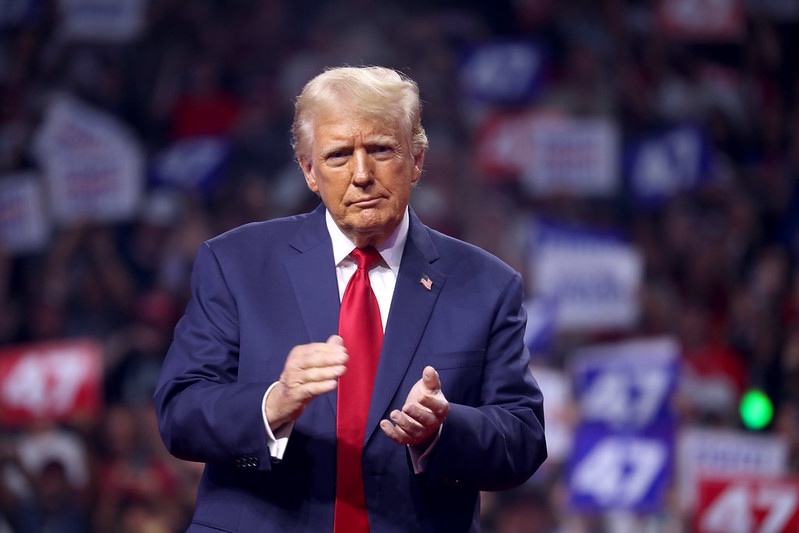
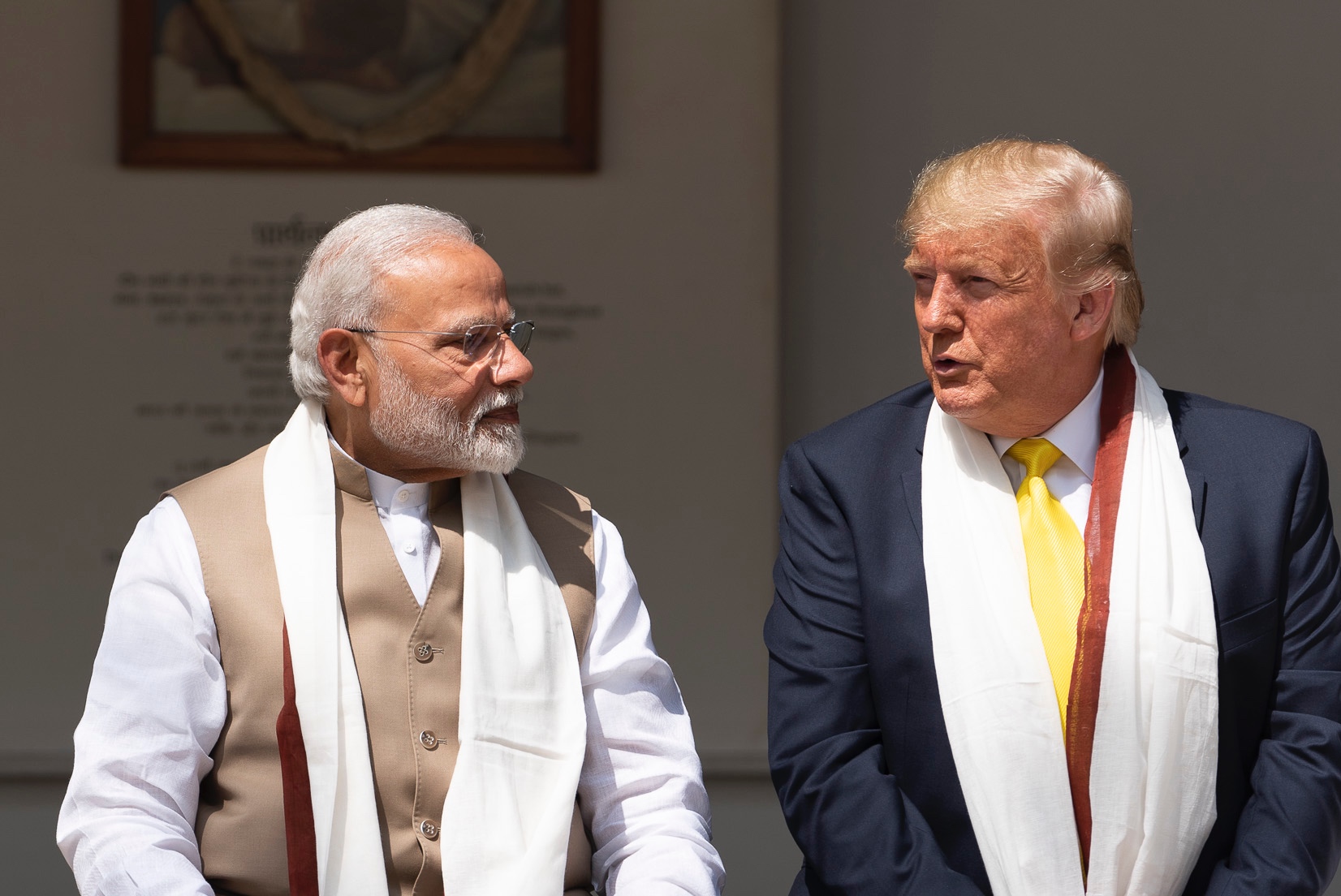
But the Quad’s strength has been undermined by US President Donald Trump’s apathy towards it and his increasingly tenserelationship with Modi.
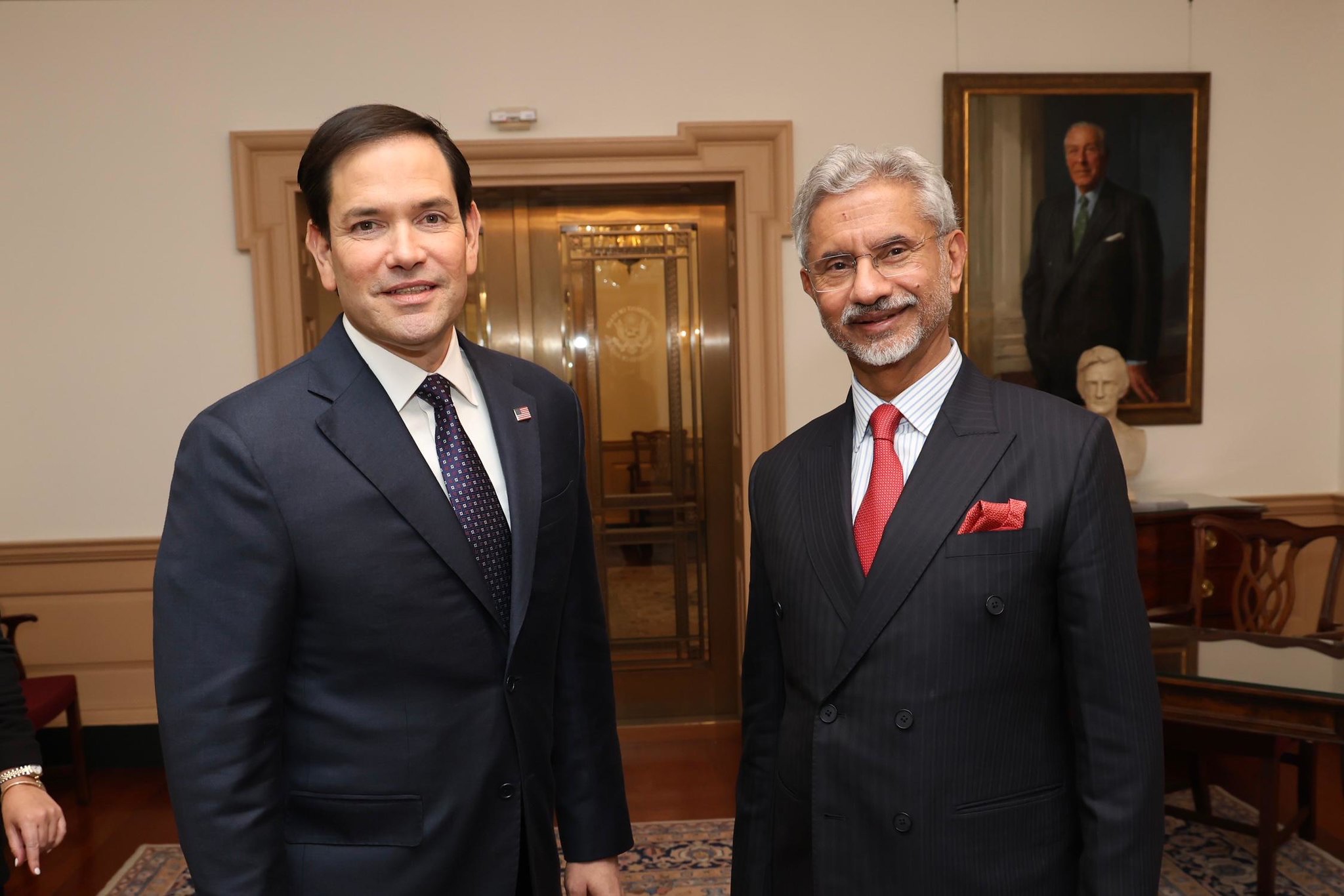
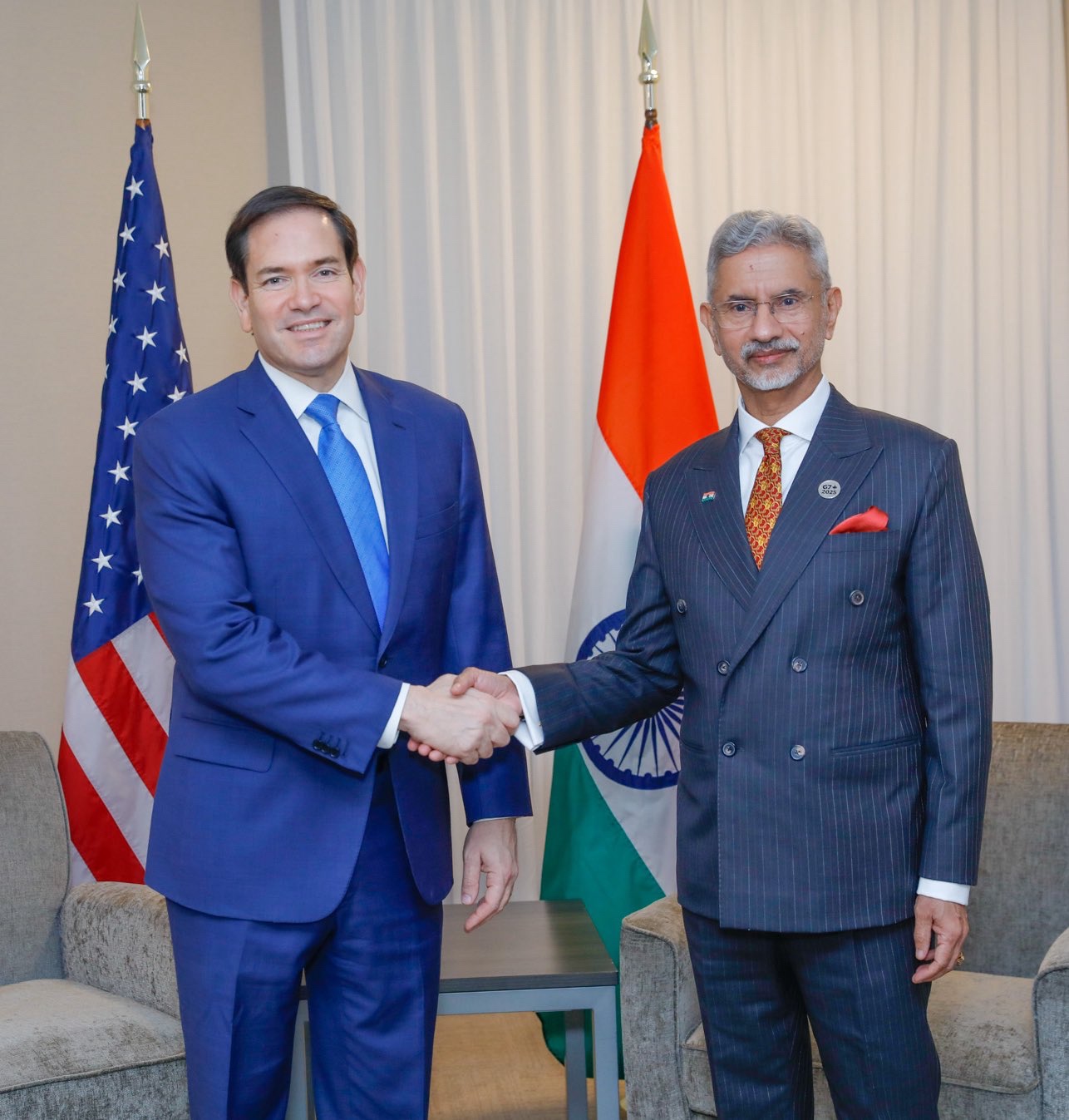
Nevertheless, the Quad remains active, having just concluded its 11th foreign ministers meeting. The ministers announced they will jointly build a port in Fiji.
Alongside Albanese recently signing on to a new security treaty with Fiji, both India and Australia are acting in concert. This has been the defining success of the relationship: united commitment to regional stability and strategic deterrence.
There’s also been significant bilateral cooperation on defence, including negotiations on equipment and services. The two countries also recently agreed to doing more joint military exercises.
Sort-of free trade
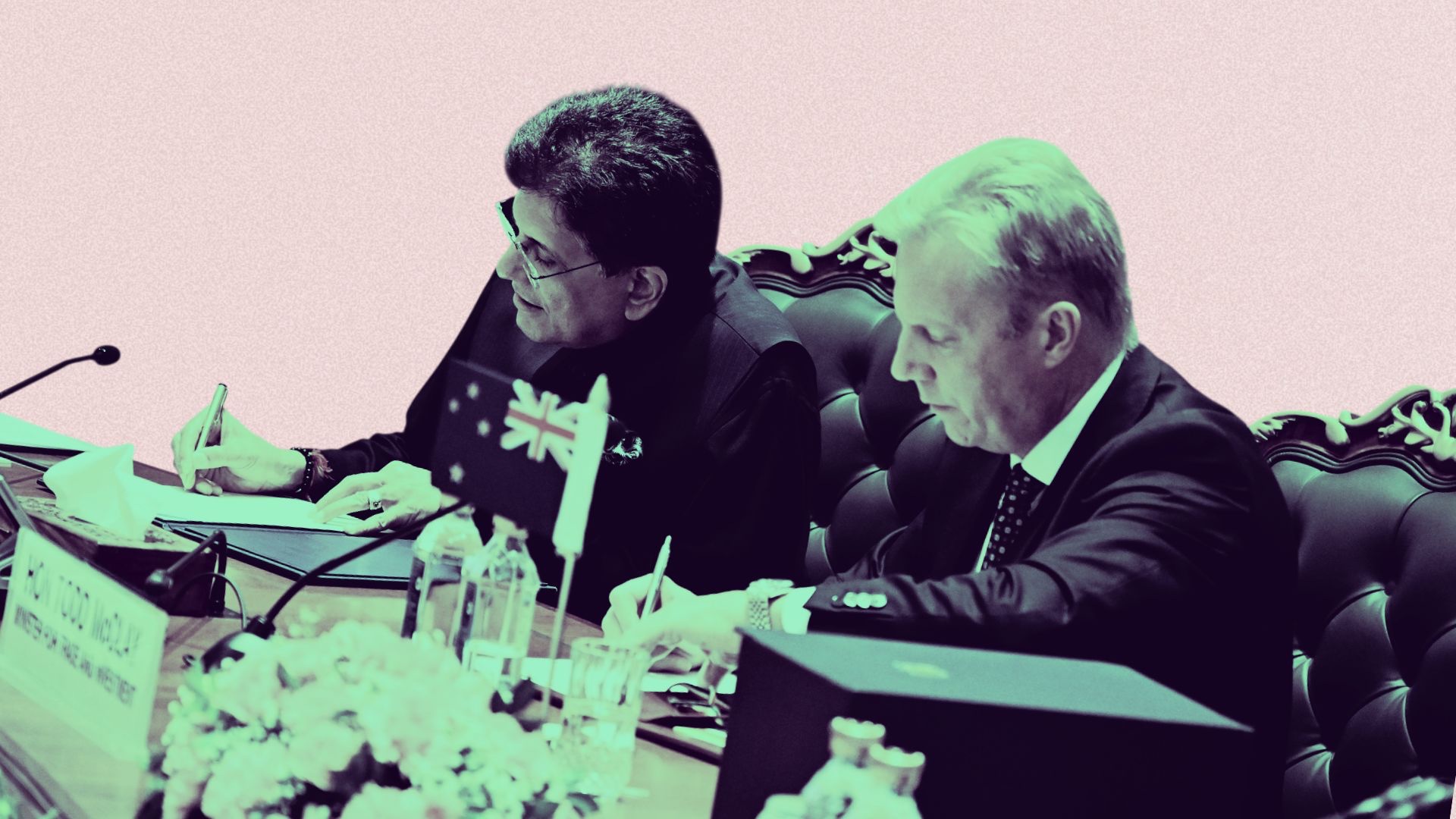
Still, challenges remain in the relationship, particularly in fully realising the economic potential of the ties. An interim trade agreement, ECTA, was signed and implemented in 2022. It has arguably increased market access for both parties.
It was a particularly big political win for India, which had just withdrawn from the world’s largest free trade deal. The interim agreement with Australia signalled to the region that India was willing to pursue deeper economic integration with trusted strategic partners.
But the road to achieve a full free trade agreement has proven long and arduous. There are no clear timelines on when a final agreement will be concluded.
Much of the discussion about the fully-fledged deal has centred around tariff concessions and trade rules: historically sensitive political issues, particularly in sectors such as agriculture.
A friendship of pragmatism
While Modi and Albanese have similar geopolitical goals, the style of government each provide their respective countries is quite different.
In India, Modi has faced criticism over concerns that his government has become increasingly centralised in its exercise of power. Critics argue this has been accompanied by greater political influence over independent institutions and tighter restrictions on civil society organisations and dissenting voices.
But the bilateral relationship has largely been insulated from the differing political orientations of Modi and Albanese because they’ve prioritised common interests over values. It’s a relationship of pragmatism.
Where the differences remain, such as concerns about democratic freedoms in India or minority rights, Australia has raised the issues. But the understanding between the two partners is that these issues are of a domestic concern for India.
The power of the diaspora
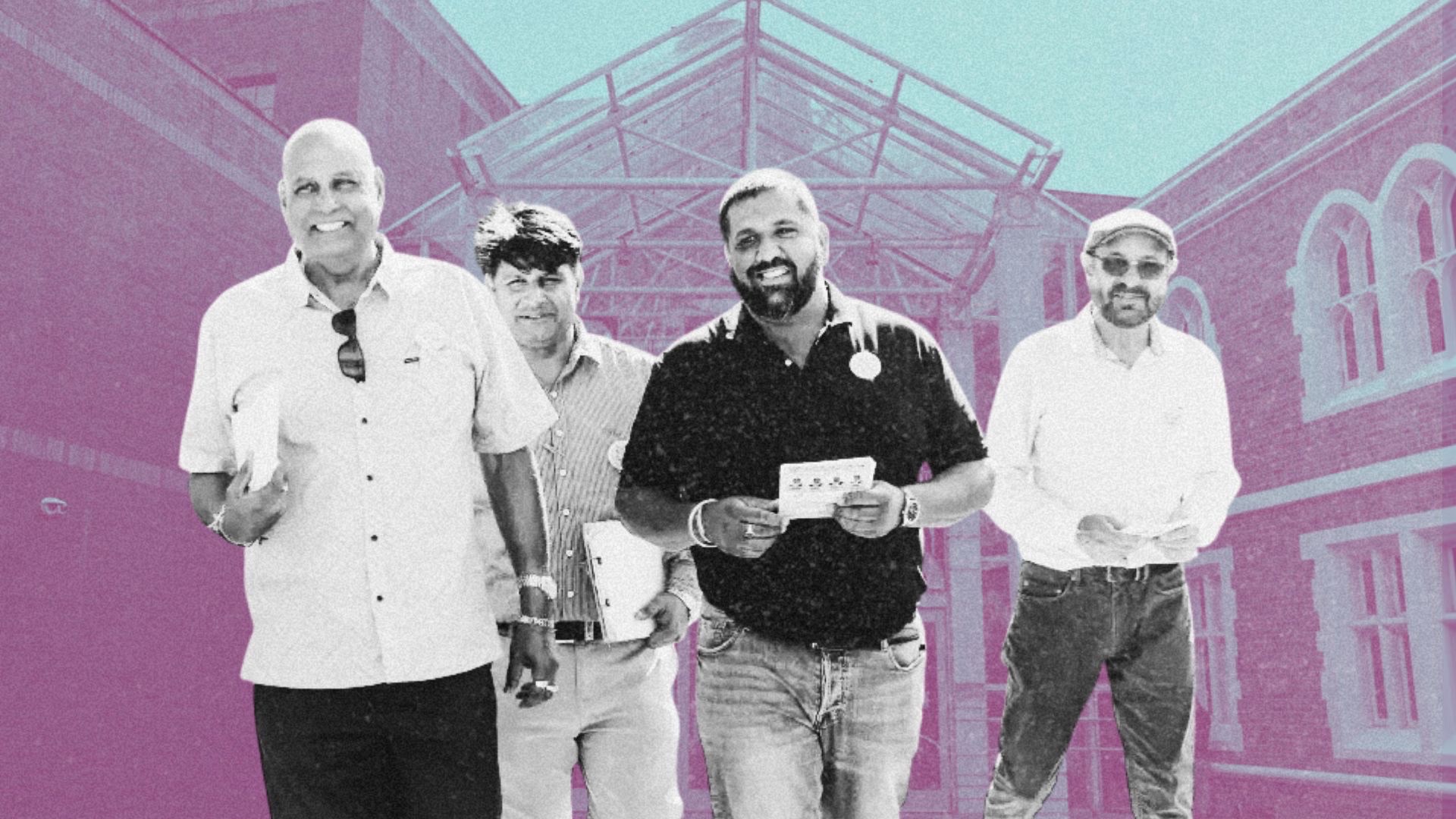
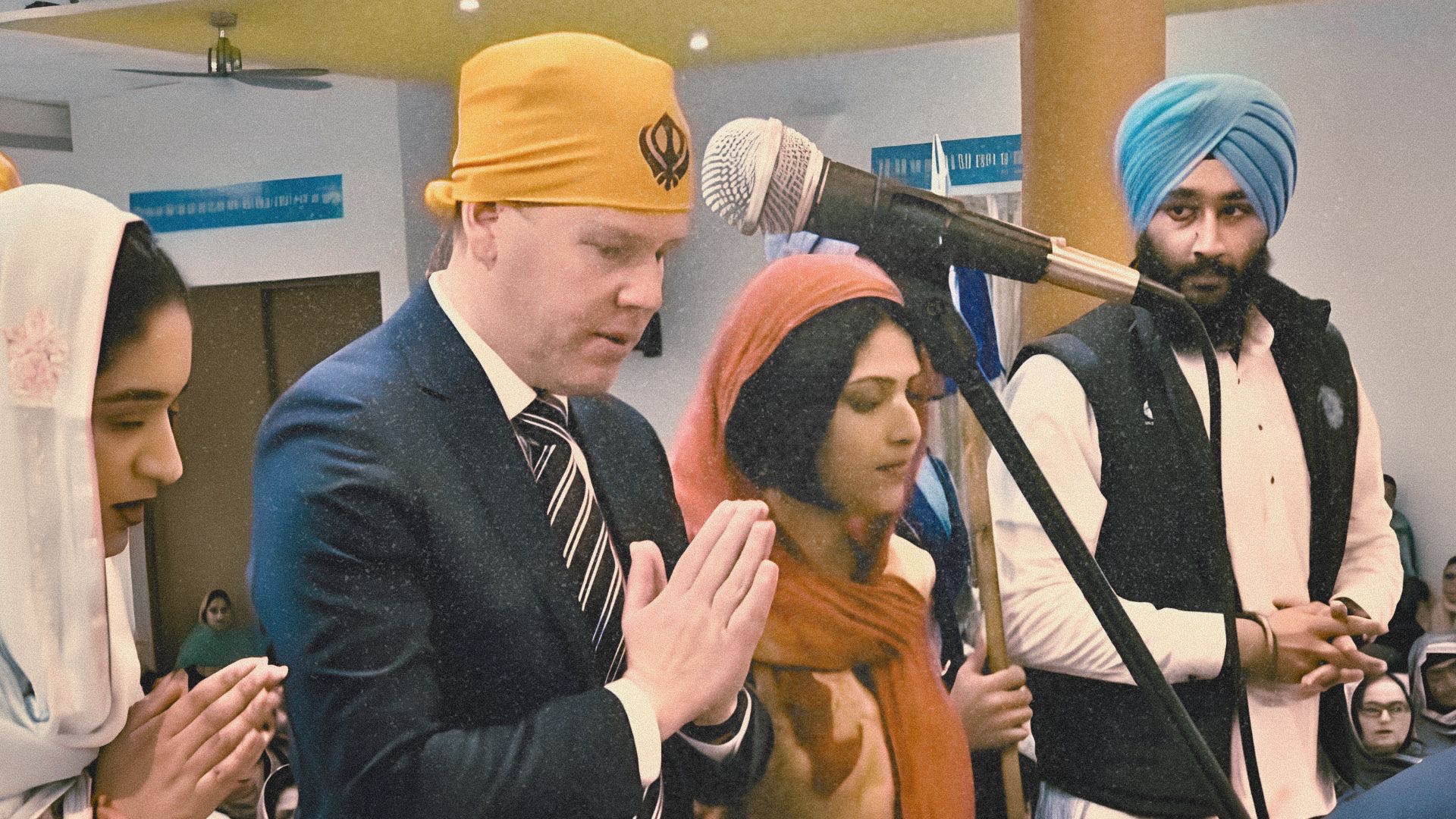
There is also a growing area of both opportunity and challenge in the bilateral relationship: the role of the Indian diaspora in Australia.
The Indian diaspora is now the the largest overseas born migrant group in Australia. It marks a significant change in Australia’s demographic identity, which has historically been British-derived.
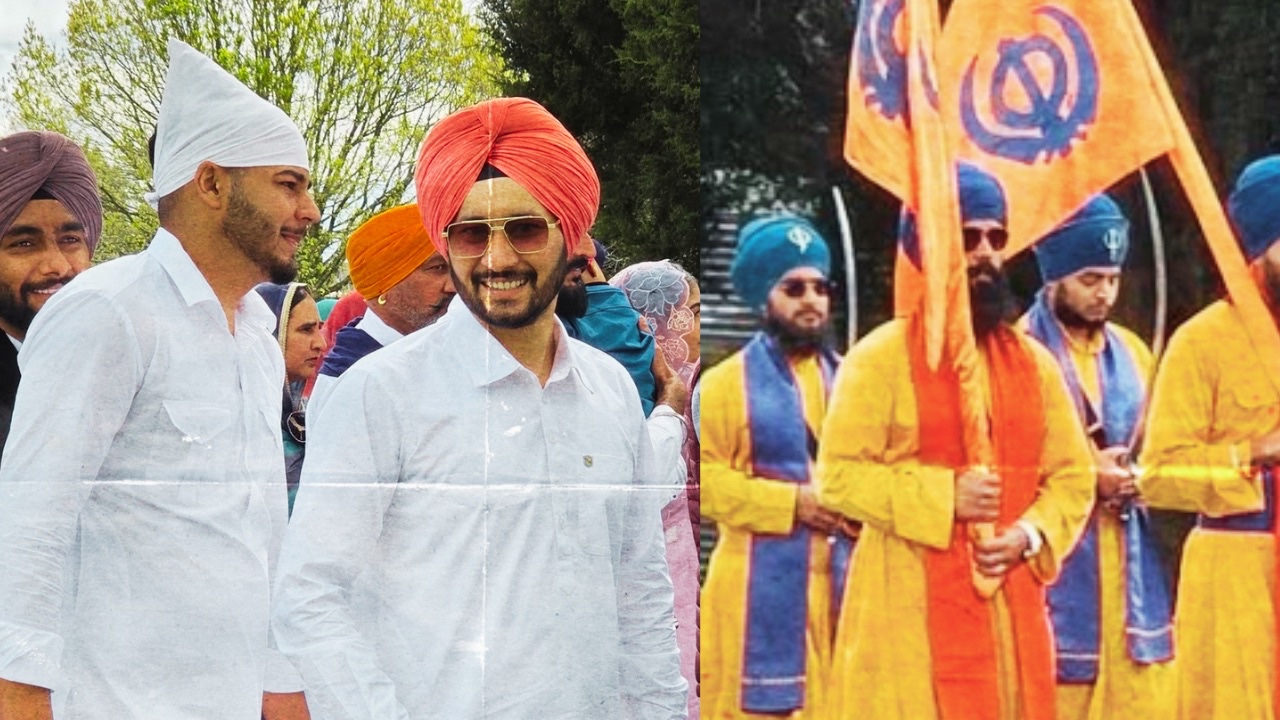
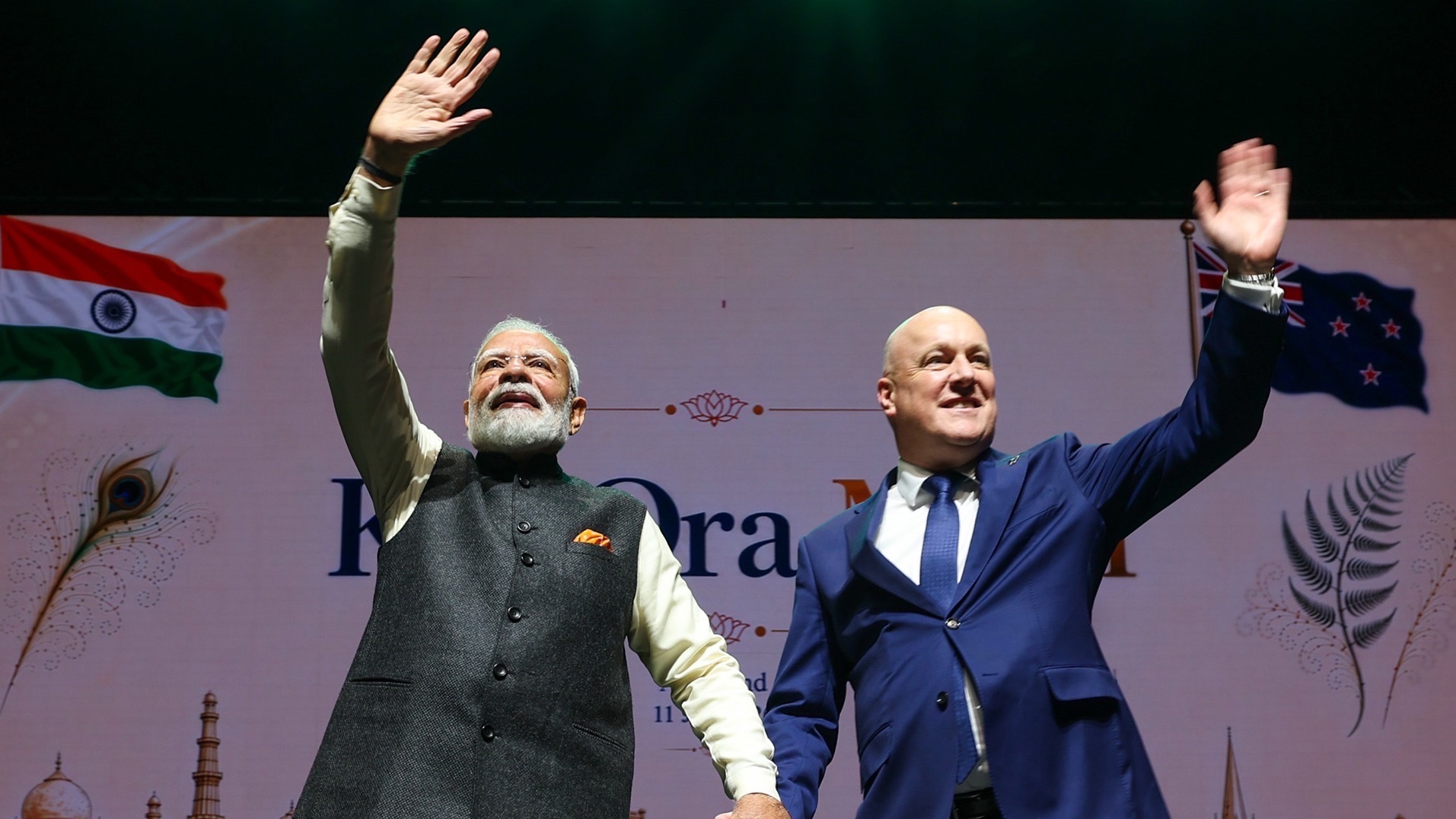
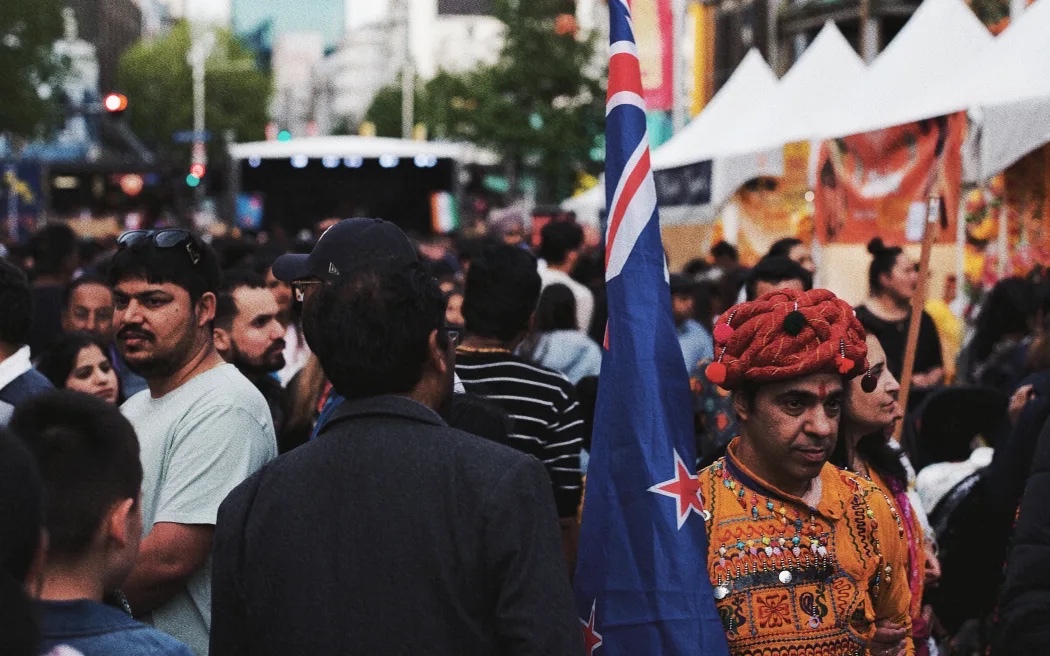
It’s no coincidence Narendra Modi’s visit is centred around a massive event, (Melbourne meets Modi), which is focused on engaging with the diaspora. Indians in Australia carry significant economic weight and business linkages with their home country, which could potentially enhance the commercial ties between the two countries.
However, using the diaspora purely for economic gain in the current polarising wave of anti-immigrant social movementscould weaken social cohesion in Australia.
Reducing a community to its economic value alone can weaken social cohesion by overlooking its civic, social and political contributions. This can create a sense of transactional belonging, which can heighten resentment.
For Modi, this diaspora is a diplomatic asset. It’s a form of soft power that demonstrates India’s influence and reach internationally. He will no doubt play it up during the visit.
But it’s important to keep in mind that for a more mature bilateral relationship, the diaspora should not be reduced to an instrument of Australia’s economic objectives or India’s geopolitical messaging.
As the world finds itself grappling with uncertain US policy and intensifying Chinese competition in the Indo-Pacific, Australia and India are more strategically valuable to one another than ever before.
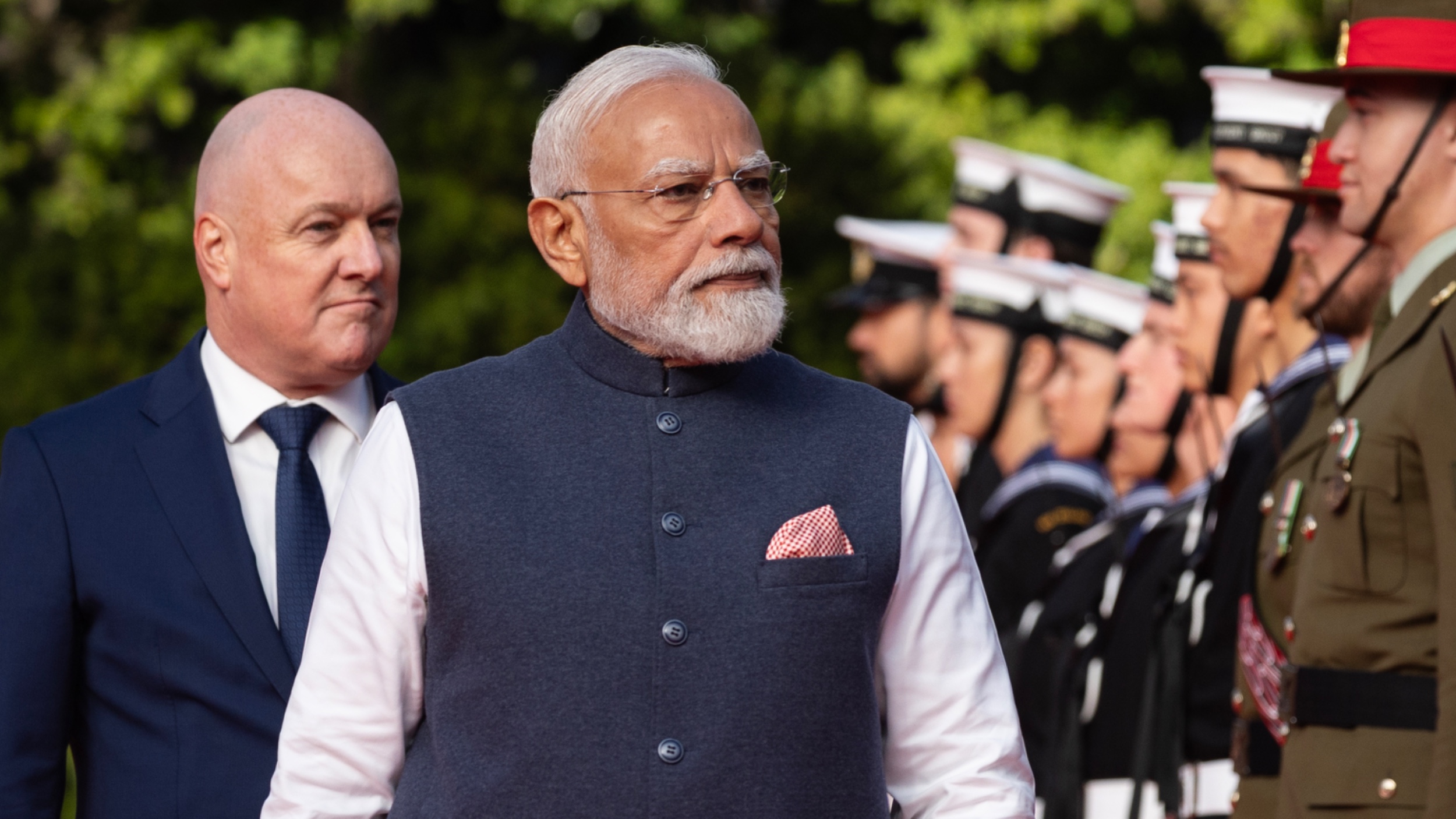
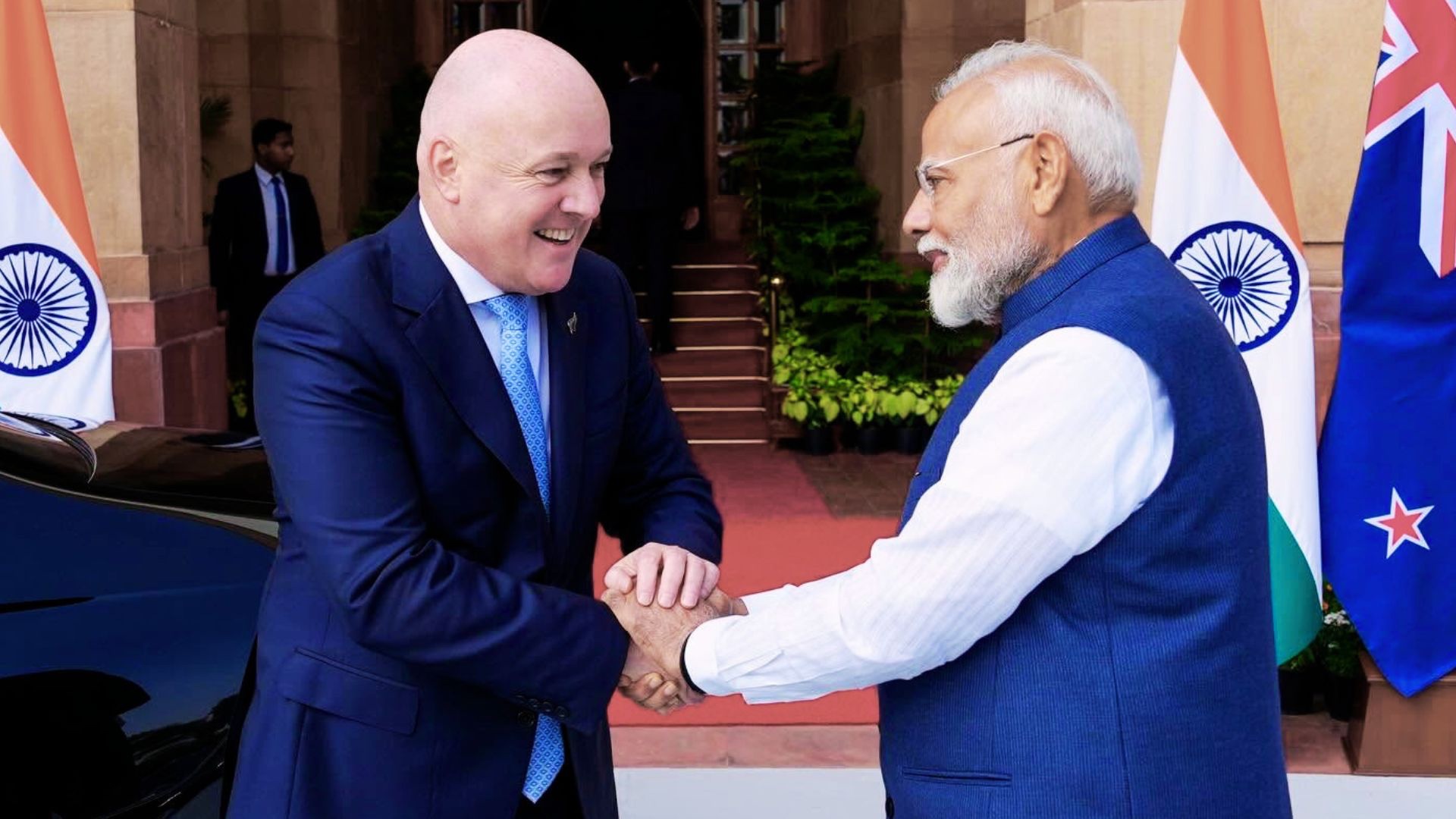
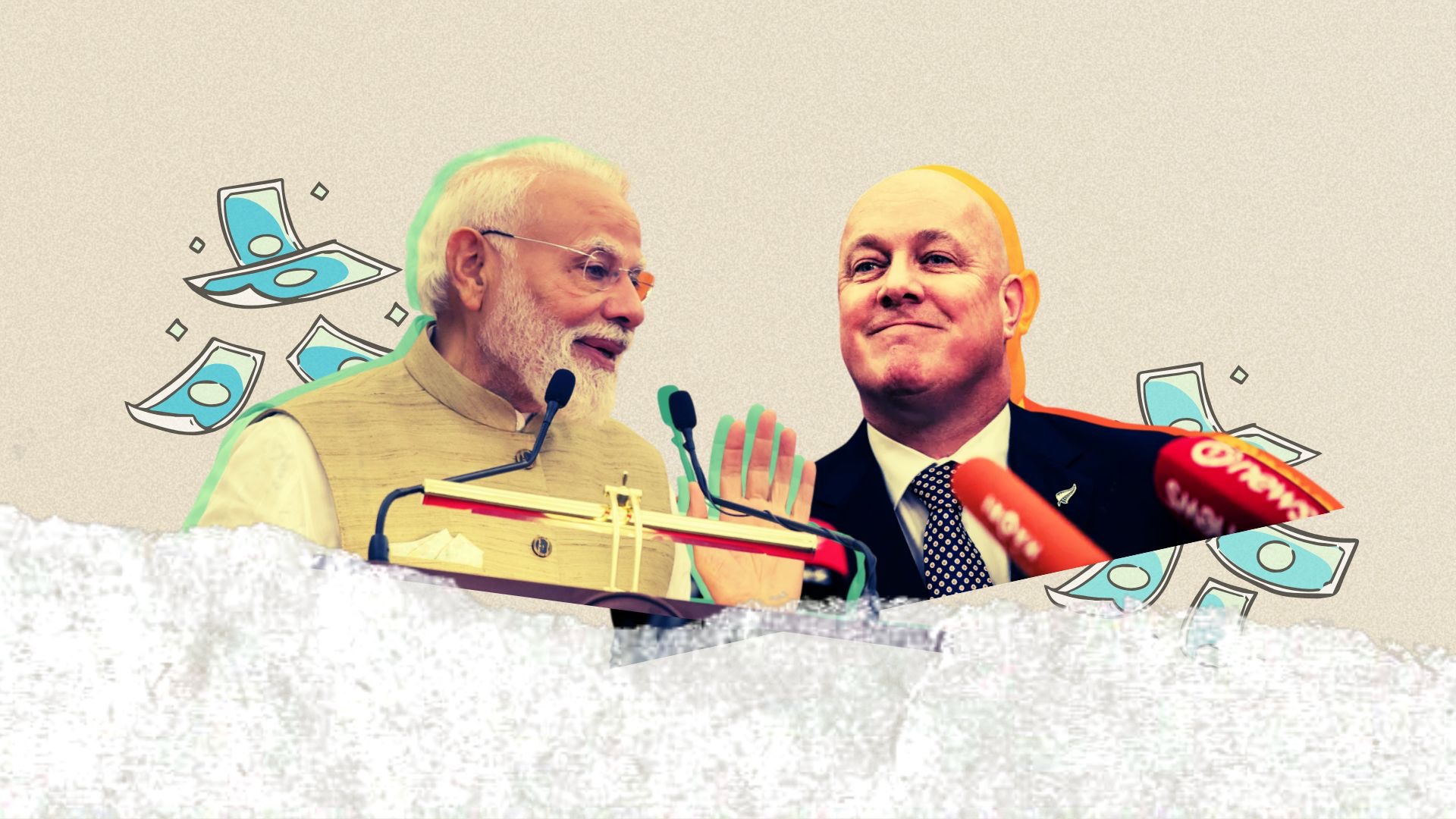
As great powers recalibrate their policies, middle powers will now have to shoulder more responsibility in shaping regional order. Modi’s visit should propel political goodwill, but the hard work on both sides will continue long after the Indian prime minister flies home via New Zealand.
(This story was first published in The Conversation. The writer is Research Fellow - Security and Geopolitics, Australia India Institute, The University of Melbourne)