
New Zealand fruit tops Indian shoppers’ wish list while lamb trails, reveals new research
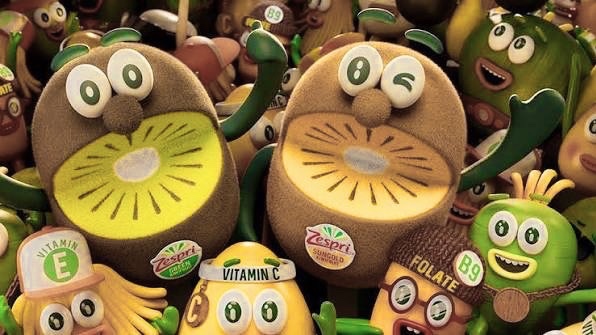
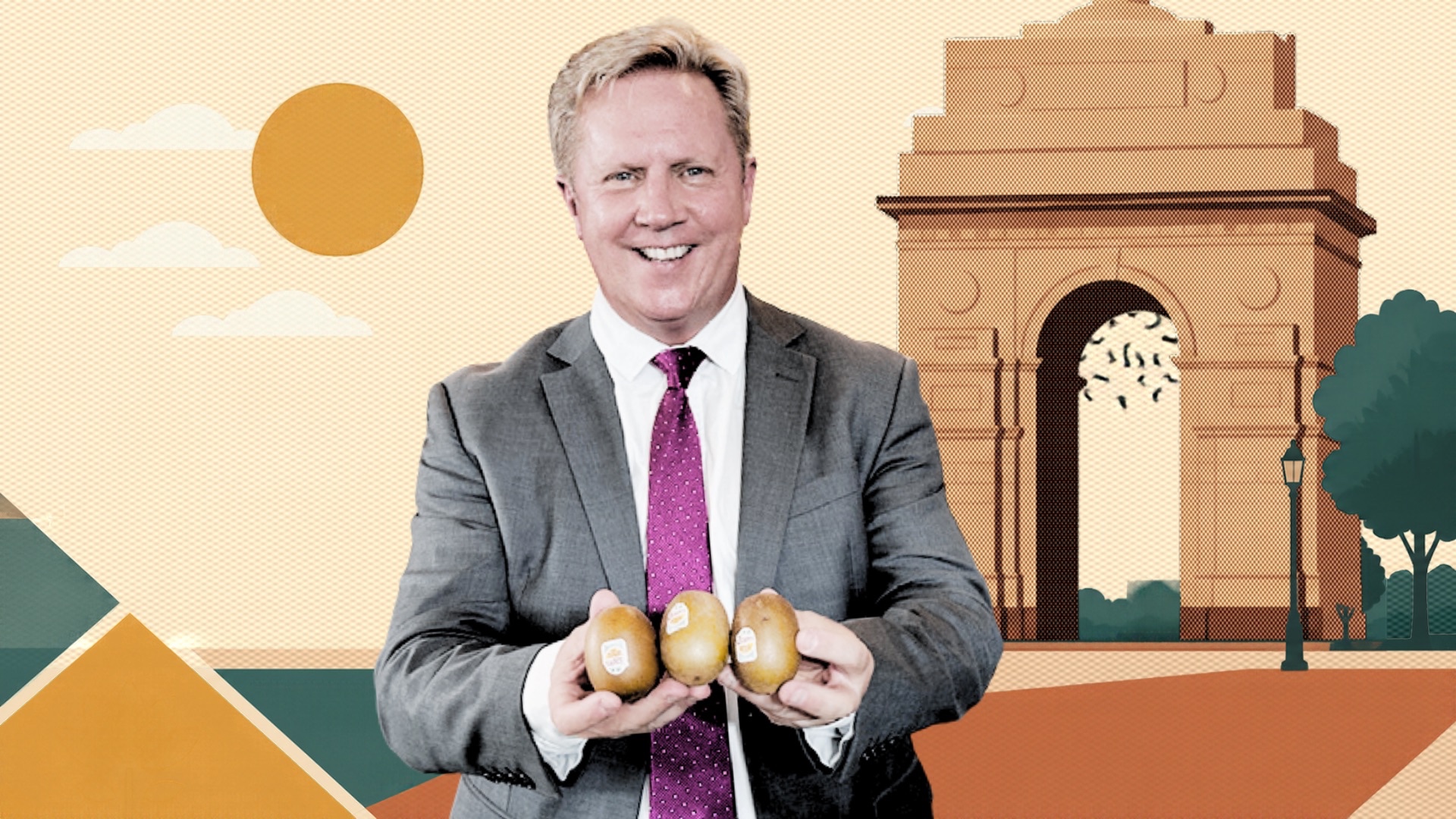
A screen grab from a Zespri commercial.
A new survey reveals where Kiwi exporters could find buyers in India, and where they still need to build demand.
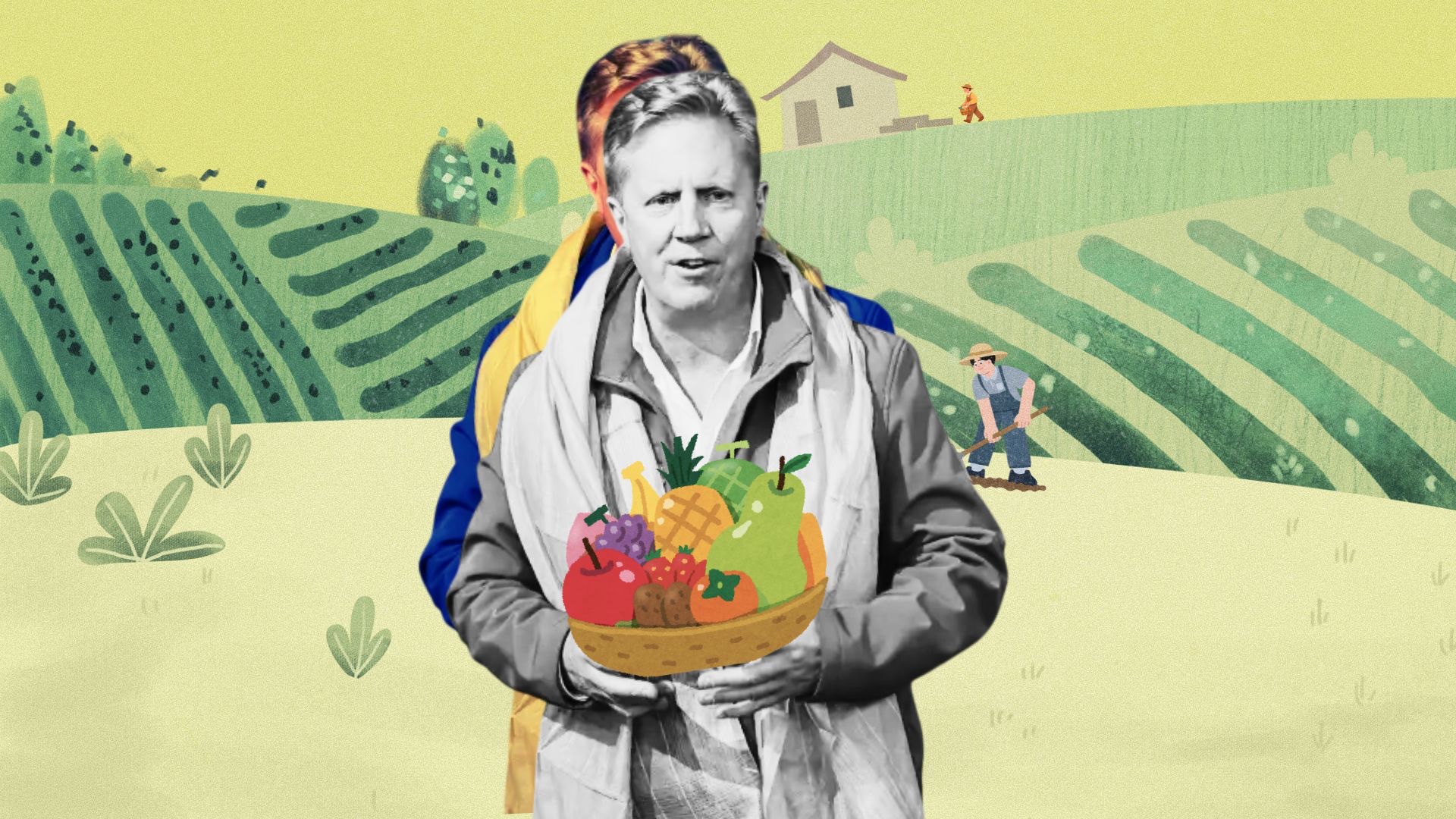
Two in three shoppers surveyed in five Indian cities say they would be interested in buying New Zealand fresh fruit if it became more widely available. Only about one in six say the same about Kiwi lamb.
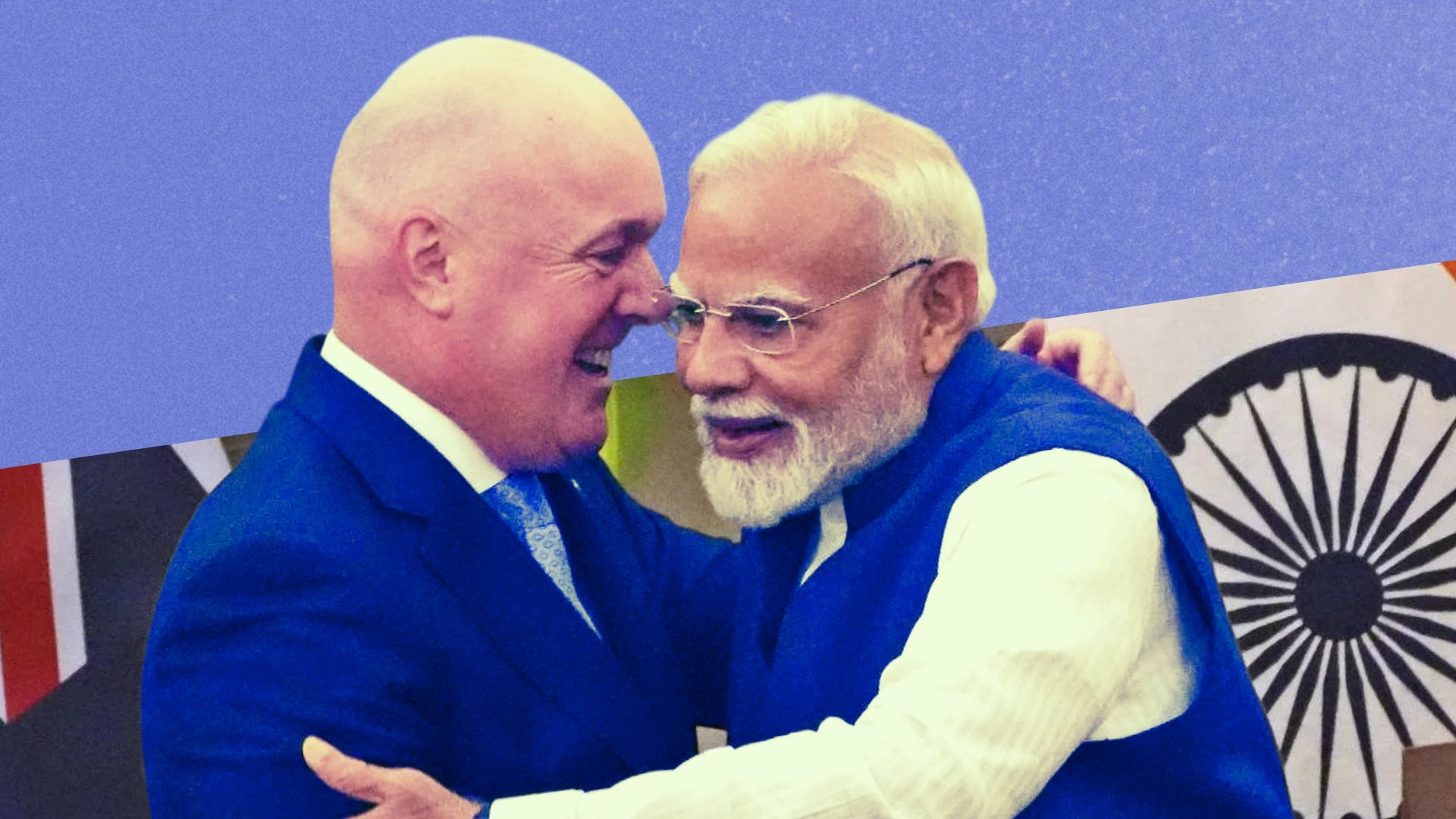
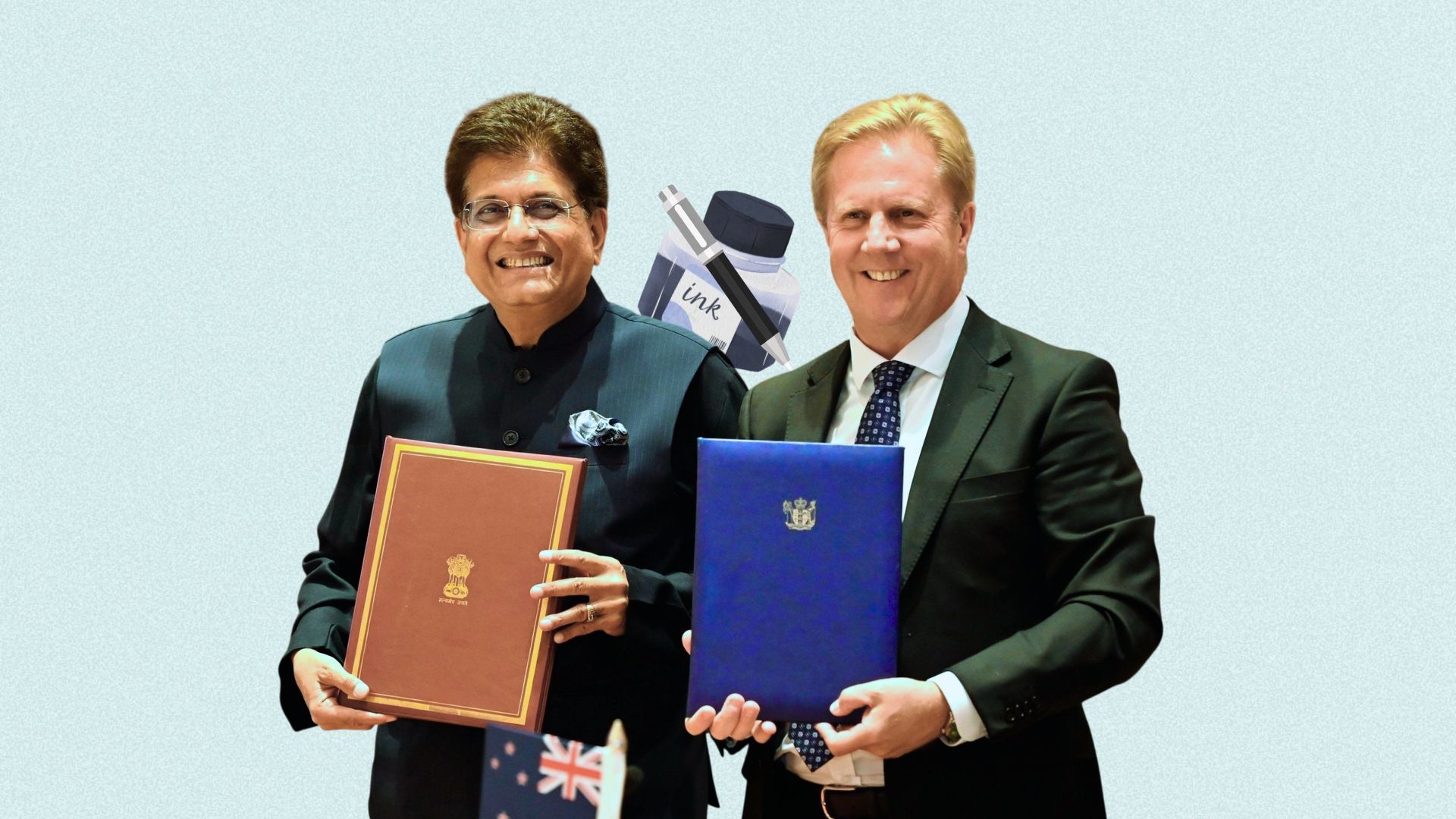
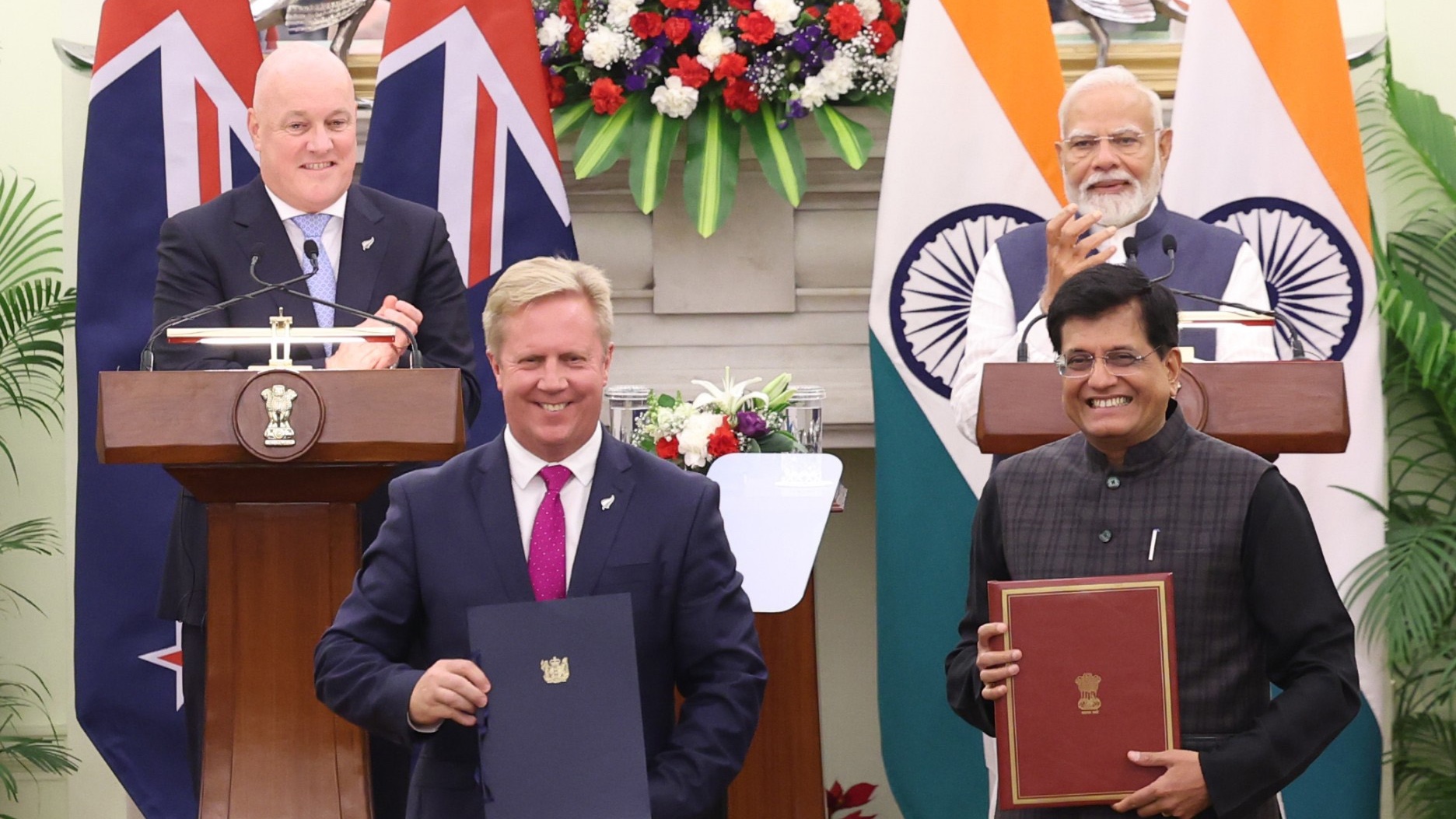
A free trade agreement (FTA) between the two countries took effect on October 20 this year, removing tariffs on New Zealand sheep meat and on kiwifruit within an agreed quota.
The latest research from Kantar, commissioned by New Zealand Trade and Enterprise (NZTE), gives exporters a snapshot of buying interest before those tariff cuts.
The August survey covered New Delhi, Mumbai, Bengaluru, Chennai and Hyderabad. It focused on people aged 35 to 69 who shared or had sole responsibility for household grocery shopping, had an interest in food and met a minimum household income threshold.
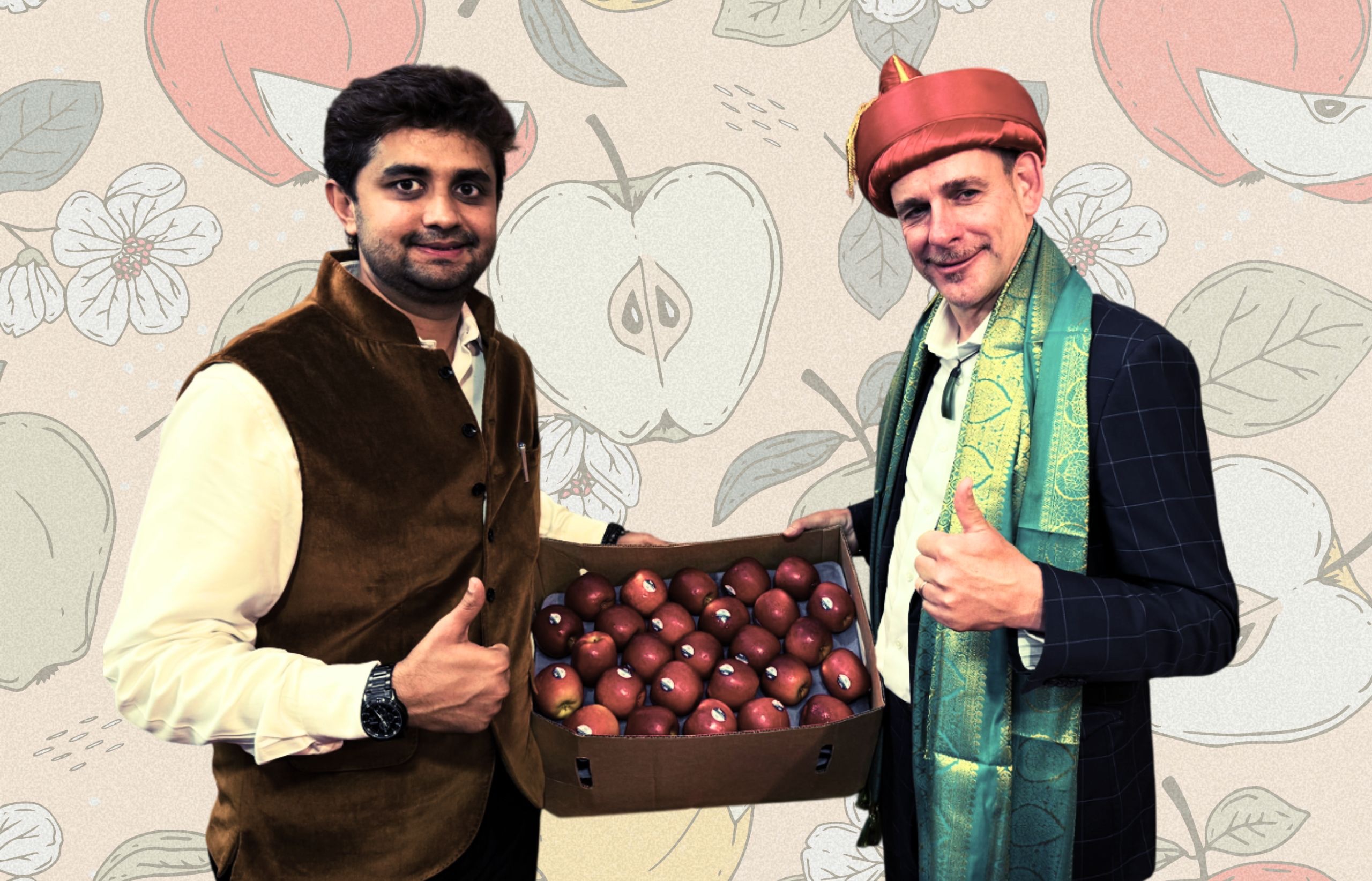
Fresh fruit, a category that included kiwifruit, apples and avocados, led the survey at 66 per cent. Dairy came next at 49 per cent, followed by wine at 46 per cent, honey at 34 per cent and packaged foods and snacks at 31 per cent. Lamb attracted interest from 17 per cent.
Exploited migrant won nearly $150,000, was offered $600. She’s still fighting for a dollar Two former employers are in liquidation and their director is bankrupt, leaving a Rotorua woman facing an uncertain future.
The year Edmund Hillary took three New Zealand-made jetboat up the Ganges Two years after losing his wife and daughter, the mountaineer found warmth and friendship along India’s sacred river.
Indians with a New Zealand job offer could face tougher visa checks, lawyer warns An internal review has prompted INZ to look more closely at whether applicants would leave New Zealand if their visa options ran out.
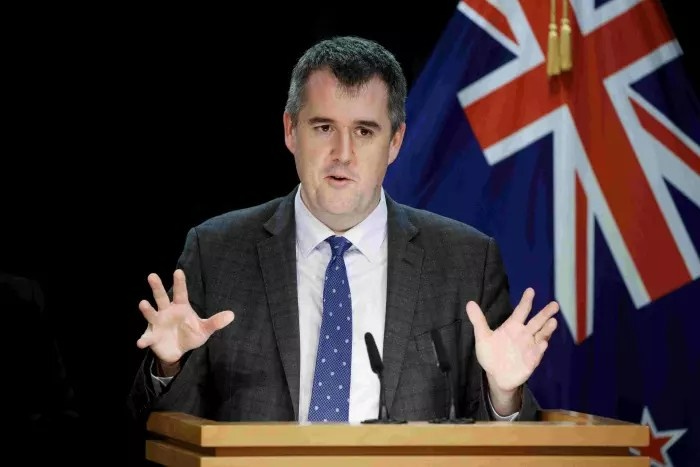
NZTE trade commissioner and consul general to India and South Asia Graham Rouse points out the two categories presented different opportunities.
“Fruit is about growing an established market. Lamb is about creating a bigger one," he says.
“New Zealand fruit is already well understood by Indian consumers, so lower tariffs improve its competitiveness and reach. Lamb consumption is much smaller, but rising affluence and a more international food culture create significant room for growth.”

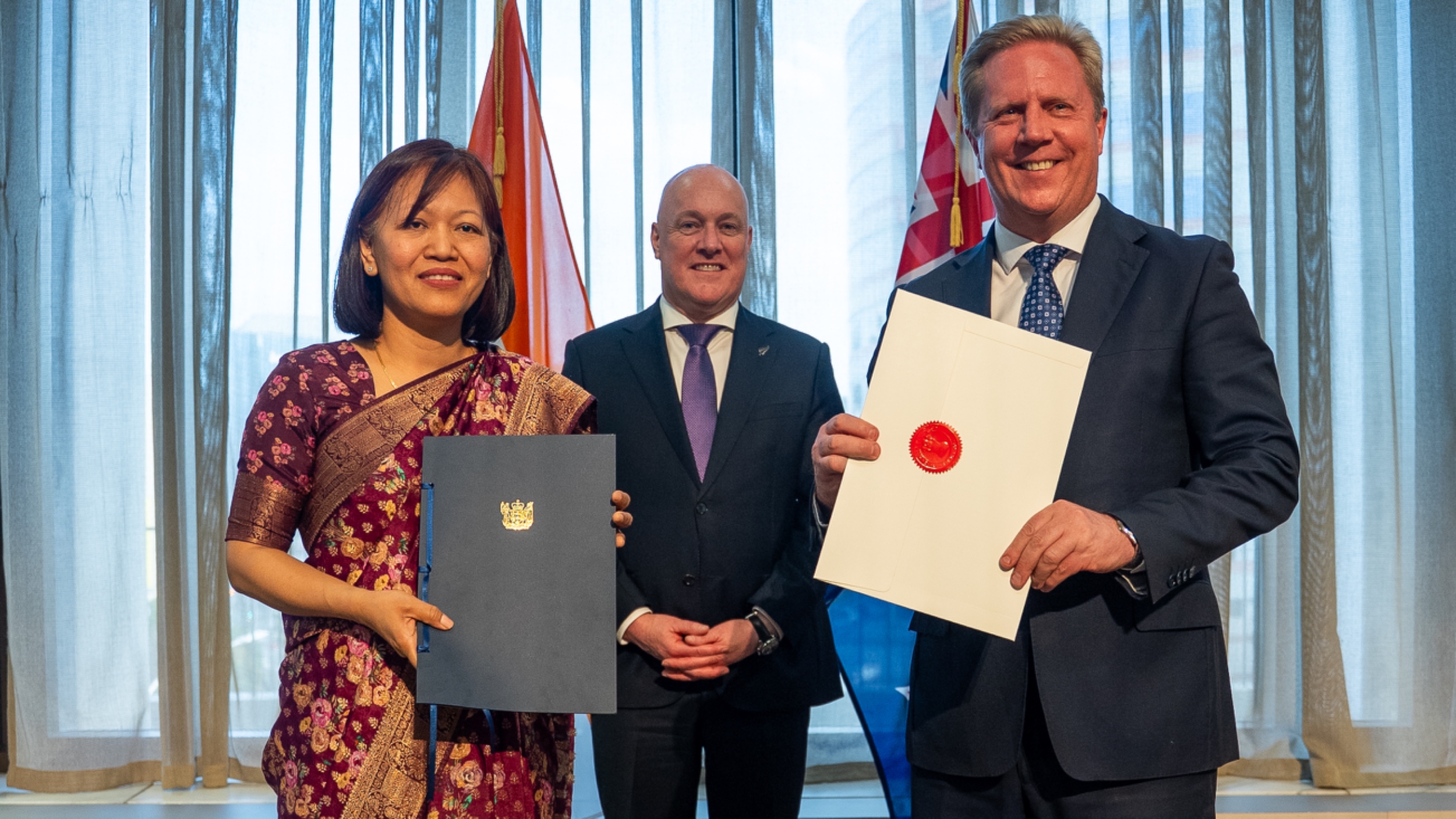
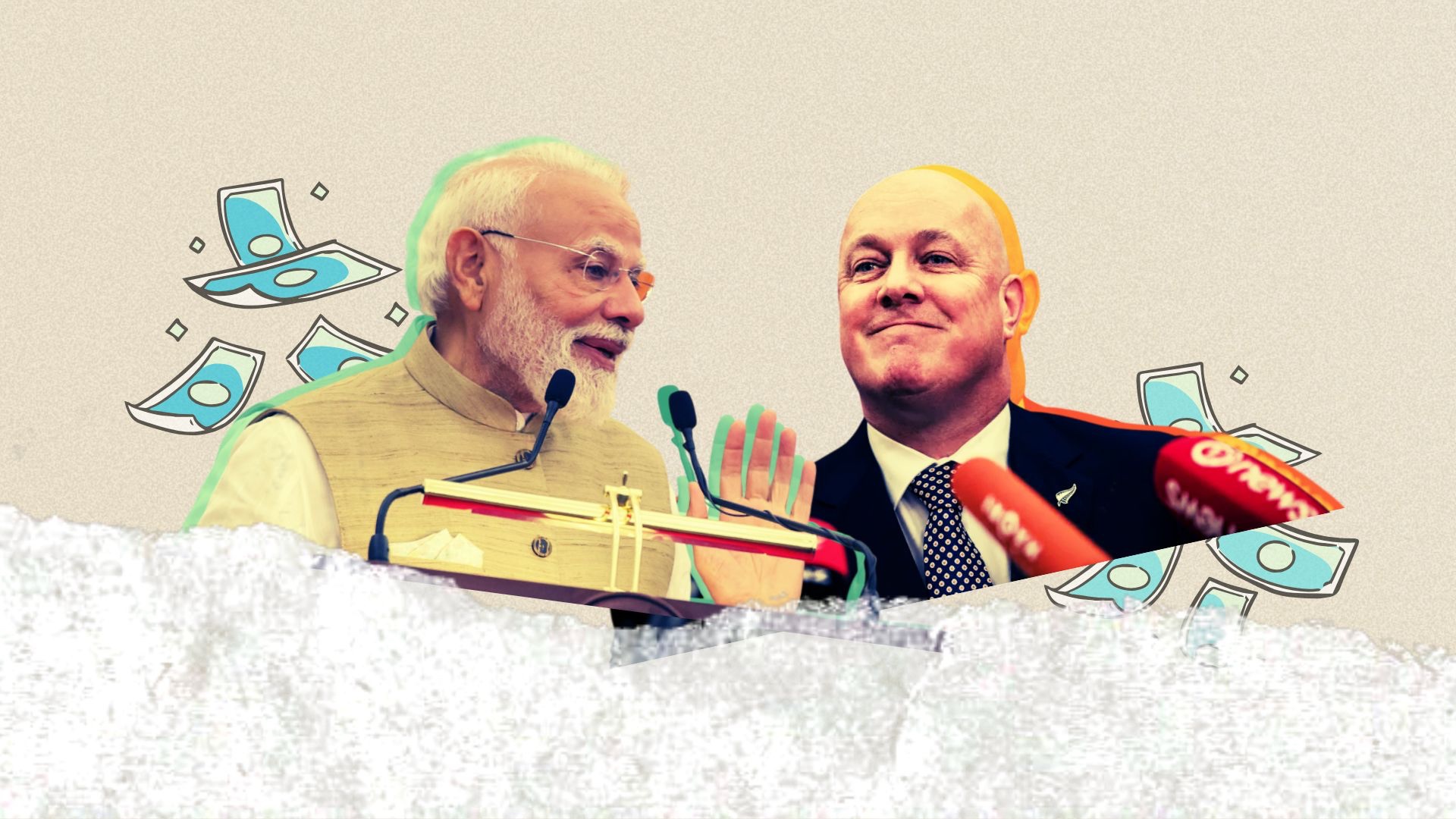
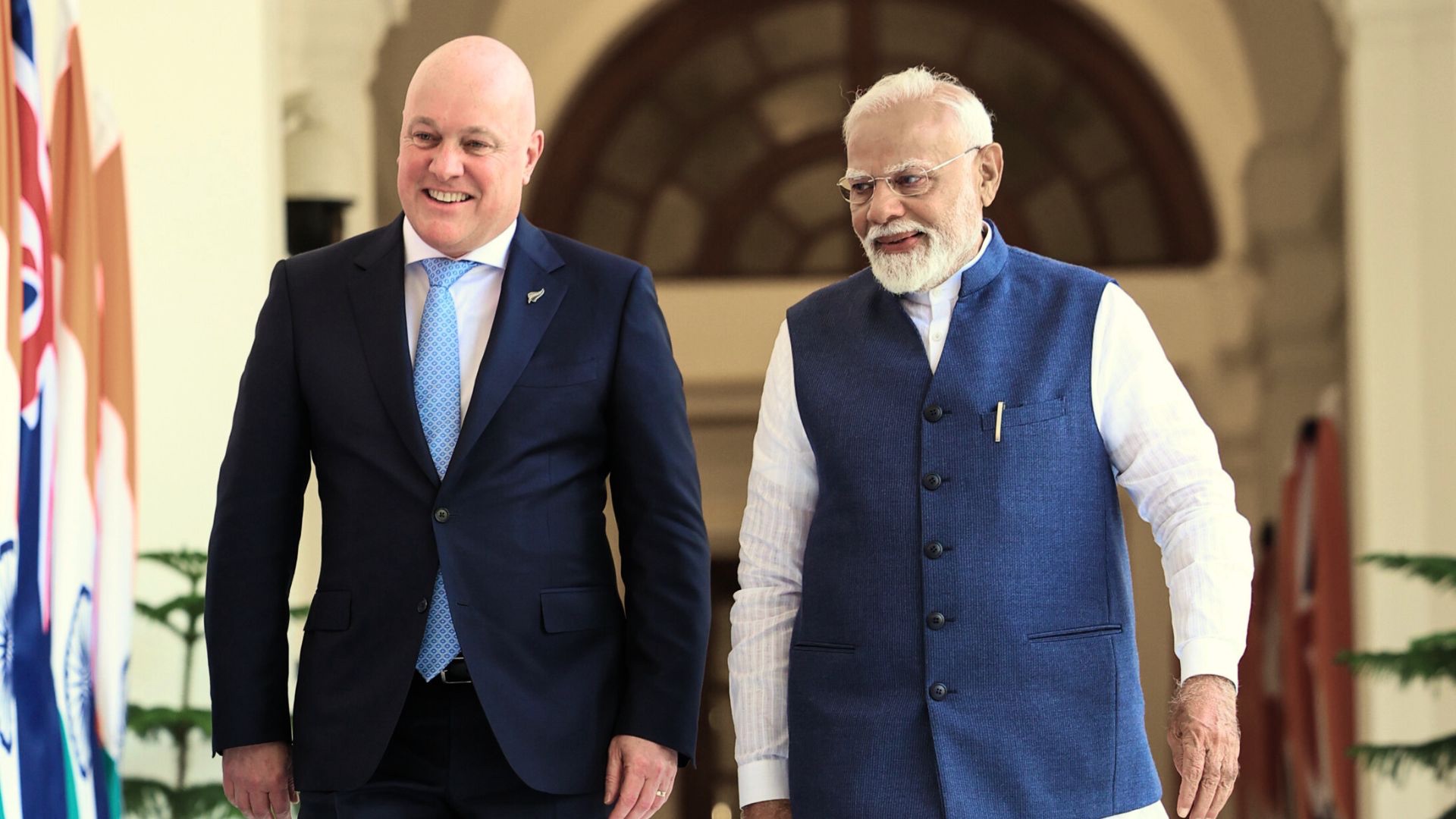
Primer minister Christopher Luxon with Graham Rouse, New Zealand's trade commissioner to India, during his trip to India in March 2025. (Supplied photo)
For lamb exporters, he says, reaching customers would require work beyond getting products into the country.
“For lamb exporters, the job is to create demand as well as supply it: work with chefs, restaurants and retailers, adapt products to the market, and give consumers more reasons to choose New Zealand lamb. The tariff removal makes that opportunity much more viable.”
What shoppers expect from the deal
In the survey, higher-quality food and drink options were the most commonly cited benefit of the agreement, at 68 per cent. Greater access to premium products followed at 59 per cent, safer food at 58 per cent and better value for money at 57 per cent.
Kantar’s head of qualitative research, Jason Cate, points to those broader expectations as a possible explanation for fruit’s appeal. He says shoppers “associate it with safer & premium quality”, drawing on what respondents said about the trade deal’s benefits across food and drink.
New Zealand ranked first among the seven countries compared for its association with fruit. Some 47 per cent of respondents linked New Zealand with the category, ahead of Australia at 40 per cent, the United States at 39 per cent and Chile at 37 per cent.
New Zealand also led on association with honey, at 36 per cent, ahead of the United Kingdom at 32 per cent and Australia at 31 per cent. On the separate question of what shoppers would be interested in buying if it became more widely available, Kiwi honey trailed fruit, dairy and wine.
On premium food and drink overall, New Zealand scored 44 per cent, close to Australia at 45 per cent and the United States at 47 per cent. Italy and France led at 51 per cent each.
Rouse says NZTE had seen increased interest in New Zealand fresh fruit, lamb, wine, honey and seafood since the survey.
“The FTA has improved the commercial equation and prompted importers and retailers to look again at opportunities that may not previously have been an option.”