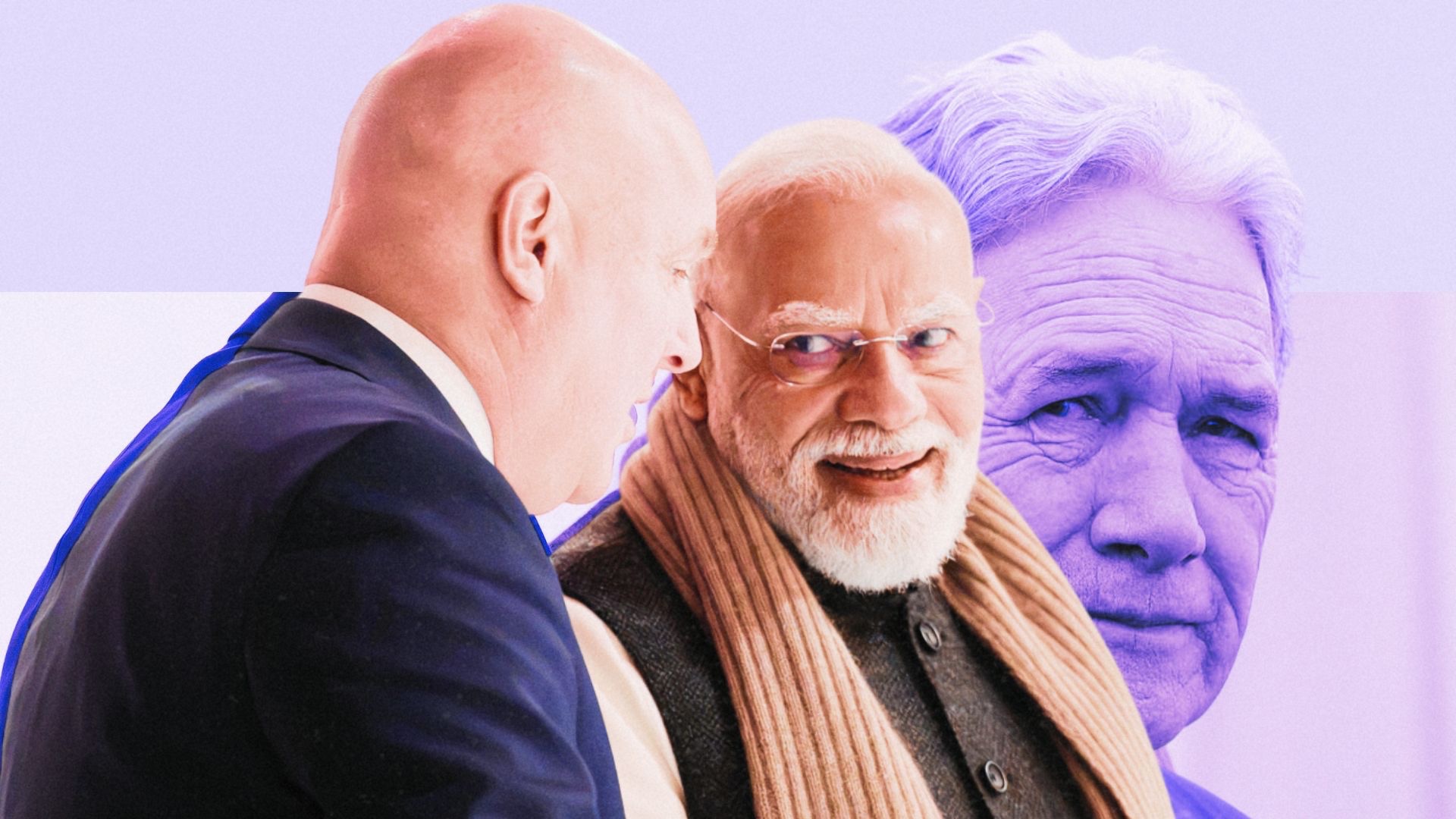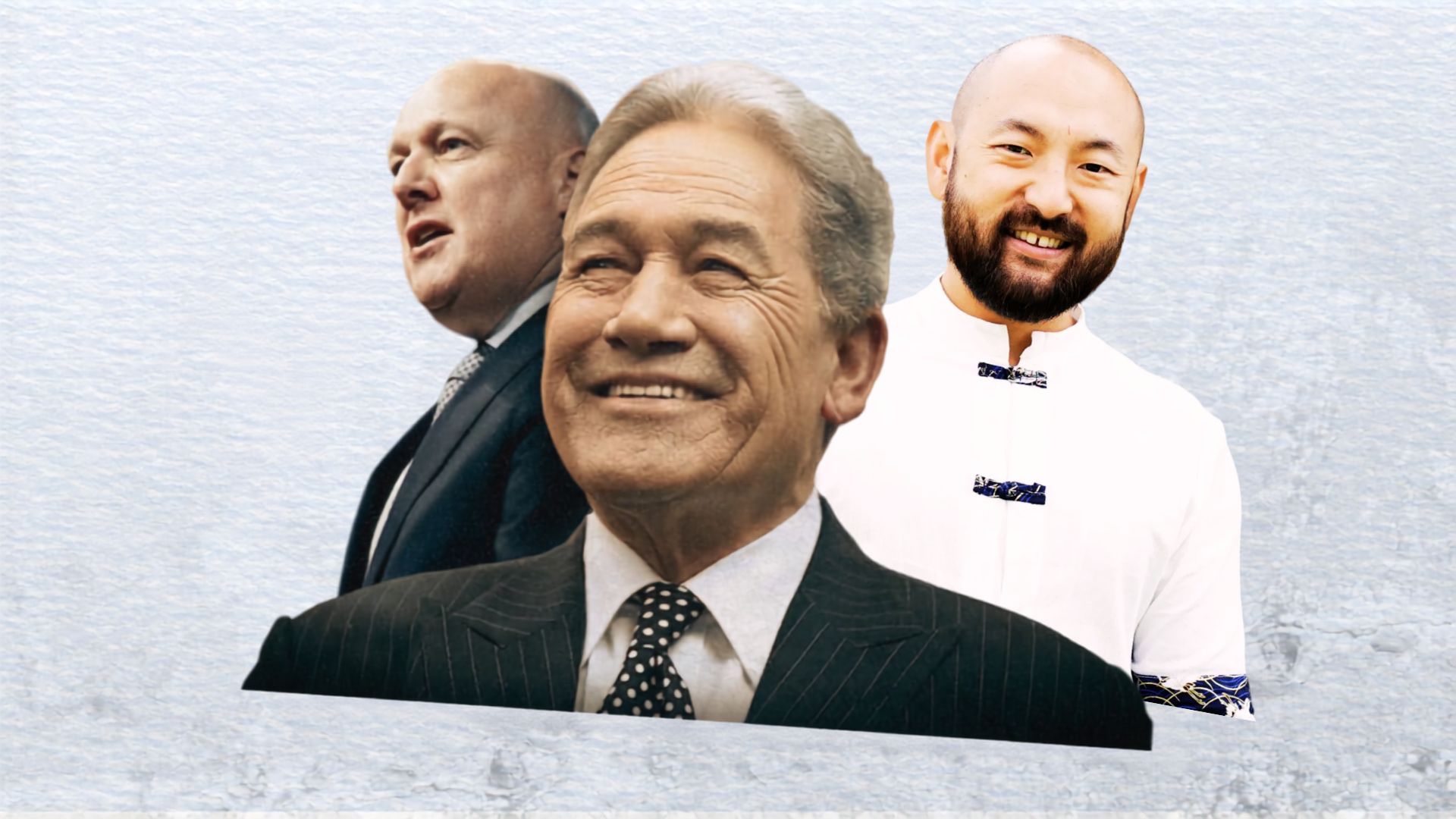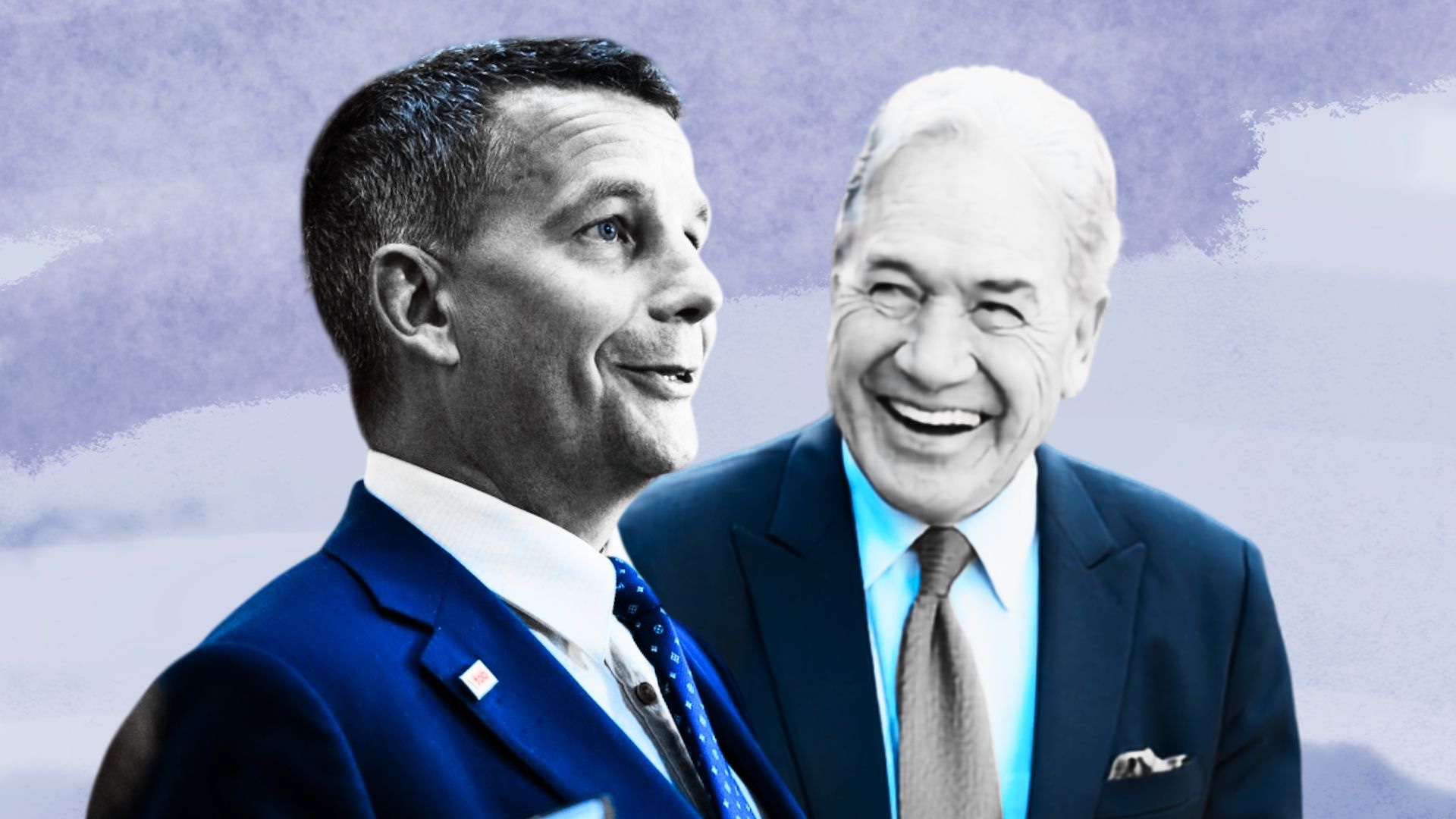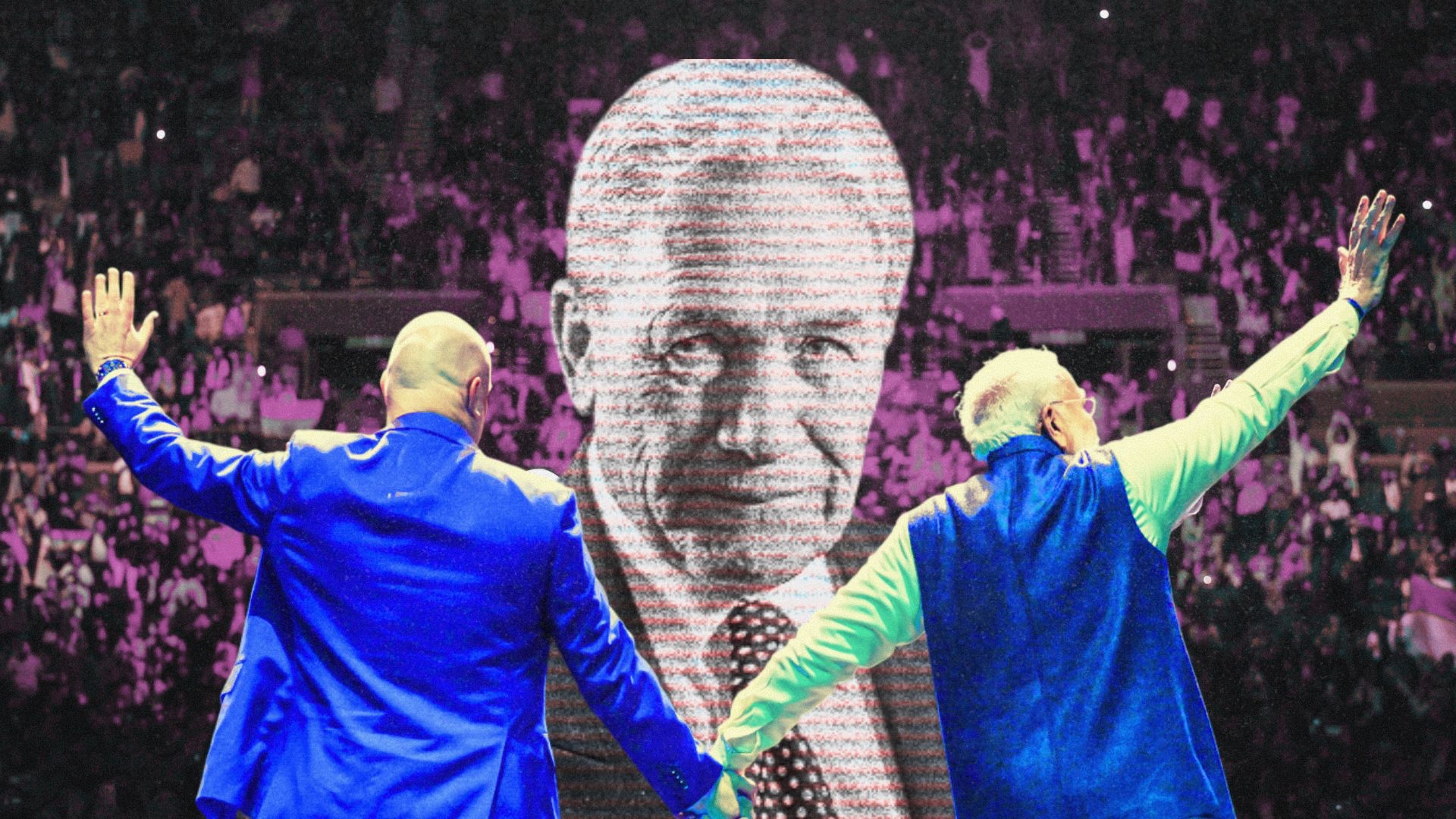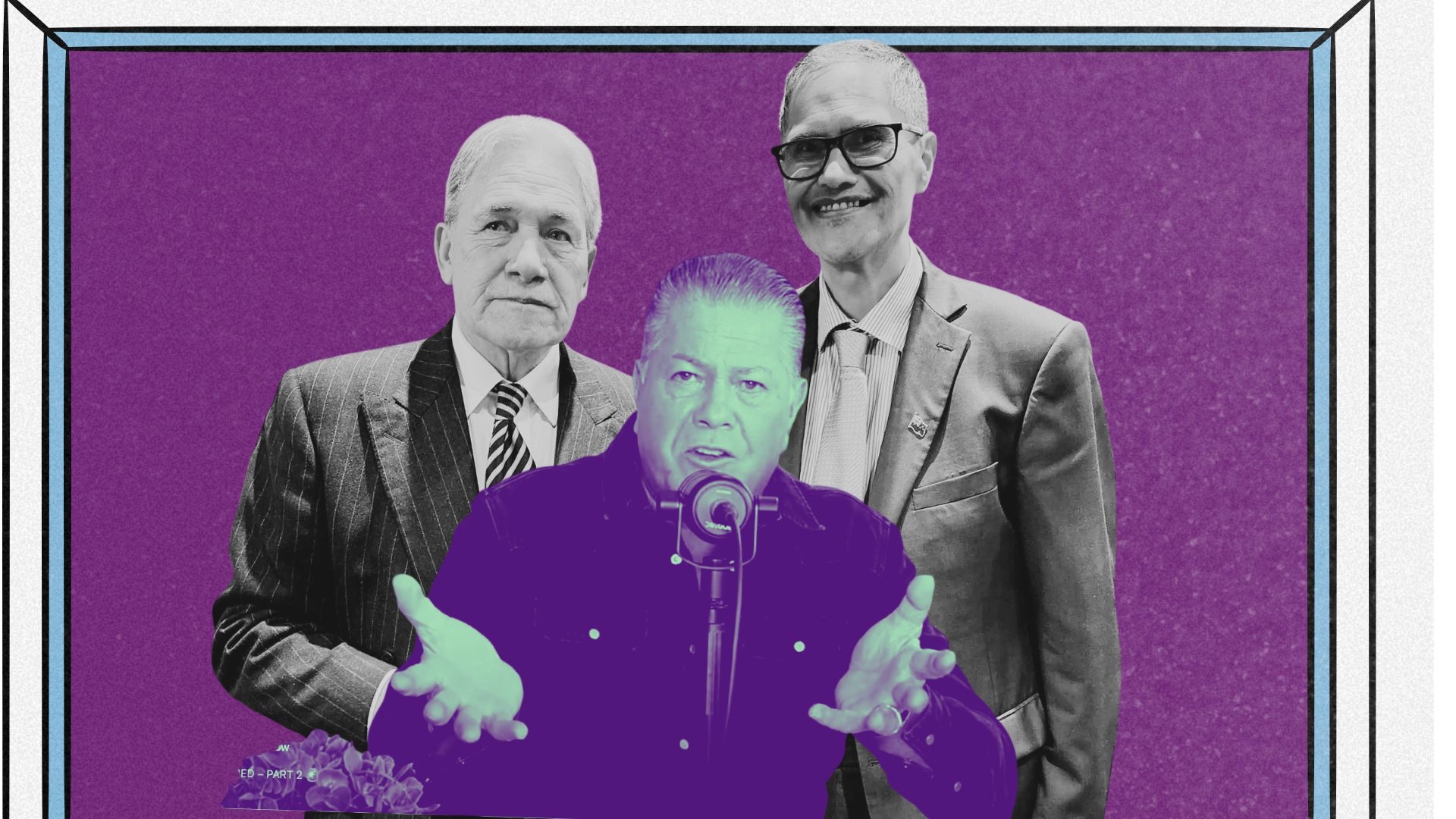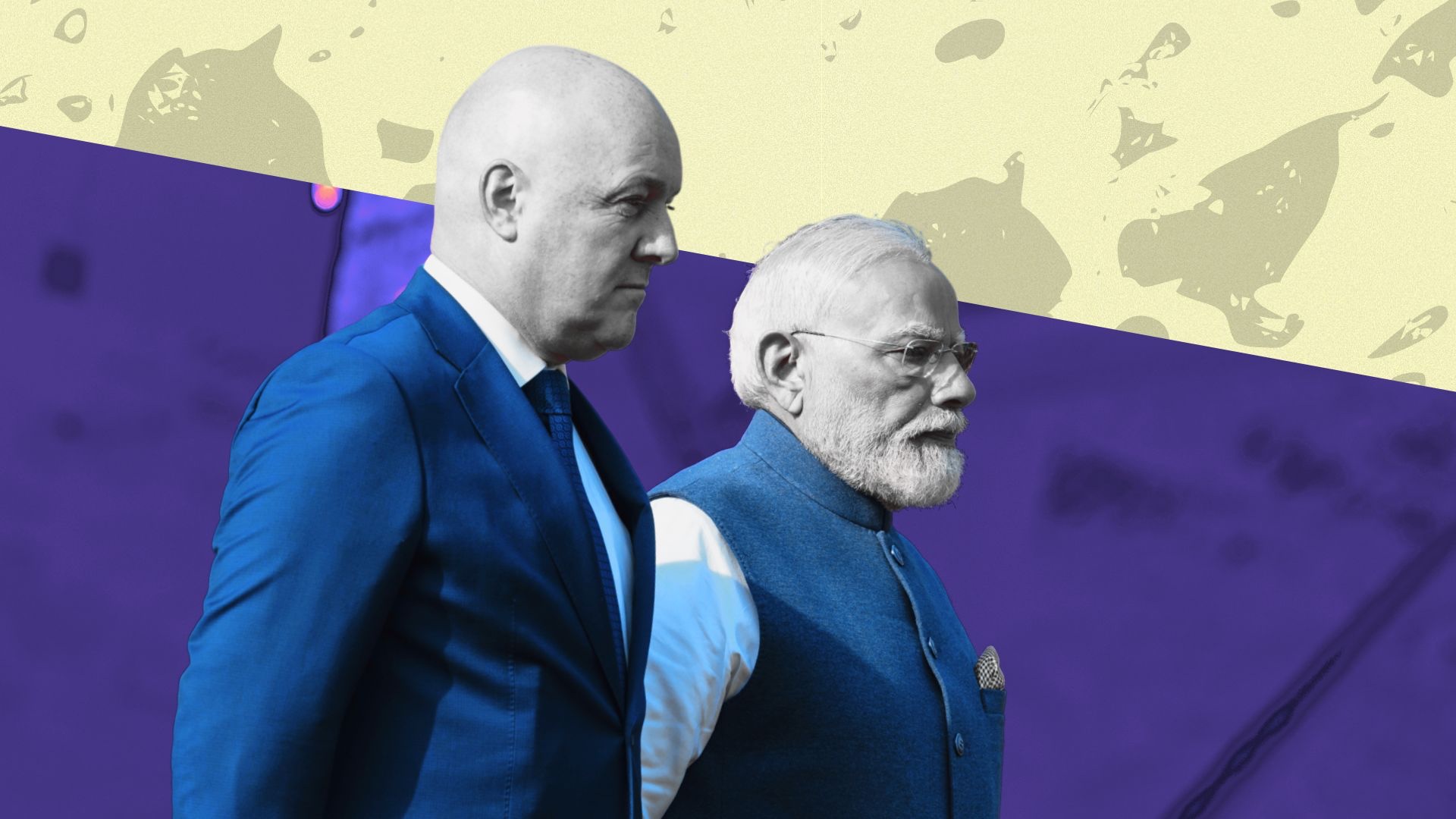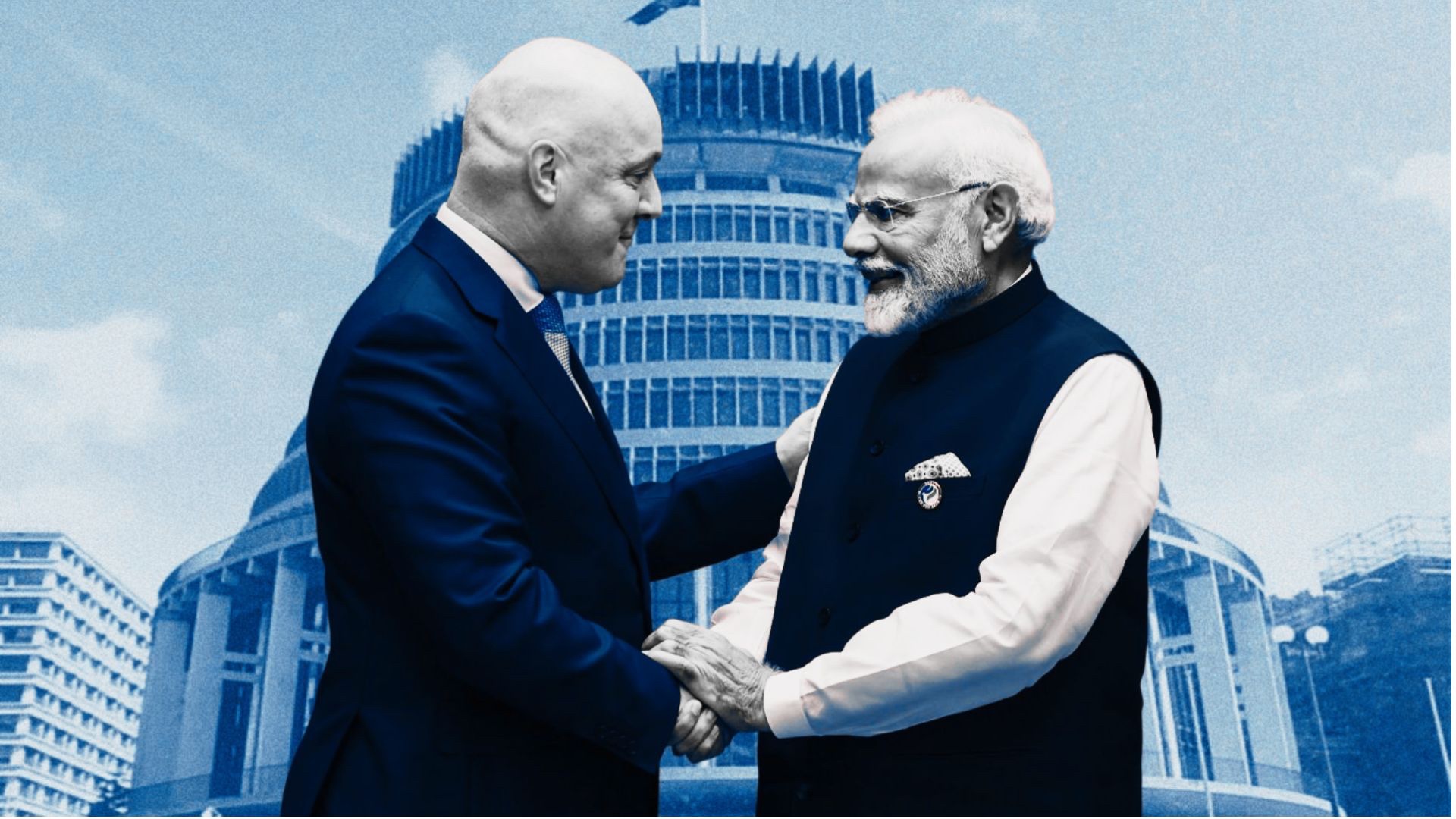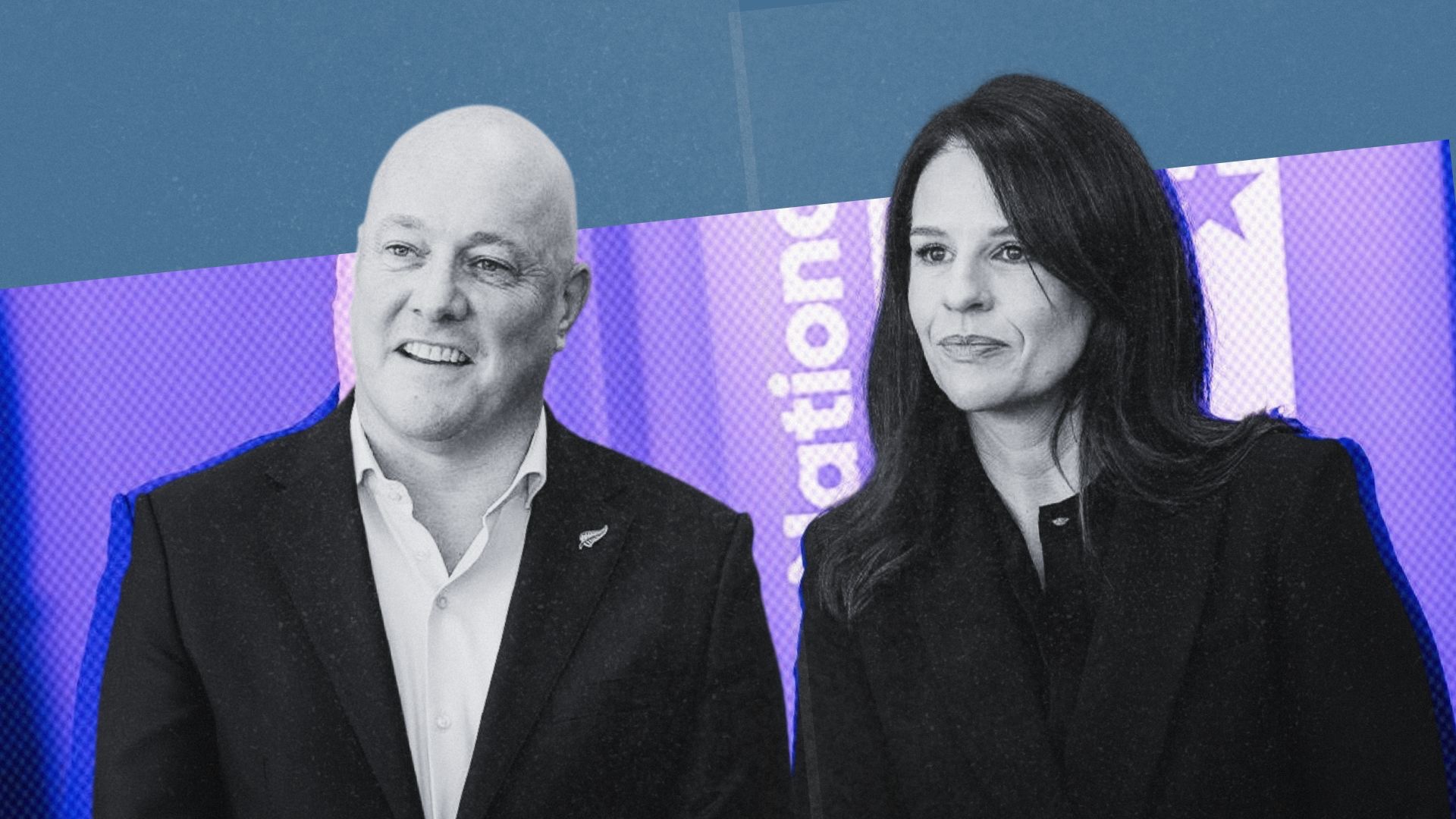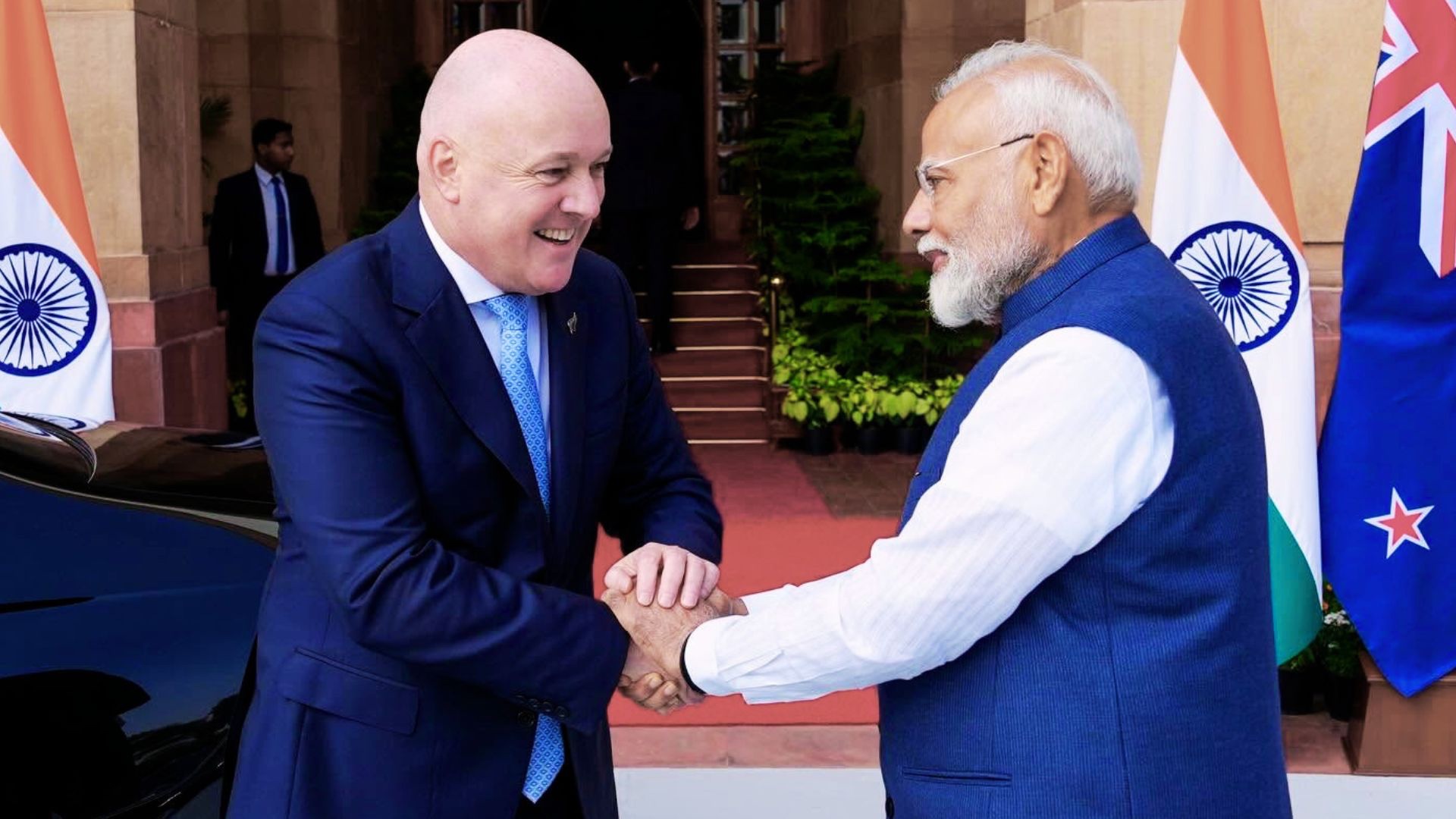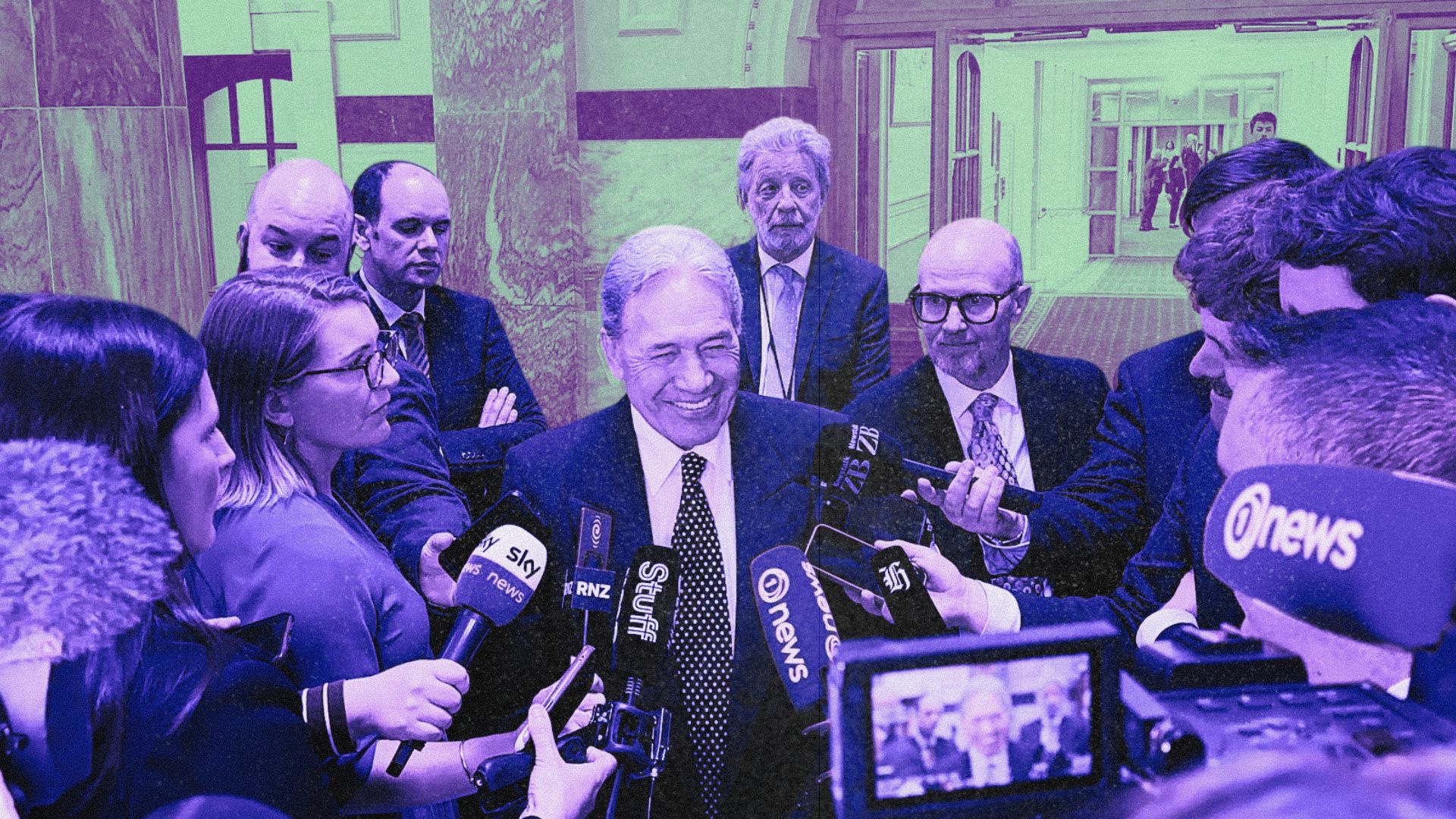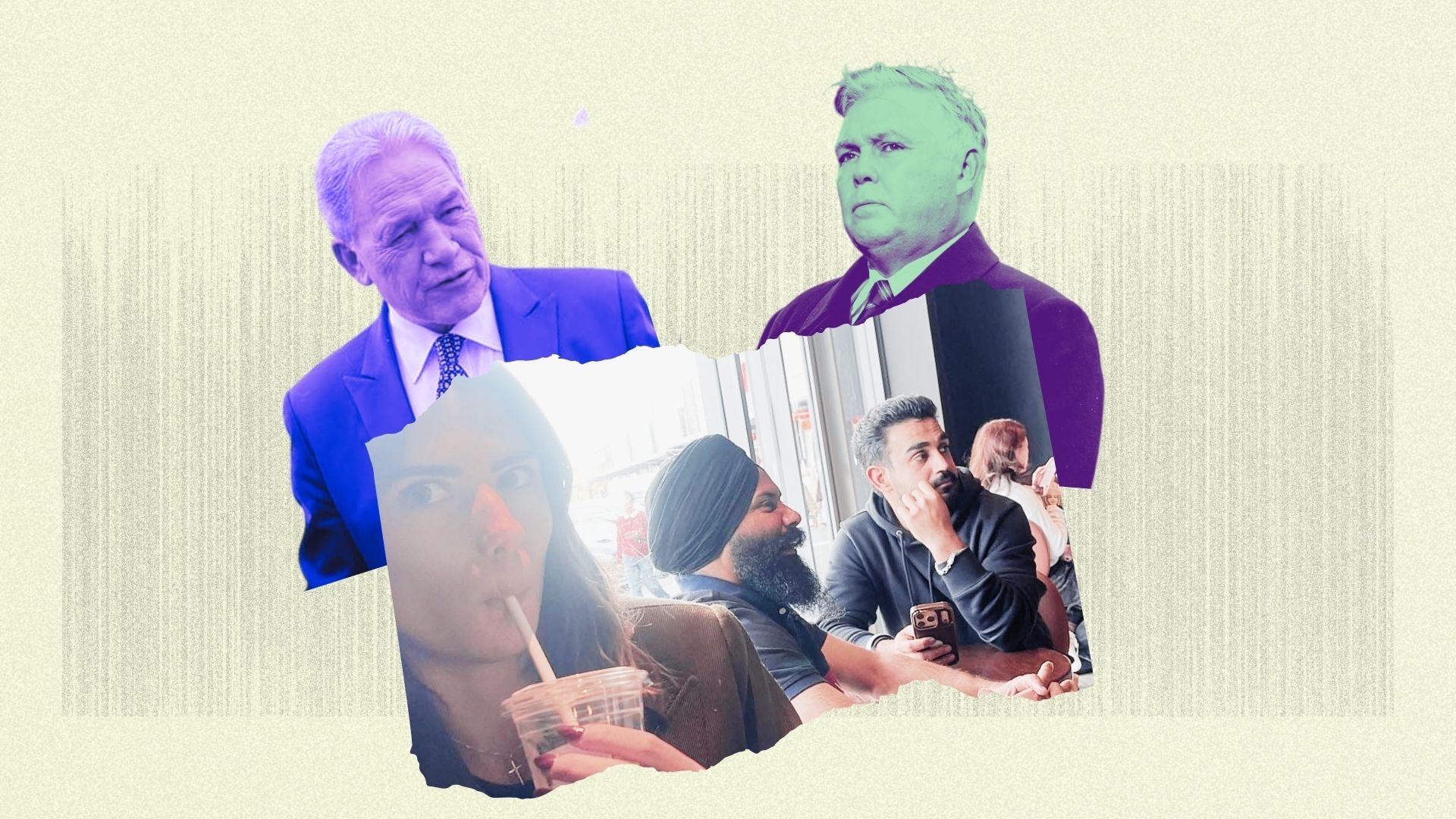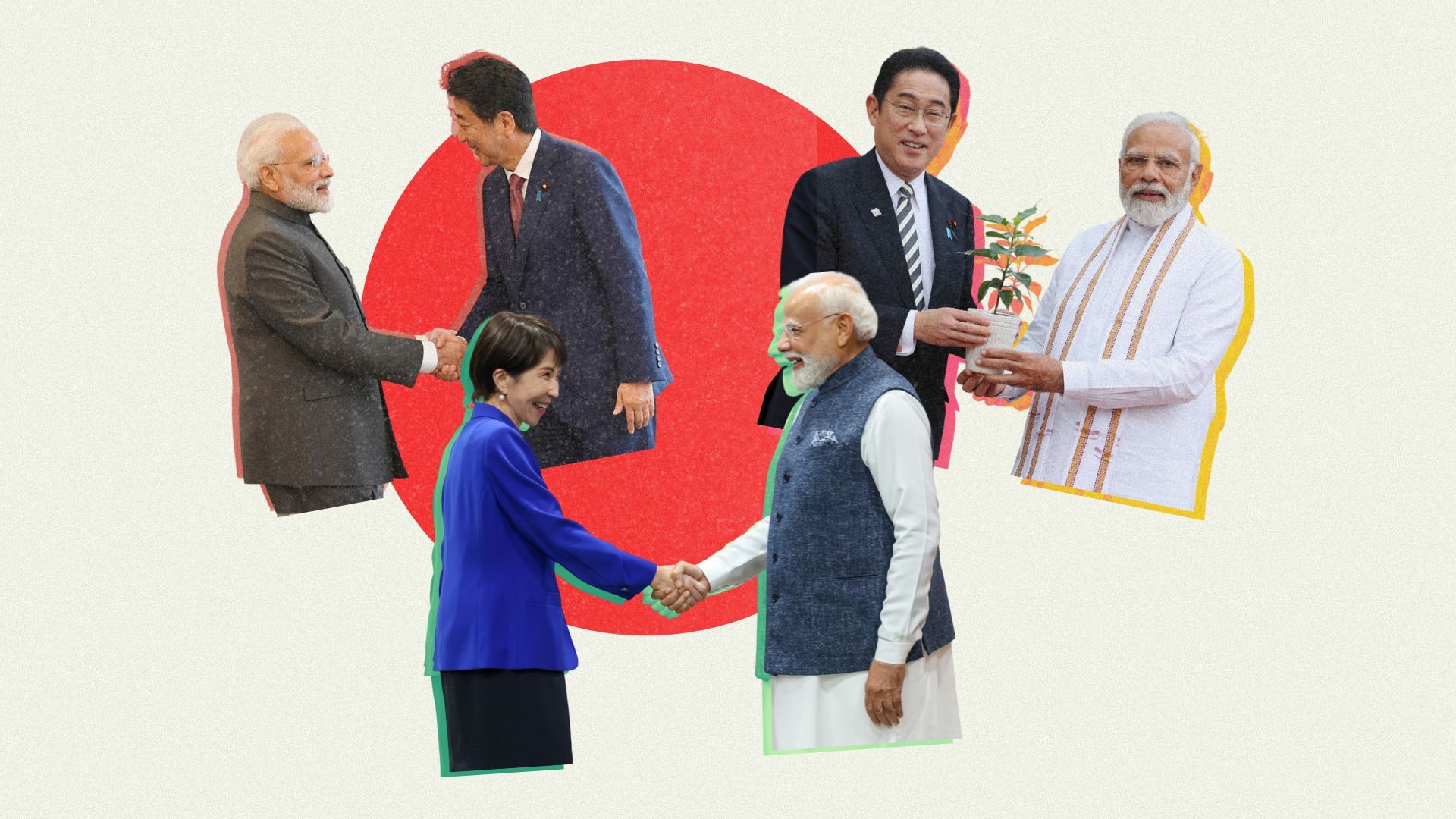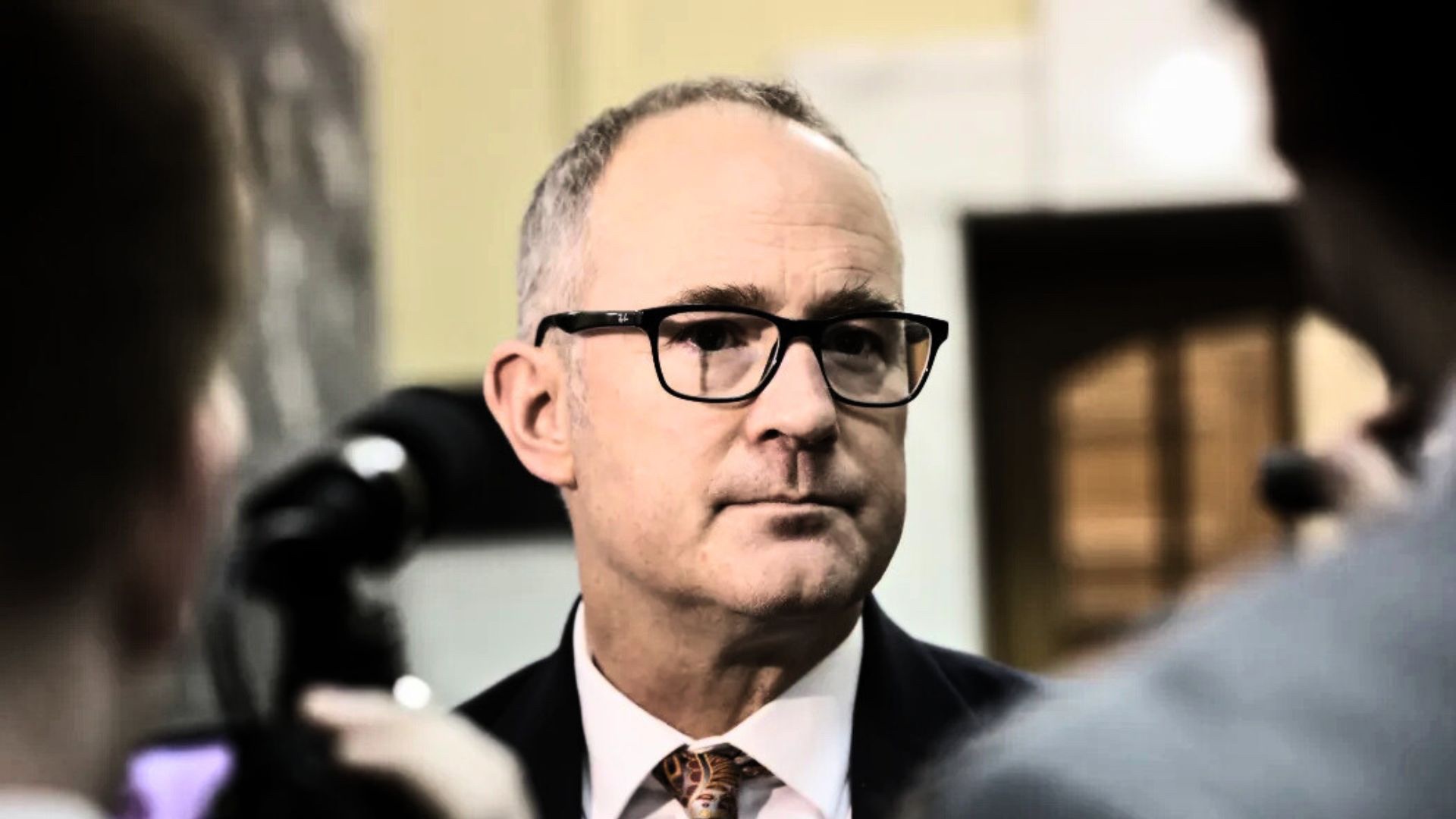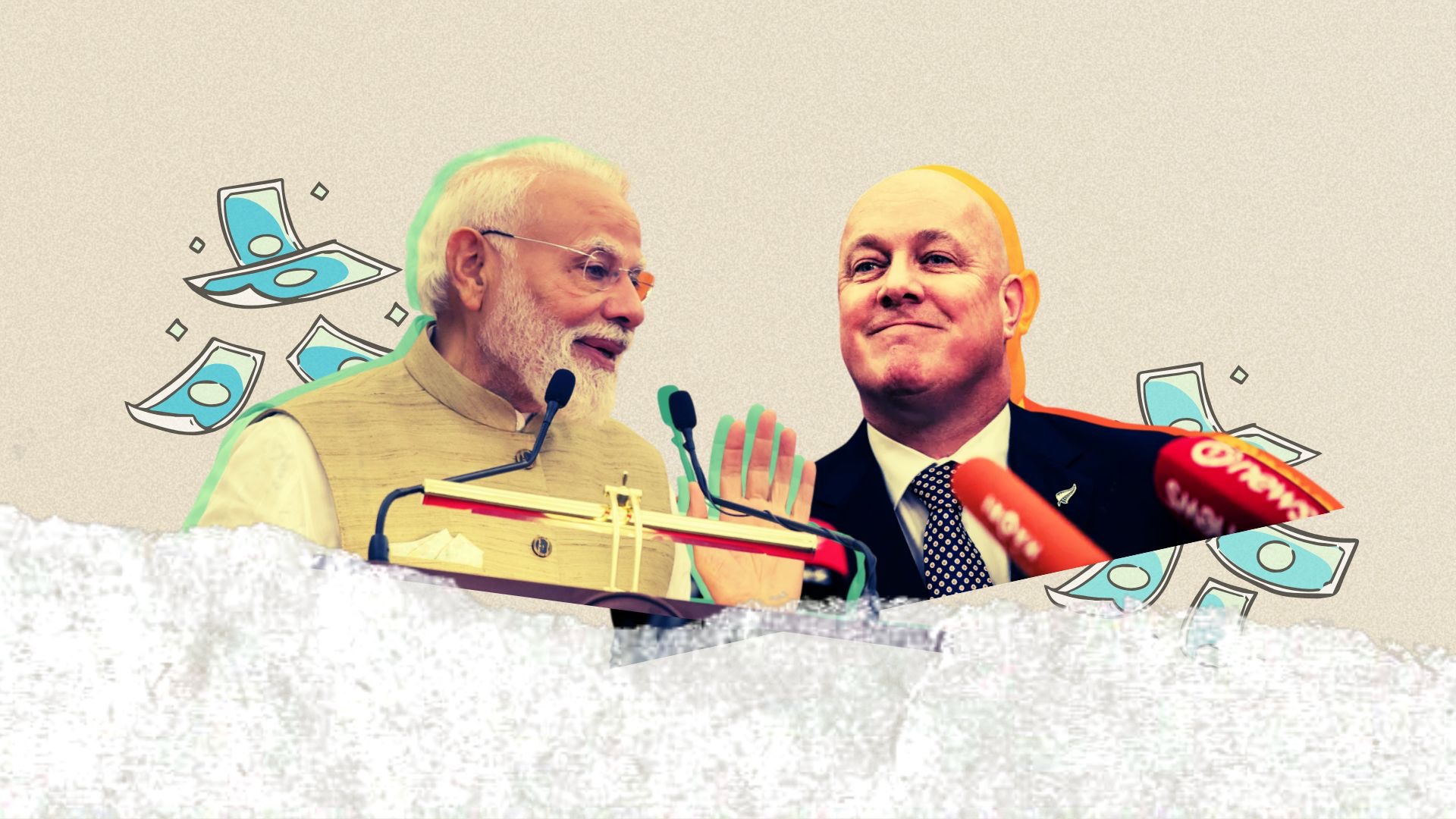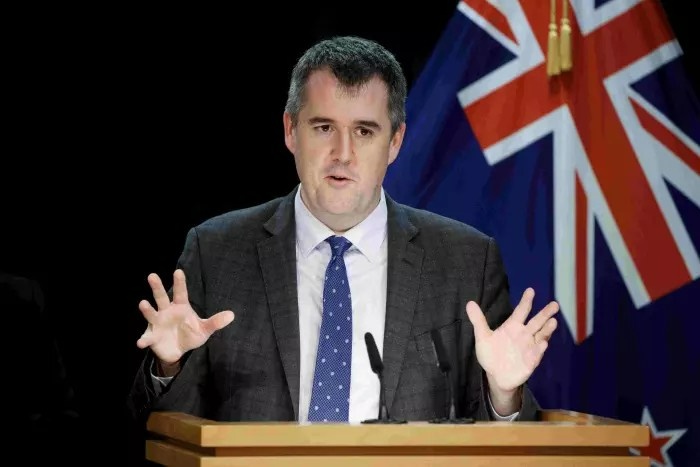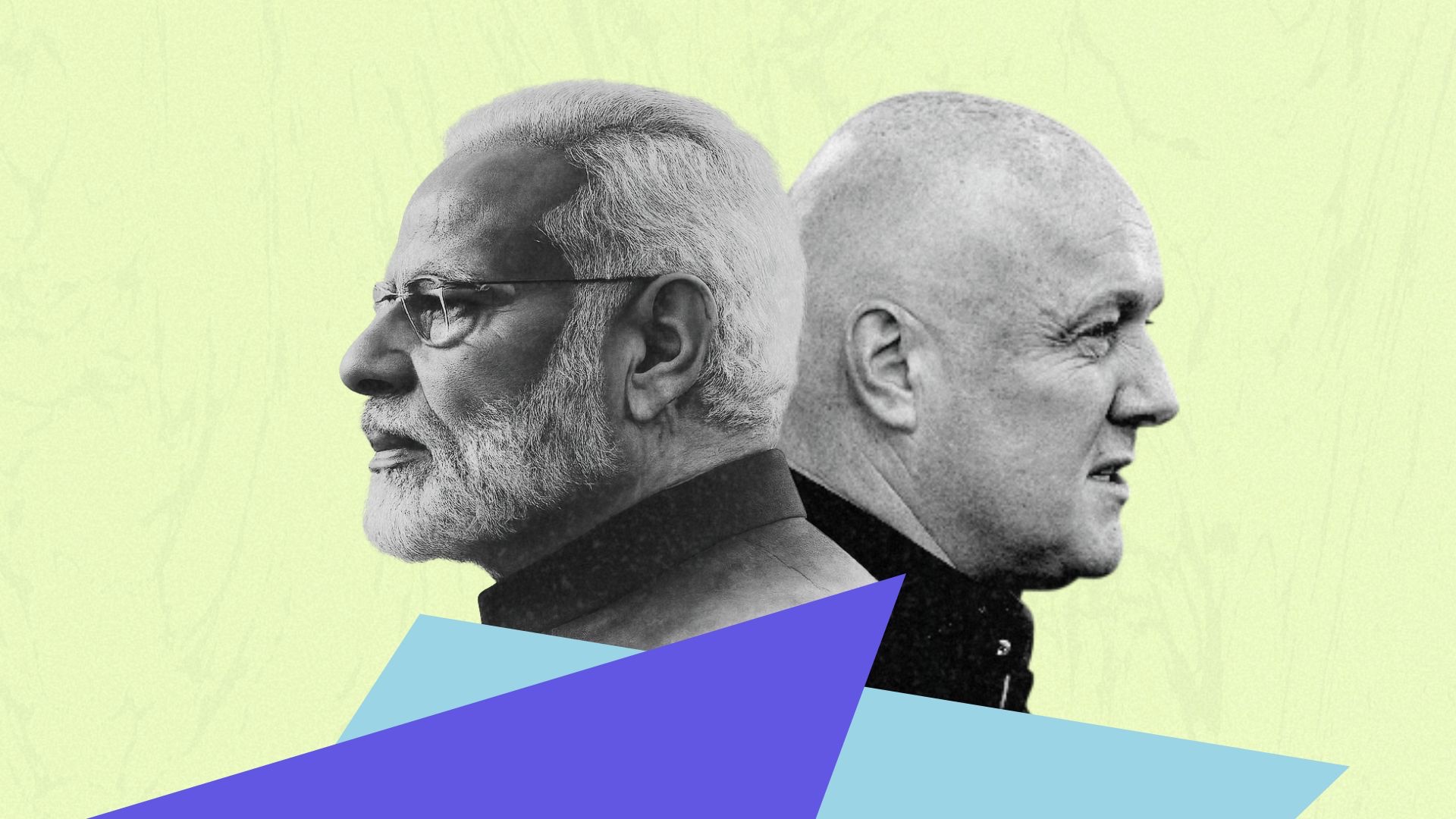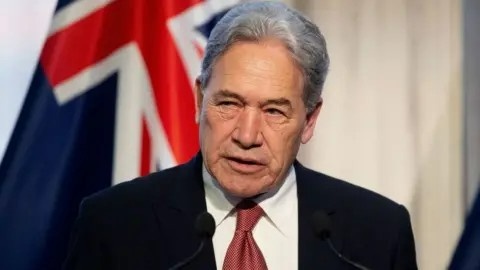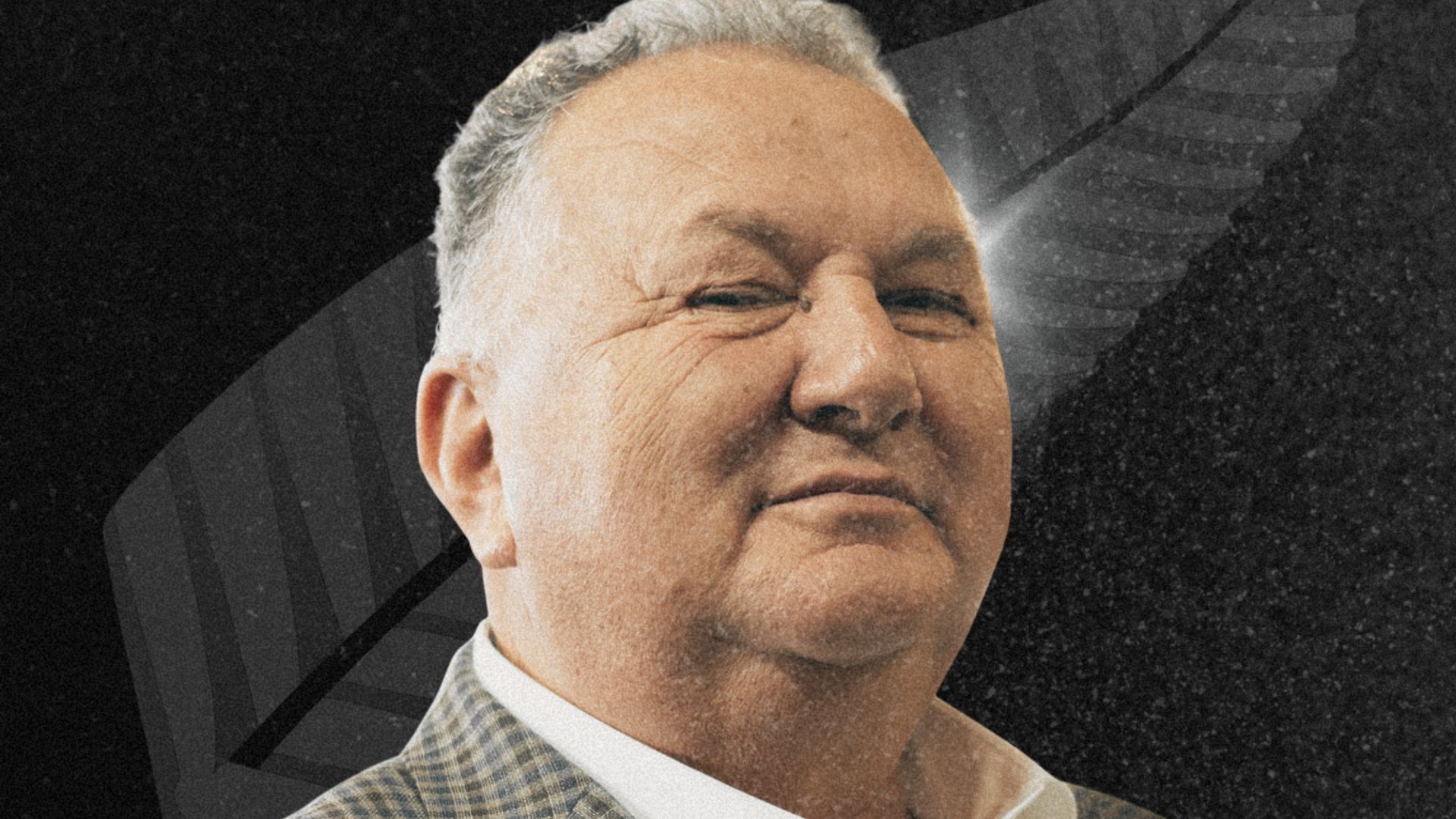

‘Obsequious subservience’: Peters attacks Luxon’s behaviour during Modi visit
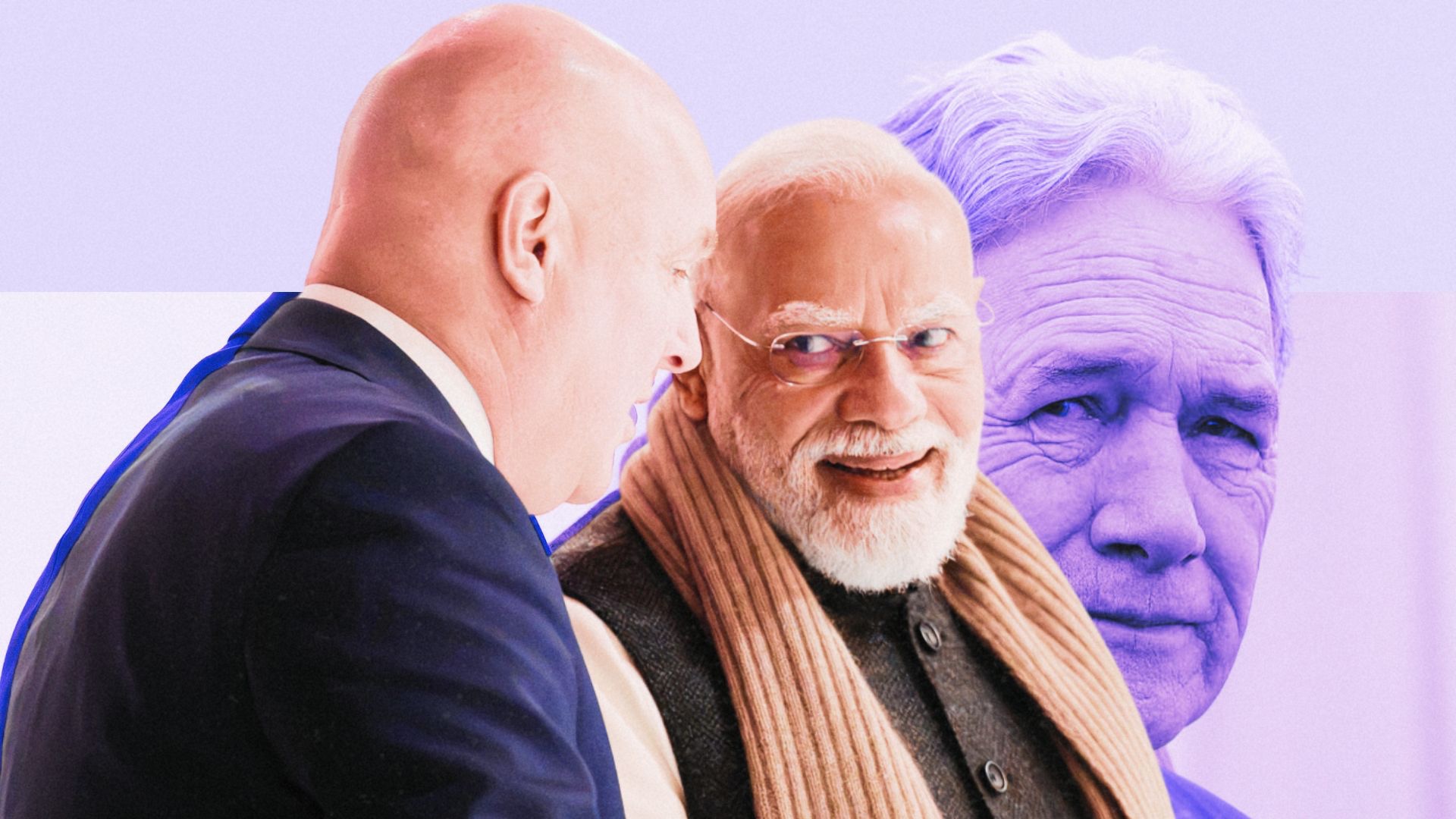
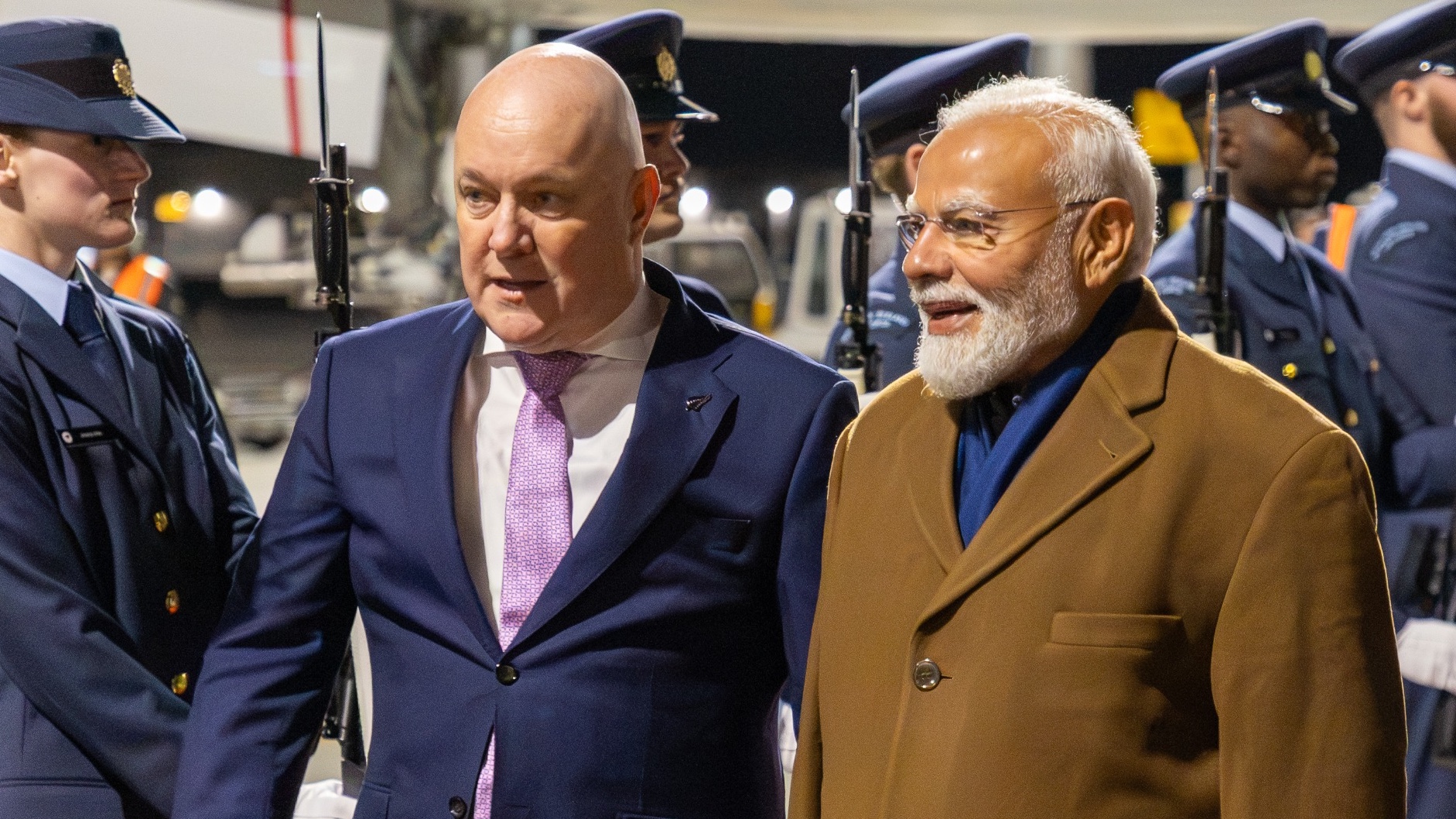
The foreign minister was out of the country when Indian prime minister Narendra Modi visited.
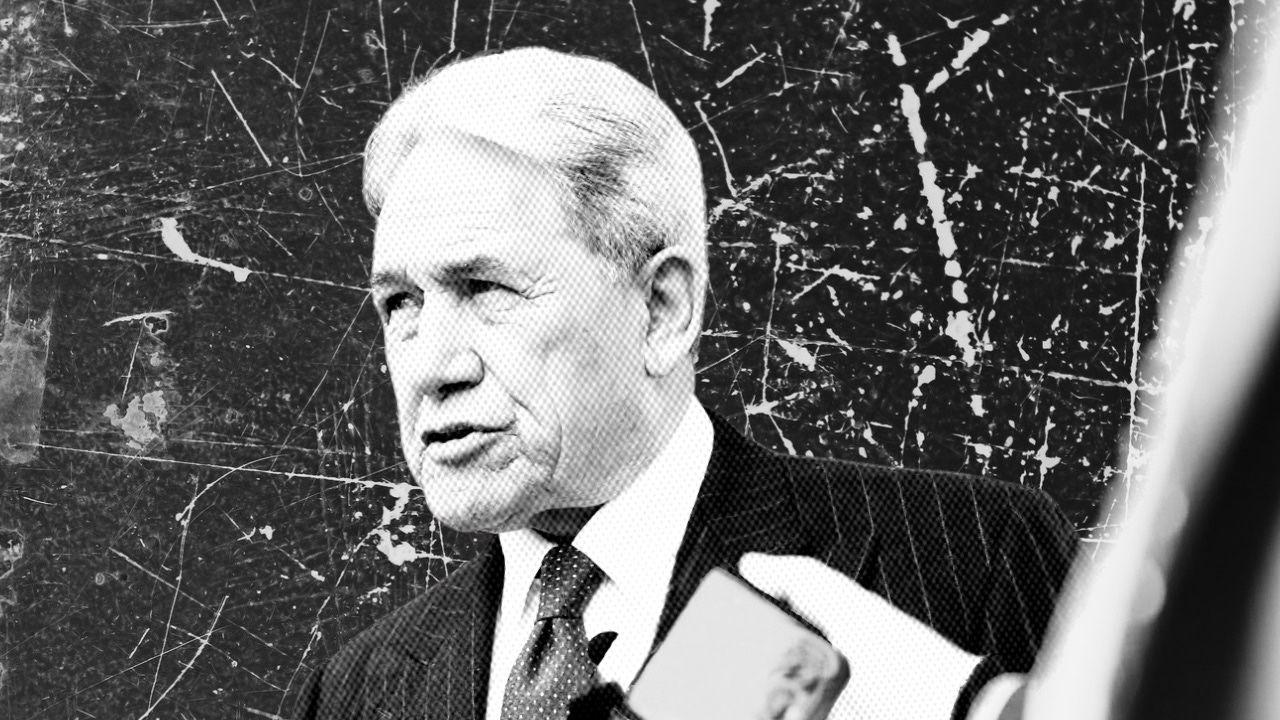
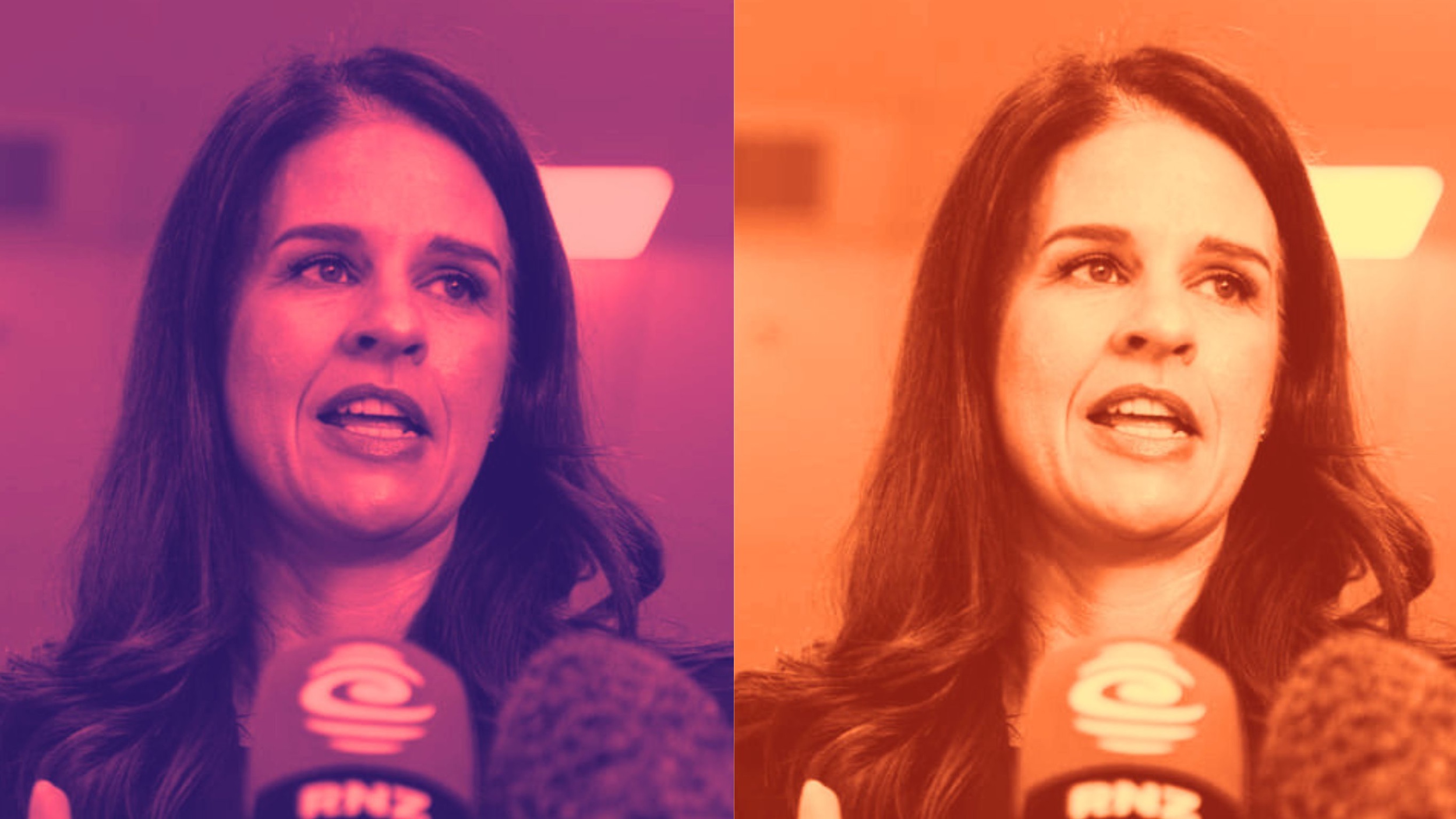
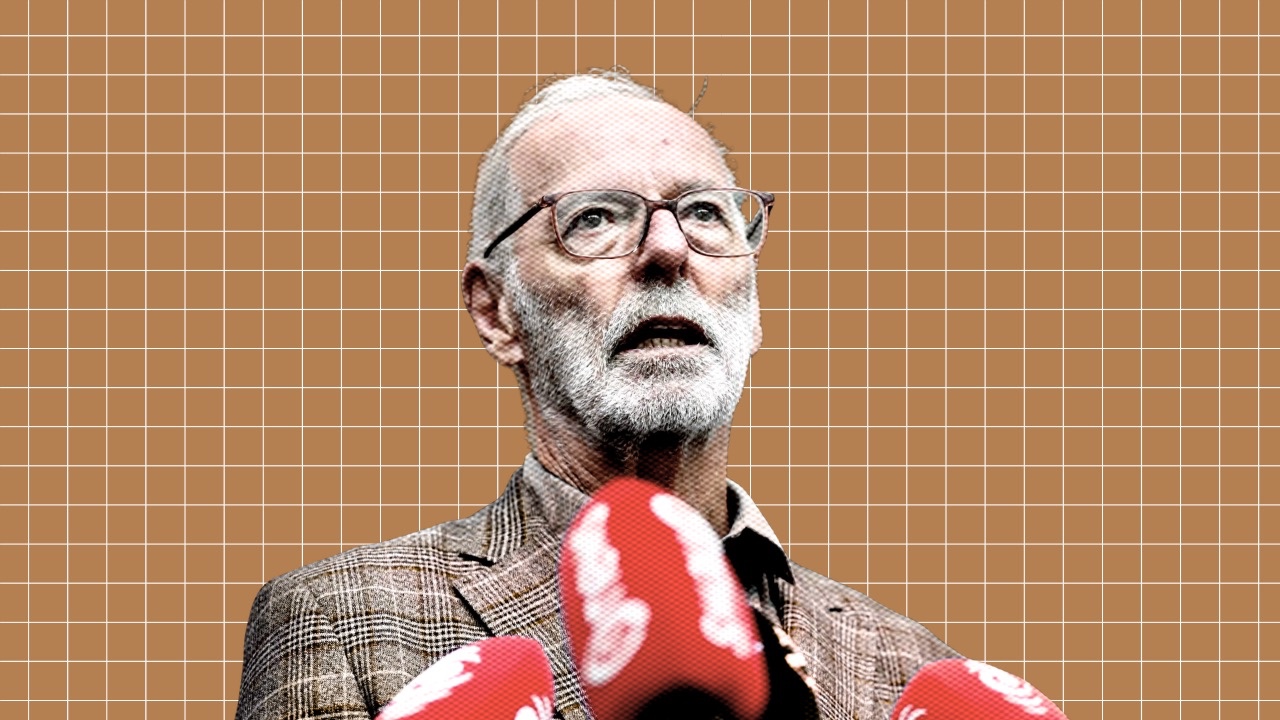
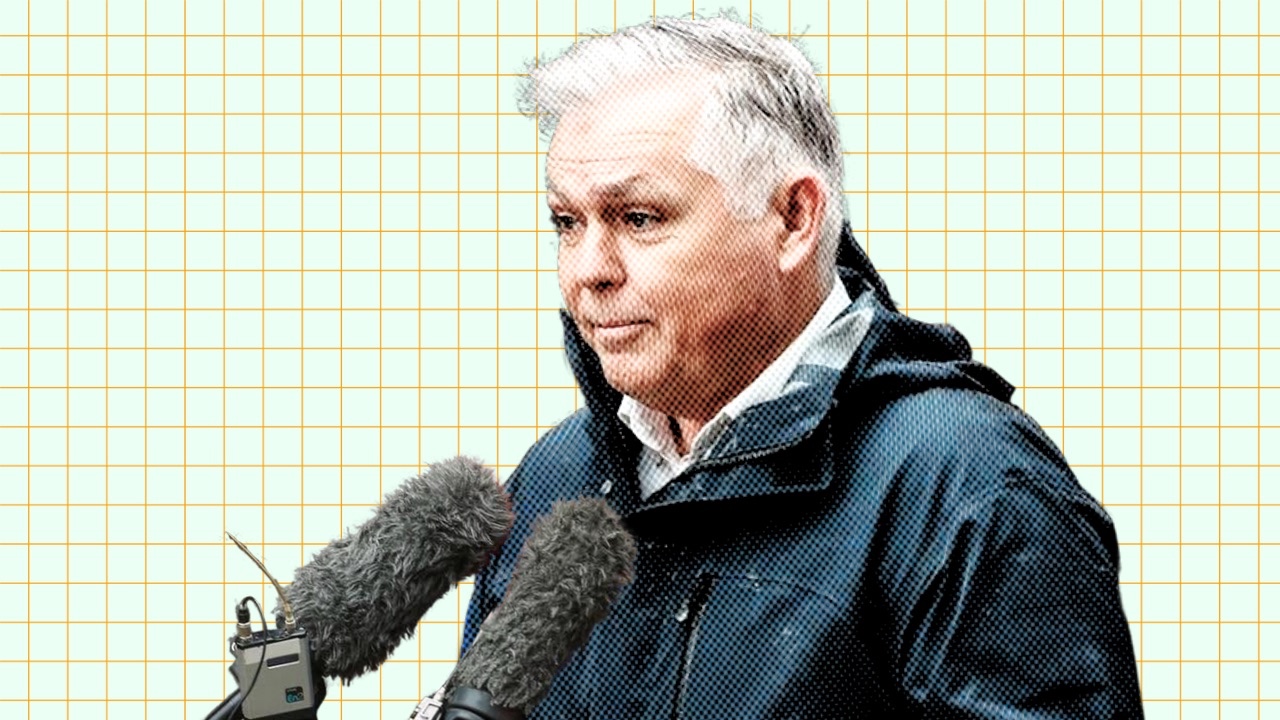
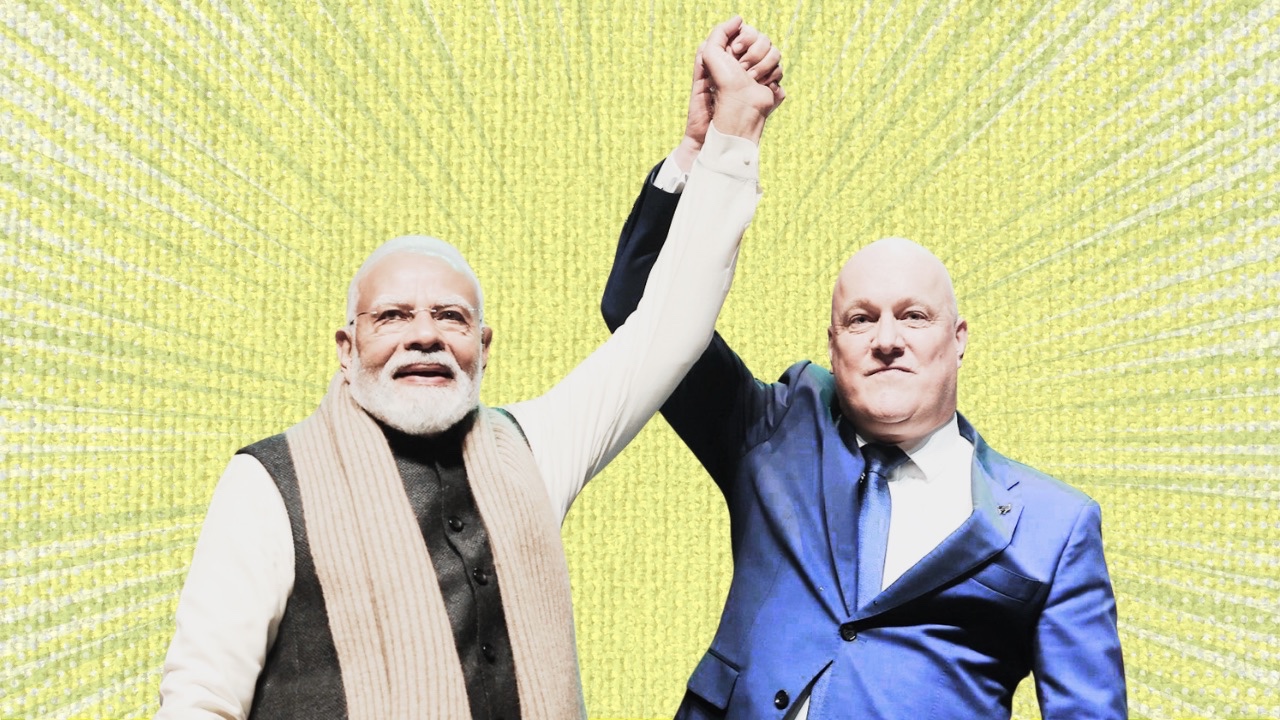
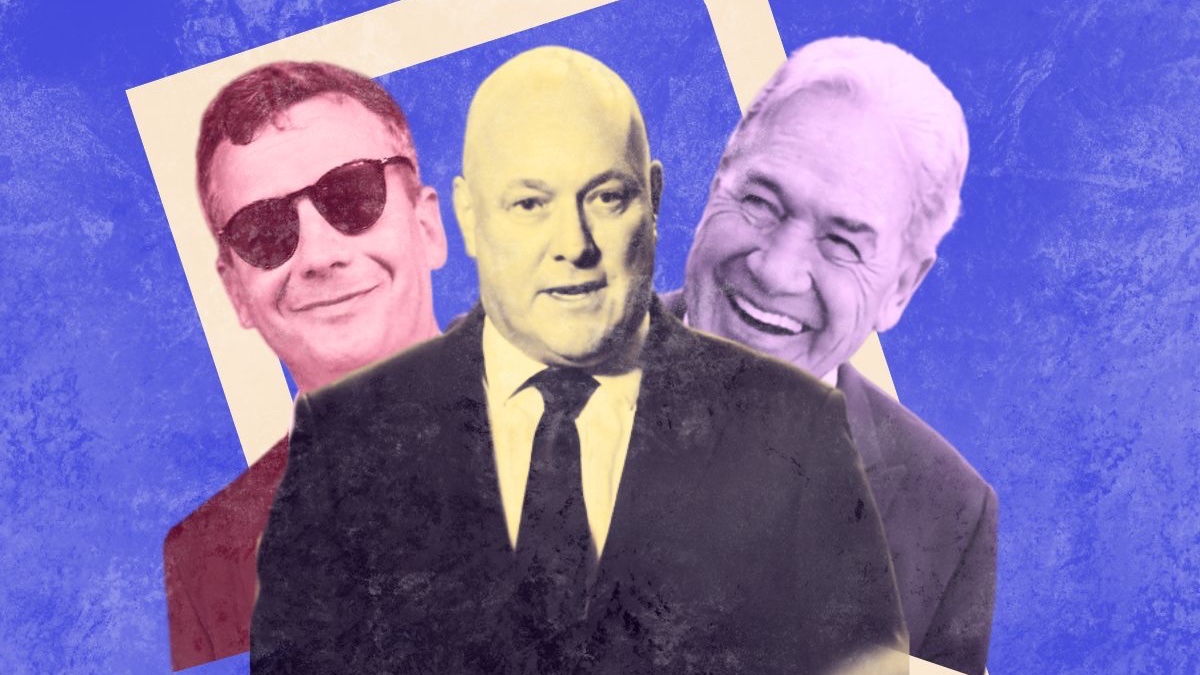
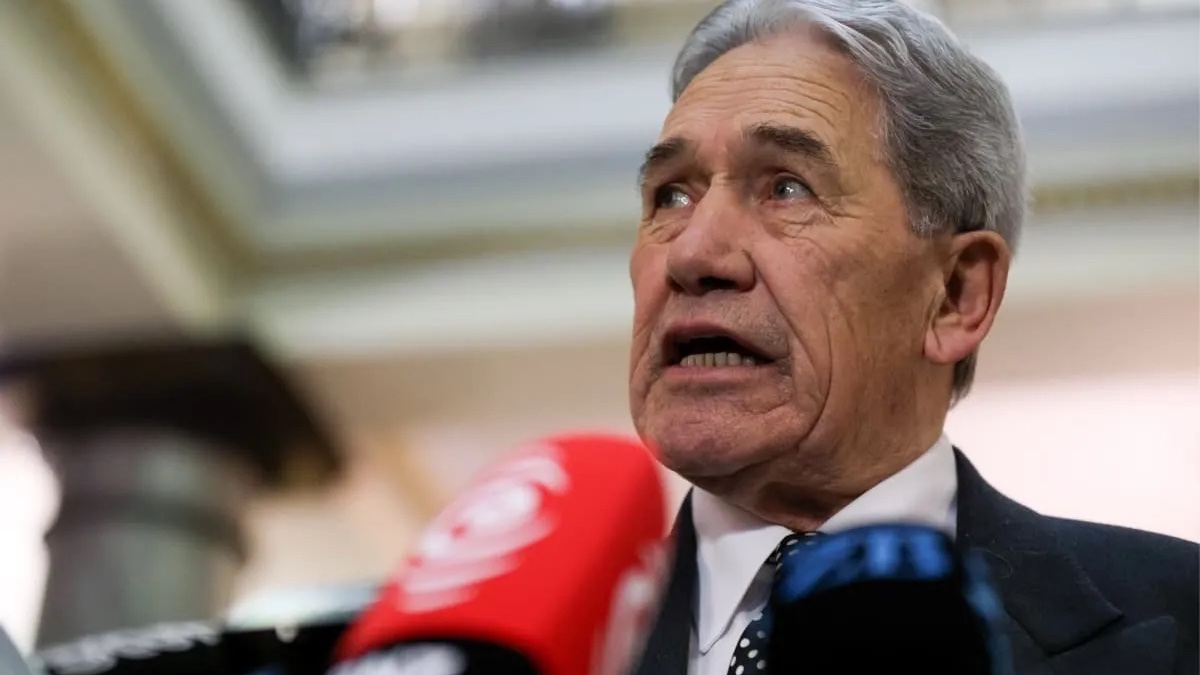
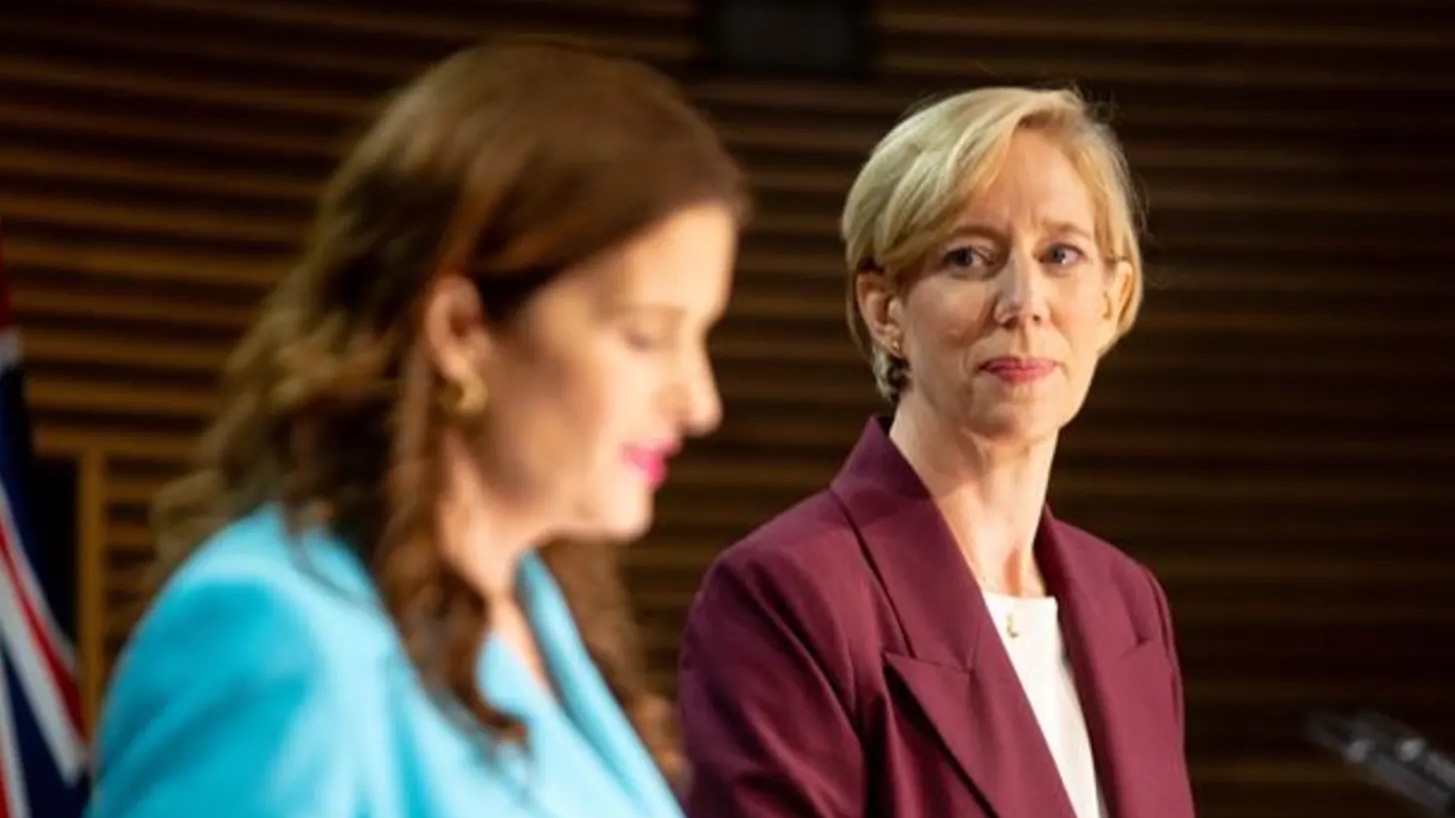
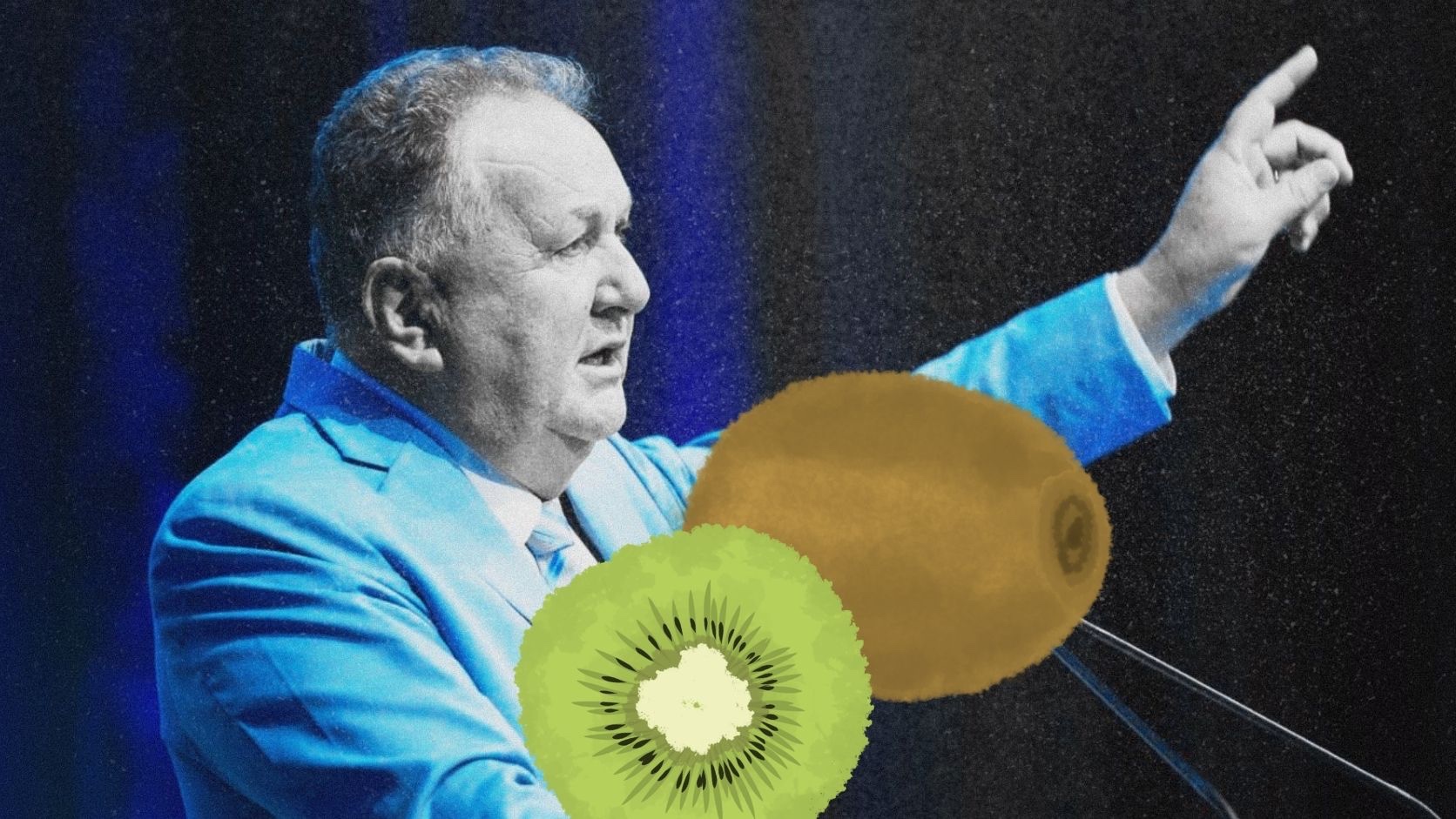
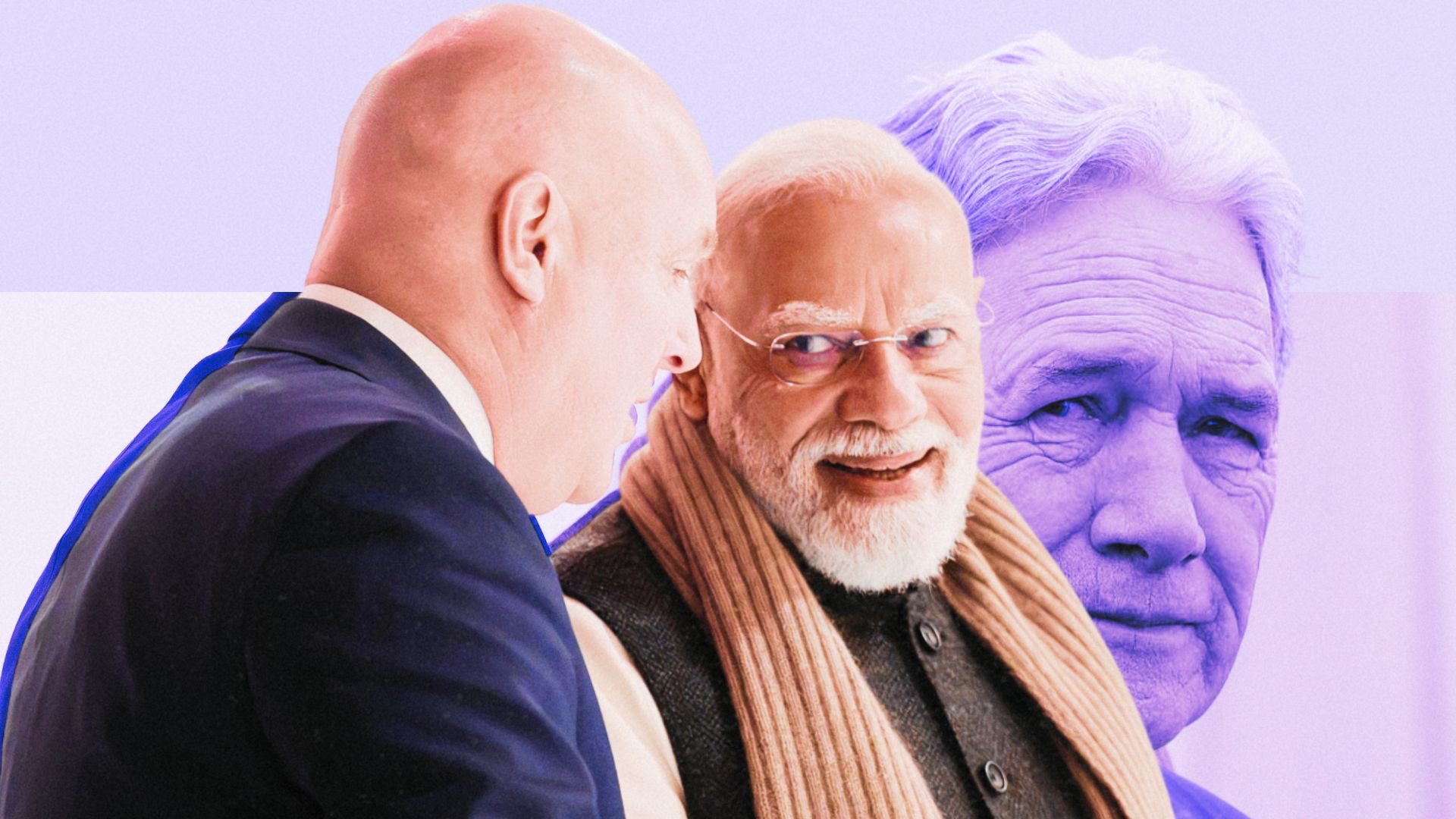
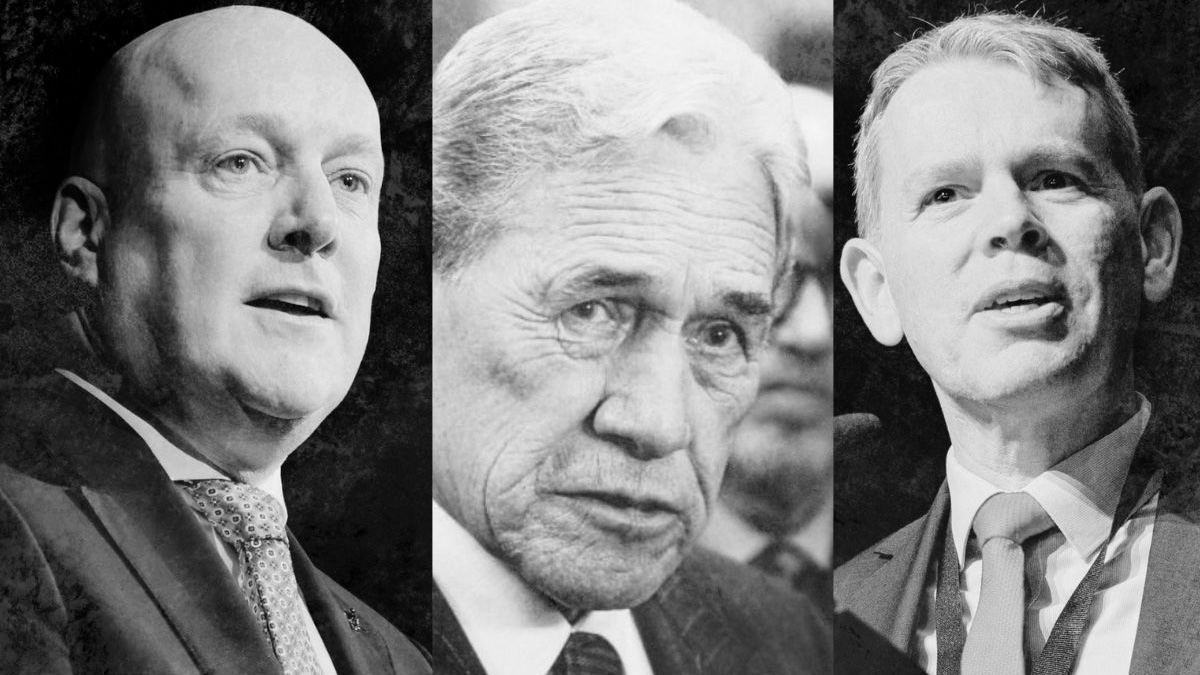
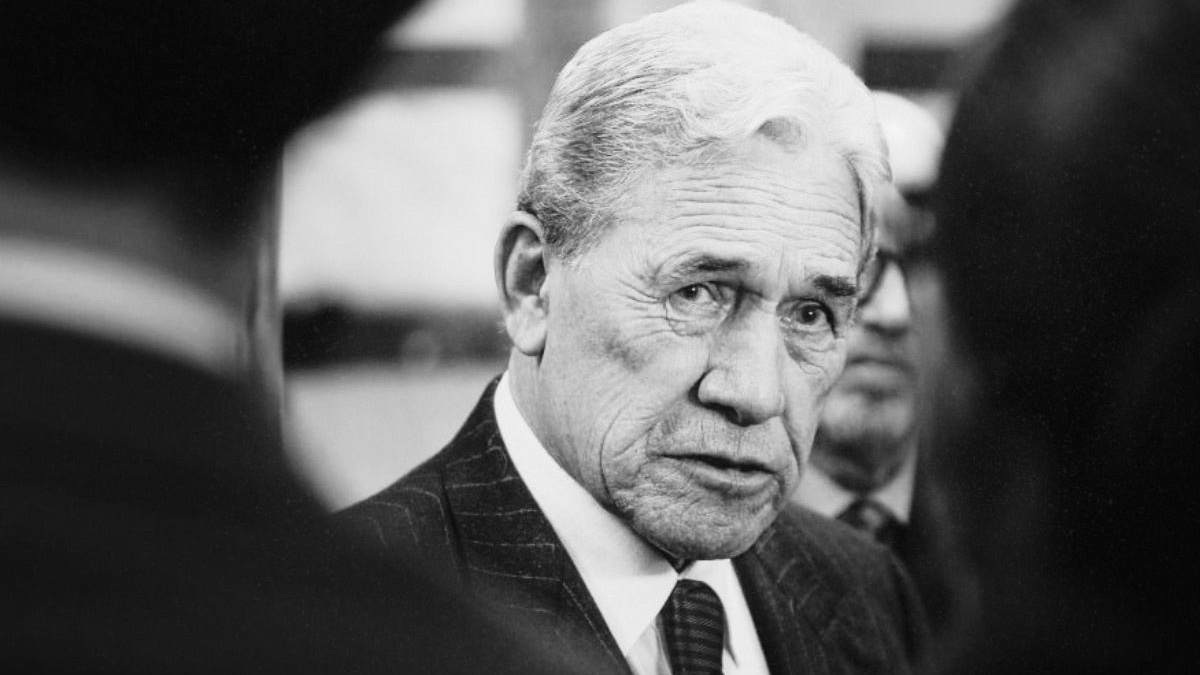
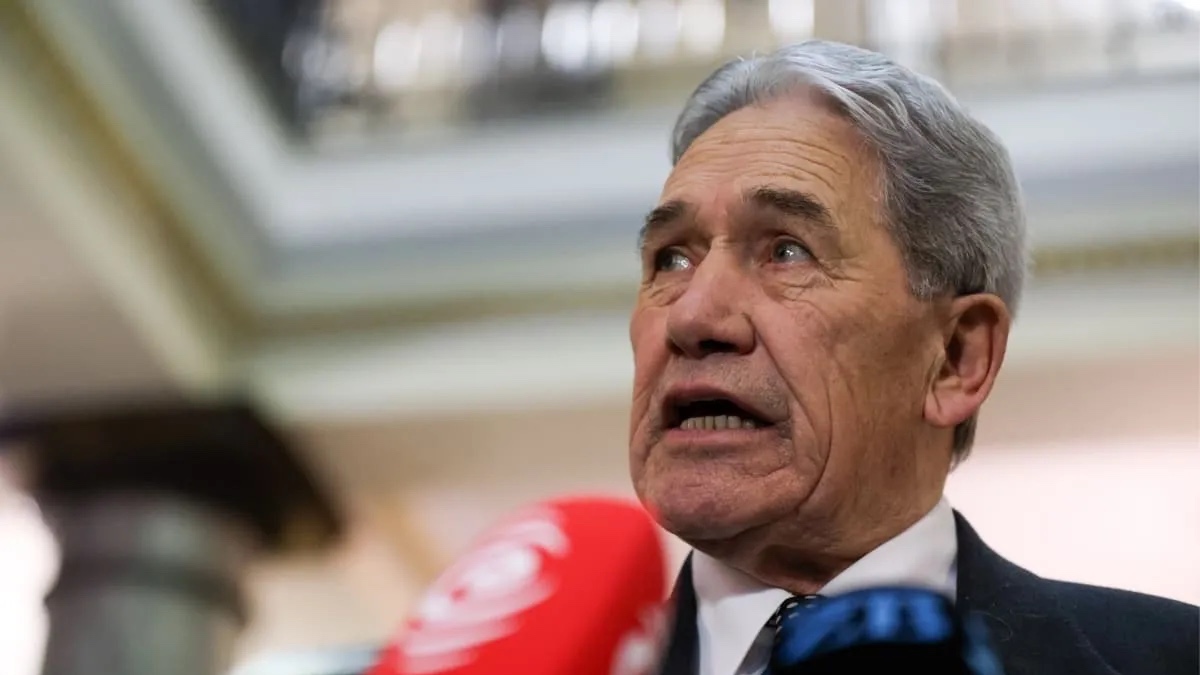
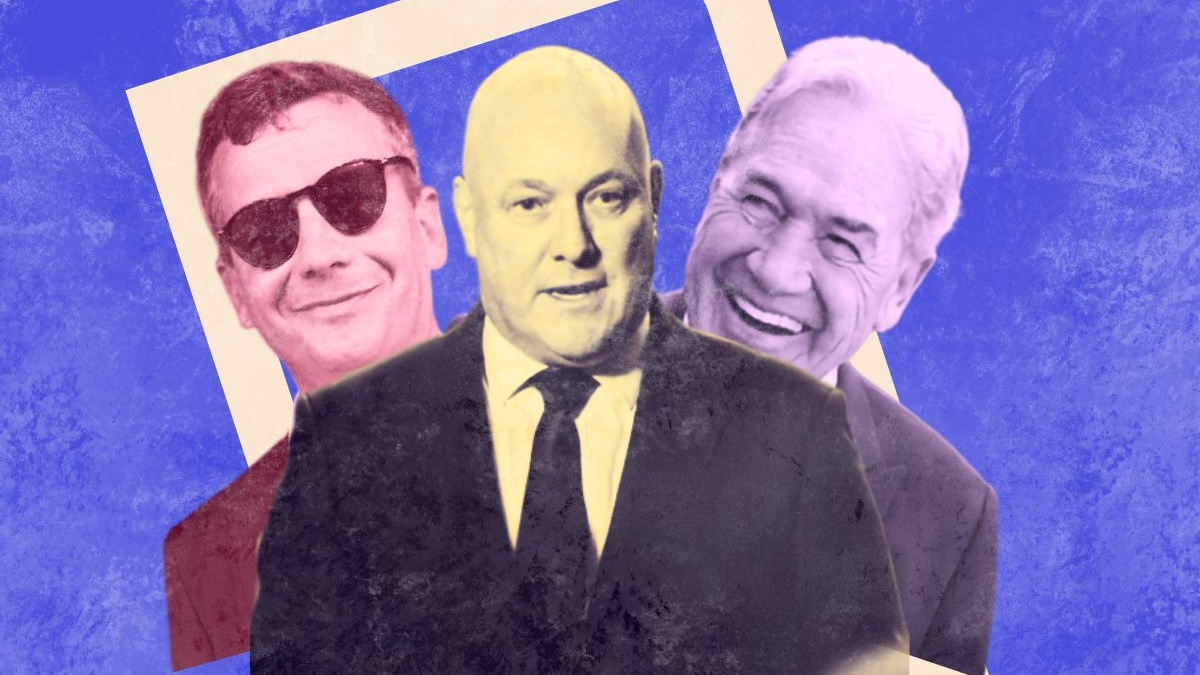
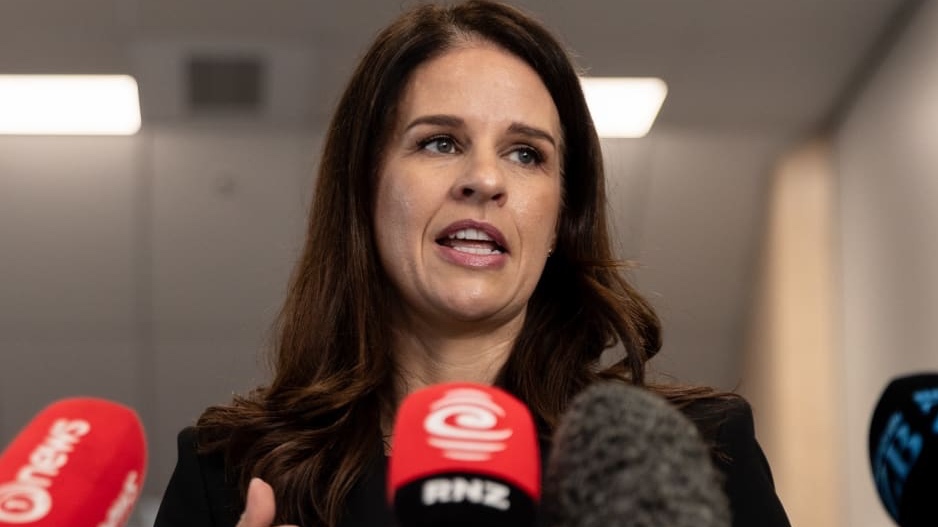
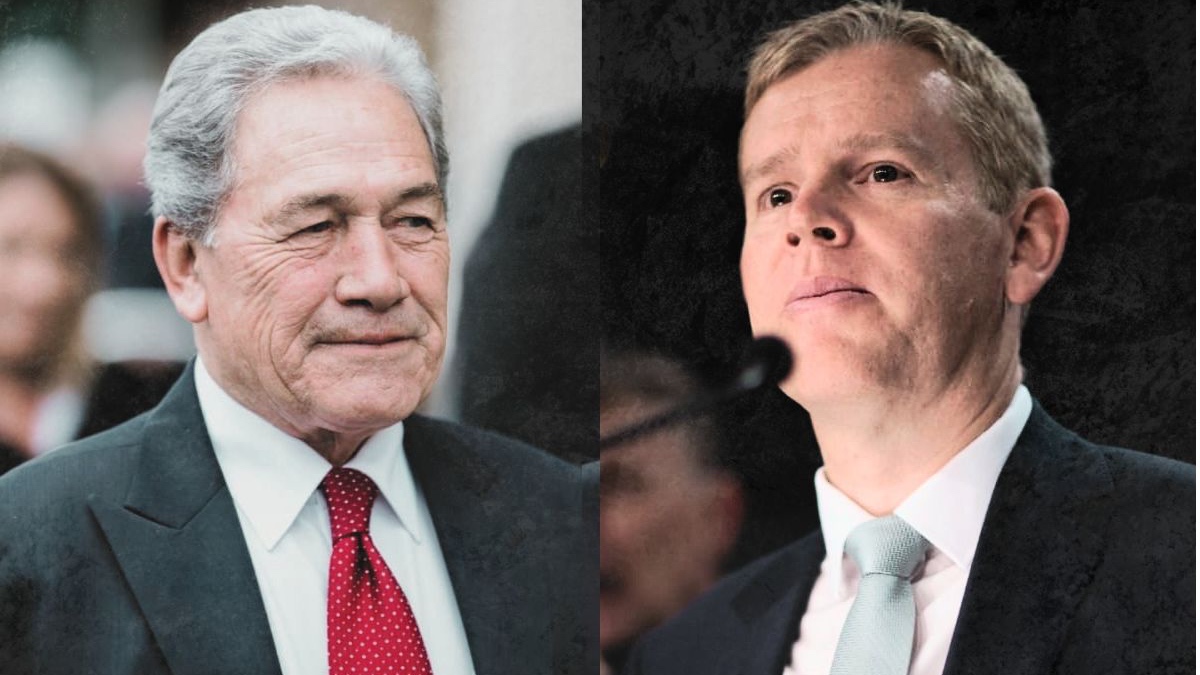
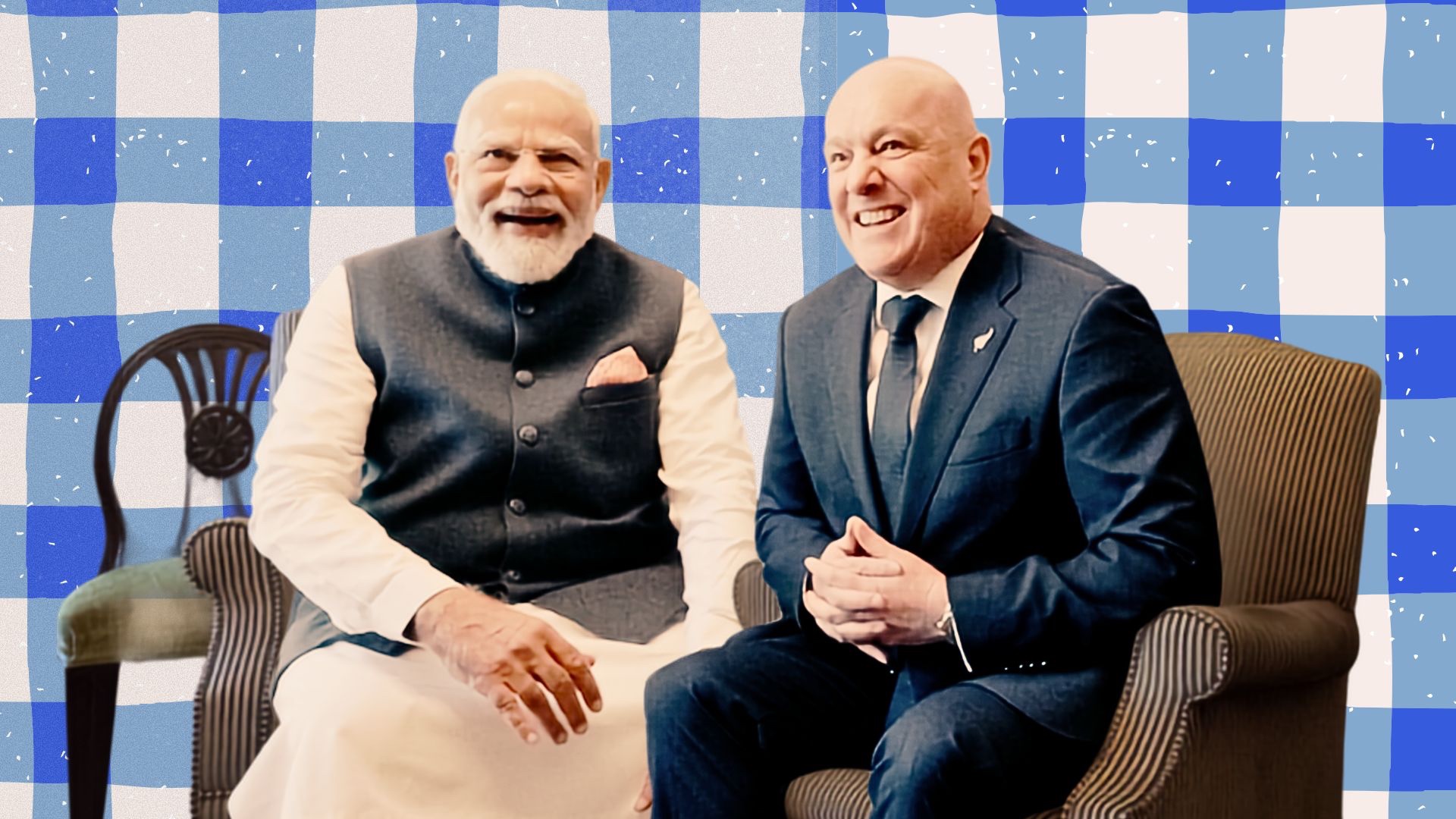
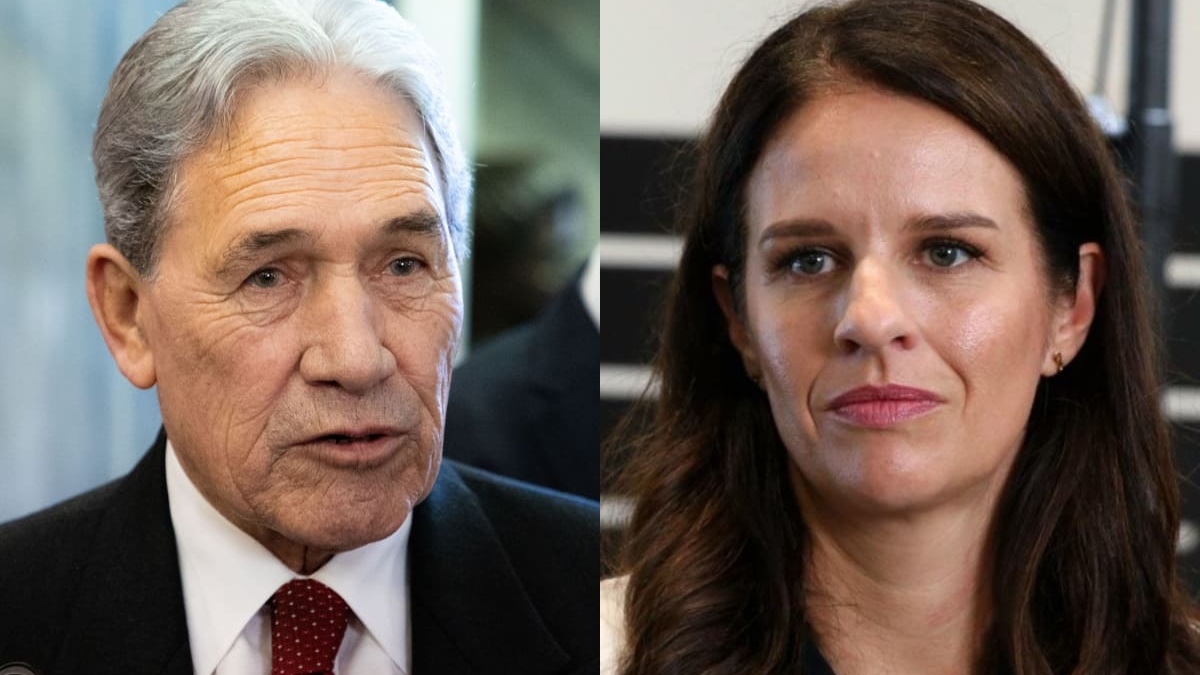
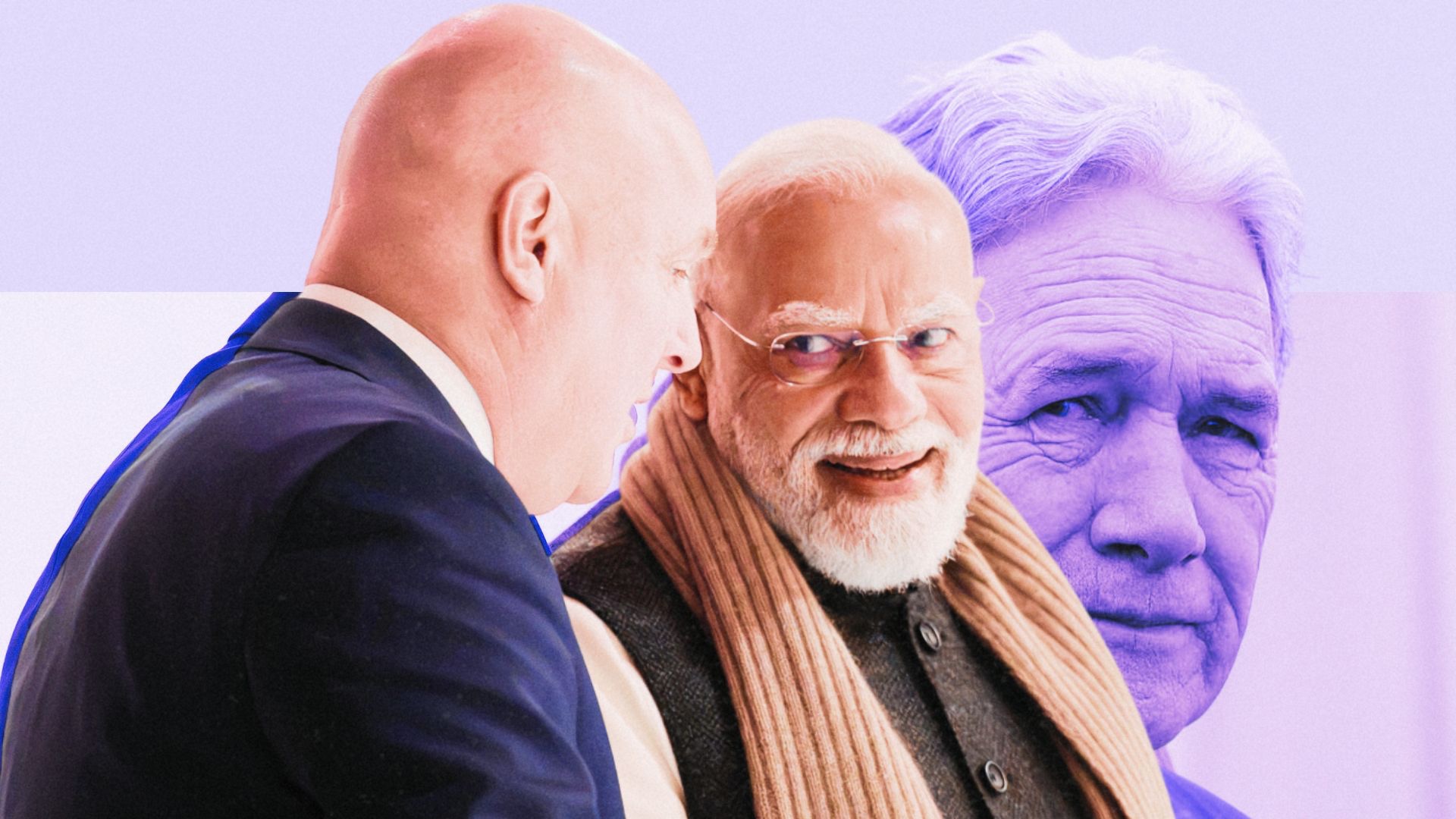
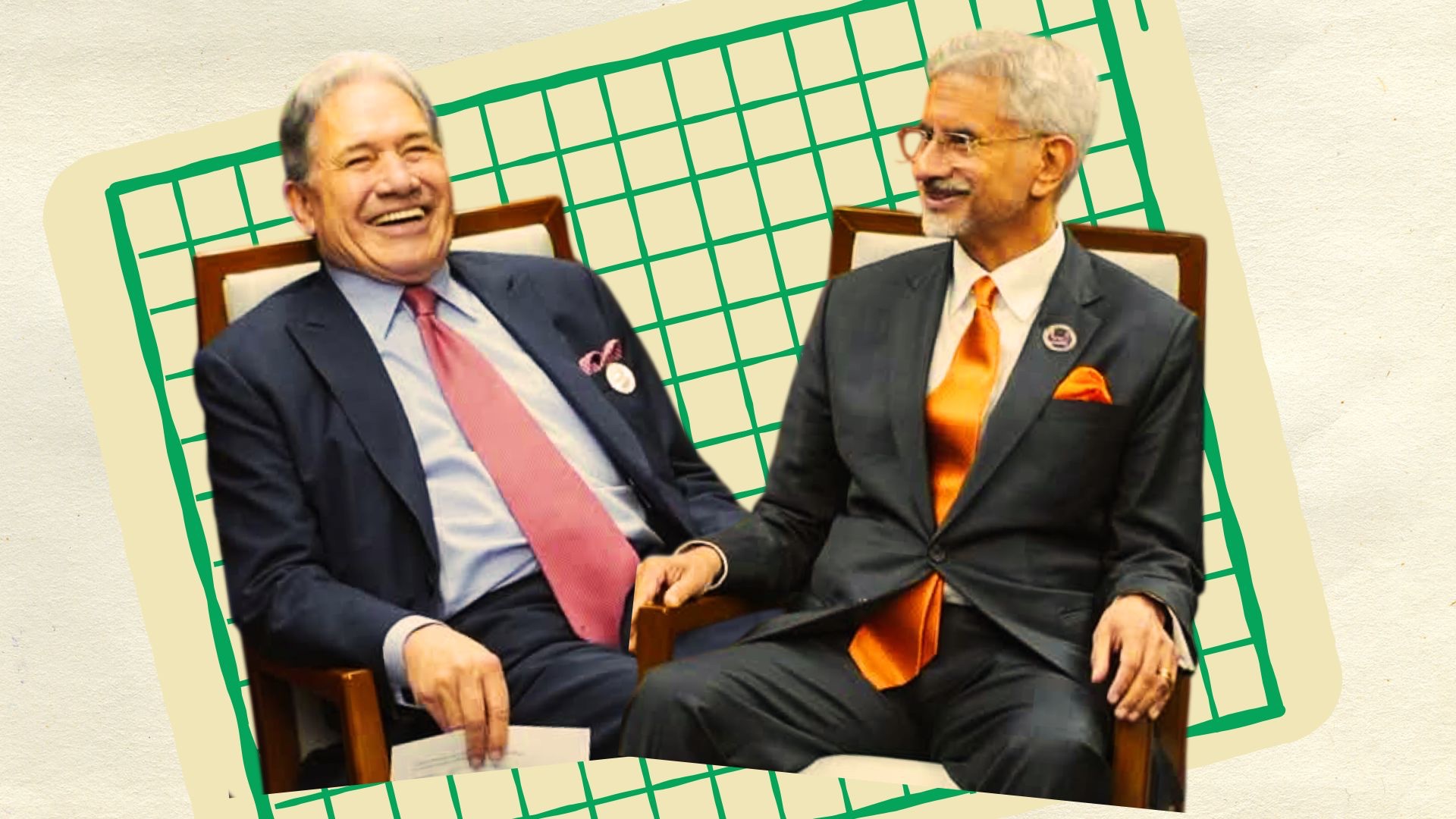
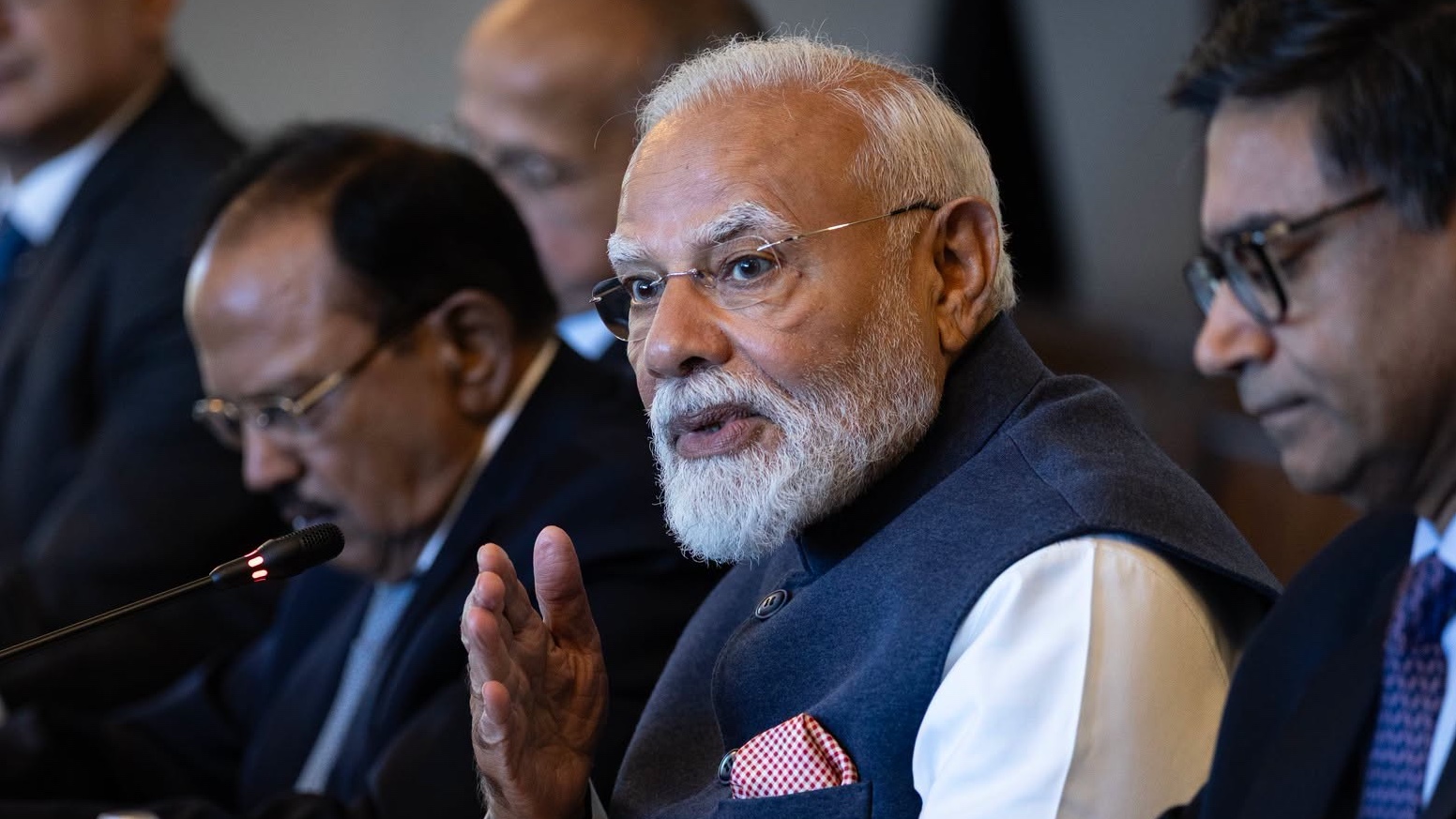
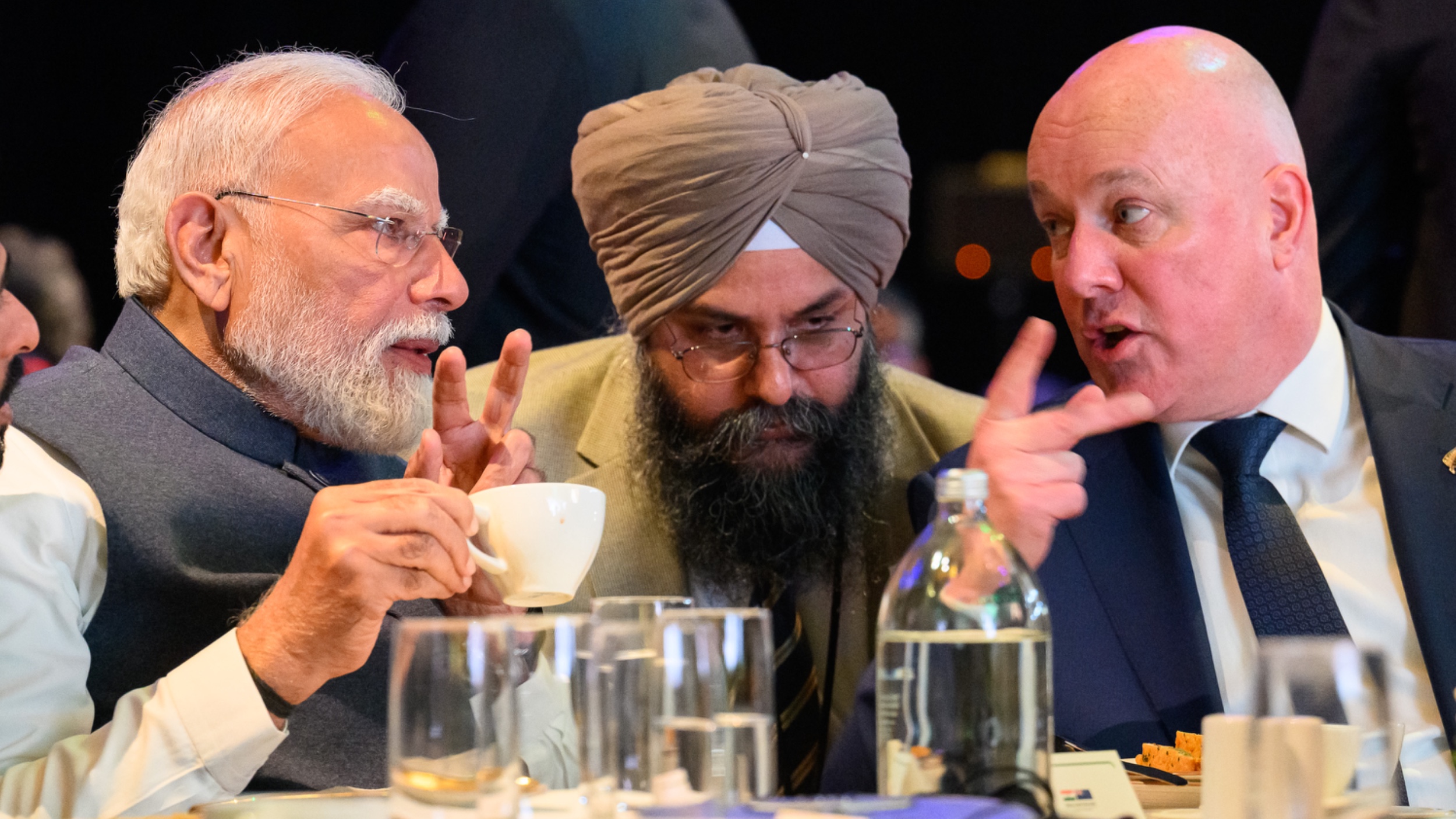
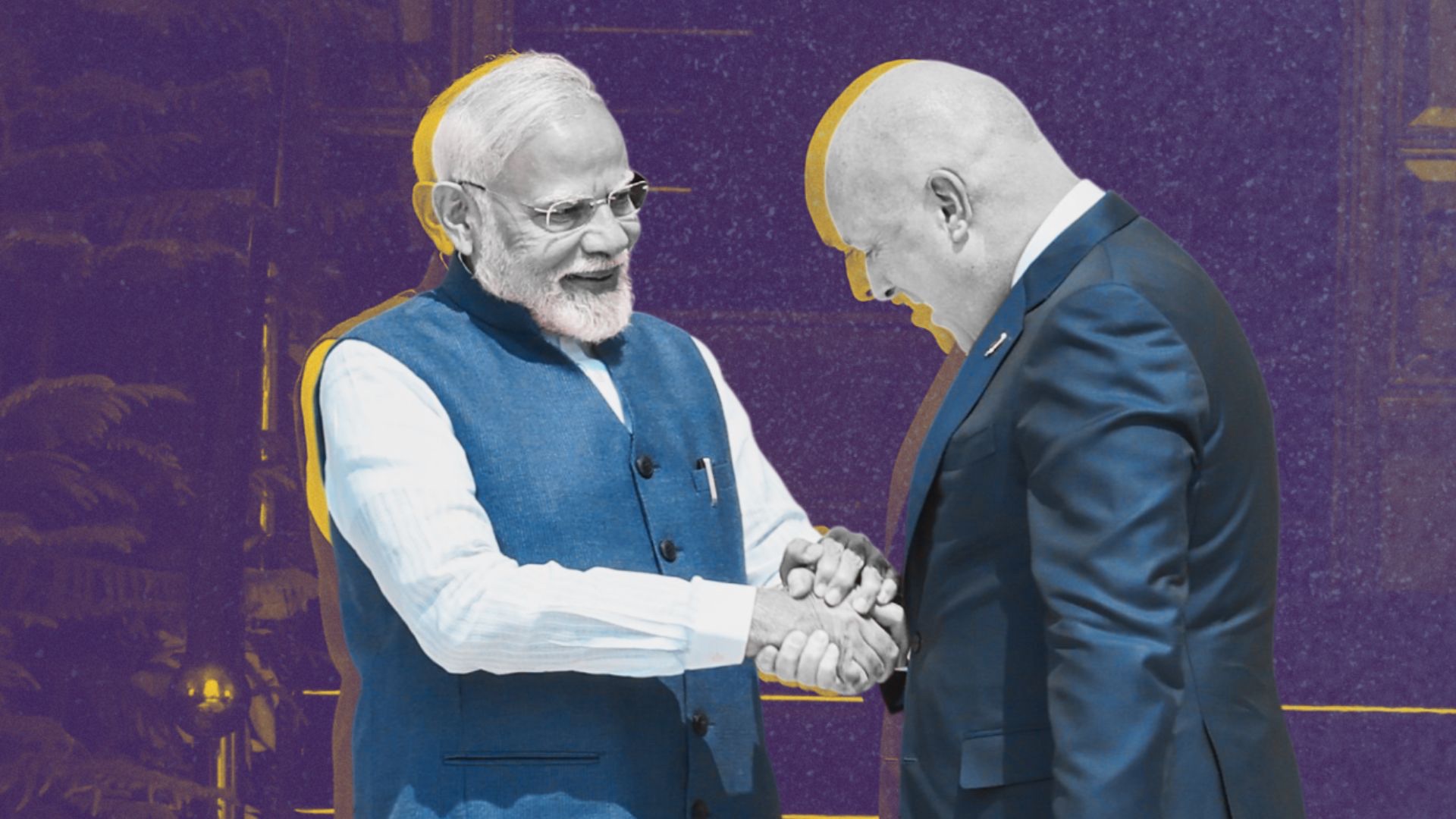
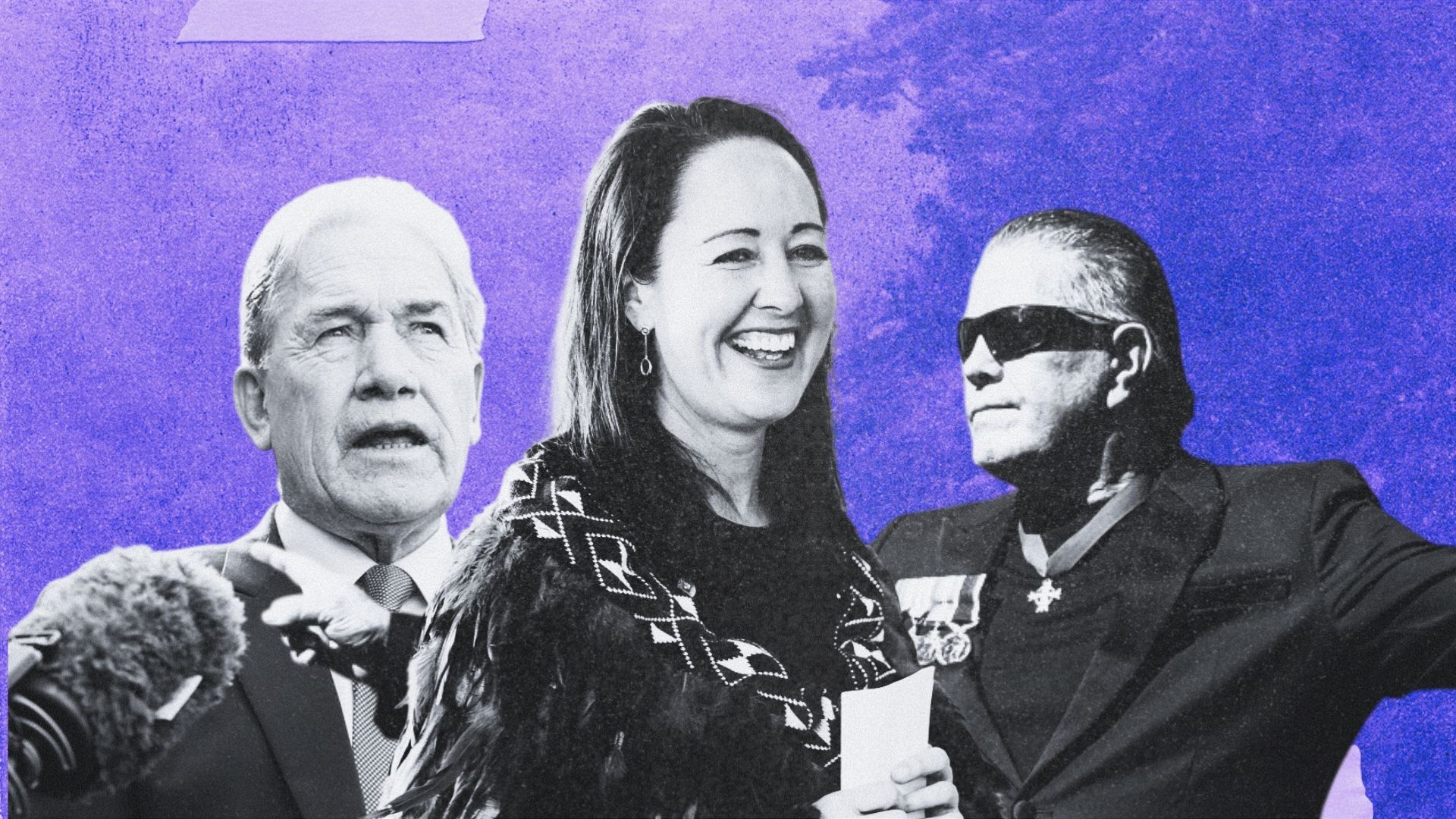
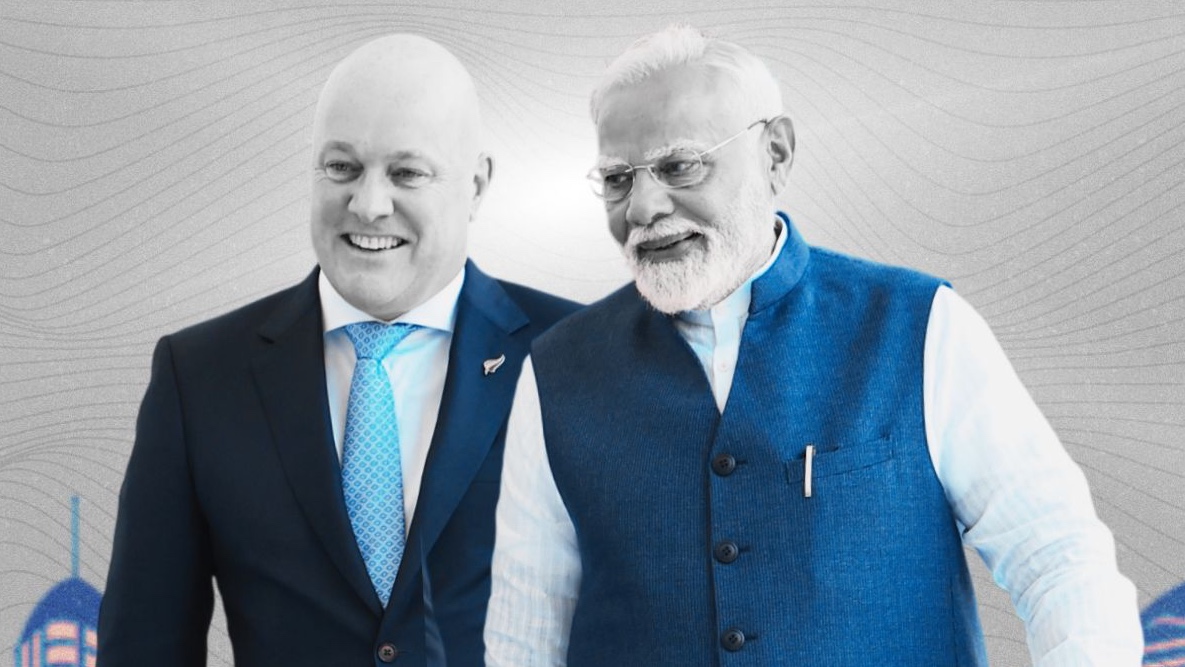
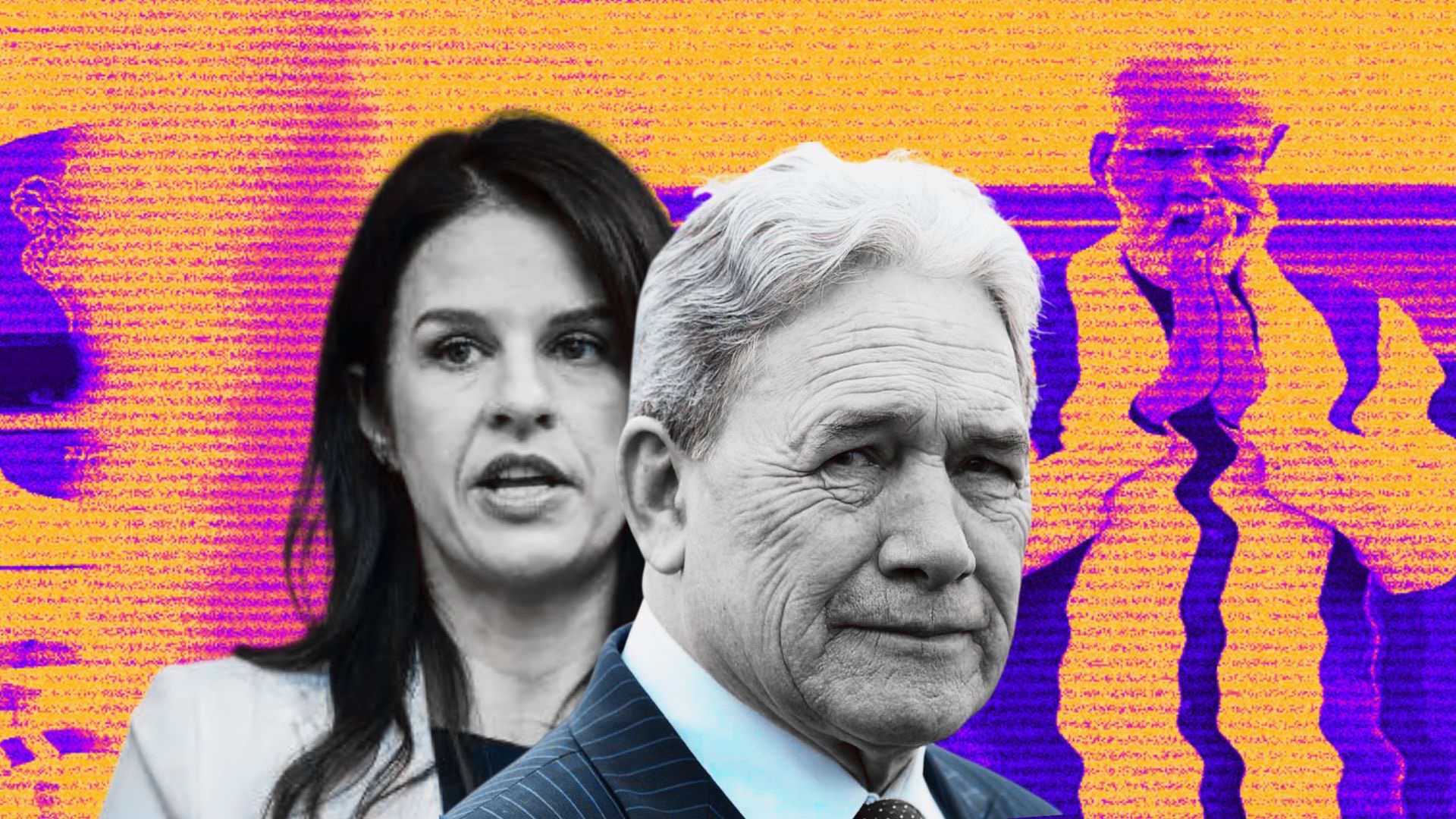
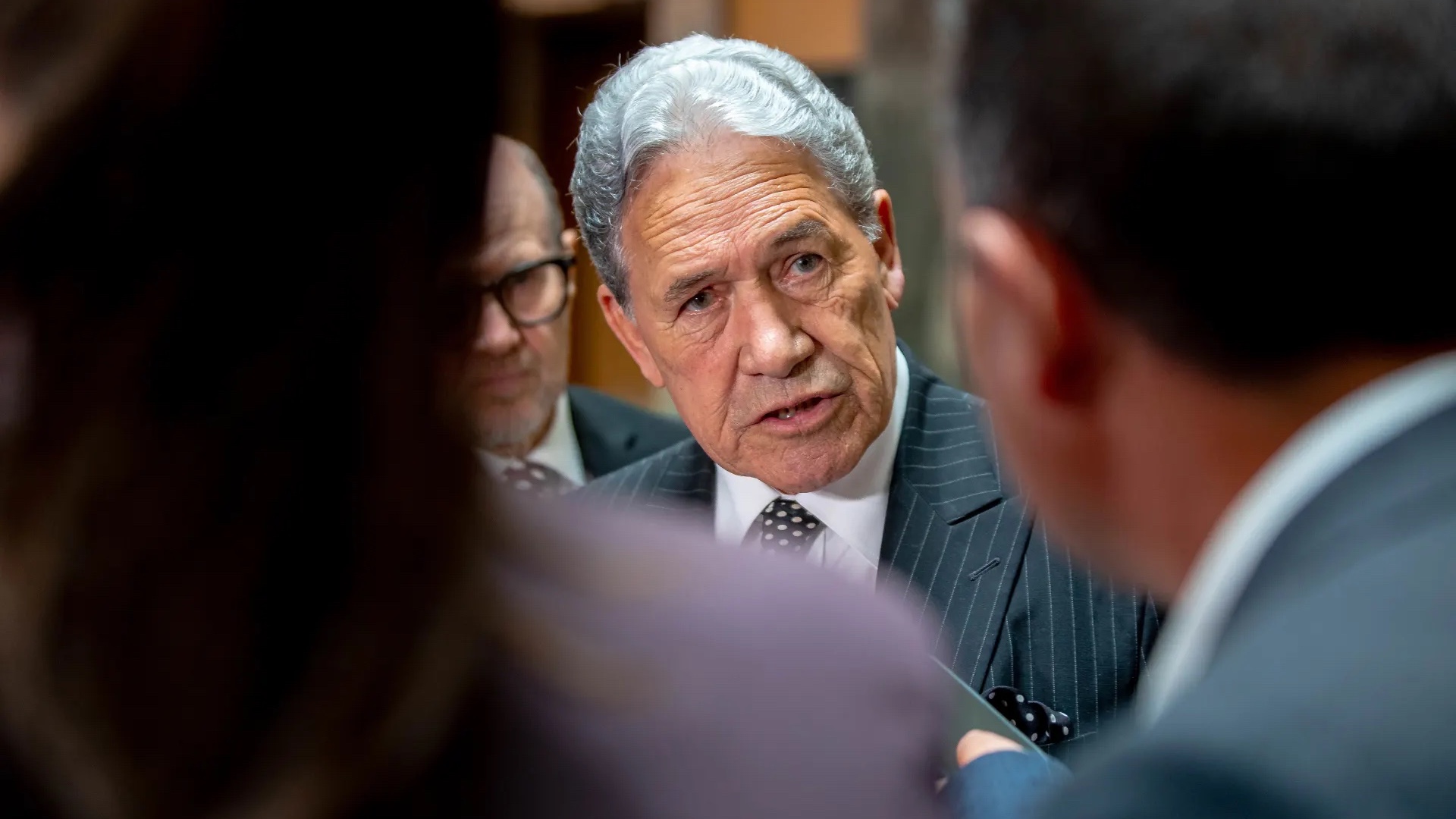
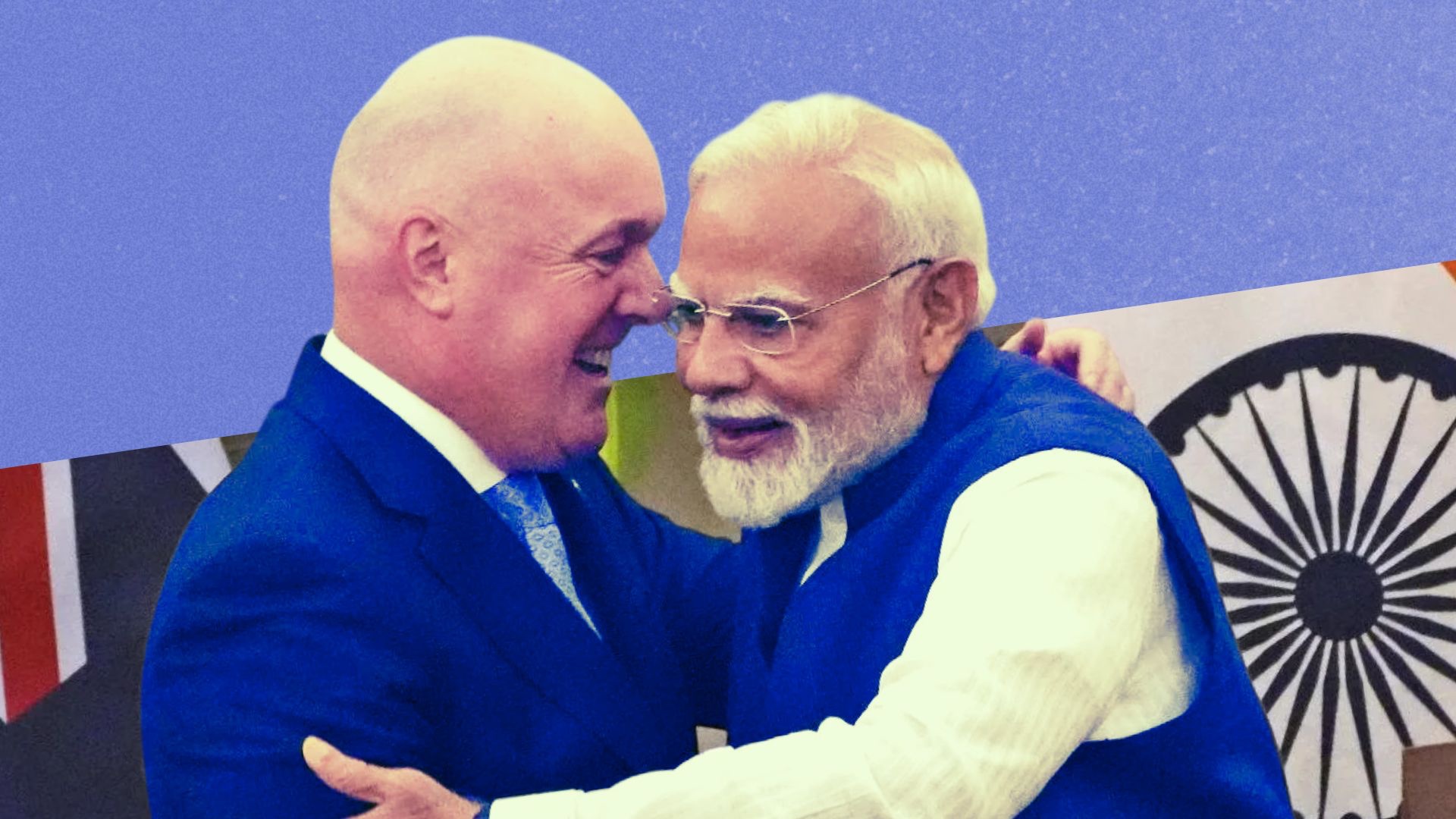
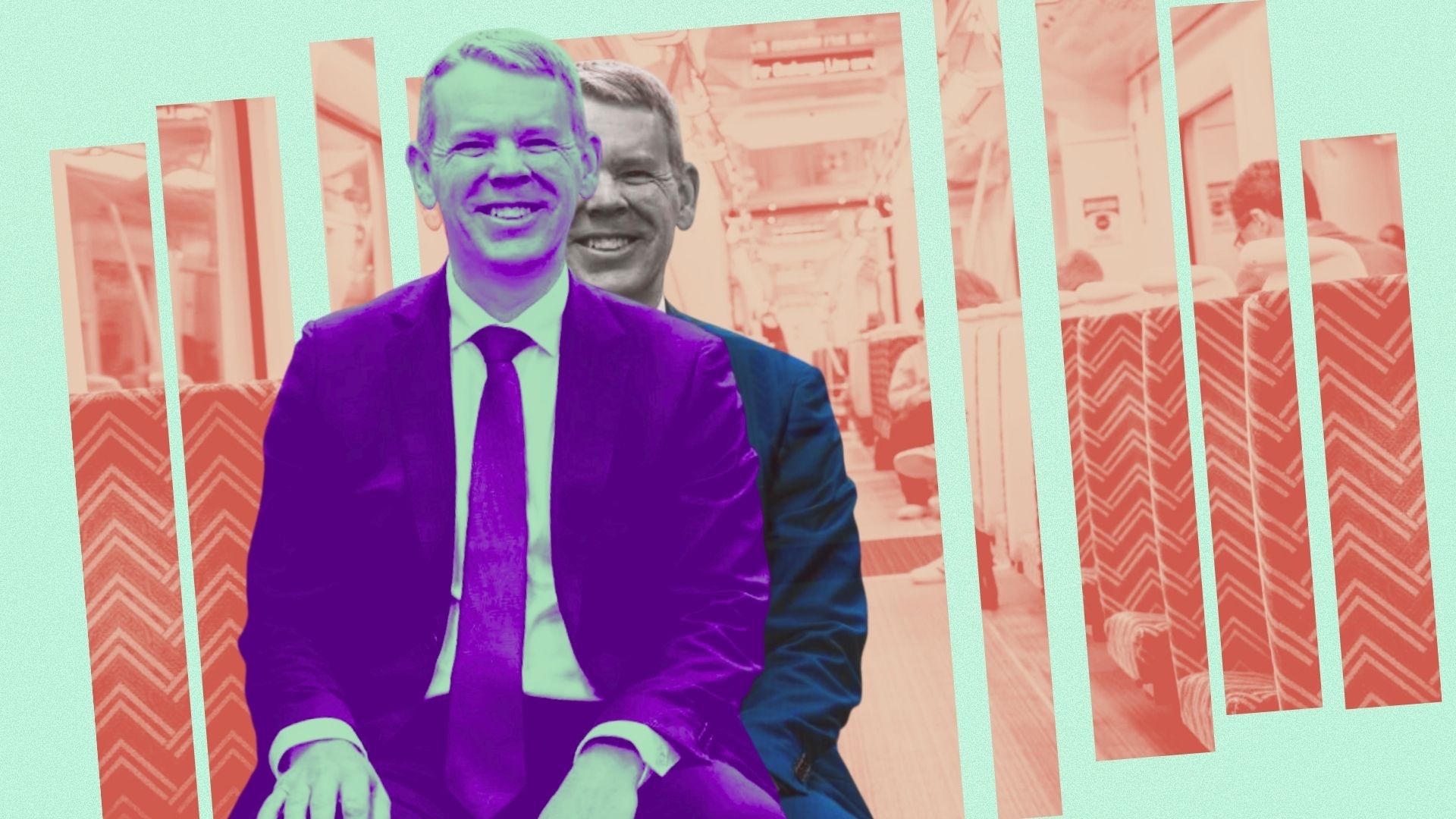
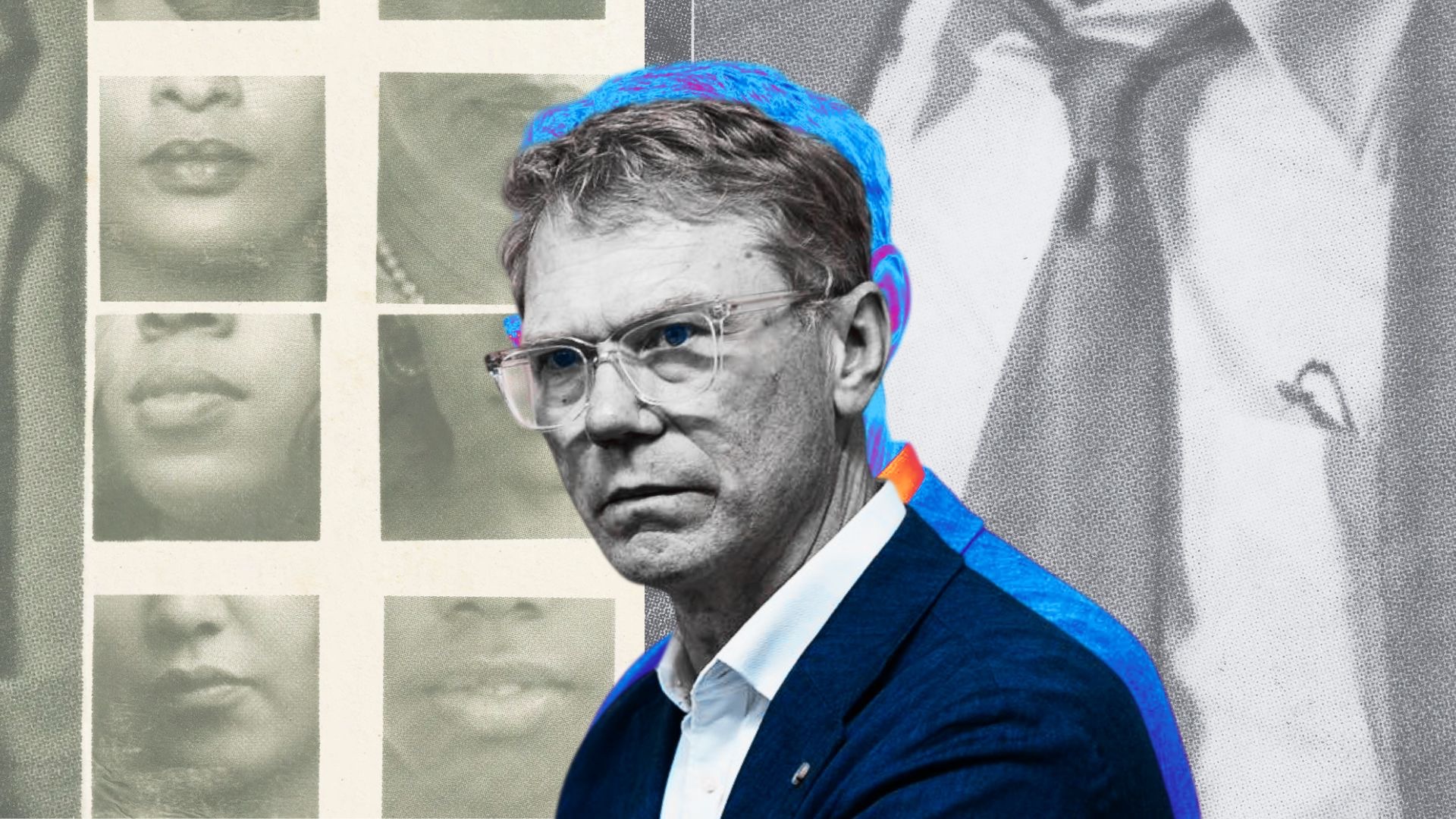
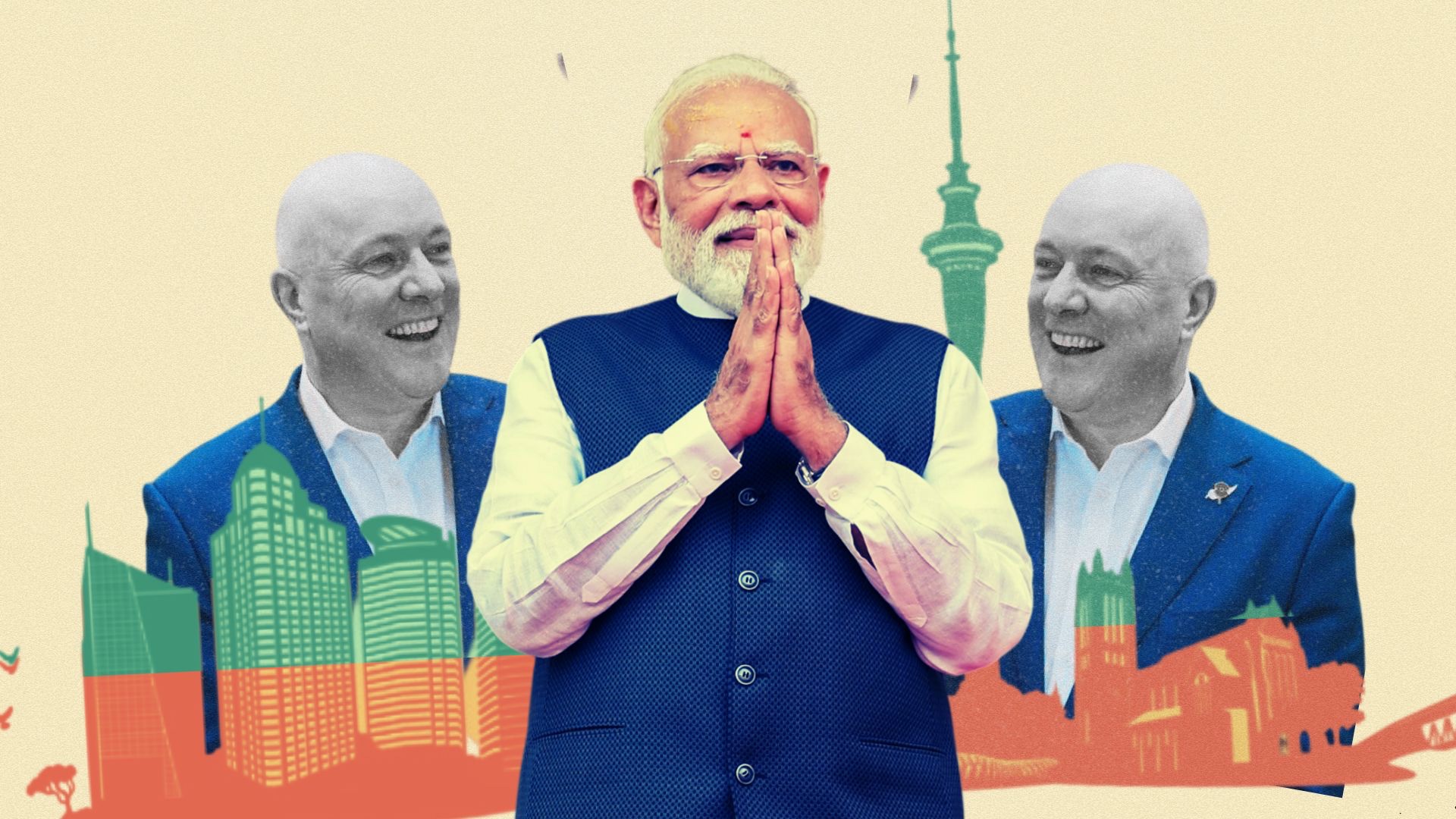
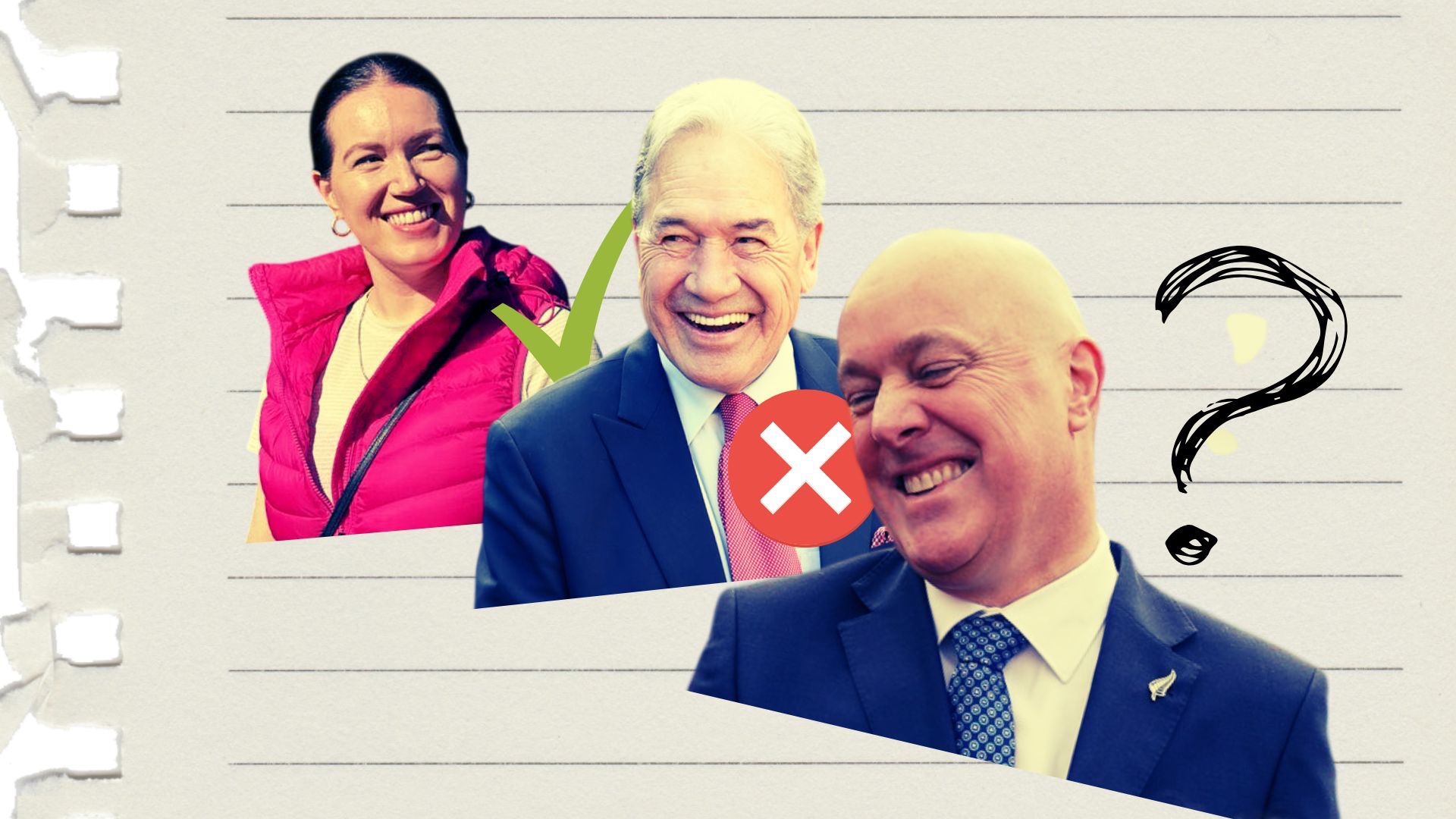
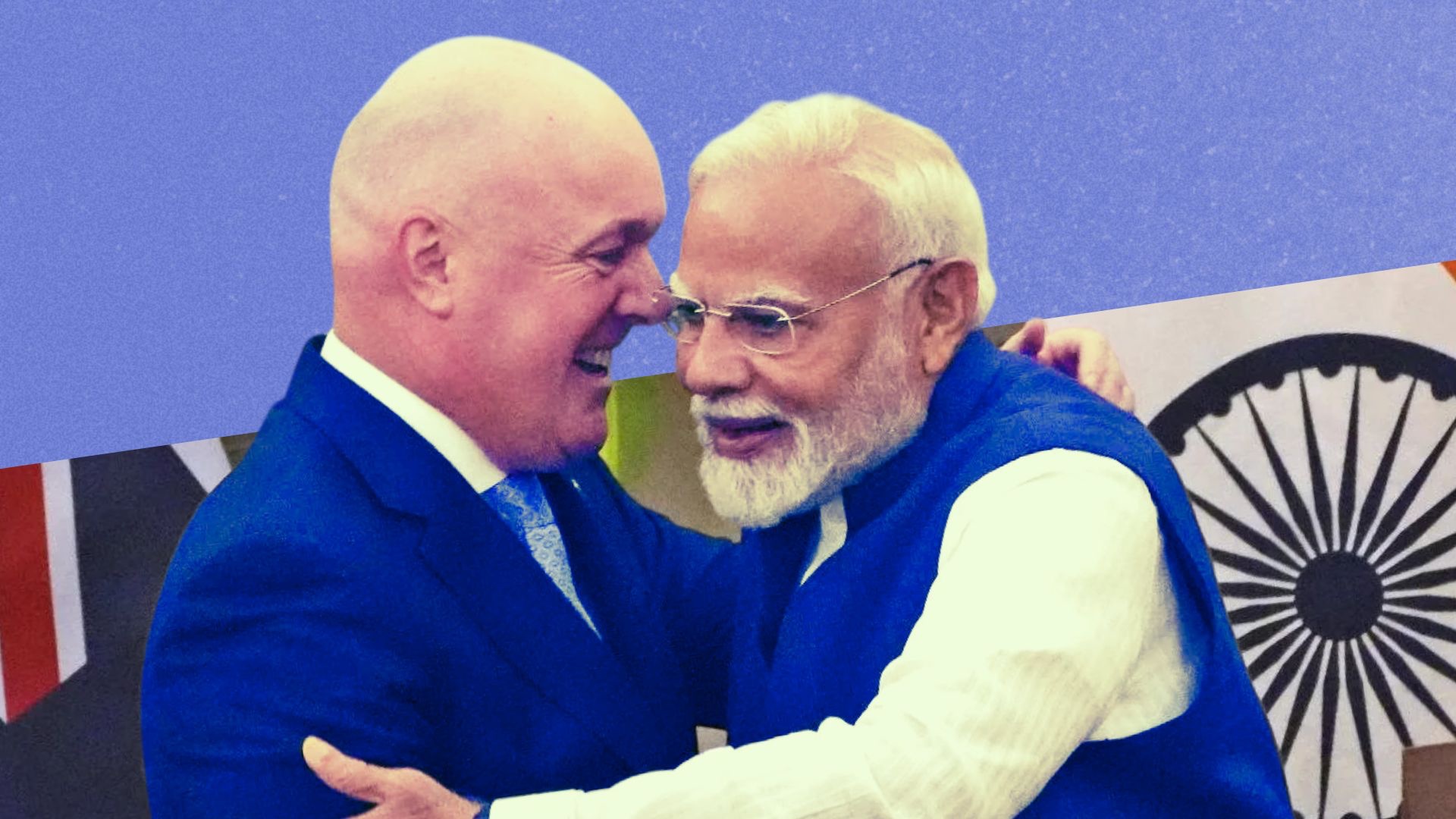
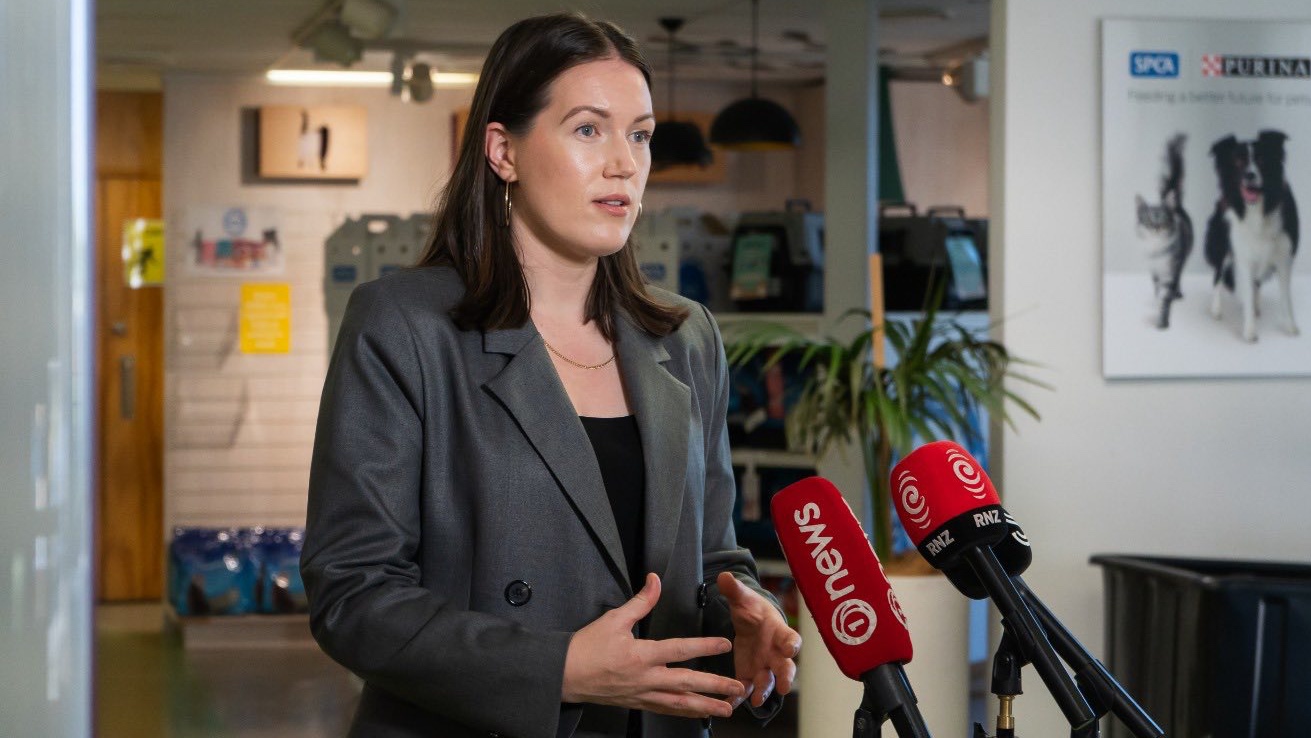
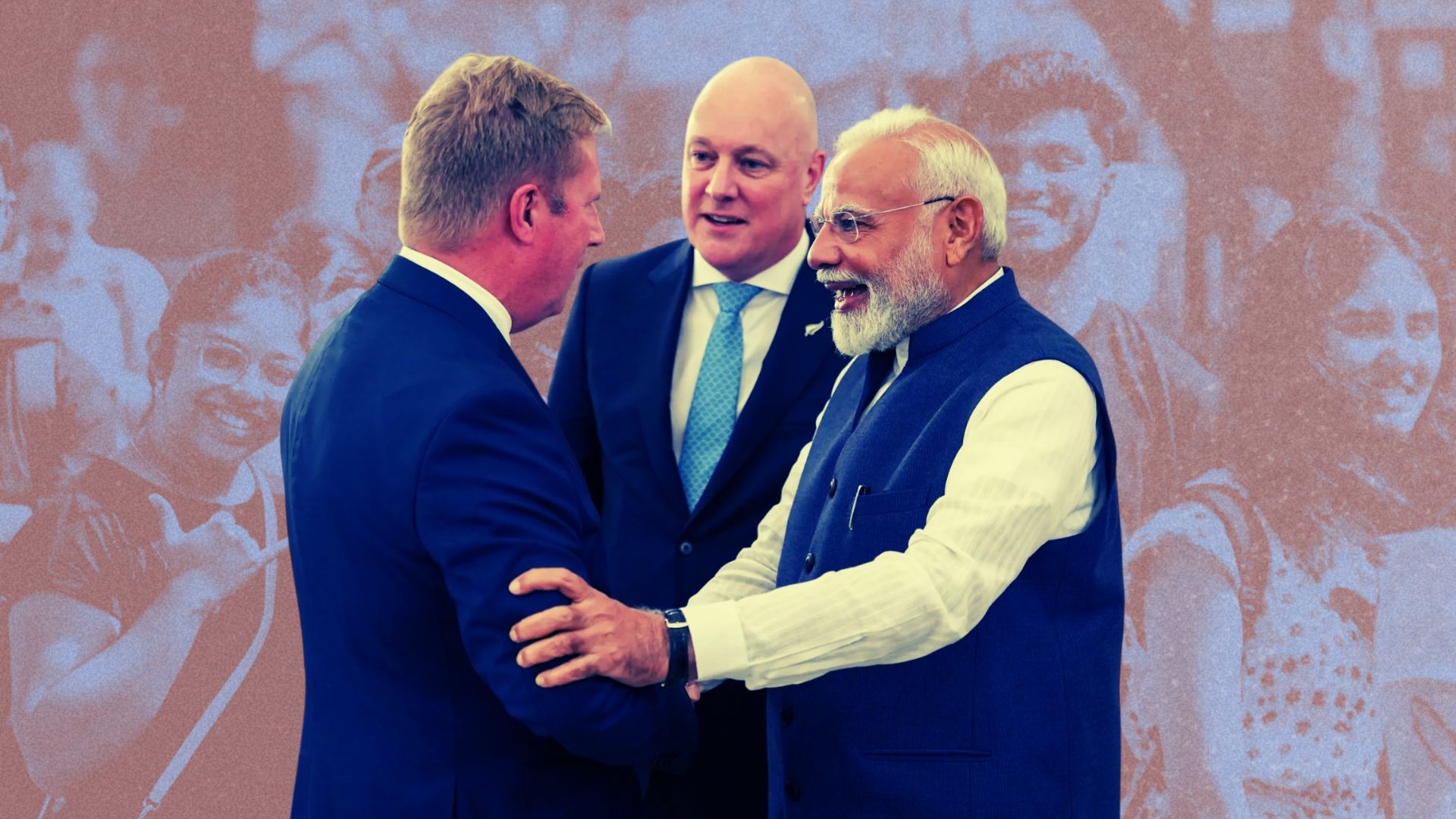
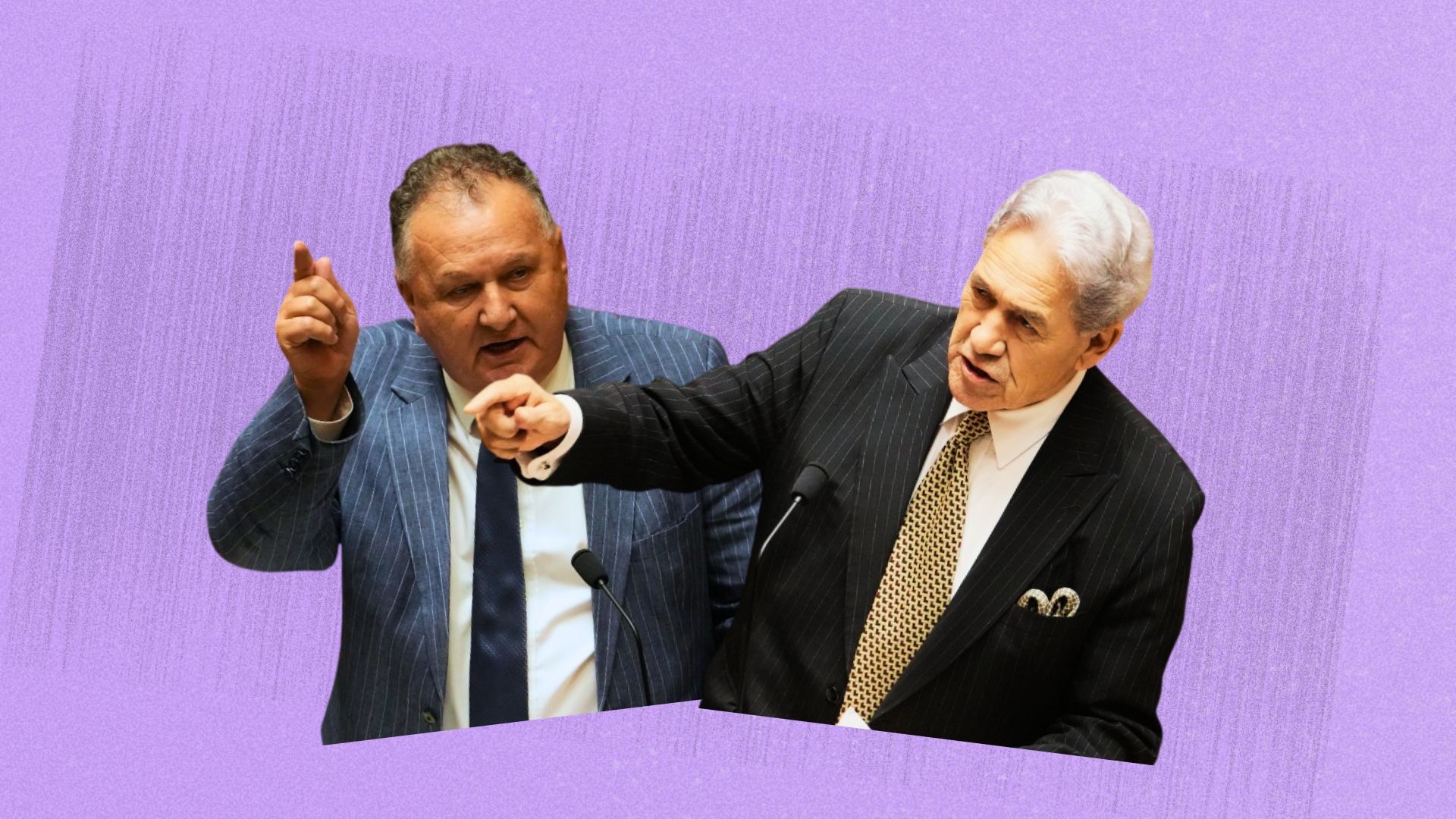
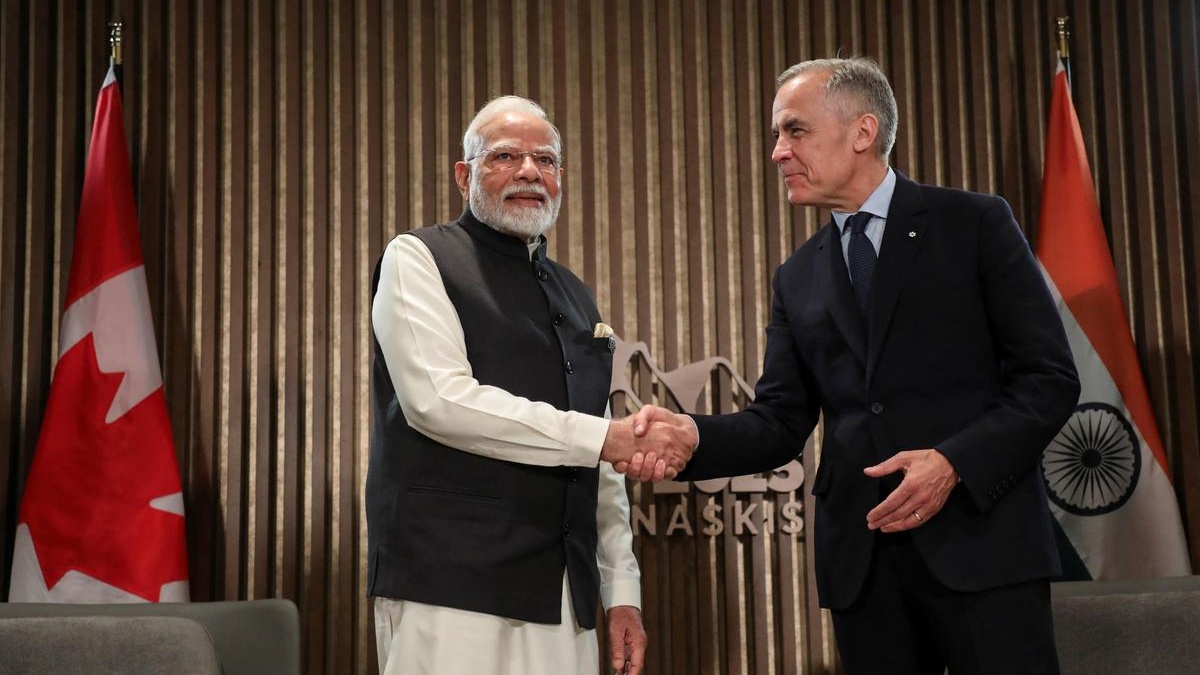
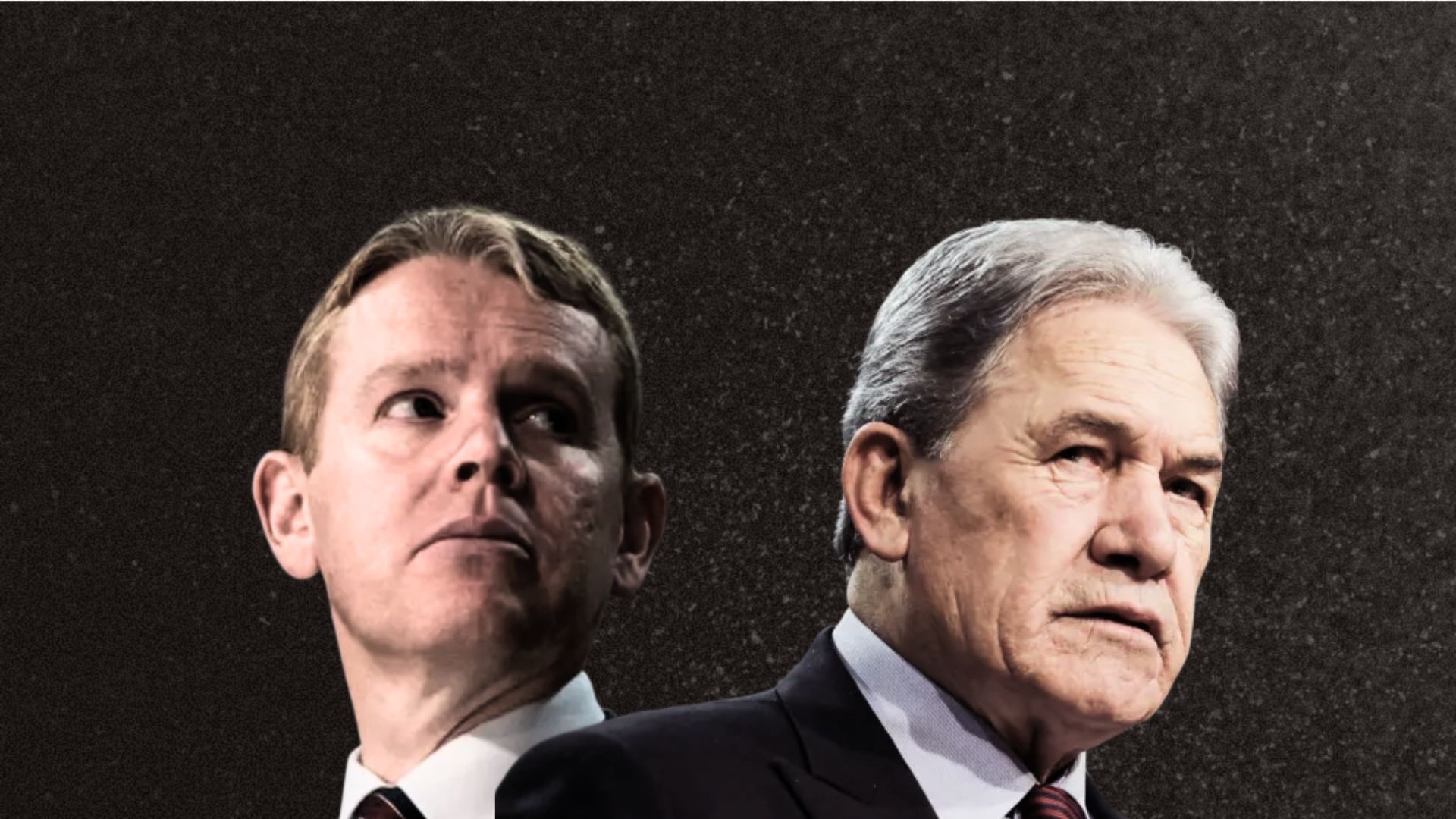
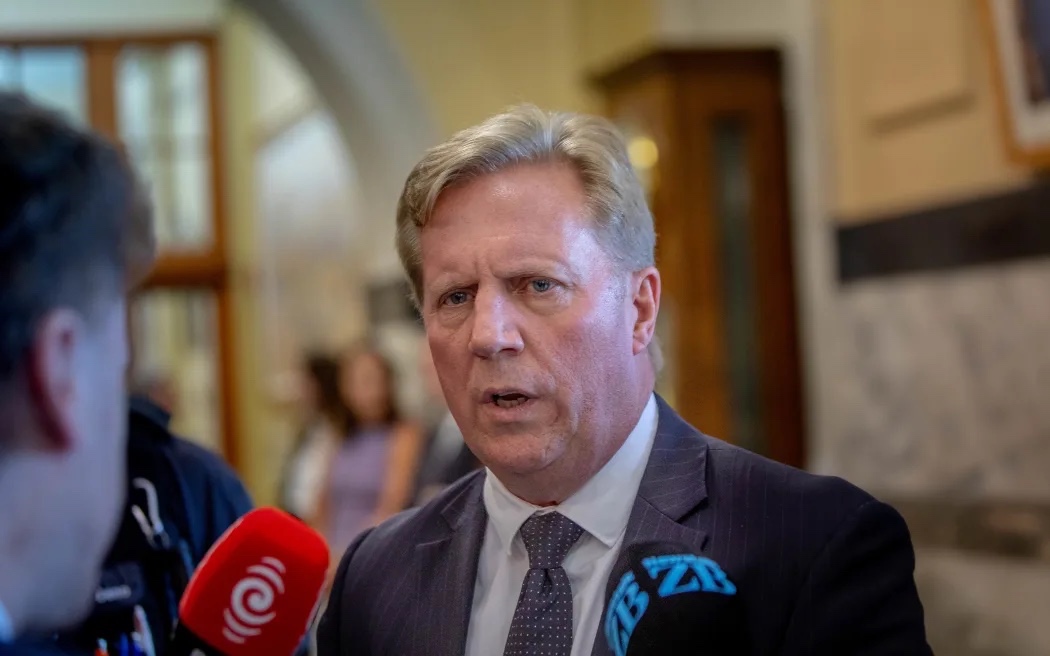
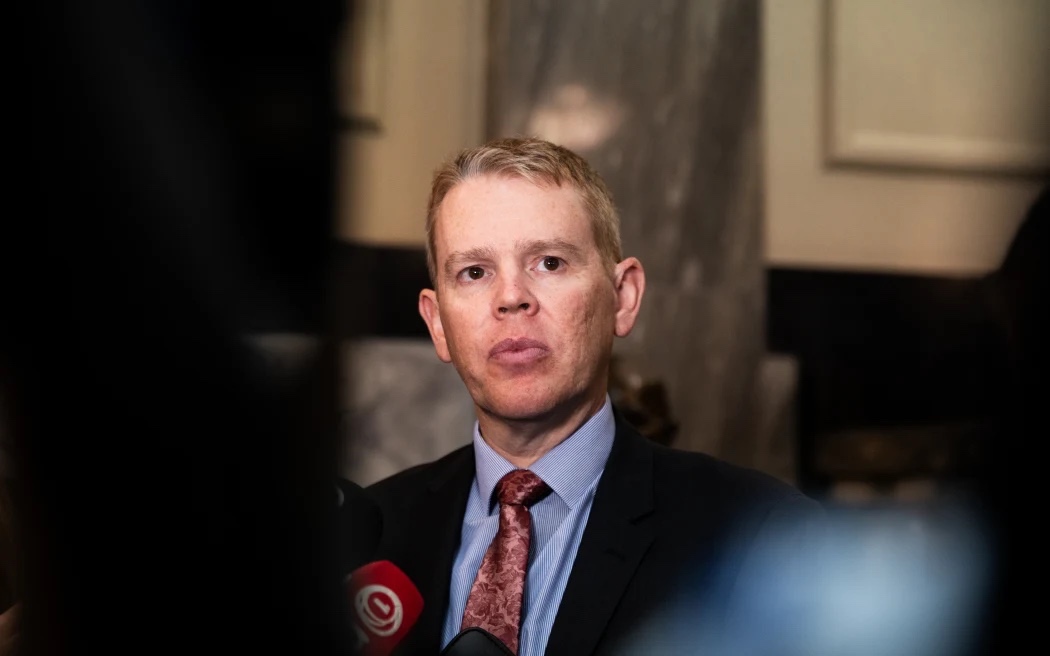
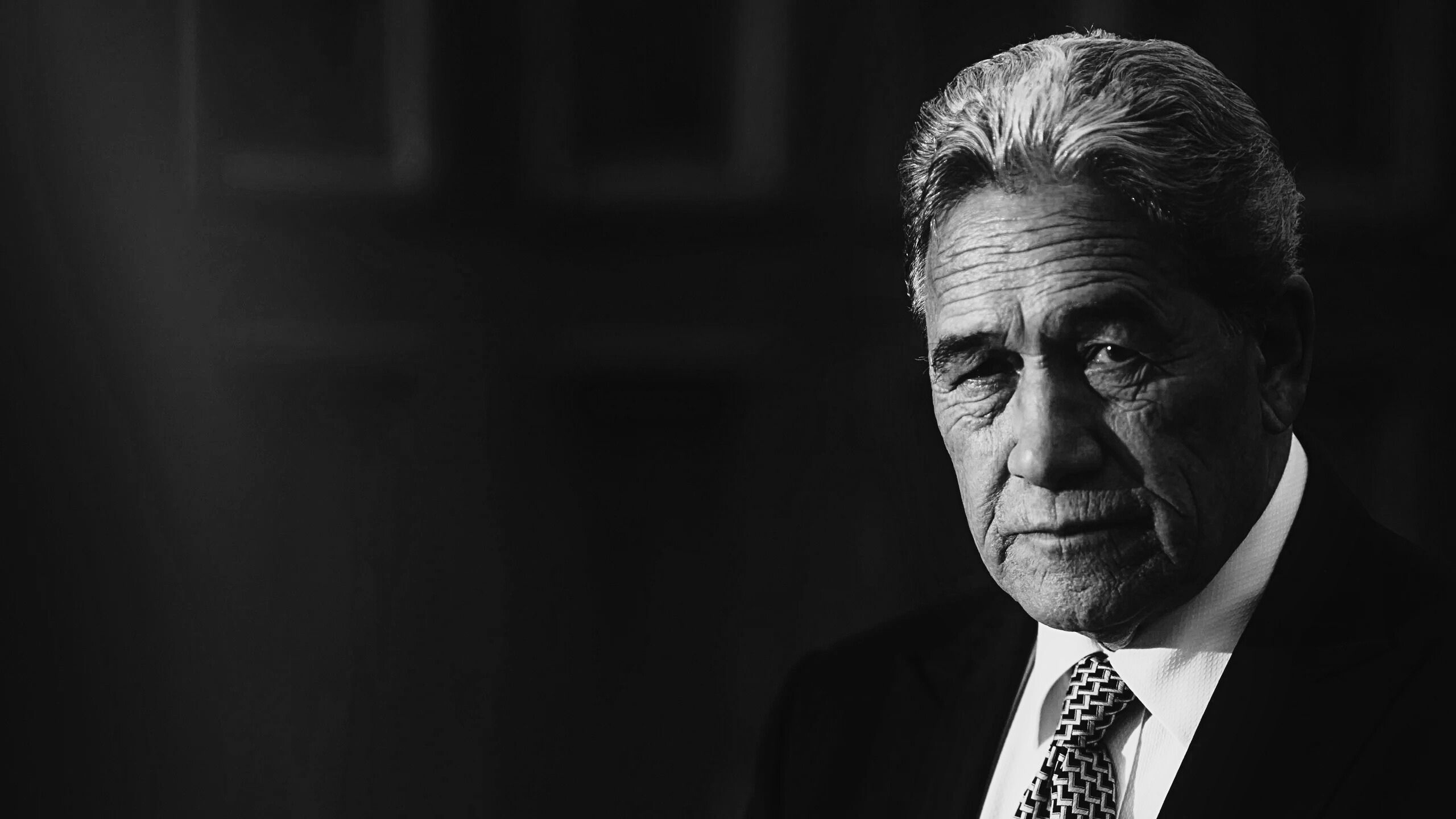
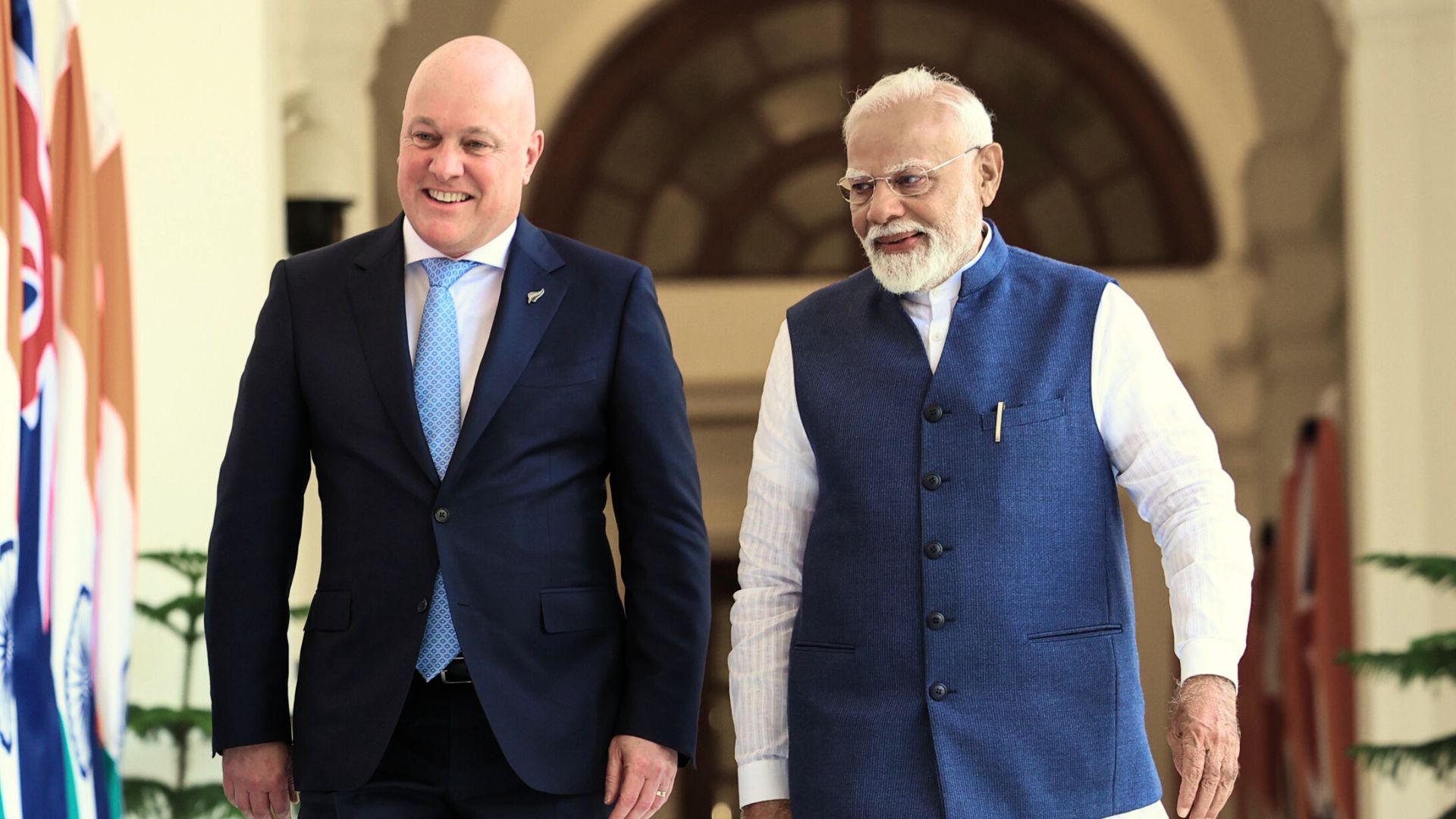
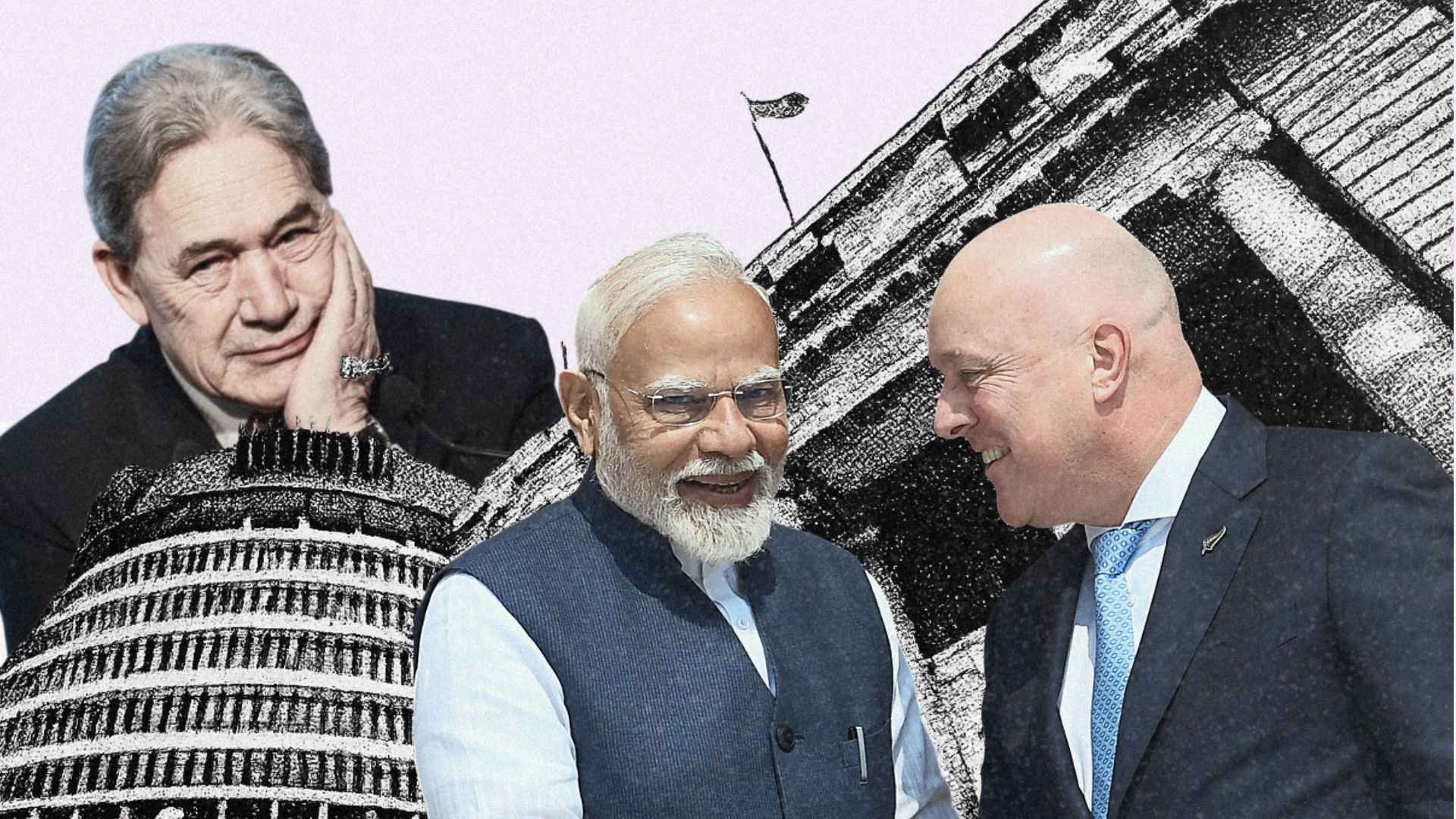
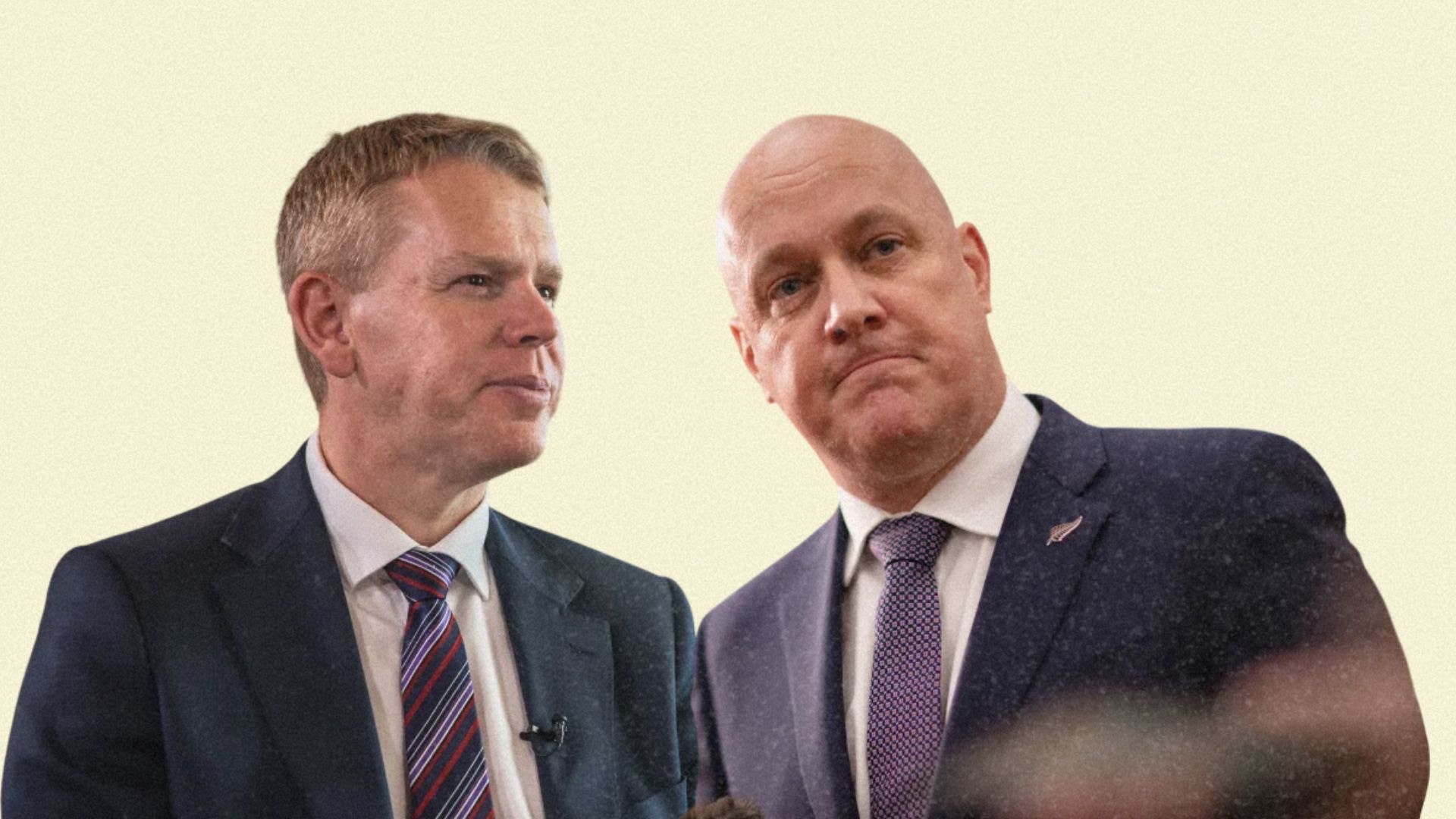
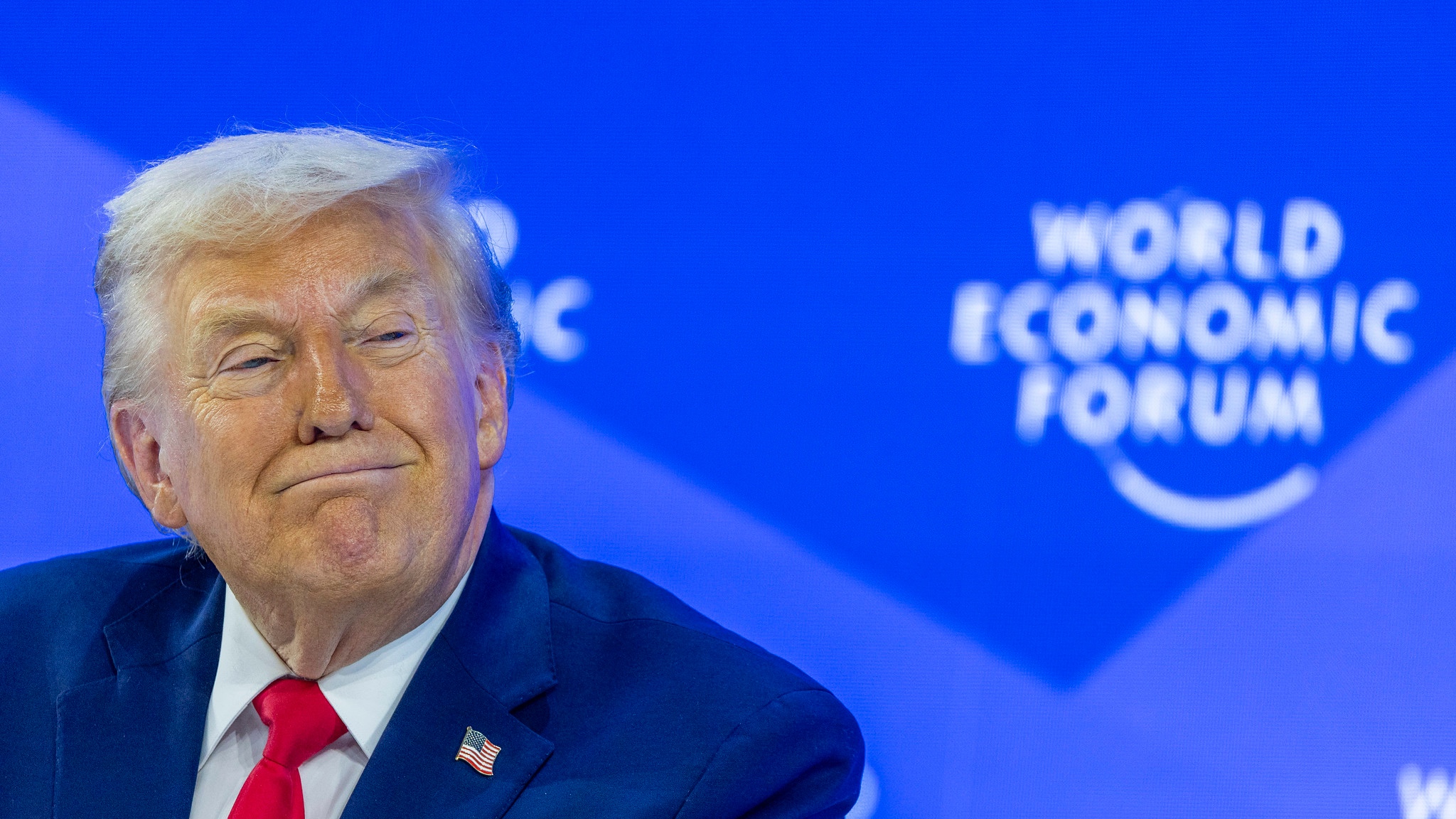
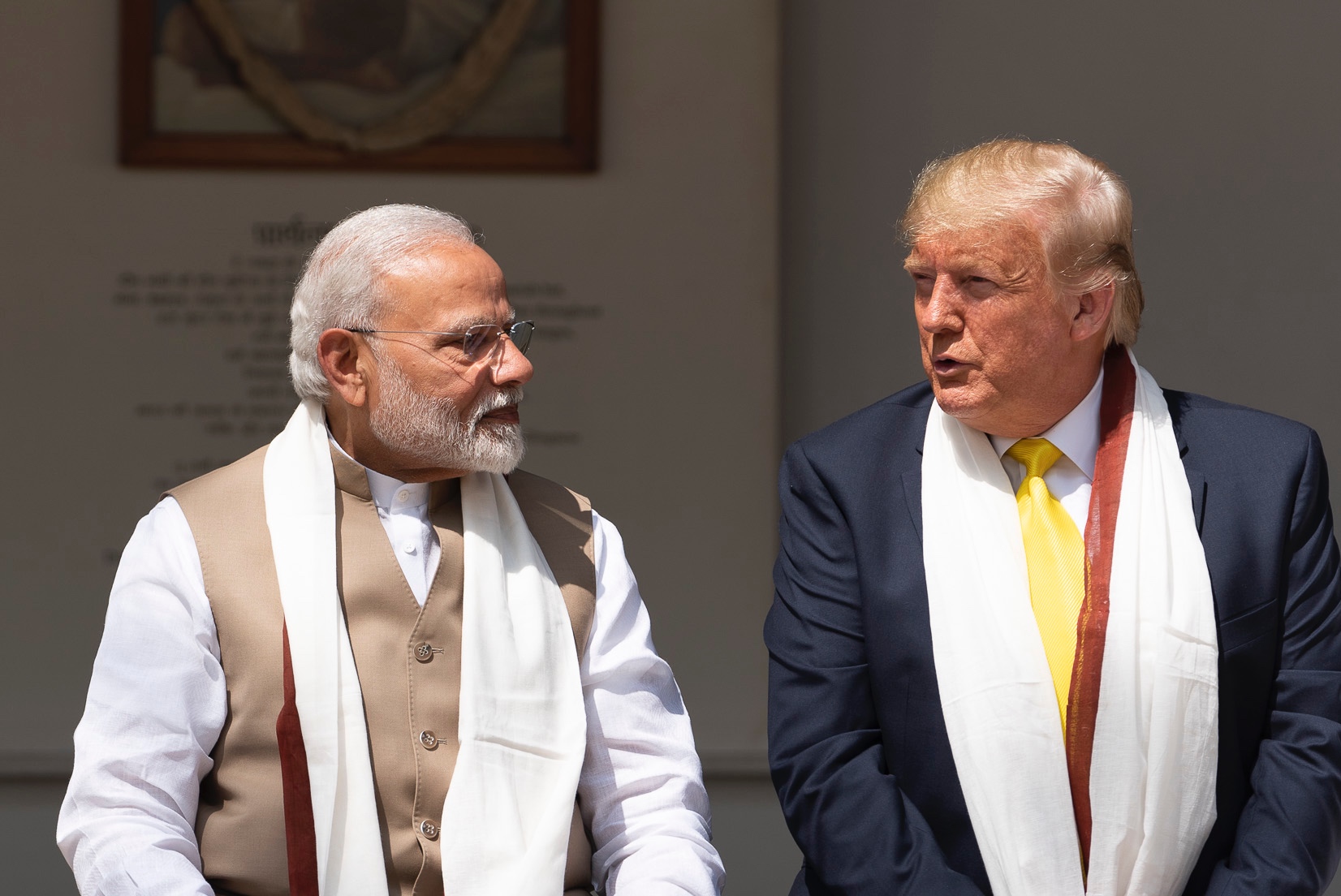
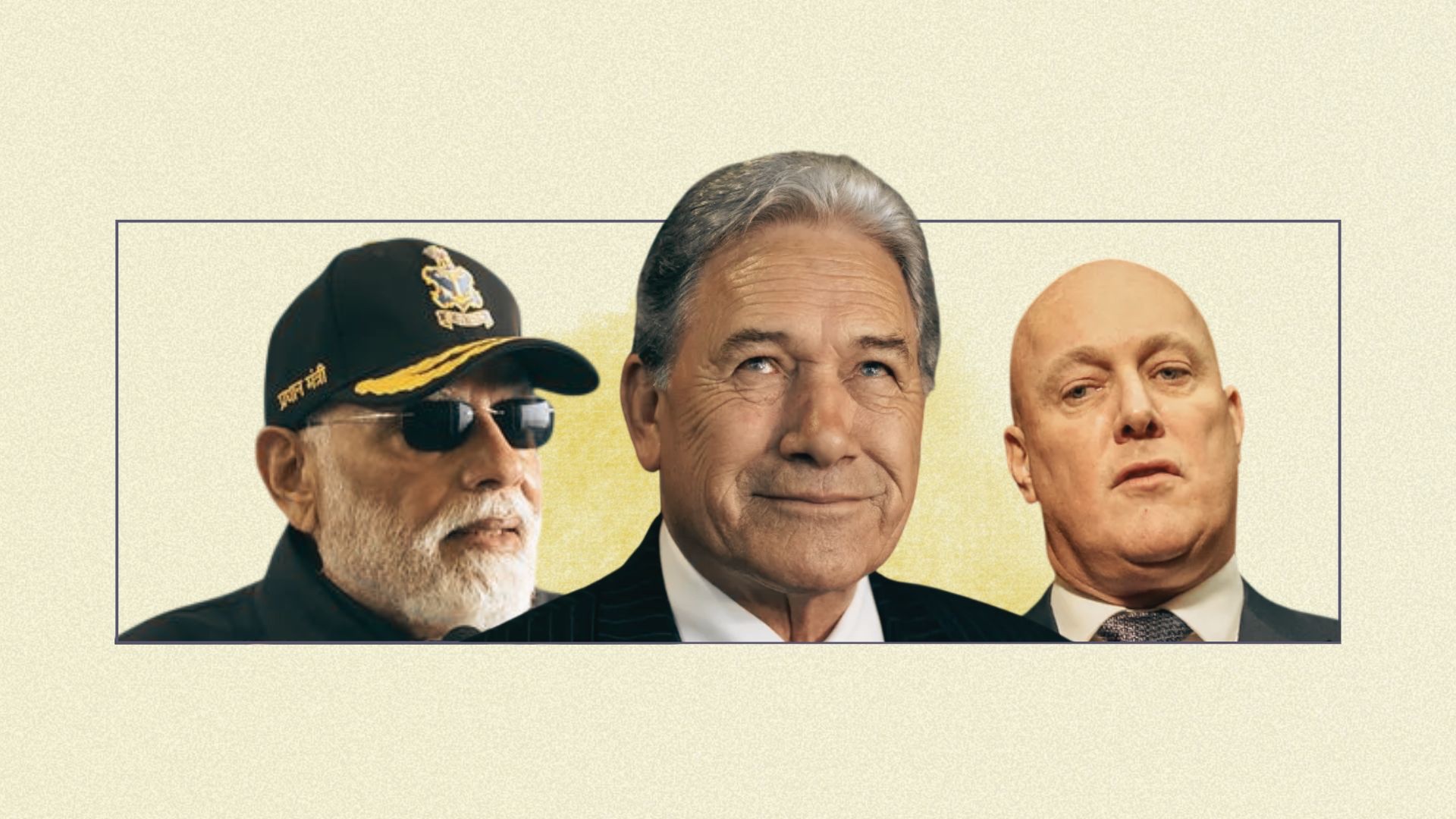
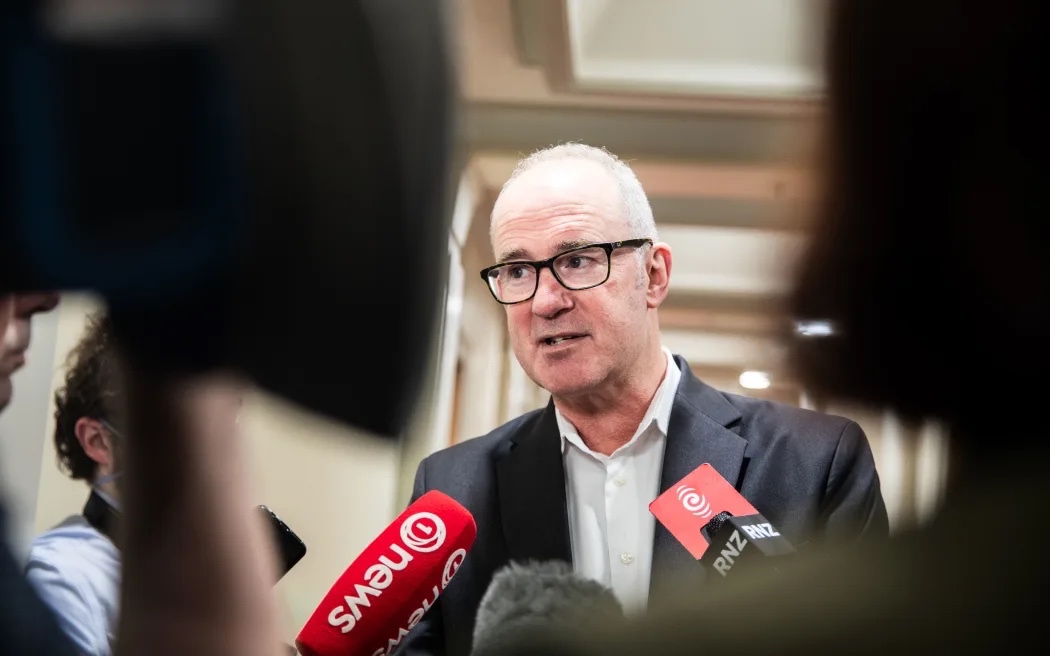
The foreign minister missed Narendra Modi’s visit. He has not missed the chance to review Christopher Luxon’s performance as host.
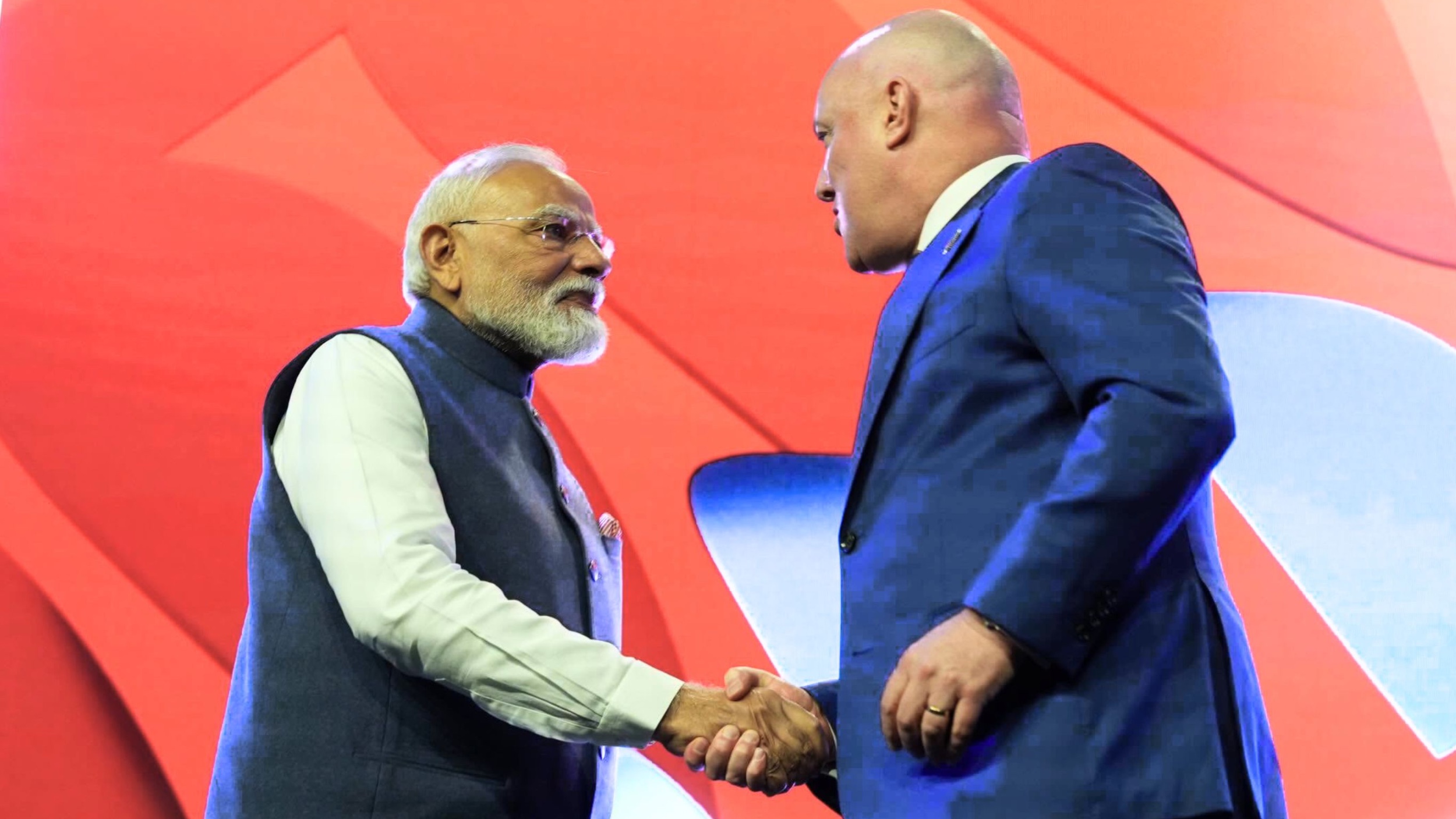
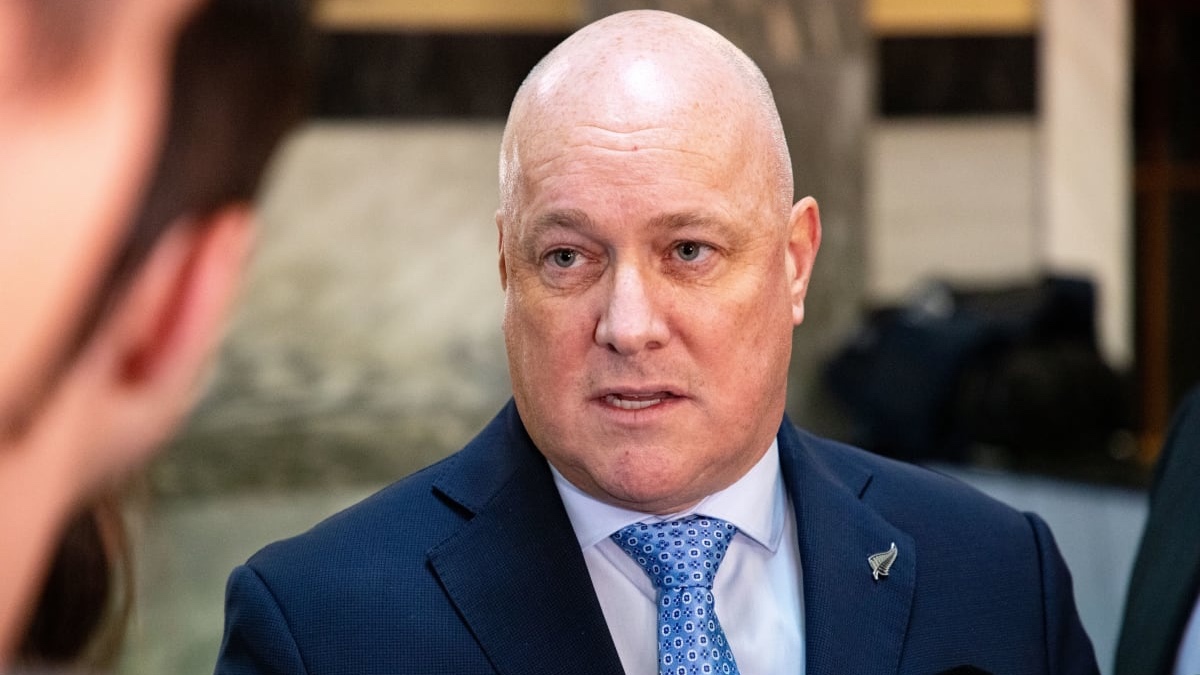
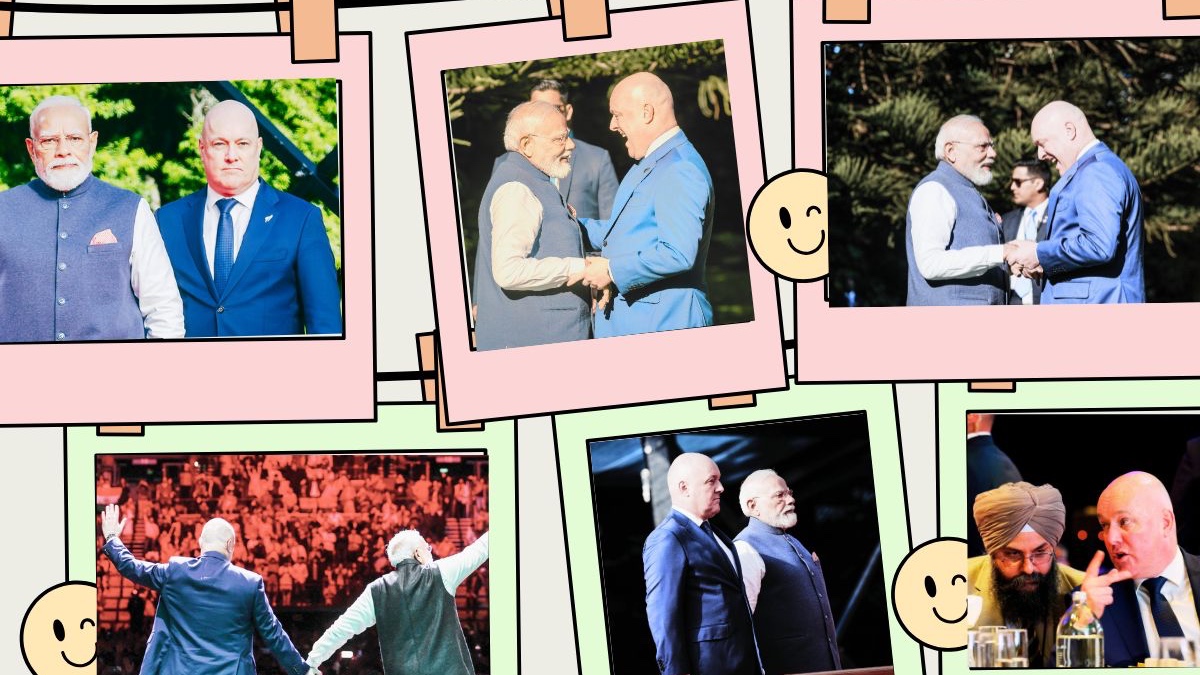
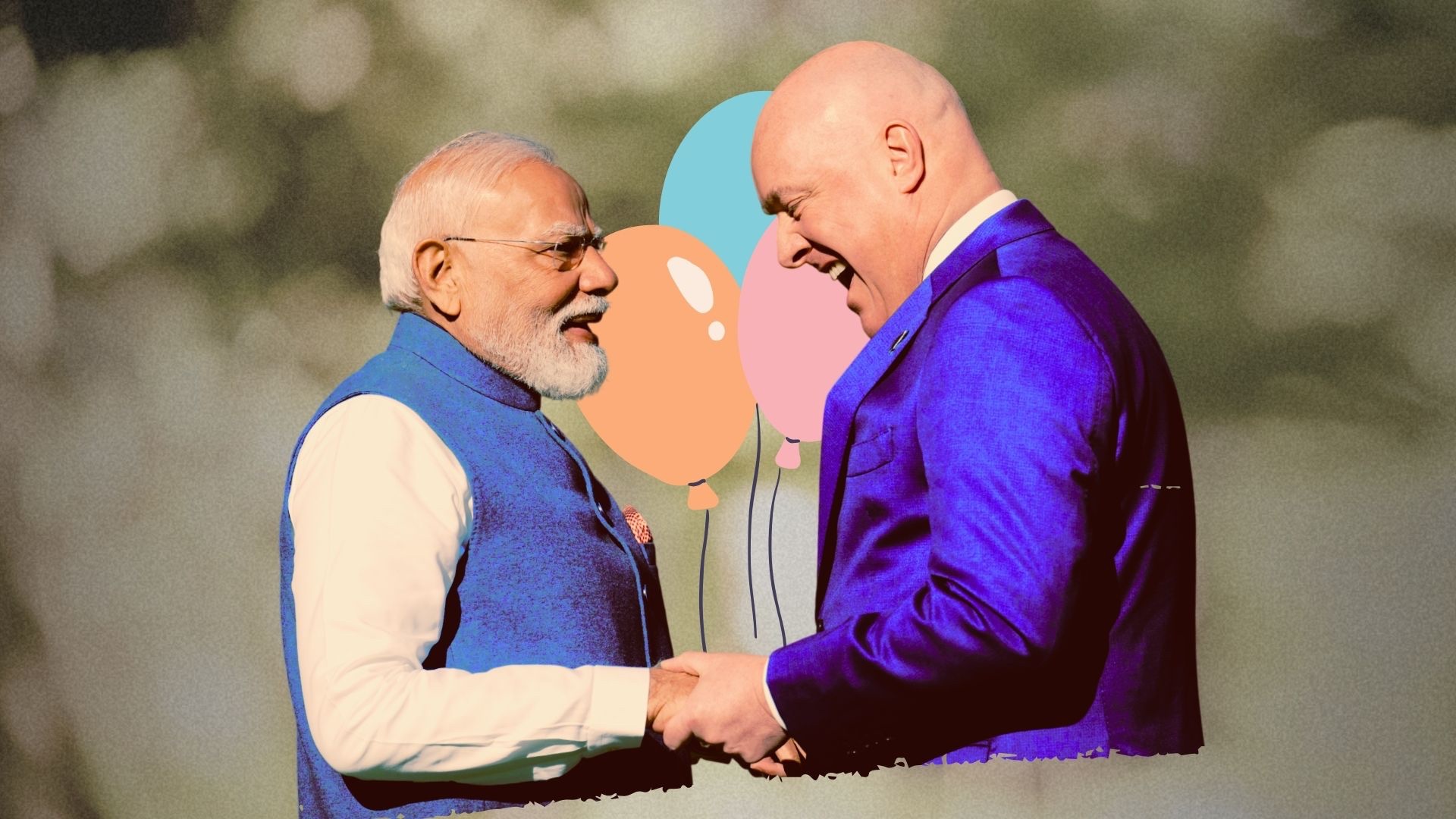
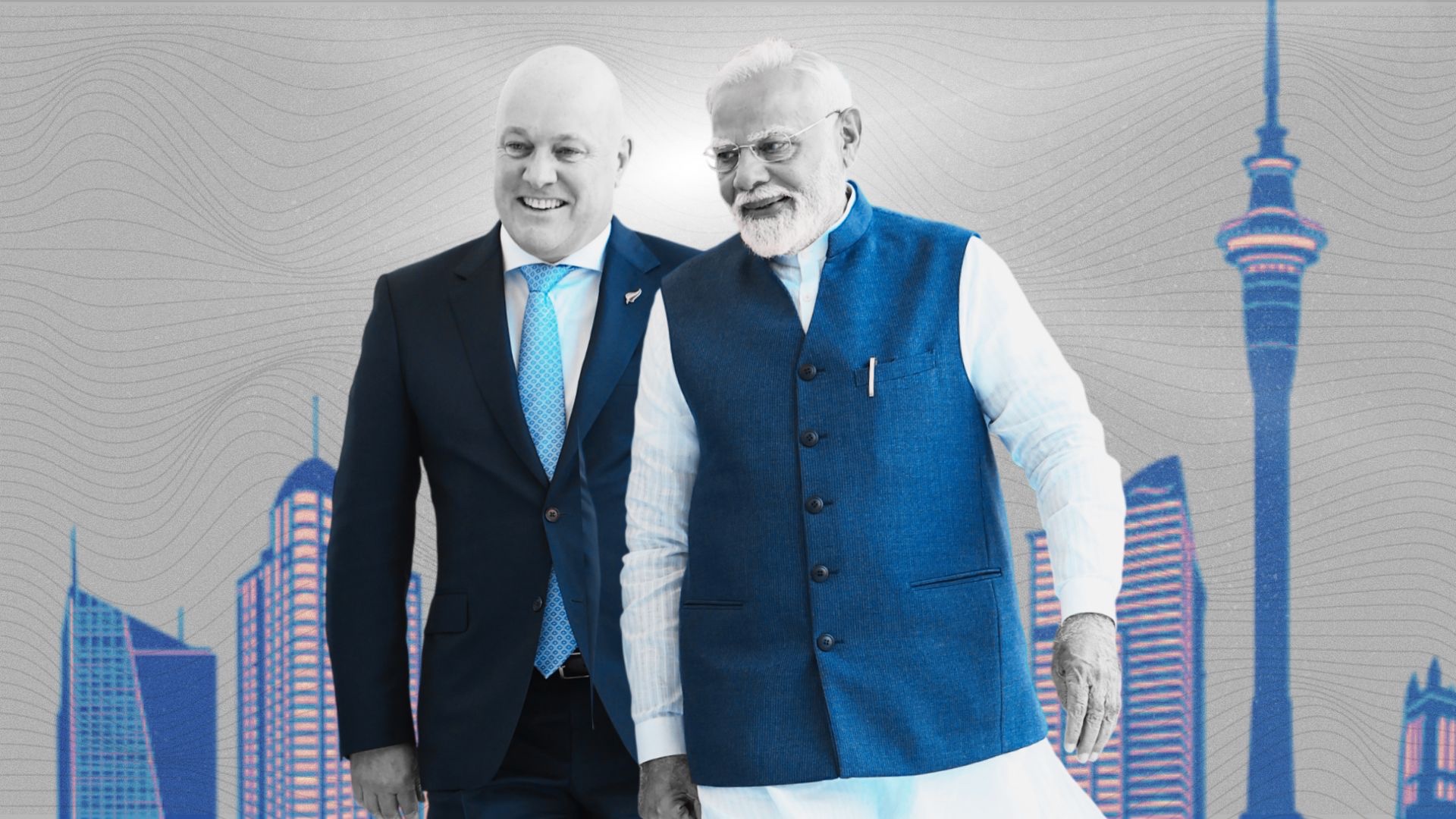
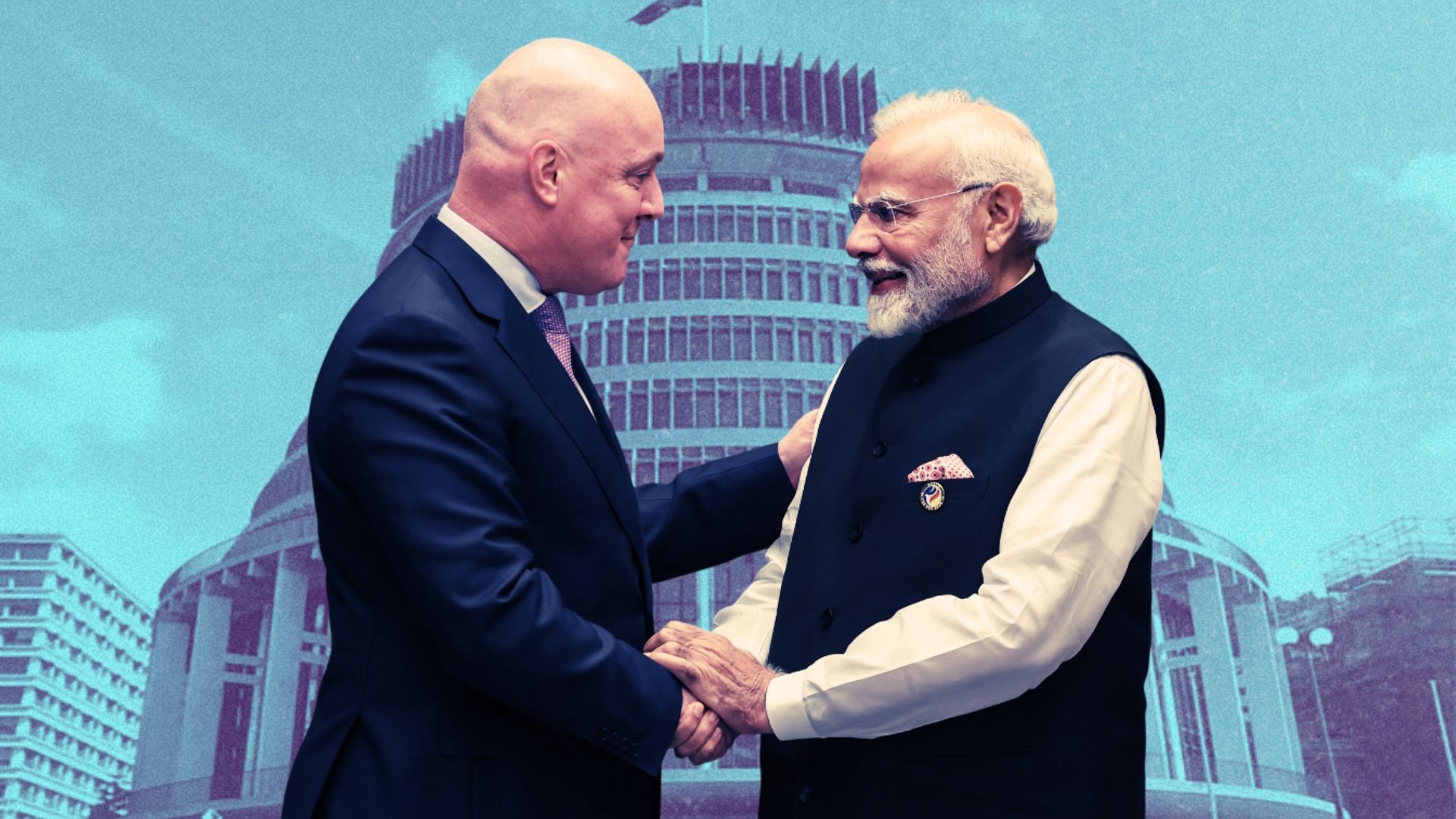
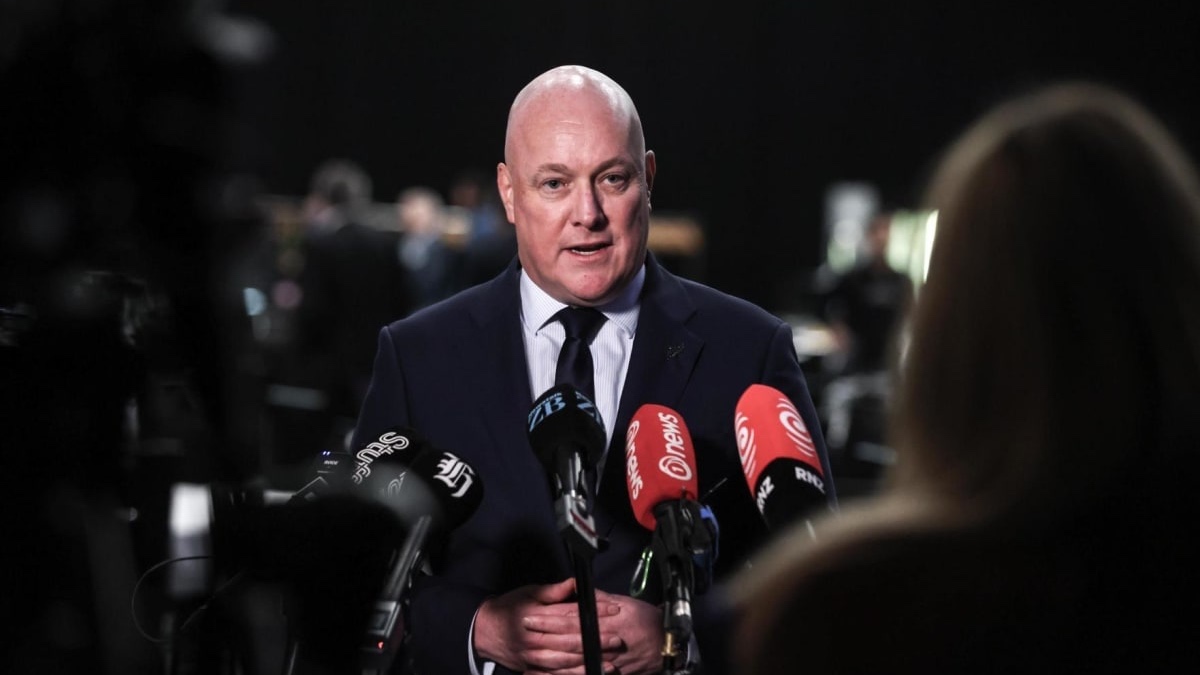
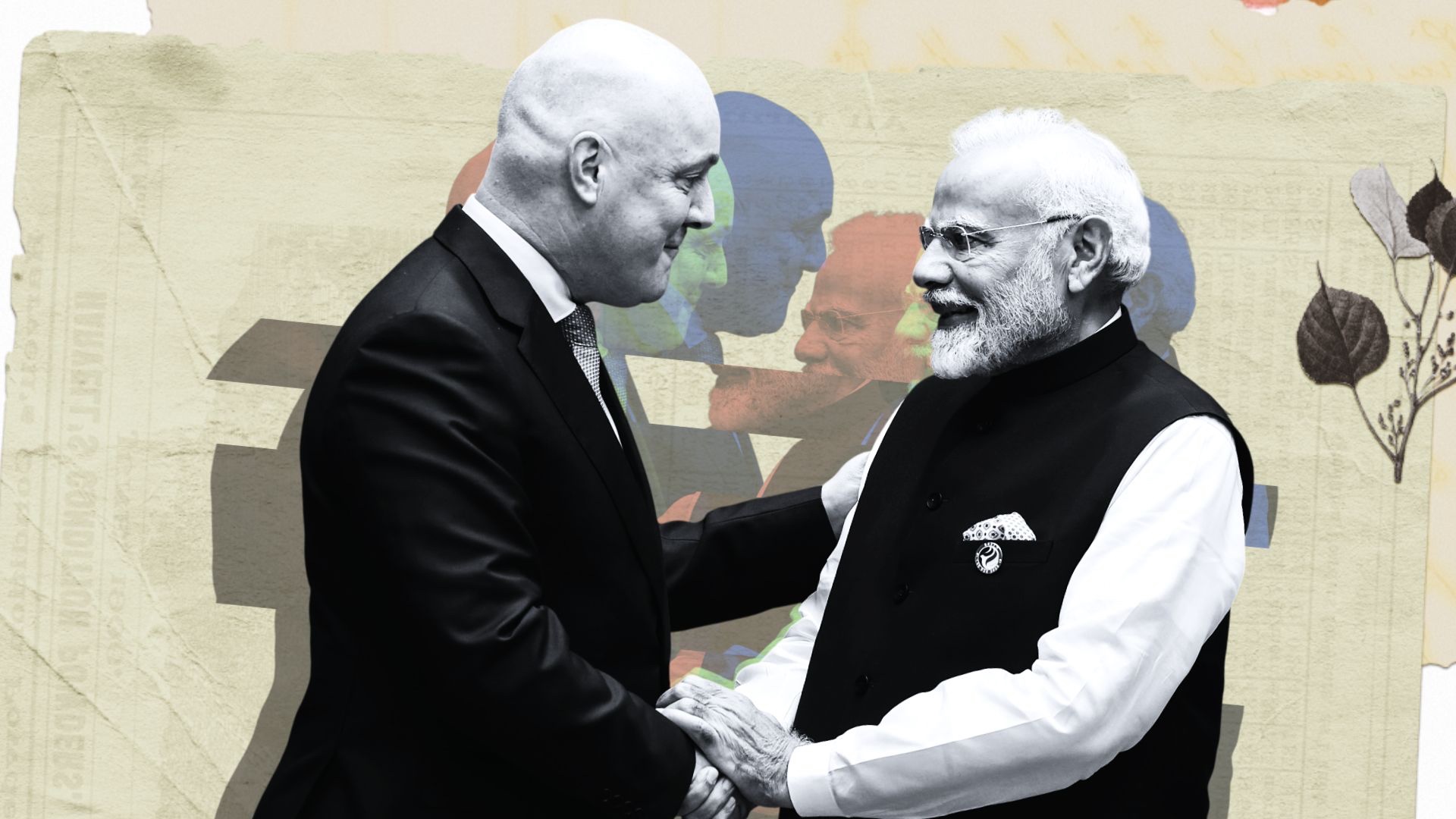
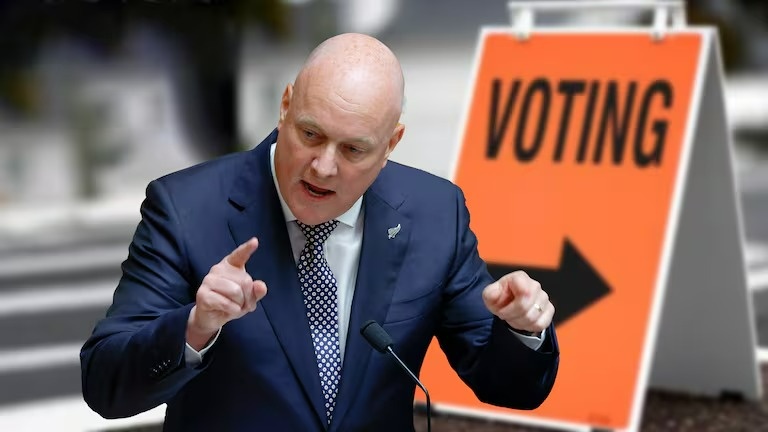
Winston Peters says Christopher Luxon may eventually feel embarrassed by parts of his handling of Narendra Modi’s visit this month.
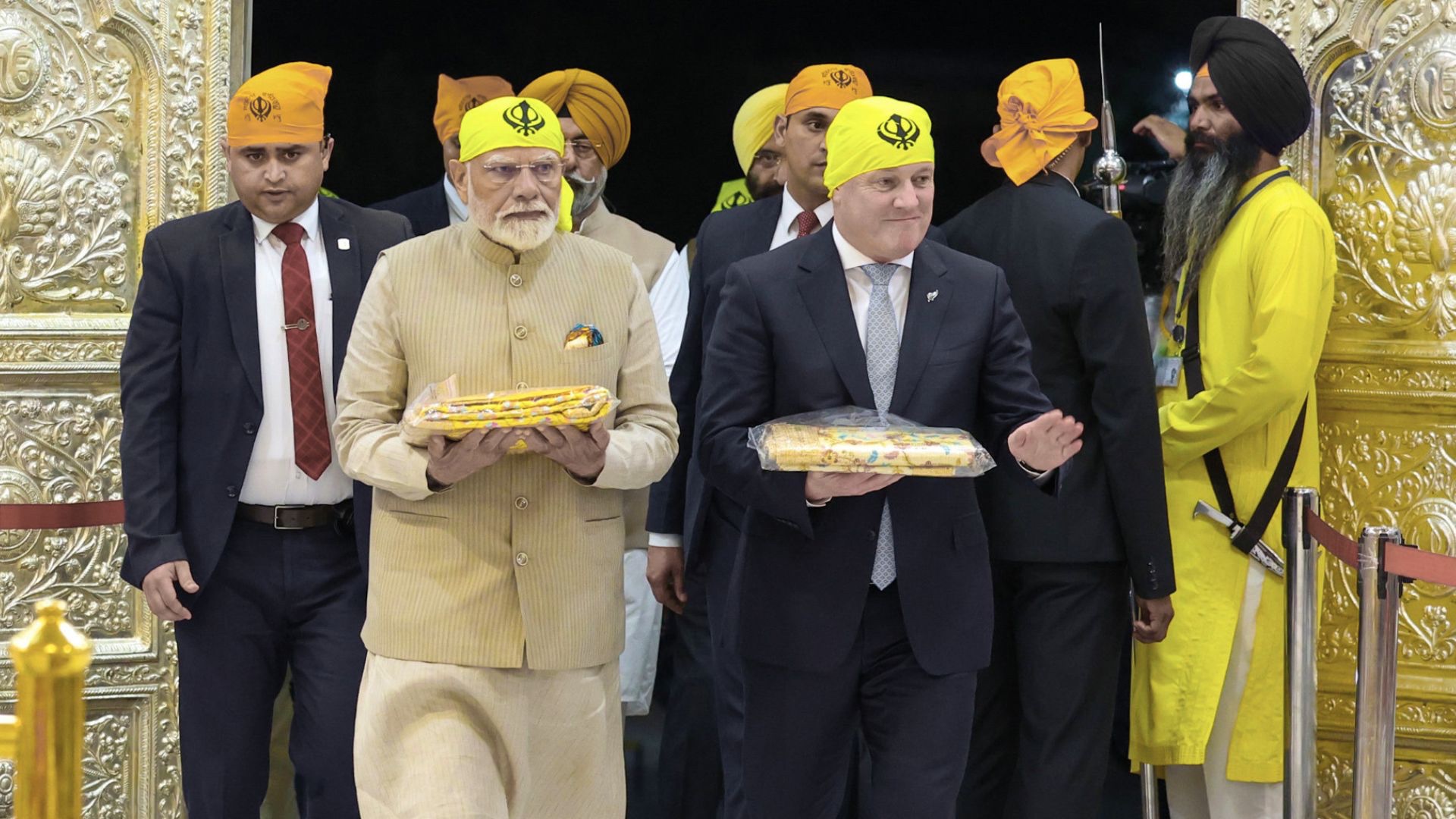
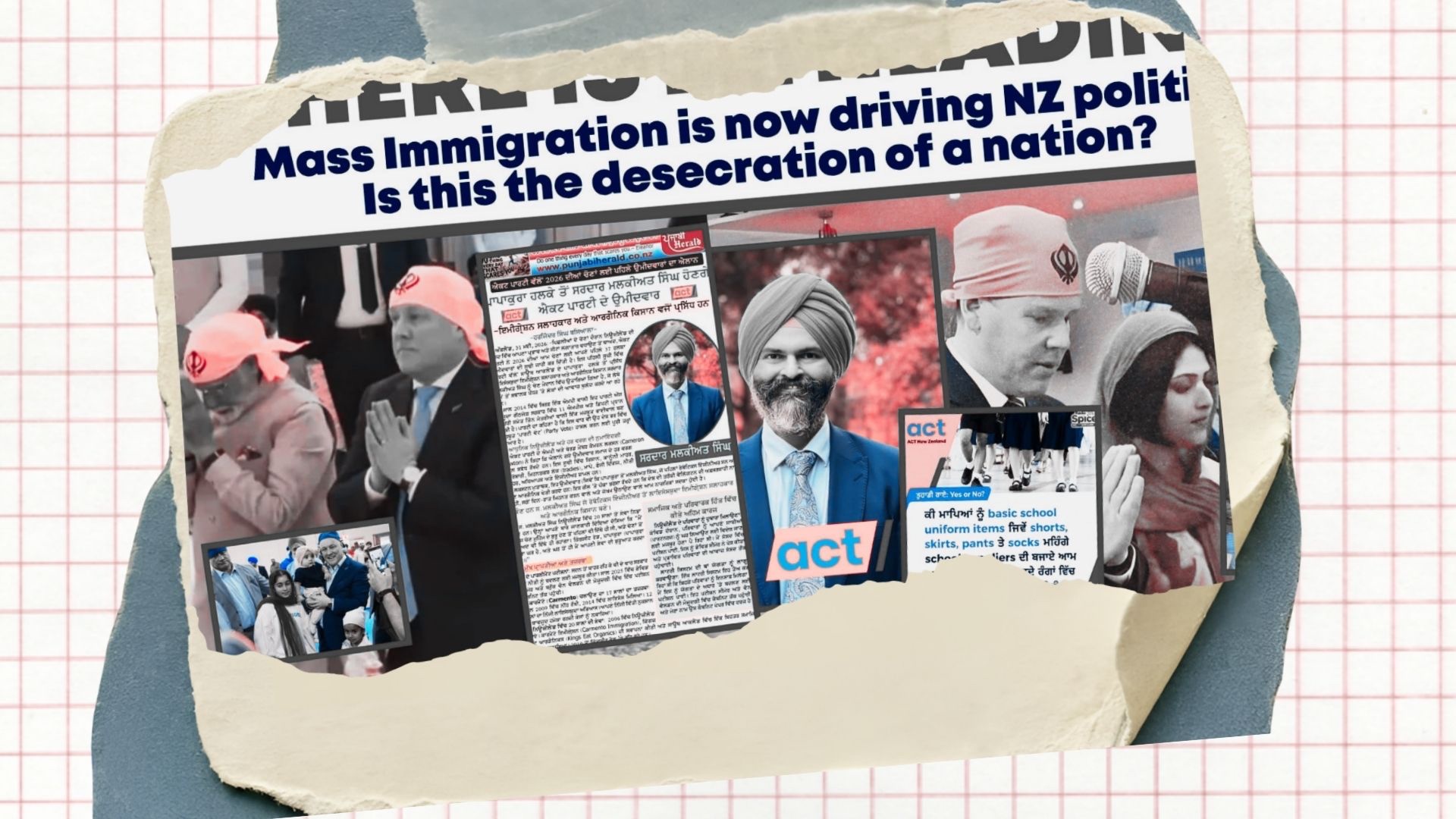
The foreign minister has accused the prime minister of excessive deference and questioned whether New Zealand’s culture was given sufficient prominence during the high-profile visit.
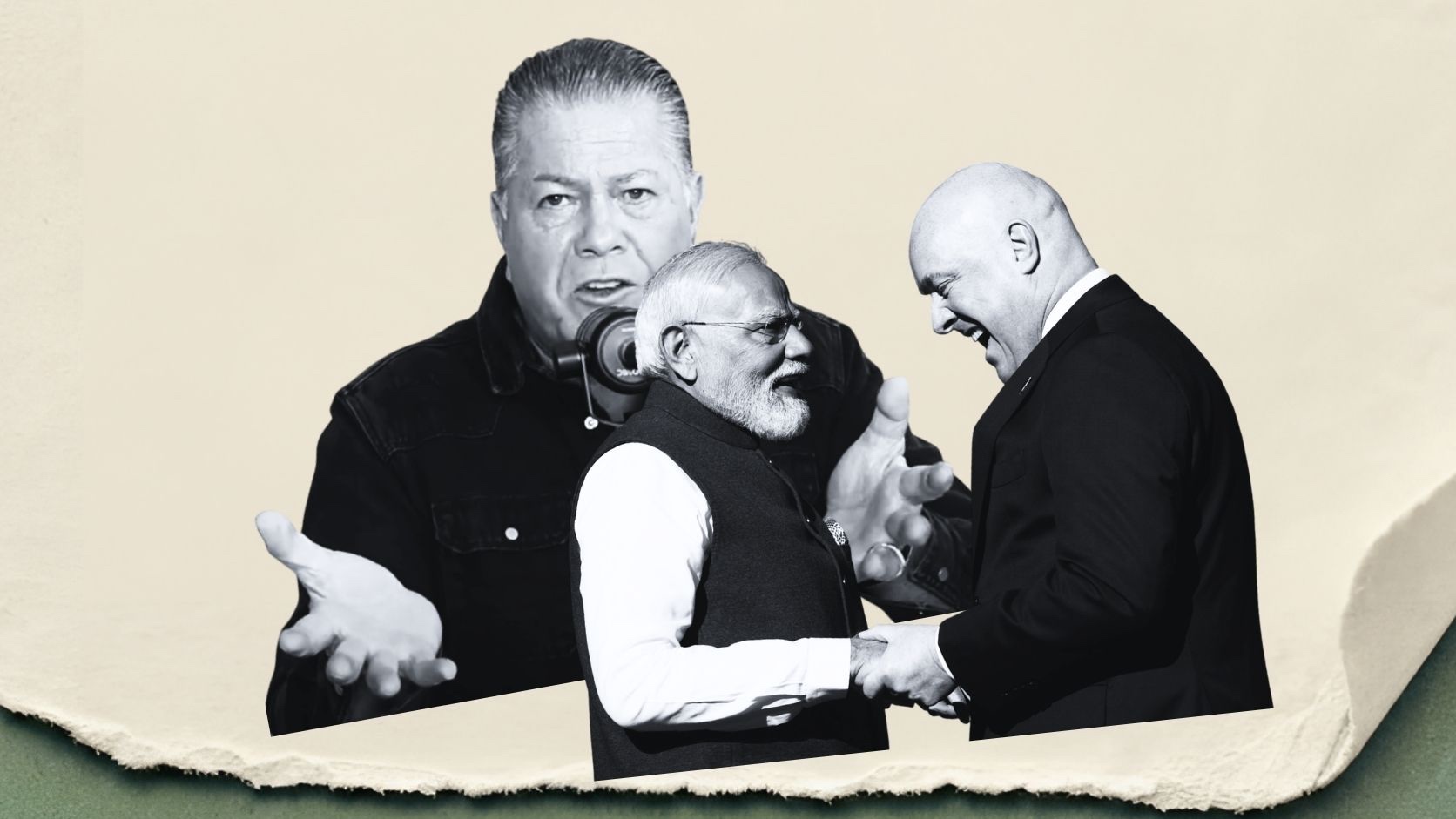
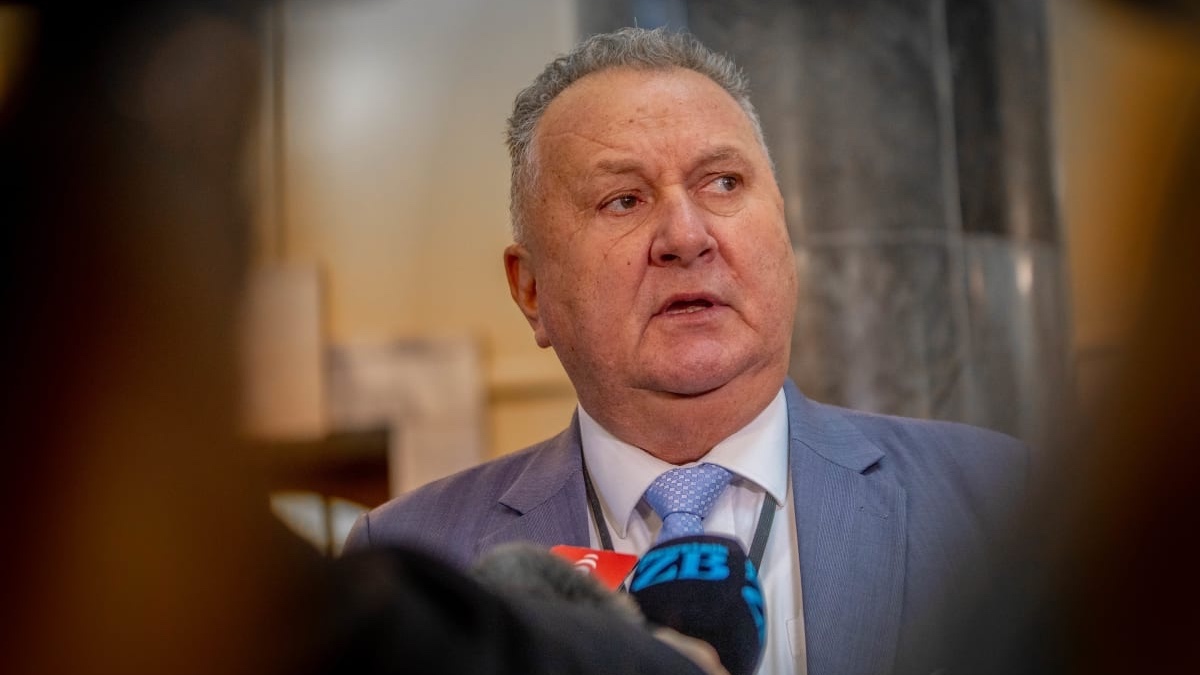
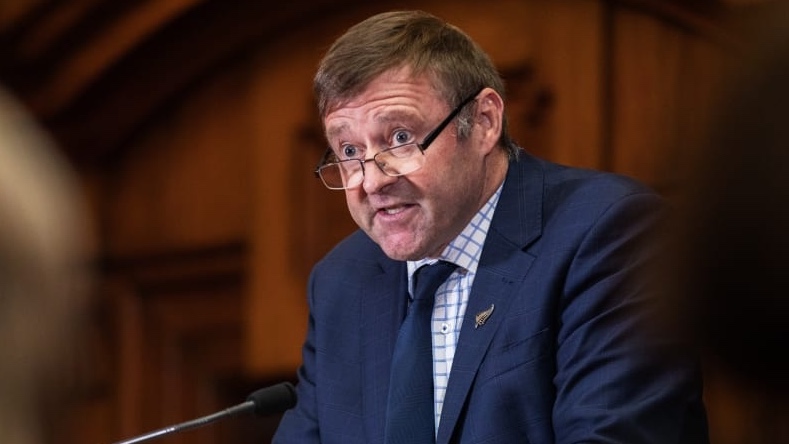
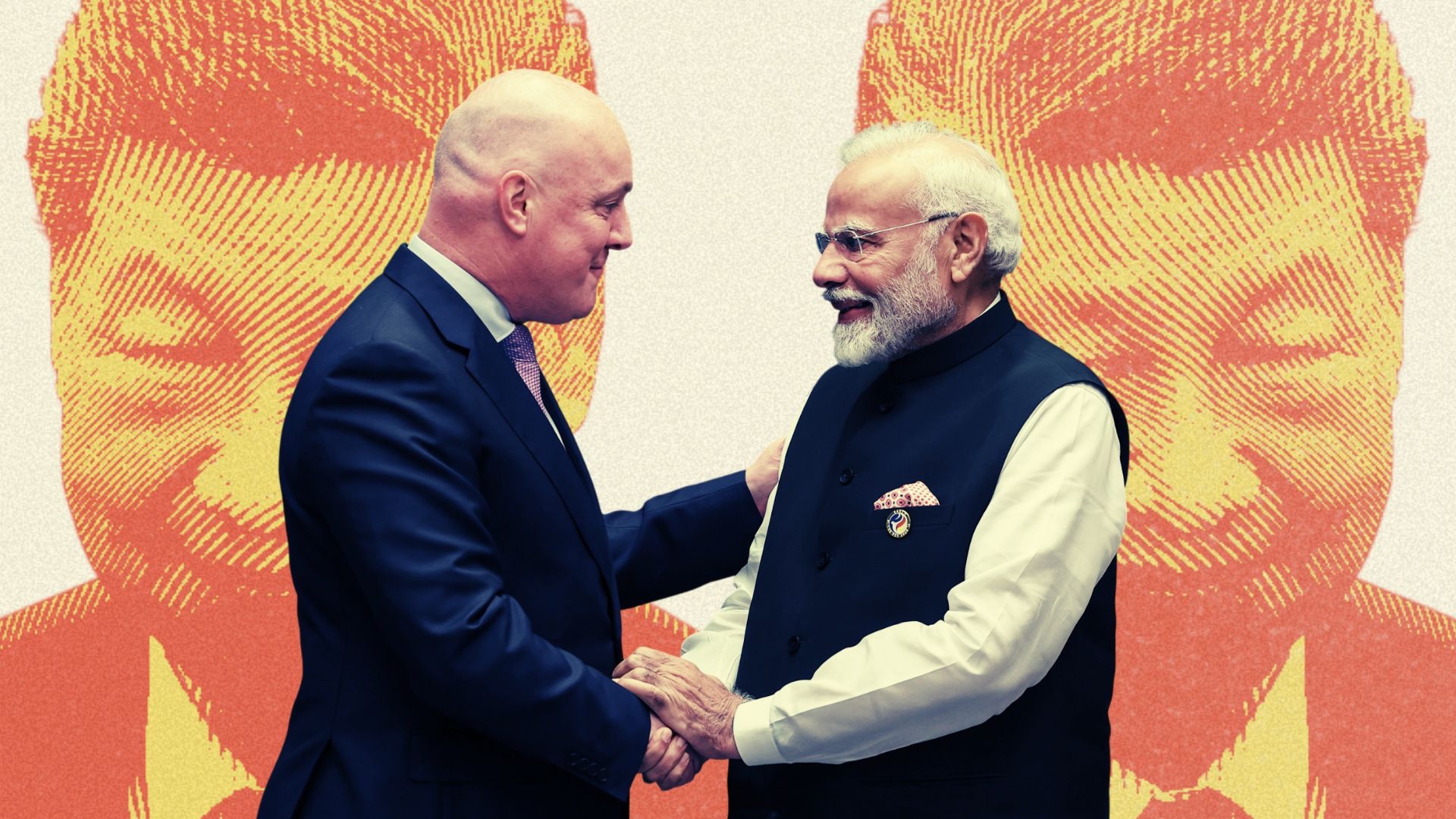
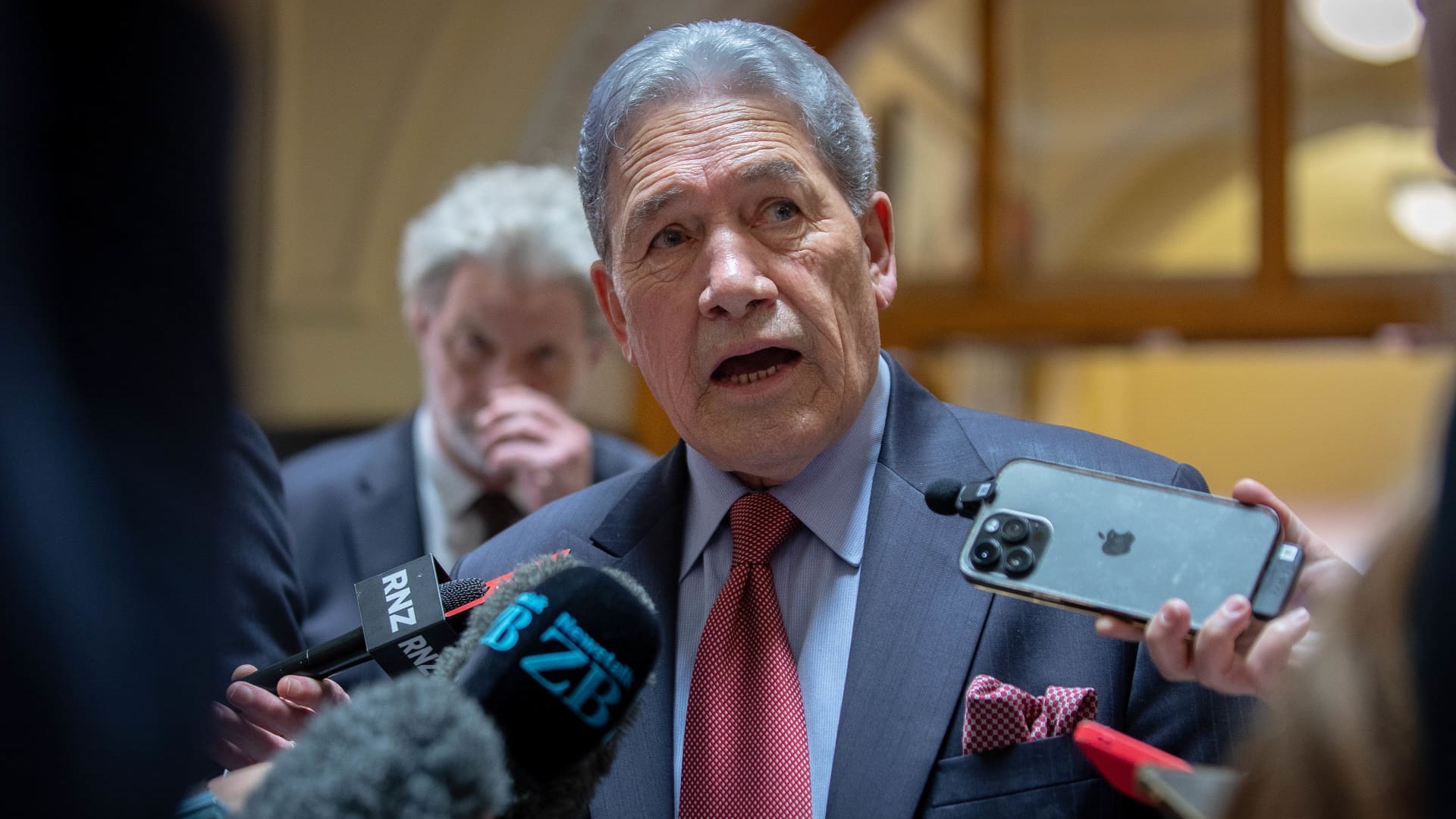
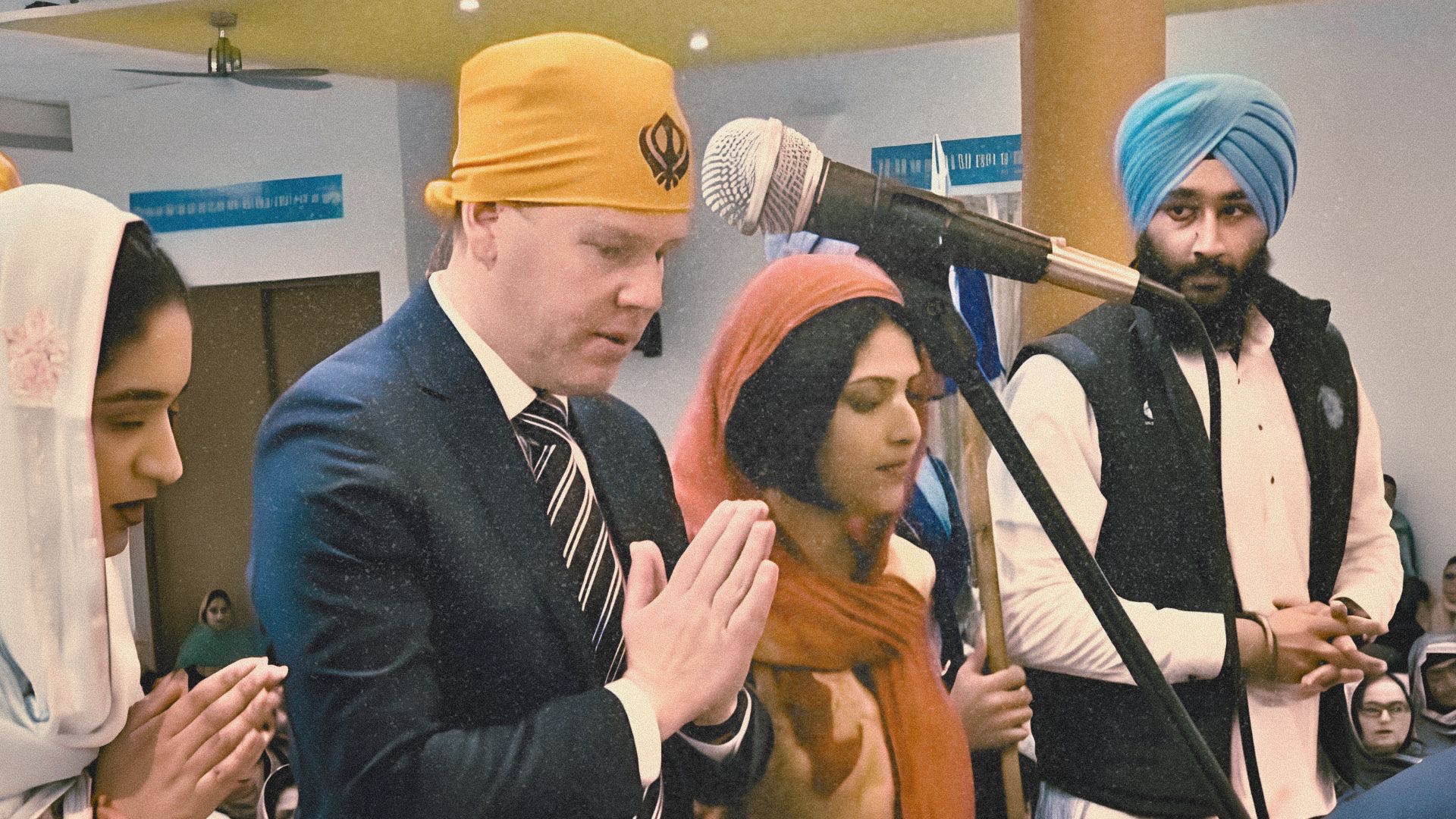
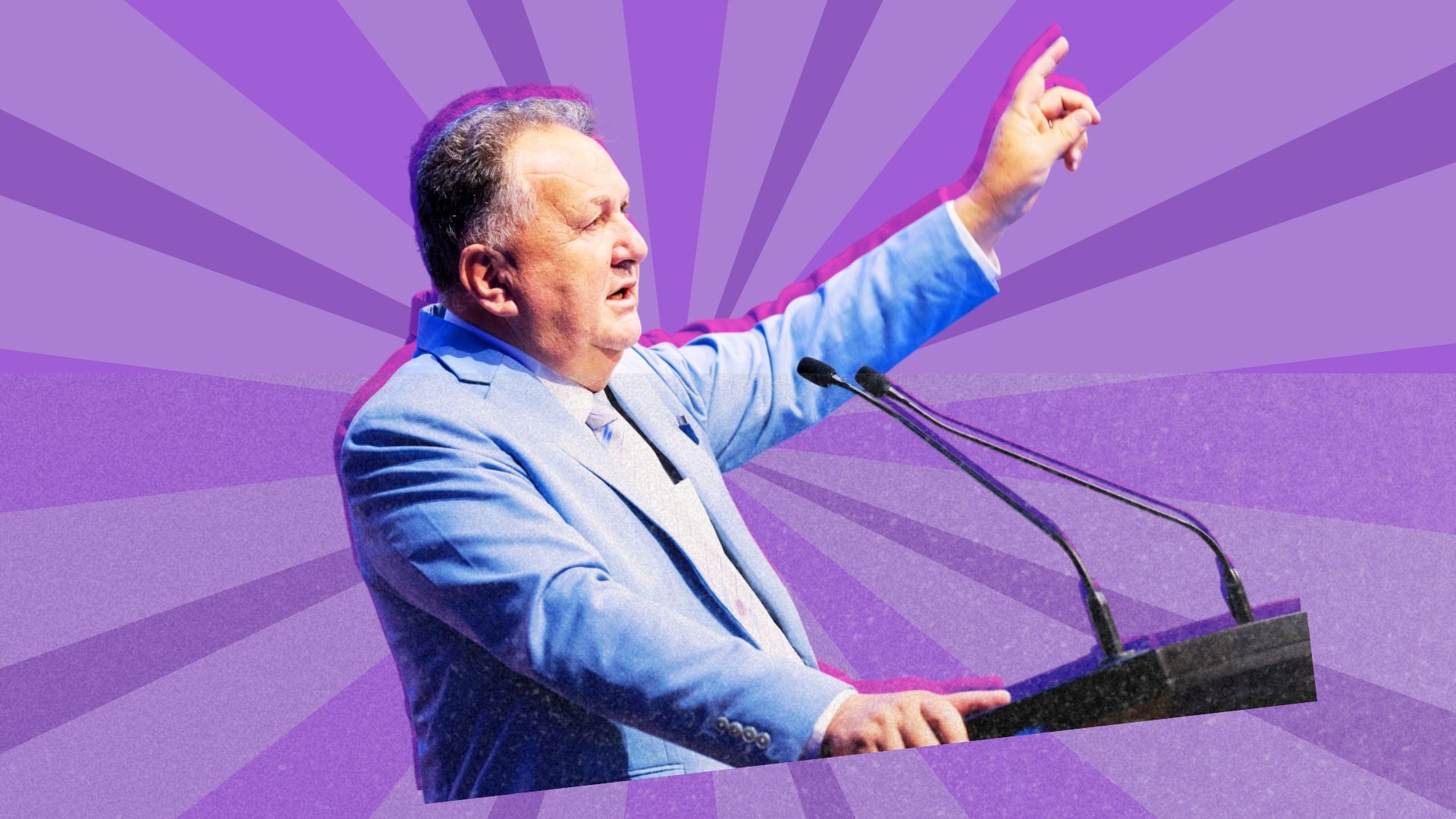
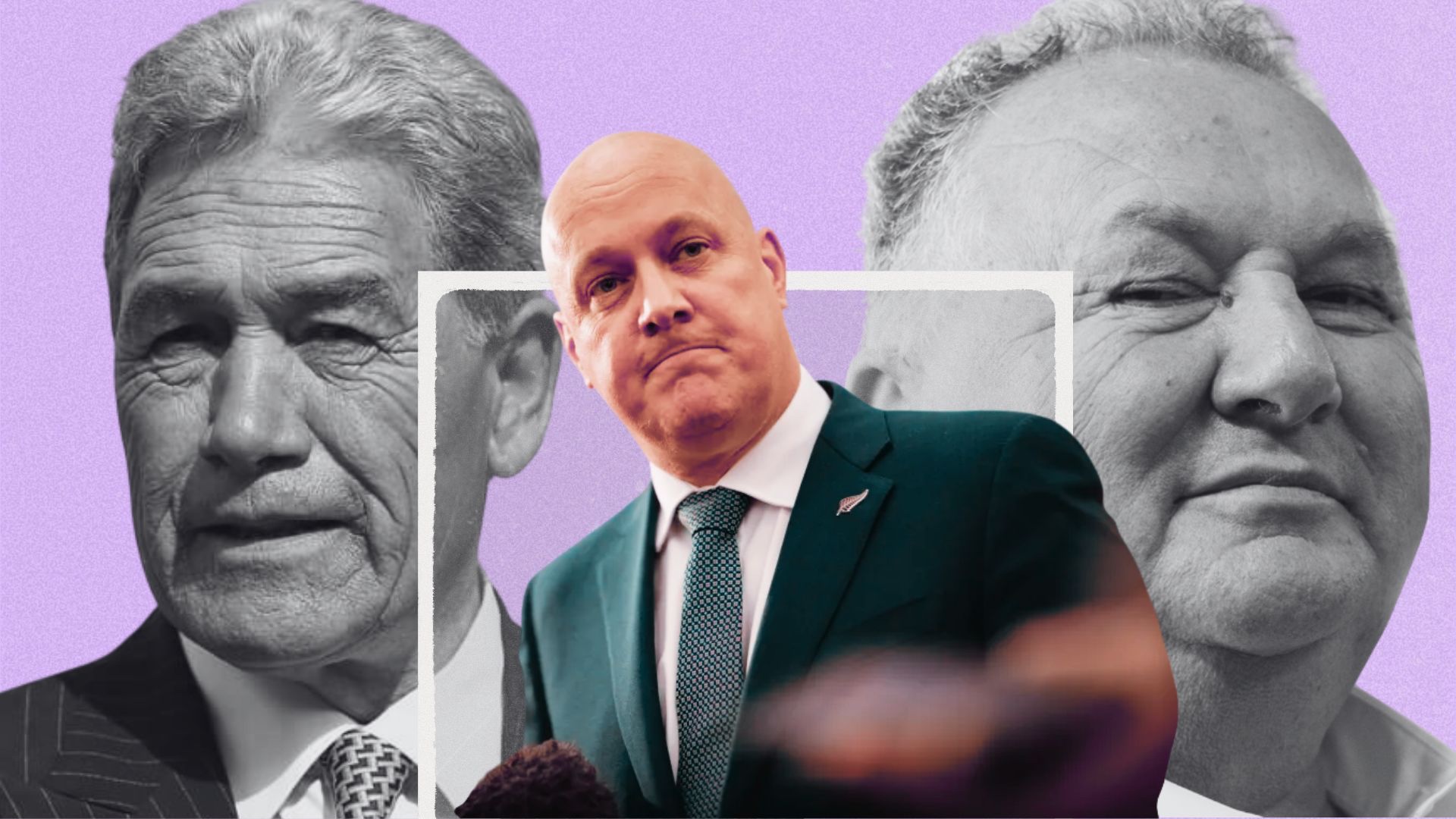
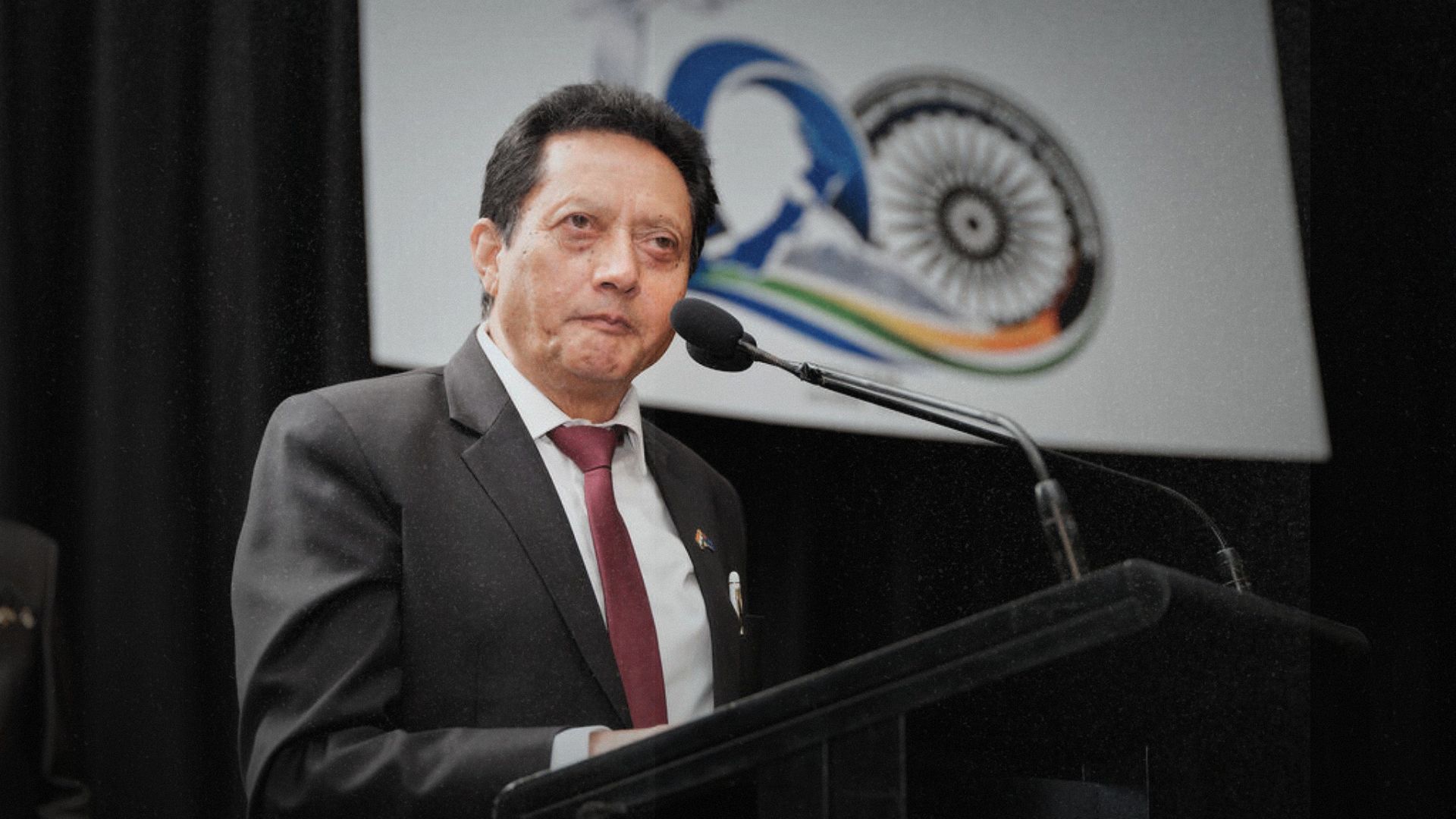
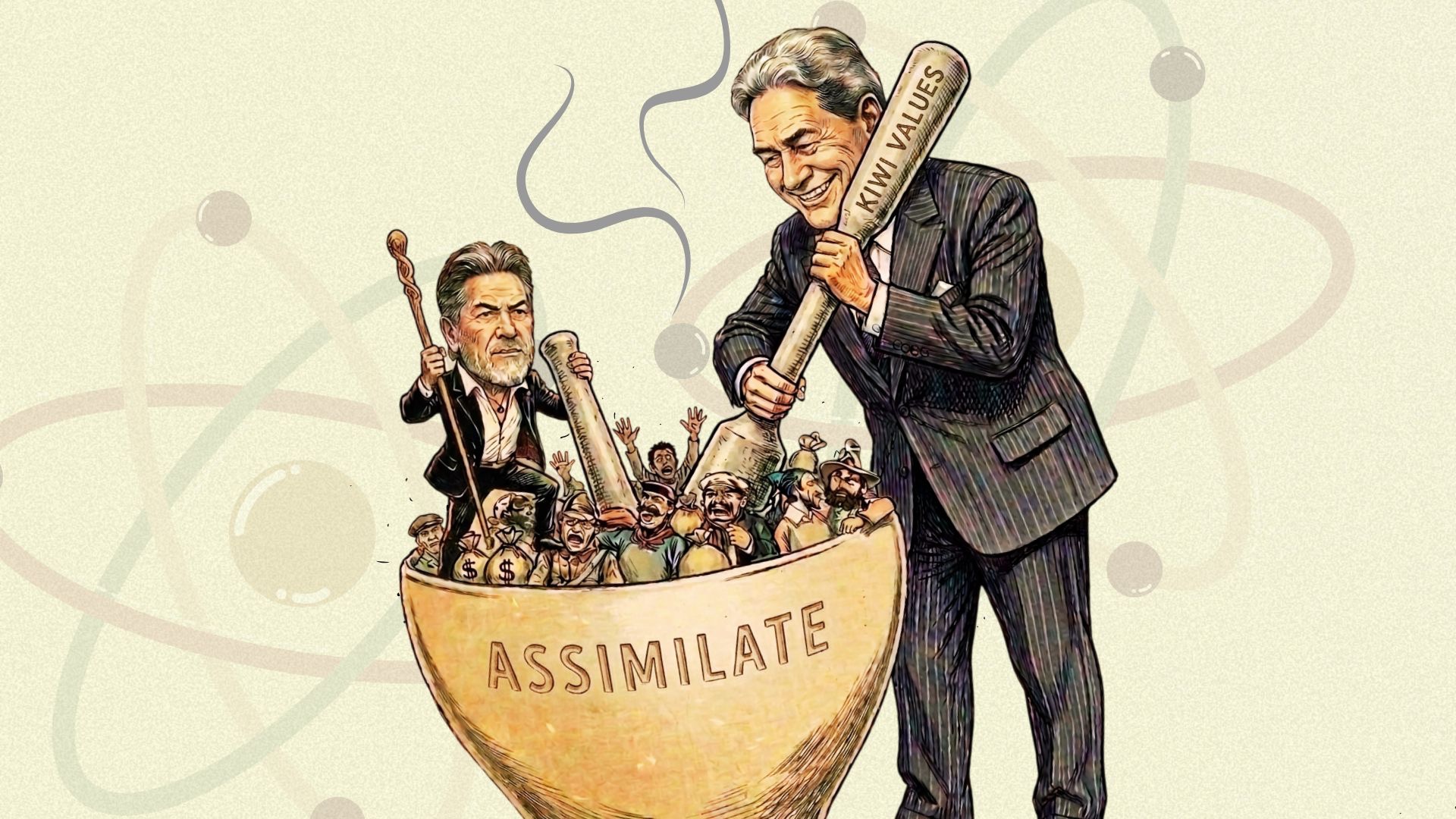
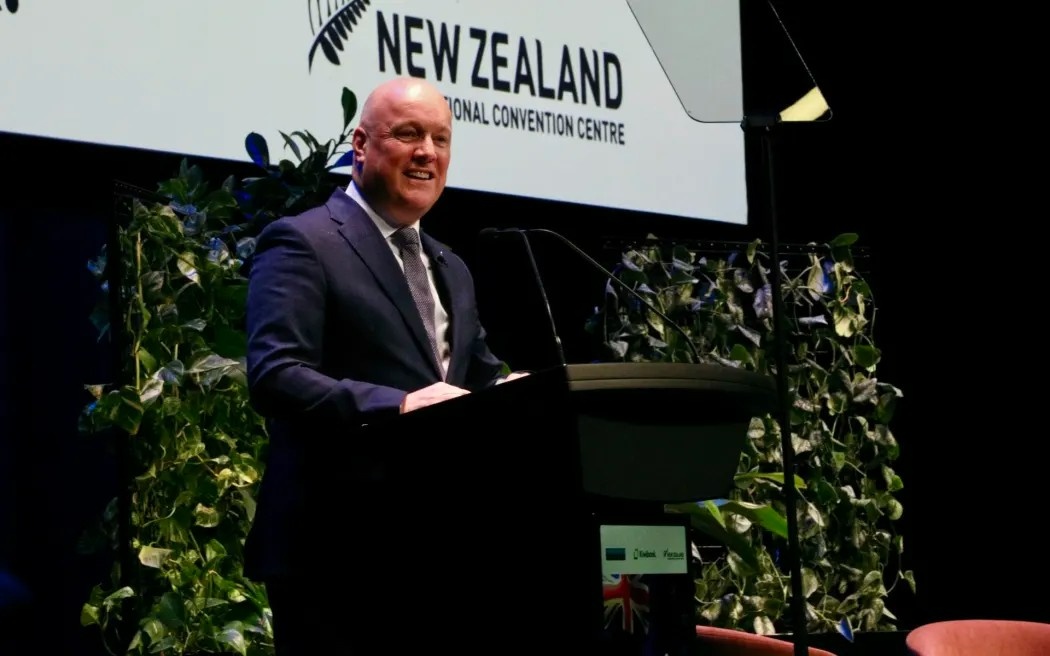
Speaking to Chris Lynch Media on Thursday, Peters accused Luxon of showing “obsequious subservience” during Modi’s visit to Auckland on July 10-11, 2026.
Peters said Luxon could eventually look back on parts of the visit with embarrassment and argued that the culture of the host country should have been predominant.
“For our prime minister, I think he’ll look back in time and be somewhat embarrassed by parts of it,” Peters said.
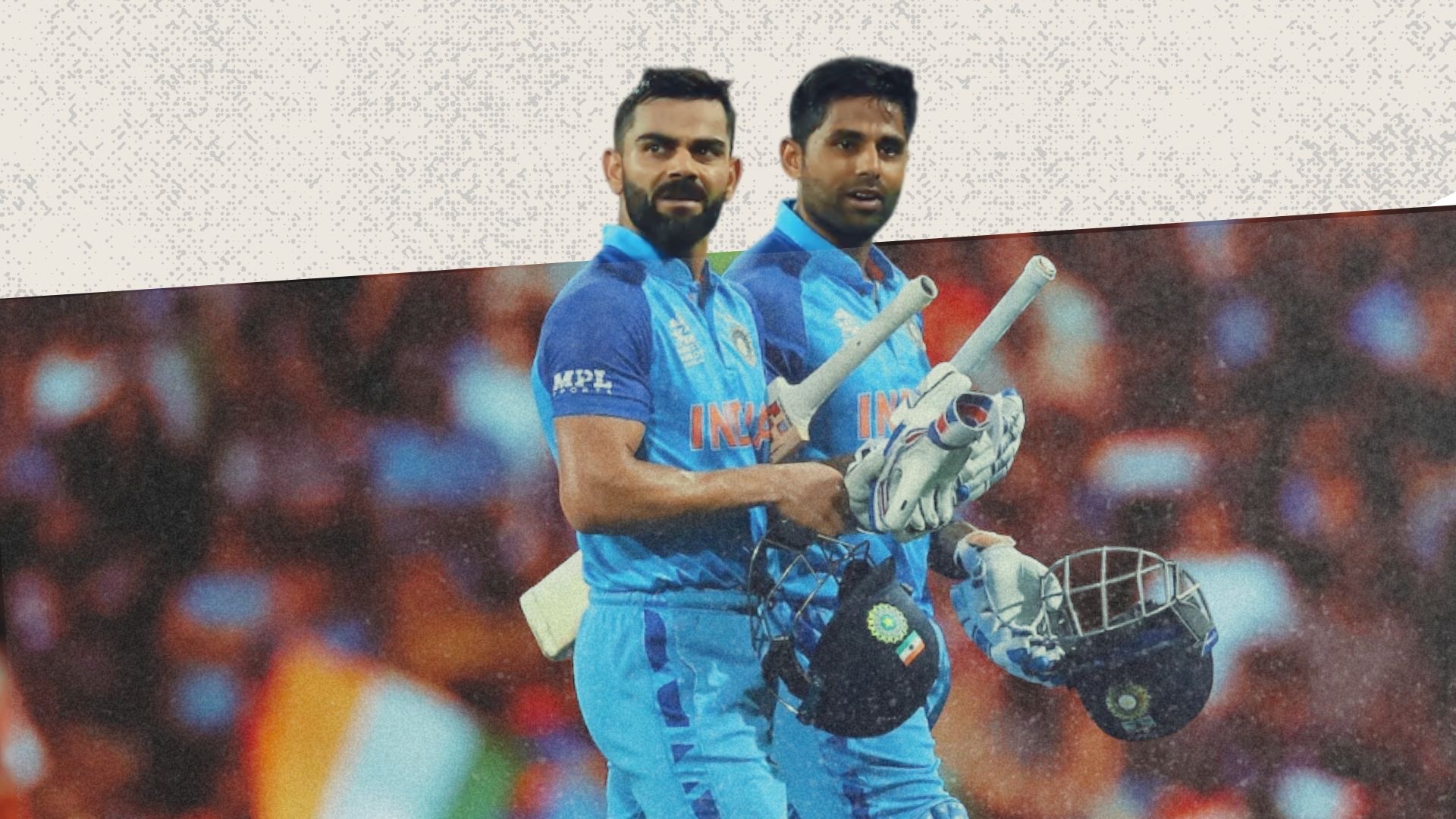
"The country’s just flying": Black Caps great Stephen Fleming bullish on India after FTA The former skipper says decades of cricket and business ties have given him a front-row view of India’s transformation.
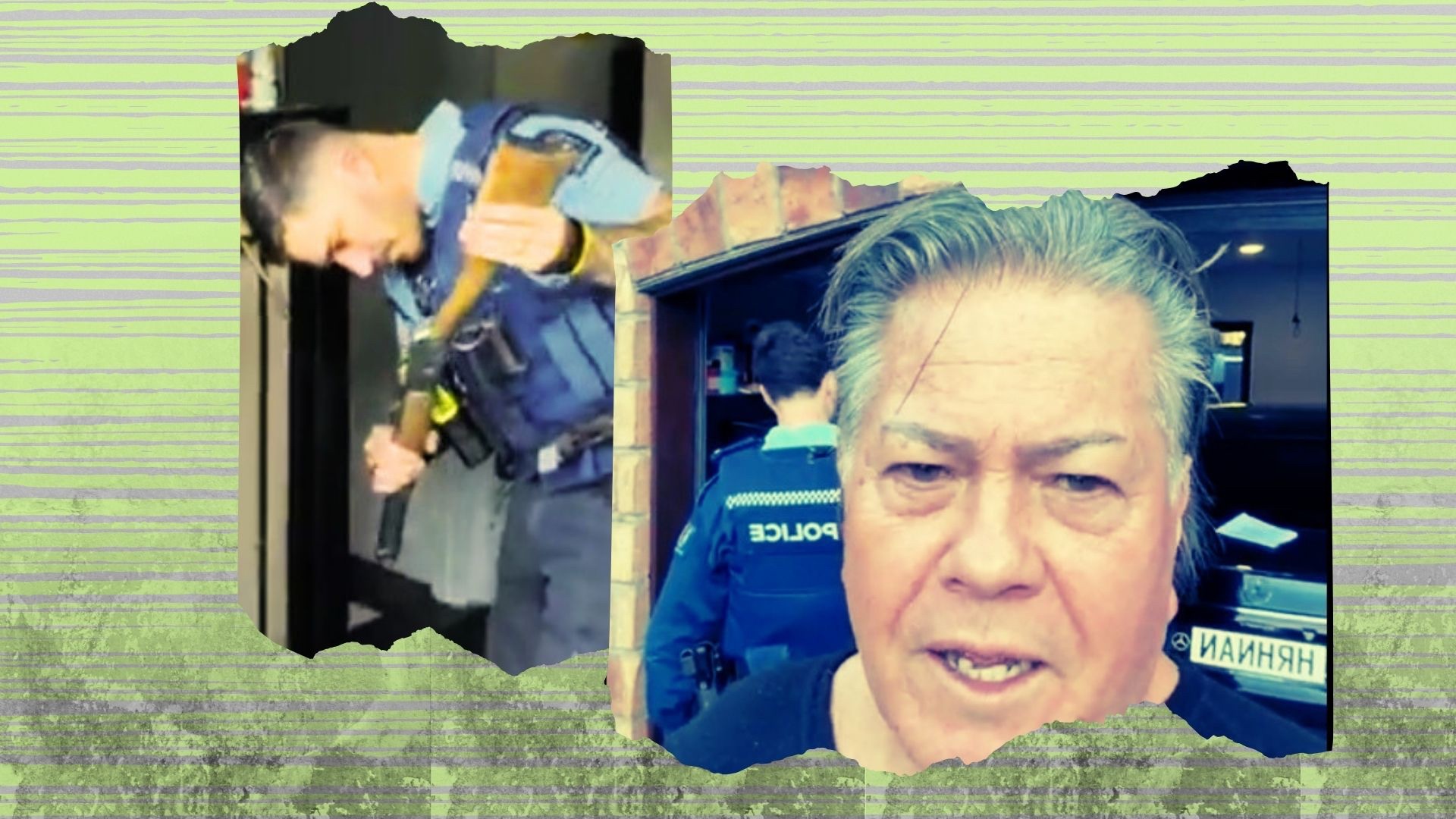
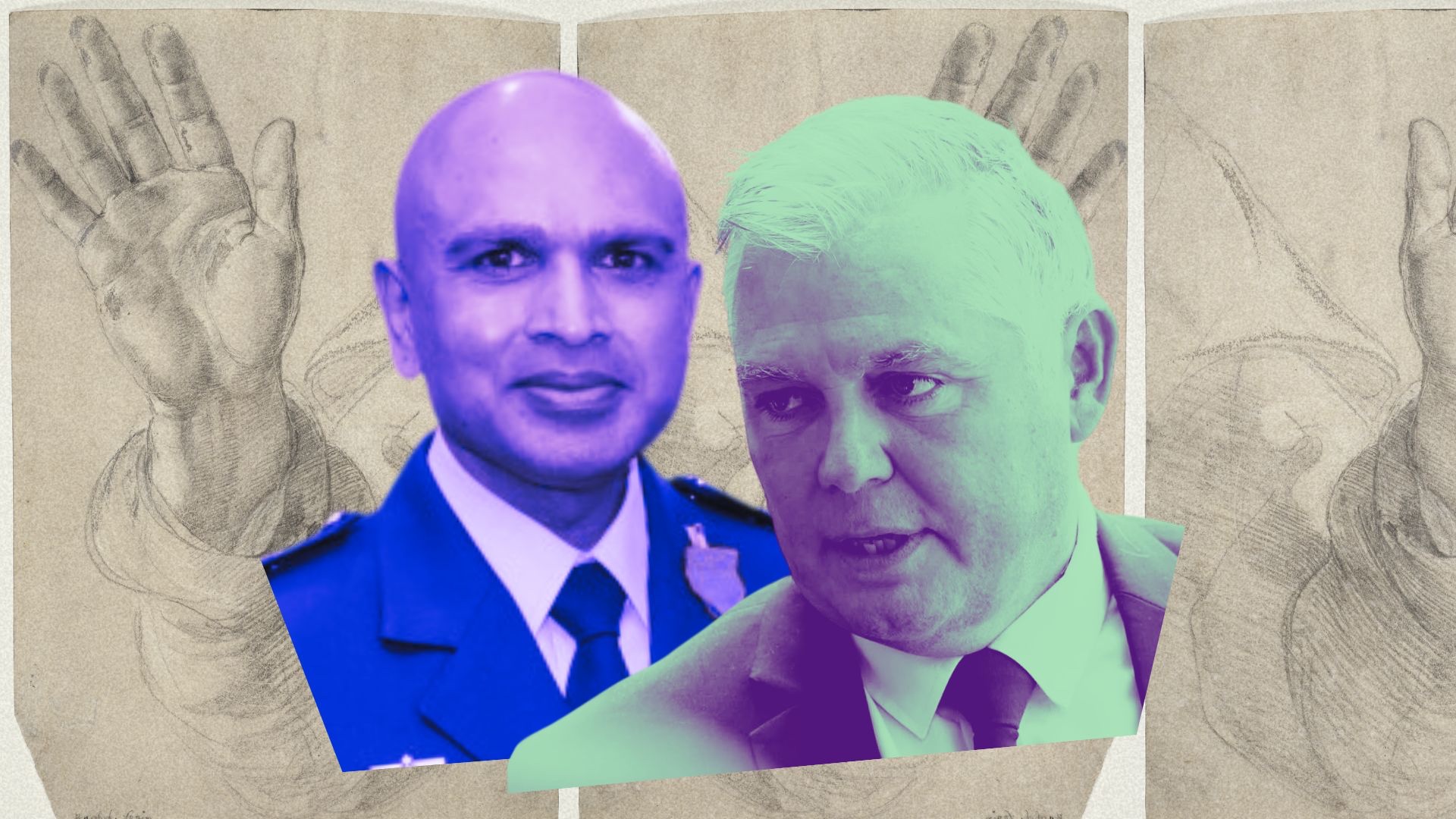
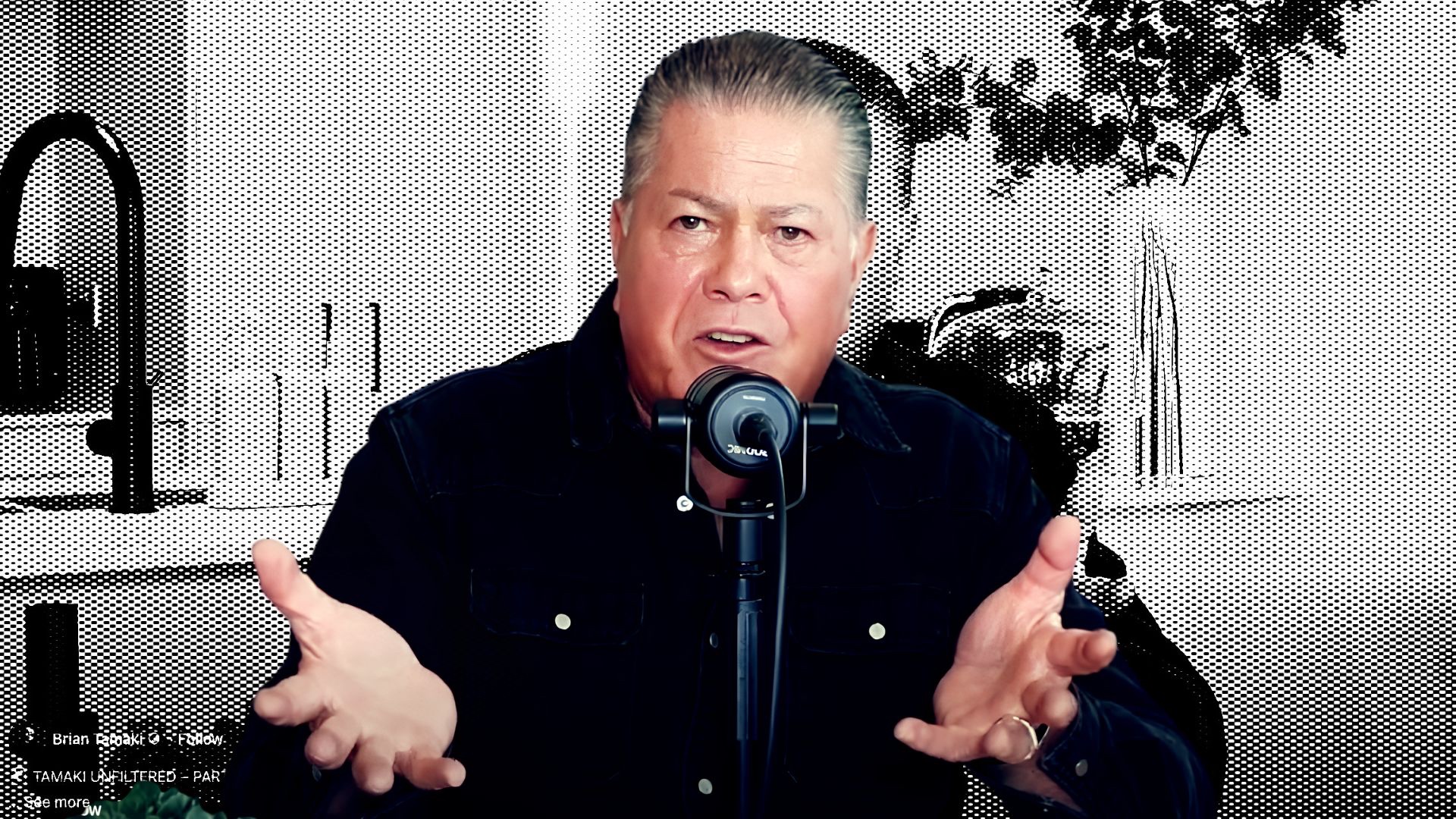
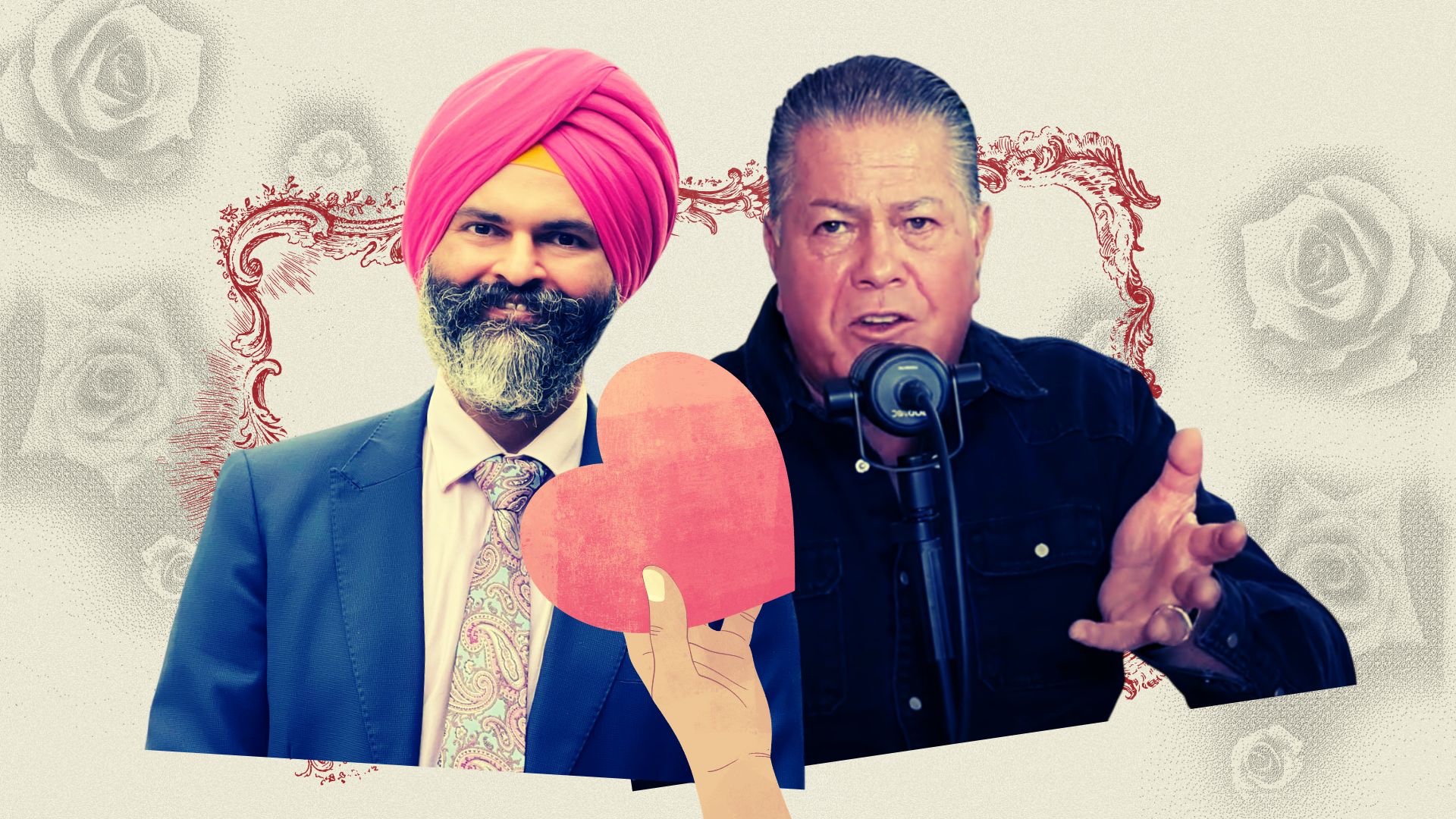
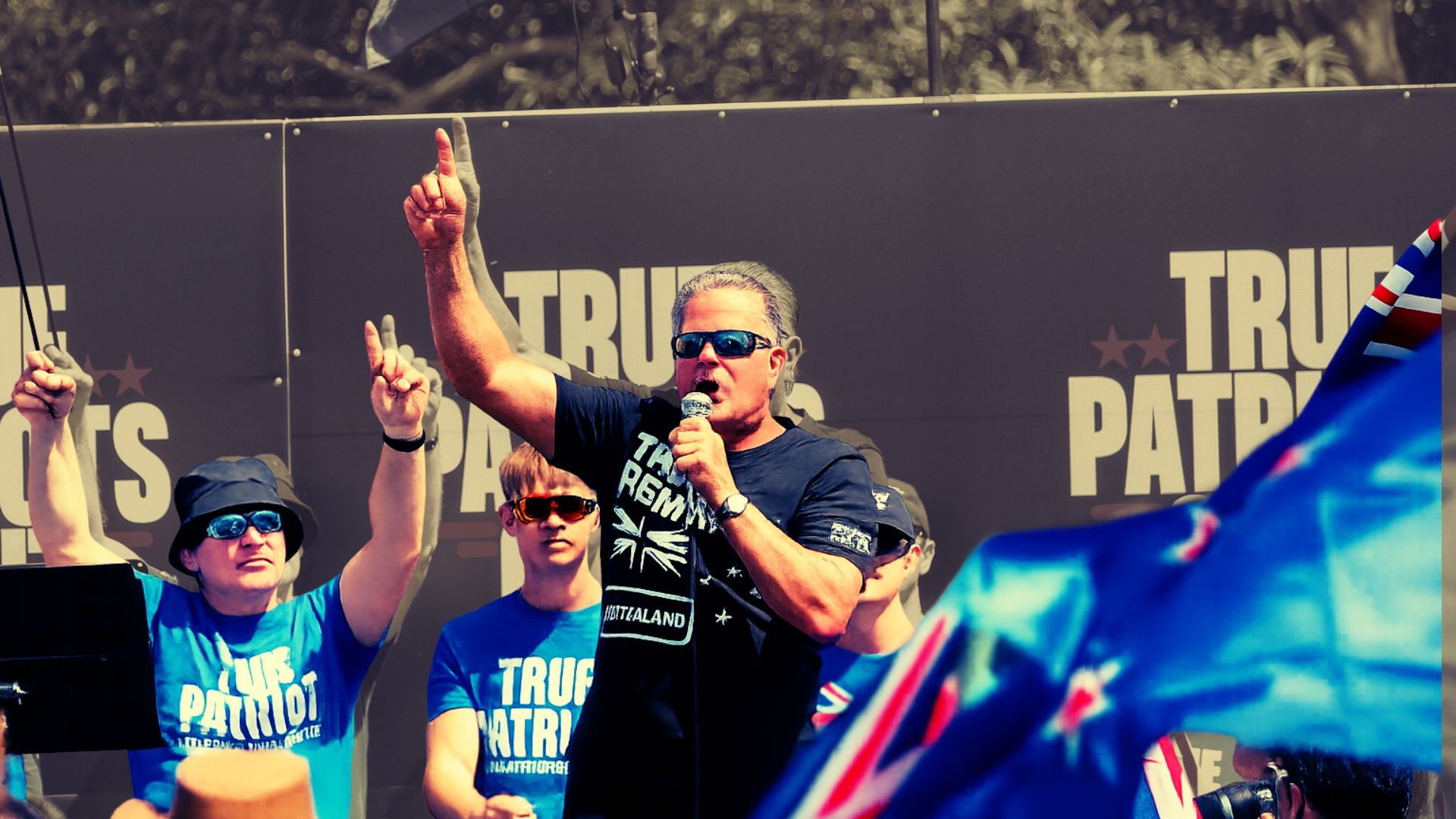
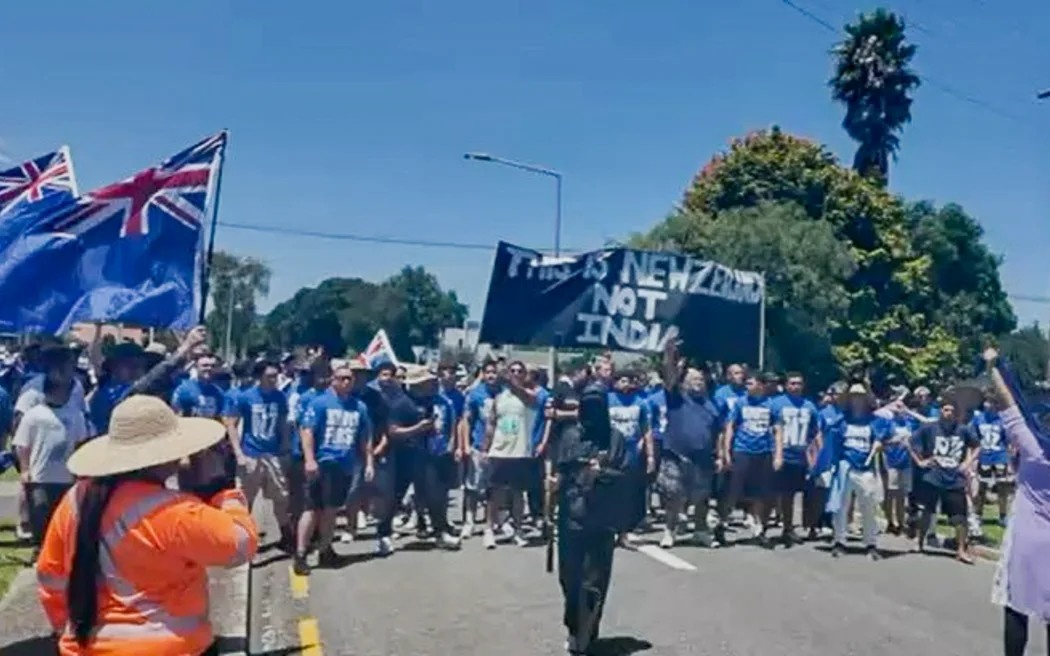
Brian Tamaki summoned to court for inciting racial disharmony around Modi's visit The Destiny Church leader says the charges relate to comments made while criticising Indian prime minister Narendra Modi.
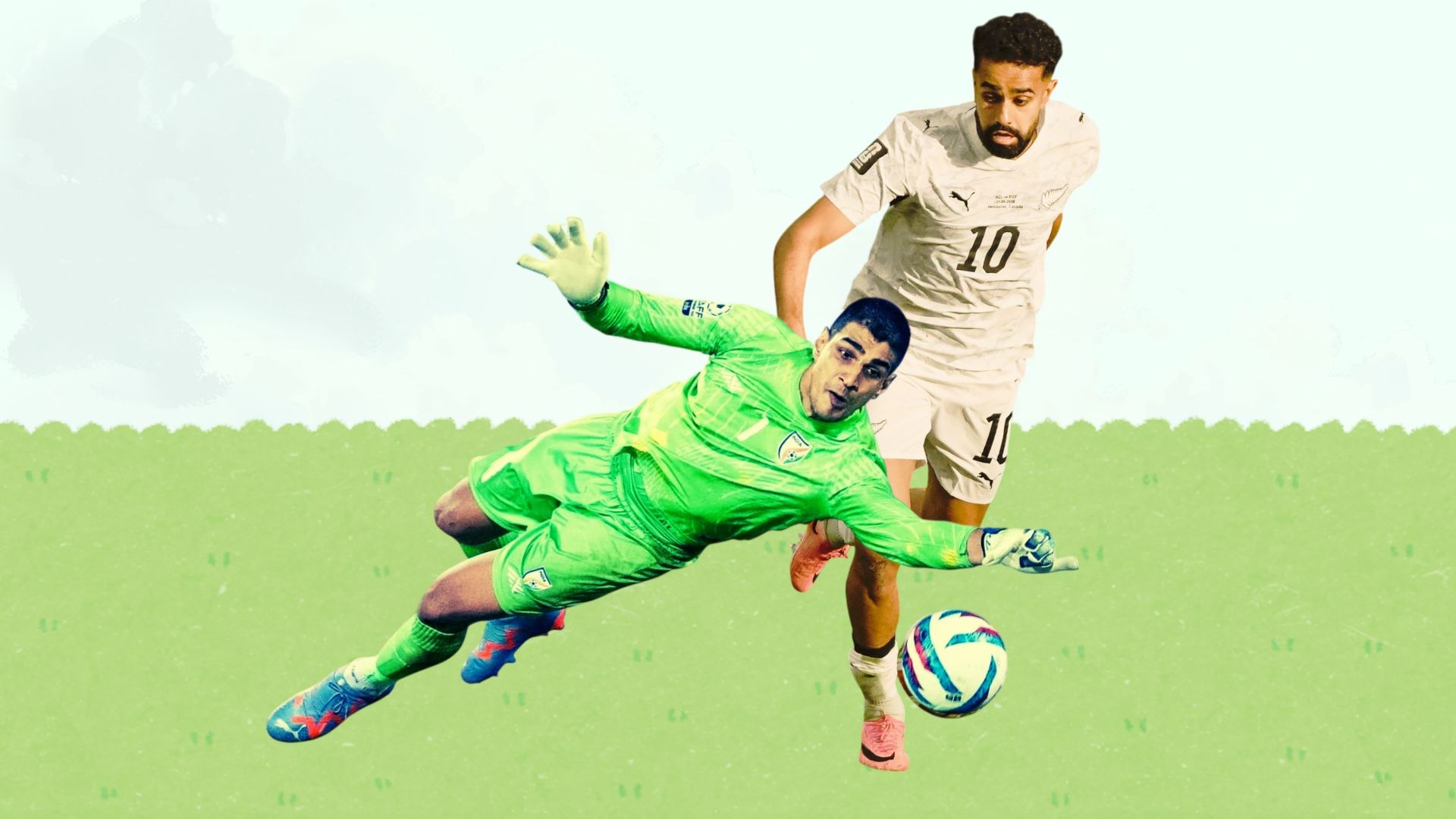
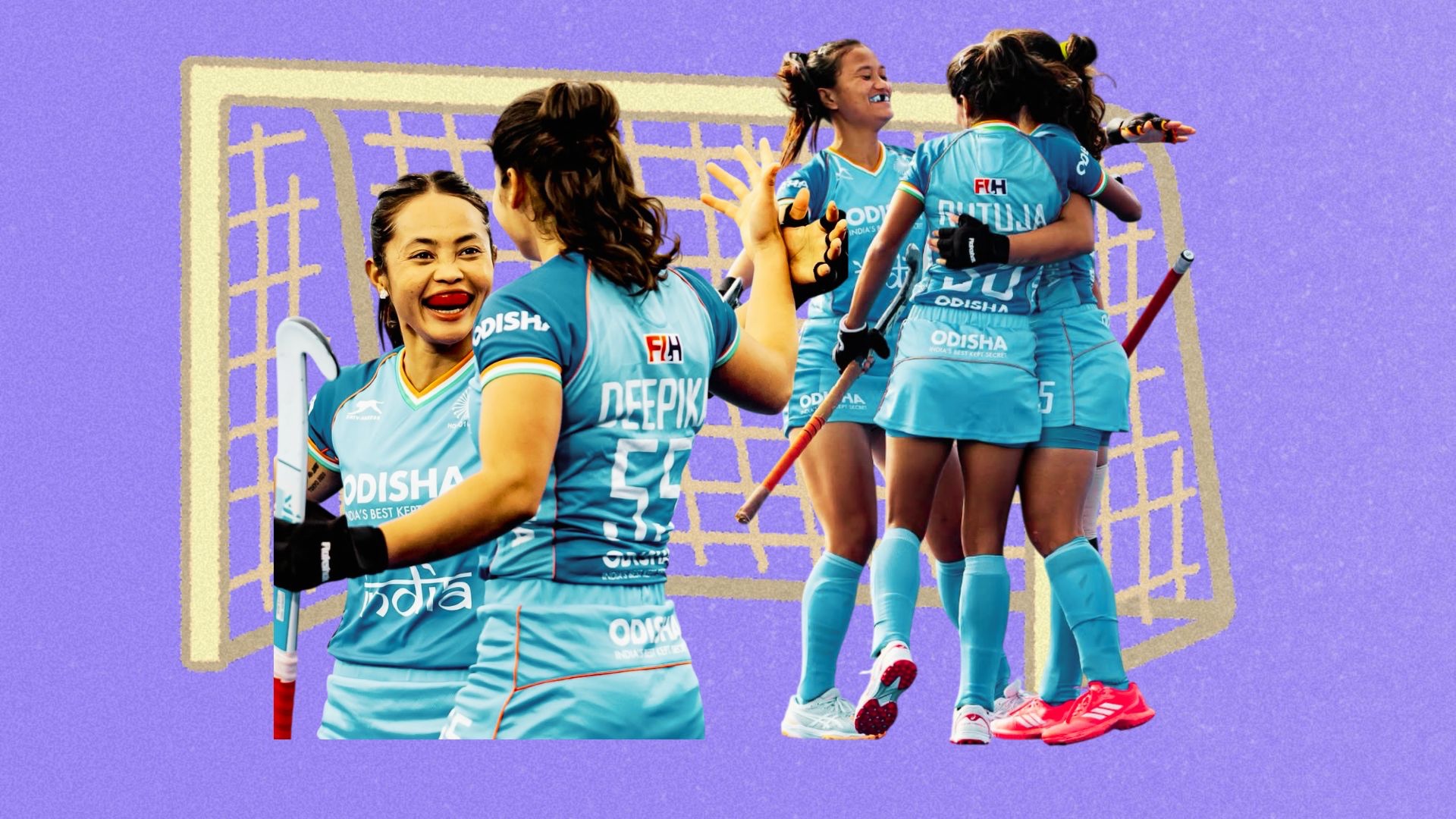
MS Dhoni, Dangal, Mary Kom: Indian sports films coming to Auckland cinemas. For free An Auckland film showcase is bringing blockbuster sports movies back to cinemas as part of the centenary celebrations of New Zealand–India sporting ties.
Asked why, he replied: “Well, the obsequious subservience to all these events.”
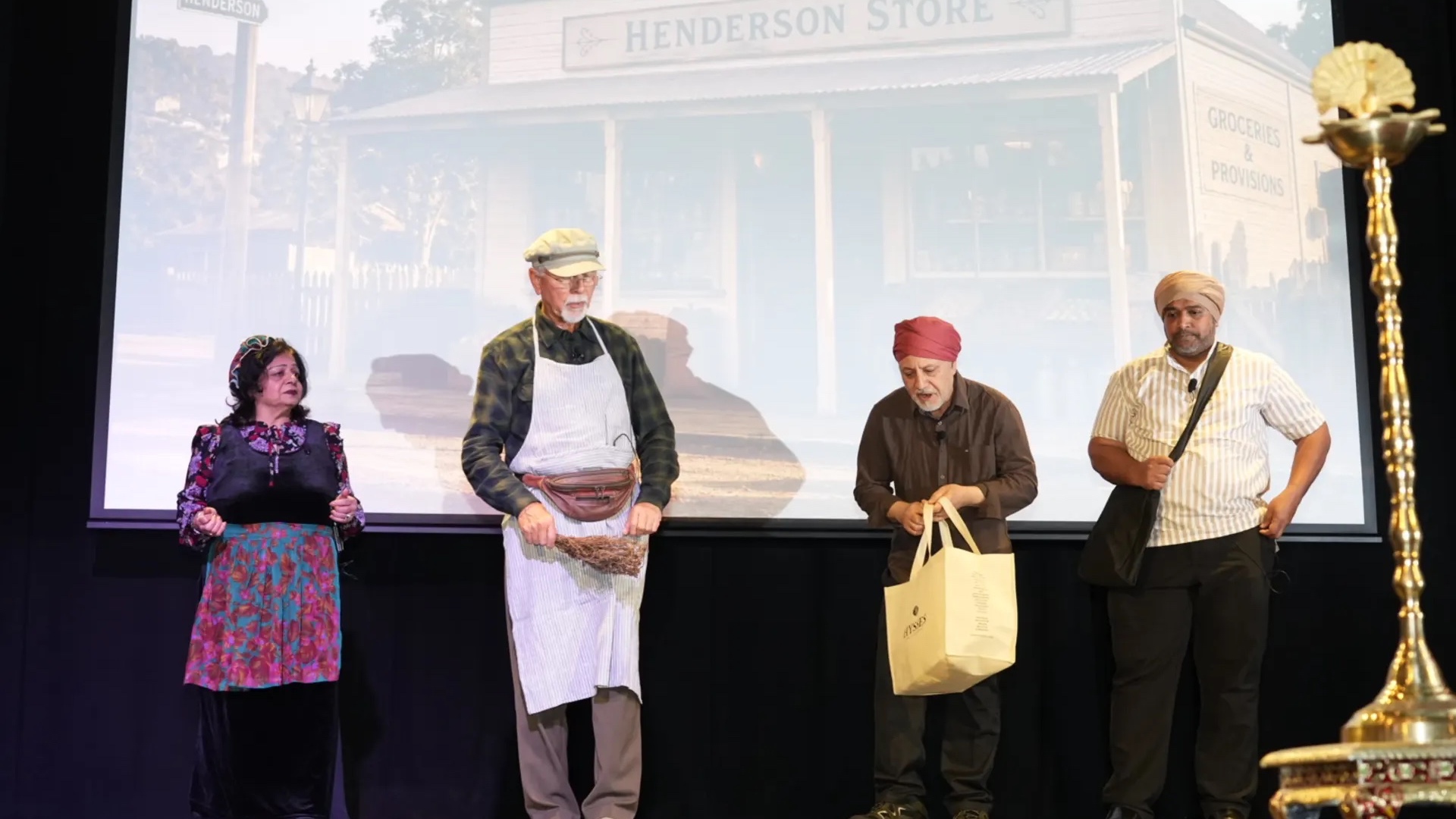
Peters said New Zealand had “a culture of our own” and questioned Luxon’s participation in events associated with the visiting Indian delegation.
“We do have a culture of our own. It is our country we’re in, and so, you know, that’s the culture that you’d expect to be predominant – the host culture, not the visiting one.”
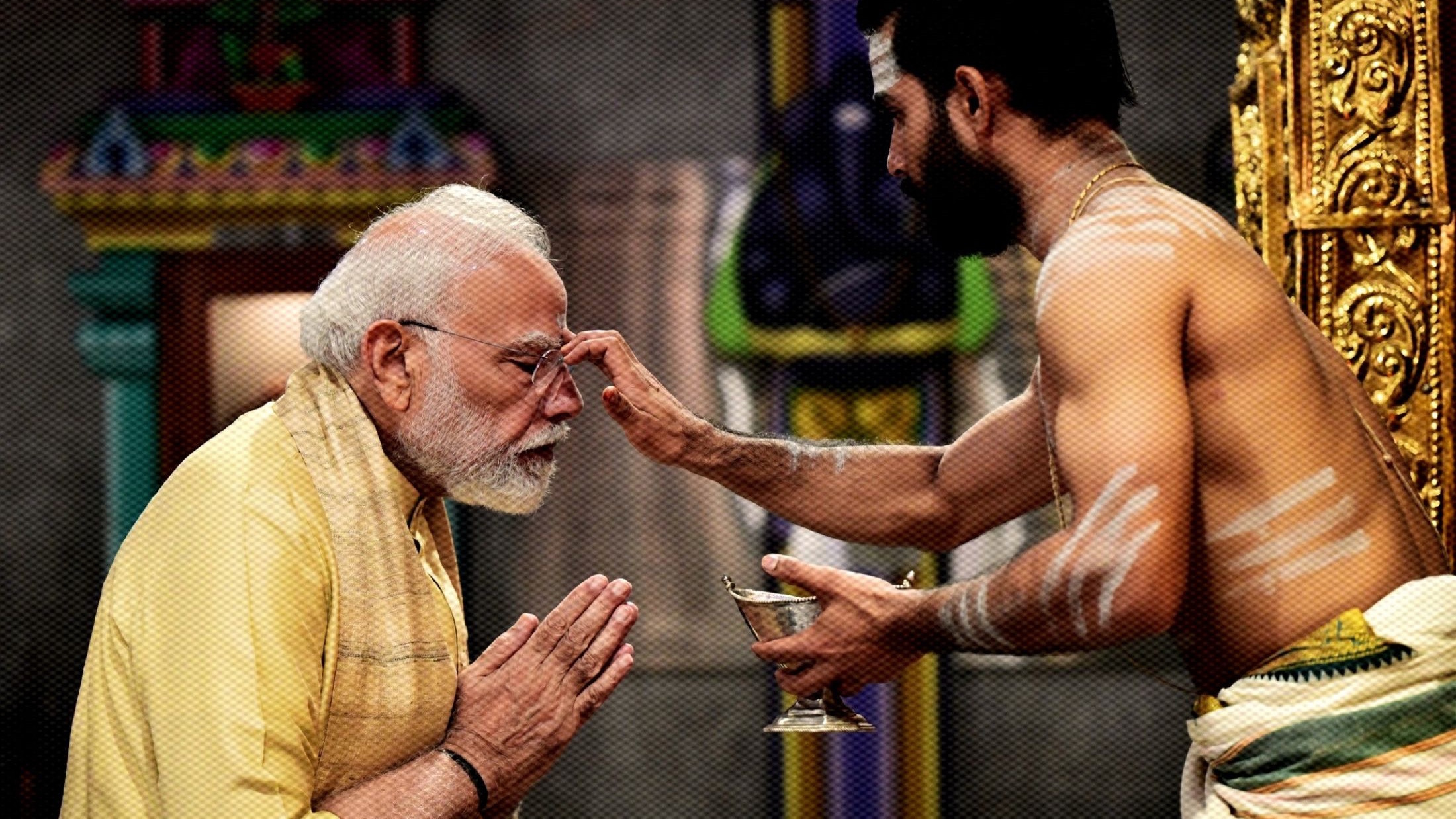
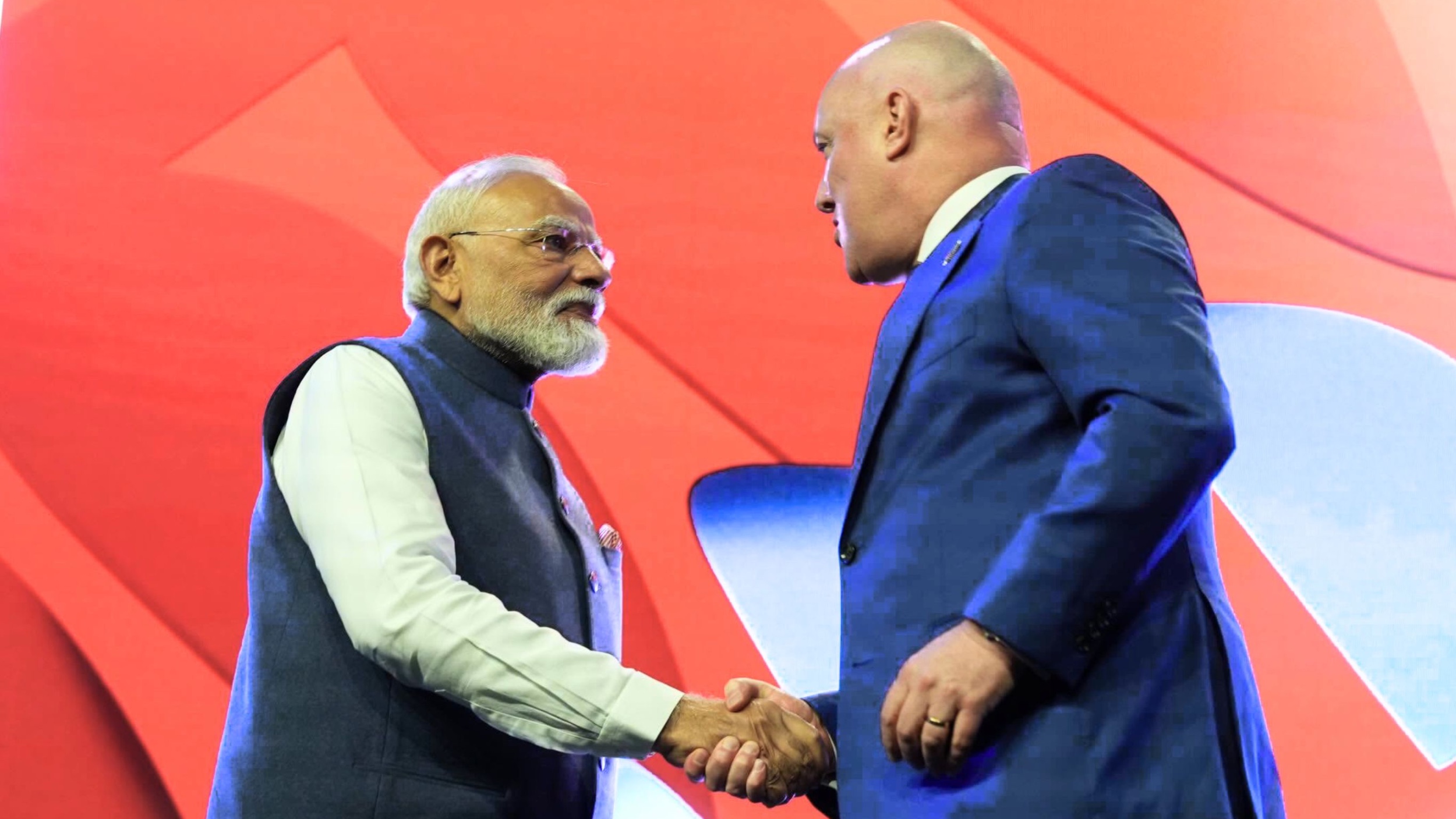
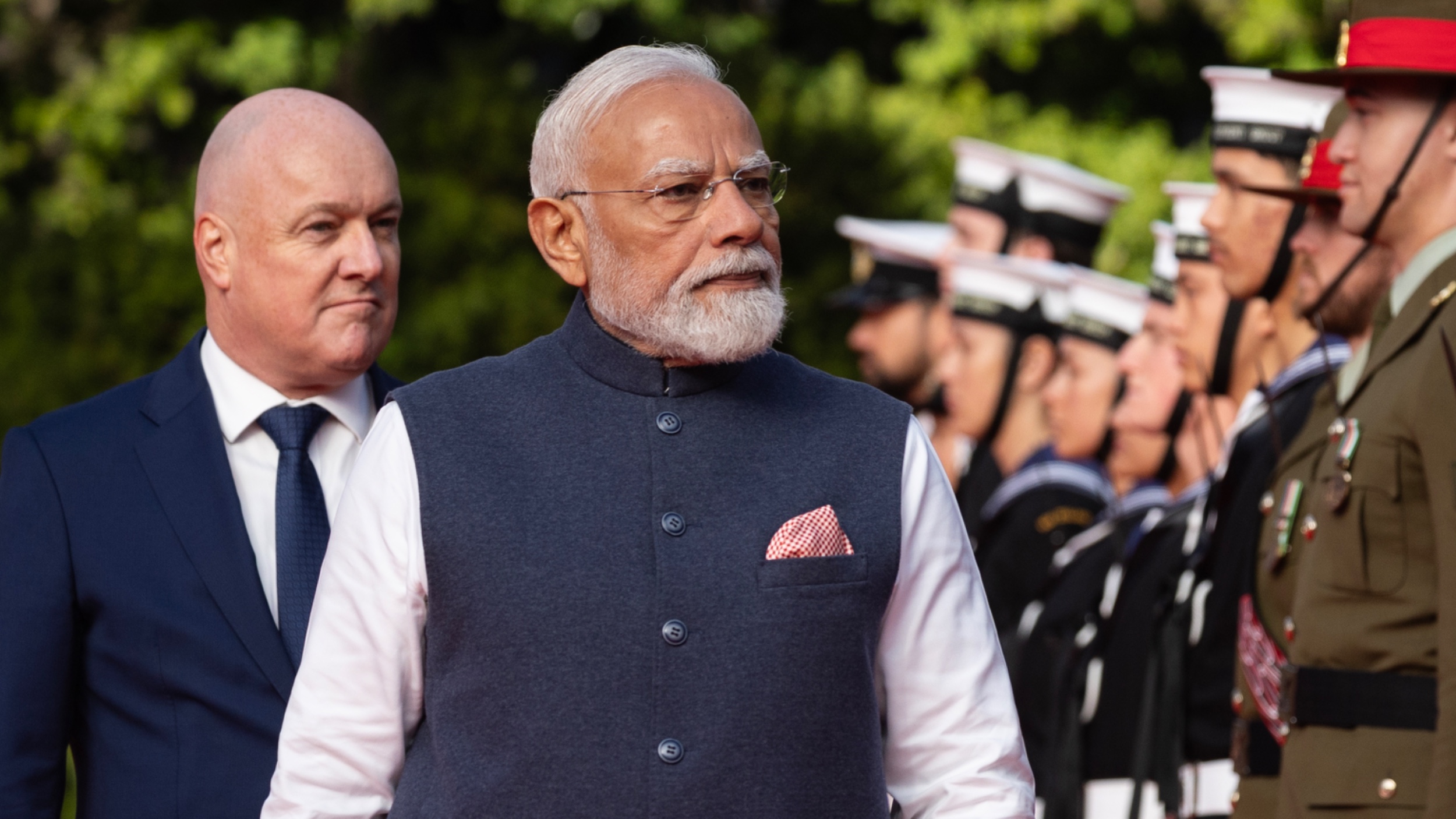
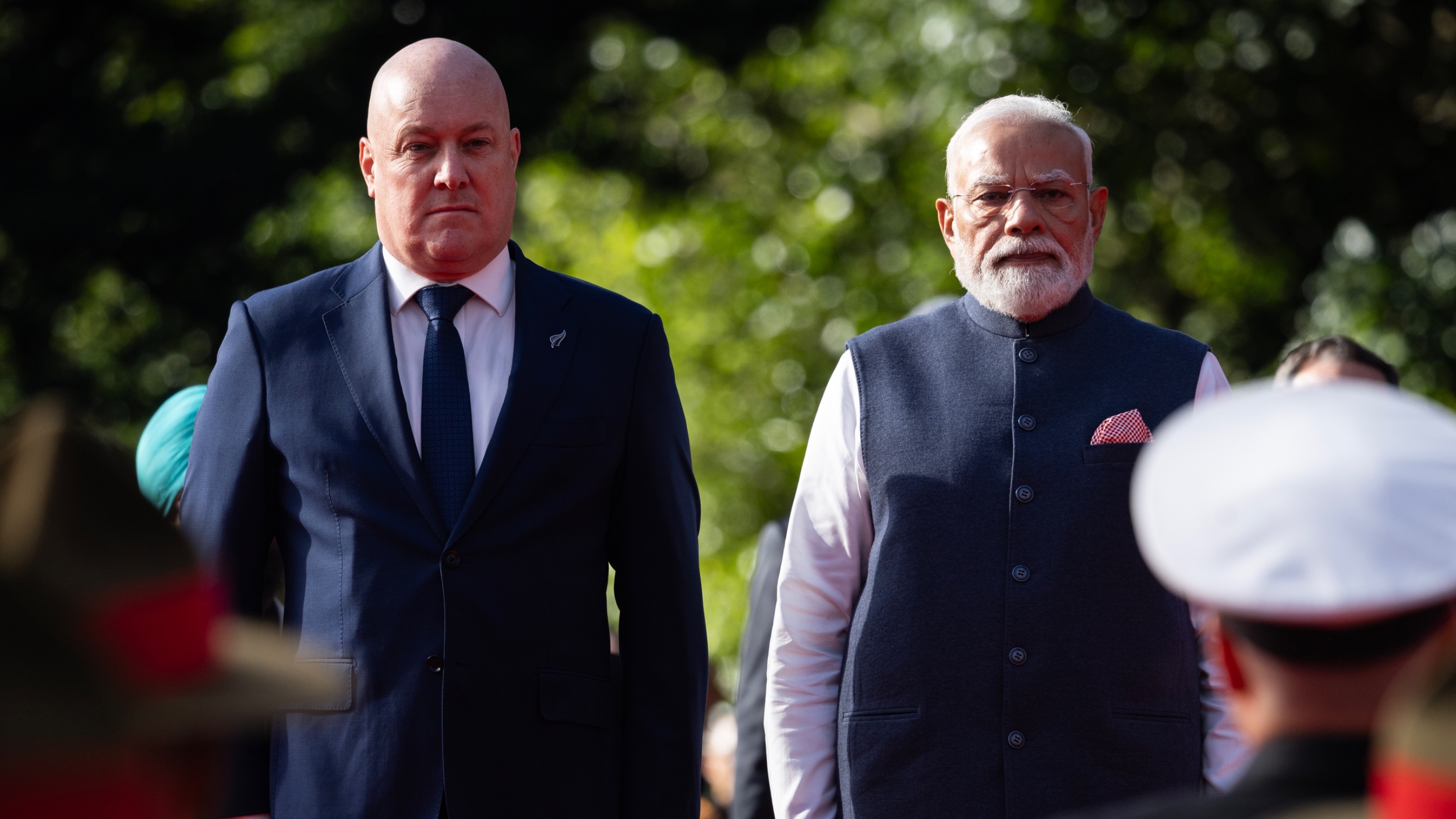
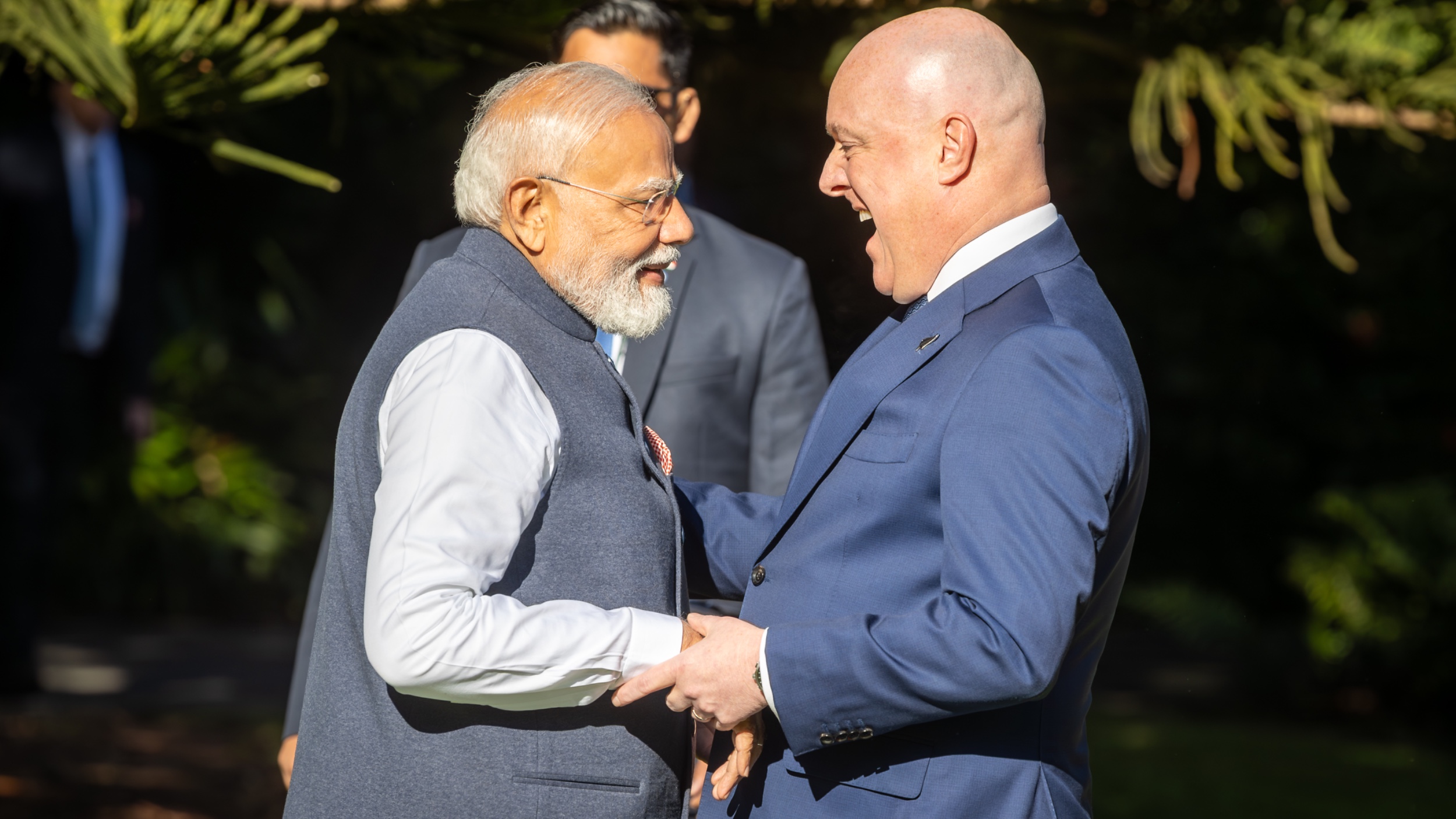
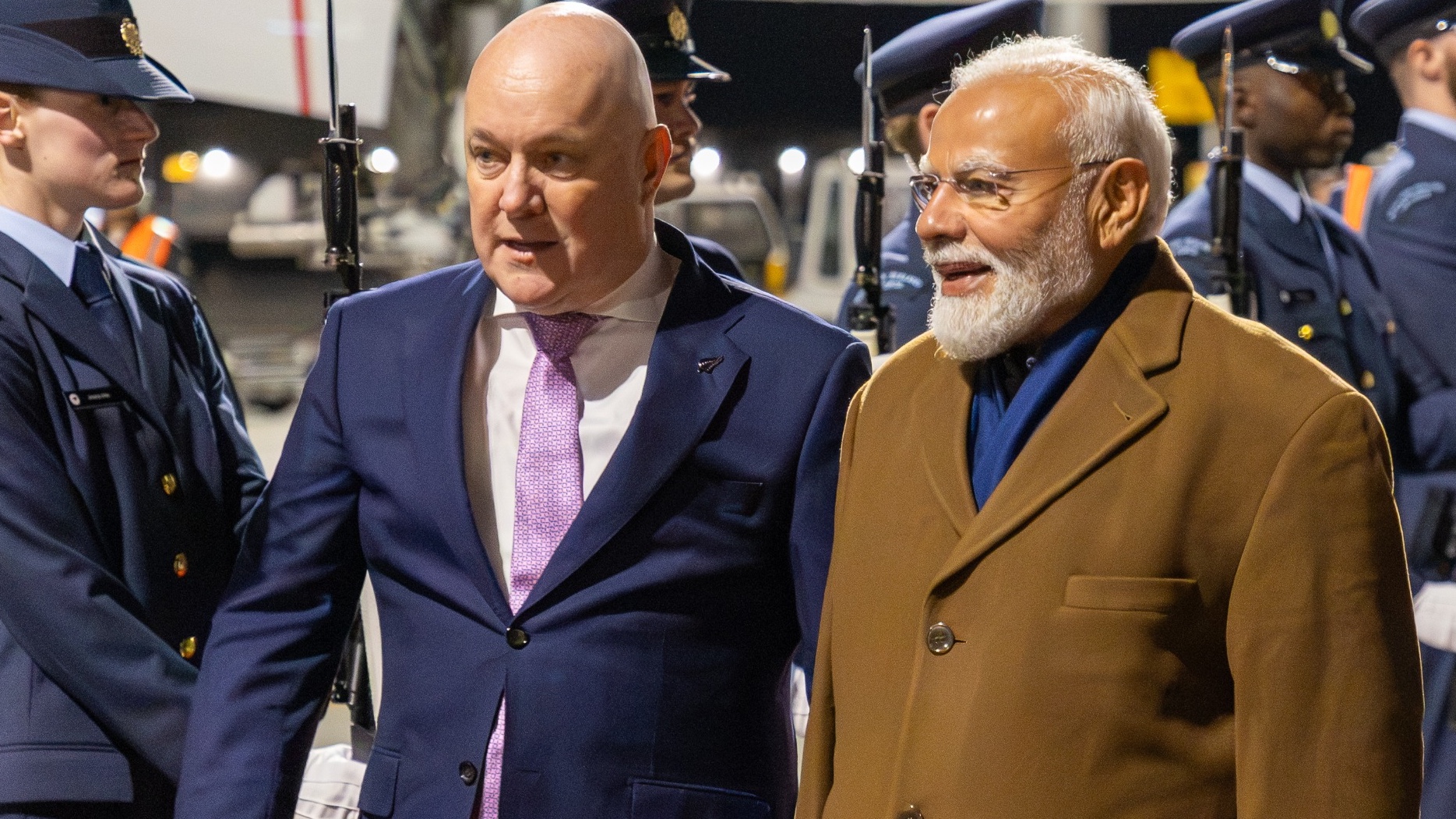
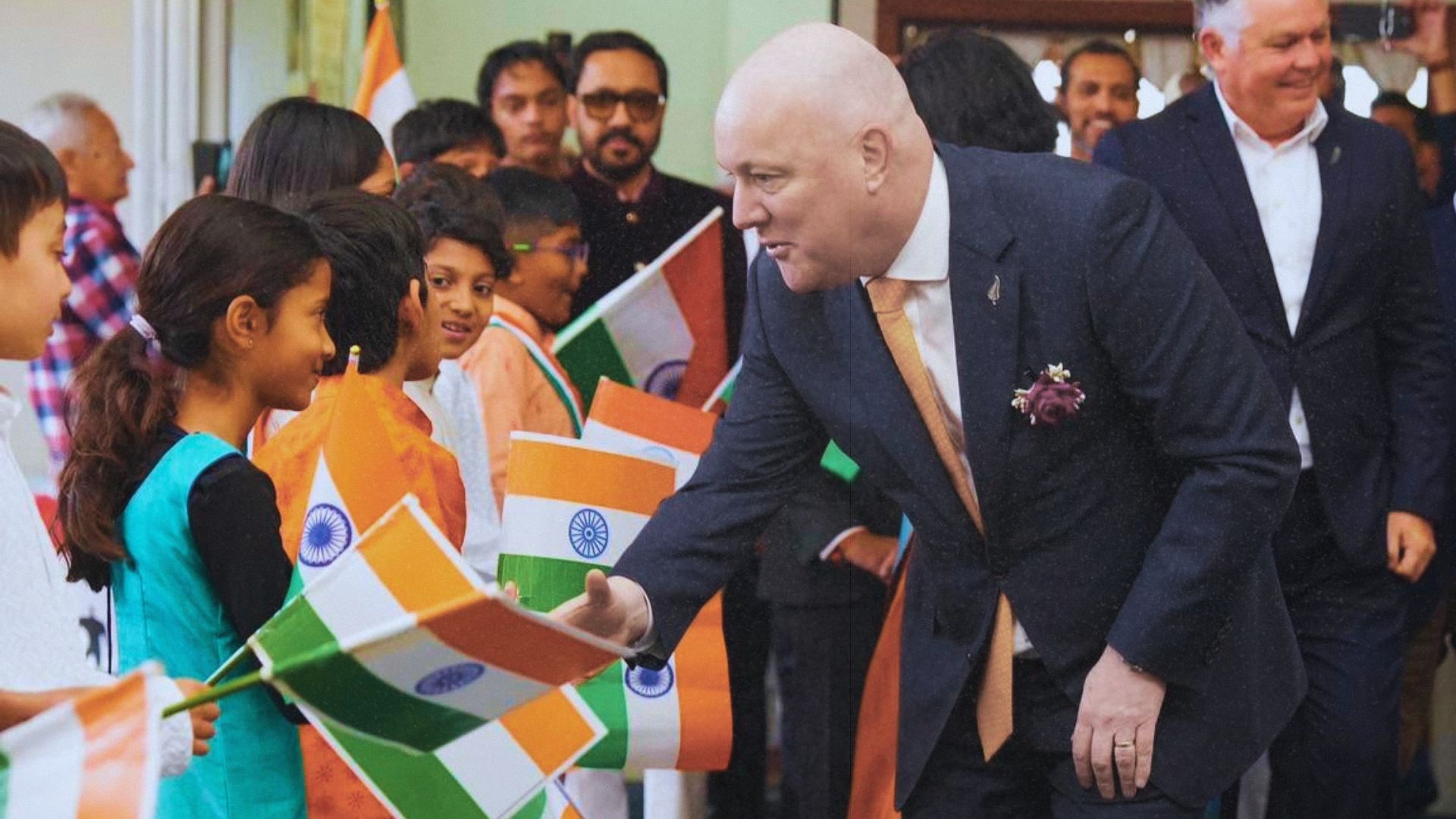
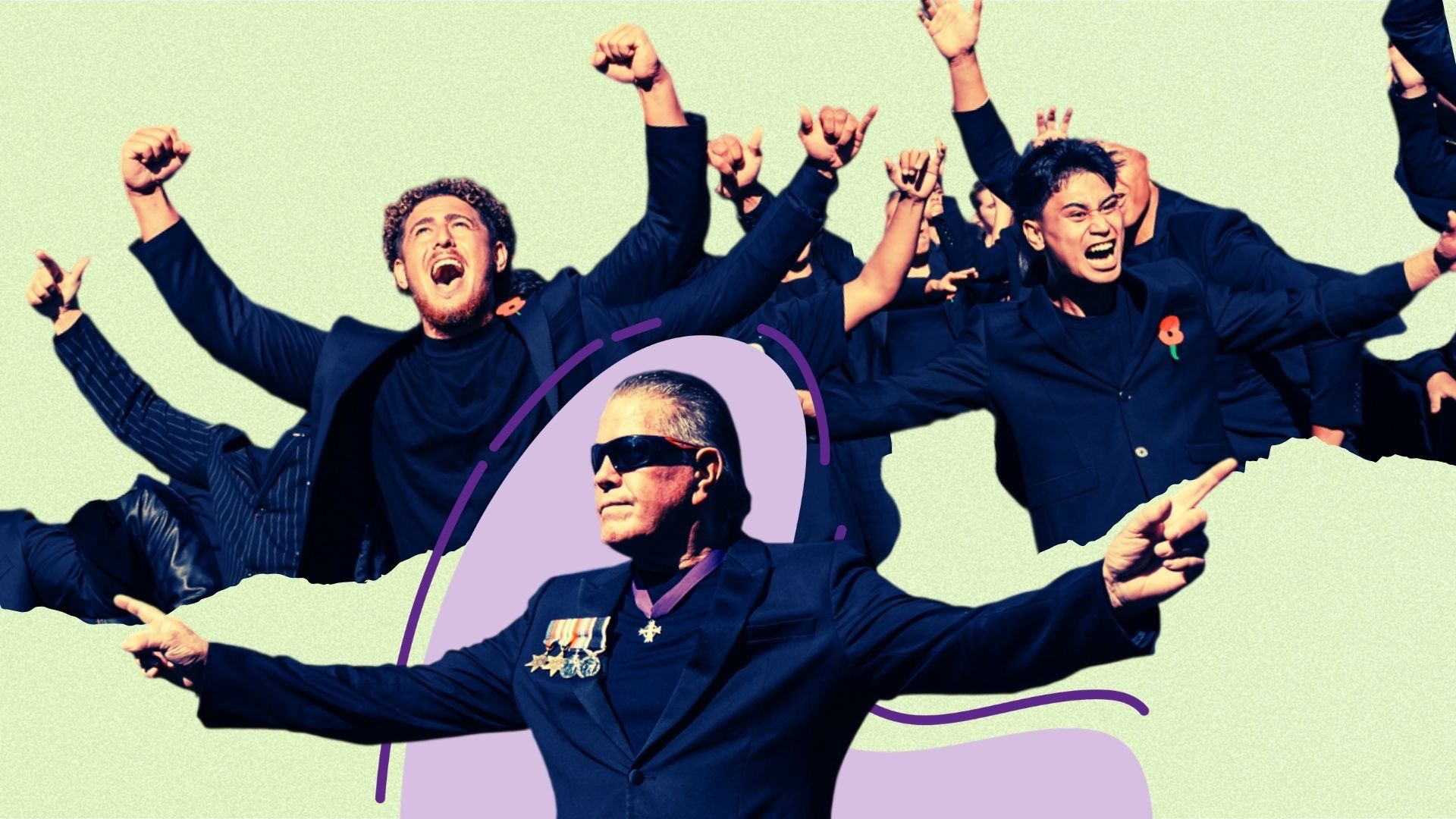
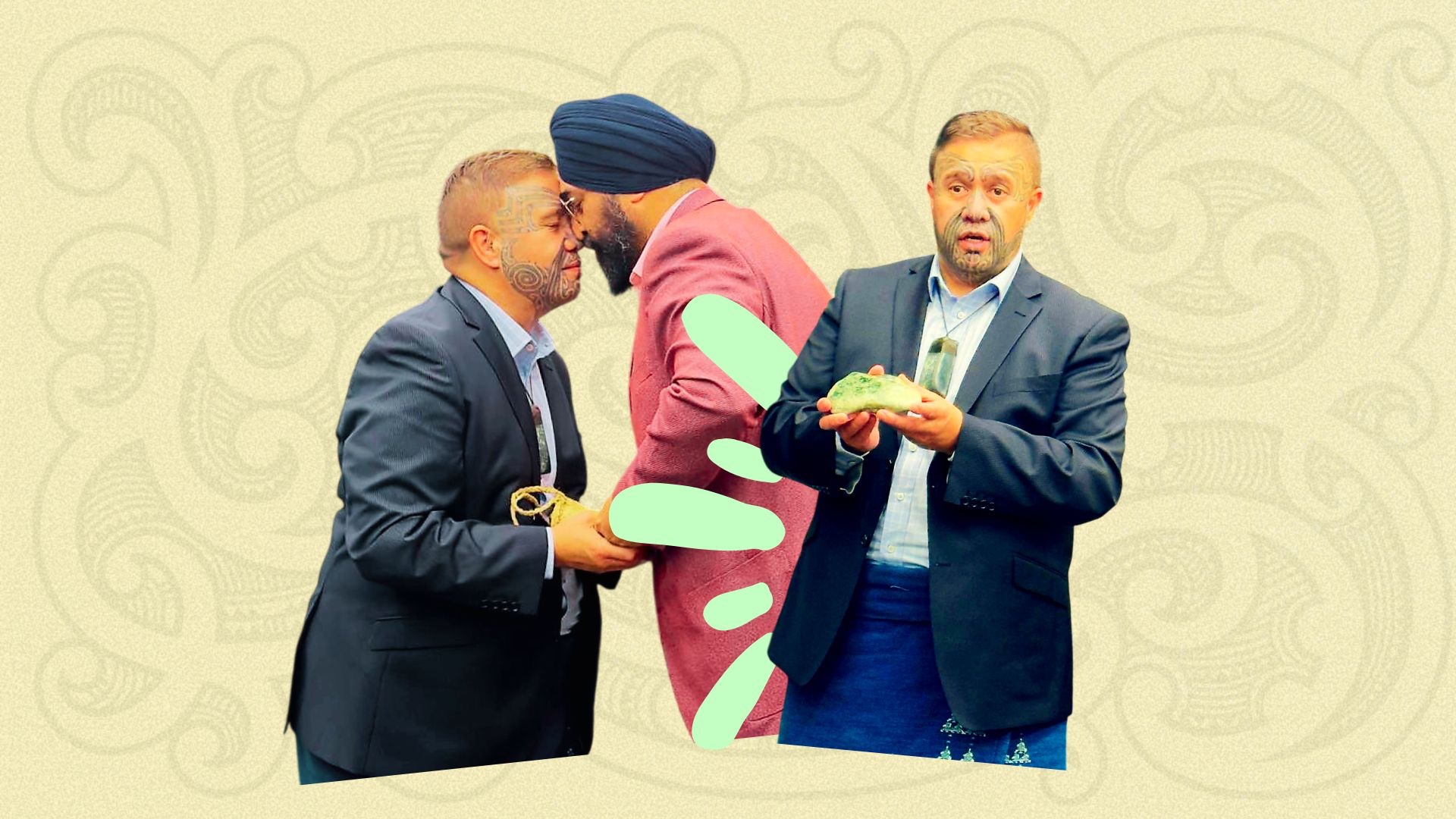
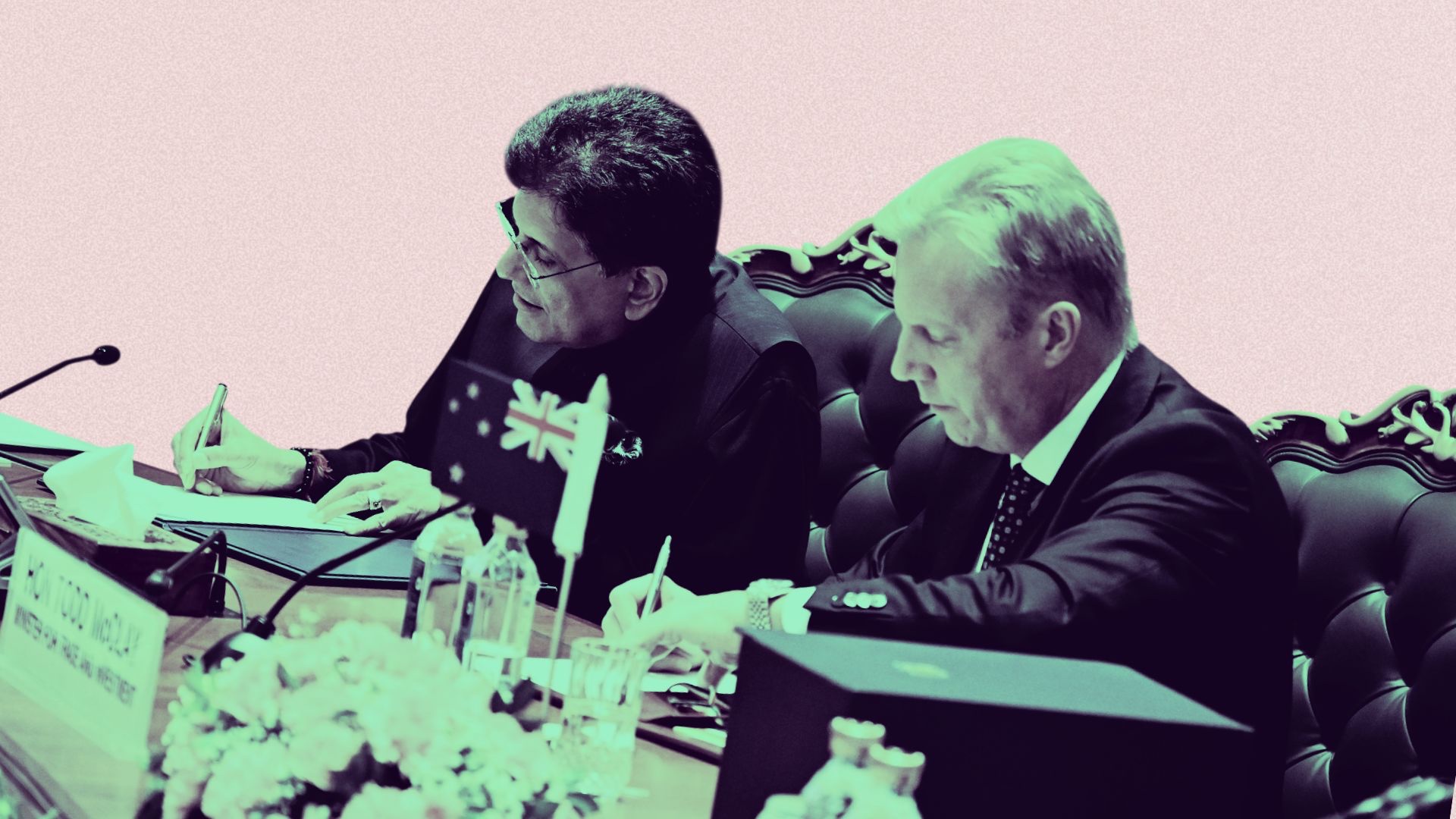
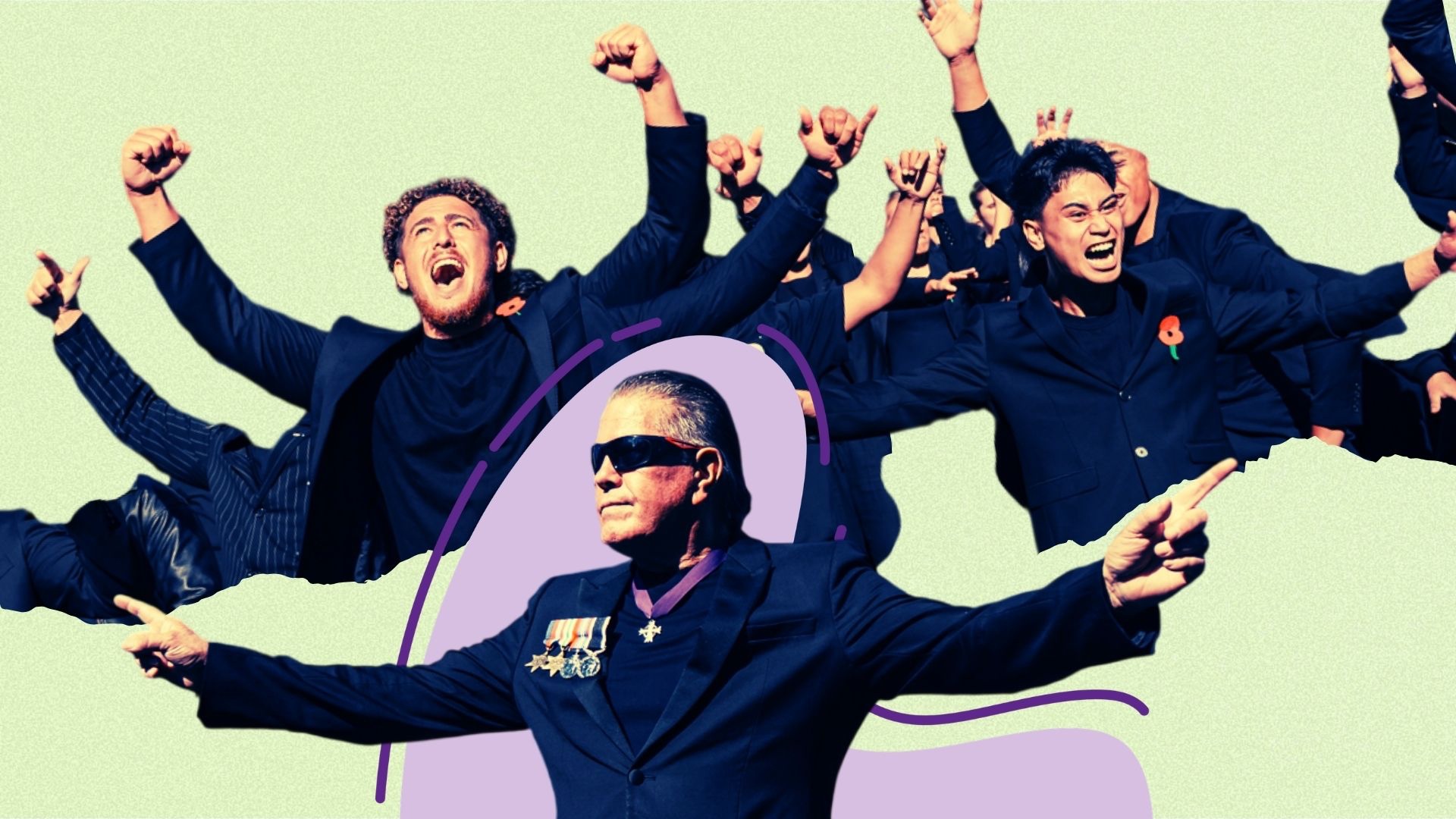
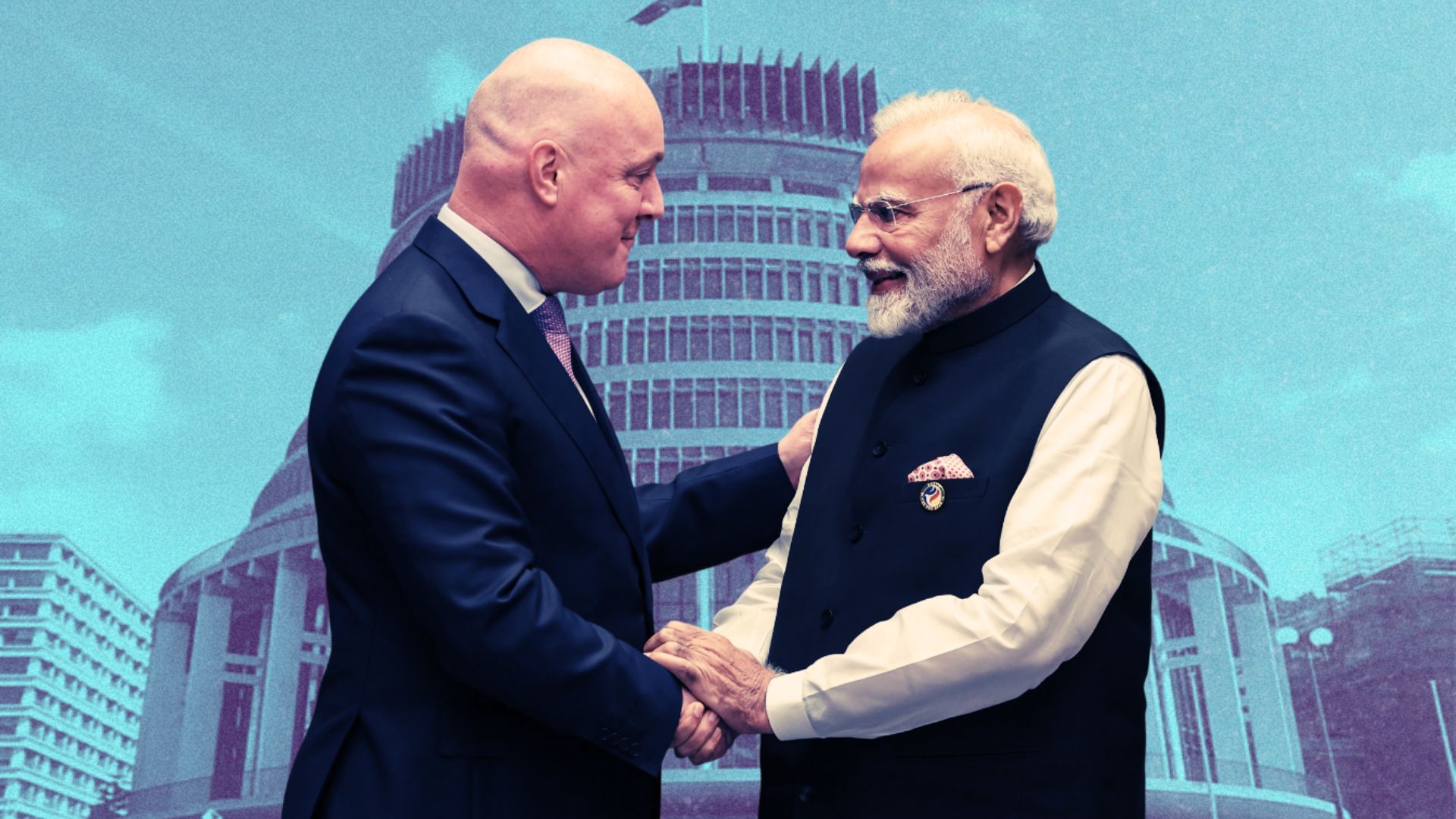
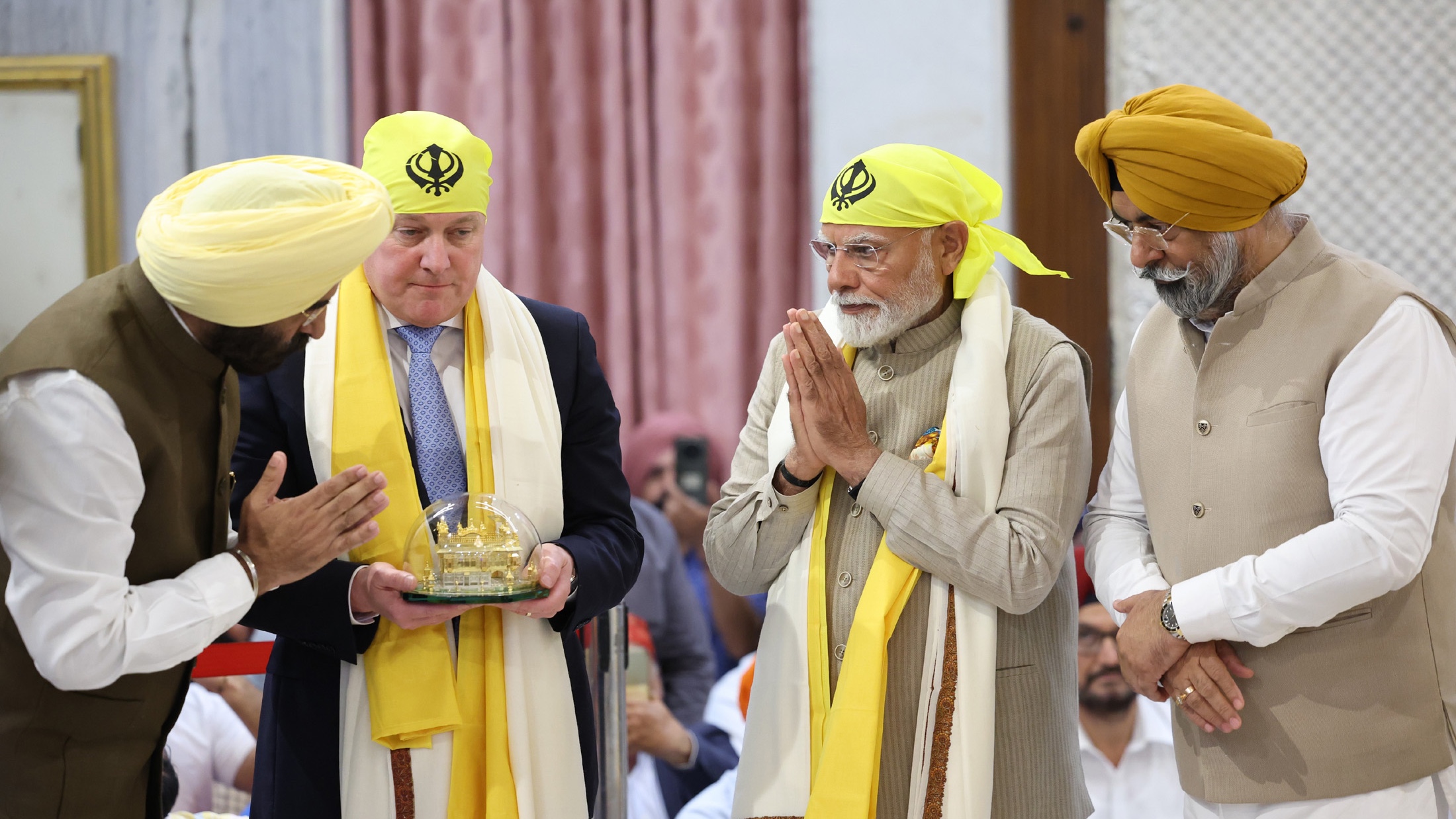
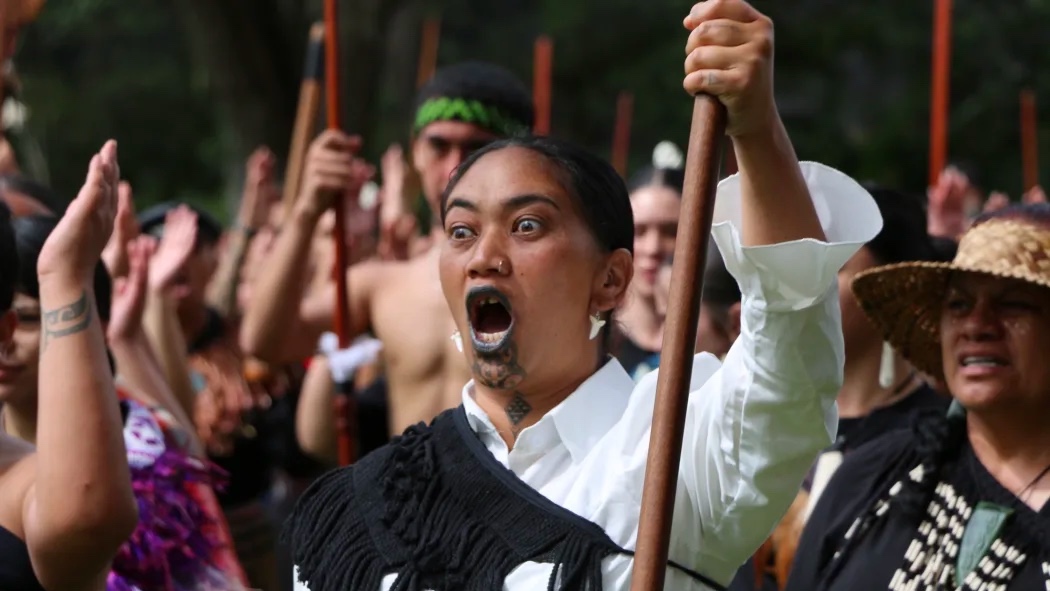
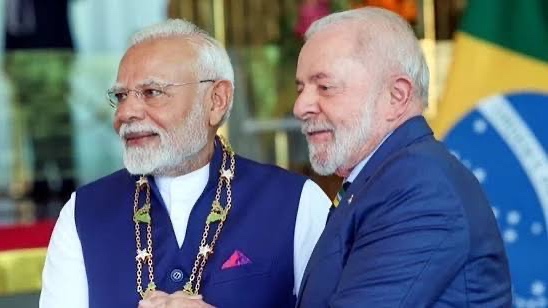
Modi was formally welcomed at Government House with a Māori pōwhiri before beginning bilateral talks with Luxon. The ceremony included a wero and haka.
Video | Watch Narendra Modi's official reception in Auckland
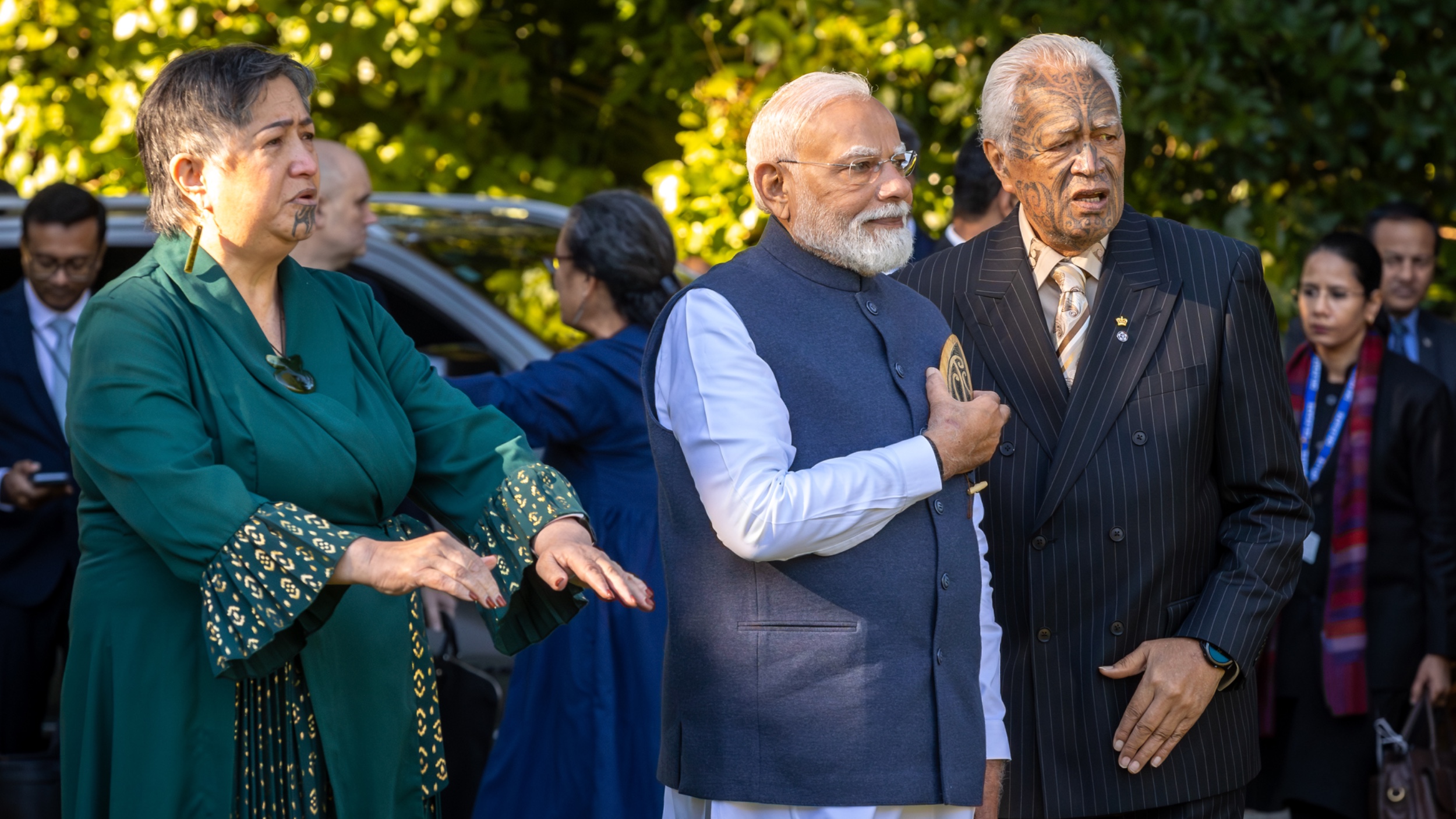
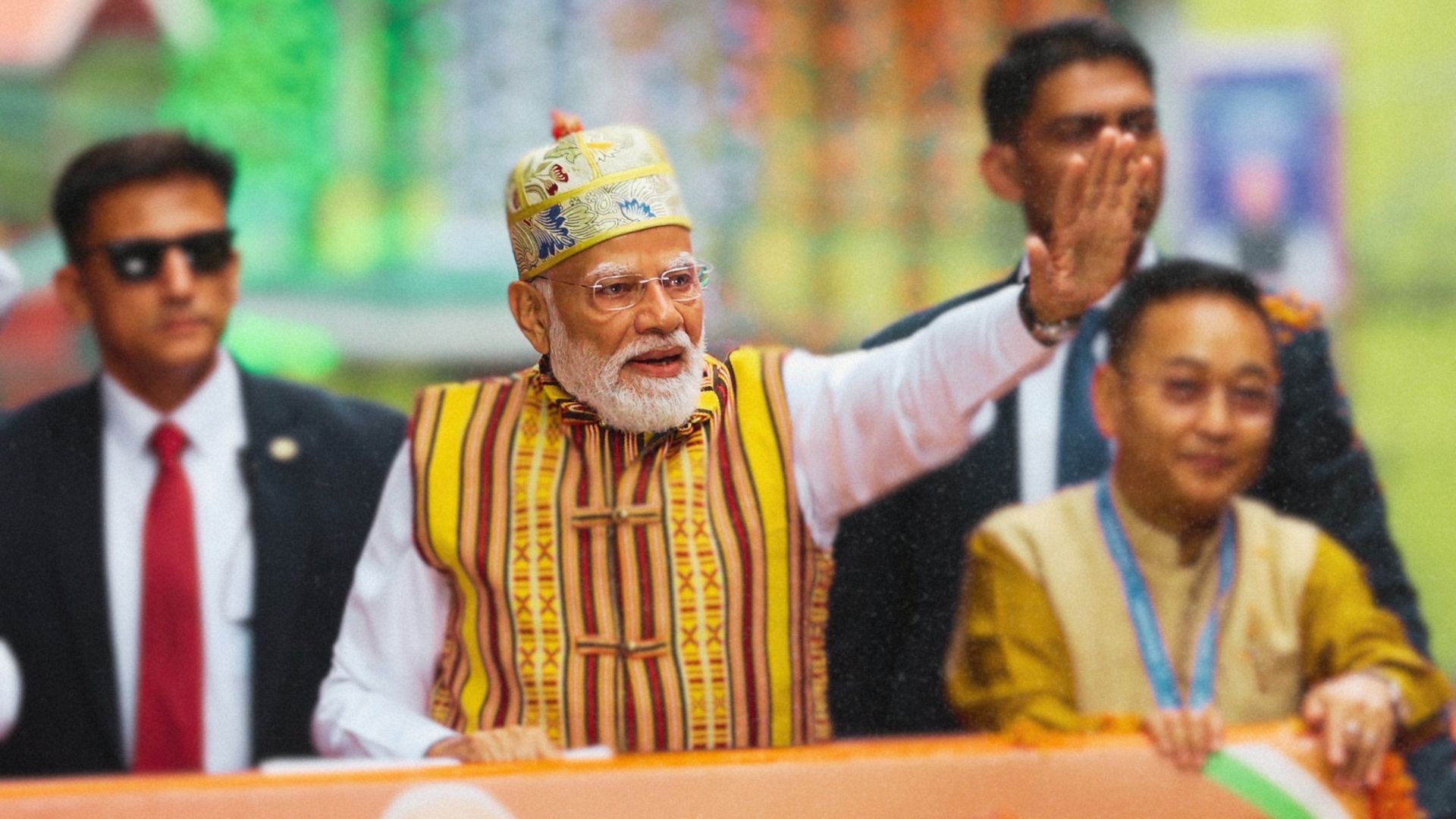
Indian prime minister Narendra Modi participates in a Māori pōwhiri at Government House Auckland on July 11, 2026. (Mark Tantrum)
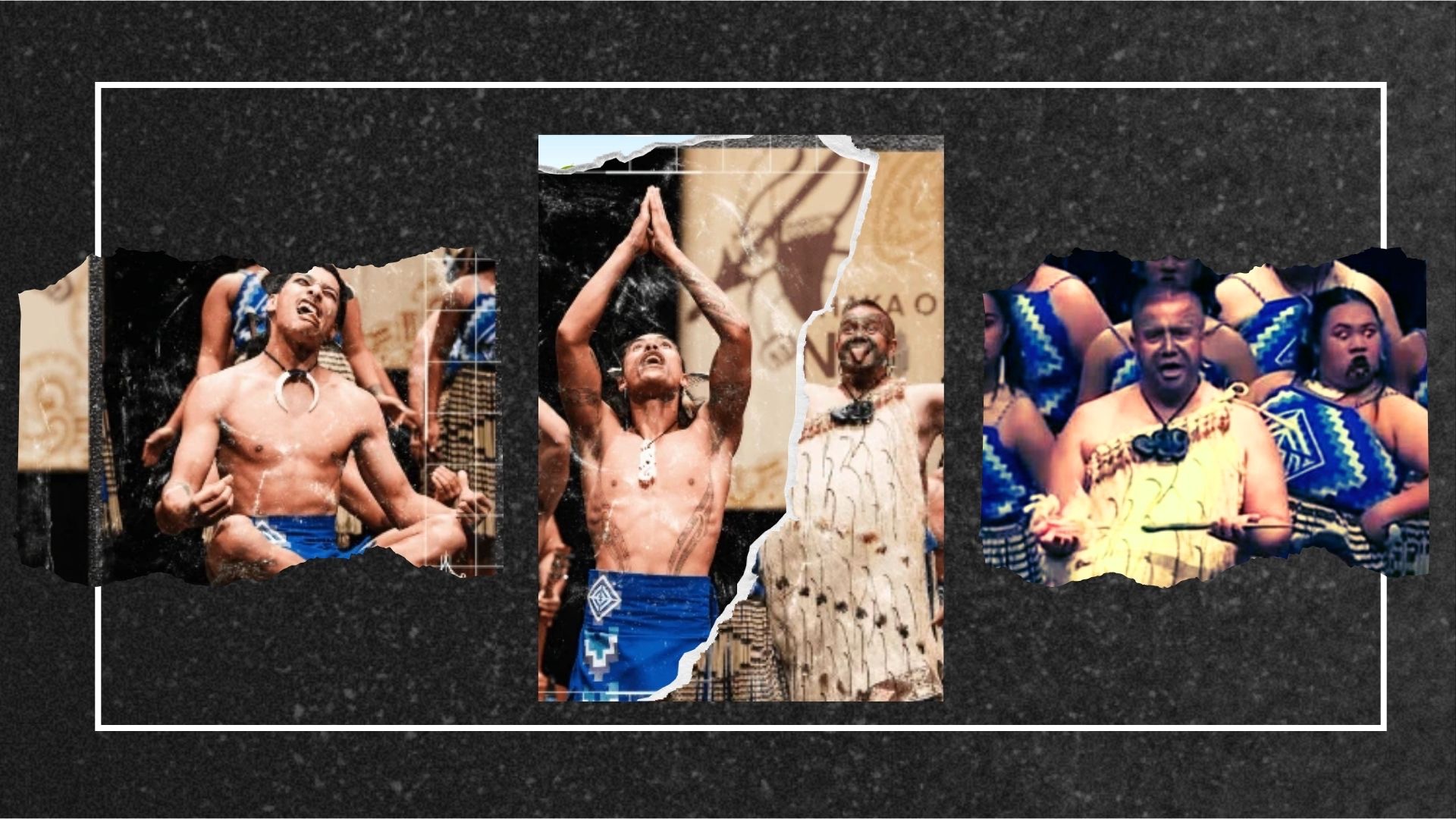
Māori culture also featured extensively during the government-hosted “Winning Partnership” event attended by both prime ministers later in the afternoon, with Māori song, dance and kapa haka included in the programme.
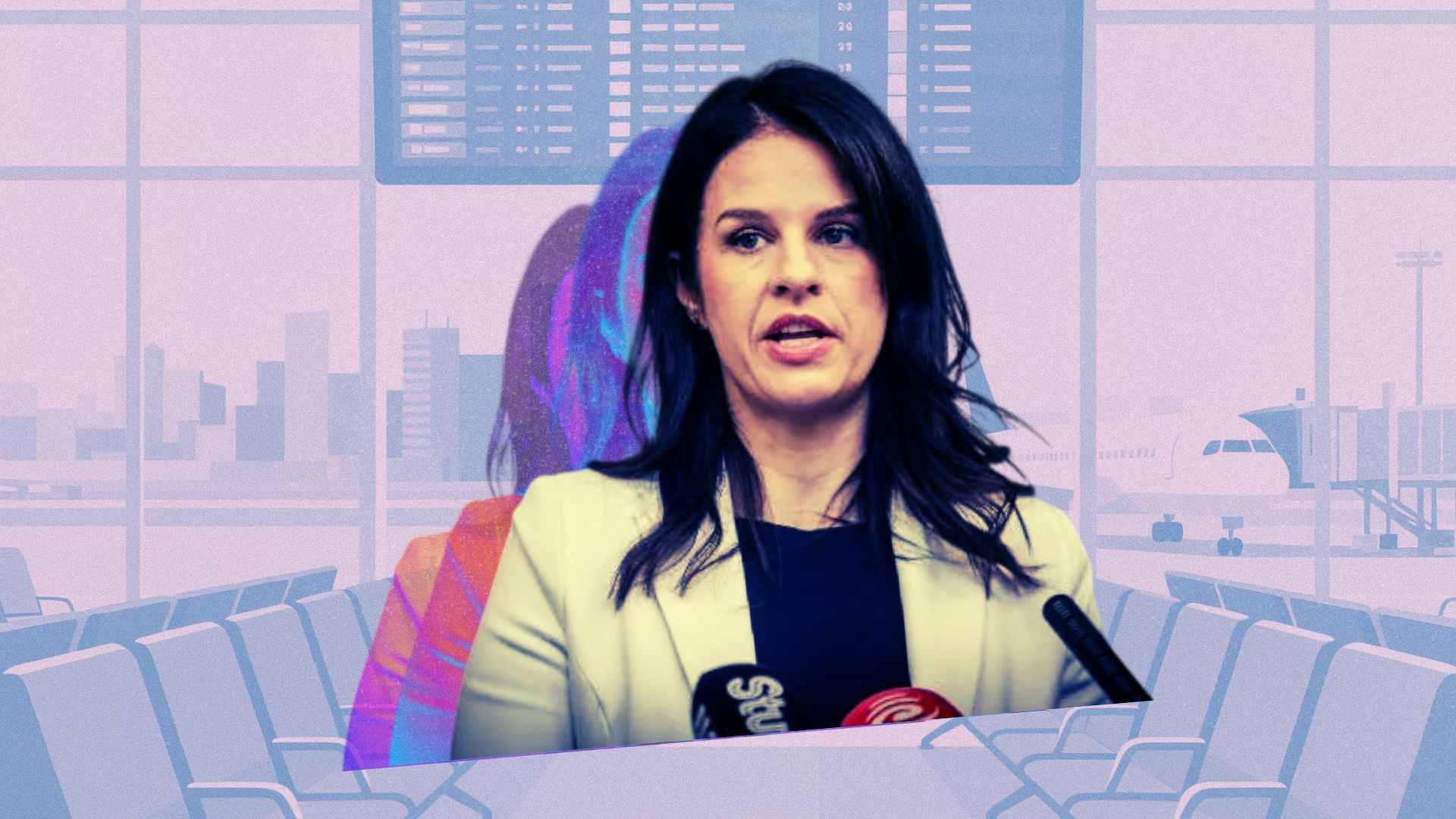
Peters was not in New Zealand during Modi’s visit. He left the country on July 5 for an official trip to Singapore and Japan and was due to return on July 12.
The trip was publicly announced on July 2, one day before the government formally confirmed Modi would visit Auckland on July 10 and 11.
Peters’ programme included meetings with political and business leaders in Singapore and Japan. The visit was not tied to a publicly announced summit or major new agreement.
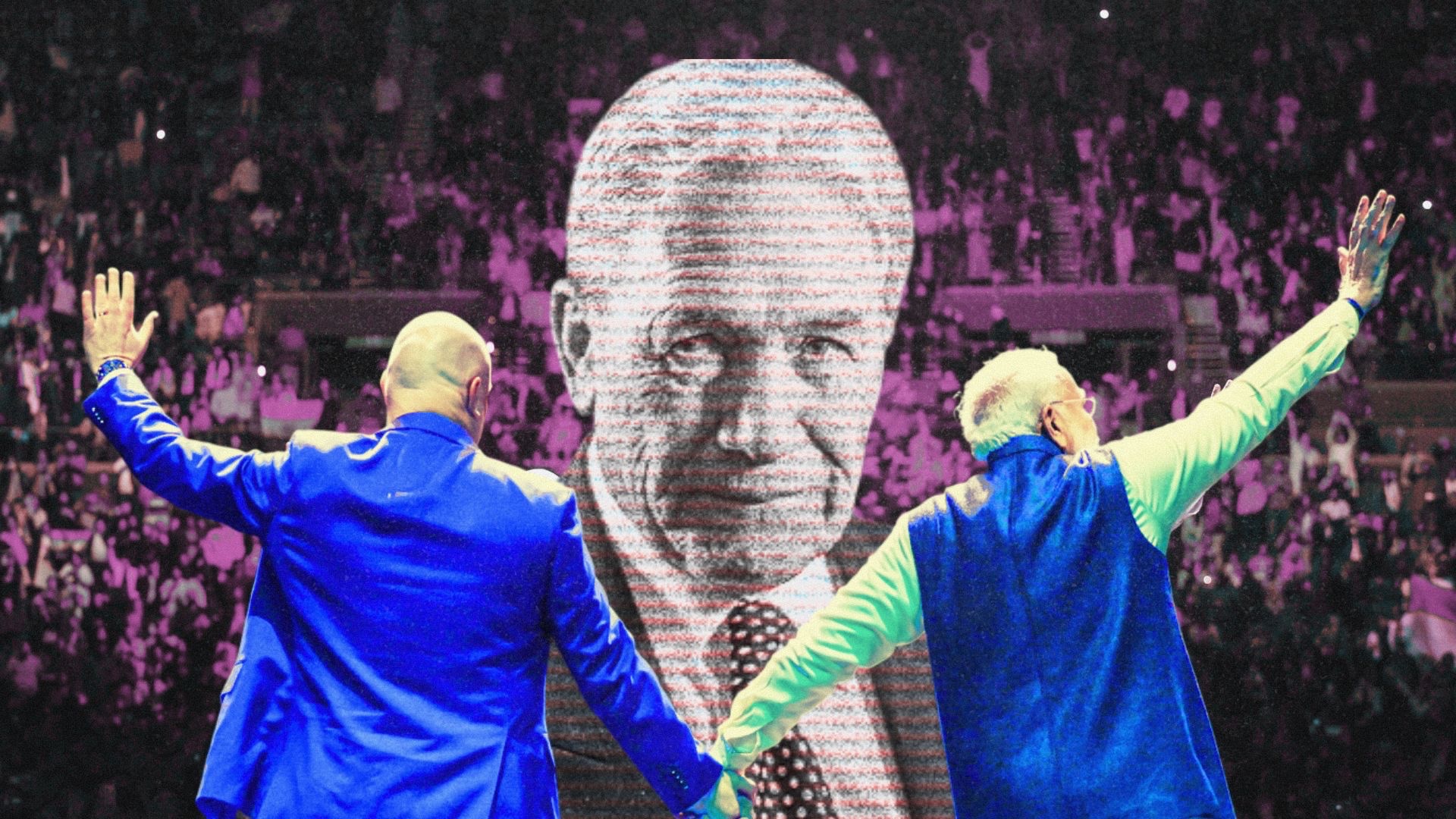
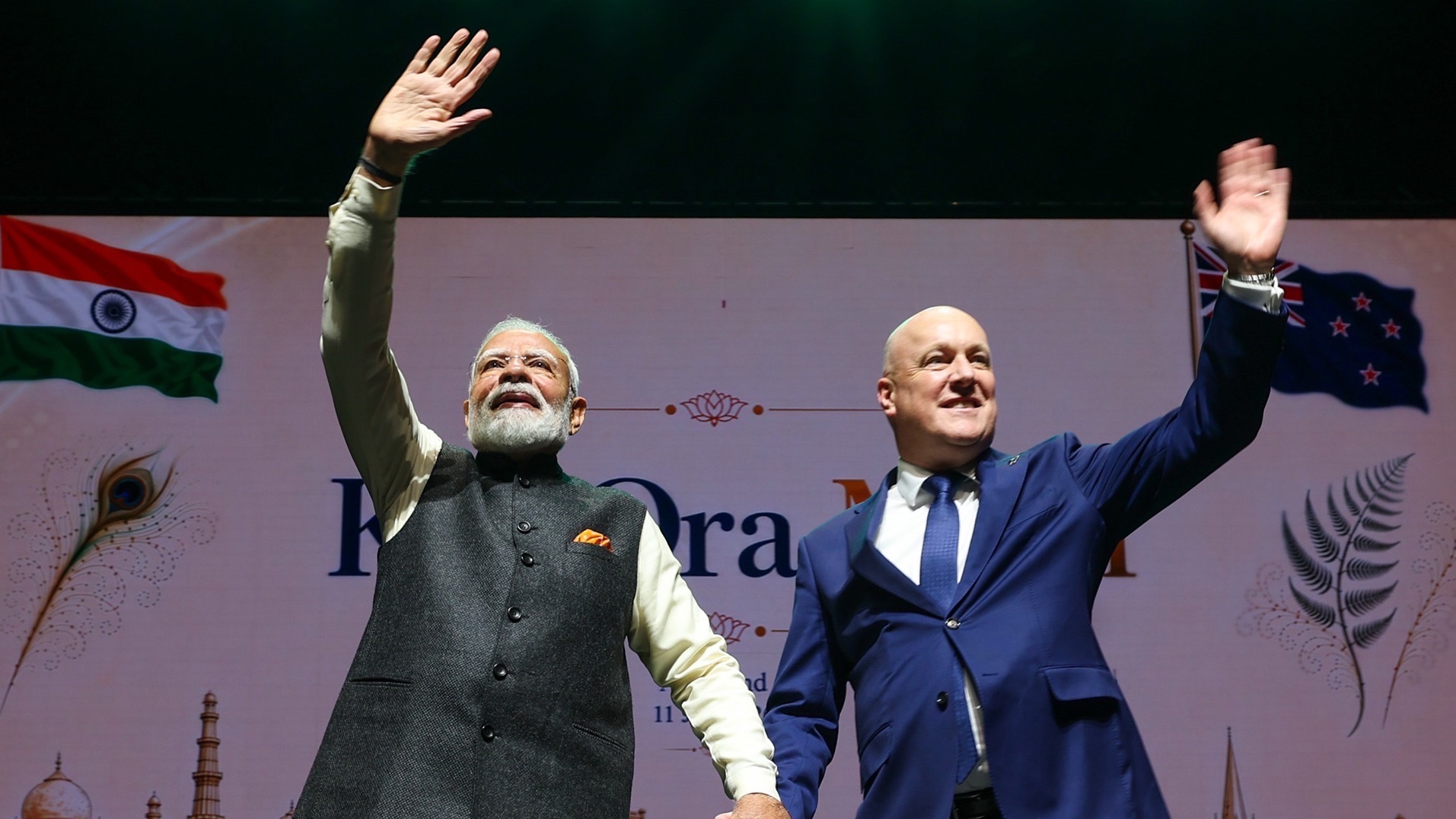
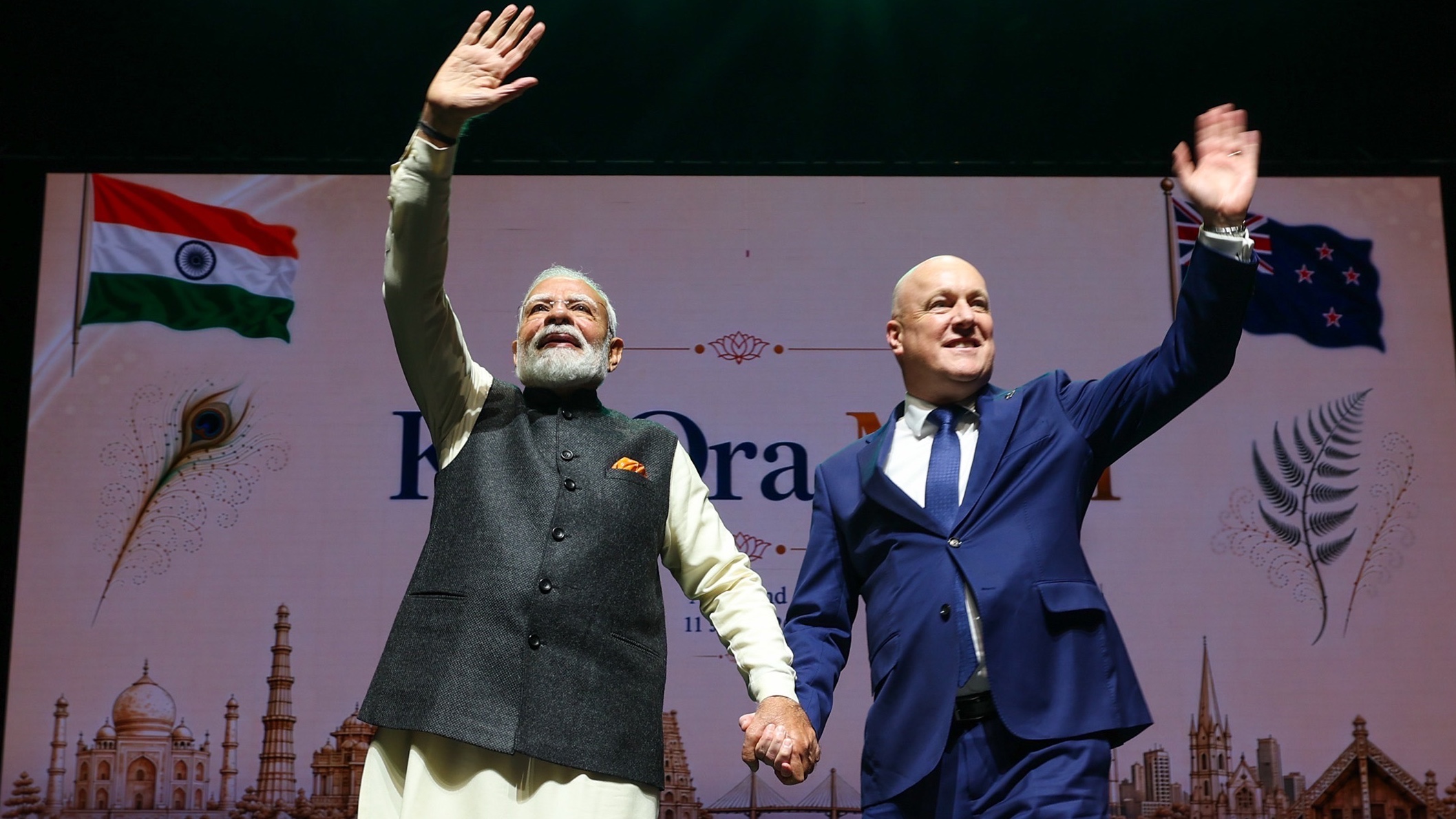
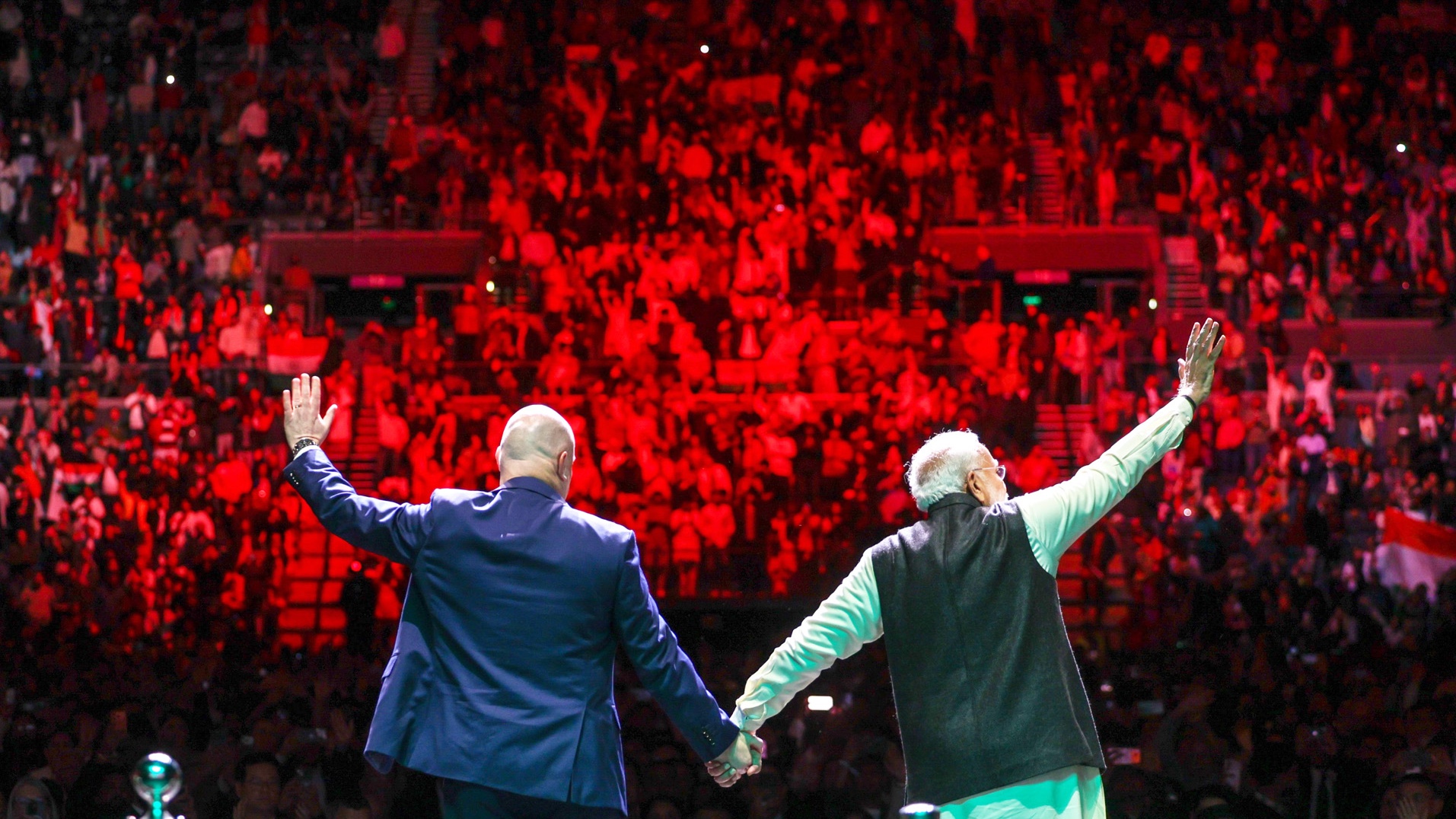
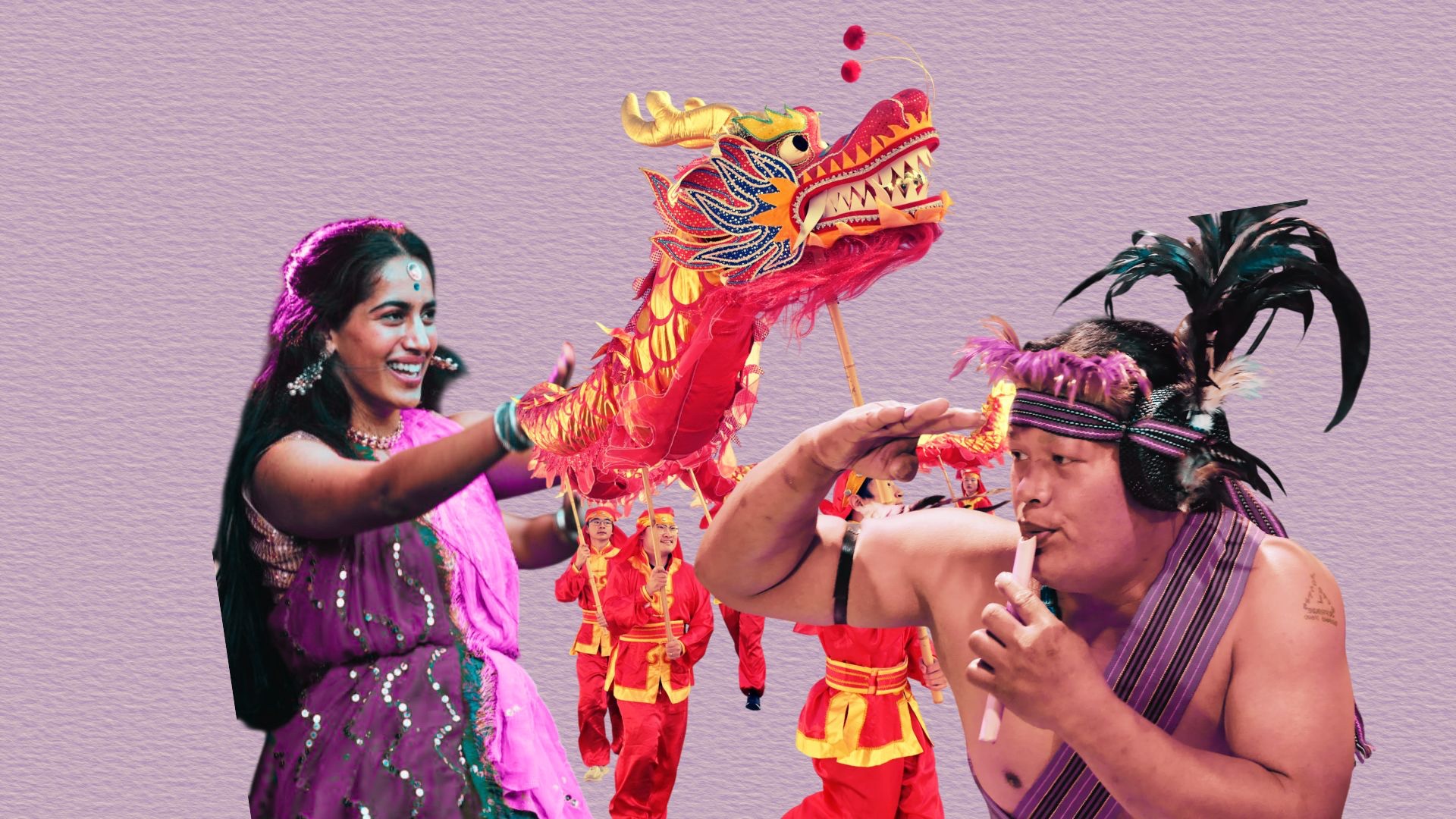
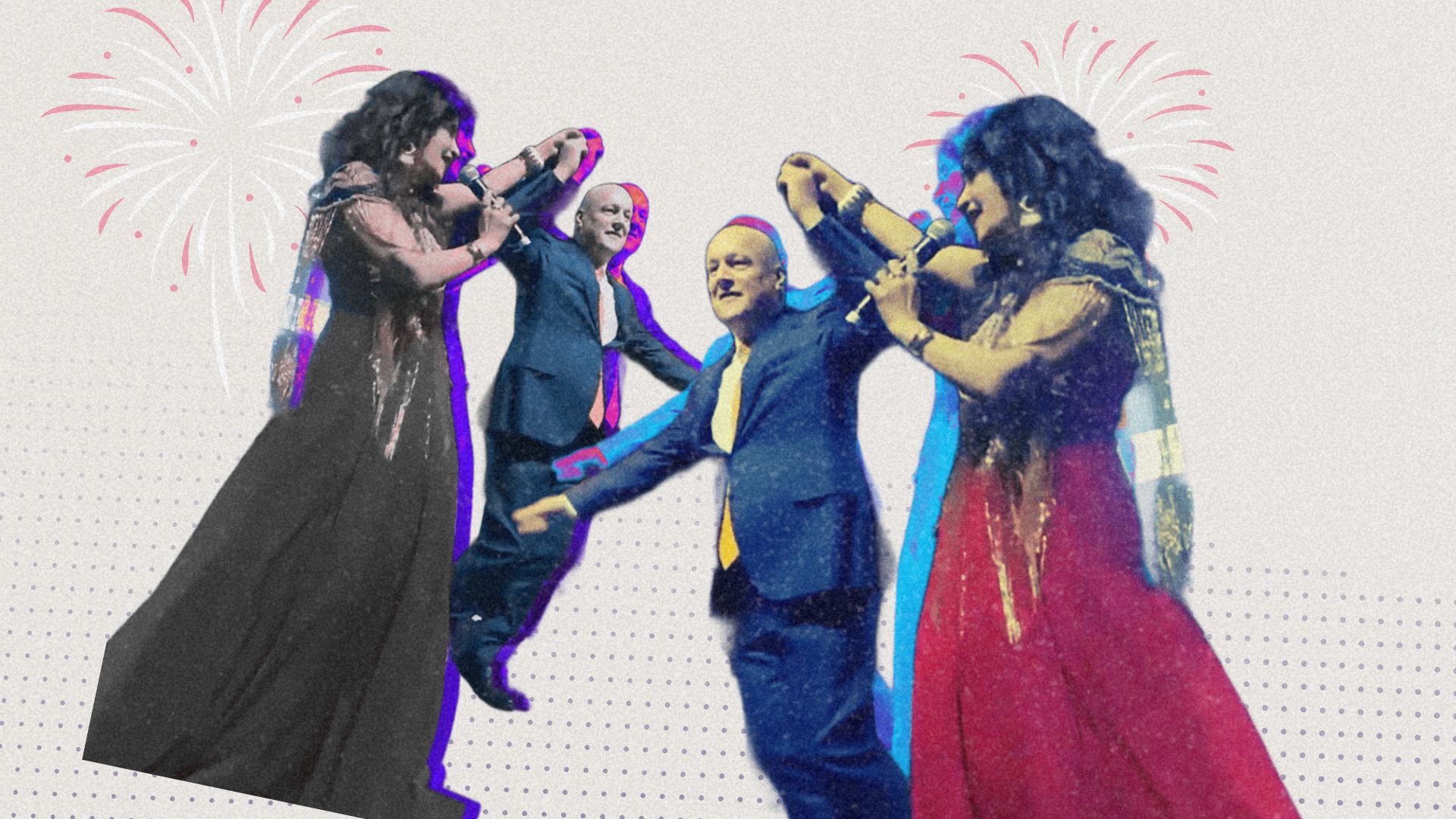
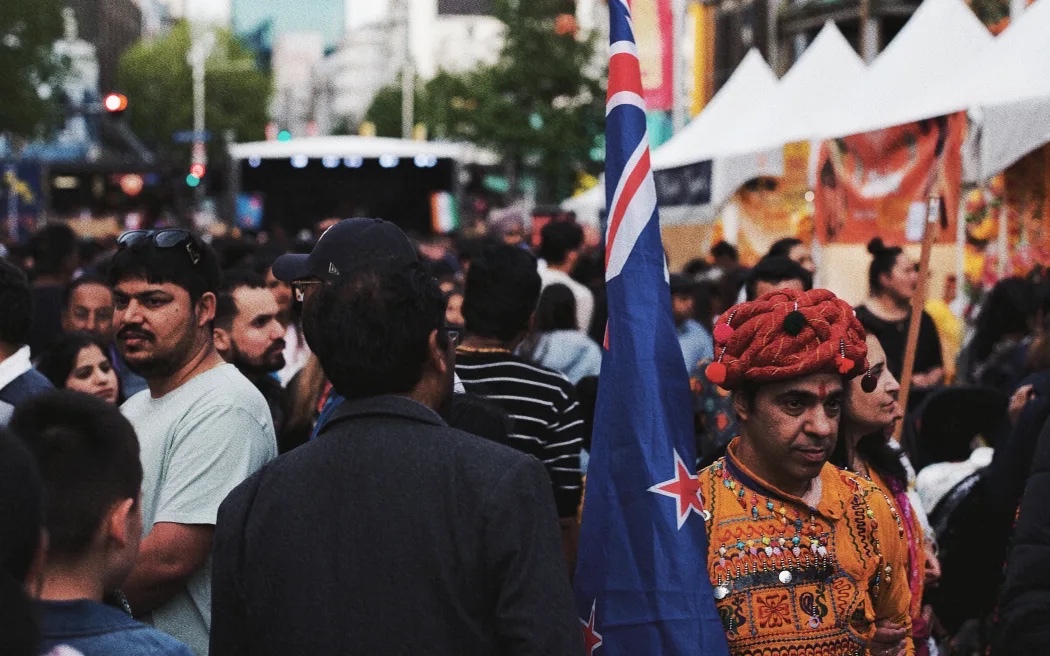
Indian cultural performances were most prominent at the later sold-out Spark Arena gathering, a community reception organised for New Zealand’s Indian diaspora.
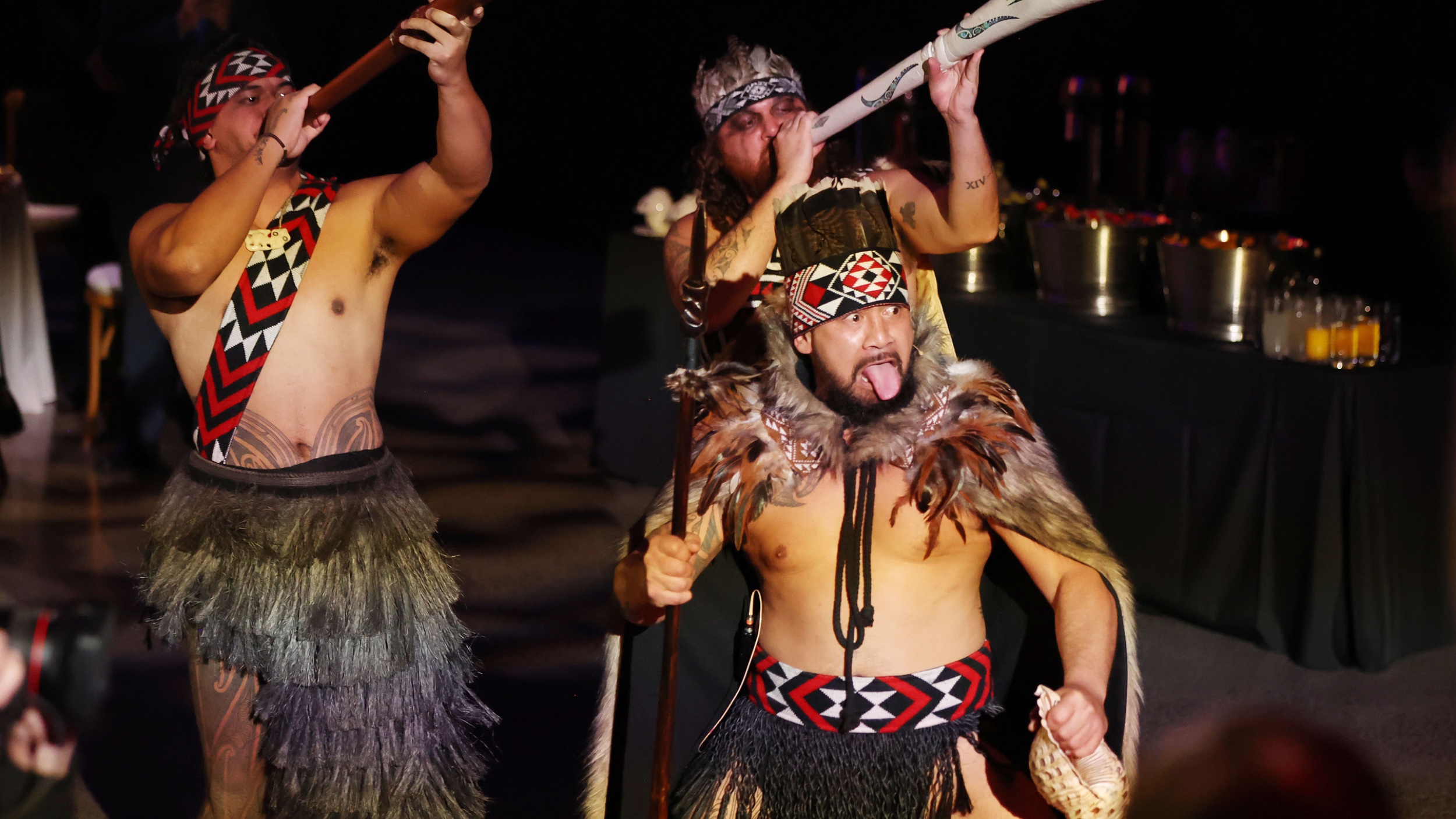
The Indian prime minister receives a traditional welcome during an event at Viaduct Events Centre in Auckland on July 11, 2026. (Supplied photo)
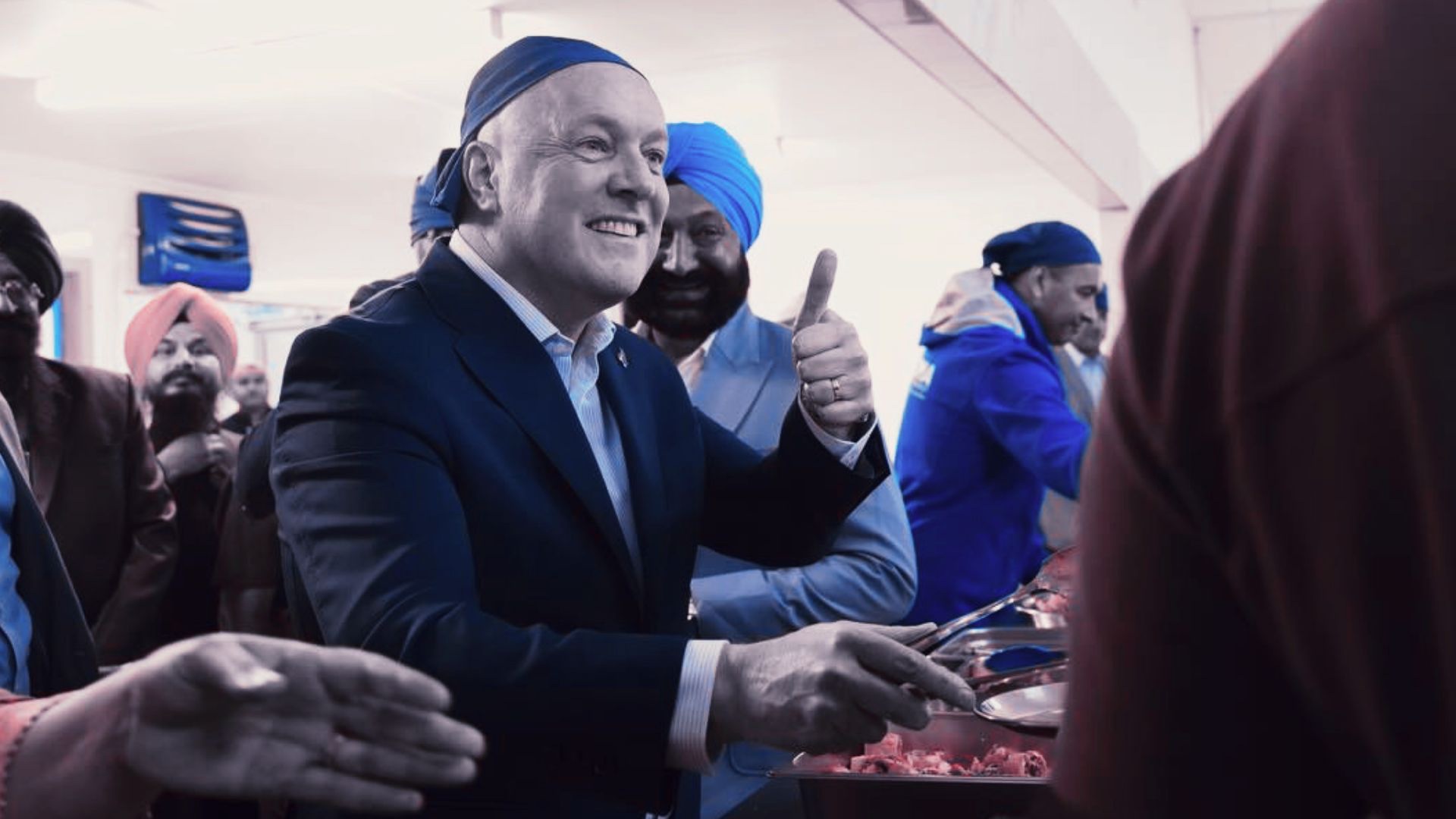
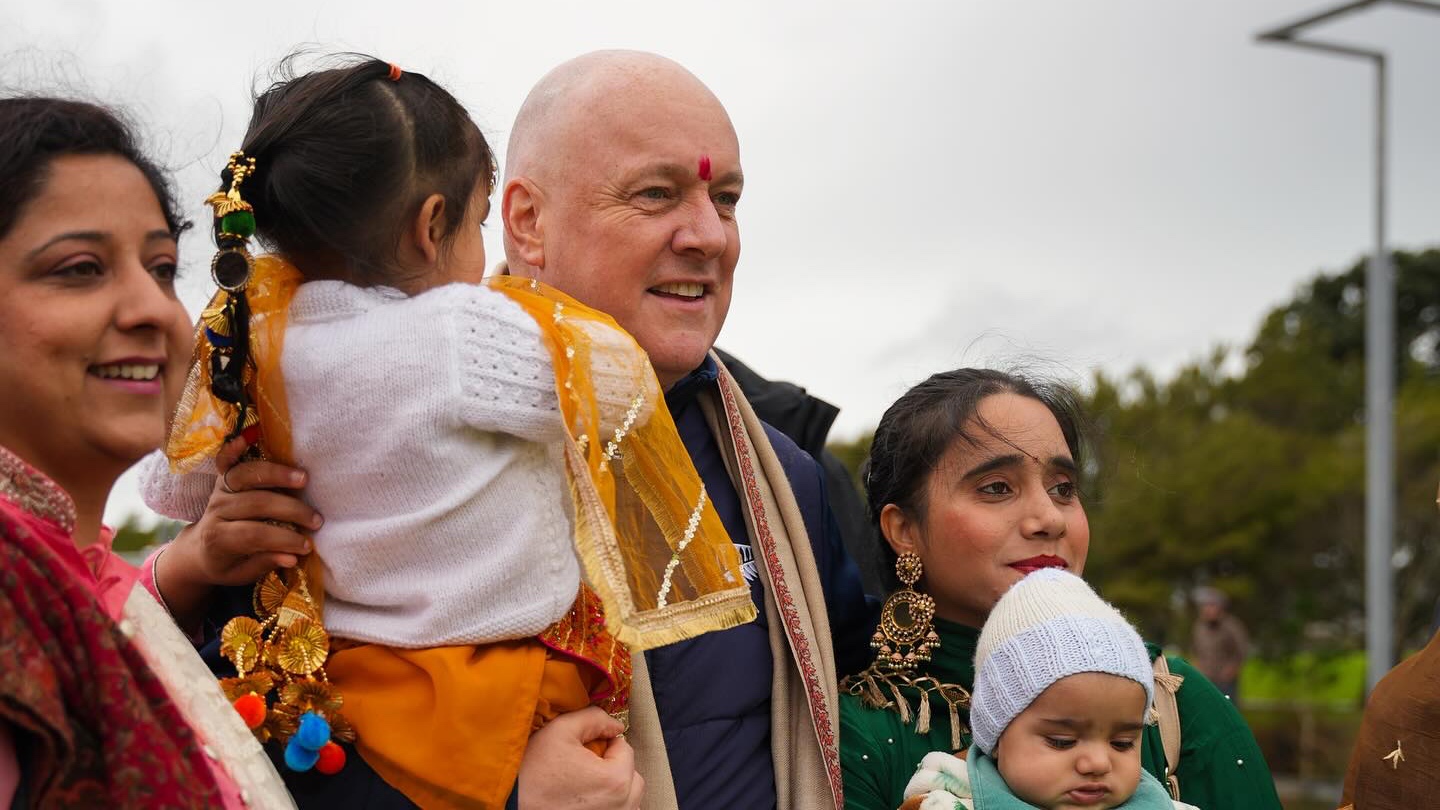
At the diaspora event in the evening, Luxon began his speech by acknowledging mana whenua and their gift of land associated with the establishment of Auckland.
He referred to the city as Tāmaki Makaurau and noted that Modi’s visit coincided with Matariki. Modi also drew repeatedly on Māori language and values during his address to the Indian community.
Video | Watch Narendra Modi's full speech at Spark Arena
Speaking about manaakitanga, Modi said the concept represented respect, belonging and wholehearted care for others, comparing it with the Indian principle of treating a guest as divine. “Similarly, in Māori culture, there is a beautiful word for family, ‘Whānau,’ meaning family,” Modi said.
He said the Māori understanding of whānau extended beyond the immediate household to encompass the wider community and country.
Modi also used the image of a waka to describe the relationship between India and New Zealand, presenting the two countries as travelling together towards a shared future.
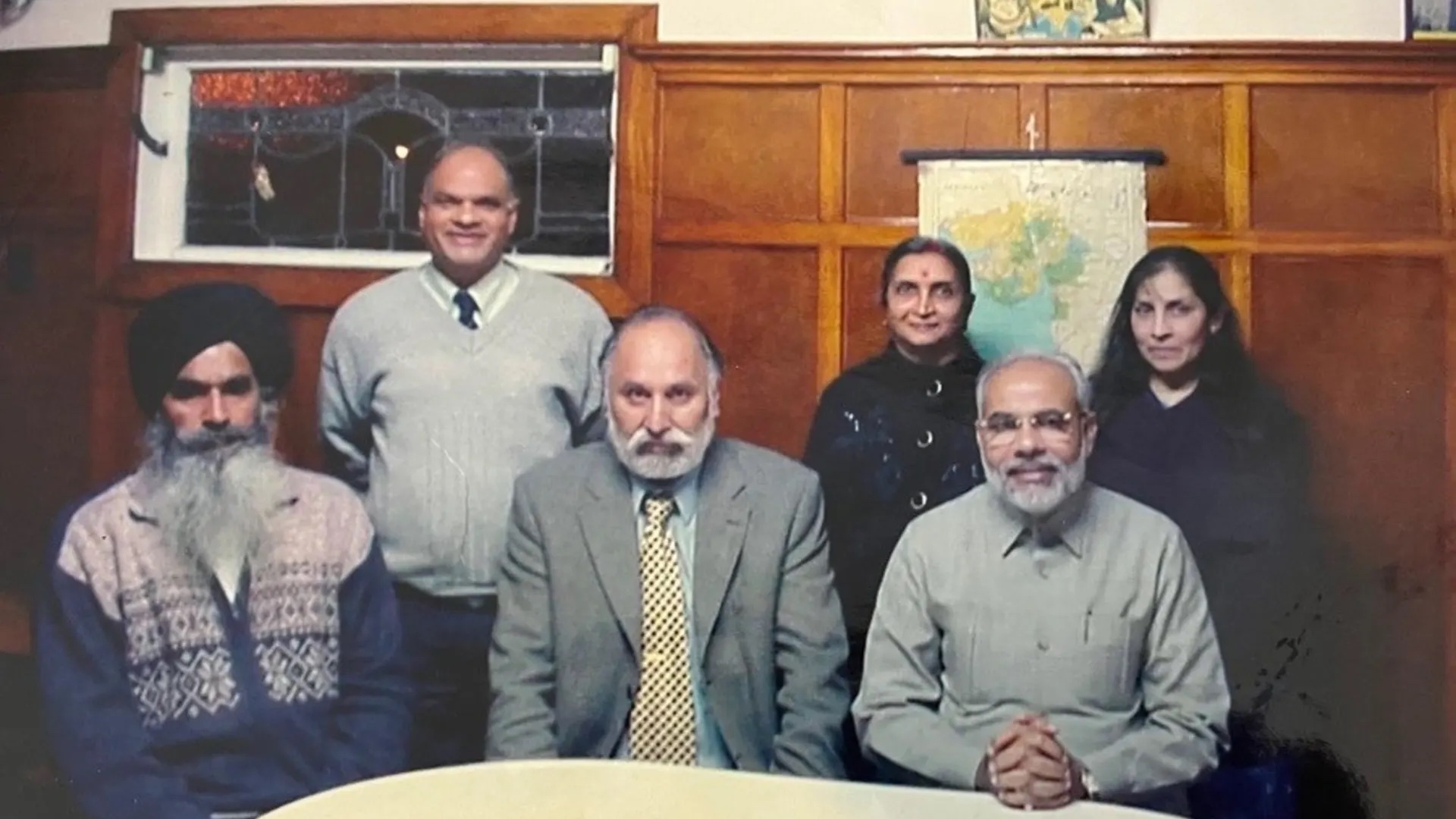
At the reception, Modi also recalled an earlier visit to New Zealand, spoke about rugby and promised the country would not have to wait another 40 years for an Indian prime minister.
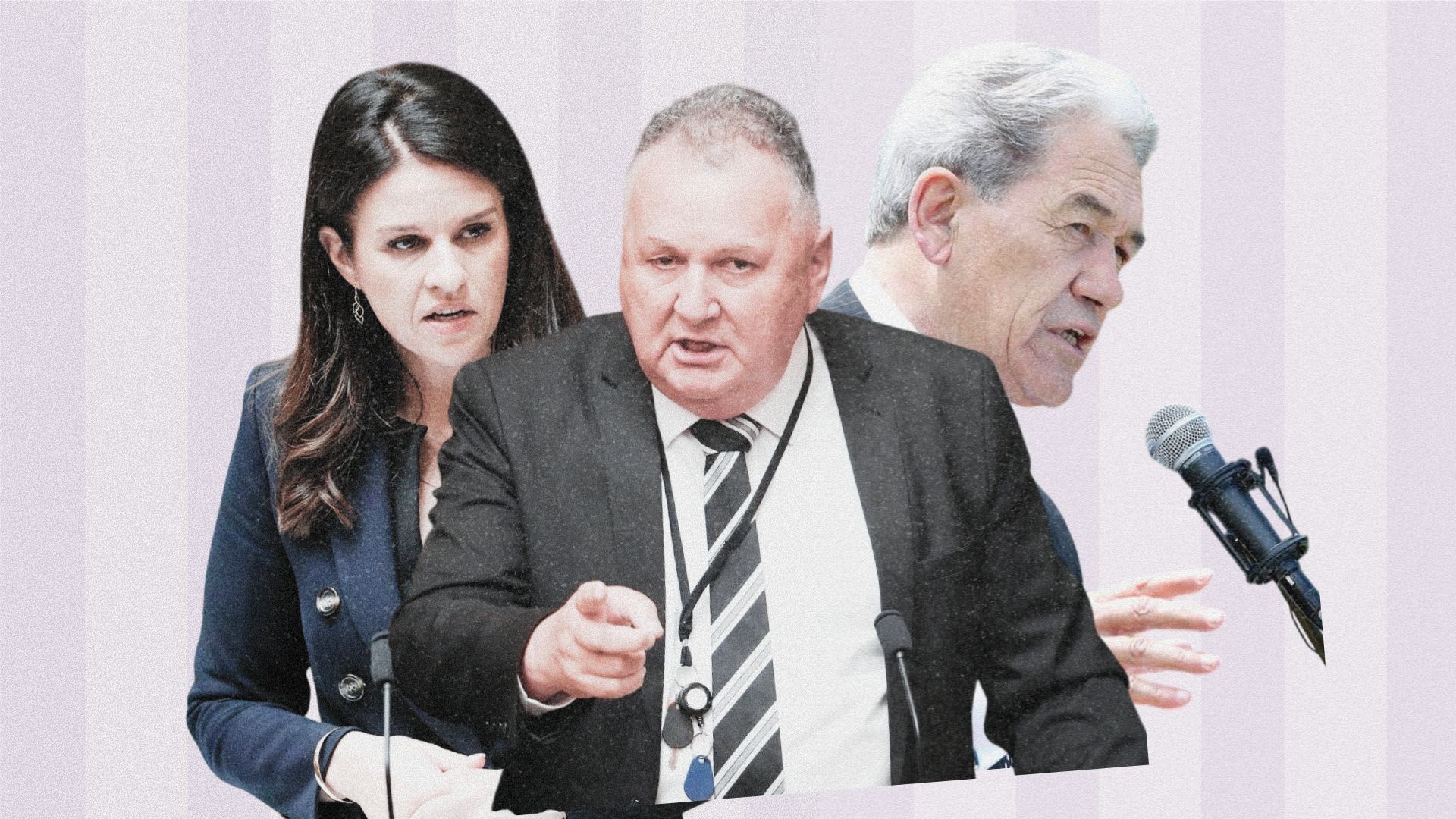
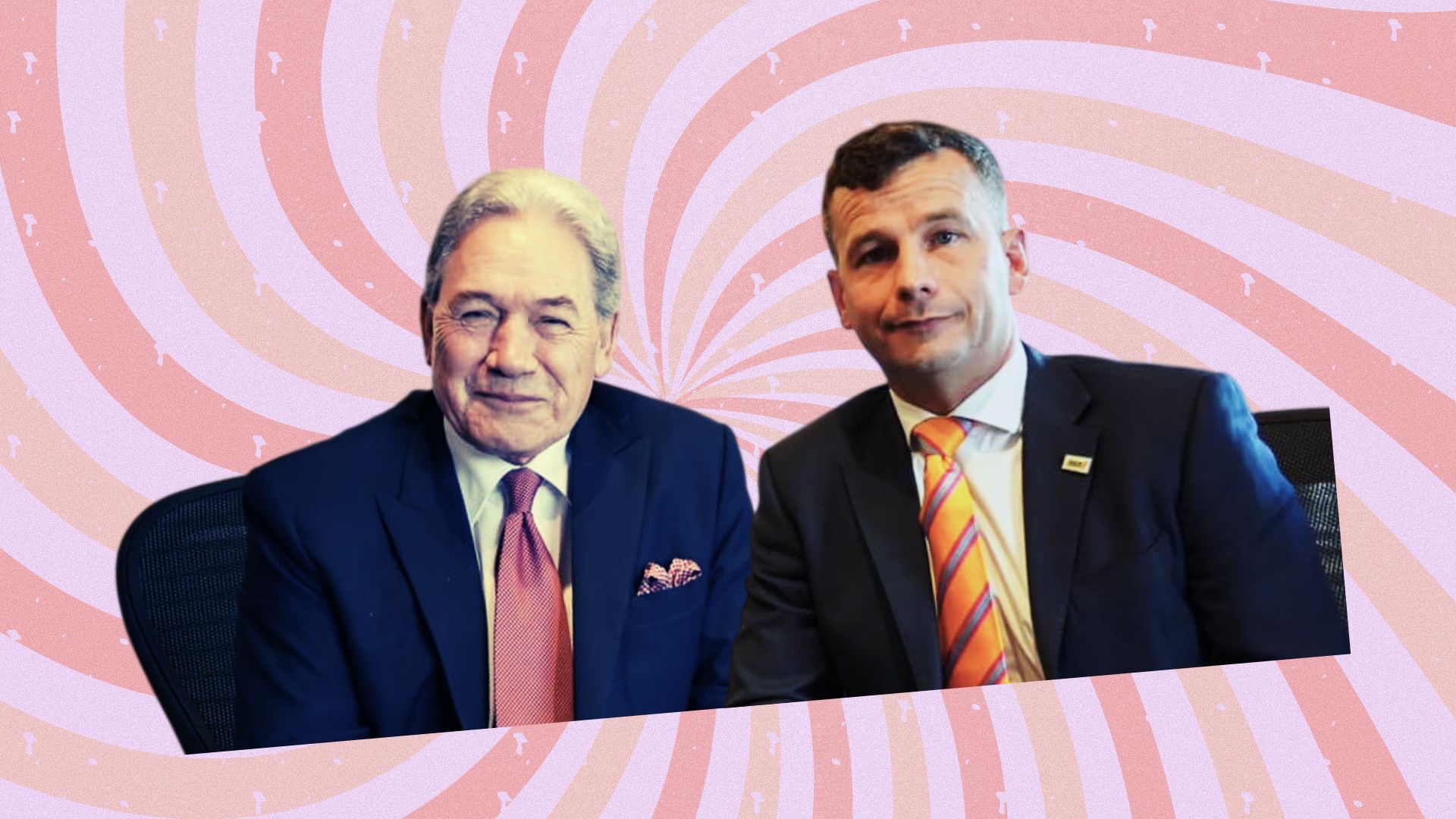
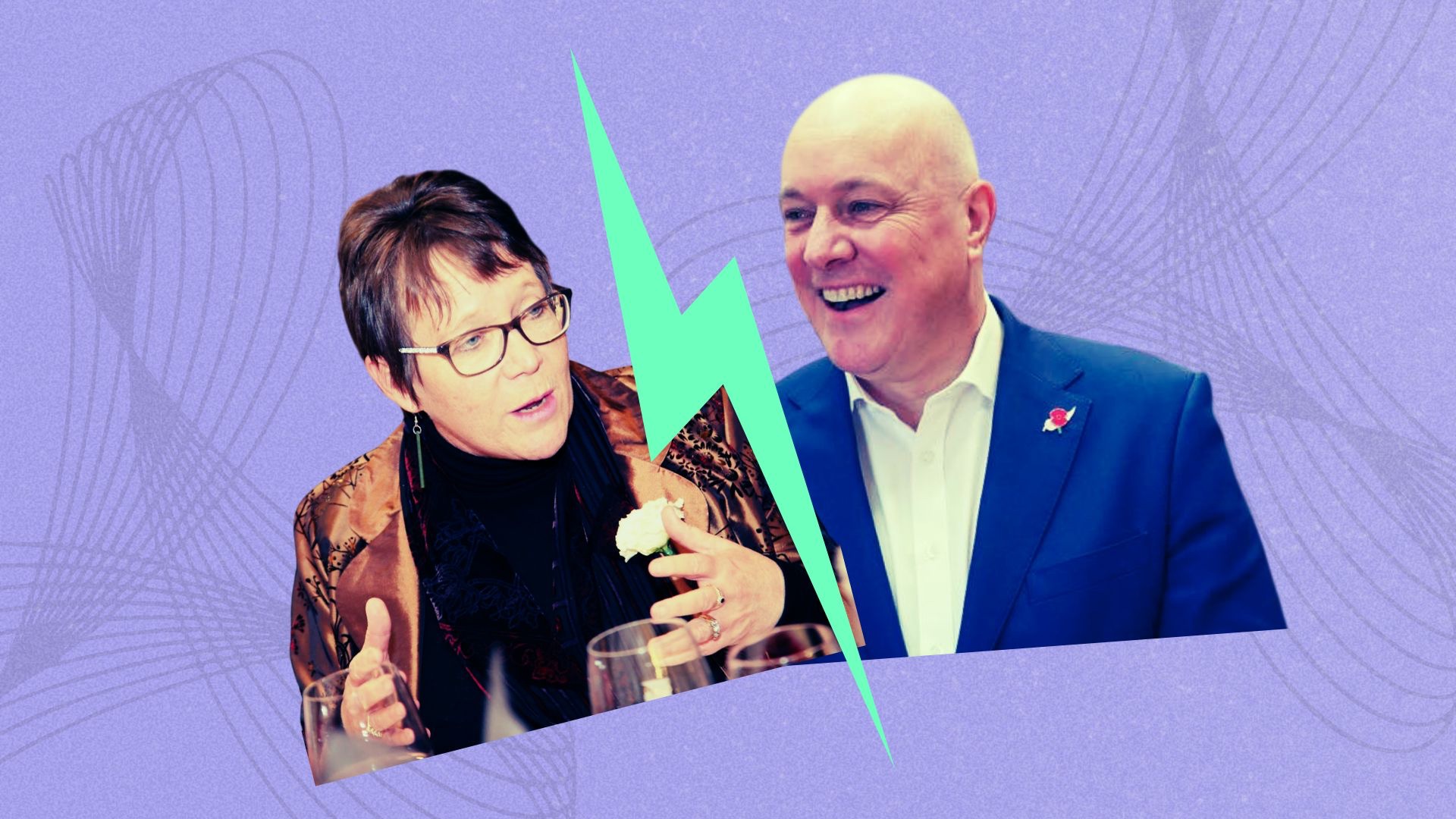
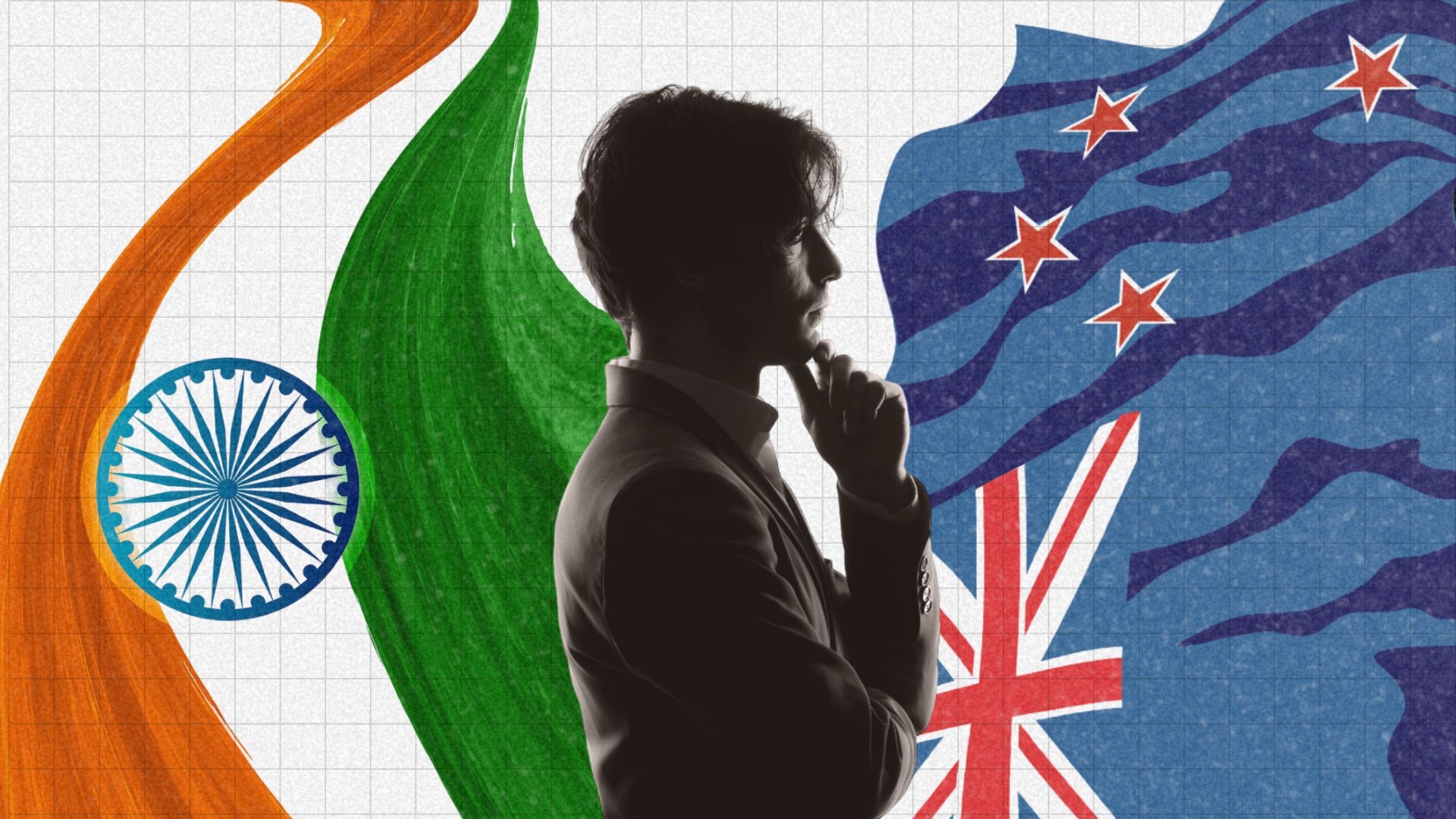
Peters’ comments represent another public split within the coalition over New Zealand’s relationship with India. New Zealand First opposed the free trade agreement negotiated with India, while National and ACT supported it.
Peters has questioned the agreement’s economic value and criticised immigration arrangements connected with the deal.
India has previously suggested Peters was confusing immigration with the movement of skilled workers covered by the trade relationship.
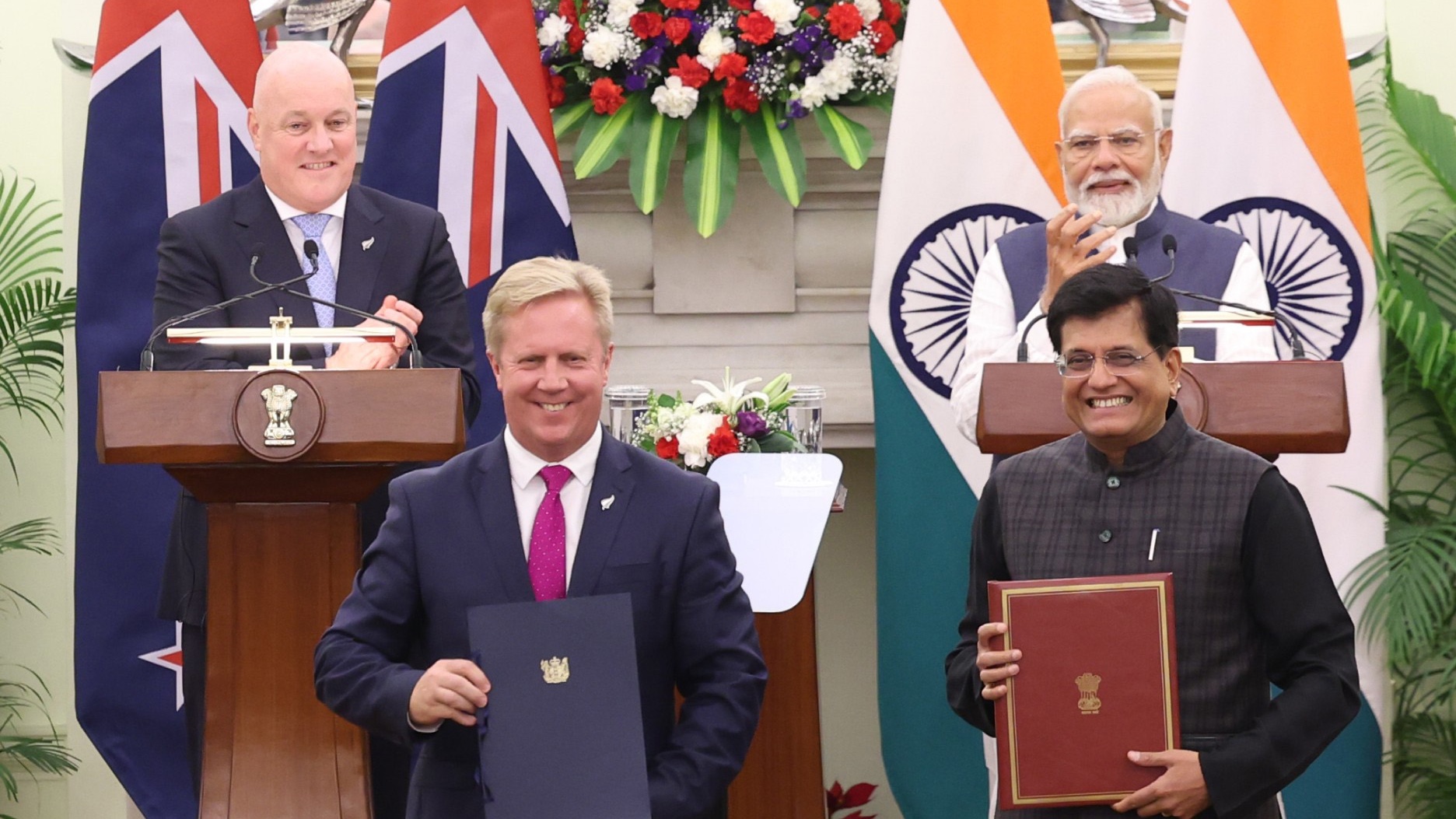
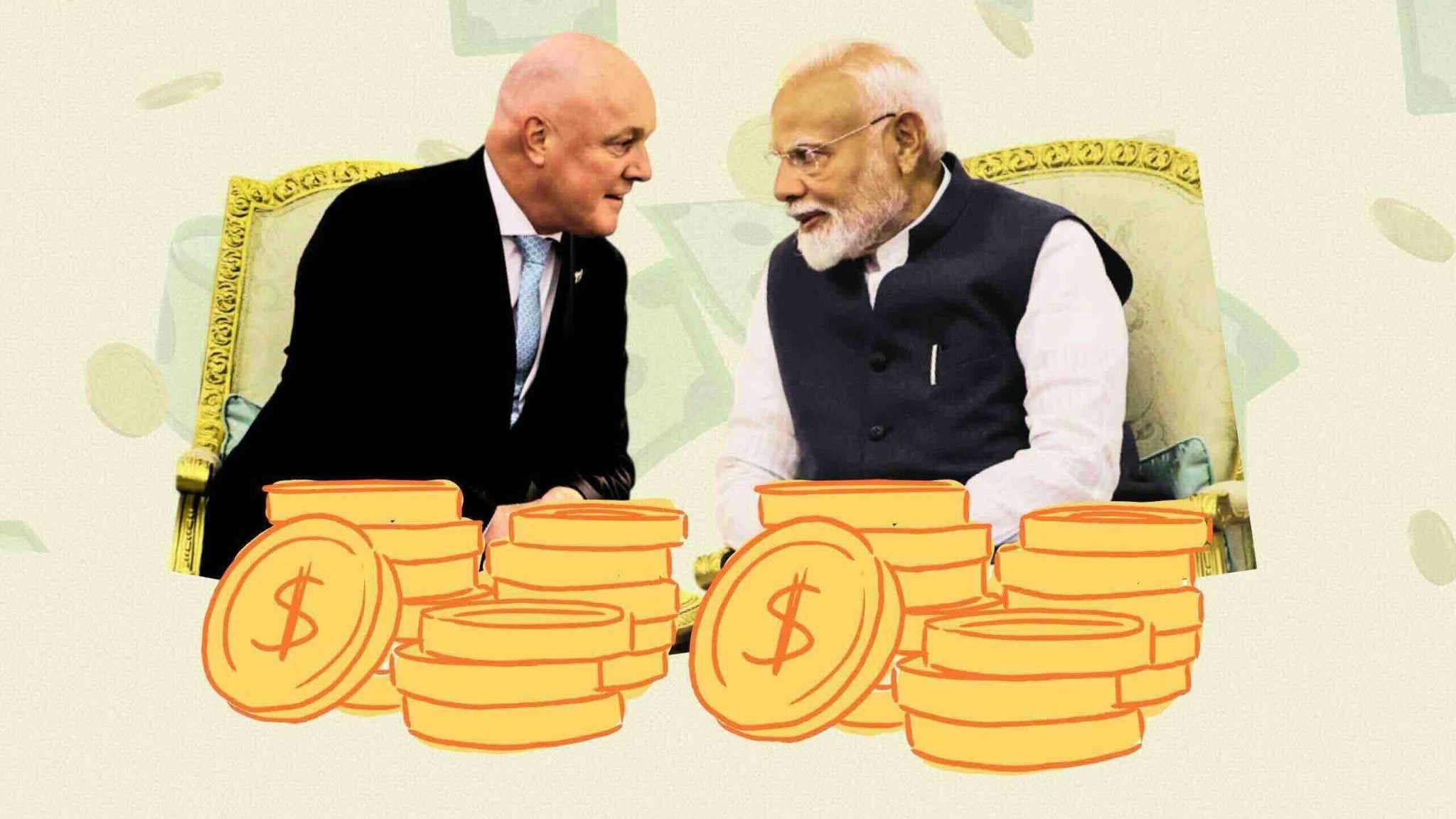
Luxon has defended the agreement as an important step in expanding New Zealand’s relationship with one of the world’s largest economies.
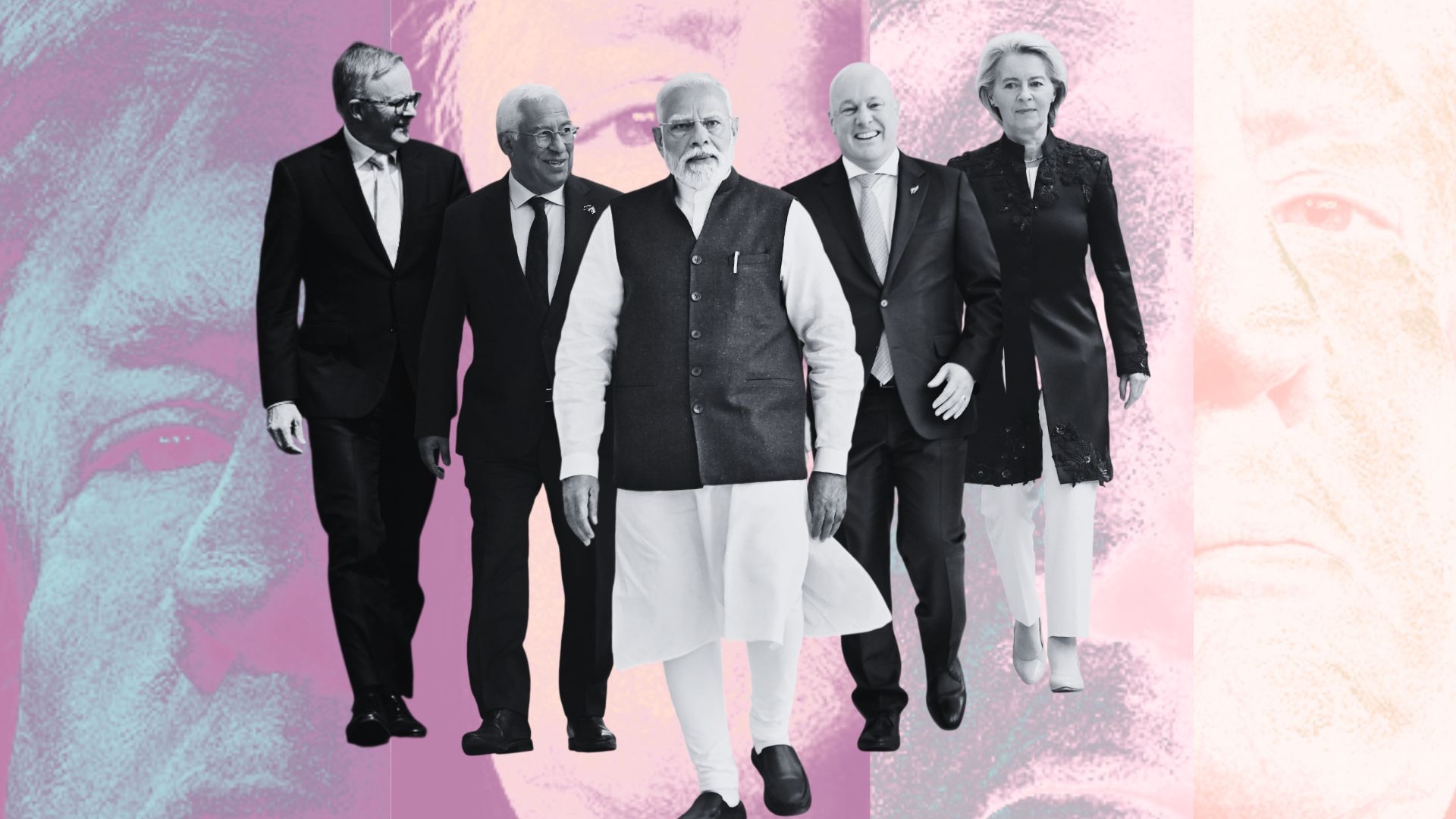
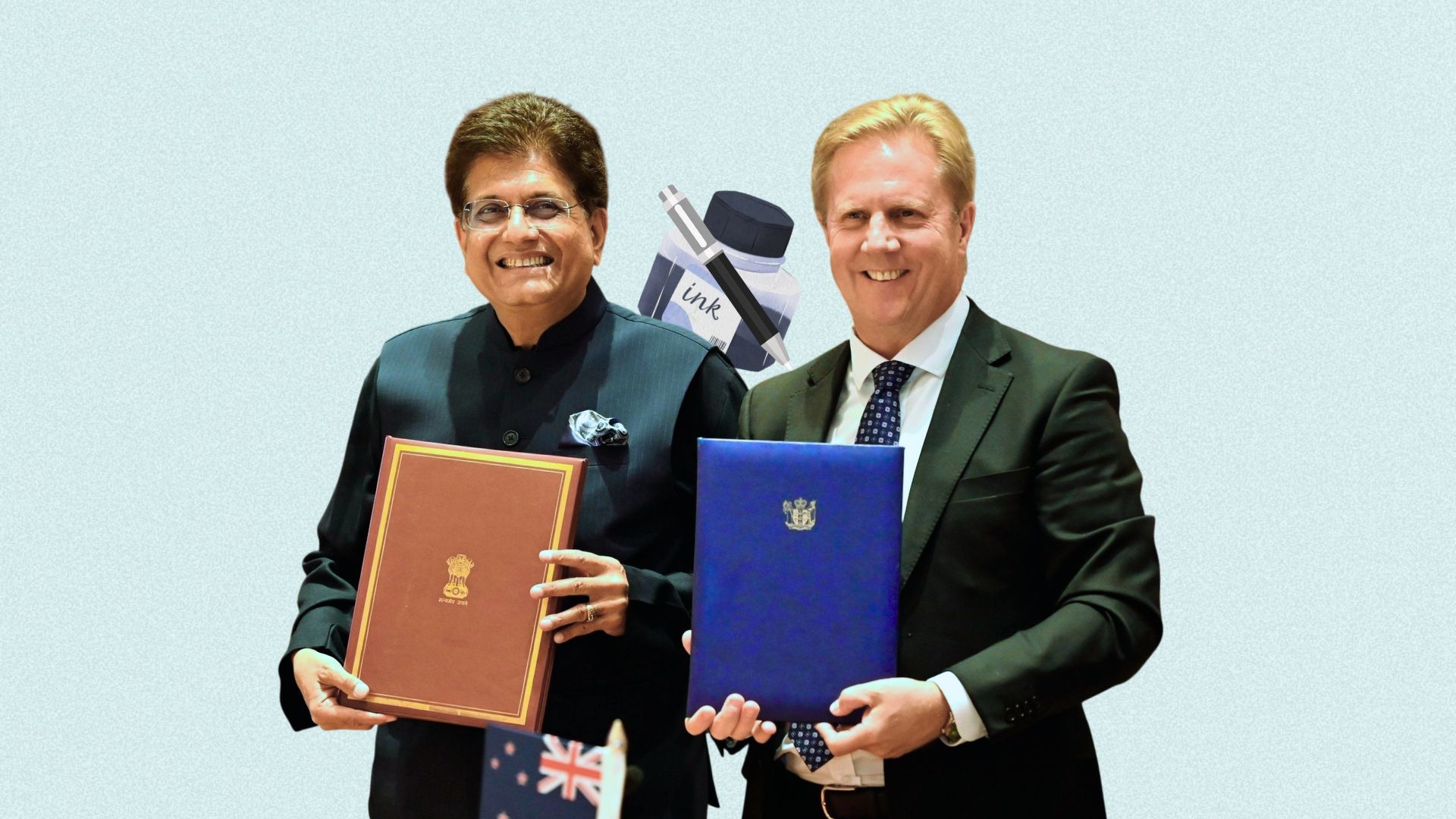
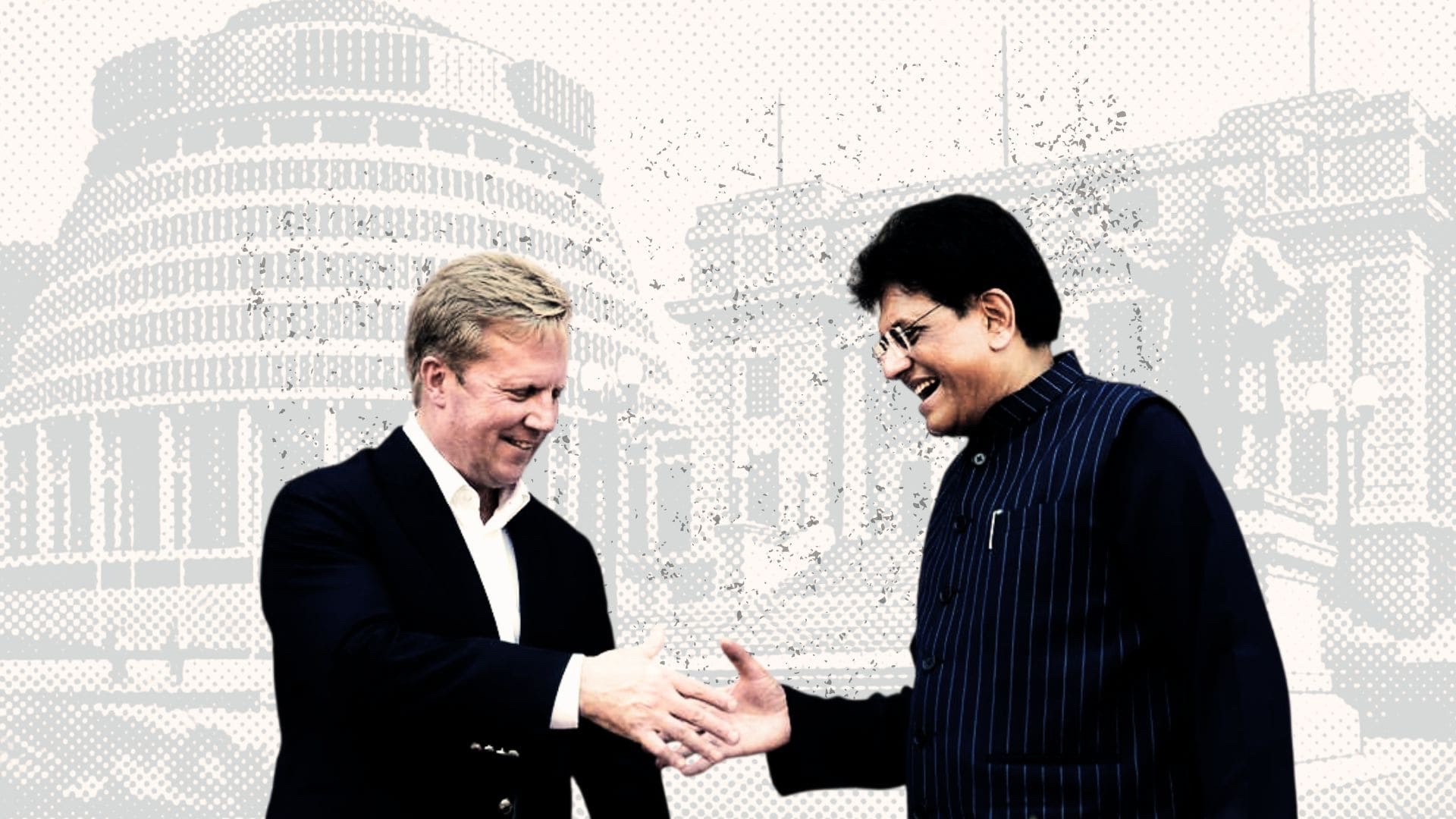
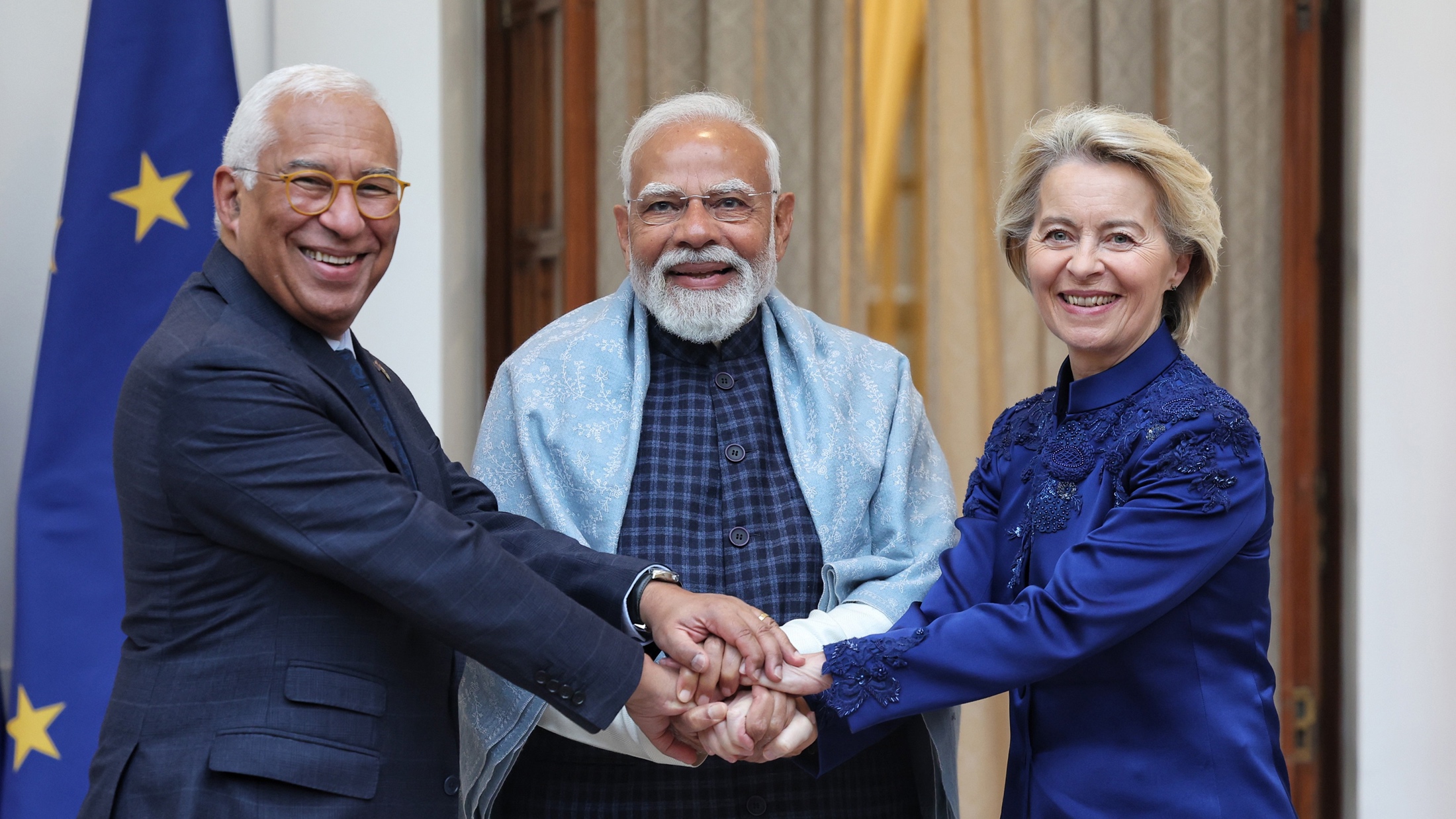
During Modi’s visit, the countries elevated their ties to a strategic partnership, extending the relationship beyond trade into defence, security, sport, education and people-to-people links.
In his latest interview, Peters also challenged the level of enthusiasm surrounding the visit and the trade agreement.
“When it was all over, remember this, all these promises and statements they’ve made about how fantastic it is – it’s, on their own forecast, lifted our GDP by one-tenth of one per cent by 2050,” Peters said.
“Now, around about then, you realise there’s a whole lot of hype here that’s not justified.”