
Opinion: Who belongs? The question at the heart of ACT’s plan to scrap permanent residence

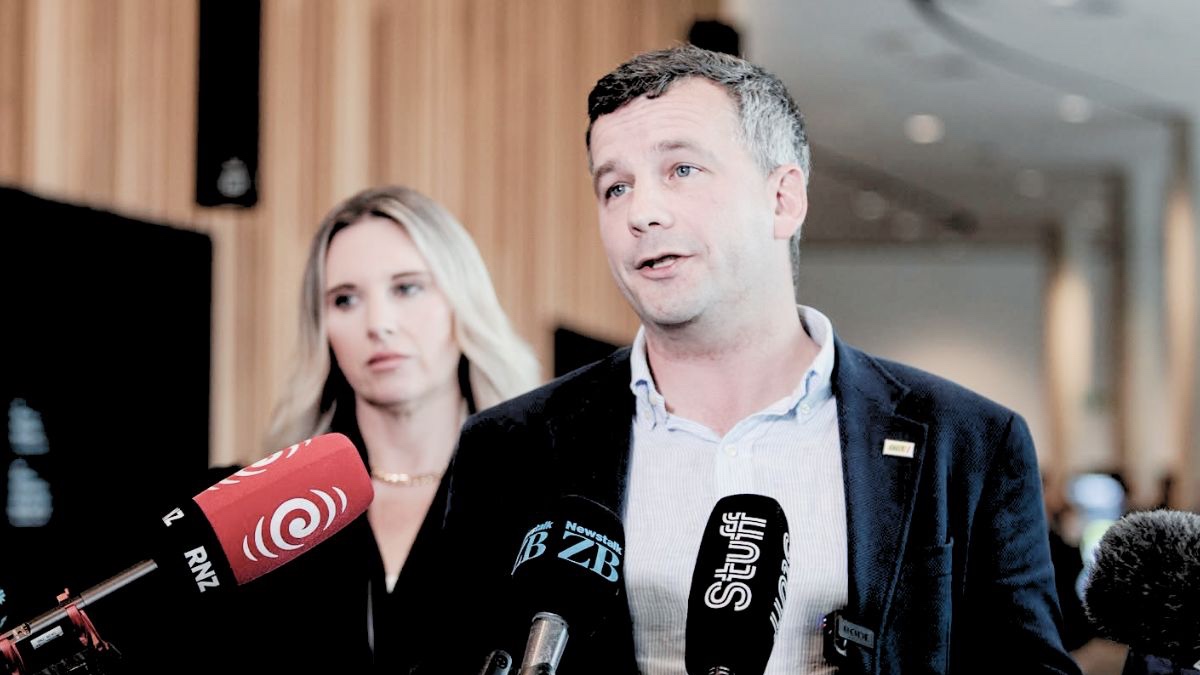
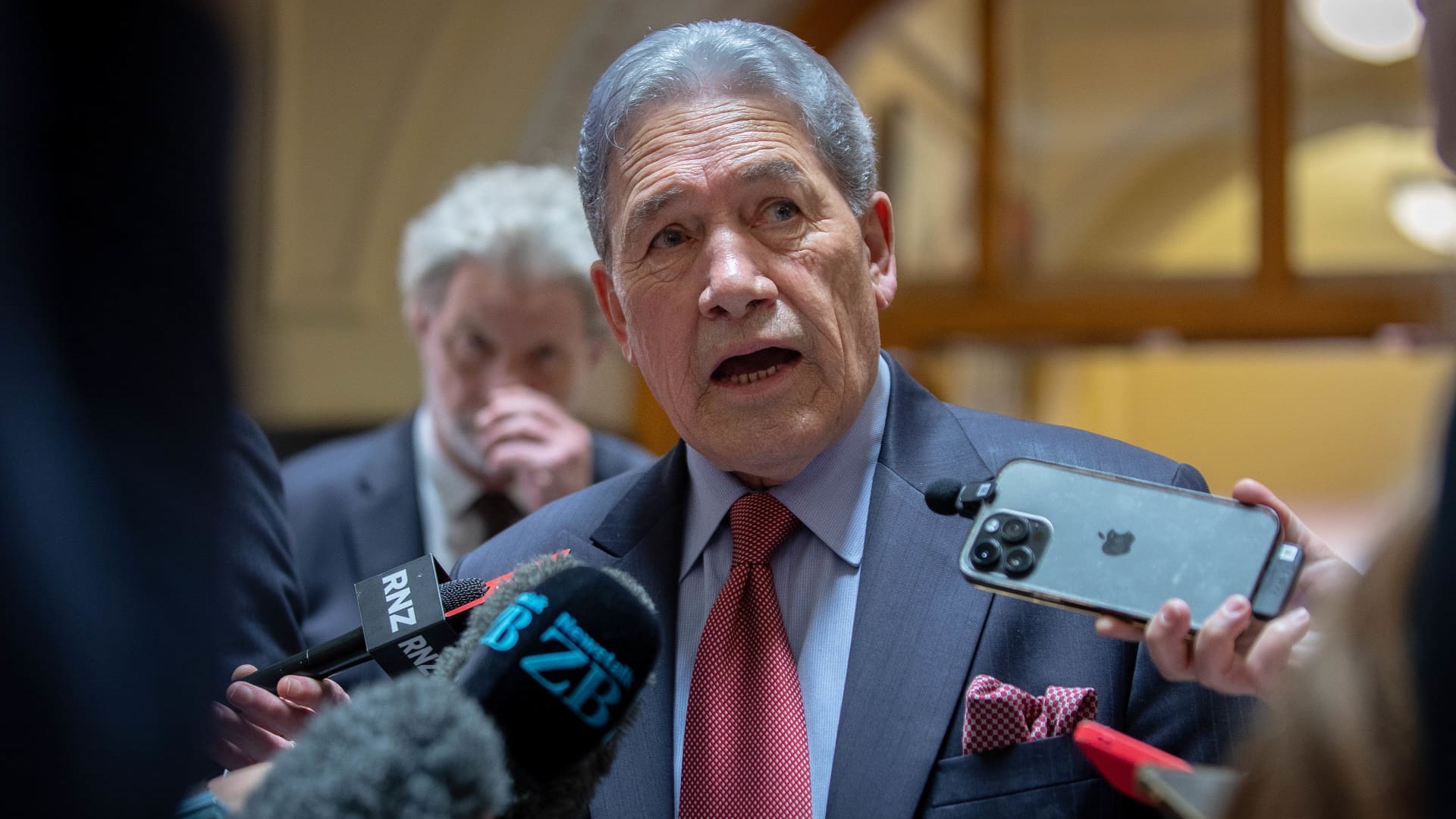
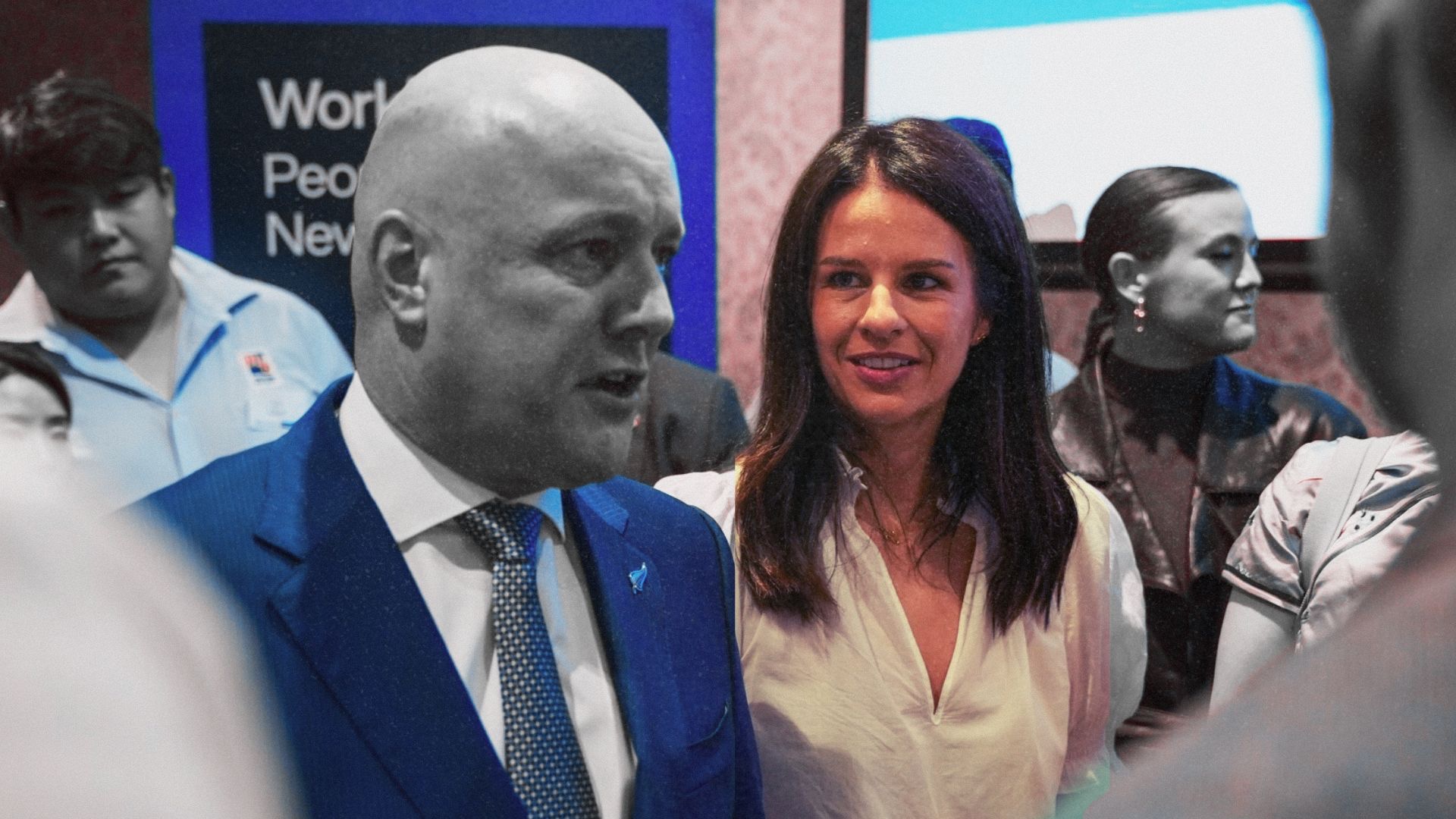
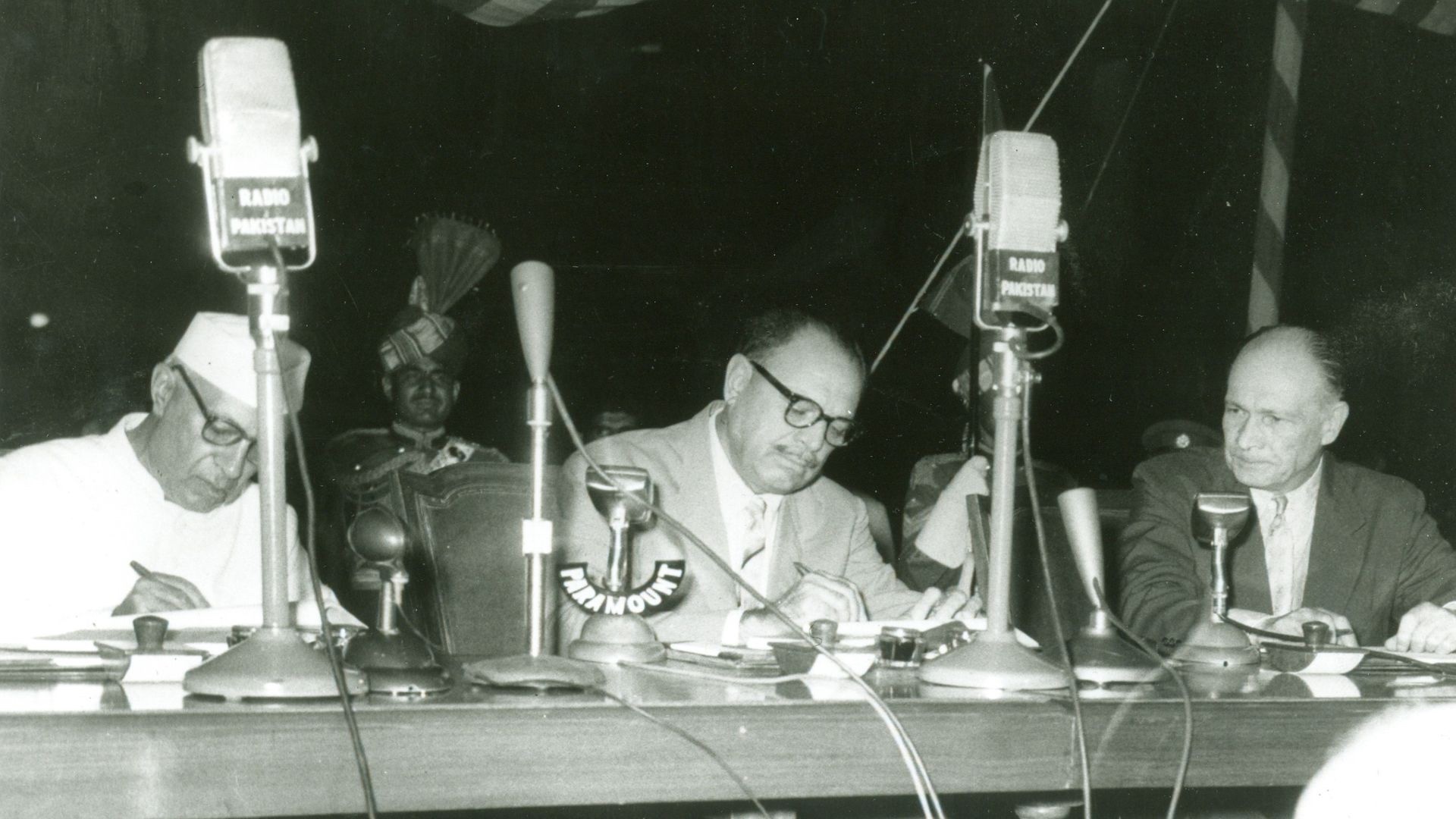
ACT's David Seymour and NZ First's Winston Peters.
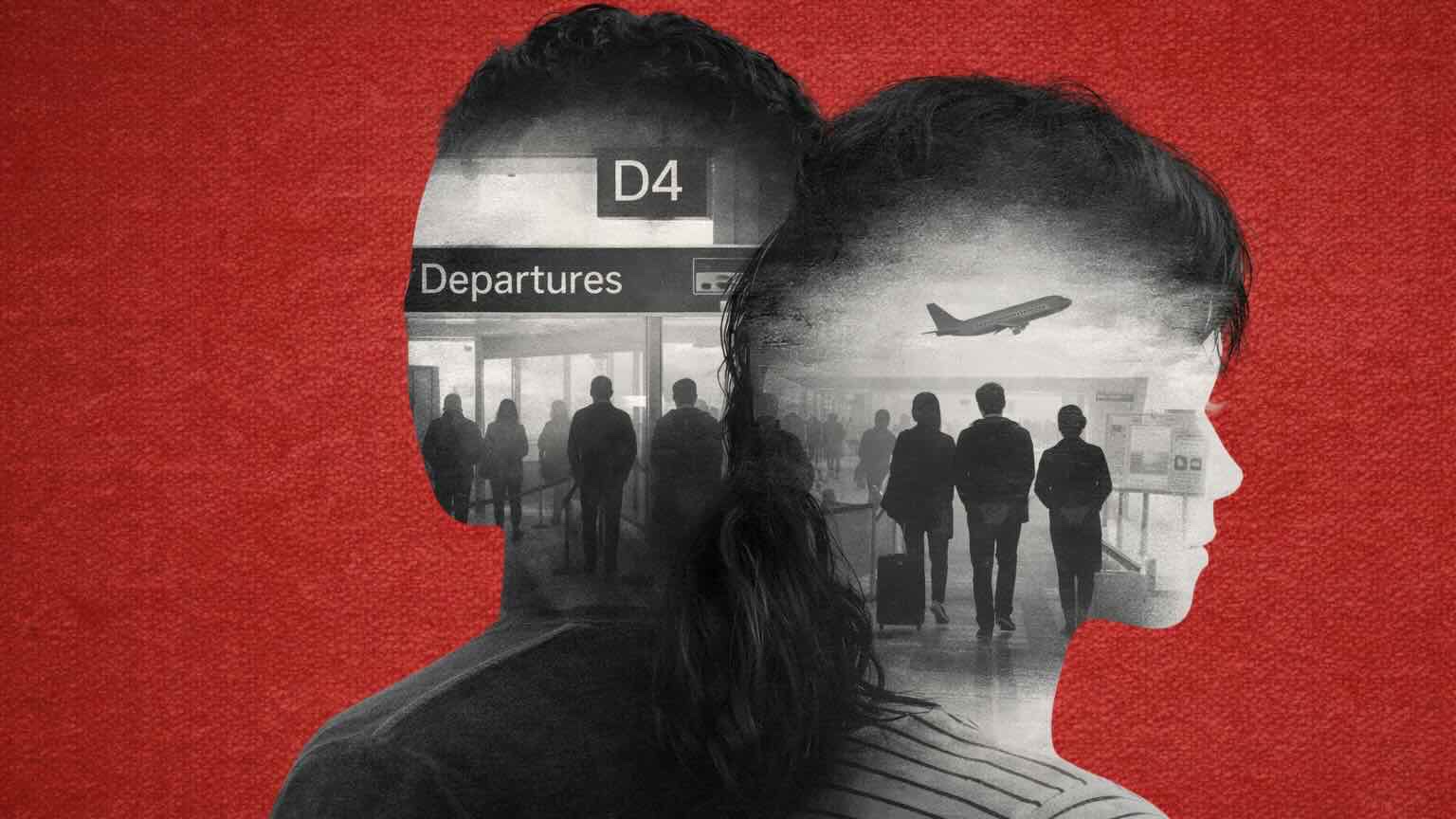
Instead of addressing structural problems, we are getting proposals increasingly concerned with distinguishing between us and them.
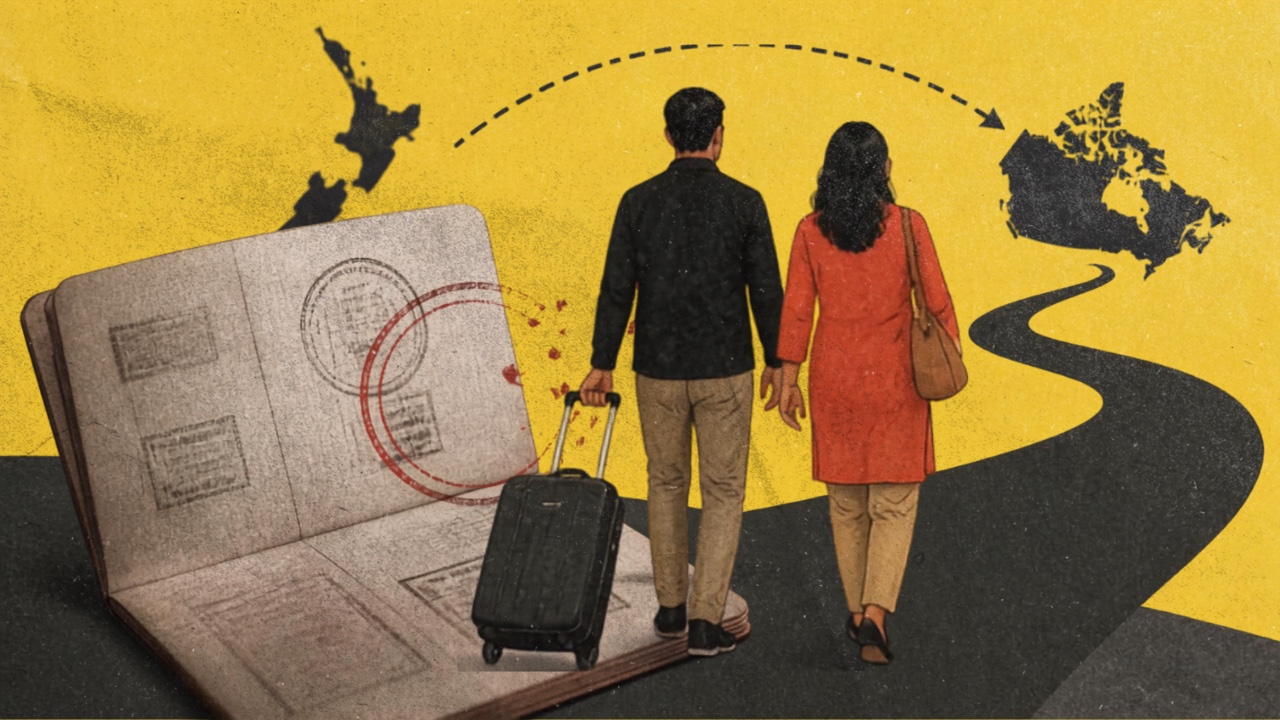
ACT has announced it wants to abolish New Zealand’s Permanent Resident Visa, and replace it with a system requiring residents to maintain an ongoing physical presence in New Zealand.
Under the proposal, residents would generally have to spend at least 730 days in New Zealand during every rolling five-year period to retain the right to return here as residents.
ACT says this is about ensuring that residence reflects a real and lasting connection with New Zealand. And that is precisely why this proposal deserves closer examination.
This isn’t really a debate about travel conditions on visas. It is a debate about belonging. Who is one of us? Who isn’t? And who gets to decide?
A solution looking for a problem
From designing restaurants to running Auckland Diwali: The many lives of Arnav Taode Taode brings his passion for Indian arts and culture to his first year managing BNZ Auckland Diwali 2026.
Winston Peters says ‘diversity is disunity’. What does the evidence tell us? Evidence from business, sport and social policy suggests diversity can strengthen economies and cohesion but on one condition.
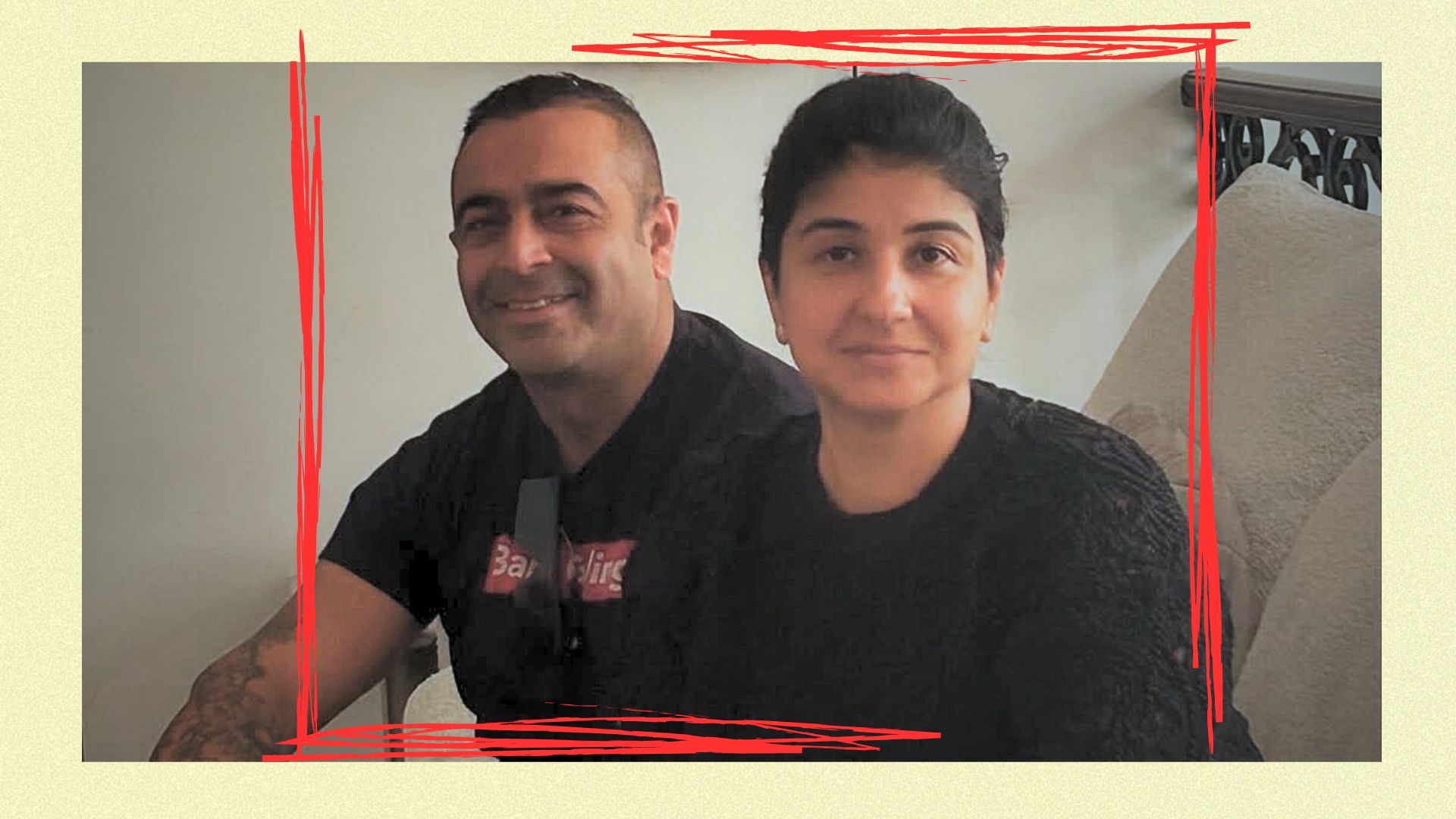
Baby born in Sri Lanka to New Zealand residents caught in limbo after Down syndrome diagnosis Immigration tribunal orders fresh residence assessment after finding a “serious mistake” by immigration officials.
New Zealand’s immigration system is beset with genuine problems.
Yet, after remaining largely absent from serious discussion of these problems during much of this parliamentary term, ACT and New Zealand First have suddenly discovered immigration as an election issue.
Instead of addressing the structural problems within the system, we are getting proposals increasingly concerned with distinguishing between us and them. Who is really a Kiwi, who genuinely belongs here, and who must continually prove that they do.

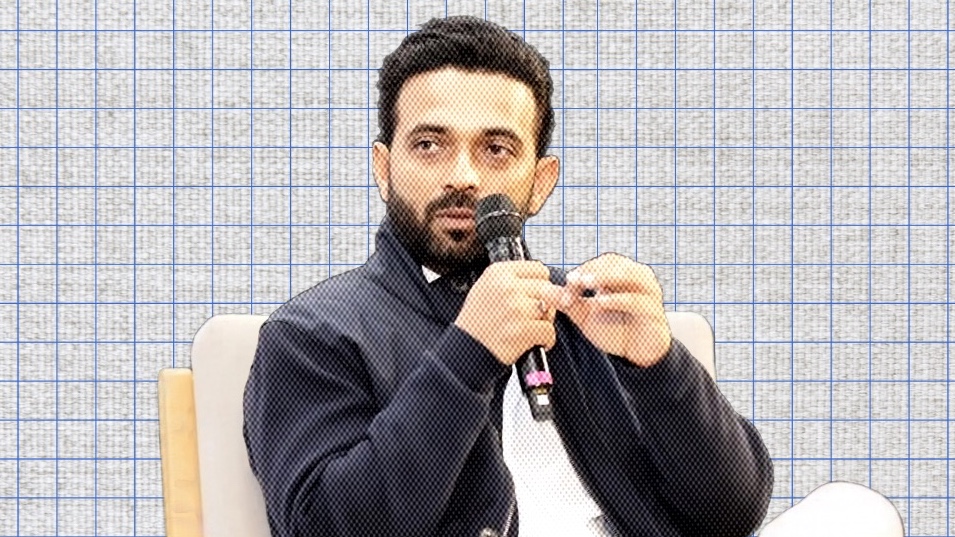
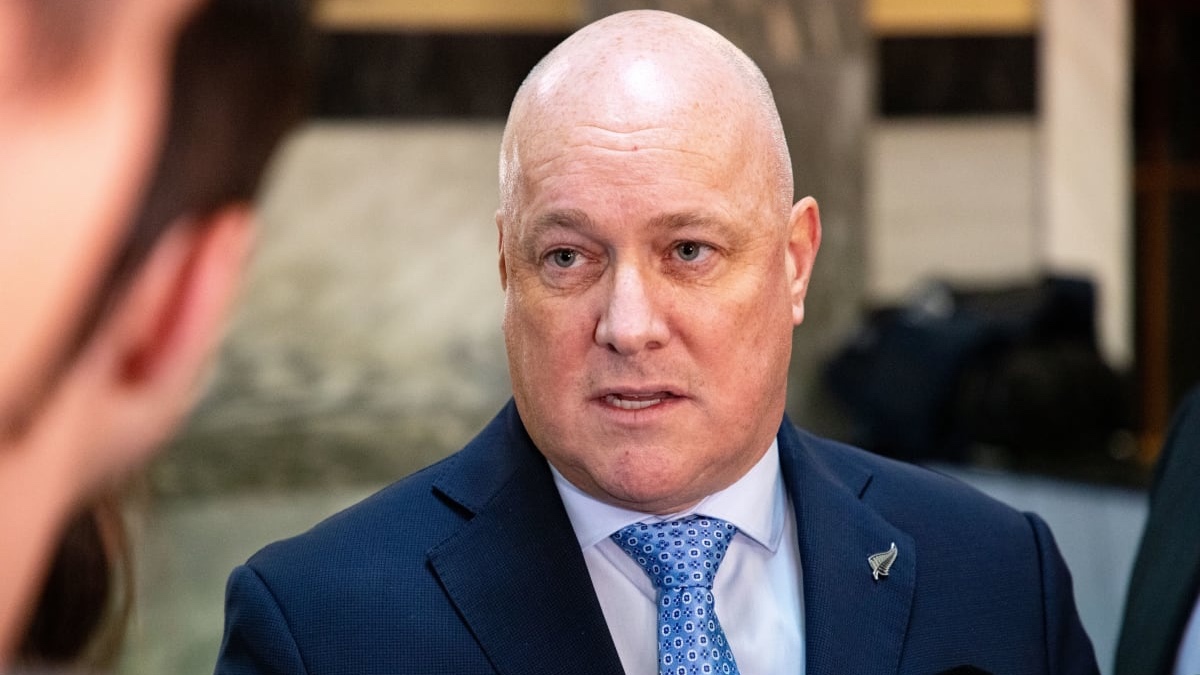
Auckland-based immigration lawyer Alastair McClymont. (Supplied photo)
There is a basic question that ought to be asked of any new law or policy. What harm is it designed to prevent? ACT’s proposal struggles to answer it.
What harm is presently being caused by a person who has qualified for permanent residence, made New Zealand their home and subsequently spends an extended period overseas?
ACT talks about “commitment” and “connection”. But why should either be measured by counting days at the border? Belonging cannot be measured with a calendar.
Consider a young person who migrates to New Zealand with her parents, attends school here and obtains residence. Her parents and siblings remain here. Her friends are here. New Zealand is home.
She then receives an opportunity to spend five years studying and undertaking medical research at Harvard before returning to New Zealand.
Has she ceased to belong to New Zealand?
Or consider a migrant who has spent years working here, has children growing up here, owns a home here and participates in a local church, sports club or community organisation, but moves overseas for several years to care for an elderly parent.
Has that person acquired a new “home”? Have their relationships with New Zealand disappeared? Of course not.
Home is not necessarily where we happen to be physically located at a particular moment. Home is where we understand ourselves to belong.
More troublingly, it appears to assume that a resident who spends an extended period overseas necessarily has somewhere else that is really “home”.
For many migrants, that simply isn’t true.

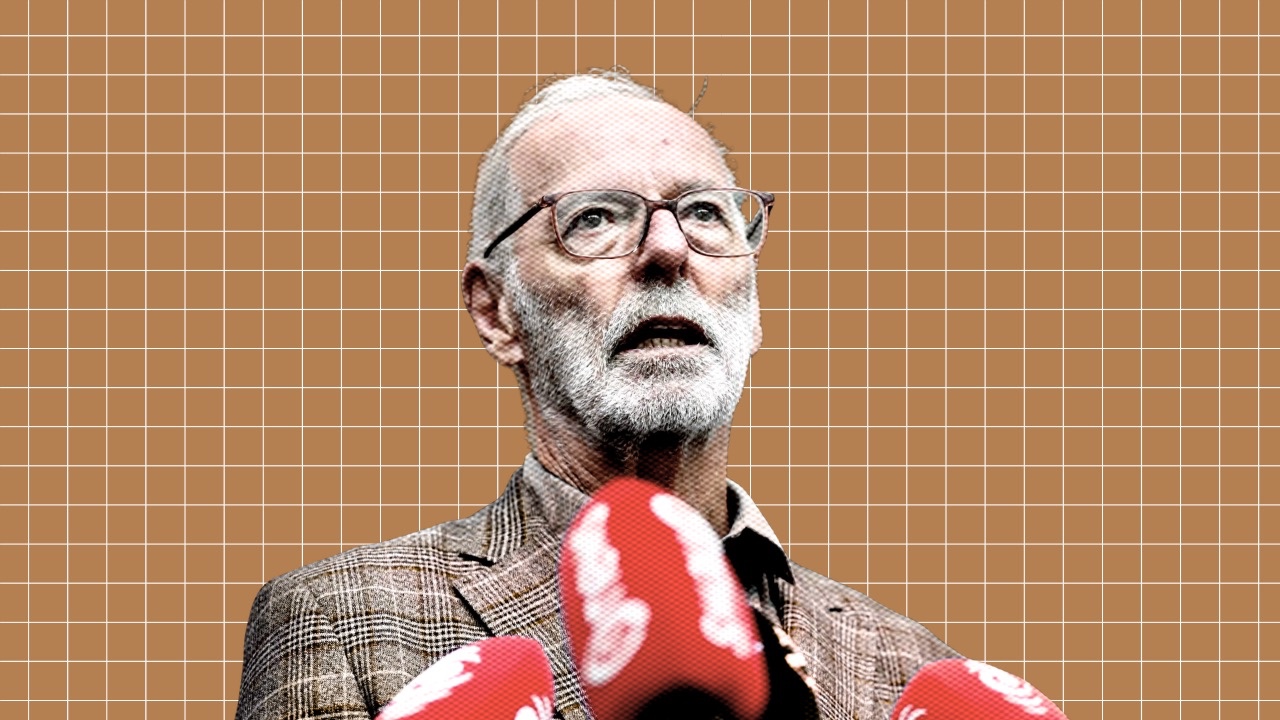
Controversial Kiwi billionaire Peter Thiel. (Supplied photo)
So who is “one of us”?
That brings us to the much more important question underlying this proposal. What makes somebody one of us? New Zealand’s own history exposes the contradiction.
In 2011, billionaire technology entrepreneur Peter Thiel was granted New Zealand citizenship under the exceptional-circumstances provisions despite having spent only 12 days in New Zealand during the preceding five years and despite not intending to live here.
Contrast that with migrant families who have lived here for years, whose children have grown up in our schools, whose parents work alongside us and whose lives are thoroughly embedded within New Zealand communities, yet who can still find themselves fighting to remain.
Which person has the stronger claim to belonging? The billionaire who can demonstrate economic value while spending almost no time here?
Or the family whose children attend the local school, whose parents work in the local business, who play cricket on Saturday, attend church on Sunday and whose neighbours, friends and workmates simply regard them as part of the community?
That is not really an immigration question. It is a question about what we think a community actually is.
The politics of belonging
This is where ACT’s proposal troubles me most.
Immigration politics is increasingly becoming a politics of belonging. Politicians asserting the authority to determine who is sufficiently committed, sufficiently assimilated or sufficiently “New Zealand” to qualify as one of us.
Winston Peters has pursued this territory through citizenship. ACT now approaches it through permanent residence.
ACT’s proposal starts with the wrong question. Rather than asking how long has this person been outside New Zealand, we should be asking why are a person’s connections to New Zealand, how deep are their roots here, where is their family, where is their community, where do they regard as home? And, critically, where do they intend their future to be?
Those questions recognise migrants as people whose lives cannot be reduced to movements recorded at the border.
A rule based primarily upon physical presence does the opposite. It risks turning permanent residence from recognition that someone has established a home in New Zealand into a status that must continually be defended through physical attendance.
And that is ultimately what is wrong with ACT’s proposal. It begins with an assumption that prolonged absence demonstrates insufficient commitment and then creates a mechanism capable of punishing the resident for that absence.
But before taking away someone’s right to return to the country they regard as home, surely the more important question is whether New Zealand is still their home.
If ACT genuinely wants to contribute something useful to immigration policy, there is no shortage of difficult problems requiring attention. Exploitation, temporary migration, workforce planning, pathways to residence, social cohesion and the long-term integration of migrants into New Zealand society.
Instead, we have been given a solution searching for a problem. Worse, it reinforces the increasingly divisive idea that politicians and immigration rules determine who is “one of us”.
They don’t.
(Alastair McClymont is an Auckland-based veteran immigration law specialist with a particular interest in human rights and immigration ethics.)