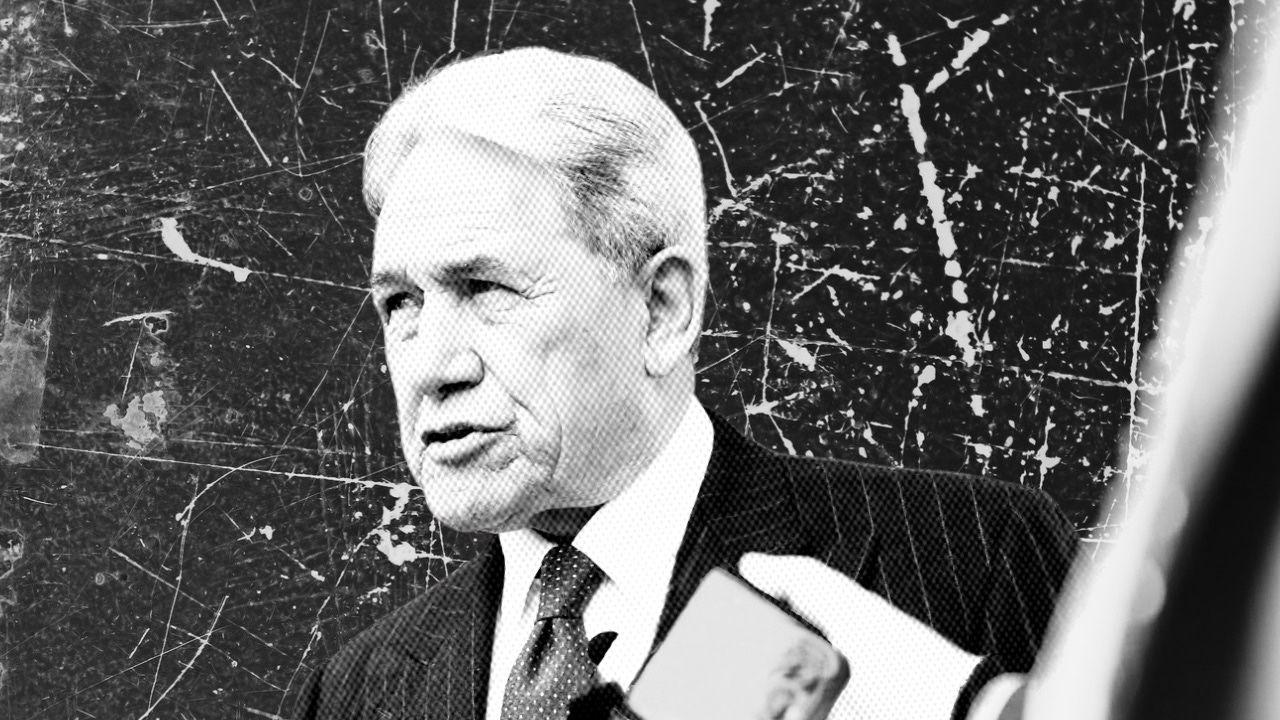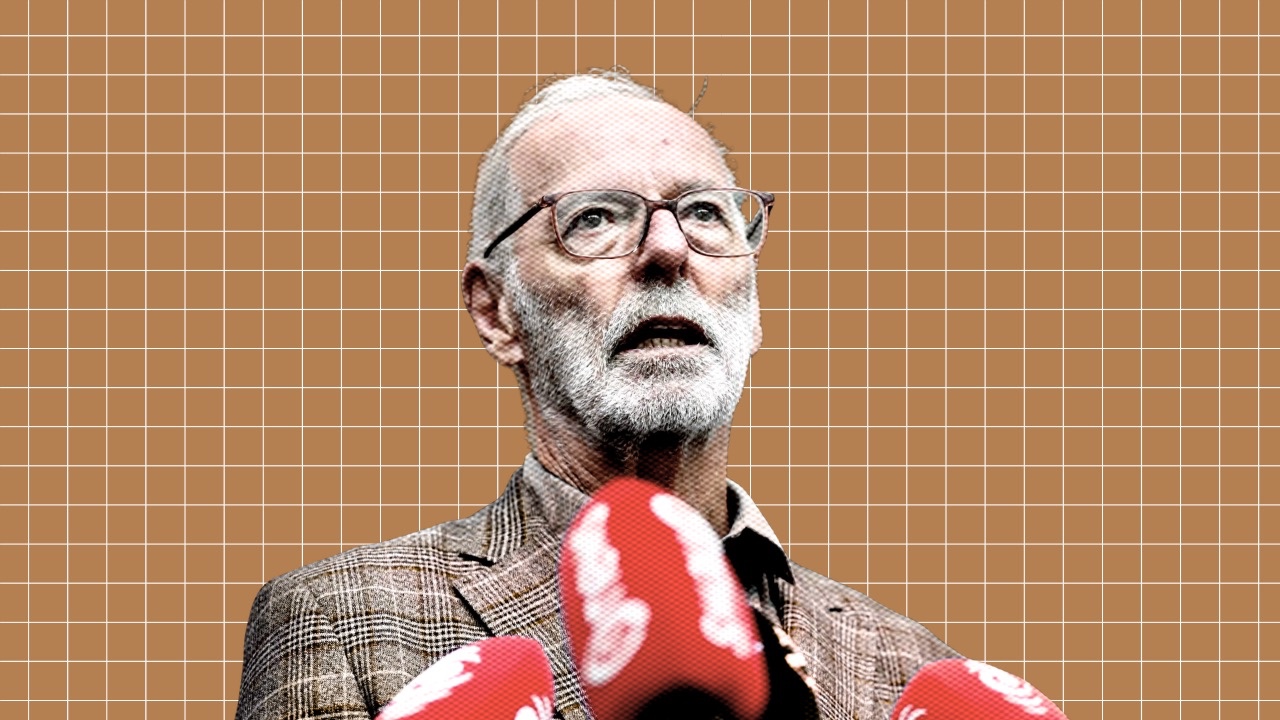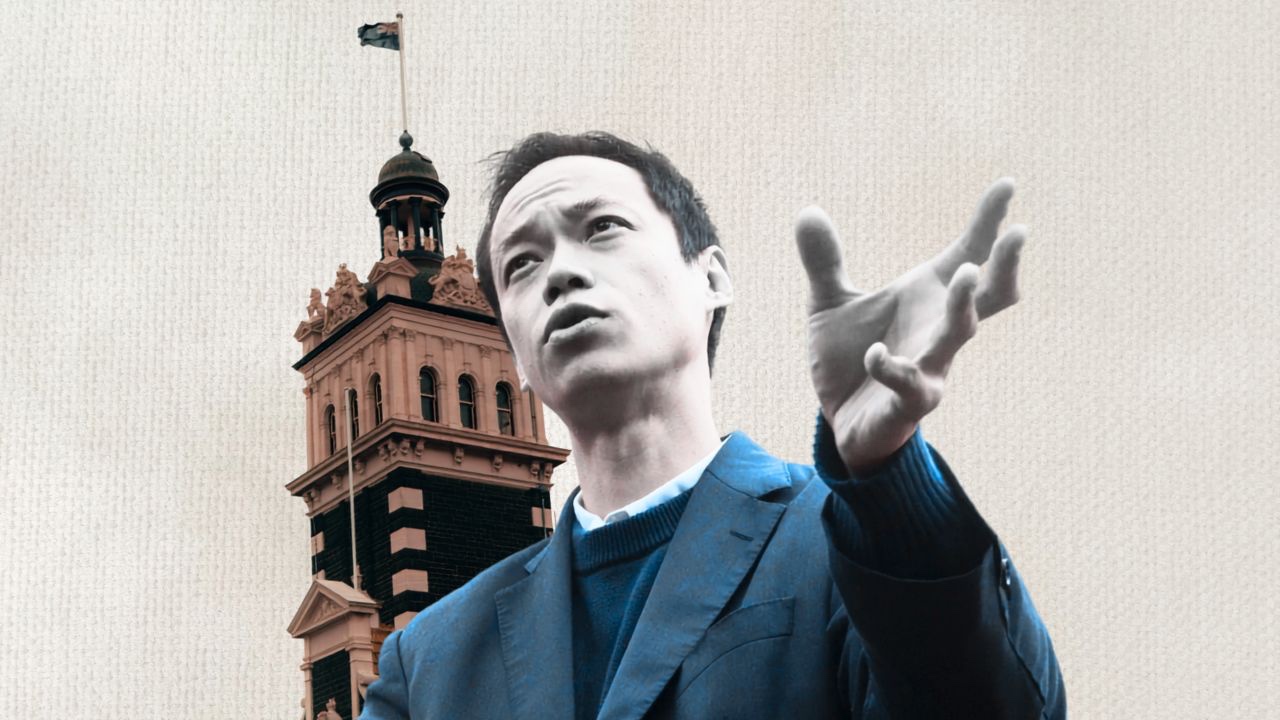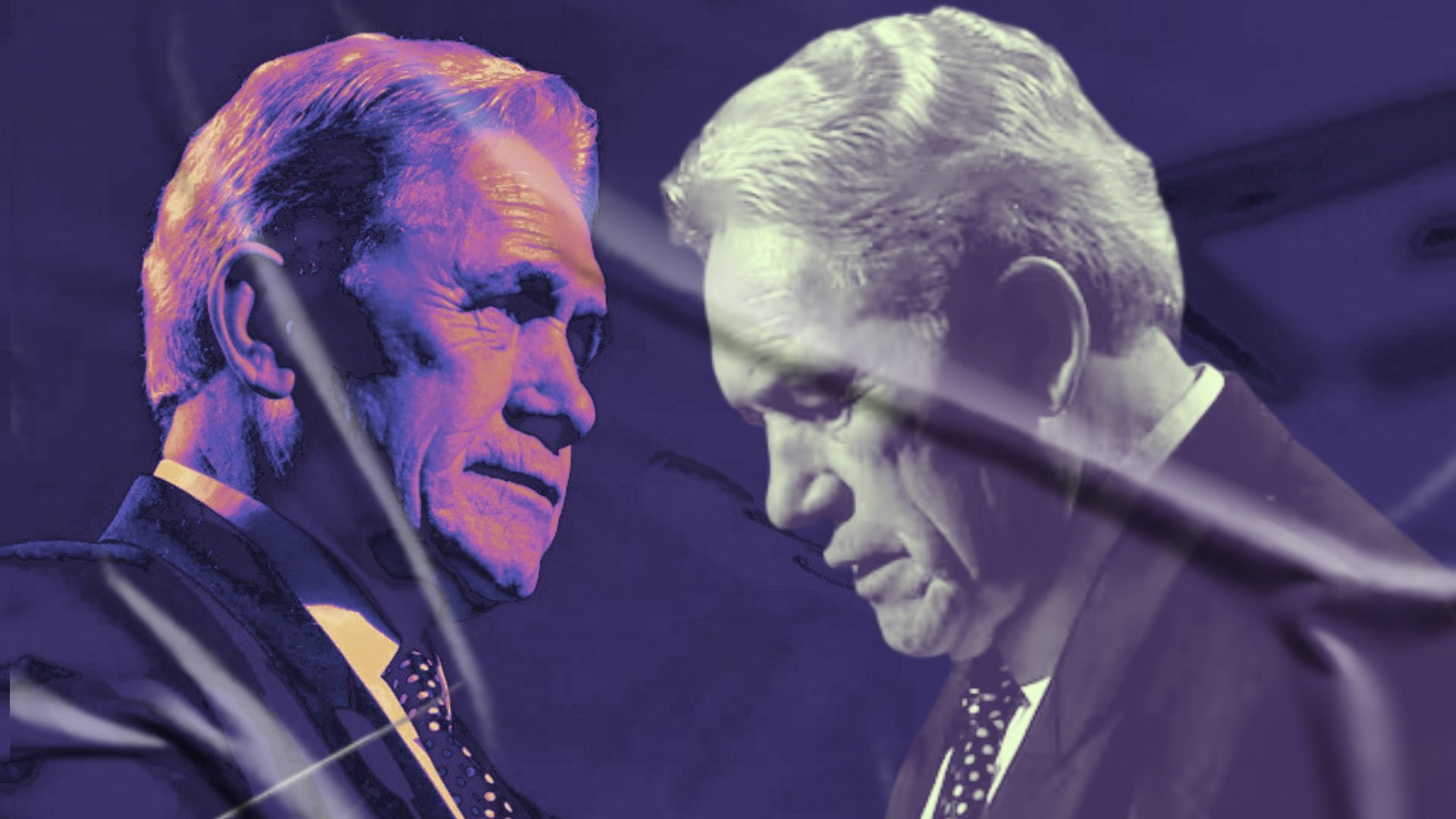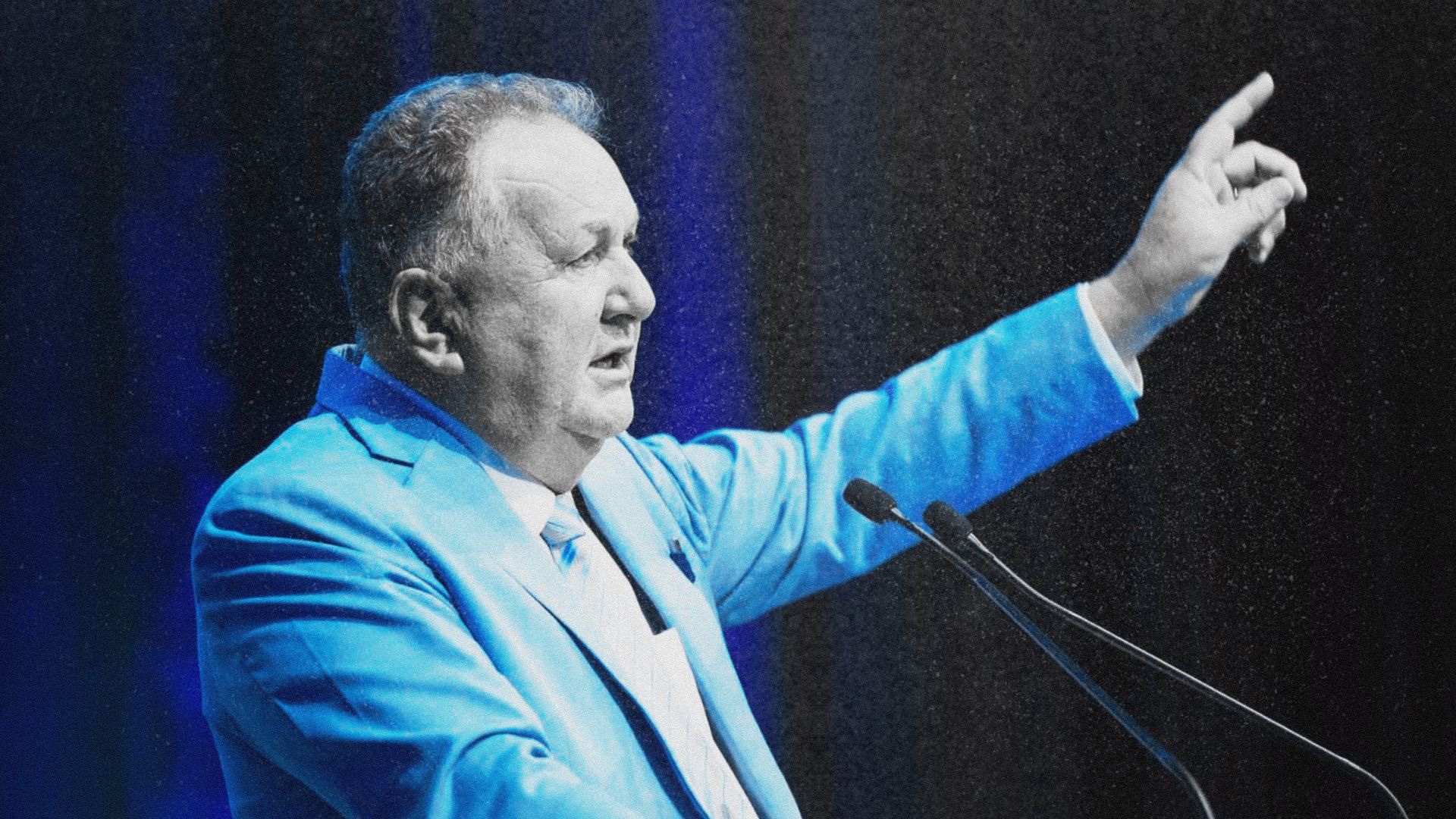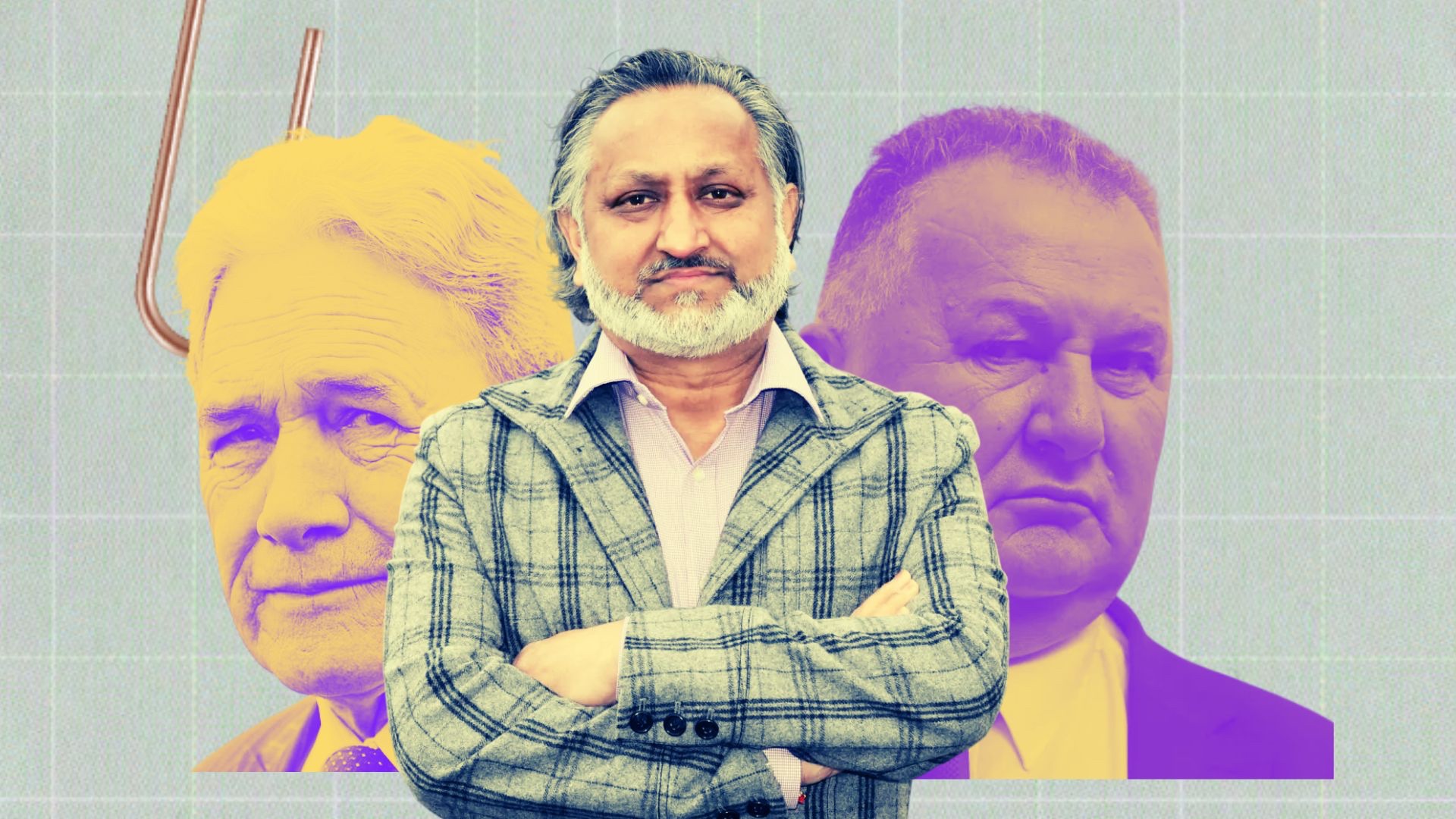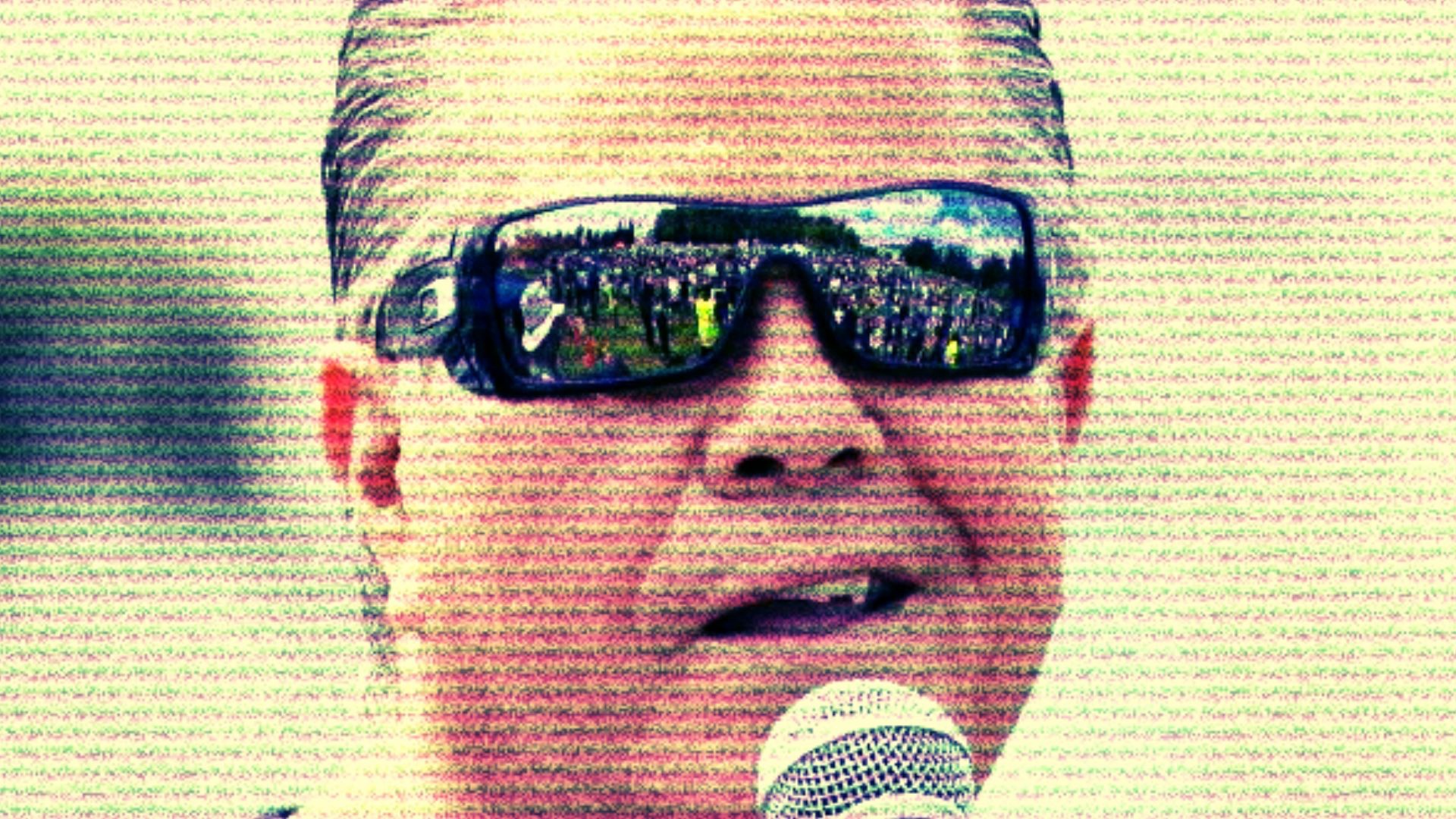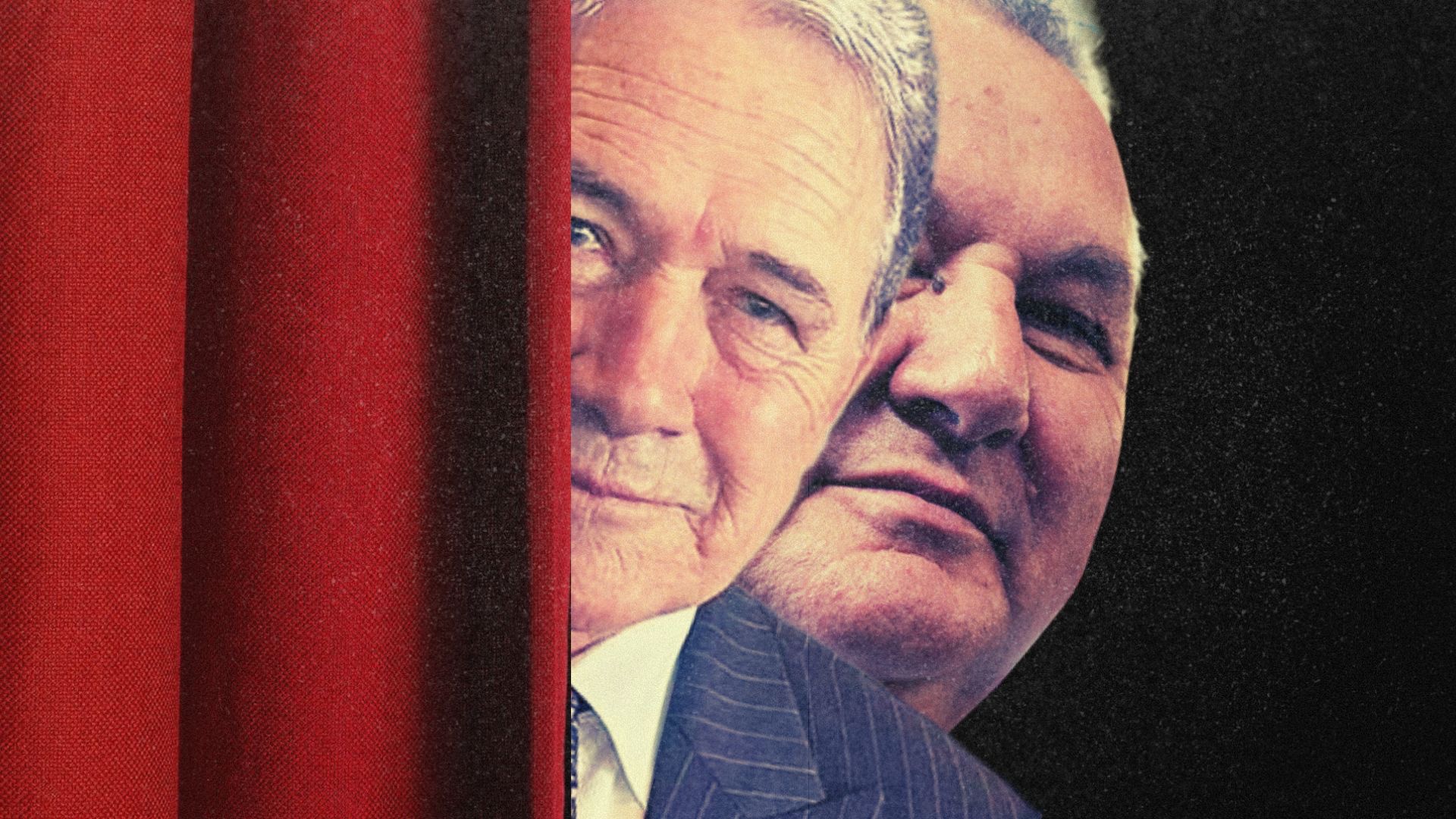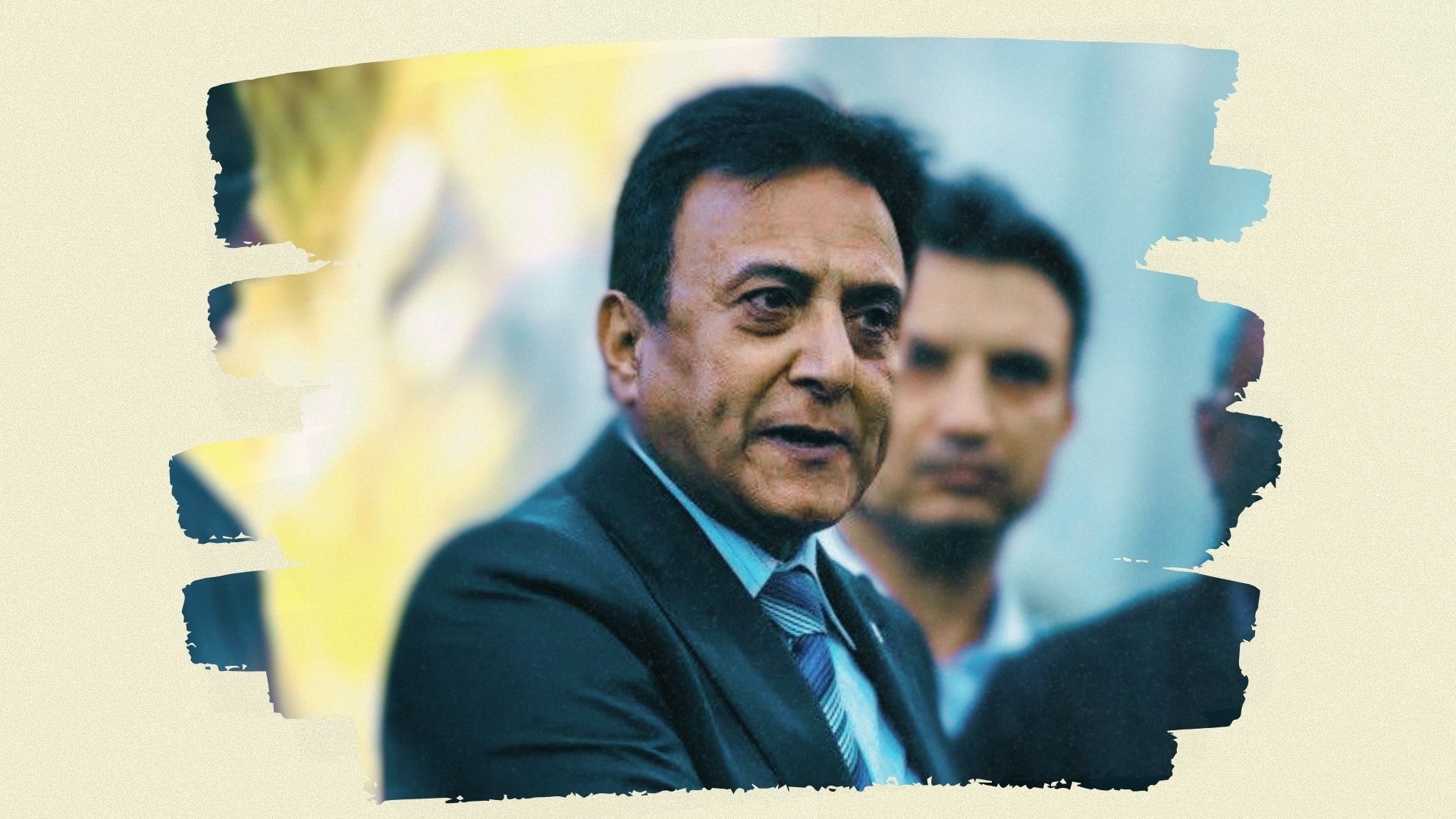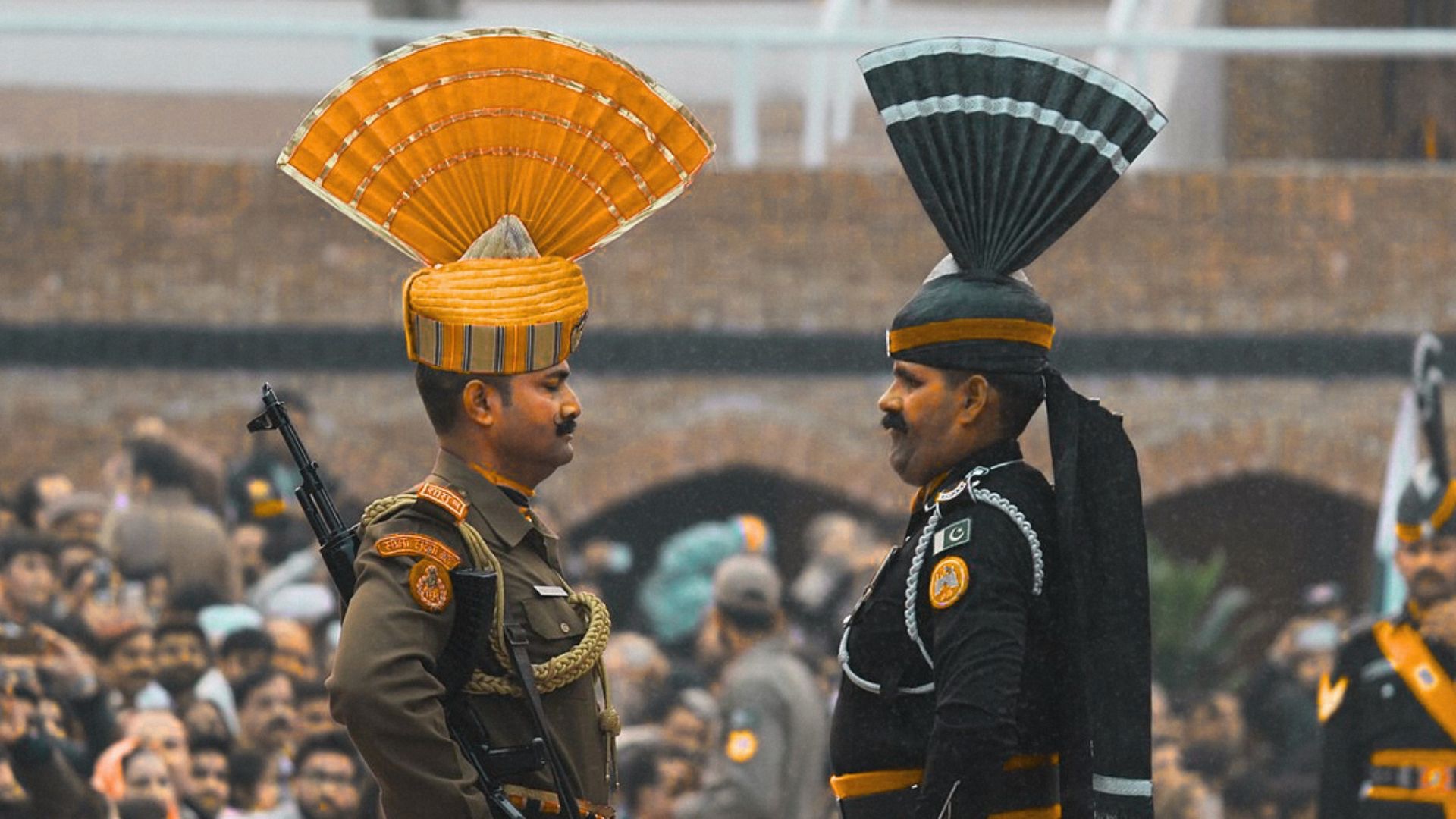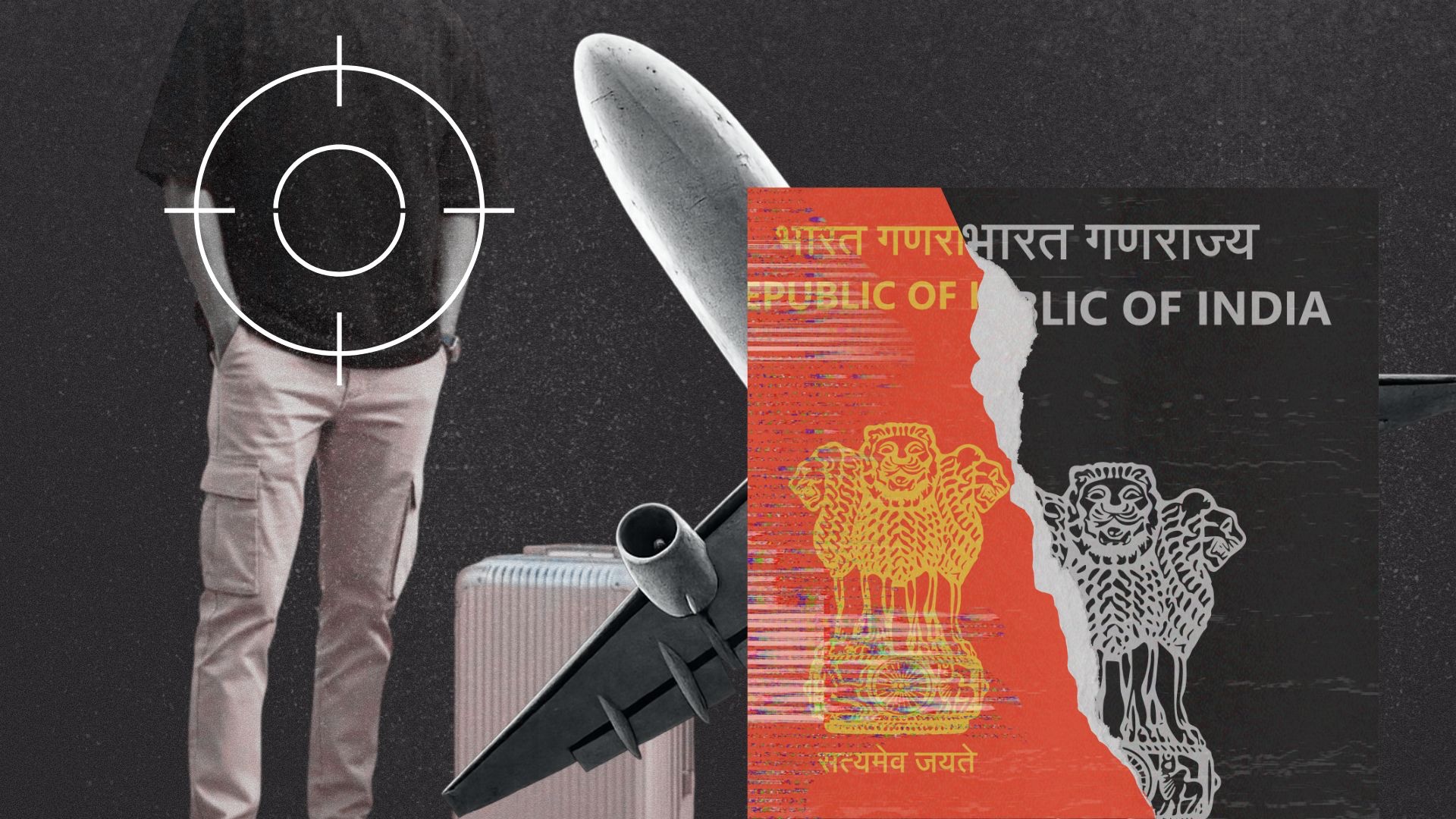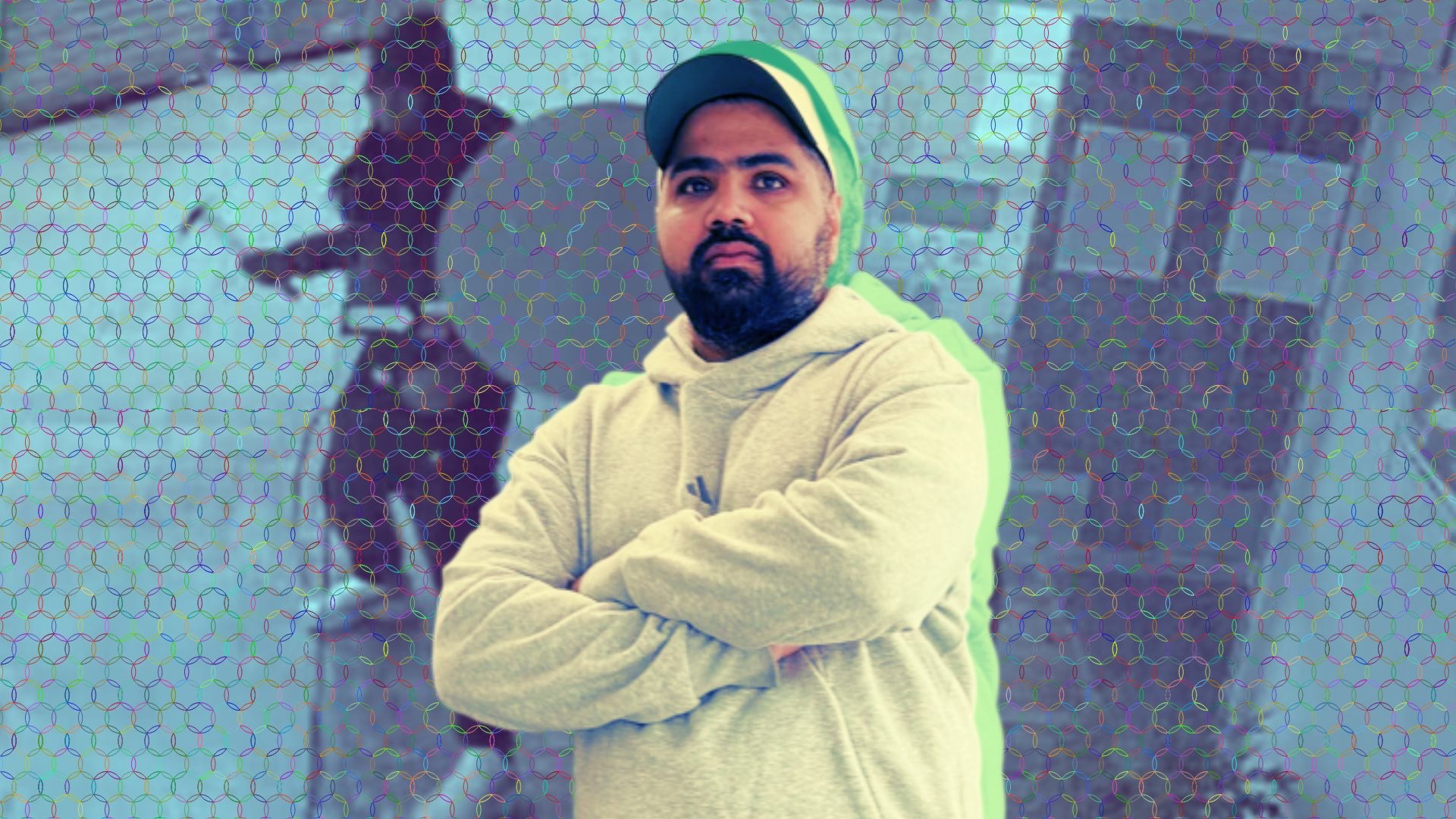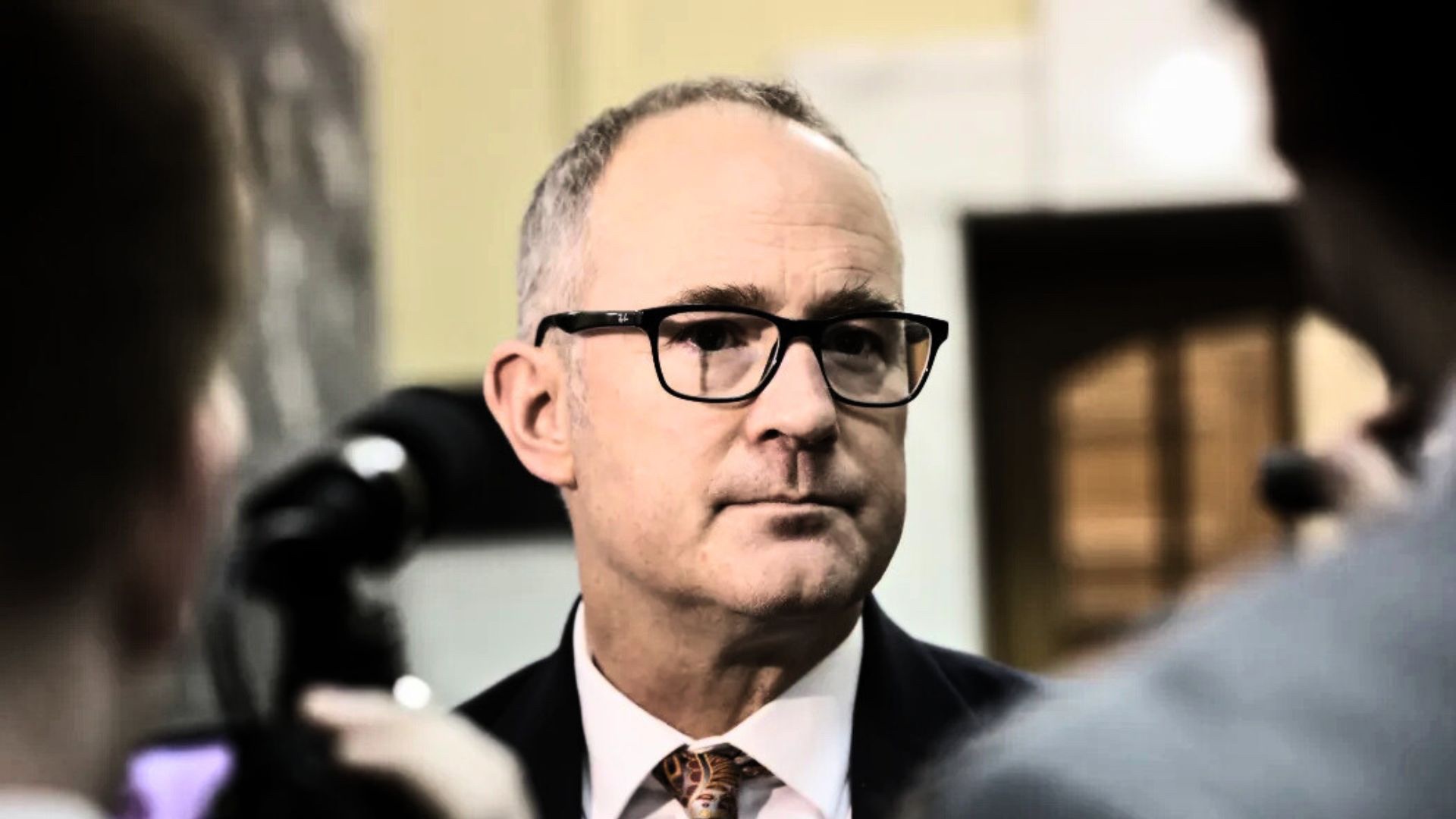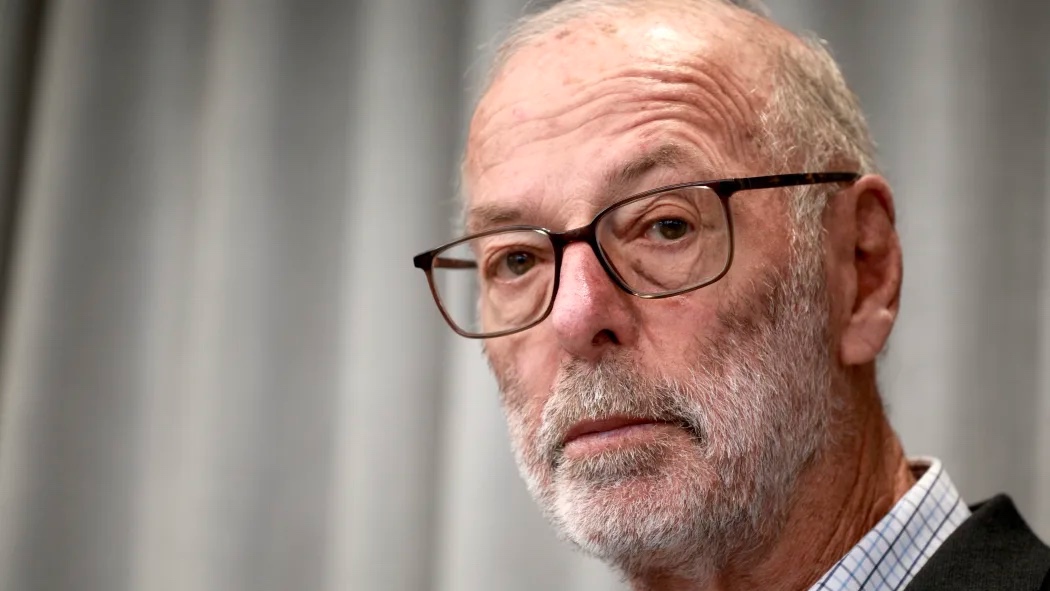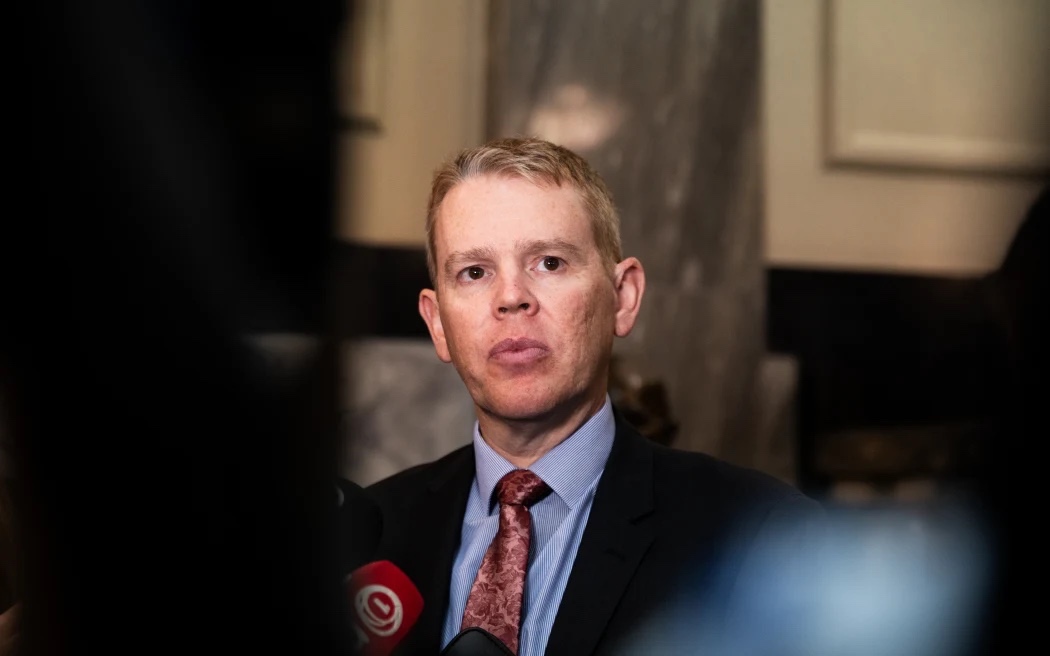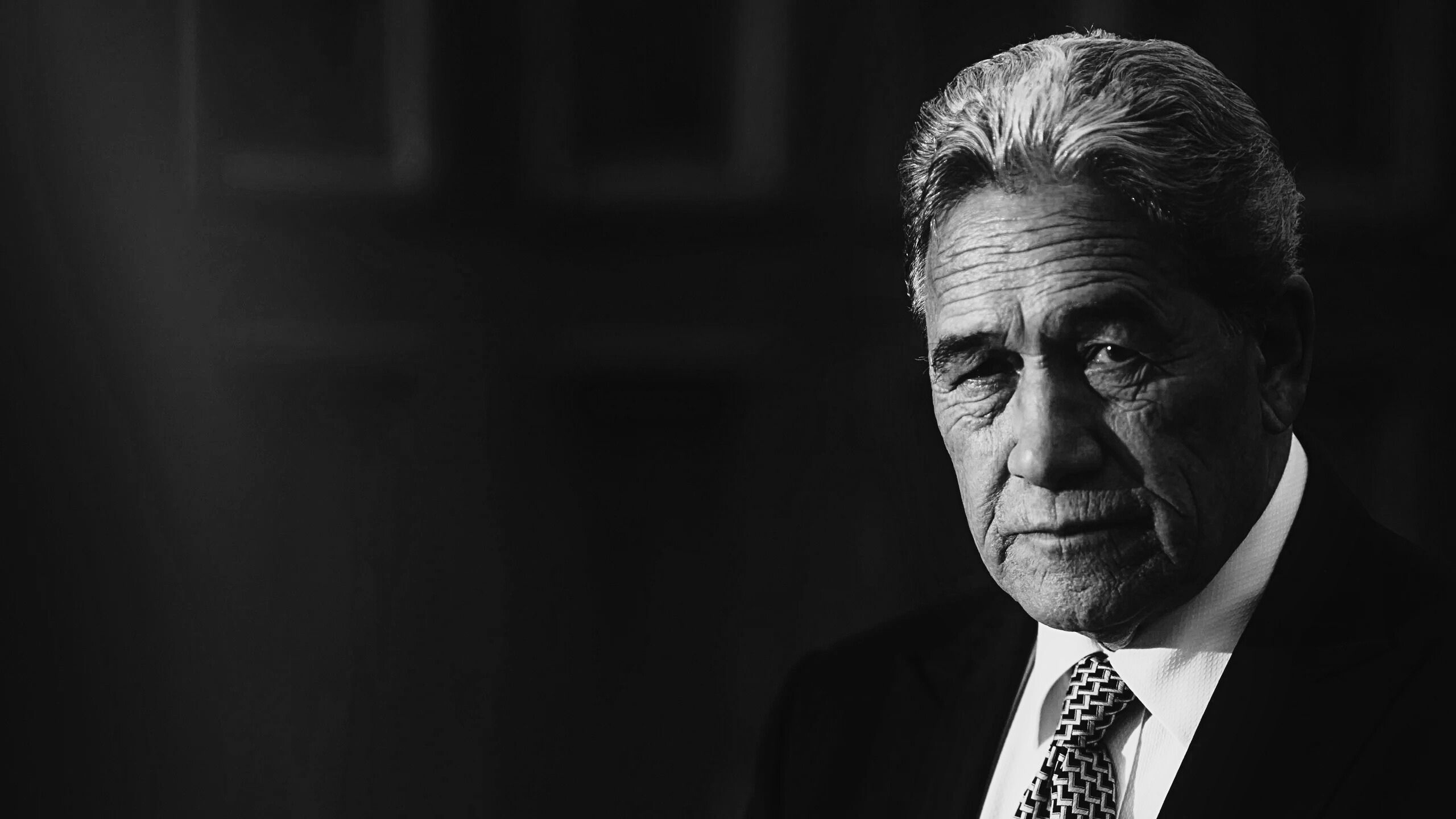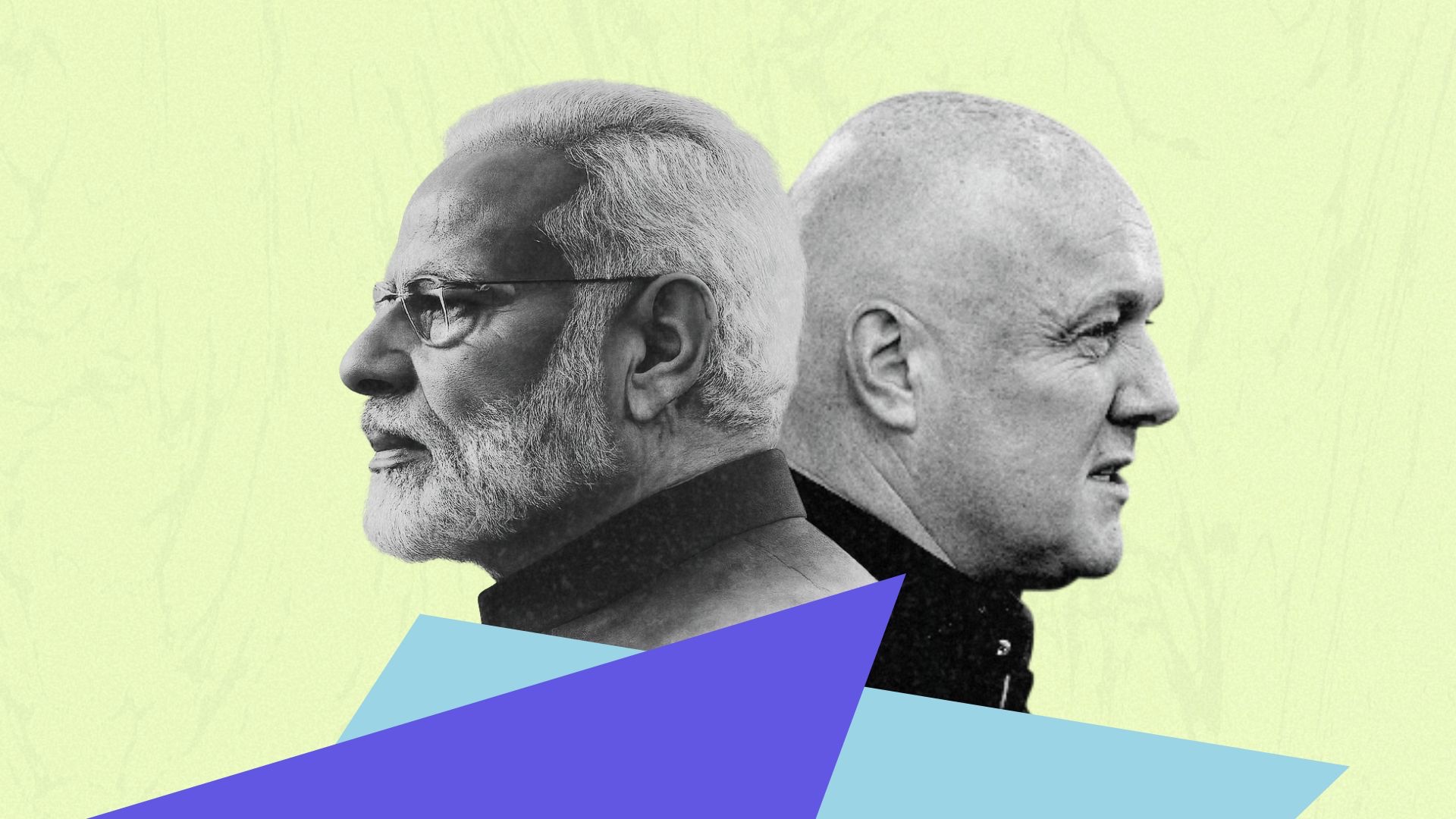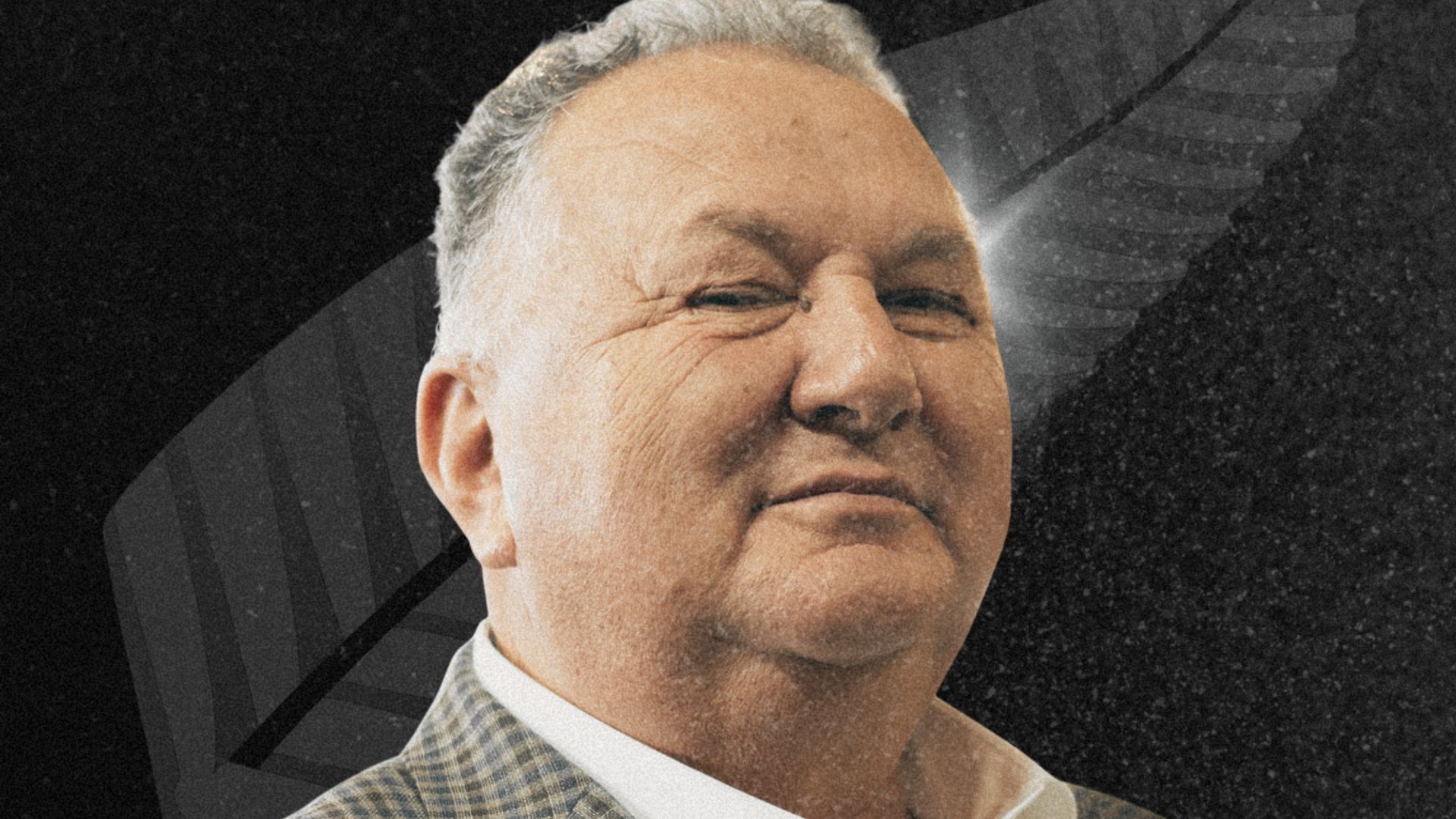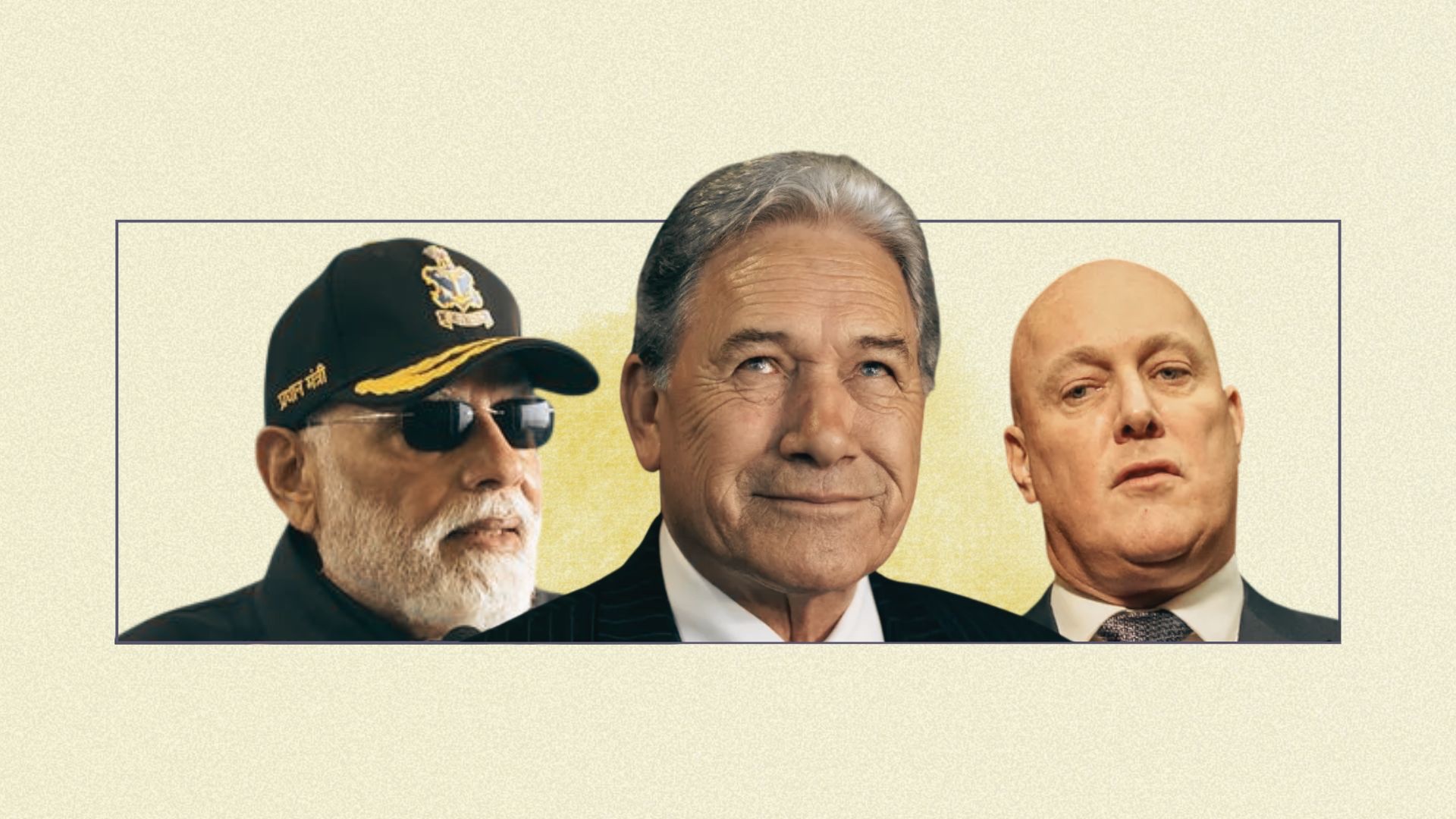

For Brian Tamaki, Modi’s one-day New Zealand visit hasn't really ended
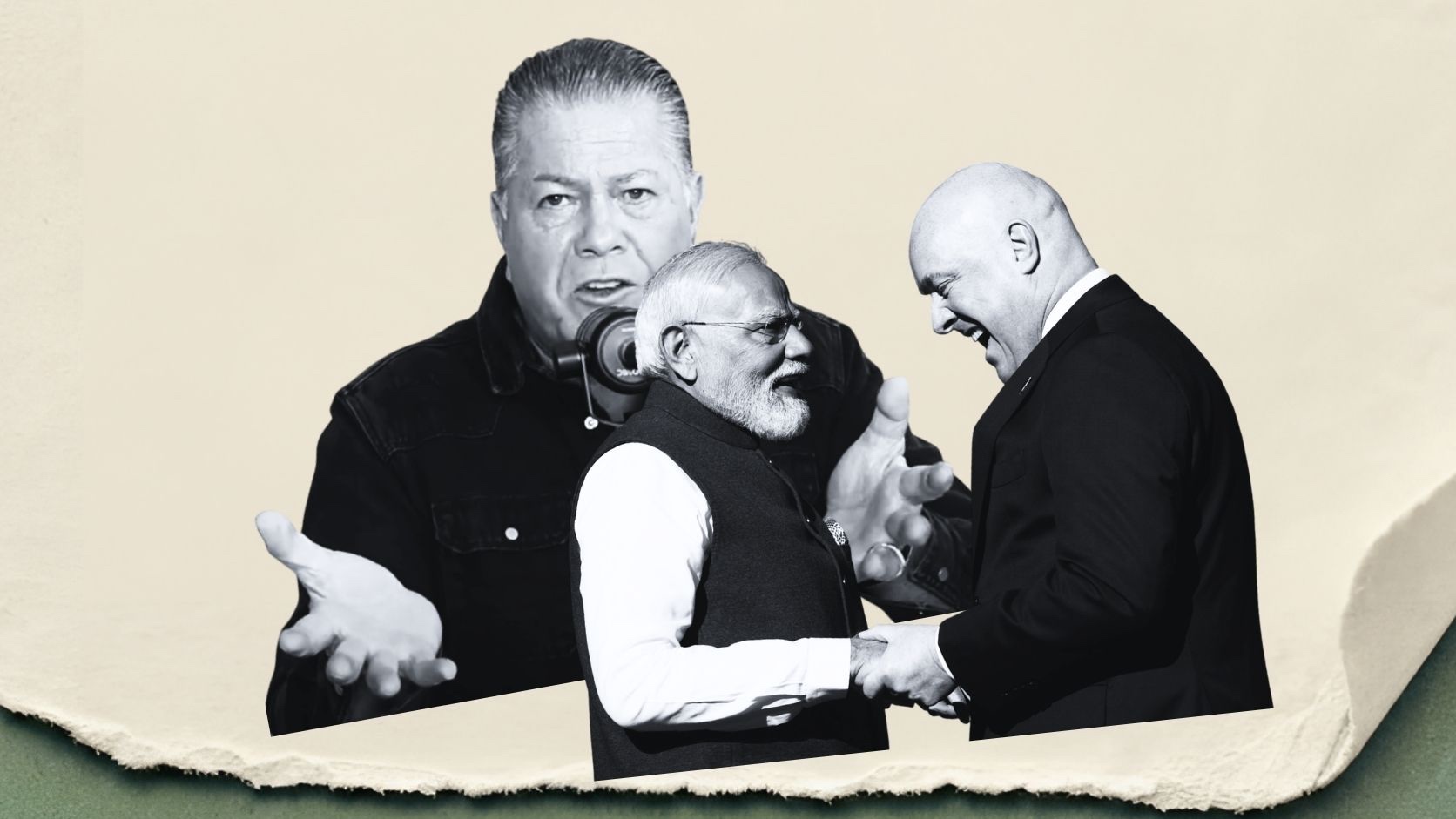
The self-styled cleric is still seething from the after-effects of the Indian prime minister's visit.
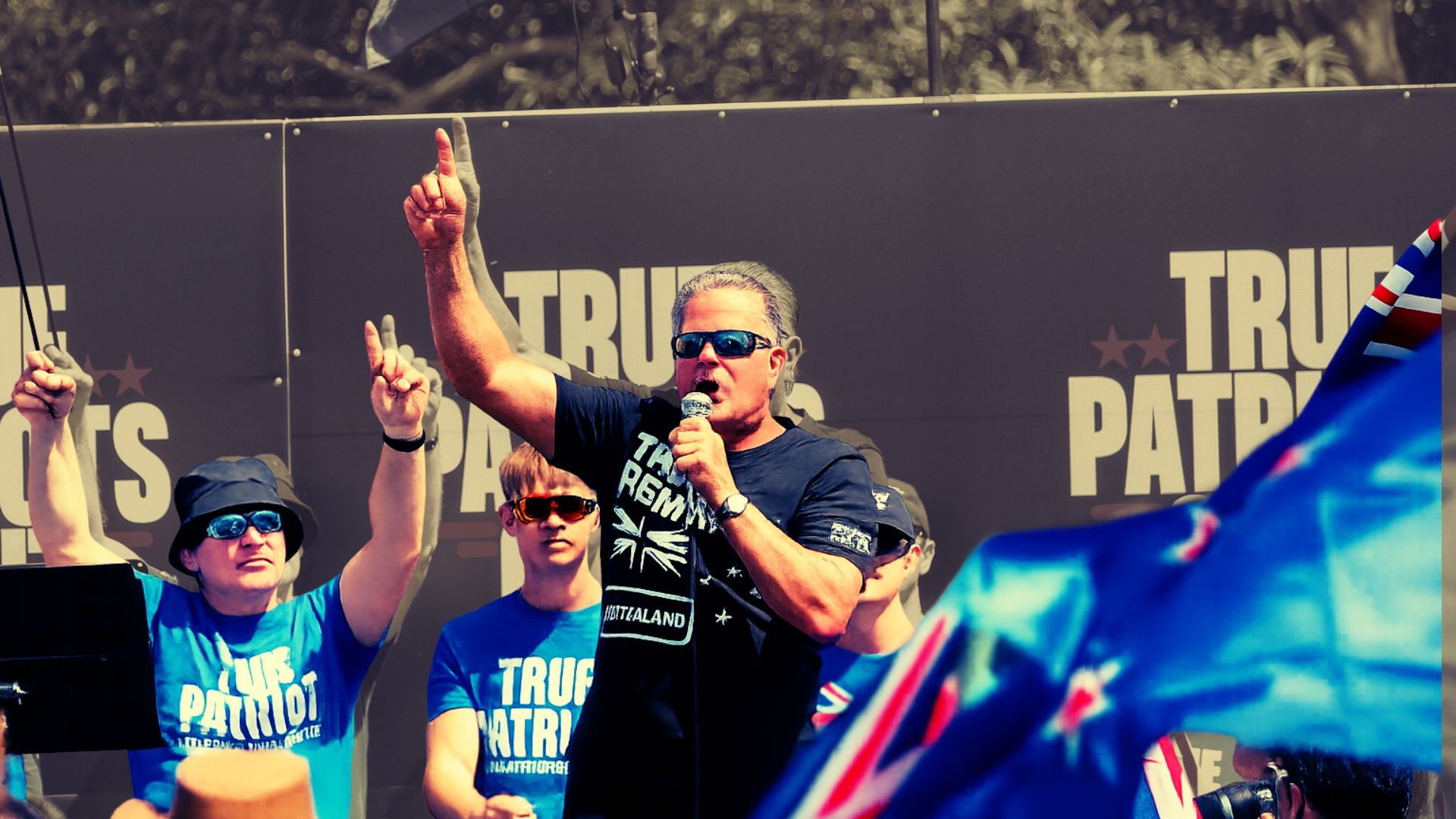
Long after the Indian prime minister flew out, the leader of the Destiny Church still seems to be nursing some serious wounds.
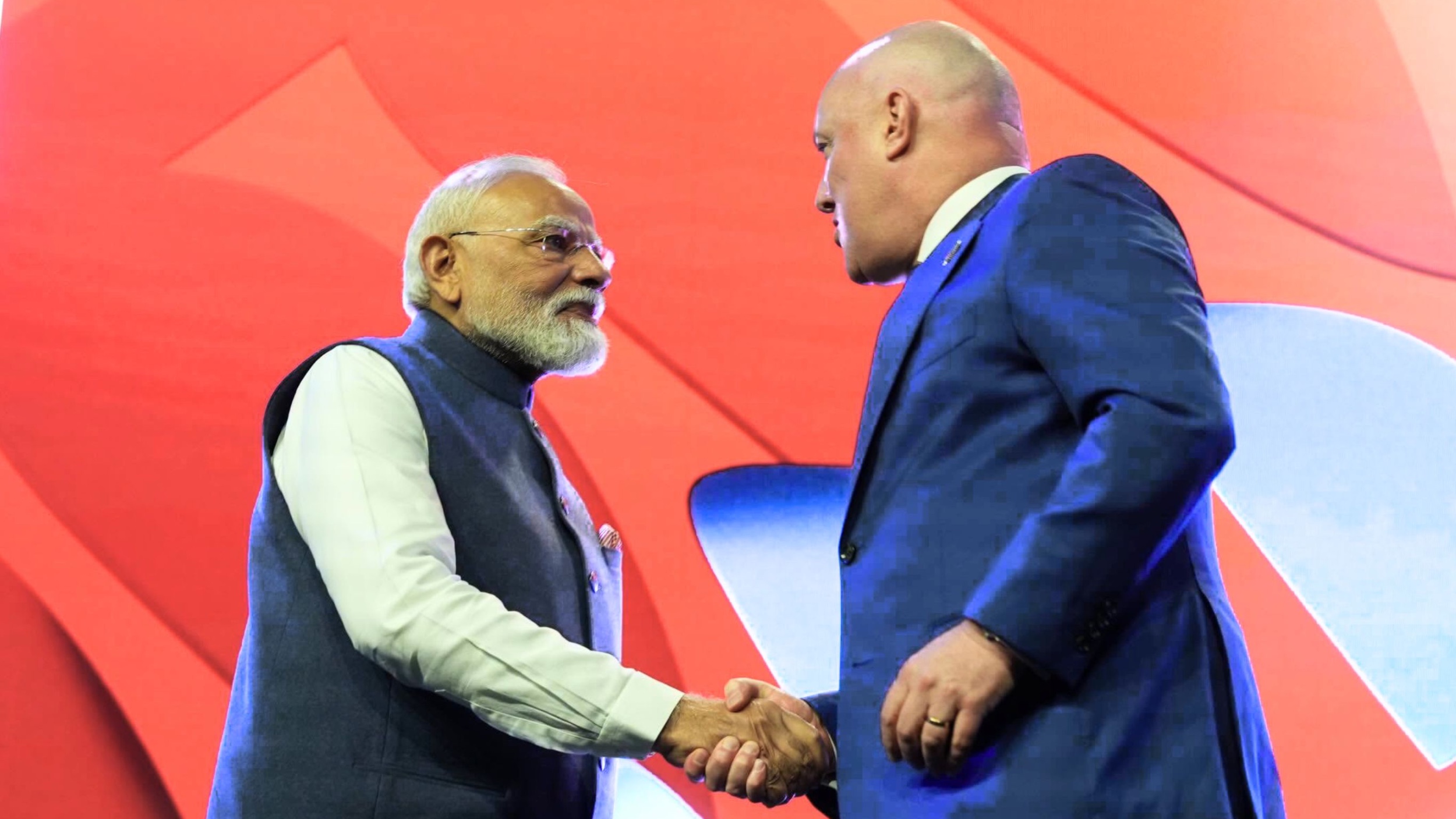
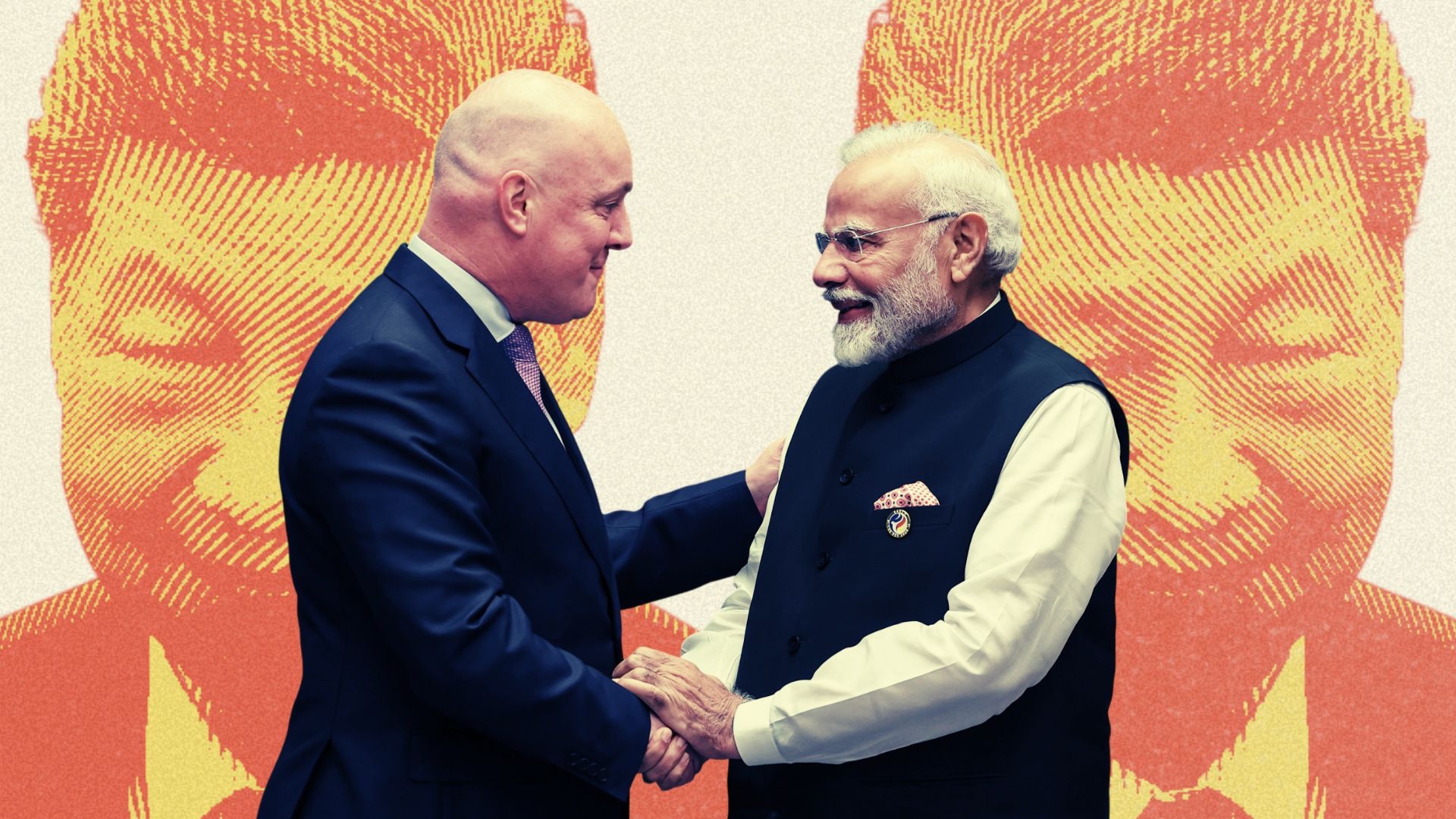
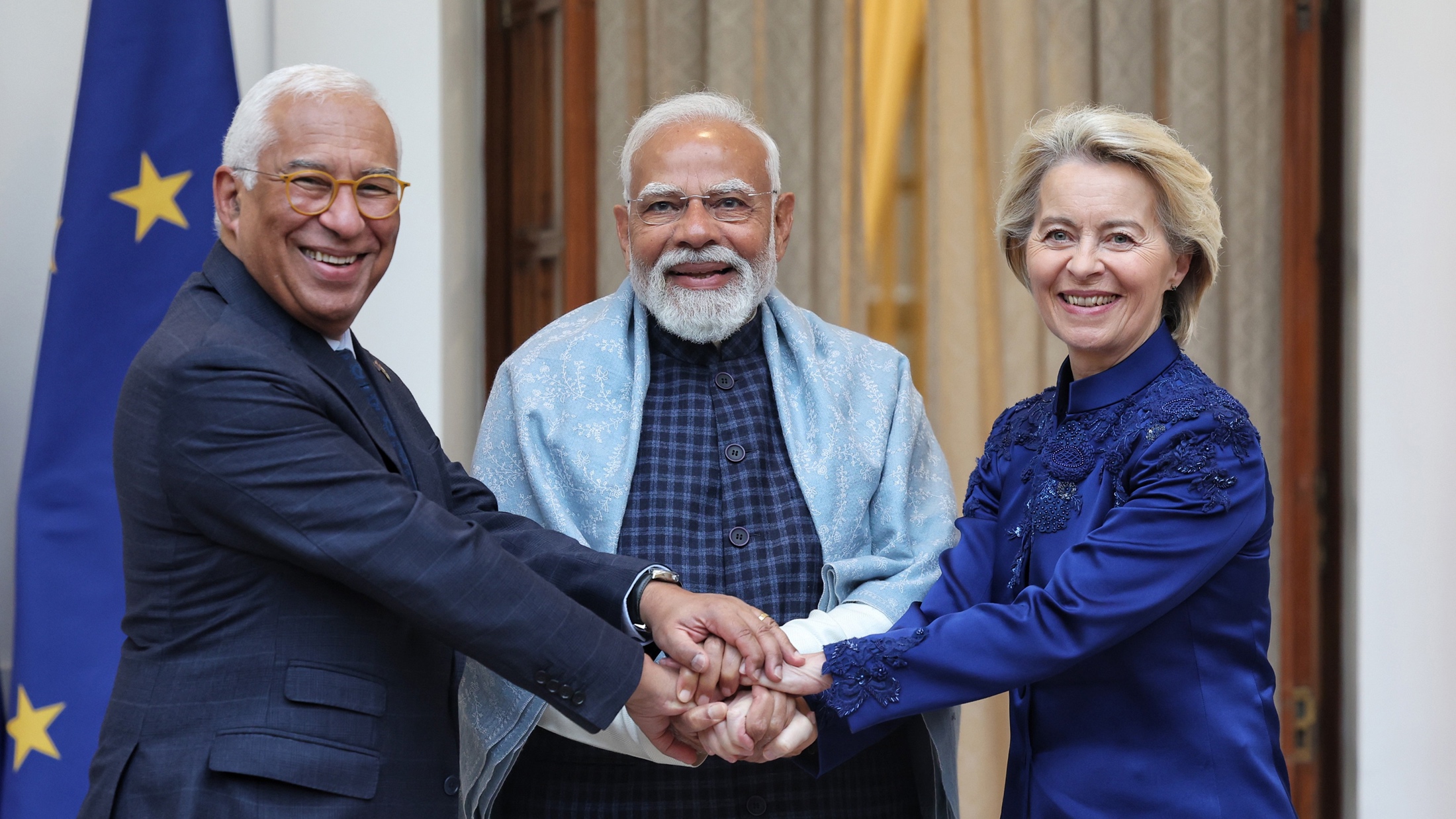
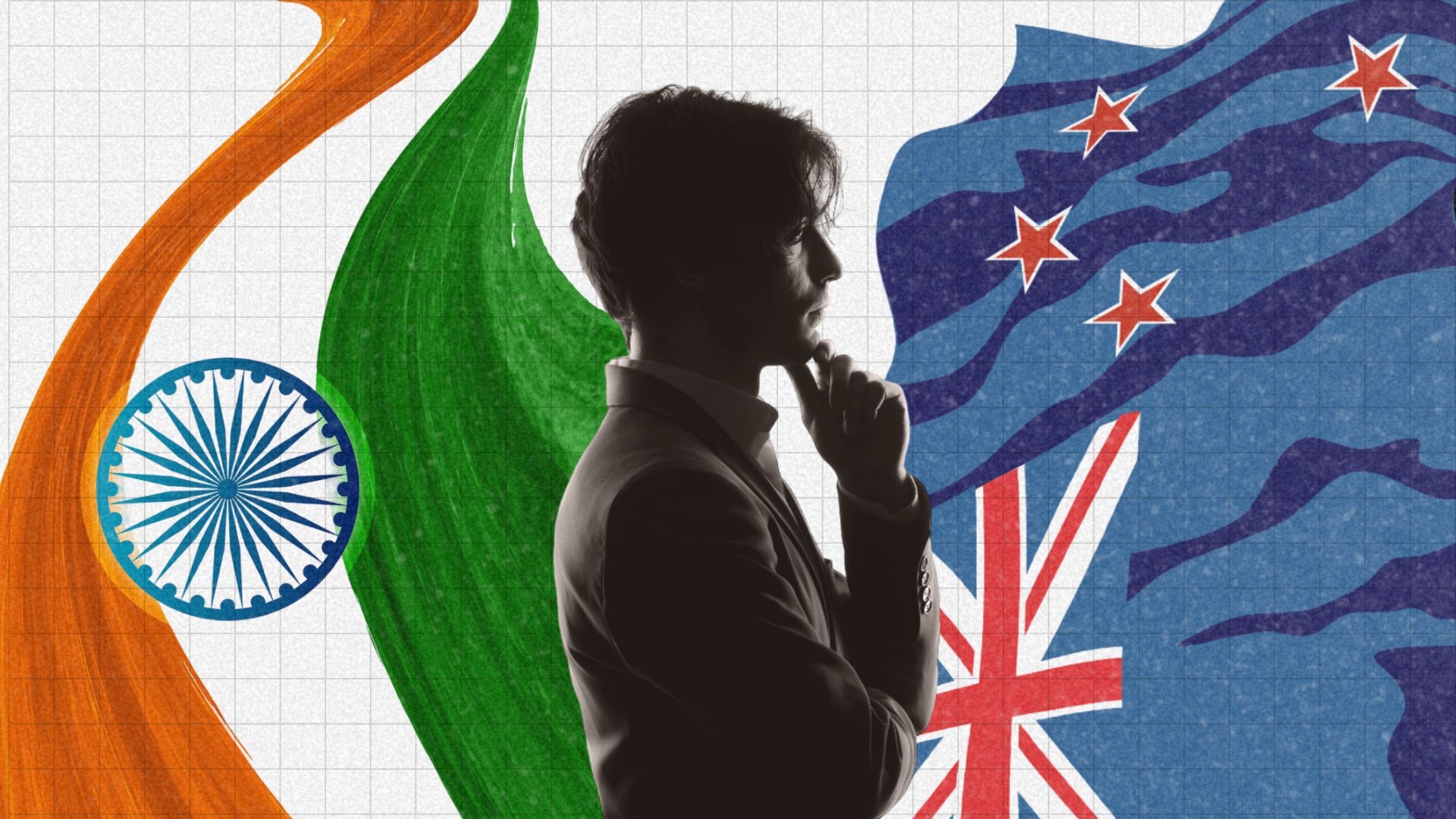
Last month, Narendra Modi spent about 24 hours in New Zealand. Brian Tamaki has now spent considerably longer dealing with the consequences.
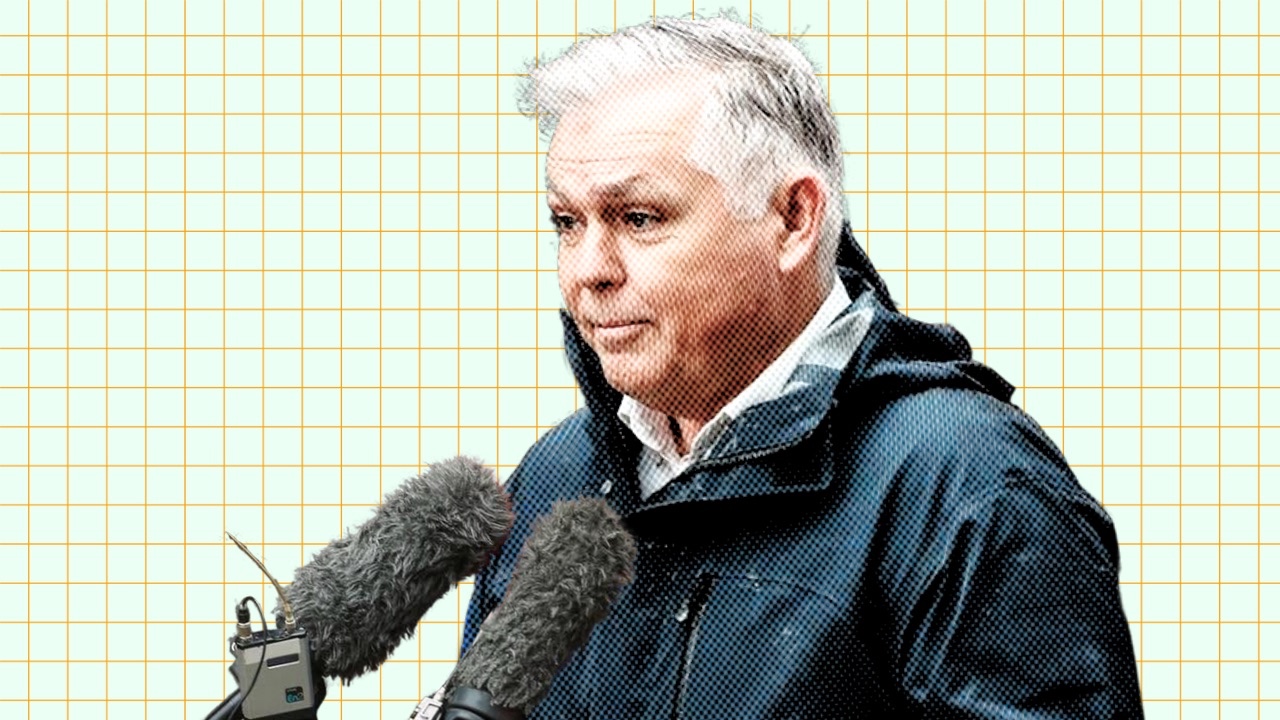
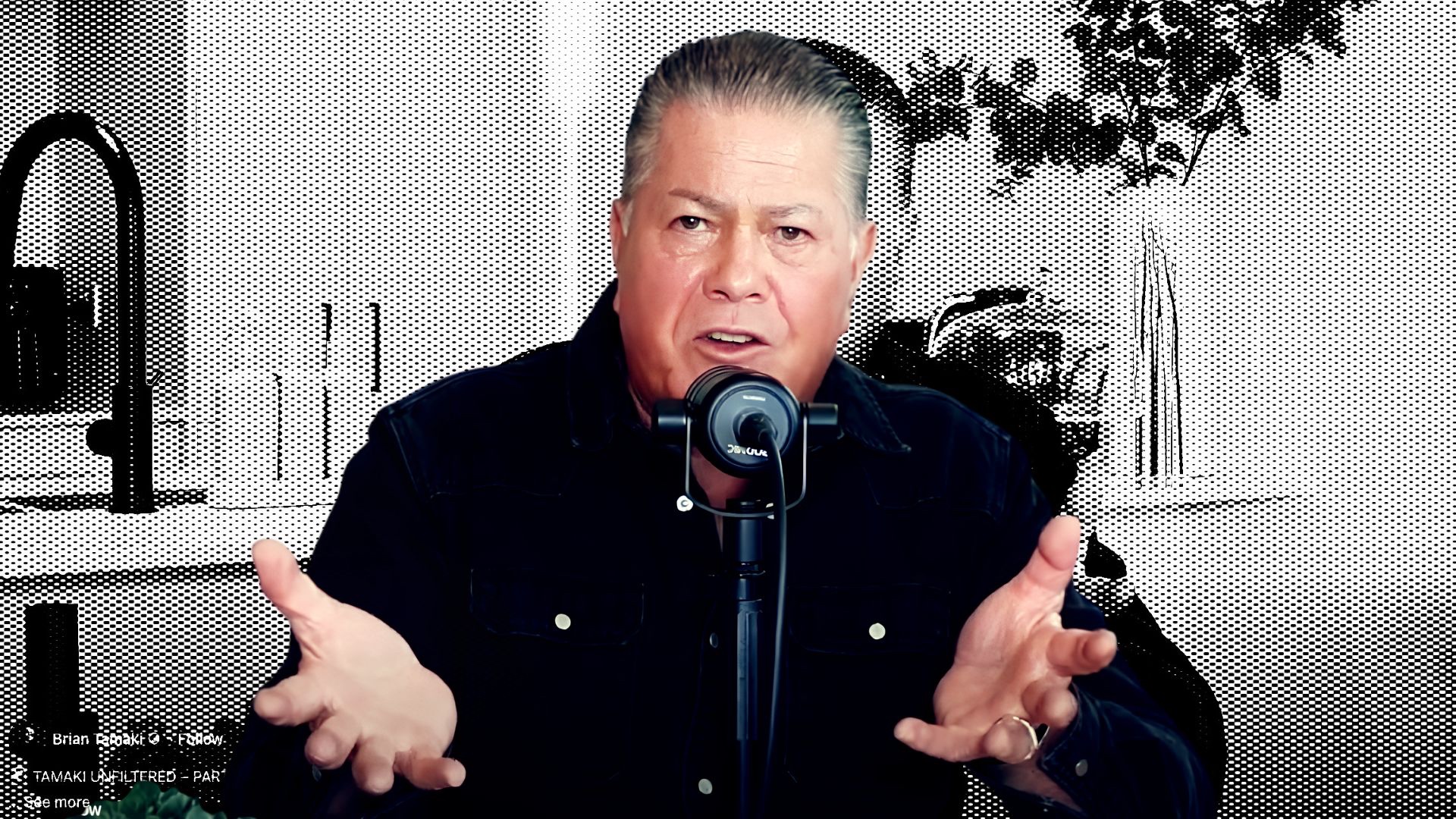
Seven weeks after the Indian prime minister flew out of Auckland, the Destiny Church leader is still relitigating the visit. His latest Facebook post offers perhaps the clearest indication yet of just how much it continues to occupy him.
It begins with a number. “1,100 police. Modi. One day,” he posted on August 29.
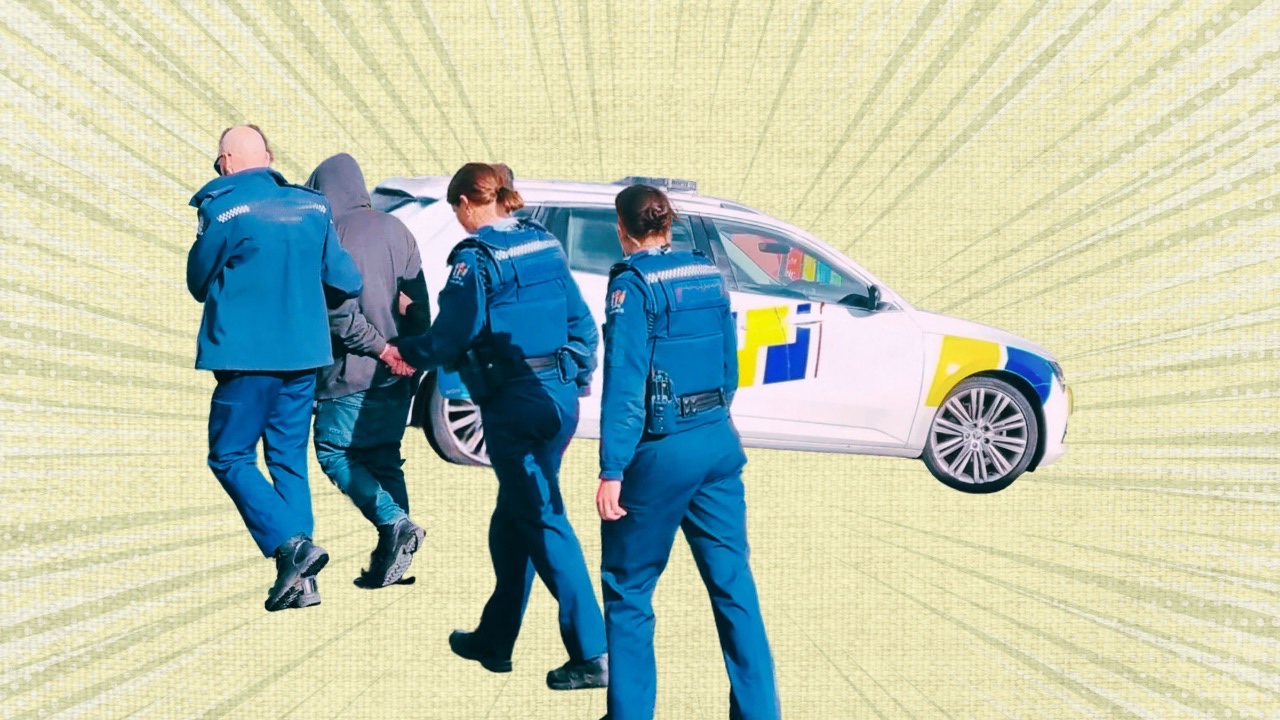
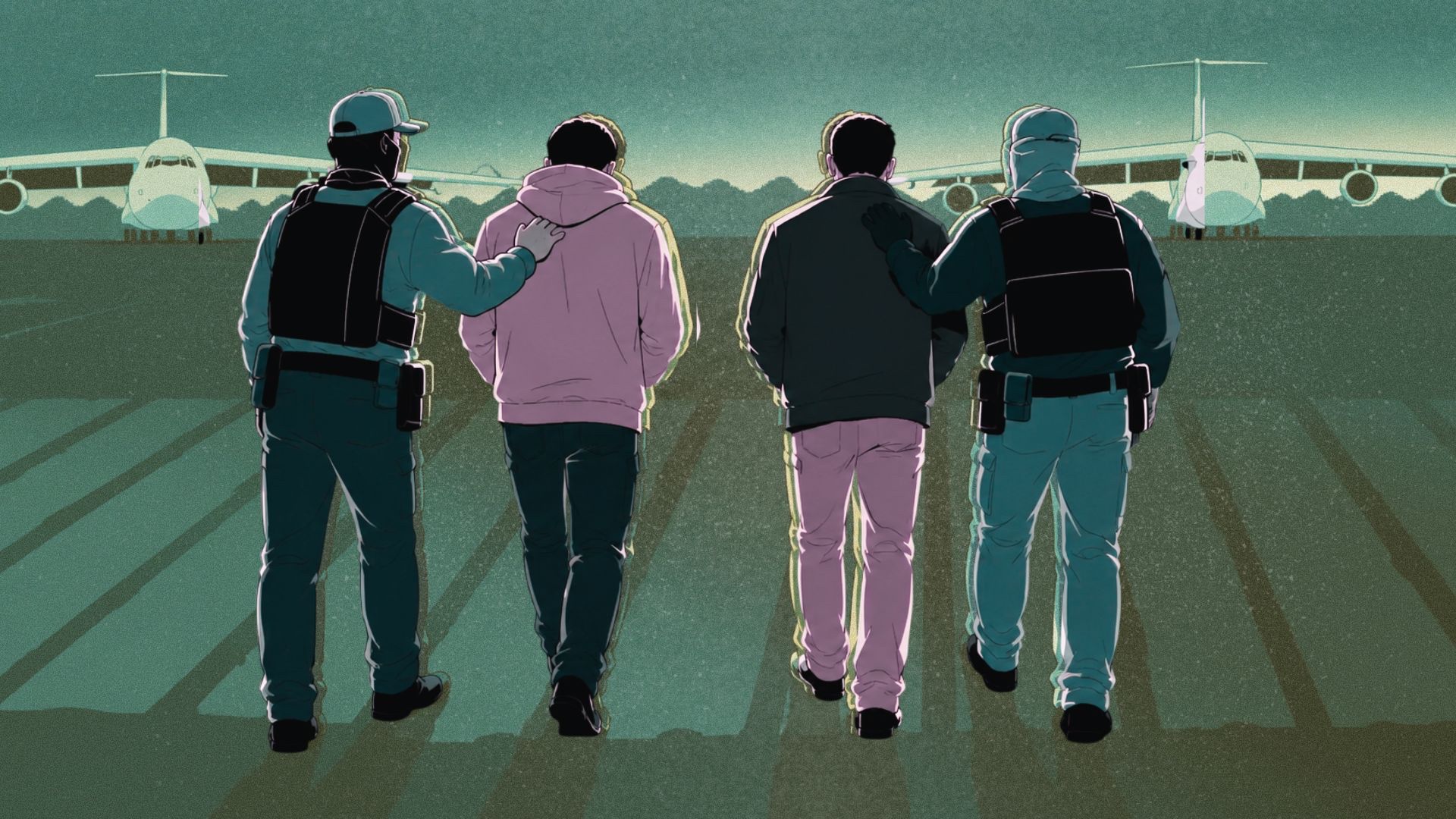
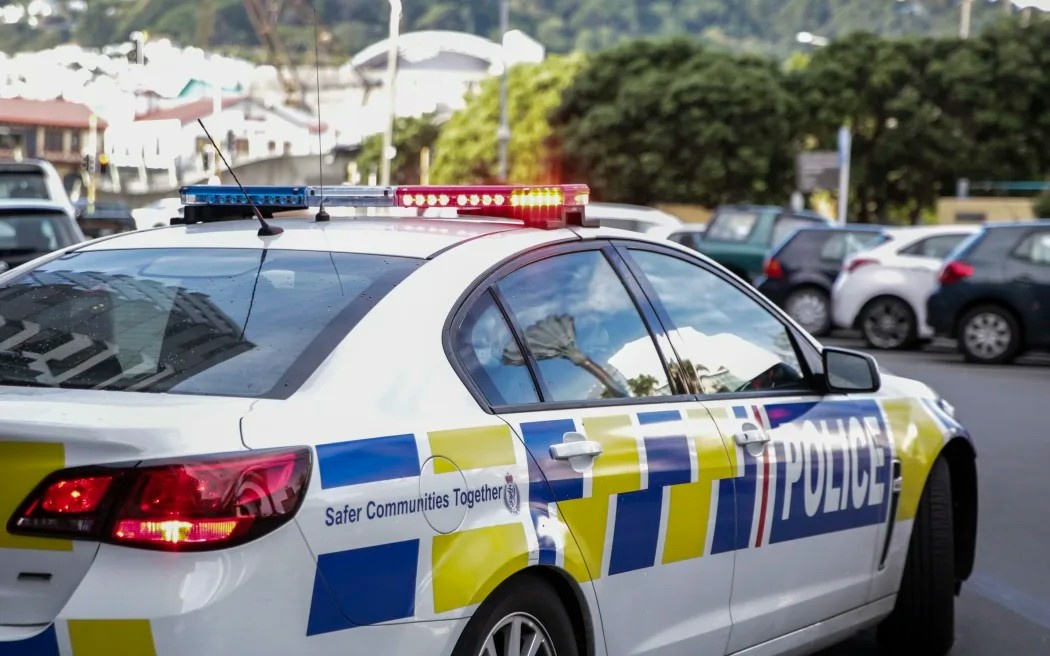
Citing figures he claims are from the NZ Police Association, Tamaki says 1,100 police staff from across New Zealand played some role in planning, coordinating or delivering security for Modi’s visit.
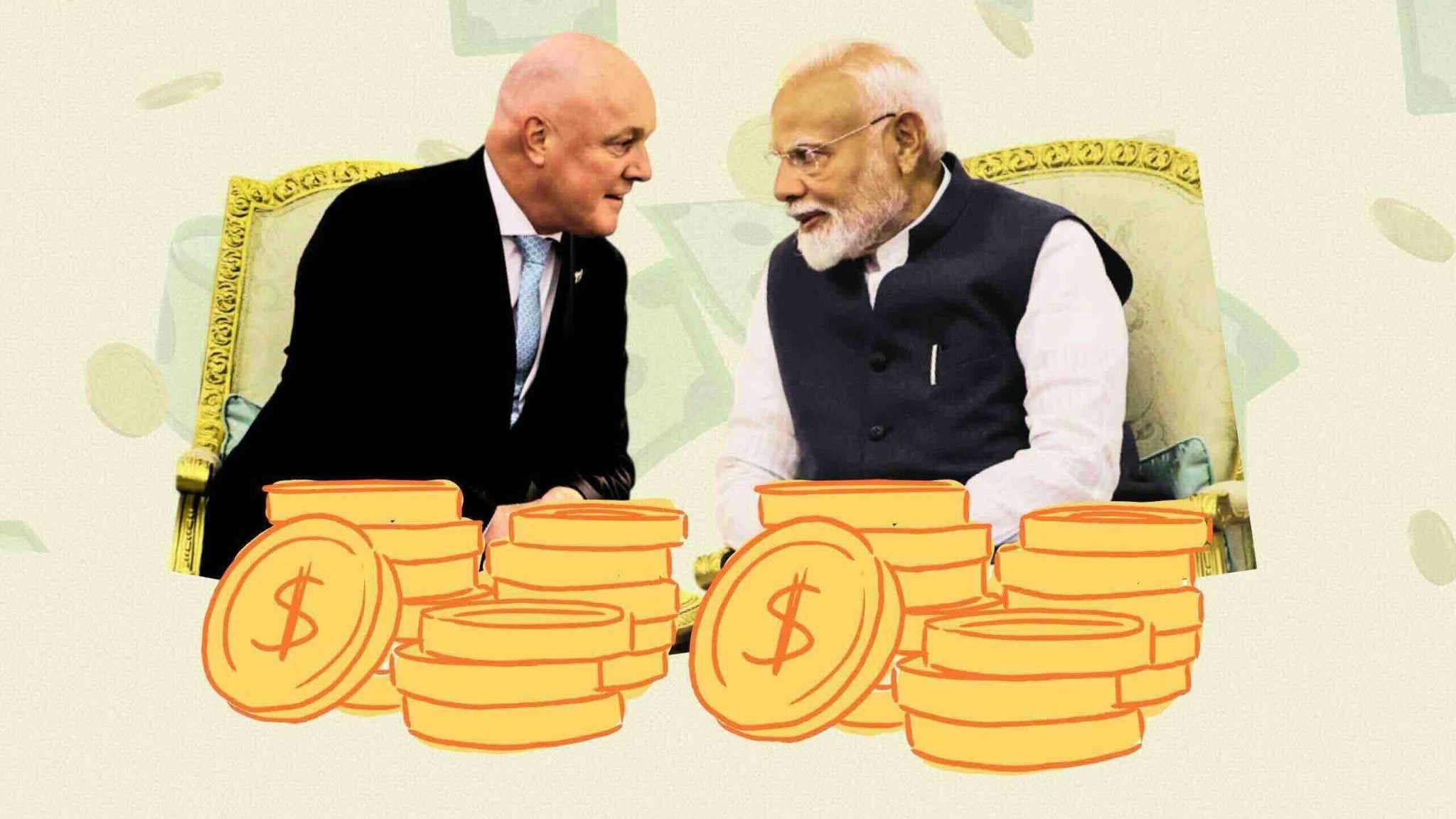
He then points to information he says he obtained under the Official Information Act to argue that police cannot account for the total operational cost. Police haven't confirmed the cost figures cited by Tamaki.
Boss’s exploitation bill nears $60K after migrant worker forced to work out his own unpaid hours WhatsApp messages and phone notes helped prove what his employer failed to record.
Migrant couple hit by visa setback after 8-year-old daughter qualifies for disability support Her parents can stay in New Zealand until 2028, but the girl must return.
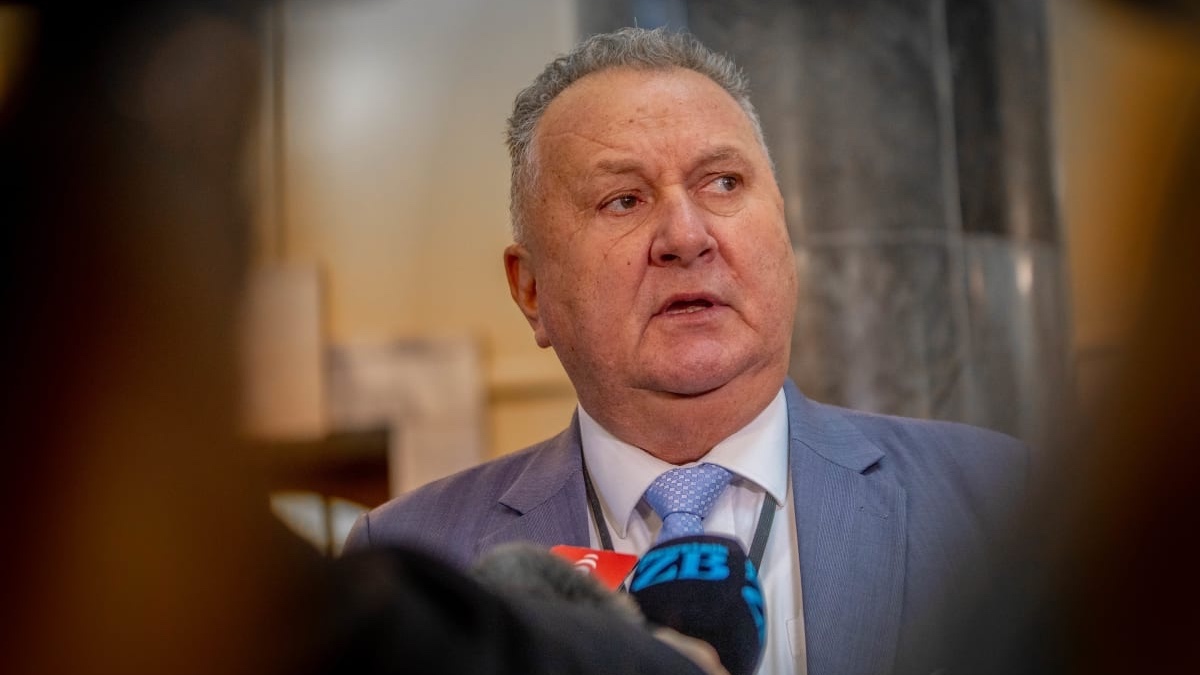
NZ First’s employer work visa reset sounds dramatic. The detail is less revolutionary NZ First says it will scrap the Accredited Employer Work Visa. But many of its proposed fixes already exist.
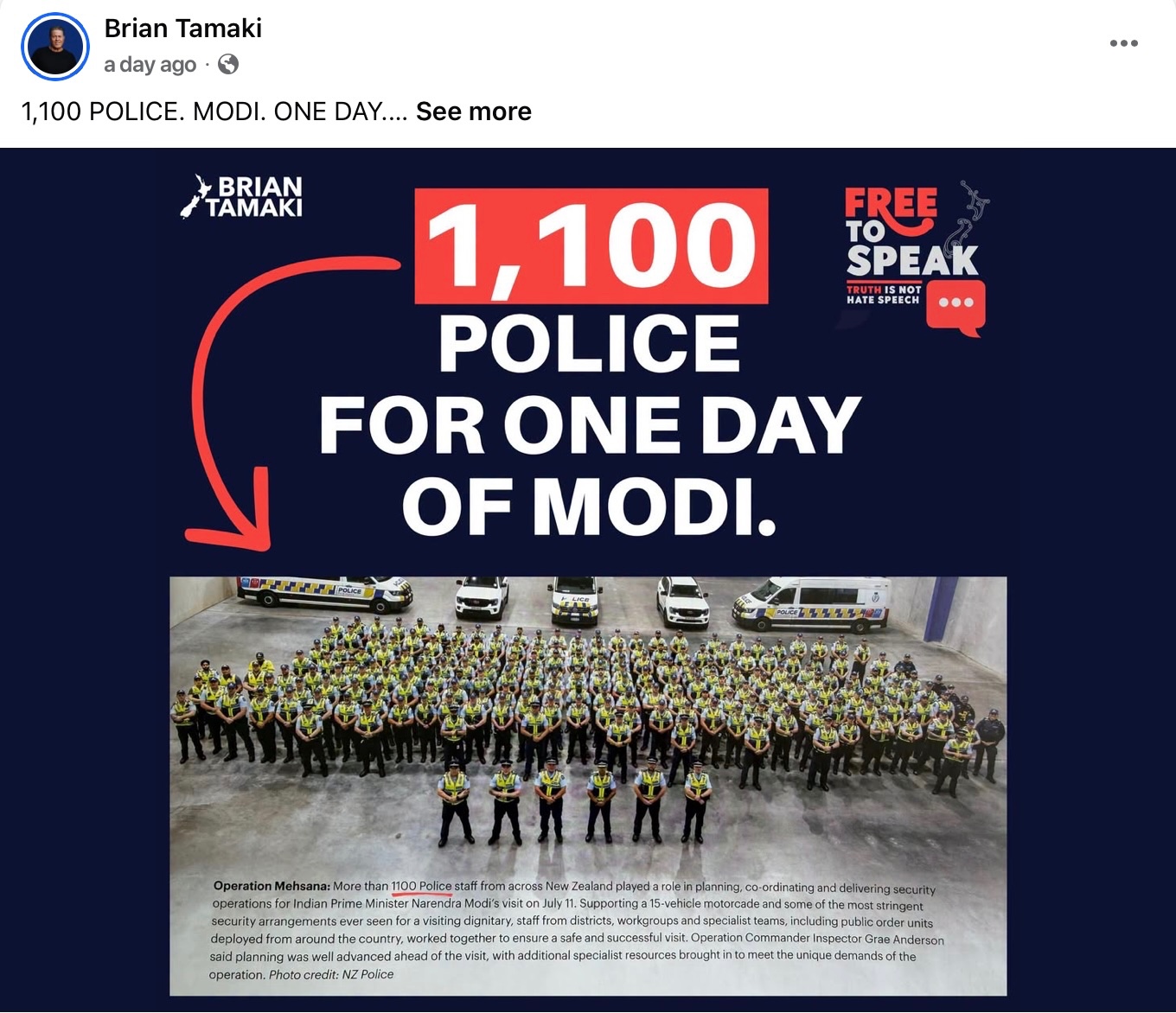
A screenshot of Tamaki's post on Friday.
“Police don't know the total Modi operation cost,” he wrote. According to Tamaki, police told him the overall operational cost “was not routinely calculated and is not held by Police”.
He says Auckland District Police identified $73,749.88 spent on flights and about another $84,000 across accommodation, constabulary allowances, consumables, towing, vehicle hire and venue hire.
But the post does not remain about public expenditure for very long. After running through snipers, bomb-sniffing dogs, specialised anti-terror squads, explosive checks, a 15-vehicle motorcade and police brought in from around the country, Tamaki turns the security operation back towards himself.
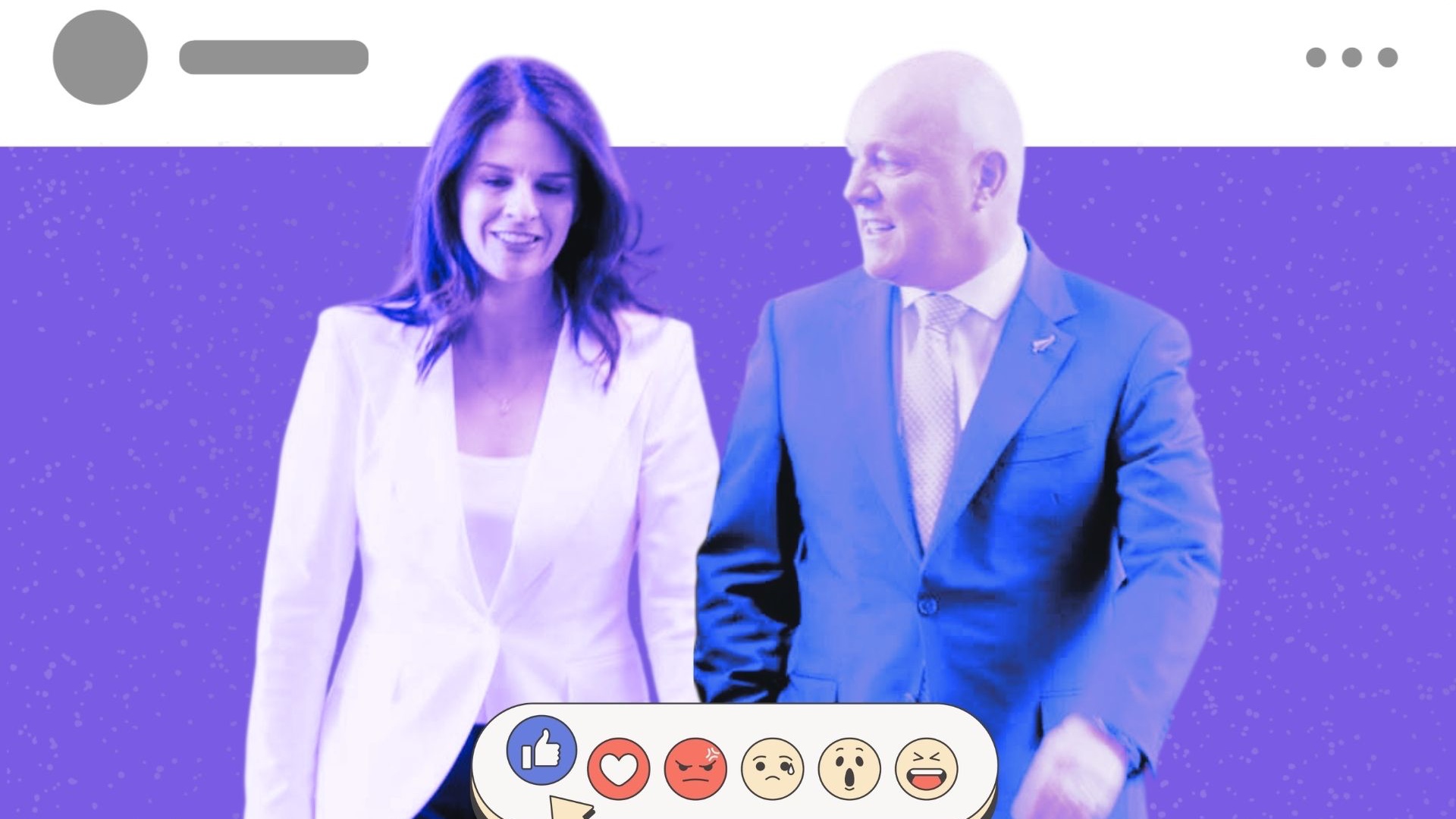
“And you have to ask…were they trying to justify this extravagant security outlay by painting me as the villain?”
That question reconnects the latest post with the controversy that began before Modi even arrived.
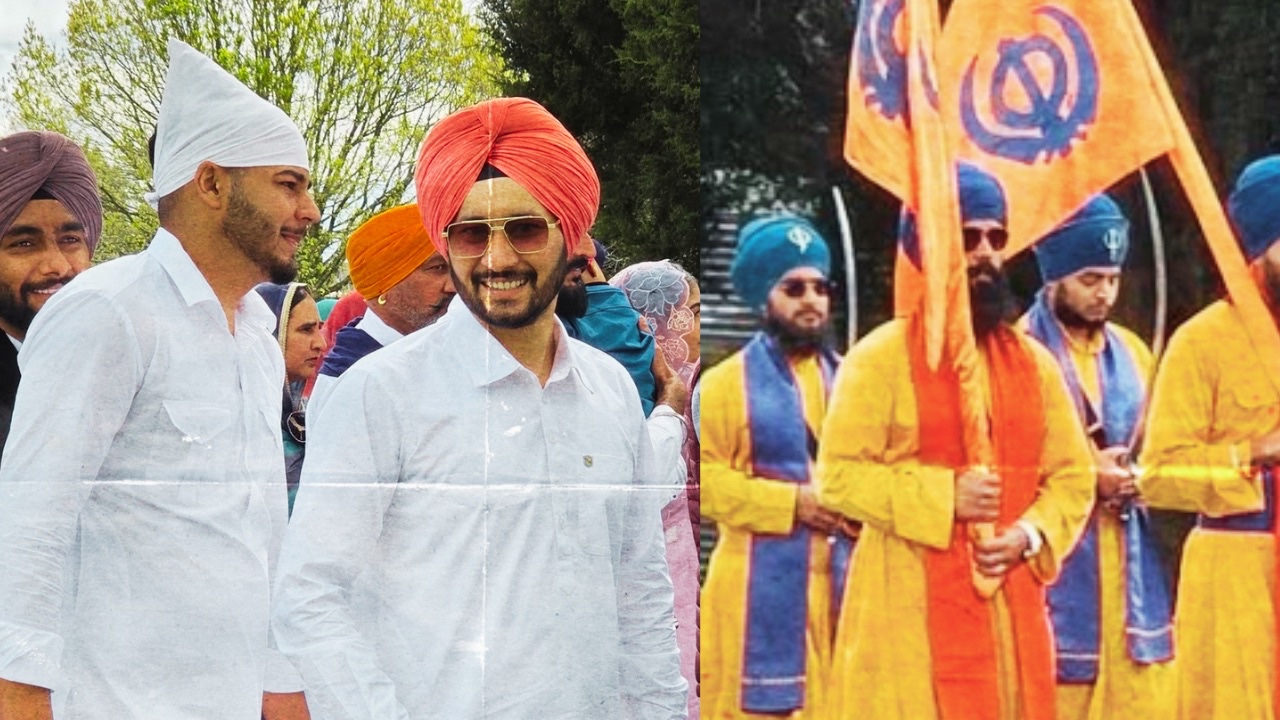
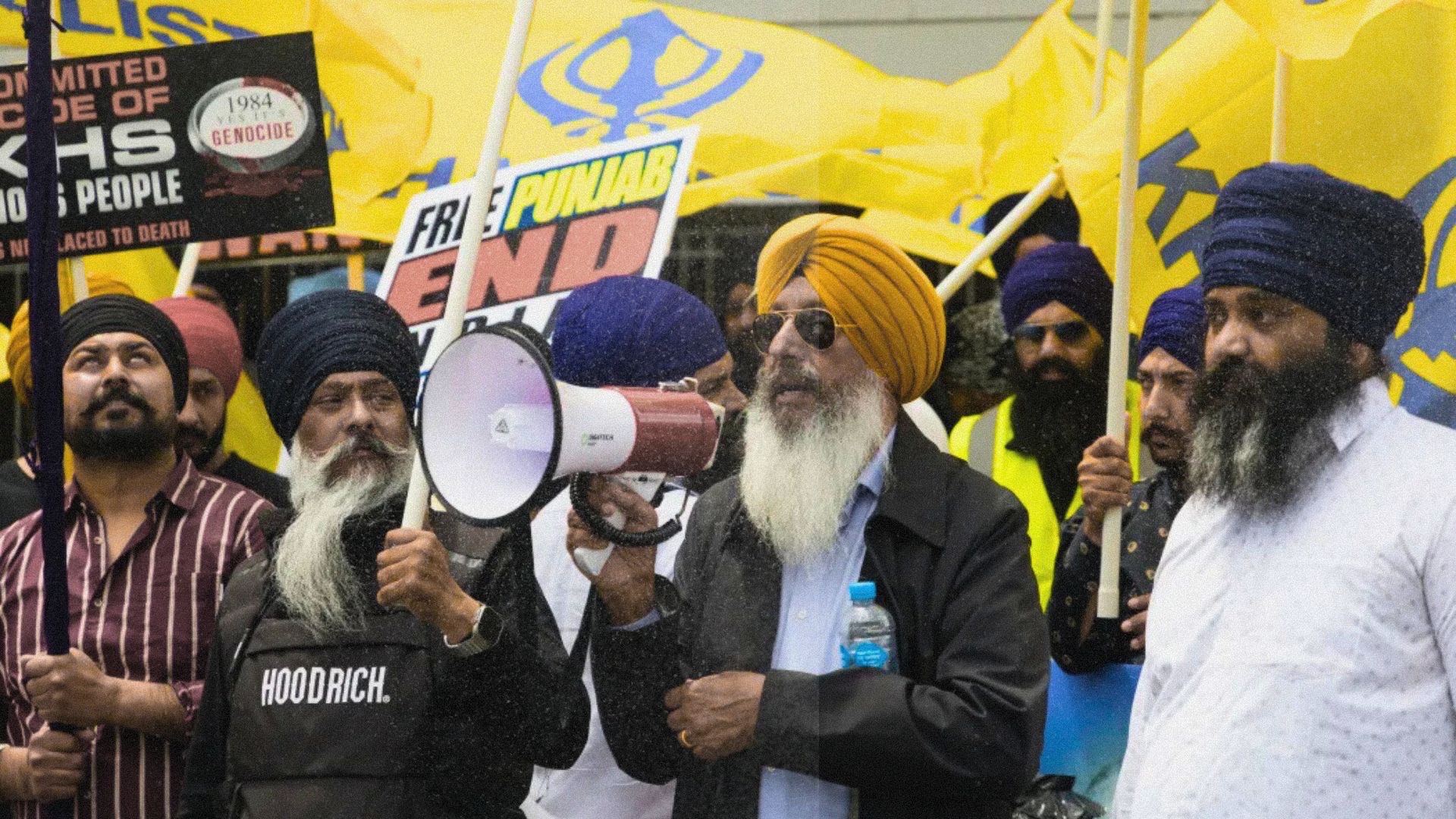
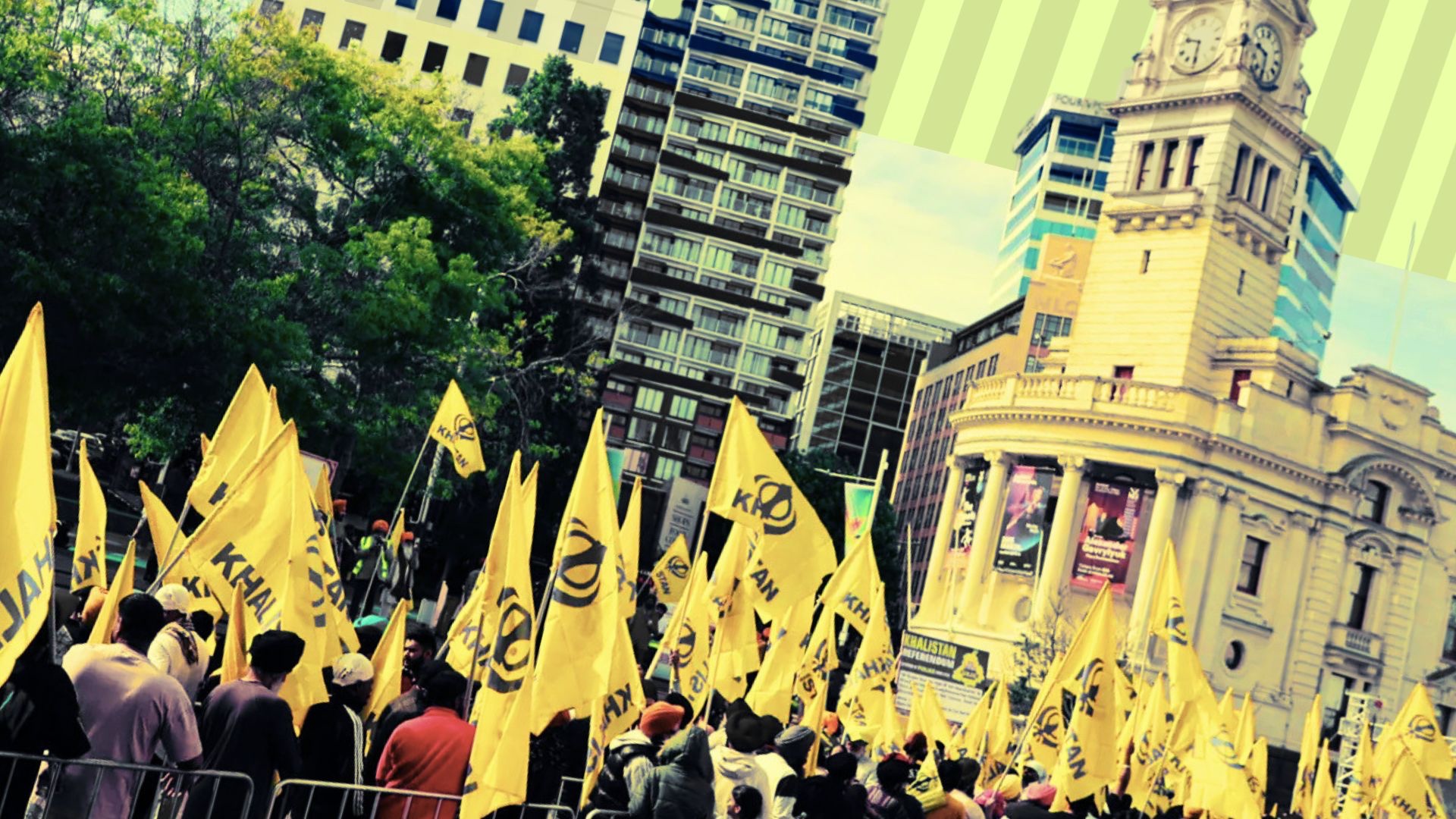
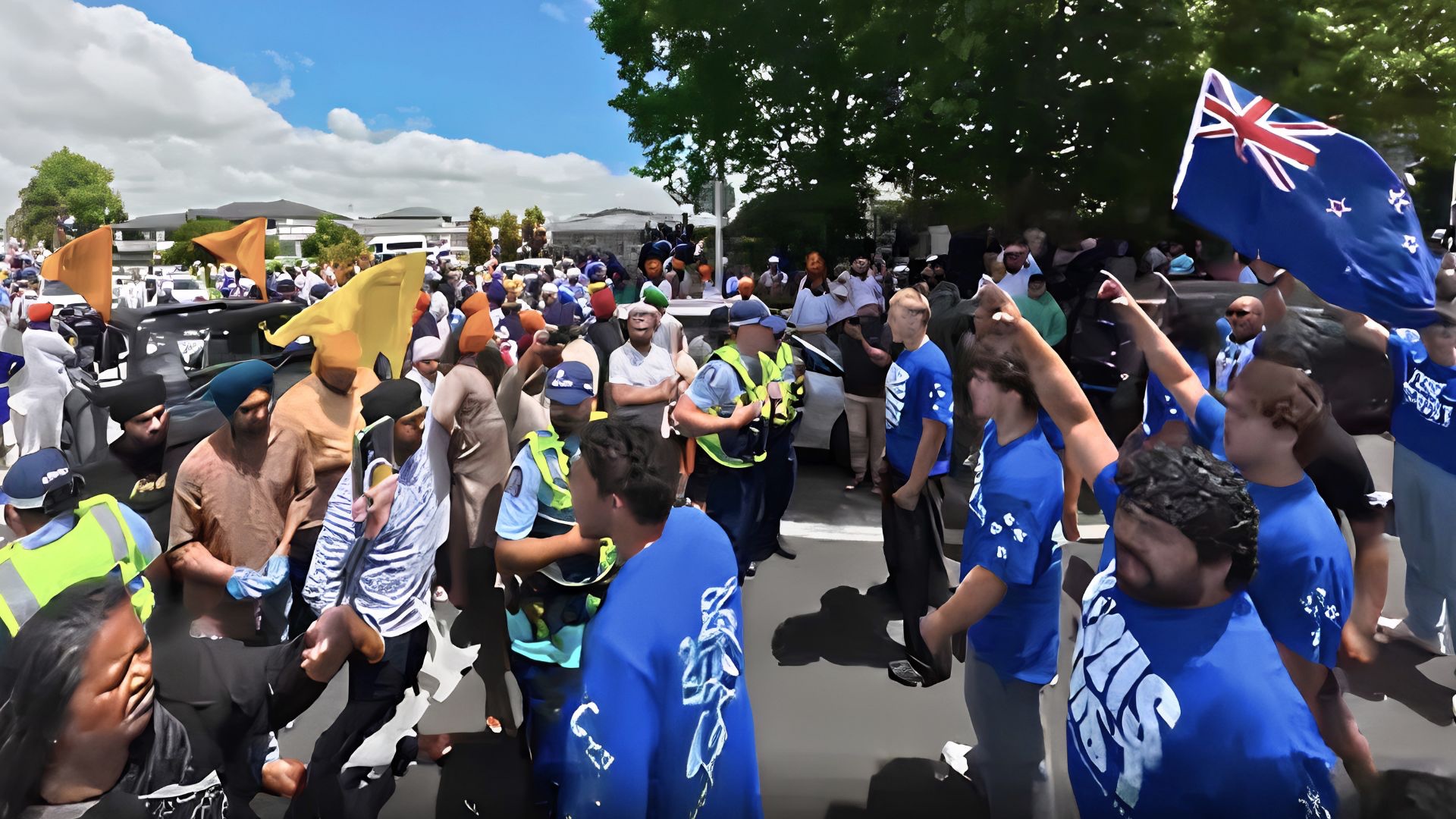
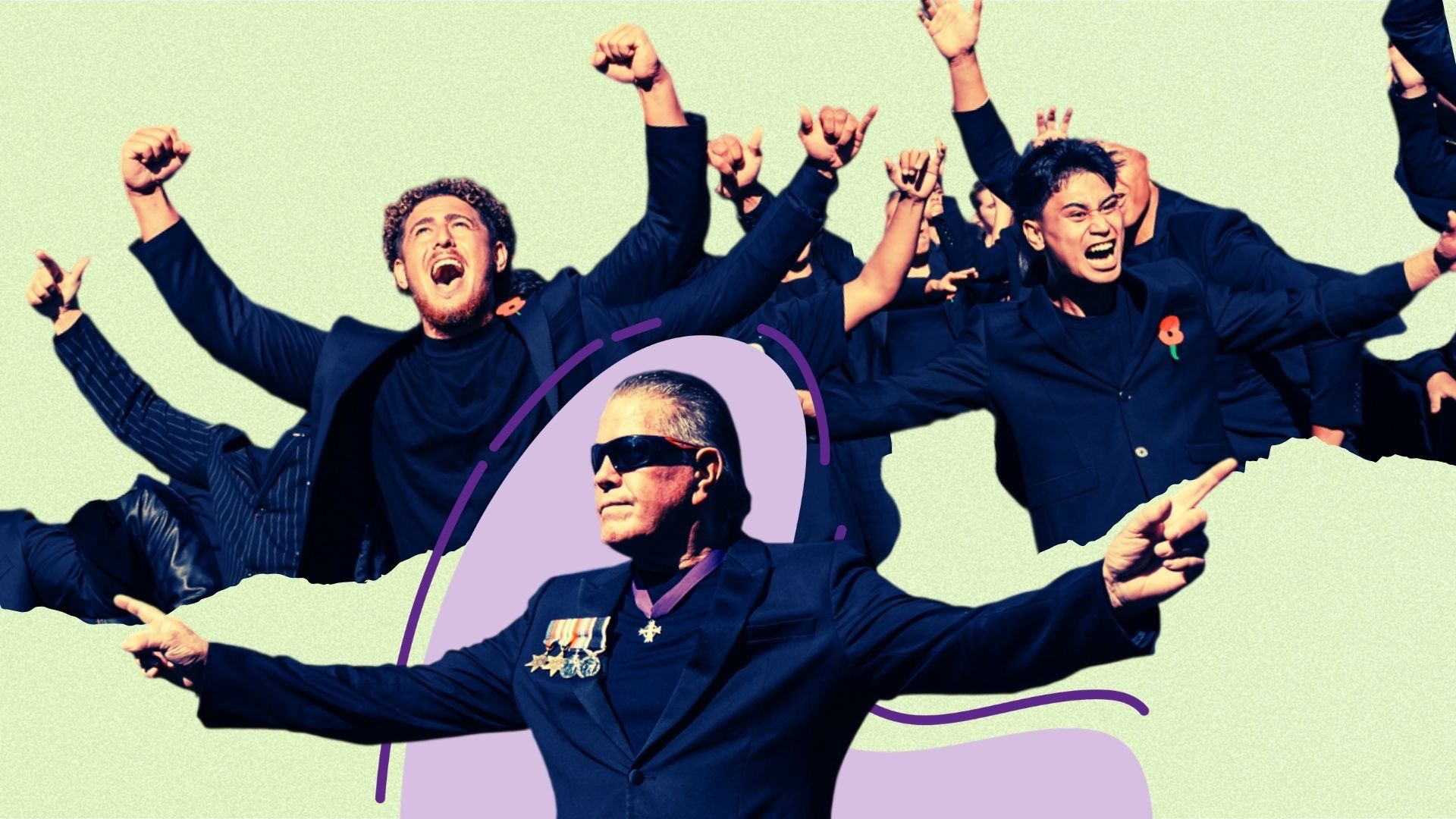
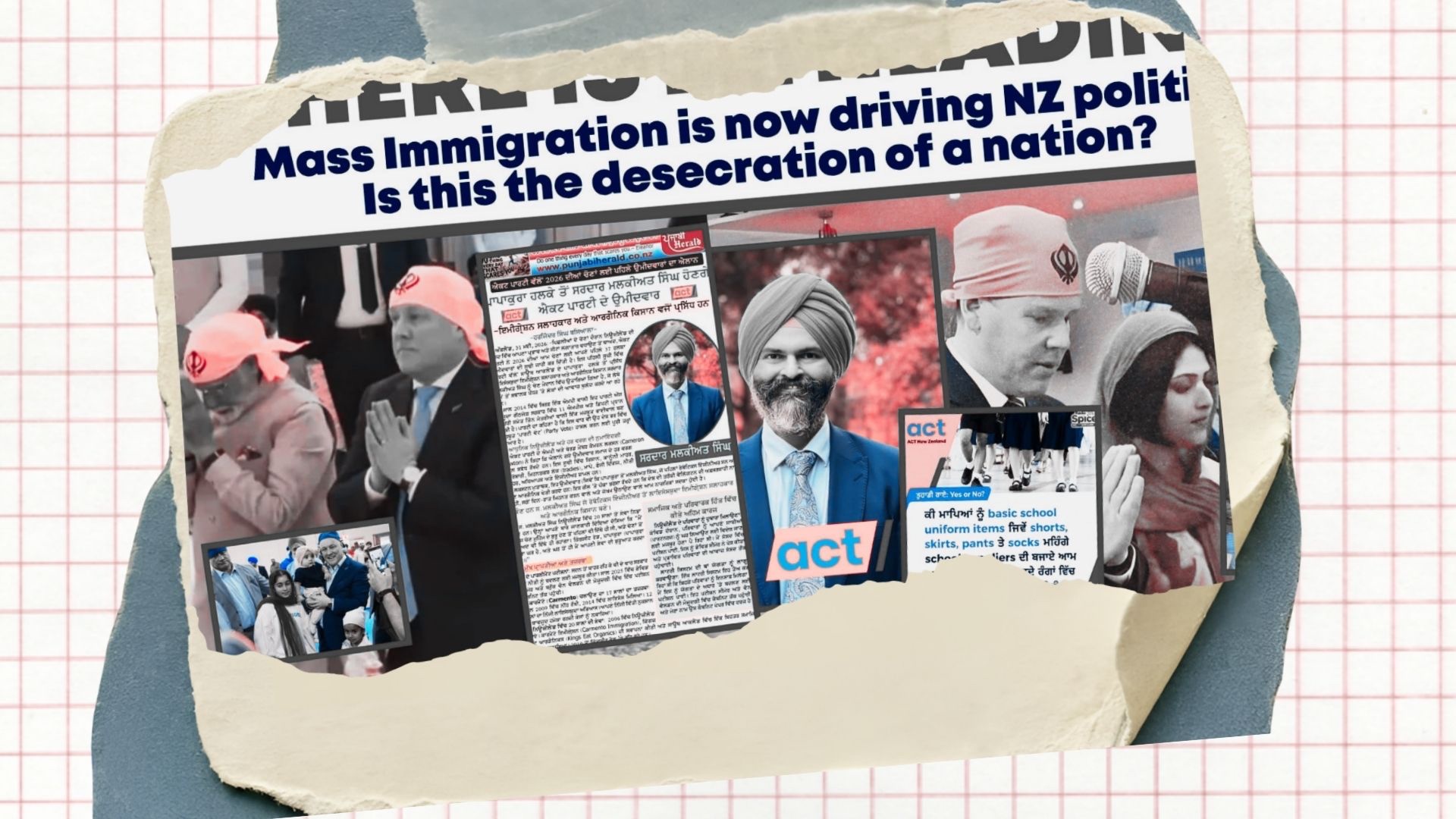
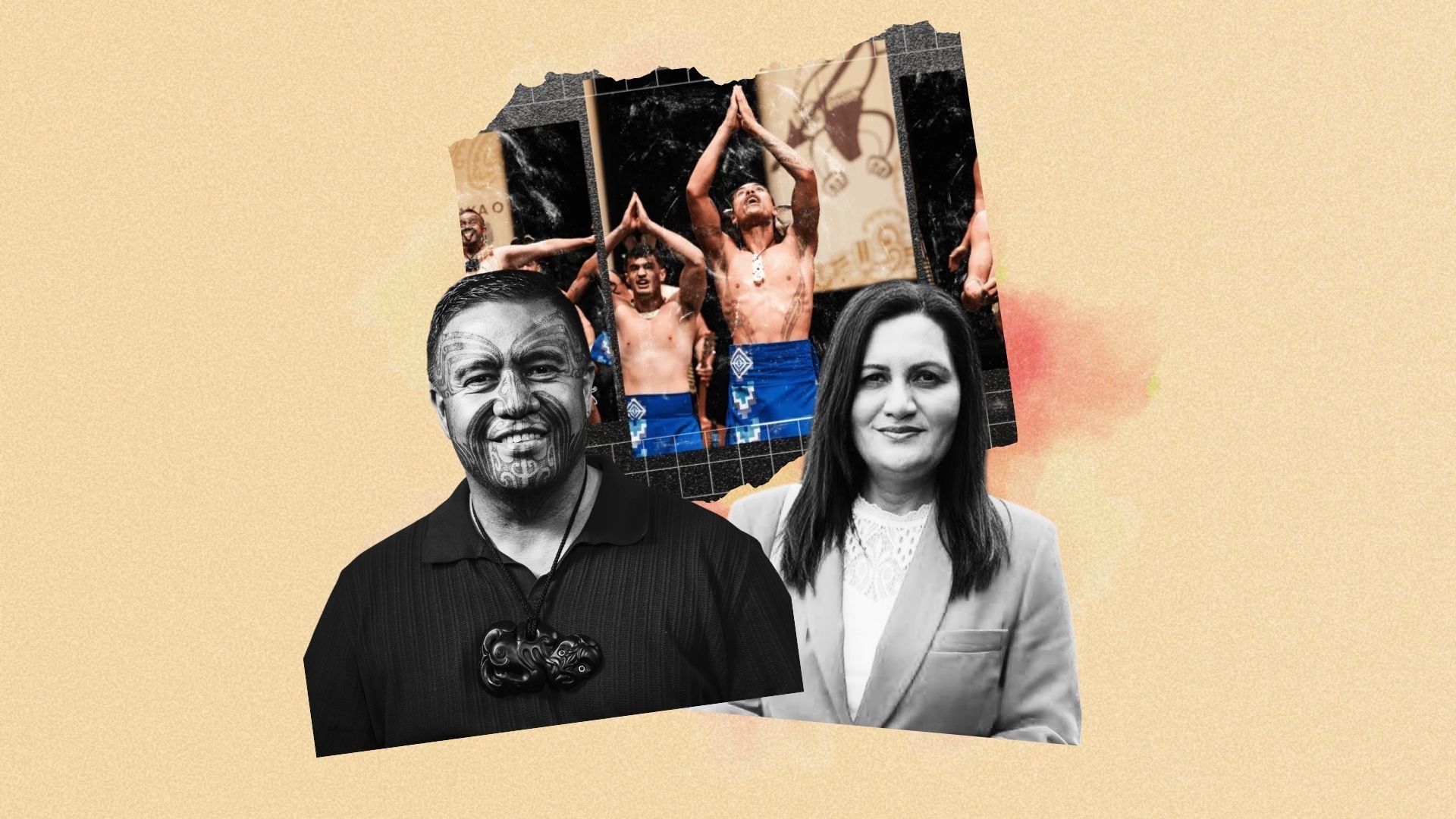
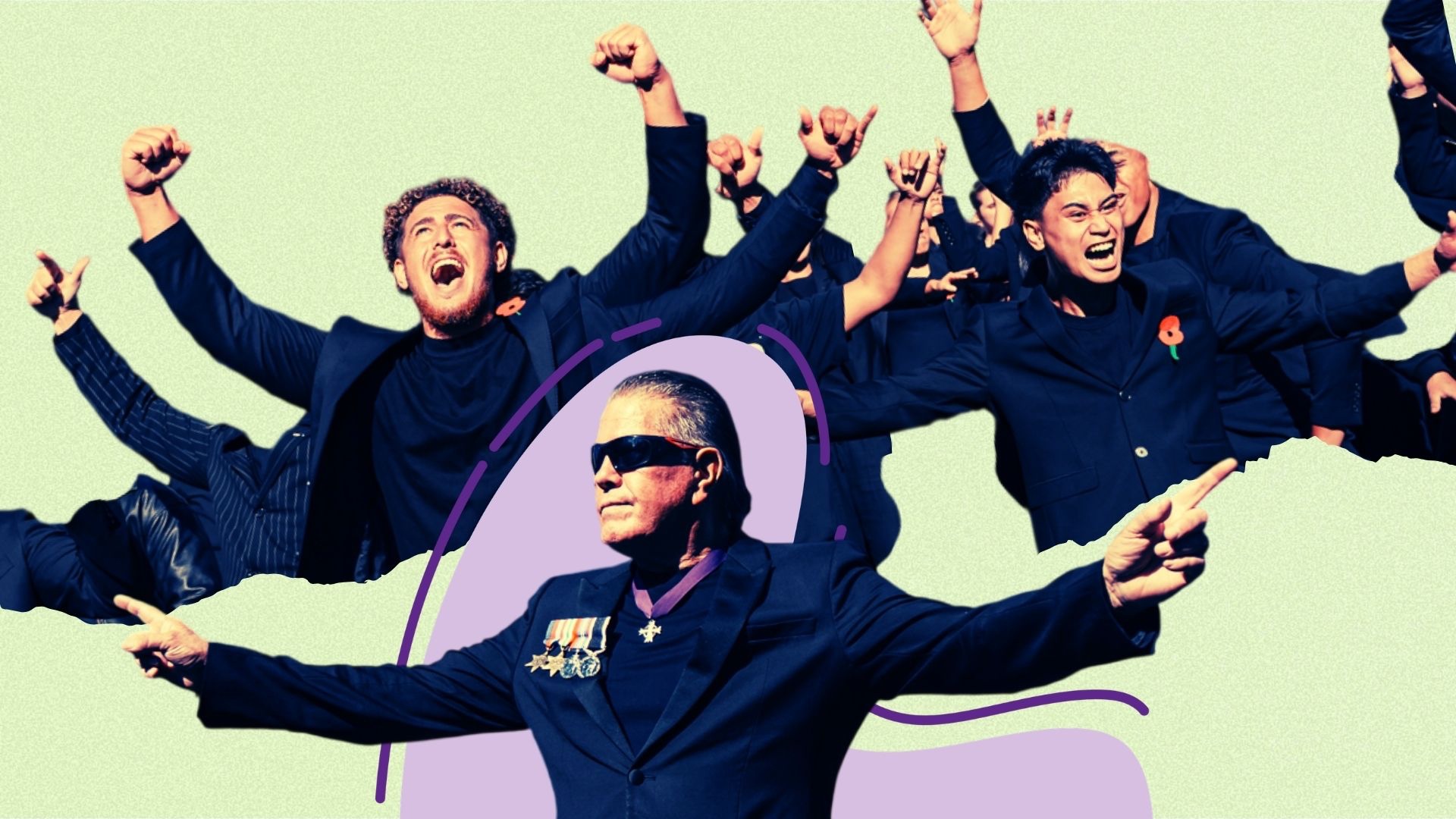
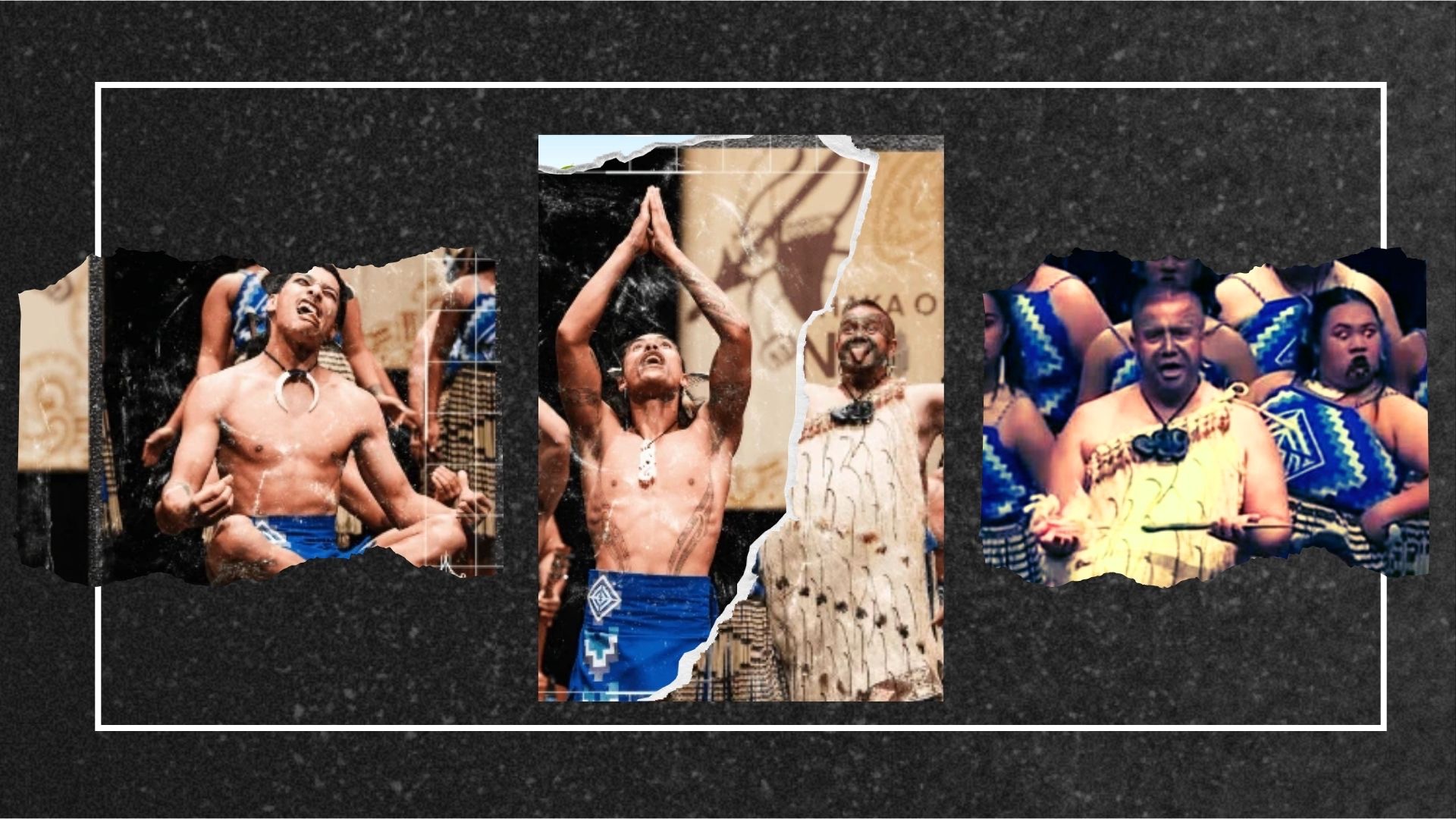
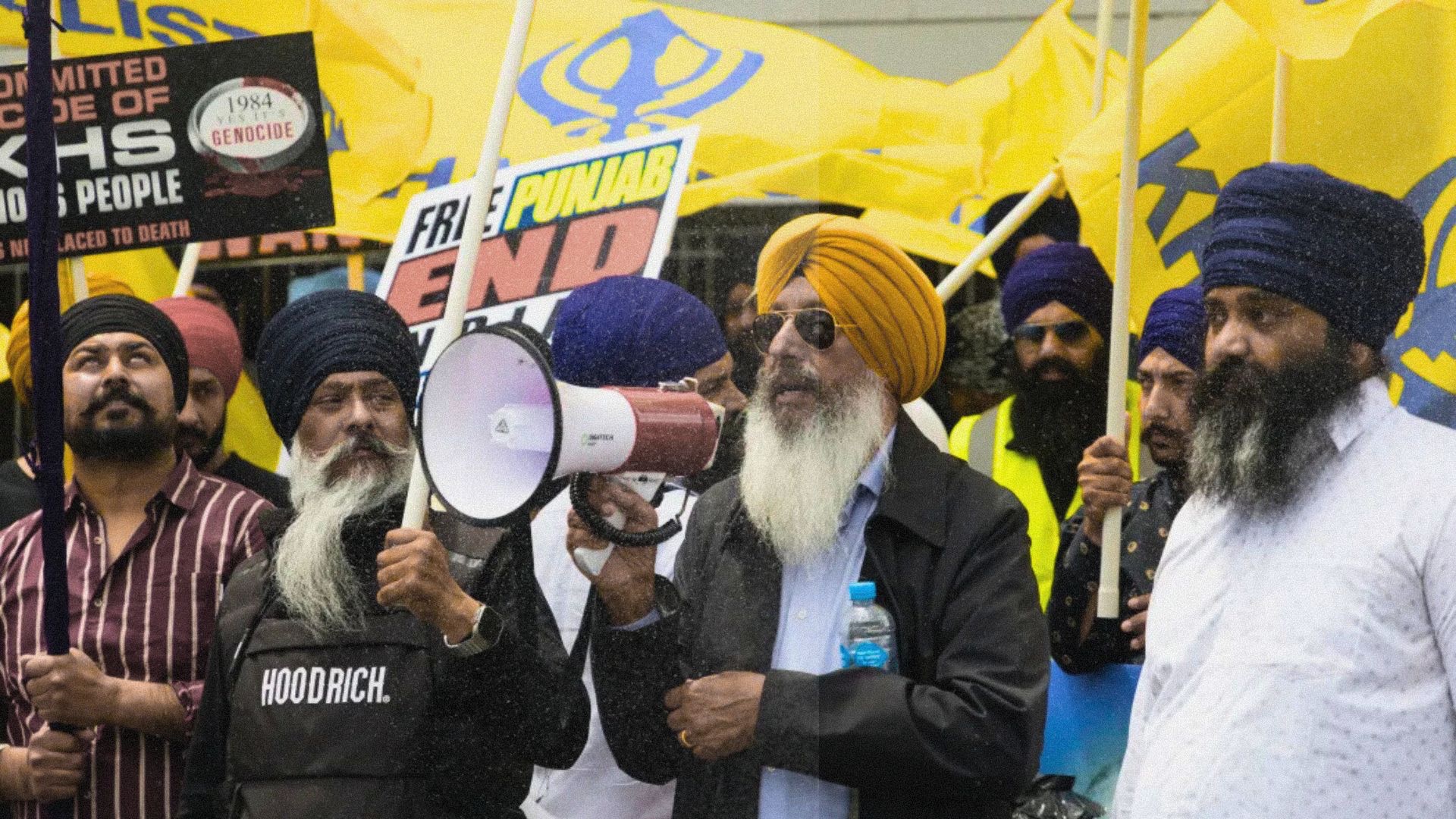
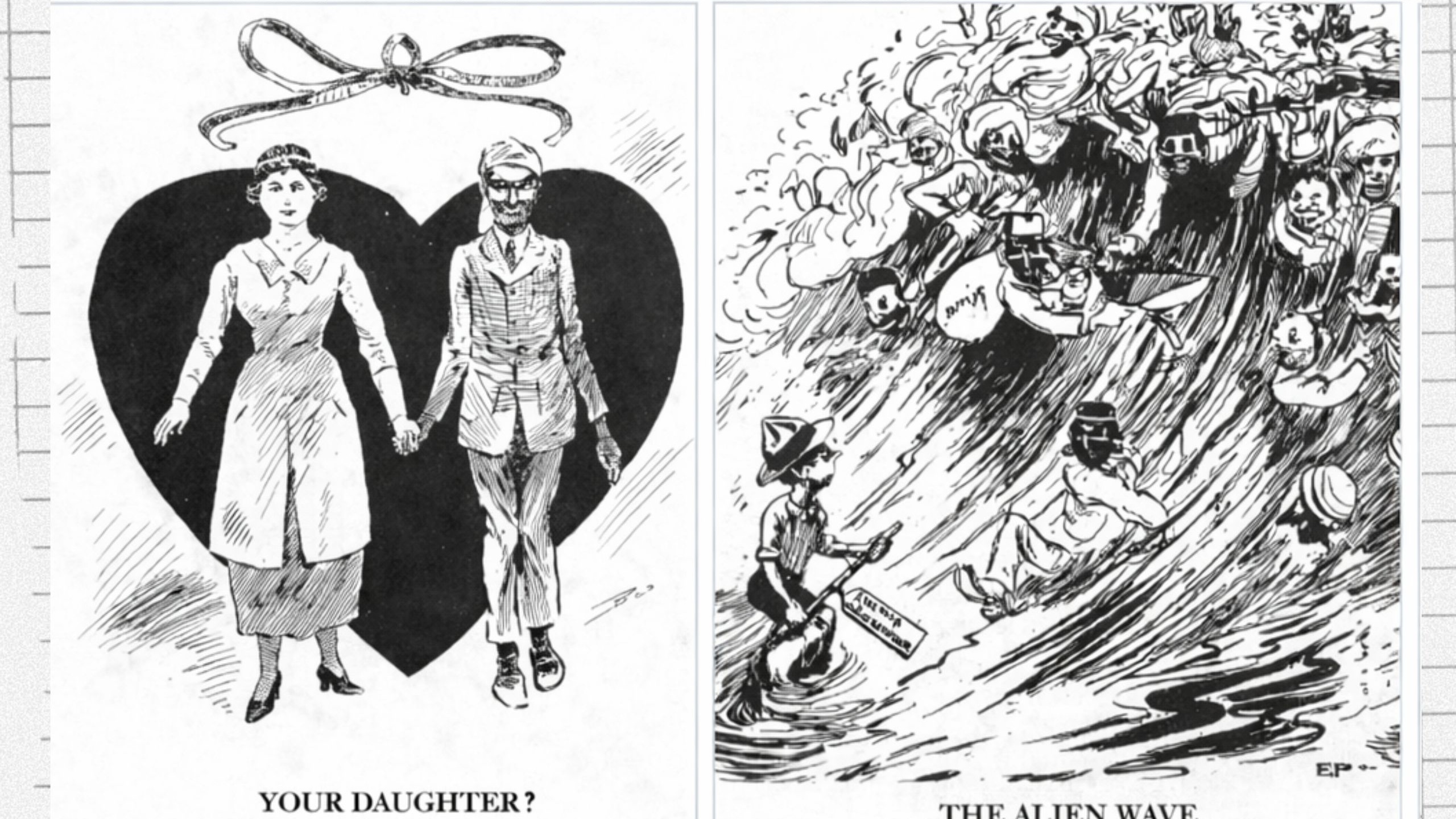
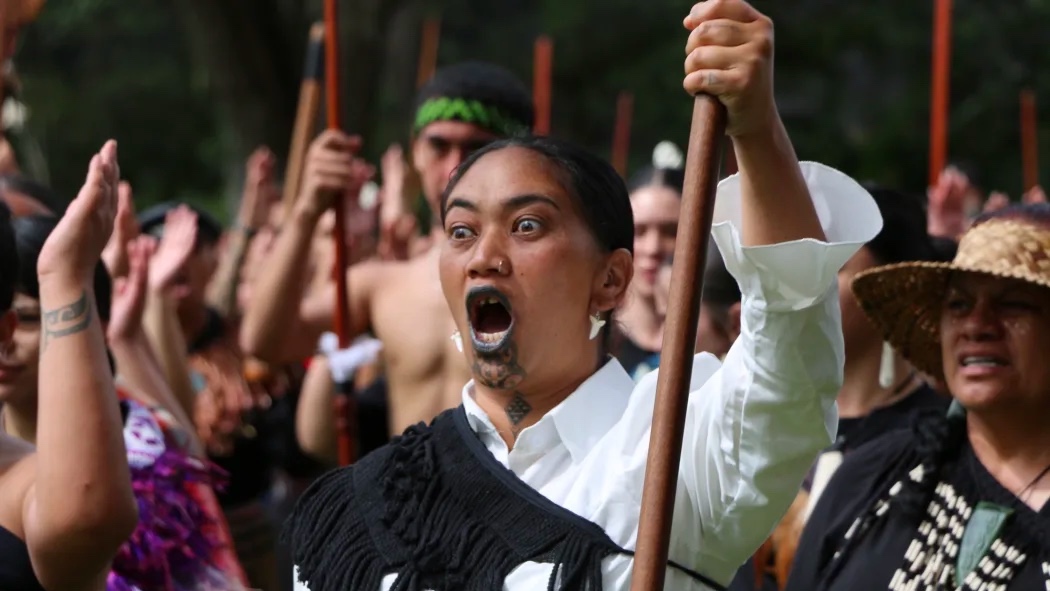
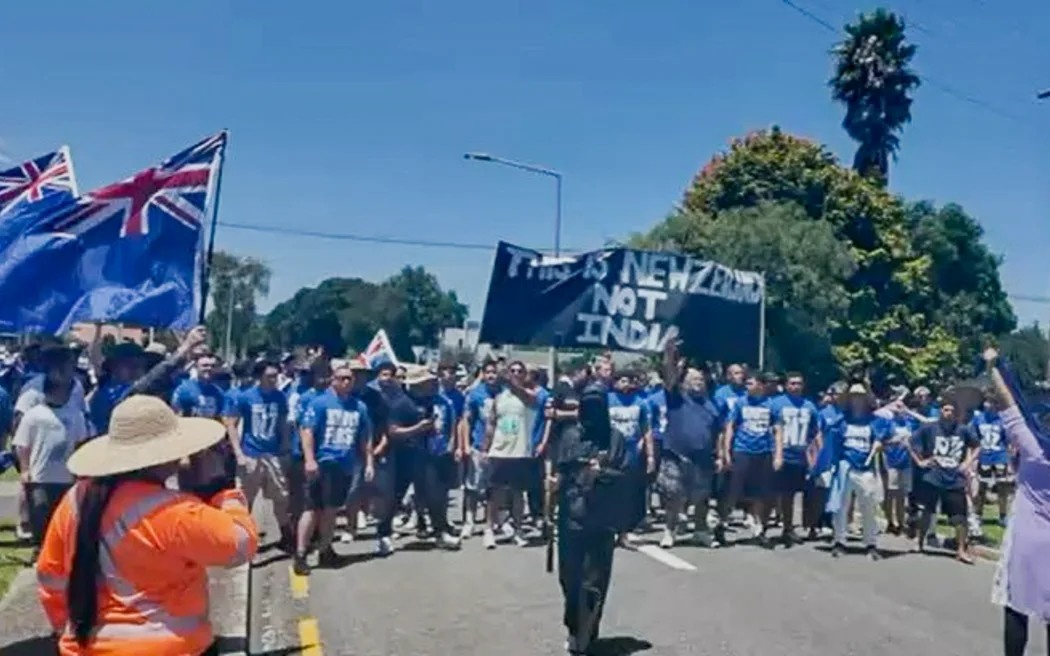
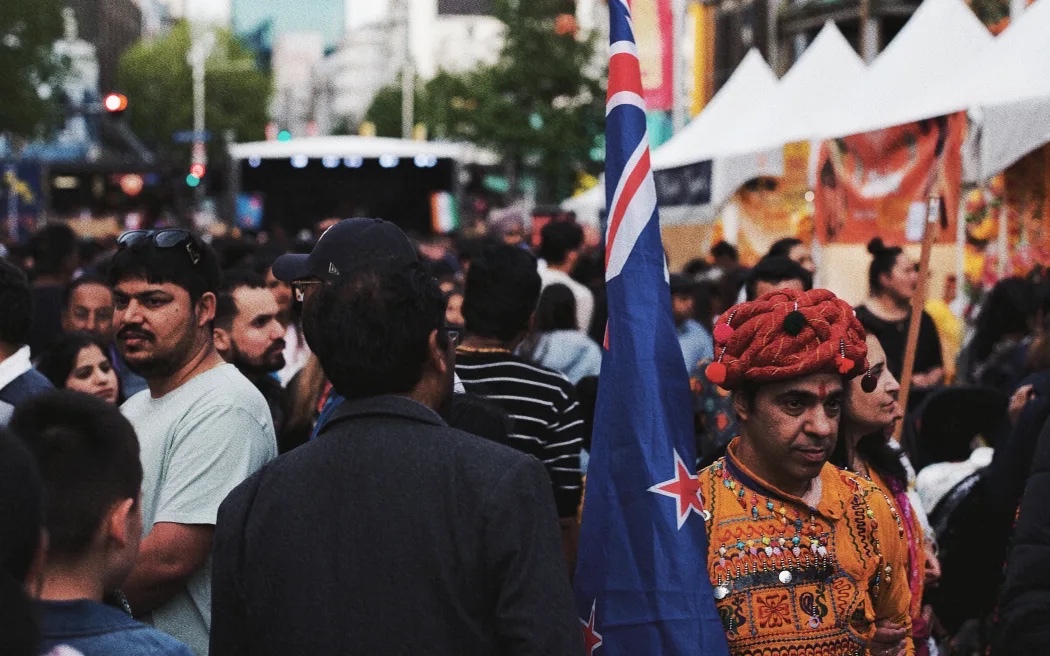
Tamaki had been publicly campaigning against the visit for weeks. In early June, he urged supporters to attend what he called a “massive anti-mass immigration Haka” in Auckland and linked it directly to the large Indian community gathering expected for Modi.
“If 20,000 Indians can Stand And Take Auckland.. Then 30,000 Kiwis should show to Fight For your Country and Children’s Future,” he wrote.
By June 18, his language had escalated sharply. Tamaki accused Modi of persecuting Christians in India and said New Zealand should “reciprocate in kind”.
“Let’s purge New Zealand of Hindus, Sikhs and Muslims,” he said, before raising the prospect of burning mosques and temples.
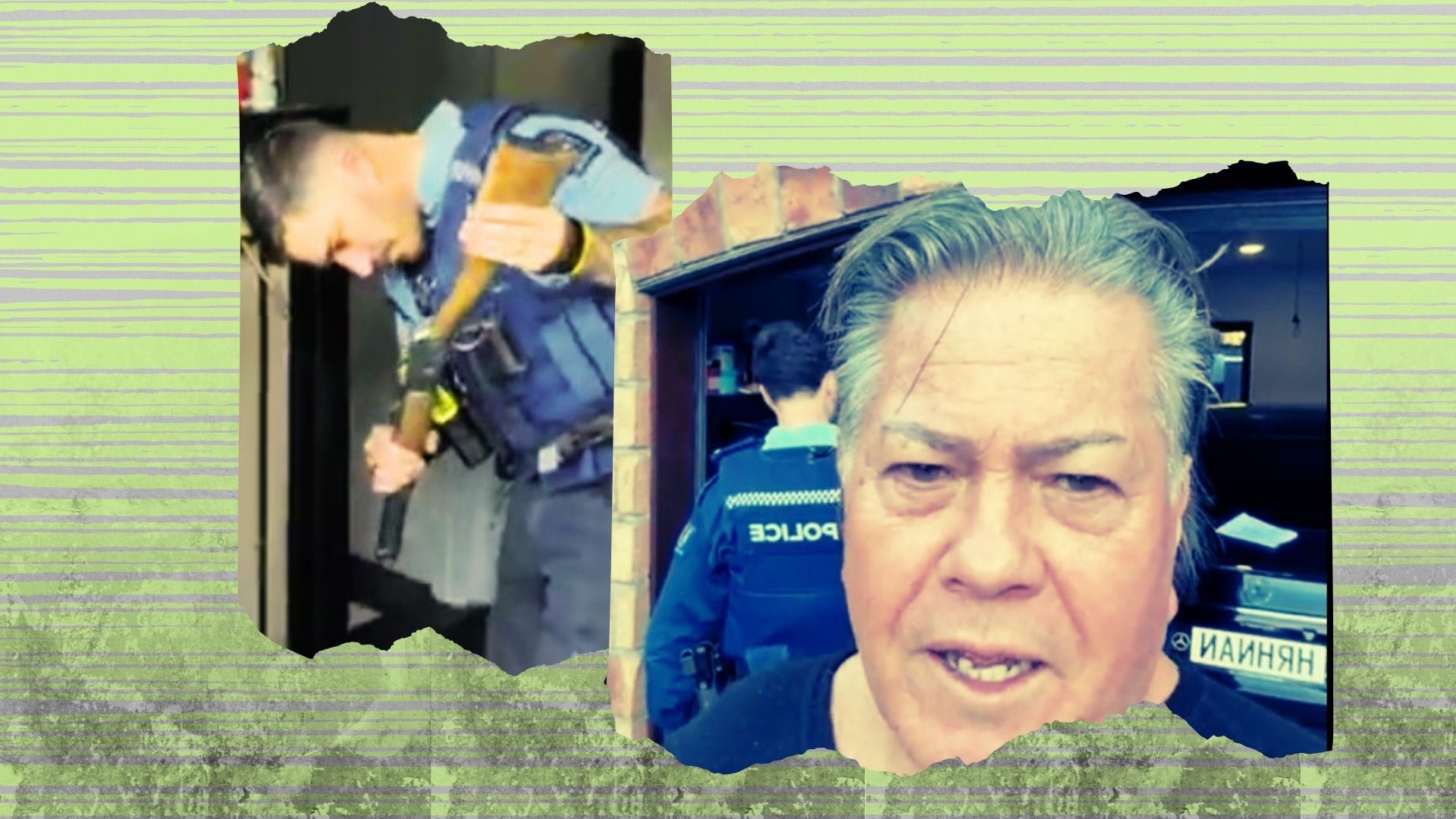
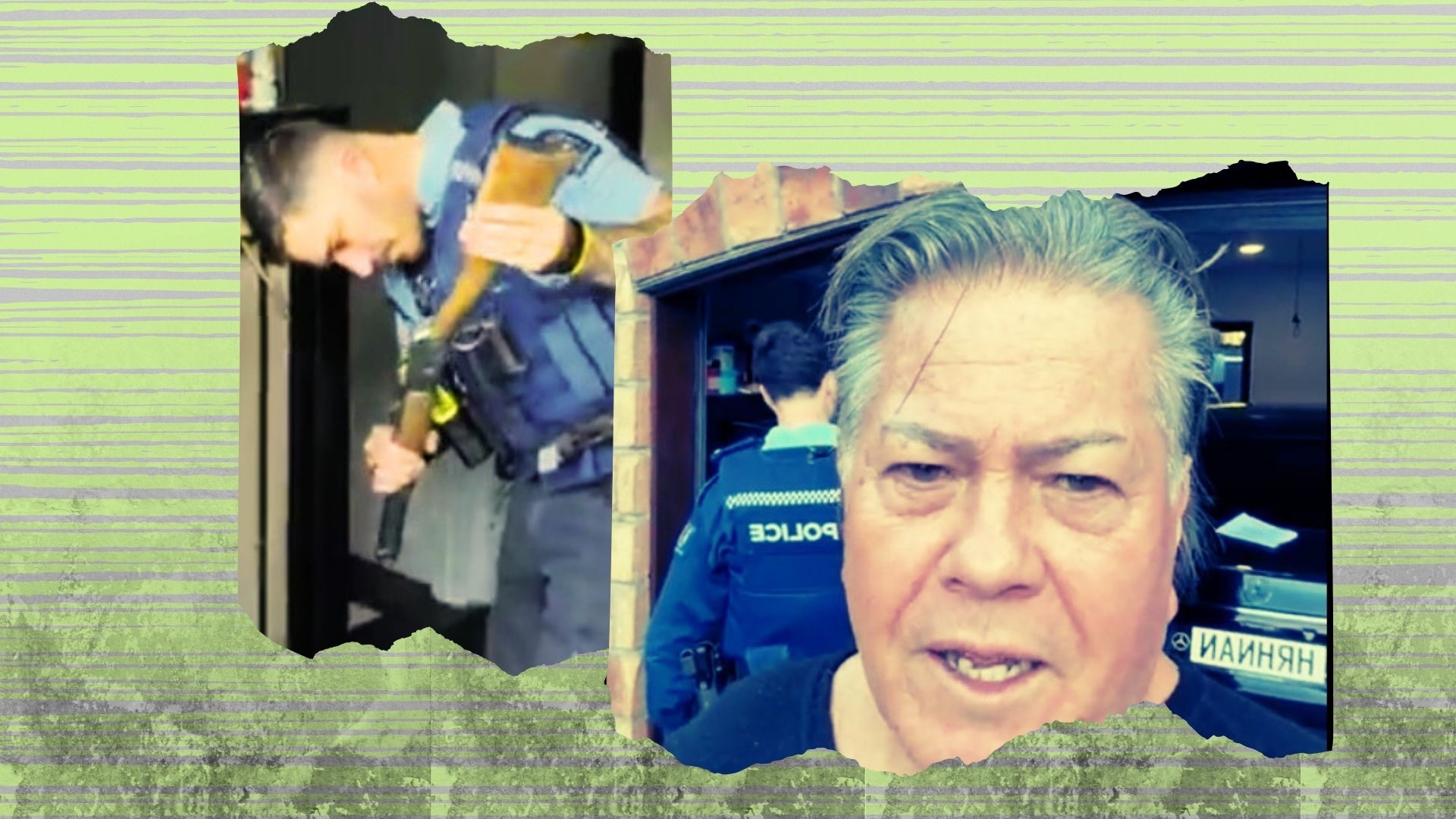
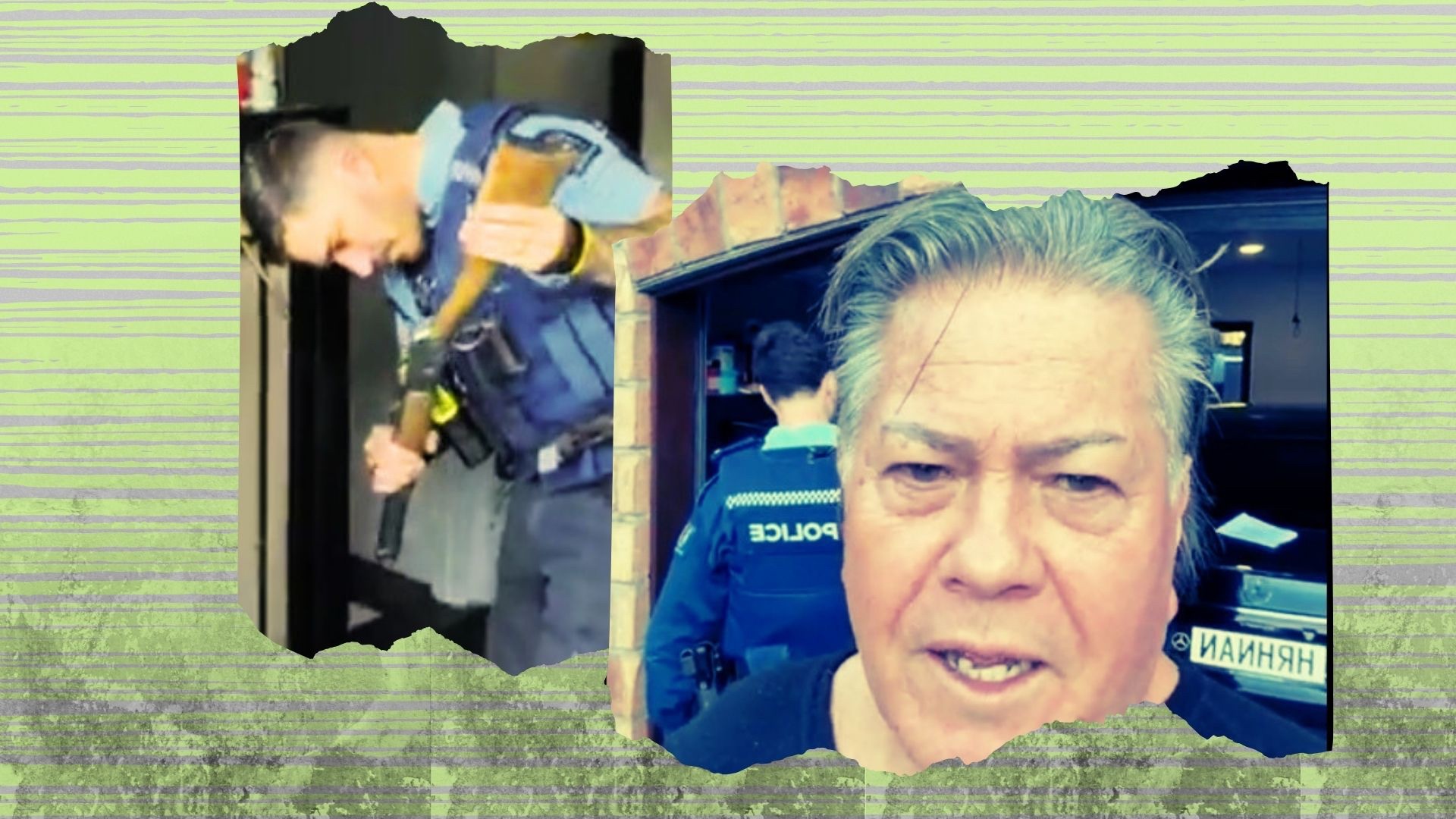
Police seized Tamaki's guns from his house.
Police responded the same day, saying they were aware of online material causing concern ahead of Modi’s visit, were “actively monitoring the situation” and had referred material for legal assessment.
That police attention soon became personal. On June 30, police served Tamaki with a temporary firearms licence suspension notice and seized his firearms.
That history sits behind another emphatic line in Tamaki’s latest post. “I was never a threat to Modi.”
He says his podcast was about challenging New Zealand politicians for inviting Modi, not threatening the Indian prime minister. “I am a peaceful man. I have never been violent,” he wrote.
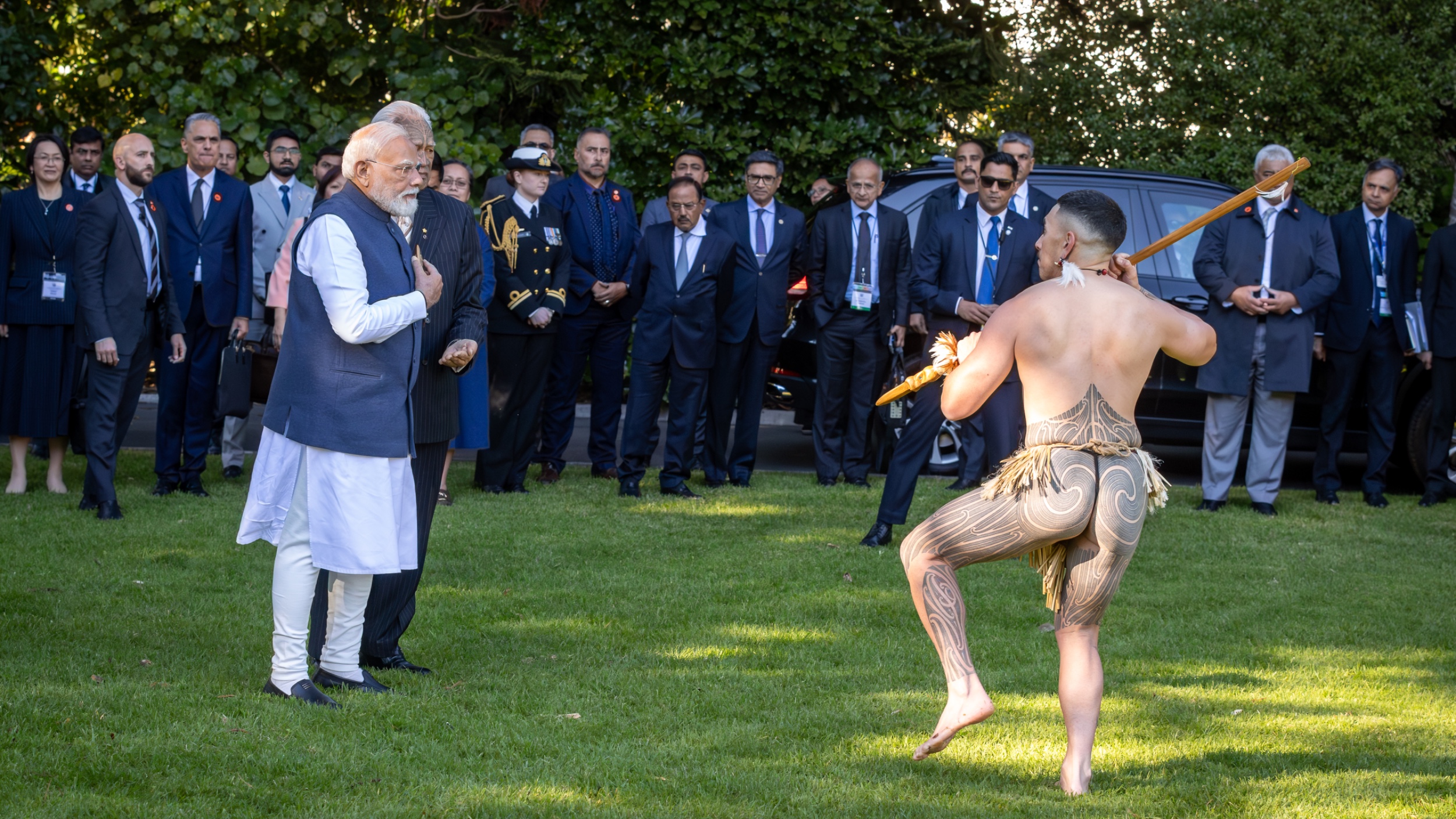
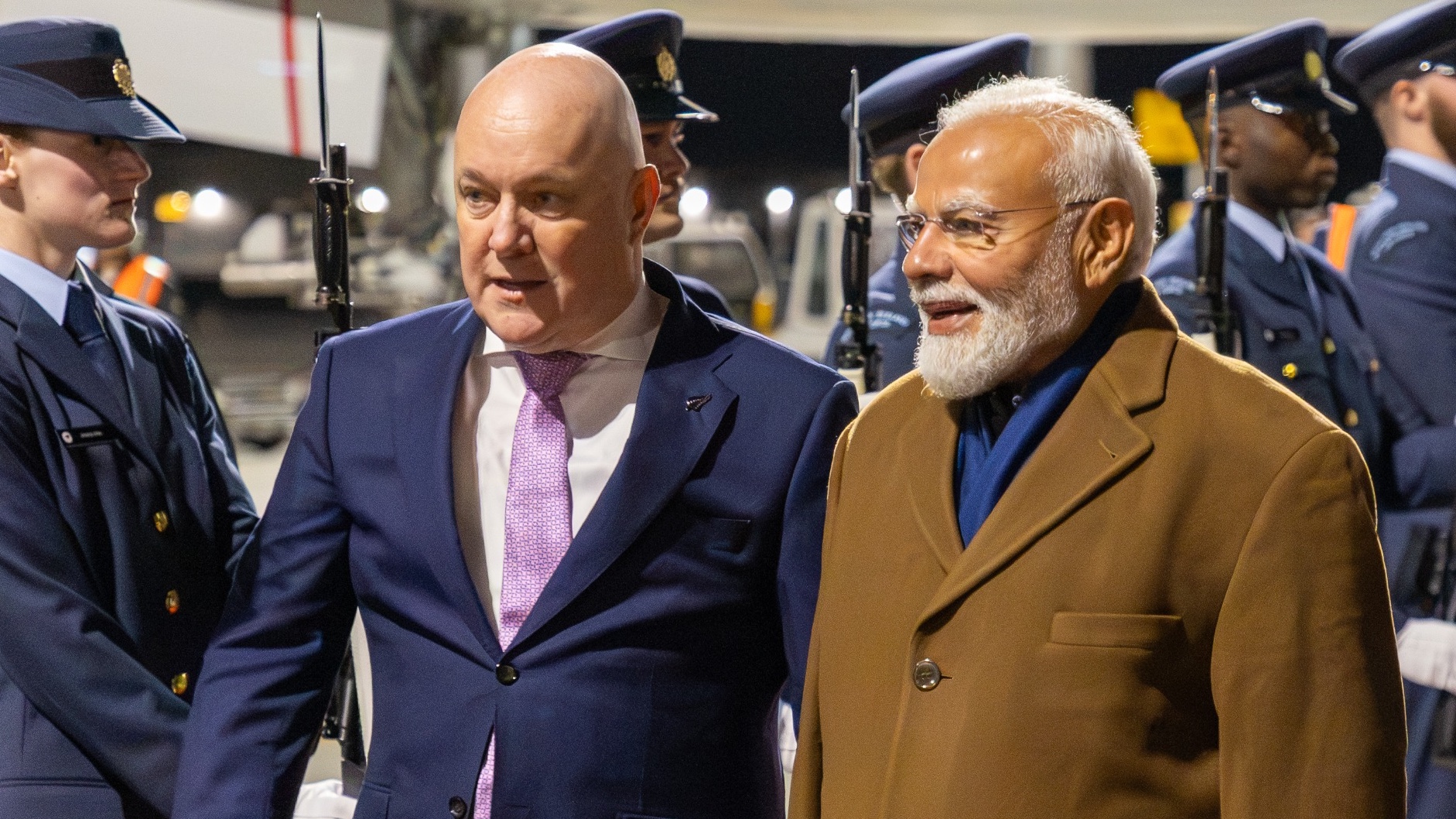
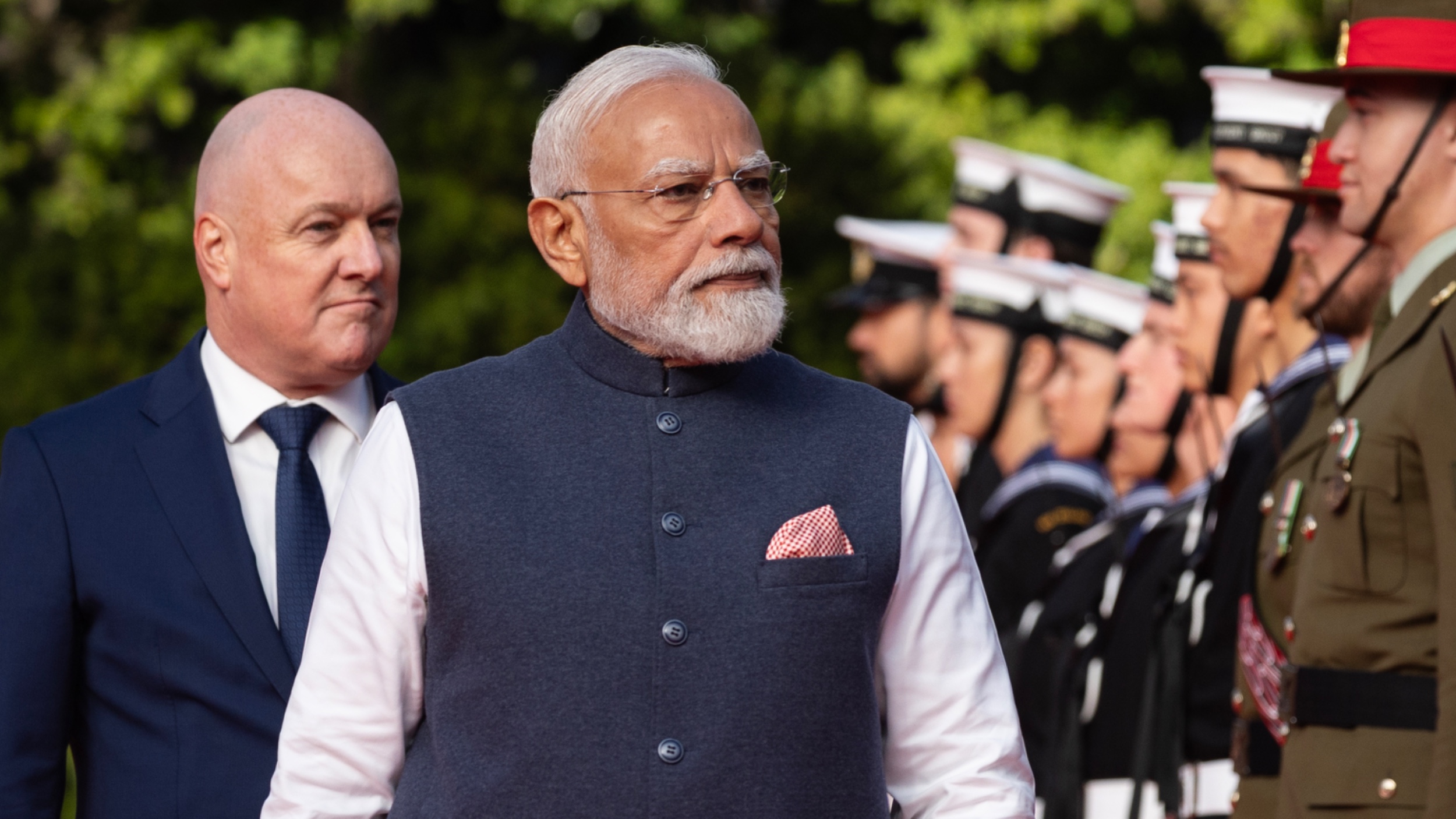
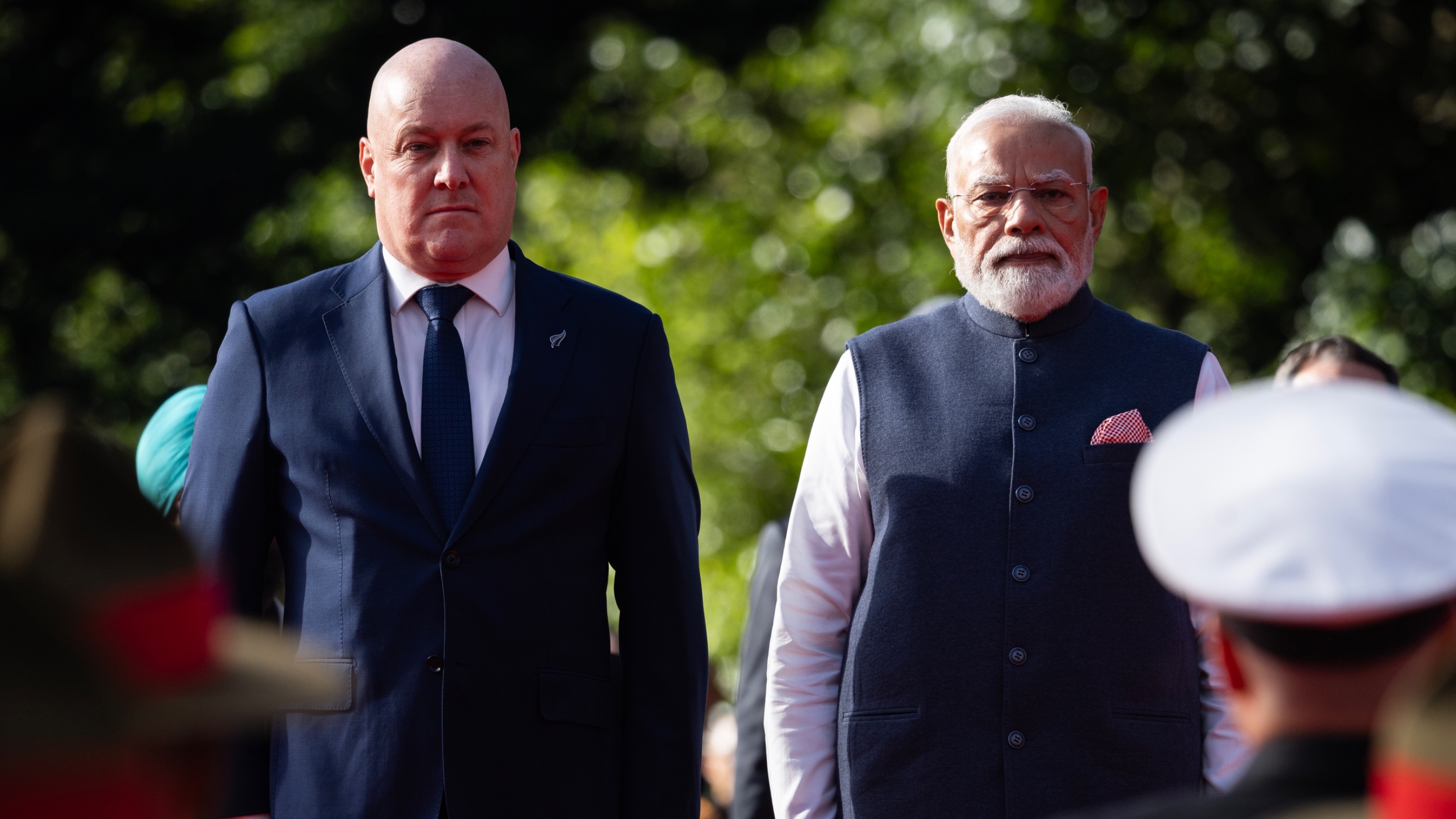
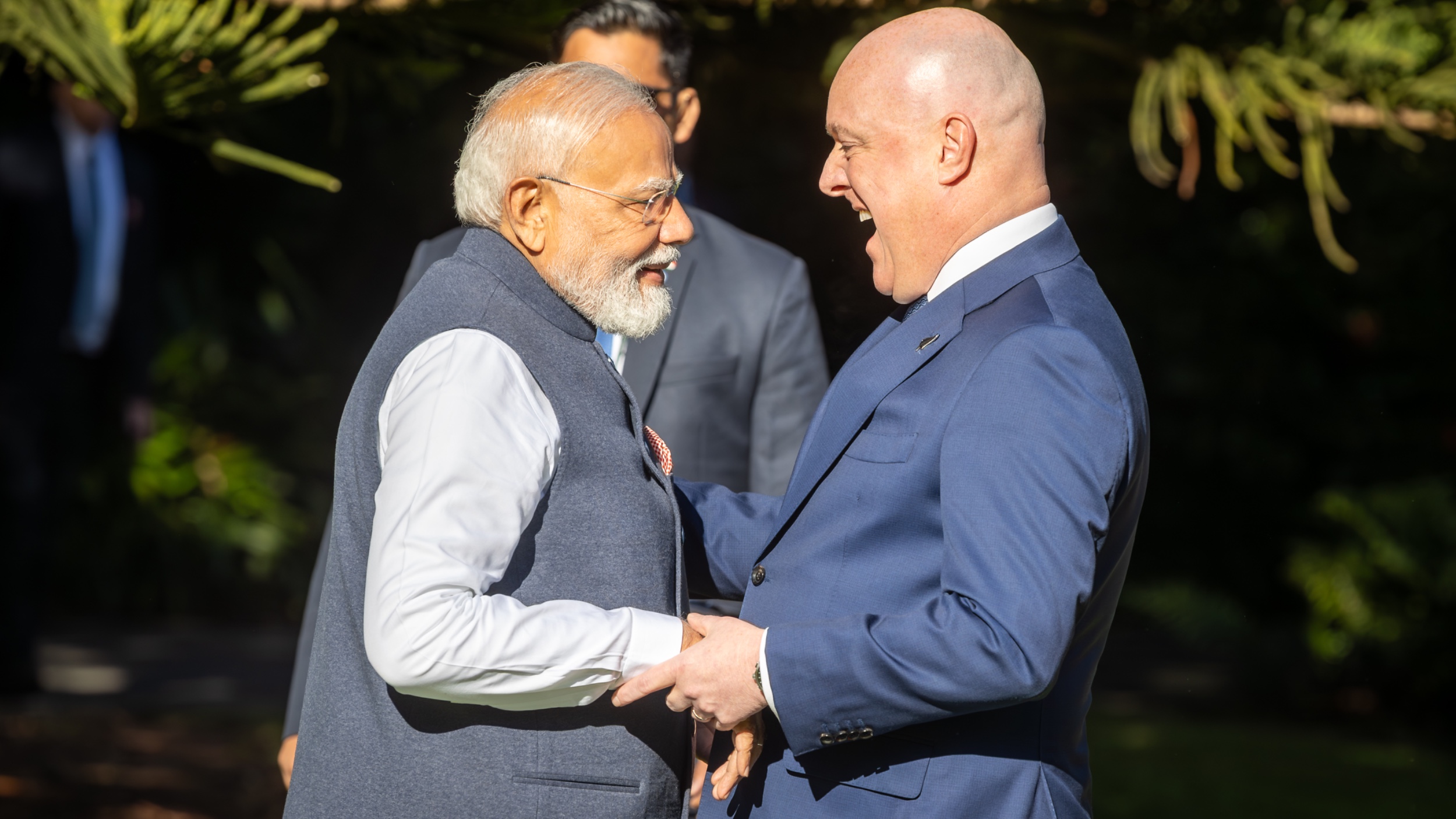
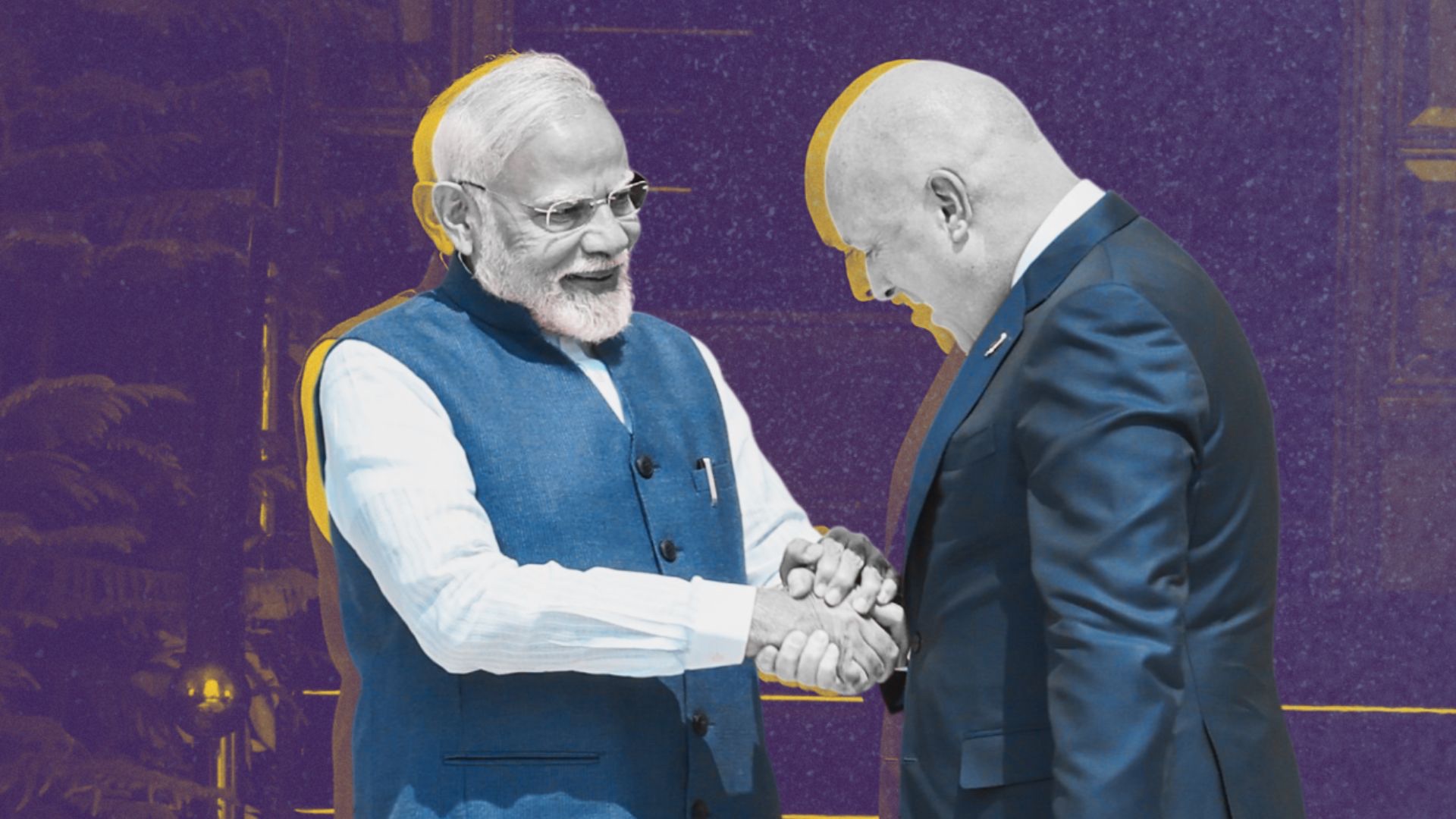
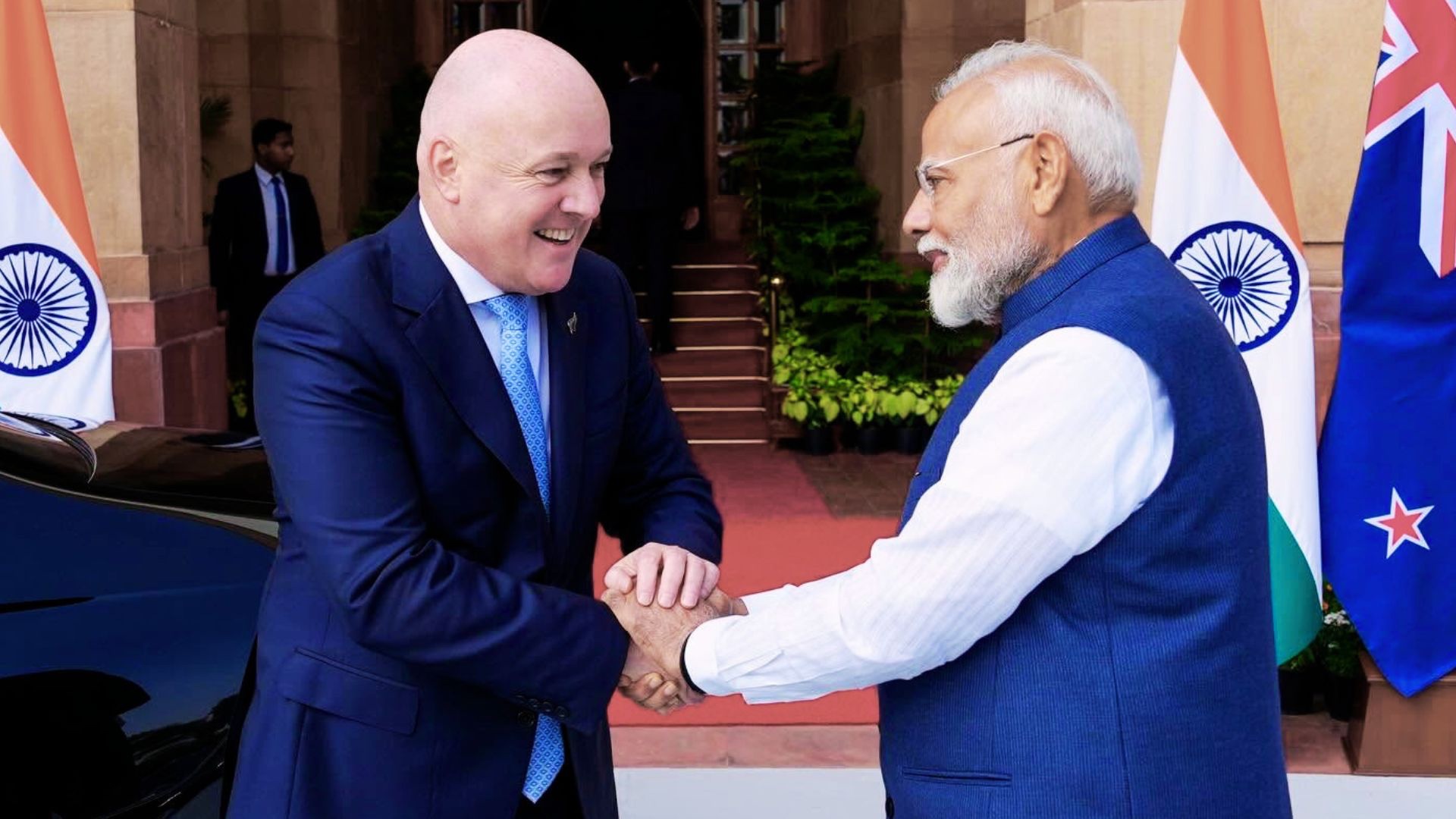
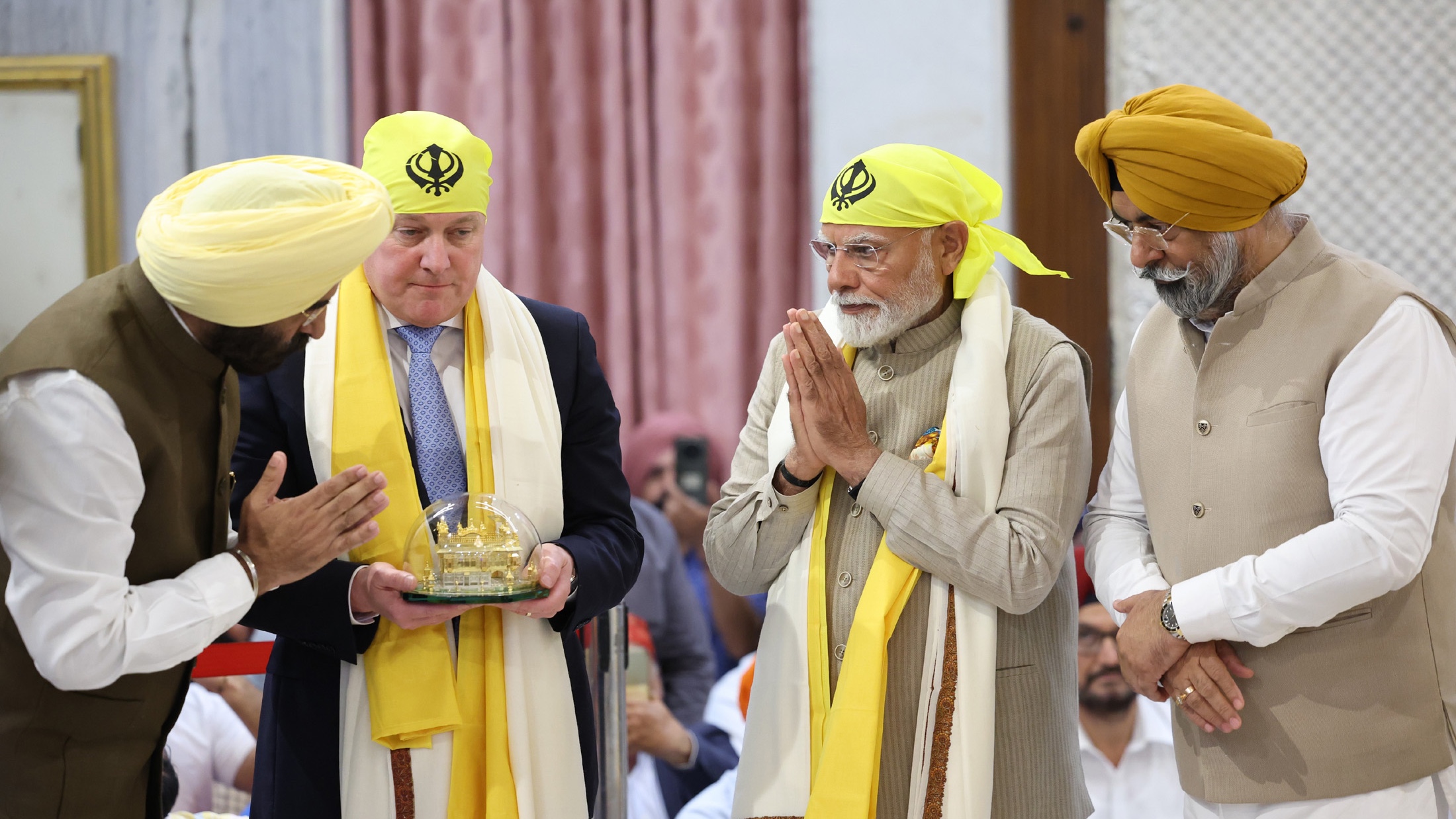
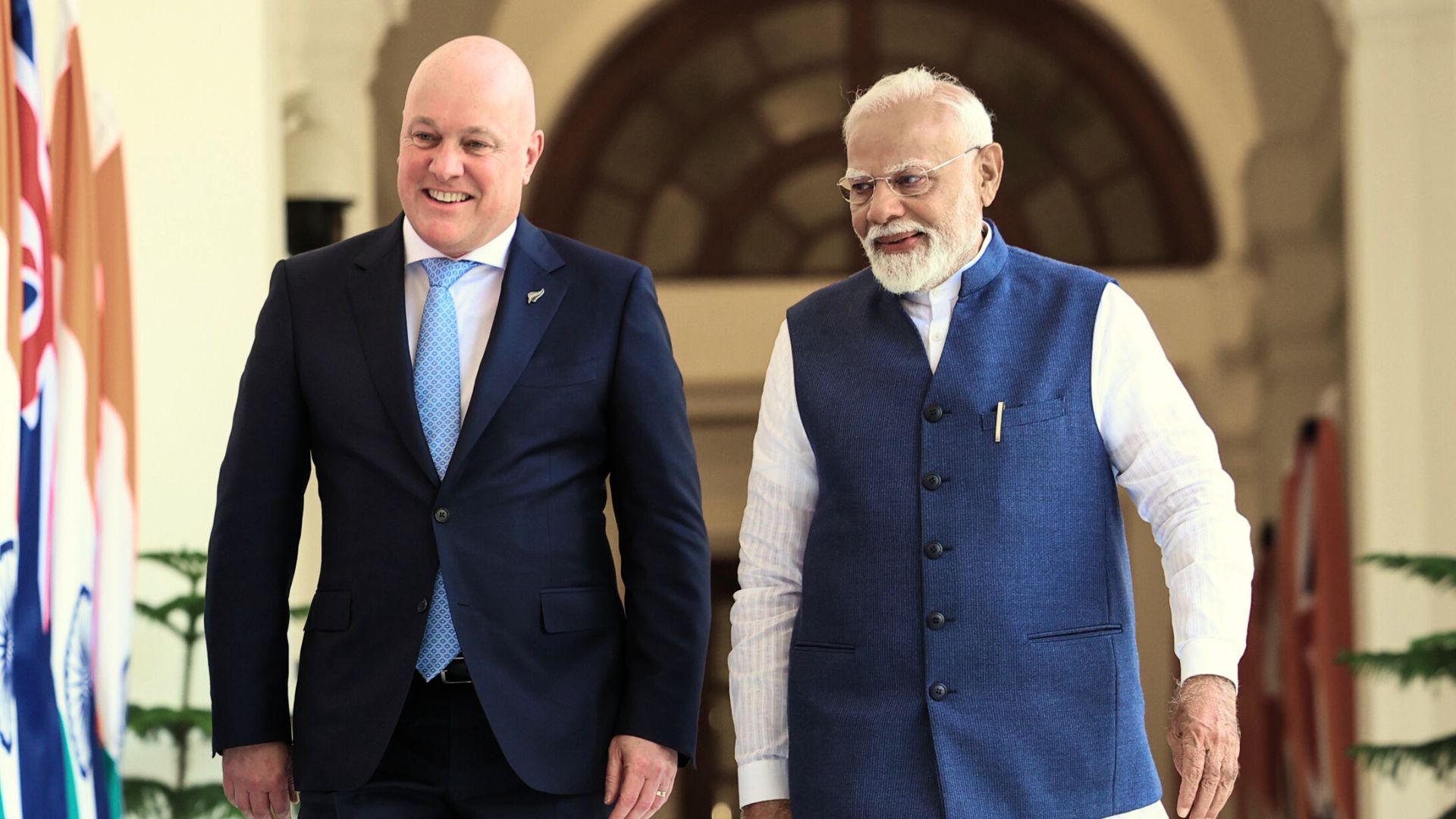
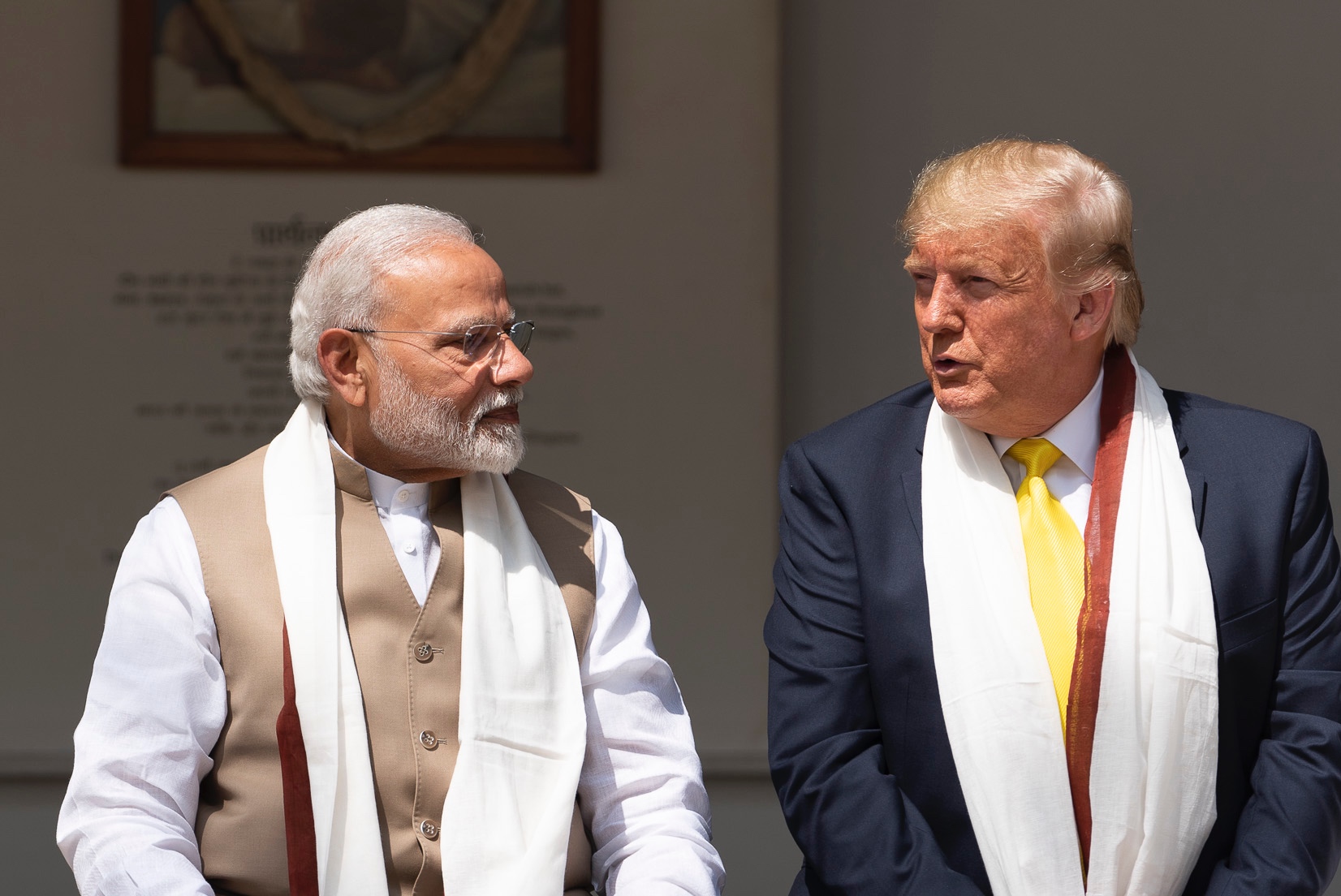
Narendra Modi at the ceremonial welcome at Government House Auckland. (Bruce Mackay/The Post)
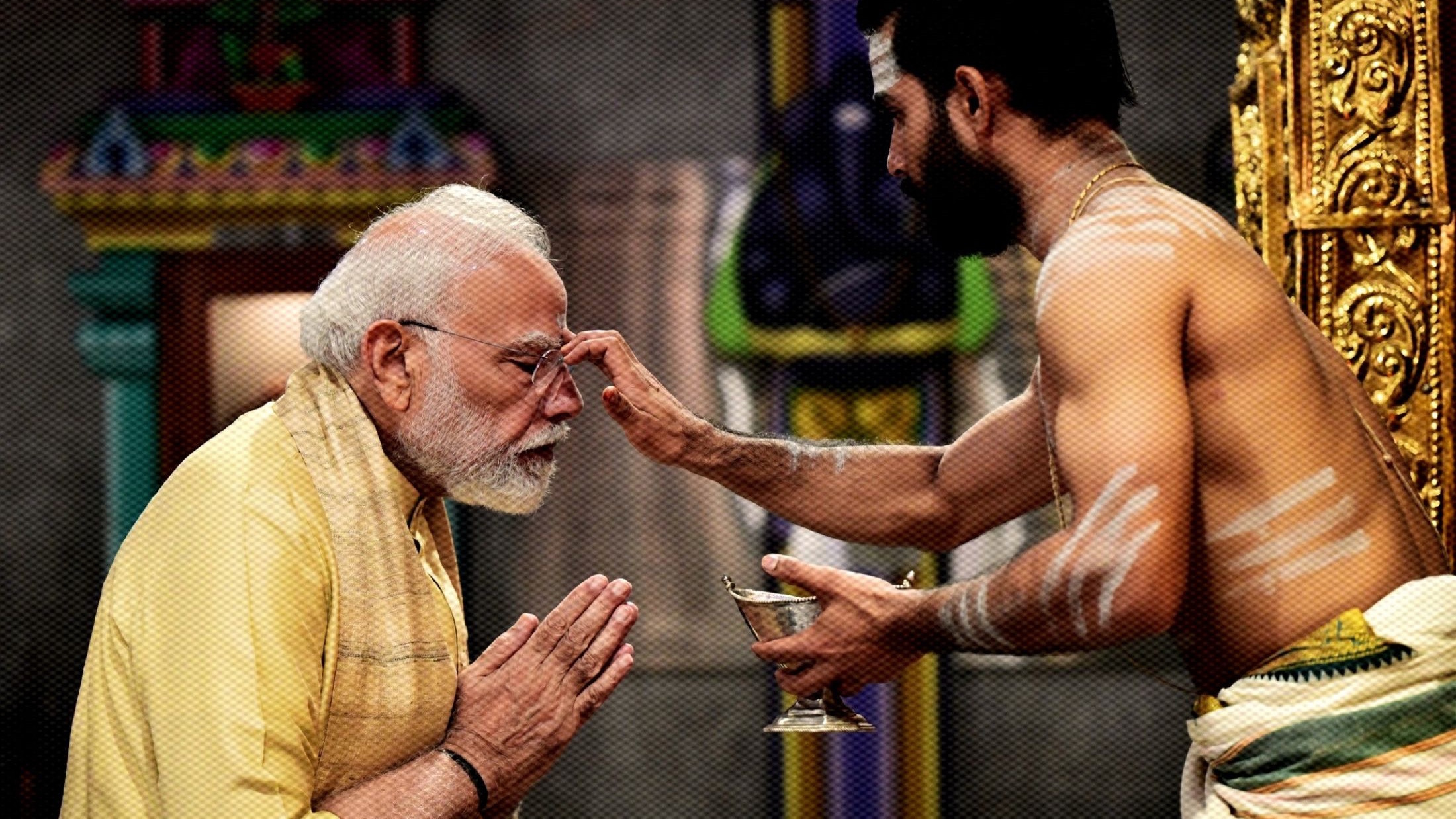
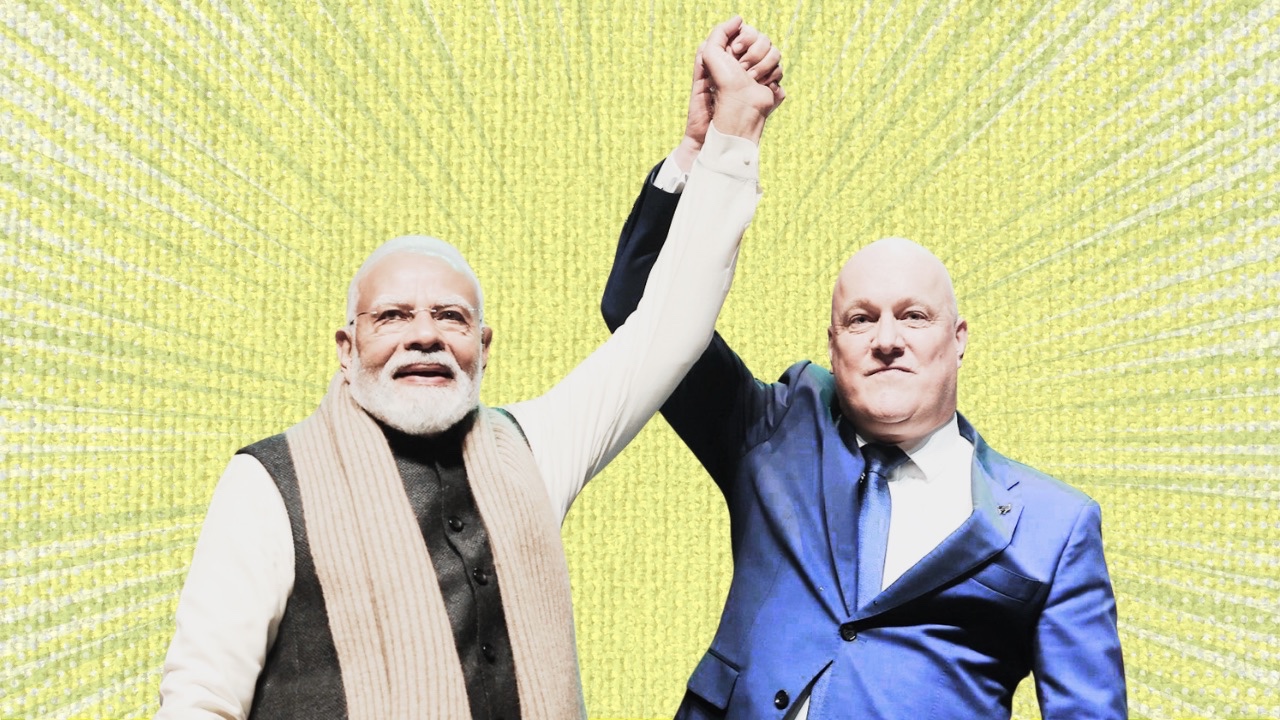
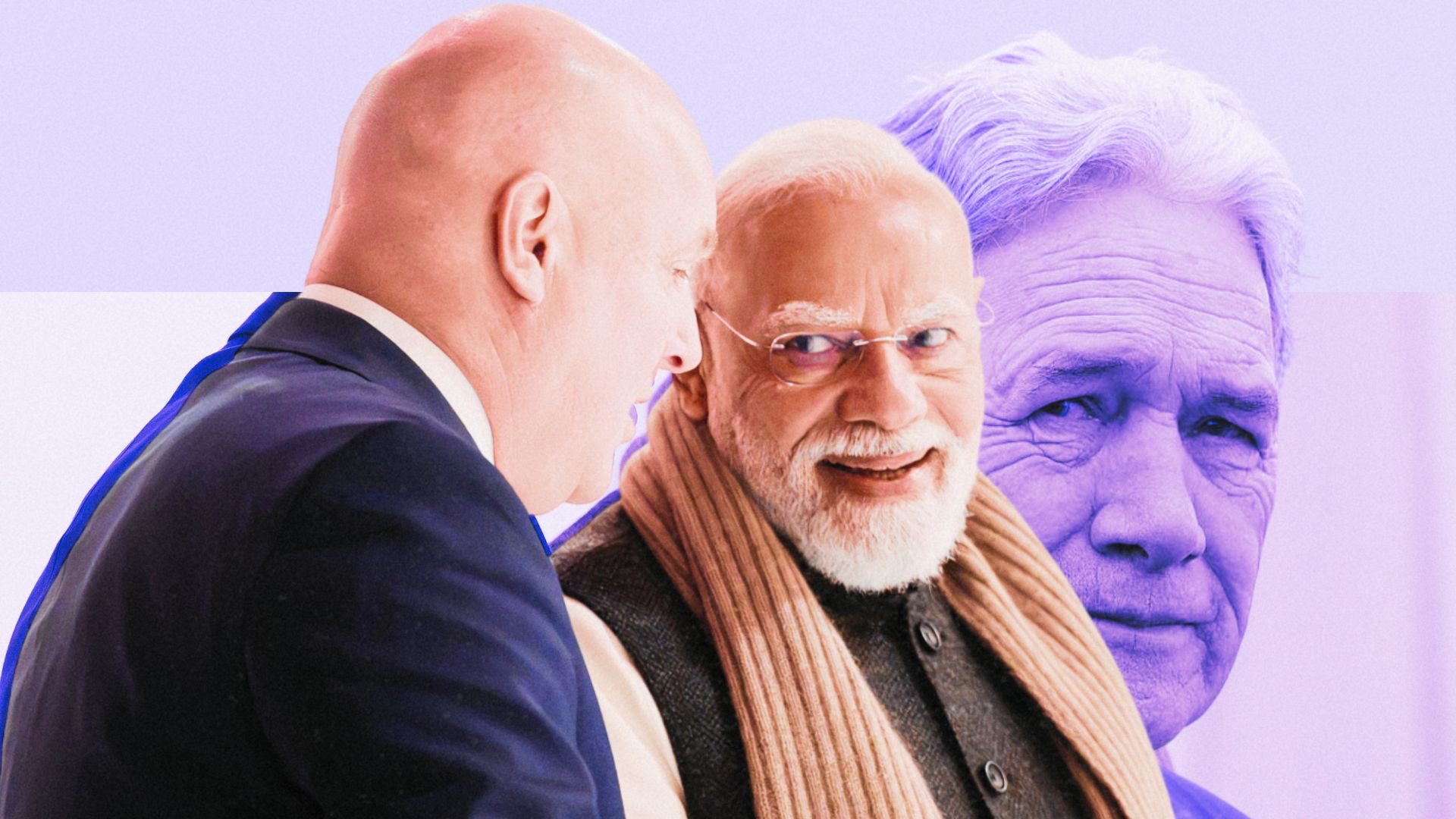
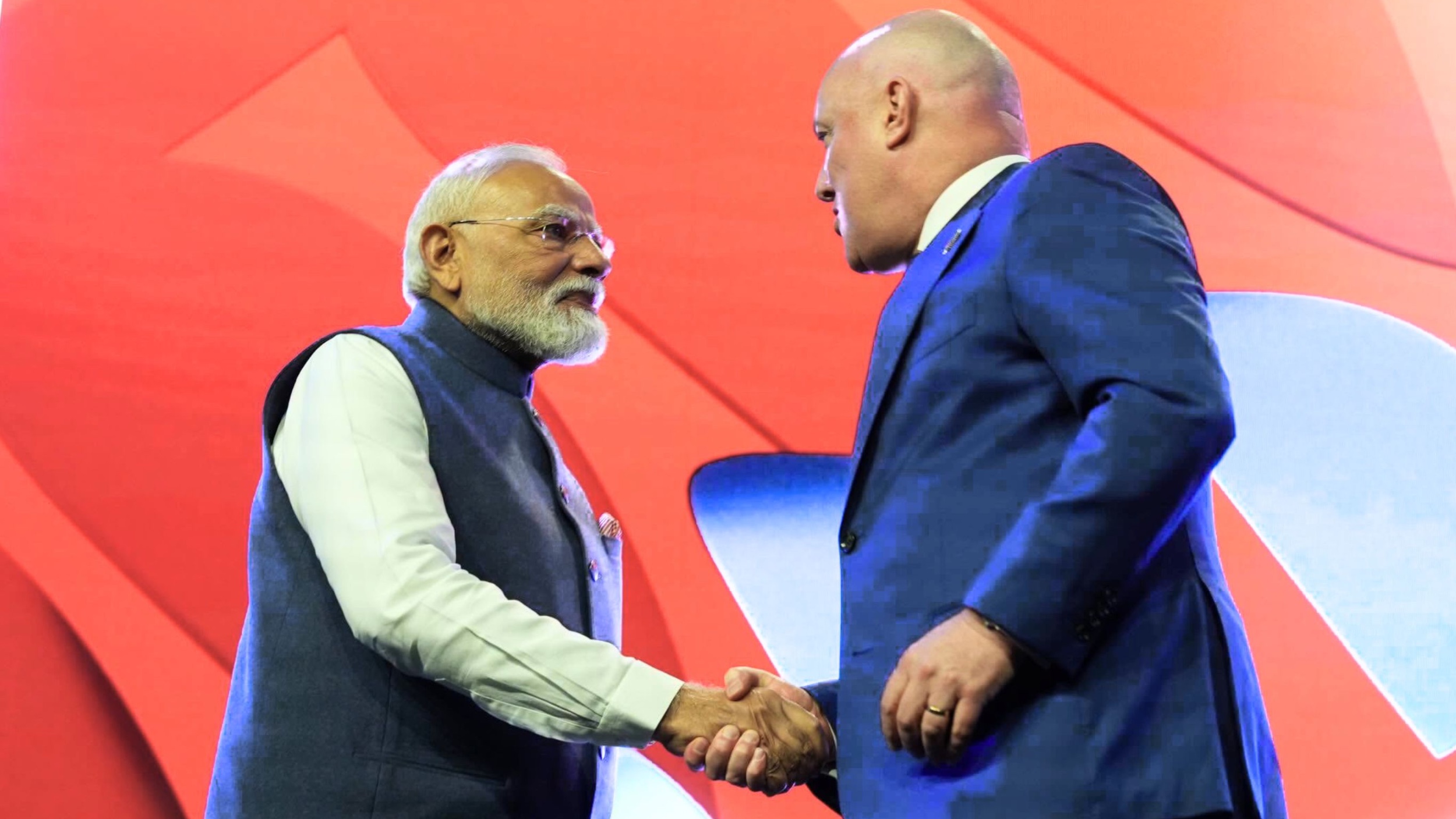
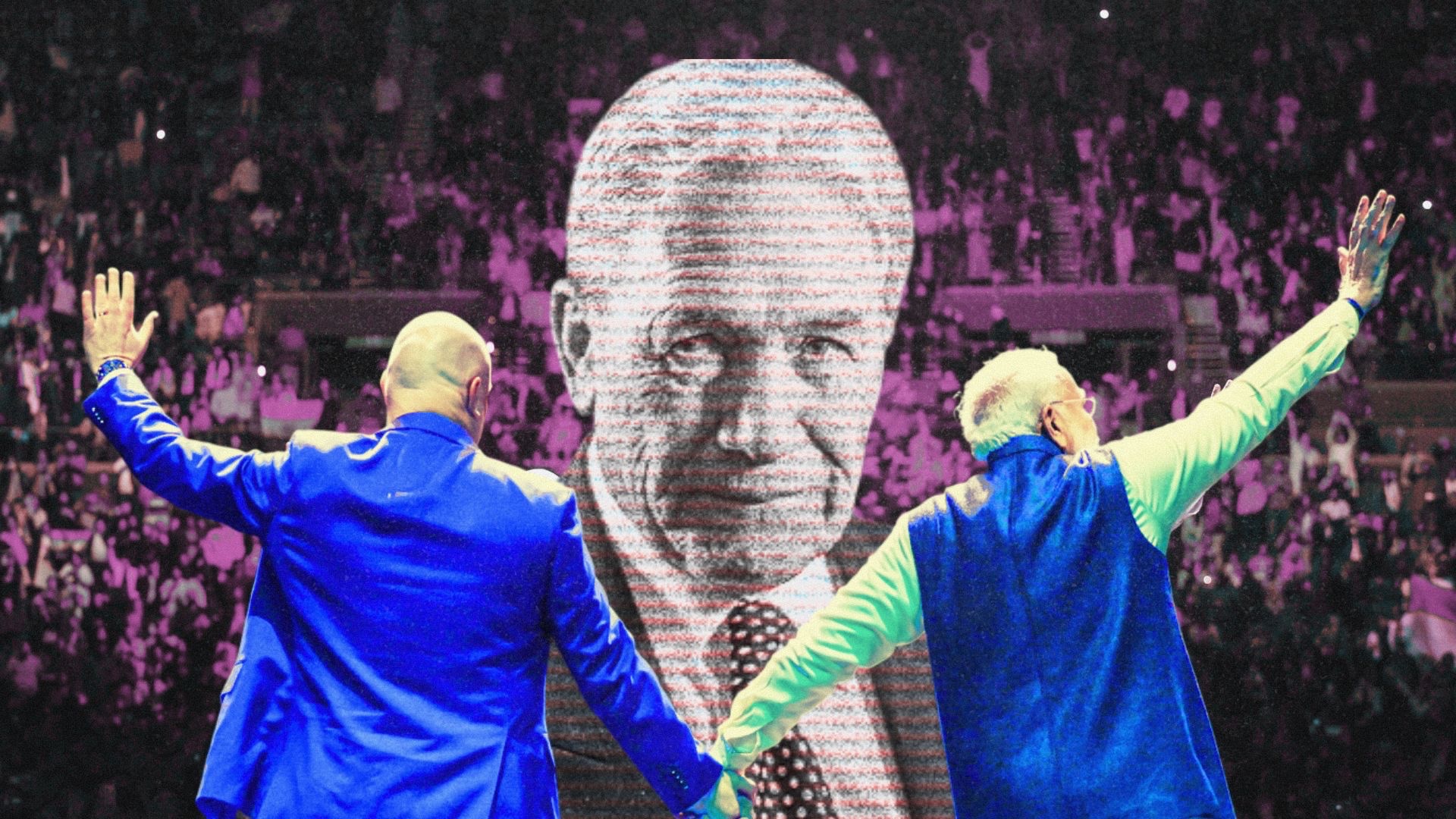
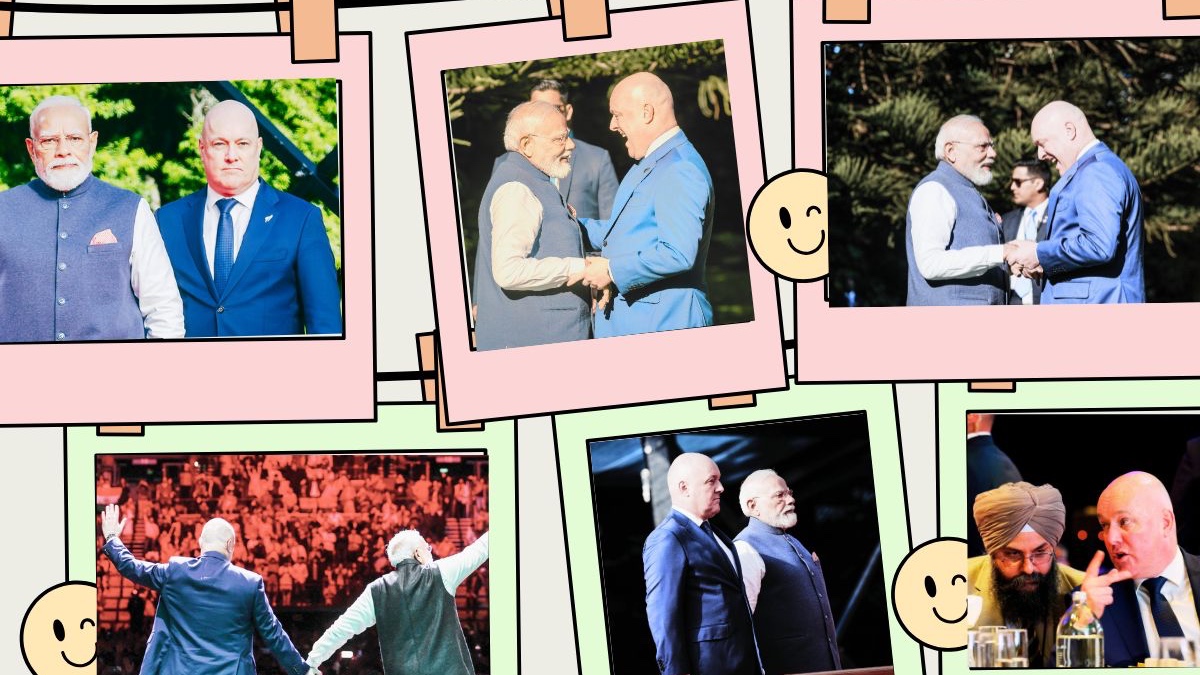
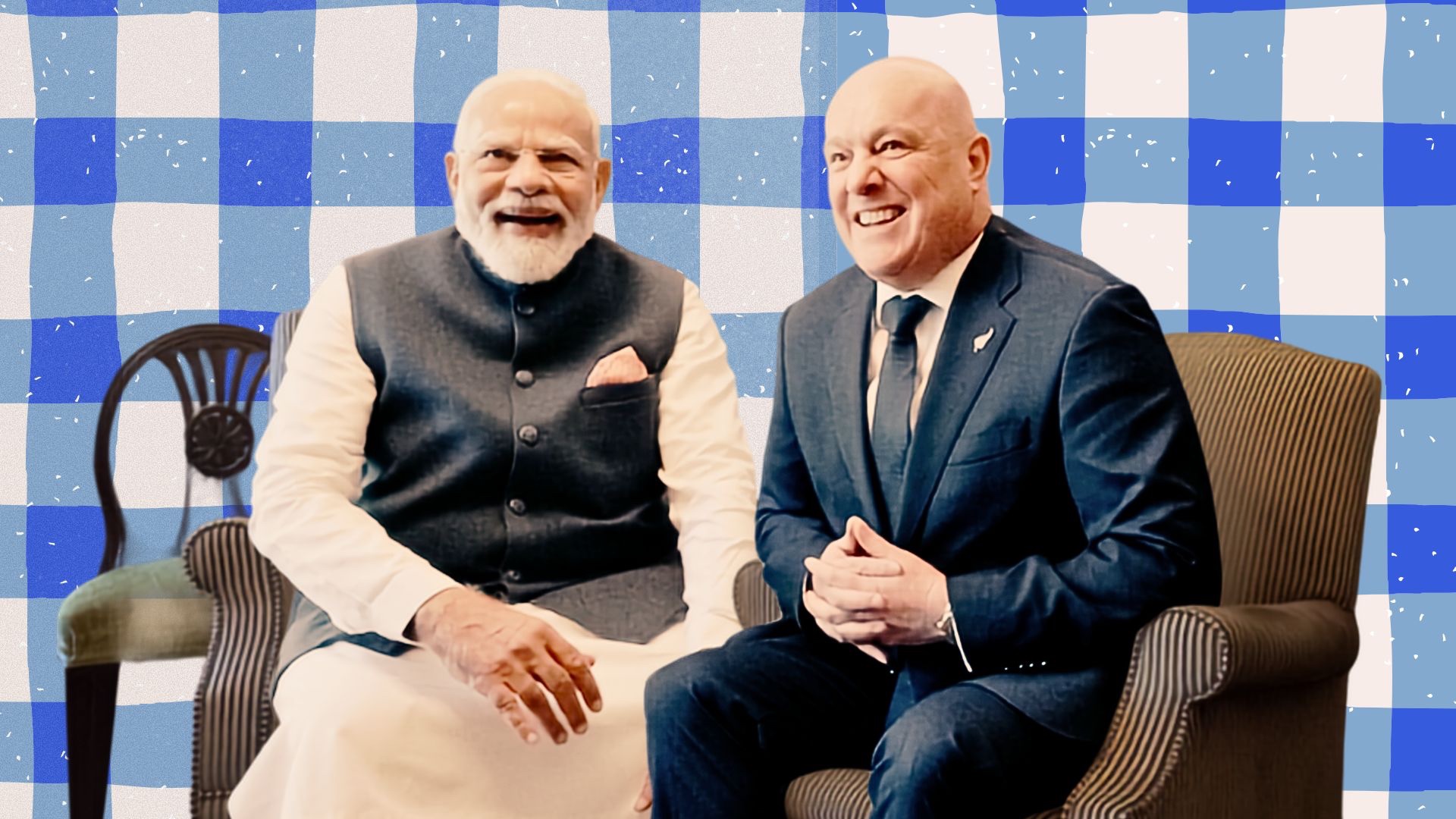
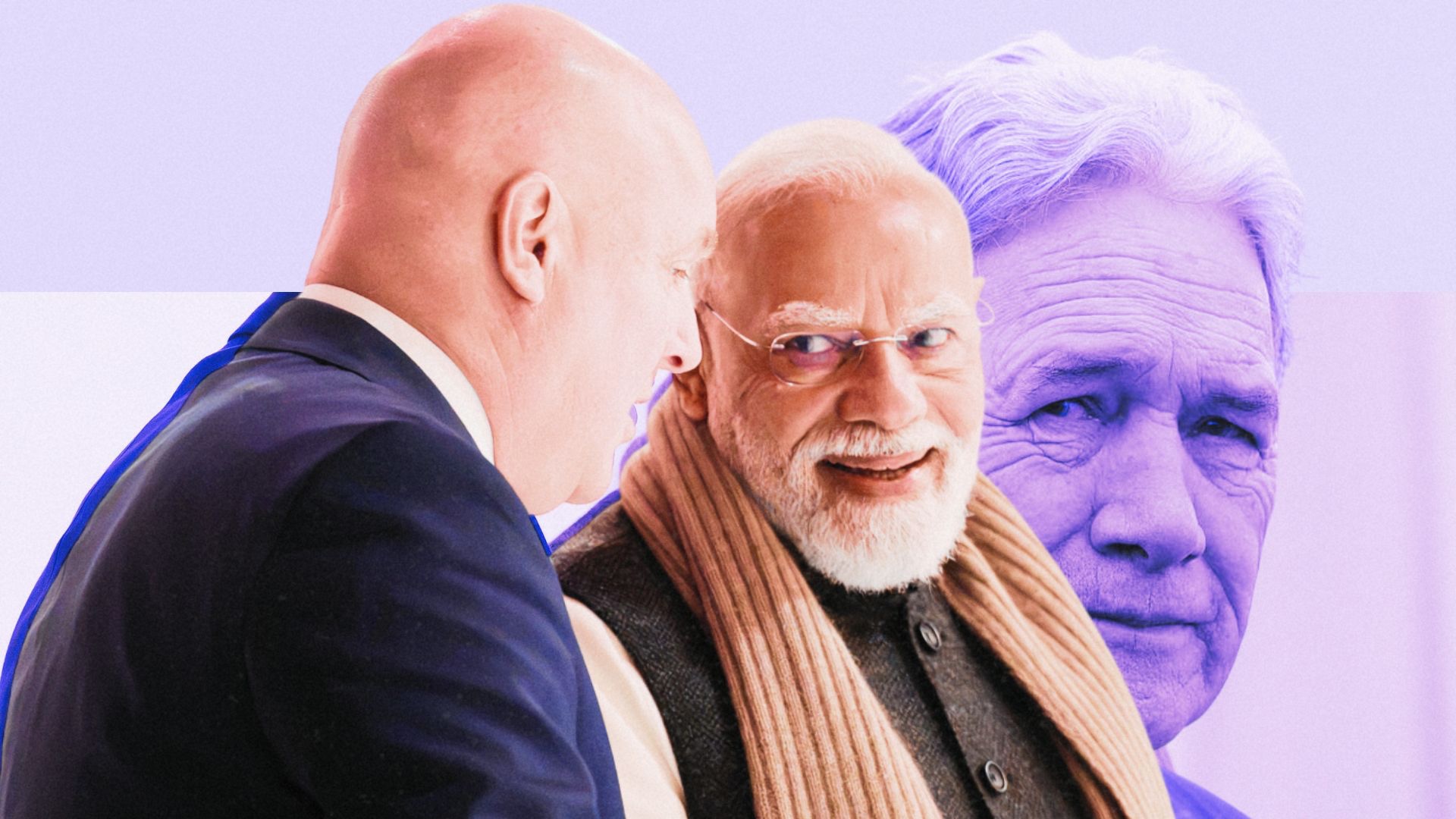
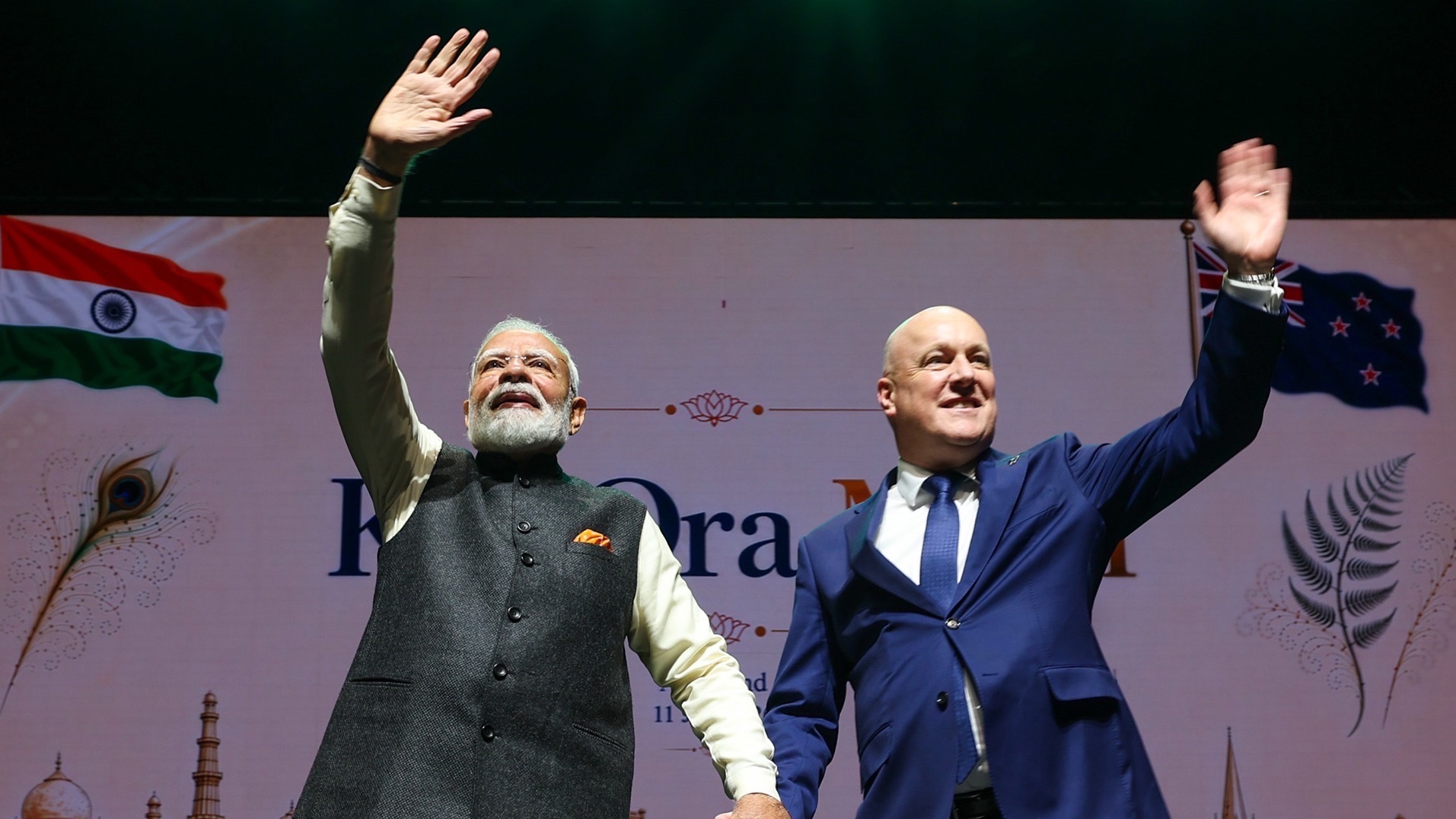
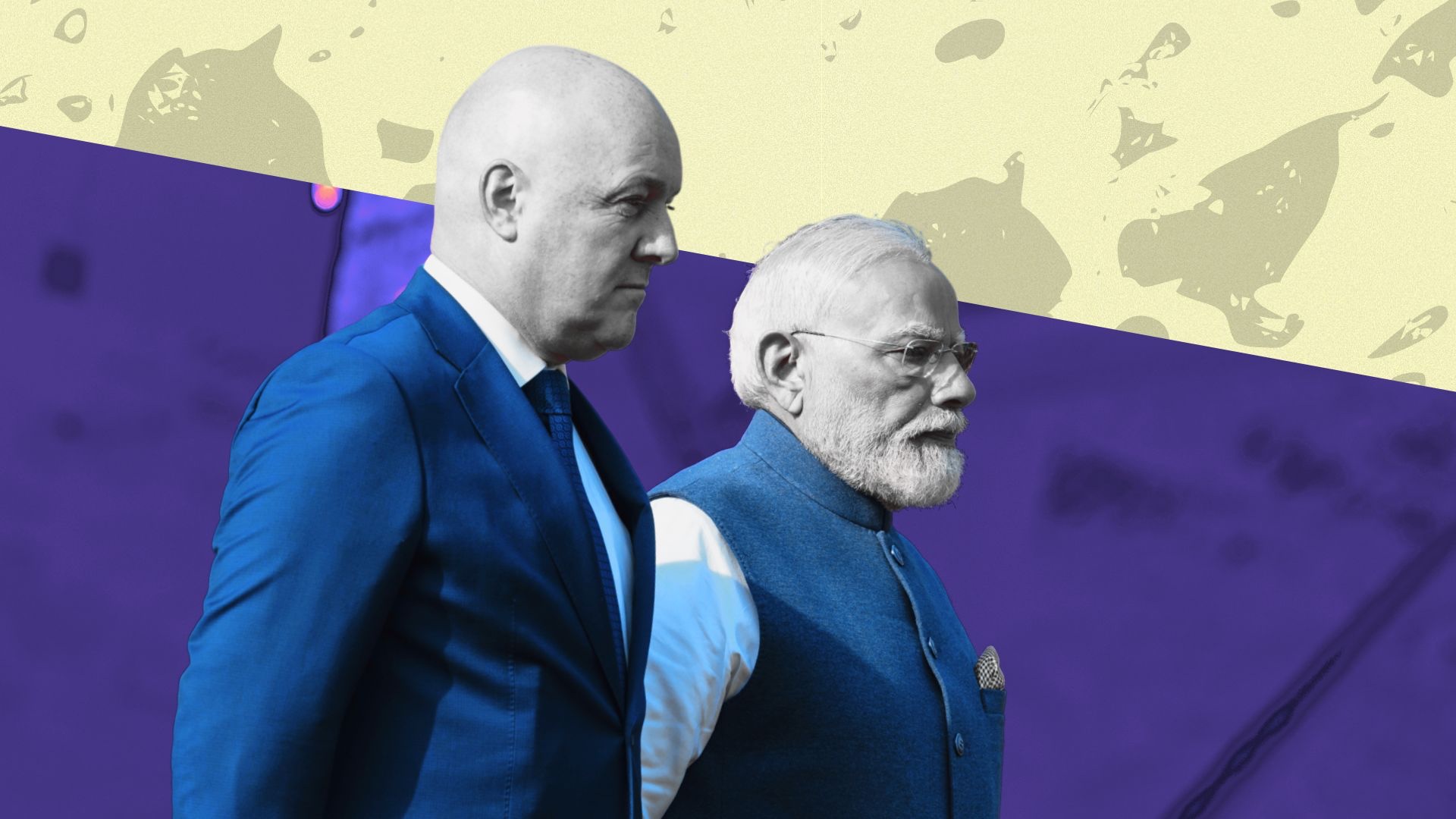
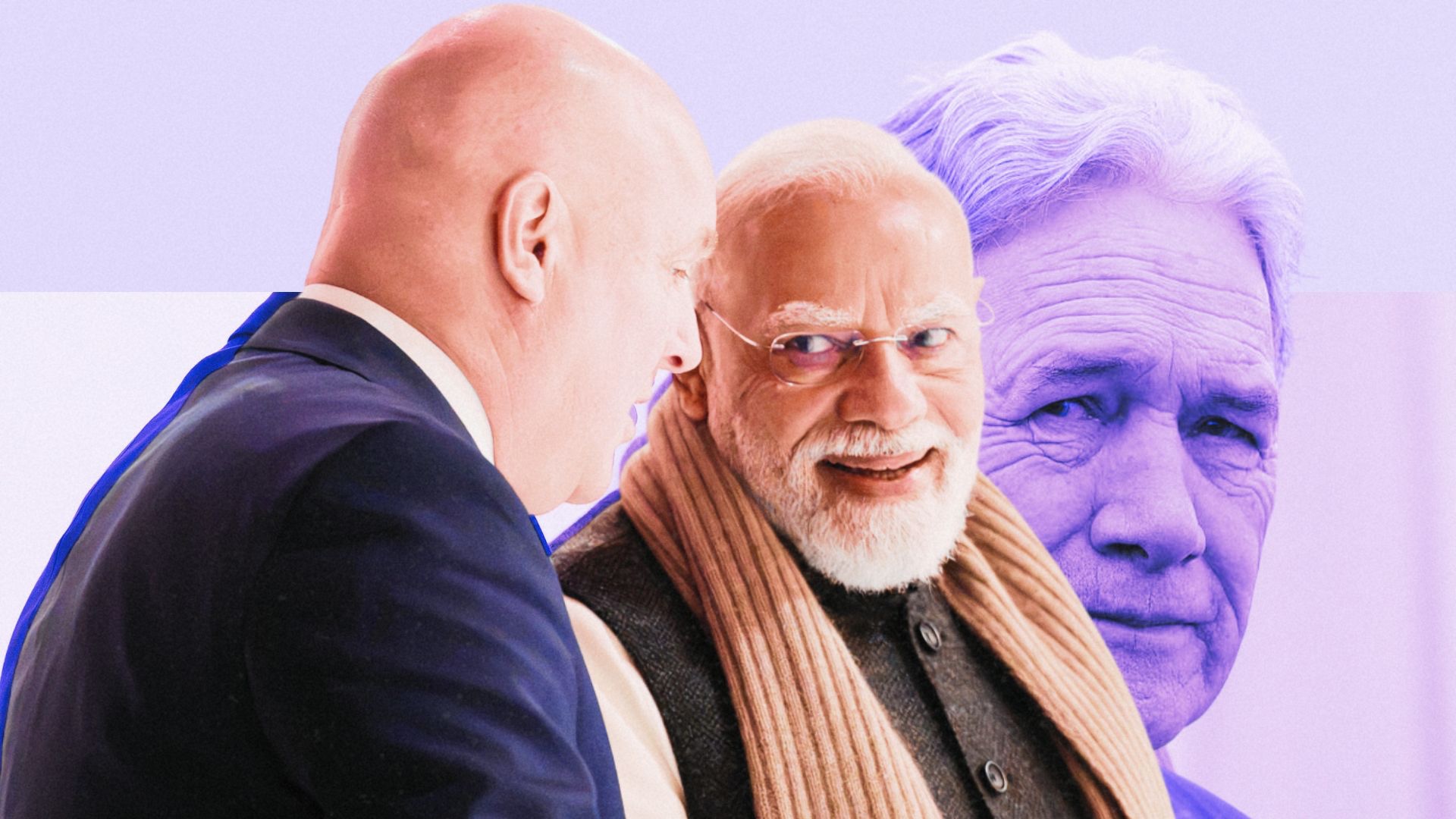
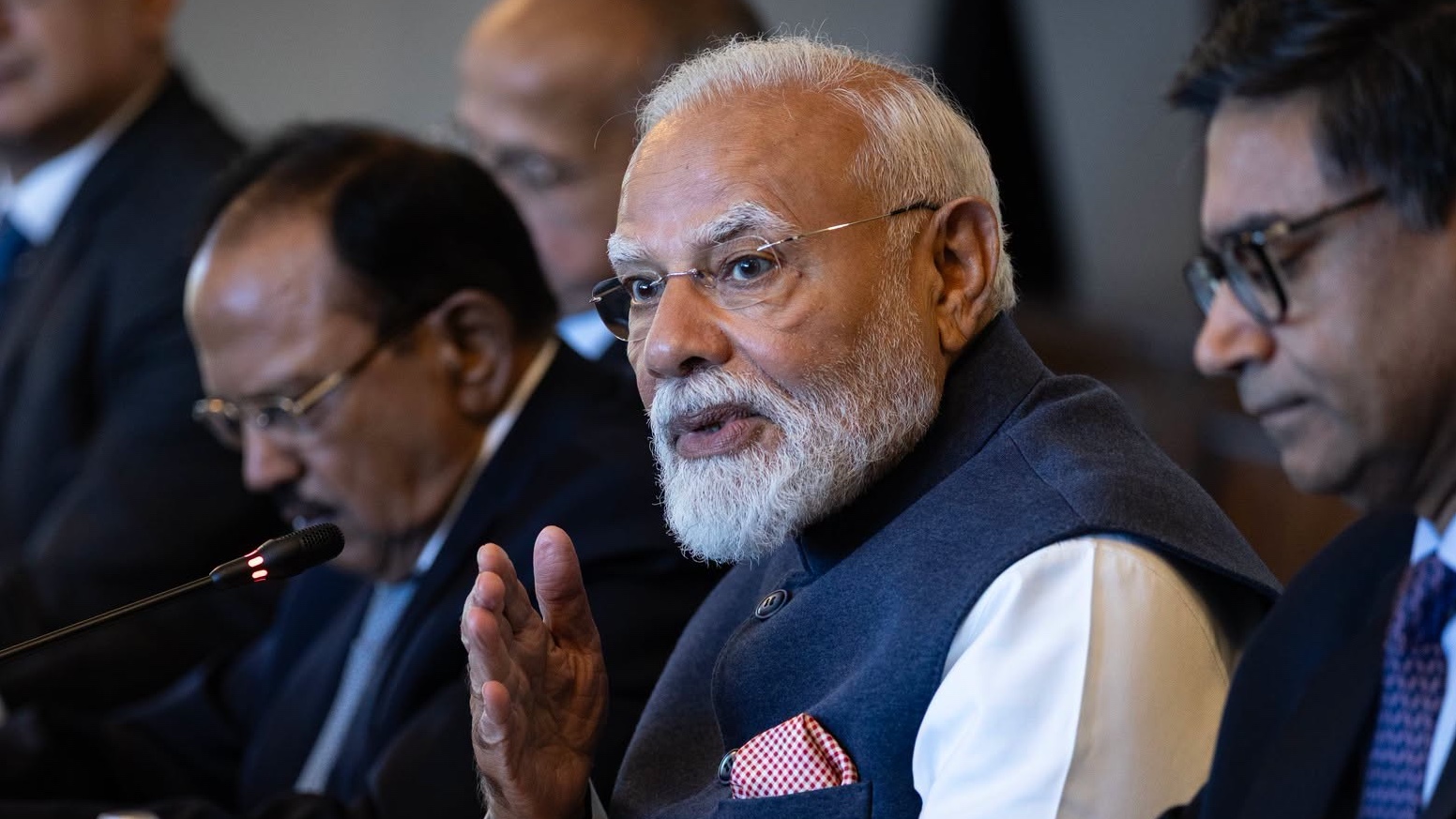
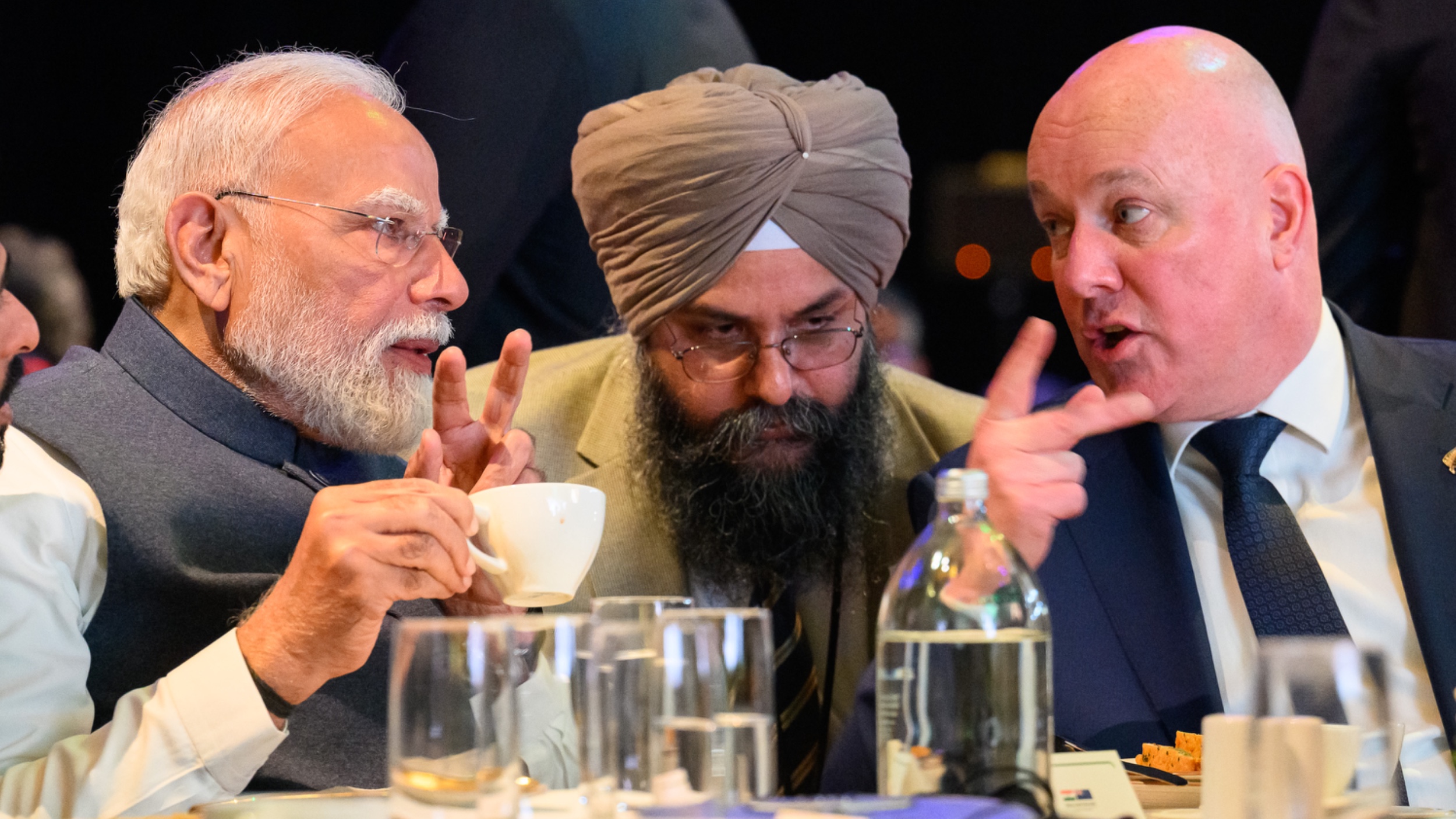
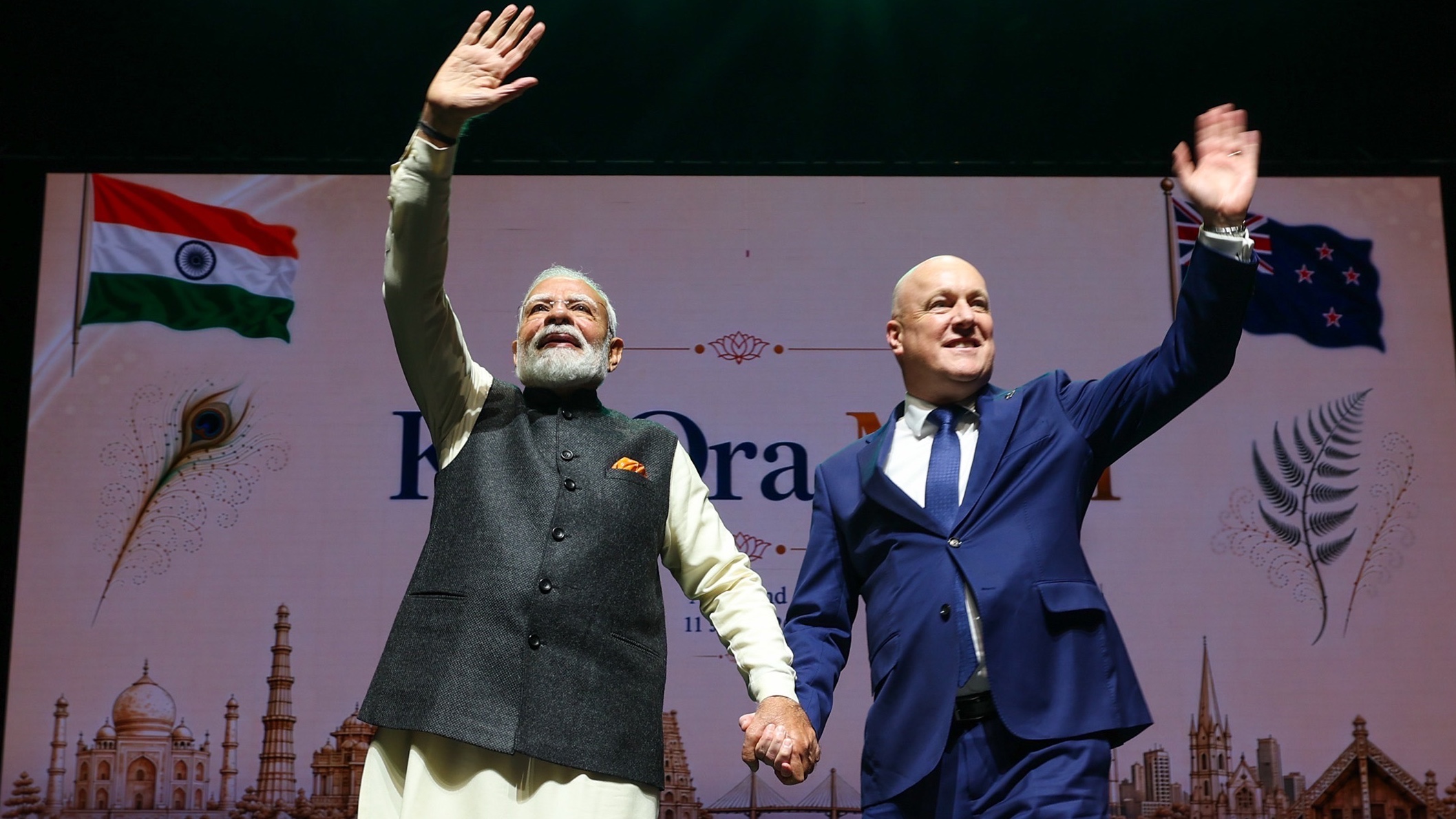
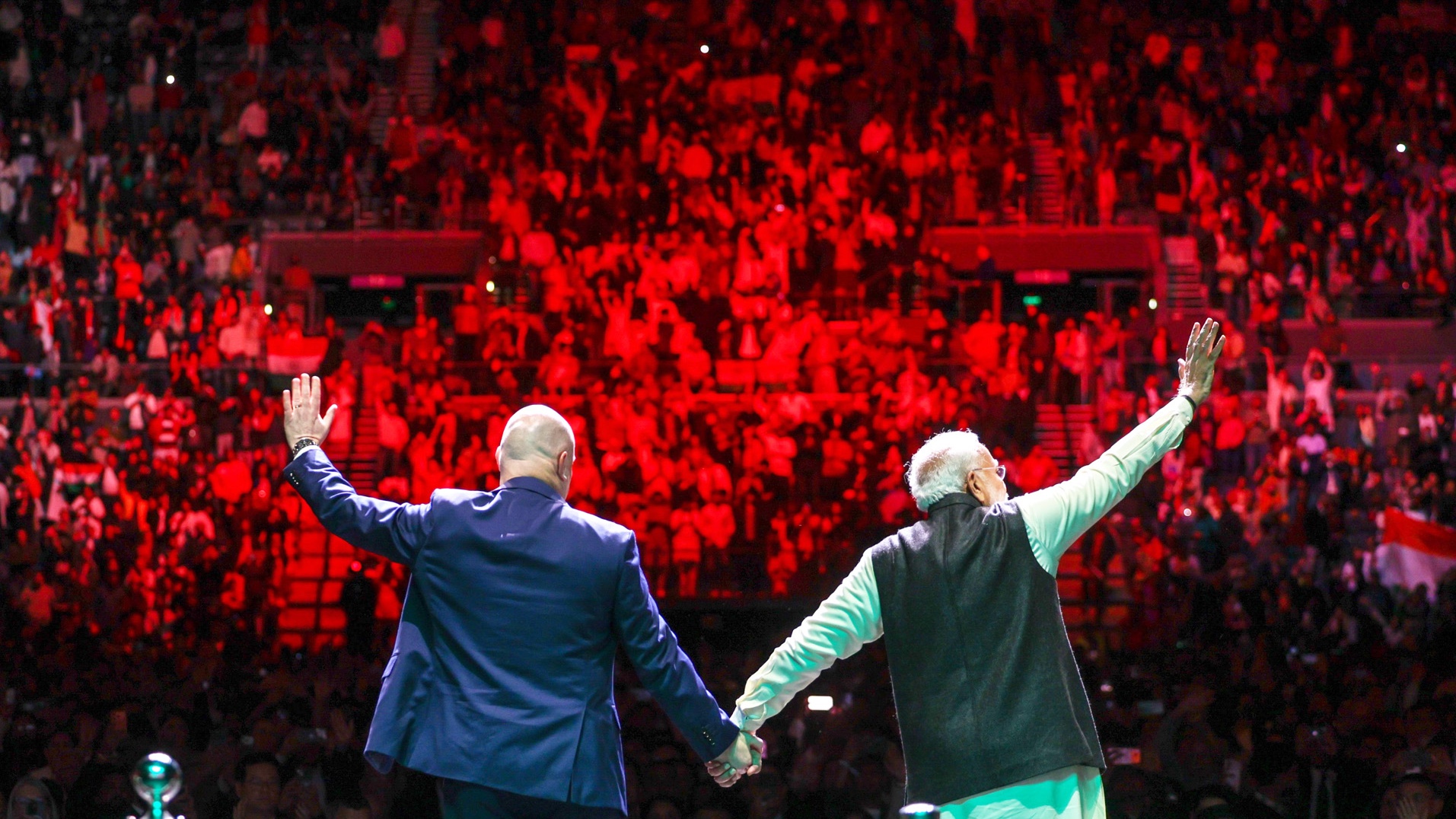
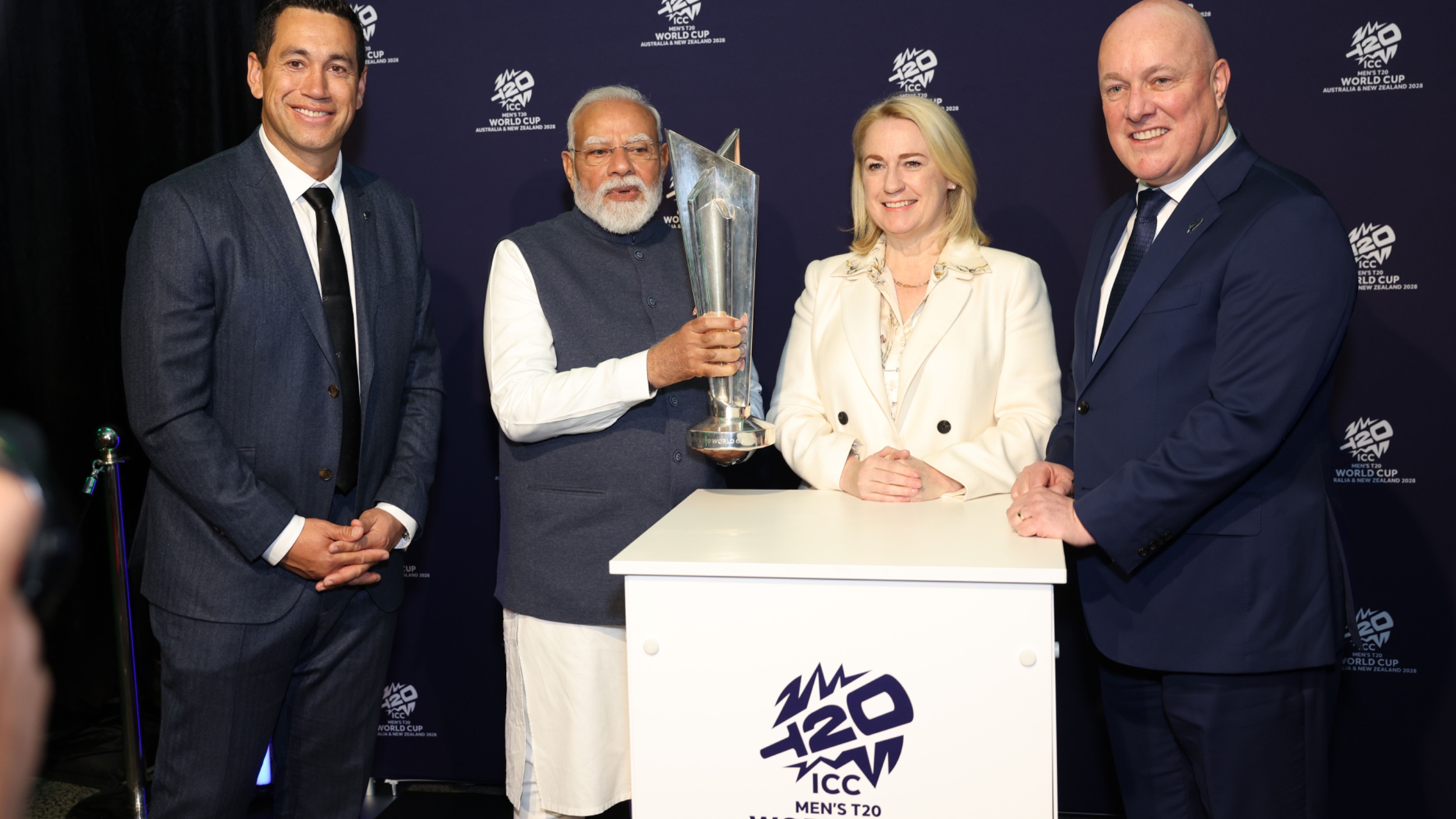
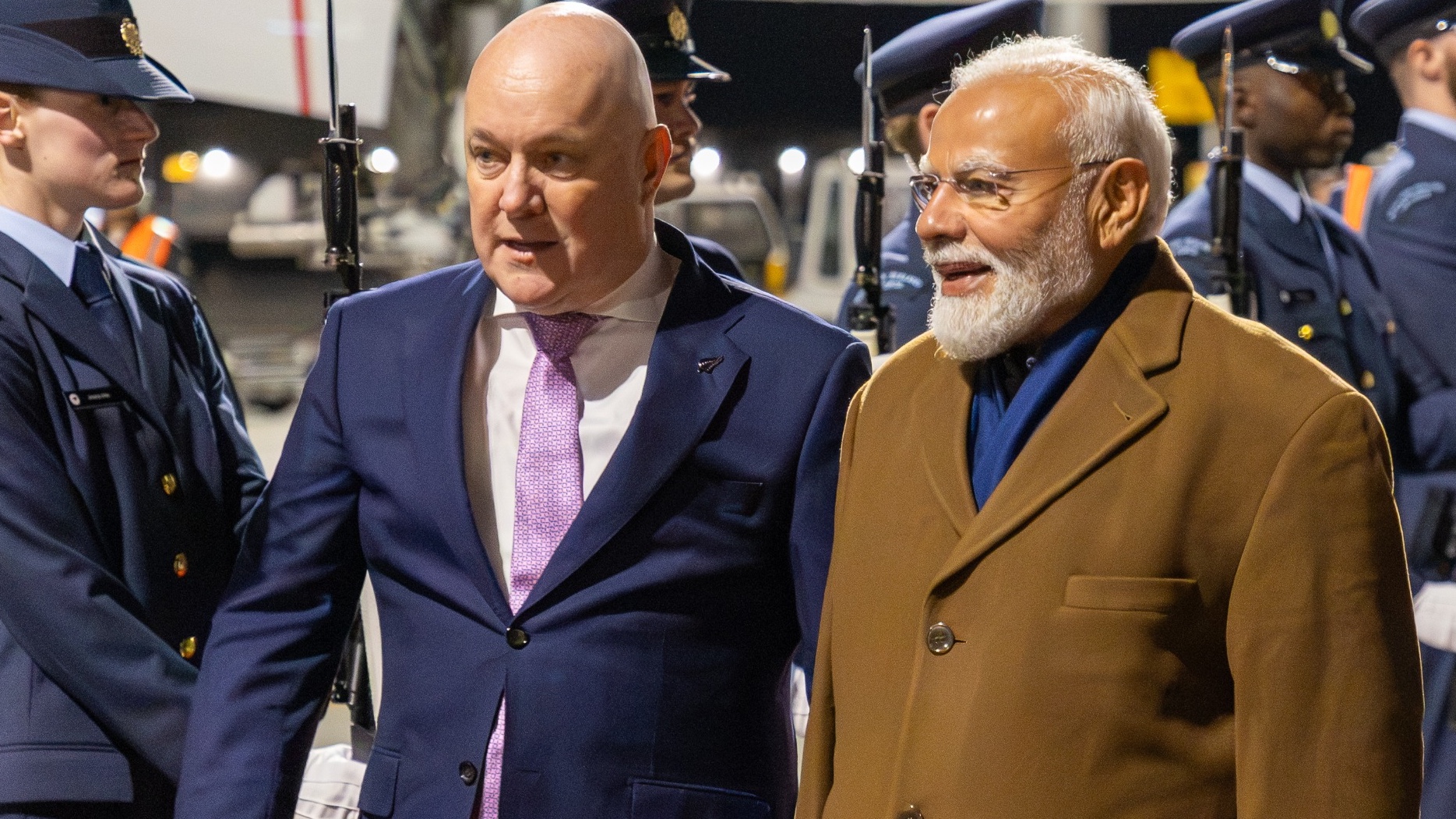
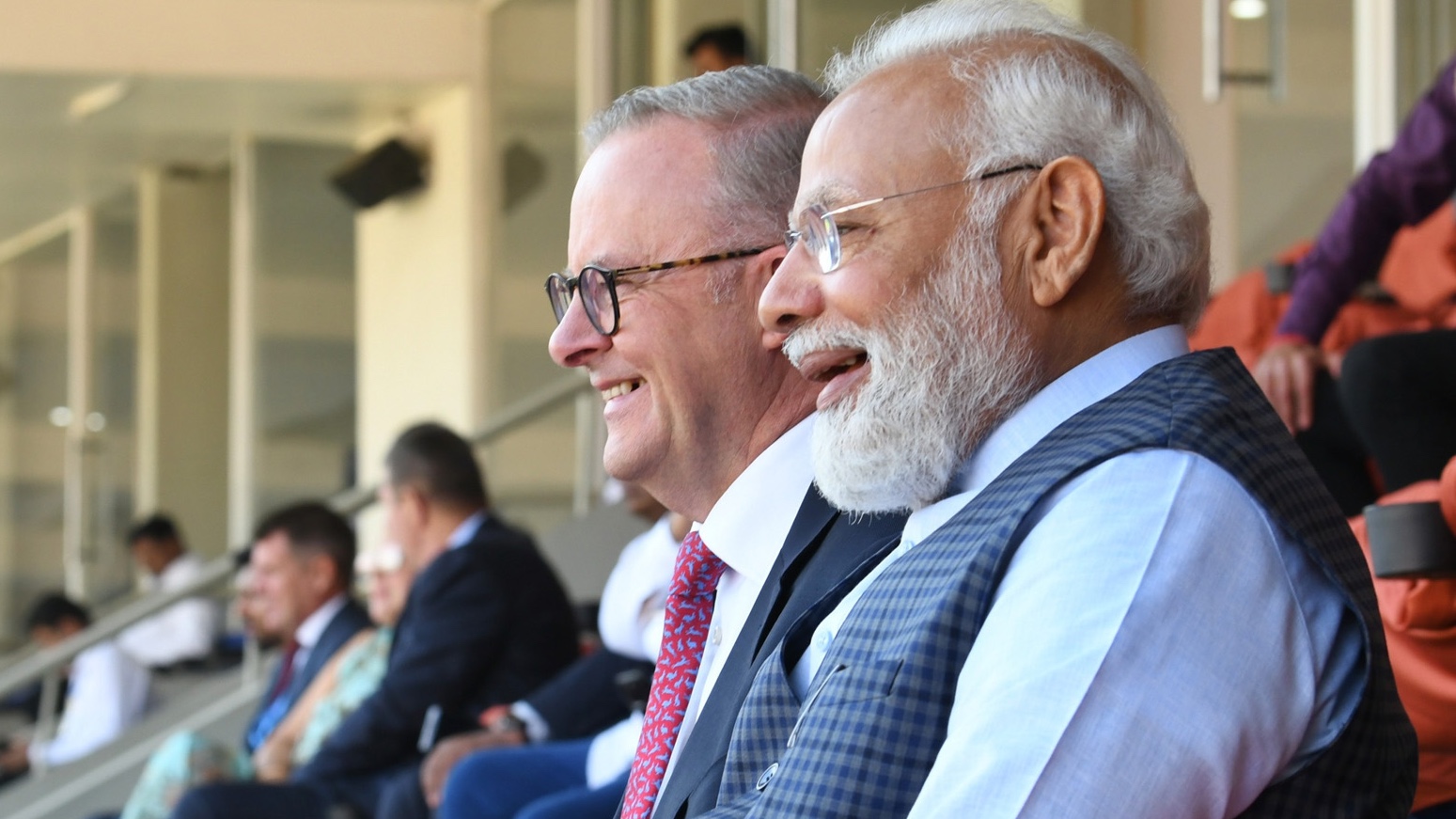
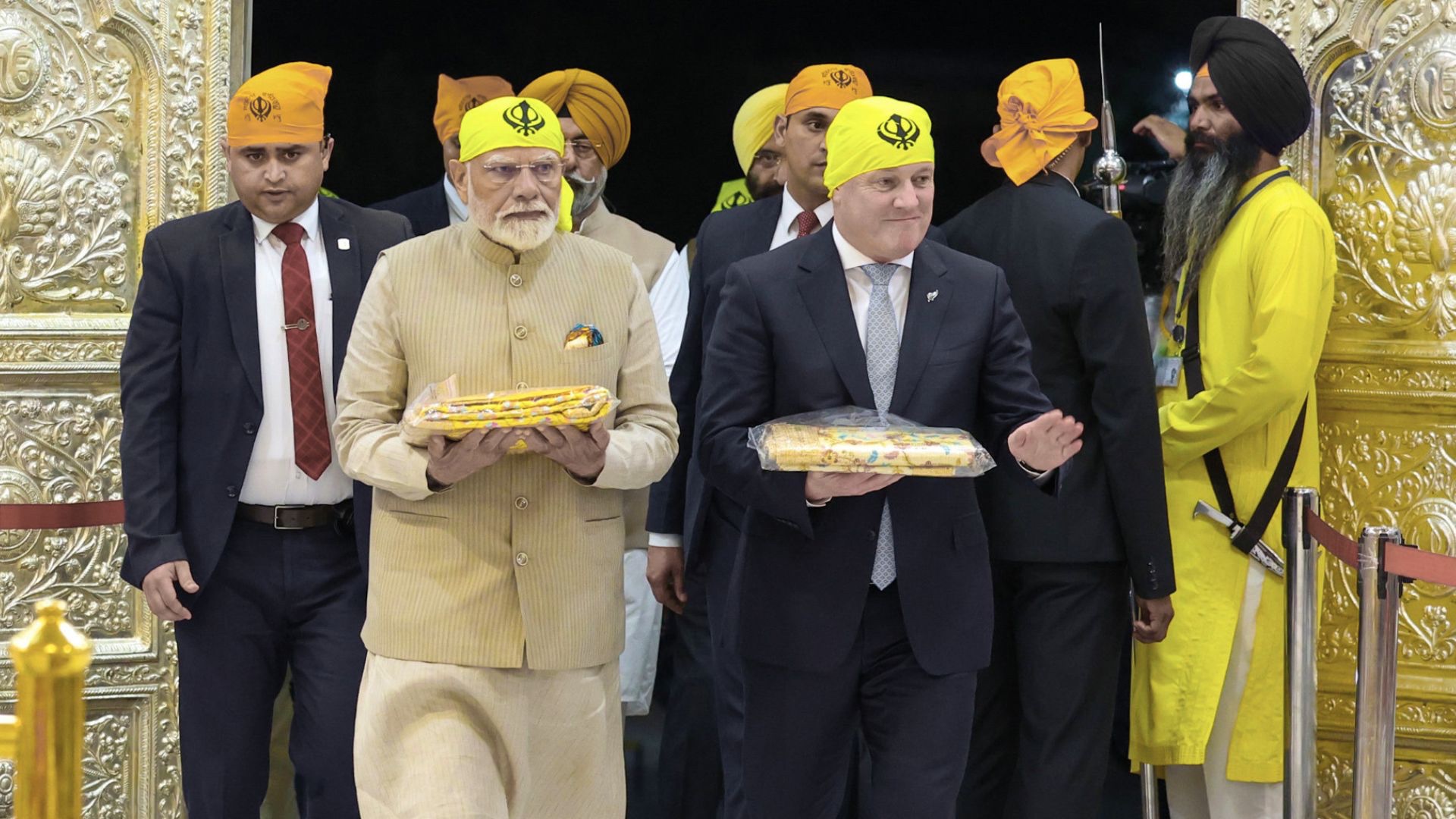
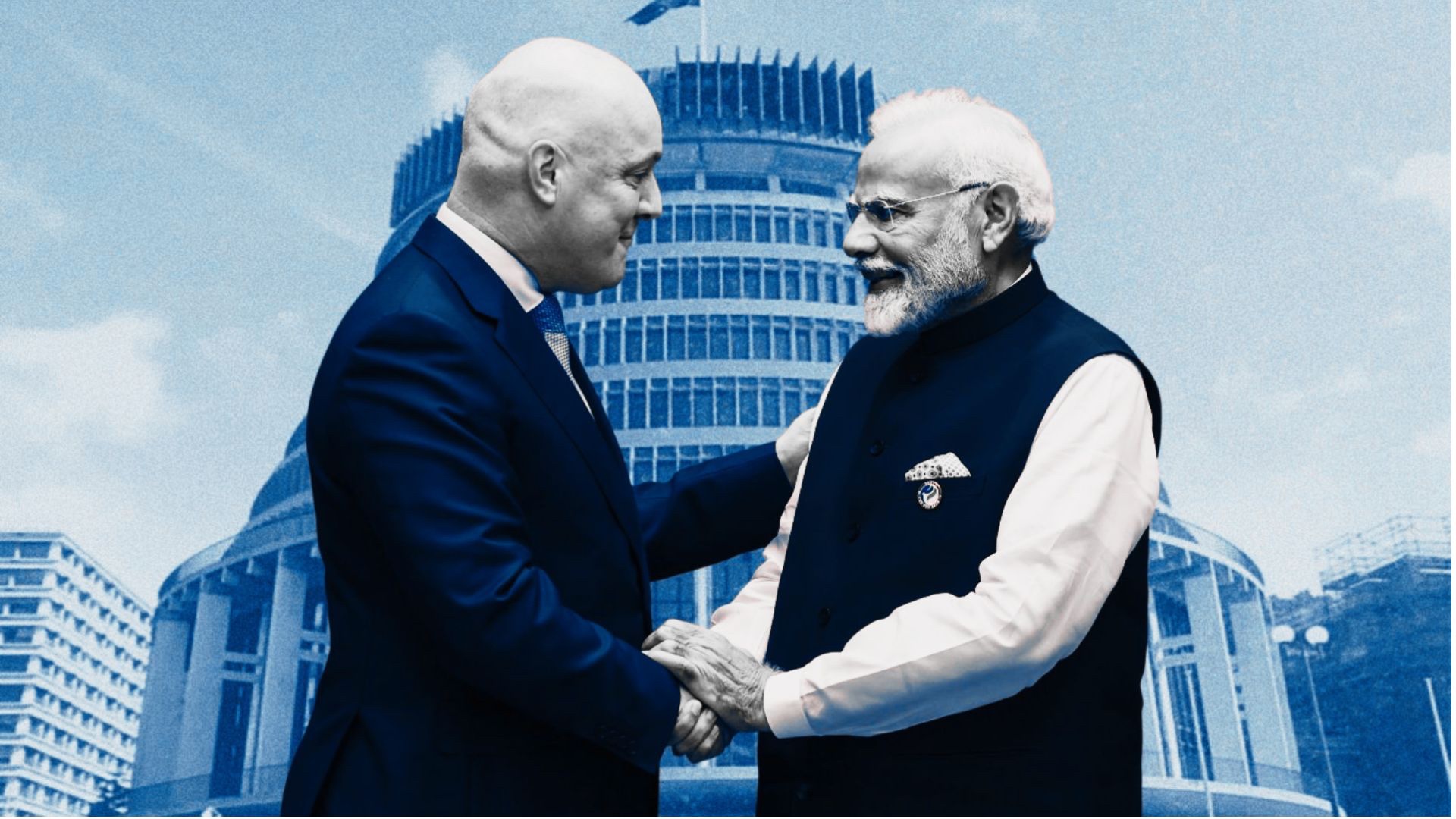
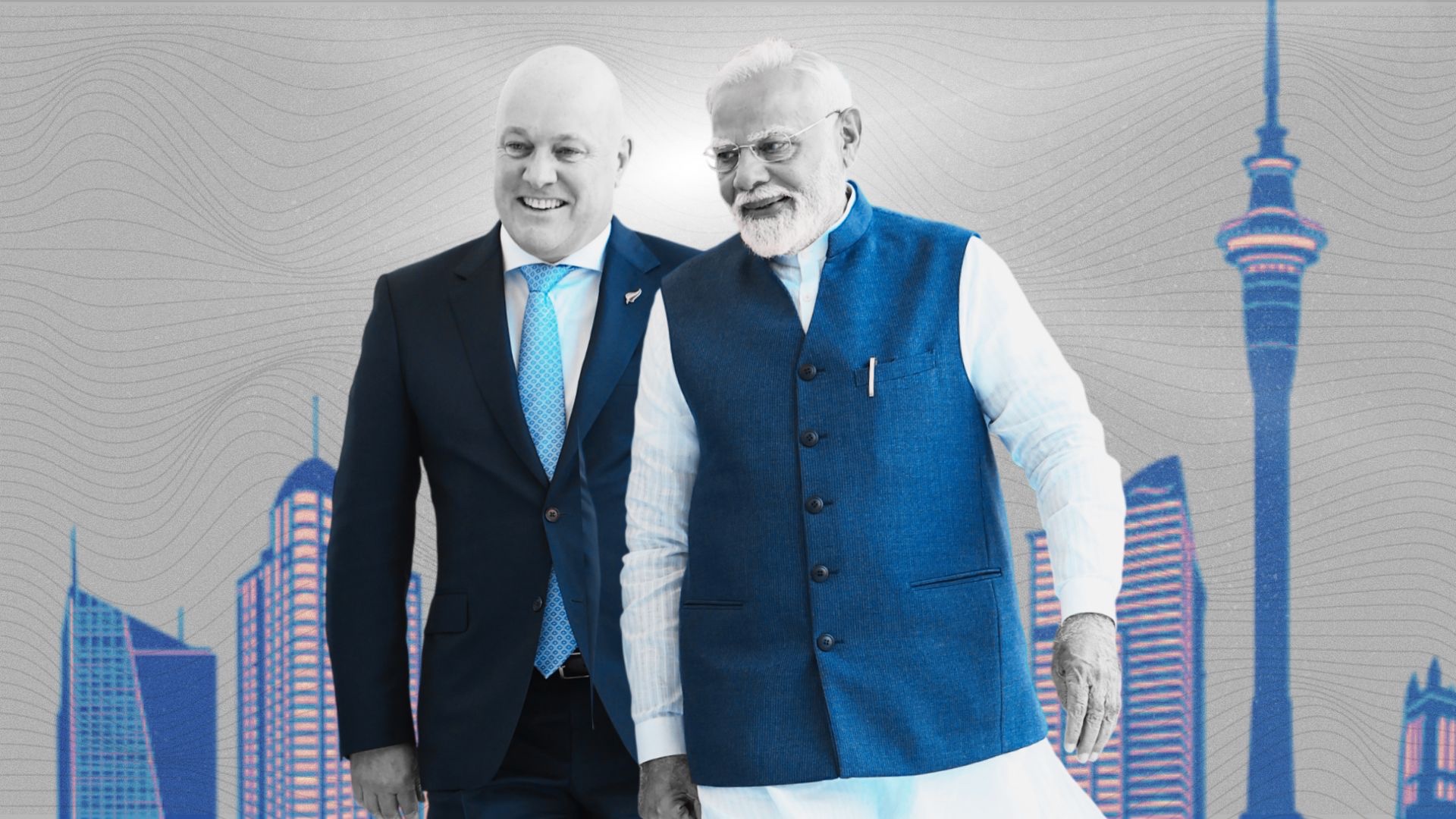
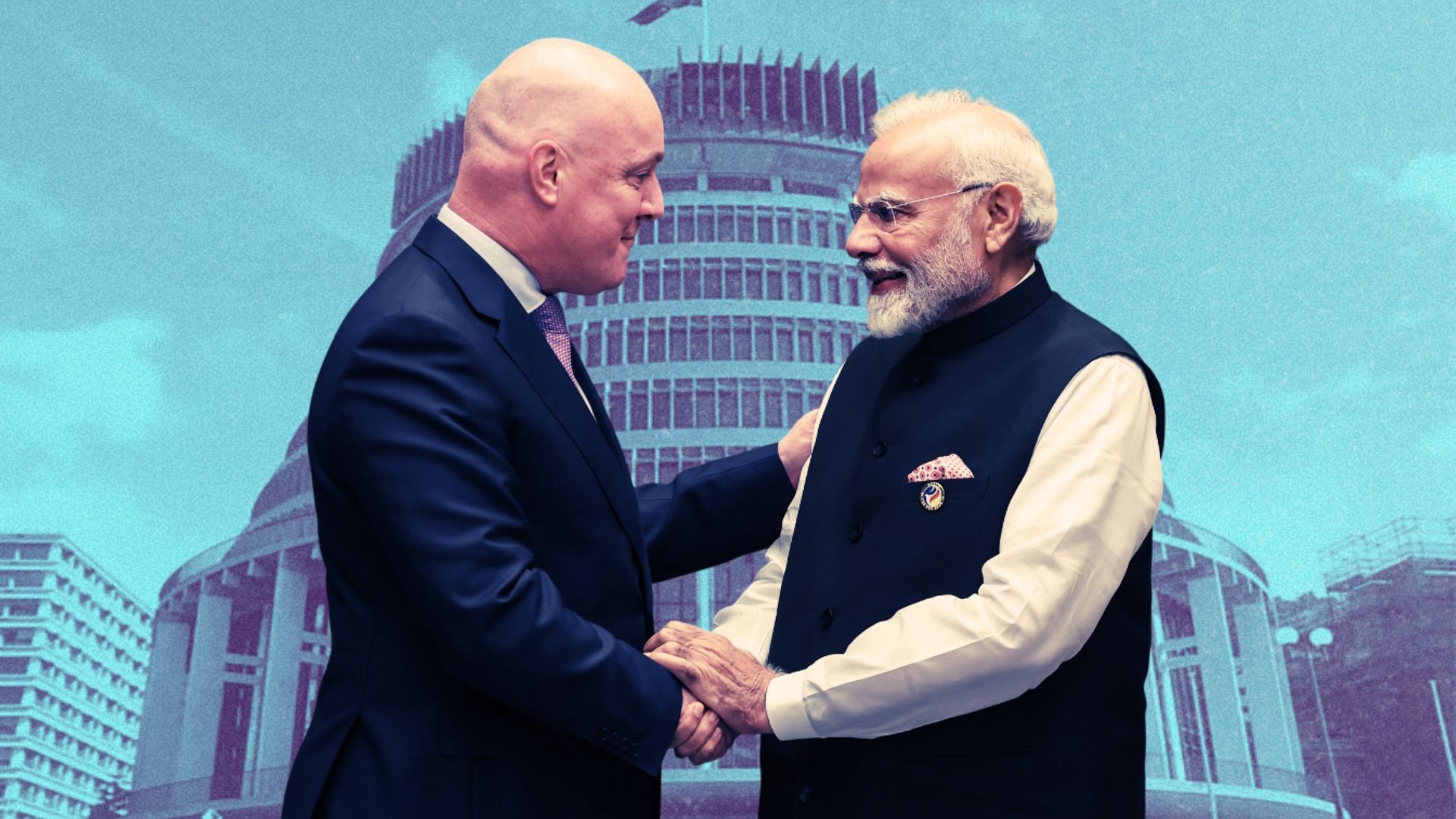
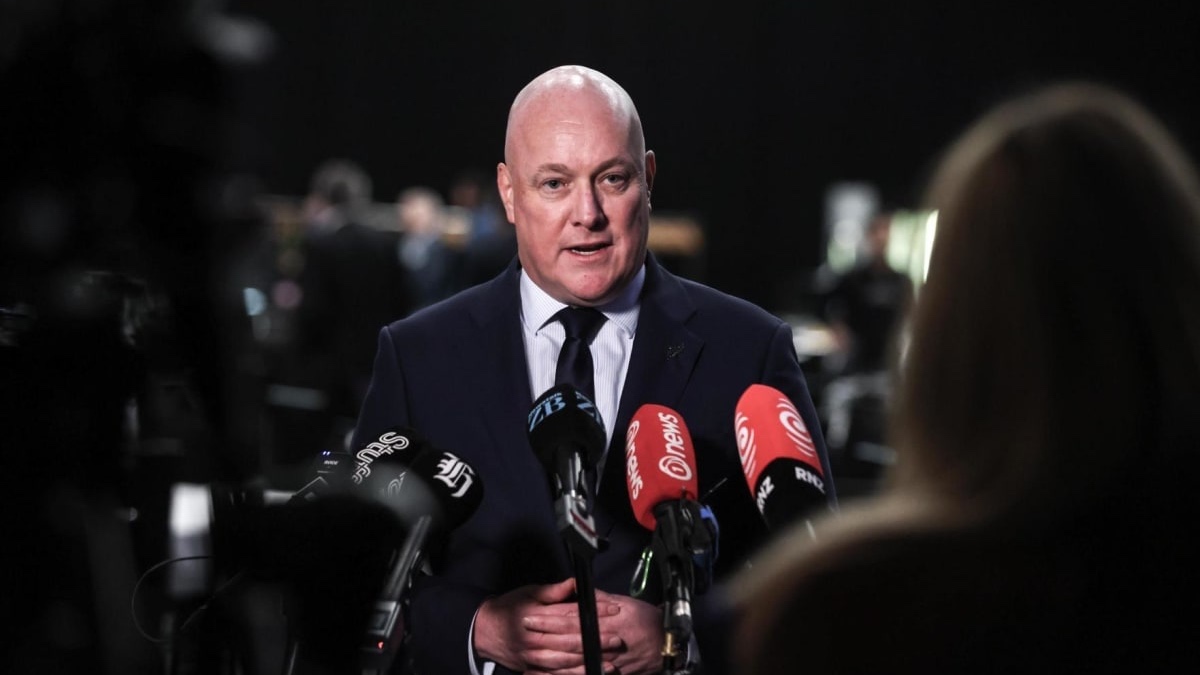
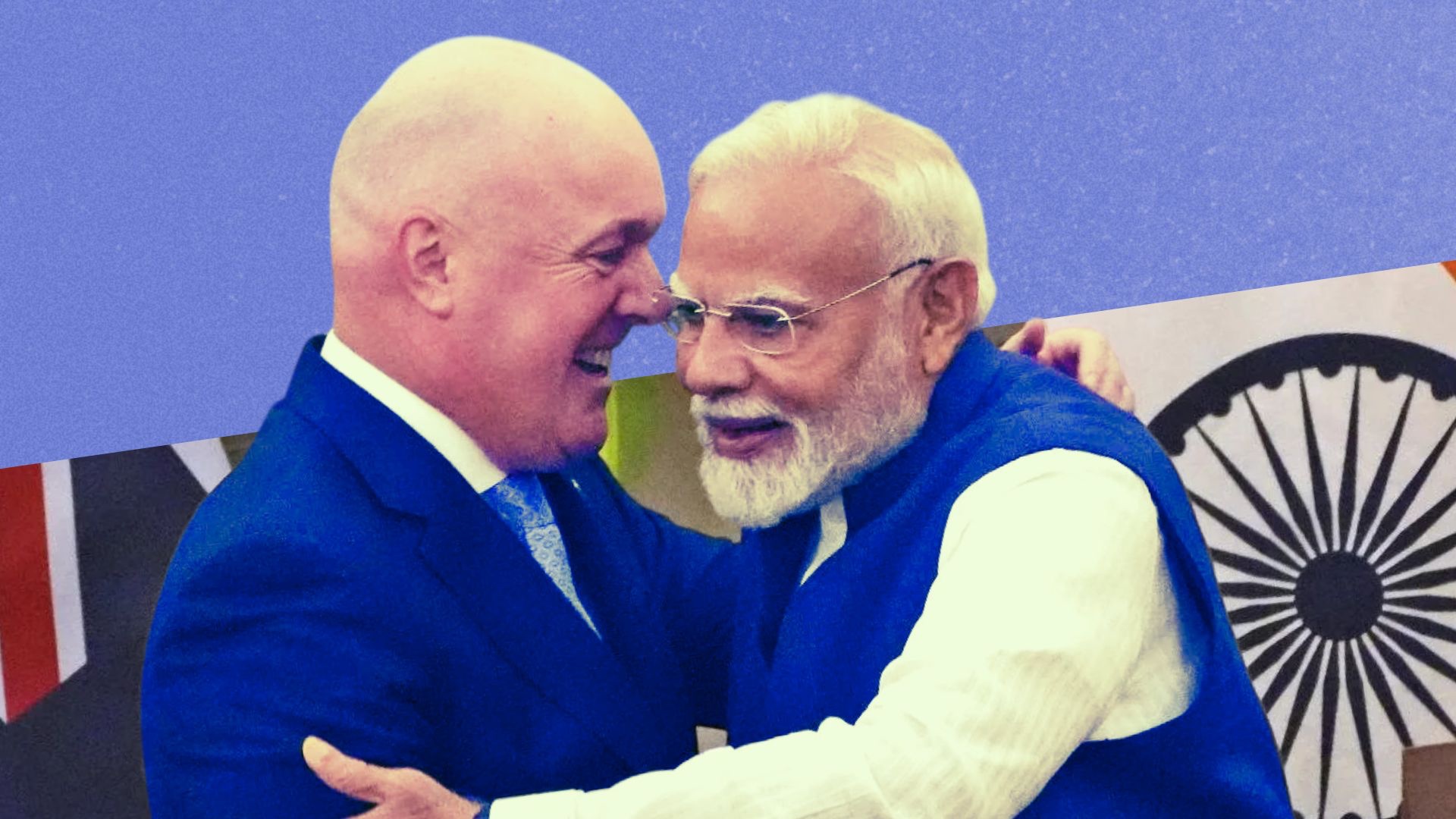
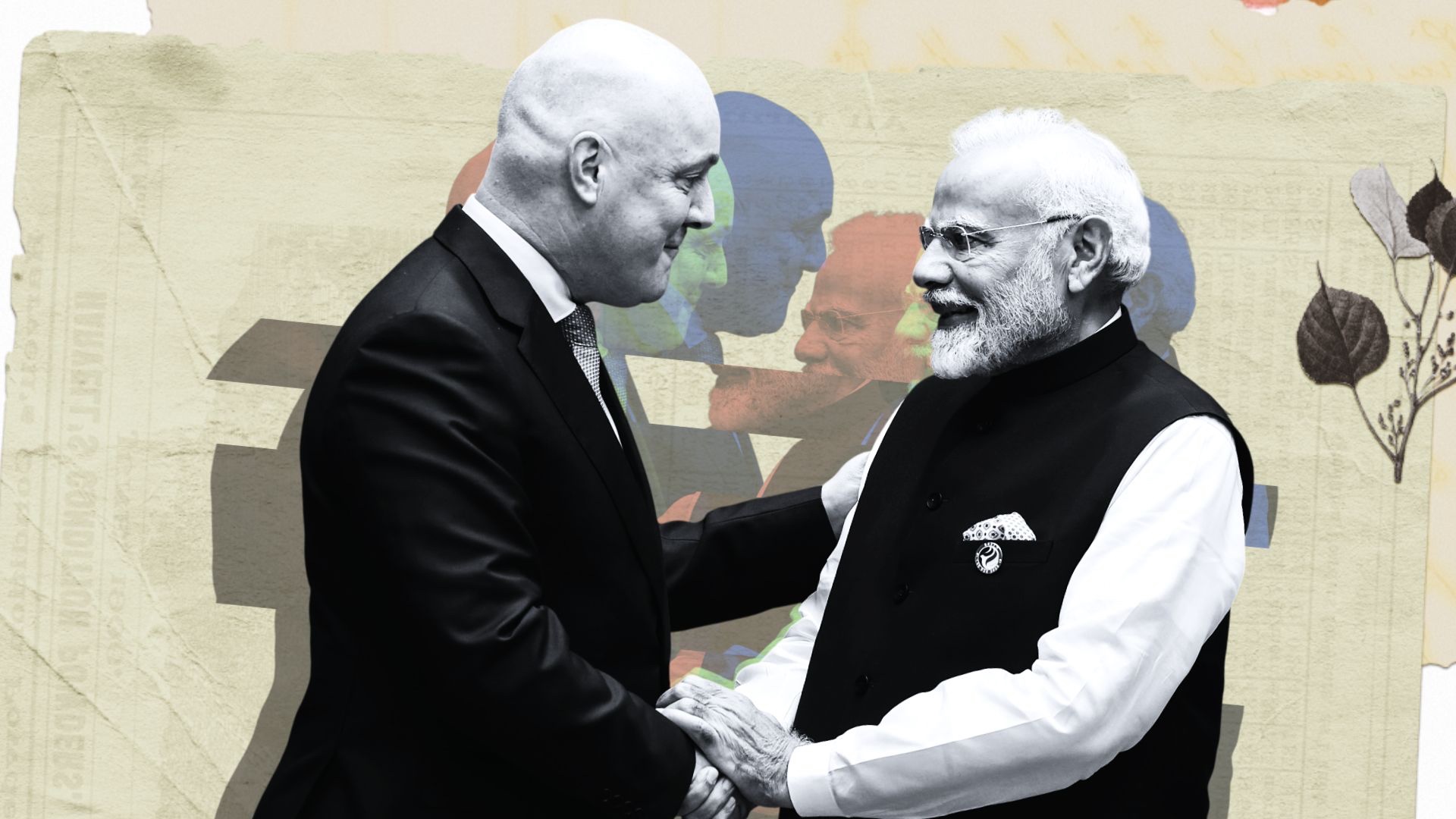
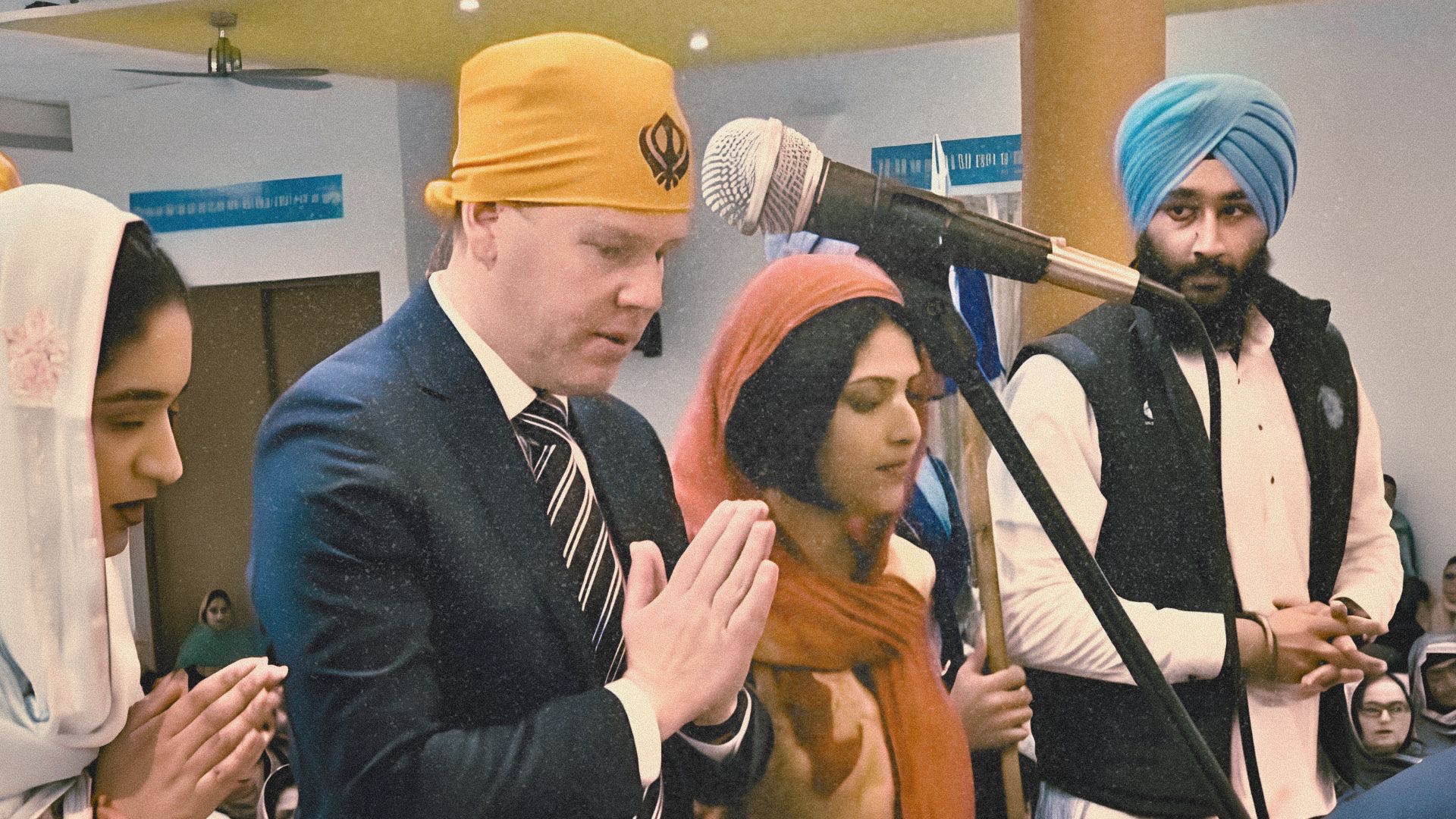
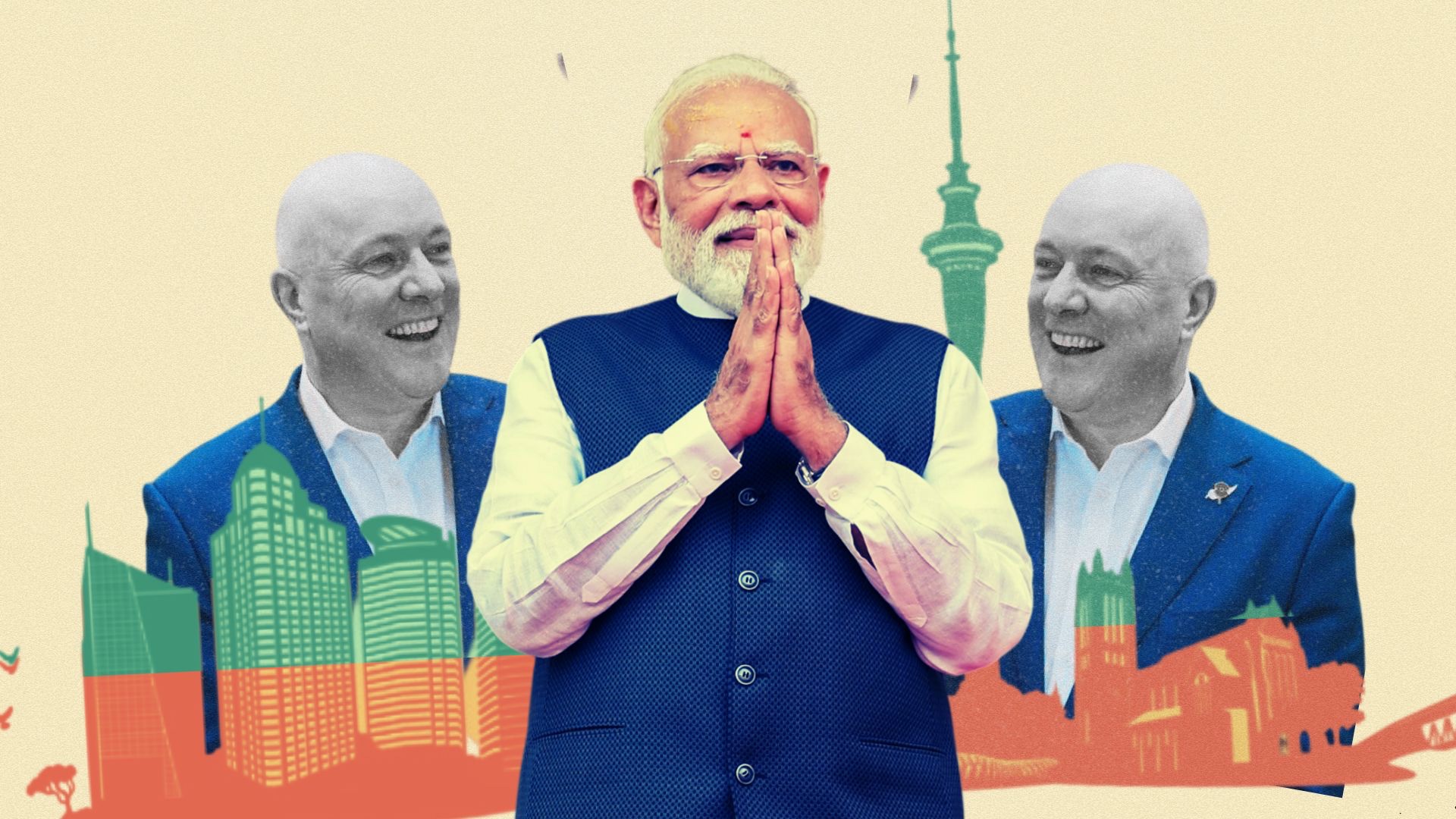
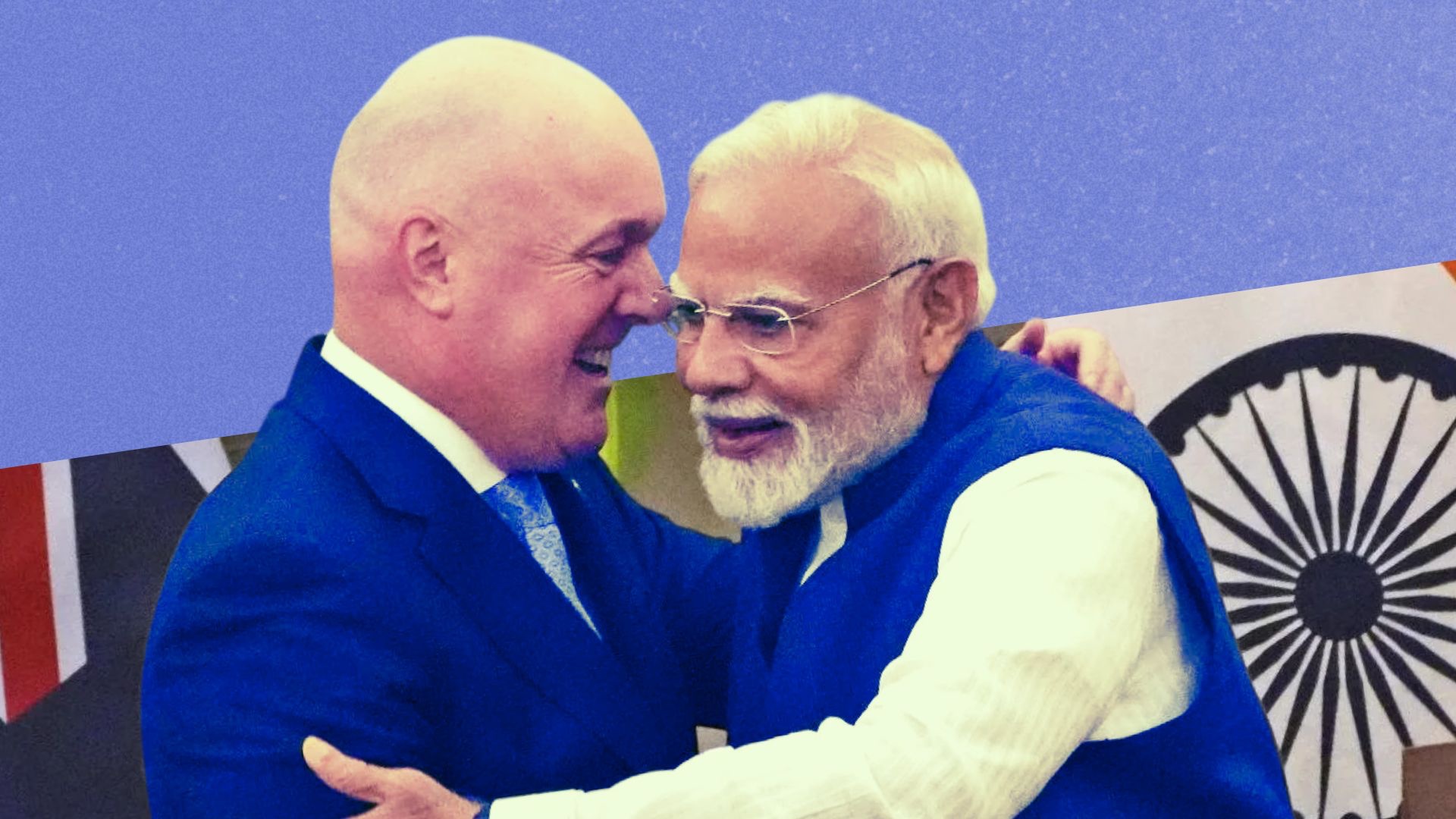
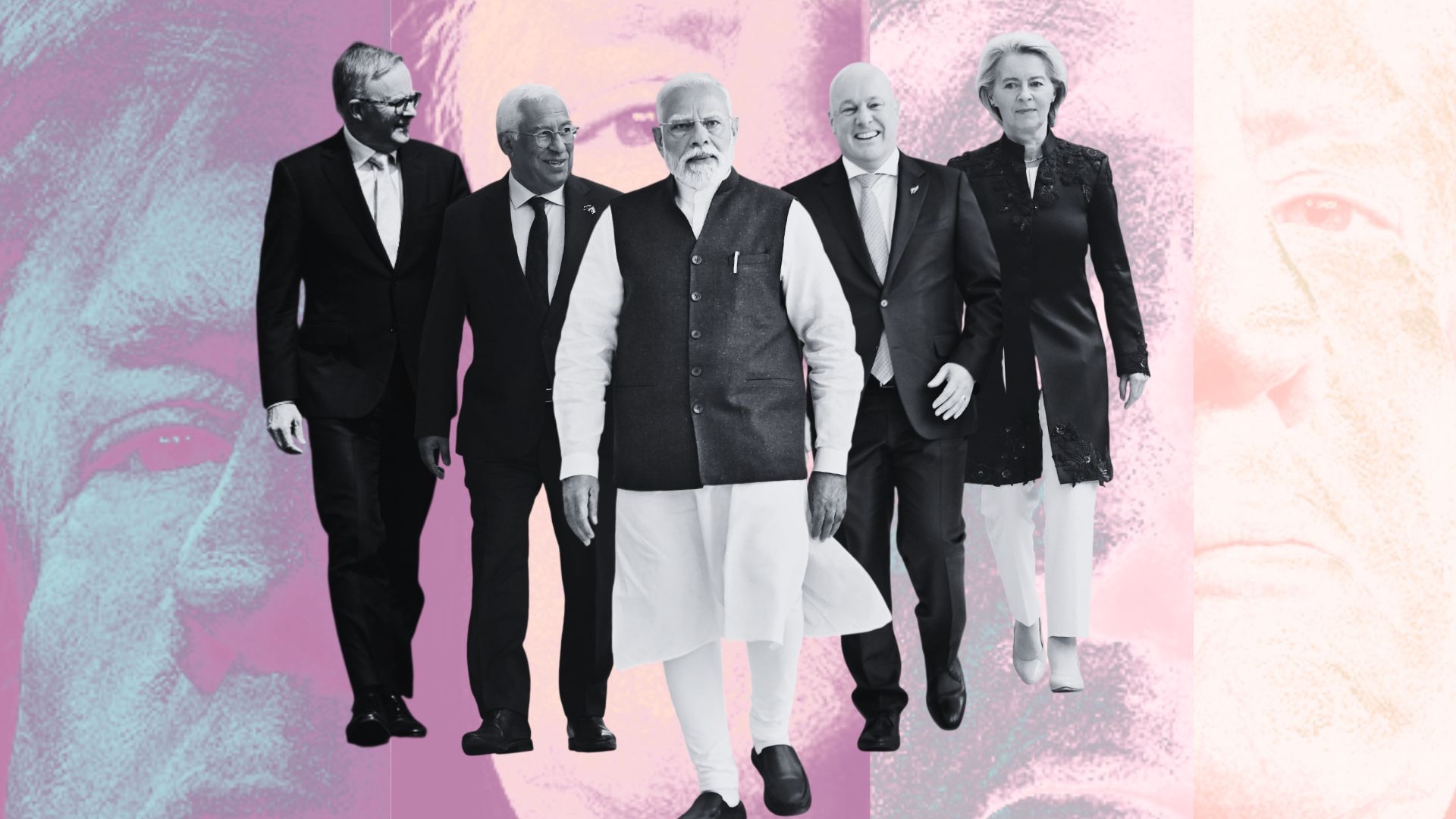
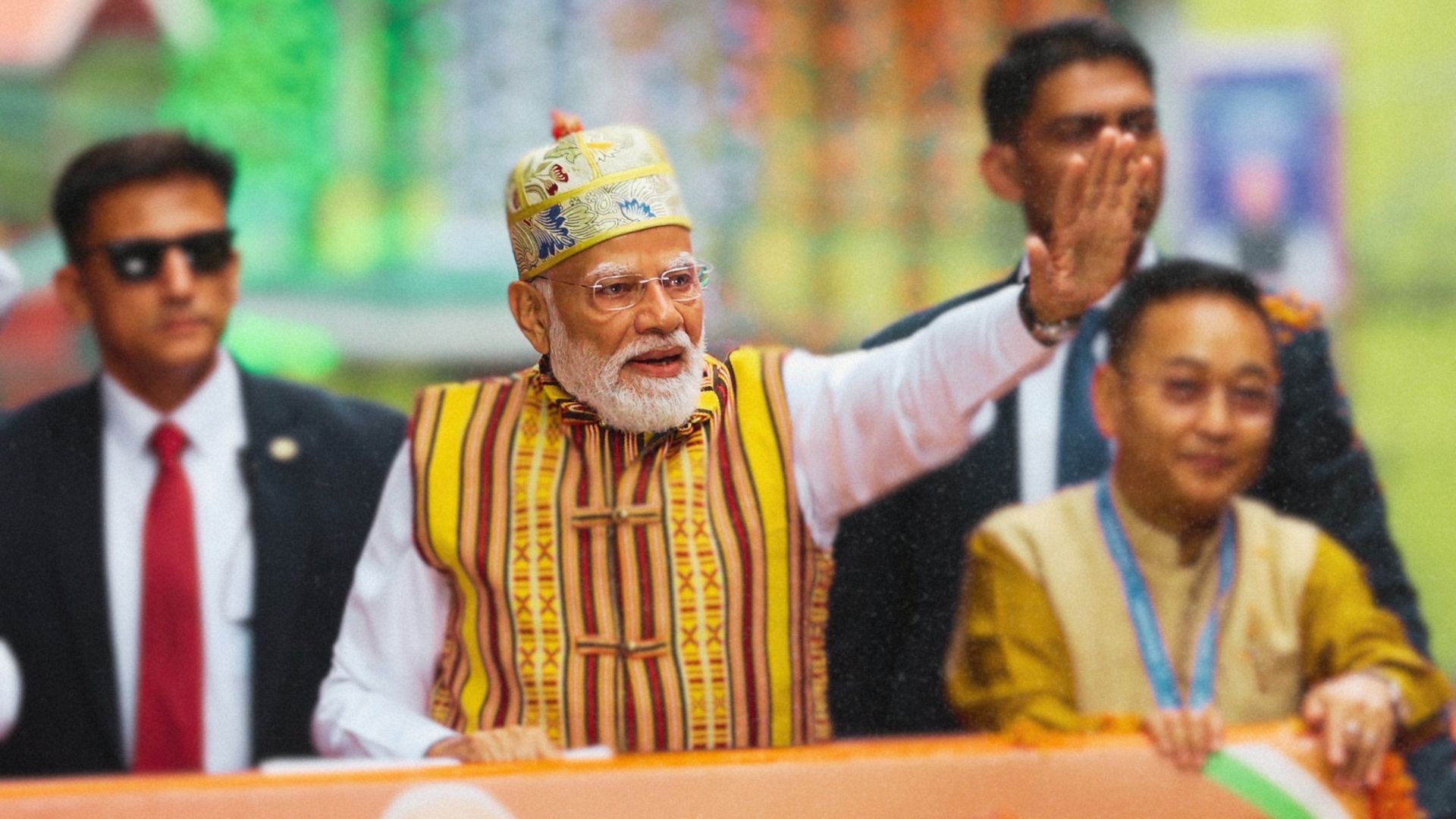
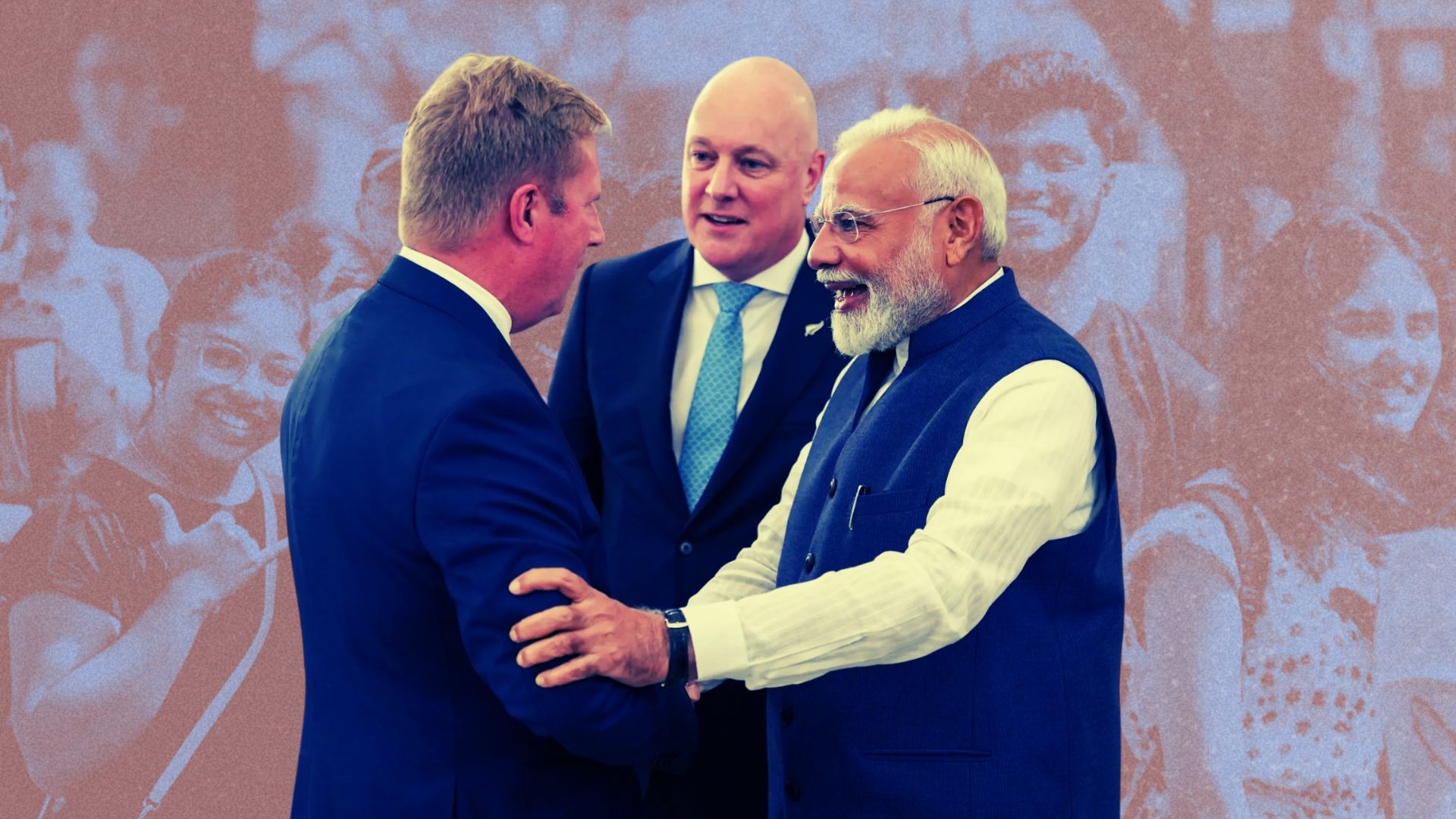
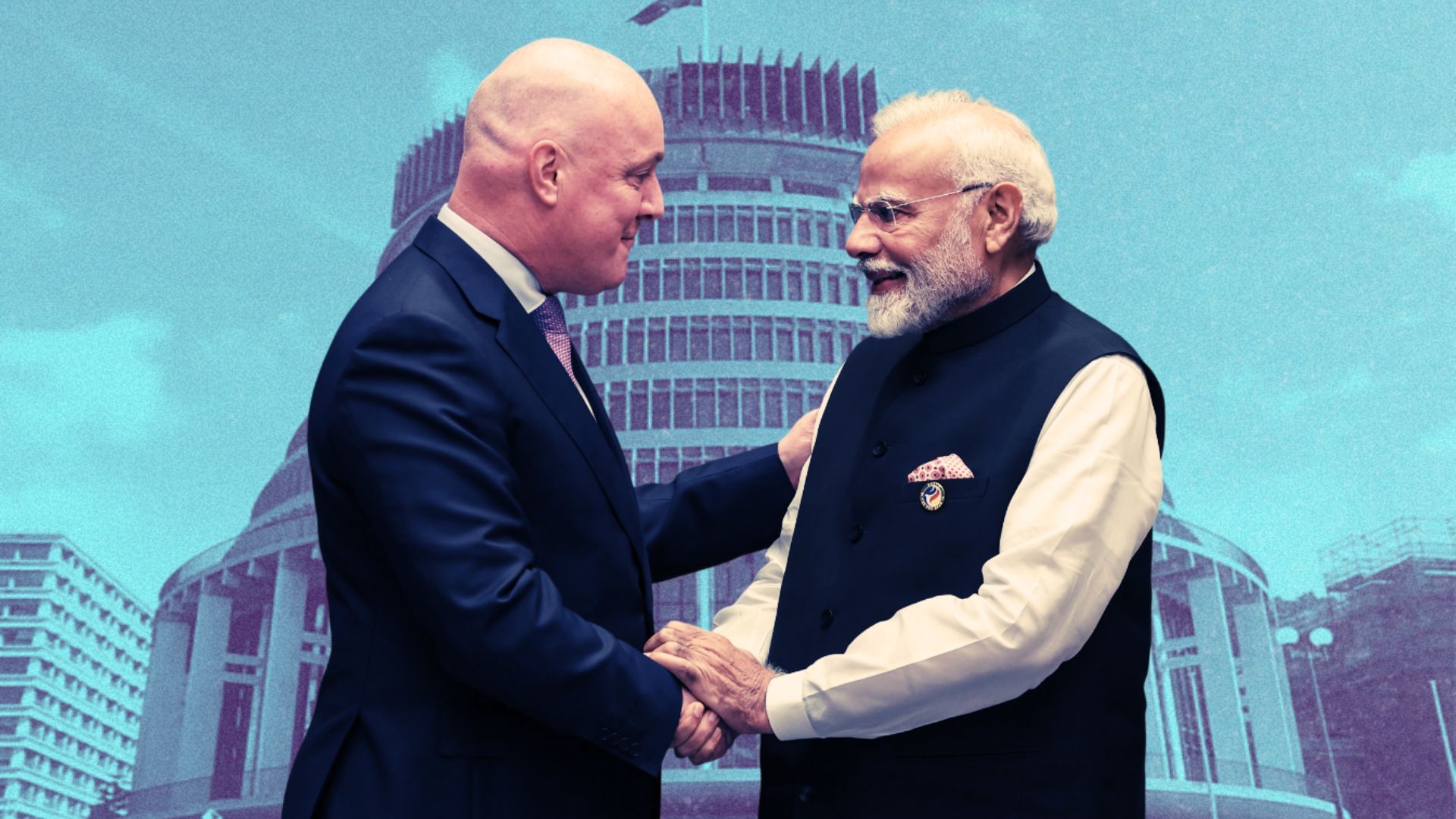
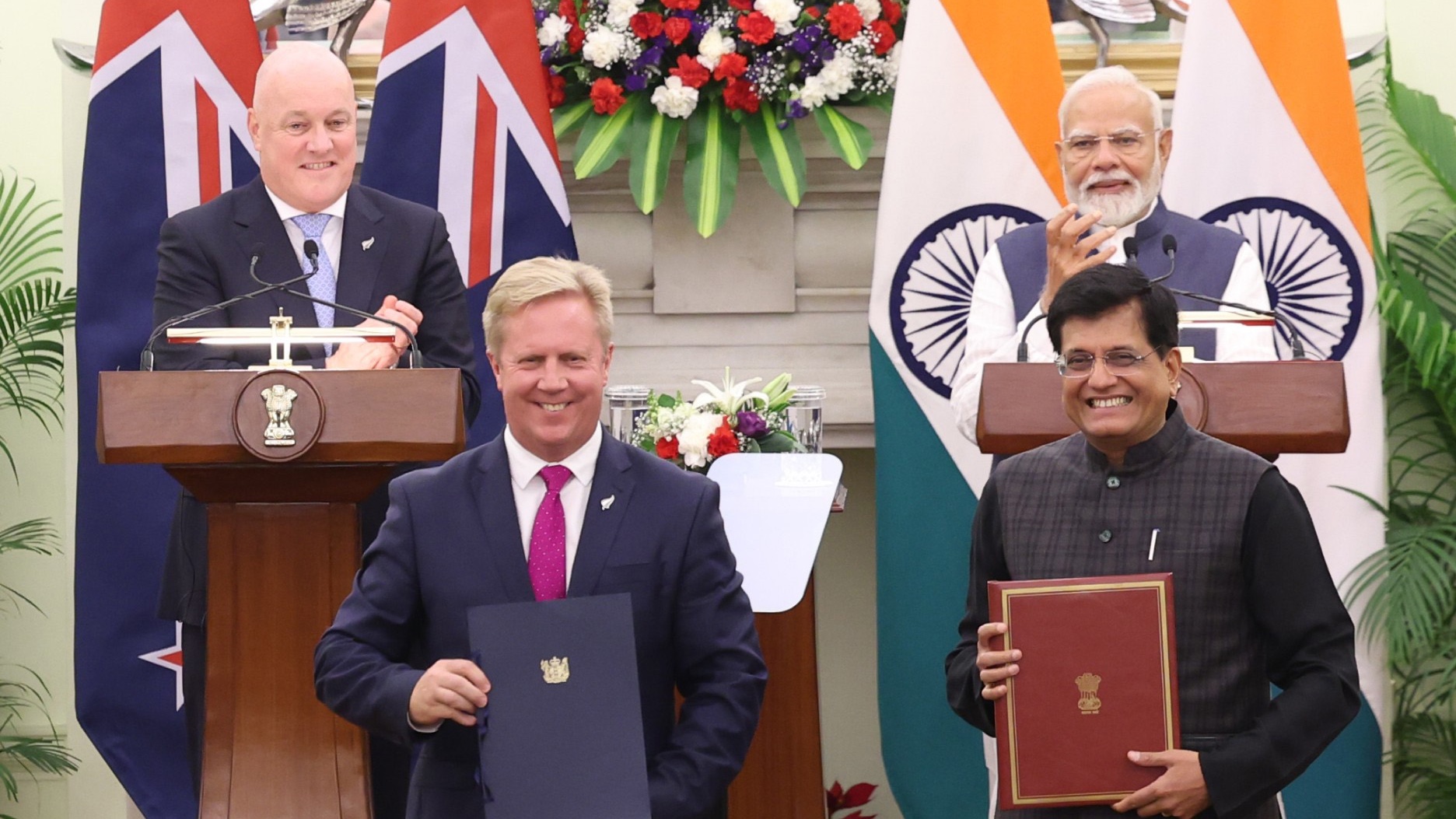
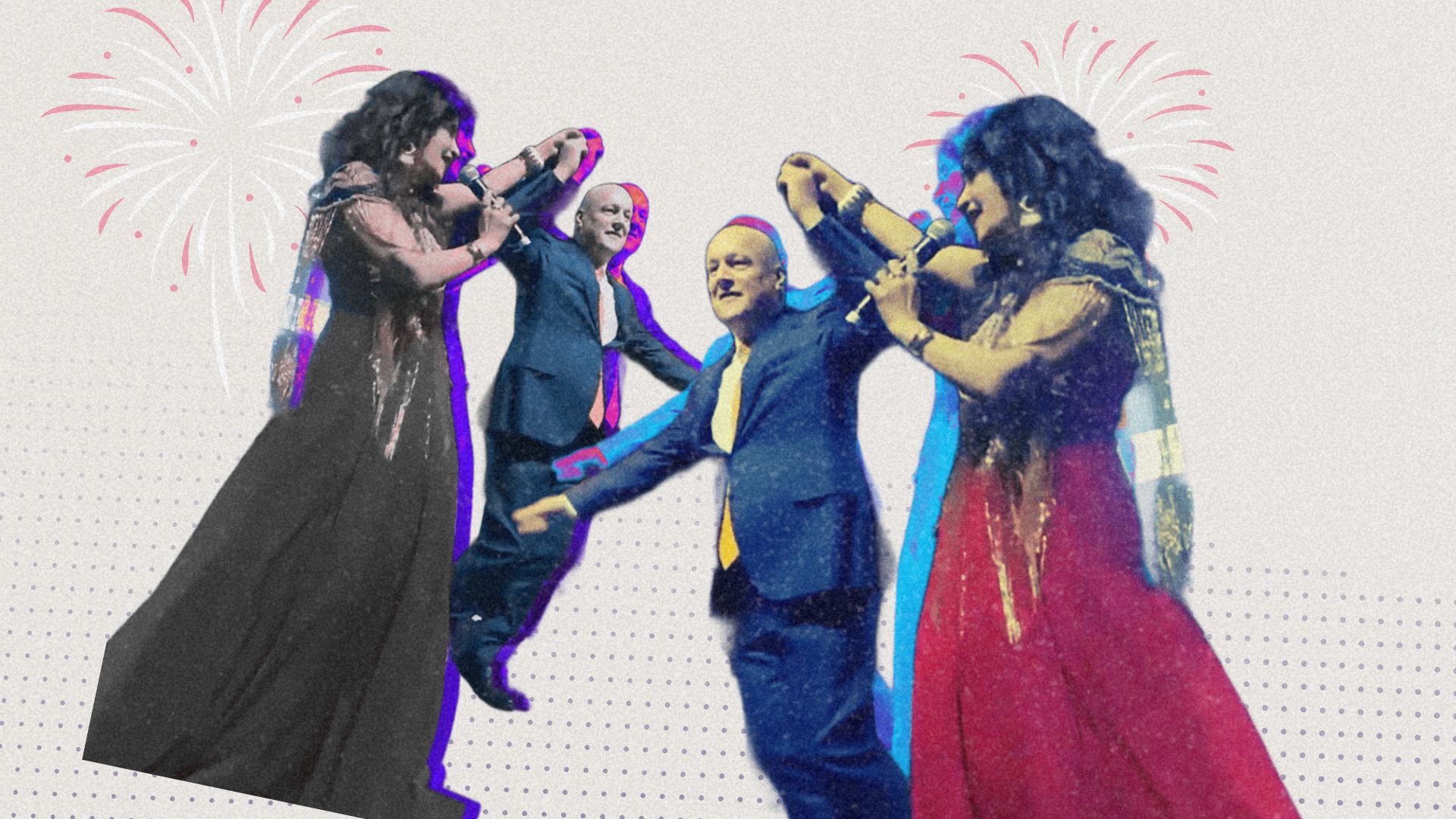
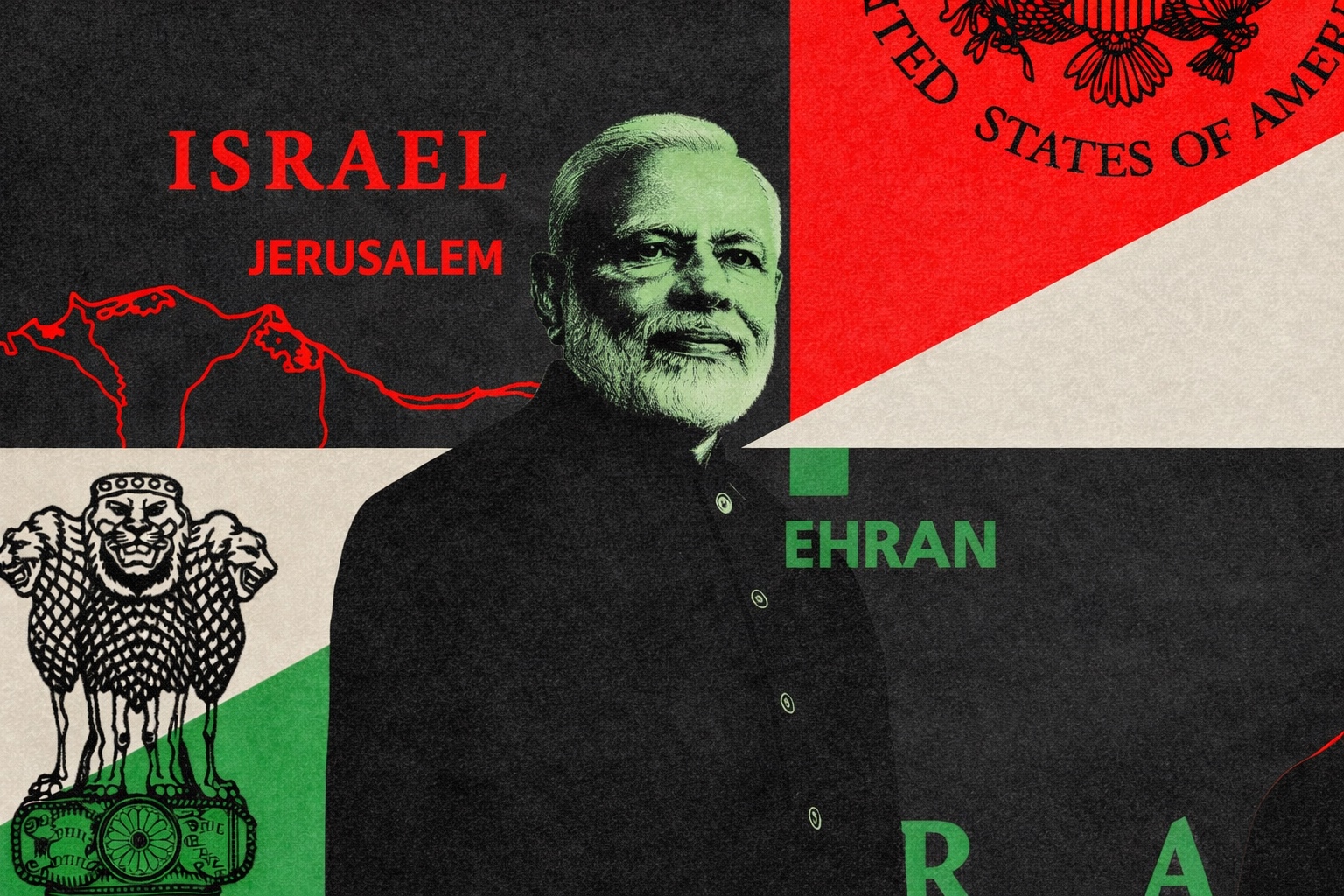
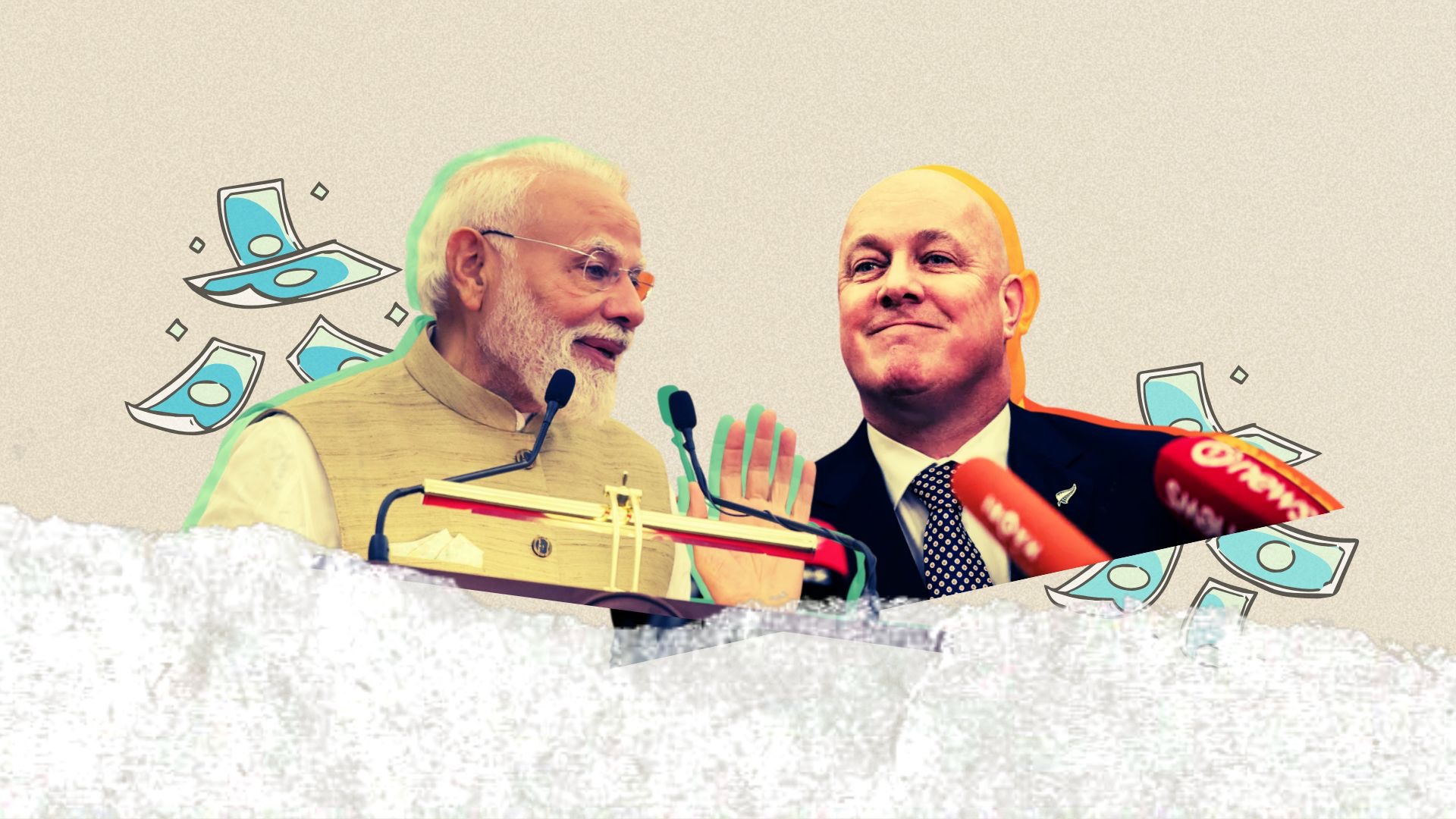
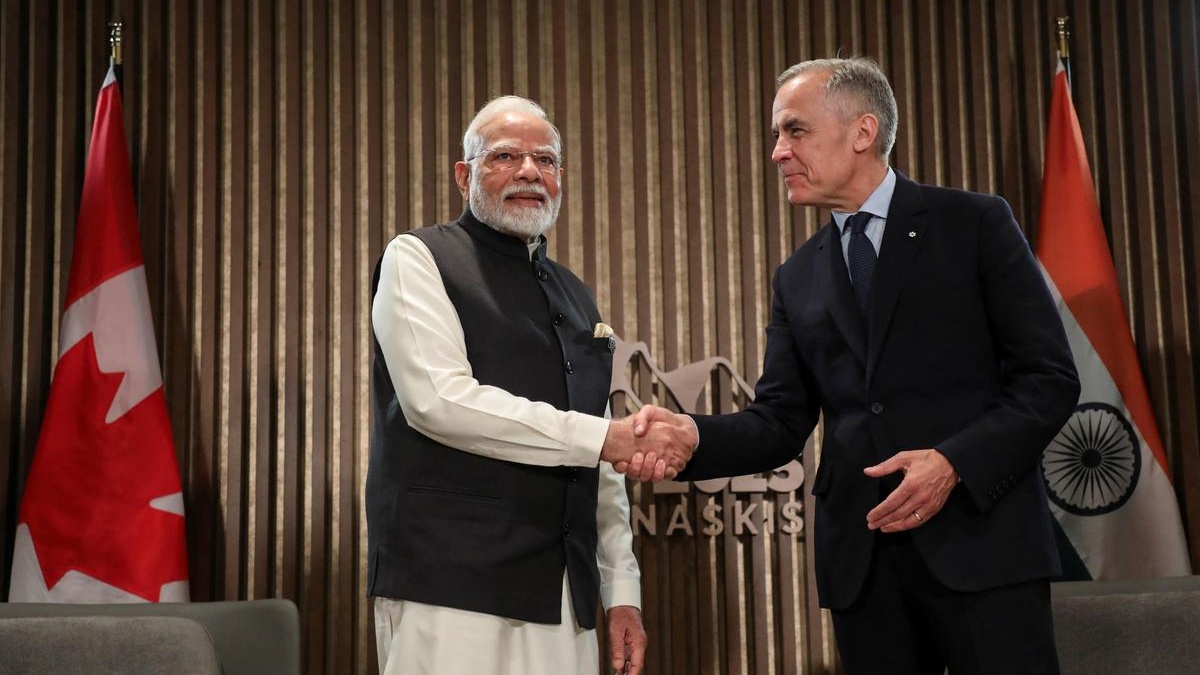
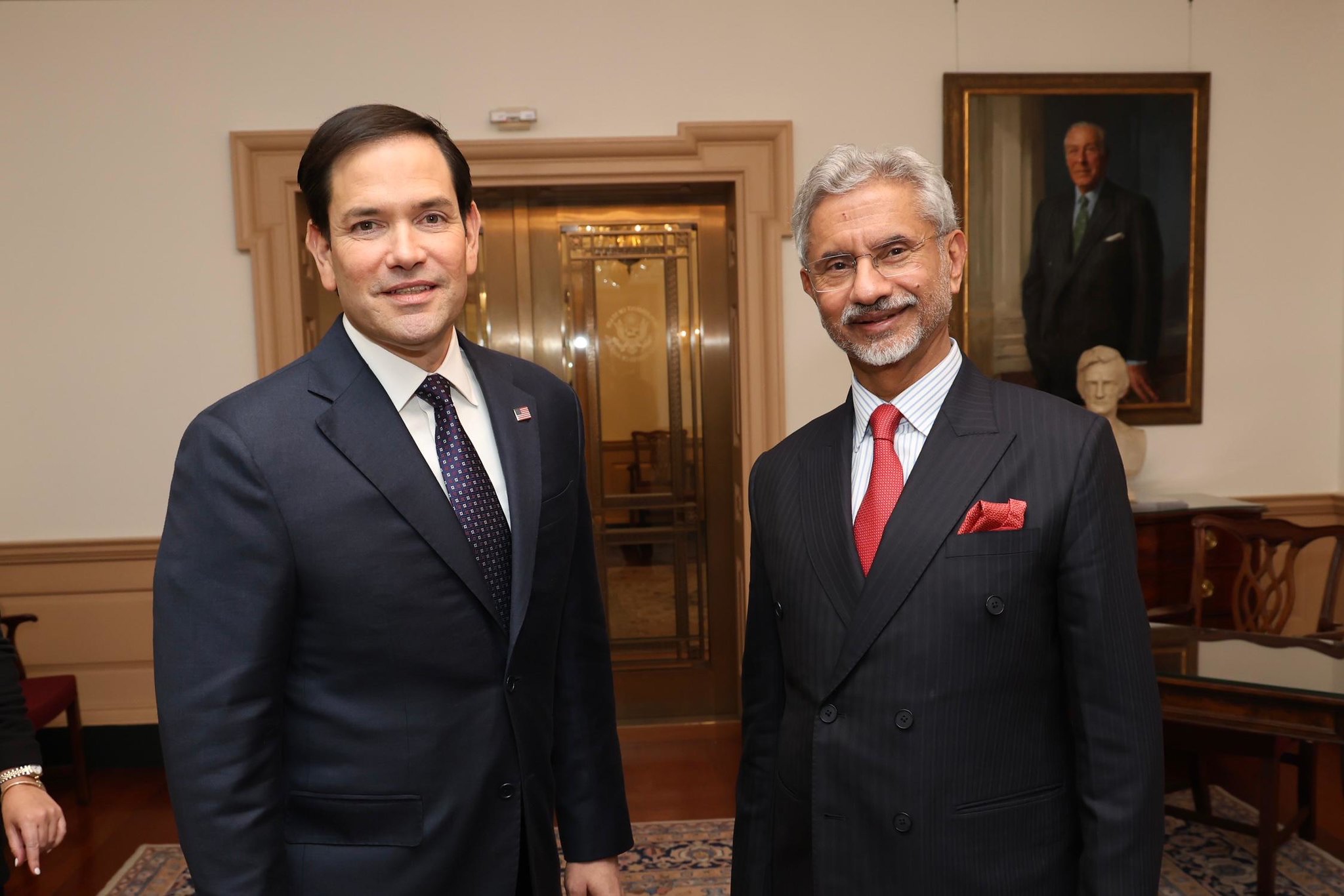
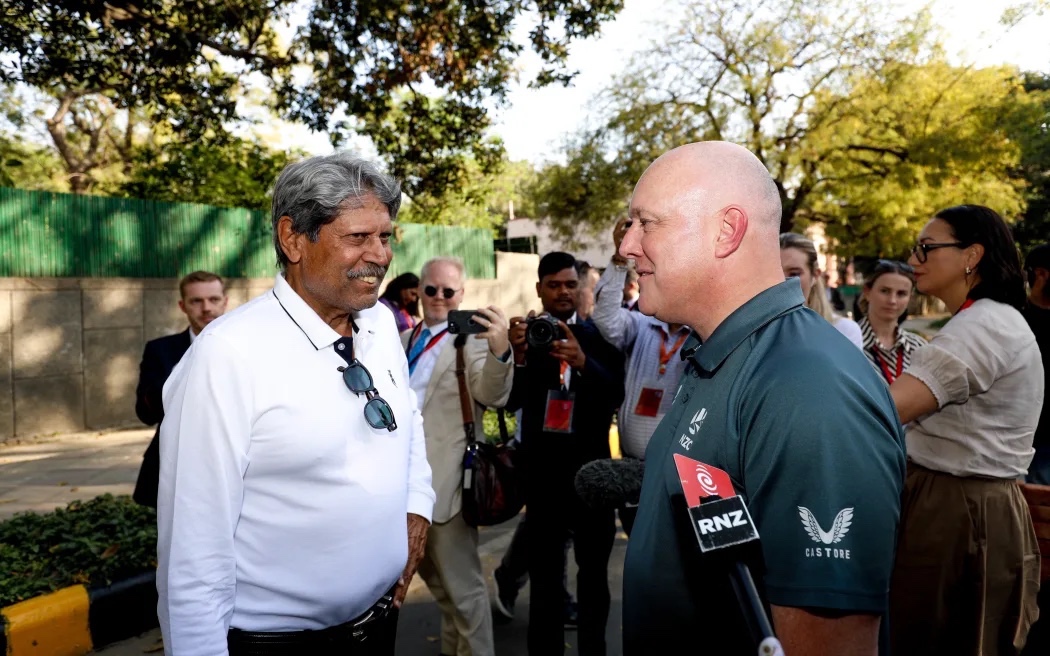
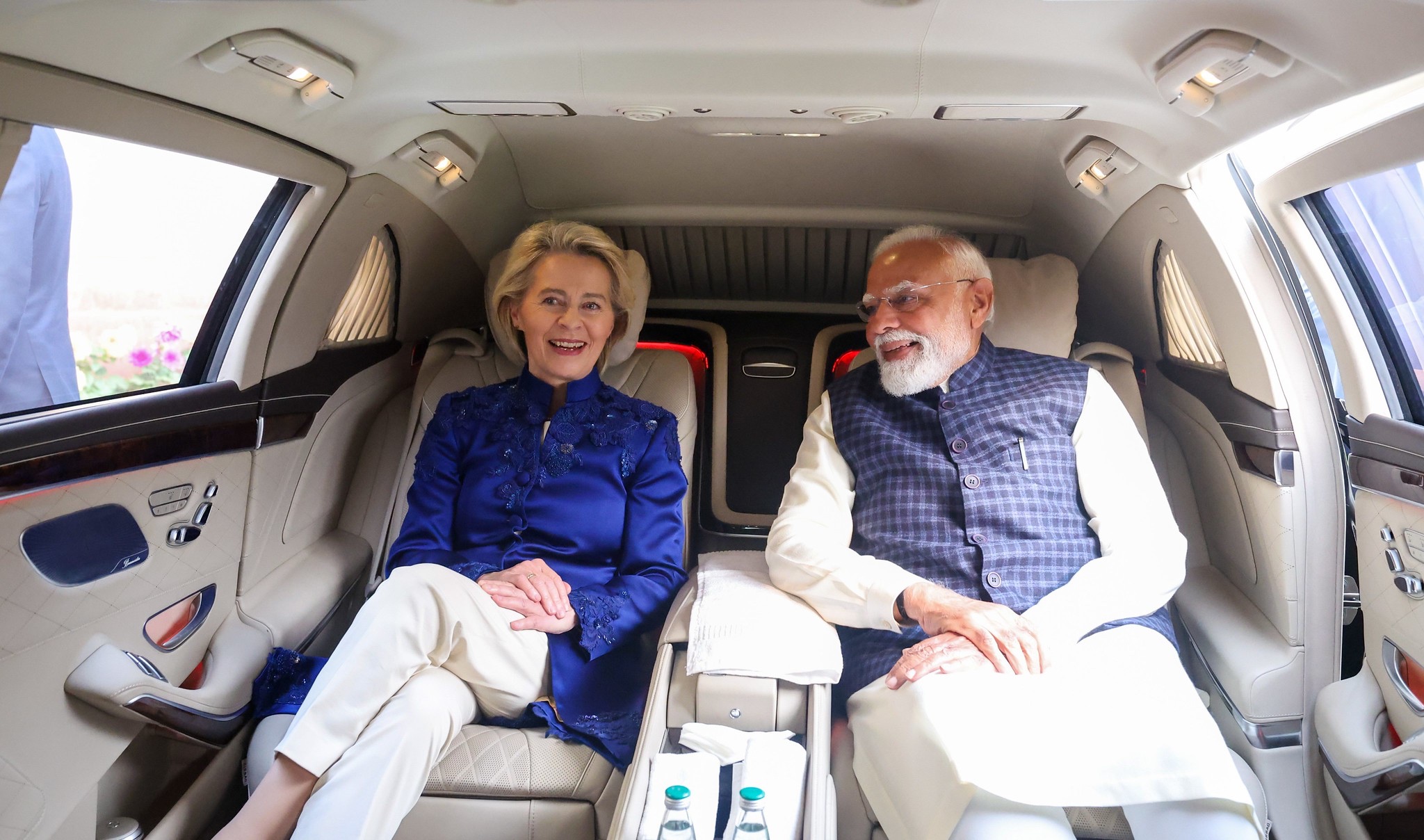
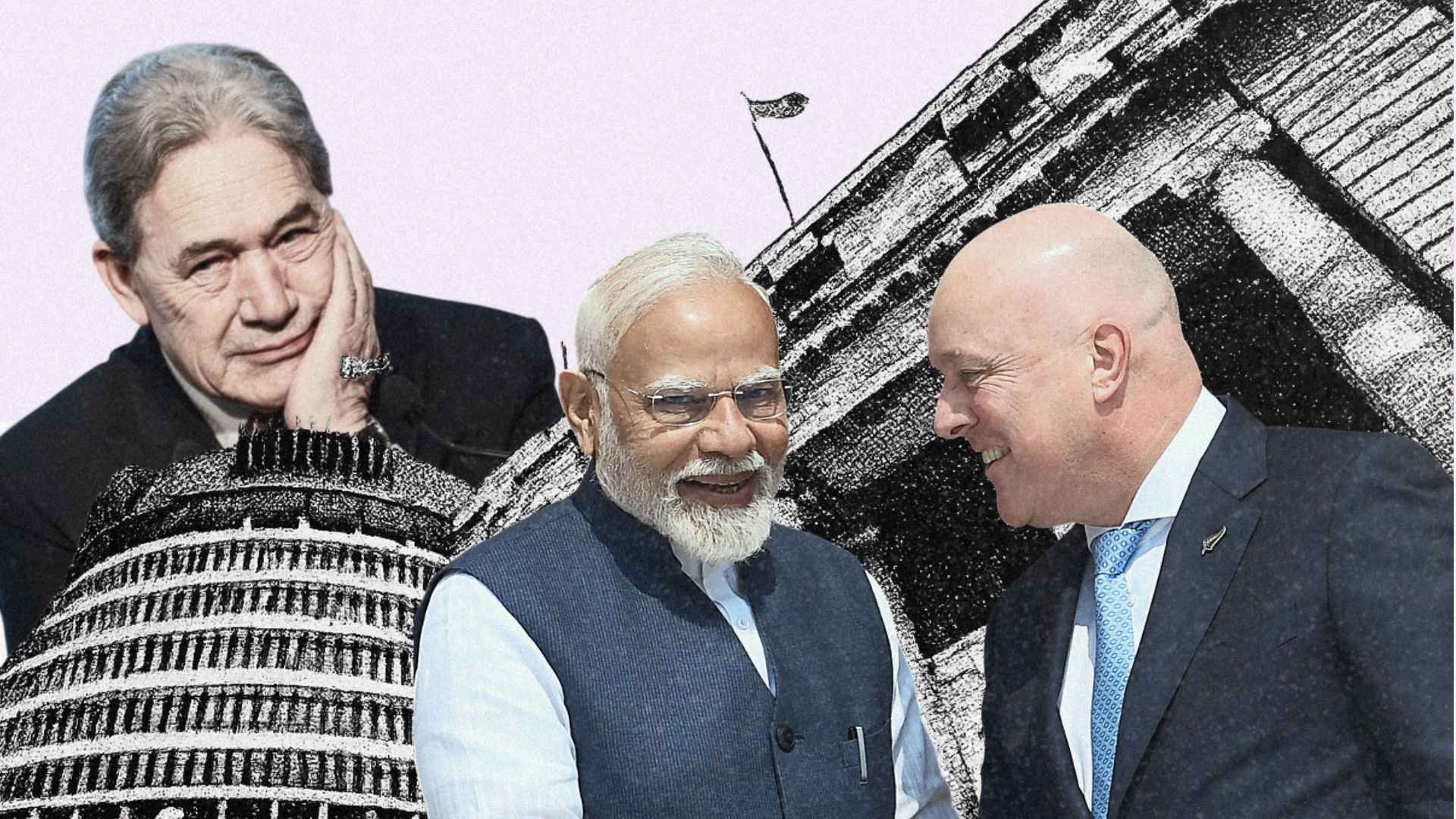
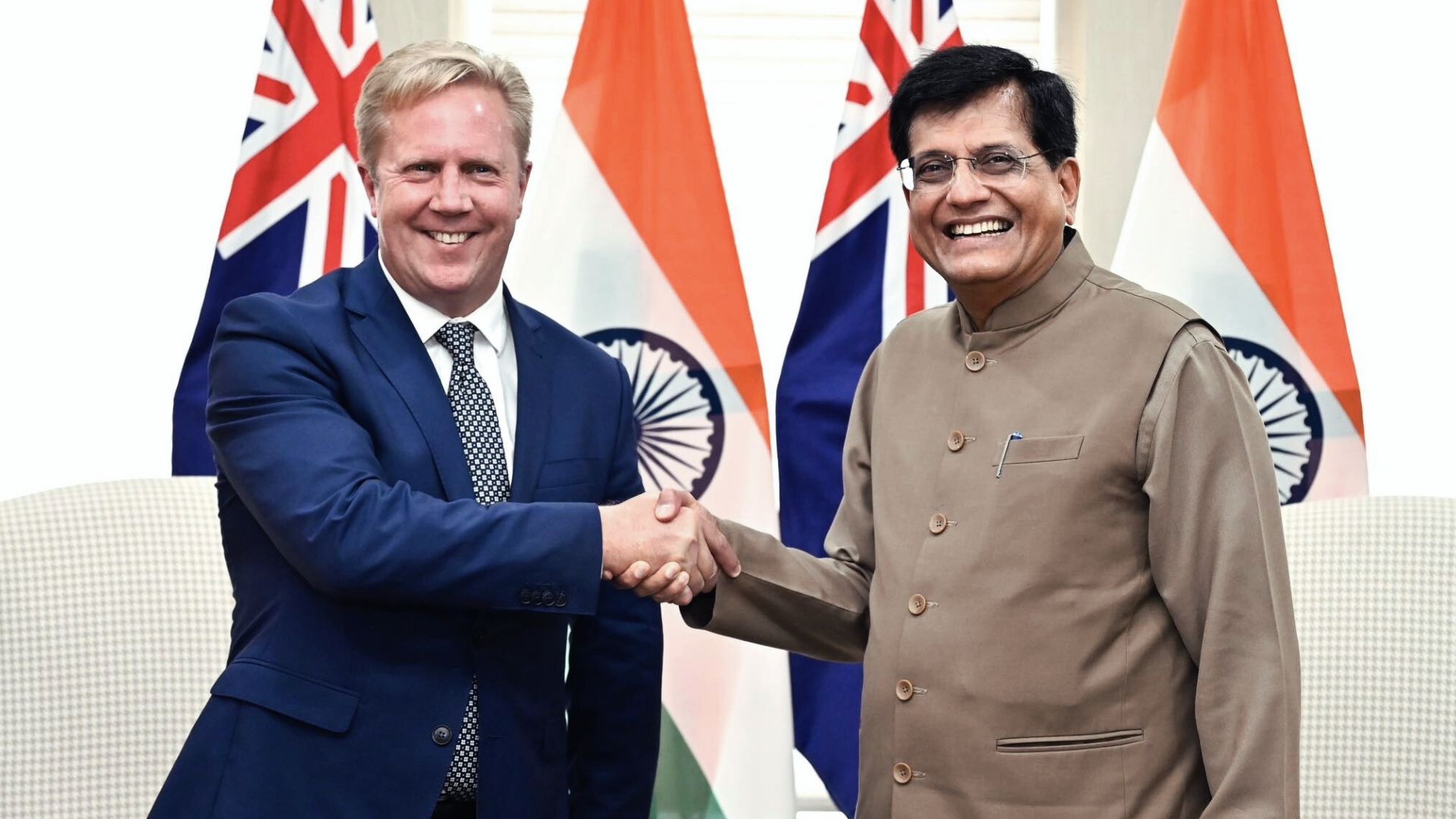
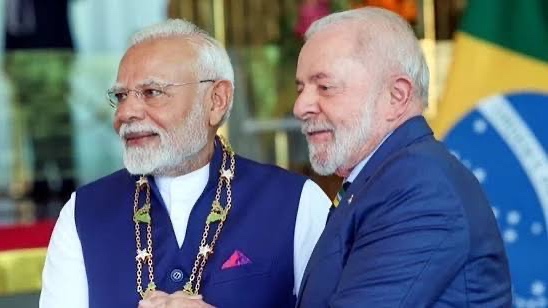
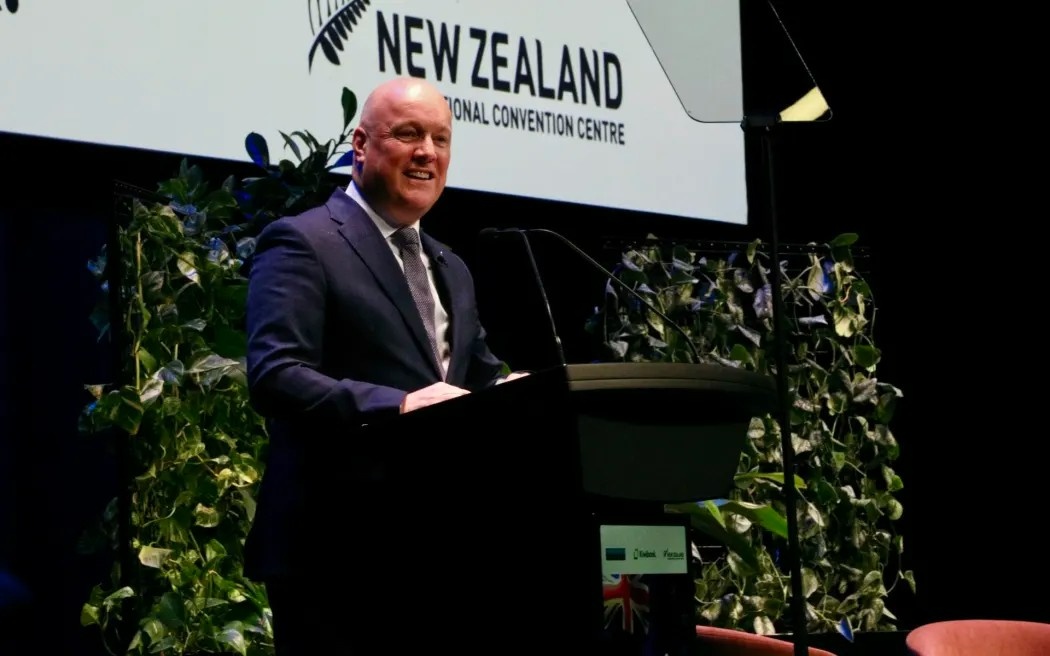
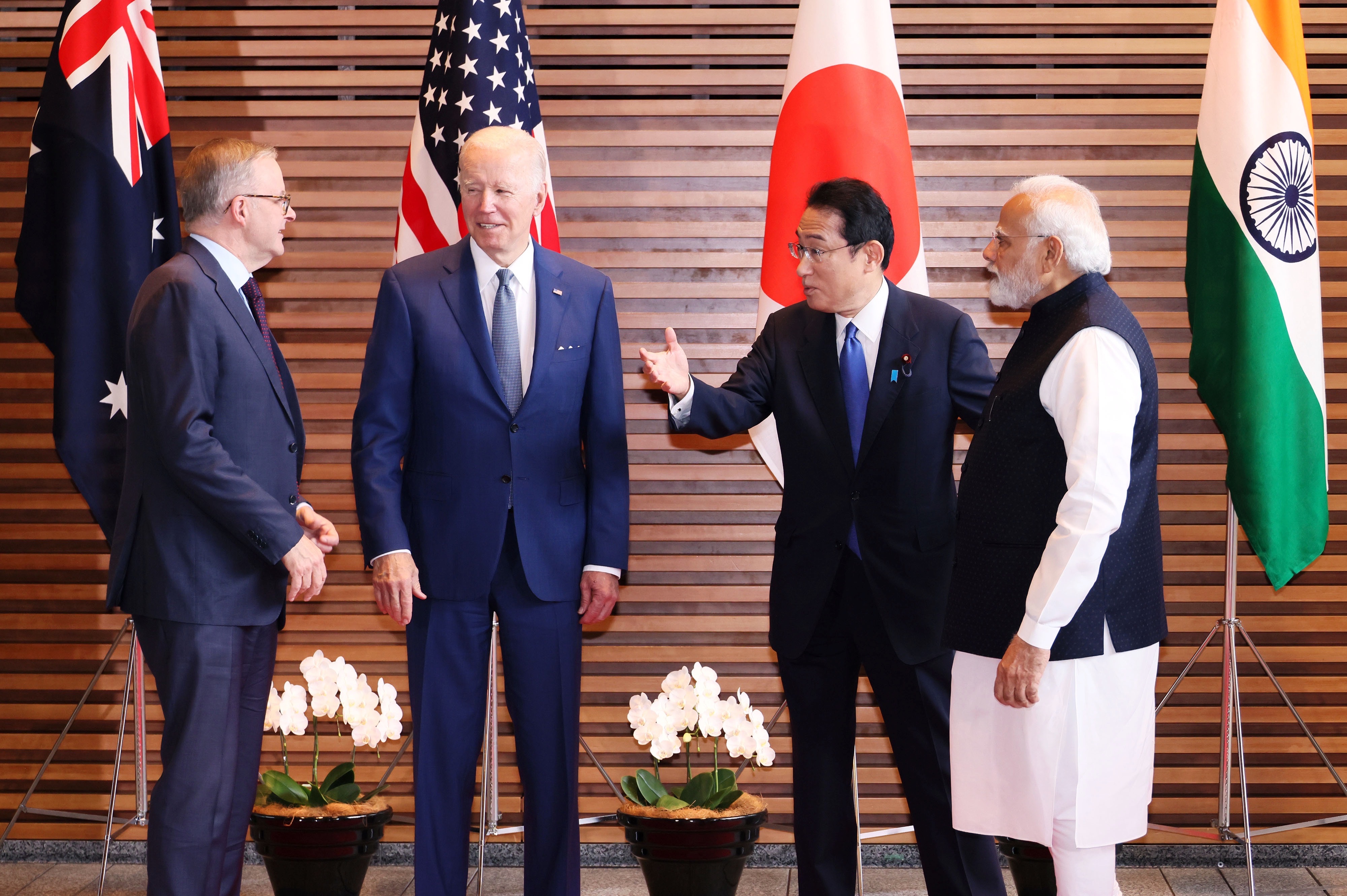
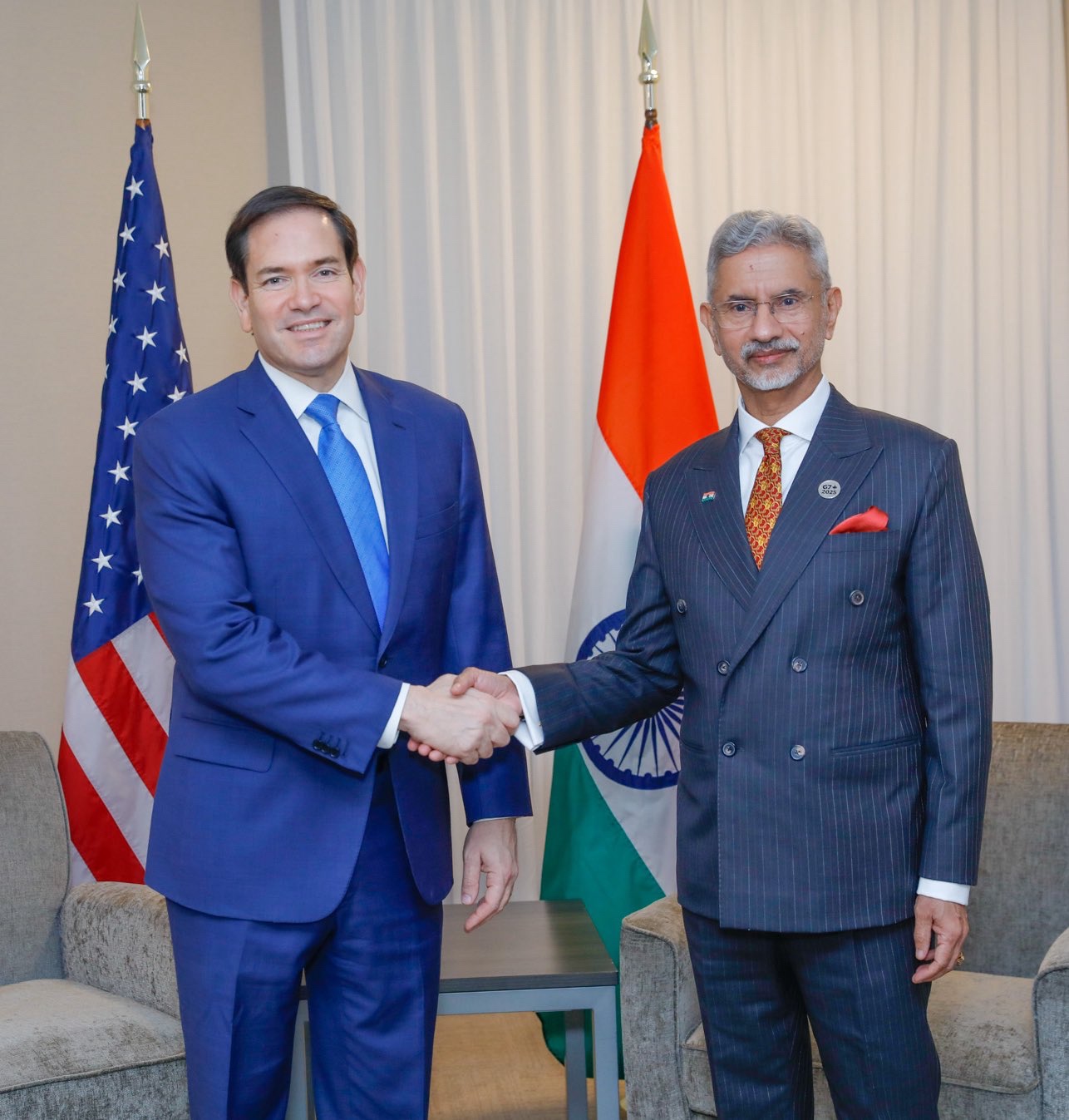
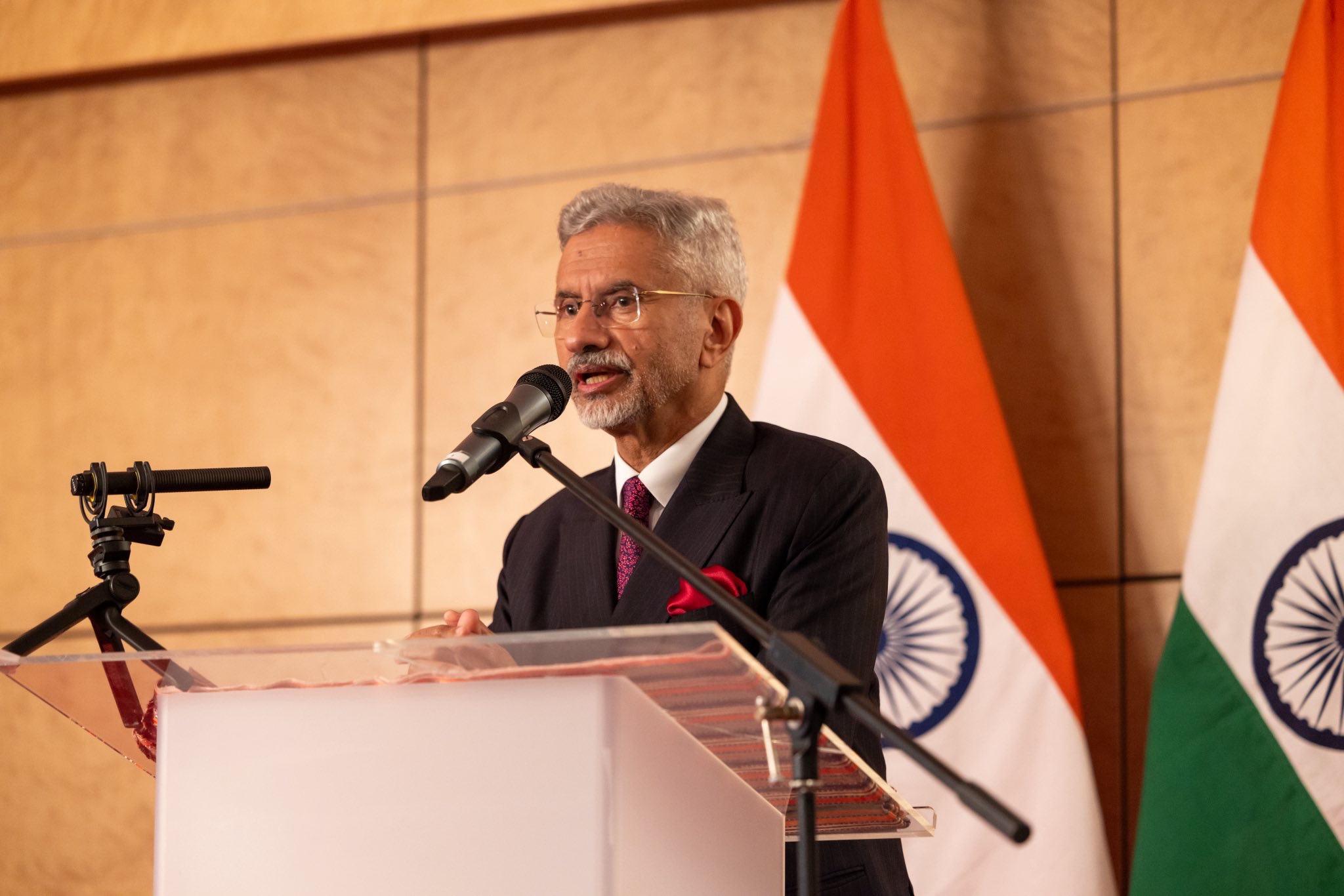
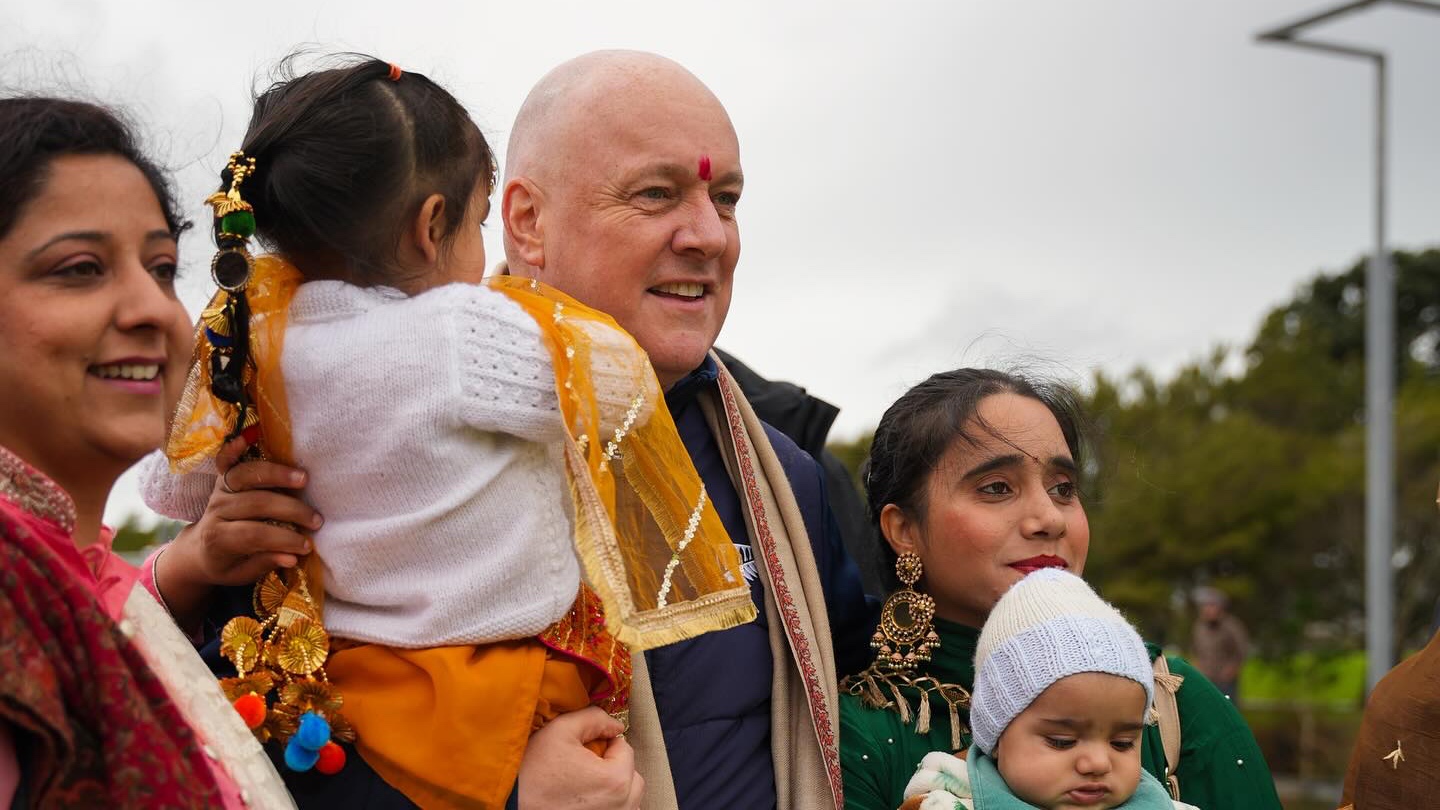
Modi arrived in Auckland on July 10 and was met at the airport by prime minister Christopher Luxon. He spent the following day on a compressed Auckland programme involving bilateral talks, business and sporting engagements and a sold-out community reception at Spark Arena before flying out again that night.
Tamaki stayed away, but his argument with police continued after Modi left.
In August, Tamaki announced his firearms licence had been permanently revoked. He said four of the five matters considered related to statements he had made around Modi’s visit and framed the decision as a free-speech issue.
But extracts from the police decision published by Tamaki showed authorities drawing a distinction between his right to oppose Modi and the language he had used.
“Police is not concerned with your apparent desire to protest the visit by the Prime Minister of India,” the decision said.
Instead, police said his statements were “calculated, direct, unequivocal, and repeated” and concluded he had “encouraged and promoted violence and significant property damage”.
Tamaki responded by warning: “If it can happen to me, you could be next.”
His August 29 Facebook post now carries that argument further. He questions whether the scale of Modi’s security operation was used to “paint me as the villain”, says media coverage placed his comments alongside reports of snipers and anti-terror squads, and insists he was never a threat to the visiting prime minister.
By the end of the post, the focus has moved almost entirely away from police spending.
Tamaki links the episode to his “Free to Speak” campaign, says people should be able to challenge politicians and foreign leaders without being treated as a threat, and finishes with, “I will not be silenced.”