
New Westpac report challenges Winston Peters’ economic case against India-NZ FTA
The trade deal has yet to be ratified by New Zealand Parliament.
“We view the estimates as overly conservative as they only reflect the direct impact of the FTA."
A new report co-authored by Westpac says official estimates are likely understating the economic gains from New Zealand’s free trade agreement with India, with the long-run payoff potentially “significantly larger” than currently modelled.
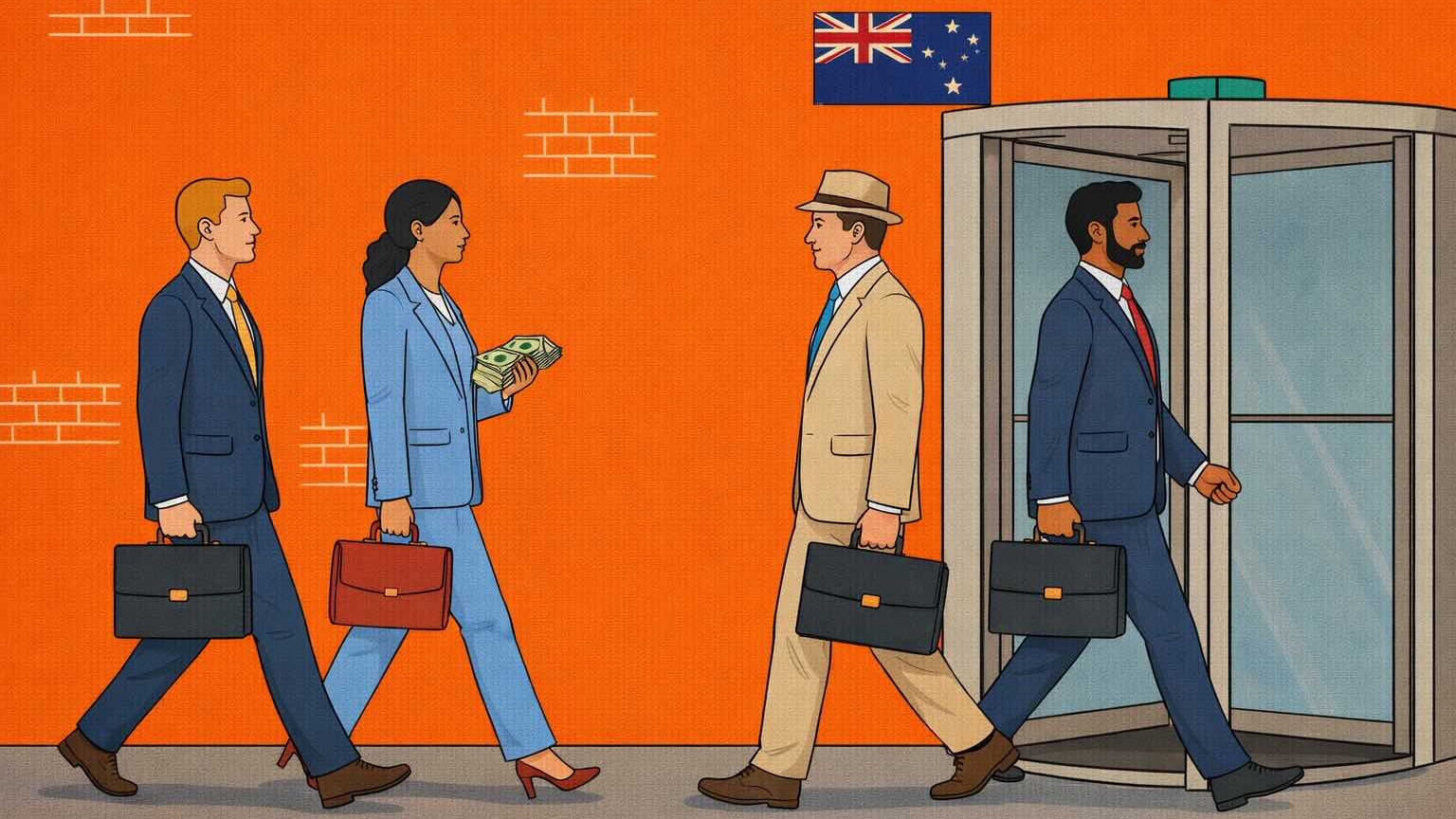
The report, released this week and titled 'The NZ-India Free Trade Agreement', says government-commissioned modelling captures only the direct effects of the deal and misses potentially substantial gains from new products, deeper commercial relationships, education, tourism and India’s long-term economic growth.
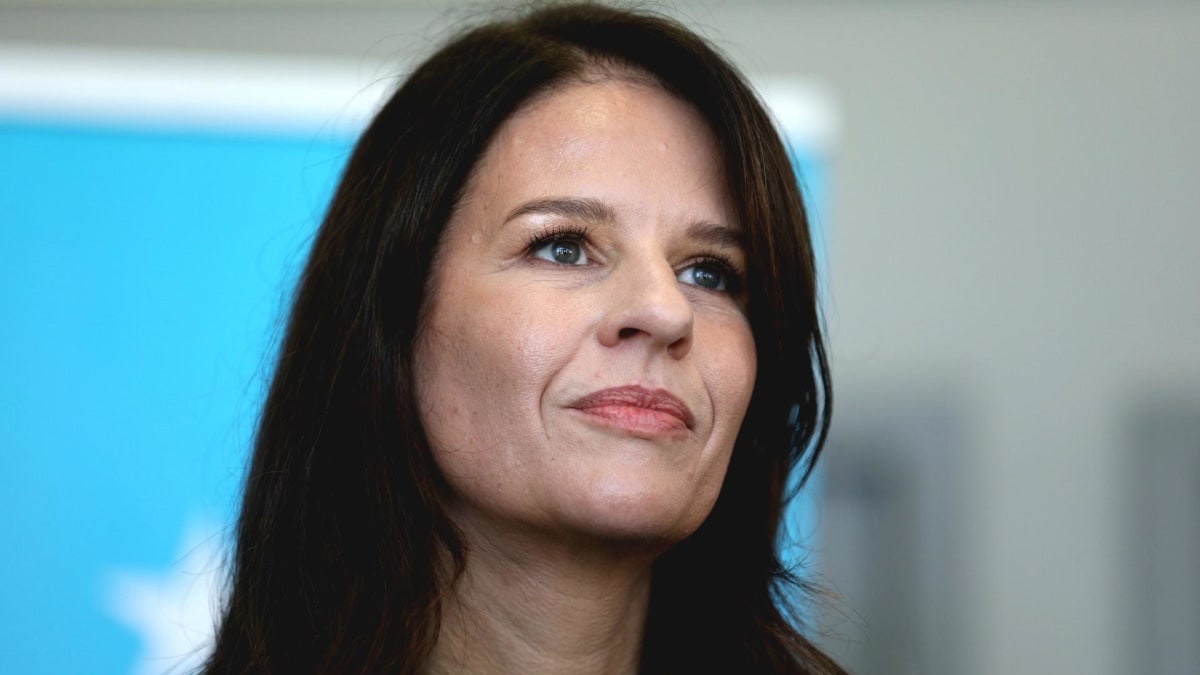
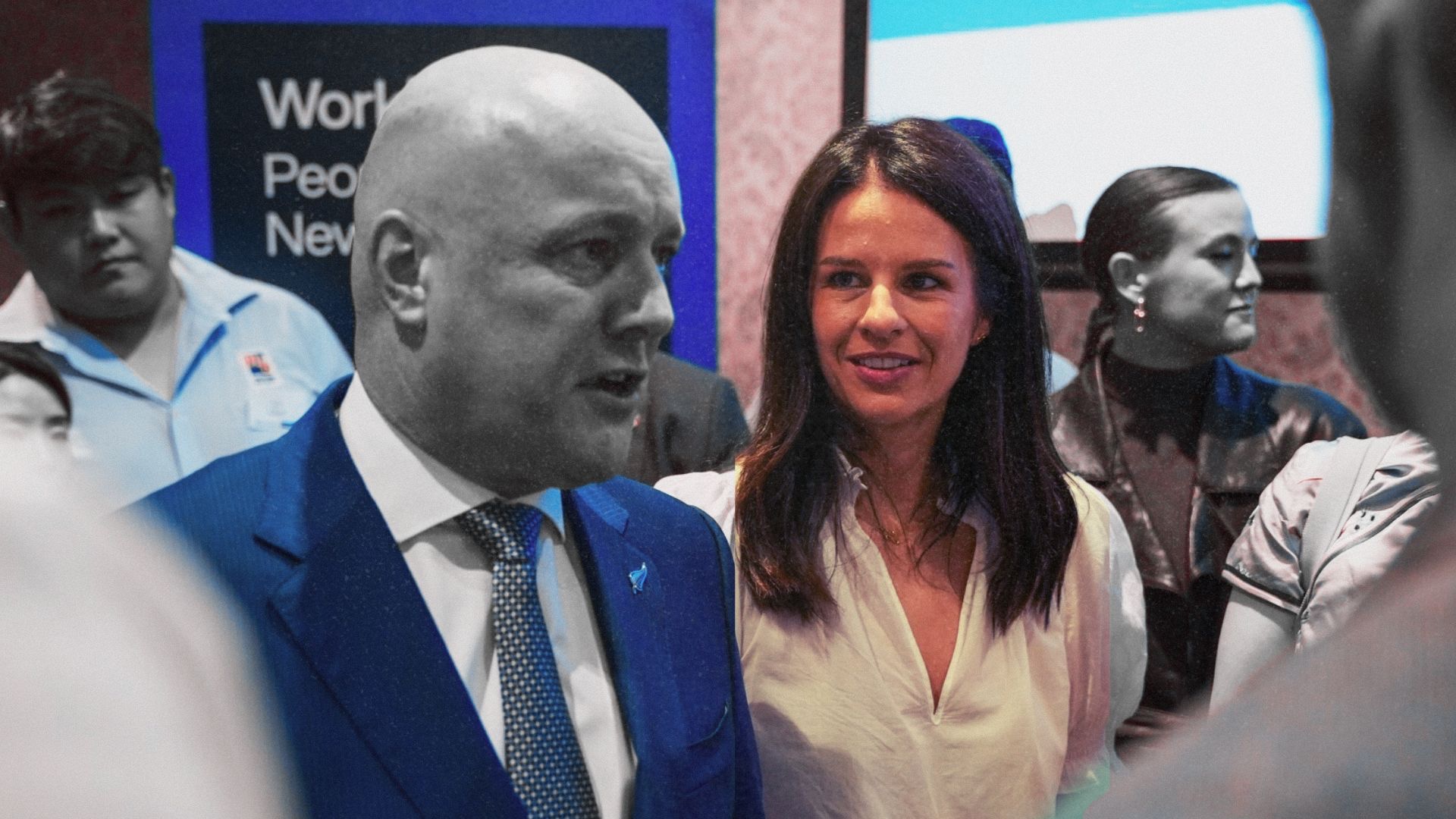
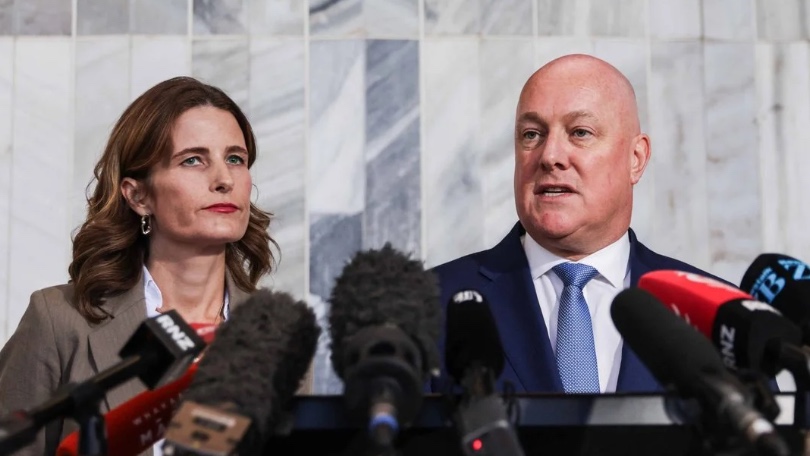
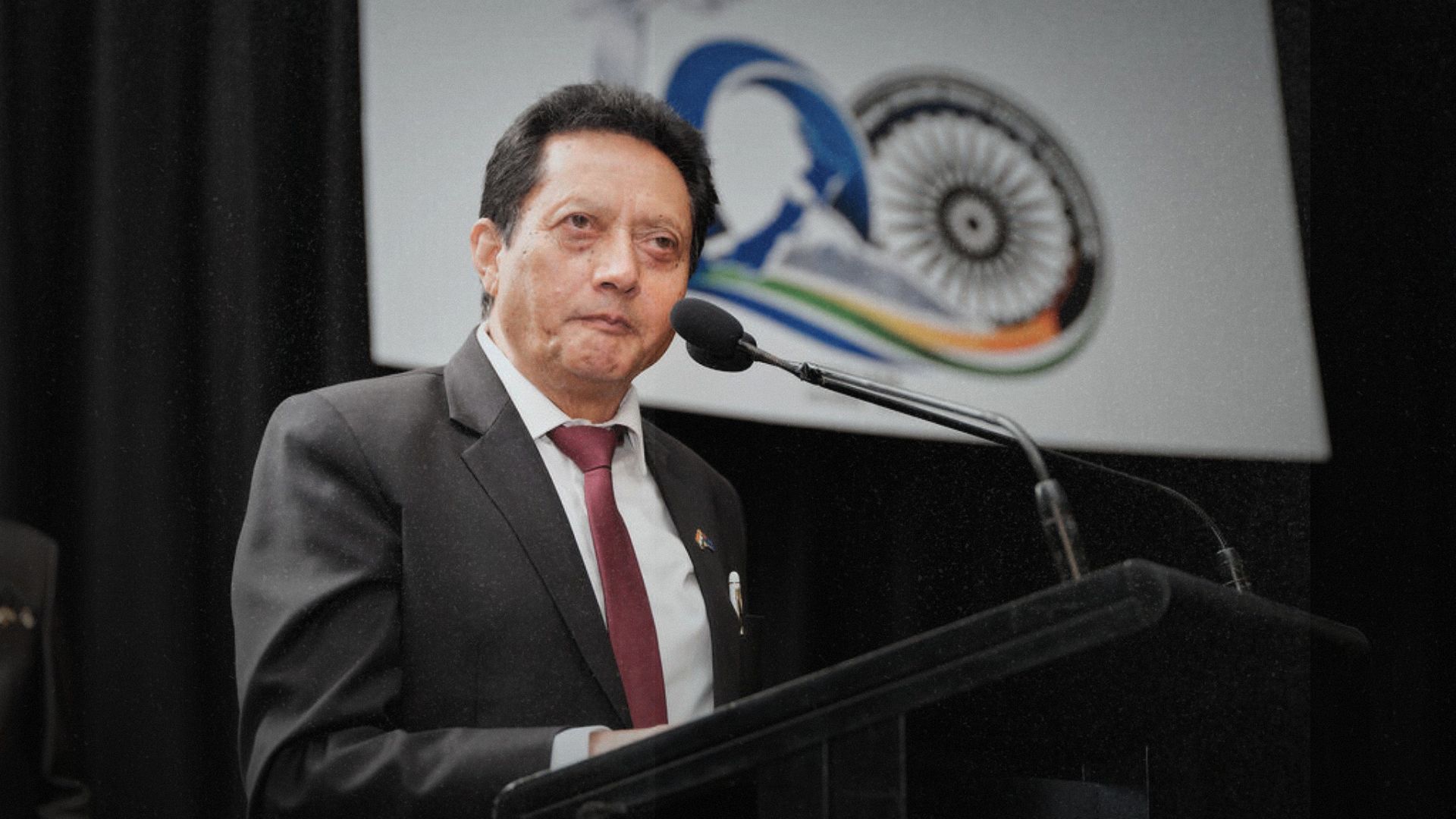
The report’s foreword is signed by Felicity Roxburgh, executive director of its co-author – New Zealand International Business Forum – and Reuben Tucker, managing director of Institutional and Business Banking at Westpac NZ.
“We view the EIA estimates as overly conservative as they only reflect the direct impact of the FTA,” the report reads.
“The gains are likely to be magnified if firms are encouraged to expand their presence in the Indian market, including by trading new products.”
Election 2026: Will Kiwi-Indian voters decide the battle for Takanini? A South Auckland seat with one of New Zealand’s biggest Indian populations is shaping up as a test for ethnic identity and the ballot box.
India is coming to Auckland: Full schedule revealed for cricket, football, hockey, Diwali From the Black Caps and All Whites taking on India to Diwali, hockey, bowls and city-wide light displays, Auckland has revealed its sporting centenary programme.
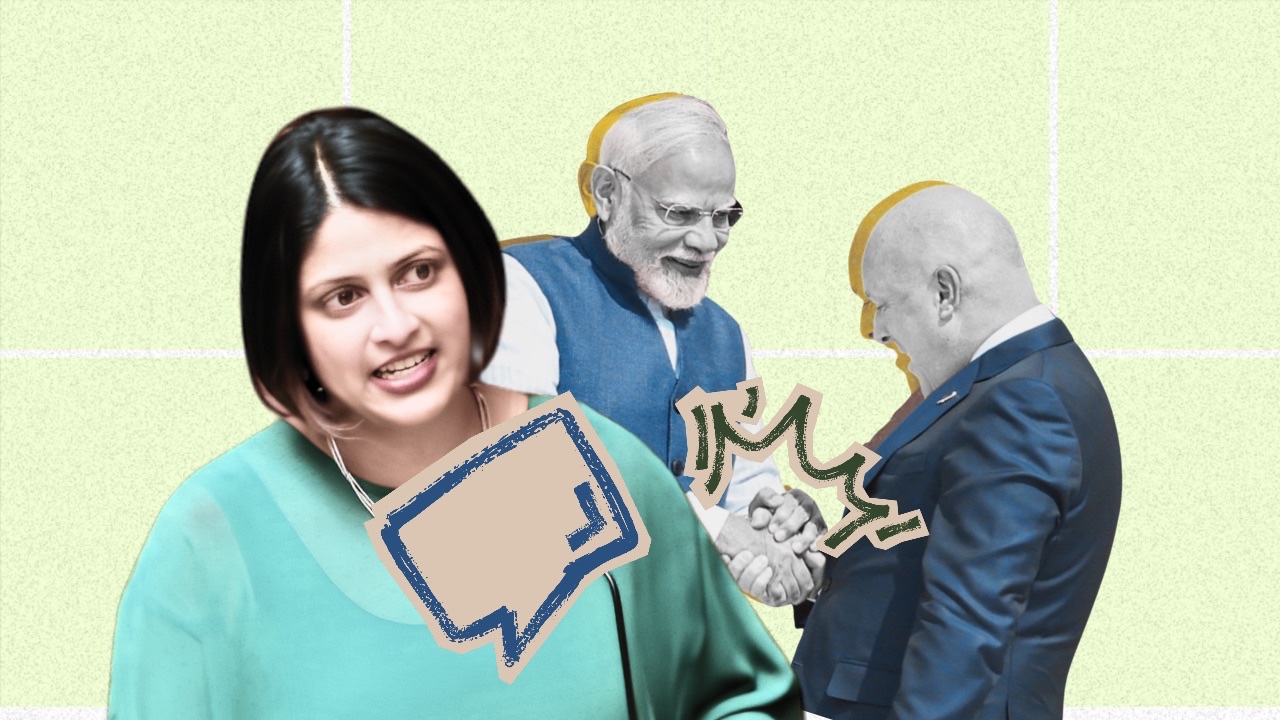
What does an Indian-origin MP owe Kiwi Indians? Priyanca Radhakrishnan on identity, belonging The three-term Labour MP says you can be Indian and Kiwi. Why should belonging require you to choose sides?
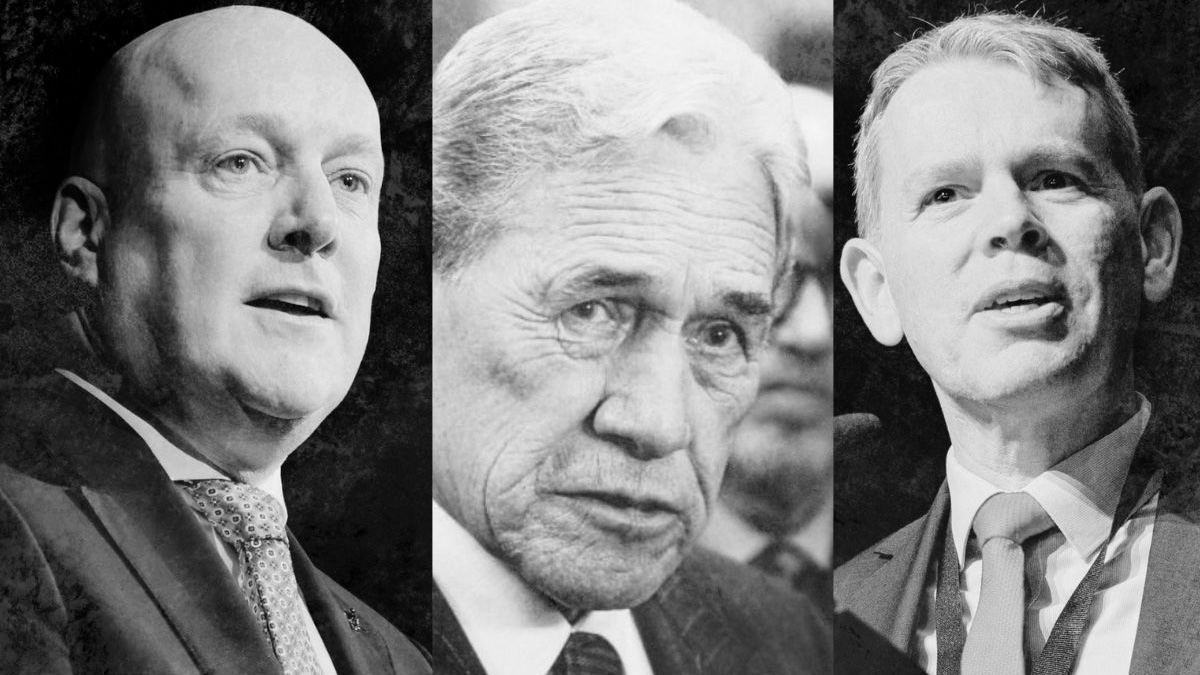
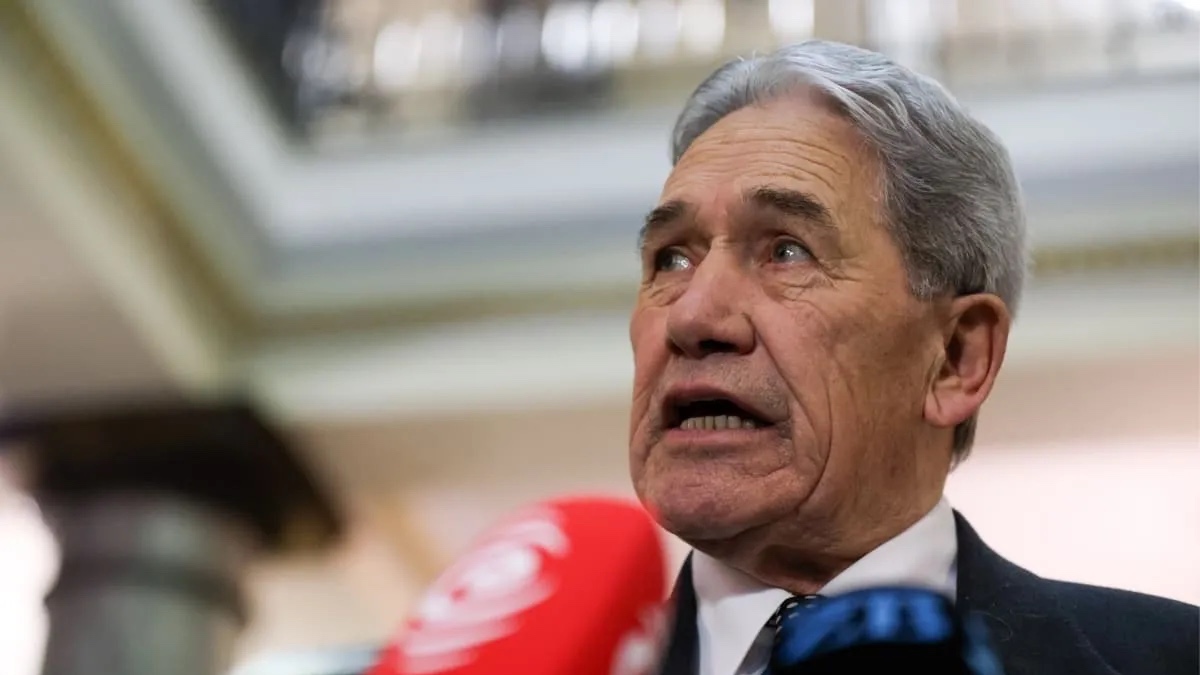
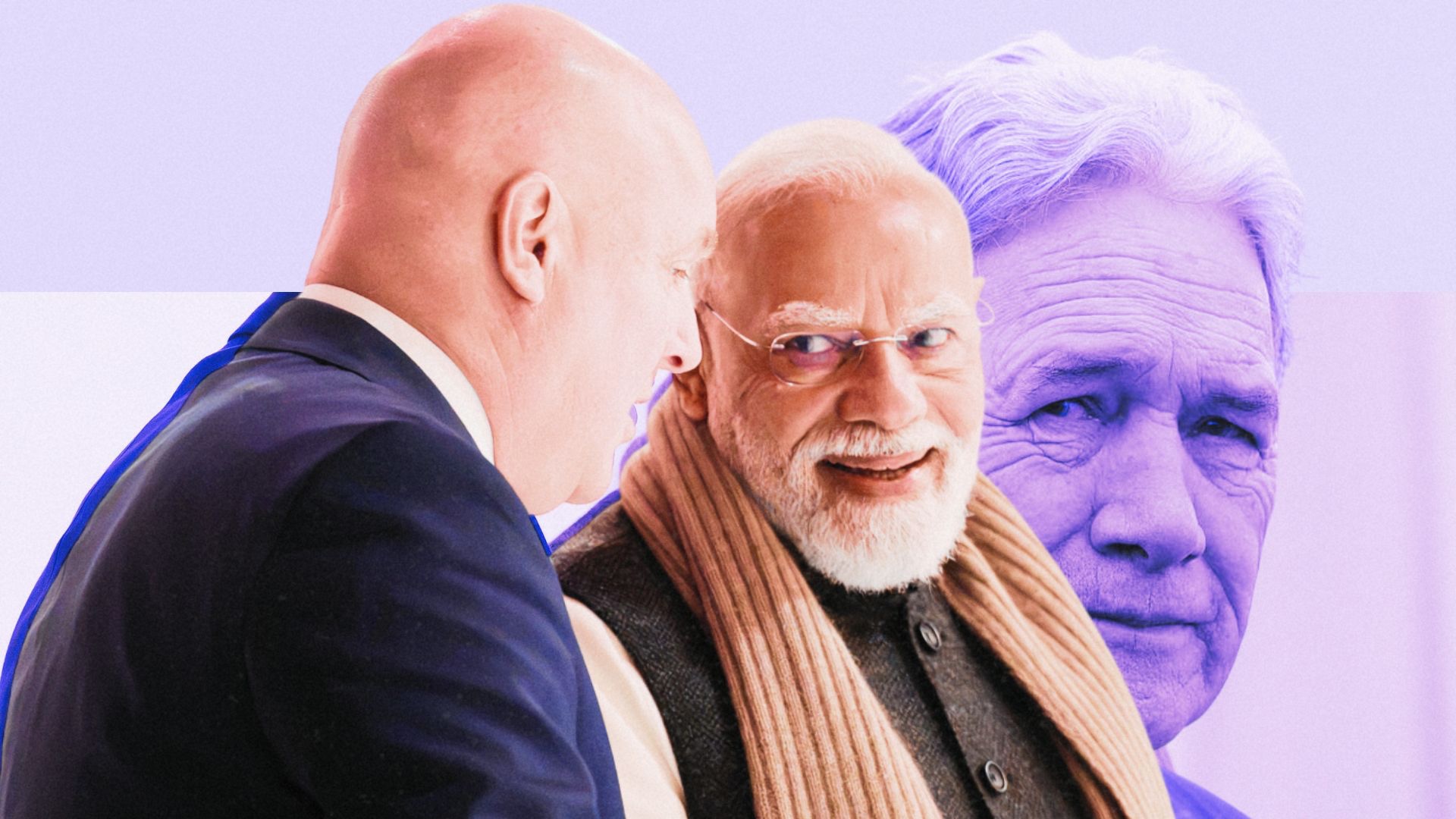
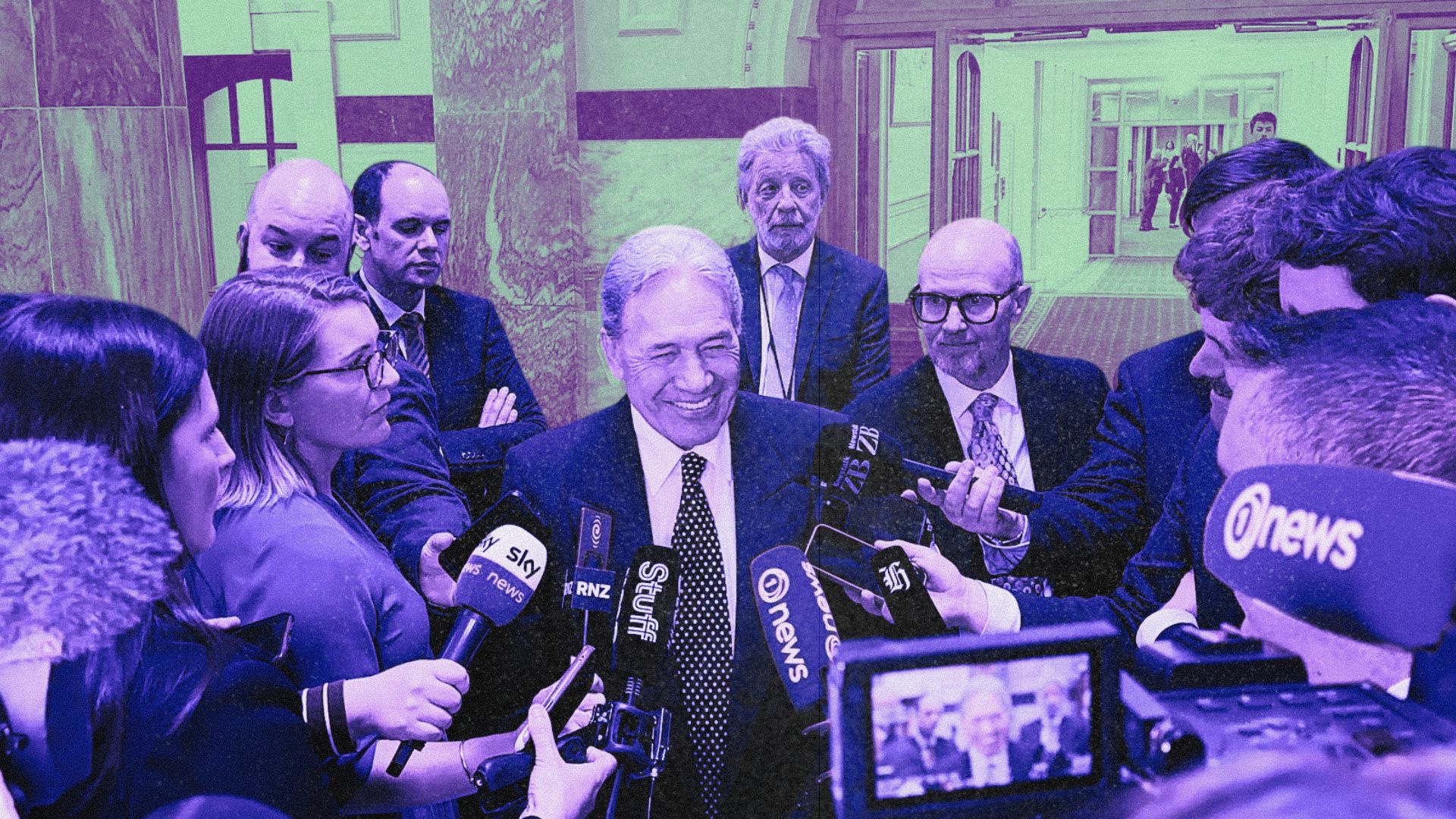
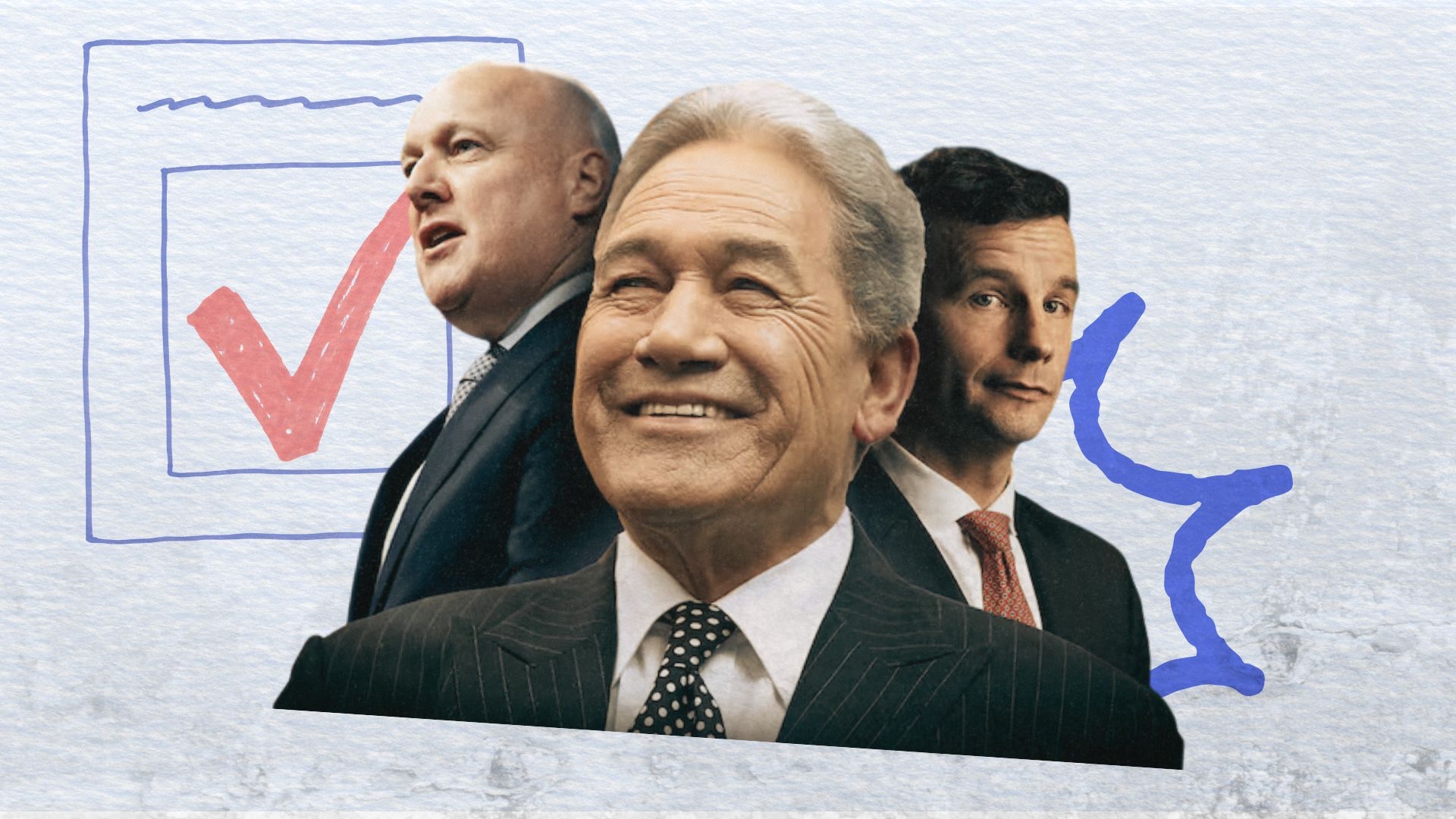
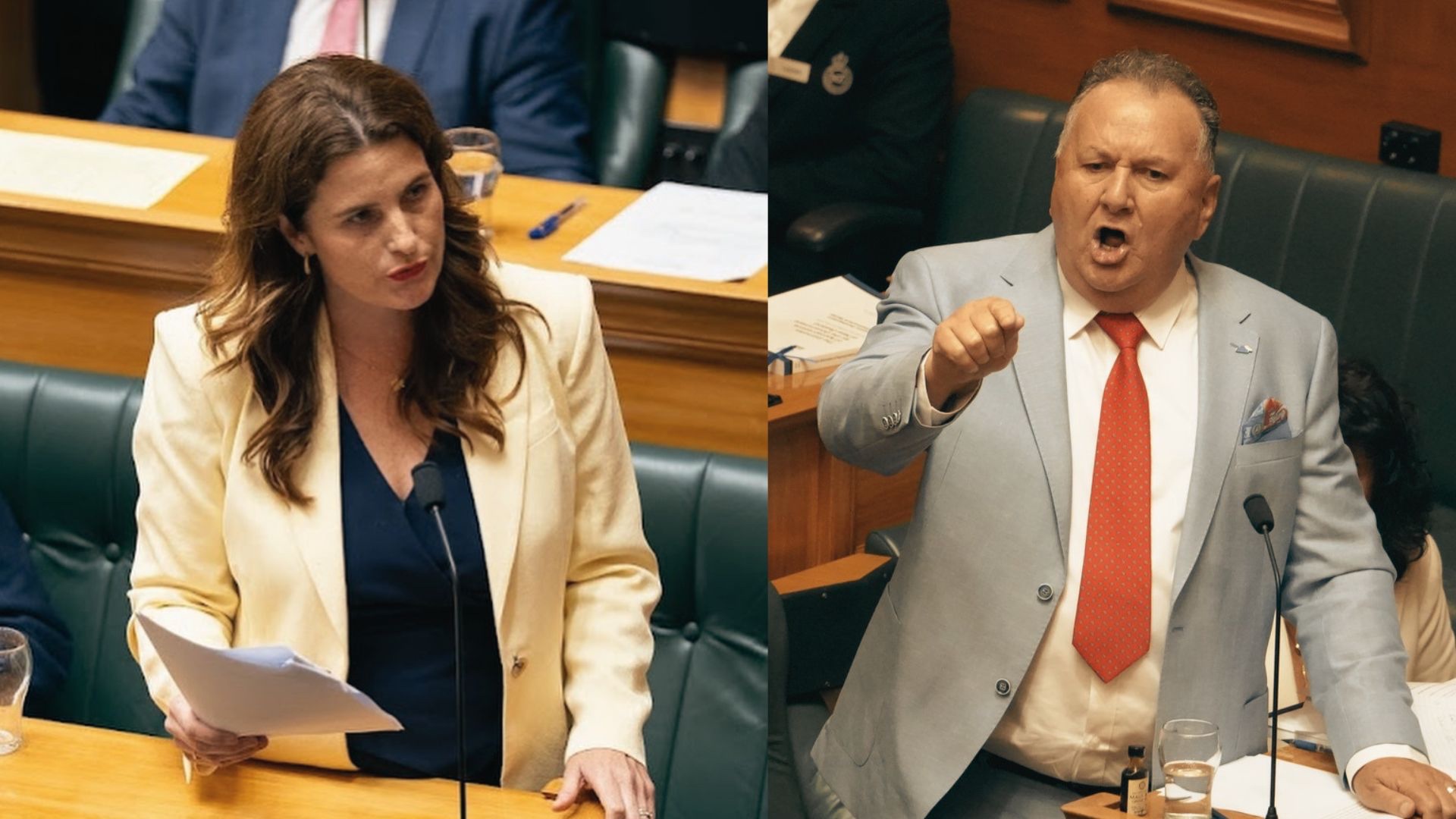
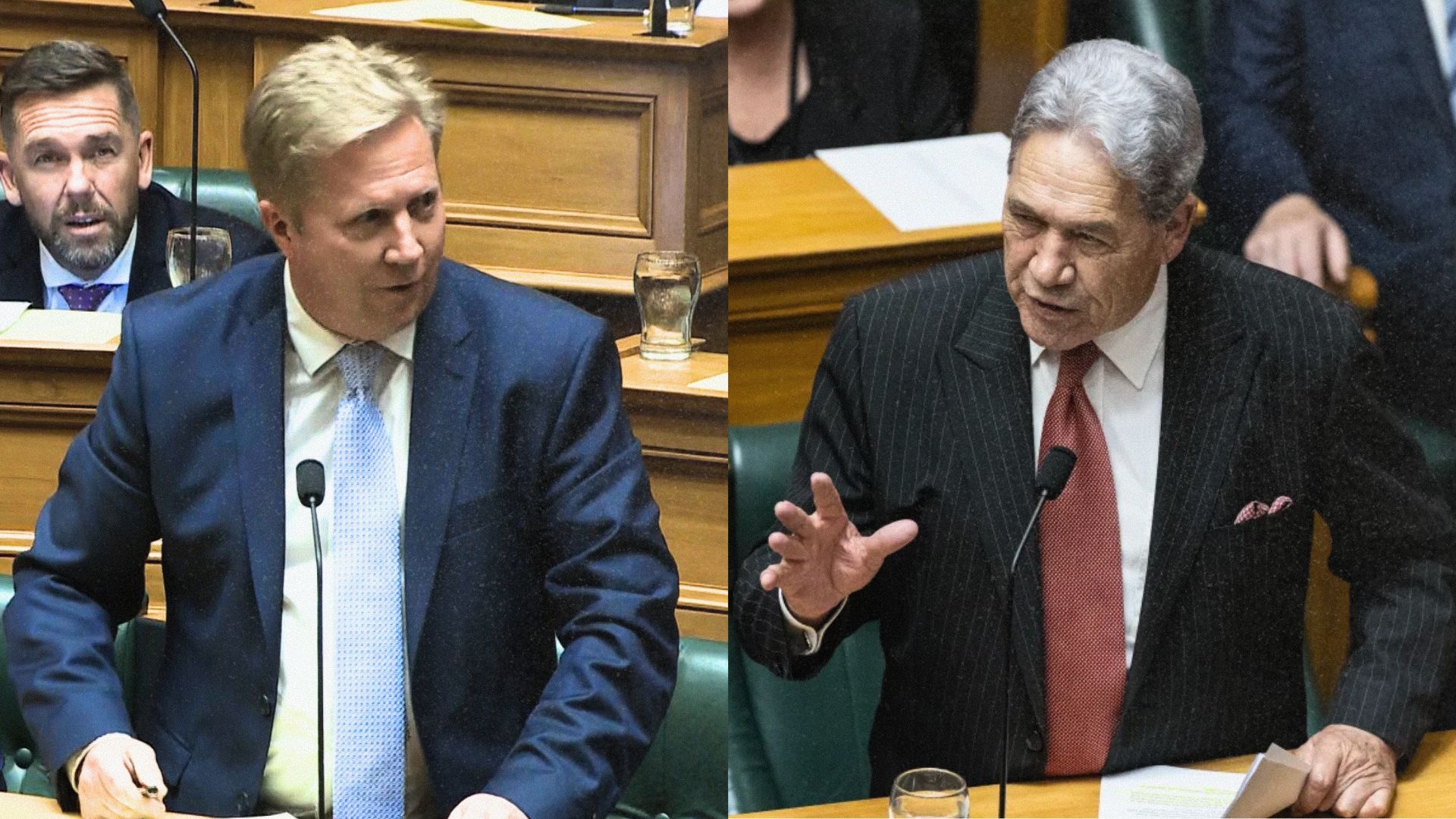
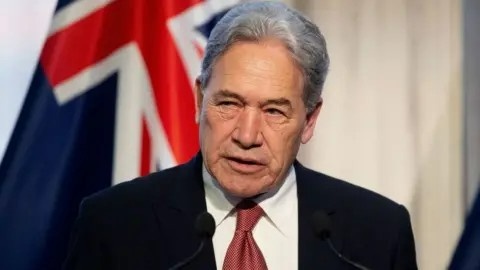
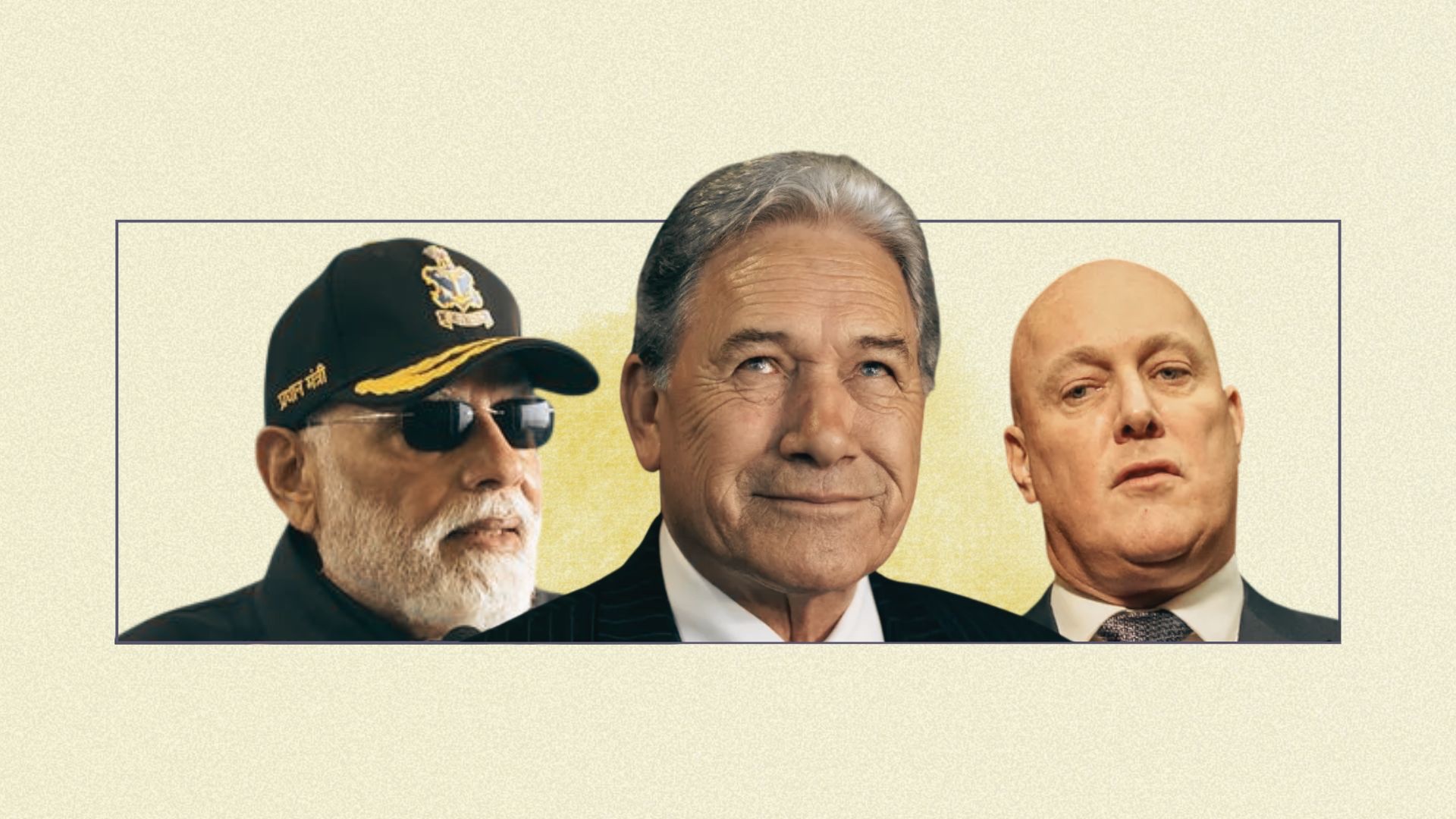
That assessment challenges a central part of Winston Peters’ case against the agreement.
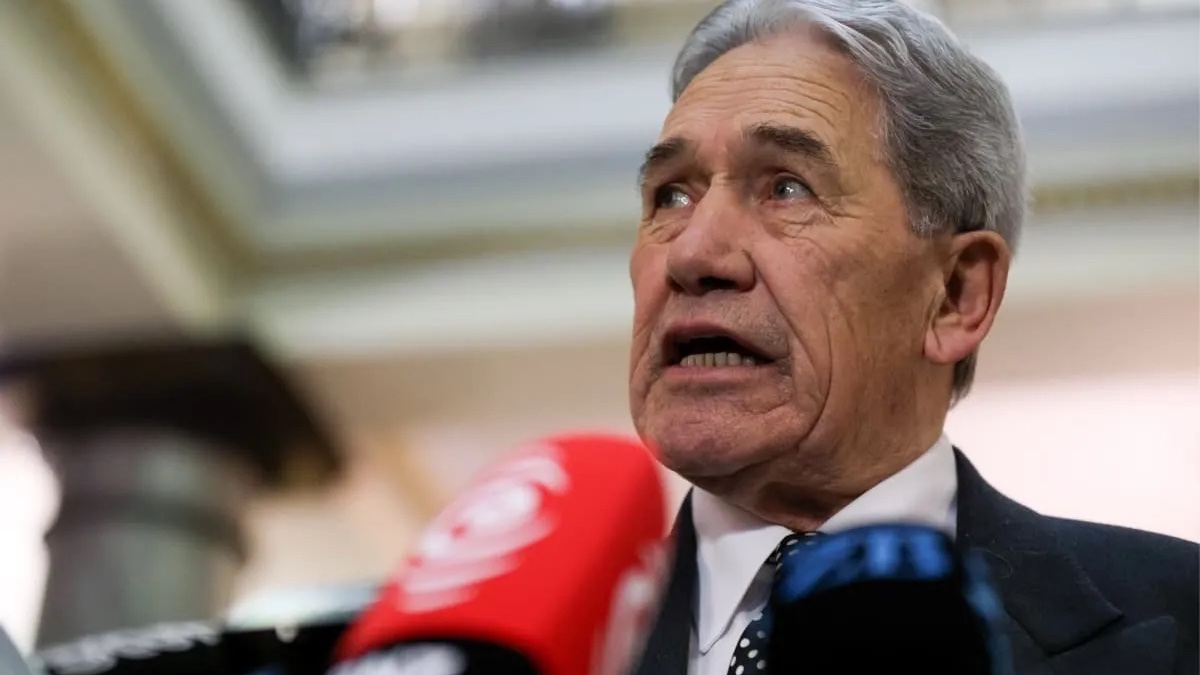
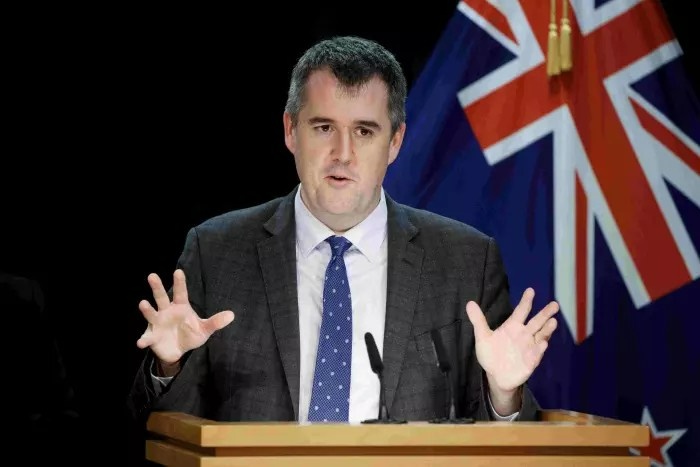
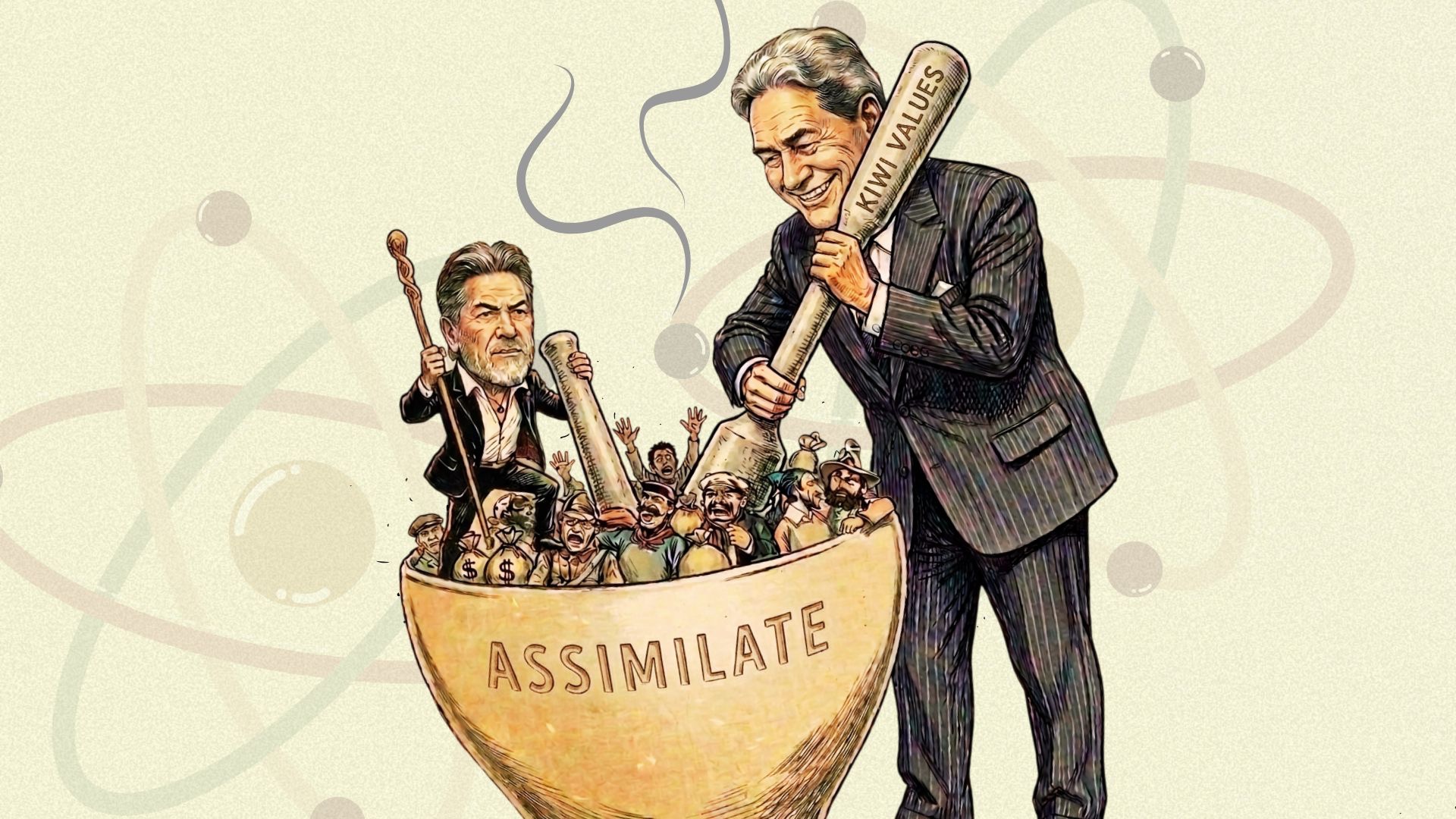
The New Zealand First leader has repeatedly argued New Zealand has given away too much for too little, calling the agreement a “bad deal for New Zealand”.
“It gives too much away, especially on immigration, and does not get enough in return for New Zealanders, including on dairy.”
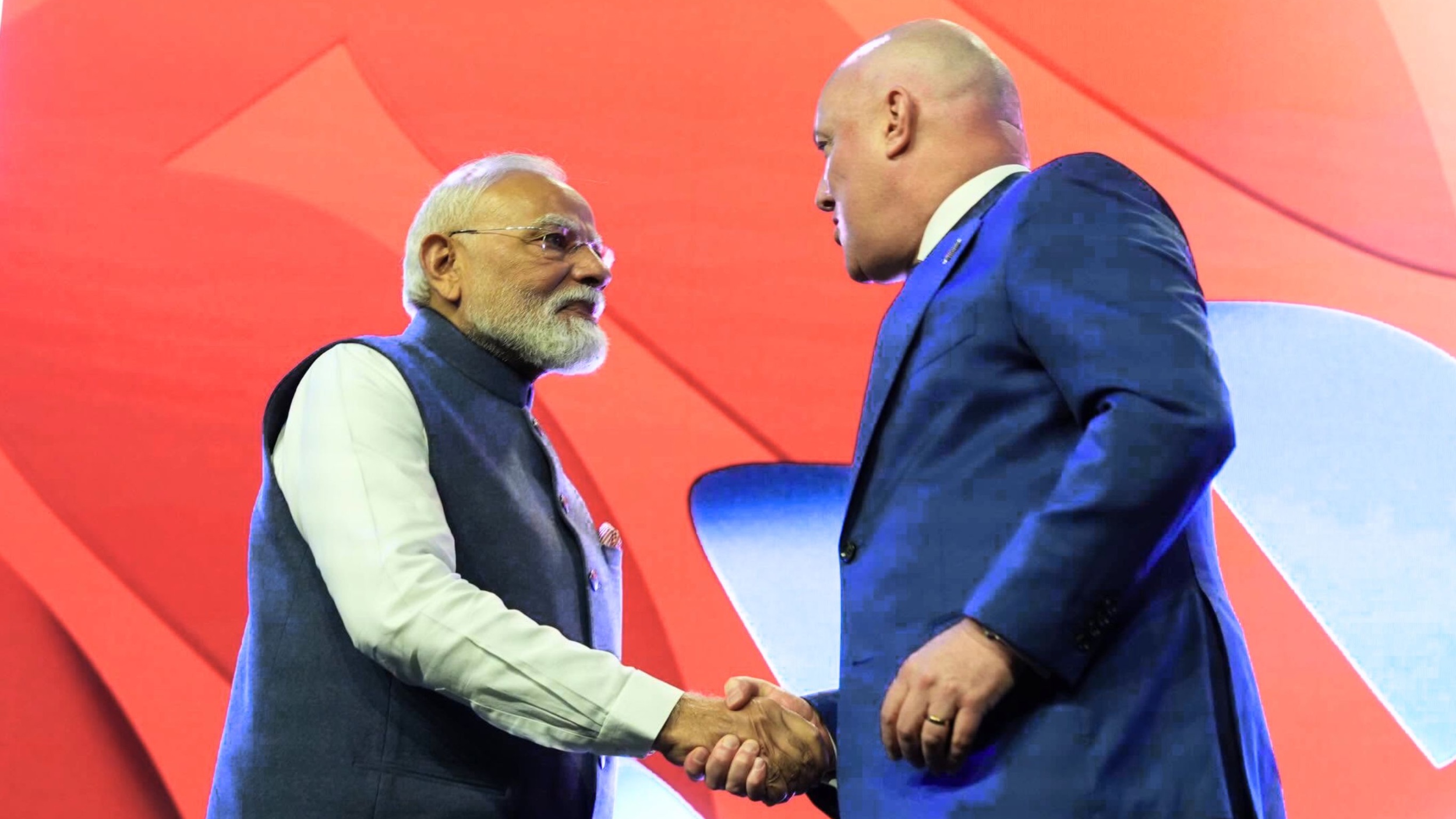
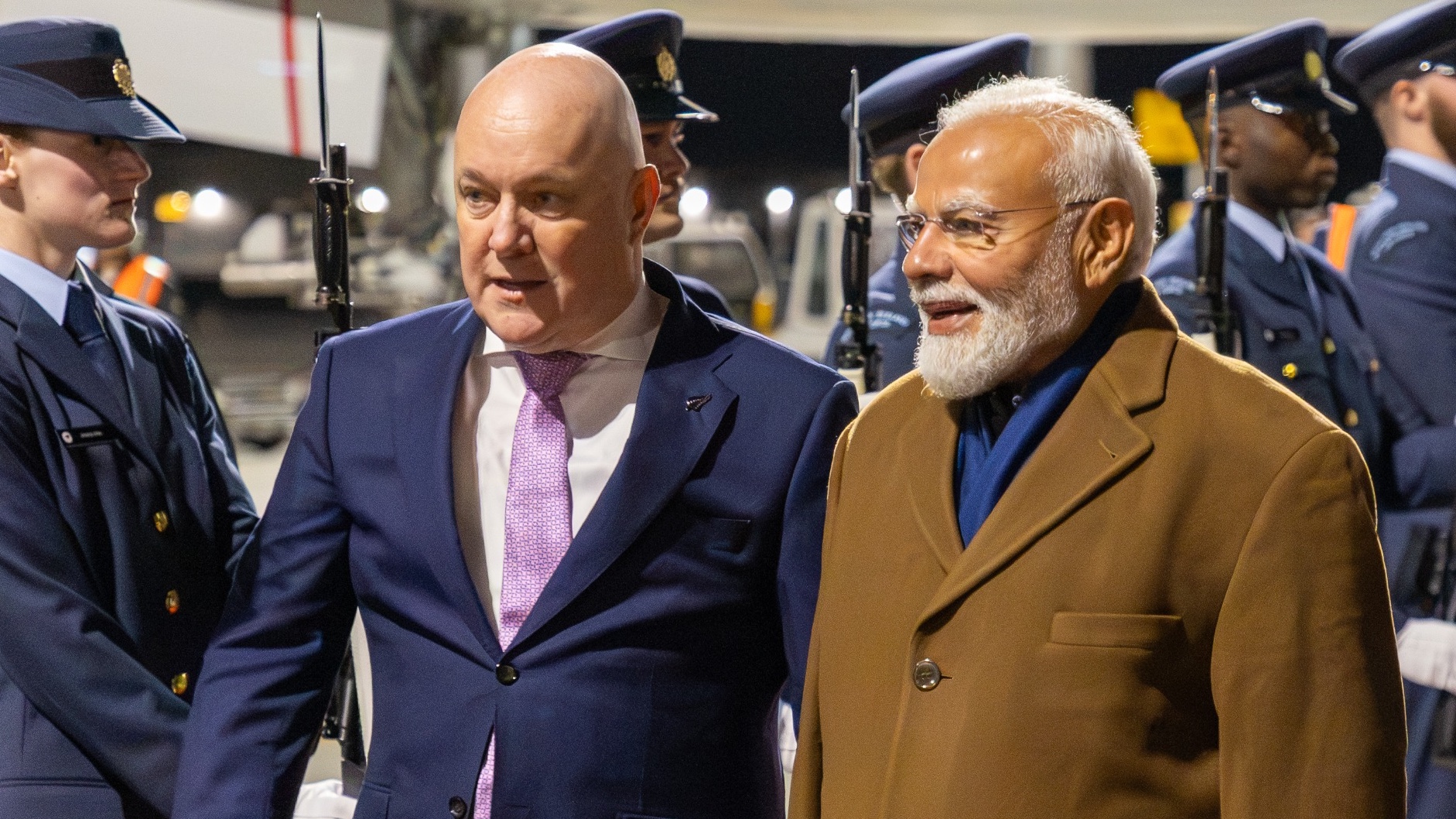
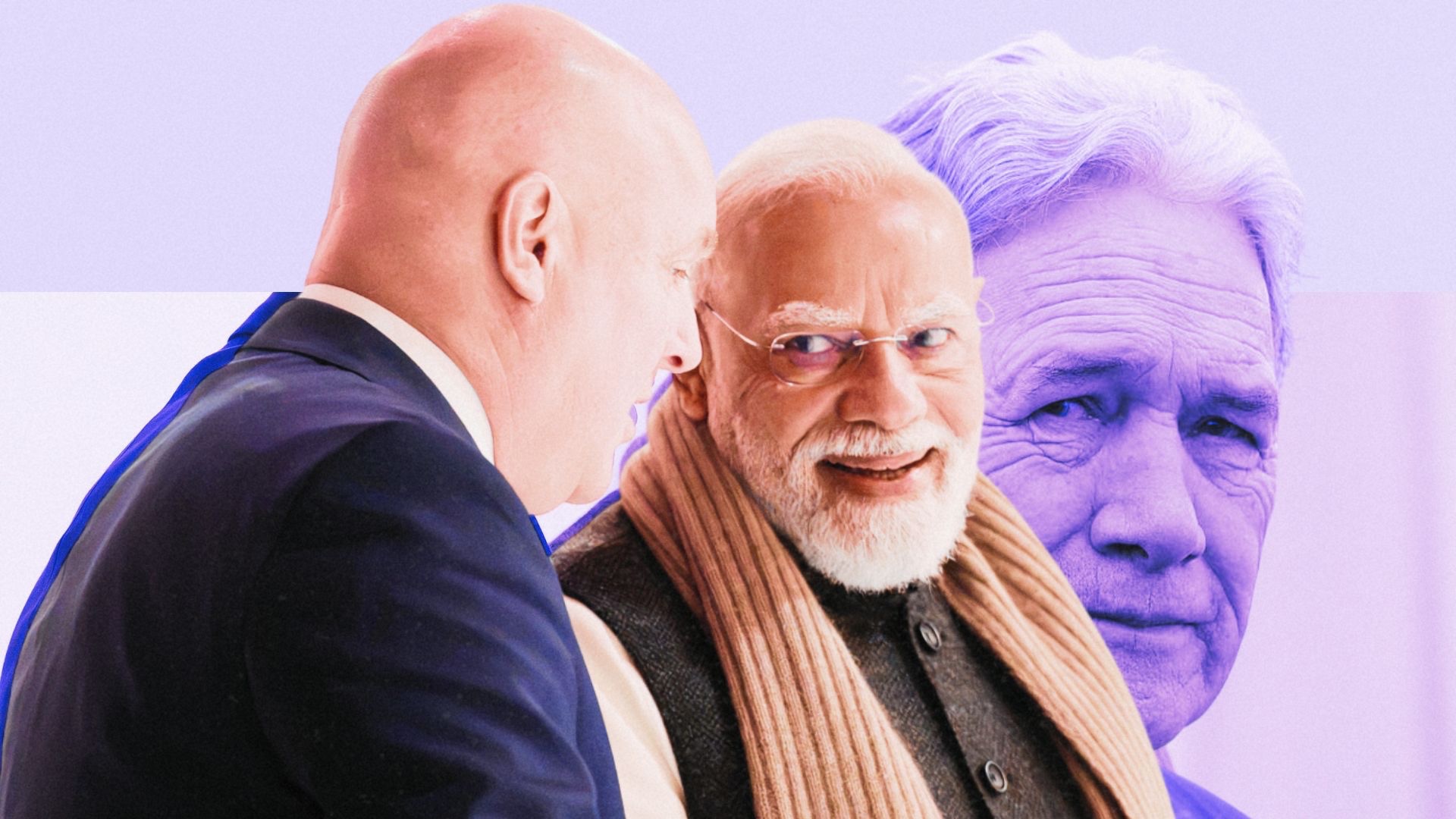
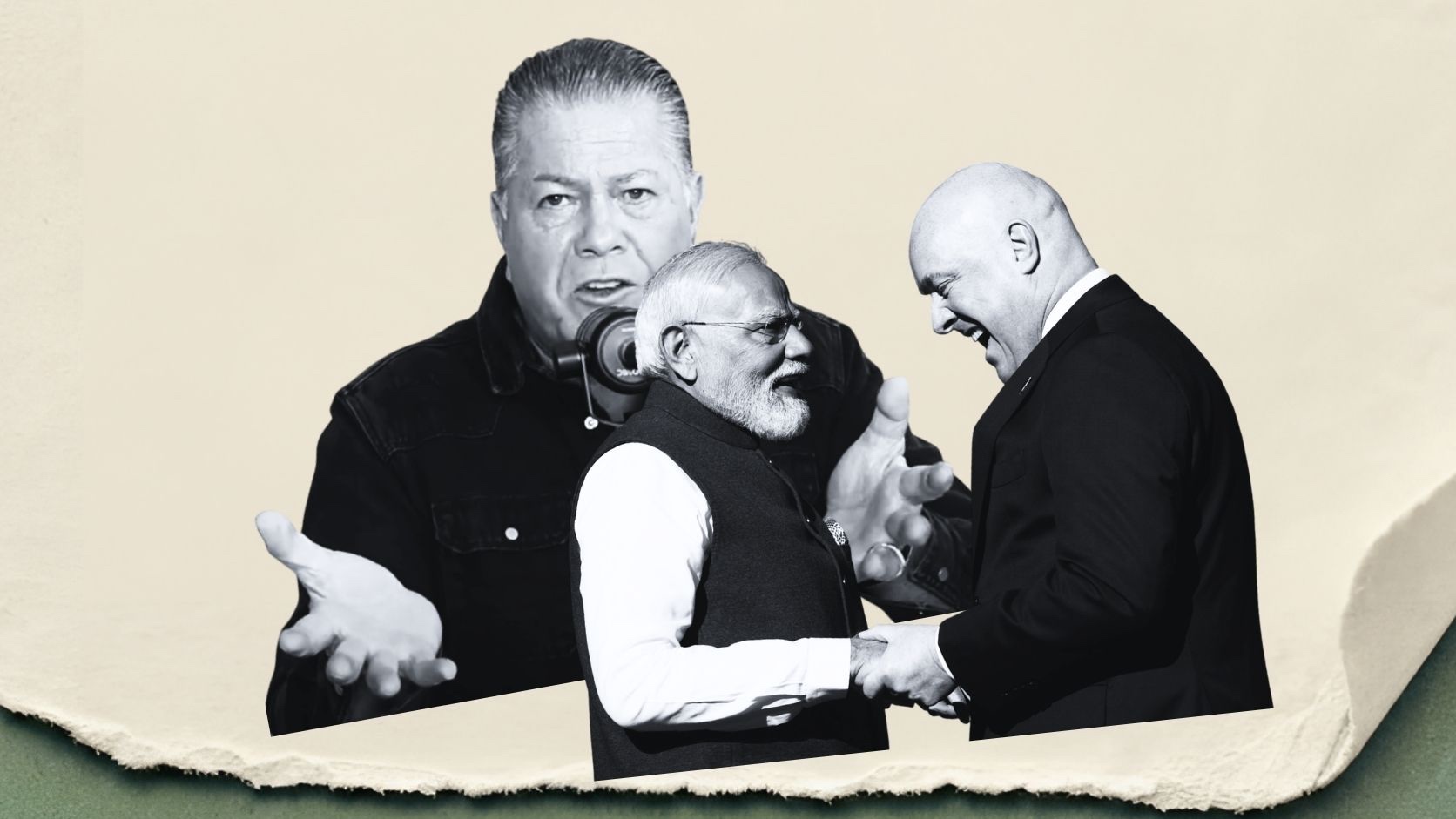
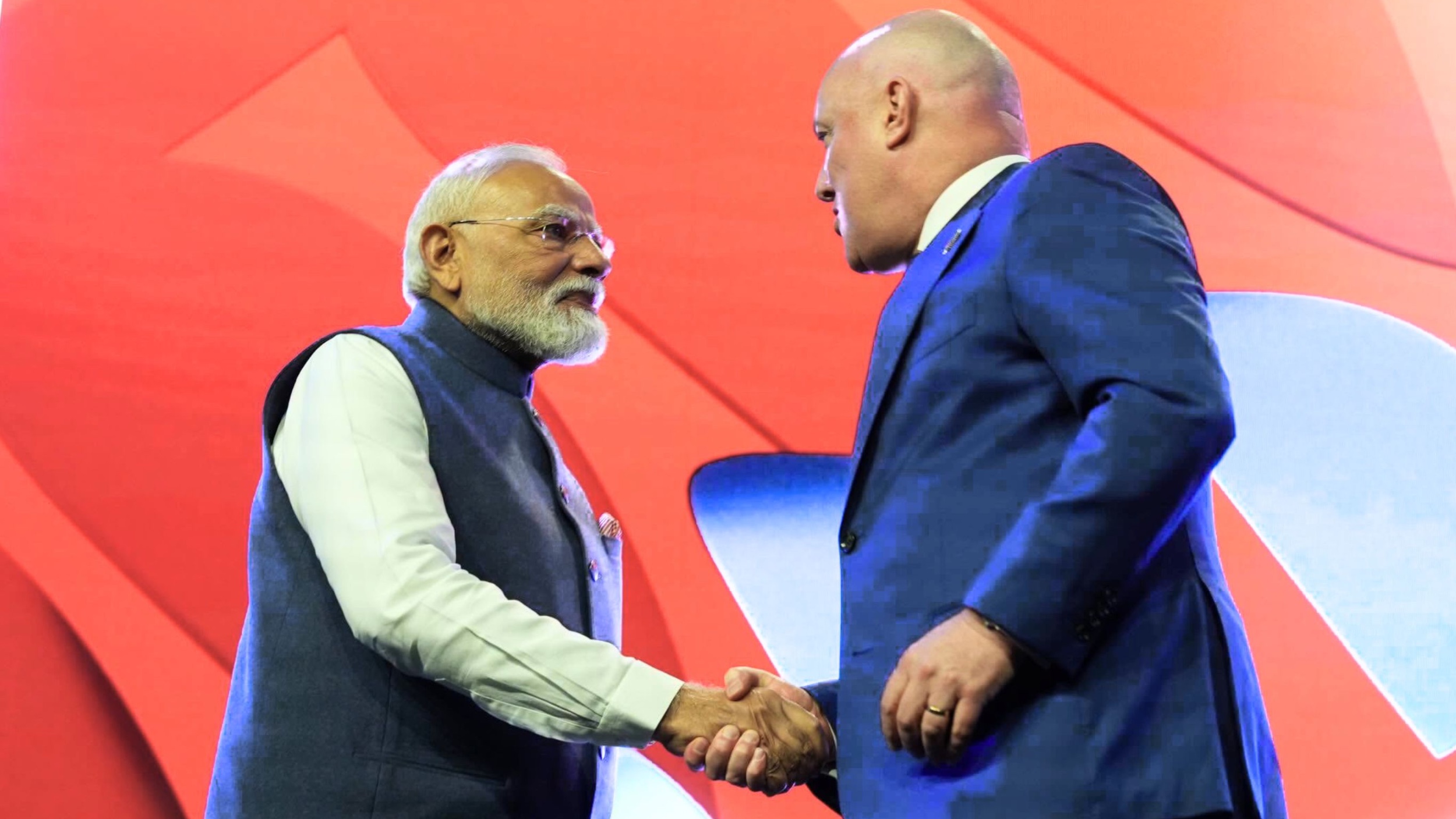
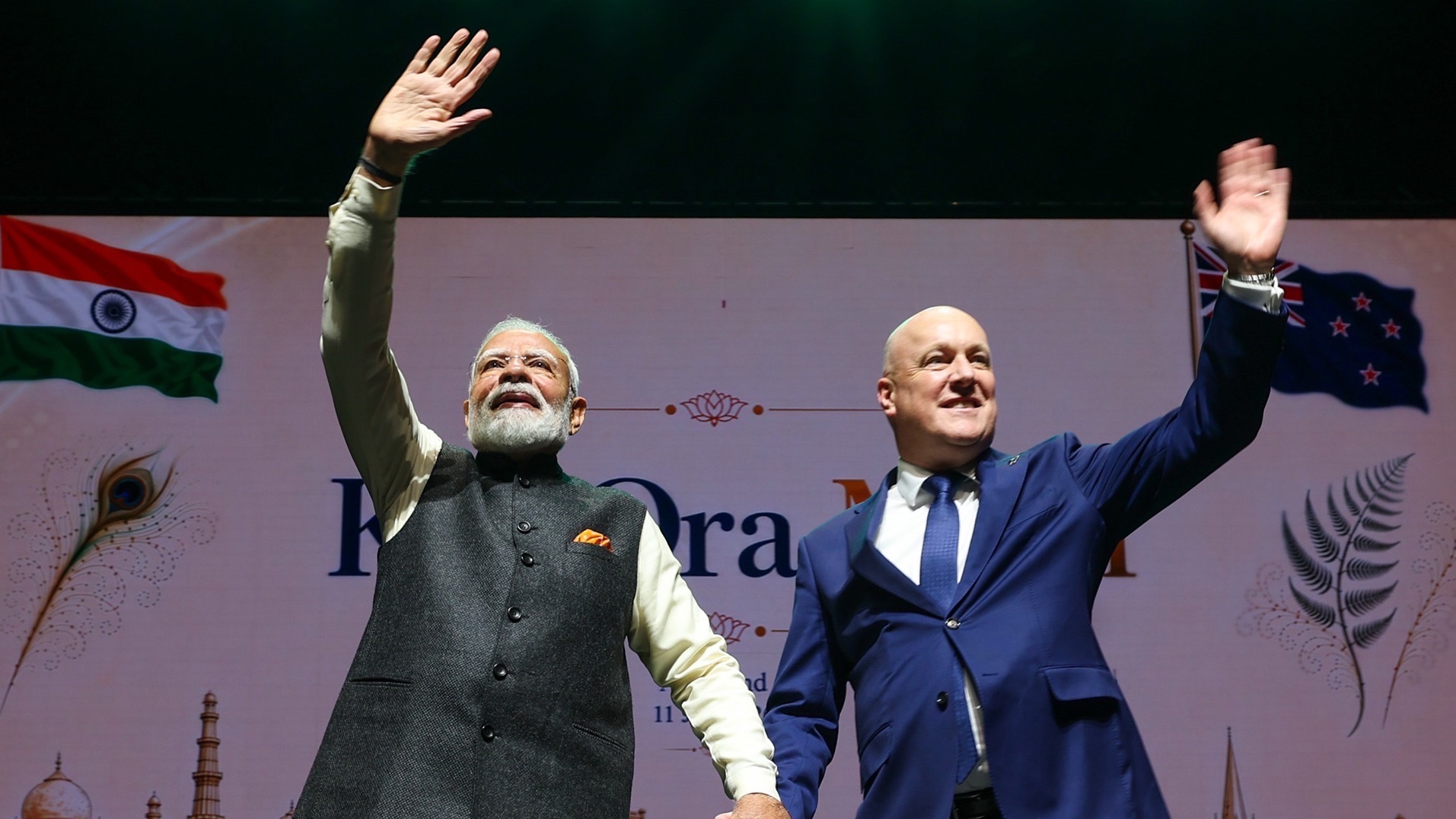
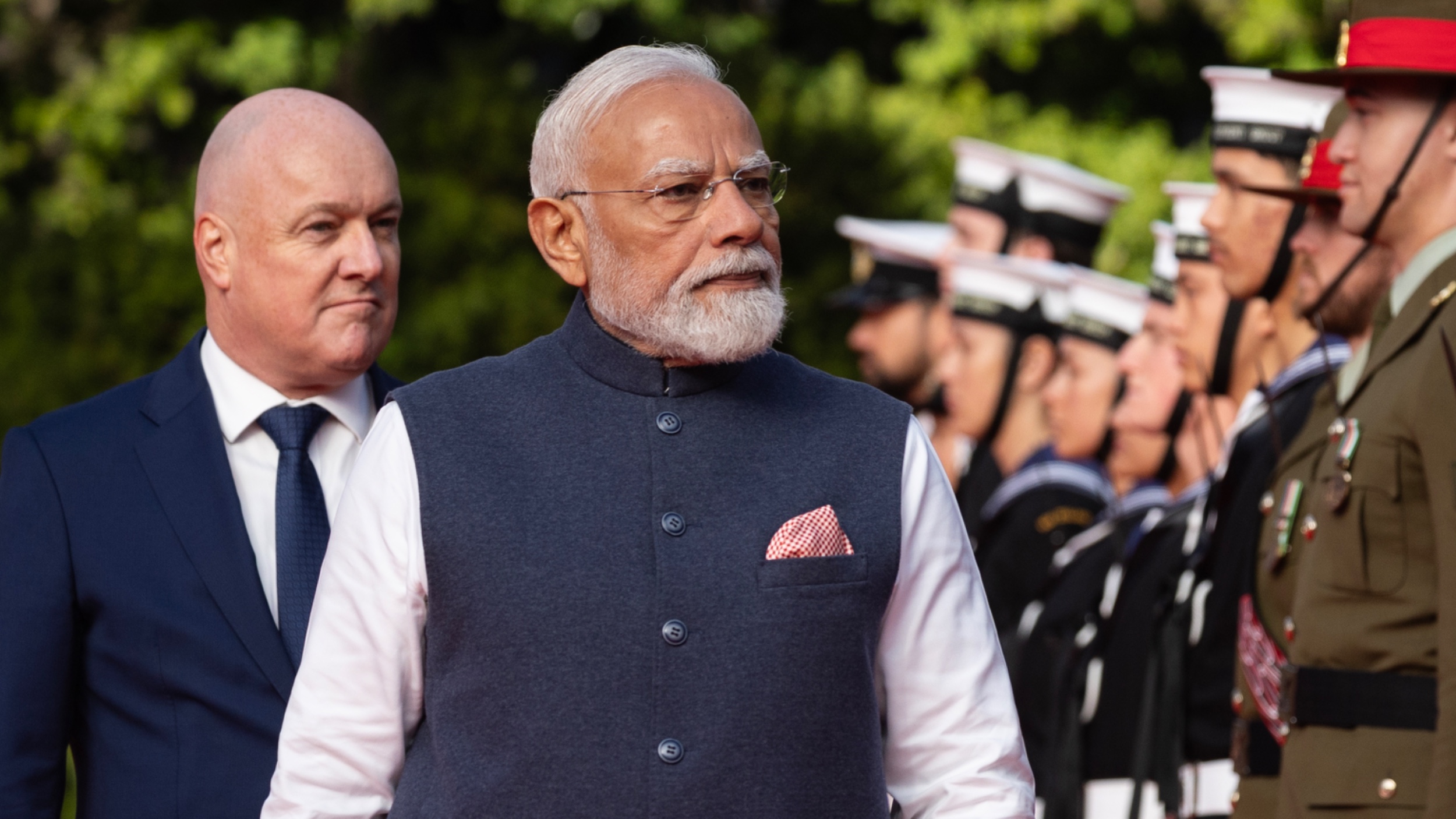
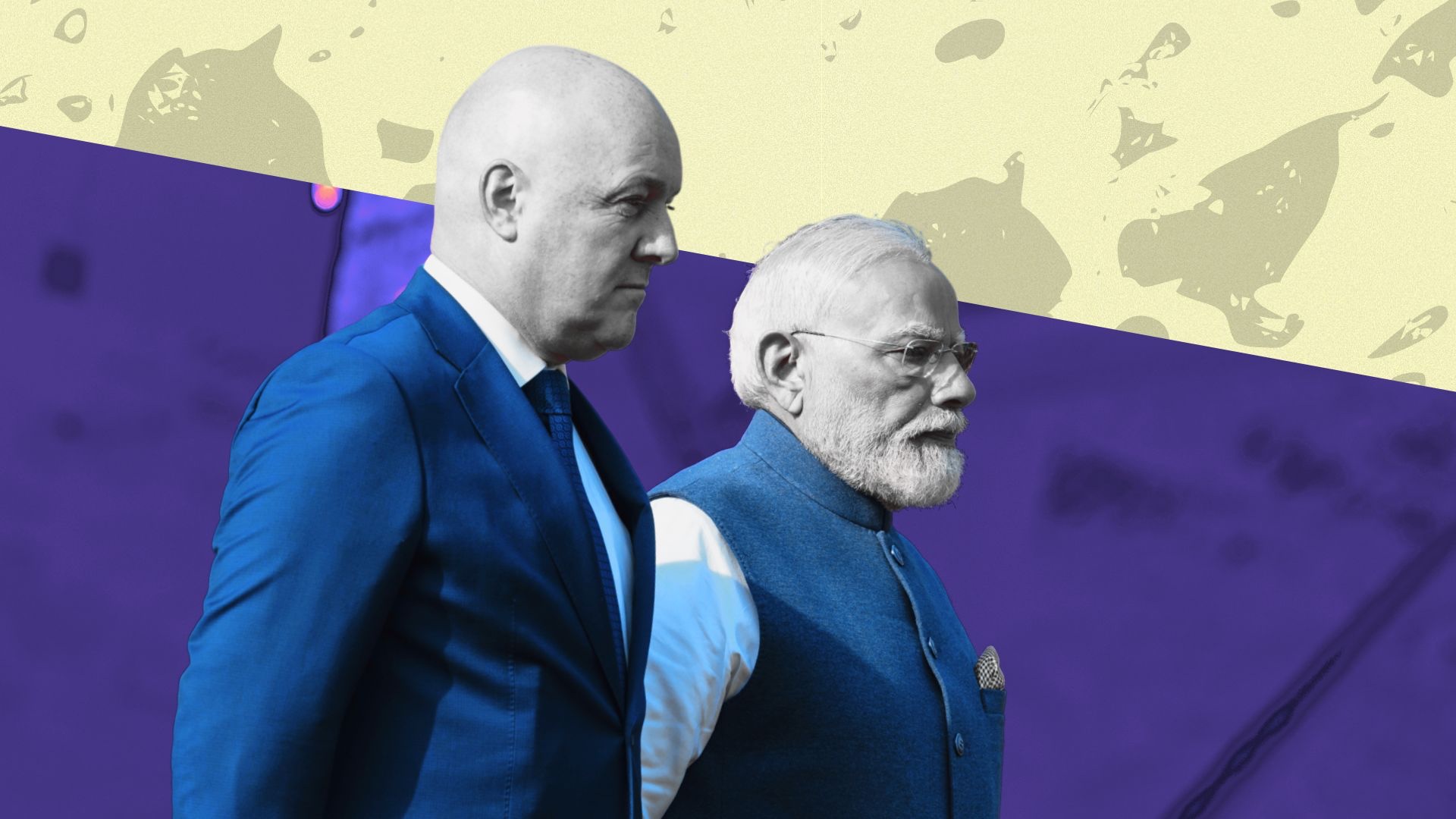
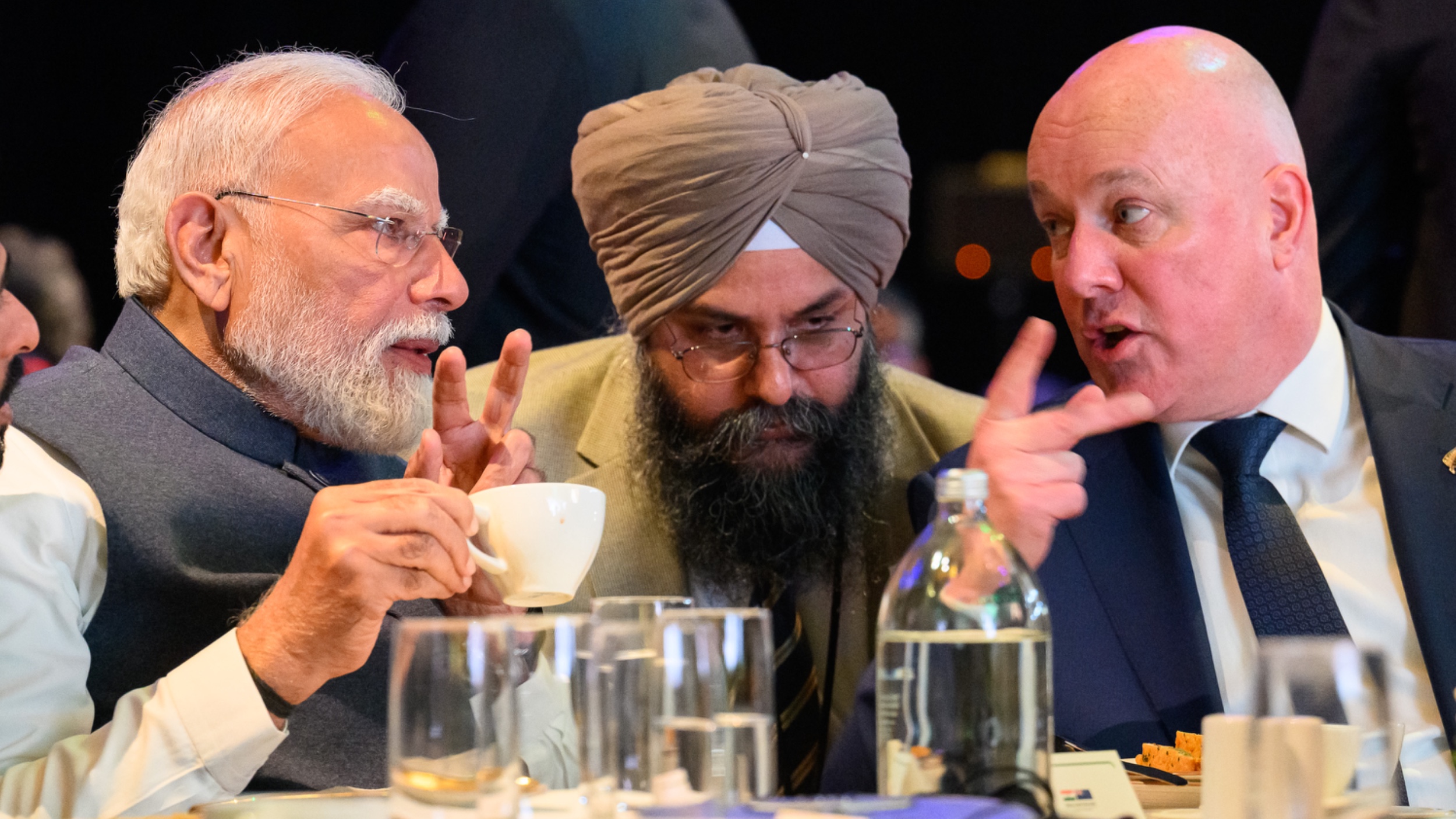
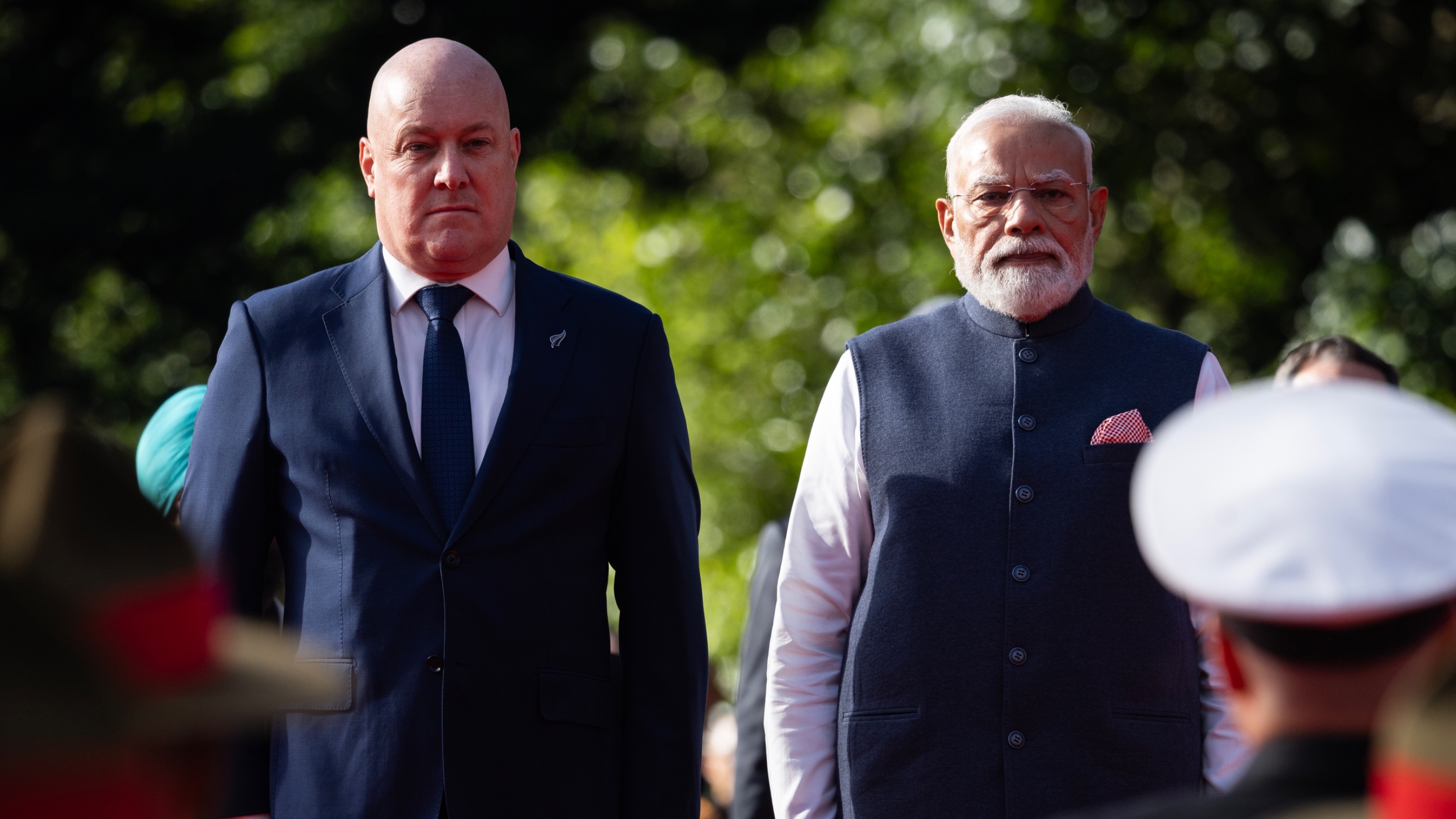
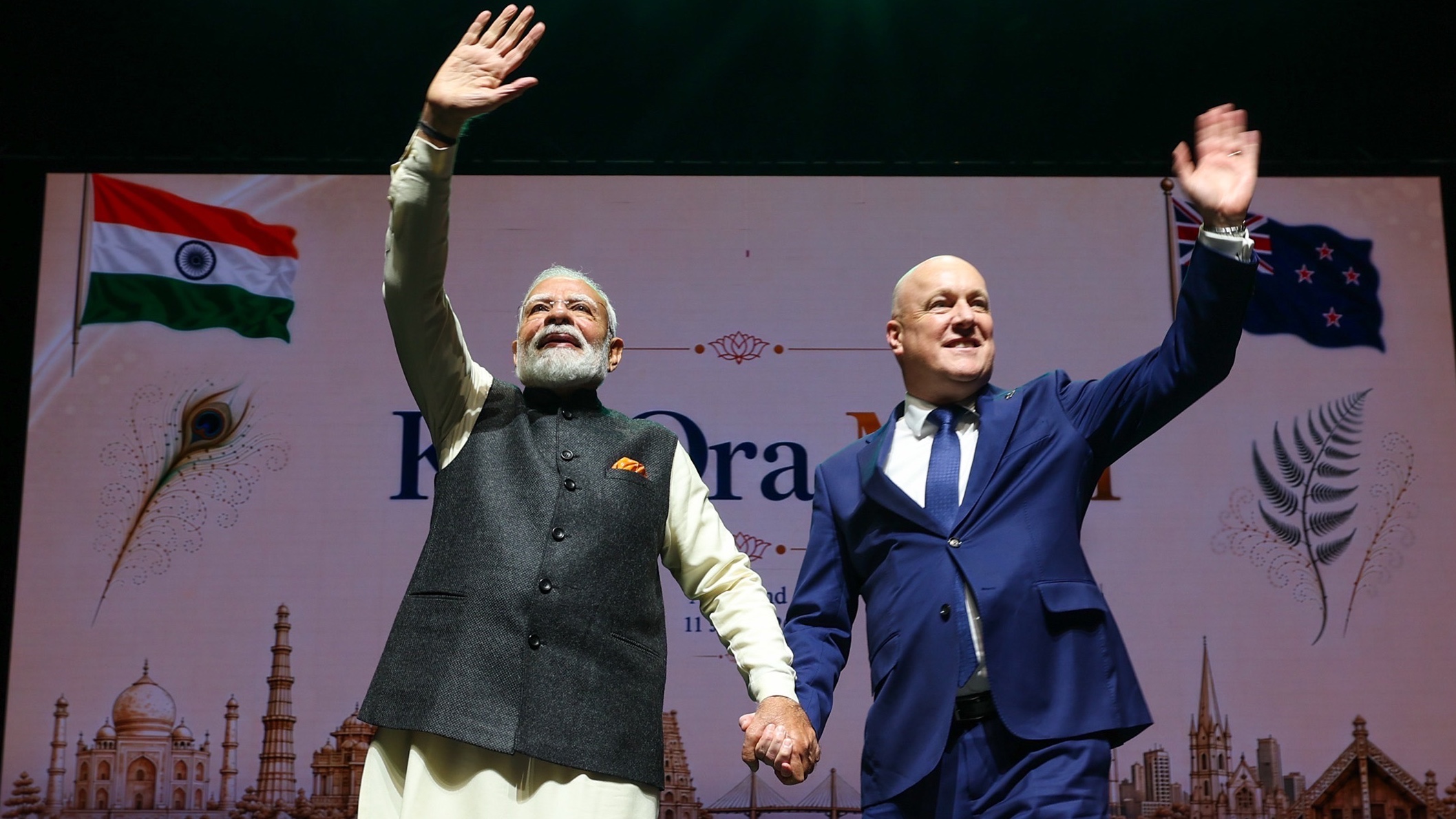
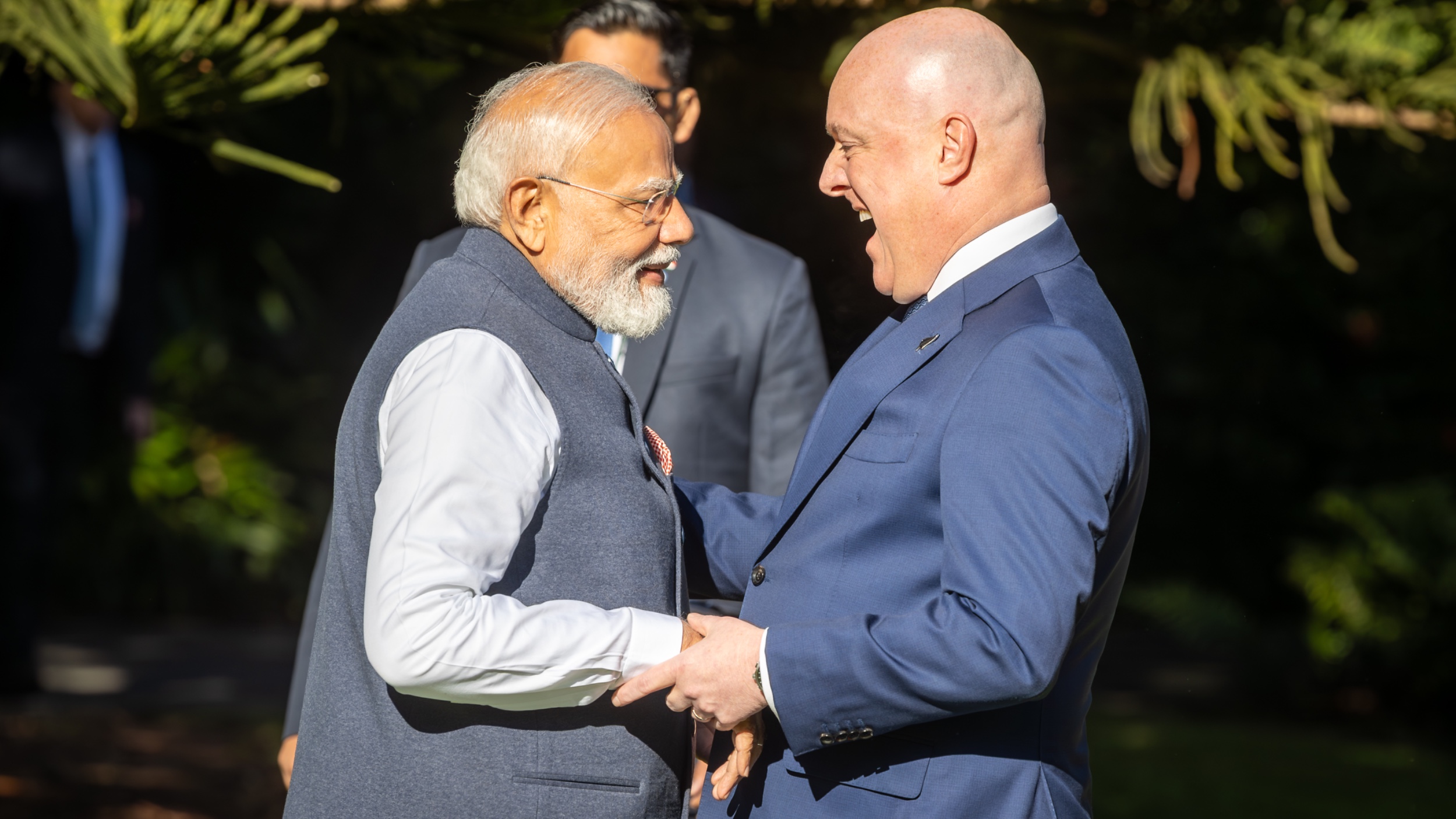
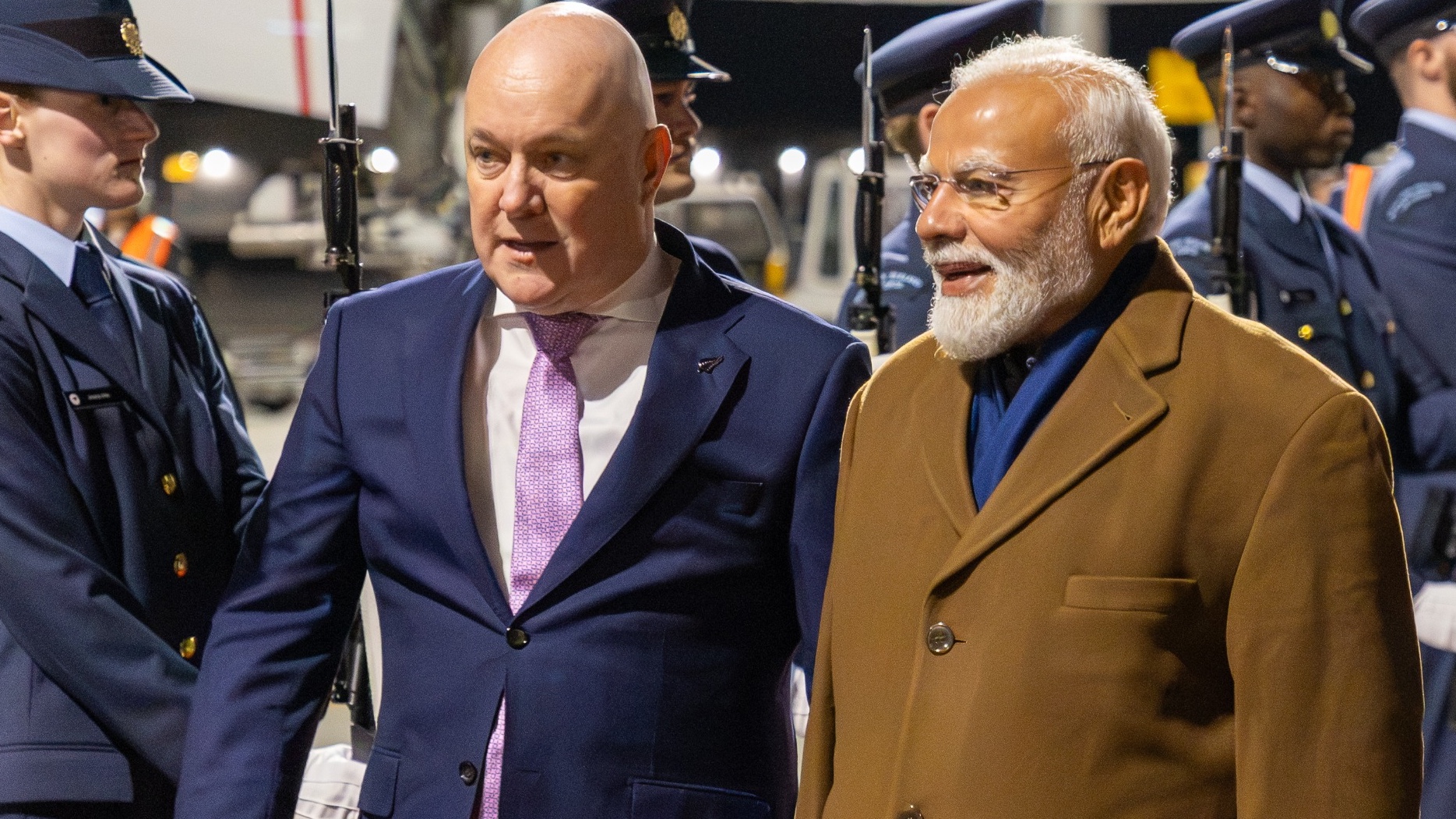
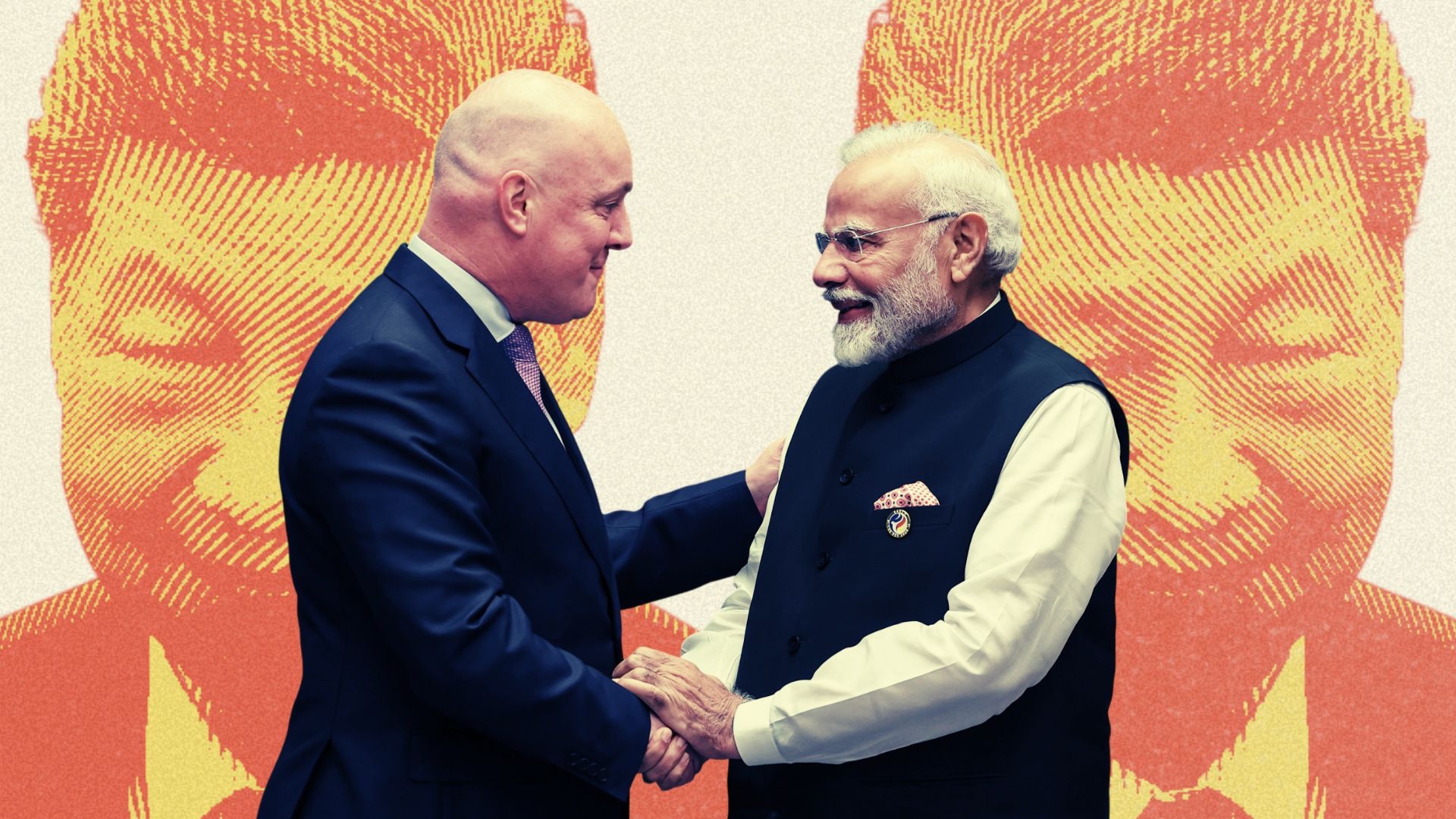
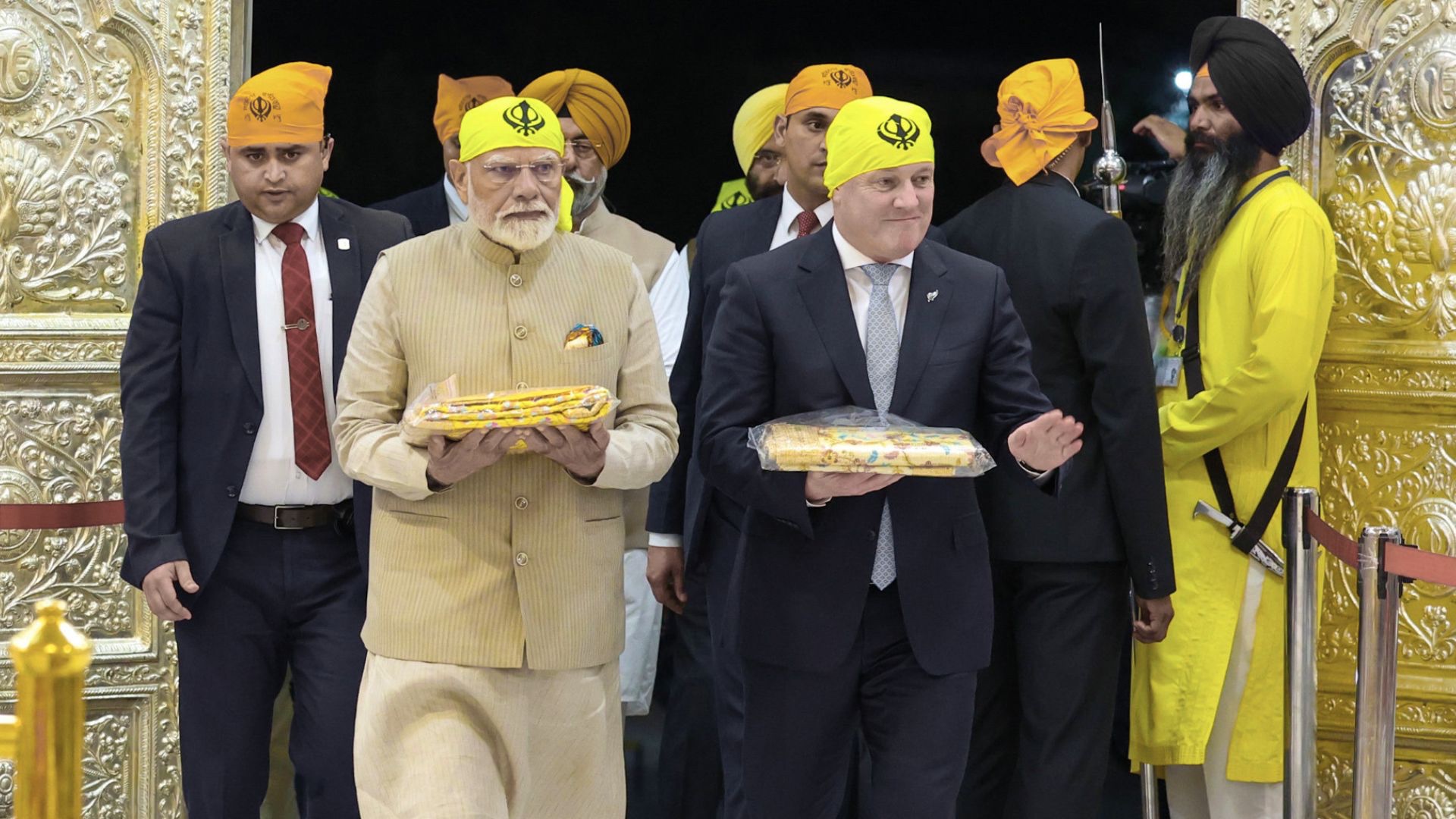
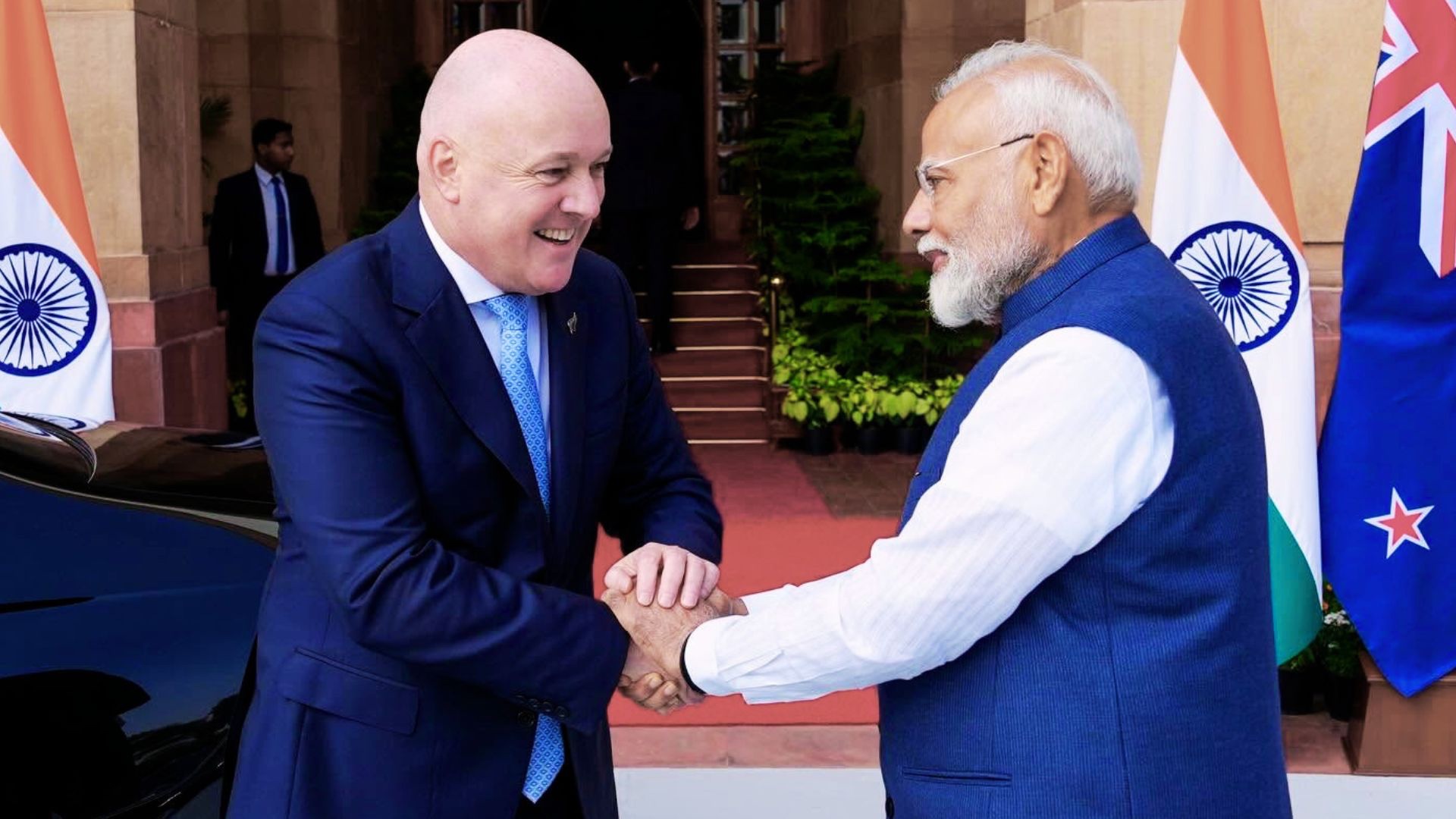
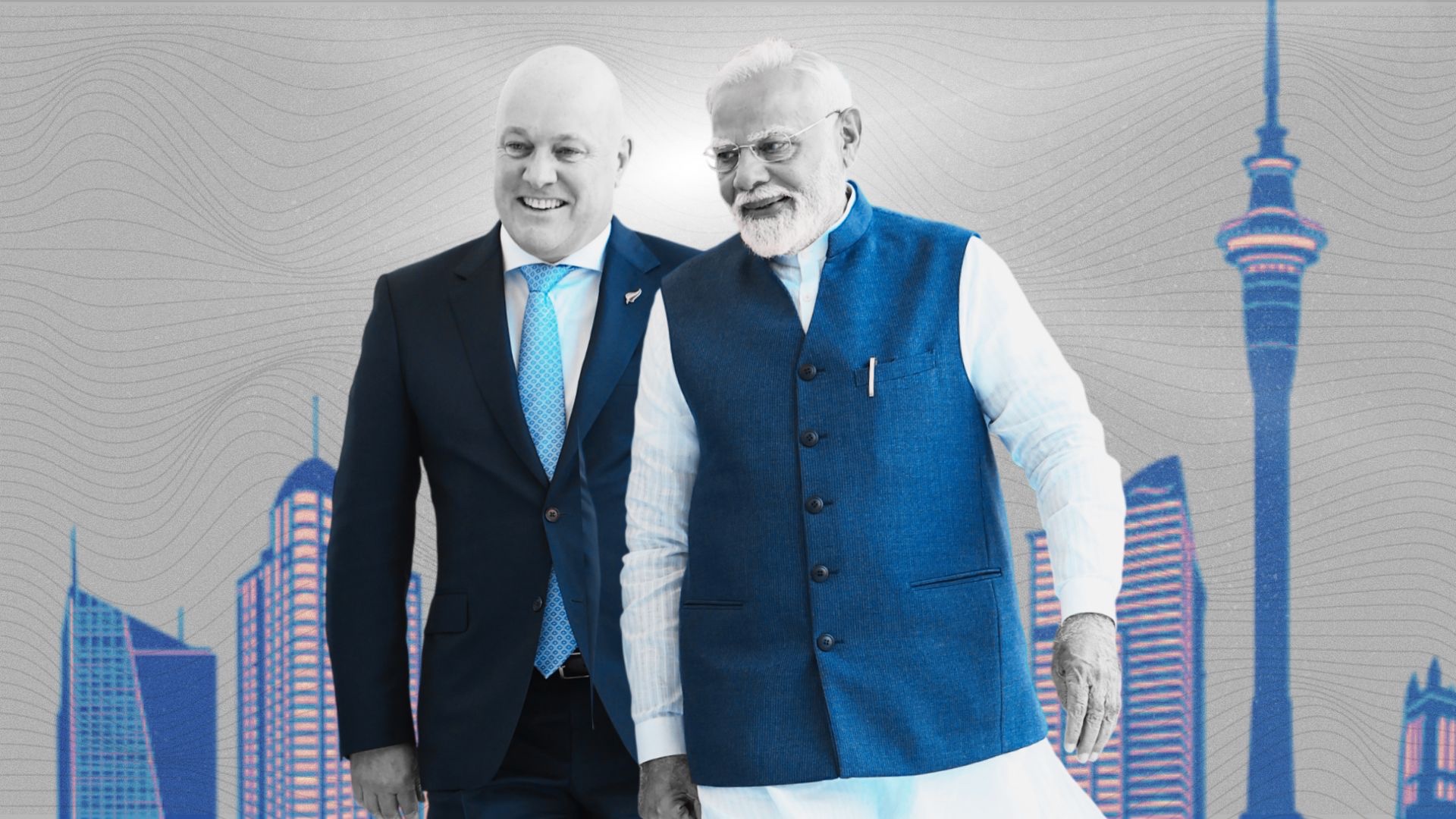
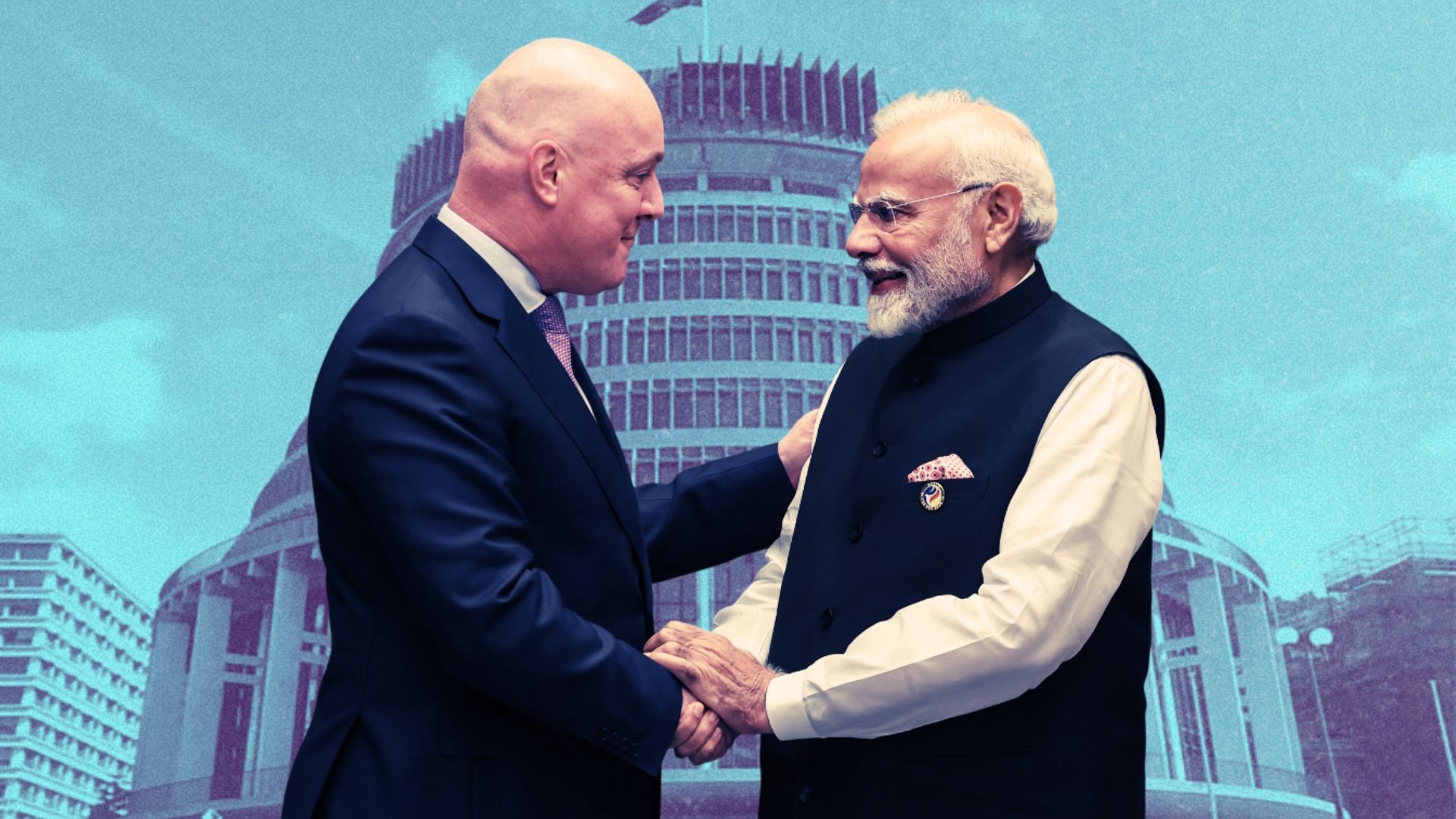
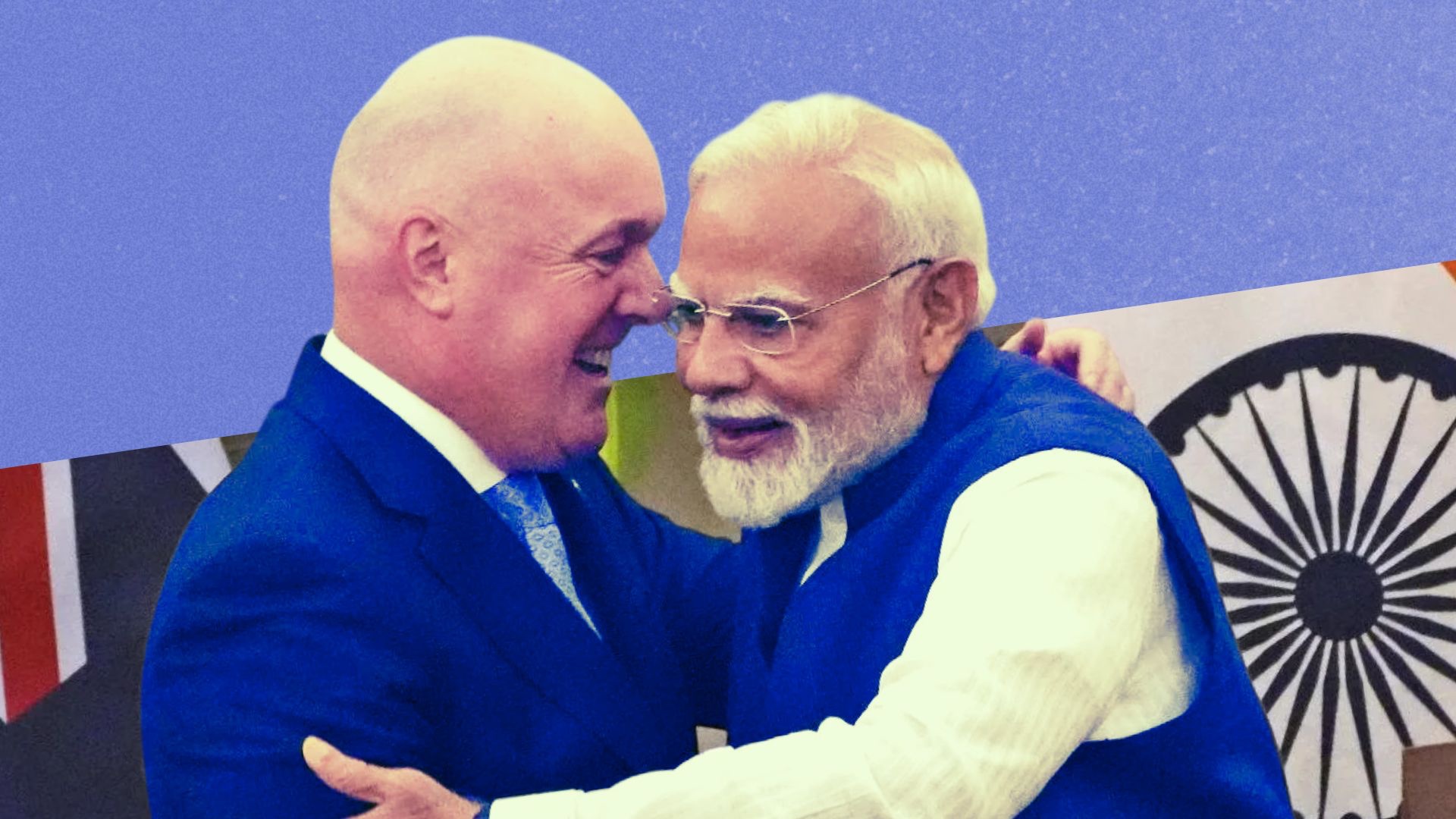
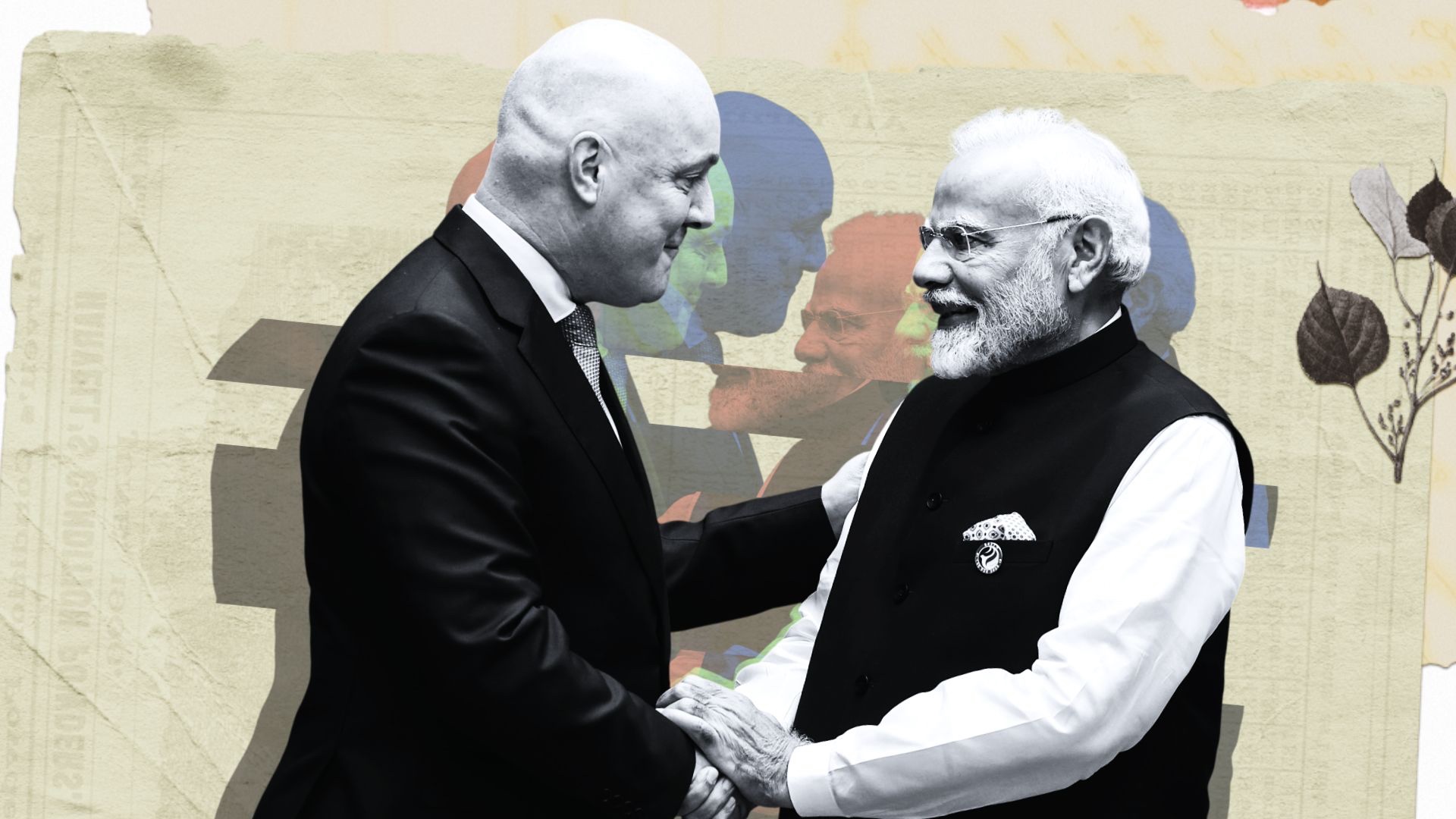
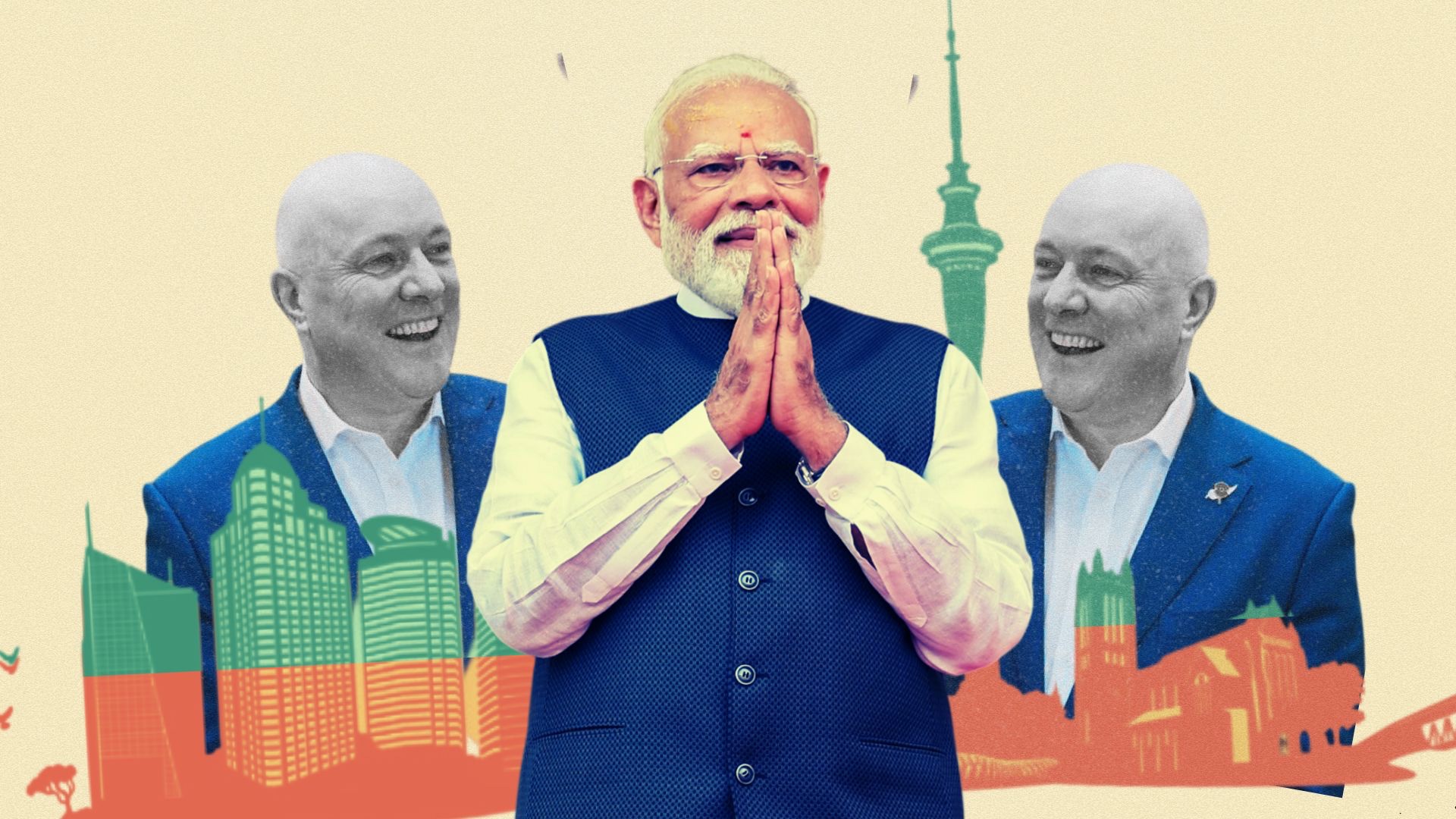
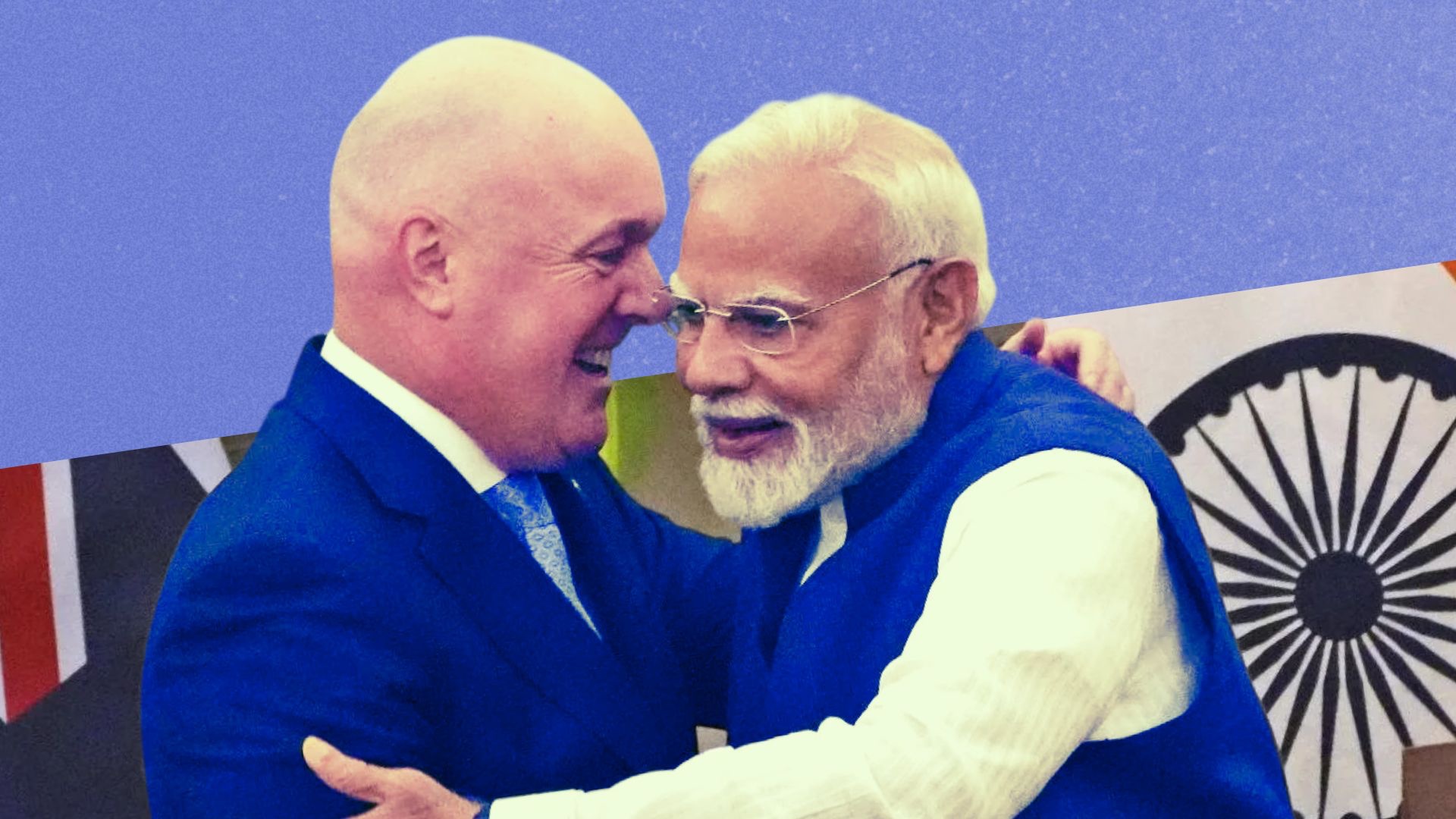
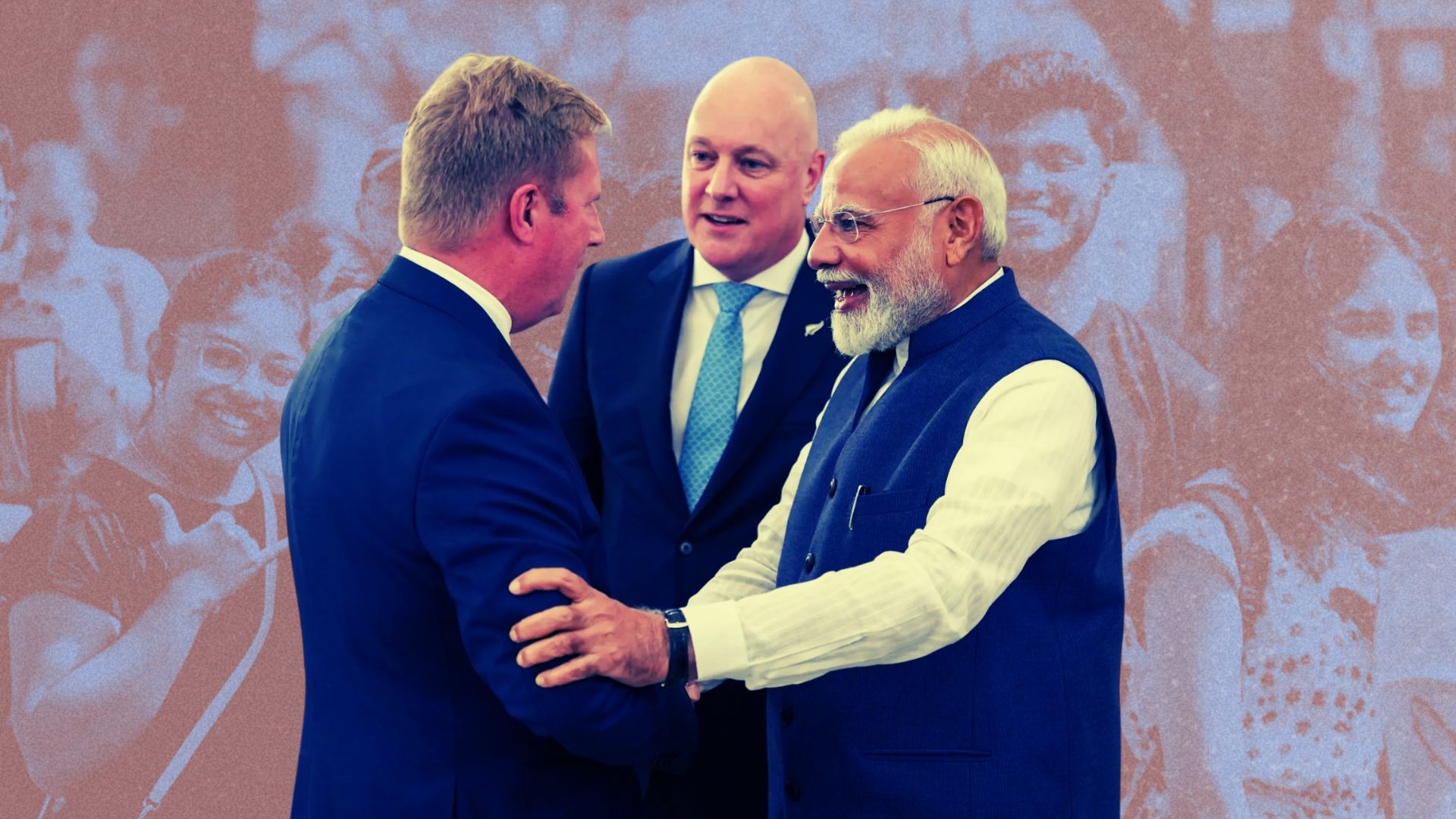
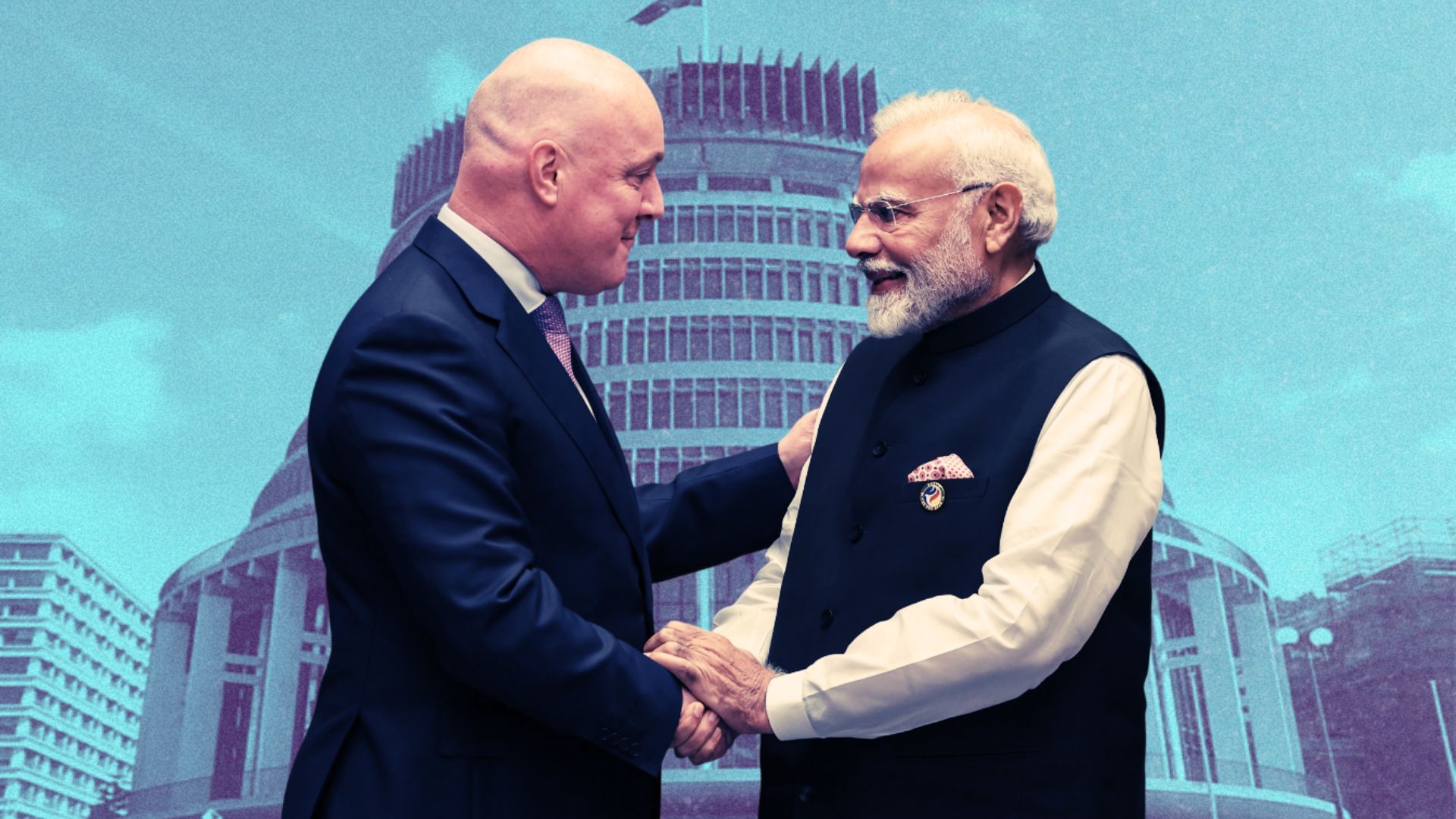
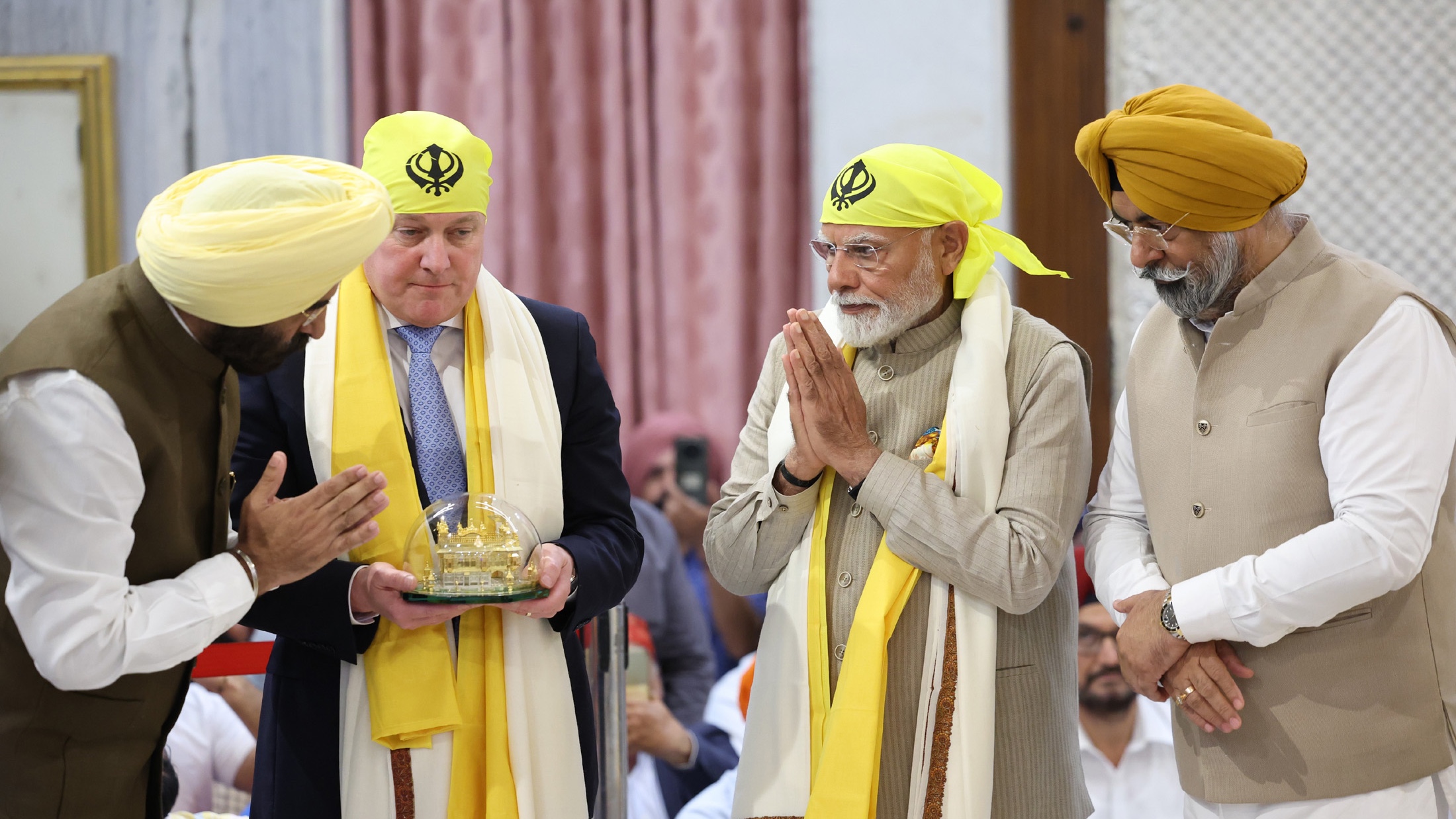
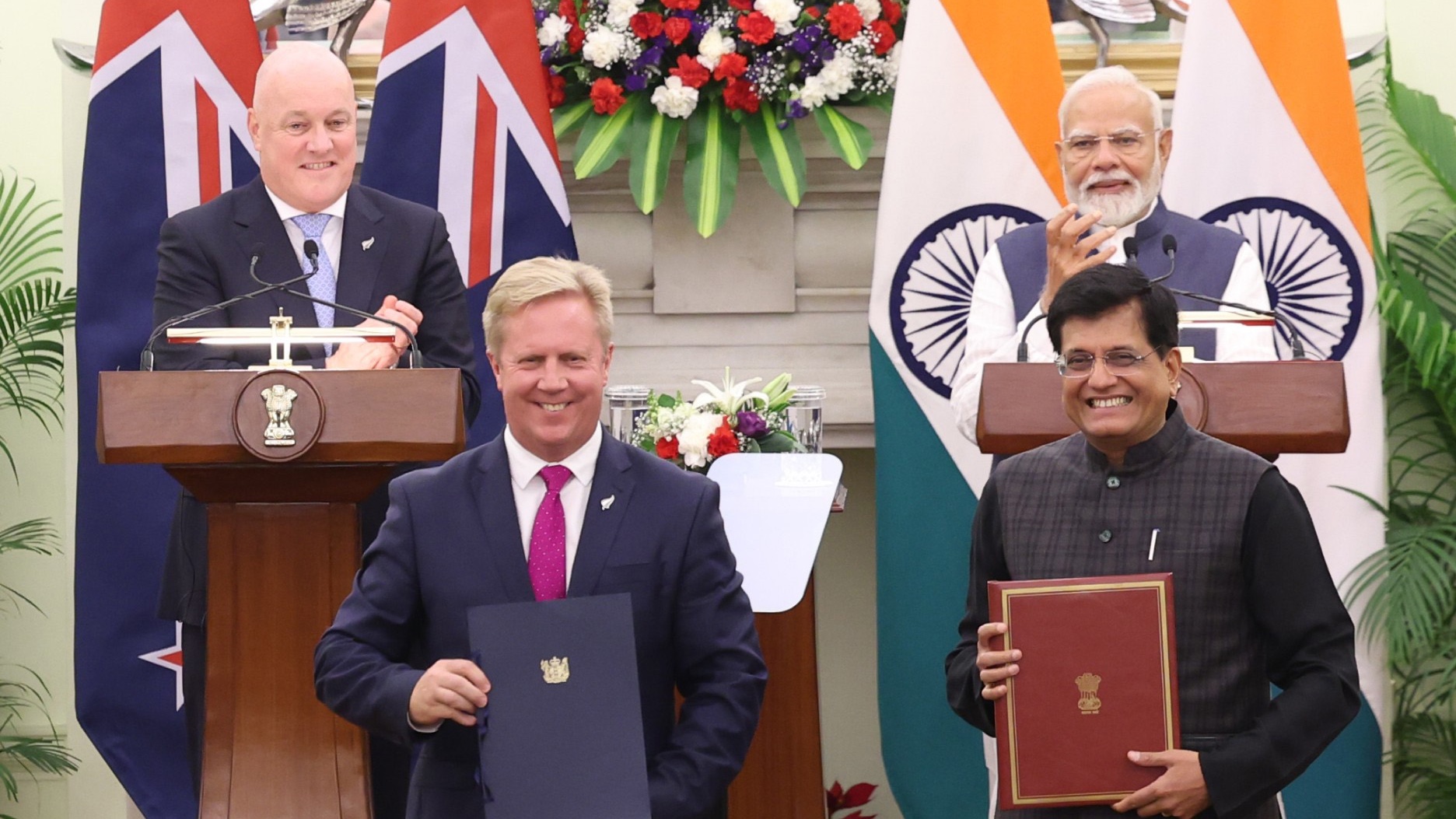
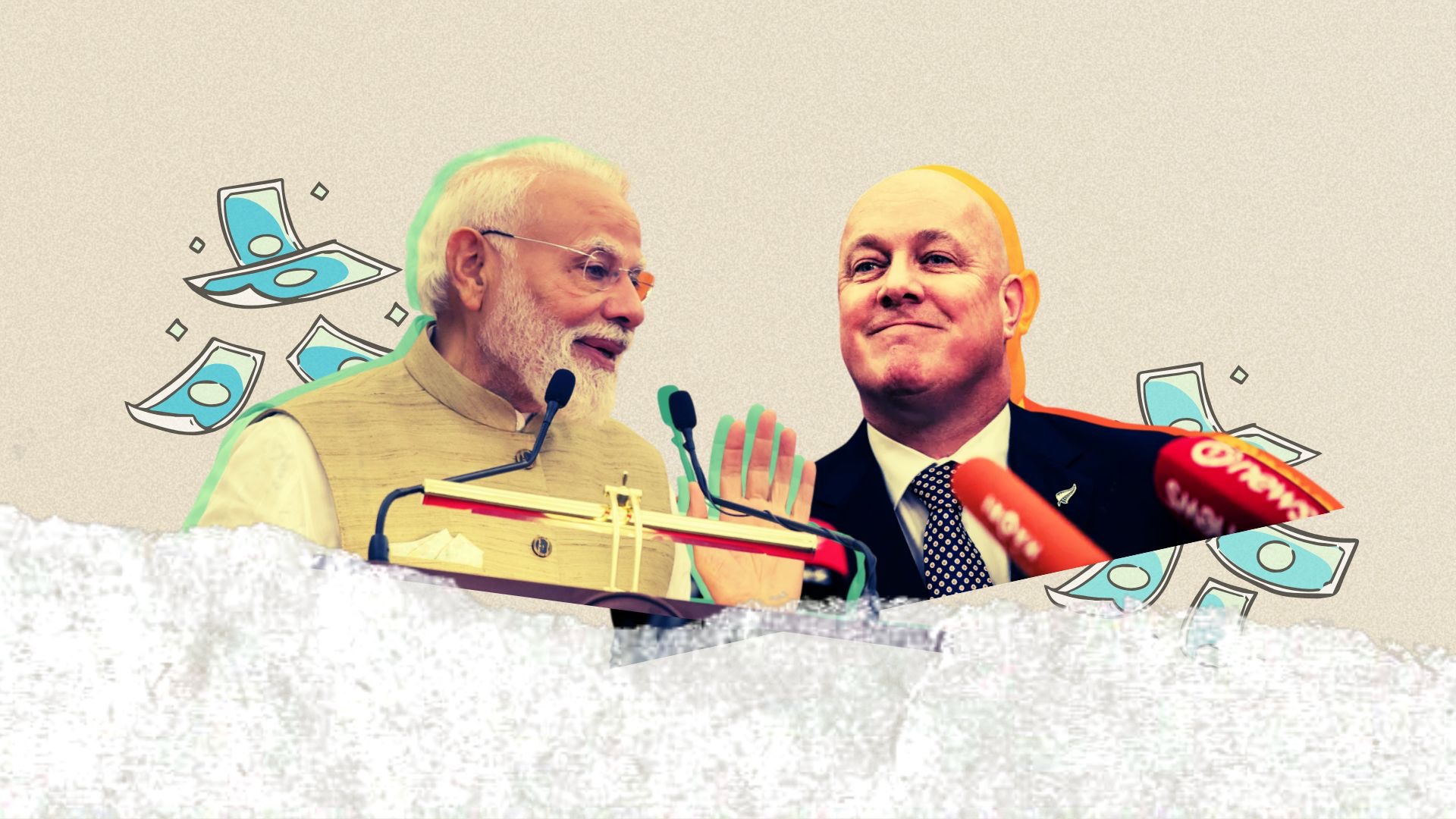
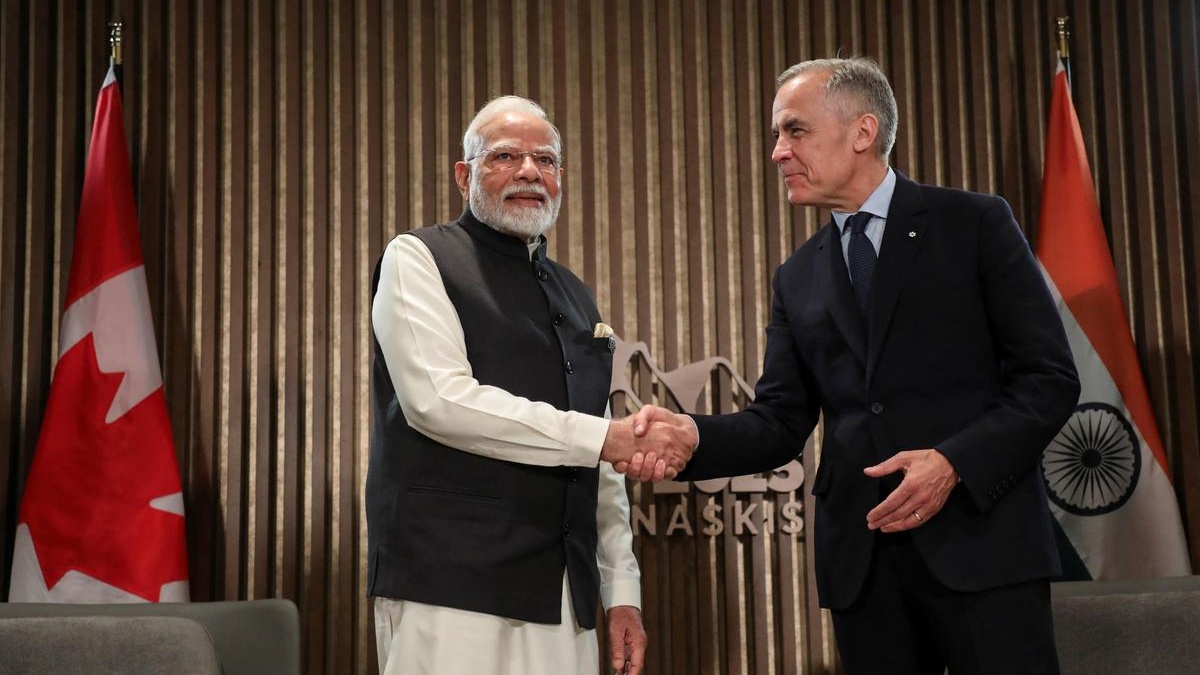
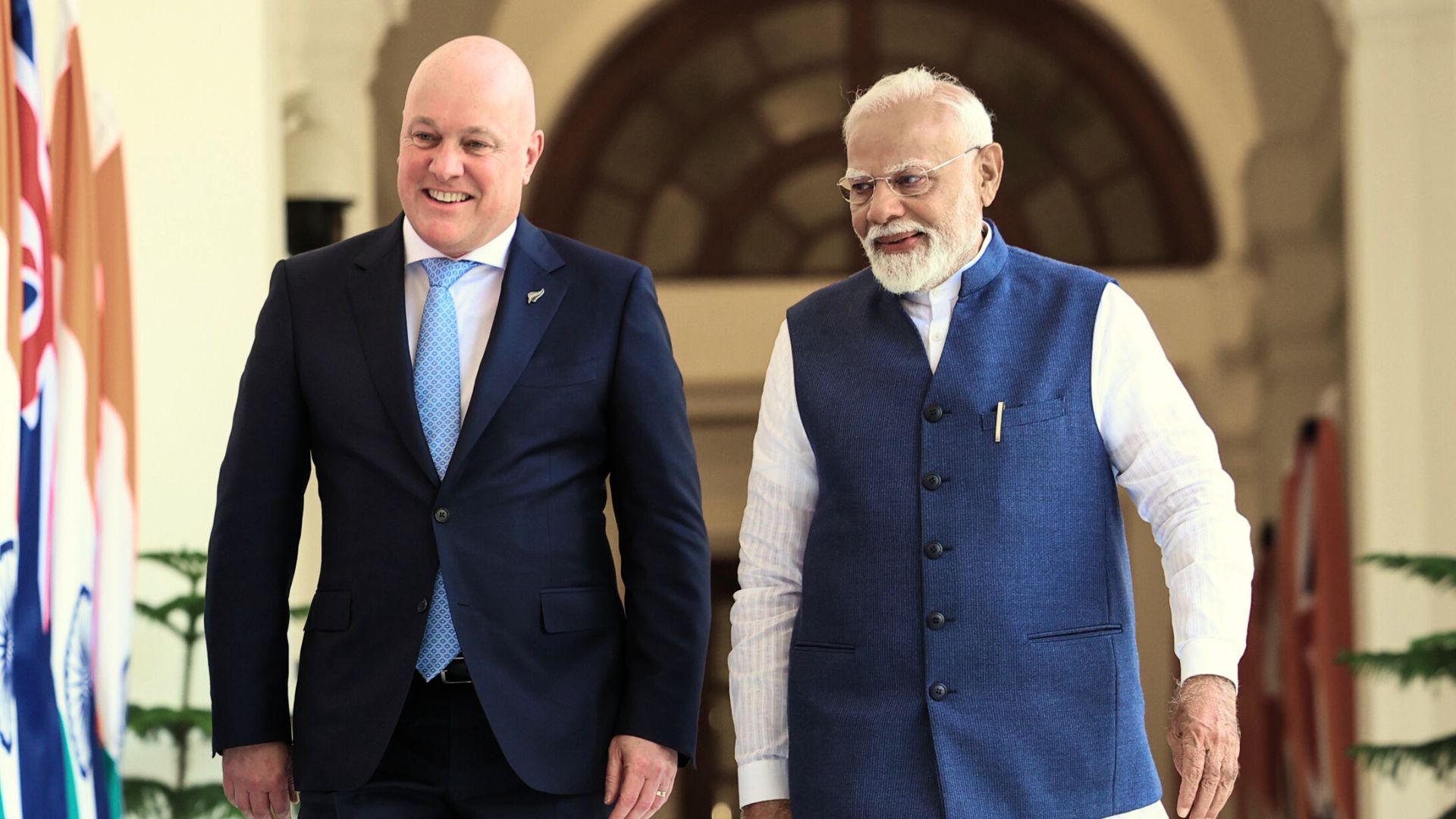
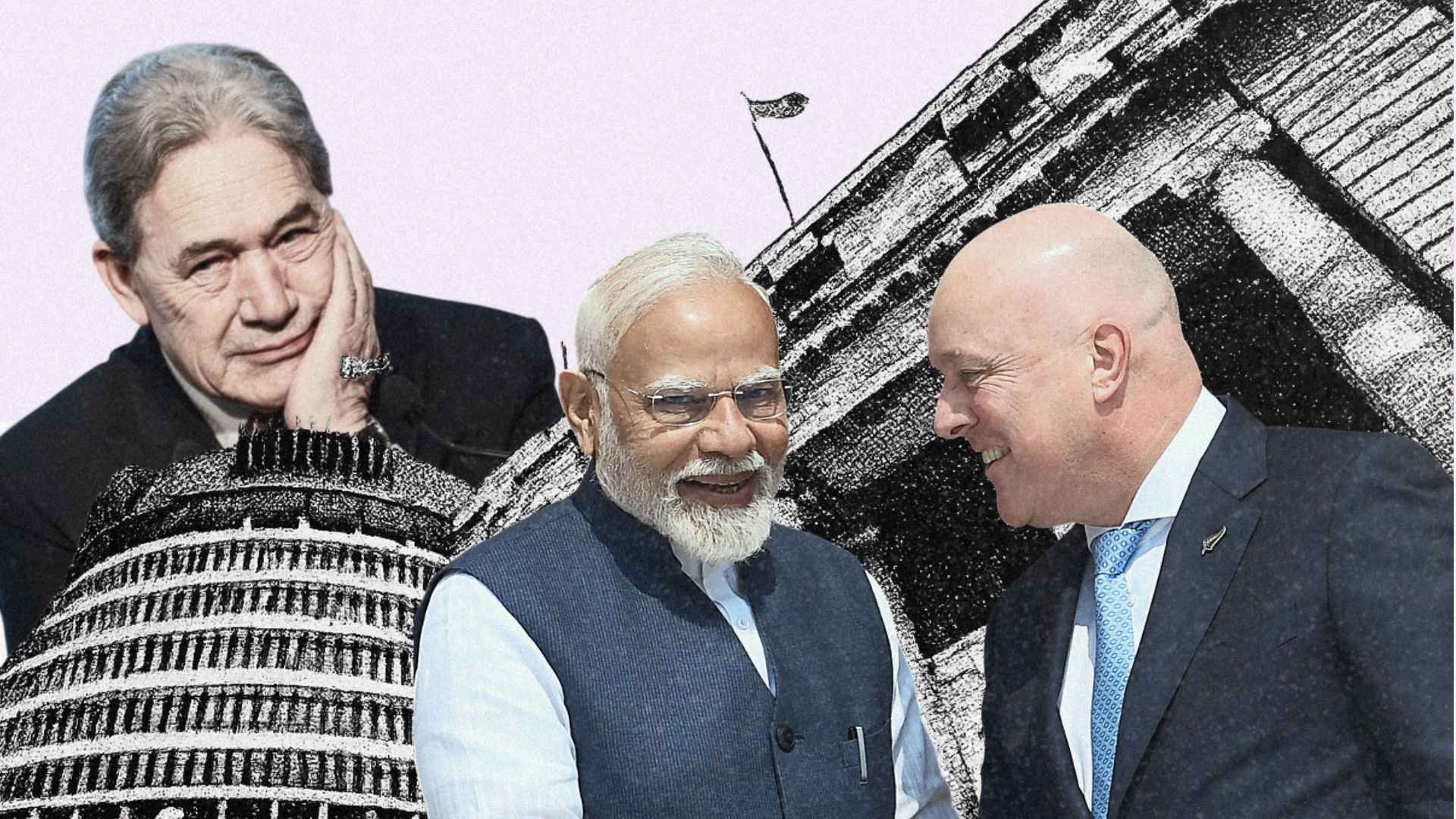
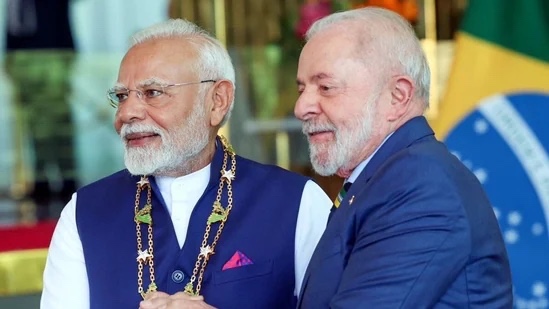
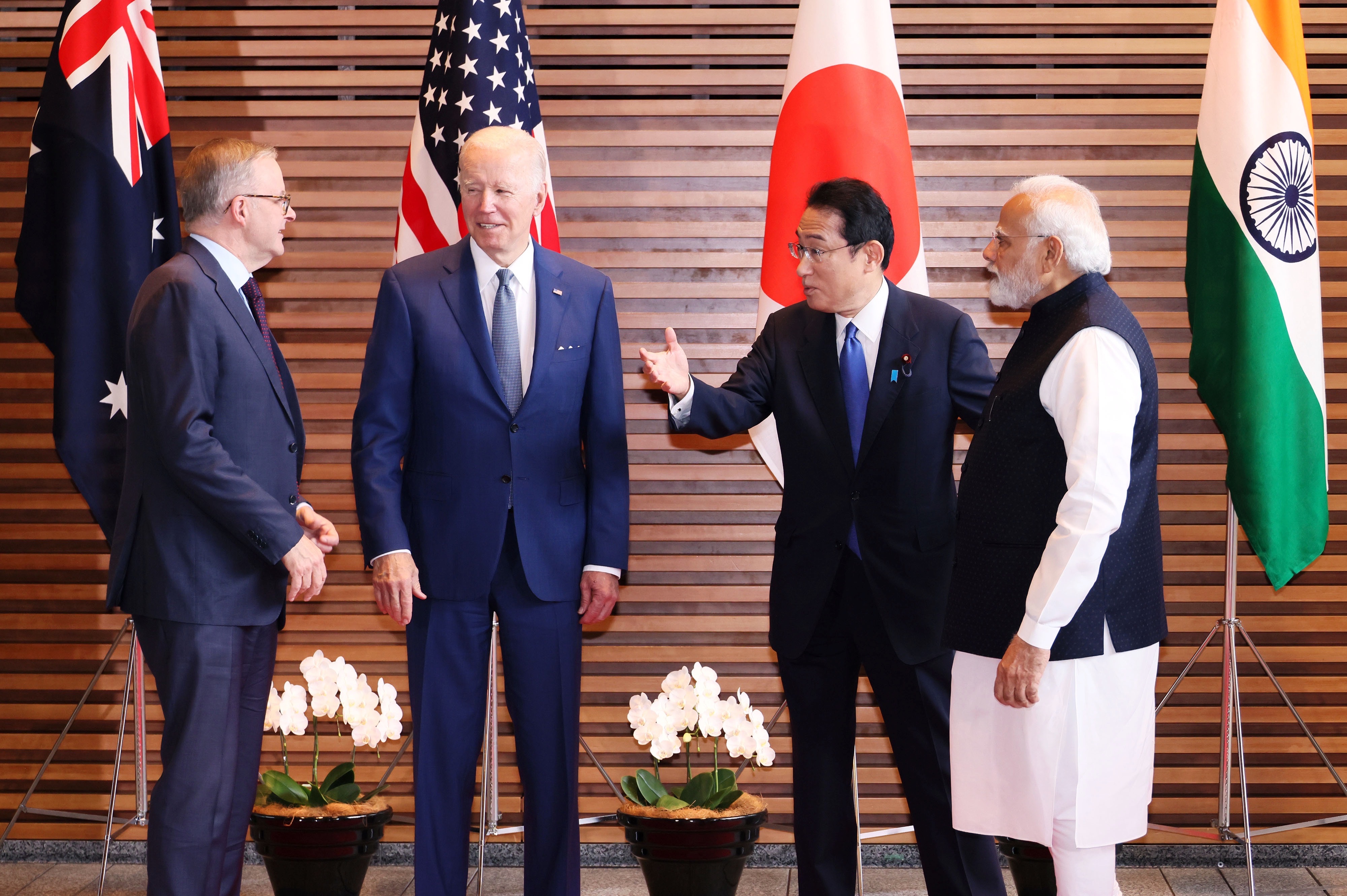
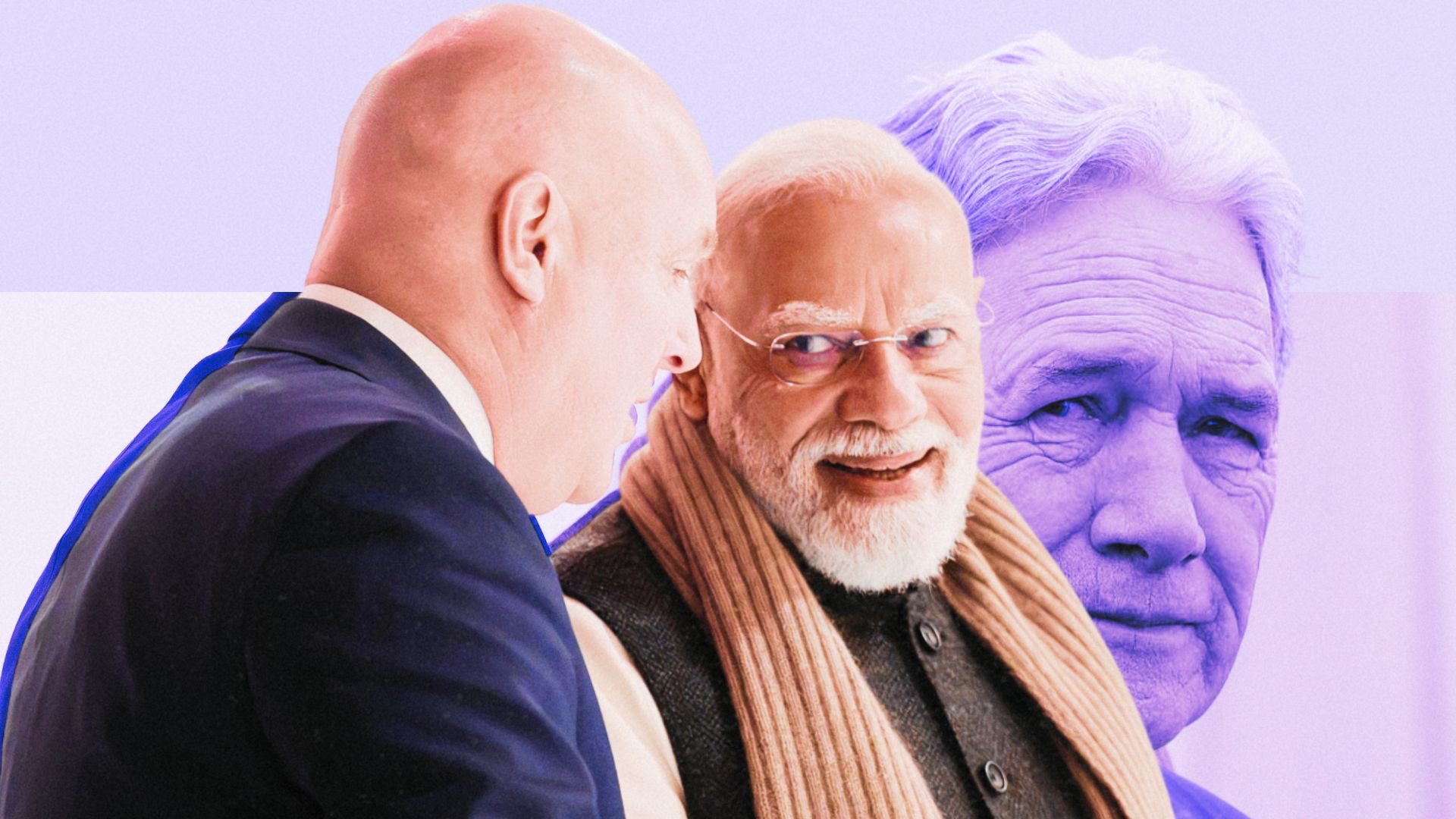
Prime minister Christopher Luxon with Indian counterpart Narendra Modi in Auckland. (Supplied photo)
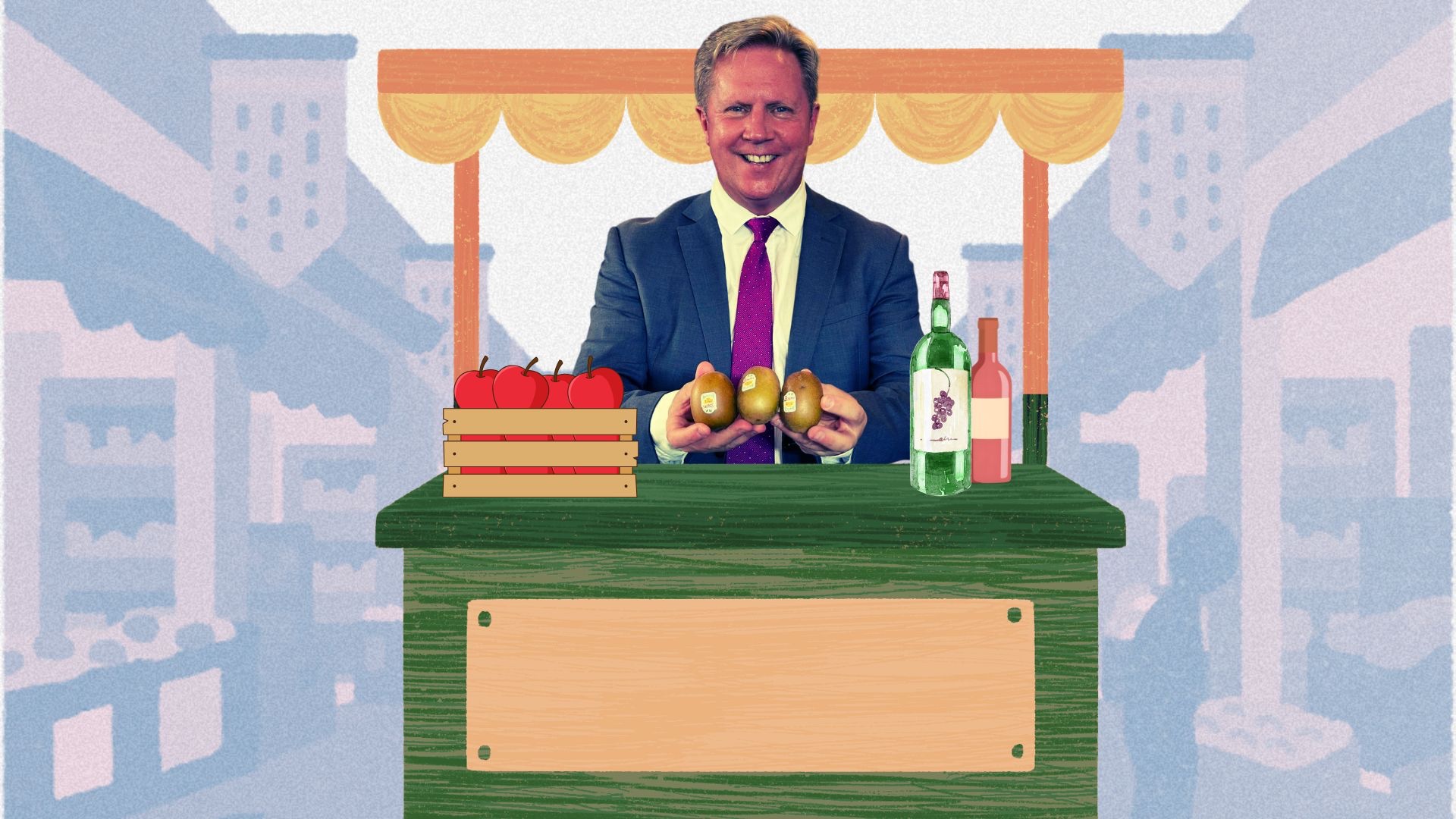
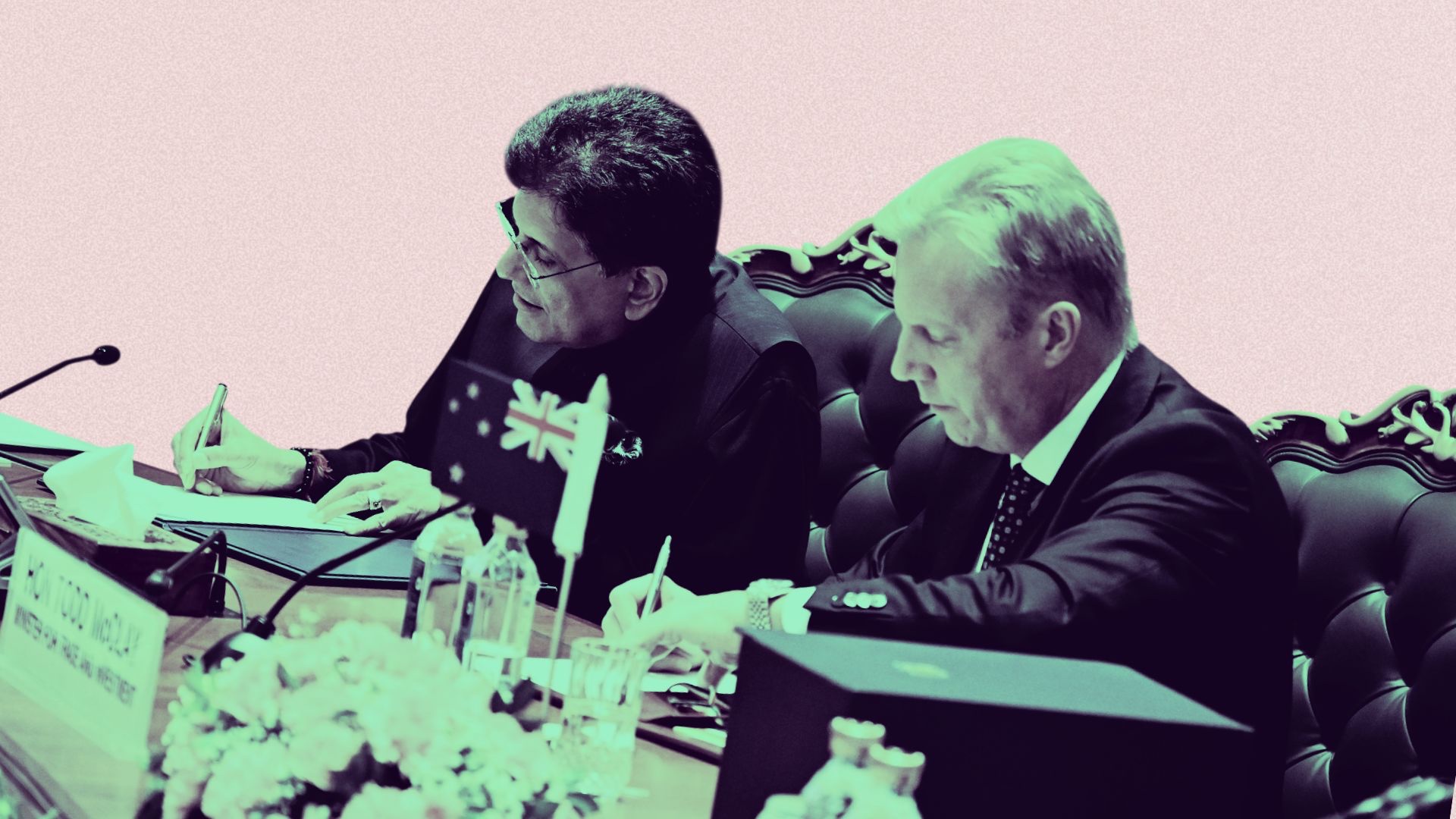
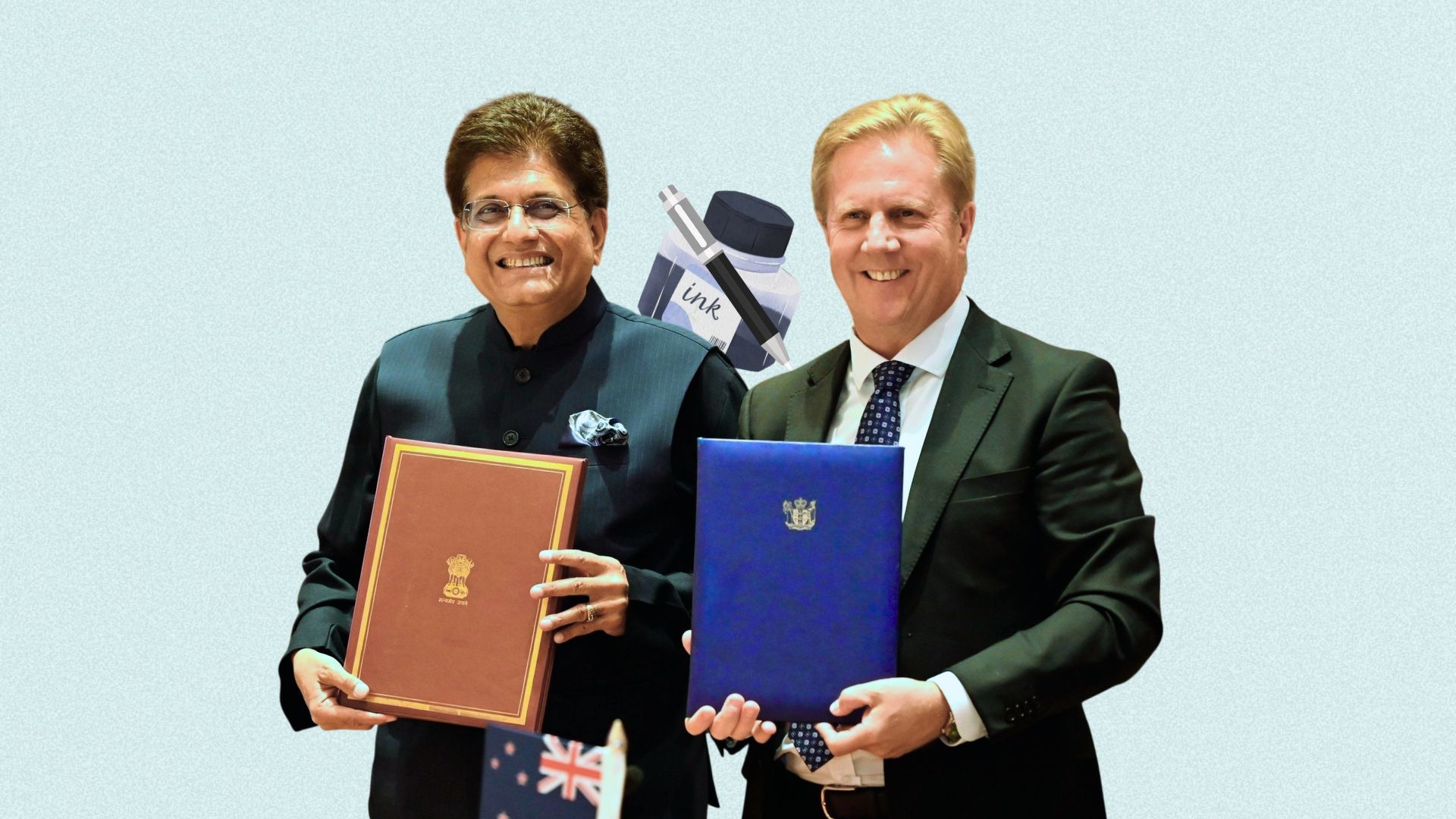
Government-commissioned modelling by Motu estimated New Zealand’s annual GDP would be about NZ$380 million higher by 2036 because of the FTA, while exports to India are projected to rise by about NZ$340 million by 2027 and NZ$836 million by 2036.
But the Westpac report says those figures should be treated as a conservative starting point rather than the full economic payoff. India accounted for about 3.4 per cent of global GDP in 2023, but the report says that share could rise to around 8.3 per cent by 2050.
“Therefore, the long-run payoff will likely be significantly larger than the initial modelled gains,” it says.
Some potentially substantial gains were not included in the modelling at all. “The significant potential benefits accruing to education exports and tourism were not modelled by Motu,” the report says.
It also notes the modelling framework “did not allow for the possibility that the opportunities and connections provided by the FTA might lead to a modest boost in NZ’s population growth”.
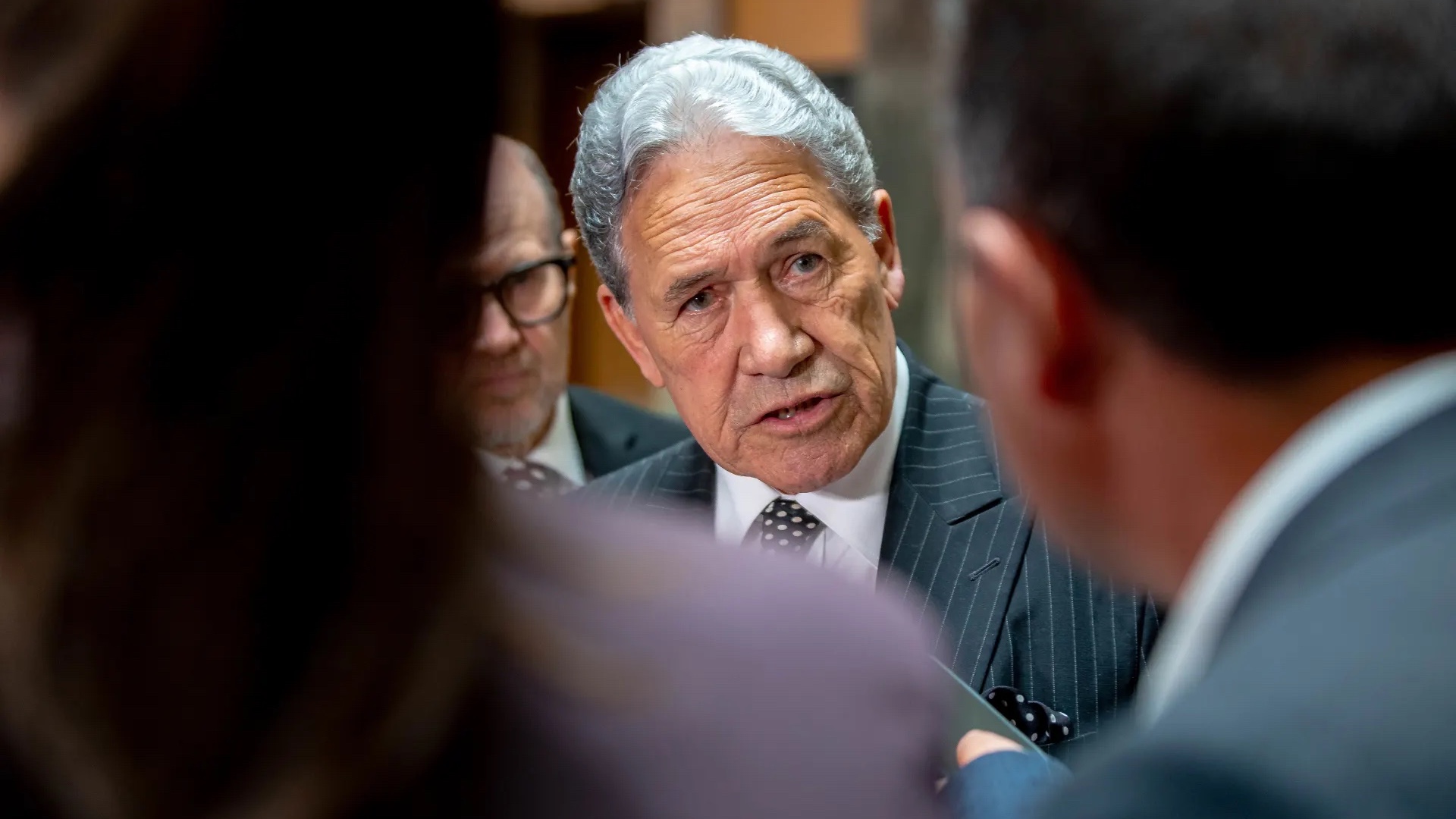
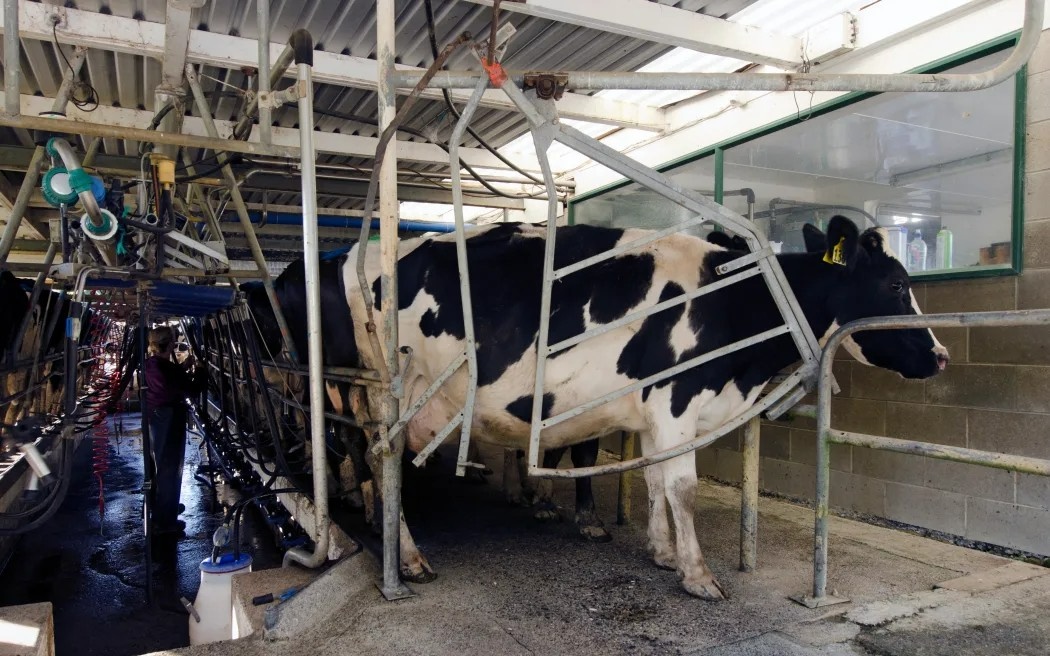
Peters has been particularly critical of the limited opening of India’s protected dairy market.
“This is not a good deal for New Zealand farmers and is impossible to defend to our rural communities,” he said when the agreement was announced.
“While New Zealand is completely opening its market to Indian products under this deal, India is not reducing the significant tariff barriers currently facing our major dairy products.”
This analysis by Awaaz looks at why India’s refusal to substantially open dairy may not necessarily make the FTA a poor deal.
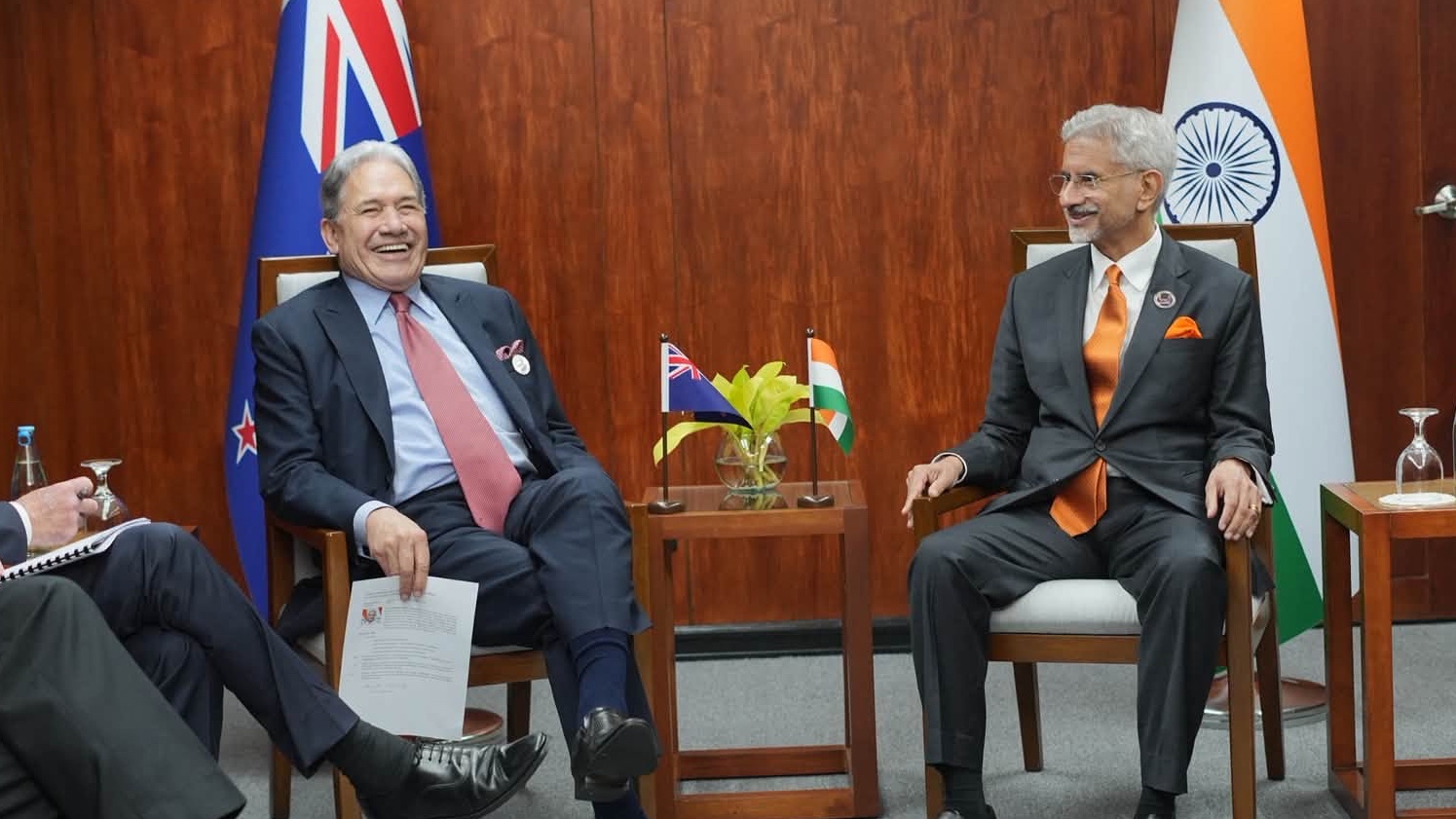
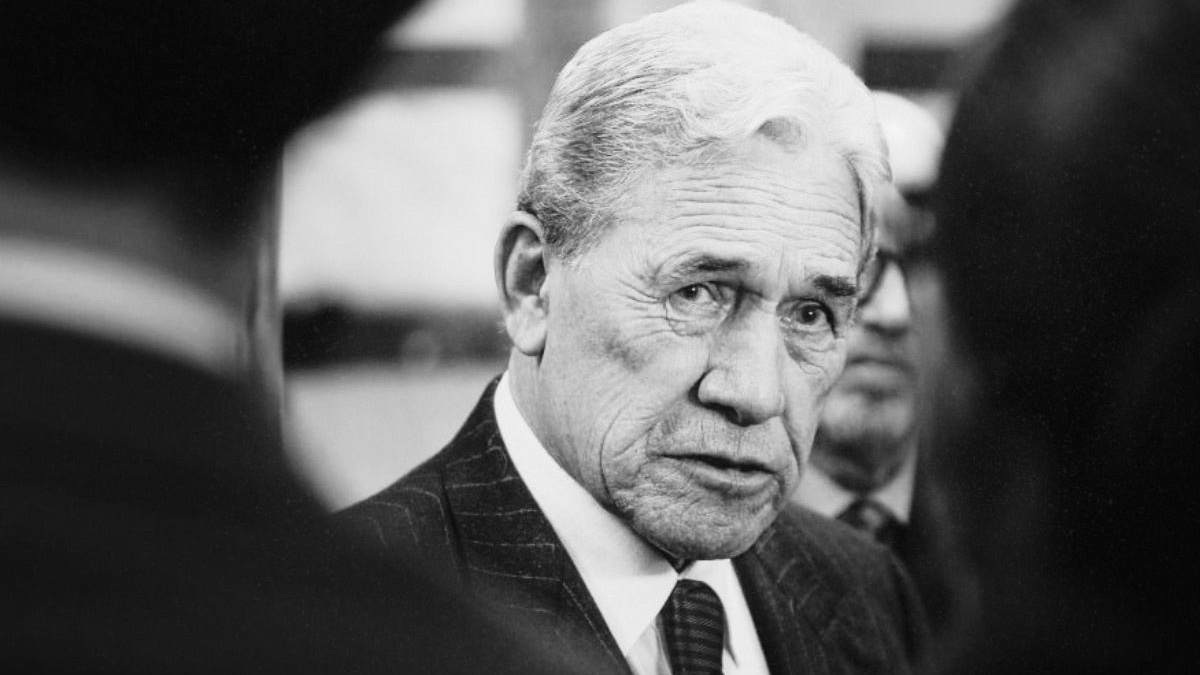
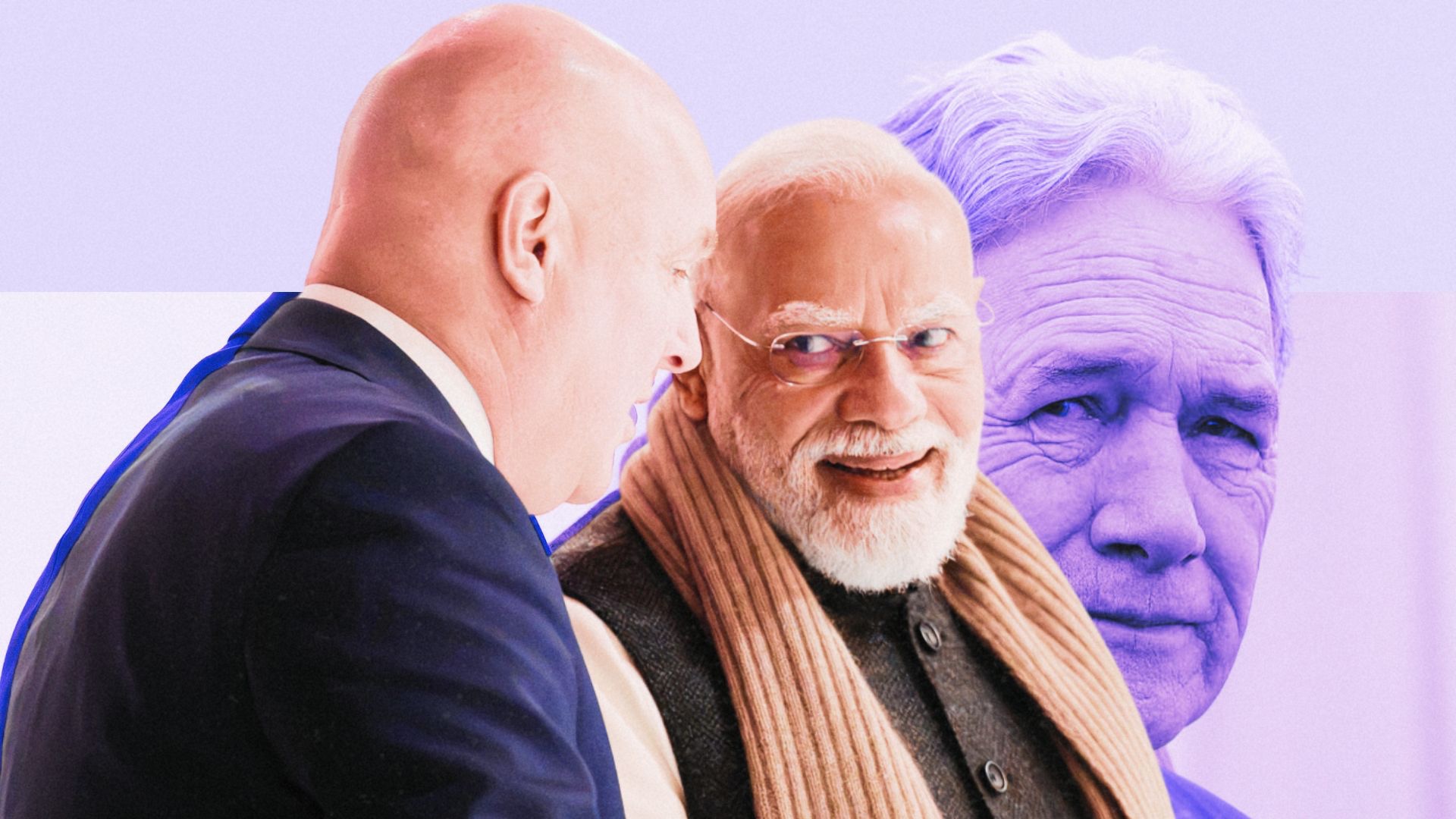
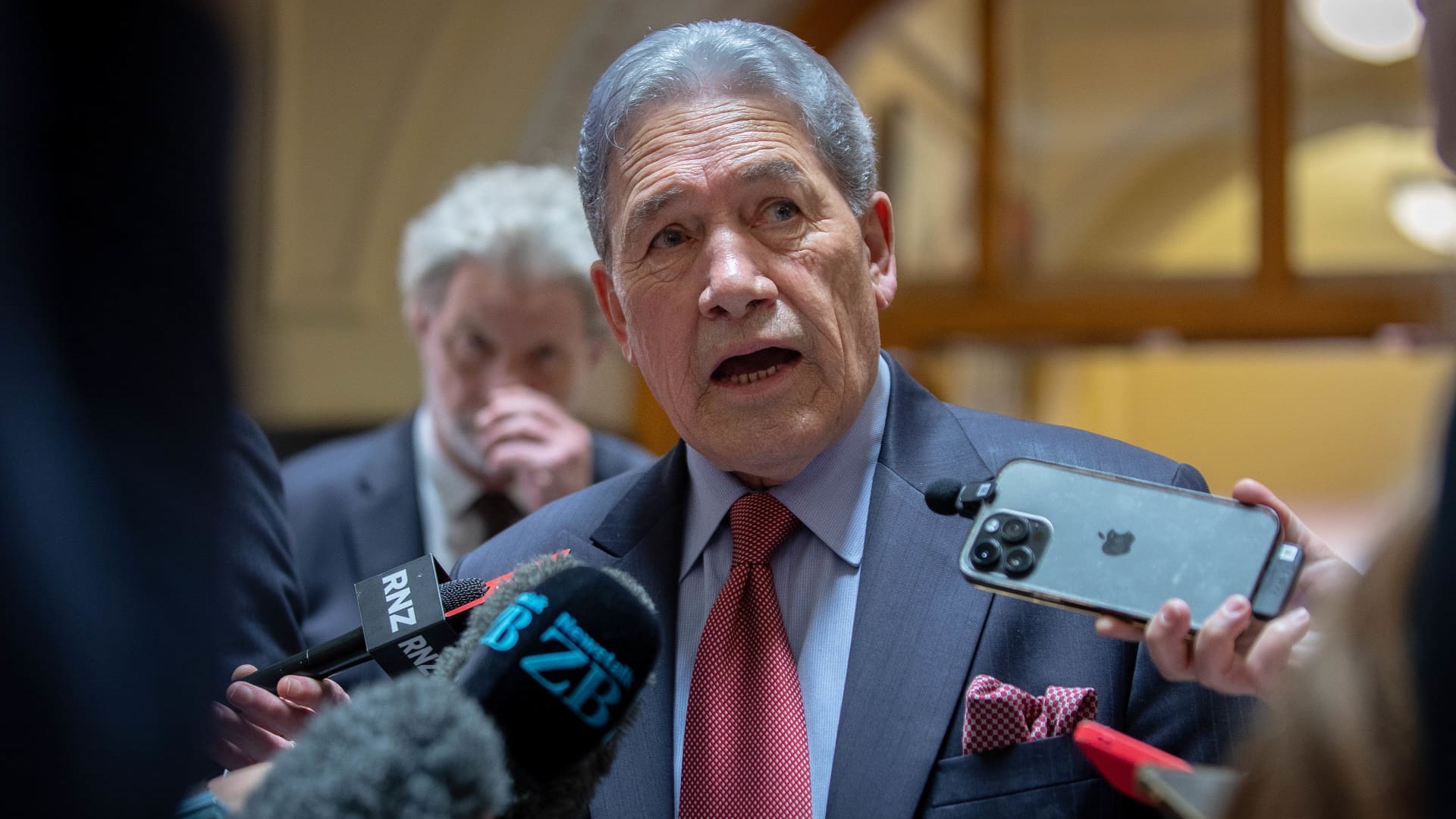
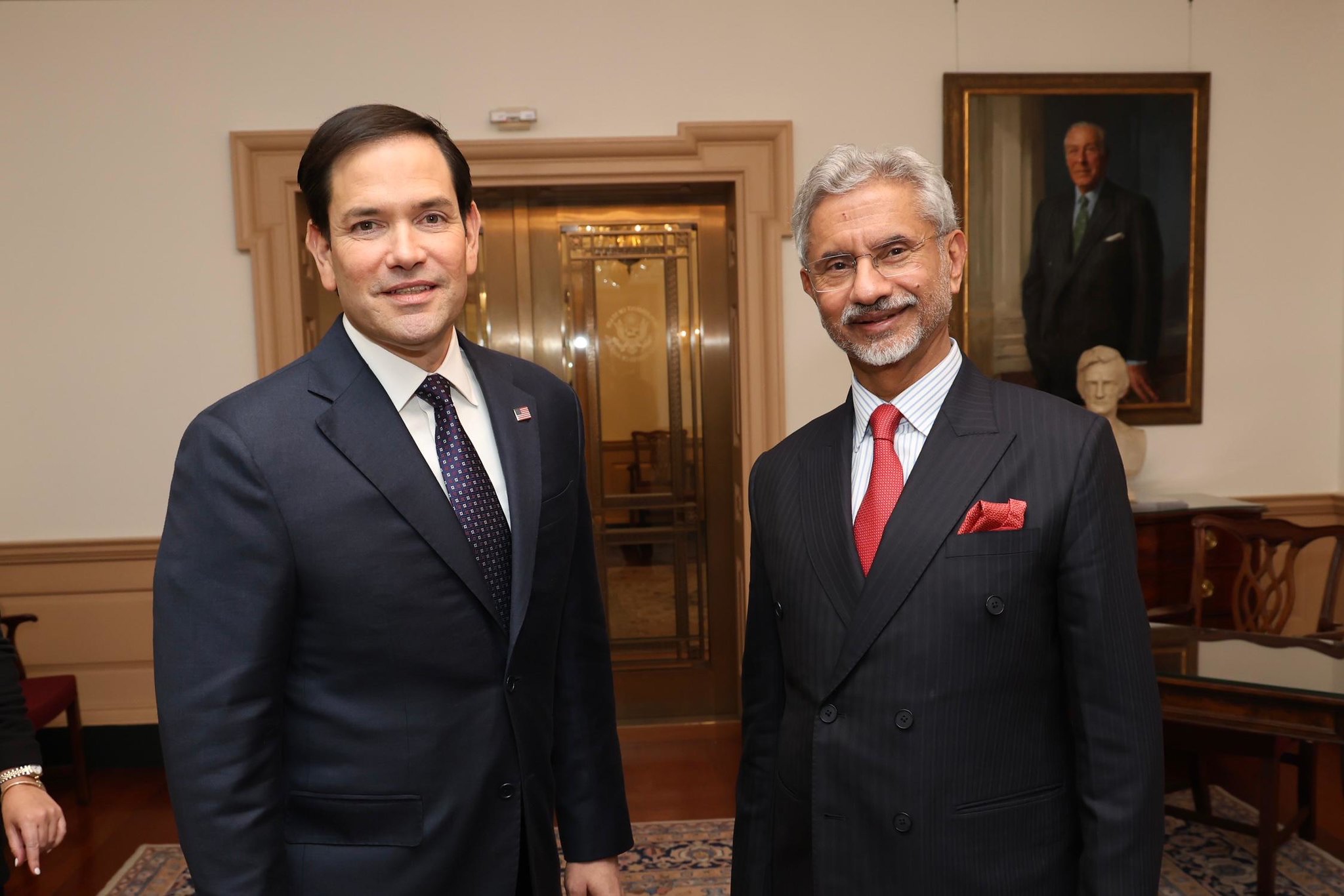
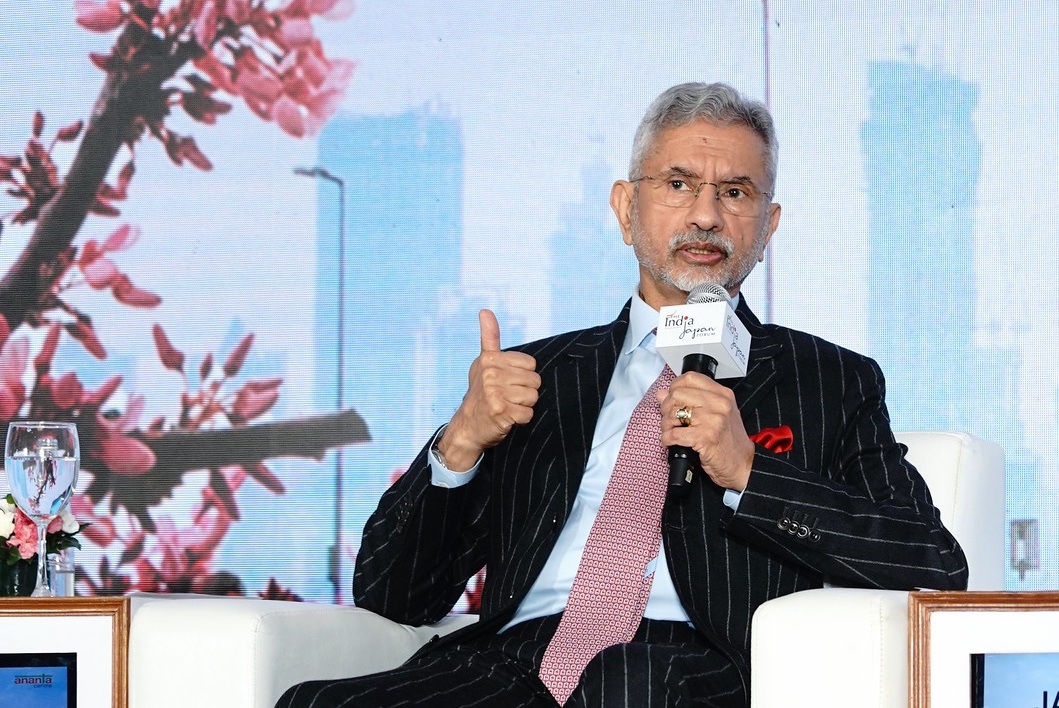
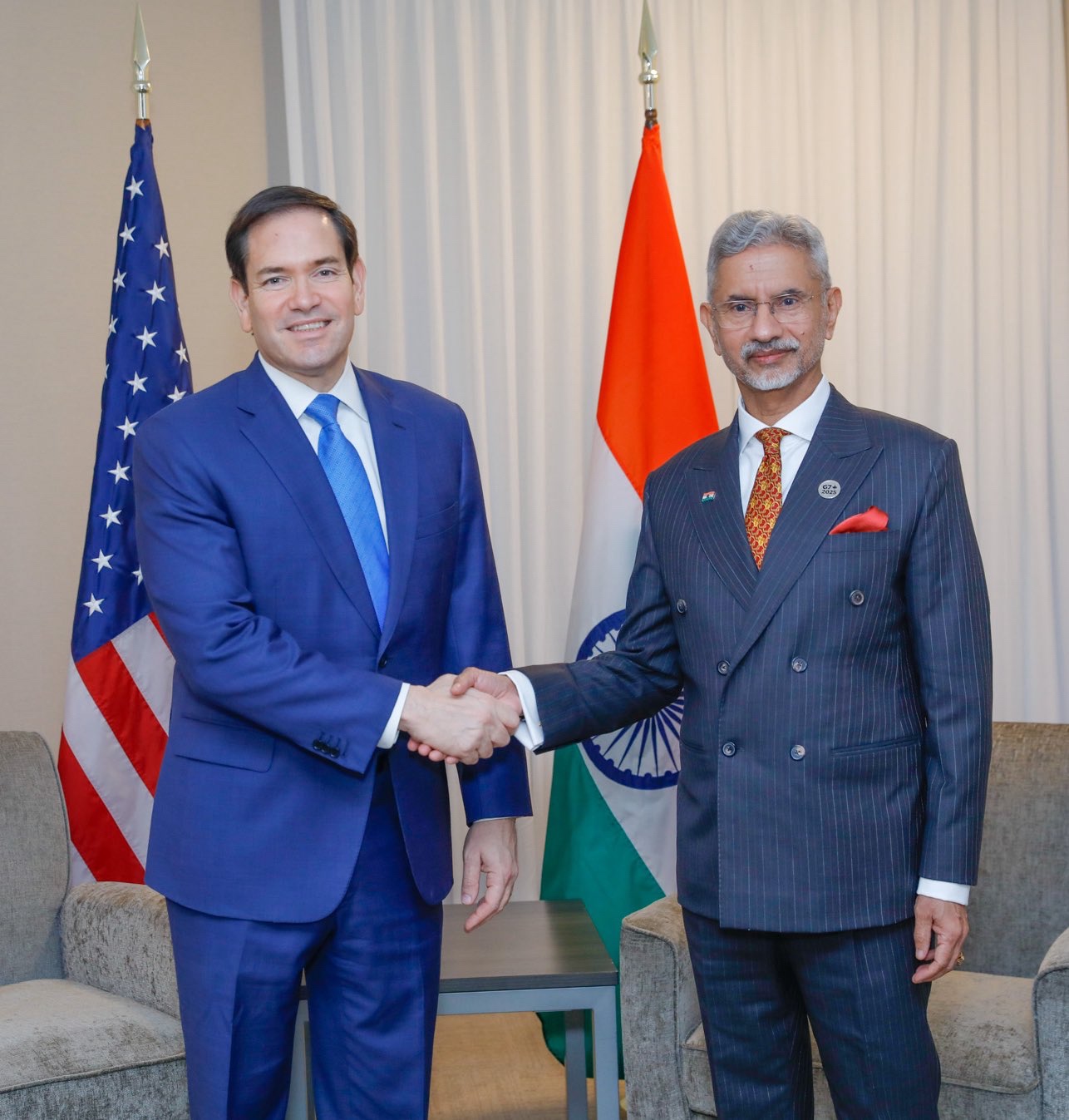
Winston Peters with India's foreign minister S Jaishankar during a meeting on the sidelines of ASEAN gathering in Manila in July 2026. (Supplied photo)
The Westpac report does not pretend the dairy issue has disappeared. Its foreword explicitly says “dairy access remains unfinished business”. But its analysis of the wider economic value of the agreement is considerably more optimistic than Peters’ assessment.
“The NZ-India FTA is unlikely to be a near-term game changer,” the report says.
“However, it will play a role in helping to progressively lift exports and incomes over time, providing options for exporters and by helping NZ to benefit from India’s economic transformation.”
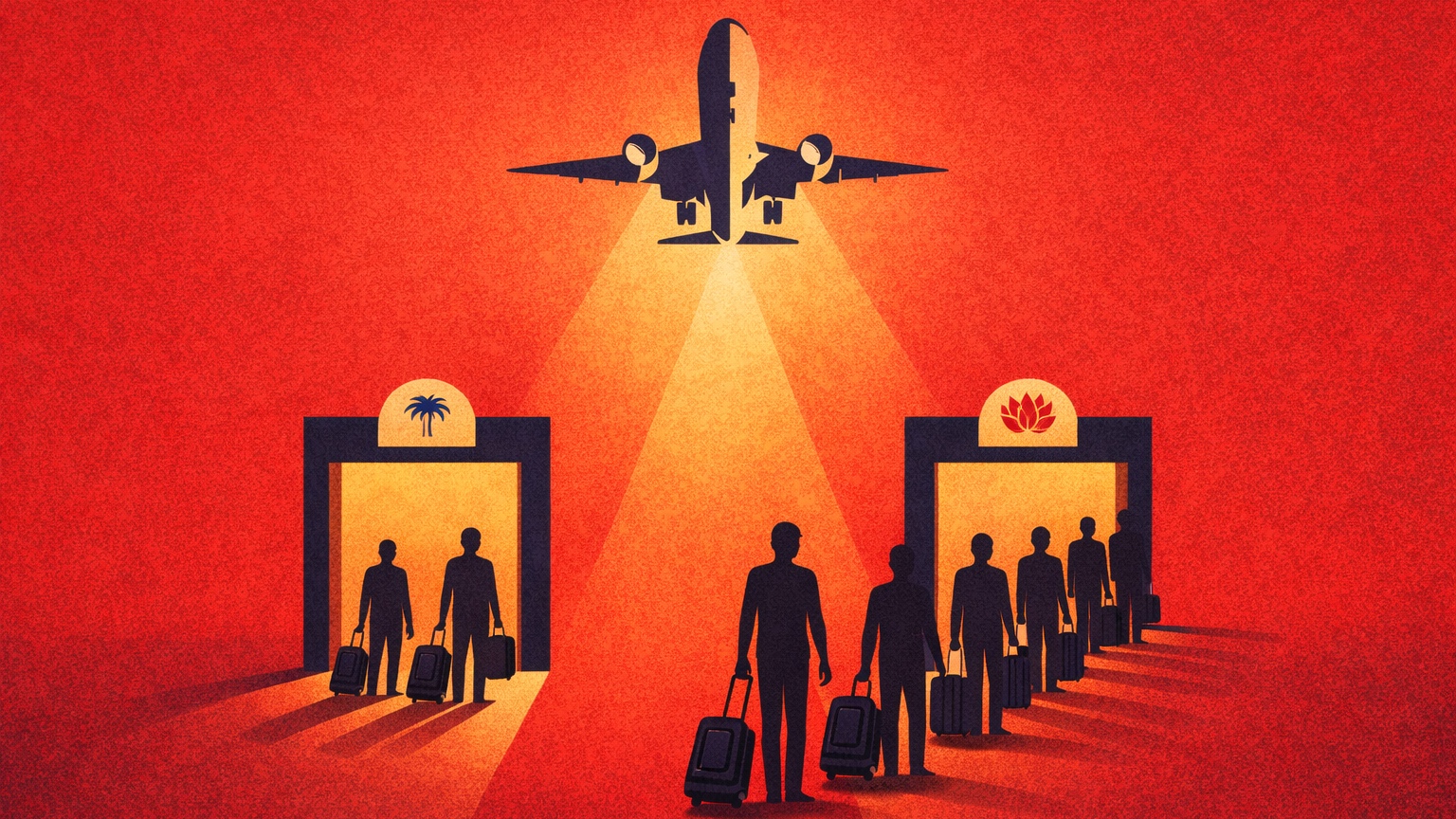
That broader upside also extends beyond goods trade. A separate section of the report says “the largest gains may ultimately come from people, not products”, pointing to education, tourism and New Zealand’s Indian diaspora as channels through which the relationship could deepen.
India is already New Zealand’s second-largest source of international students, with almost 12,000 Indian students enrolled. Education-related travel spending by Indian students contributes nearly NZ$800 million a year to the New Zealand economy, according to the report.
Westpac says New Zealand, nevertheless, attracts less than one per cent of Indian students studying overseas, leaving substantial room for growth.
That is notable because immigration has been another major part of Peters’ economic argument against the agreement. He has warned its India-specific temporary entry provisions could bring more workers into New Zealand while the labour market is weak.
“We’re in a very troubled labour market at the moment, we’re trying to turn our economy around, and this will not help,” Peters has said.
Westpac's analysis treats greater movement of people, students and businesses as part of a wider economic relationship whose benefits may not have been fully captured by the government’s headline modelling.
“Official economic modelling provides a conservative starting point,” the report reads.
“It captures the FTA’s direct effects, but not the wider gains that may flow from new products, stronger commercial relationships and India’s extraordinary long-term growth.”
New Zealand International Business Forum's Felicity Roxburgh makes the same point later in the report.
“This kind of modelling is traditionally conservative, capturing the FTA’s direct effects, but not the wider gains from new products, deeper commercial relationships, education, tourism and India’s extraordinary long-term growth.”
Westpac’s conclusion seems more qualified than simply declaring the FTA an economic triumph. “While not game-changing in the near-term, the FTA should confer measurable benefits at the macro level,” the report says.
“And they are likely to extend beyond that indicated by modelling the direct impact alone.”