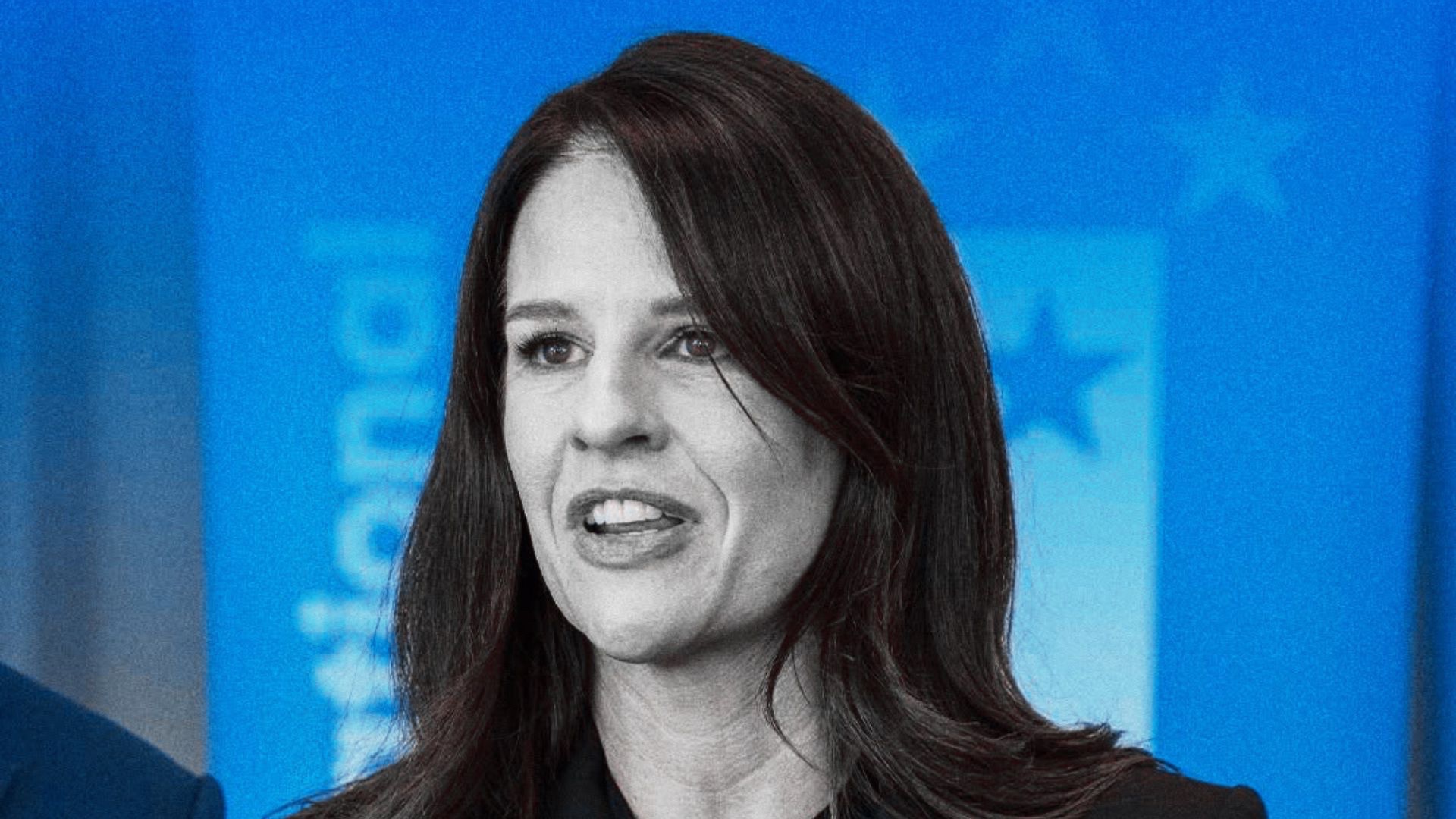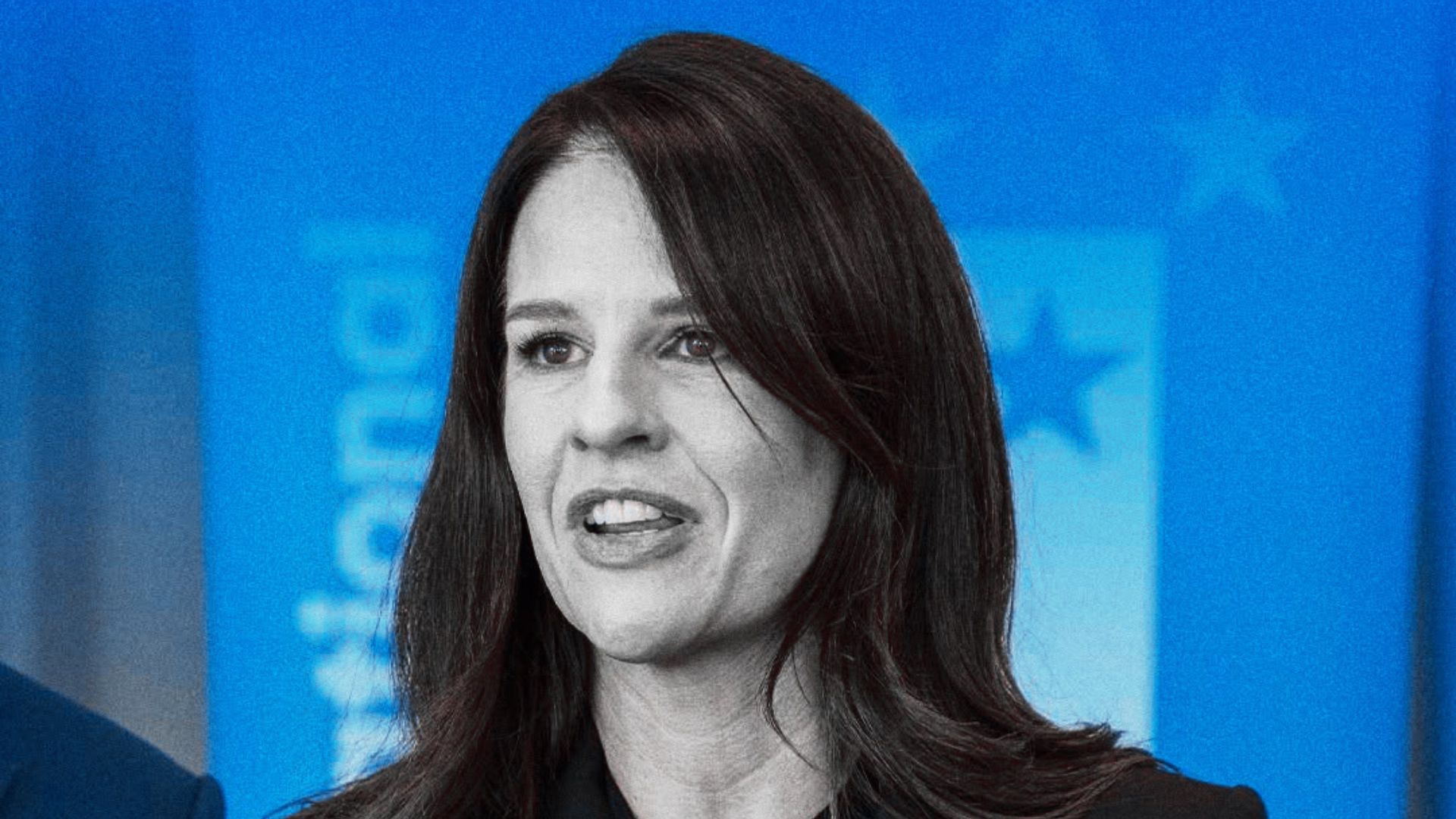

The Green Party candidate deploying bikini ‘thirst traps’ to get young men to vote
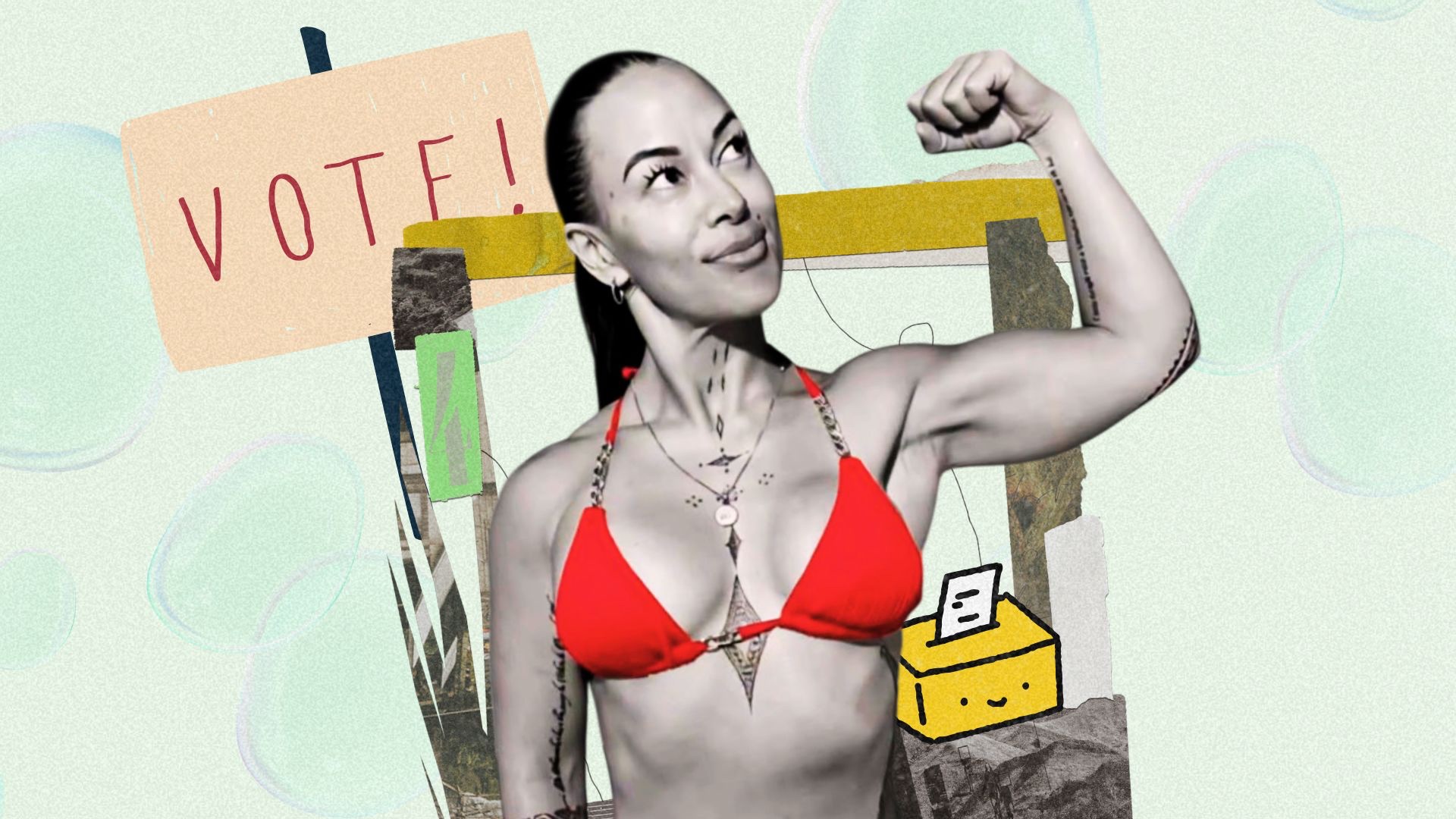
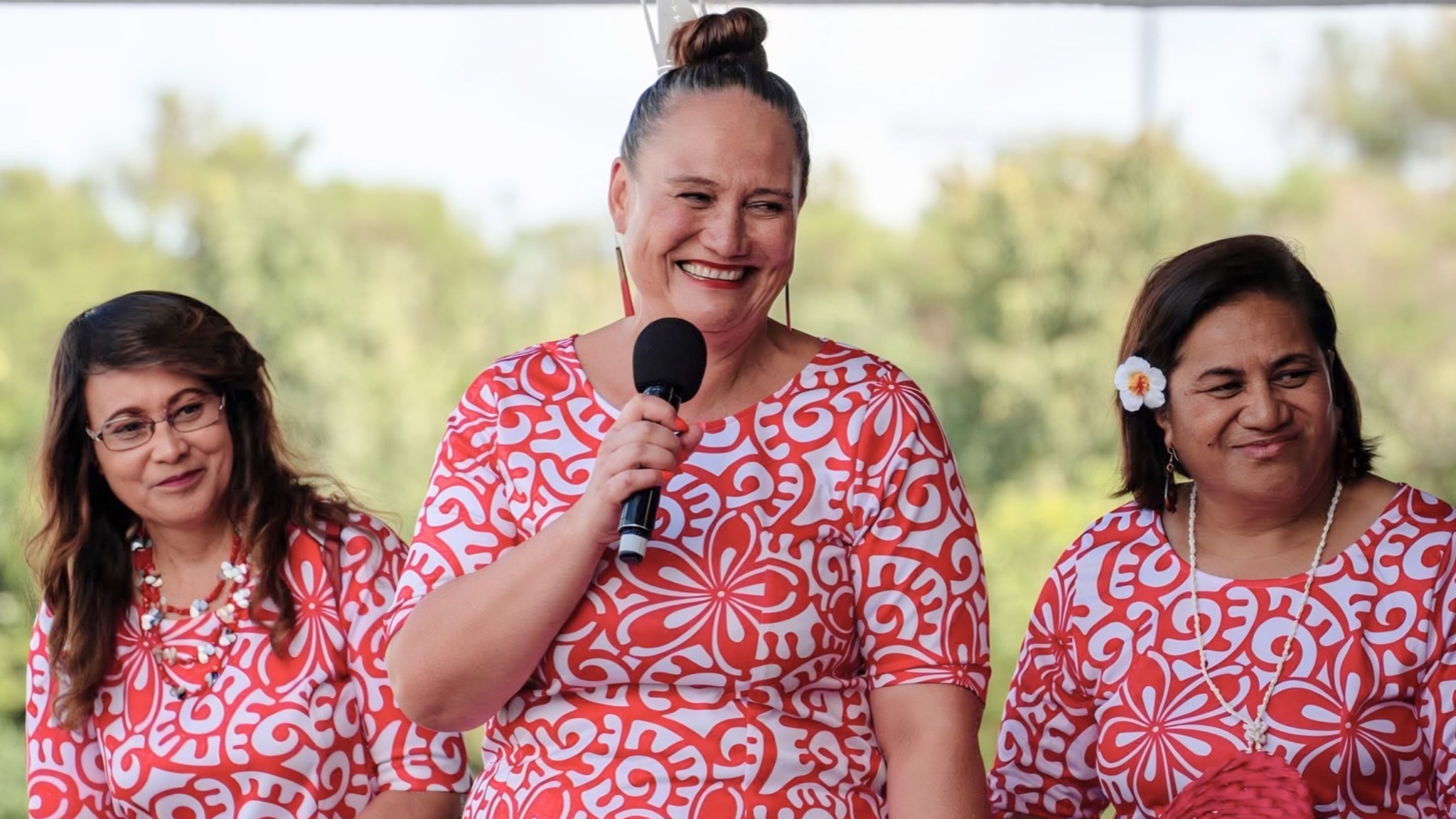
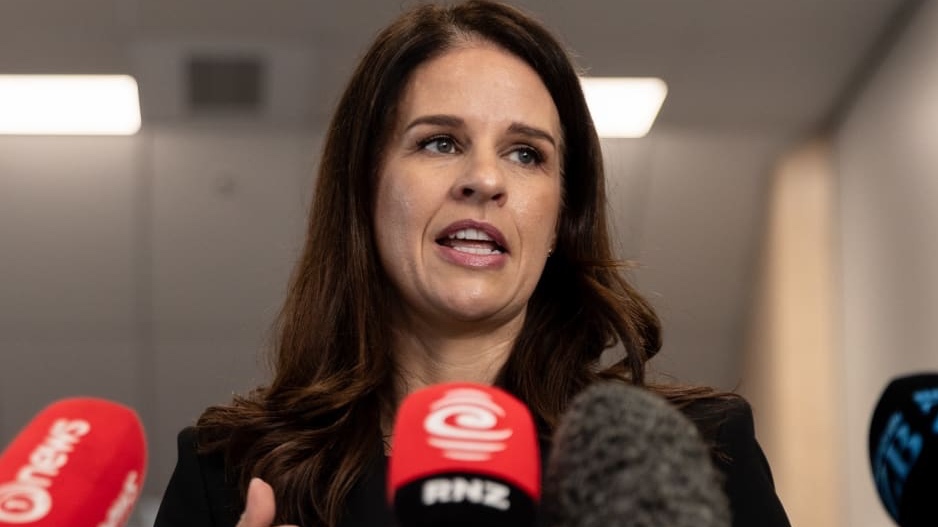
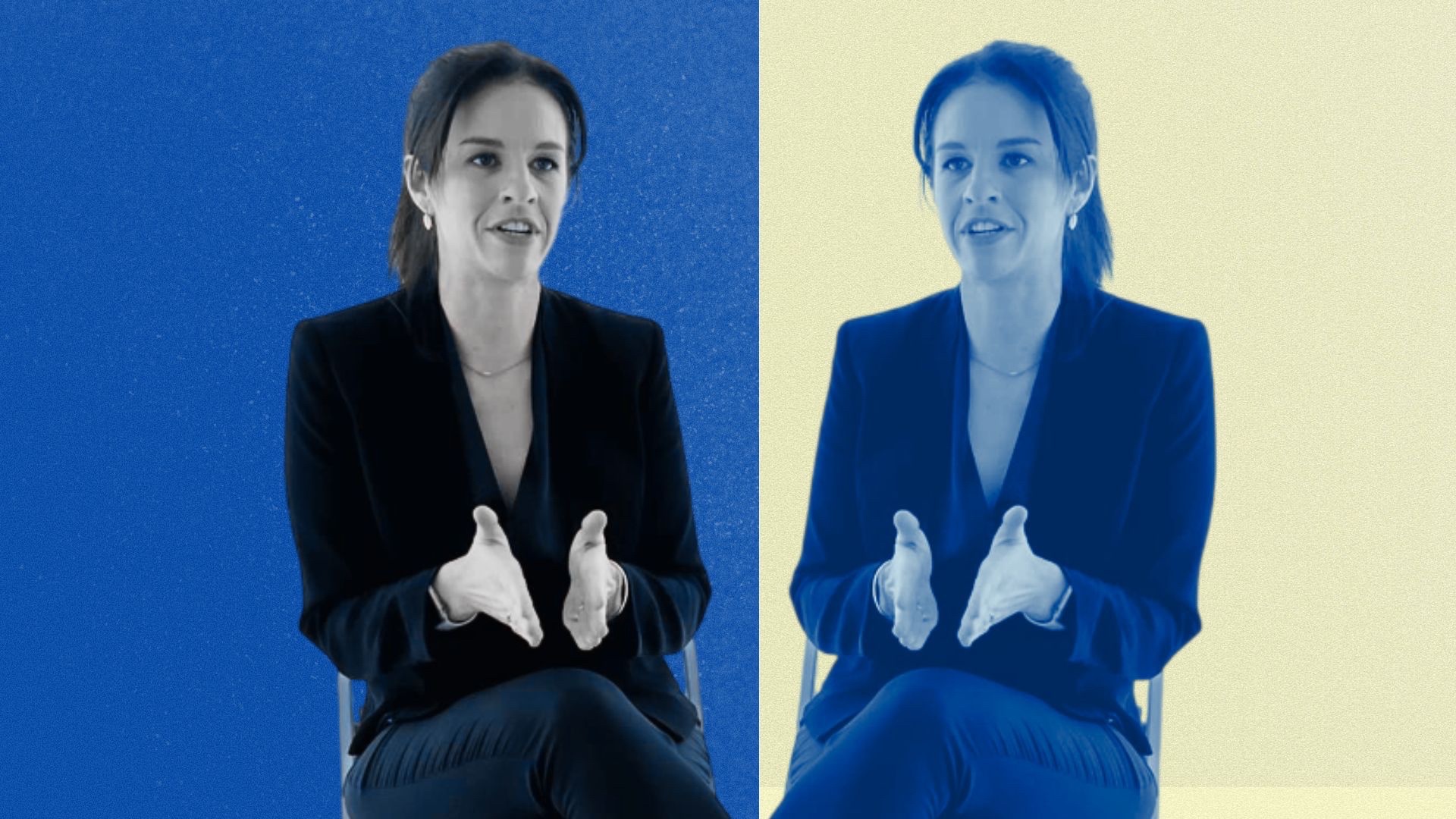
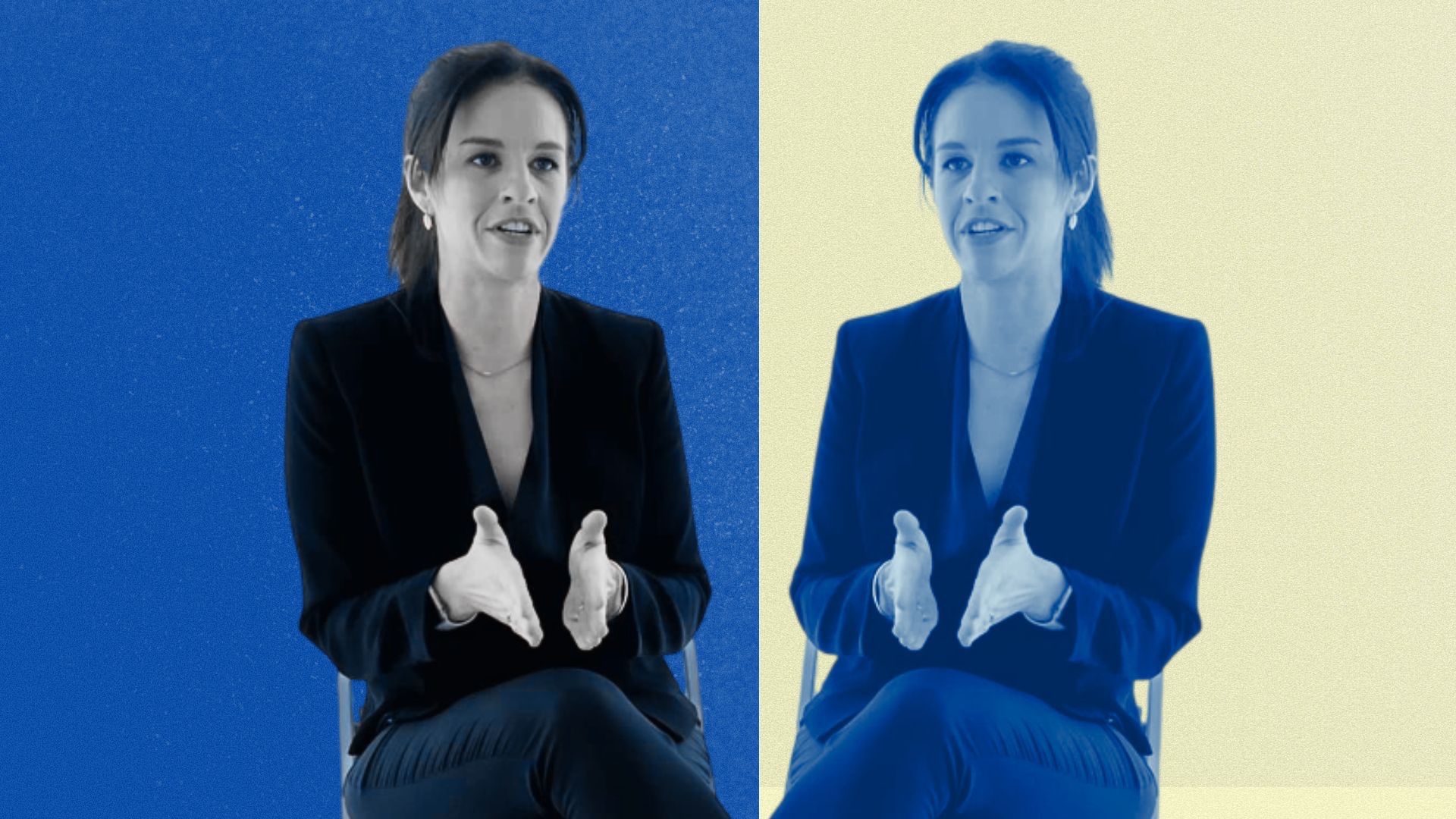
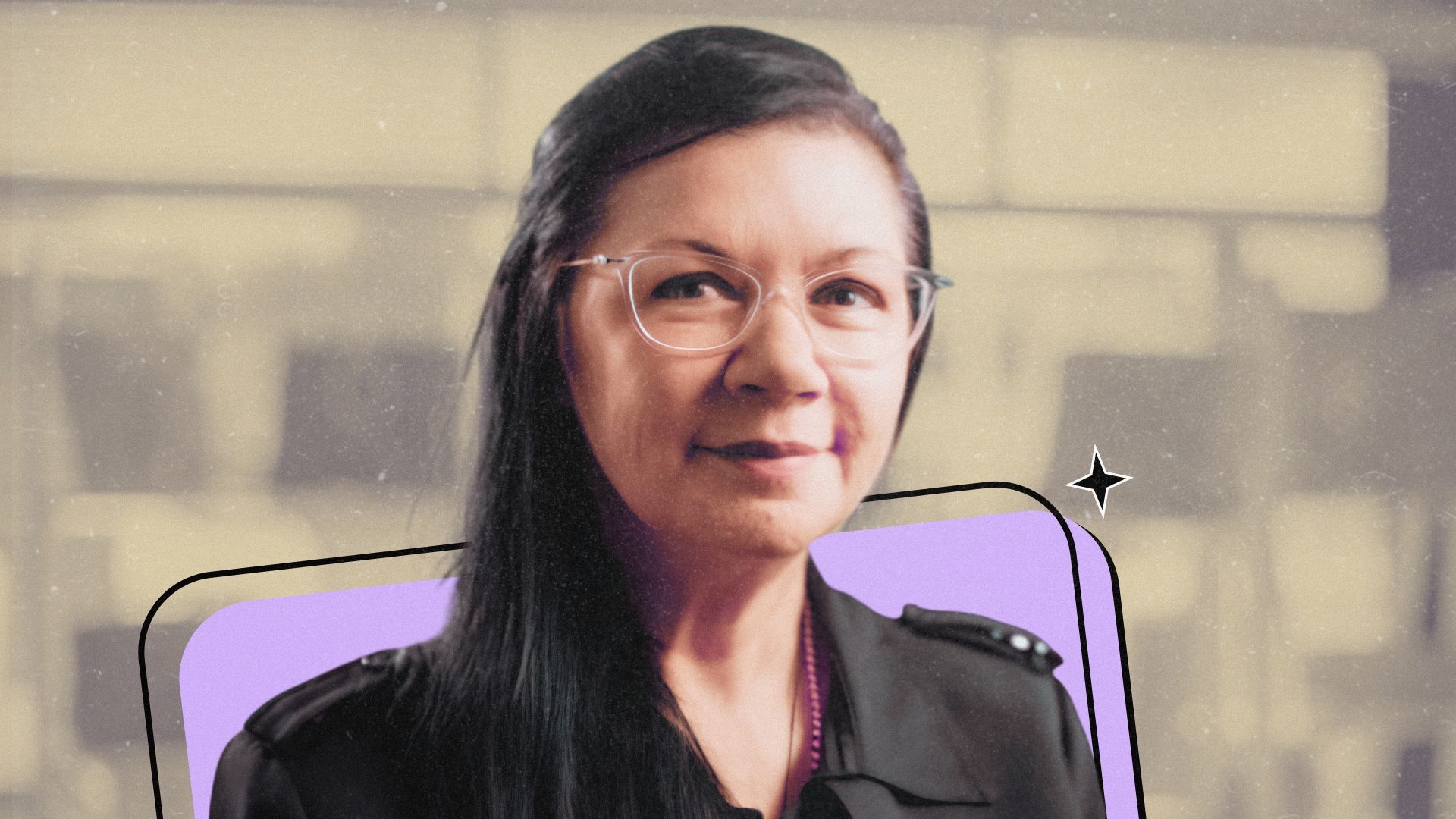
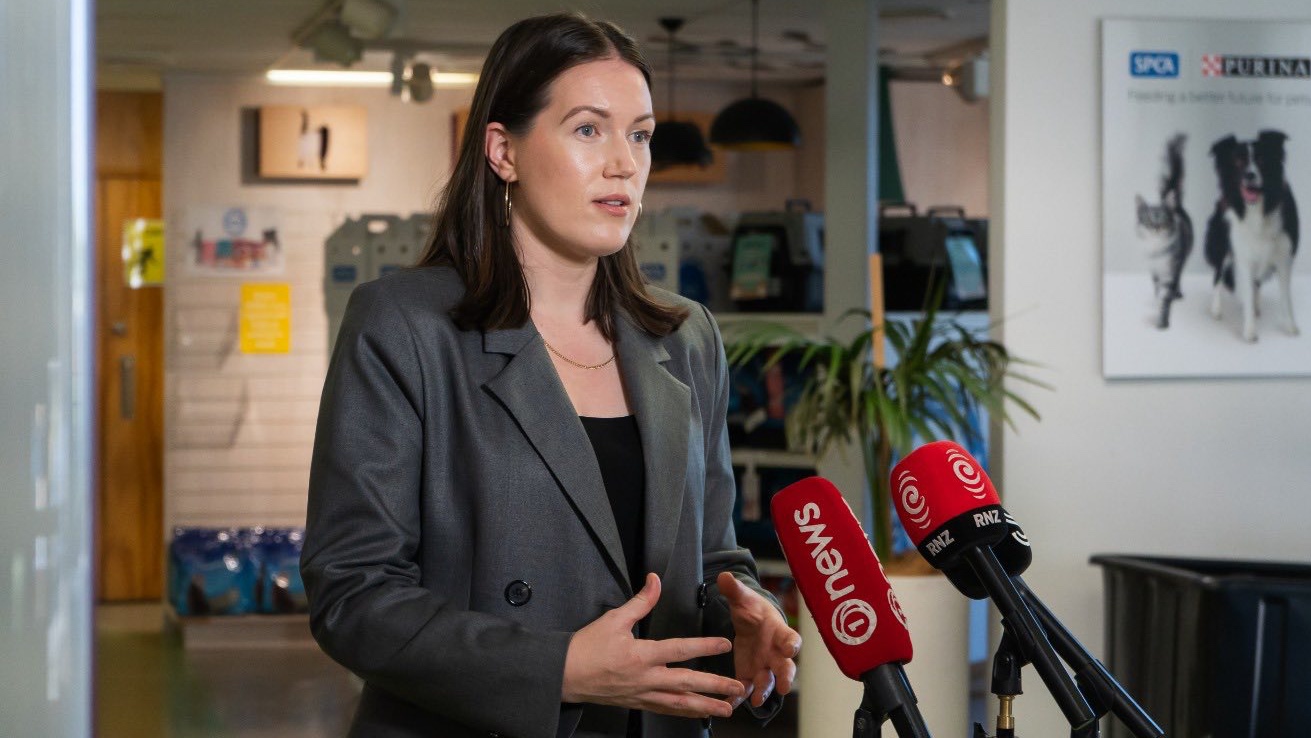
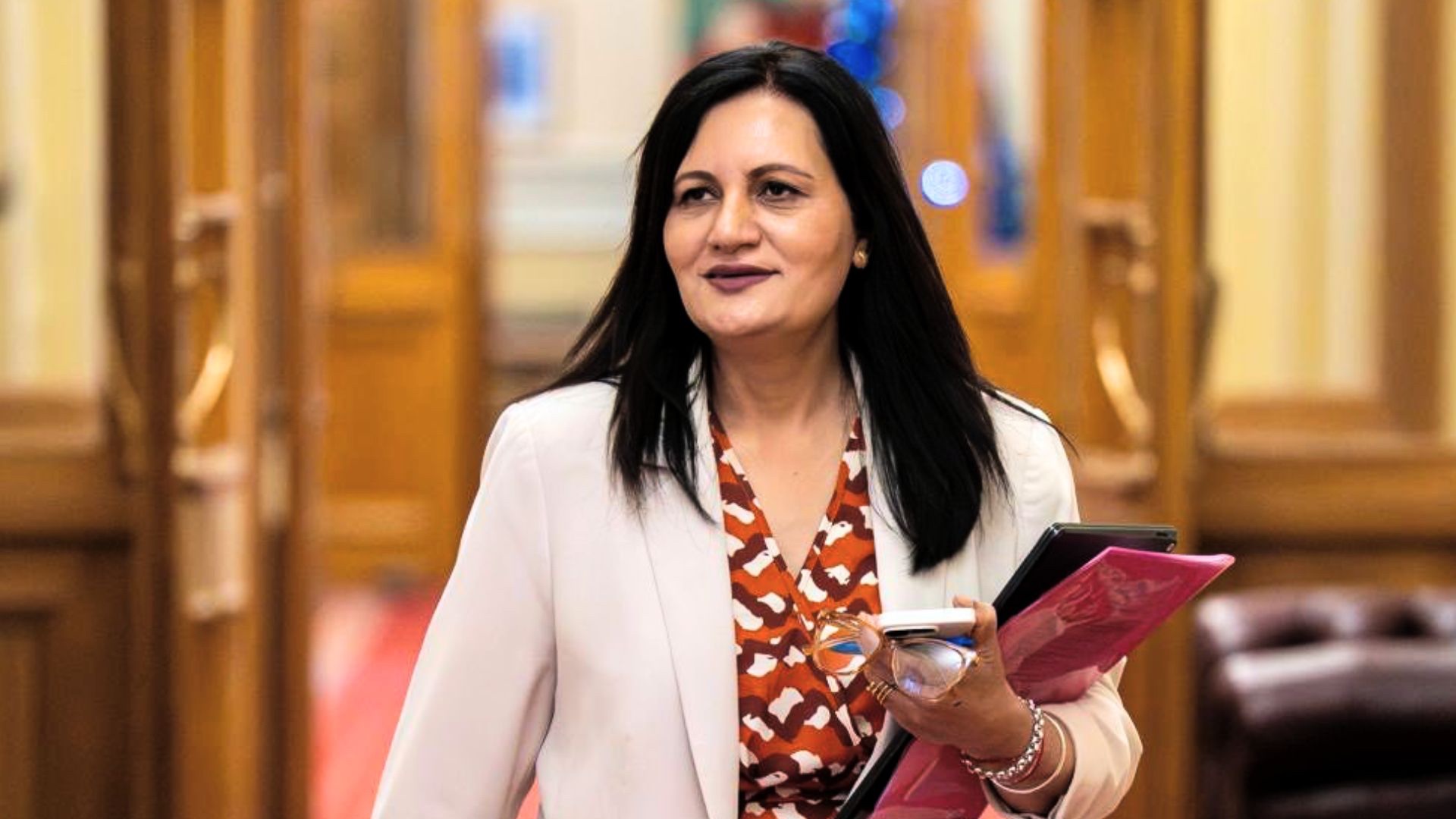
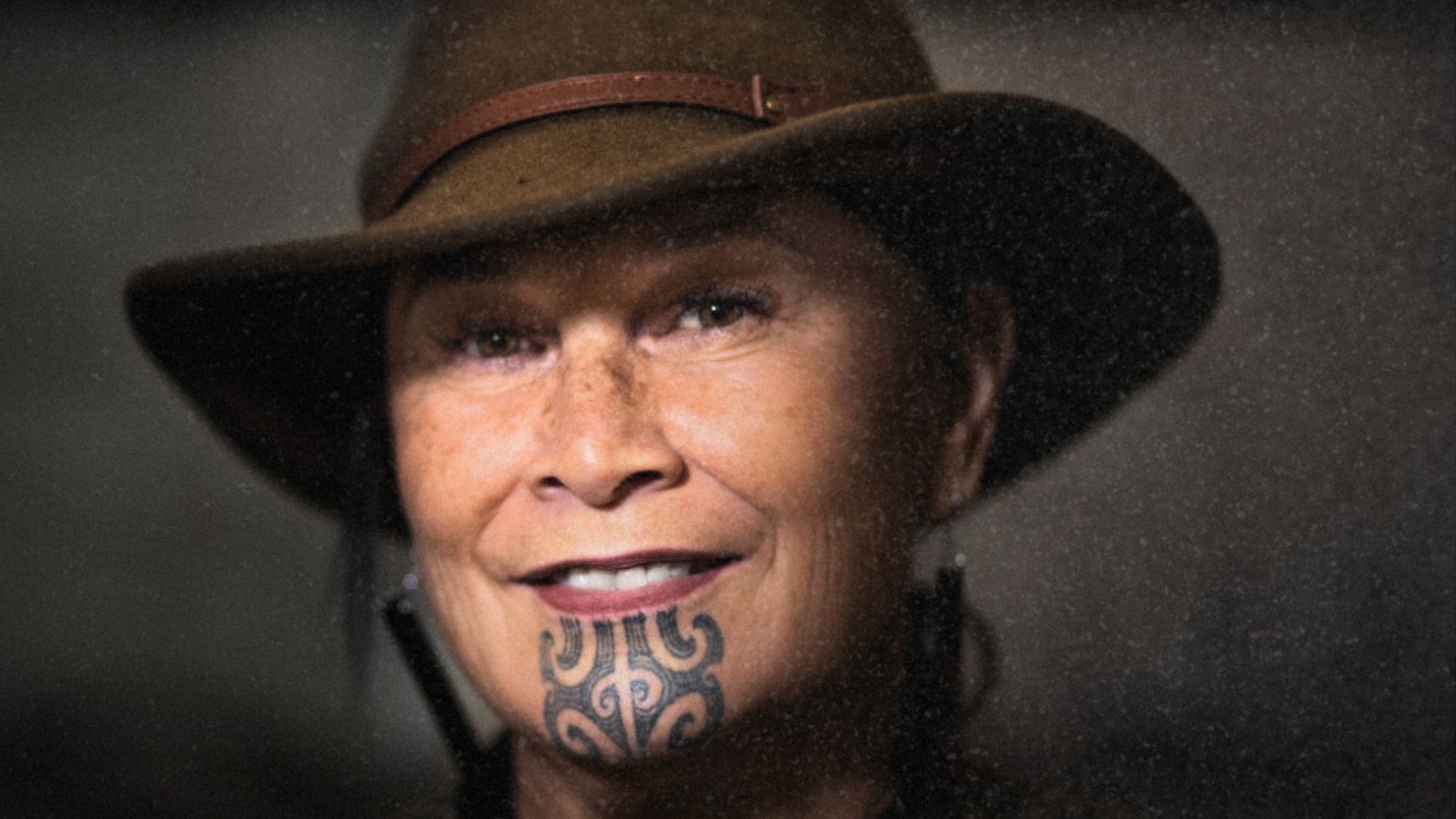
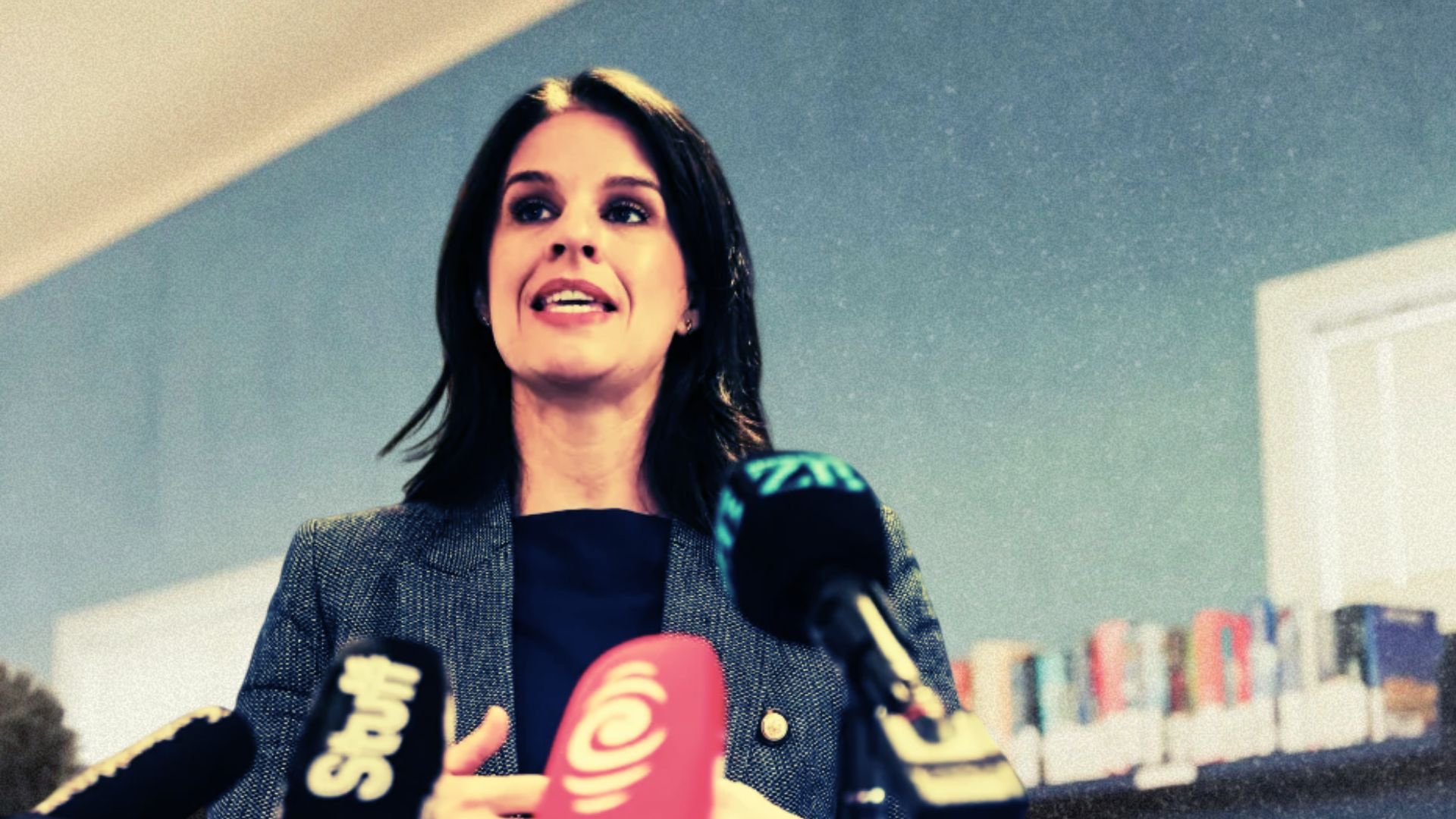
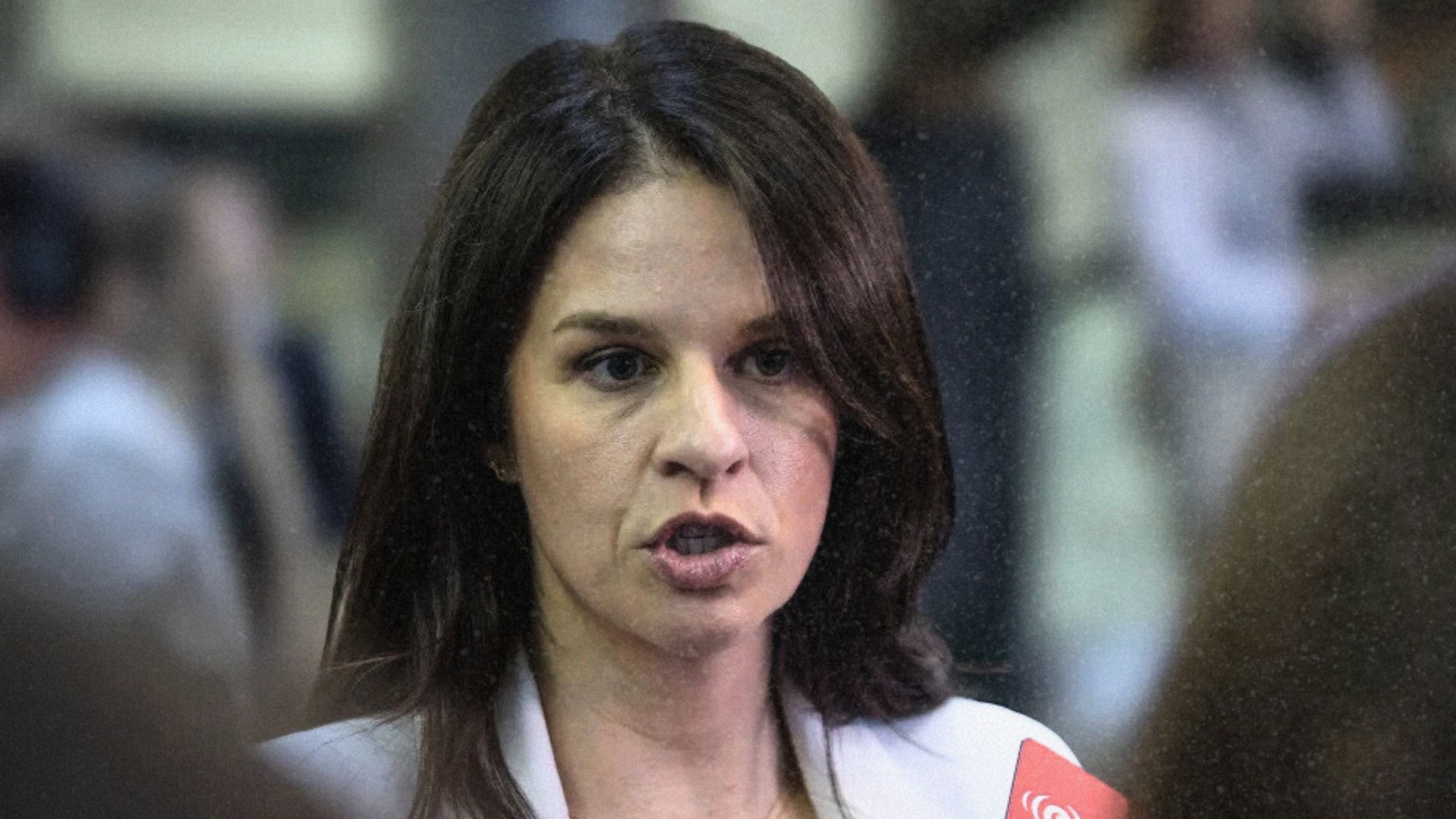
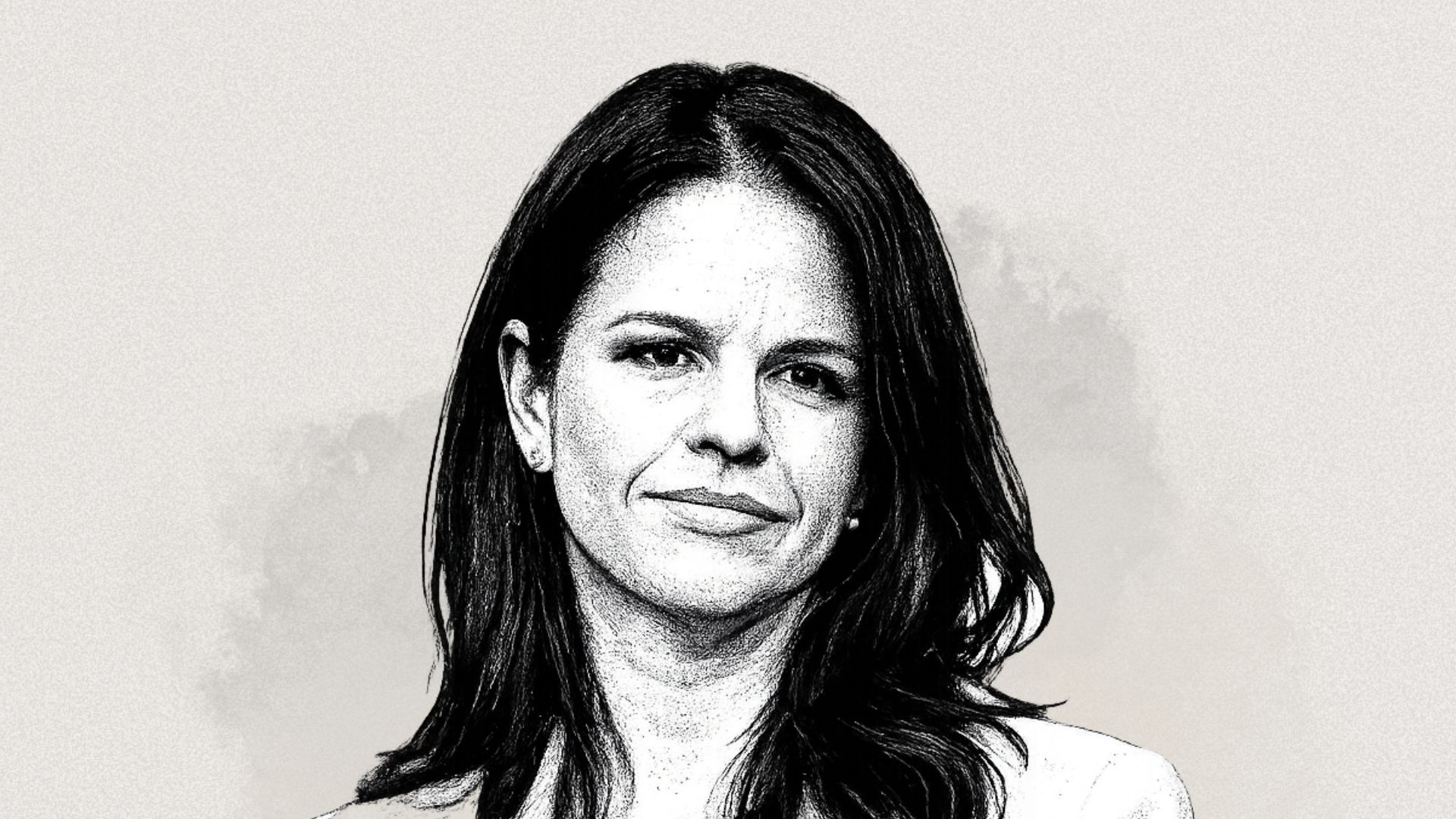
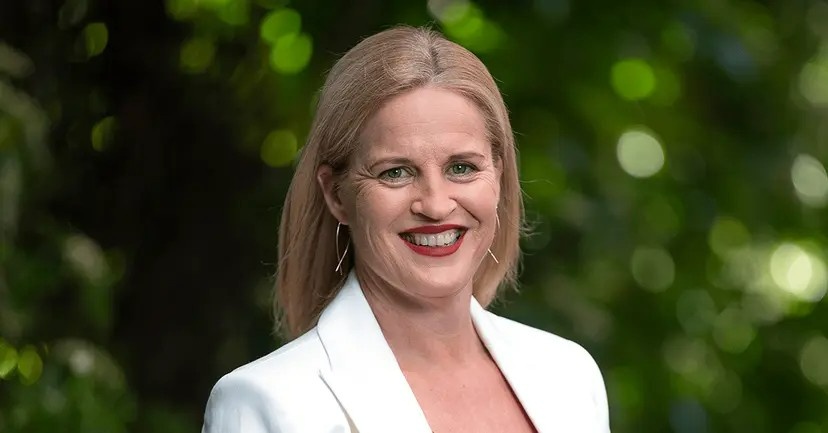
Tania Waikato is raising the heat with her debut parliamentary bid.
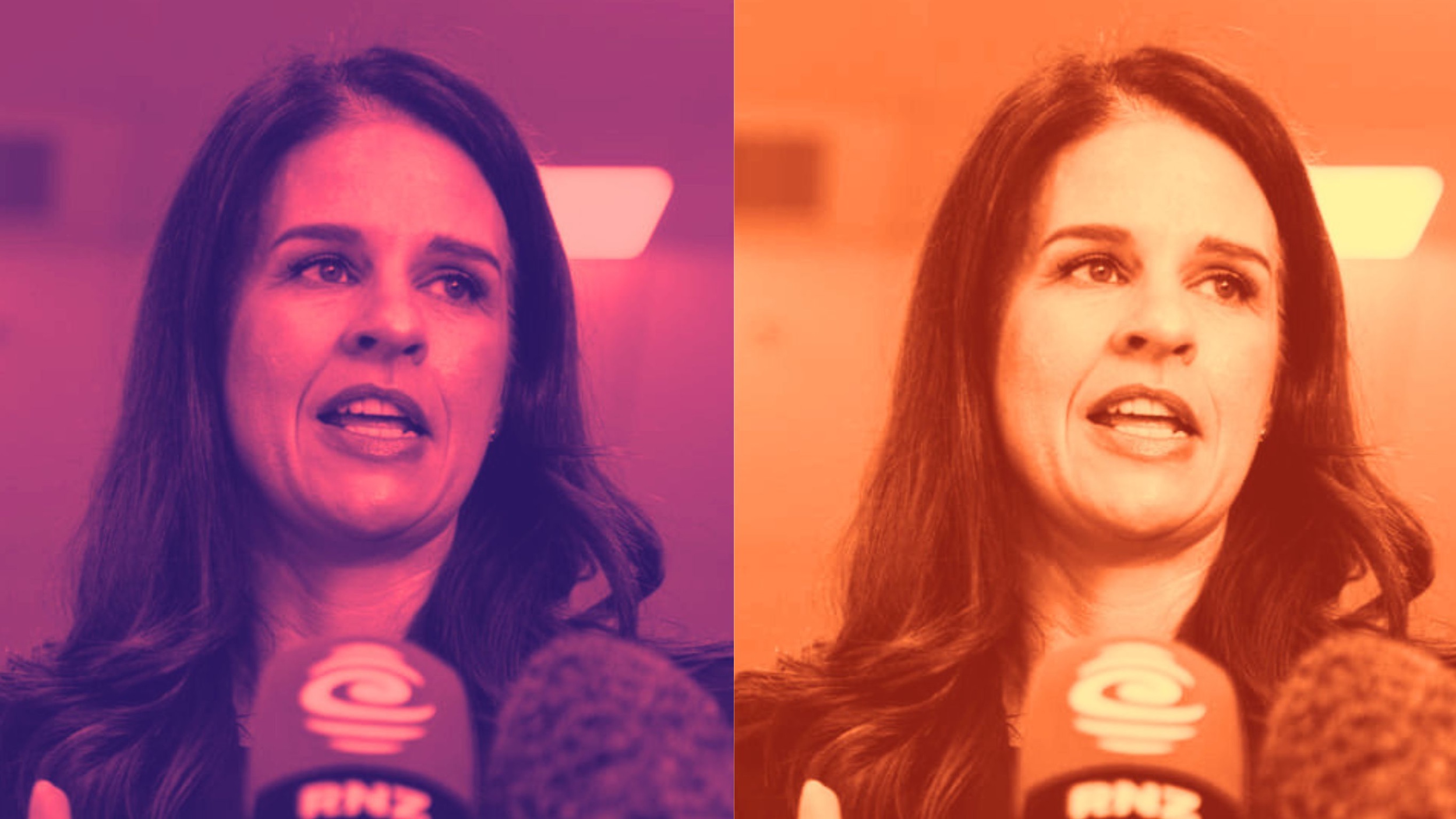
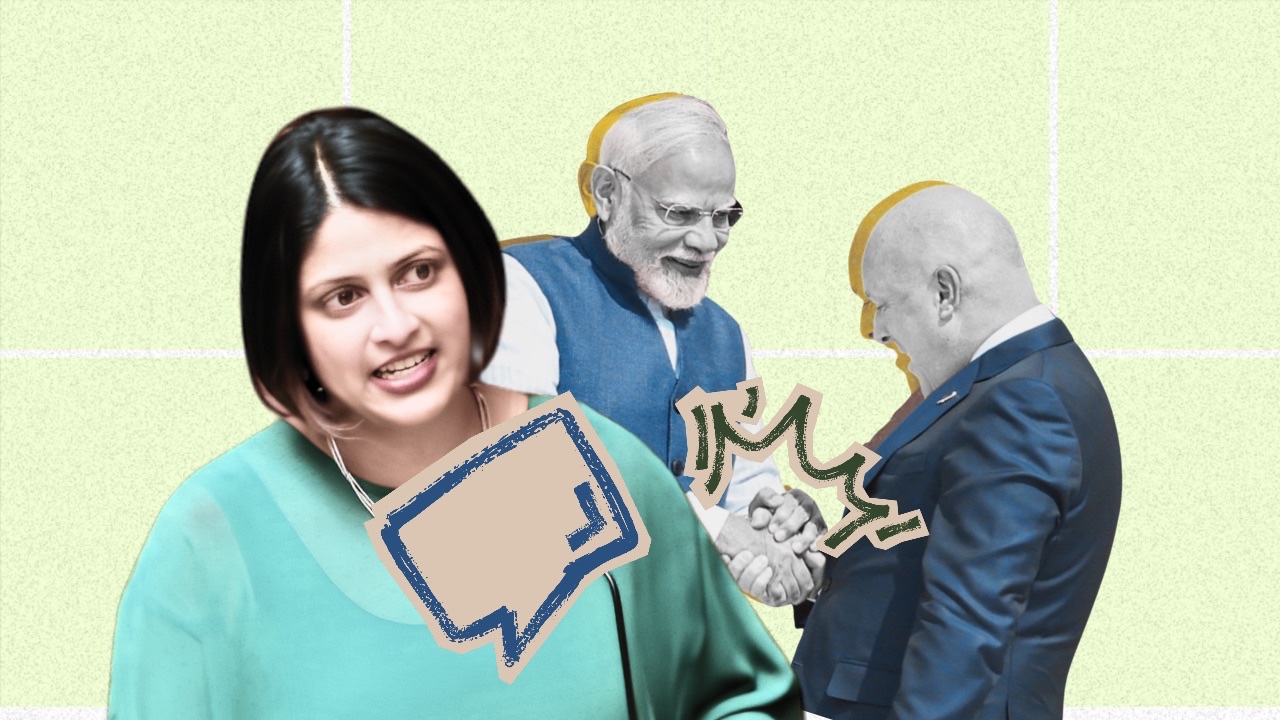
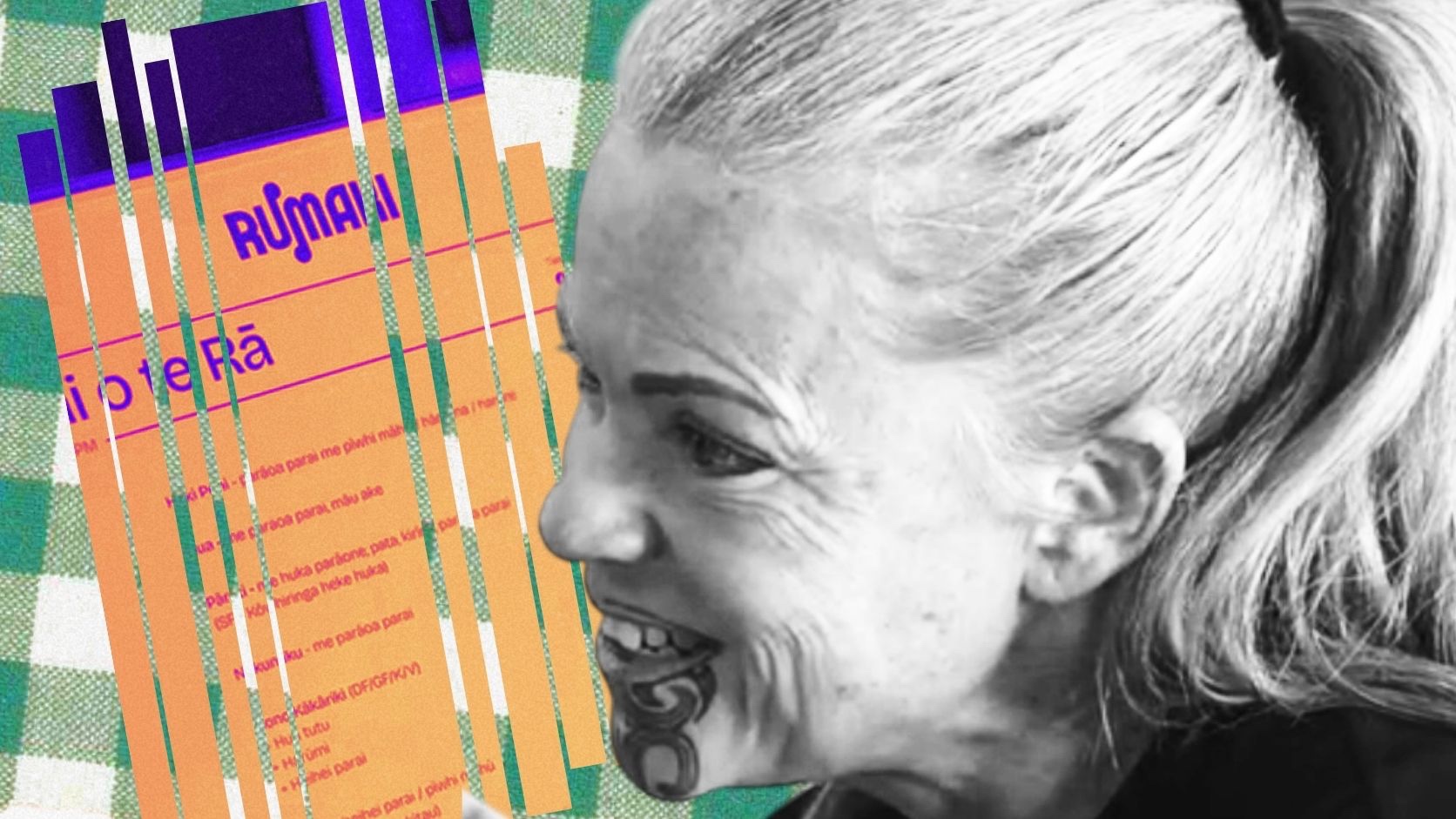
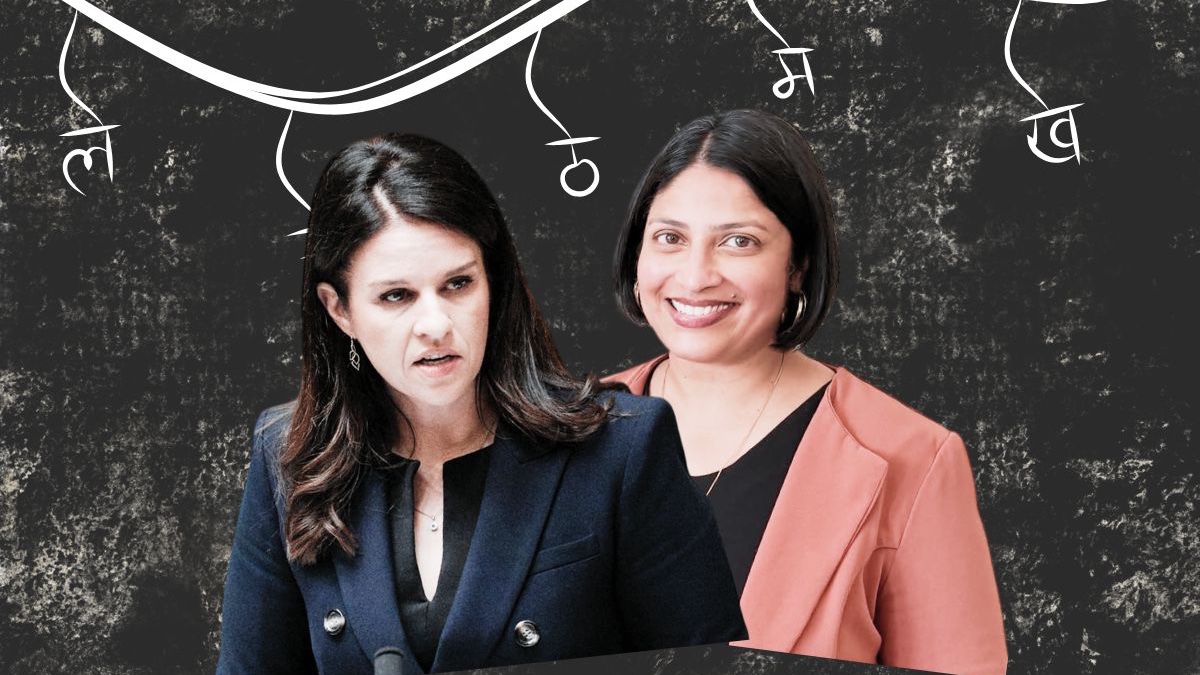
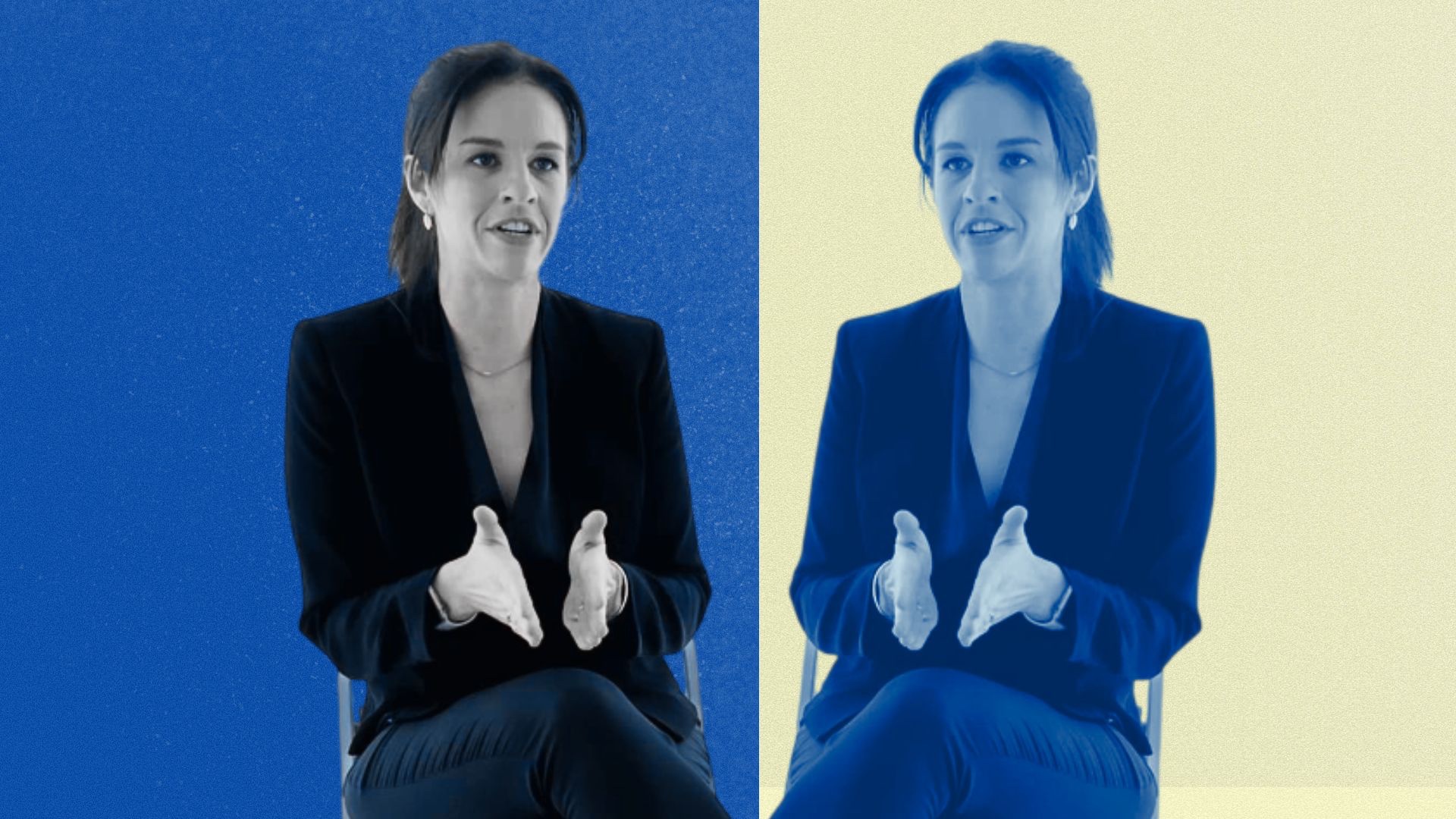
“If blatant racism and division are valid election strategies, what about thirst traps?” wonders Tania Waikato.
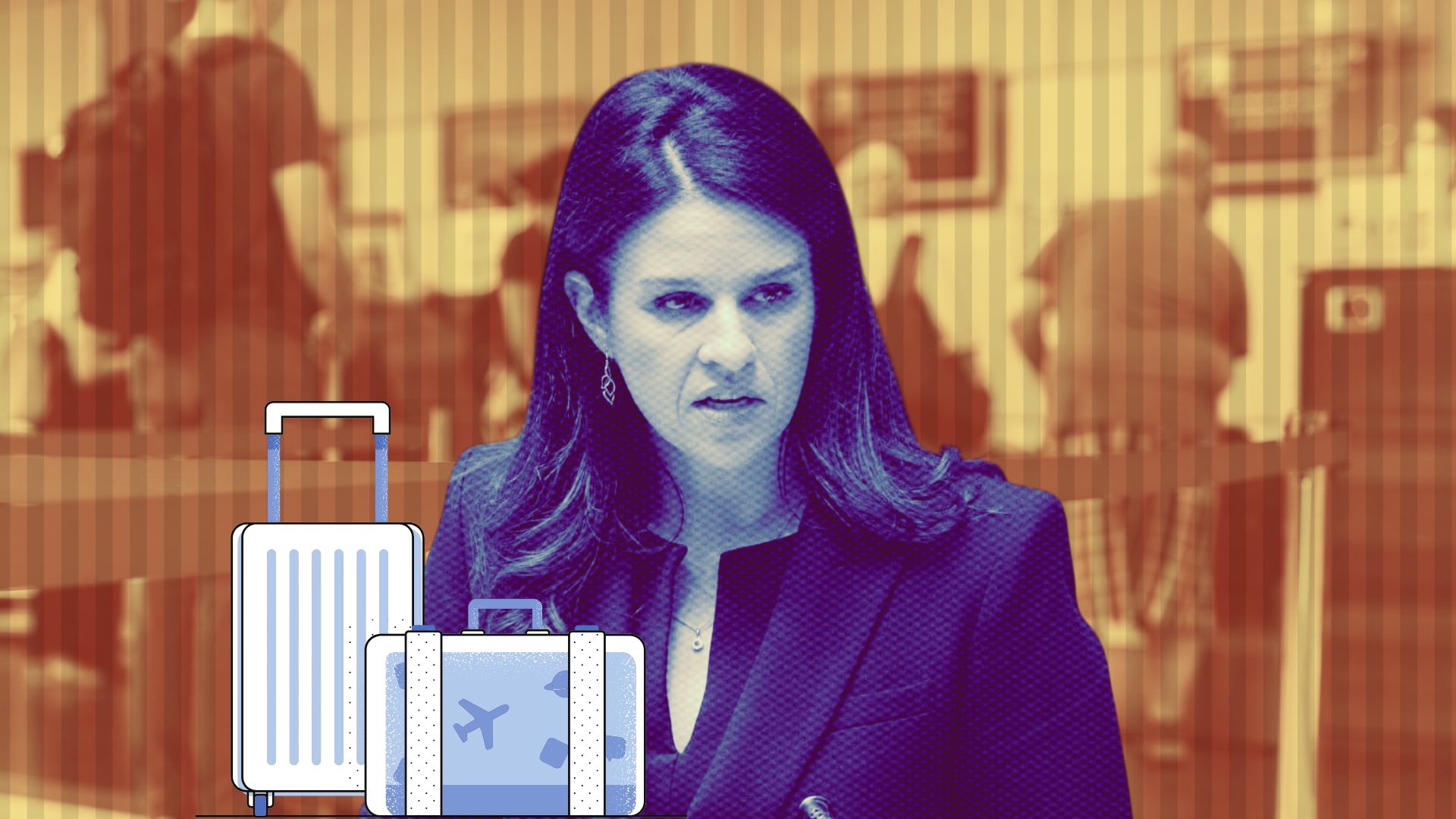
A Green Party candidate is trying to lure young men onto the electoral roll with a campaign built around bikini photographs, gym bodies and a deliberately unsubtle understanding of what makes people stop scrolling.
Tania Waikato's enrolment drive began in July with a photograph of herself in a red bikini and a countdown warning that there were 99 days left to enroll to vote.
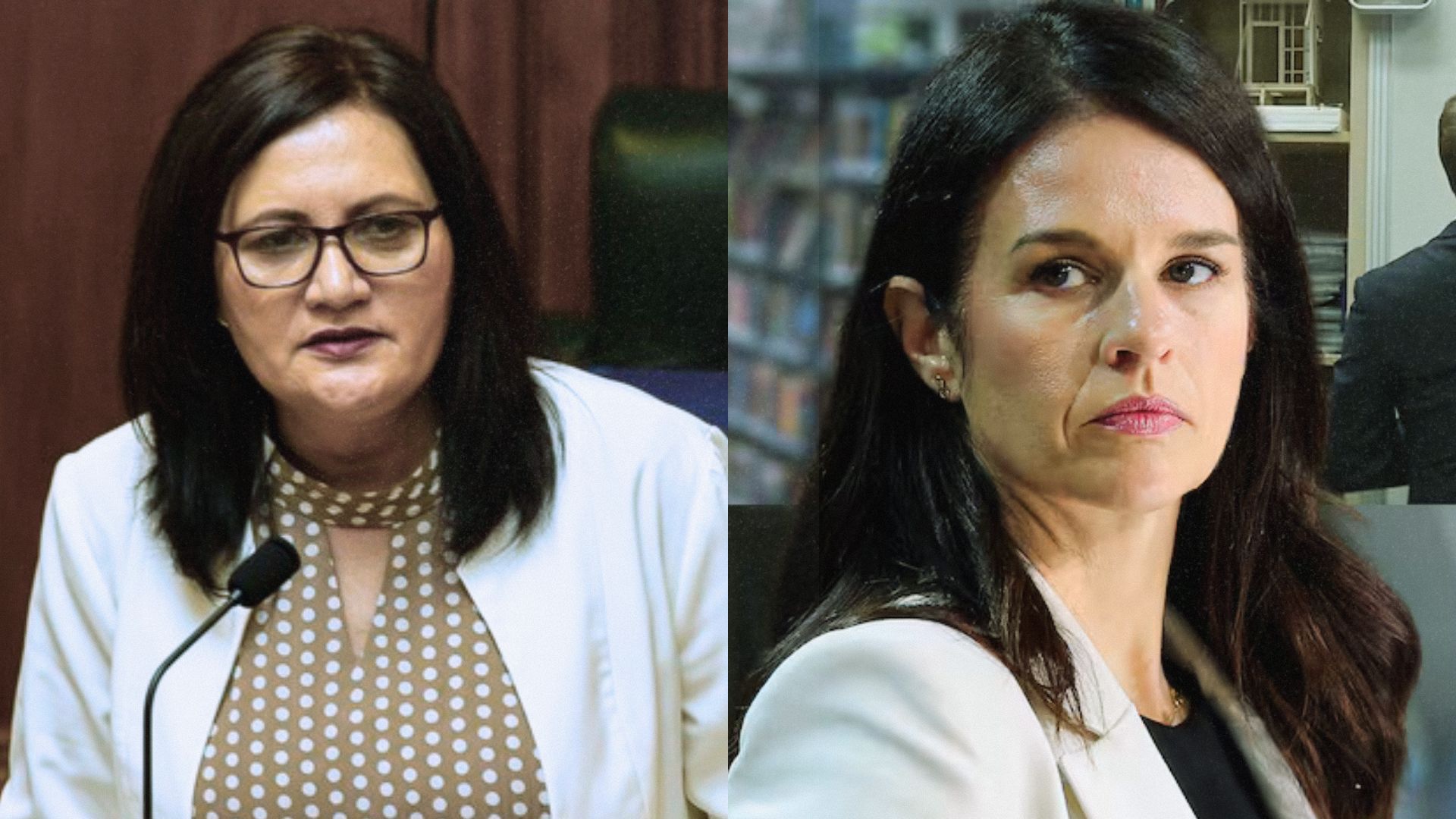
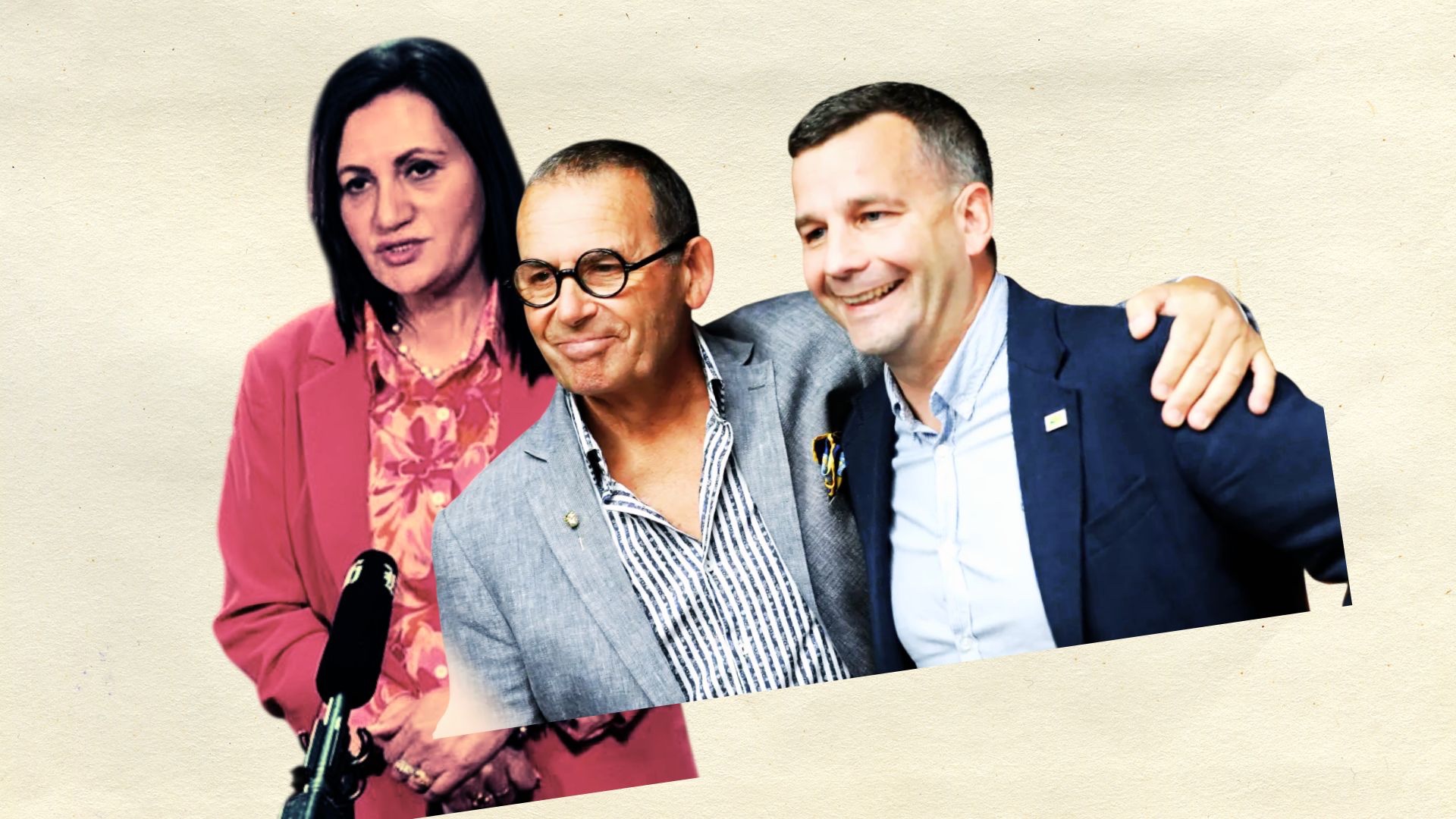
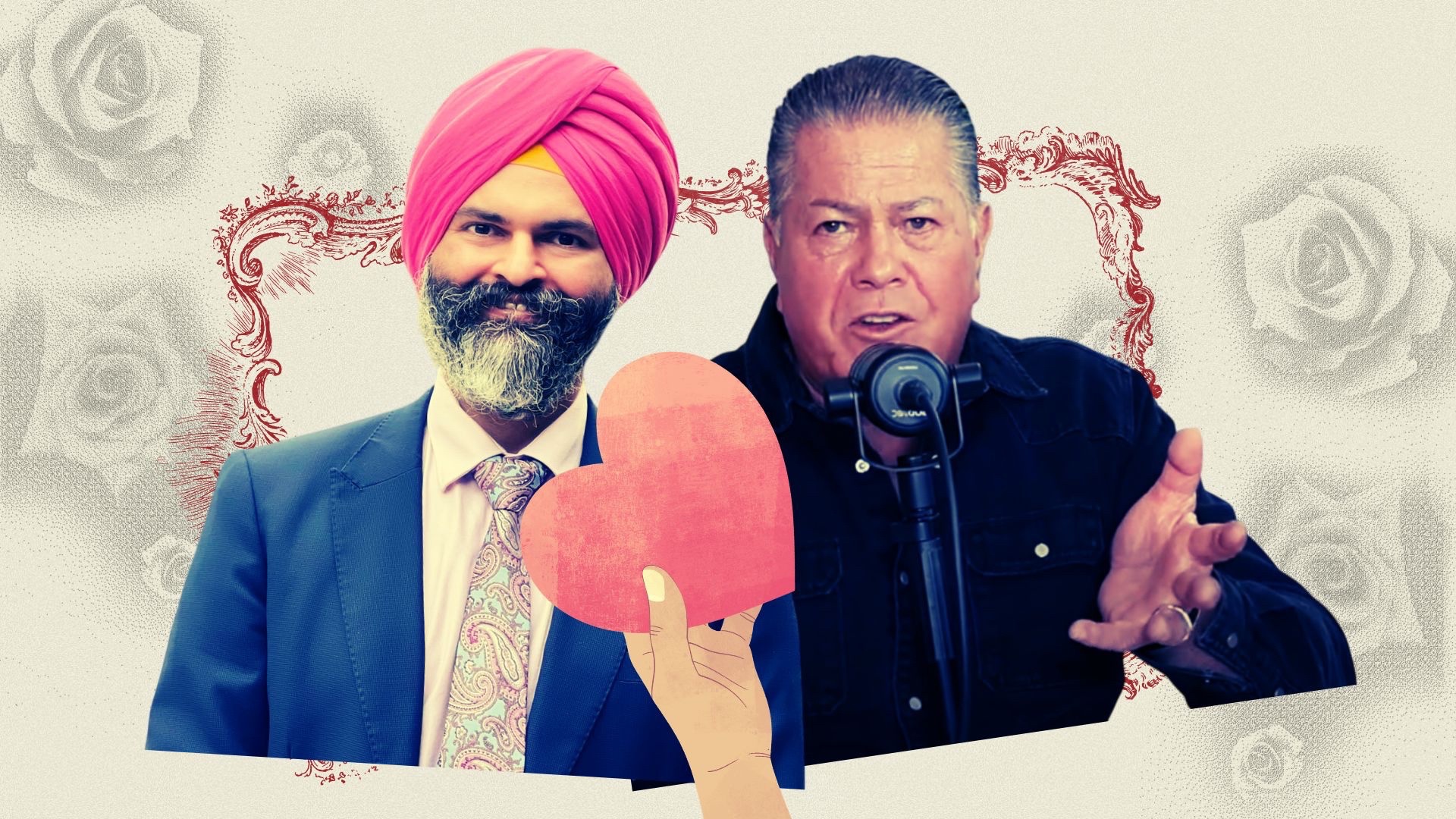
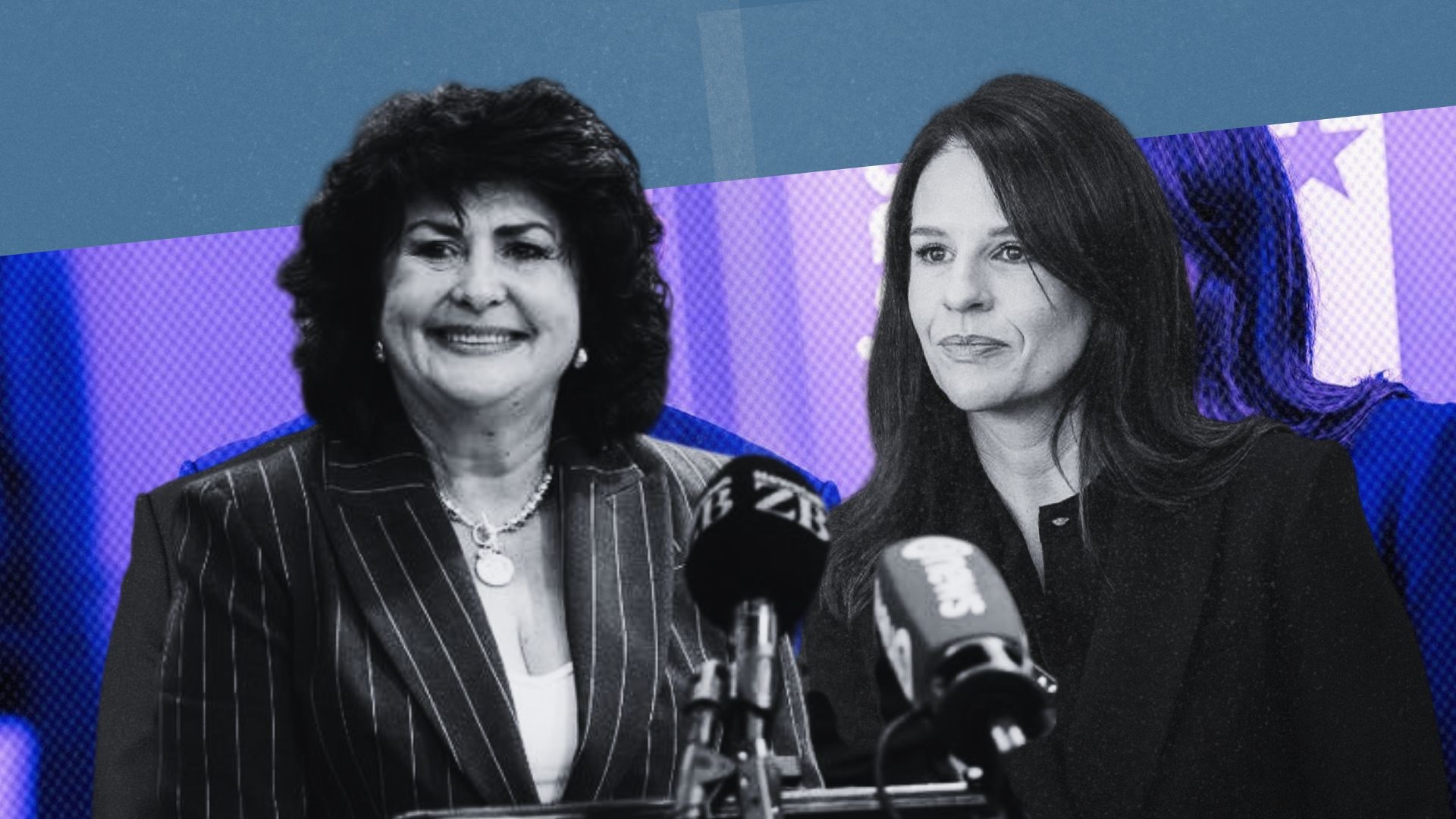
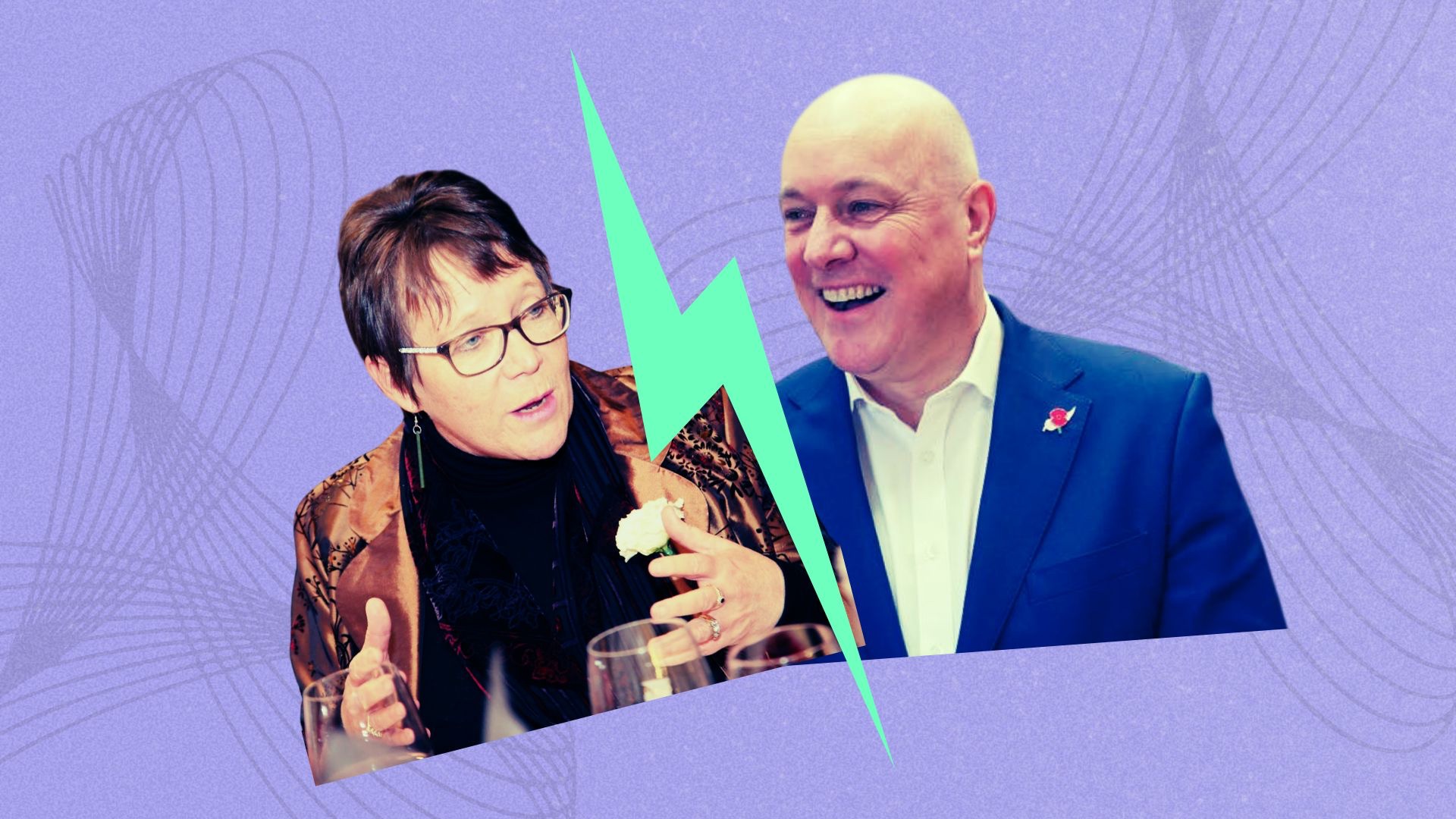
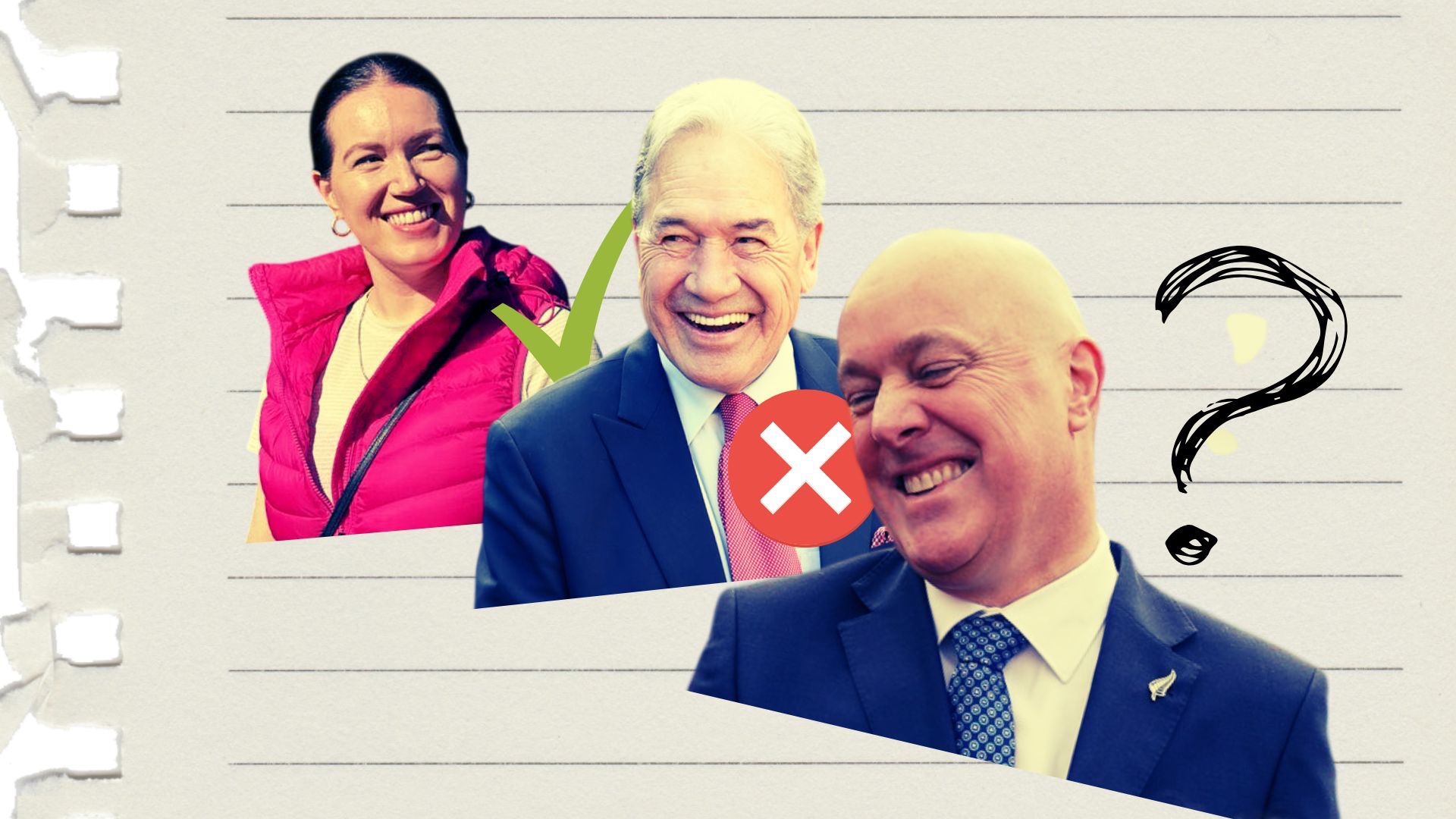
Waikato will contest the Maori electorate of Waiariki against Te Pāti Māori co-leader Rawiri Waititi, who retained the seat in 2023 by almost 16,000 votes.


The idea came to her as she was preparing to post a conventional election graphic and wondering how it could survive what she describes as “the never-ending slop of the algorithm”.
The answer was to “use what the good Lord (and decades of training) gave you”.
Students with NZ visas told not to travel as Auckland business school faces enrollment ban The school says existing students can continue their studies and that it is working to have the restrictions lifted.
Police have confirmed Rakesh Naidoo is not under investigation, Labour says "The police need to front up here and explain what is going on."
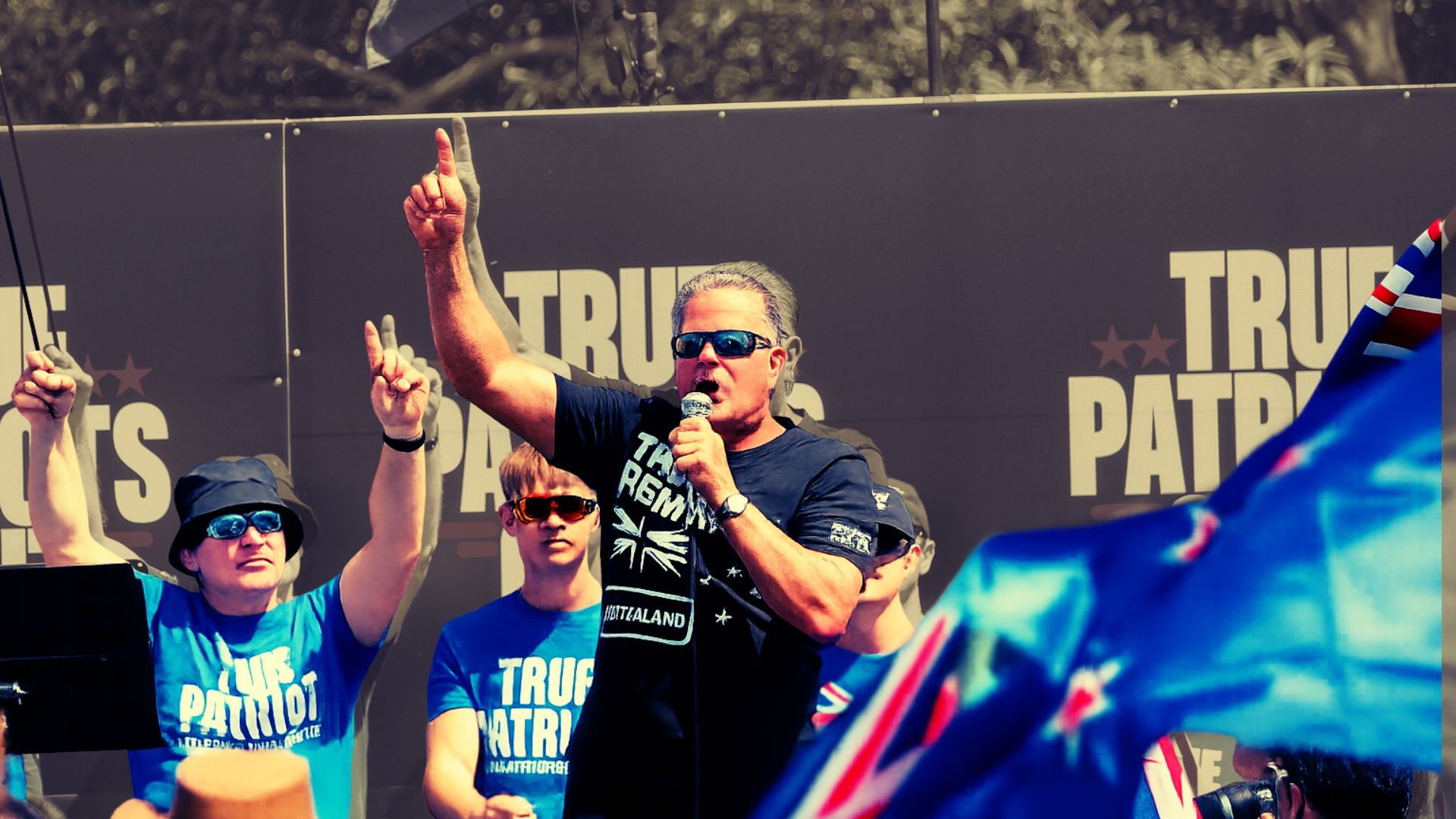
'Don't escalate': Appeal for calm as police increase presence during Diwali amid planned protests Police promise a visible presence and urge festivalgoers to avoid confrontation as Brian Tamaki plans a rally on the same day.
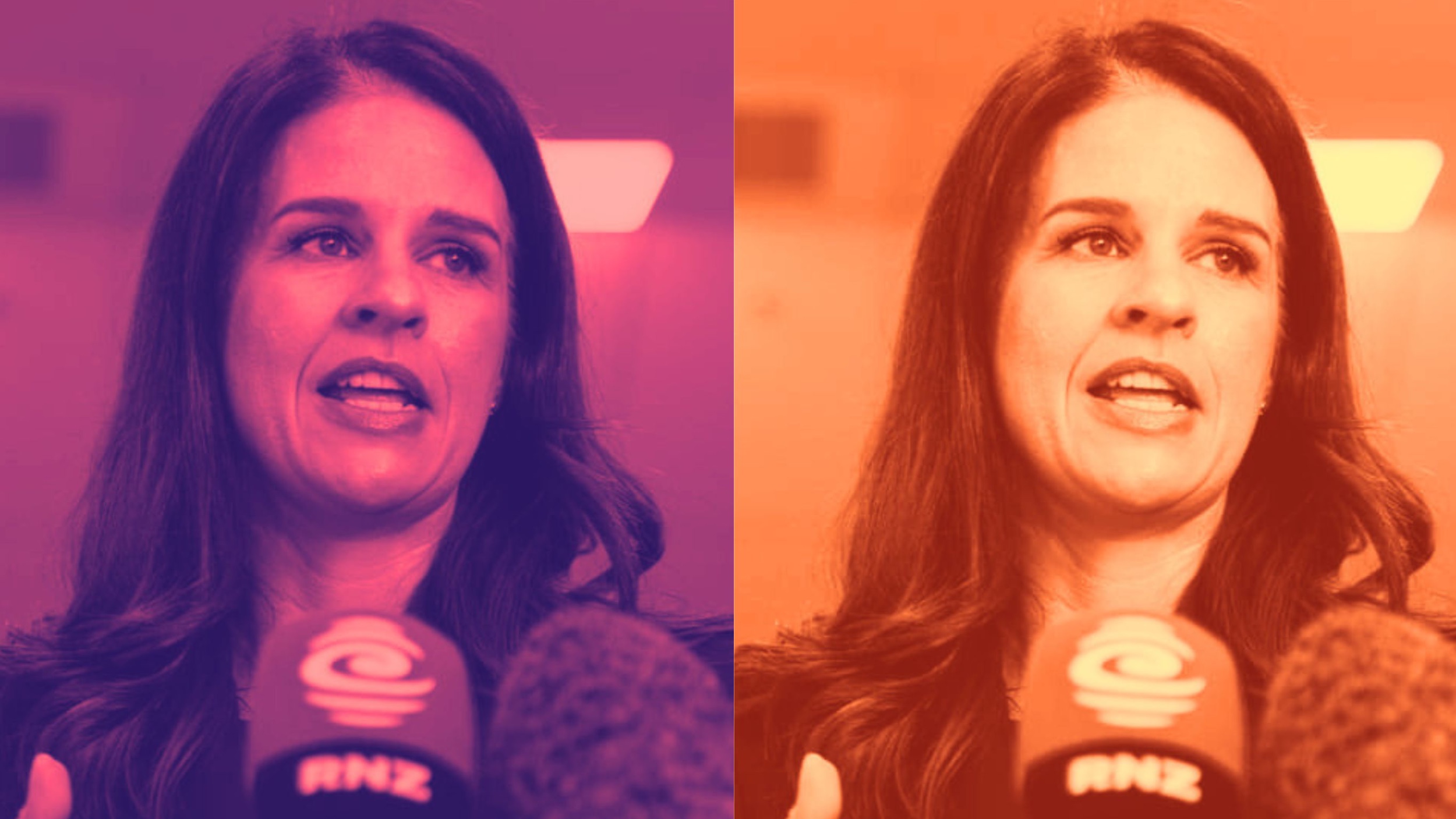
Waikato says just 53.4 per cent of eligible voters aged 18 to 24 are enrolled. Her campaign is aimed at that age group, particularly young men who may scroll past conventional political advertising.
“Bikini baddies and buff bros are not for everyone,” she wrote on social media this week.
“They were never intended to be. They were intended to reach a certain 18-24 year old demographic, mostly male, where only 54 per cent of the eligible voters are enrolled.”
Waikato says the posts generated more than half a million views in seven days and sent more than 3,000 people to www.vote.nz to enroll, check their details or switch to the Māori roll.
Her earlier updates charted the campaign’s growth. After one of the first posts, she reported 77,000 views, more than 2,000 interactions and 254 click-throughs to www.vote.nz in less than 24 hours.
Four days into the campaign, Waikato said click-throughs had passed 2,000. By July 23, she put the number at more than 3,500.
She says the campaign’s effect extends beyond clicks, sparking conversations between parents and children, grandparents and mokopuna, group chats, whānau chats and workplaces.
“That was the point.”
Ranked 13th on the Green Party’s final list, she has a credible route into Parliament even if she fails to win from the Waiariki electorate. Recent polling has projected between 13 and 17 Green MPs, placing Waikato anywhere from the threshold of Parliament to comfortably inside it.
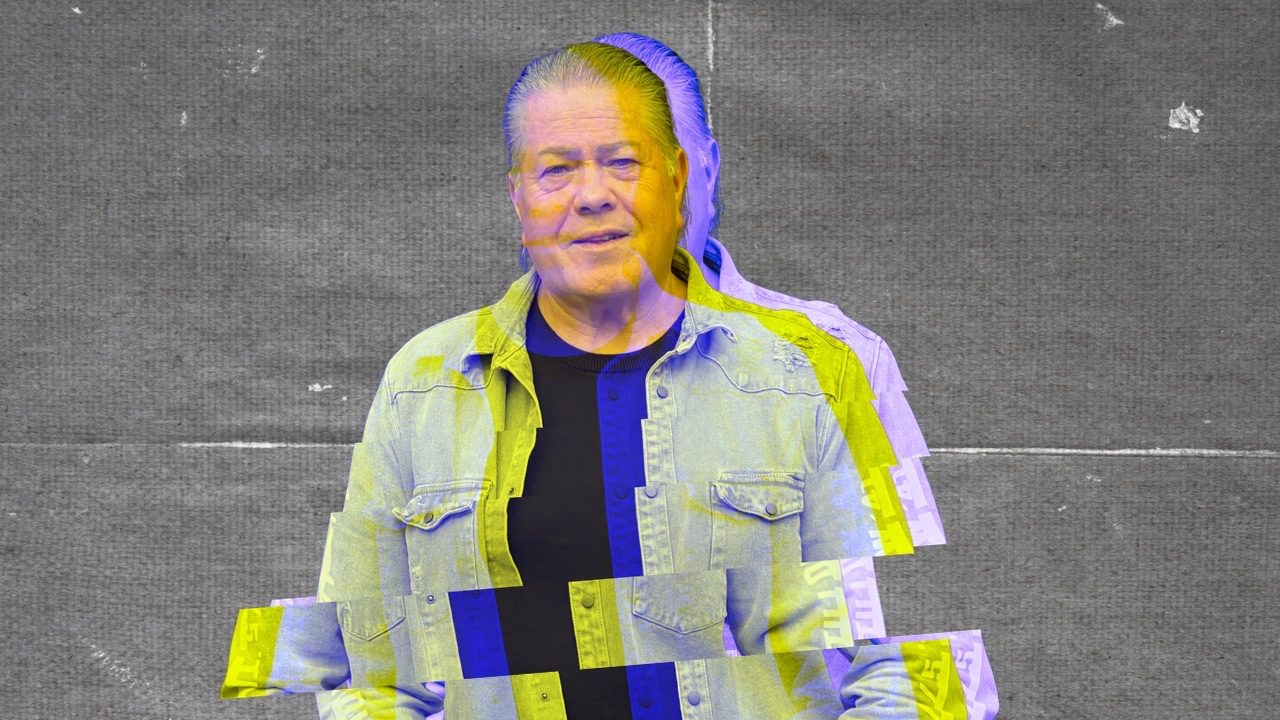
The Tauranga-based lawyer became a Green candidate late last year after gaining a national profile through campaigns opposing the Treaty Principles Bill and Regulatory Standards Bill.
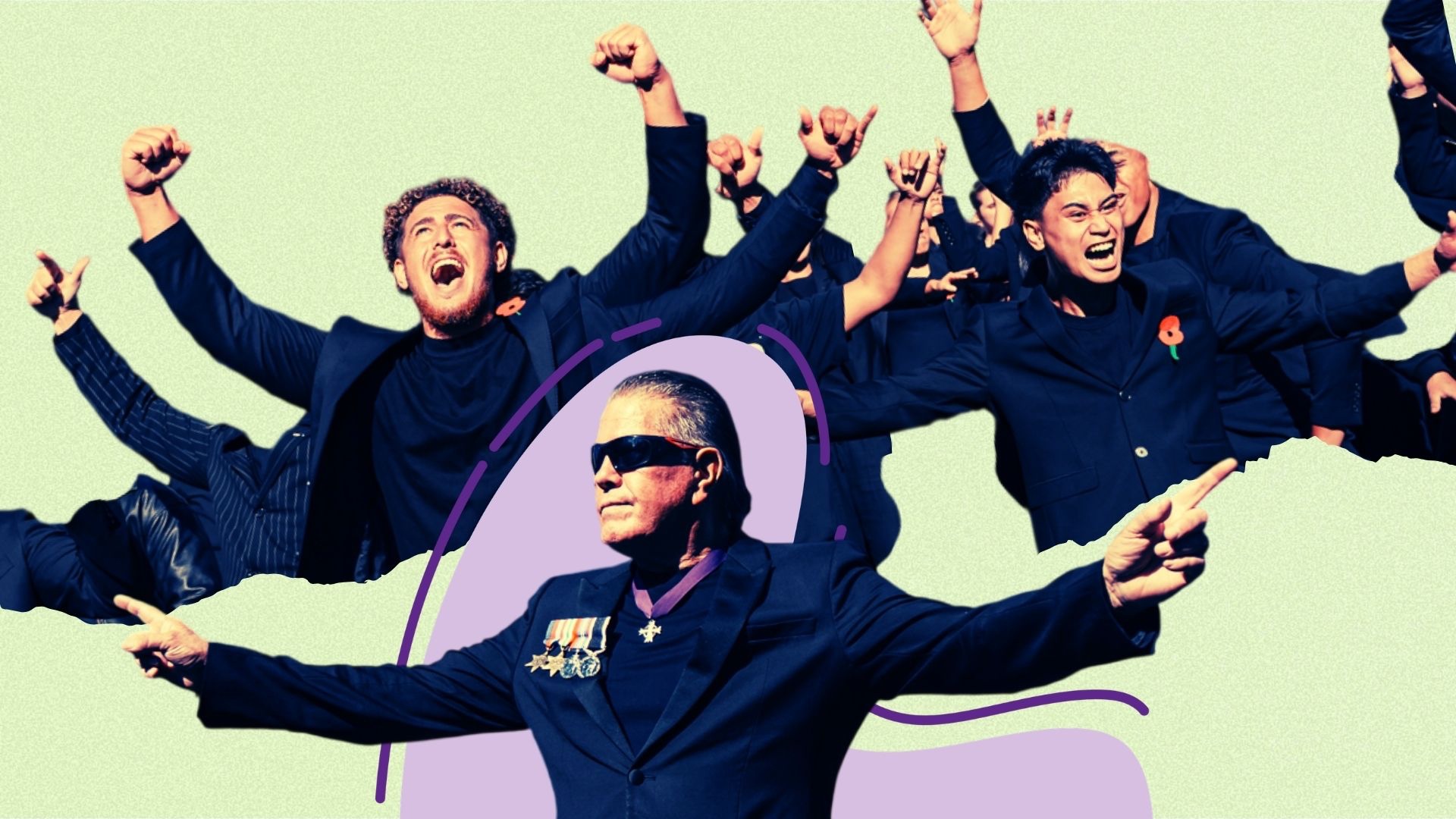
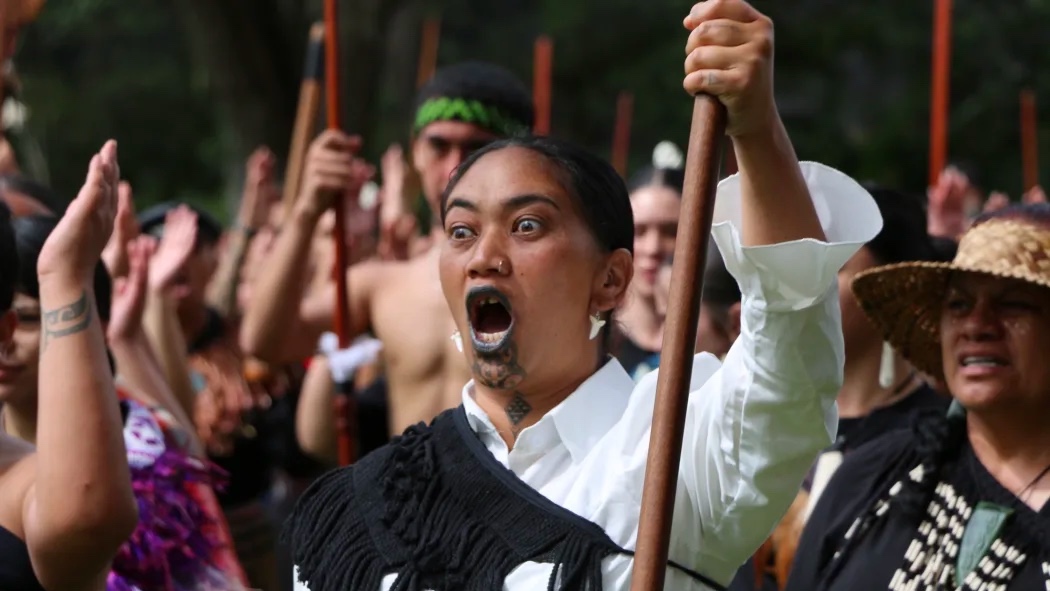
She also represented Te Pāti Māori before Parliament’s privileges committee over the haka performed in the debating chamber.
Waikato first floated the enrolment idea a day before posting the red-bikini photograph.
“If blatant racism and division are valid election strategies, what about thirst traps?” she wrote on July 17.
“Asking for a friend. Calm down, I’m only joking. Or am I.”
She later described it as a low-budget attempt to compete with political organisations able to pay to dominate social-media feeds.
“How can we get people’s attention in the never-ending slop of the algorithm without any billionaire backers who pay to saturate your feeds with right-wing AI slop?” she wrote.
Since its launch, the joke has developed into a rolling series featuring what Waikato calls “bikini baddies” and “buff bros”.
The cast has included fitness models, athletes, entrepreneurs and a firefighter and gym owner, with each post carrying the same instruction: go to Vote.nz, enrol, check your details or consider switching between the general and Māori rolls.
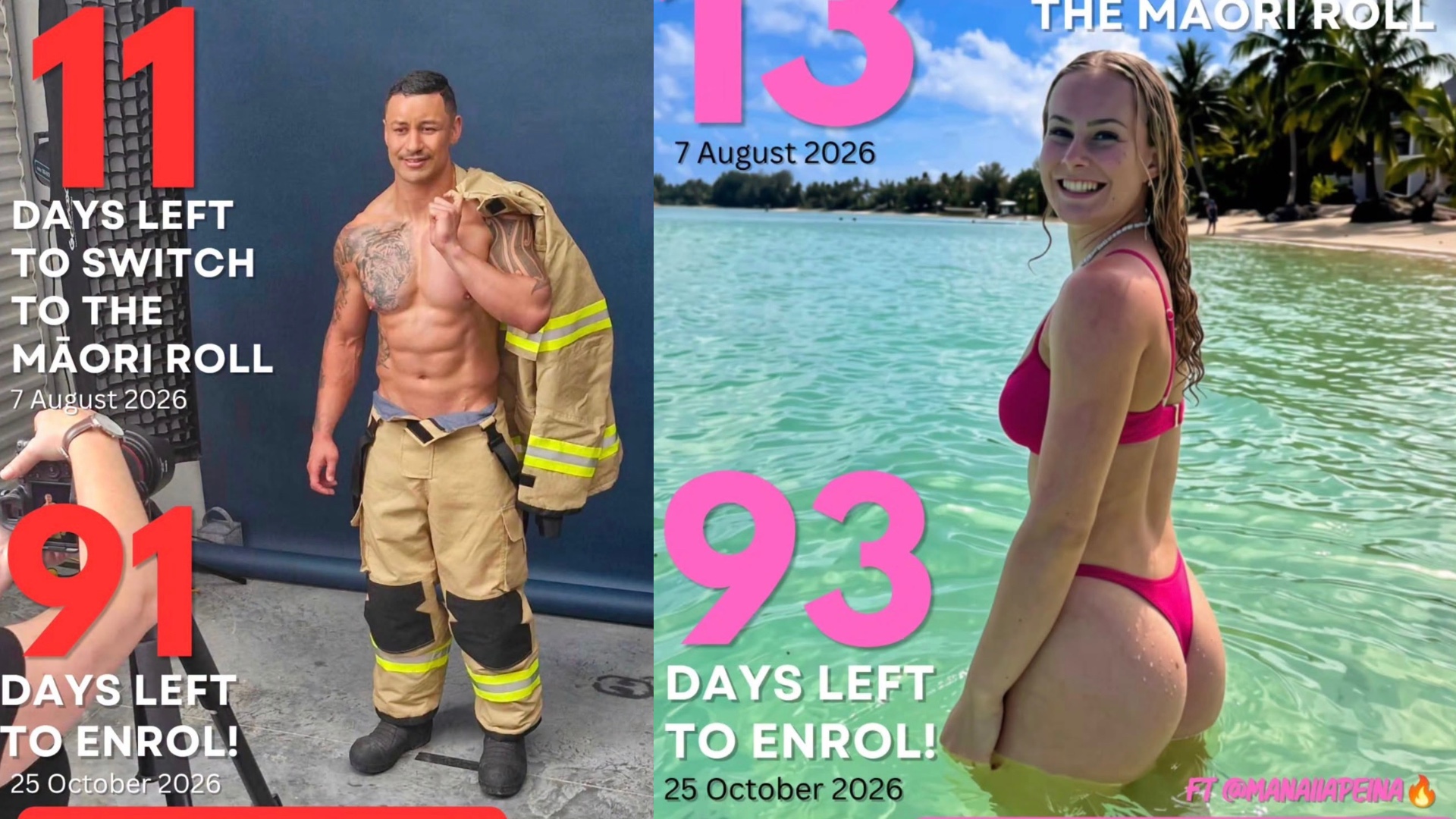
Waikato says her buddies have volunteered to feature in her campaign.
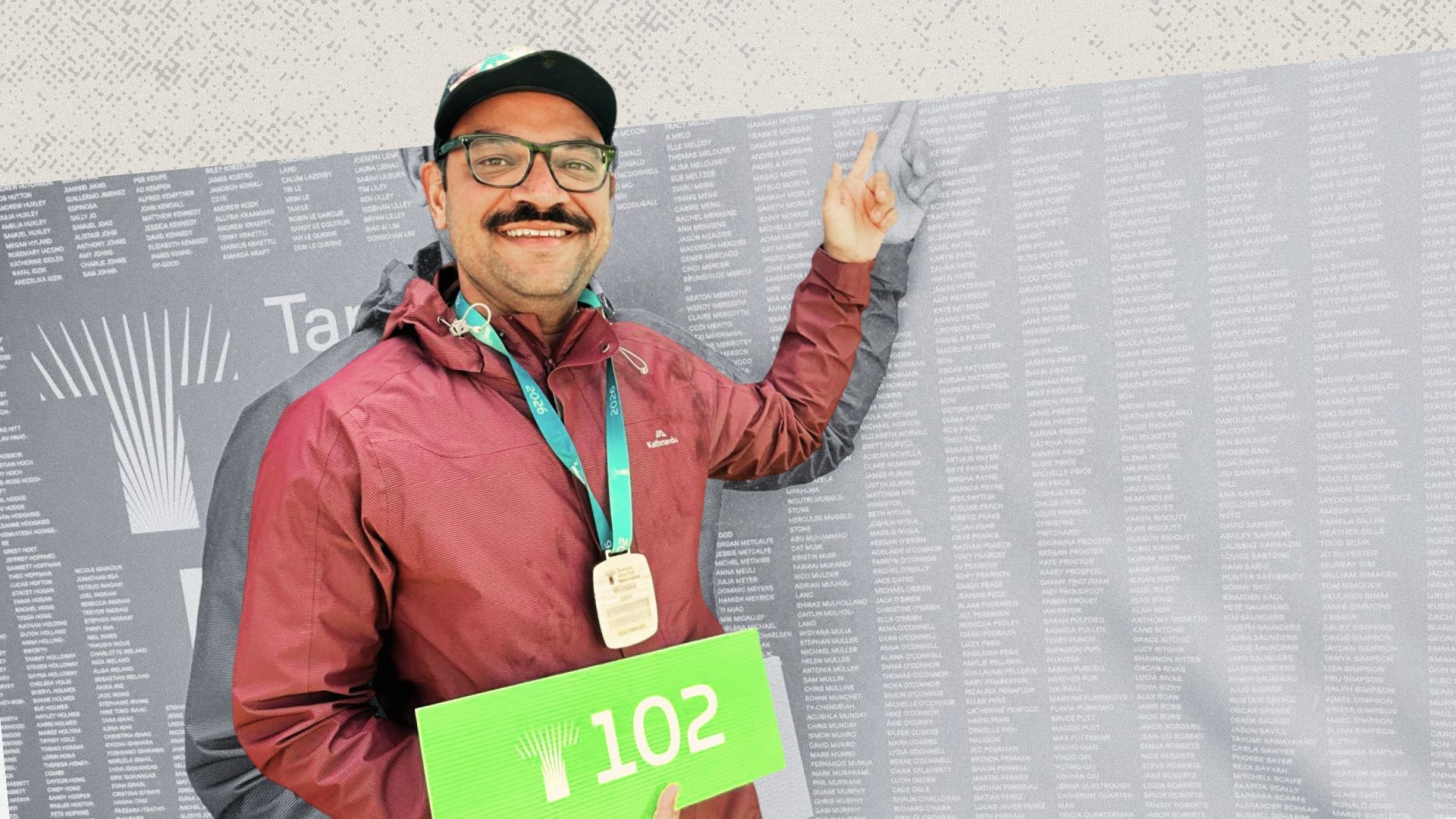
Her recruit Nick Read, whom Waikato introduced on July 26, is a firefighter, athlete, gym owner and father.
“Nick is a mate of mine who's always supportive of other people succeeding, so it wasn't hard to get him to support the kaupapa of getting our rangatahi to enrol so they can be successful in having their vote counted on the 7th of November.”
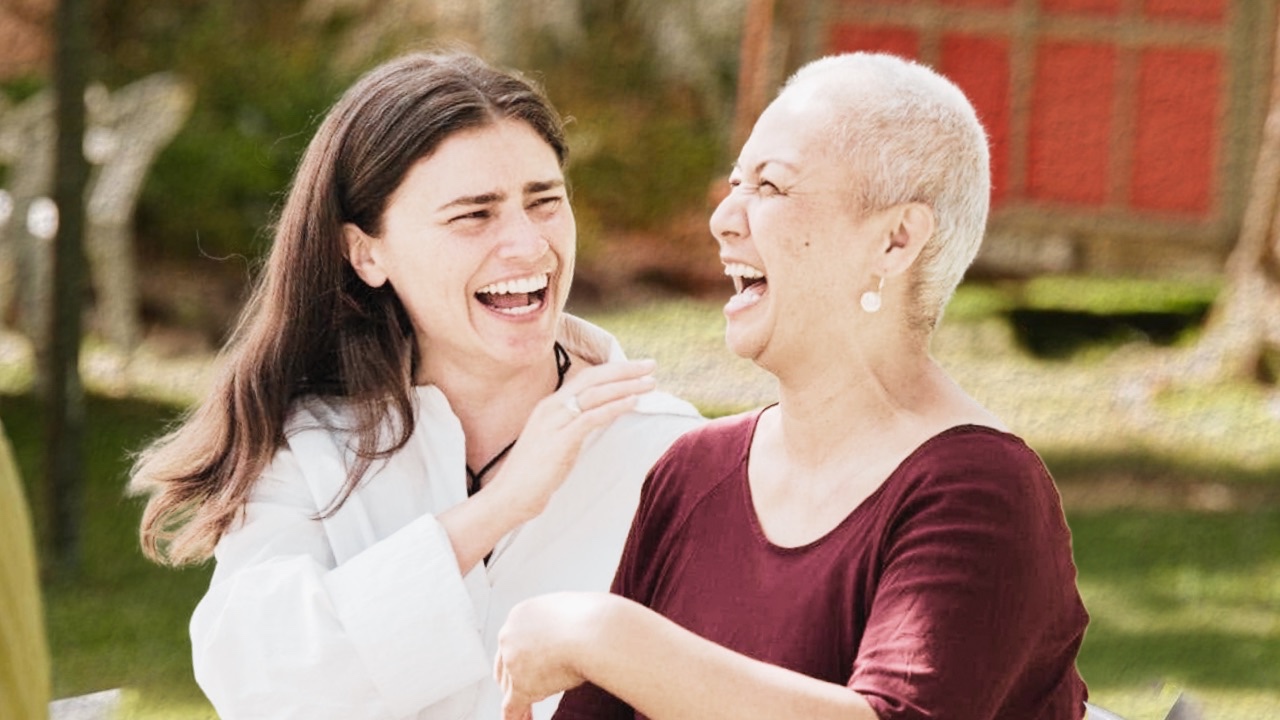
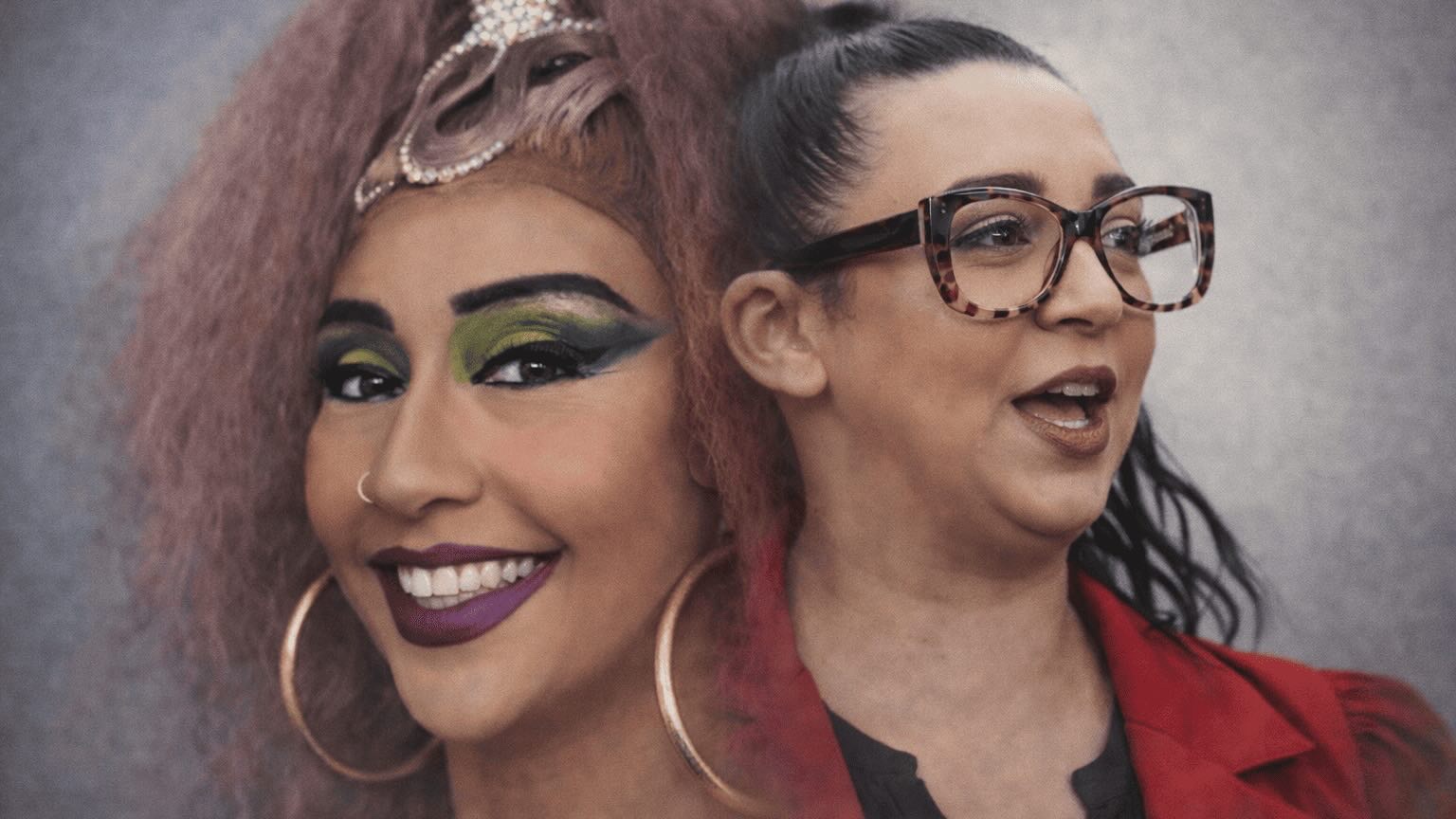
Waikato has also featured Zeisha, whom she described as Mrs World 2026 and Mrs Globe New Zealand, as well as a mother, DJ, singer, producer, writer and fellow breast-cancer survivor.
Another participant, Manaia Peina, was introduced as a young entrepreneur and fitness model who was “hiiiiigh on the hit list” when Waikato began approaching friends from her gym and CrossFit circles.
“Welcome to the baddie brigade babygirrrrl,” Waikato wrote.
The captions are part civic reminder, part thirst-trap patter. “Go to vote.nz and get it done now. Or no baddies for you,” one post reads.
In another post, Waikato told women waiting for male participants that she had secured “some tāne Māori talent”, but would not “dish them up” until they persuaded five people to enrol.
Her use of a red bikini prompted questions about whether the colour signalled support for another political party.
Waikato responded with a lesson in Māori symbolism, describing red as a sacred colour associated with Hine-ahu-one, blood, tapu and the feminine principle.
“No Hone-come-lately political party owns this colour,” she wrote.
“If you’re upset about what colour I’m wearing instead of focusing on the insane amount of mahi we have to do to enrol people before the cut-off, you’re probably on the wrong page.”
The controversy, she argued, was itself proof that the campaign was working.
“The fact that I got your attention with the red bikini demonstrates the effectiveness of the campaign already.”
Waikato has also been explicit about the political motivation behind the enrolment drive.
She believes changes affecting enrolment on election day will disproportionately affect Māori, Pasifika, young voters and other minorities who may leave registration until the last moment.
“This government is actively trying to stop people voting so they can rig this election,” she wrote in one post.
“So I’m doing everything in my power to torpedo their evil plan. With the power of my sensational mana wāhine baddies. In their kinis.”
The campaign was initially conceived as a short burst, but Waikato says the enrolment numbers persuaded her to continue until the October 25 deadline.
She has also defended the photographs against criticism that they trivialise voting or objectify the people involved.
In one post, Waikato shared a message from a person who said the campaign helped them feel “Māori enough” to move to the Māori roll.
Waikato said she understood that uncertainty from her own experience of growing up part-Māori and being teased after being placed in a Māori-language environment at the age of nine.
“Seeing our beautiful, different strong mana wahine and mana tāne inspires me,” she wrote.
For everyone else, her message remains less delicate: enrol first, and the baddies will follow.