
New work visas announced under India-NZ FTA: The migration “tsunami” that wasn’t

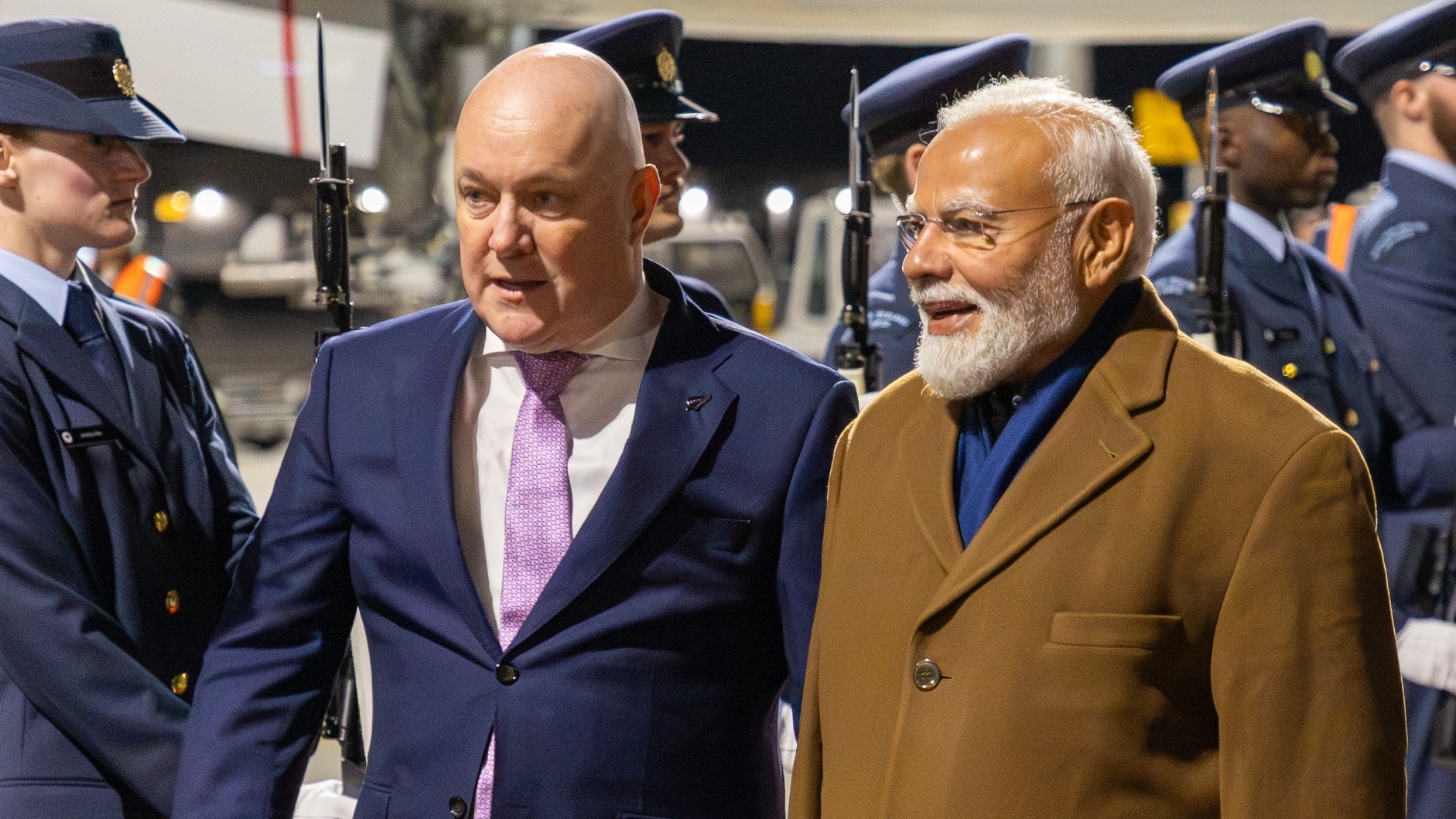
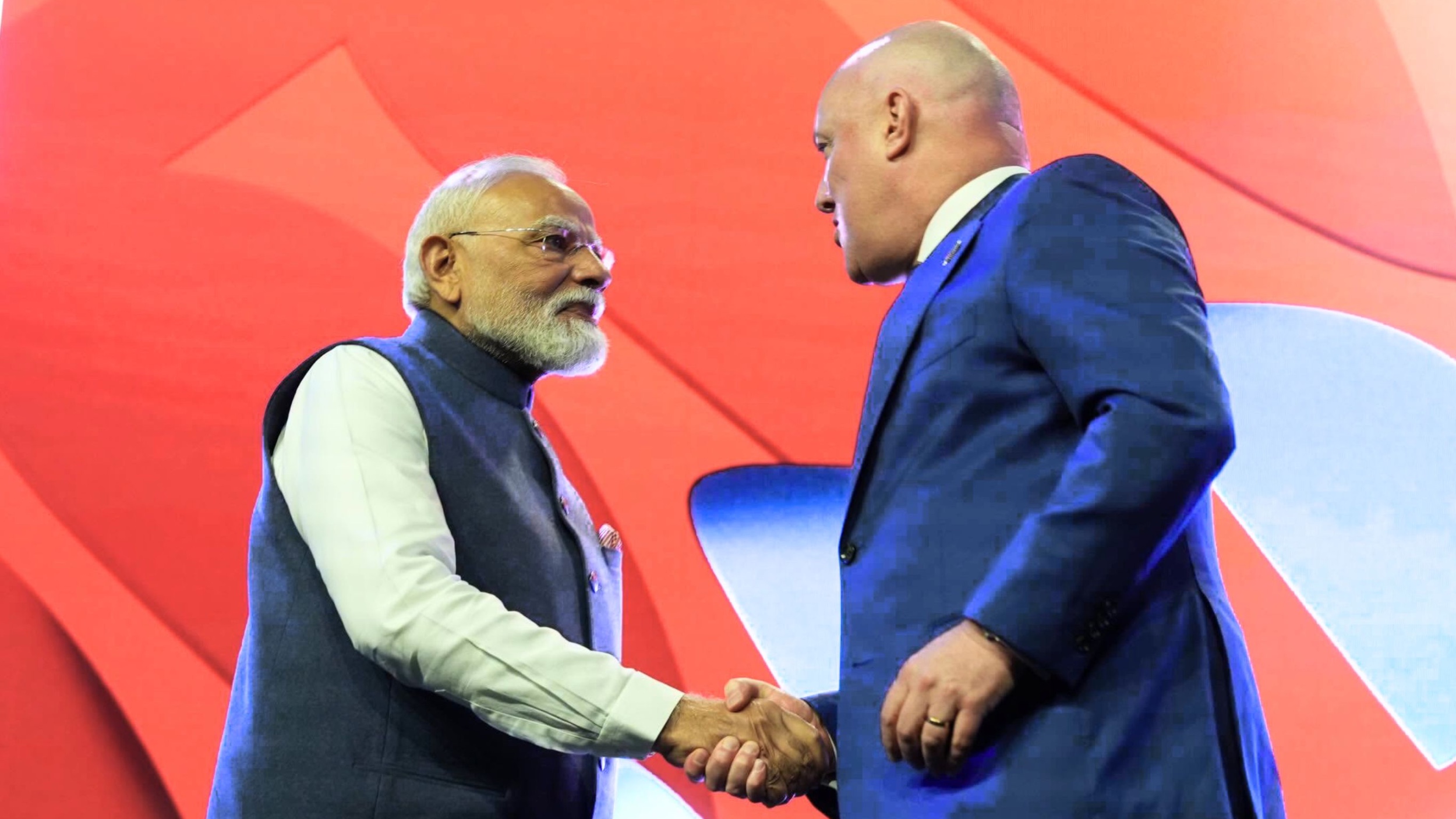
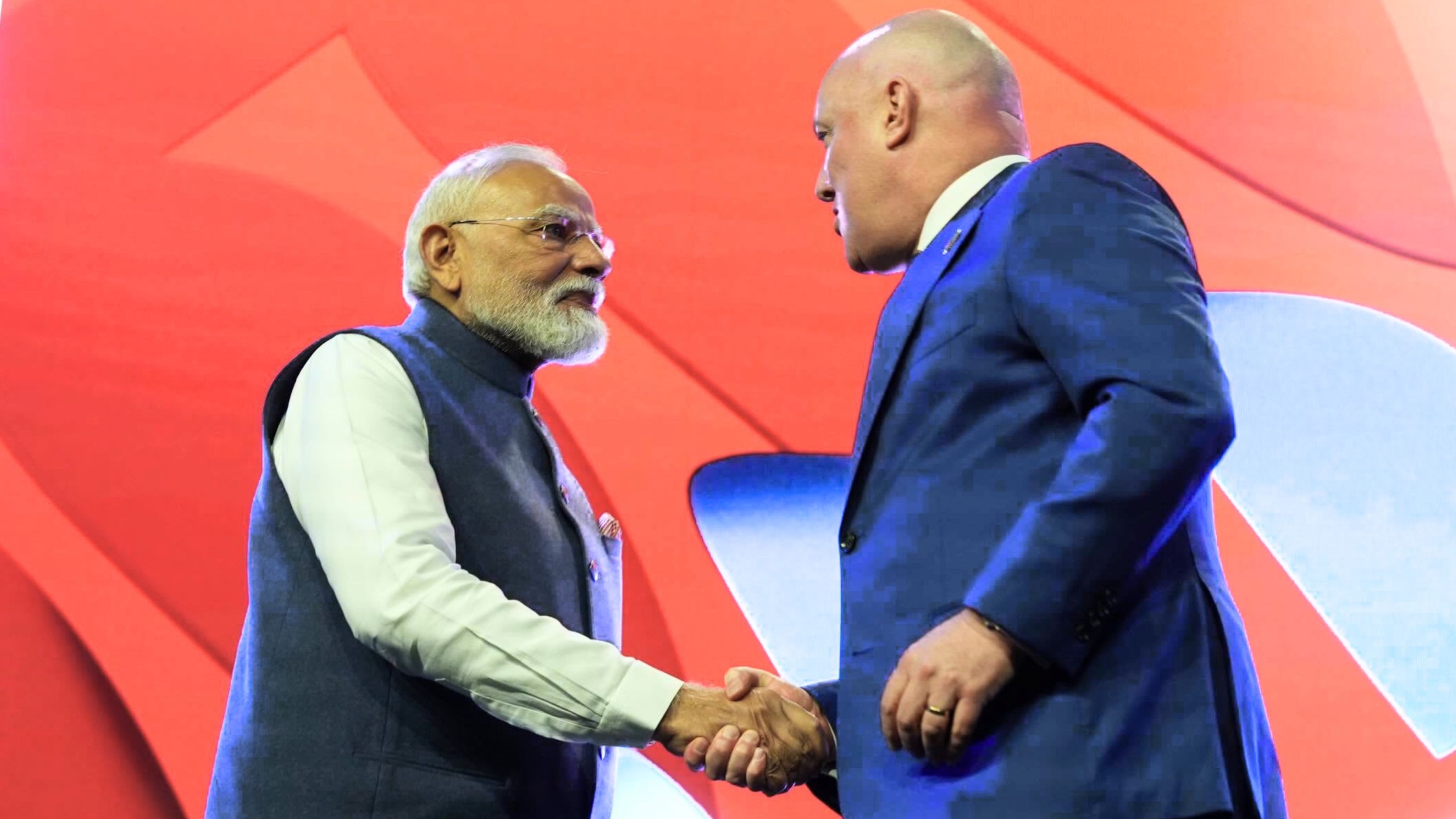
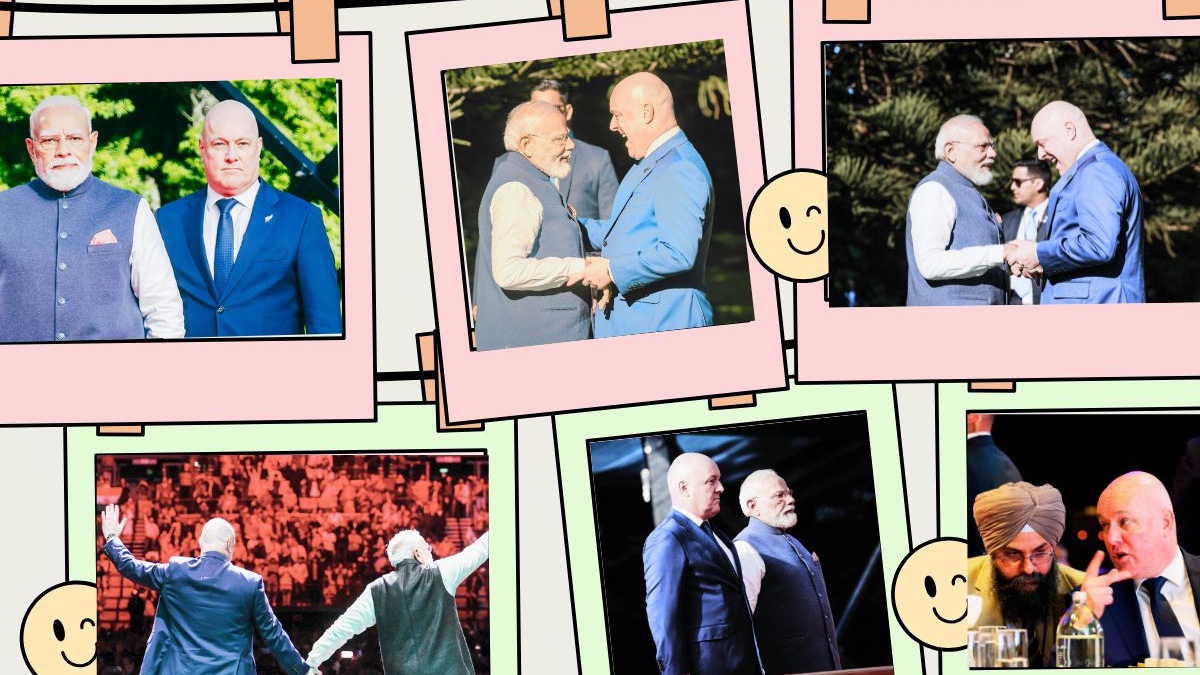
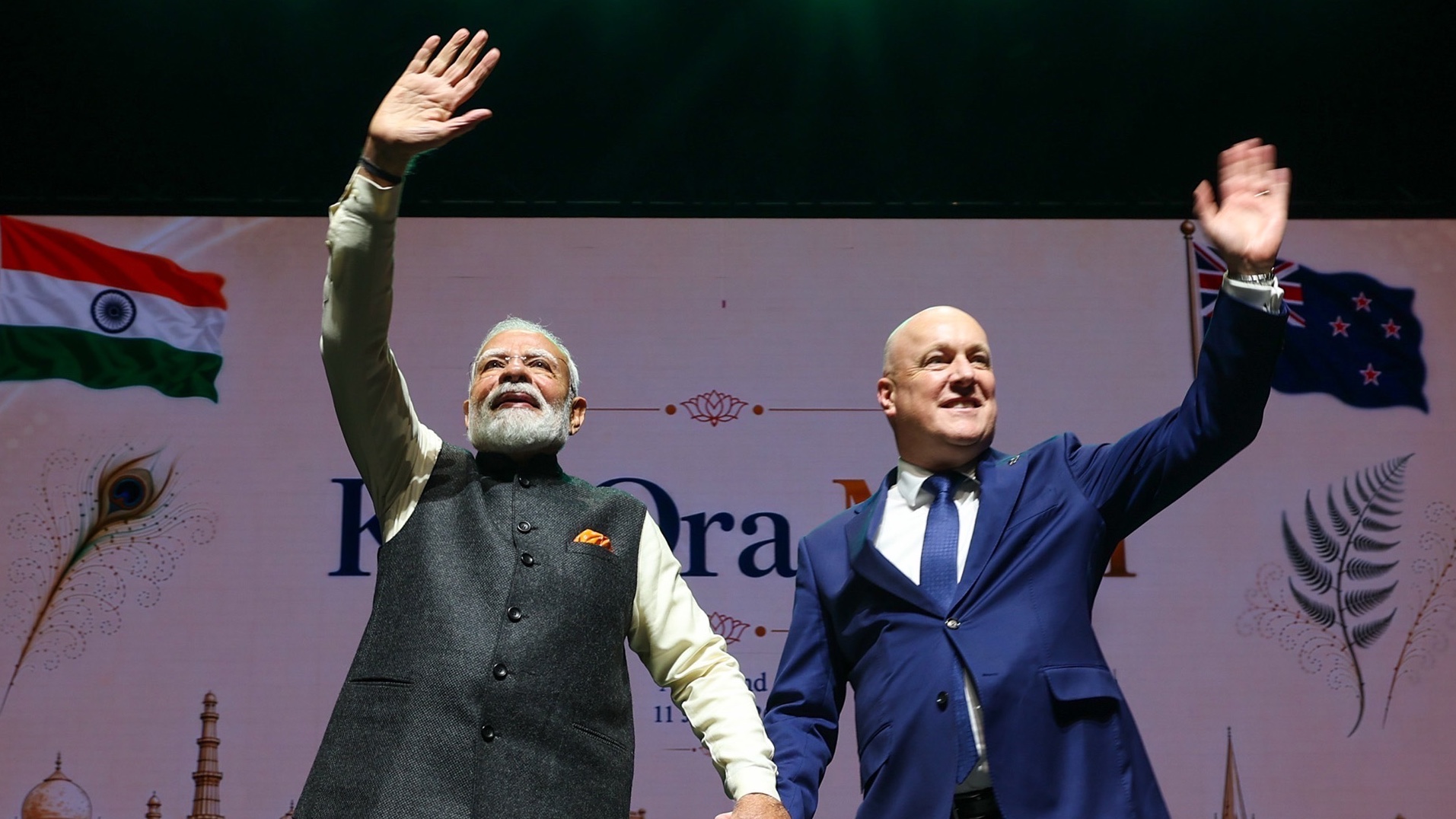
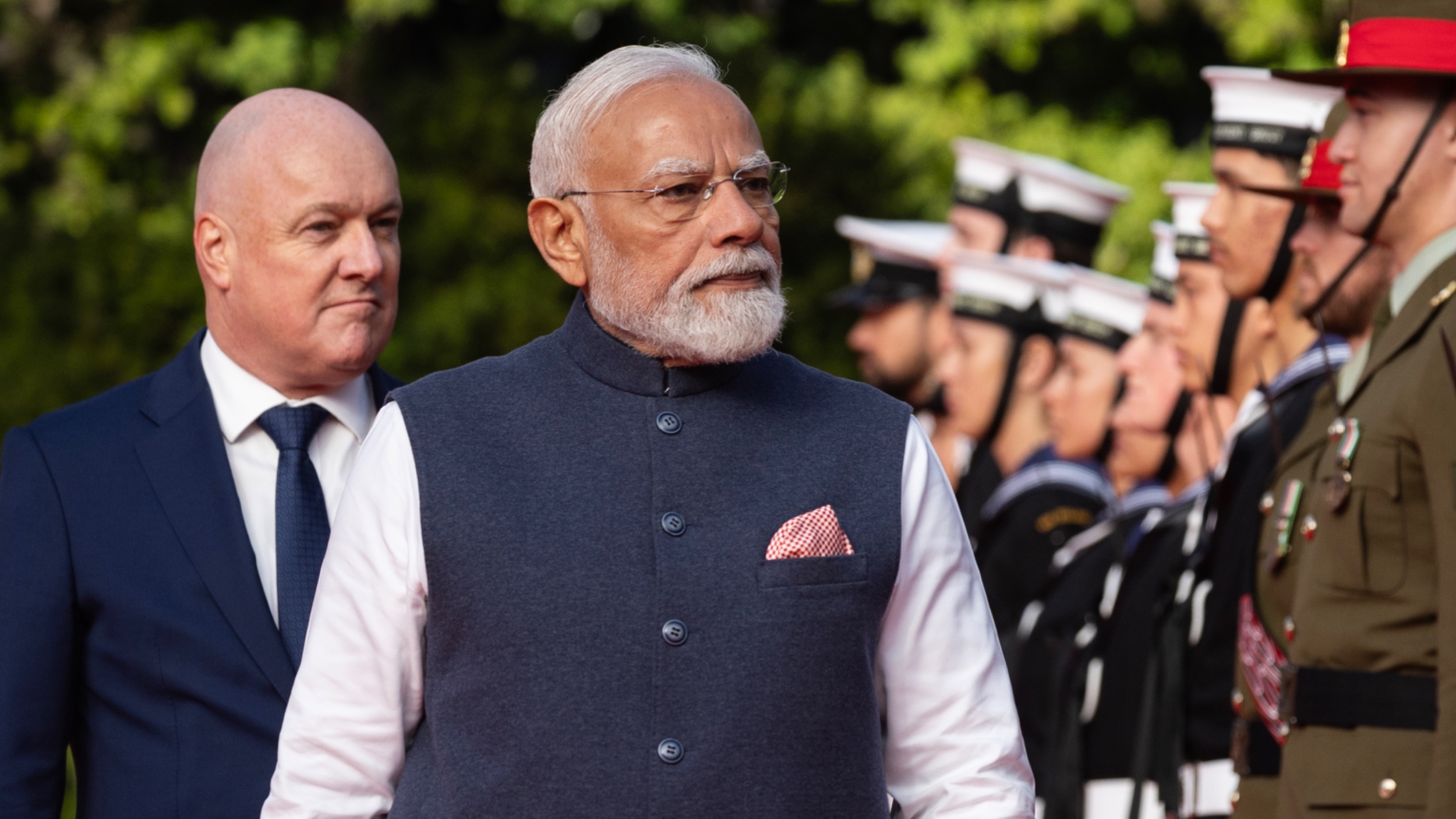
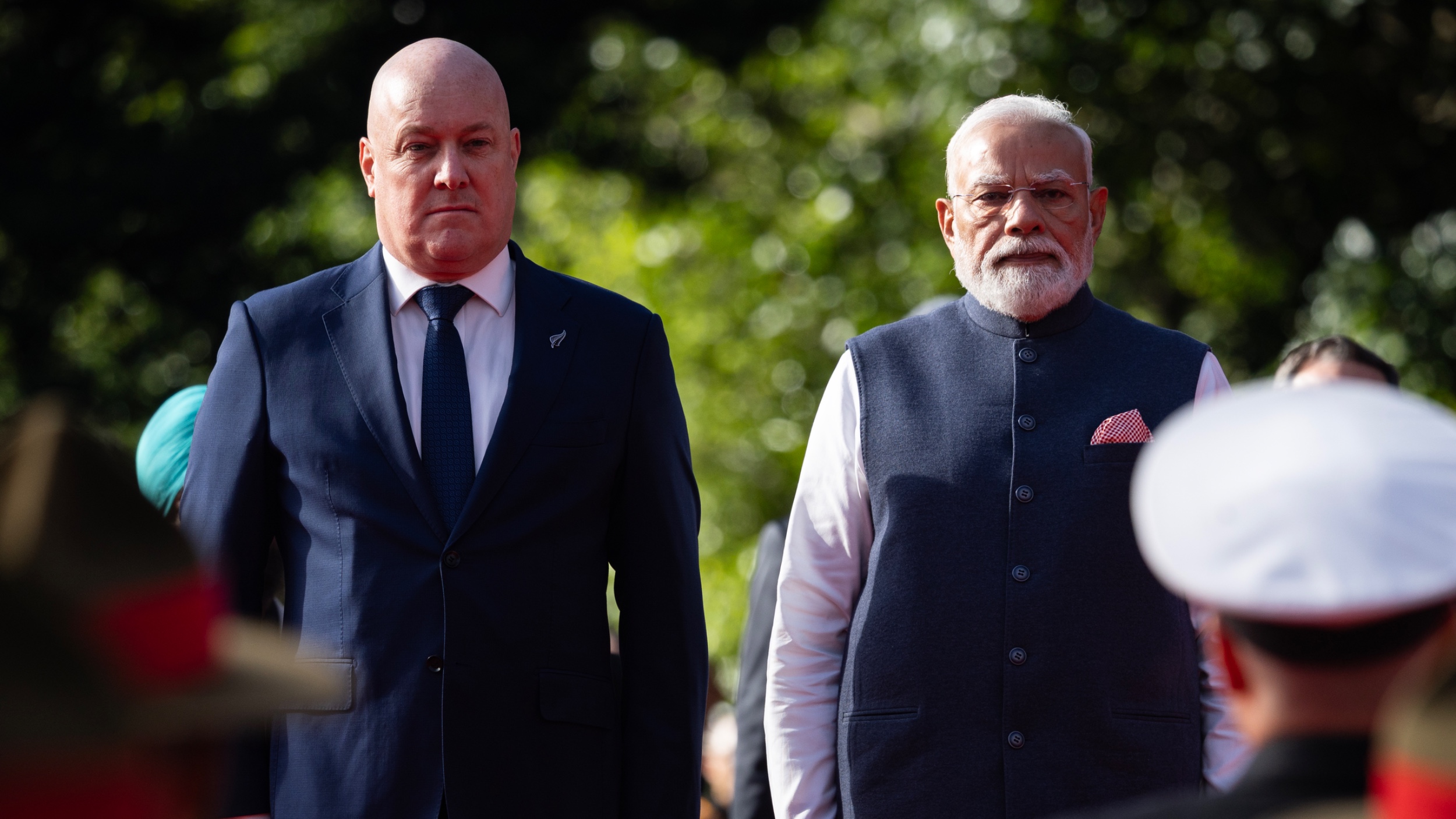
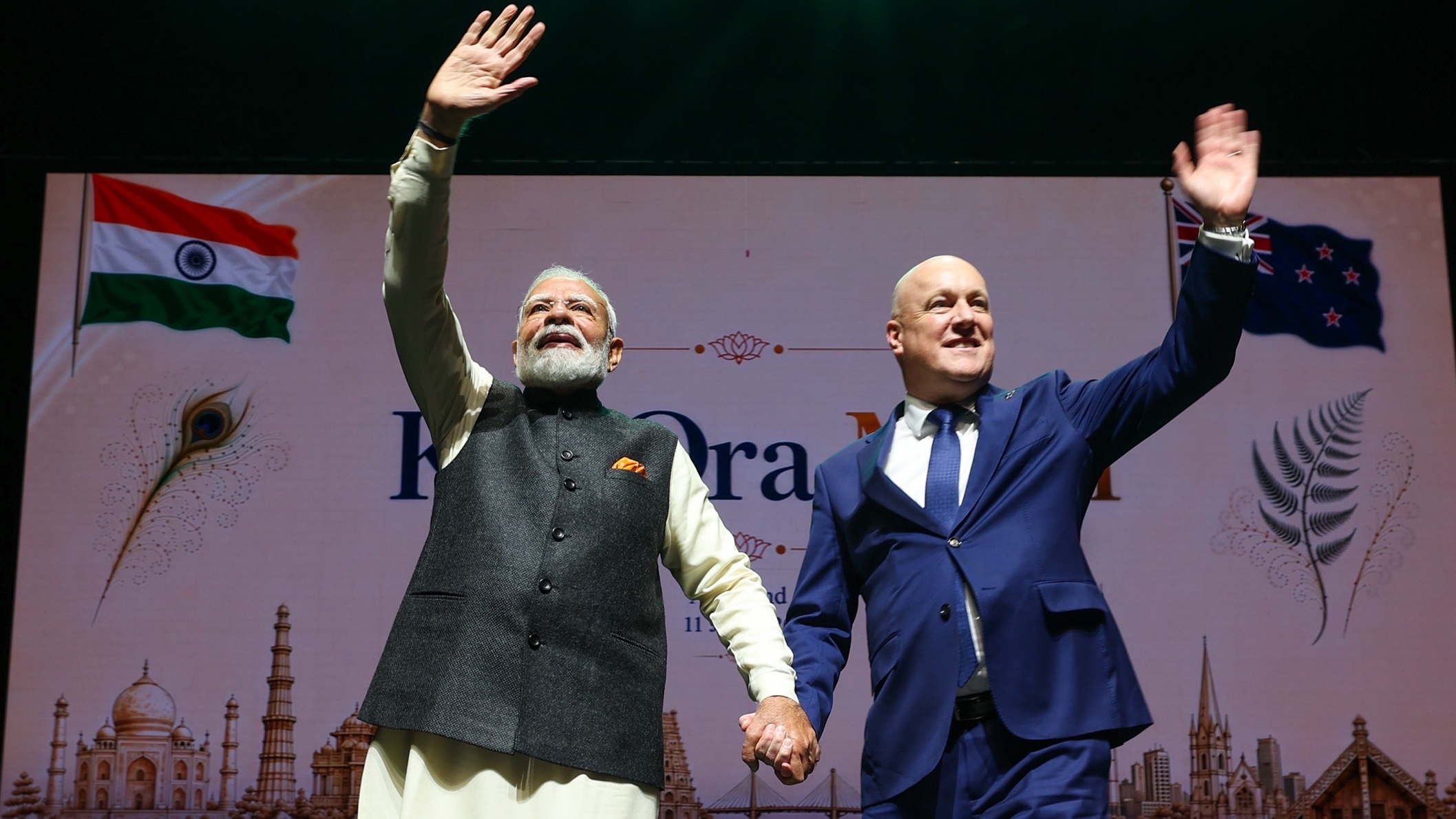
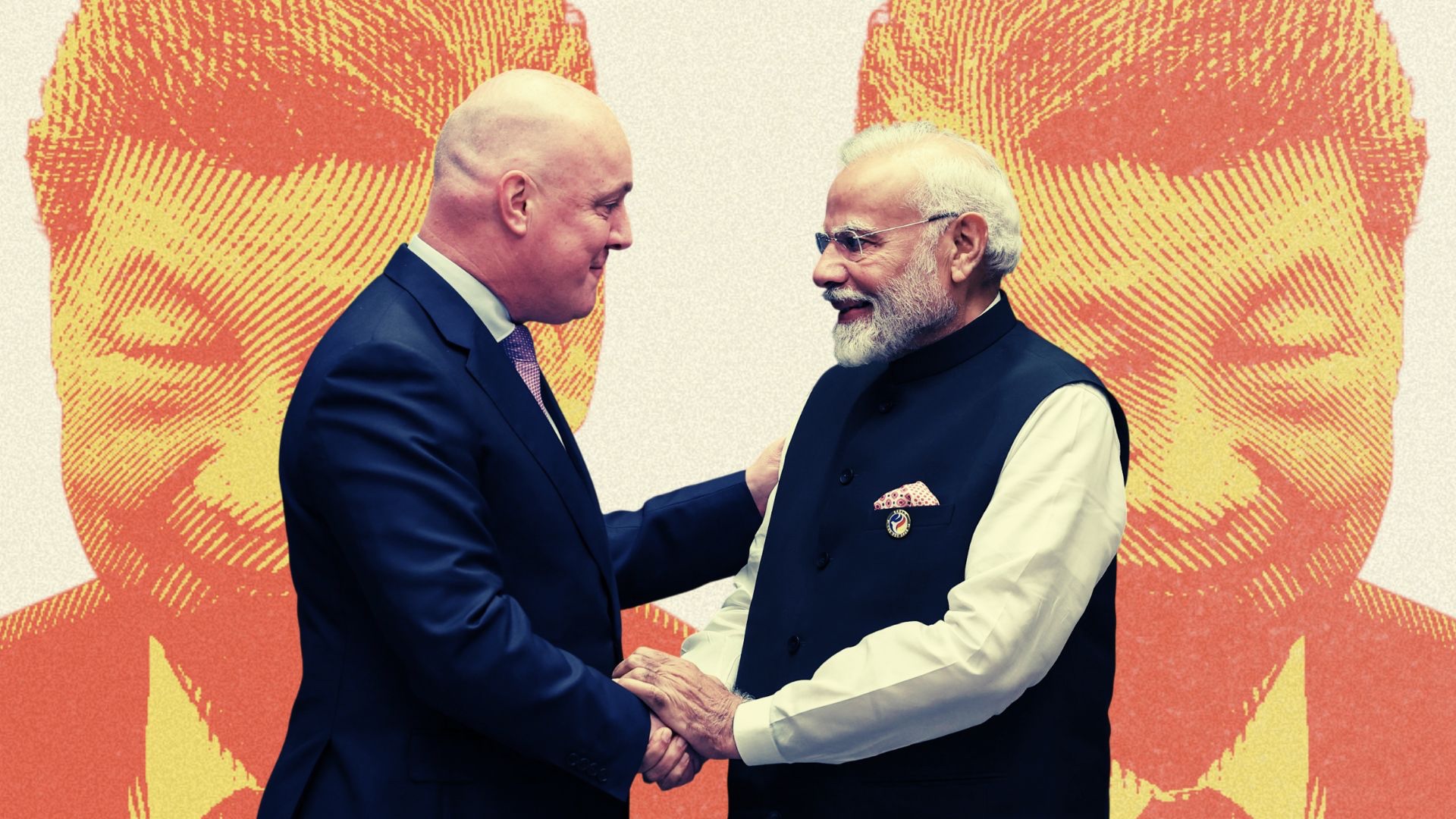
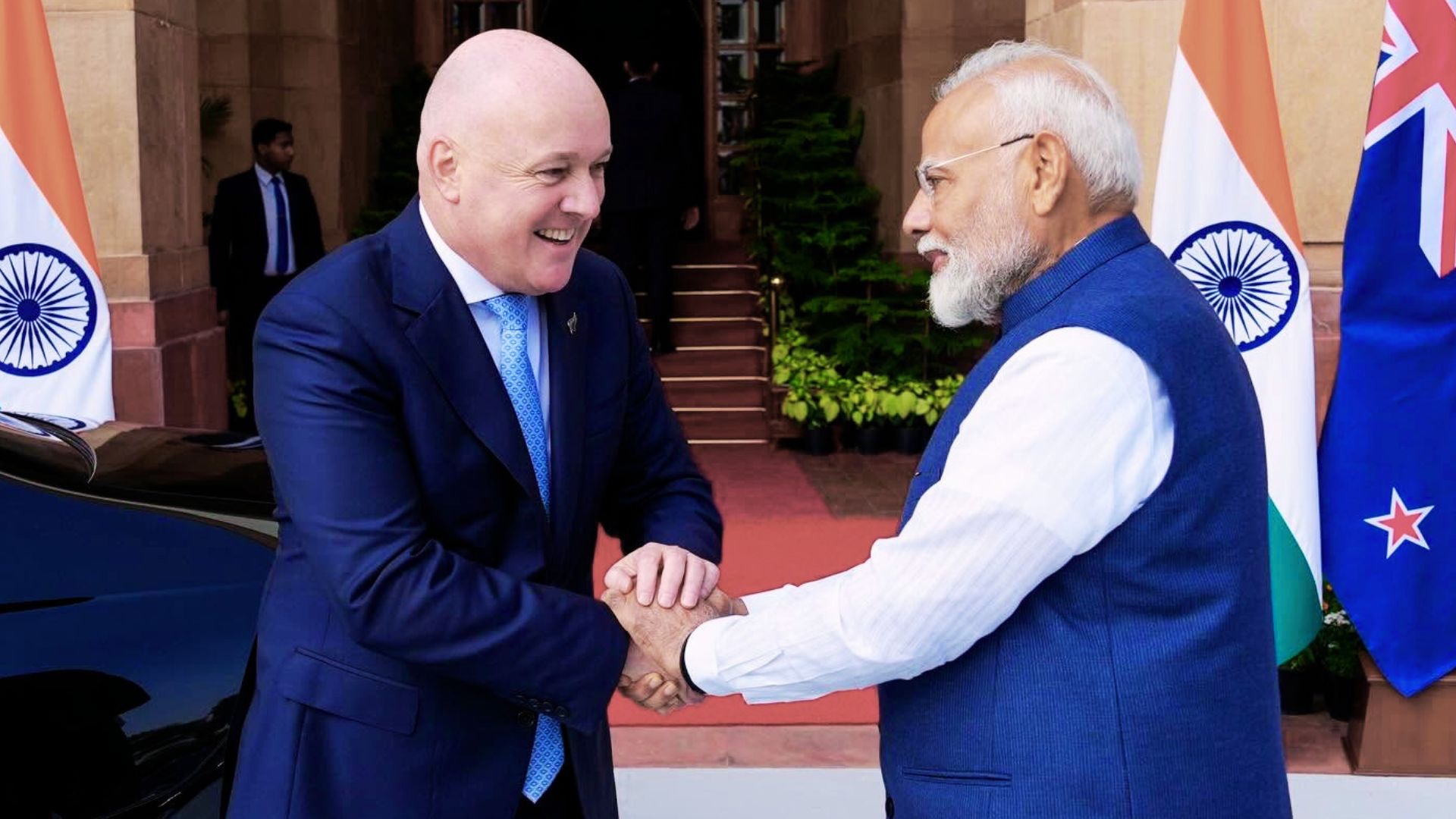
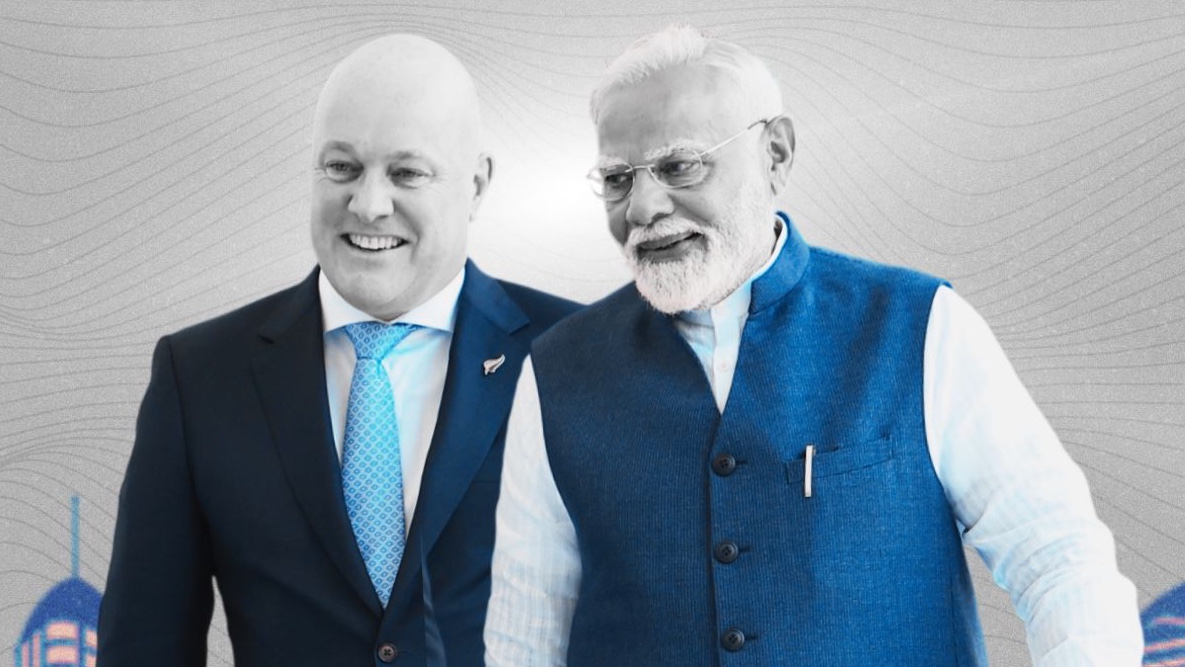
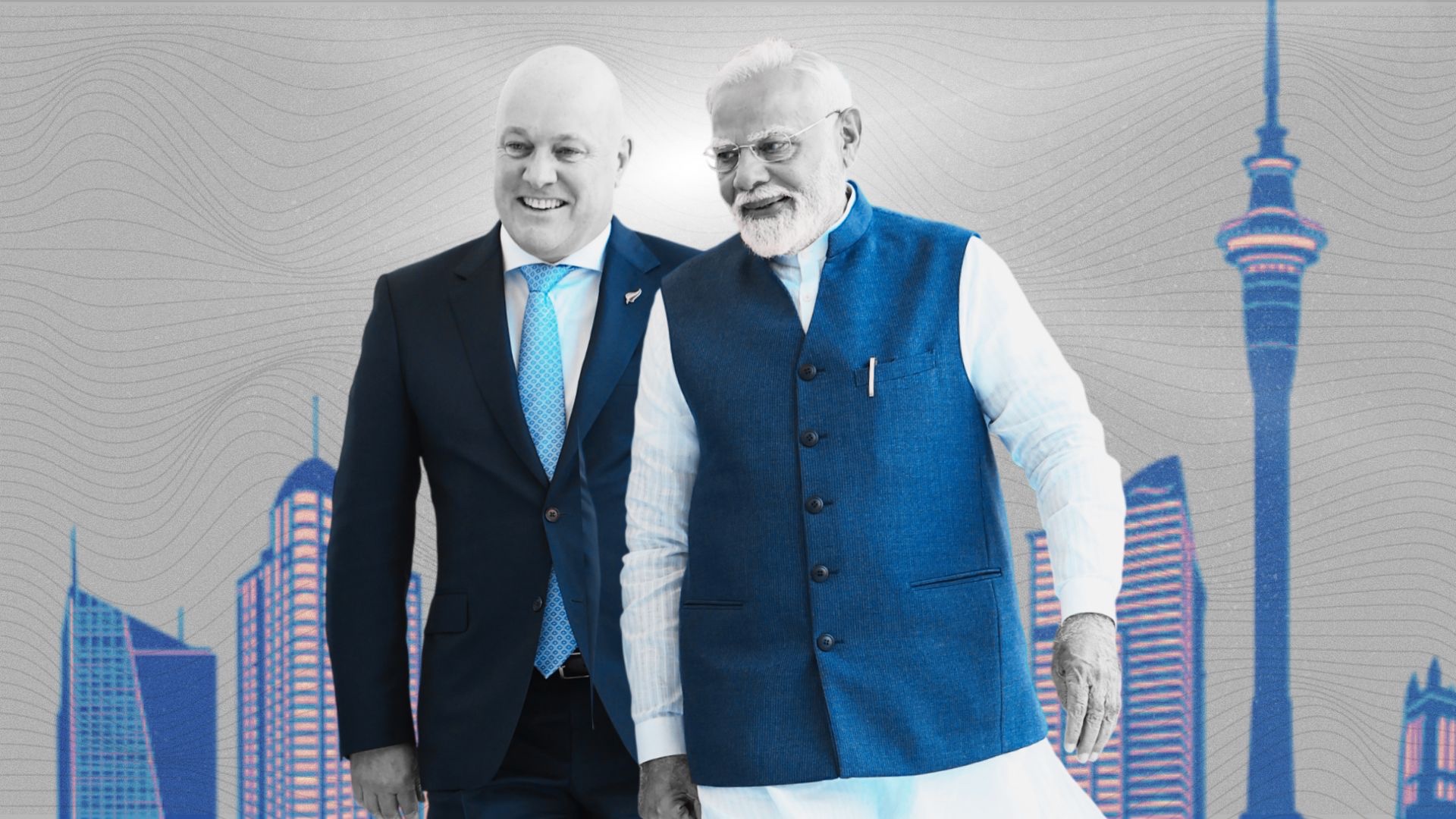
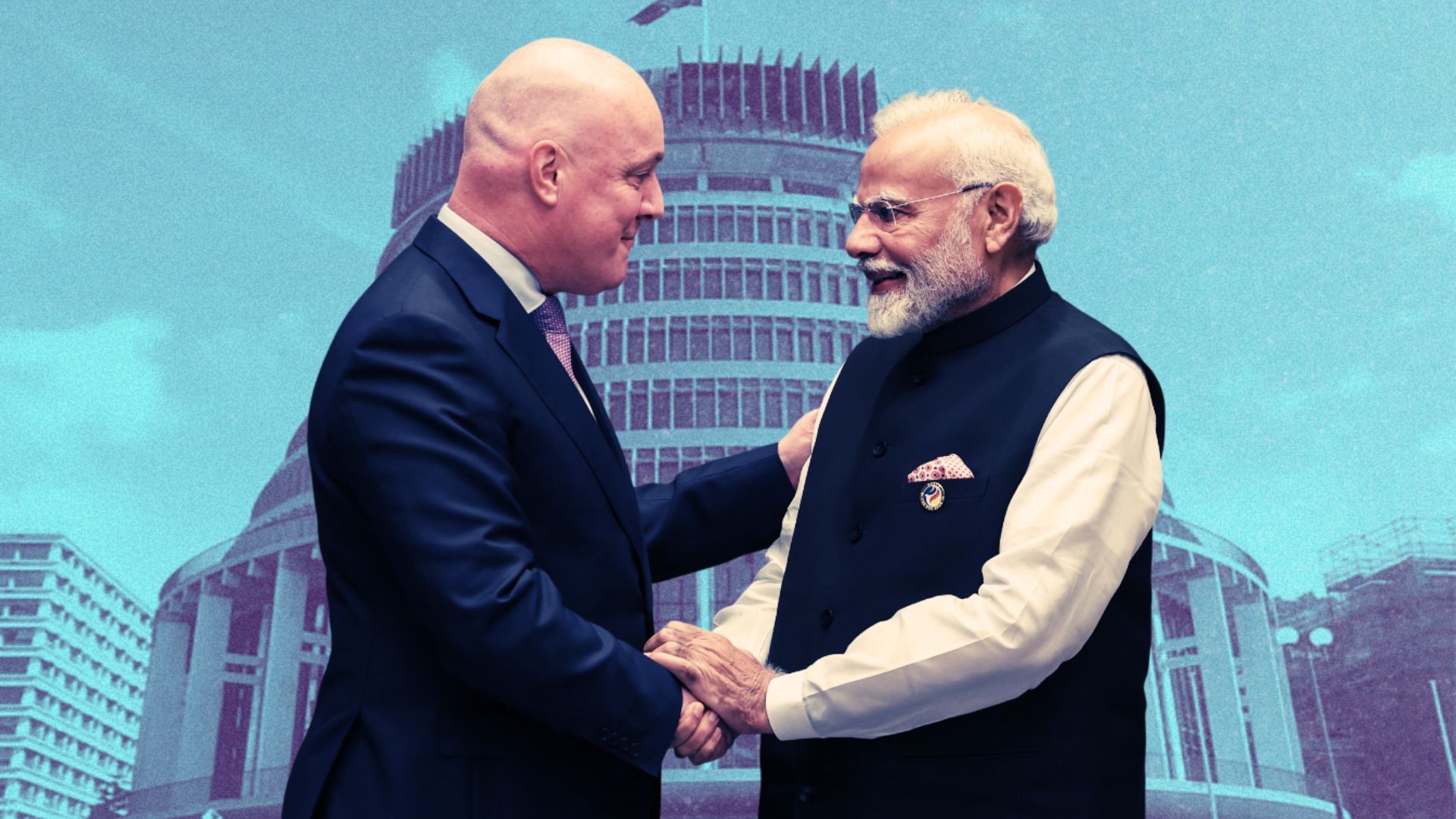
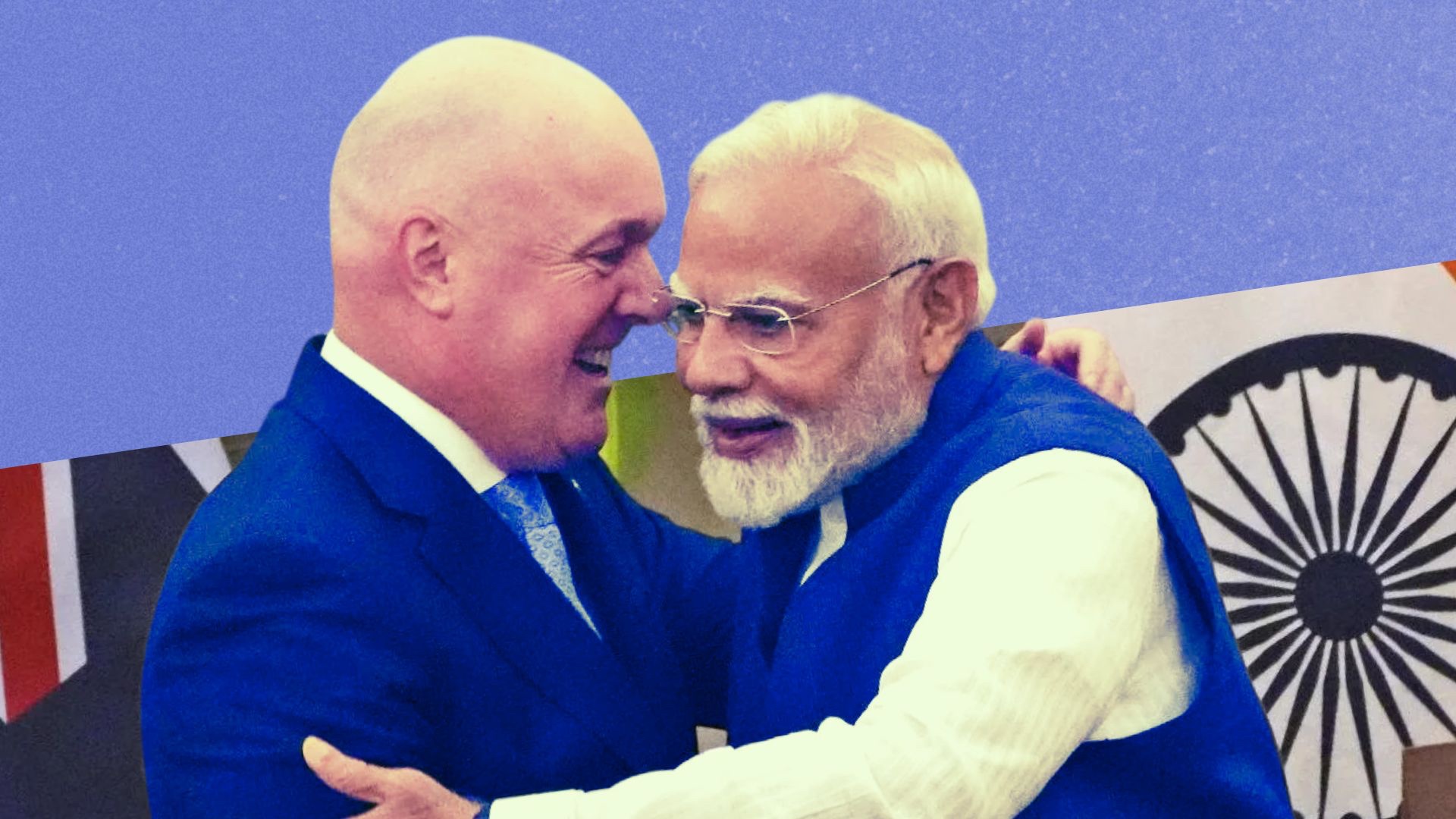
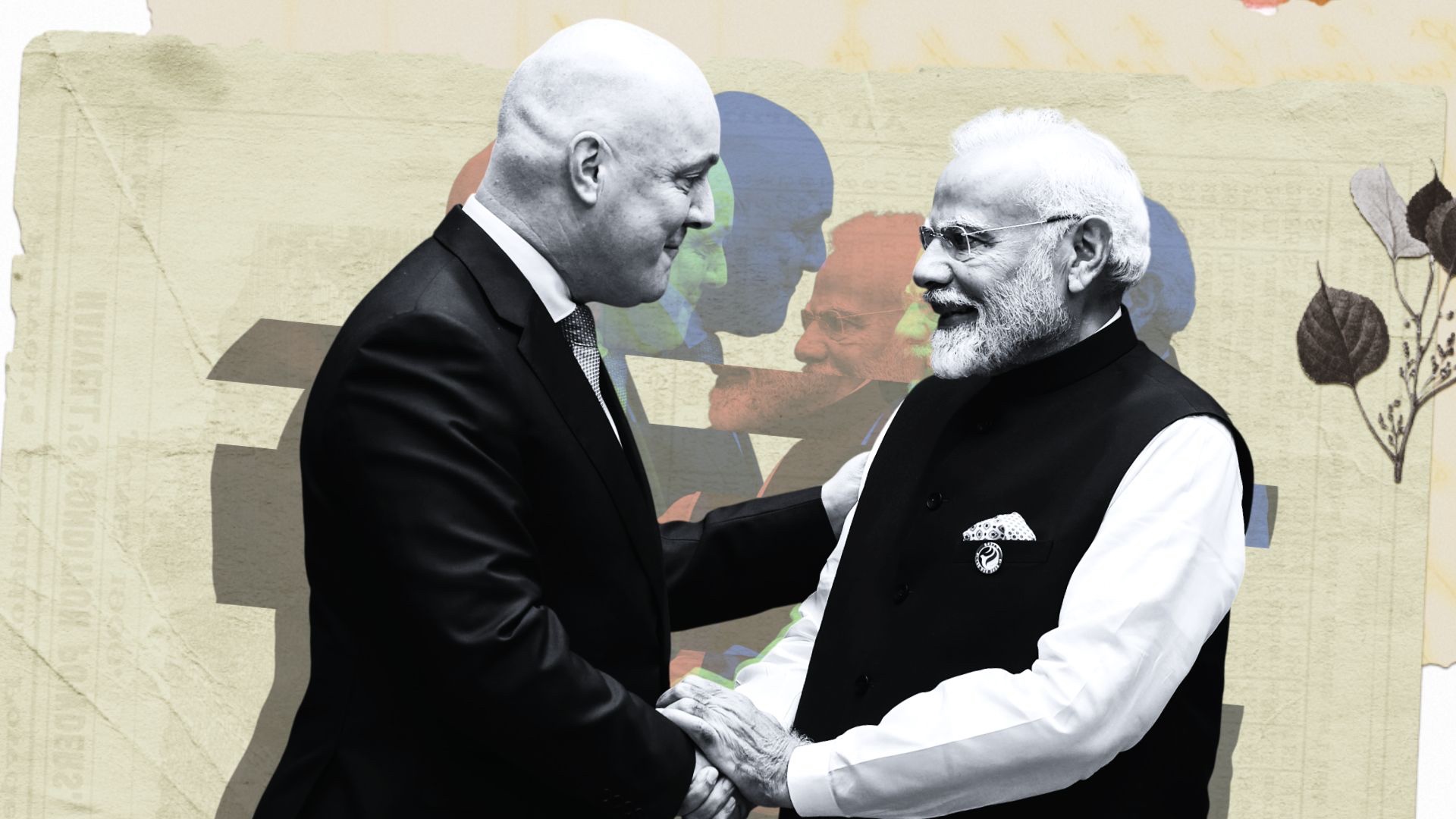
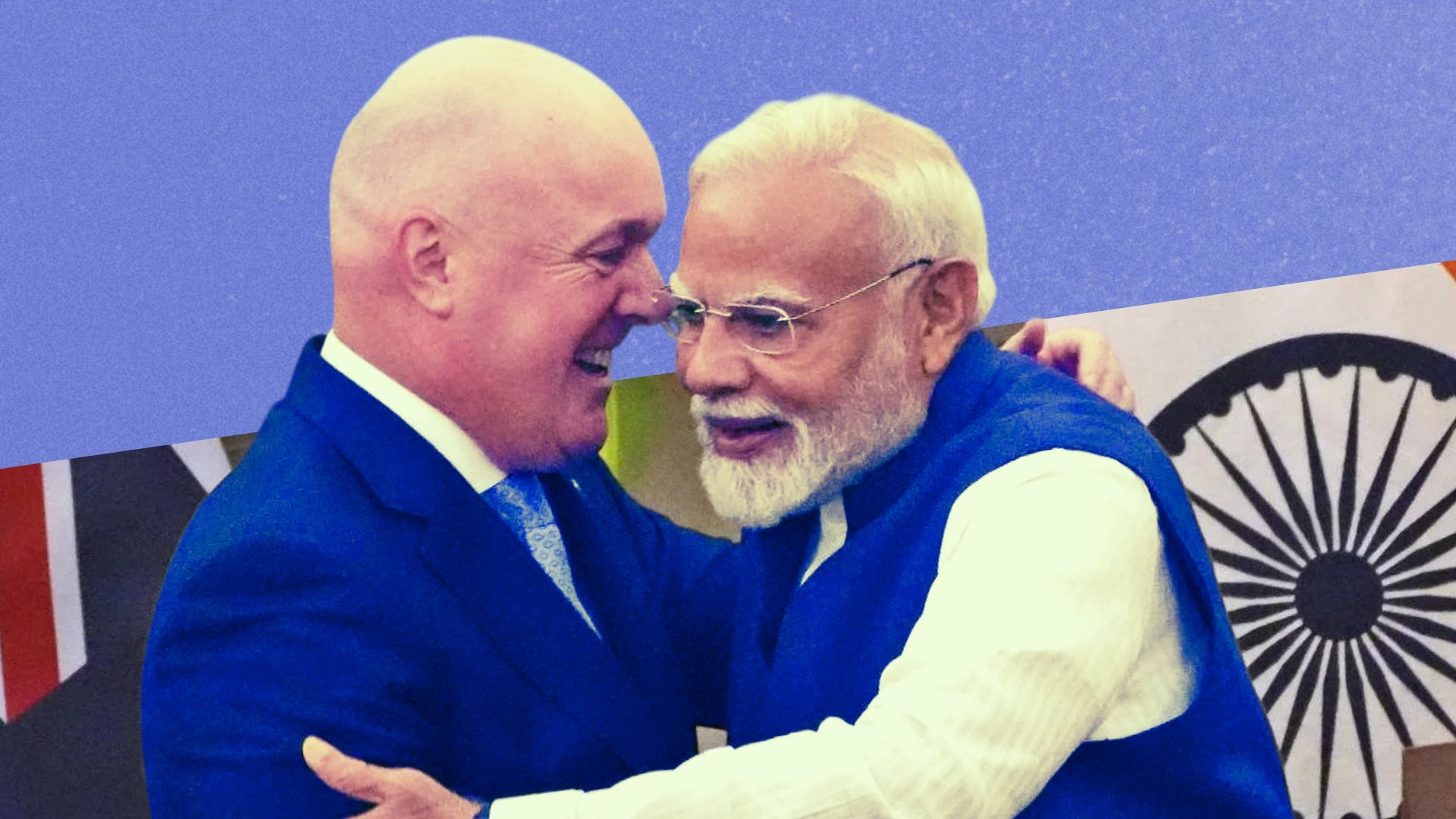
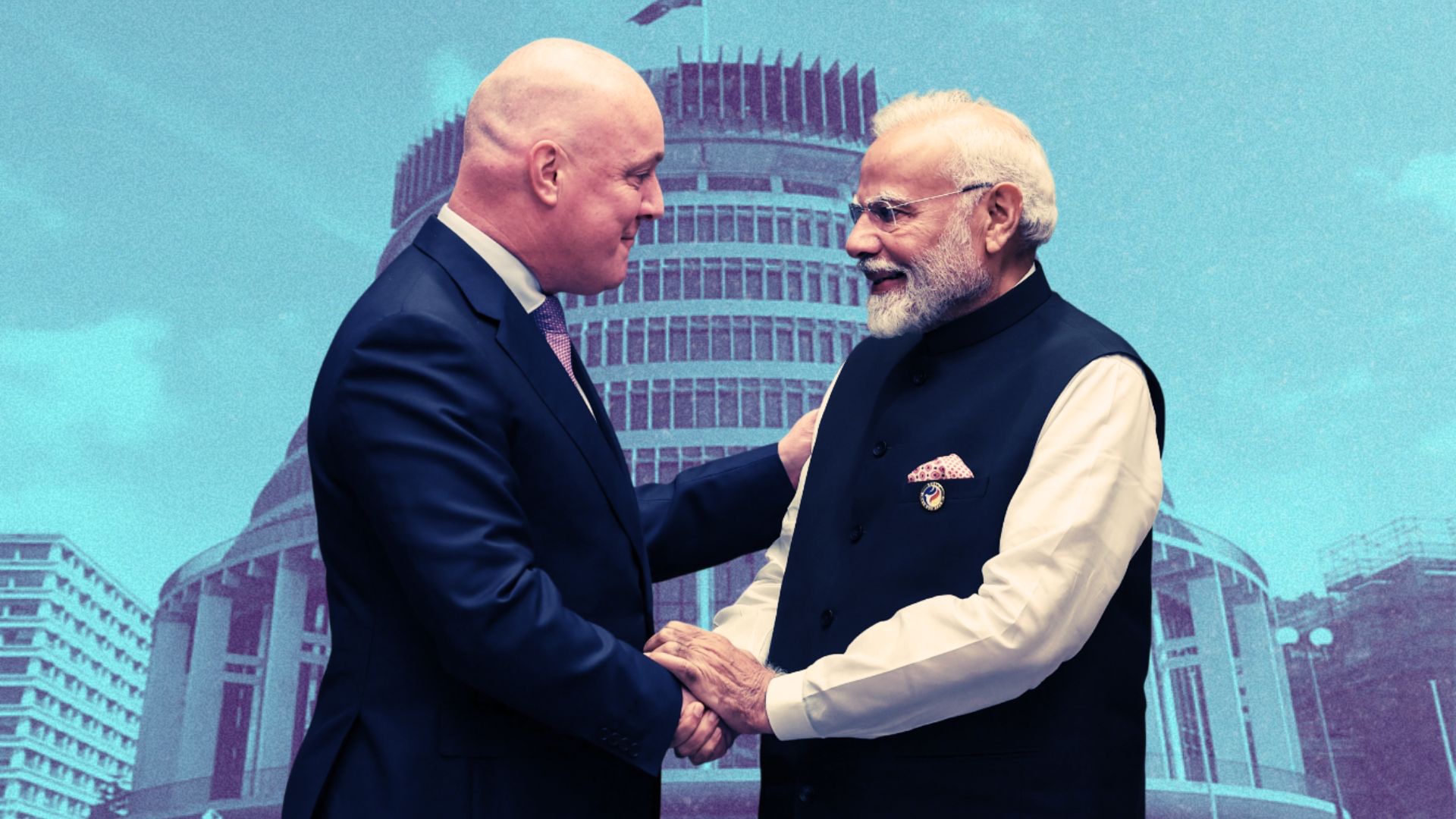
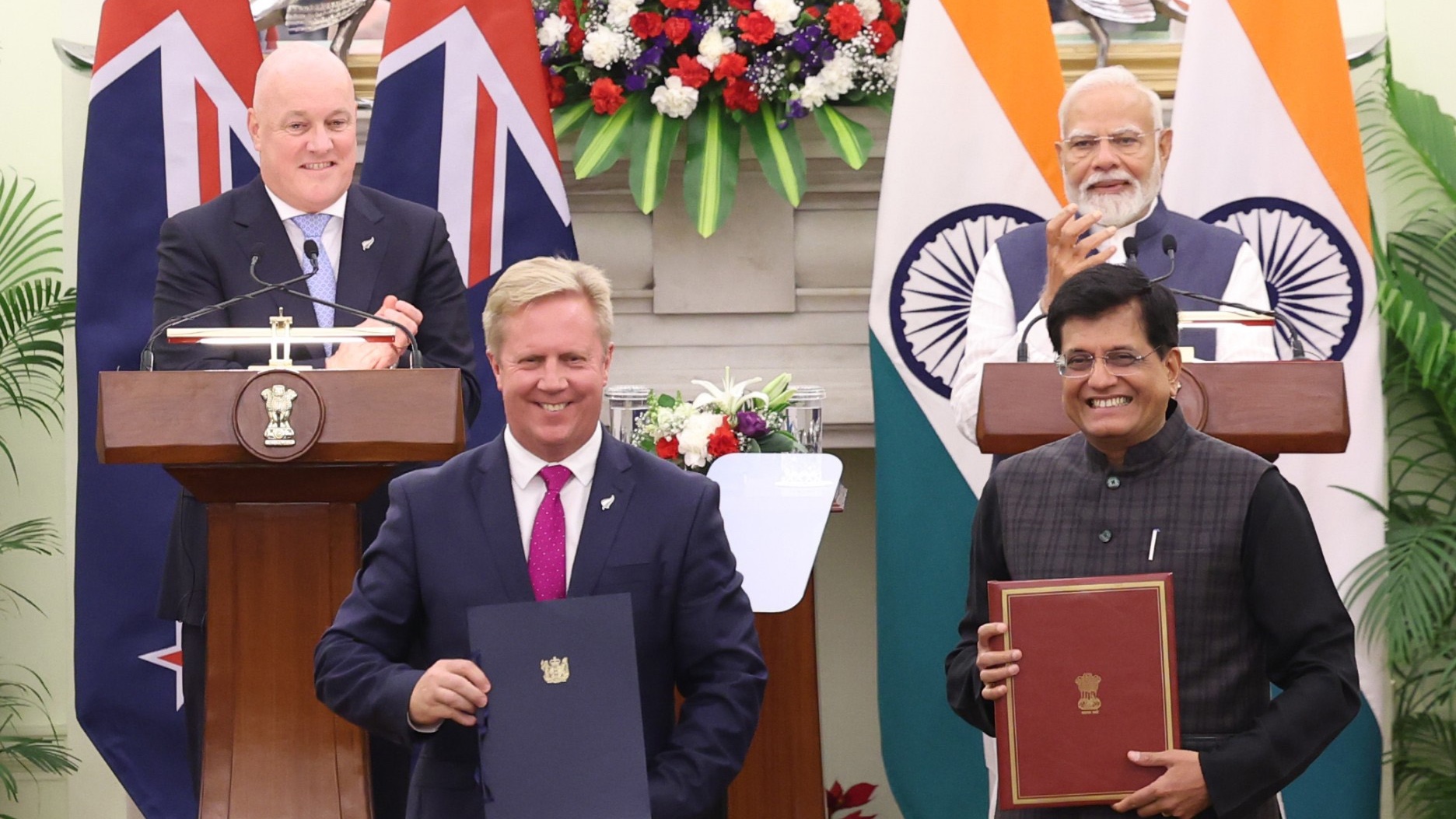
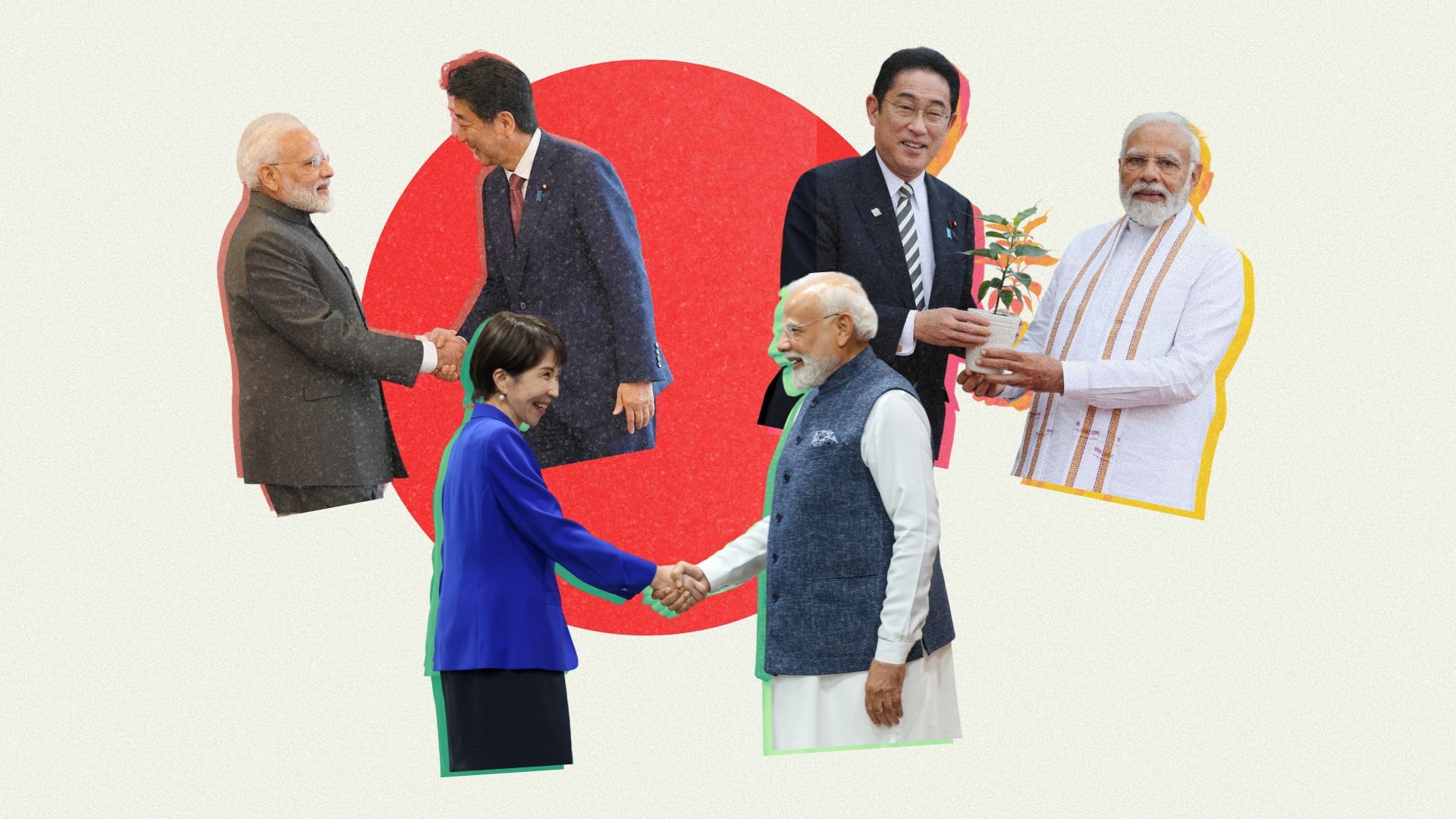
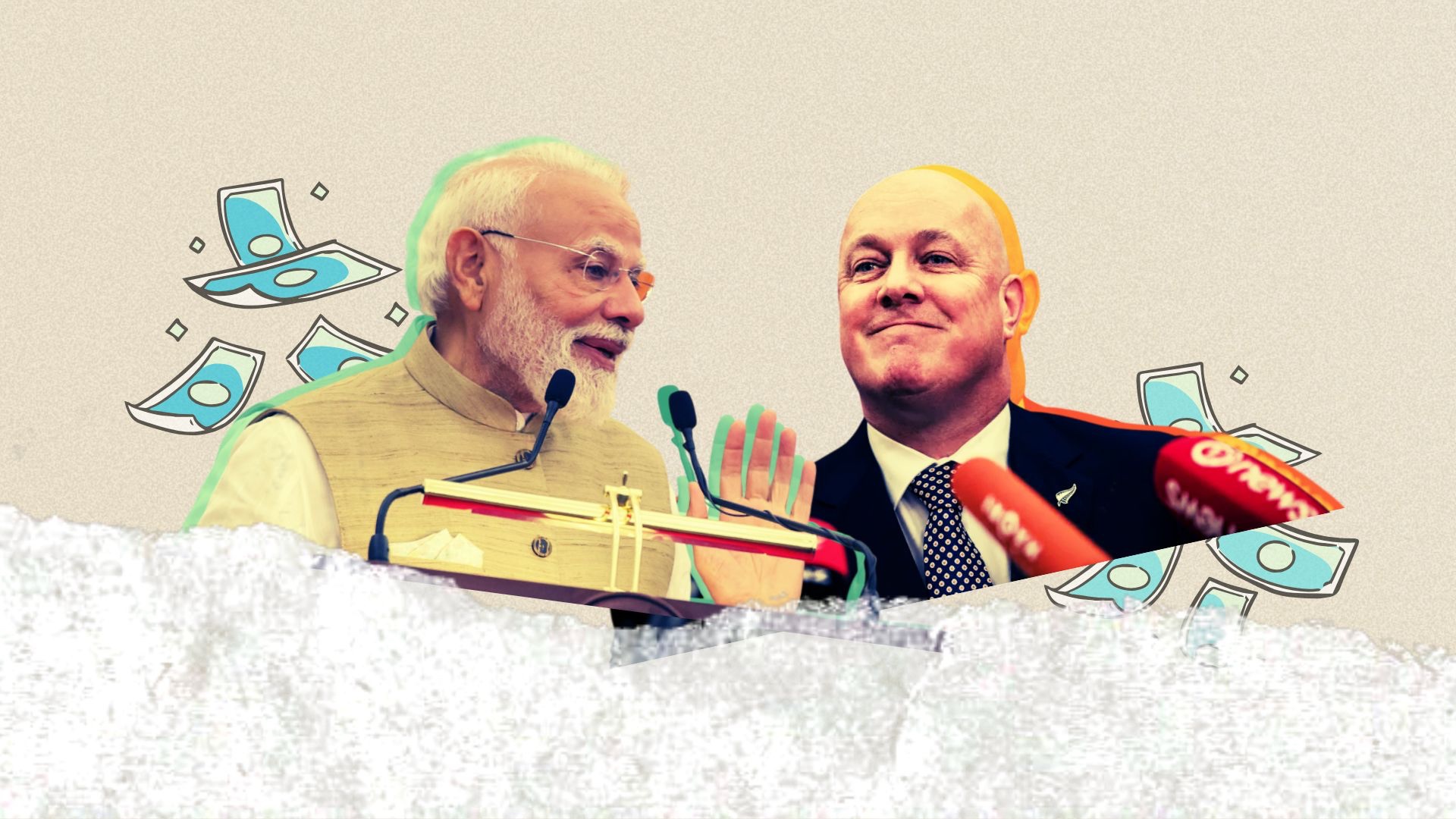
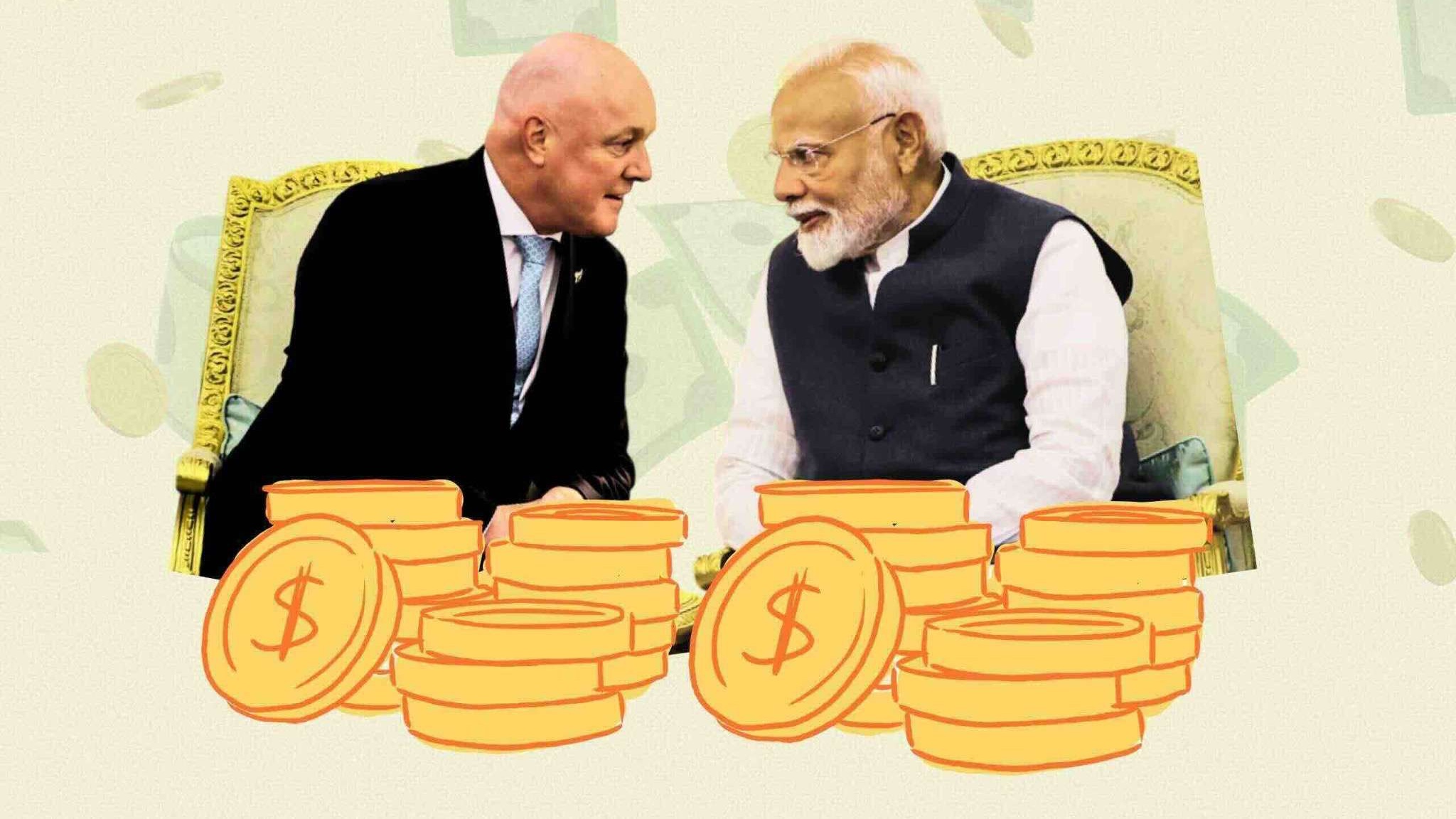
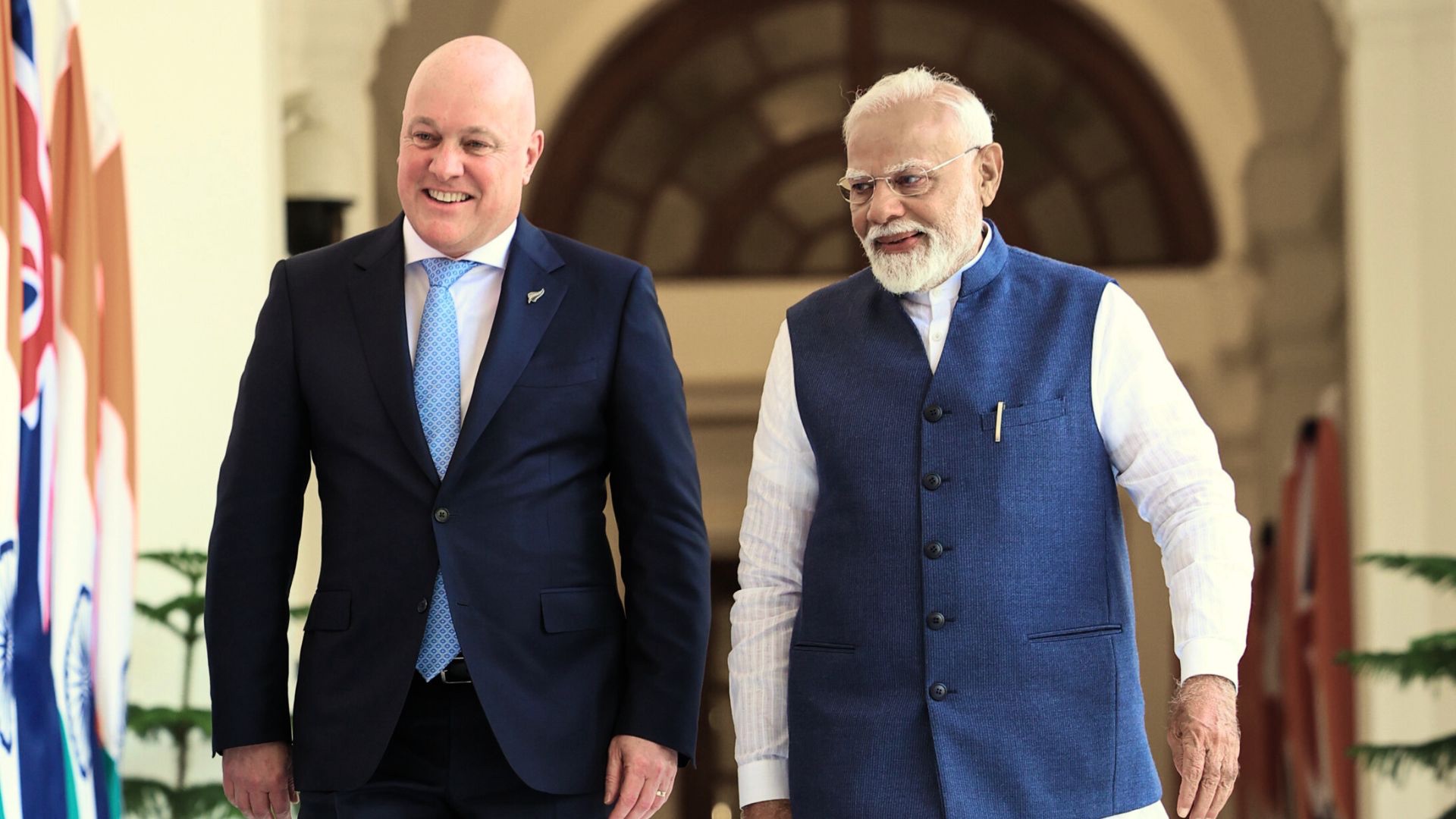
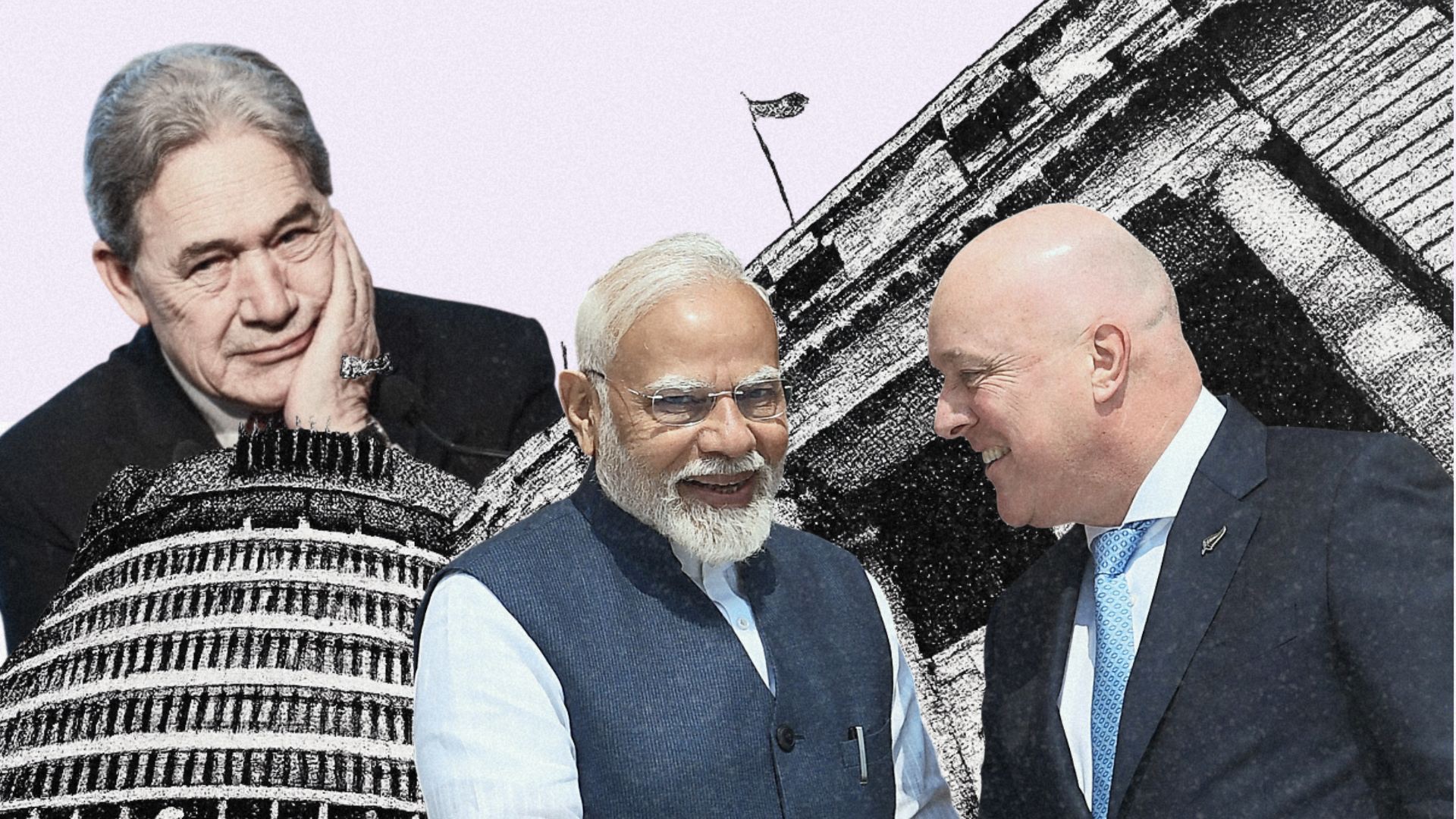
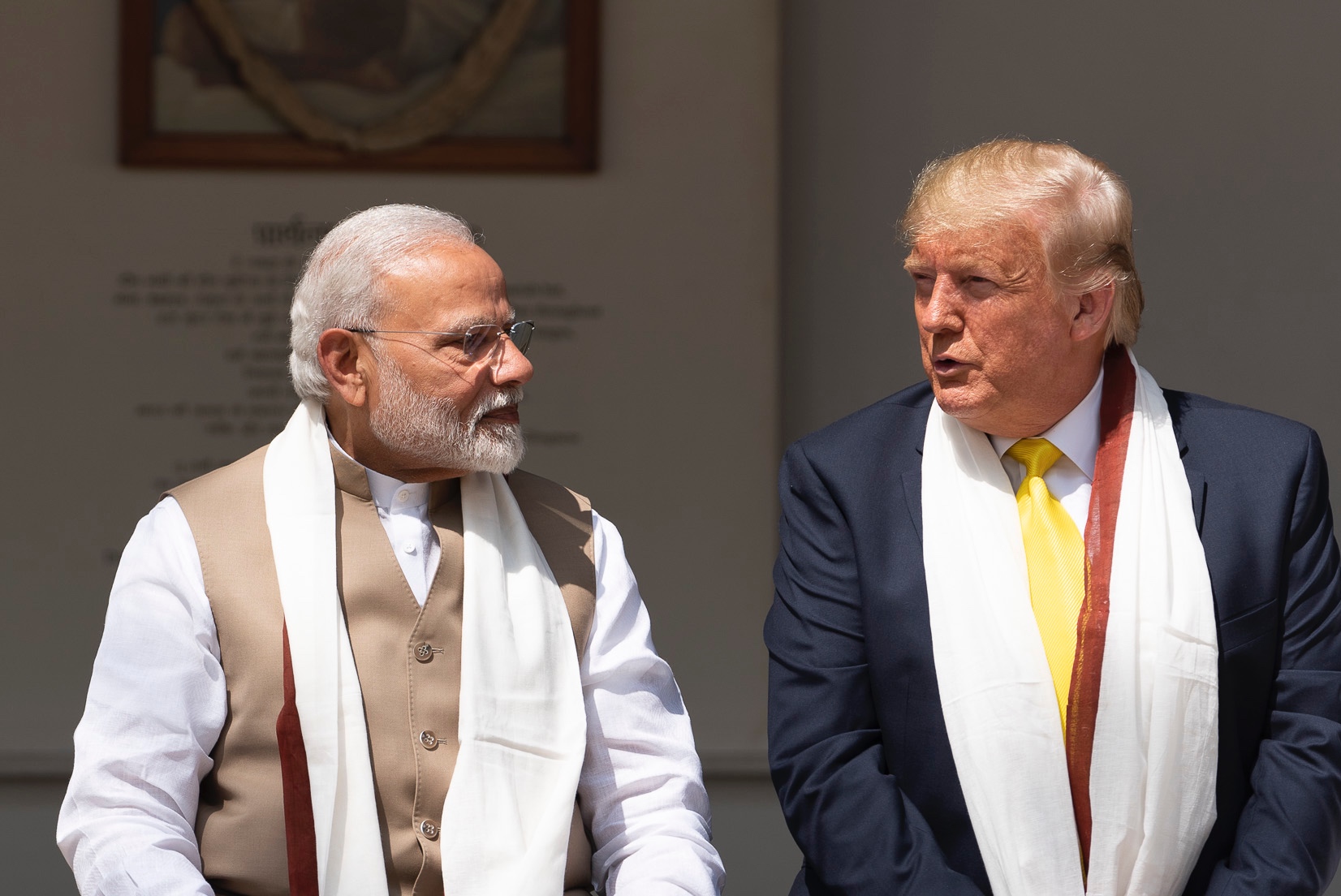
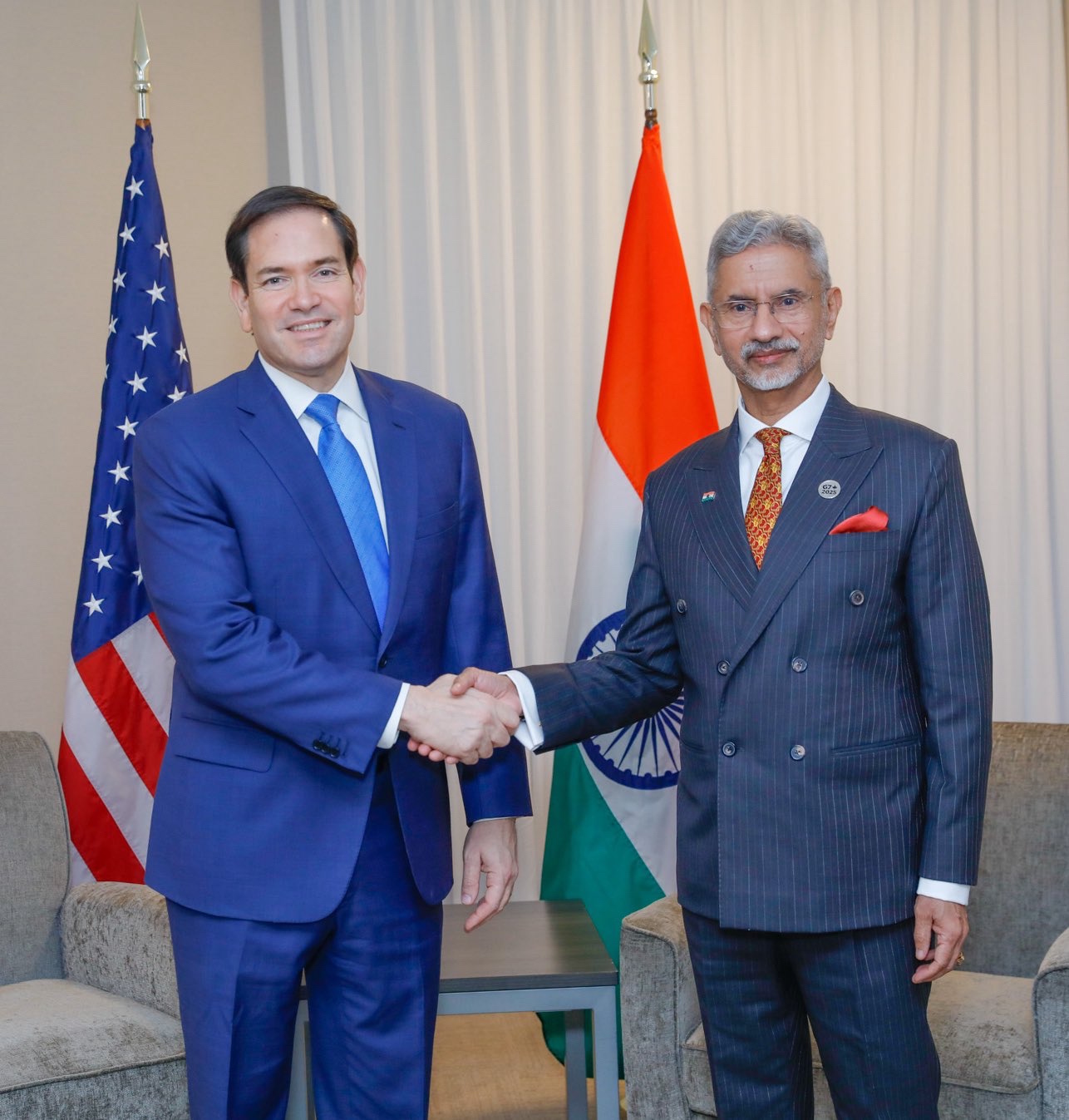
Prime Minister Christopher Luxon with Indian counterpart Narendra Modi in New Delhi in March 2025. (Supplied photo)
The gap between the political campaign and the actual policy demands an explanation.
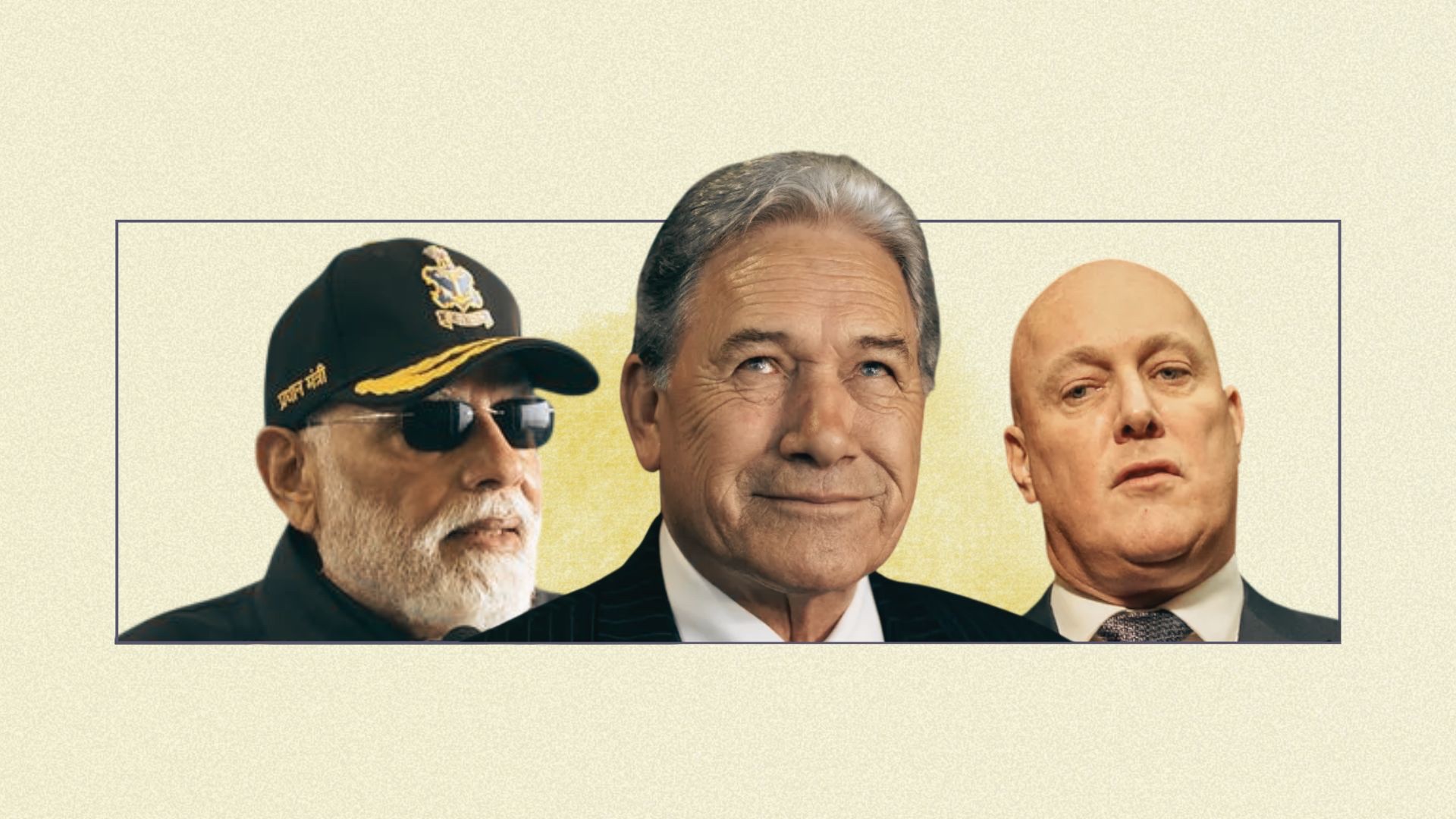
Shane Jones warned of a “butter chicken tsunami”. Winston Peters called the India Free Trade Agreement an “open door for a flood of immigrants”. Reality Check Radio published a campaign telling its audience that New Zealand was locking the gates open. The Good Oil promoted a Cam Slater interview with Marewa Glover by describing the agreement as “colonisation by stealth”.
These were descriptions calculated to make people afraid. Afraid of Indians arriving, taking jobs, overwhelming hospitals and changing the country around them.
The deal's immigration provisions were announced on October 20, Tuesday, and we can now compare that rhetoric with what New Zealand has actually offered.
Having practised immigration law for nearly thirty years, my assessment is straightforward: these two new employment visas will add very little to Indian migration numbers.
Their design removes much of what attracts the applicants most likely to consider moving here. They offer no entitlement to bring a family and prevent the work performed on them from counting towards skilled residence work-experience requirements.
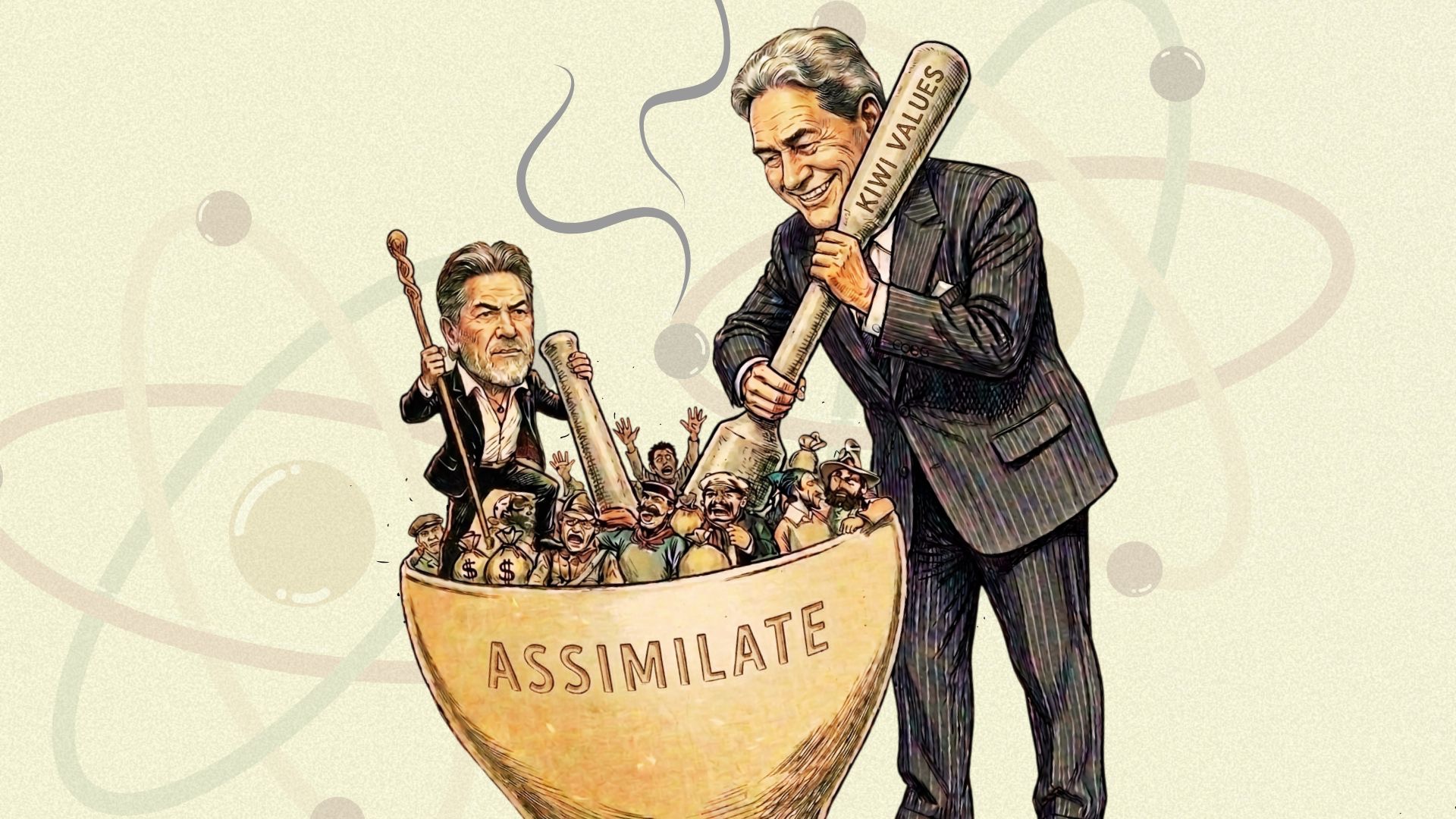
Out Loud: Winston Peters wants migrants to assimilate. But he keeps seeing us as migrants If acceptance matters, can assimilation be only a one-way obligation?
Woman says marriage at risk as husband's drink-driving conviction jeopardises NZ residence The Indian woman fears family backlash, social rejection and pressure to remarry if she is forced to return.
'Highest quality deal': NZ-India free trade agreement officially begins "Big step towards doubling the value of our exports in 10 years."
The gap between the political campaign and the actual policy demands an explanation.
Did those promoting the fear understand the provisions? Did they mislead the public? Or was Peters right in his later allegation that New Zealand was quietly restricting opportunities India thought it had secured?
So what does the policy actually do?
The India Skilled Work Visa and India Iconic Work Visa permit a combined maximum of 5,000 holders at any one time. Applicants need qualifying jobs with accredited employers, the prescribed qualifications or registration, and experience where required. Places do not fill themselves merely because a politician announces them.
The conditions make these visas distinctly unattractive to many prospective migrants.
A holder cannot support the usual visas for a partner or dependent children. Work undertaken on the visa does not count towards skilled residence work-experience requirements. The combined allowance under the two categories is three years. Another visa under either category then requires three years outside New Zealand. Time on these visas also counts towards relevant maximum-stay calculations when moving to an Accredited Employer Work Visa.

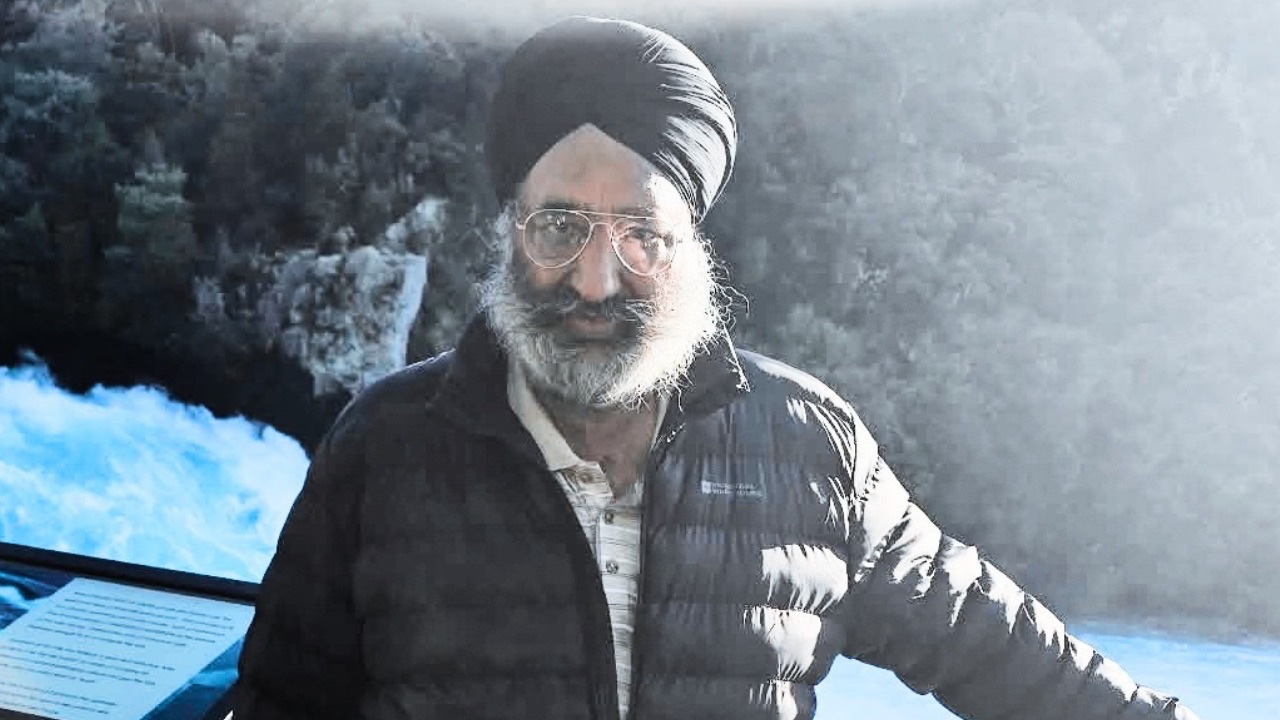
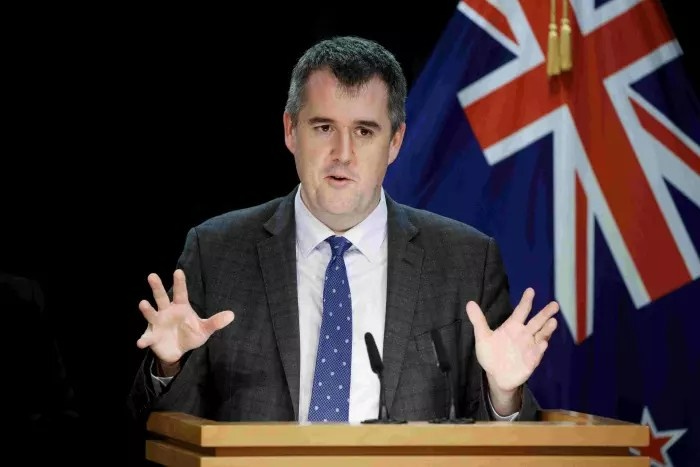
Auckland-based immigration lawyer Alastair McClymont. (Supplied photo)
For many Indian clients I advise, working in New Zealand is part of a family decision and a long-term plan. They want to establish themselves, have their children with them and work towards residence.
This offer tells them to leave their family behind, work for a limited period, and accept that the employment will not advance the work-experience component of their skilled residence eligibility.
Of course some people will take it up. Temporary overseas earnings and experience have value. But the incentives for a person seeking a settled future have been deliberately weakened.
And there is an obvious alternative.
Indian citizens could already apply under New Zealand’s ordinary immigration policies. They still can. Where the requirements are met, those policies can provide family support and employment that contributes towards residence.
An Indian nurse, engineer or teacher with a qualifying job offer should compare those existing options with the new FTA visa. Why choose the more restrictive category if another route better serves their family and their future?
That is why I expect so little additional migration. Some people using the new categories would otherwise have come through existing ones. Counting their FTA visas as entirely new migration would be misleading.
The exemption from a labour market test is a genuine concession and may assist particular employers. It does not turn this into an unrestricted immigration programme.
There are further controls that barely featured in the political scare campaign.
Applicants must satisfy INZ that their intentions are genuine. The bona fide assessment allows consideration of family ties, financial circumstances, employment commitments and factors that might discourage someone from leaving New Zealand. A job offer and the right qualifications do not guarantee approval.
My concern is how readily economic circumstances can become an argument against the applicant. New Zealand offers someone an opportunity to earn more, then questions whether the attraction of earning more means they will refuse to leave.
Being Indian is not, by itself, a lawful reason to decline a visa. The assessment must address the individual evidence. But there is ample scope for restrictive decisions dressed in the language of insufficient incentives to return home.
The public should understand that discretion before accepting claims that India has acquired control over who enters New Zealand.
Work experience supplies another filter.
An applicant may have years of genuine experience and still struggle to persuade INZ to recognise it. Employment certificates, payslips, tax records and supporting references must satisfy the evidential requirements. INZ expressly requires independently verifiable employment certificates. Where it remains unsatisfied, an applicant can fail without any finding that the claimed work was fabricated.
None of this resembles surrendering control of immigration. Which brings us back to Winston Peters.
In June, his argument acquired a second limb. Having warned that the agreement would allow excessive migration, he accused National of covertly developing restrictions aimed specifically at Indians.
He identified limits on family visas, the exclusion of work experience from residence calculations and the requirement to apply offshore. He alleged that officials wanted to avoid announcing the changes because of India’s likely reaction, and characterised the approach as bad faith.
In early July, he questioned whether India’s leaders had been given an honest account of what their citizens would receive. That is a serious allegation. It also deserves a serious answer.
India’s high commissioner subsequently said she did not believe New Delhi had been misled and confirmed that the governments were engaged on implementation.
There is, therefore, no basis for declaring as an established fact that New Zealand fooled India. There is every basis for asking when the restrictions were settled, what India understood, and why the New Zealand public was subjected to months of inflammatory claims about mass migration.
Earlier predictions must be judged against the settings being discussed at the time. But anyone who now continues to claim that these employment visas open the door to unrestricted family settlement must explain how that claim survives the published rules.
The wider agreement contains separate provisions for students, business mobility and a future working holiday scheme. Those should be examined on their own terms. They do not justify inventing family or residence entitlements for these two employment visas.
My conclusion remains firm. The two new employment categories will make very little difference to overall Indian migration. They are a poor proposition for many people whose objective is a family future in New Zealand, particularly when existing routes may offer more.
The politicians and commentators who promoted the scare owe the public an explanation. They owe the Indian community something more. An acknowledgement that their words have consequences long after the interview ends and the election campaign moves on.
Indian New Zealanders should not have to carry the cost of somebody else’s search for votes.

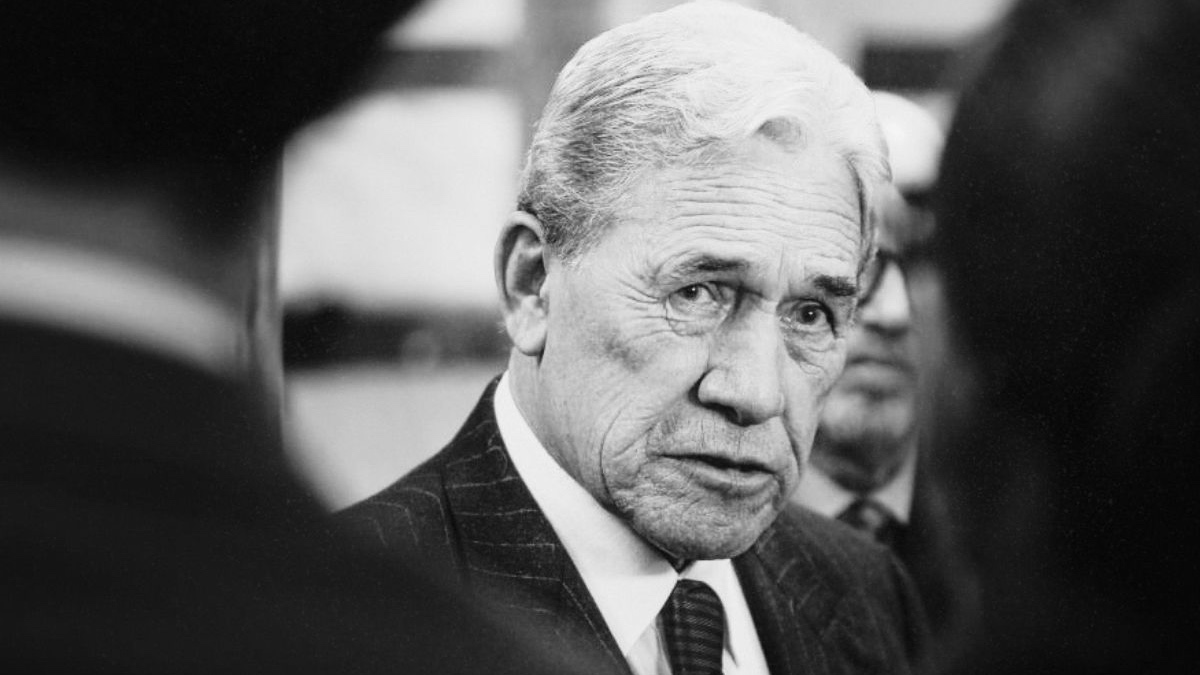
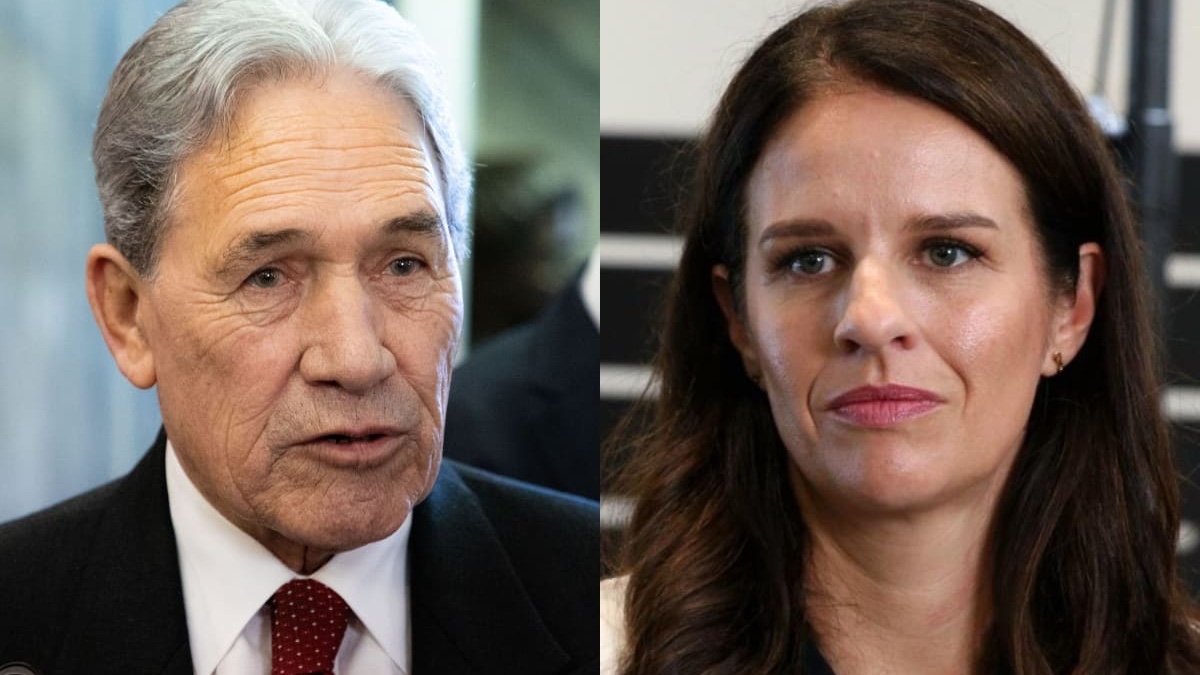
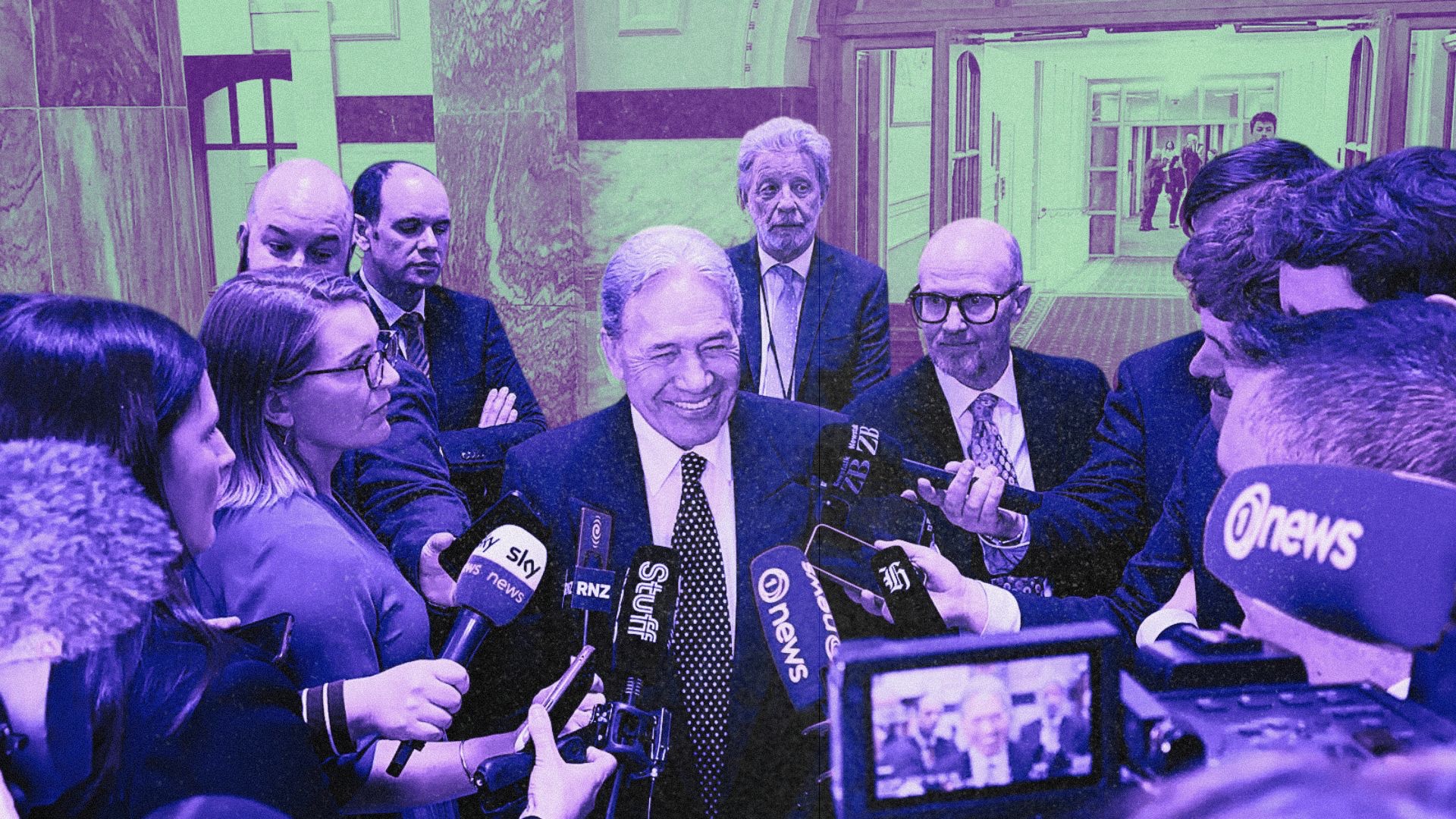
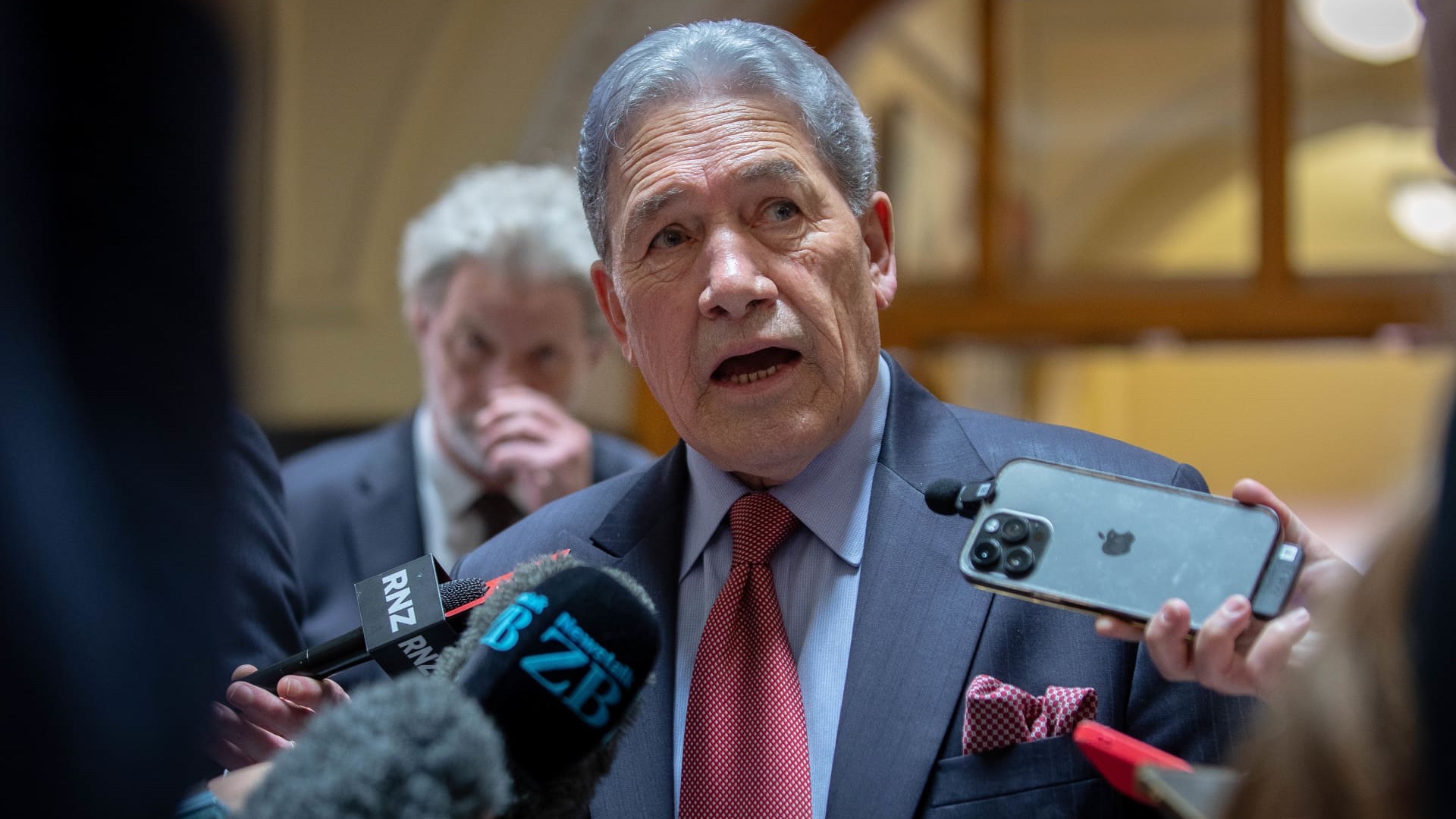
New Zealand First leader Winston Peters.
Scaremongering ahead of the announcement
On The Country in April, Jones accused the Government of handing immigration authority to New Delhi. He warned about unrestrained immigration, lost jobs and congested public services. Host Jamie Mackay challenged him. These were Jones’s claims, delivered over the radio to a national audience.
On Reality Check Radio, Jones supplied his notorious tsunami remark. He subsequently defended his use of hyperbole as a way of gaining political attention.
The station’s written commentary went further. Joshua Riley portrayed temporary entry as a route to permanent residence and voting rights, writing: “The door is ripped from its hinges and treaty-bound.”
Peters repeatedly multiplied the proposed 5,000 workers by accompanying family members to produce figures of 20,000 or 25,000 people. Speaking to Politik, he added: “They’re not the most populous country in the world for nothing.”
That last remark tells us something about the campaign. An argument about visa conditions became an insinuation about Indian people and their families.
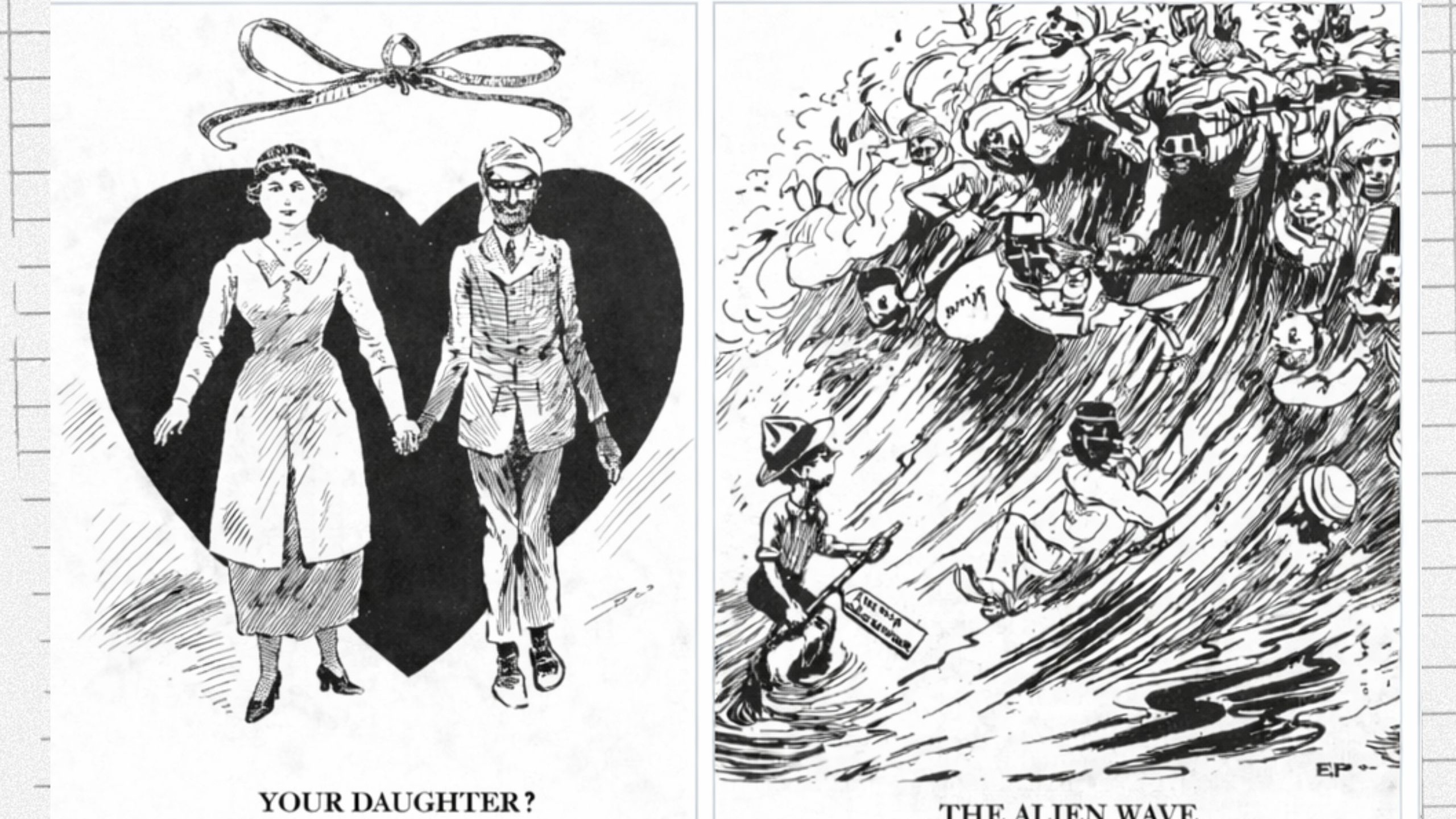
I regard this as xenophobic rhetoric. People were presented as a flood, a threat or an instrument of colonisation. Existing Indian New Zealanders were left to live with the consequences of a political argument that repeatedly portrayed people who look and sound like them as a danger.
This is corrosive, and it is dangerous. It gives prejudice a public platform and the apparent endorsement of senior politicians. It encourages people to see an Indian neighbour, colleague or shopkeeper as part of an unwanted influx.
With an election approaching, the political usefulness is obvious. A complicated trade agreement supplies a convenient target; anxiety about jobs and public services supplies the audience. Indians become the explanation for problems they did not create.
Even Christopher Luxon described Jones’s immigration claims as alarmist and scaremongering.