
Most Muslims safe in India, says New Zealand tribunal, rejects refugee claim
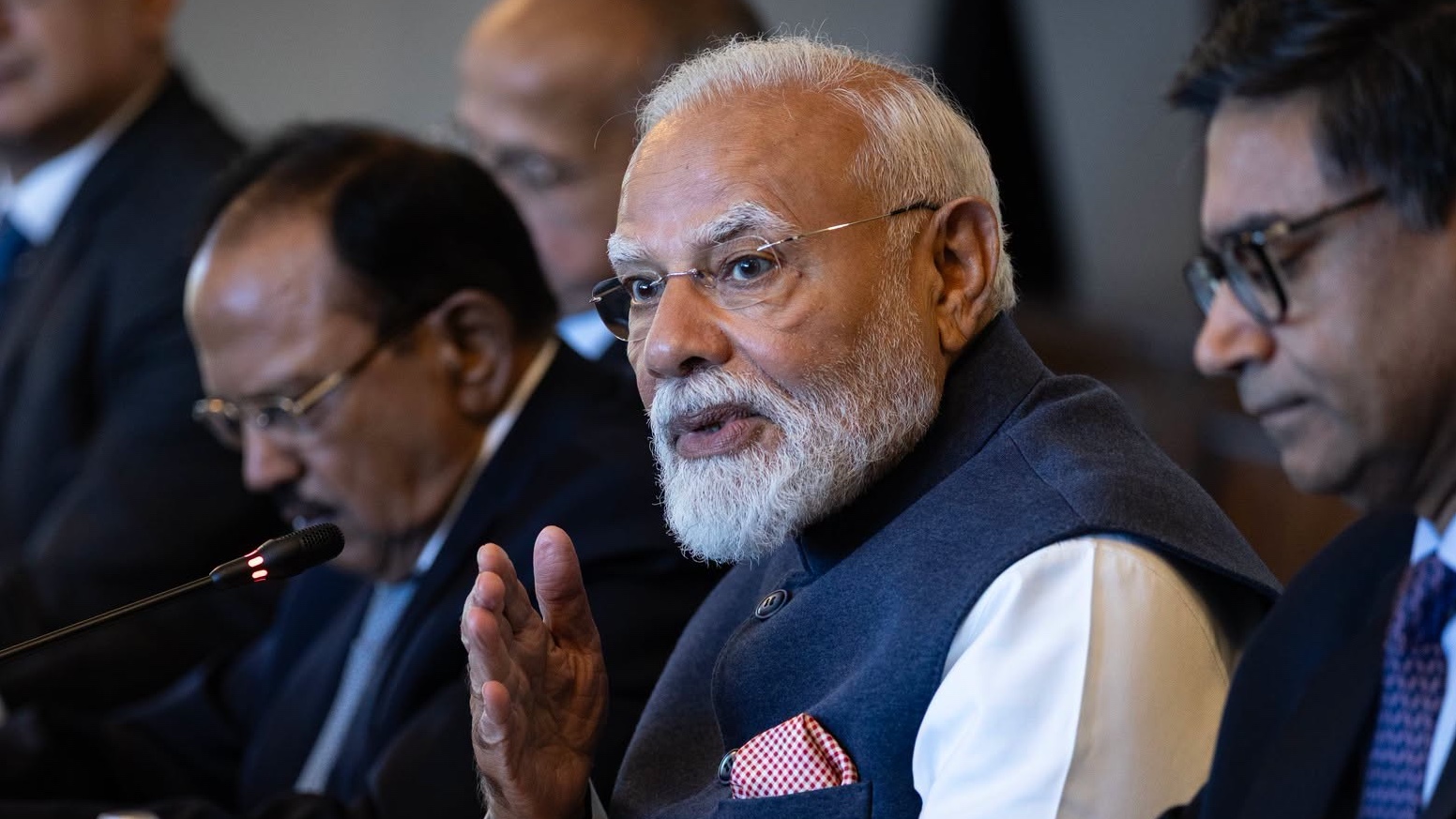
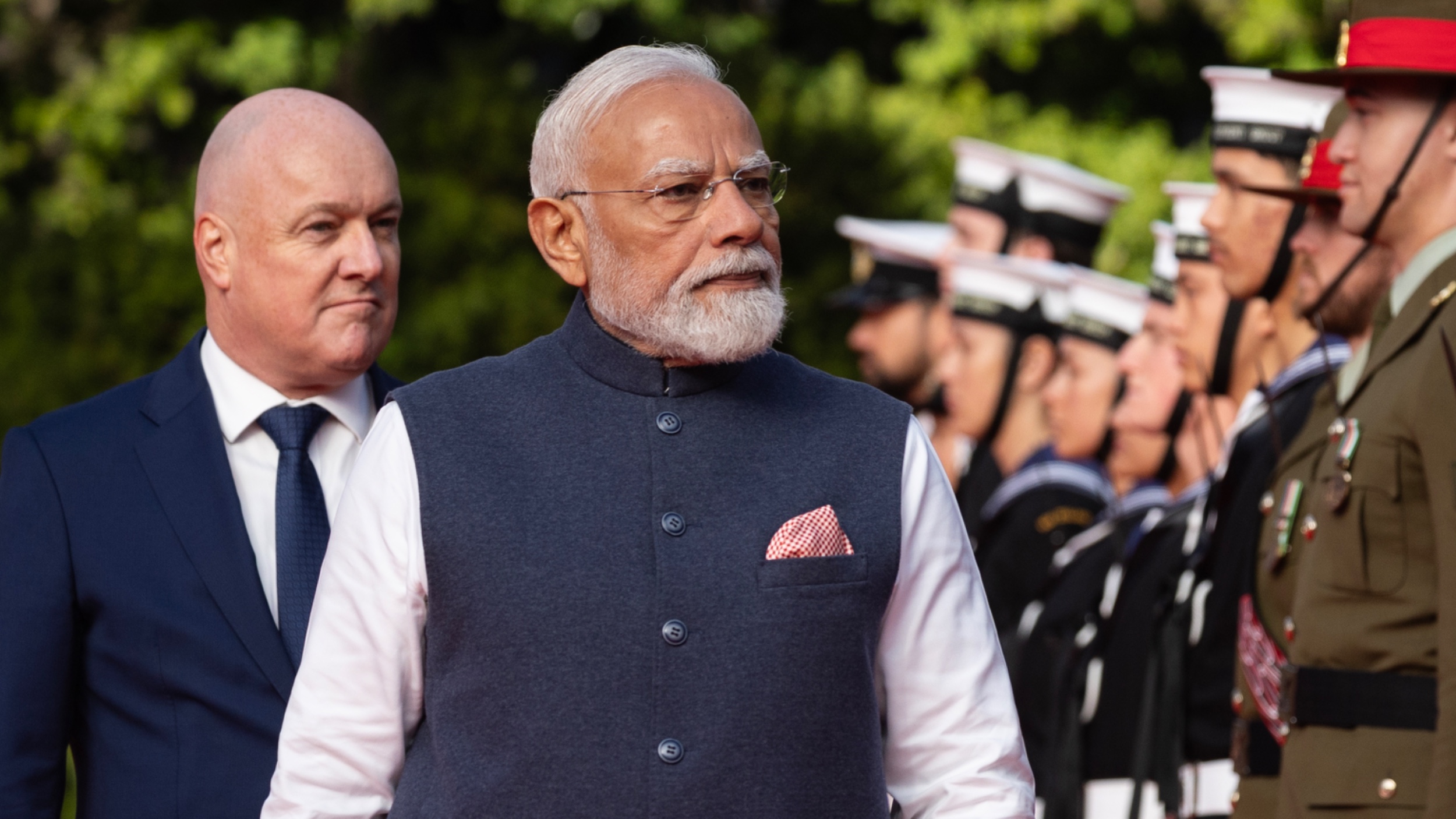
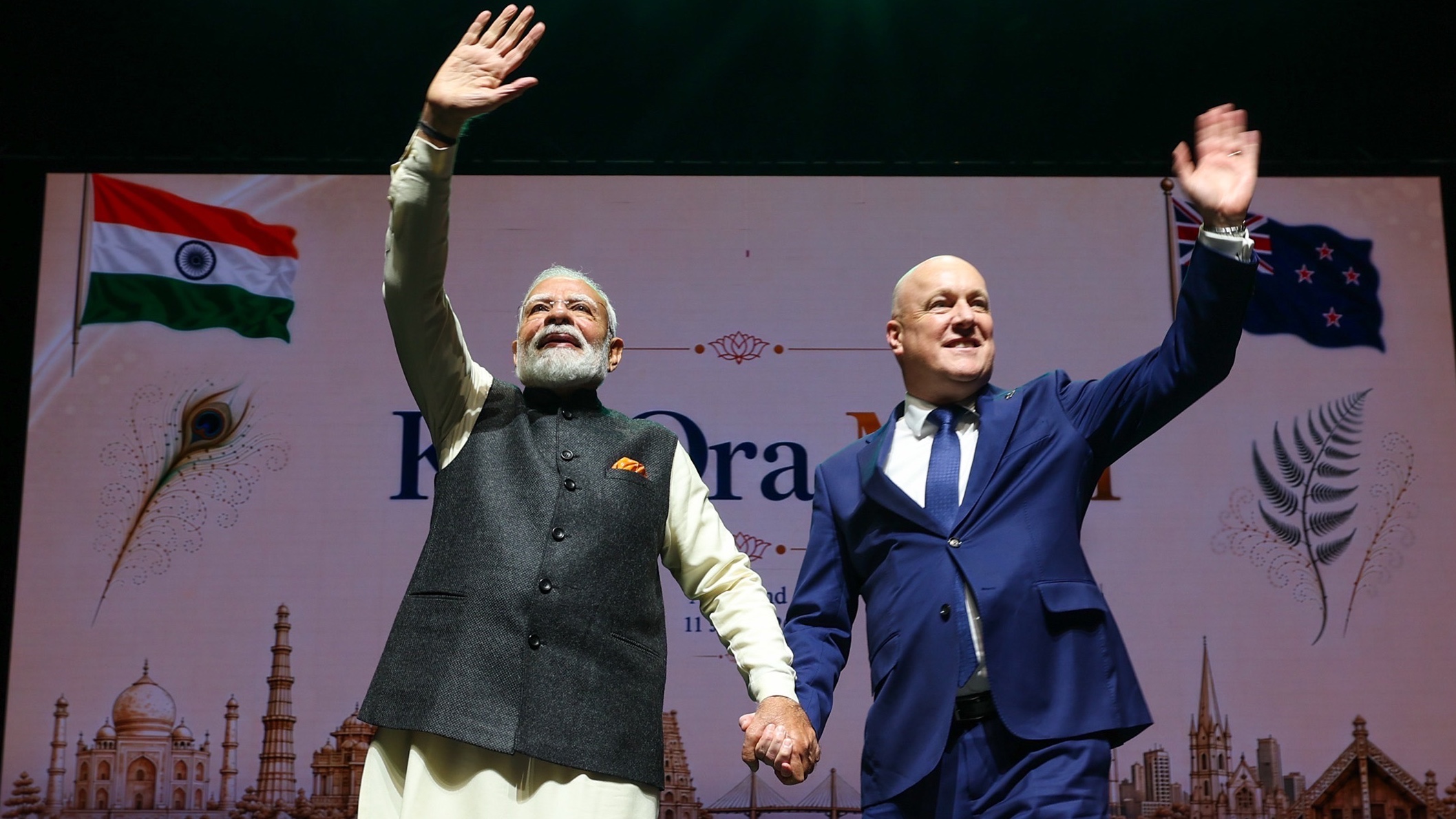
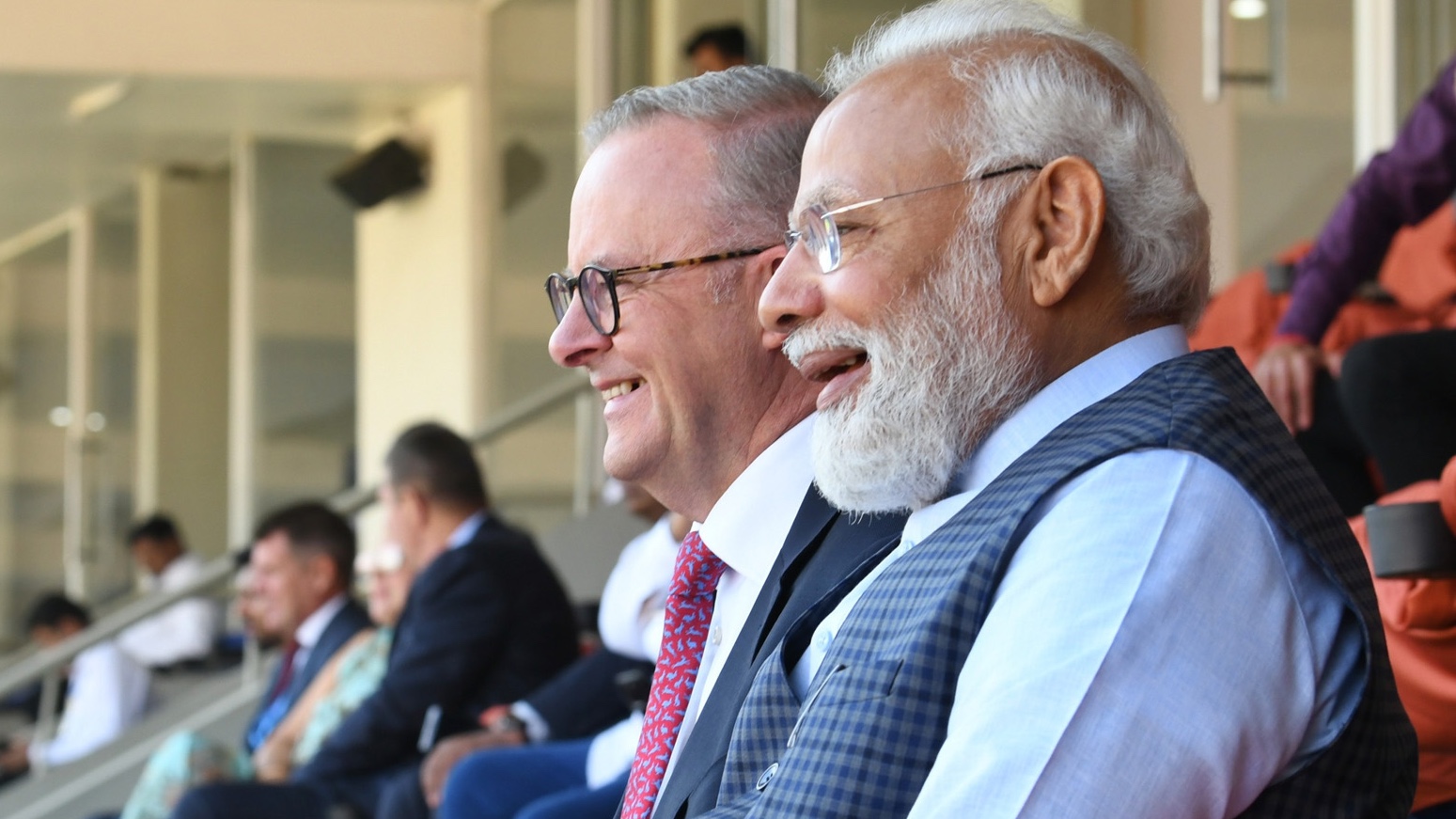
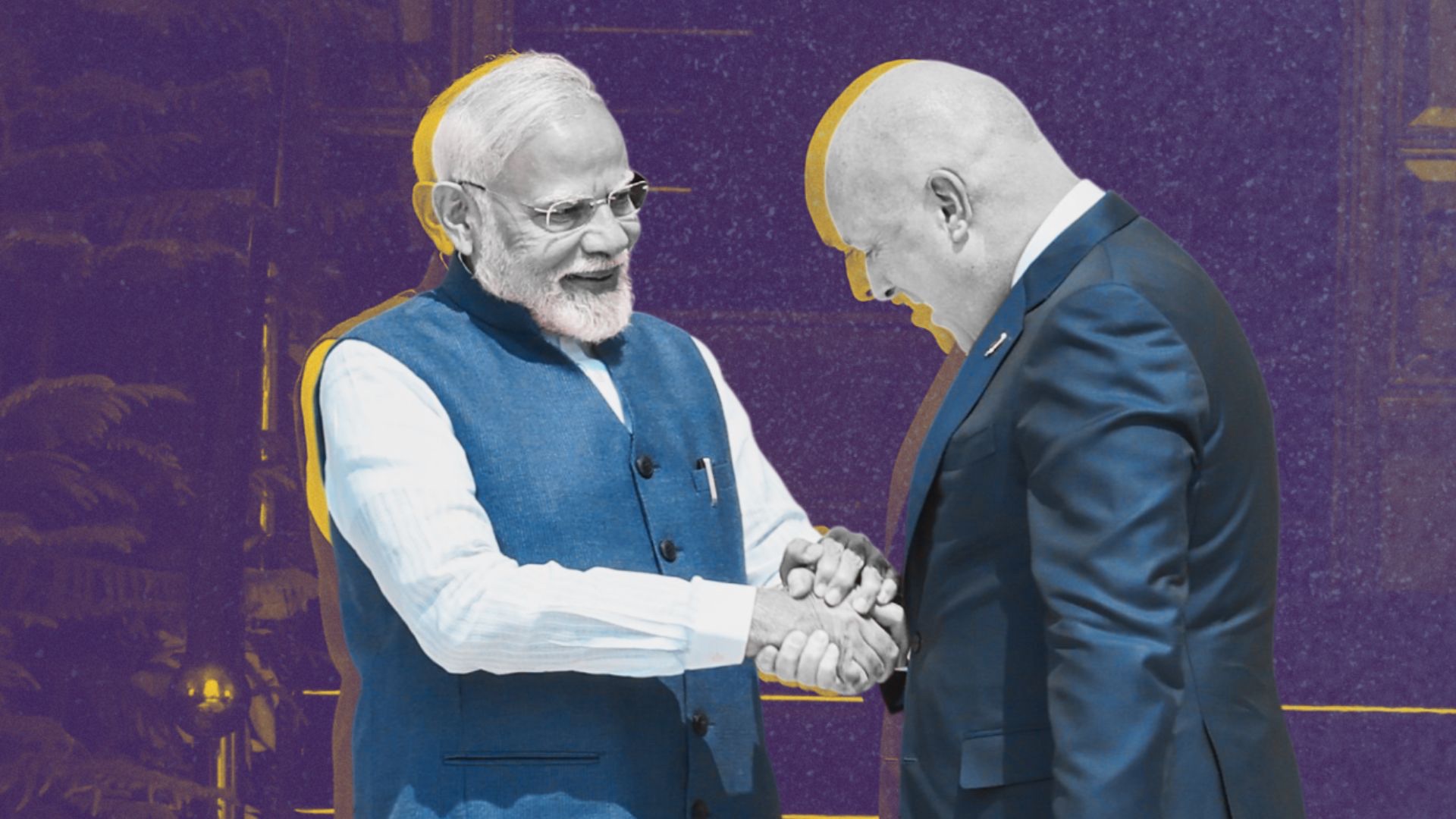
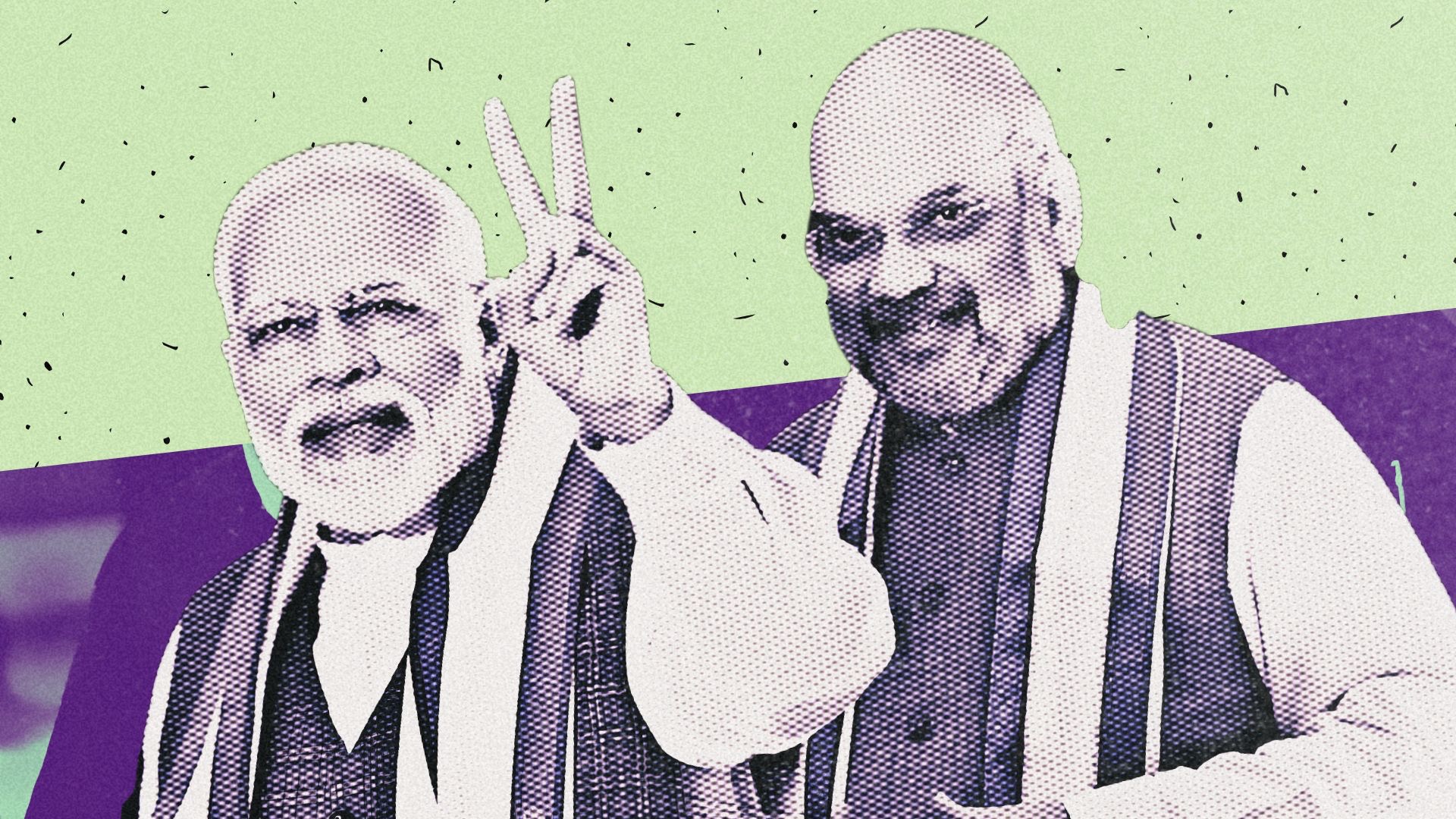
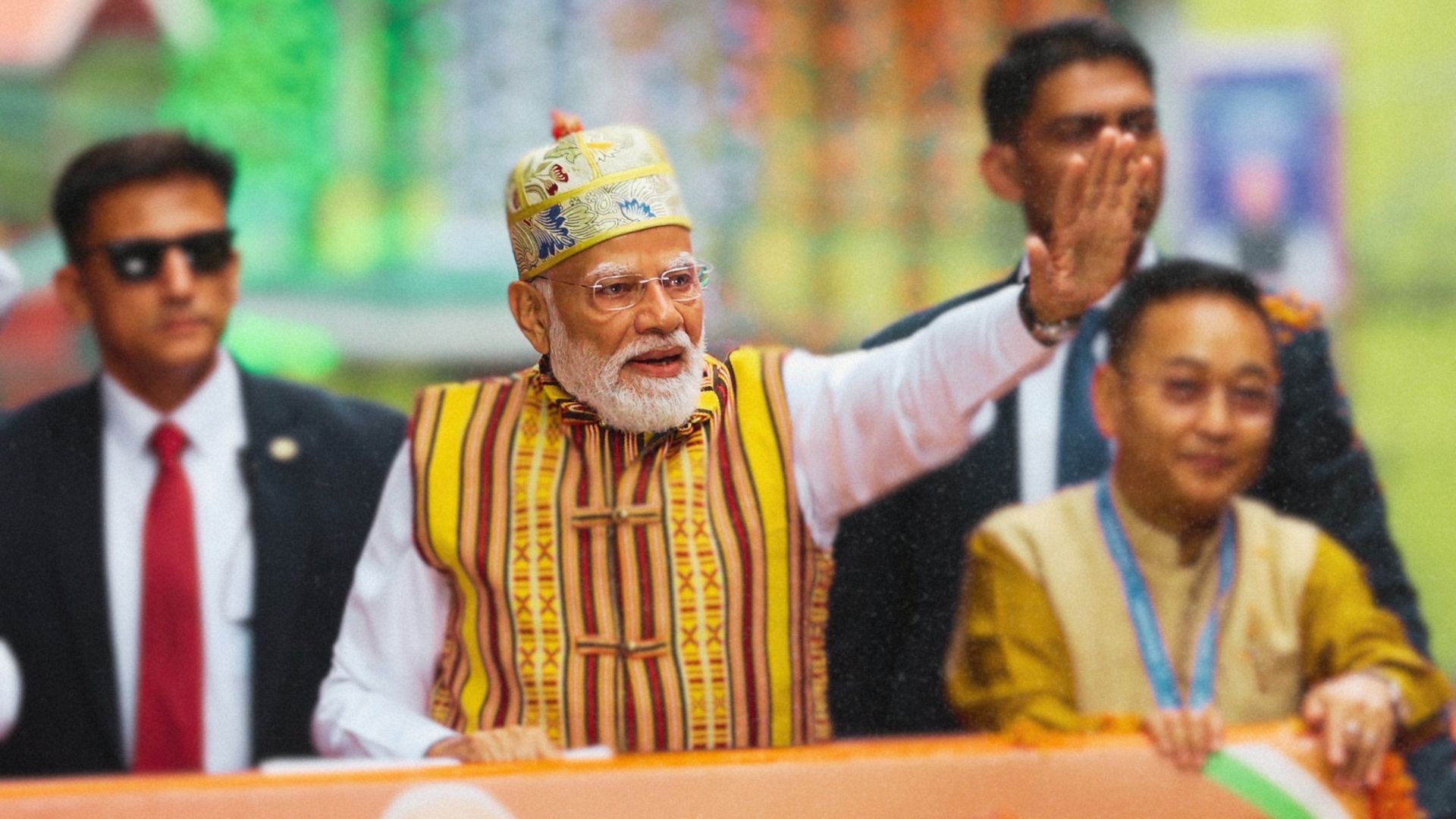
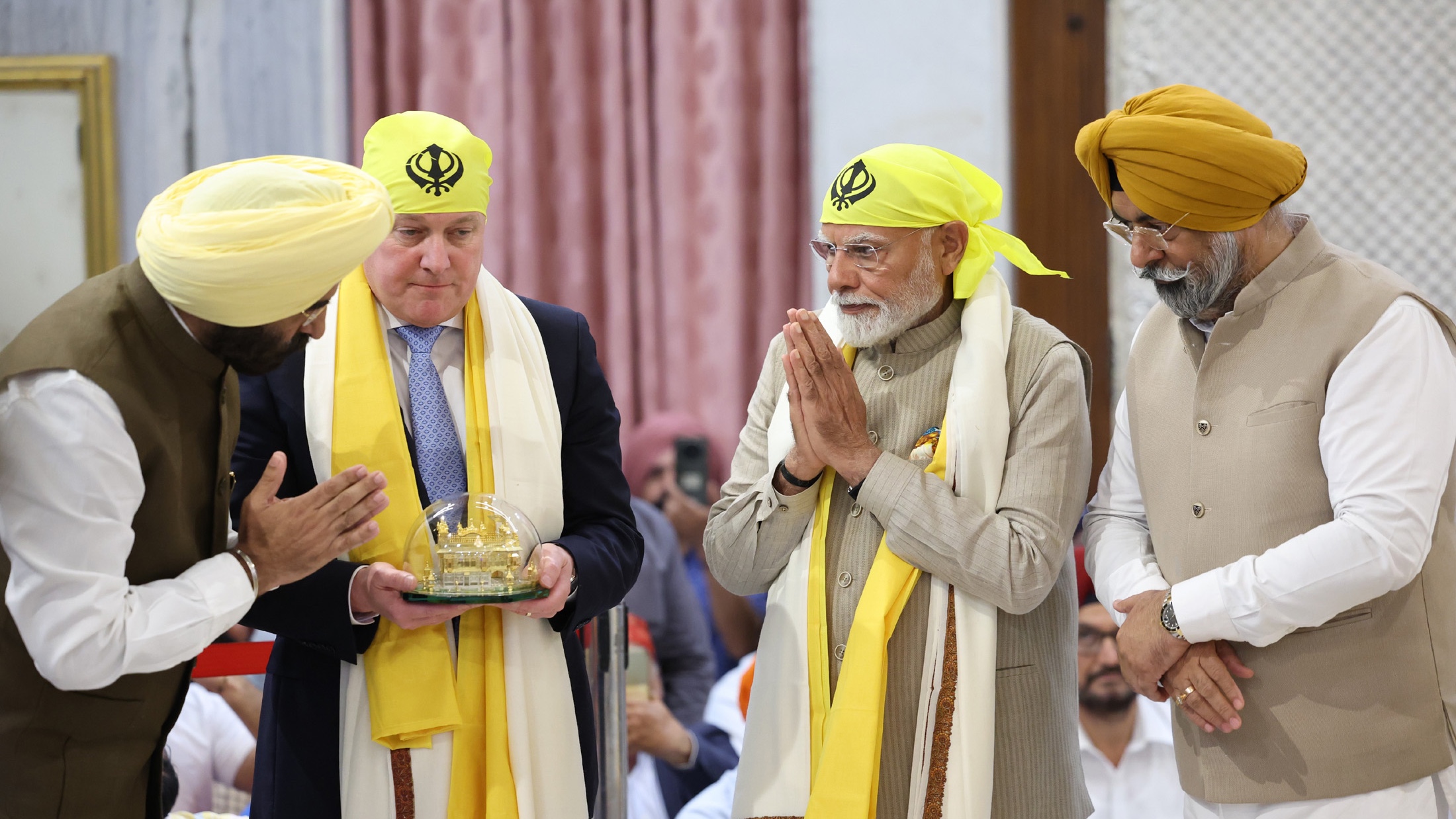
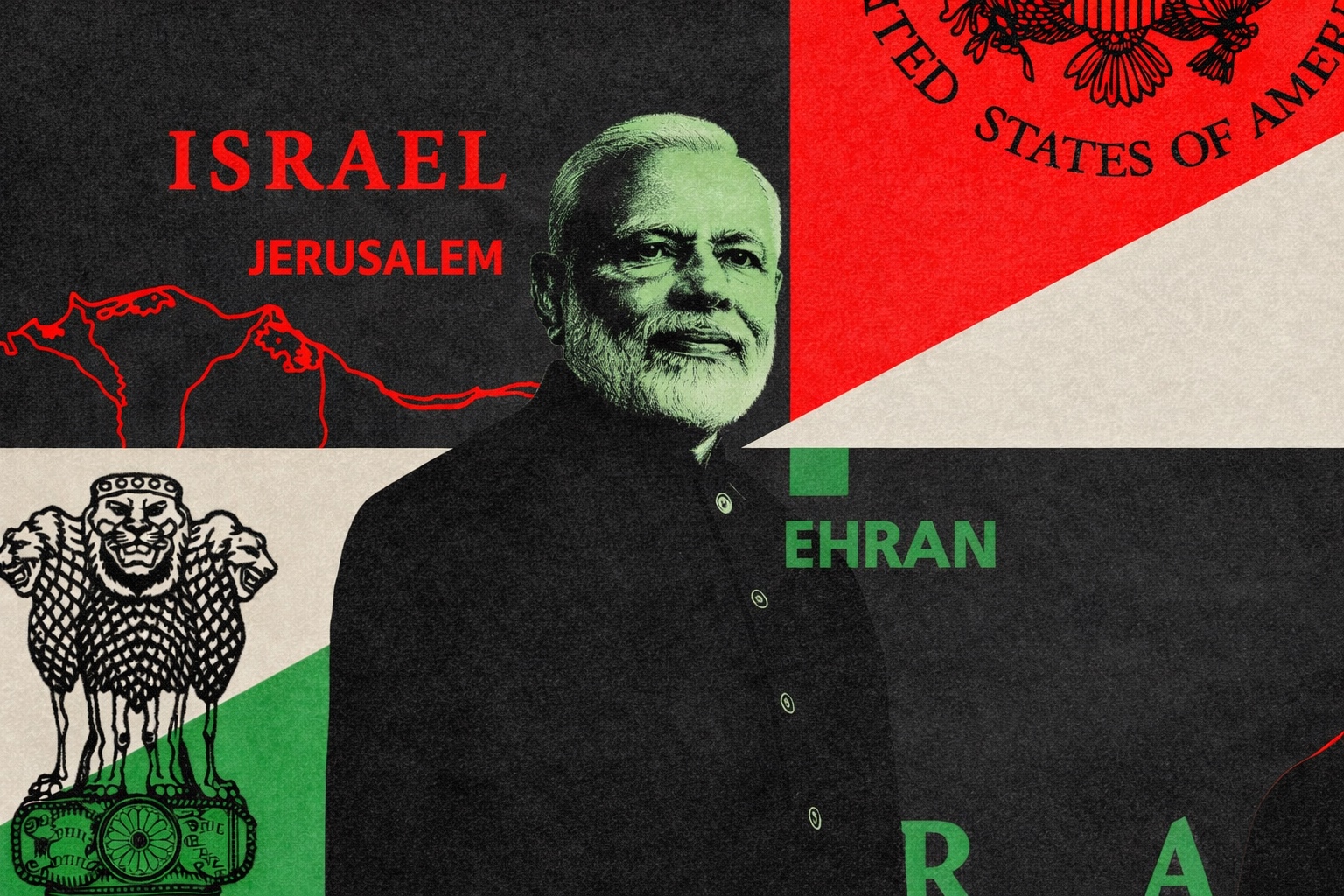
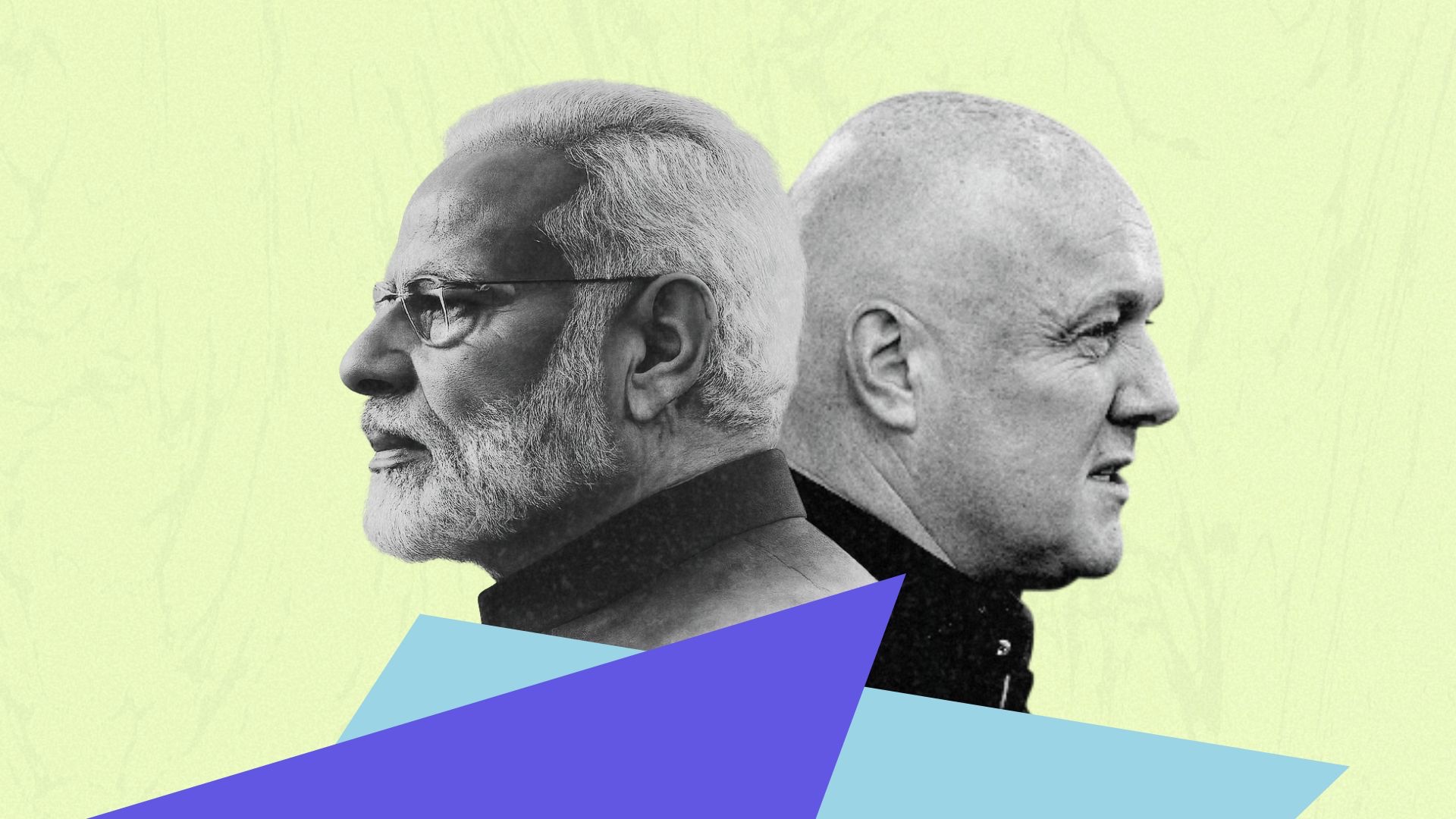
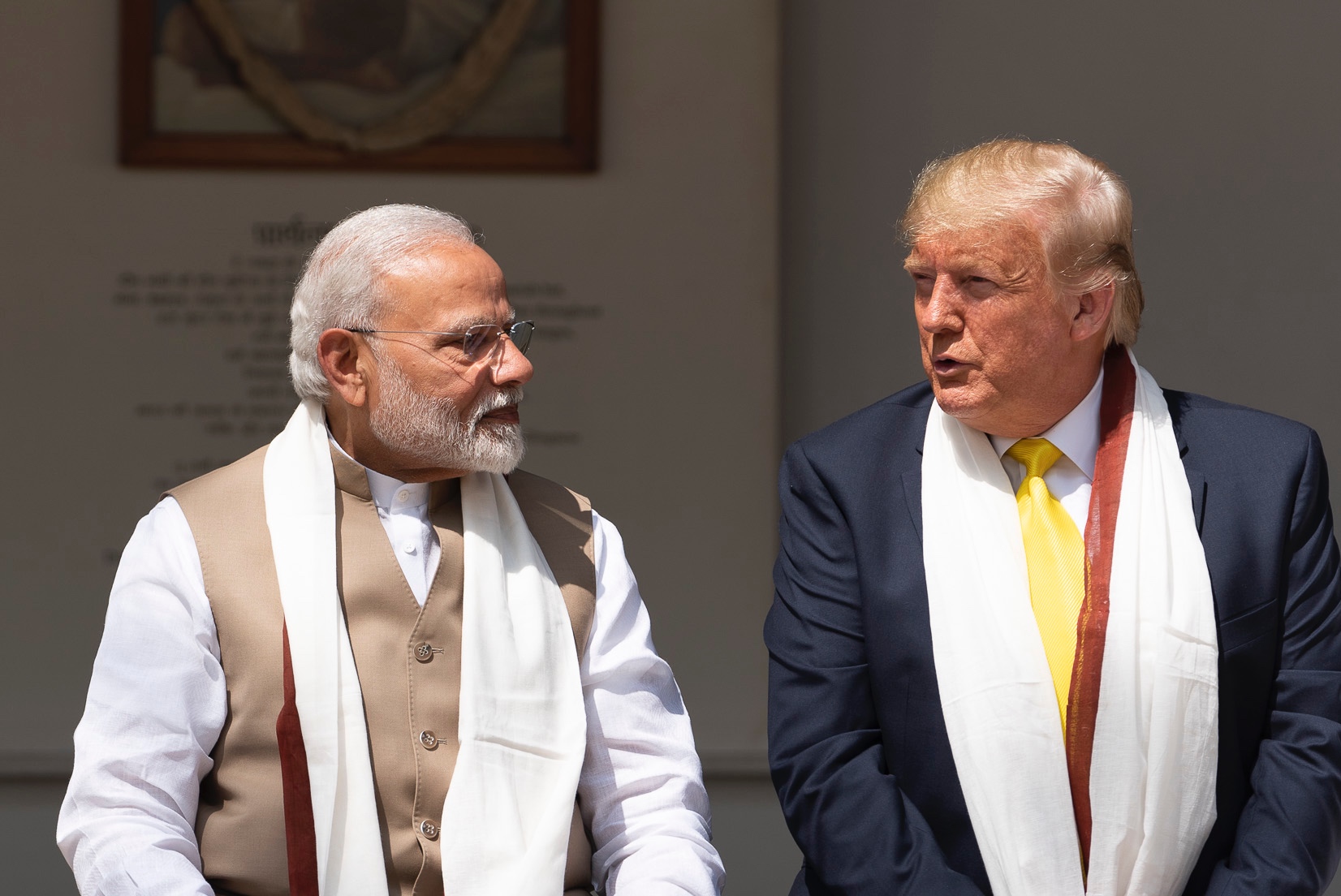
Indian prime minister Narendra Modi.
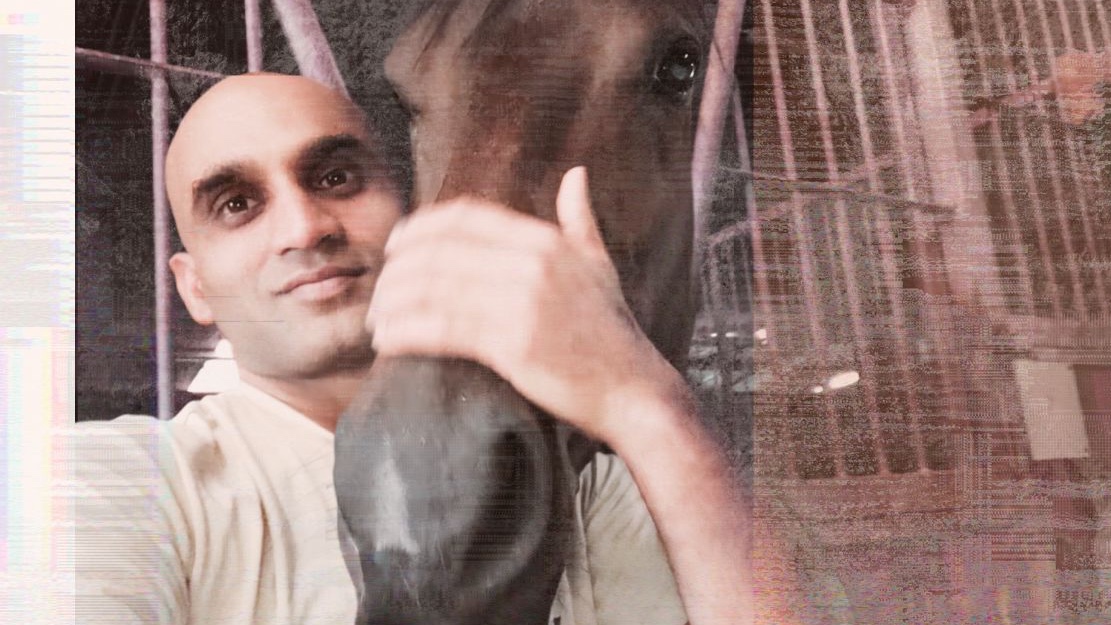
The applicant said he had been targeted because of social work for an Islamist political party back home.
New Zealand's top immigration tribunal has rejected an Indian Muslim man’s refugee appeal, finding that most Muslims in India are able to live free from harm or significant discrimination despite rising hostility towards the community.
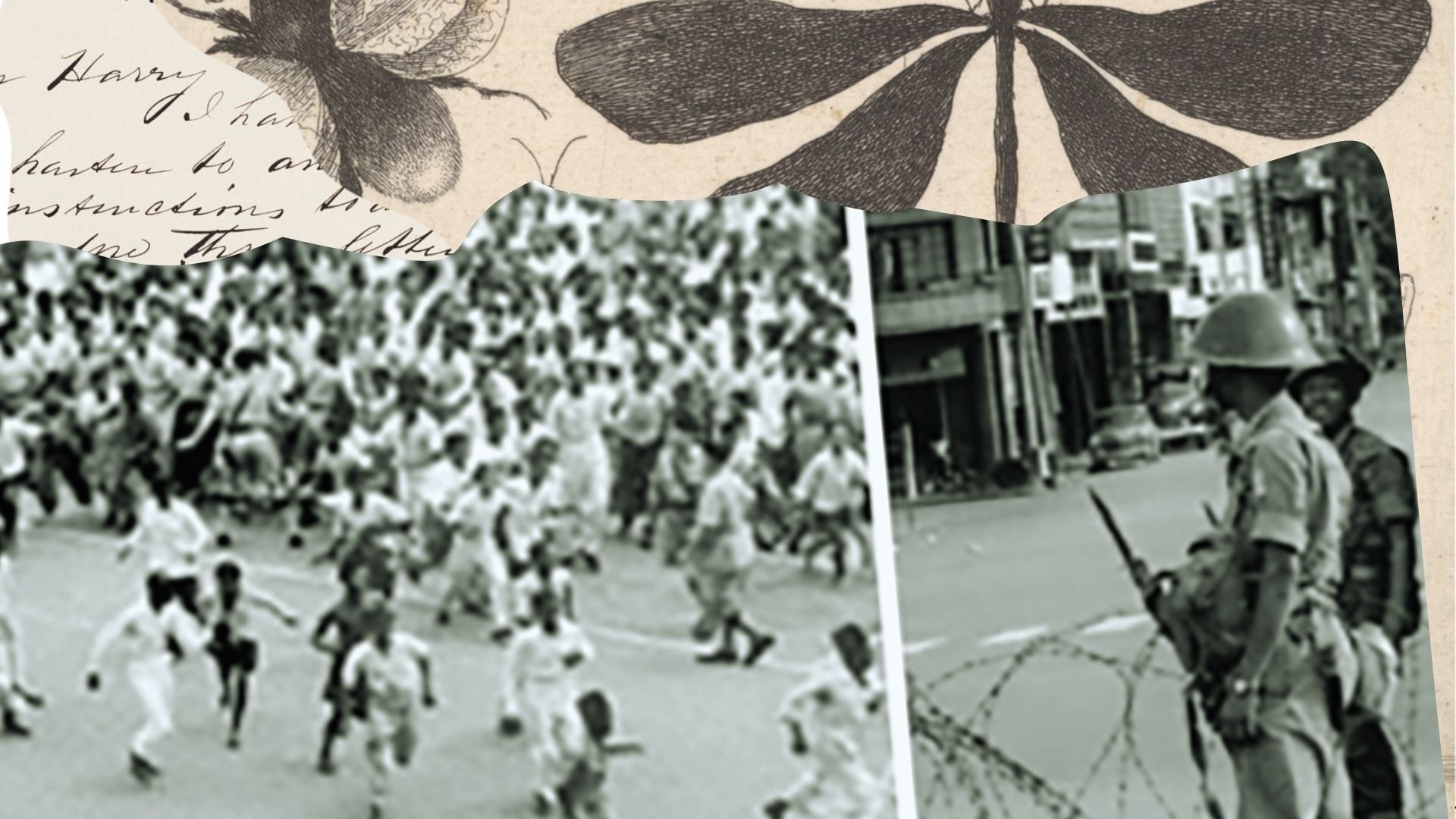
The Immigration and Protection Tribunal acknowledged country information showing an “increasing level of hostility towards Muslims”.
However, the tribunal said those conditions did not establish that every Muslim in India faced a risk of harm.
“In fact, the country information indicated that most Muslims are able to live their lives free from harm or significant discrimination,” it said.
The 35-year-old Indian citizen arrived in New Zealand on a visitor visa in April 2023 and applied for refugee and protected-person status three months later.
Boss’s exploitation bill nears $60K after migrant worker forced to work out his own unpaid hours WhatsApp messages and phone notes helped prove what his employer failed to record.
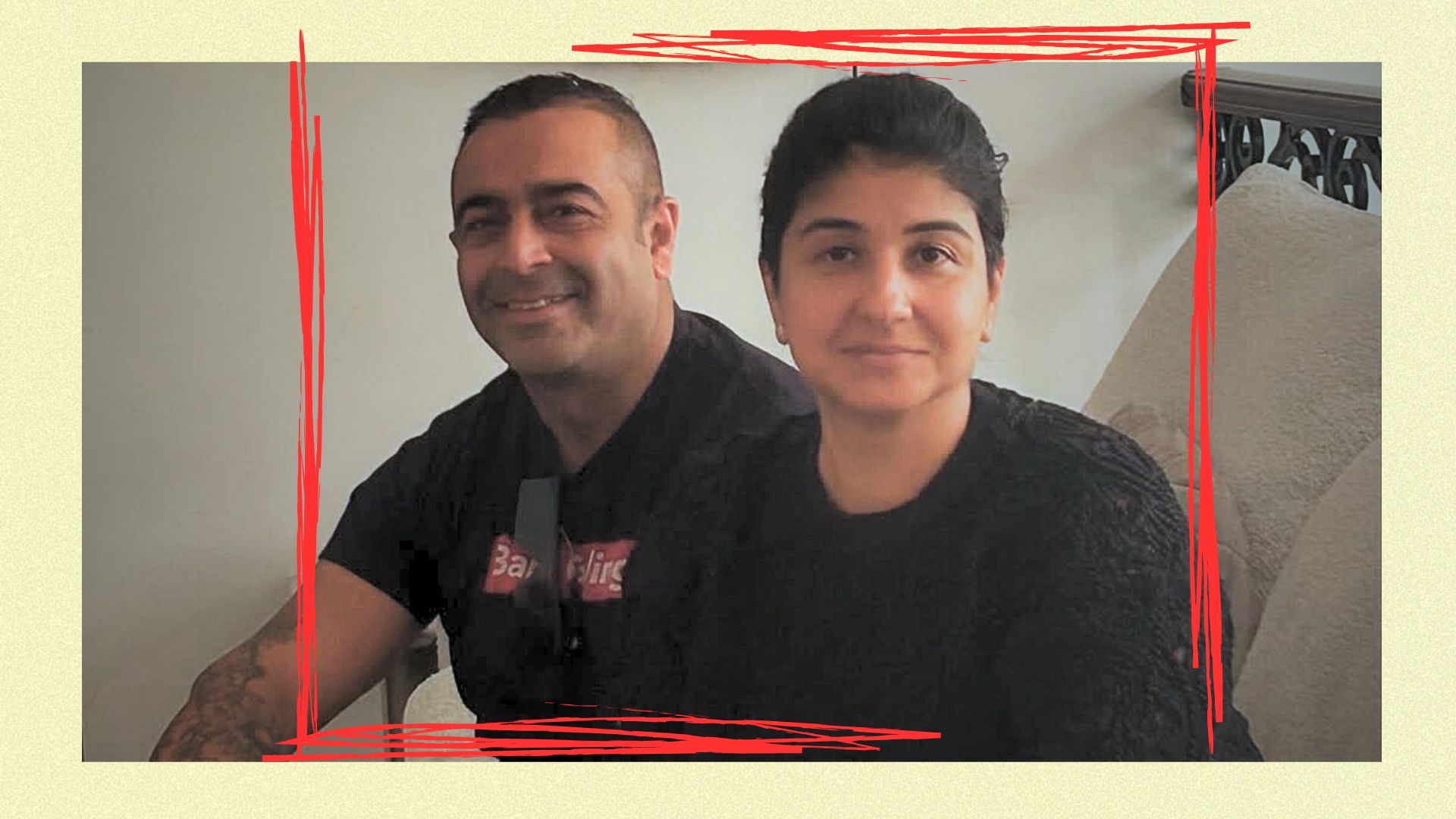
Migrant couple hit by visa setback after 8-year-old daughter qualifies for disability support Her parents can stay in New Zealand until 2028, but the girl must return.
NZ First’s employer work visa reset sounds dramatic. The detail is less revolutionary NZ First says it will scrap the Accredited Employer Work Visa. But many of its proposed fixes already exist.
The Refugee Status Unit rejected his application in April 2025. The tribunal dismissed his appeal on May 1, 2026, finding the claim met the high threshold of being “manifestly unfounded”.
The man said he had been targeted because of social work he previously carried out for an Islamist political party that was later banned by the Indian government.
The tribunal accepted that local members of the Rashtriya Swayamsevak Sangh, or RSS, could target him if he were to return to the area where he had previously lived.
The man said RSS members had attacked his brother at the family home in October 2025. They allegedly returned in early 2026, threatened the family and told neighbours they intended to kill him if they found him.
Despite accepting the threat, the tribunal concluded that the danger was “highly localised”. It found the man could safely relocate to a large city such as Mumbai, Bengaluru or Chennai, each of which had a sizeable Muslim population.
Since he could live safely elsewhere in India, the tribunal found that New Zealand’s refugee-protection obligations were not engaged.
The June 24 ruling concerned a separate humanitarian appeal against his deportation after the refugee claim had failed. The man argued that he had become settled in New Zealand, was a valued employee and had the capacity to contribute to the country.
His employer described his specialist production role as “operationally critical” and warned that his departure would disrupt the business. Inland Revenue records showed he earned more than $60,000 and paid more than $12,000 in tax during the year to May 2026.
The tribunal nevertheless found that his employment, friendships and community connections did not amount to exceptional humanitarian circumstances.
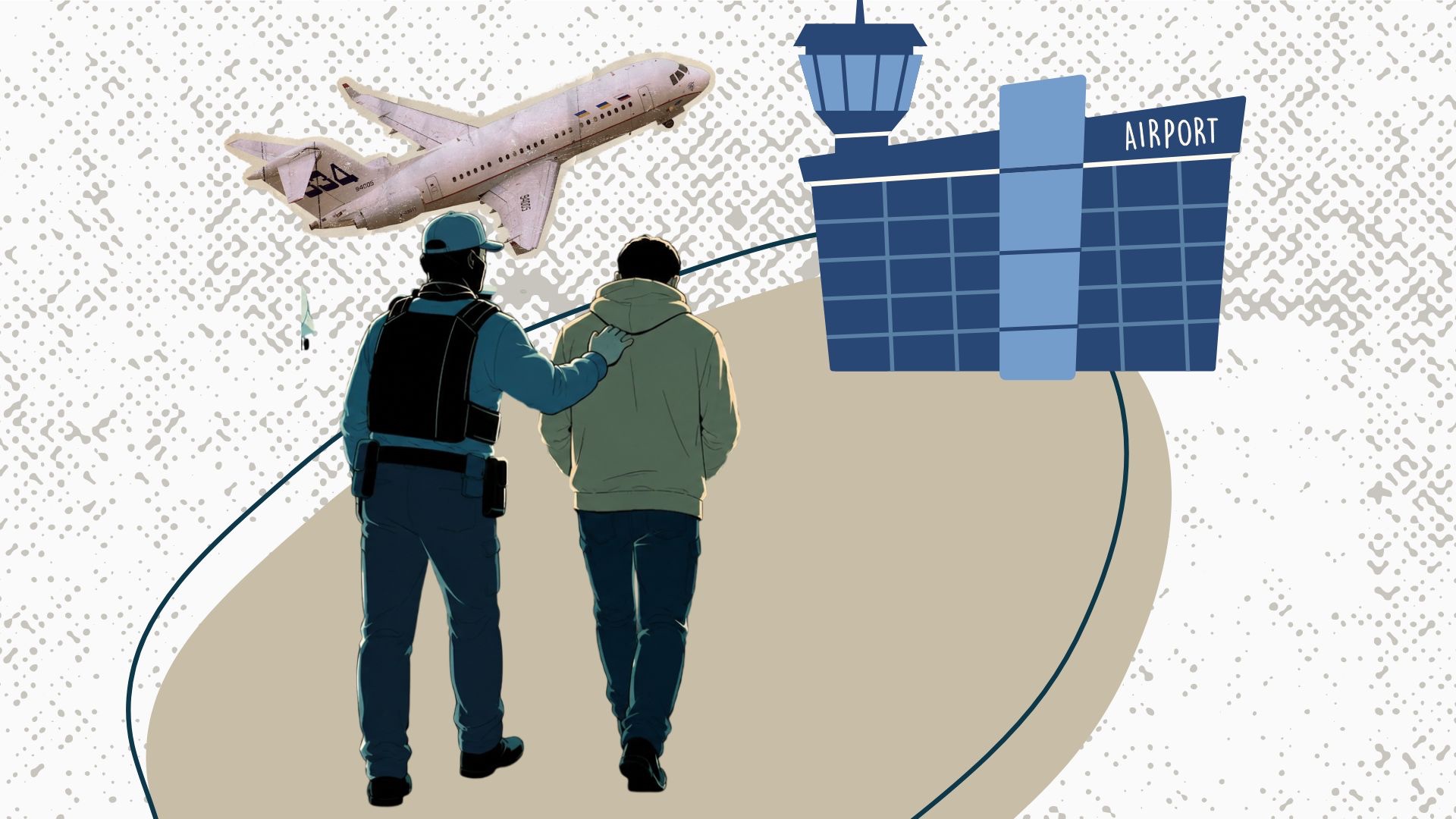
It declined the deportation appeal but ordered that he receive a seven-month work visa to arrange his departure, investigate accommodation and employment elsewhere in India, and give his employer time to adjust.