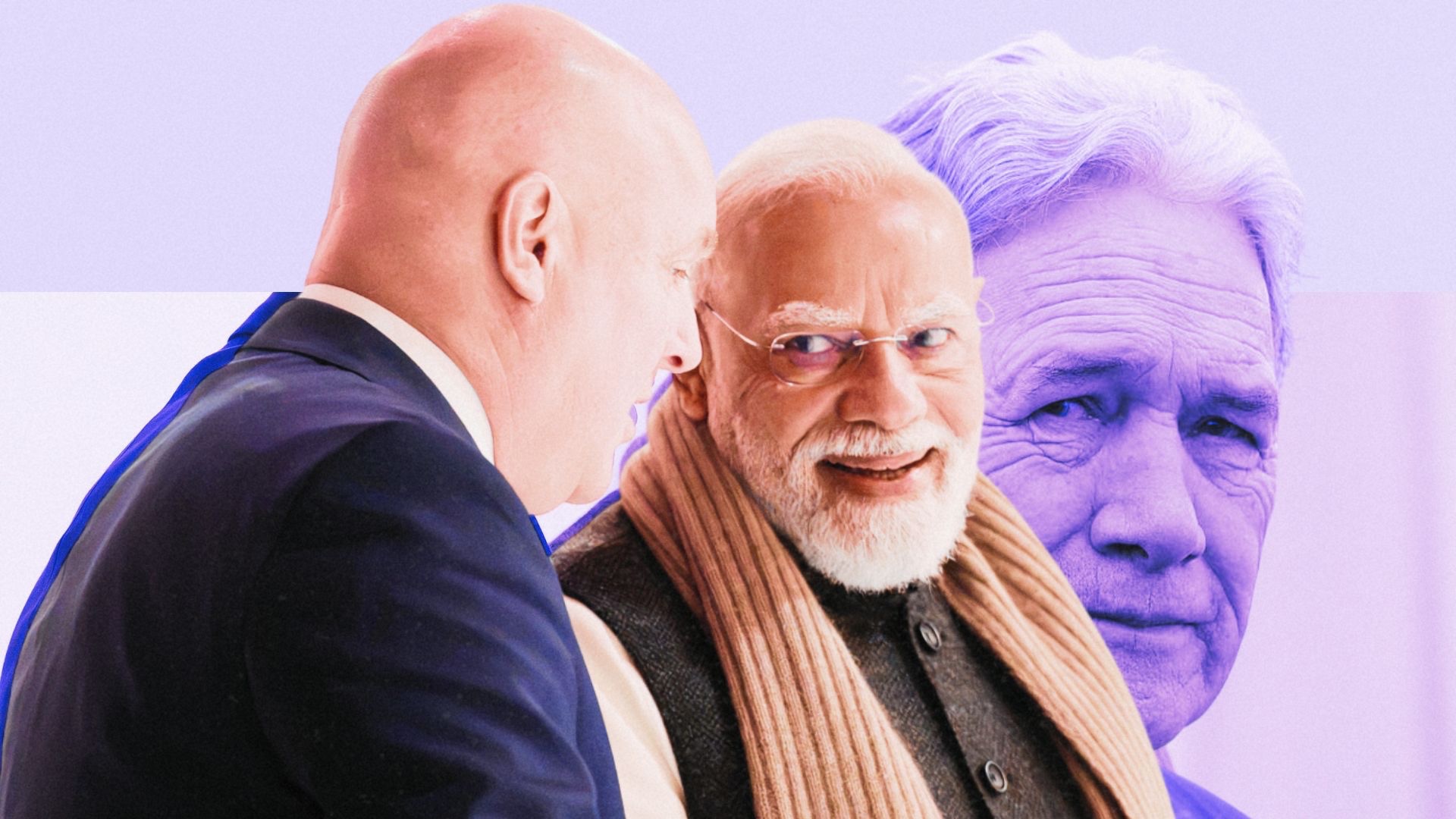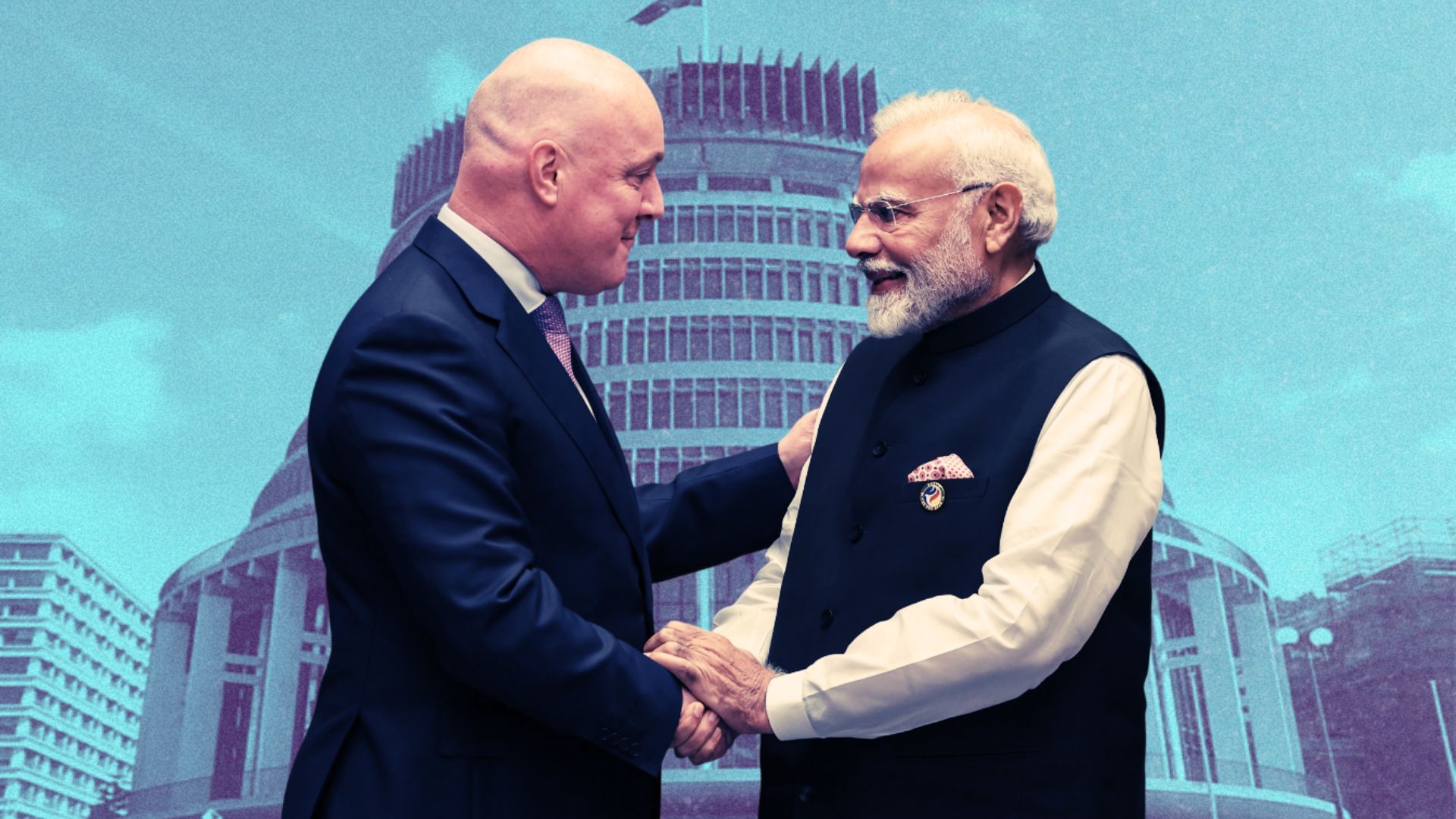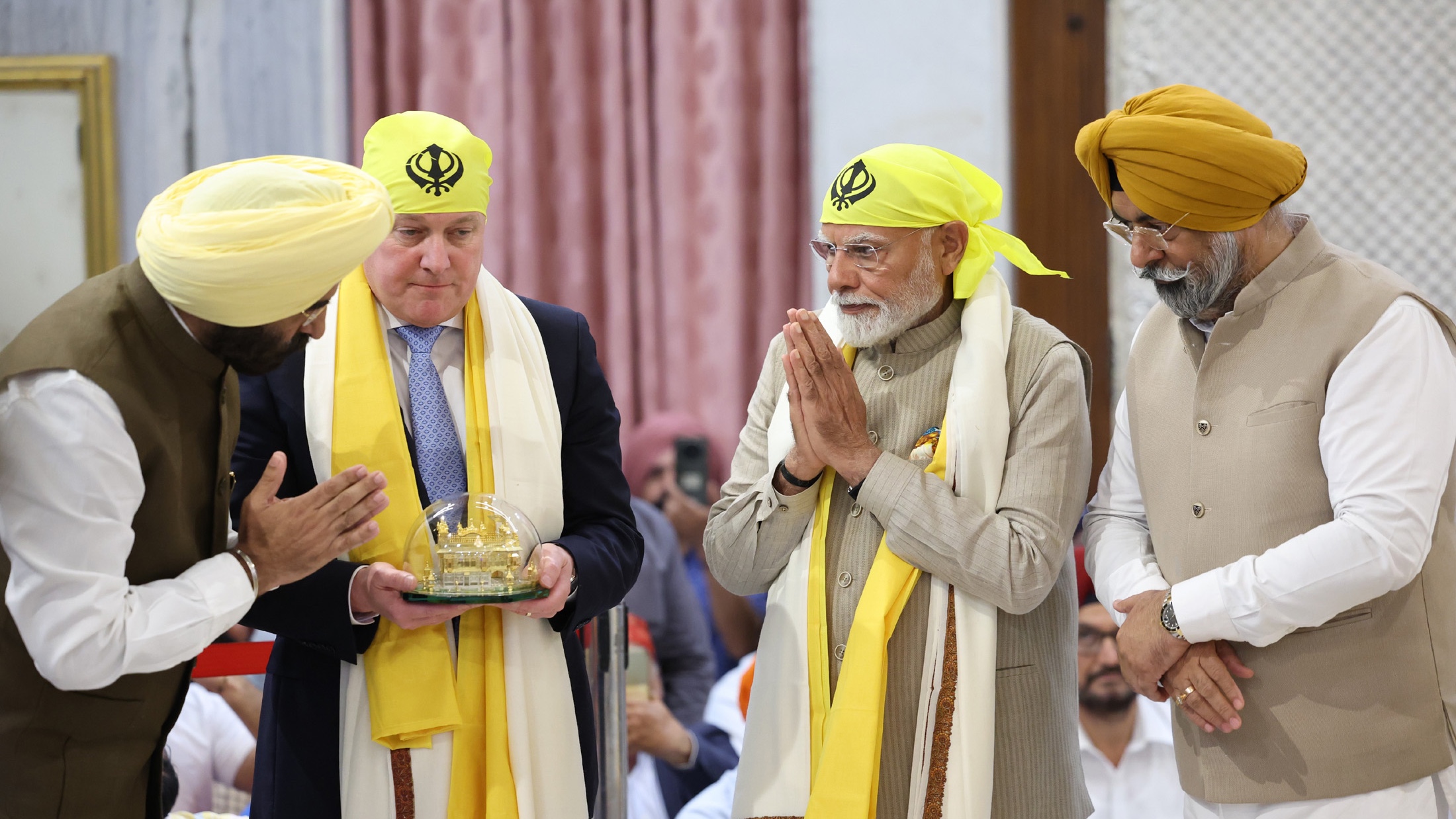

Modi joins select diplomatic tradition as Luxon greets him at Auckland airport
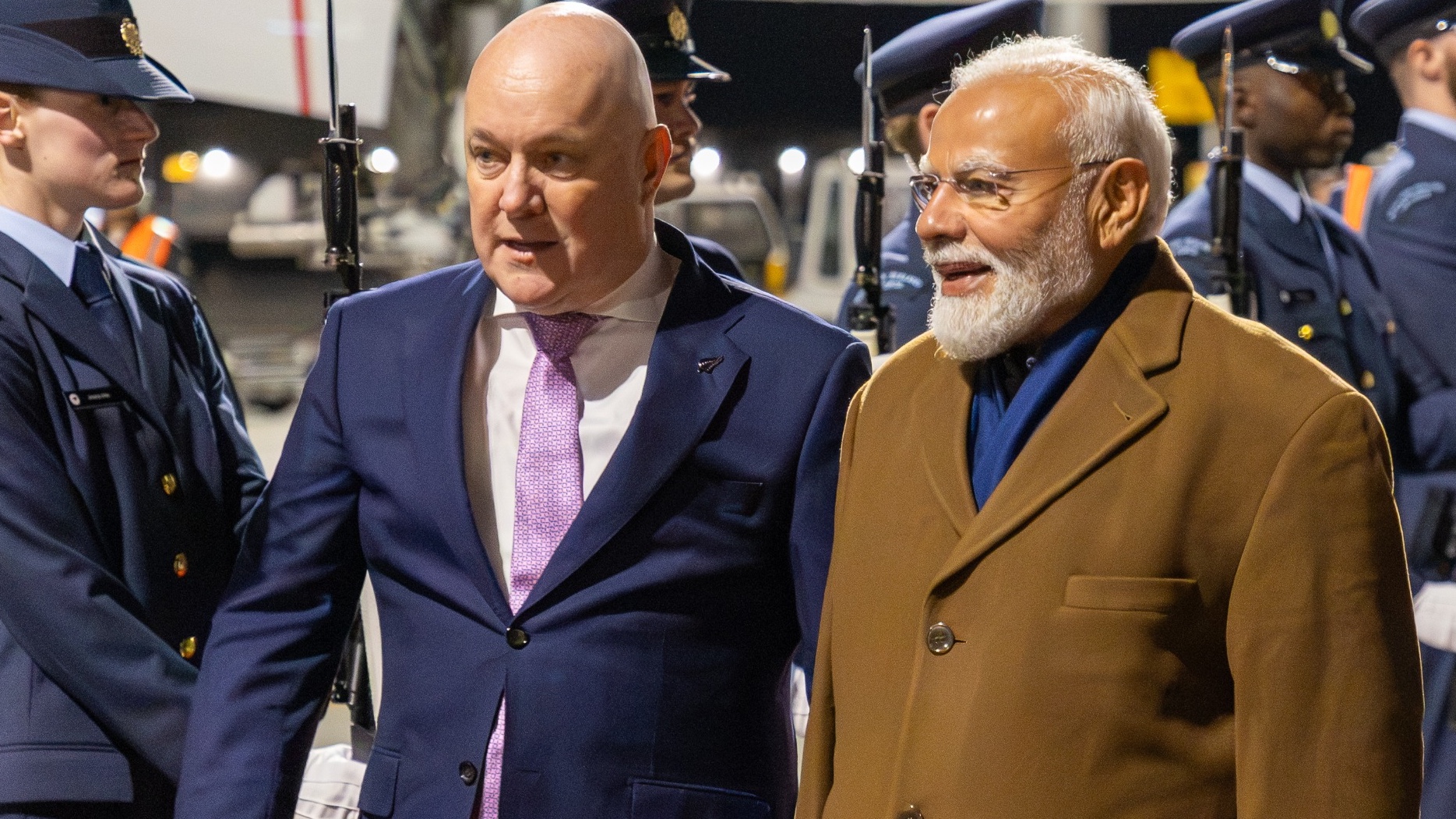
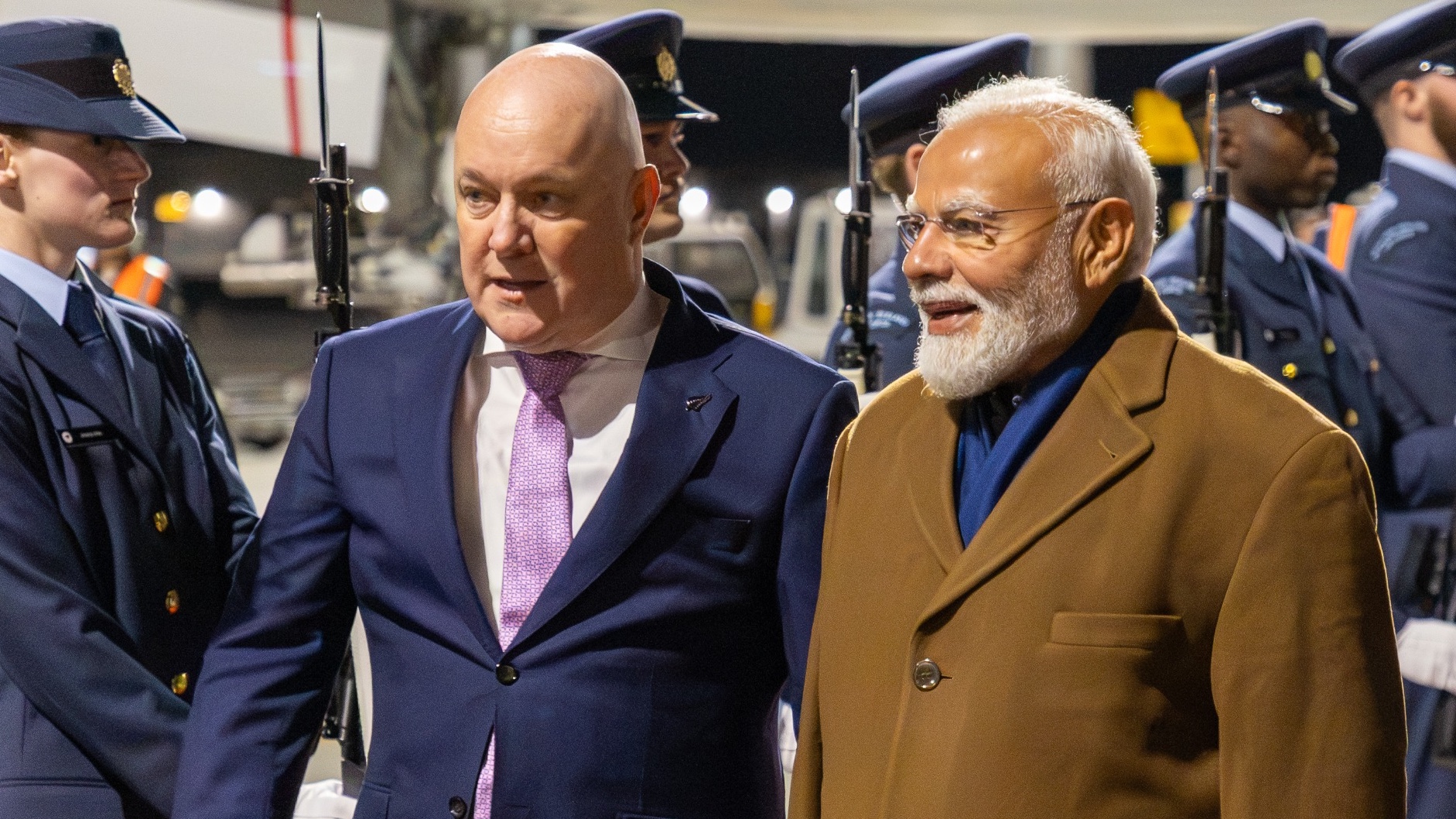
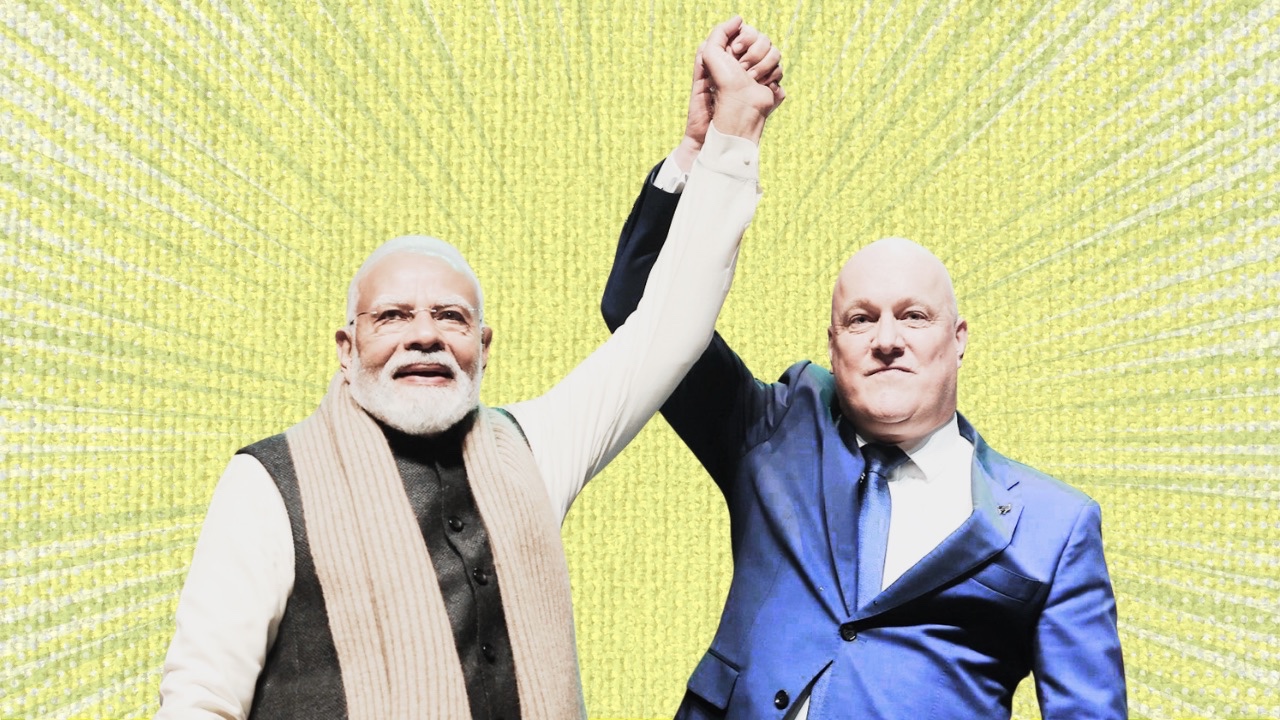
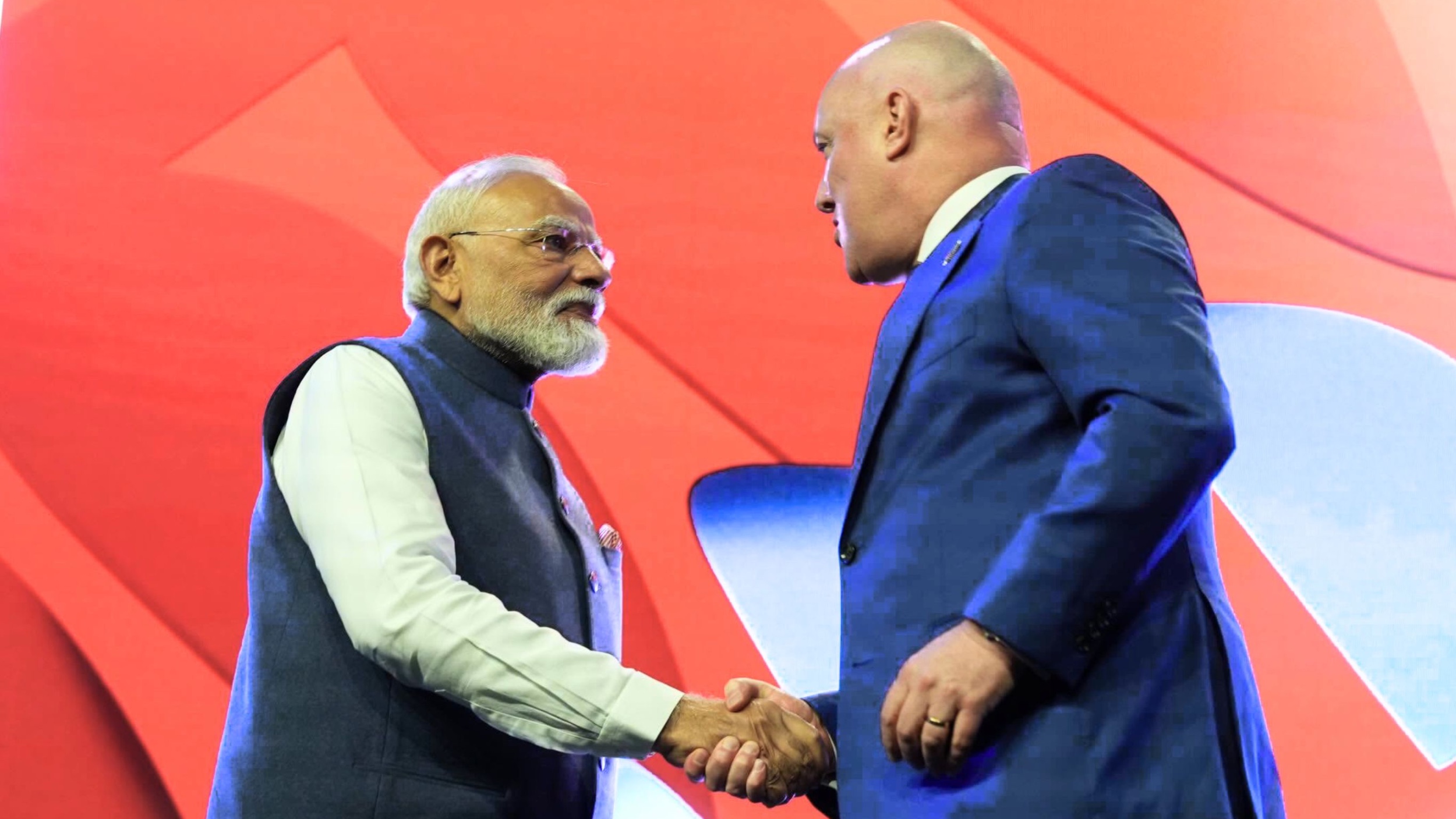
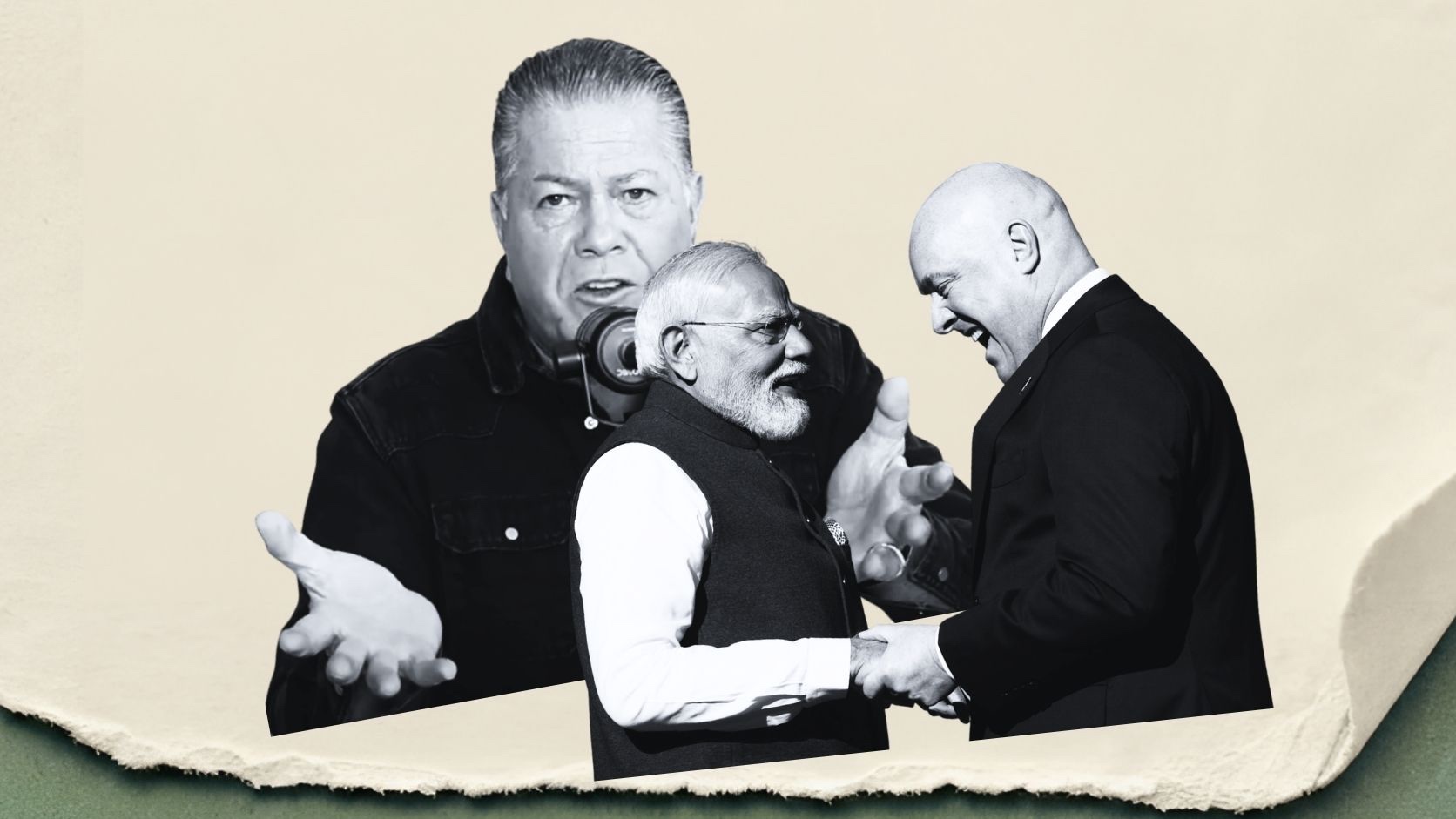
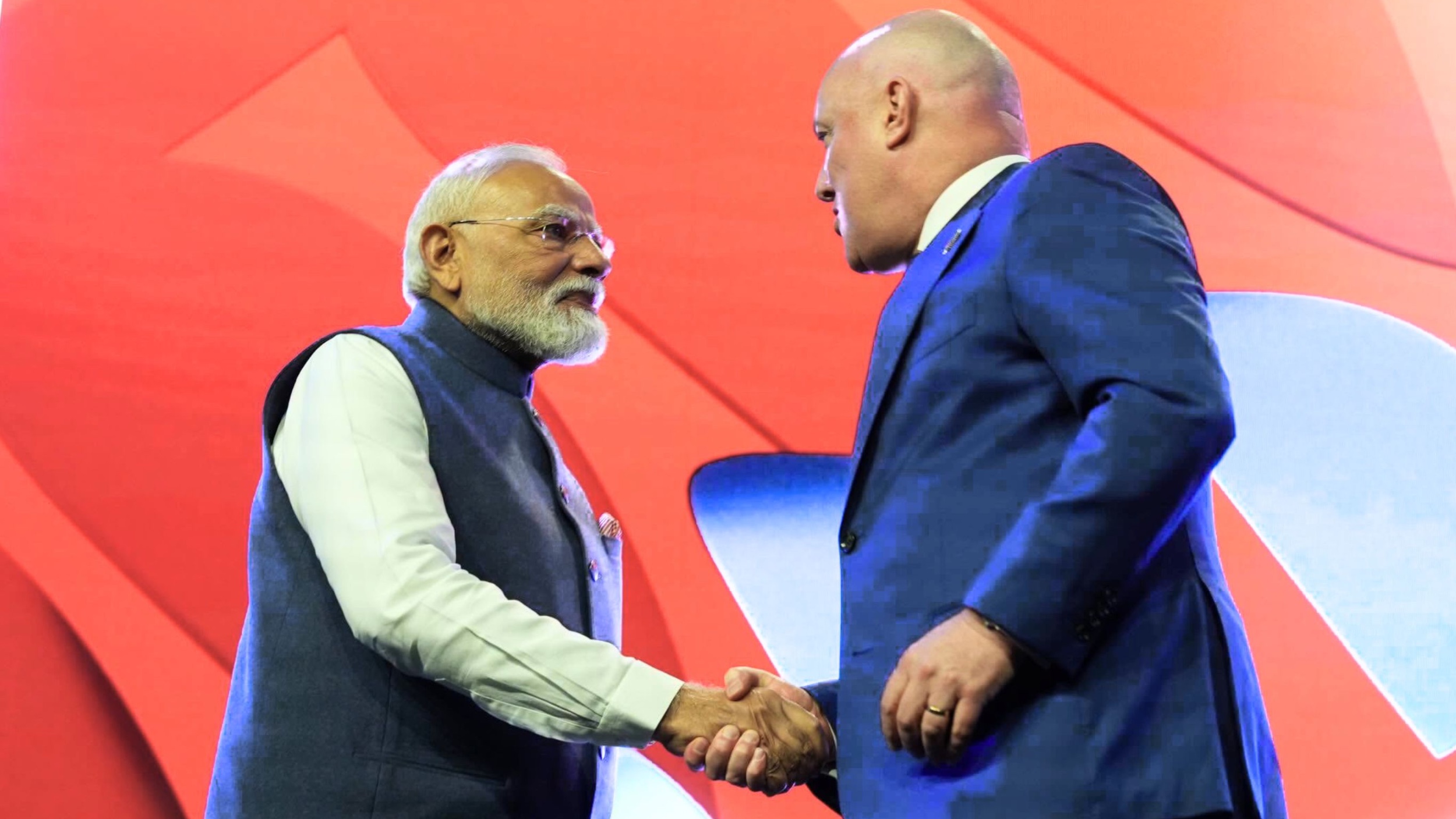
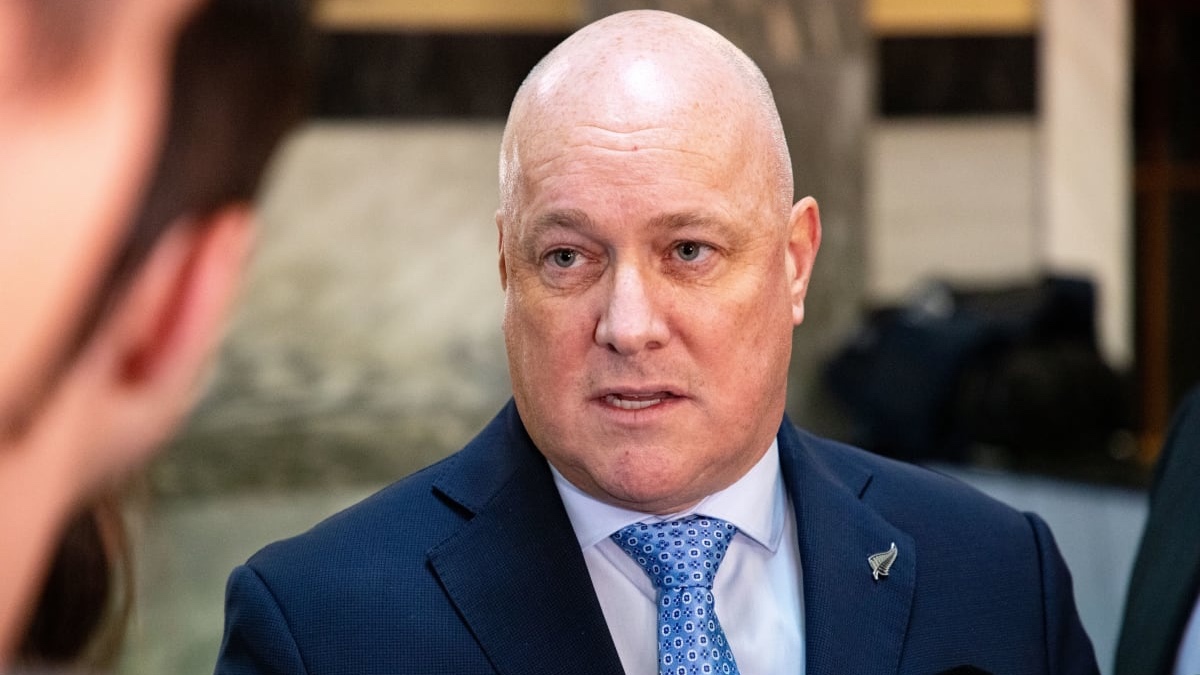
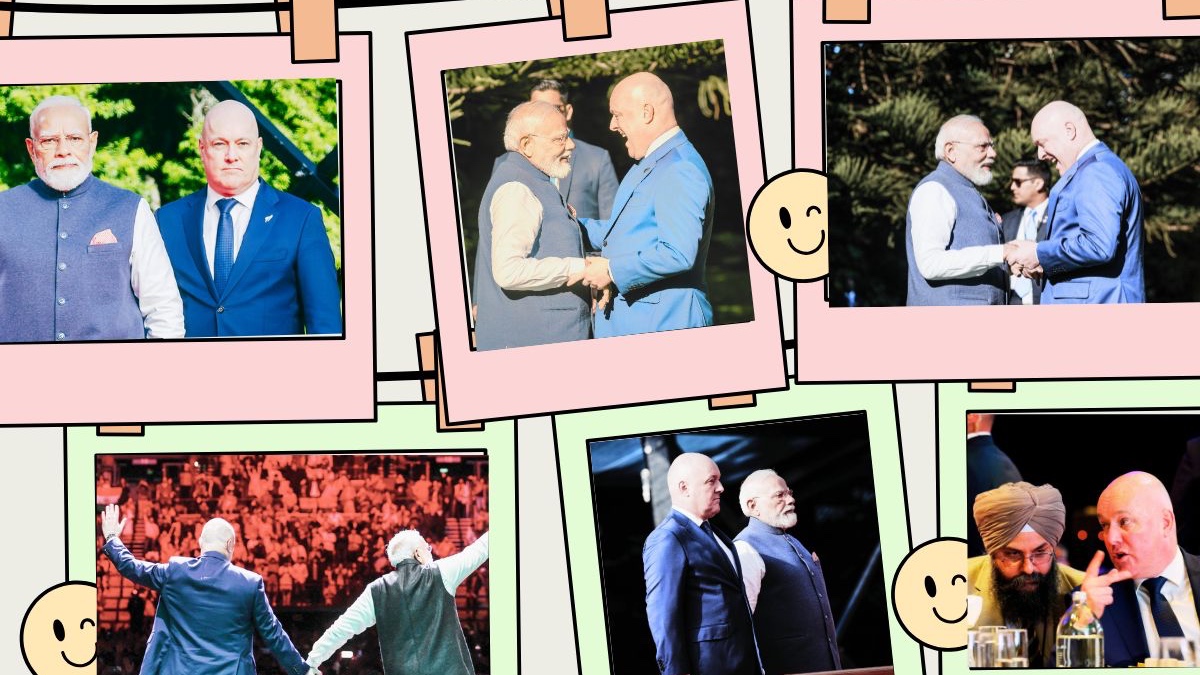
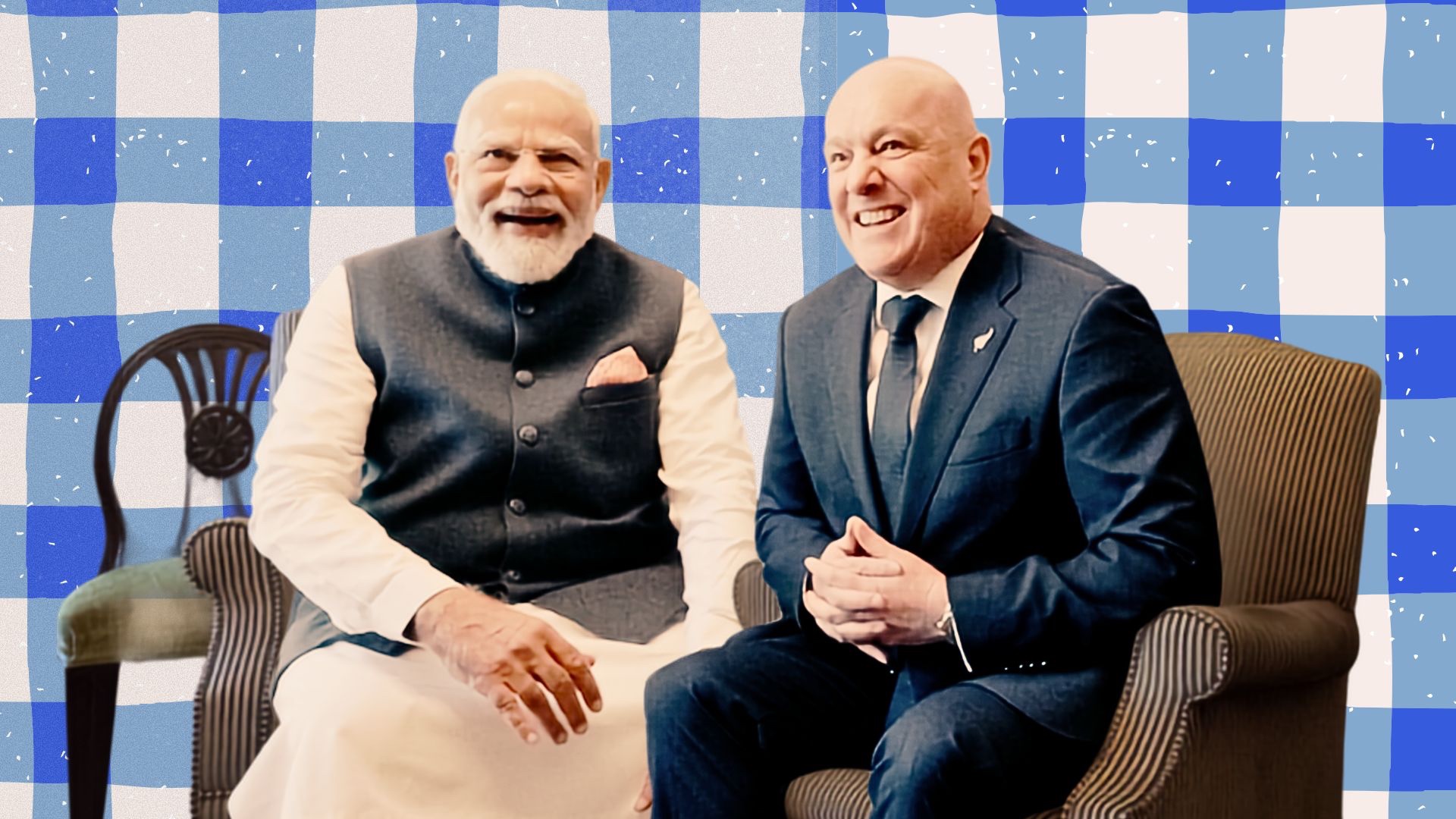
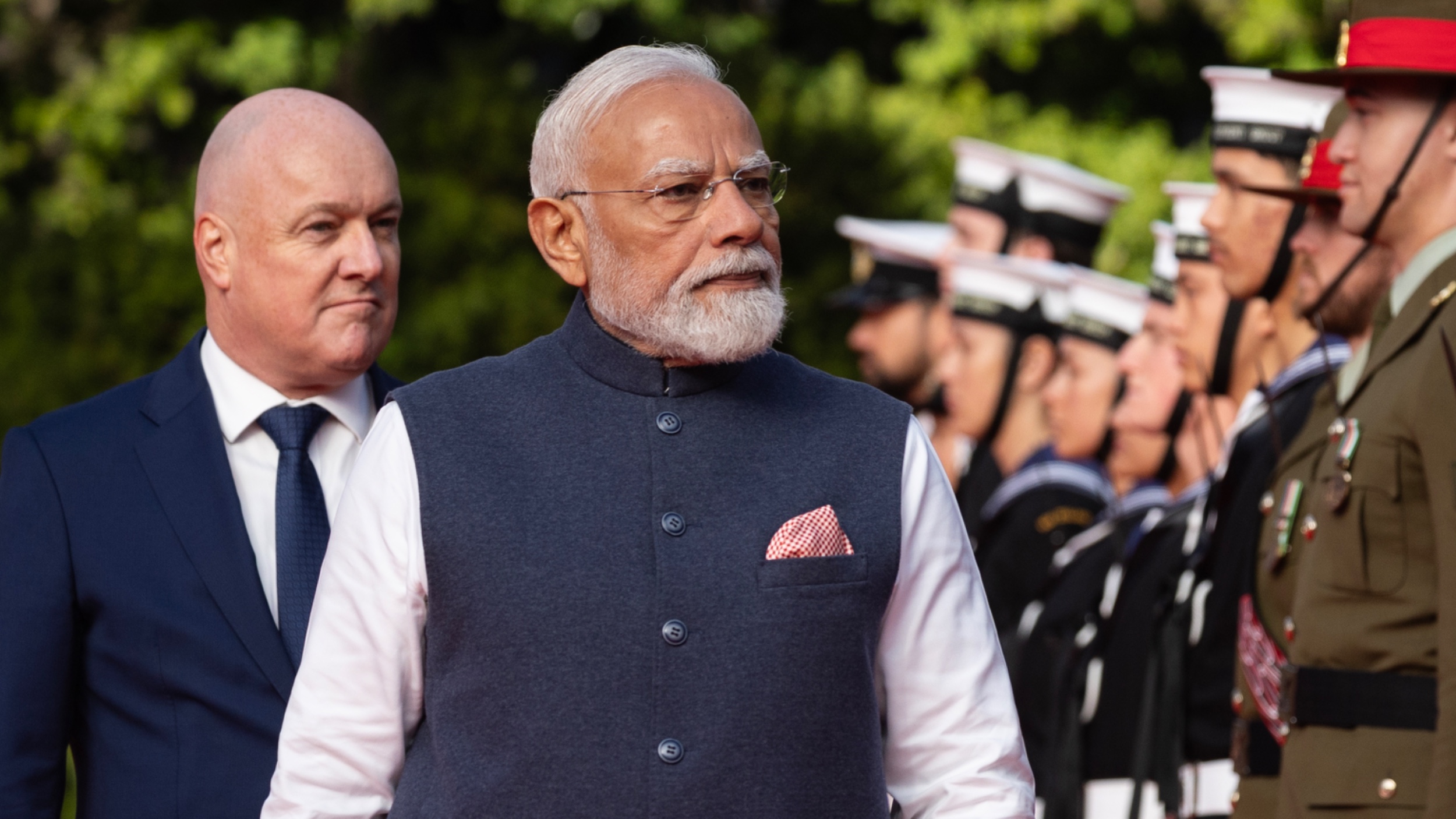
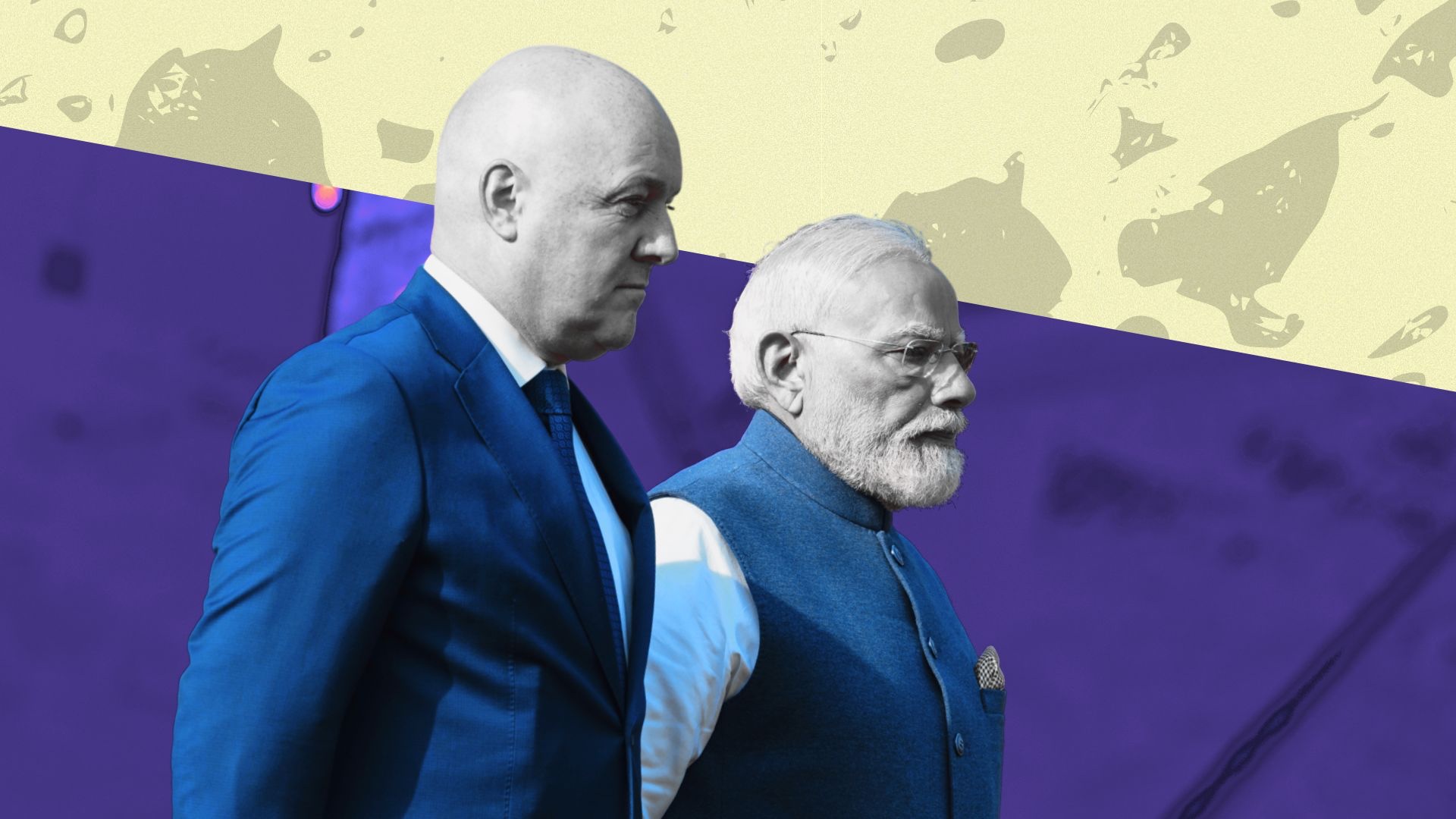
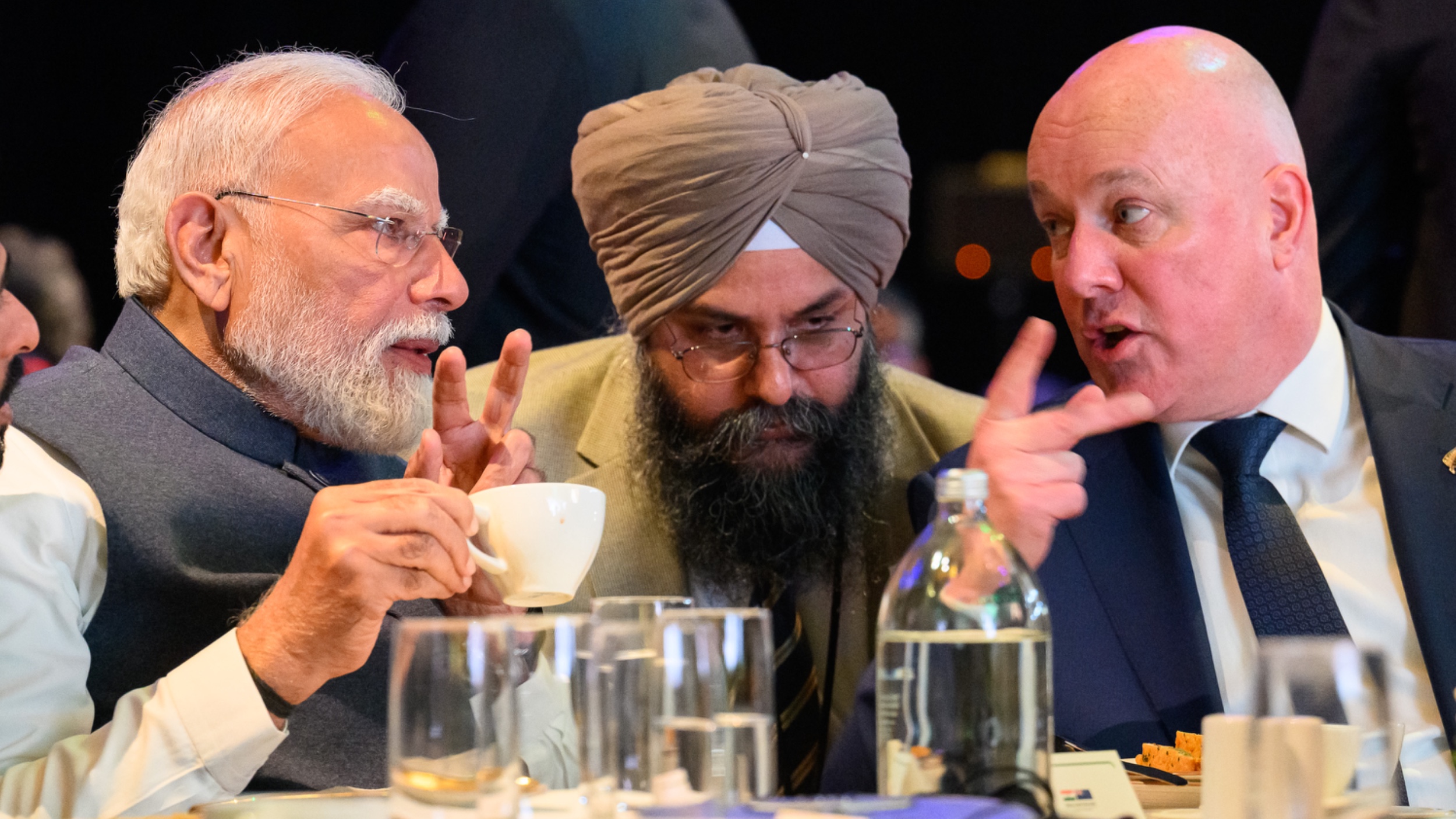
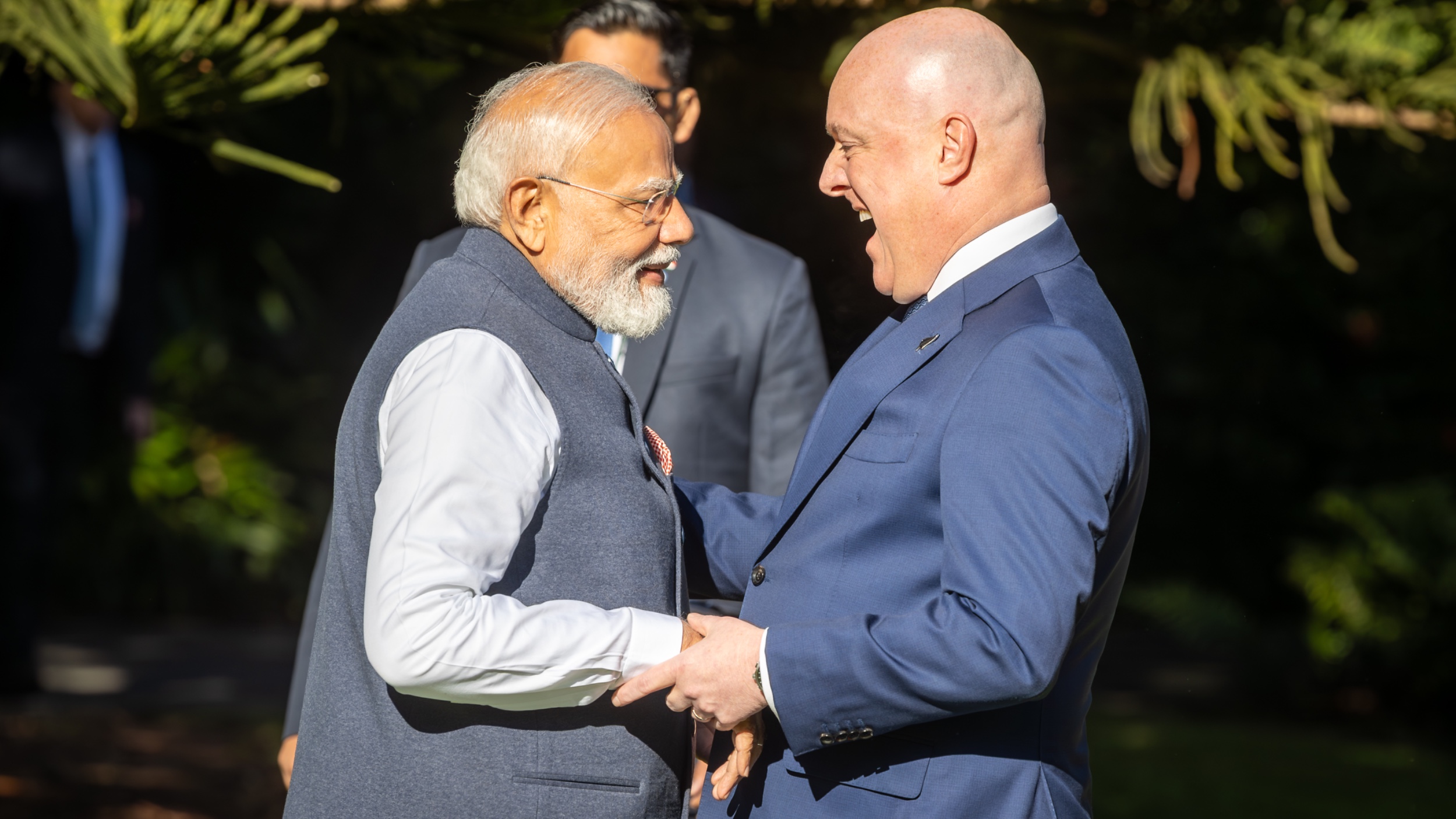
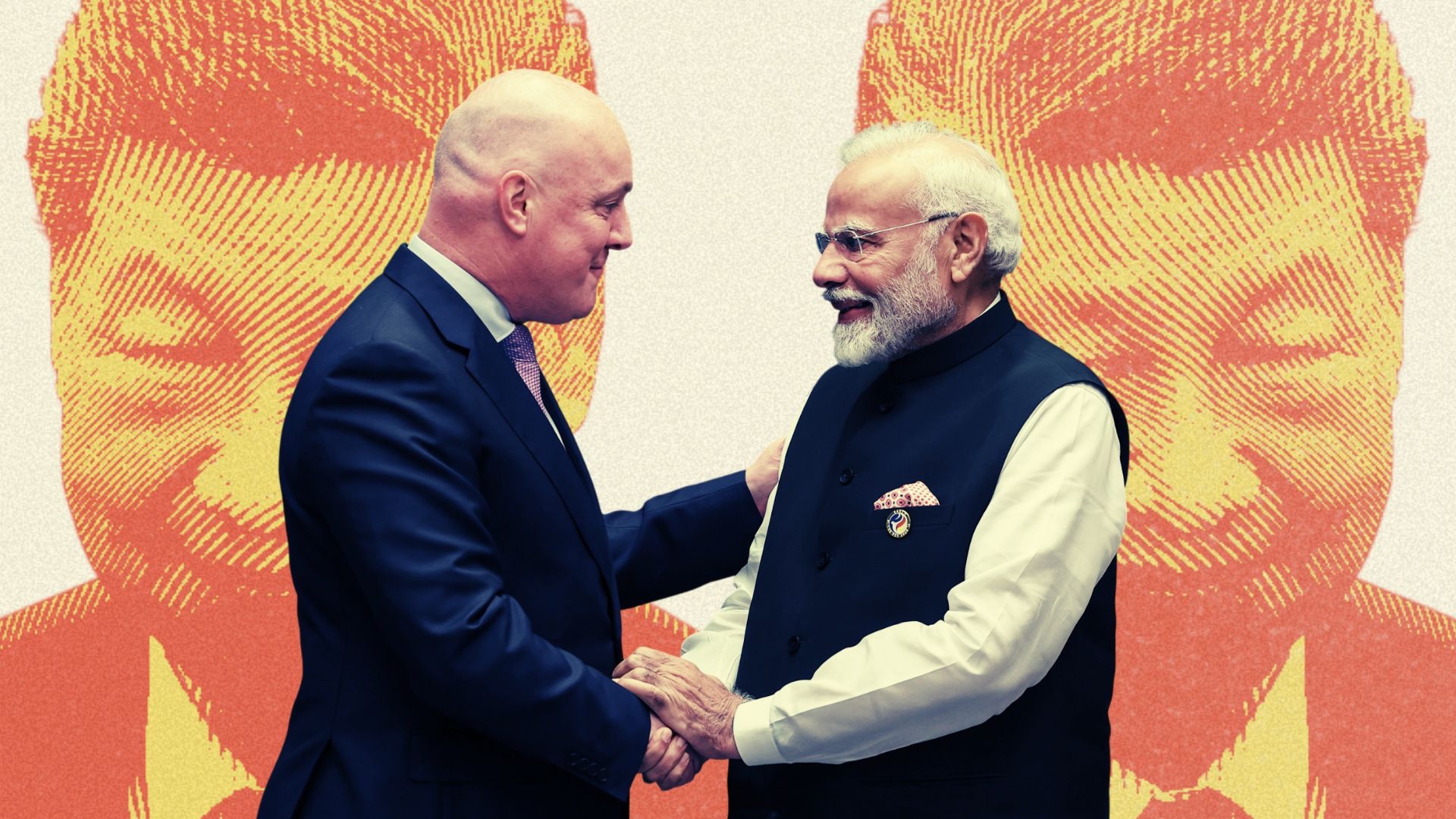
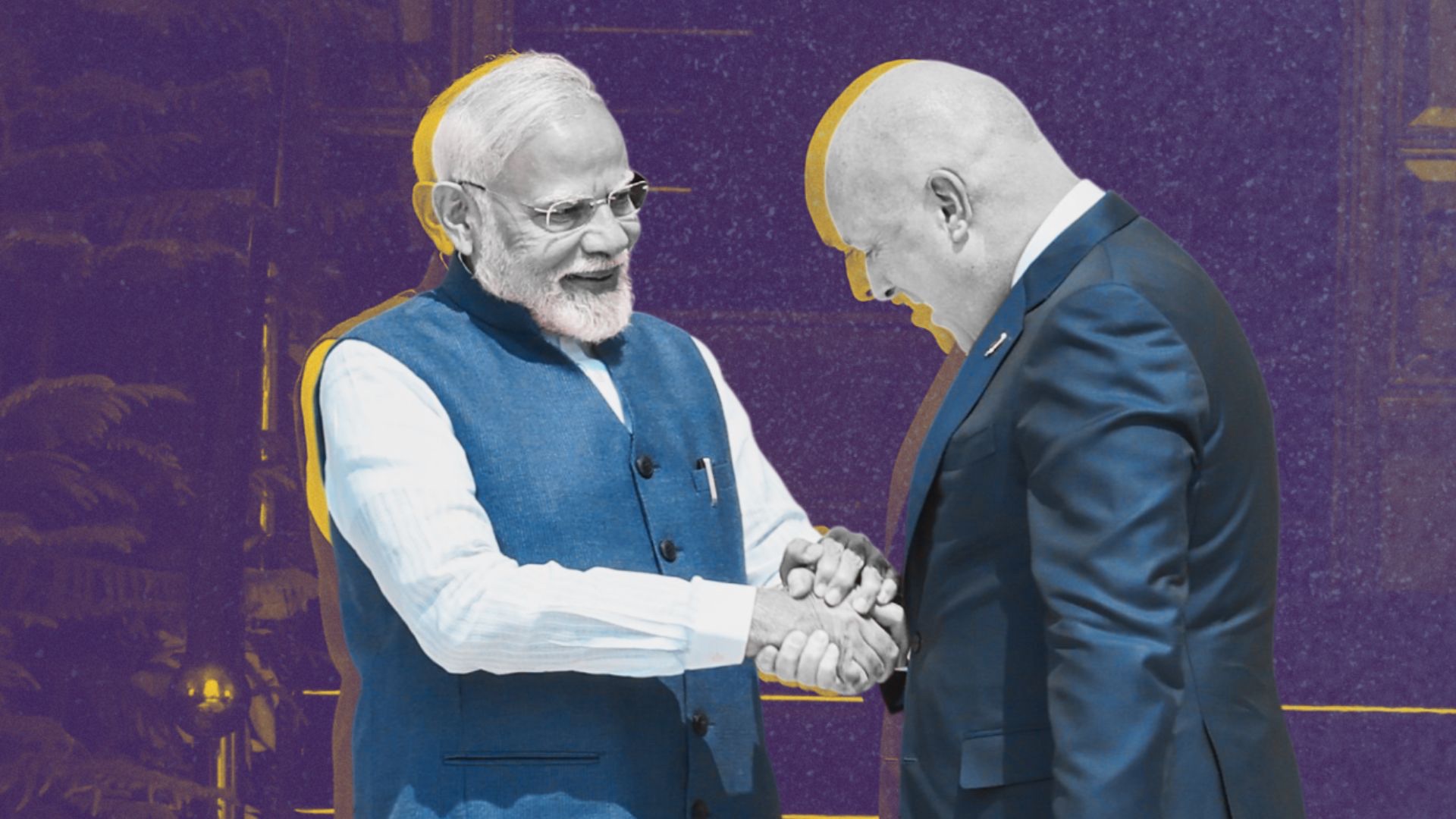
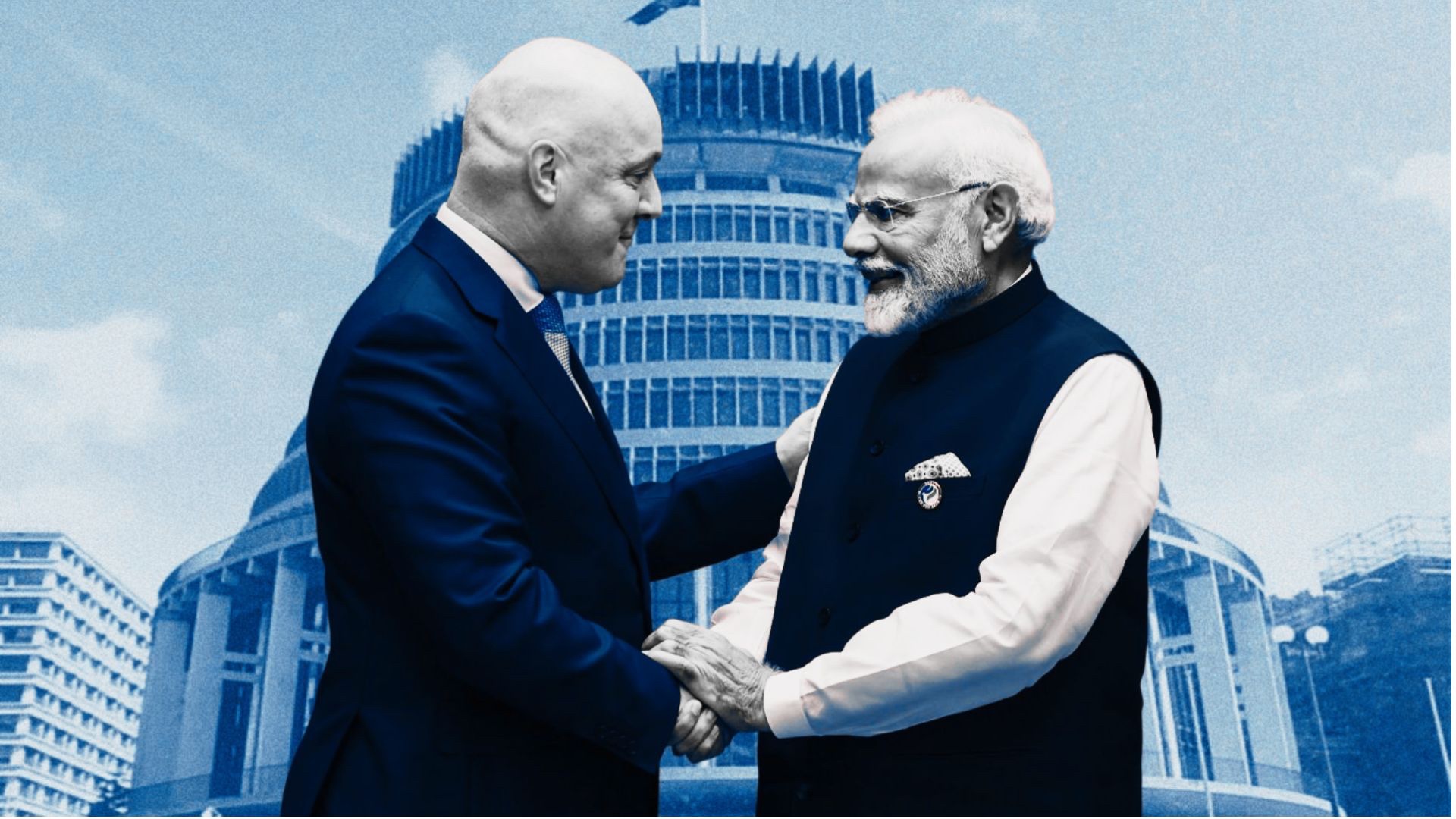
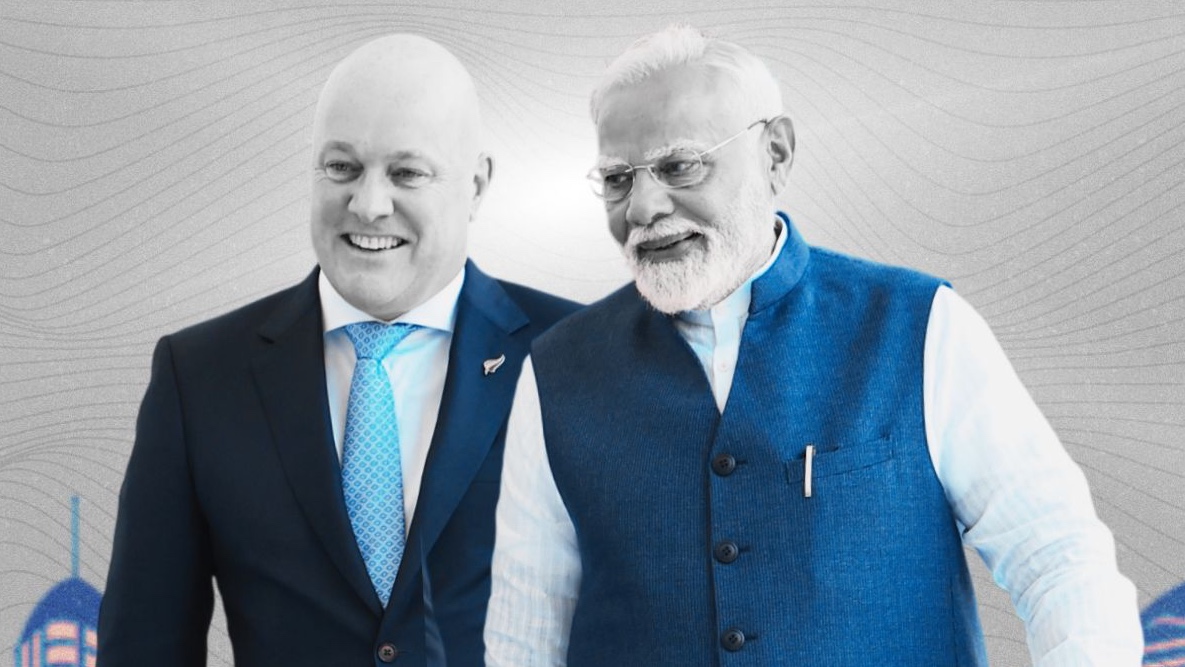
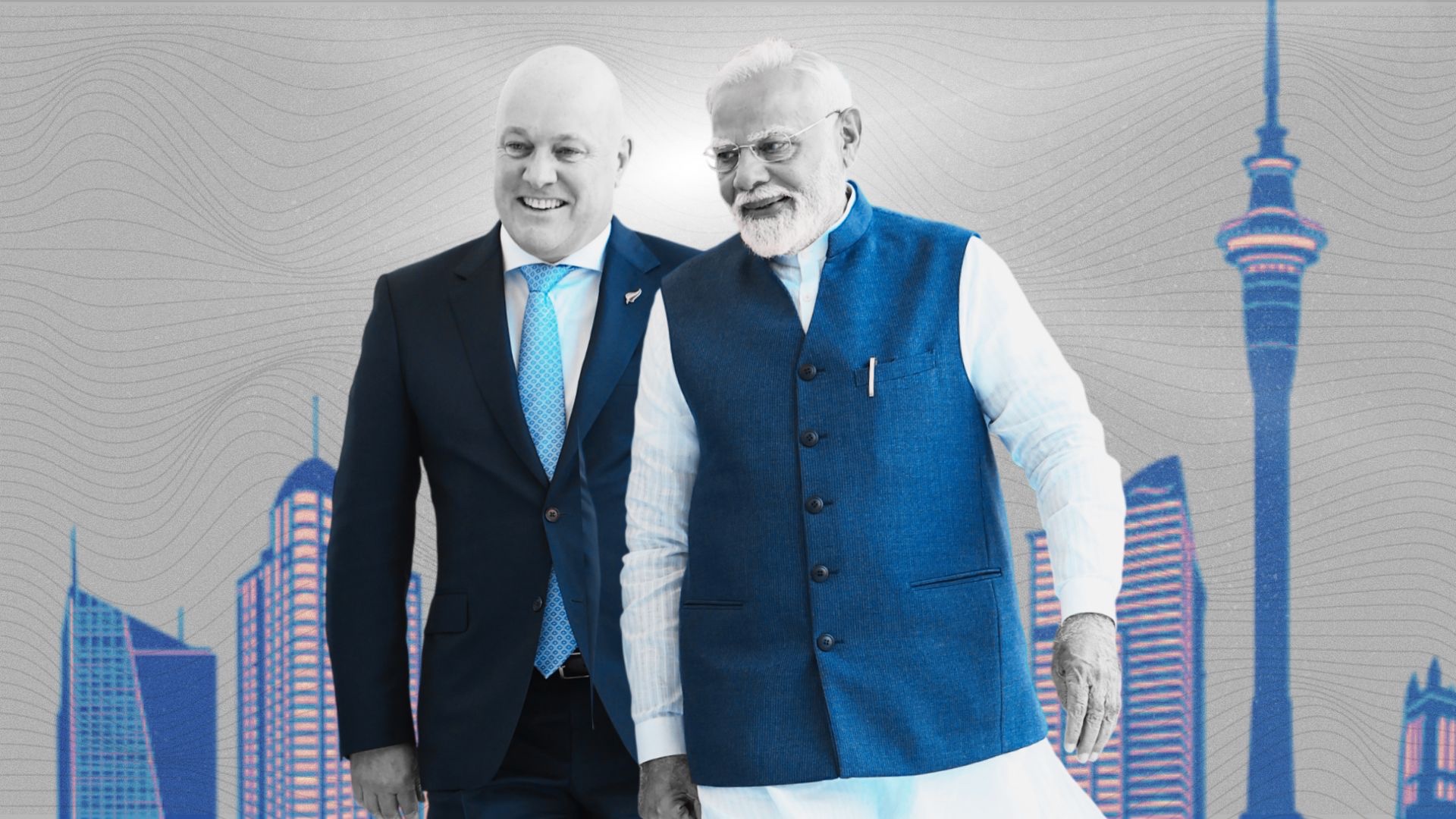
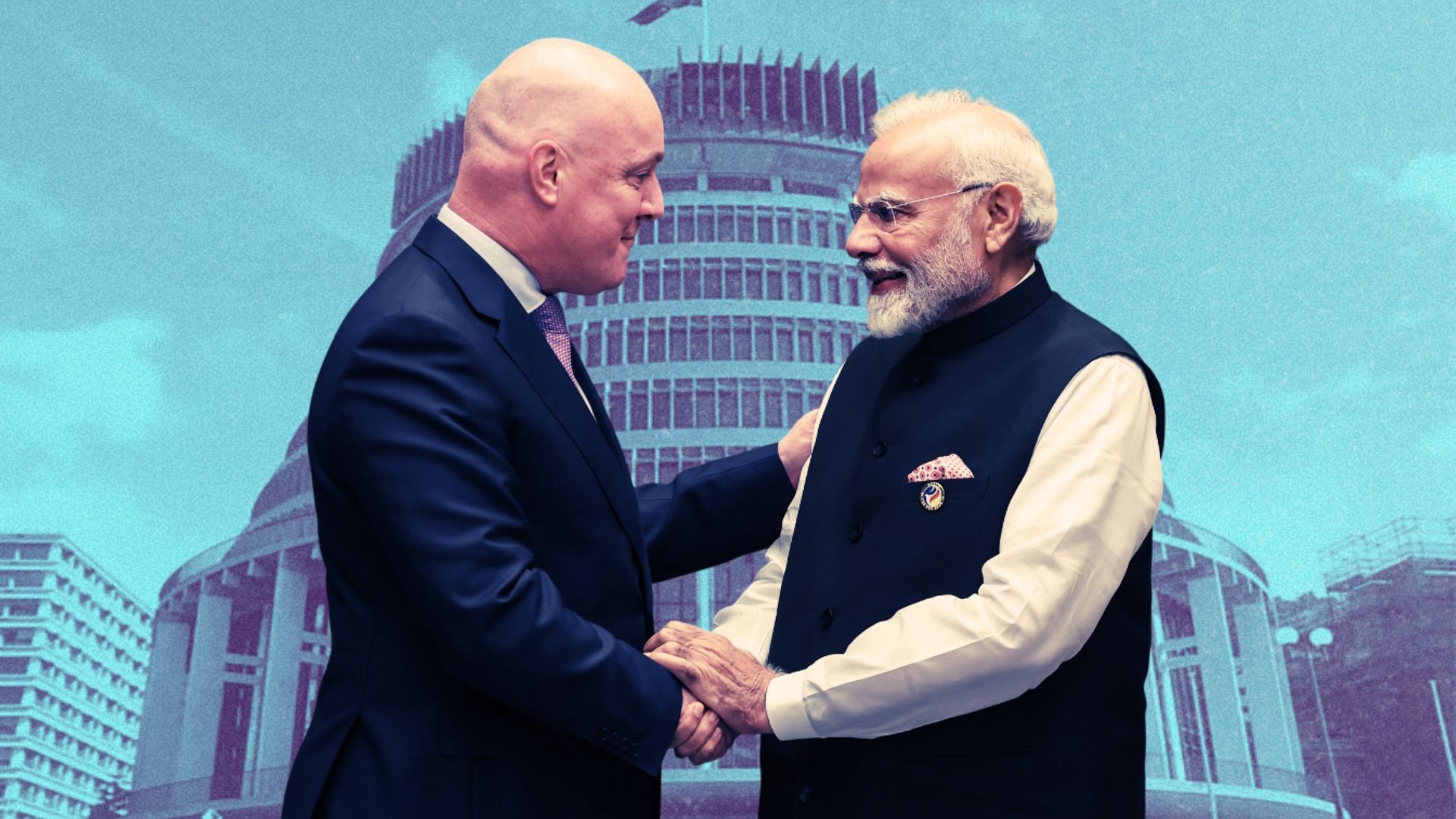
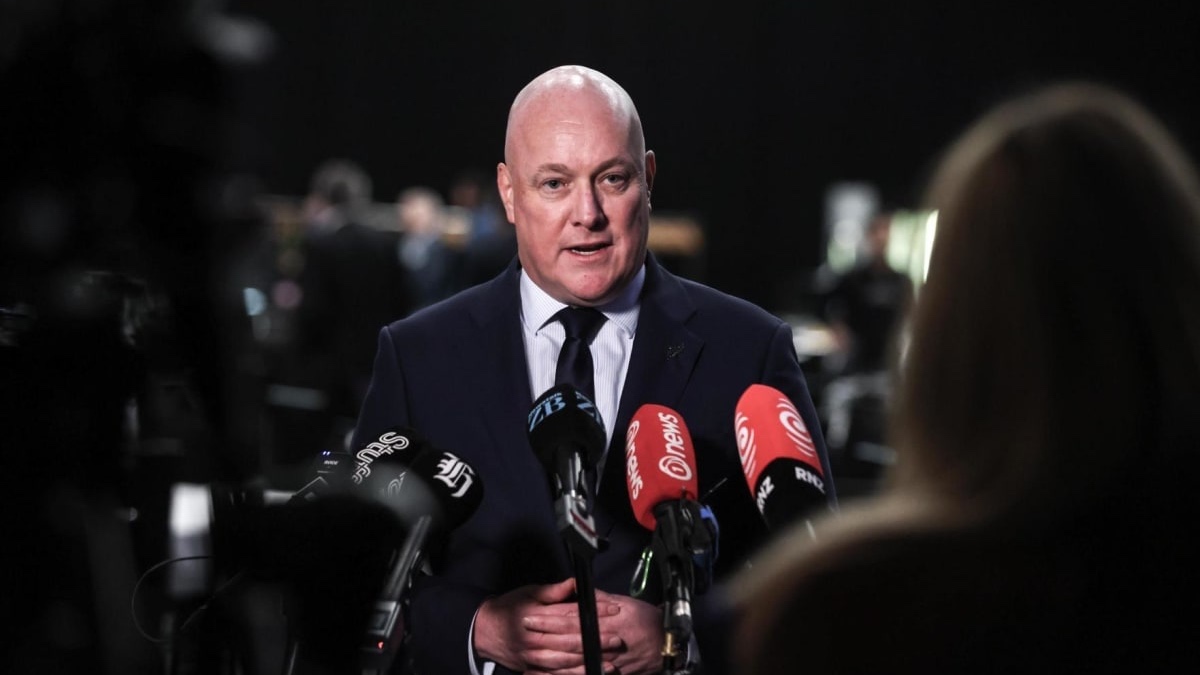
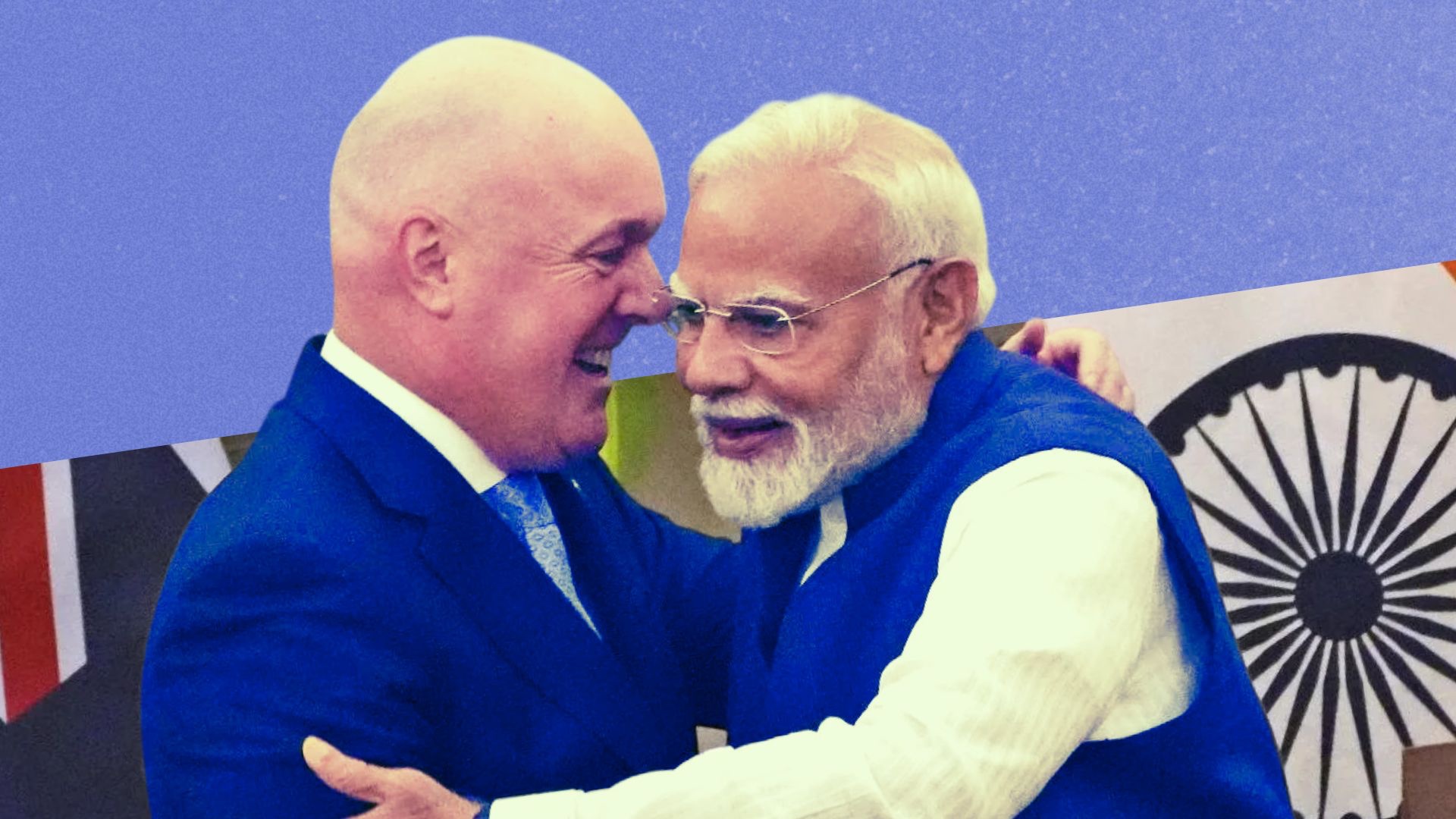
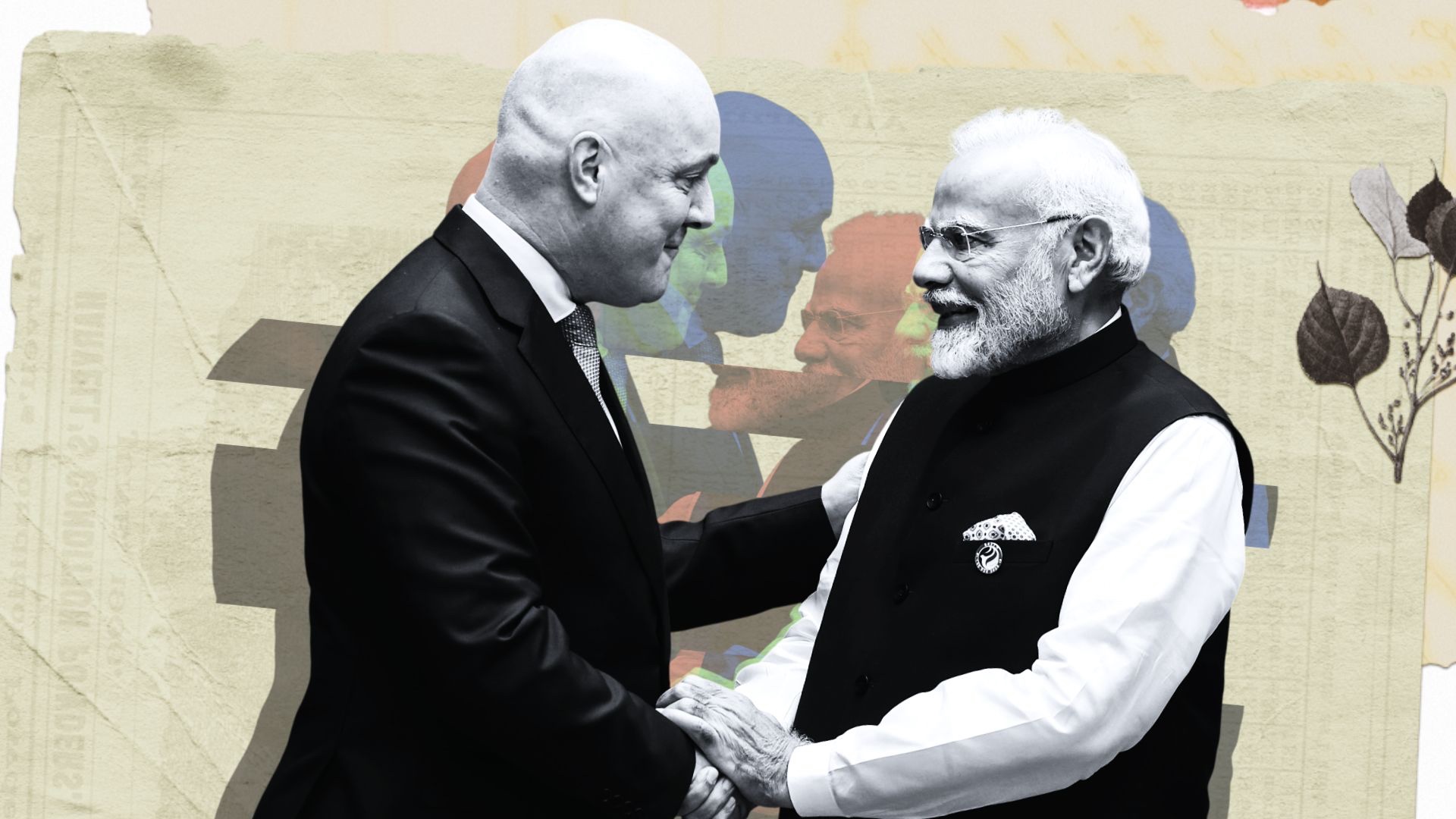
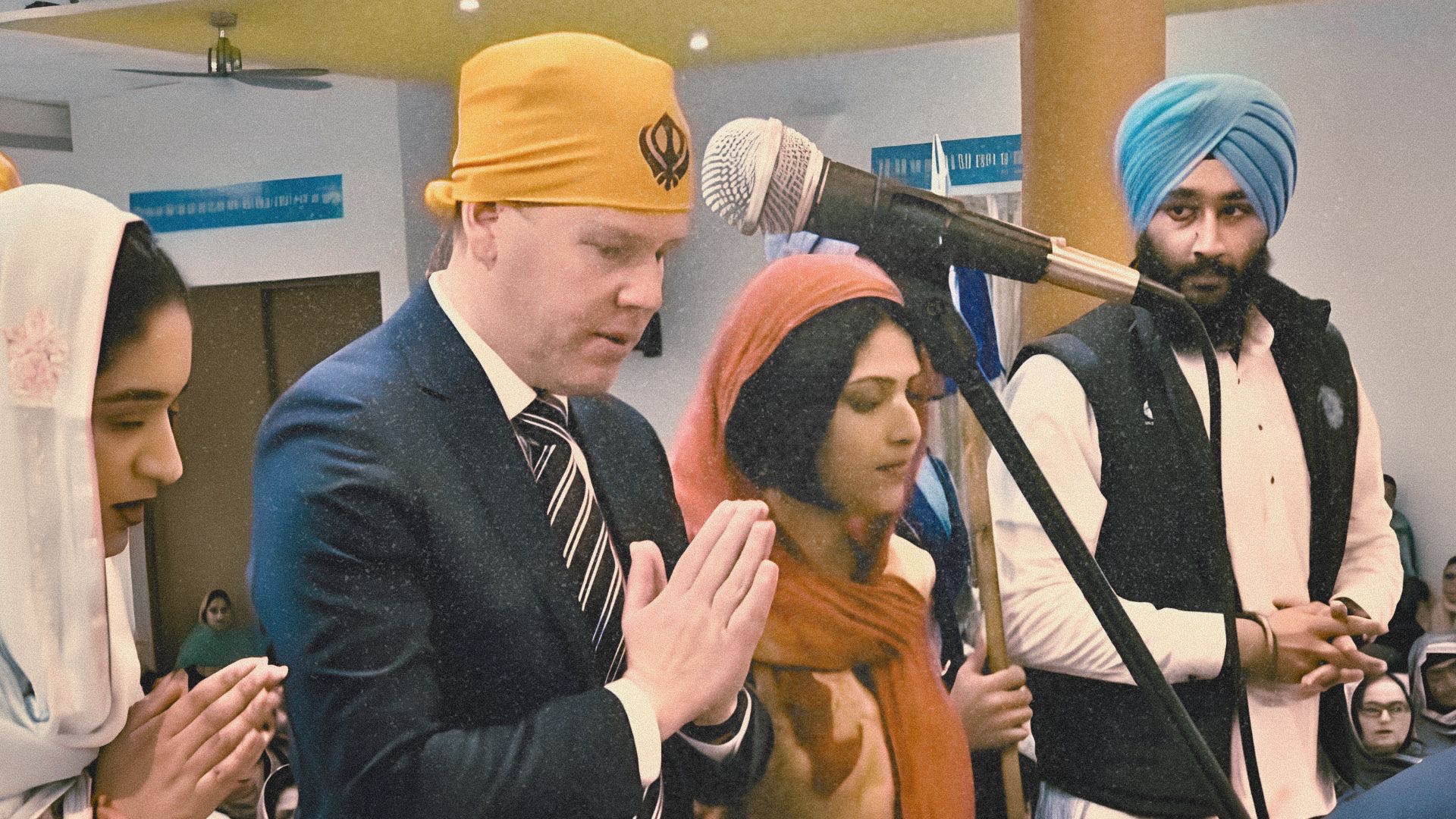
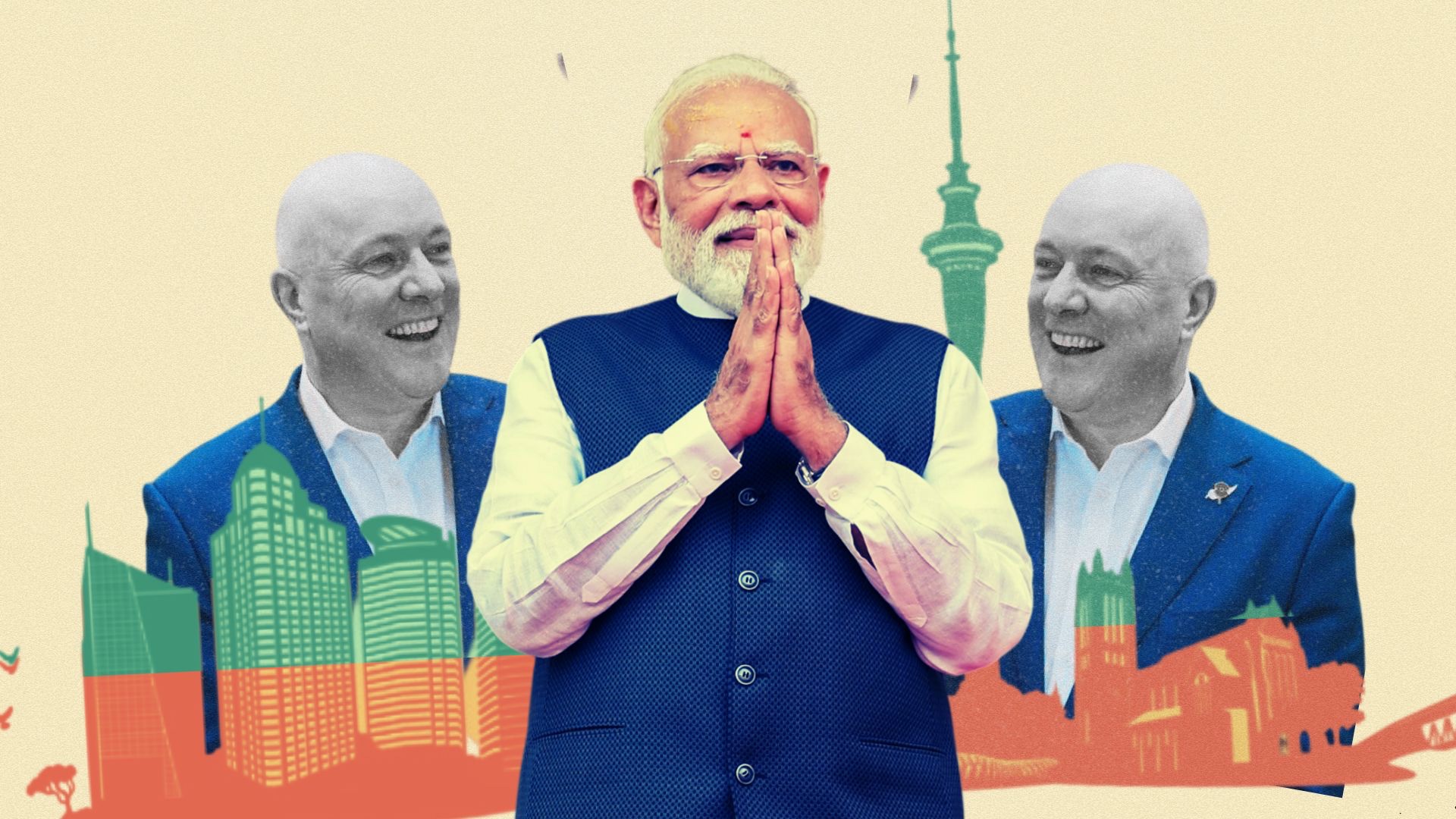
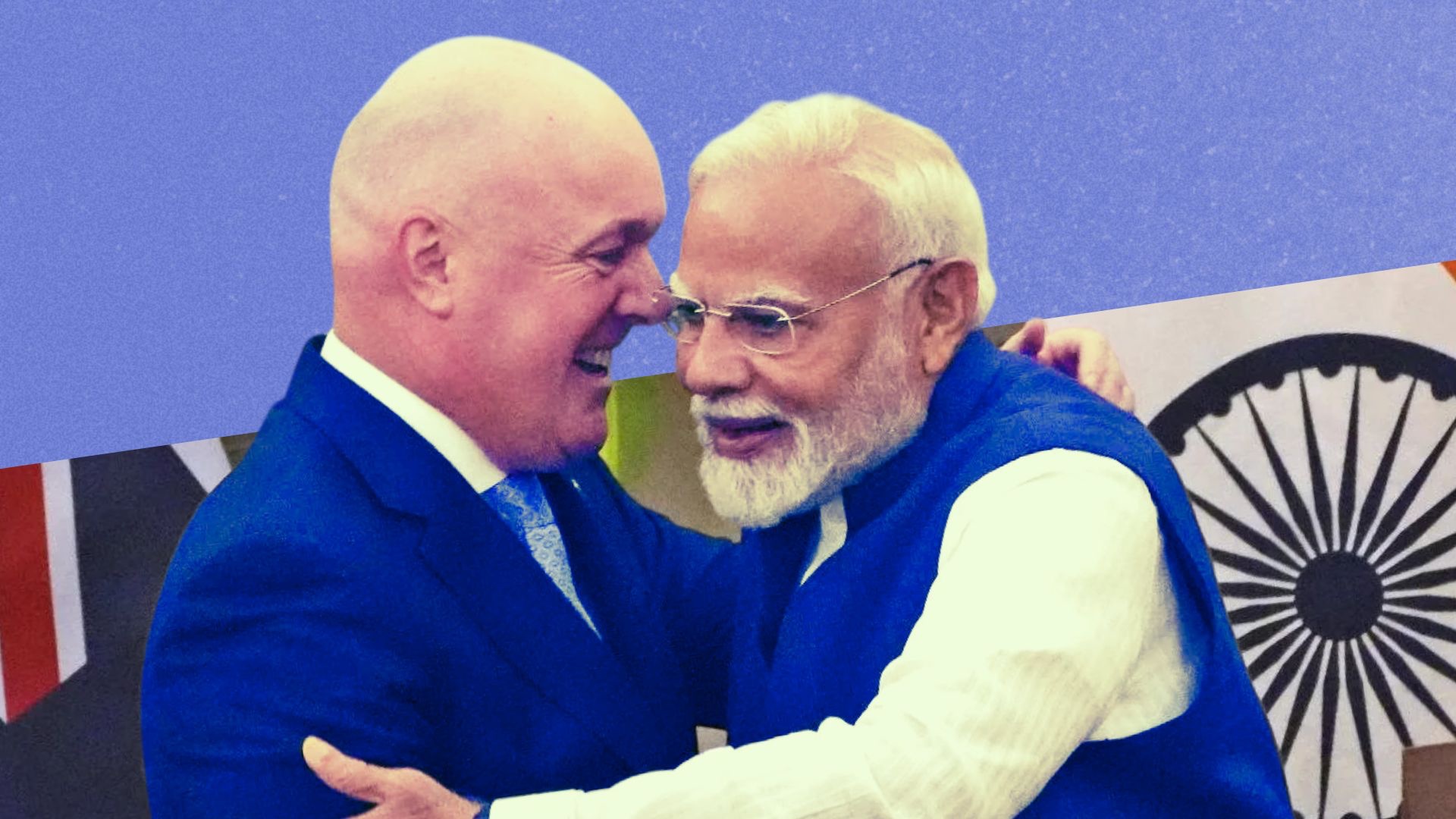
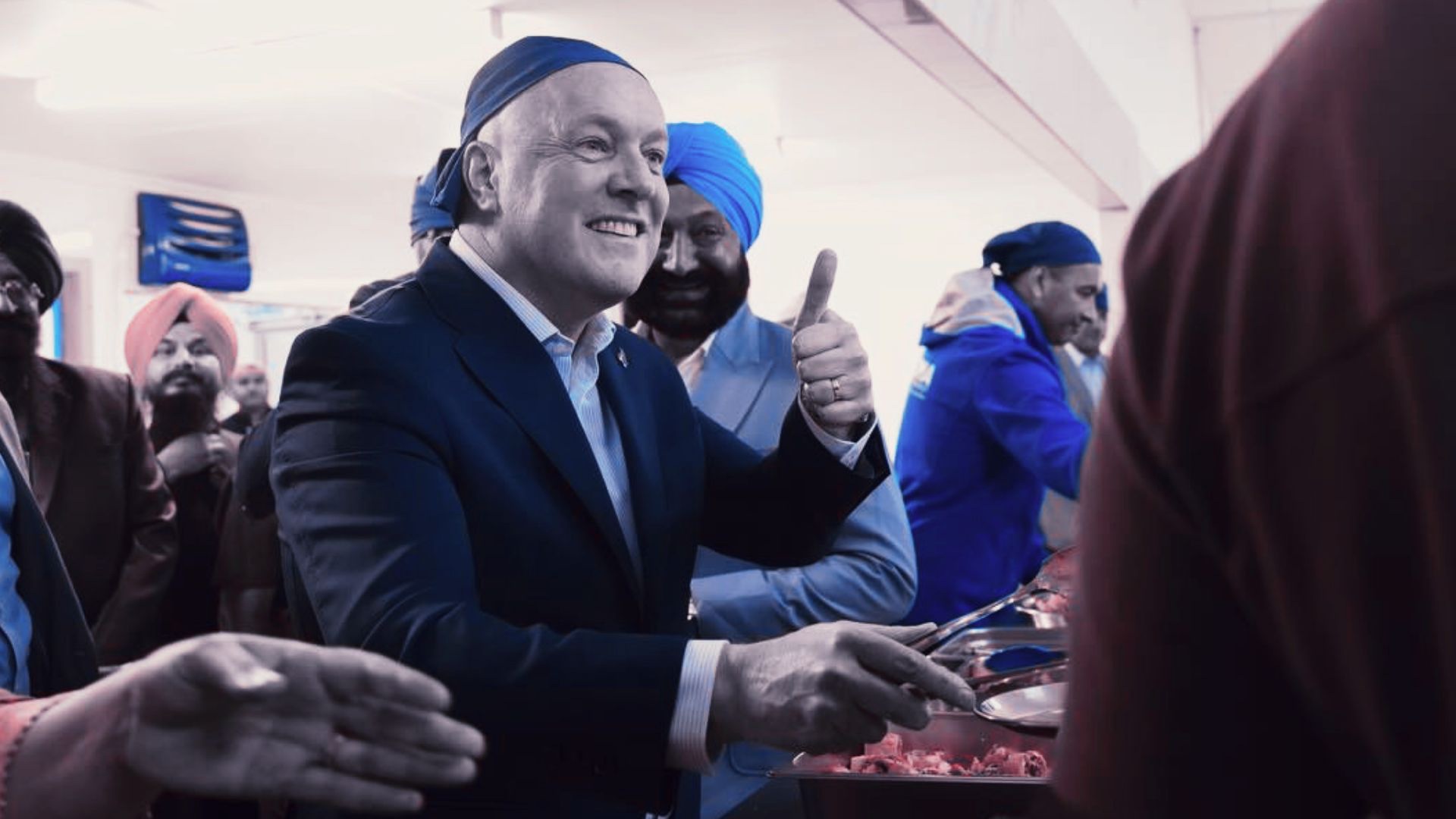
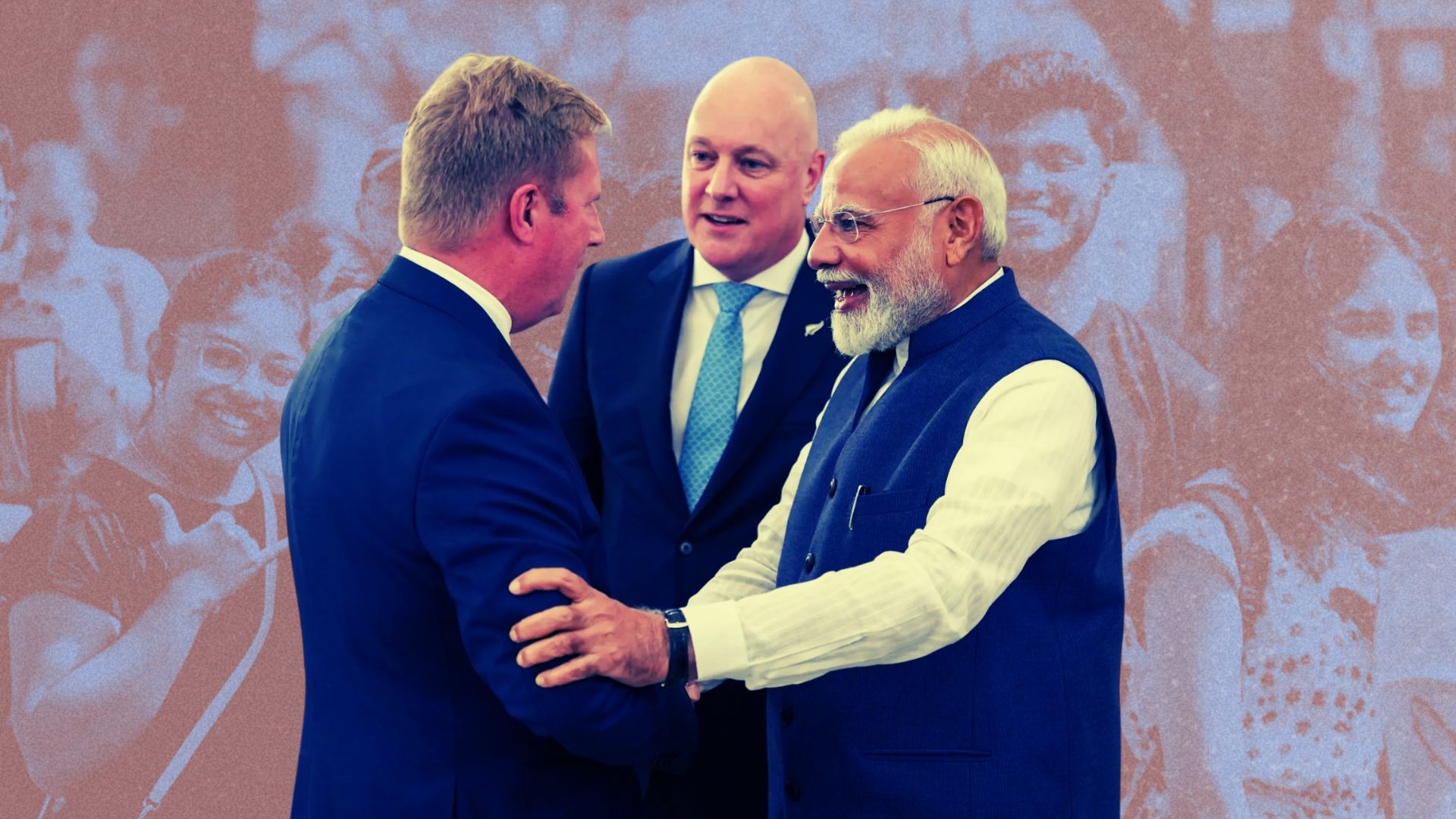
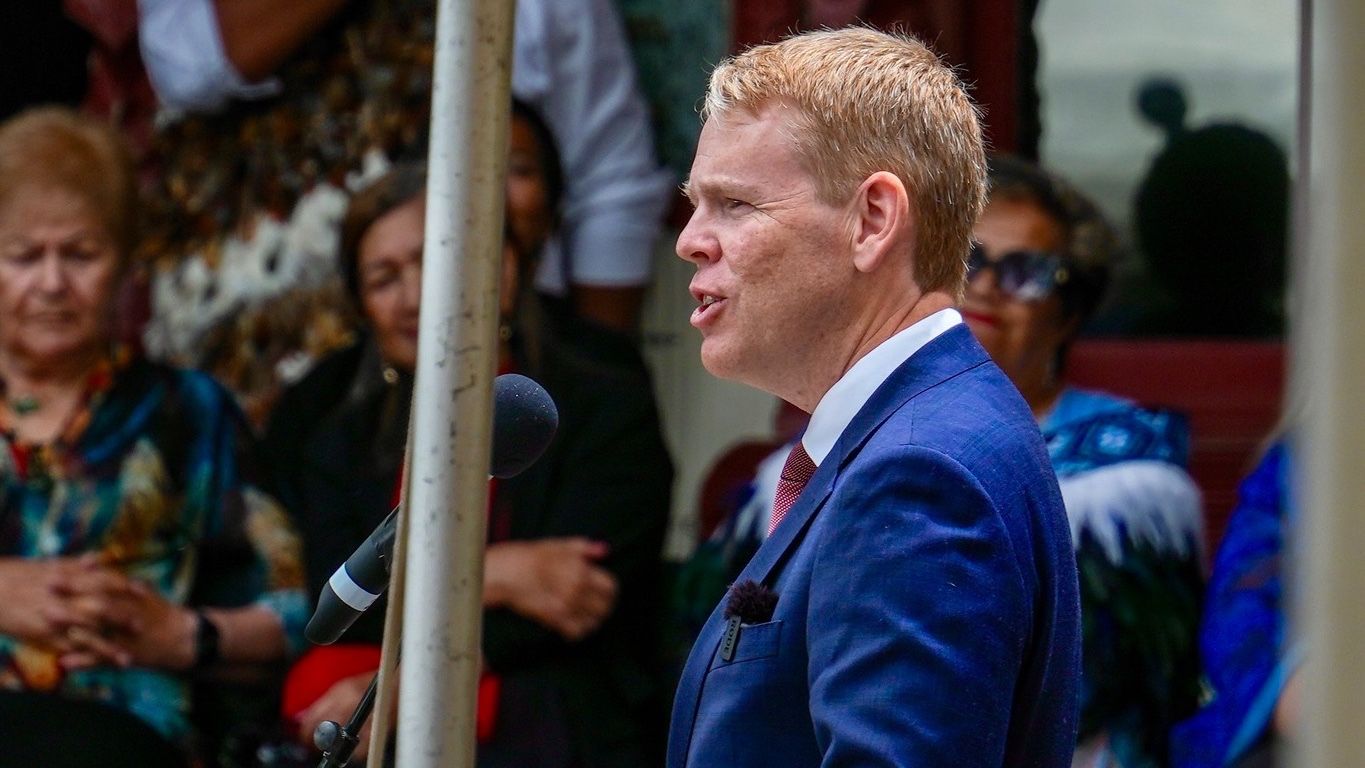
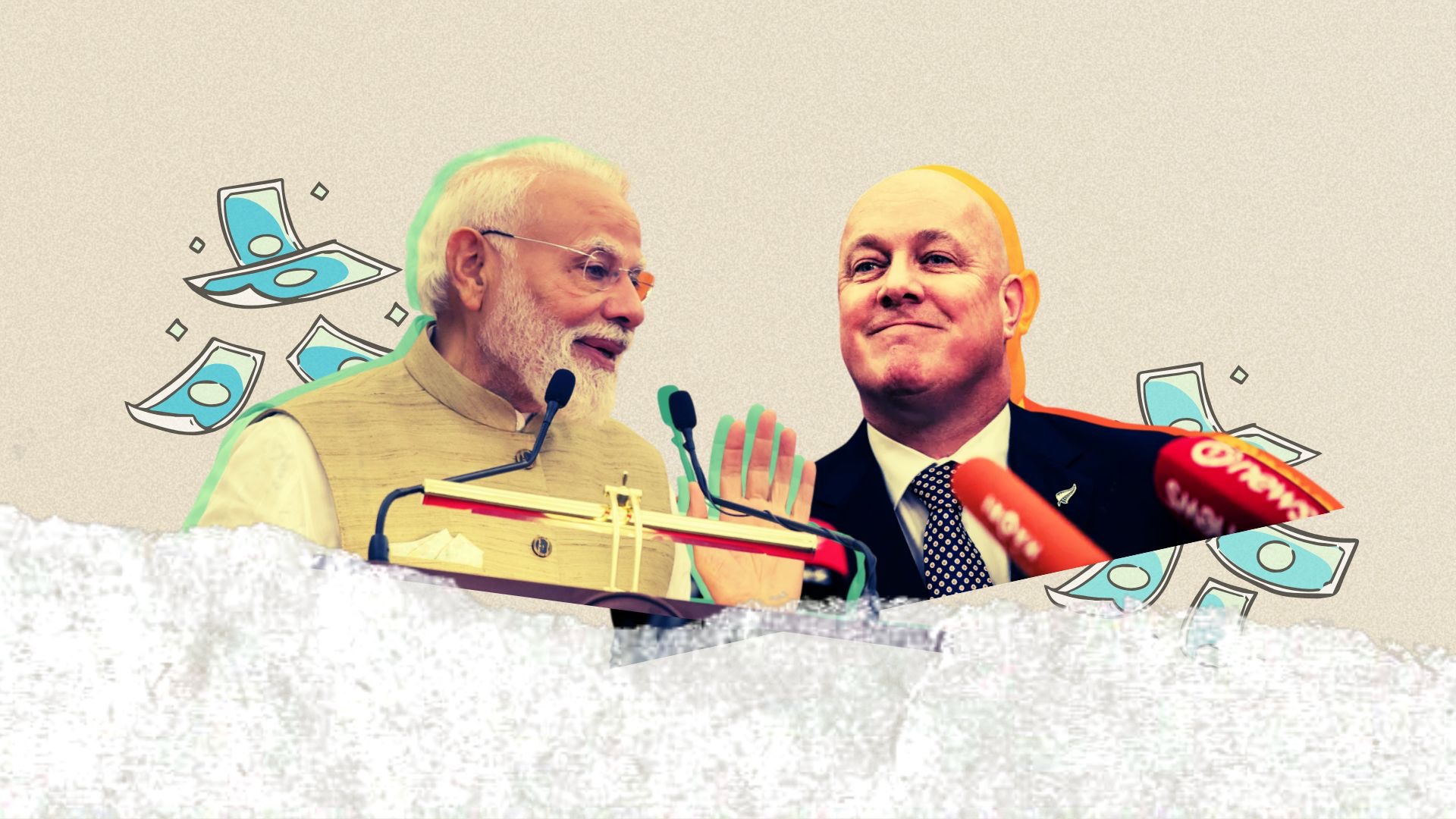
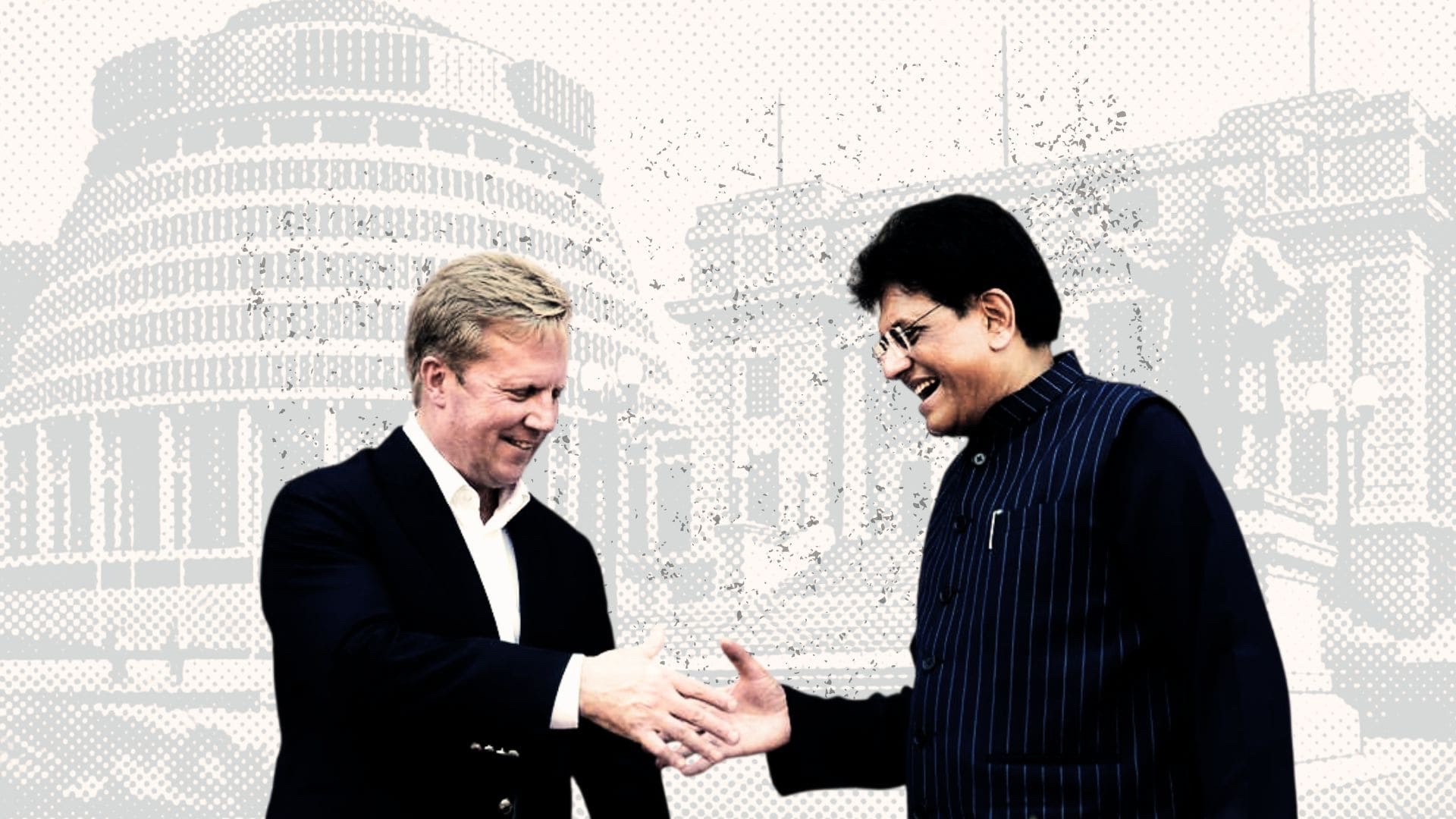
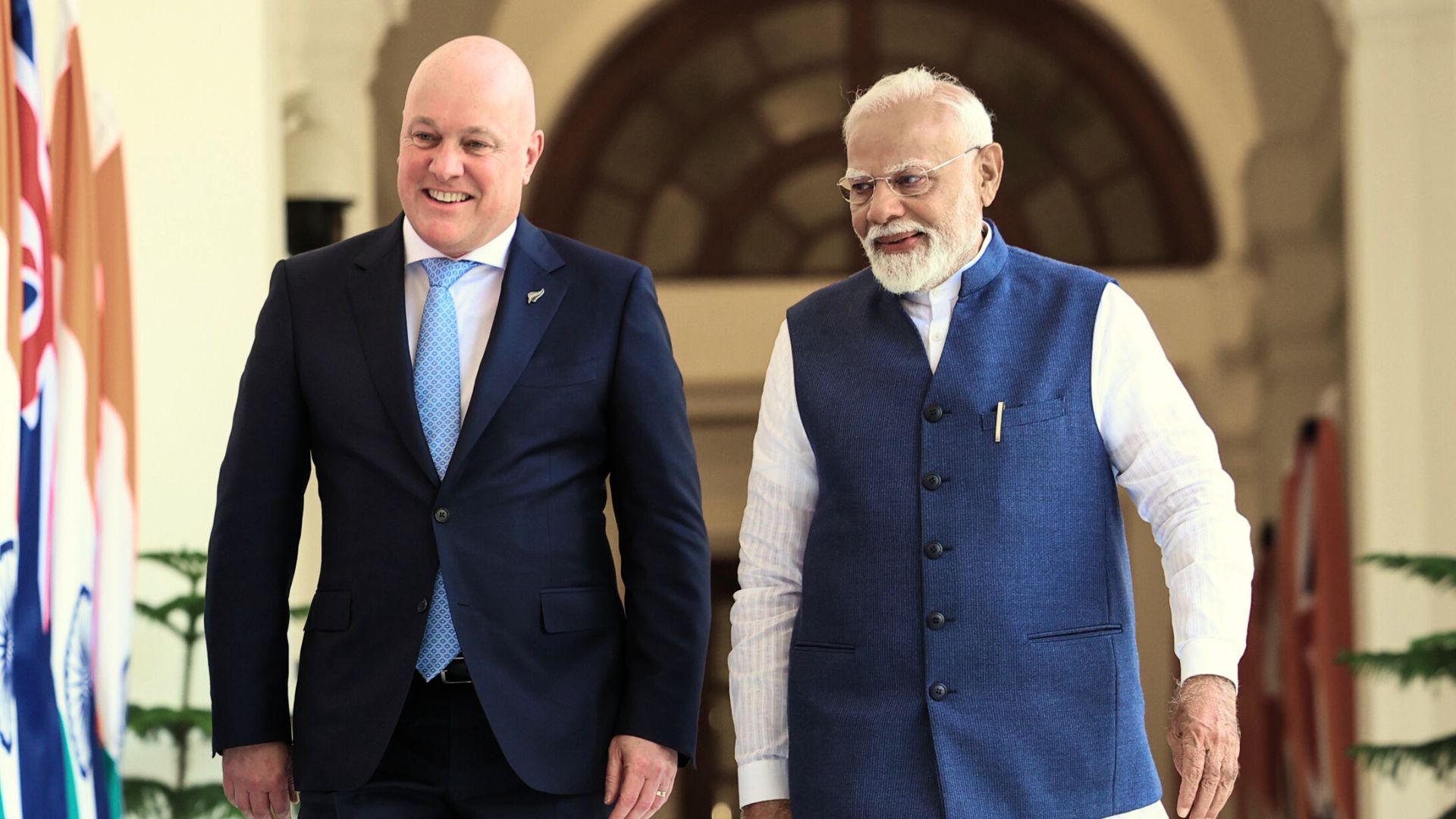
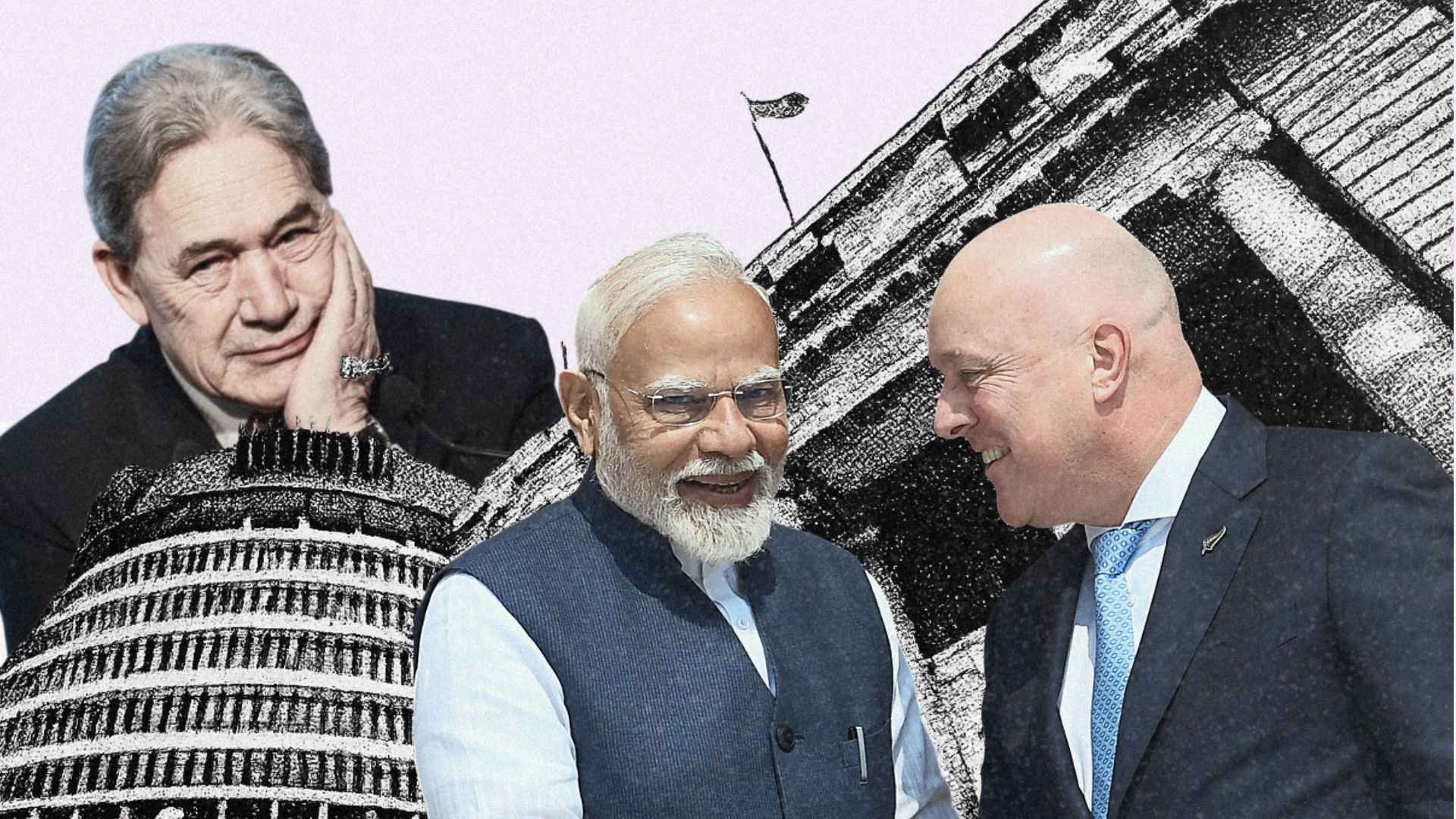
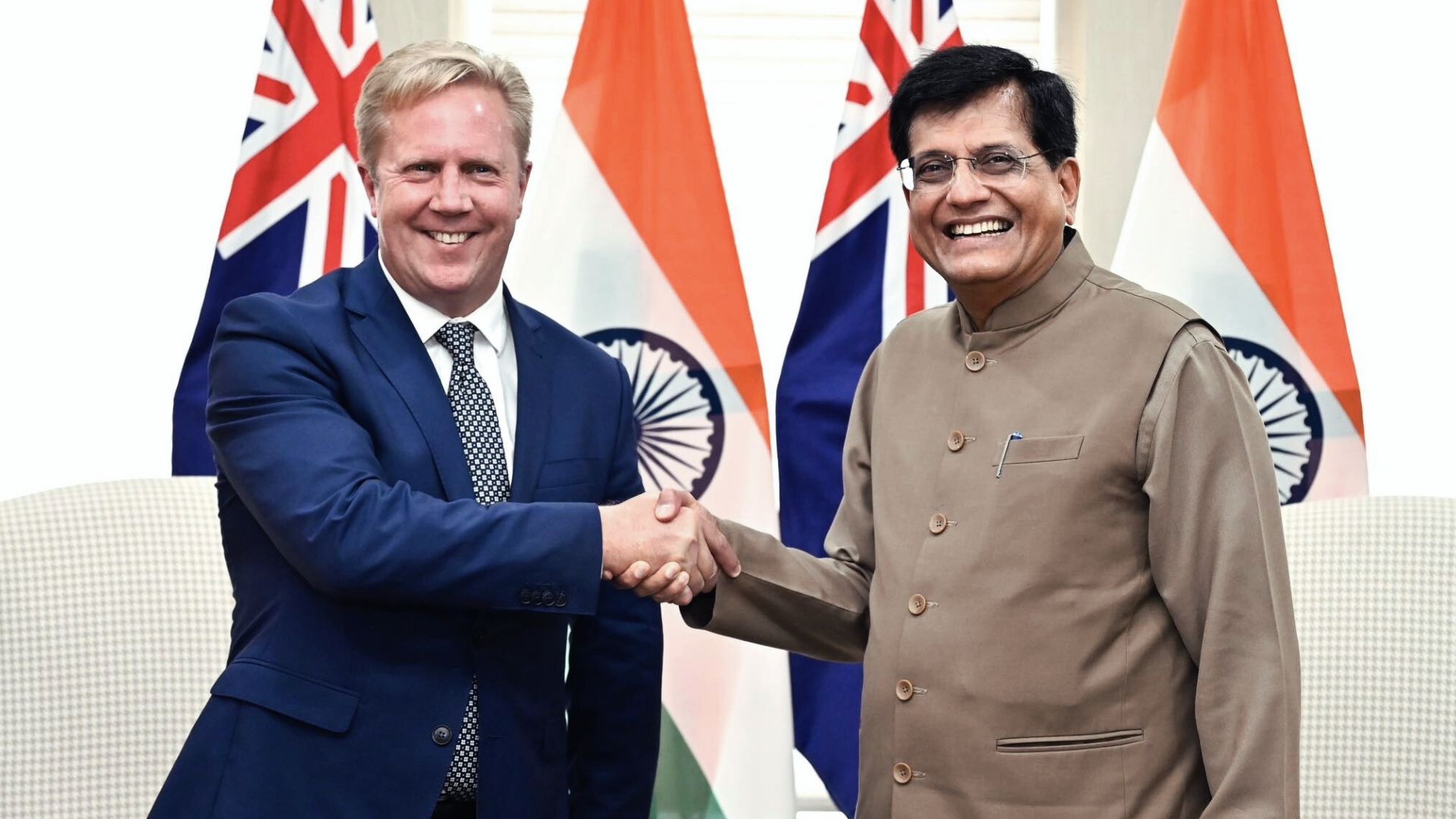
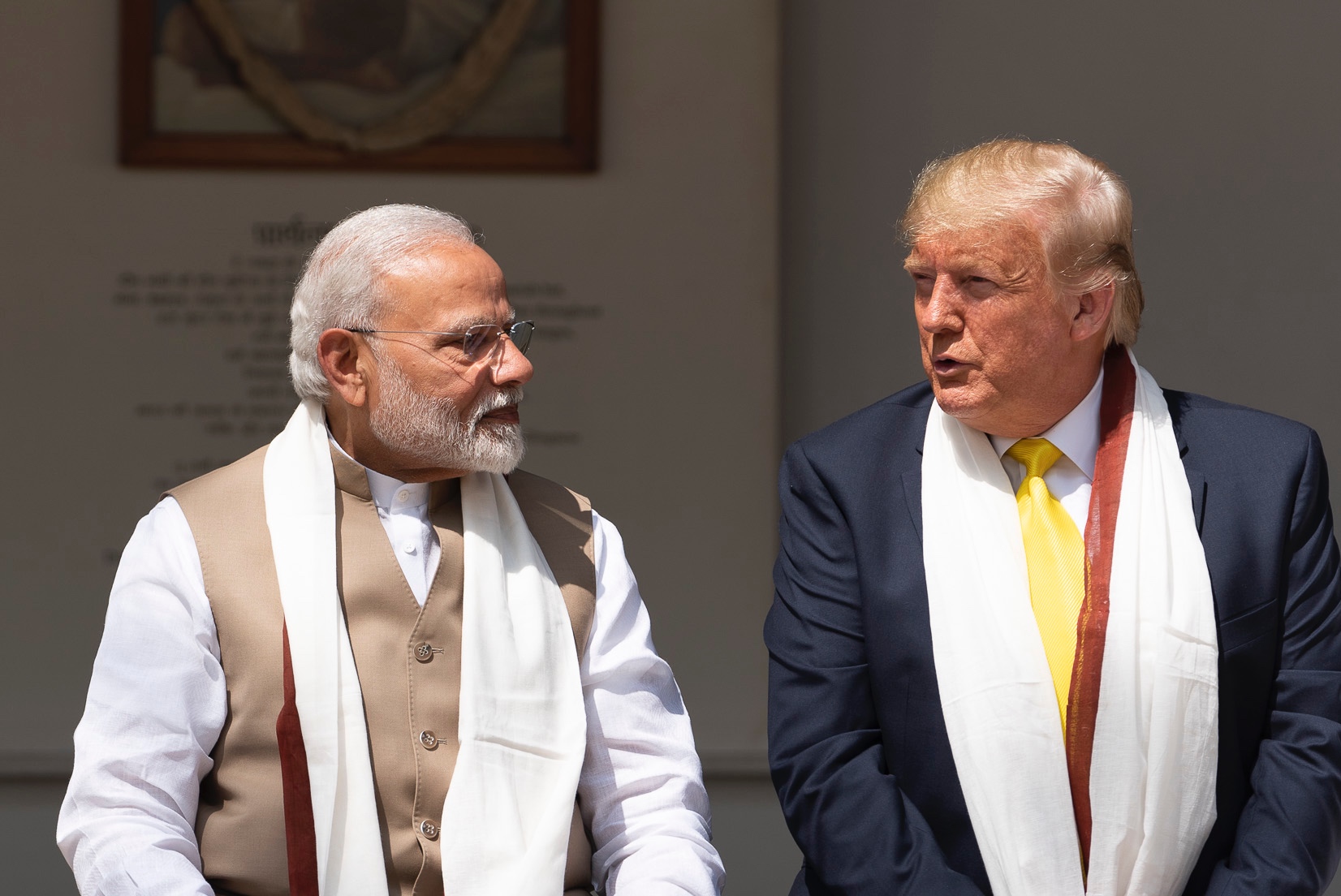
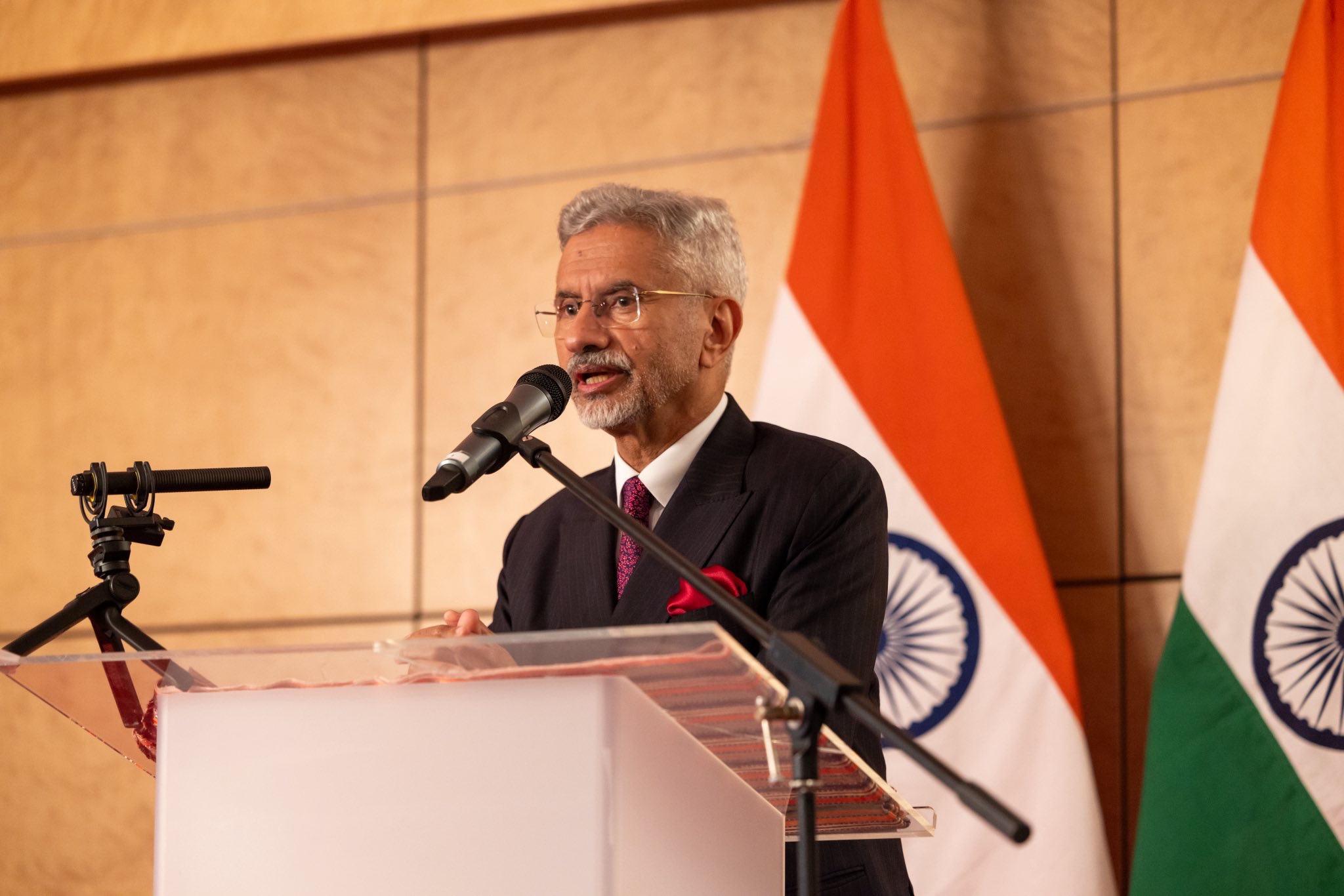
Prime minister Christopher Luxon greets India's Narendra Modi at Auckland Airport on July 10. (RNZ/Blessen Tom)
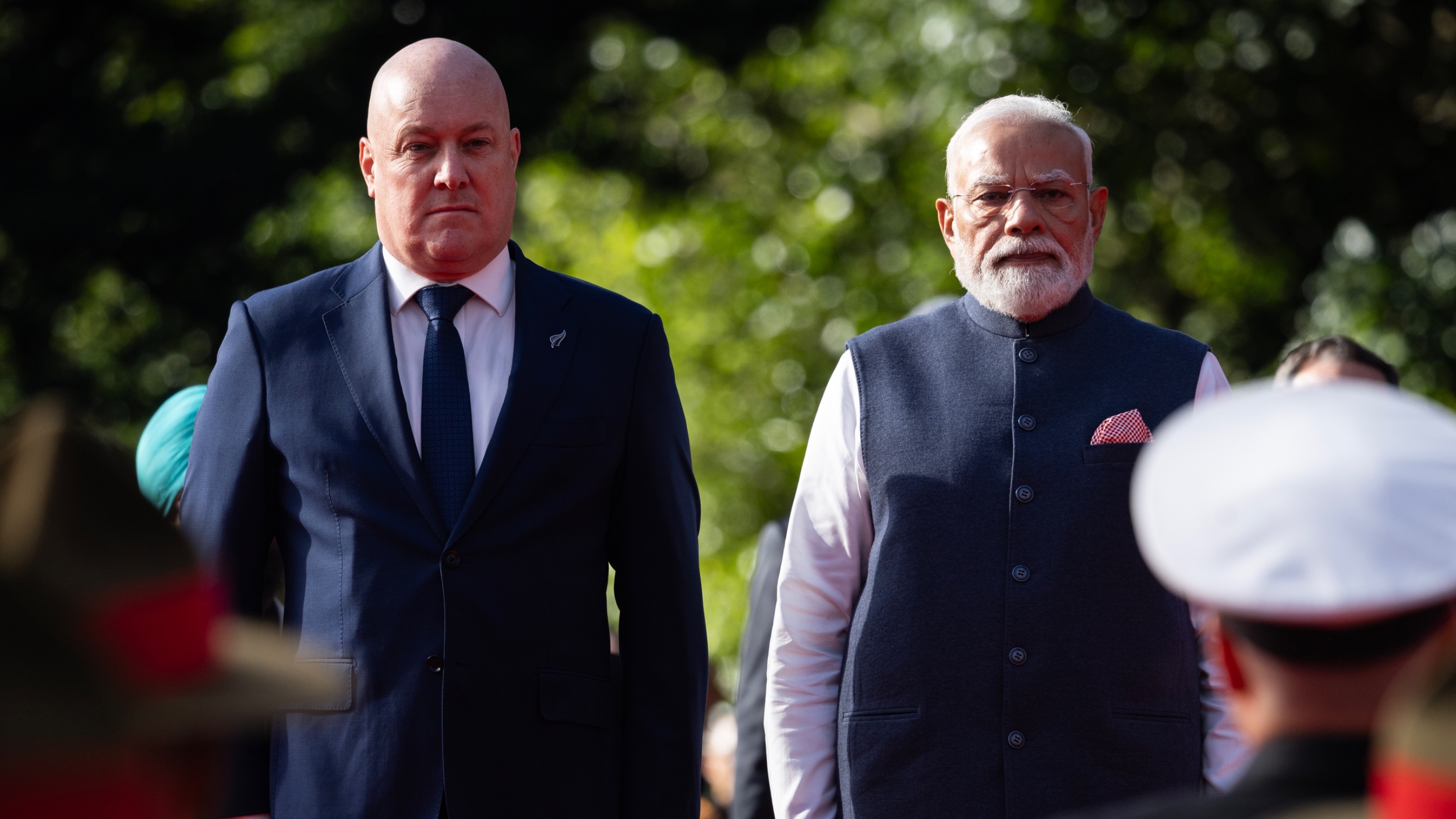
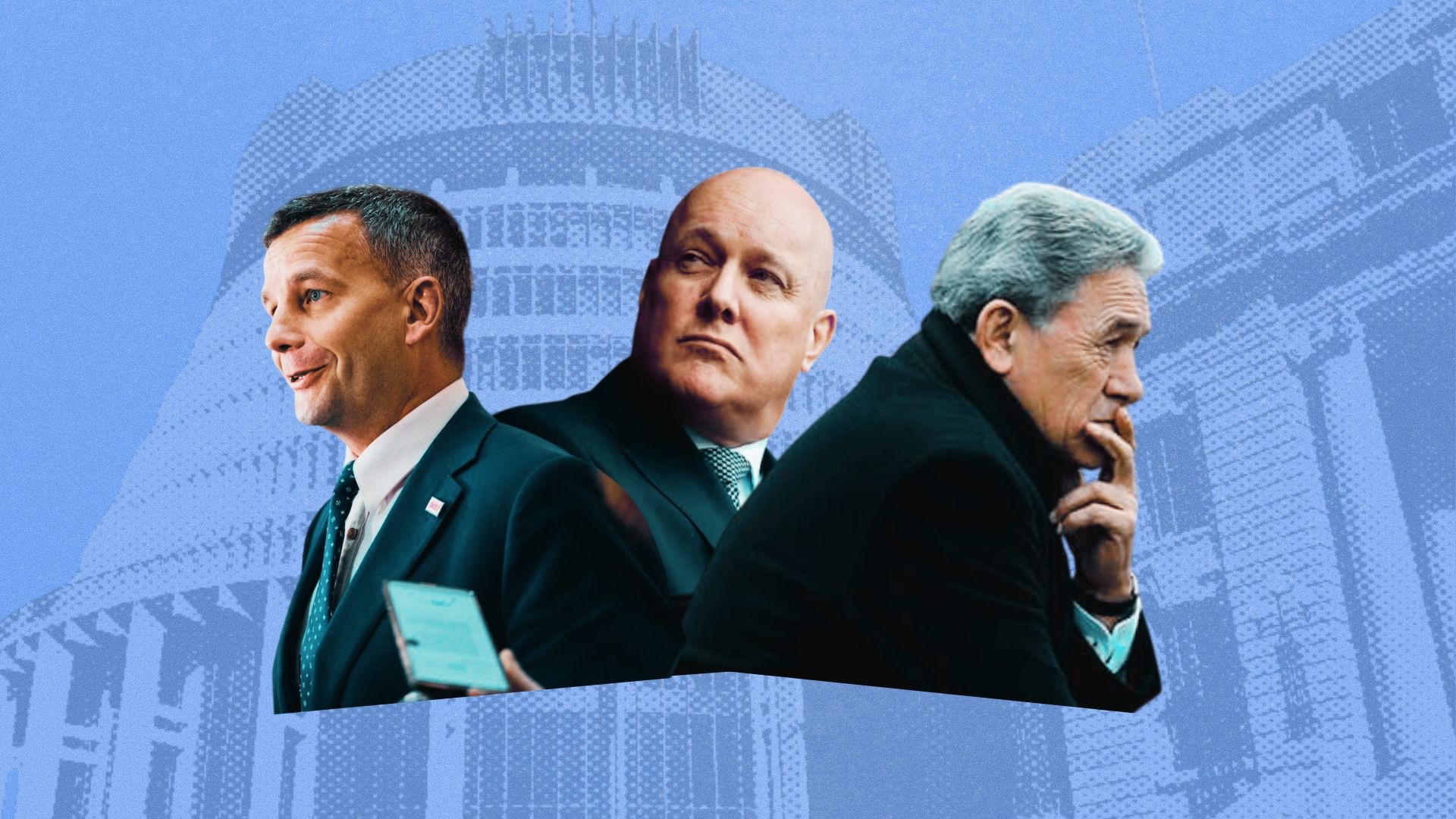
By greeting Modi himself, Luxon placed the Indian leader alongside figures such as Chinese president Xi Jinping.
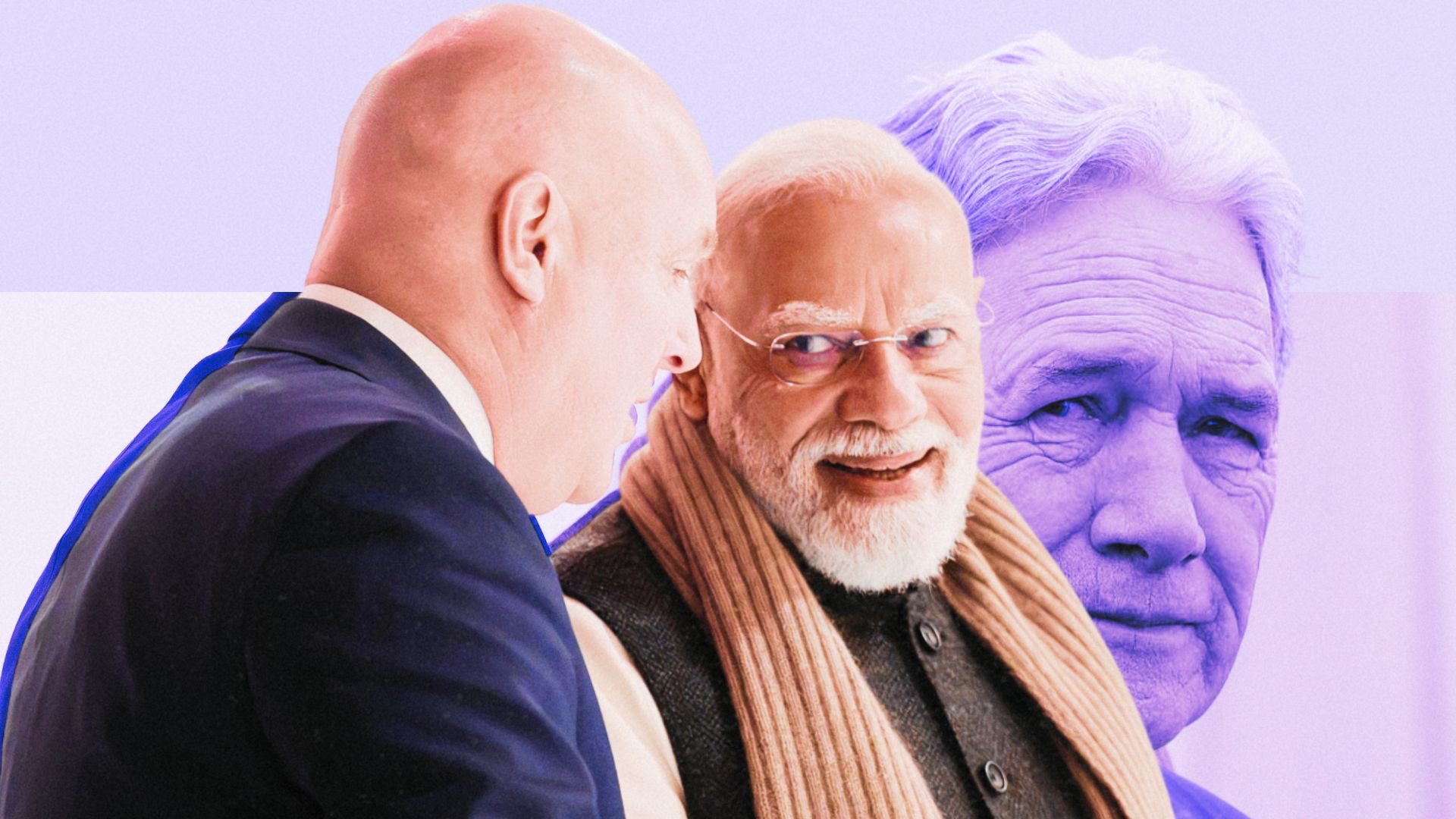
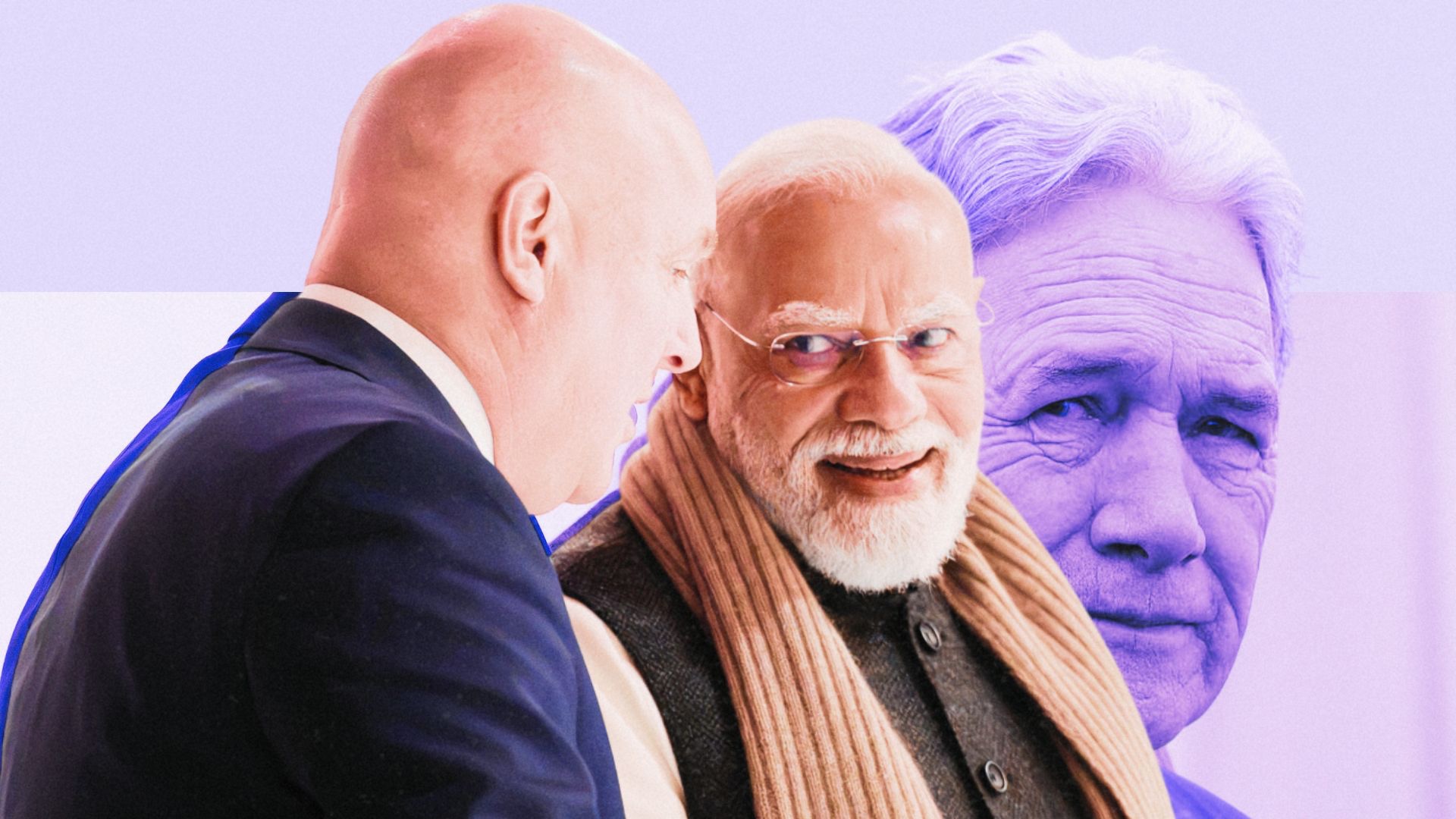
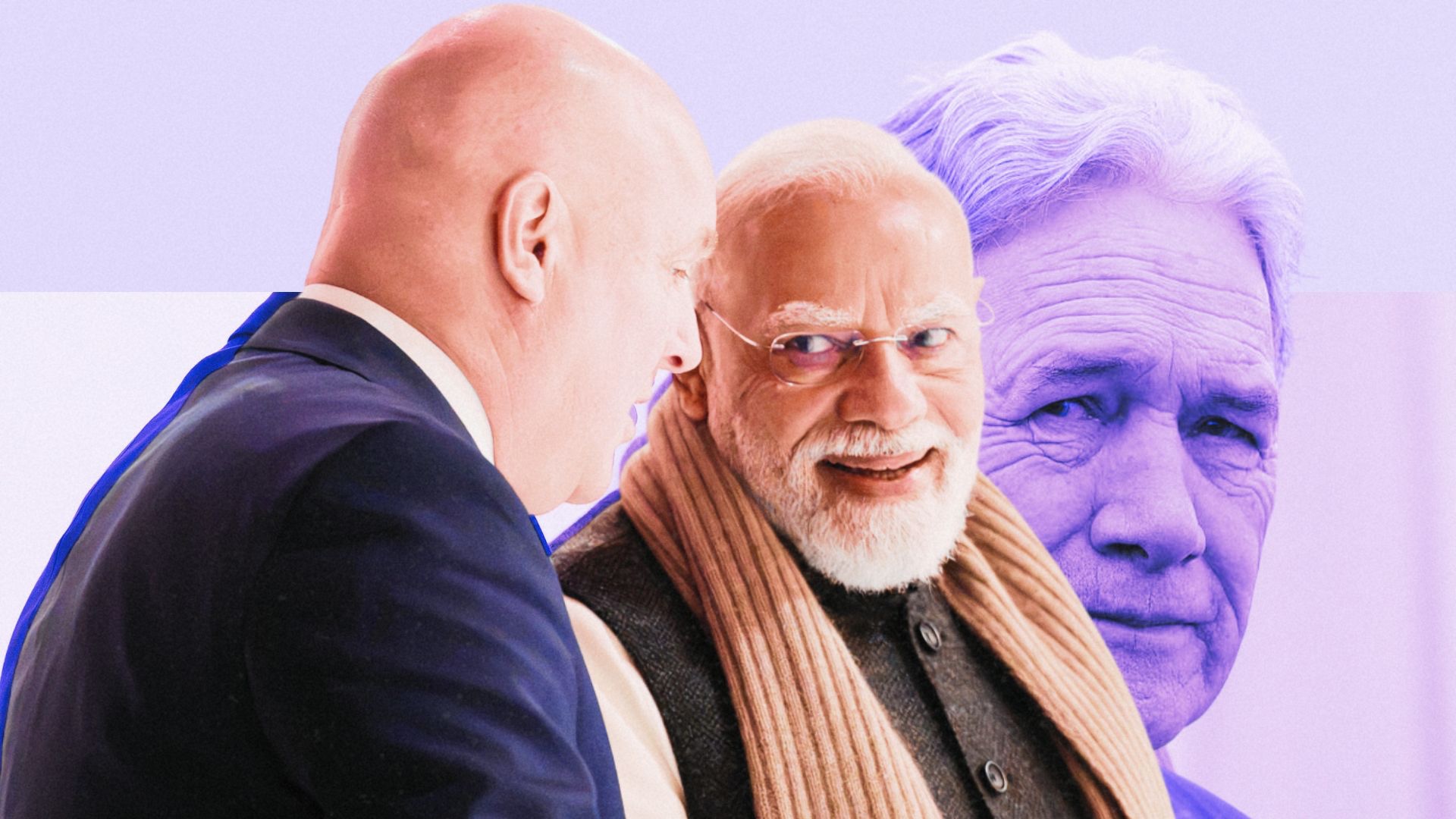
Prime minister Christopher Luxon greeted India's Narendra Modi at Auckland Airport on Friday night, extending a diplomatic gesture New Zealand leaders have used selectively for some of the country’s most significant international visitors.
Luxon welcomed Modi after his aircraft landed at about 8.05pm on Jul10, marking the start of the first official visit to New Zealand by an Indian prime minister in 40 years.
The airport greeting carried significance beyond the brief ceremony on the tarmac.
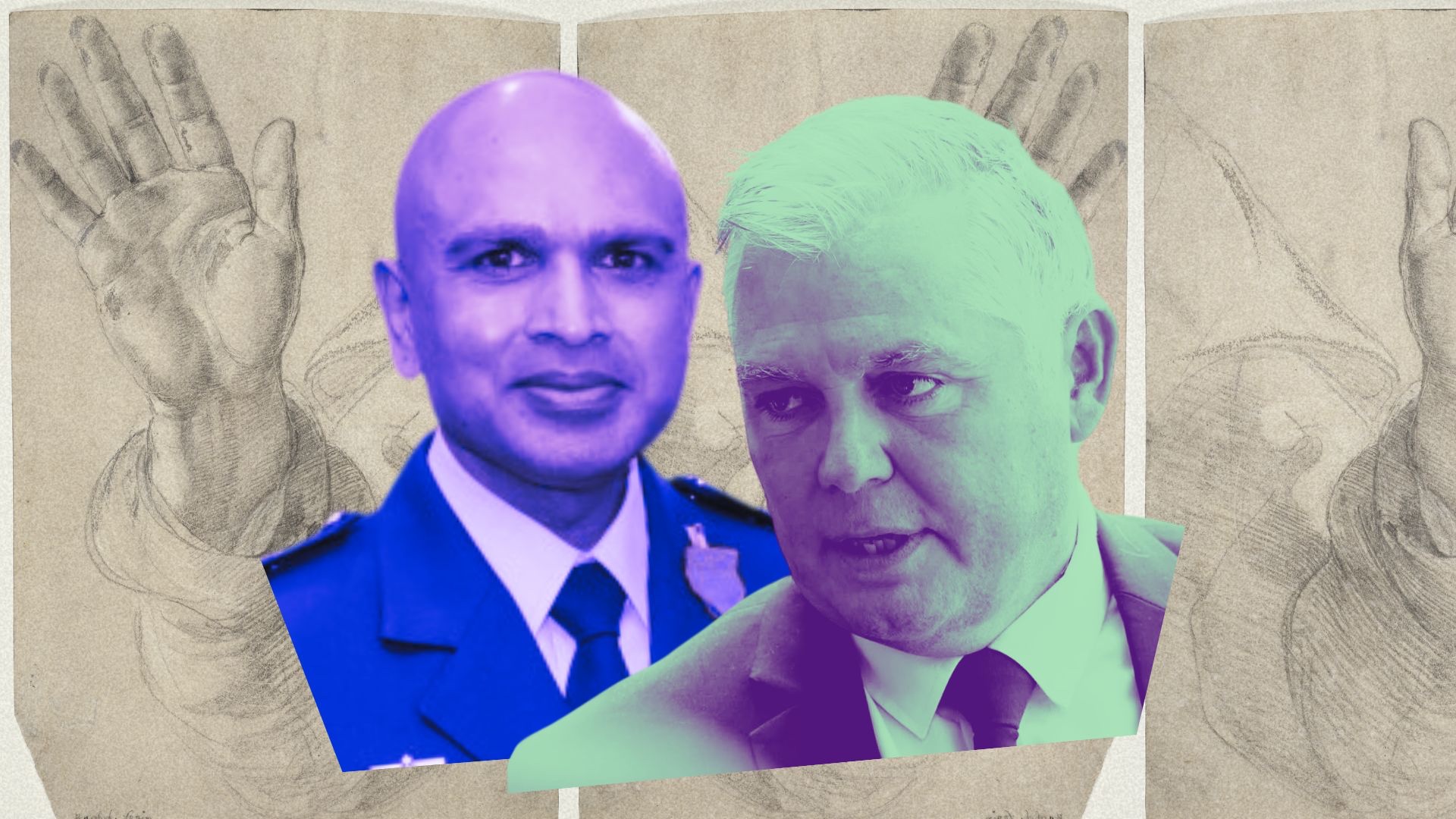
Ethnic affairs and sports minister Mark Mitchell, New Zealand's high commissioner to India Patrick Rata and India's high commissioner Muanpuii Saiawi were present to greet Modi.
The Indian prime minister headed to Cordis hotel in a motorcade of at least 20 vehicles.
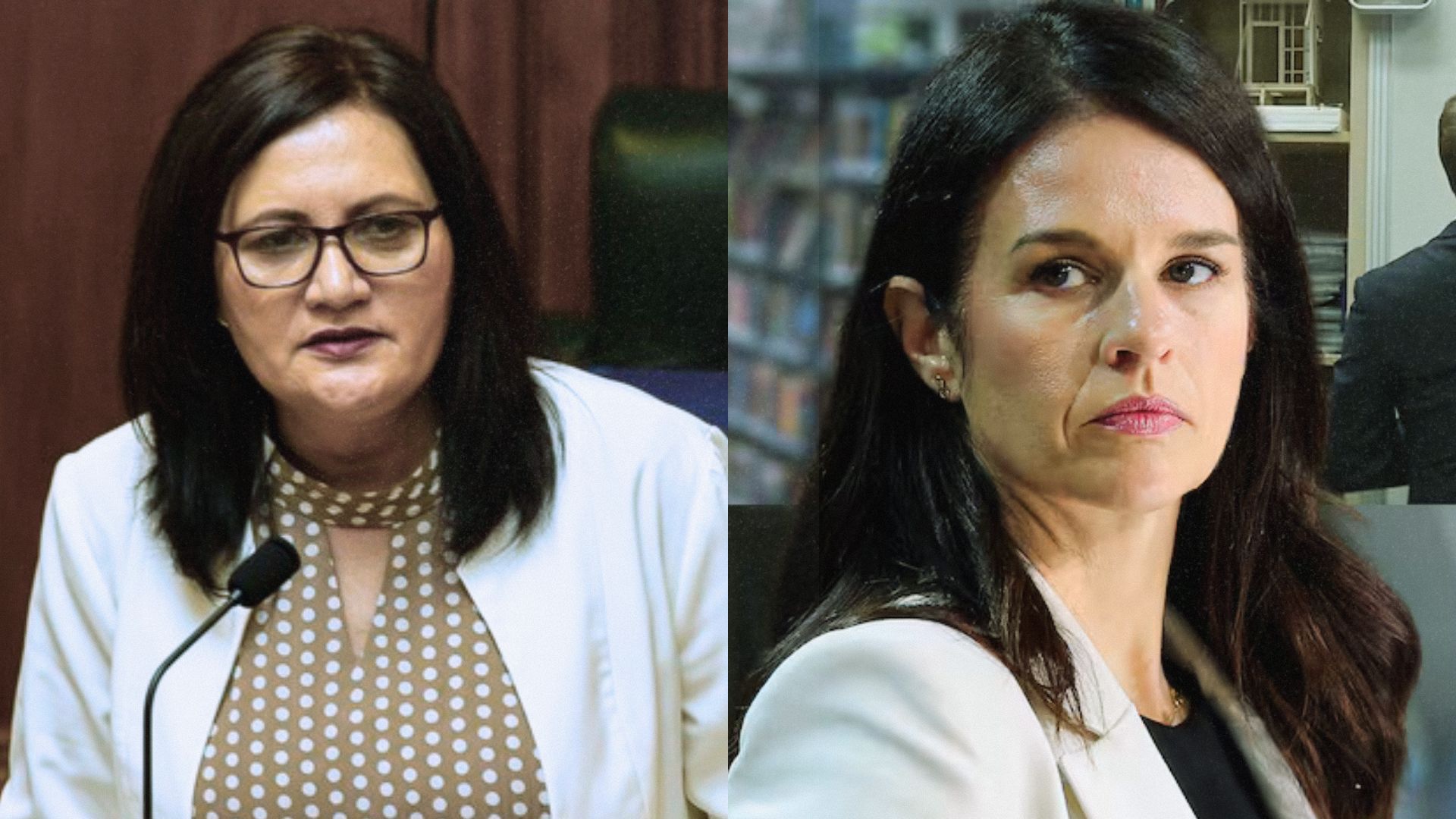
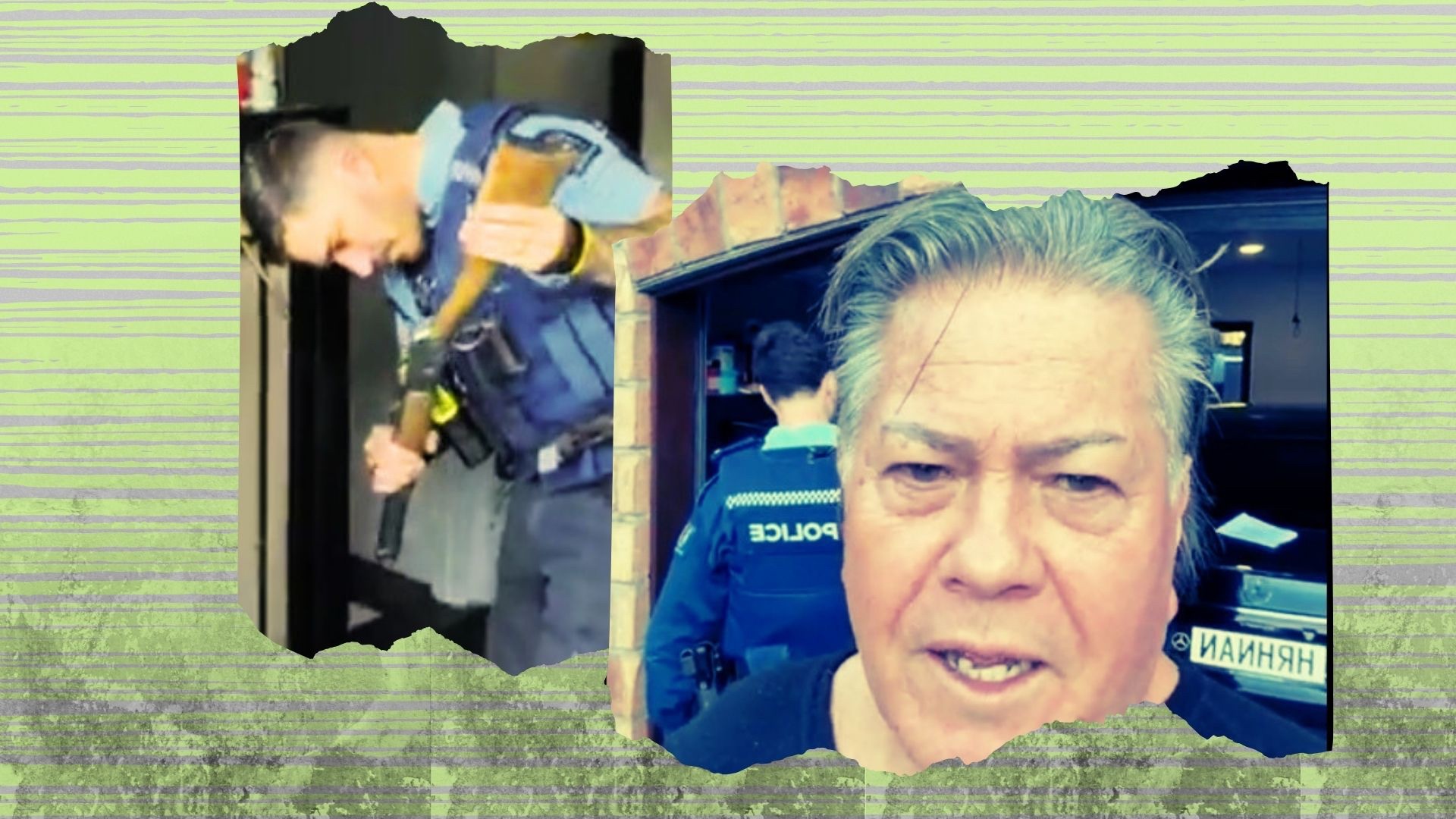
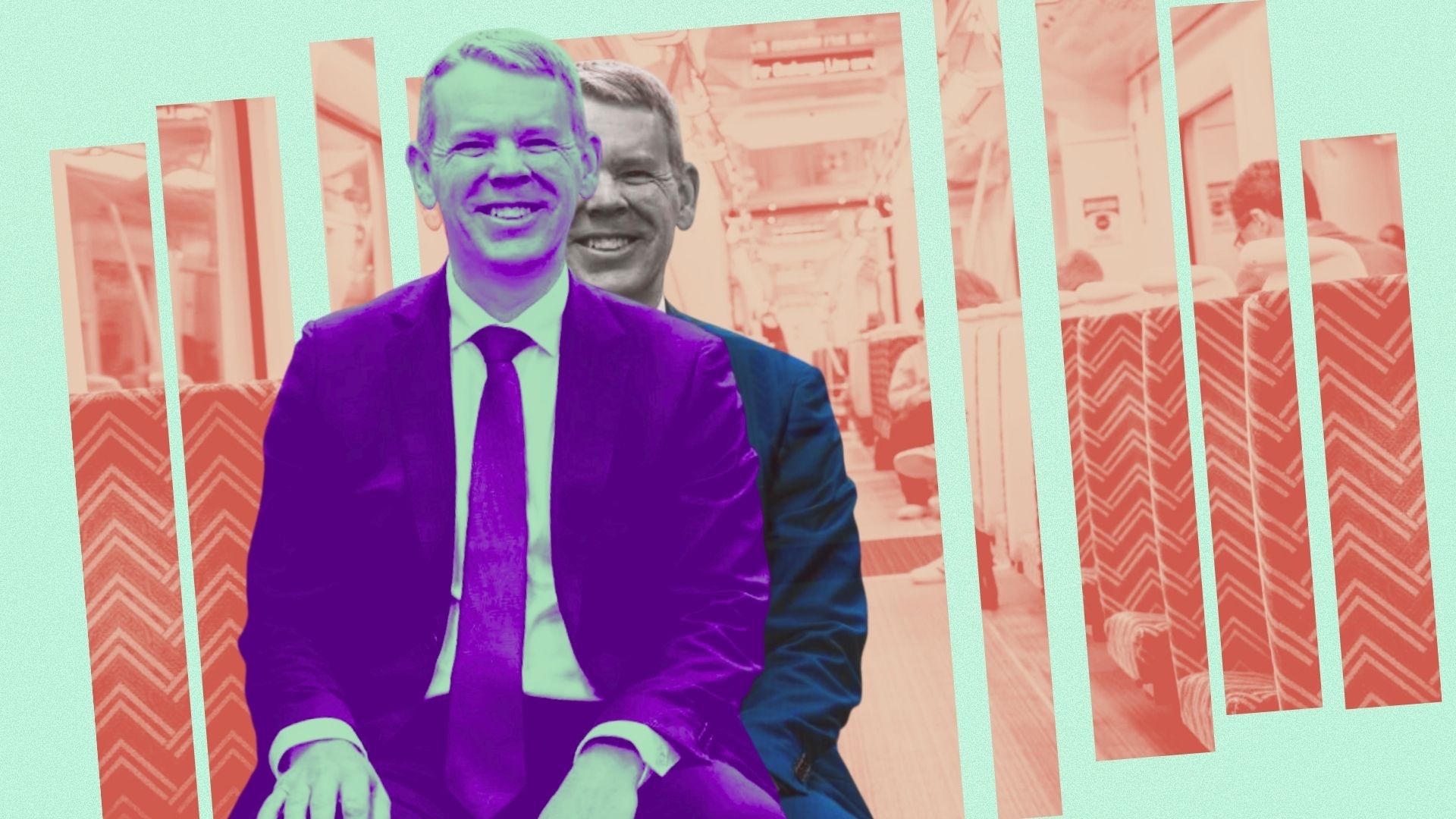
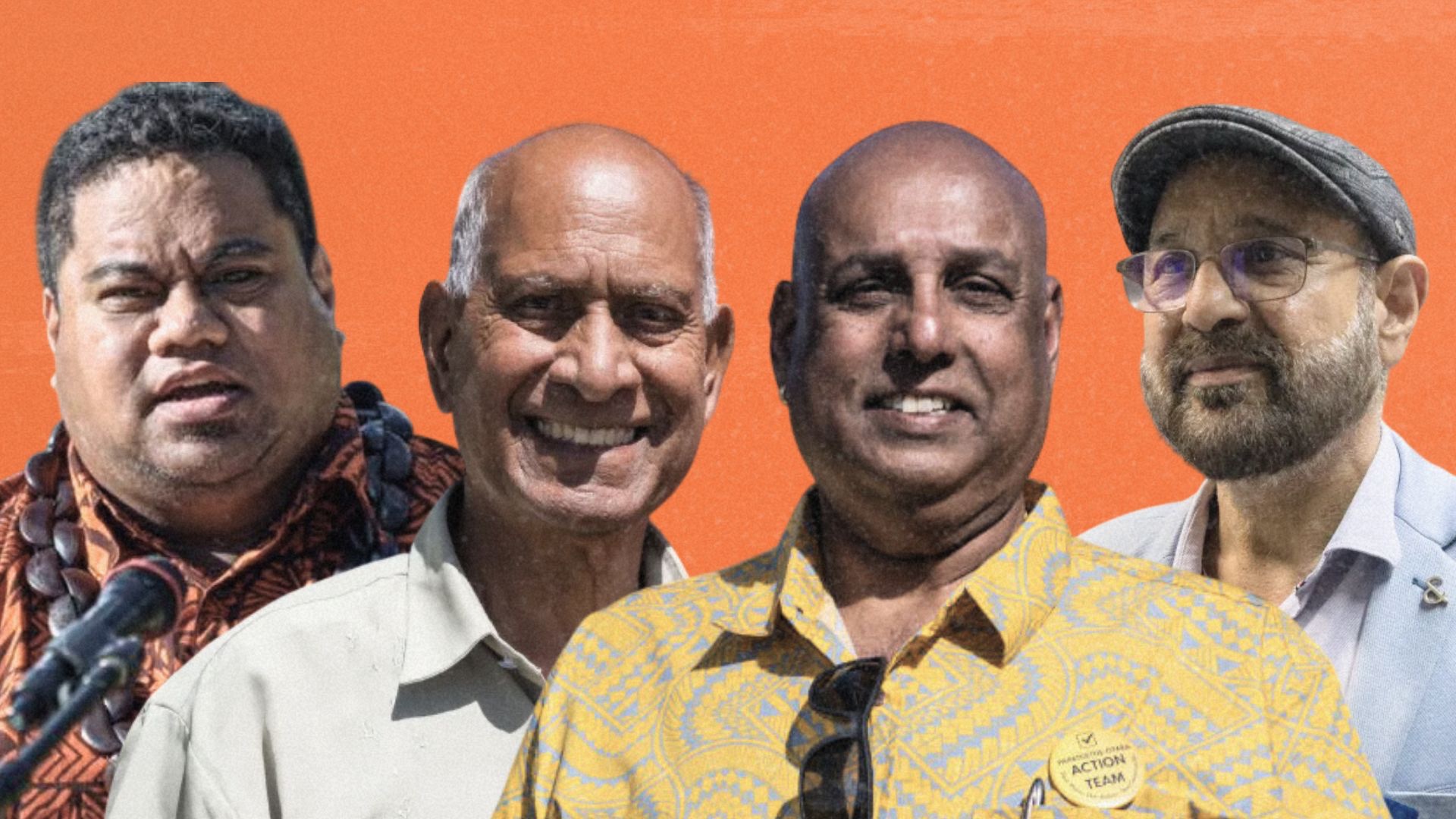
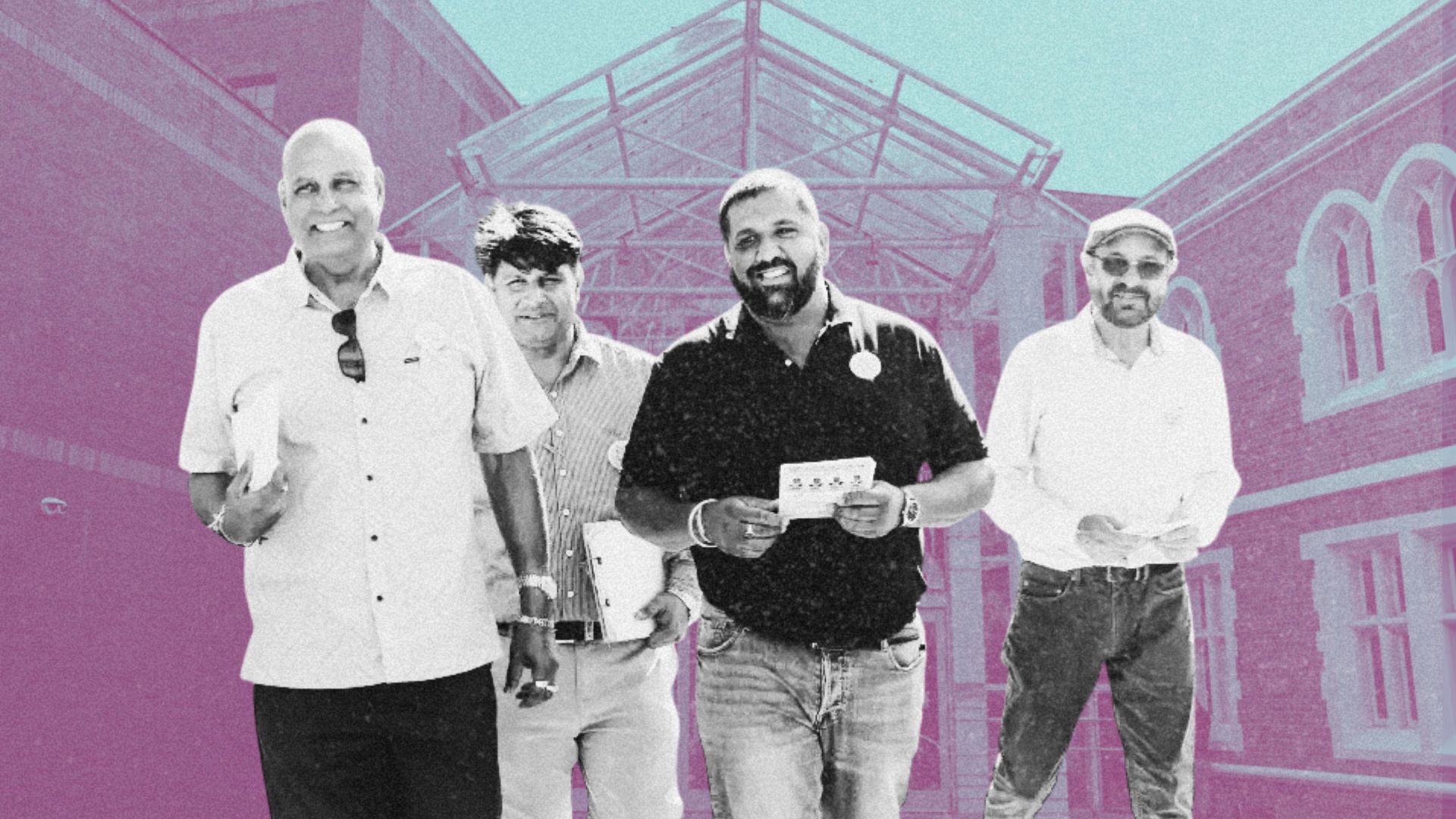
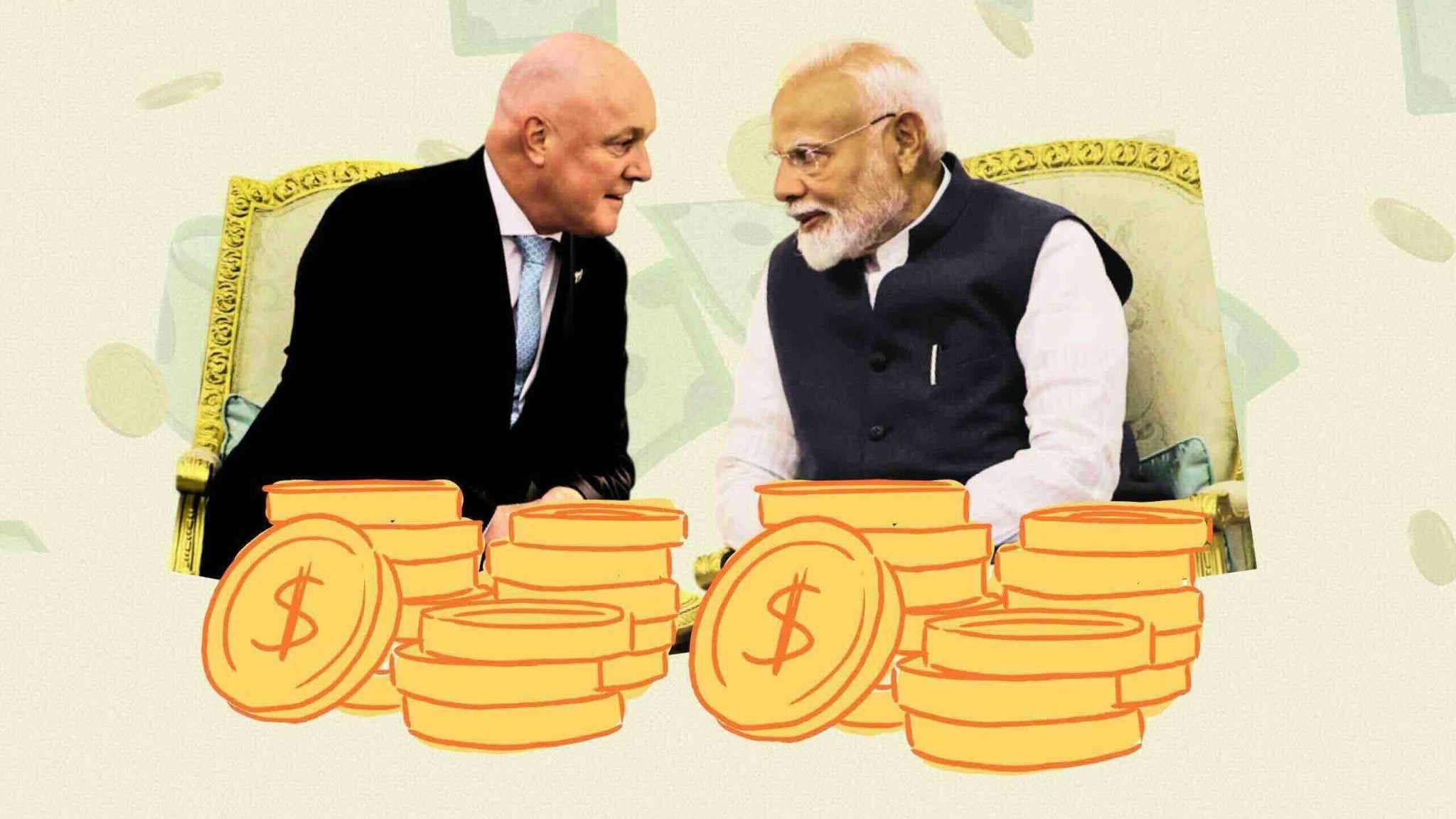
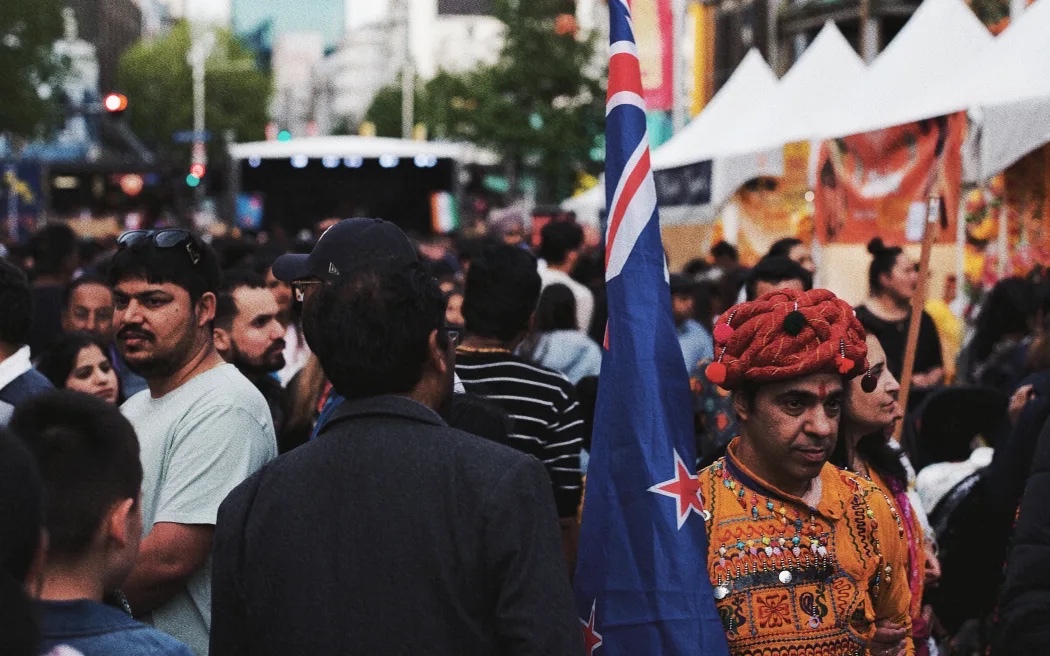
Election 2026: Will Kiwi-Indian voters decide the battle for Takanini? A South Auckland seat with one of New Zealand’s biggest Indian populations is shaping up as a test for ethnic identity and the ballot box.
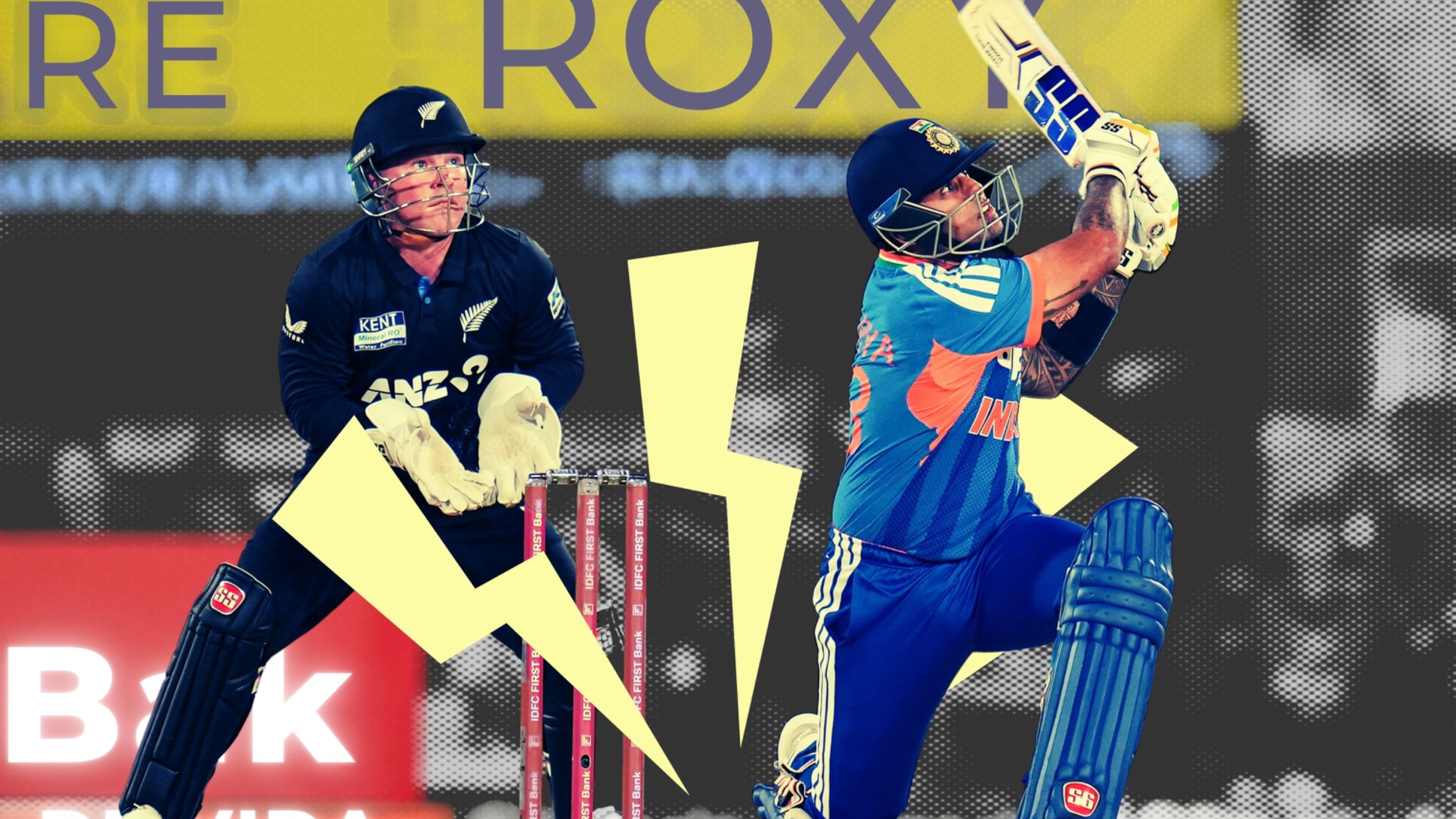
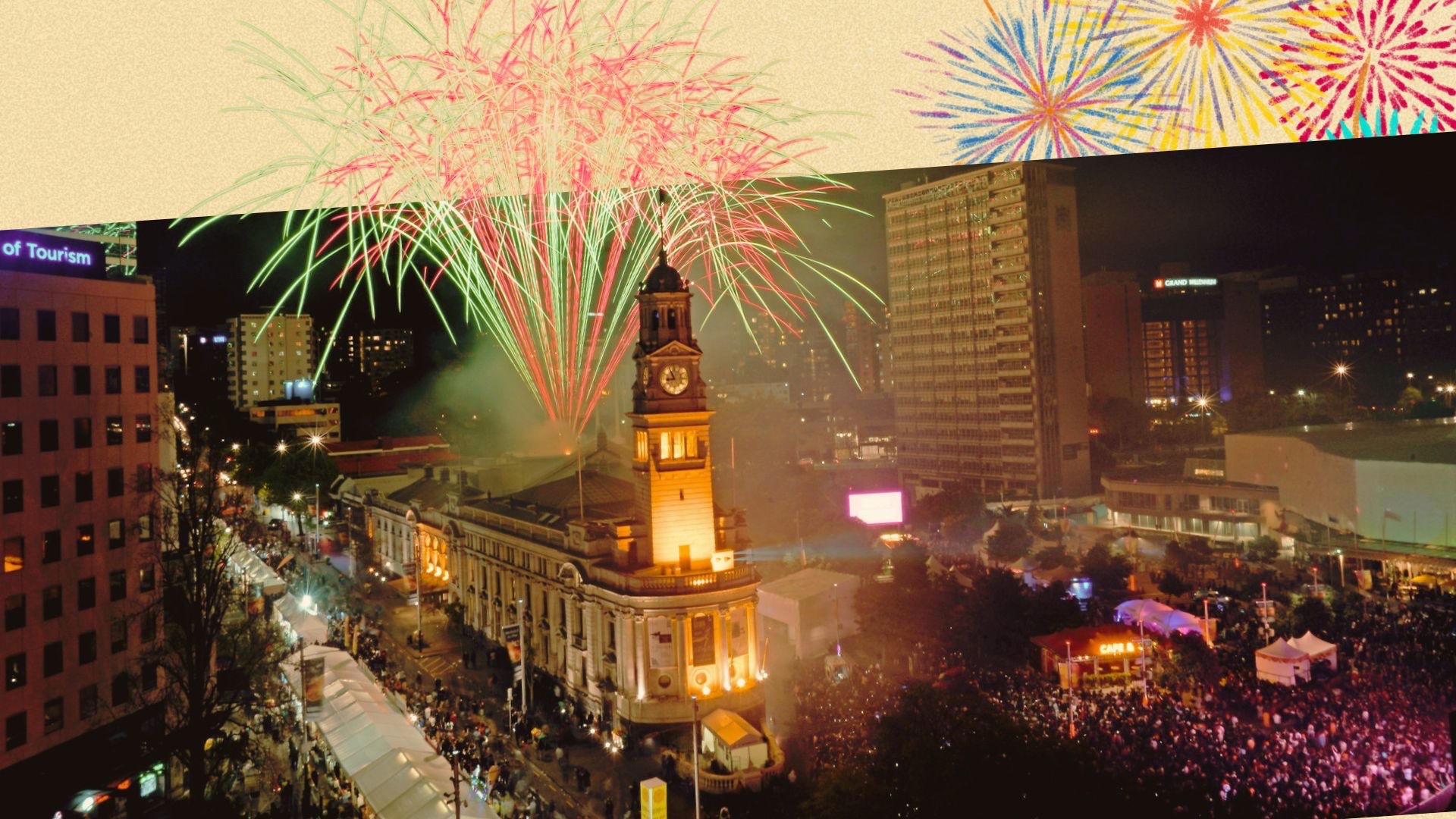
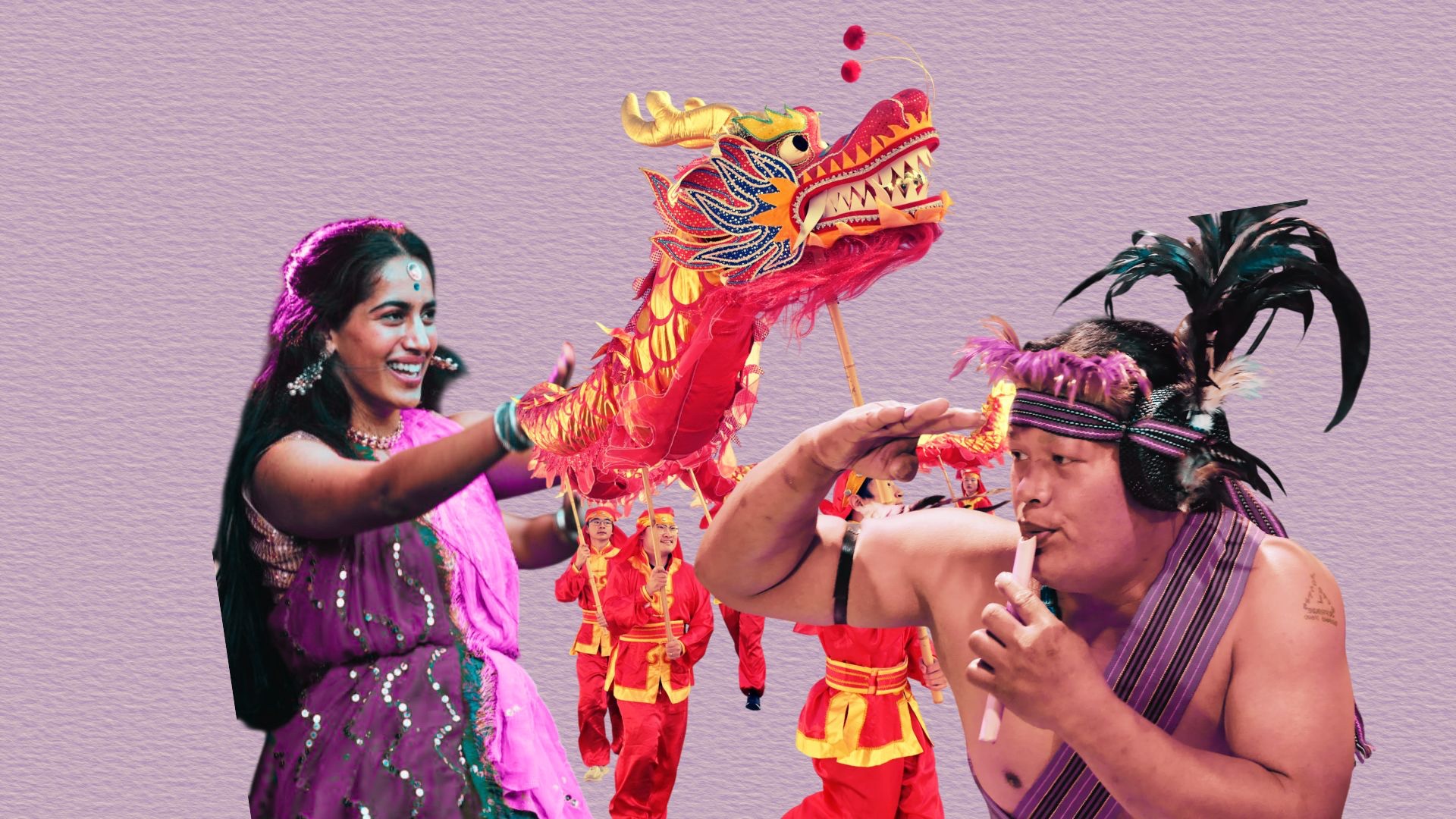
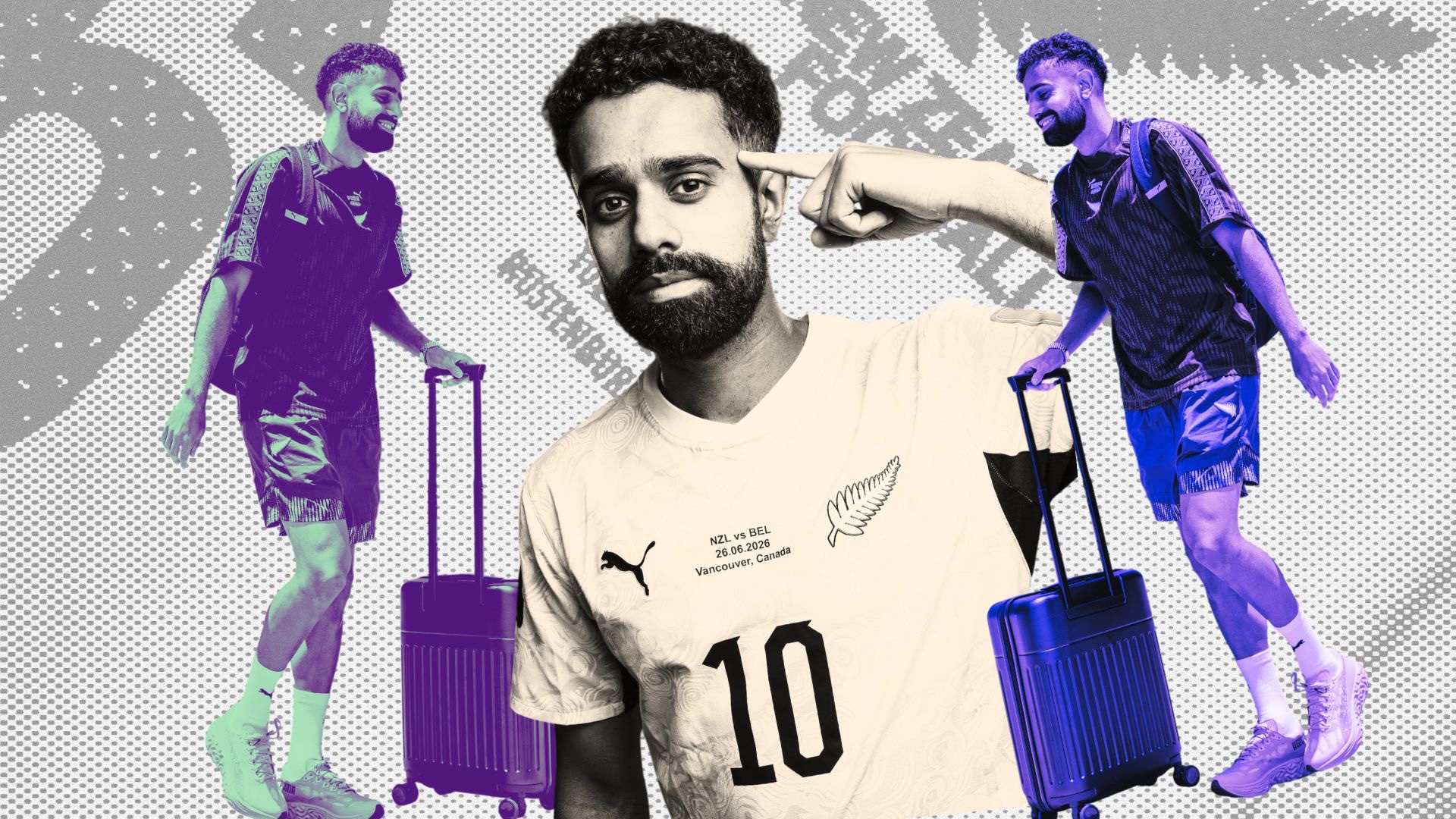
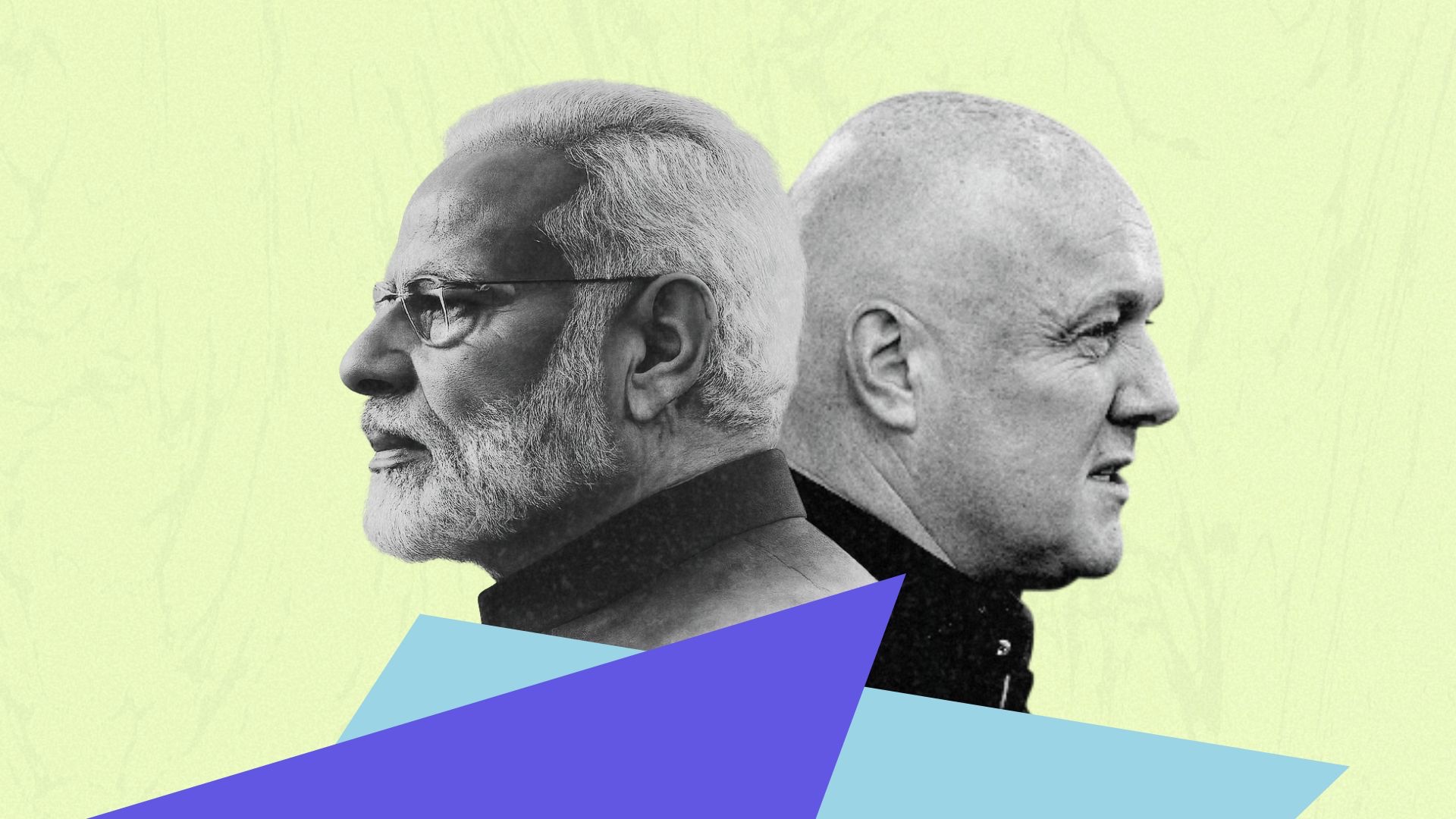
India is coming to Auckland: Full schedule revealed for cricket, football, hockey, Diwali From the Black Caps and All Whites taking on India to Diwali, hockey, bowls and city-wide light displays, Auckland has revealed its sporting centenary programme.
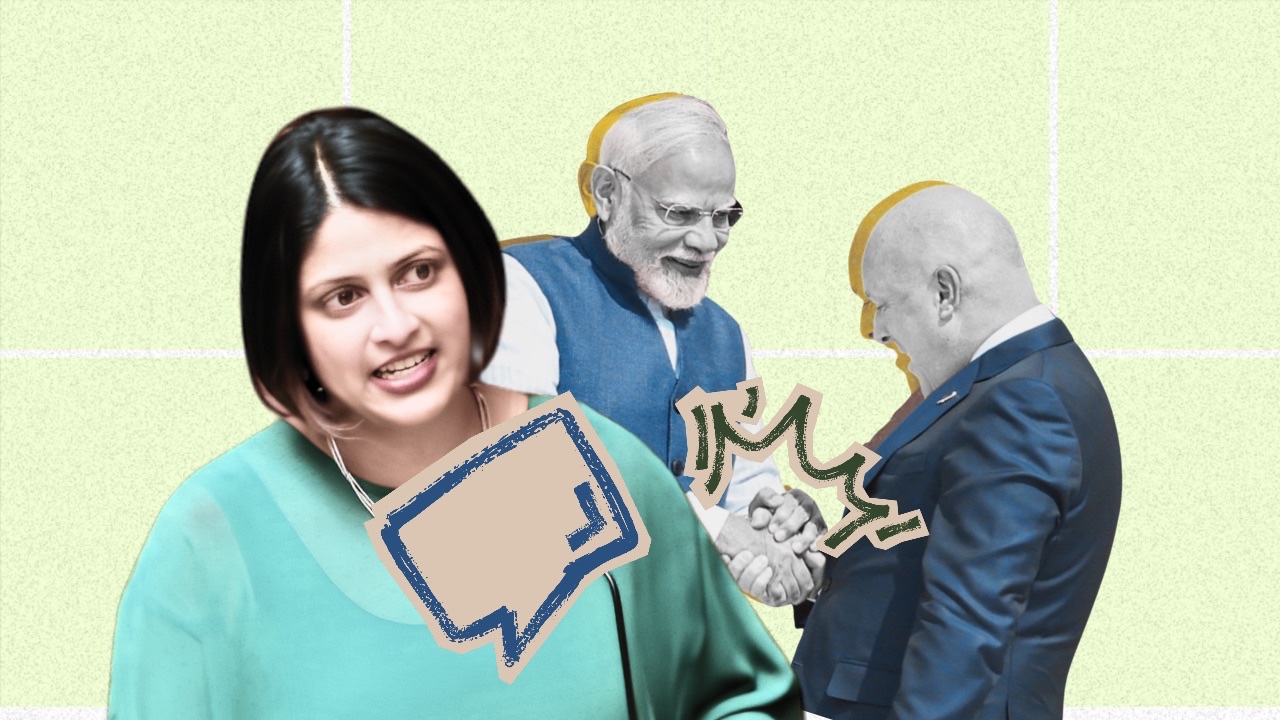
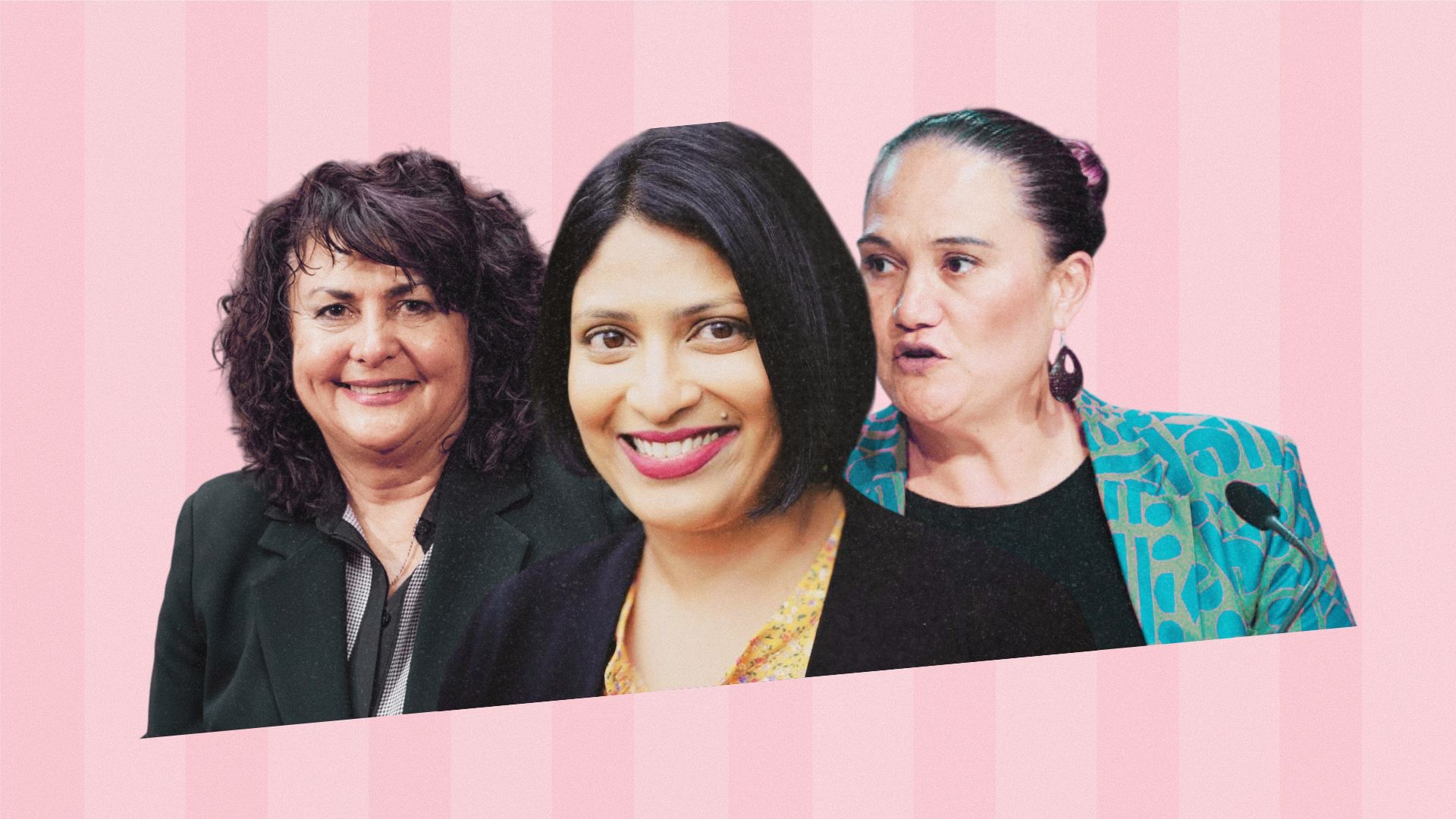
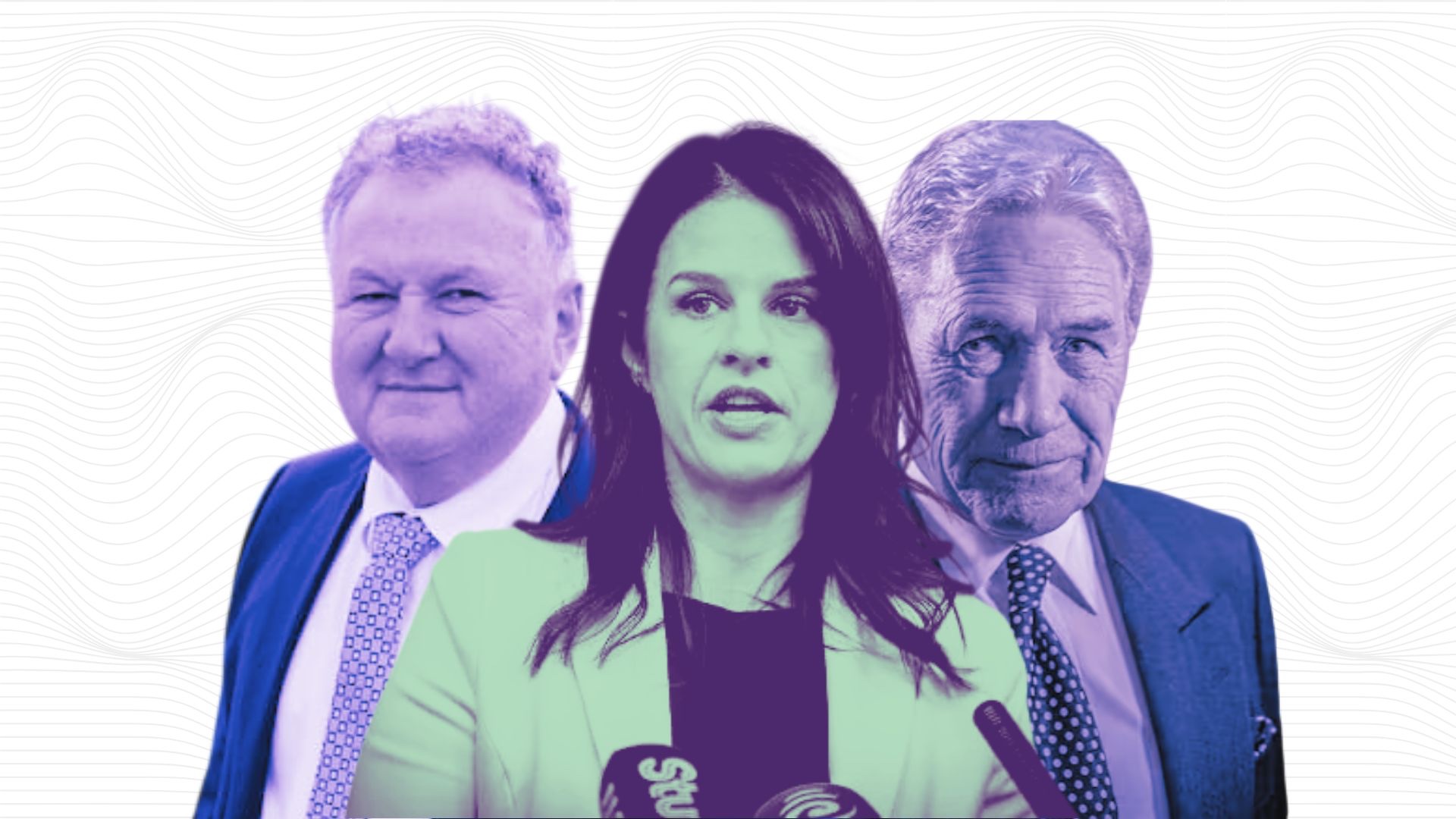
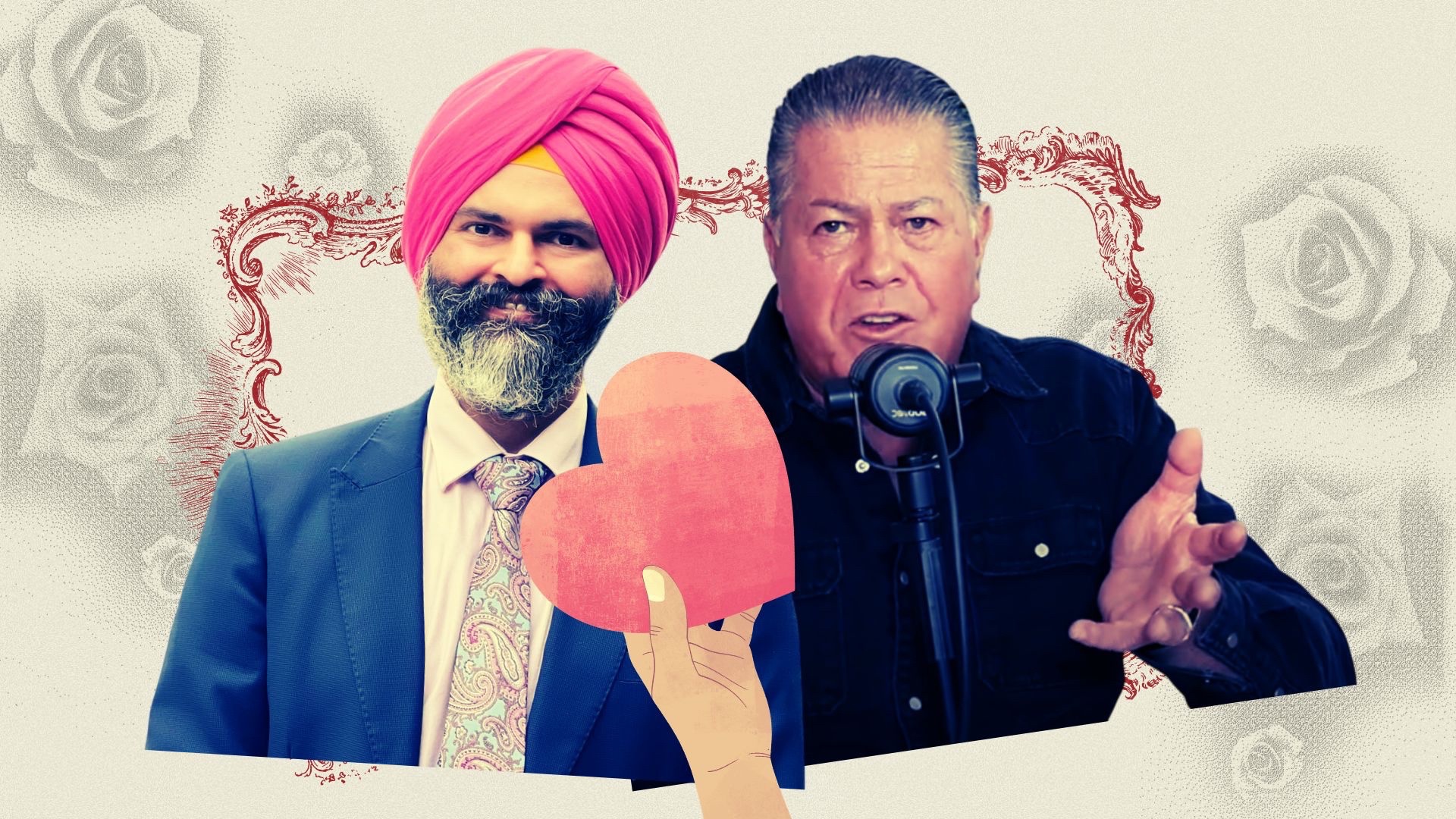
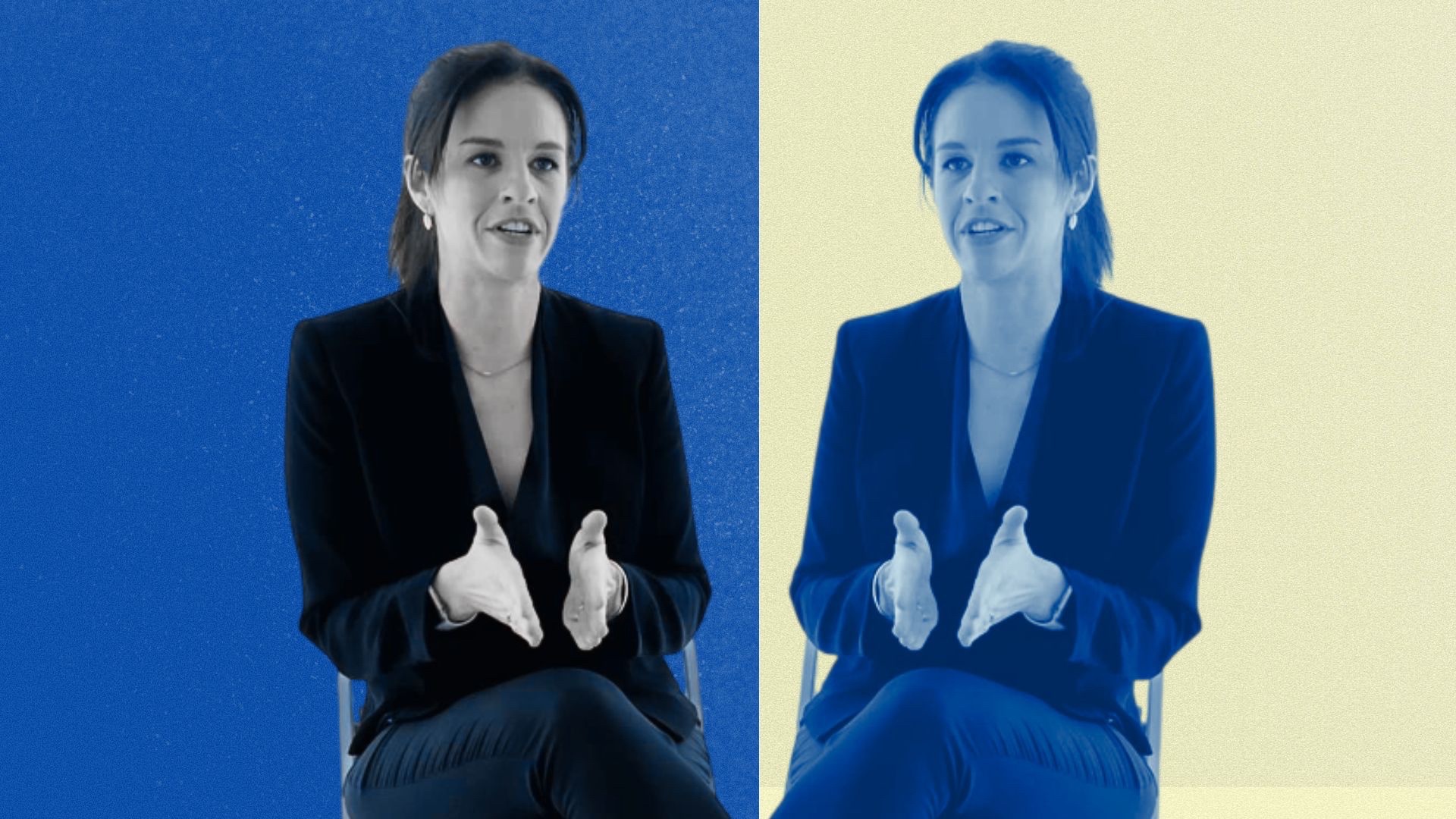
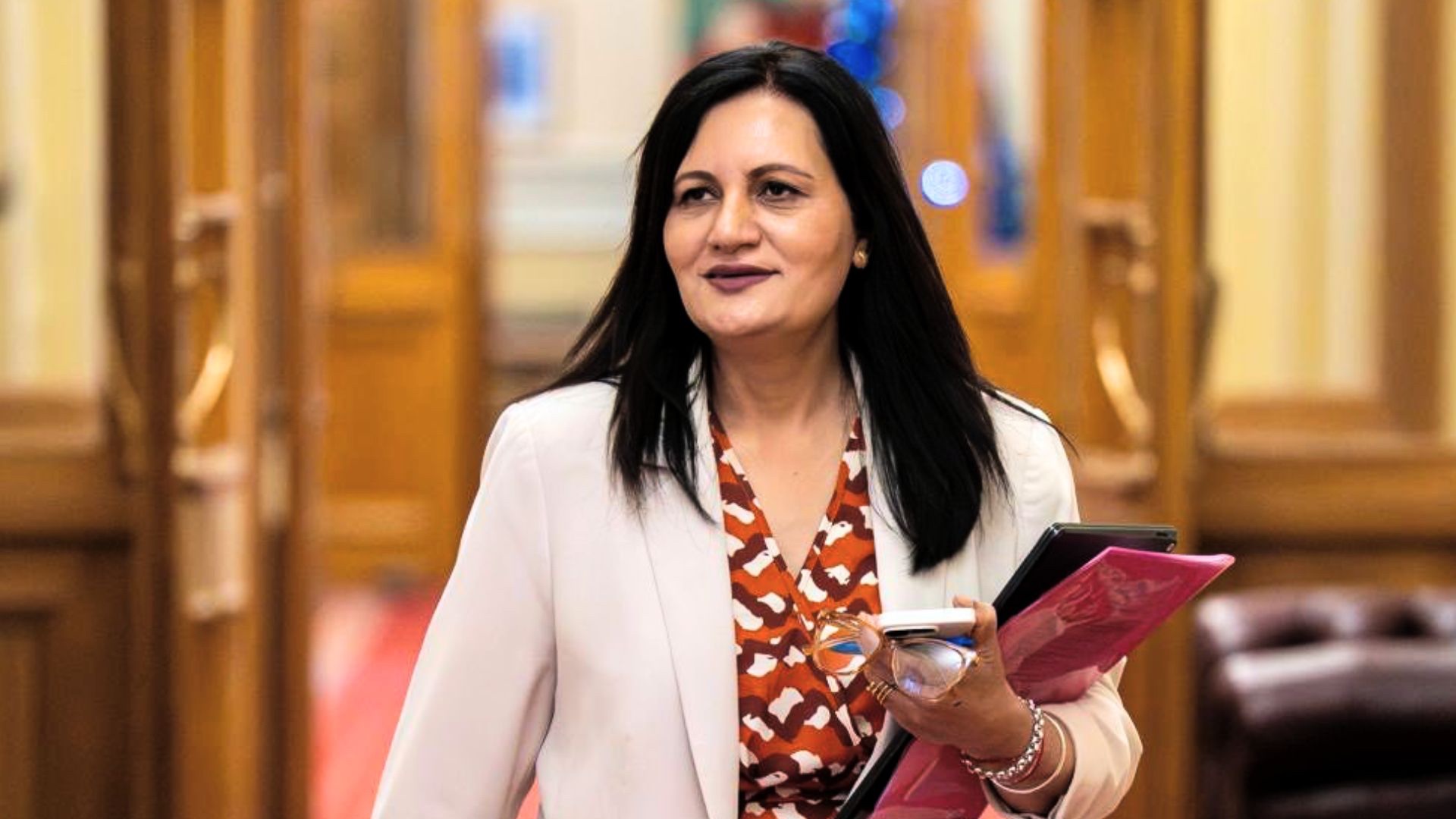
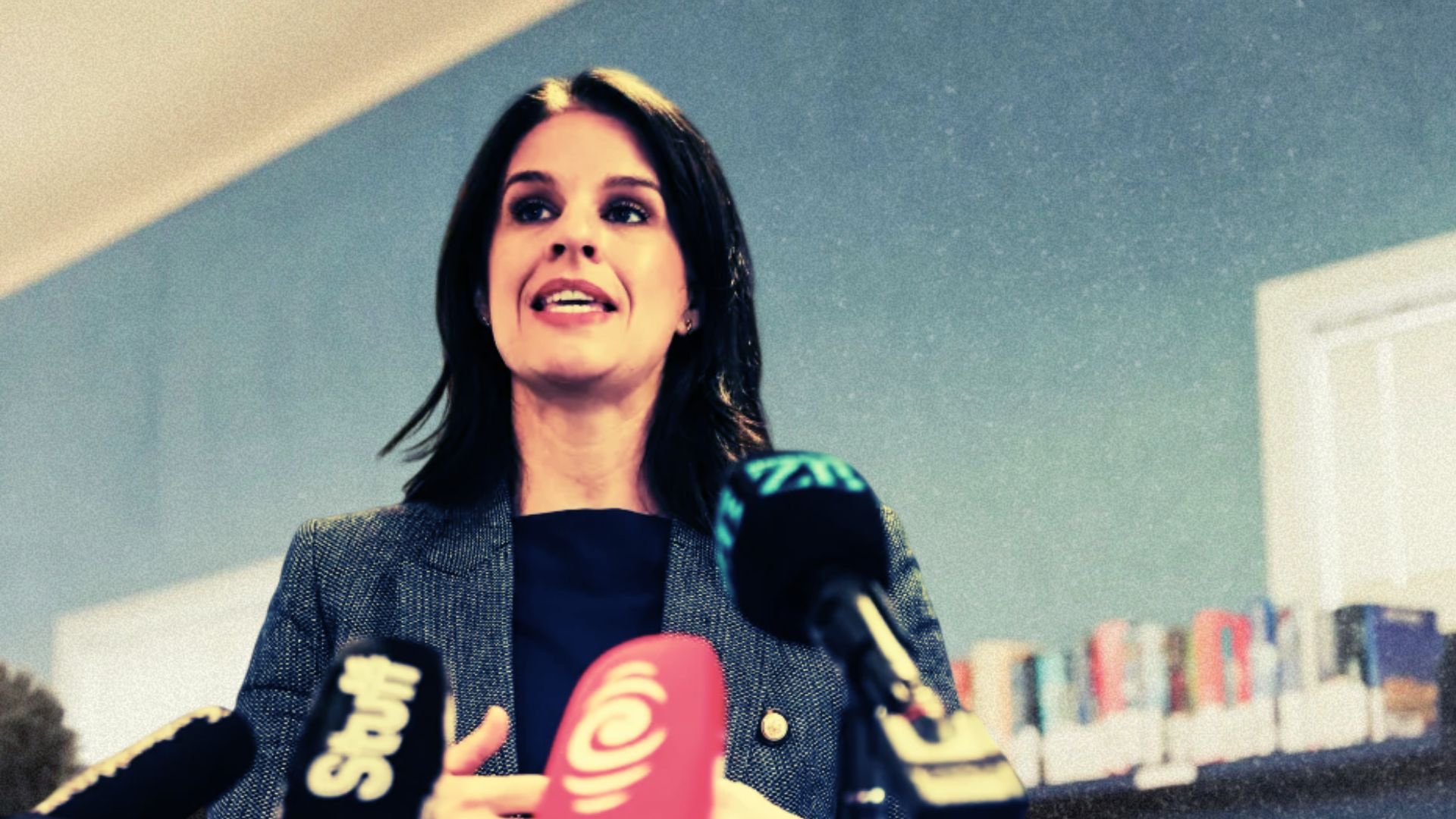
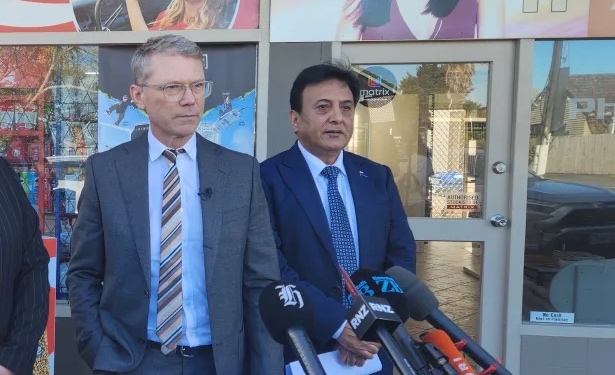
What does an Indian-origin MP owe Kiwi Indians? Priyanca Radhakrishnan on identity, belonging The three-term Labour MP says you can be Indian and Kiwi. Why should belonging require you to choose sides?
New Zealand protocol does not require the prime minister to receive visiting heads of government or heads of state at the airport. Ministers, senior officials and diplomats often handle arrivals before visiting leaders attend formal welcomes or meetings later in their programmes.
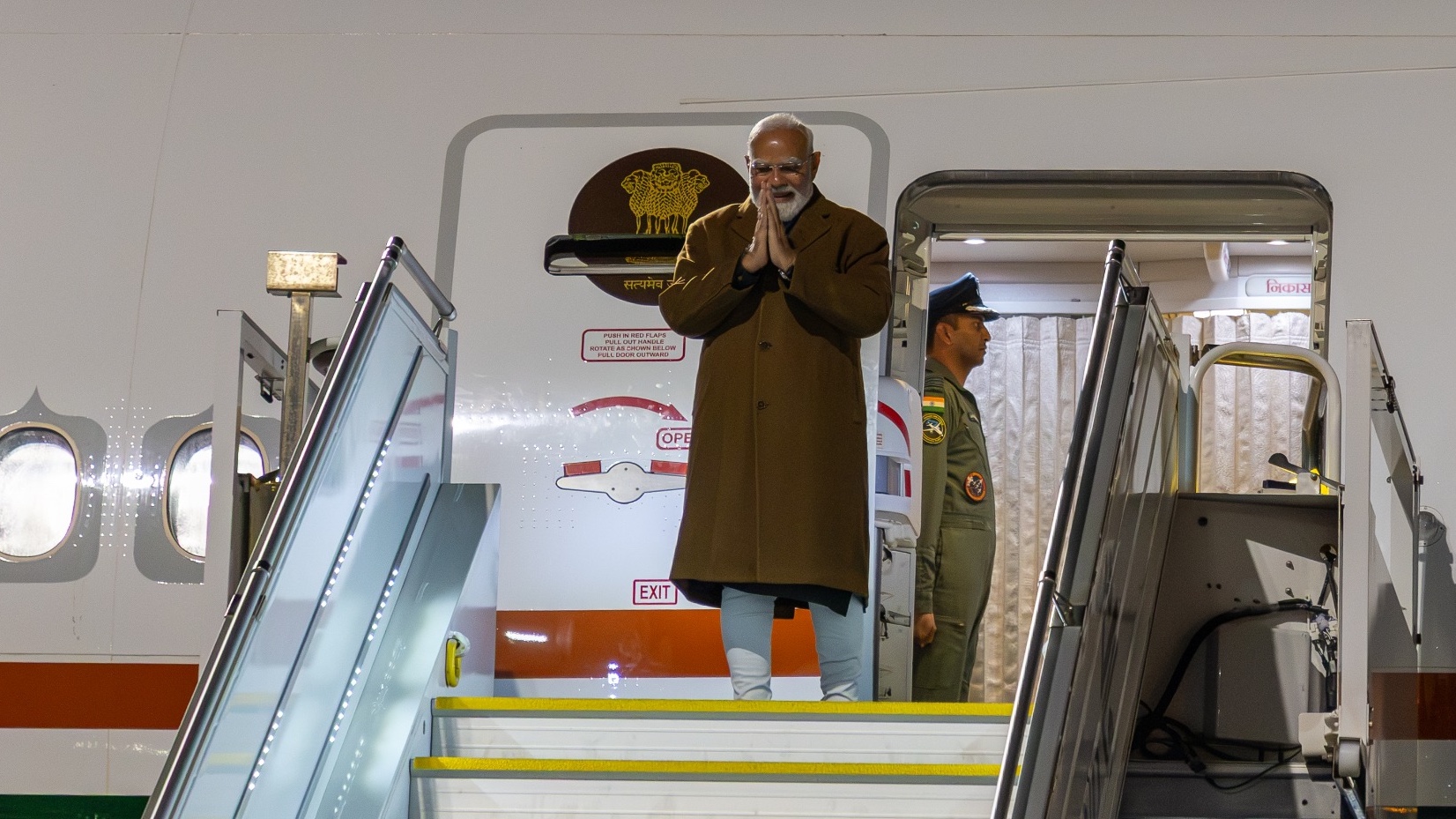
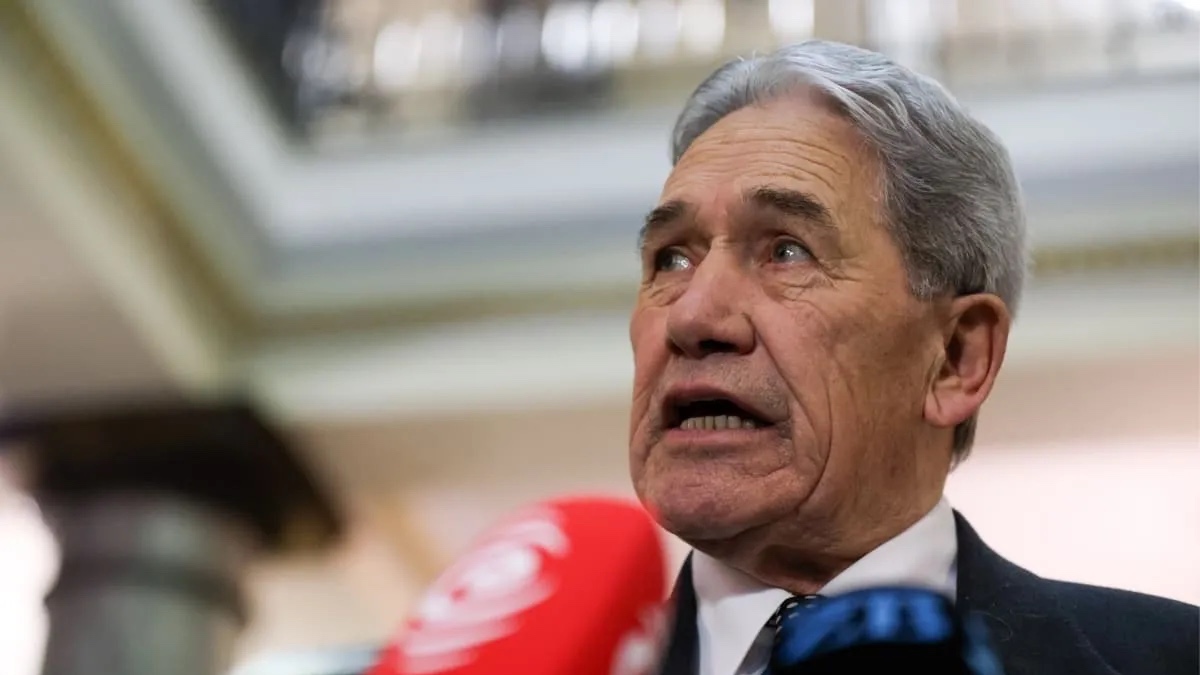
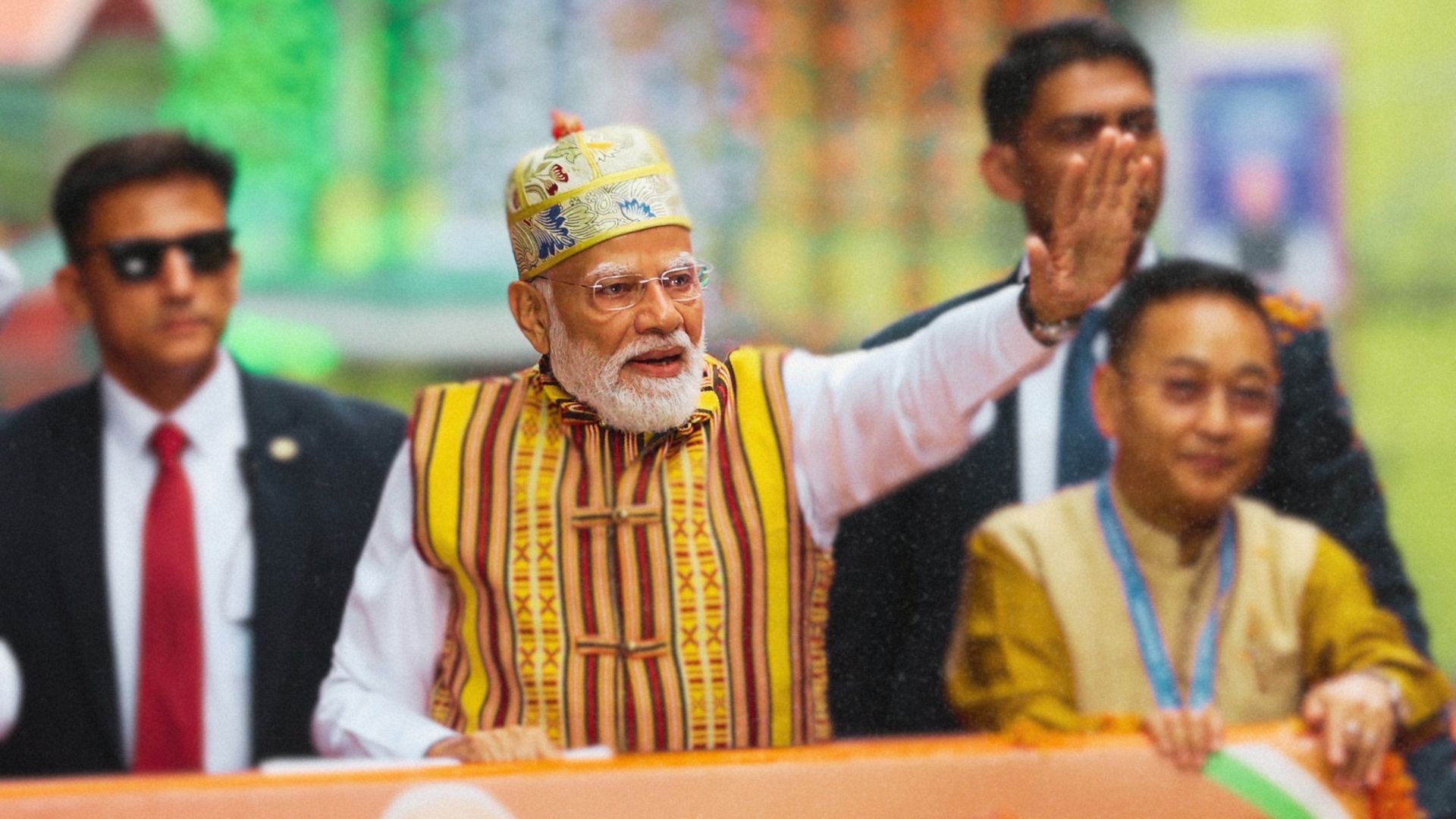
India's prime minister Narendra Modi arrives in Auckland on July 10. (RNZ/Blessen Tom)
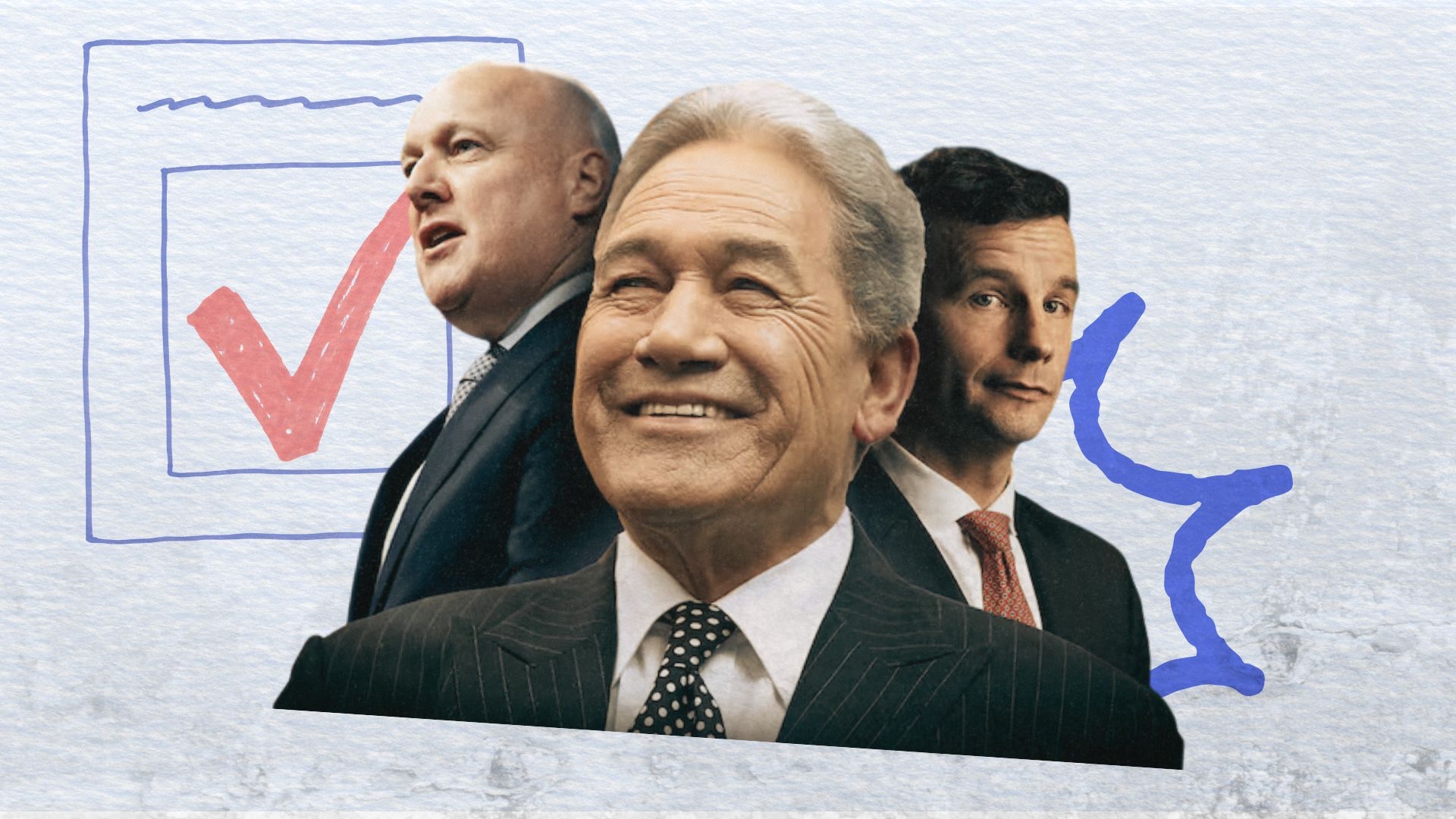
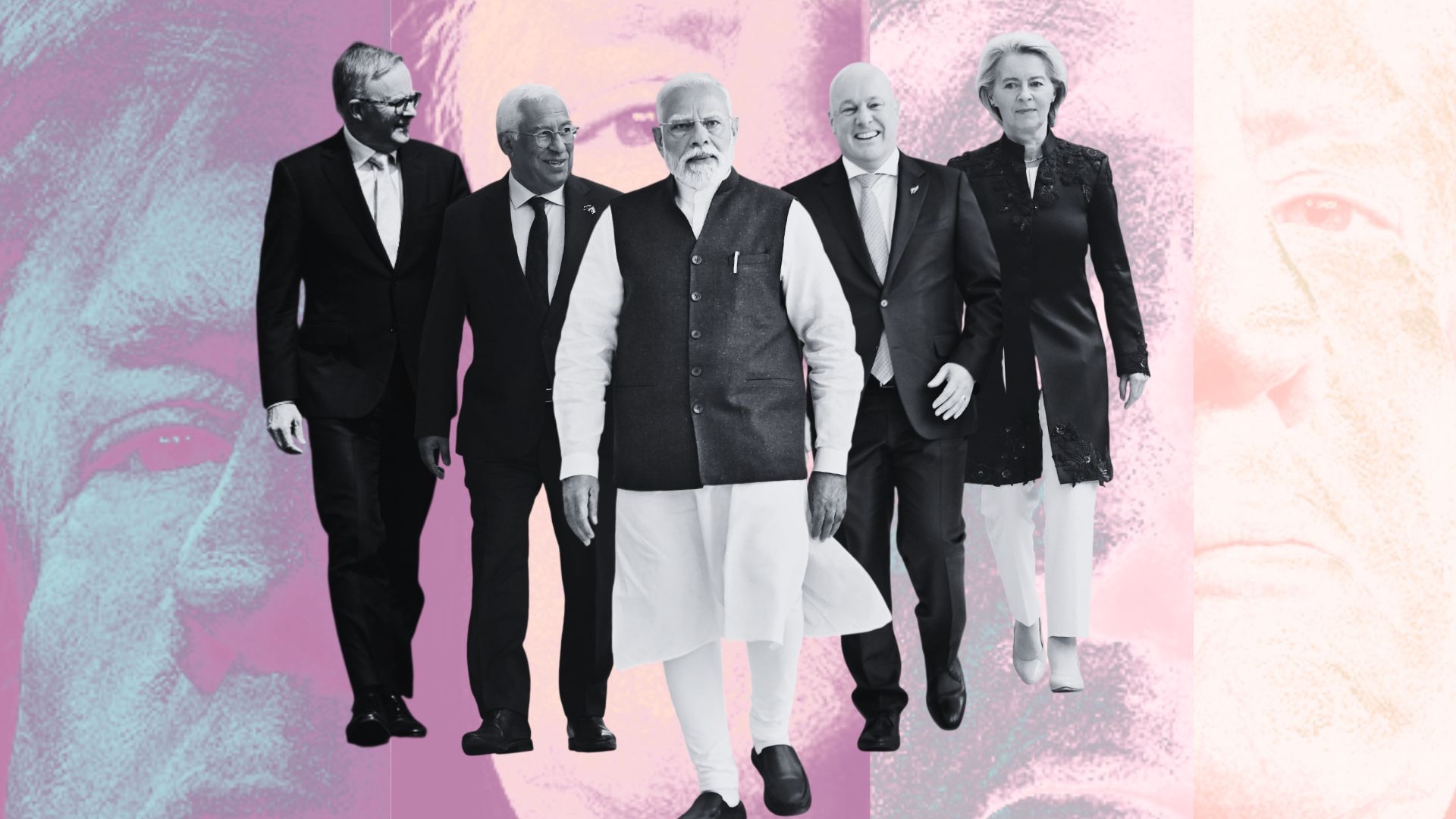
By greeting Modi himself, Luxon placed the Indian leader alongside figures such as Chinese president Xi Jinping, whom John Key welcomed at Auckland Airport during his 2014 state visit; former United States president Bill Clinton, whom Jenny Shipley received when he arrived for the 1999 Apec summit; and former president Lyndon Johnson, whom Keith Holyoake greeted during his 1966 visit.
New Zealand prime ministers have also occasionally greeted Australian counterparts at the airport, reflecting the uniquely close trans-Tasman relationship.
Those precedents show prime ministers have used airport welcomes selectively rather than routinely, making Luxon’s appearance a deliberate diplomatic signal rather than a compulsory protocol duty.
A one-night Auckland visit
Modi will spend only one night in New Zealand, packing official talks, business diplomacy, sporting cooperation and a major community reception into a tightly compressed Auckland-only programme.
Saturday’s programme will begin with a formal ceremonial welcome, before Modi and Luxon hold bilateral and delegation-level talks.
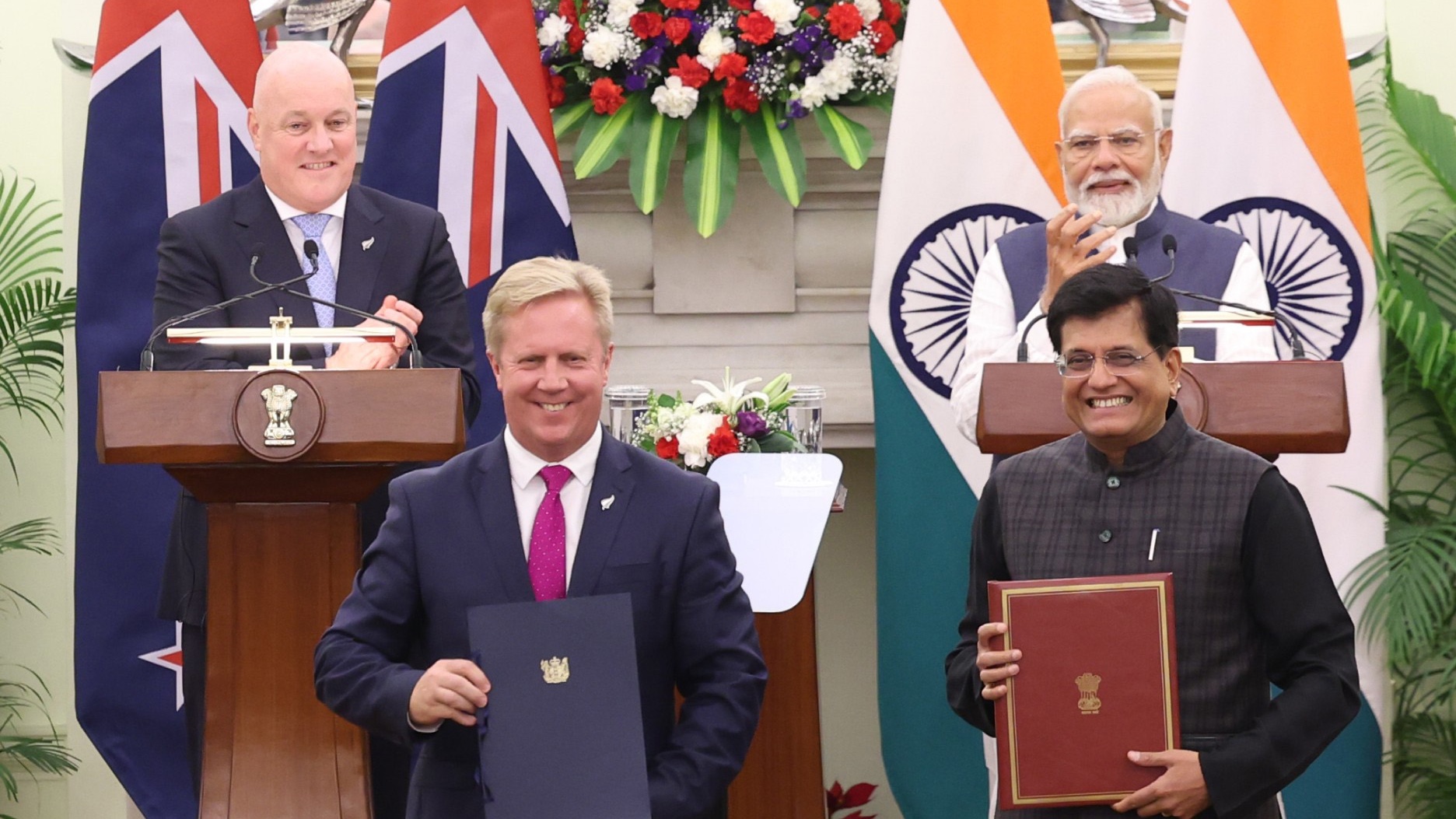
The leaders are expected to review the full range of India-New Zealand relations and oversee the exchange of agreements and other bilateral arrangements.
The programme will also include business engagements aimed at turning recent political momentum into greater trade, investment and commercial cooperation.
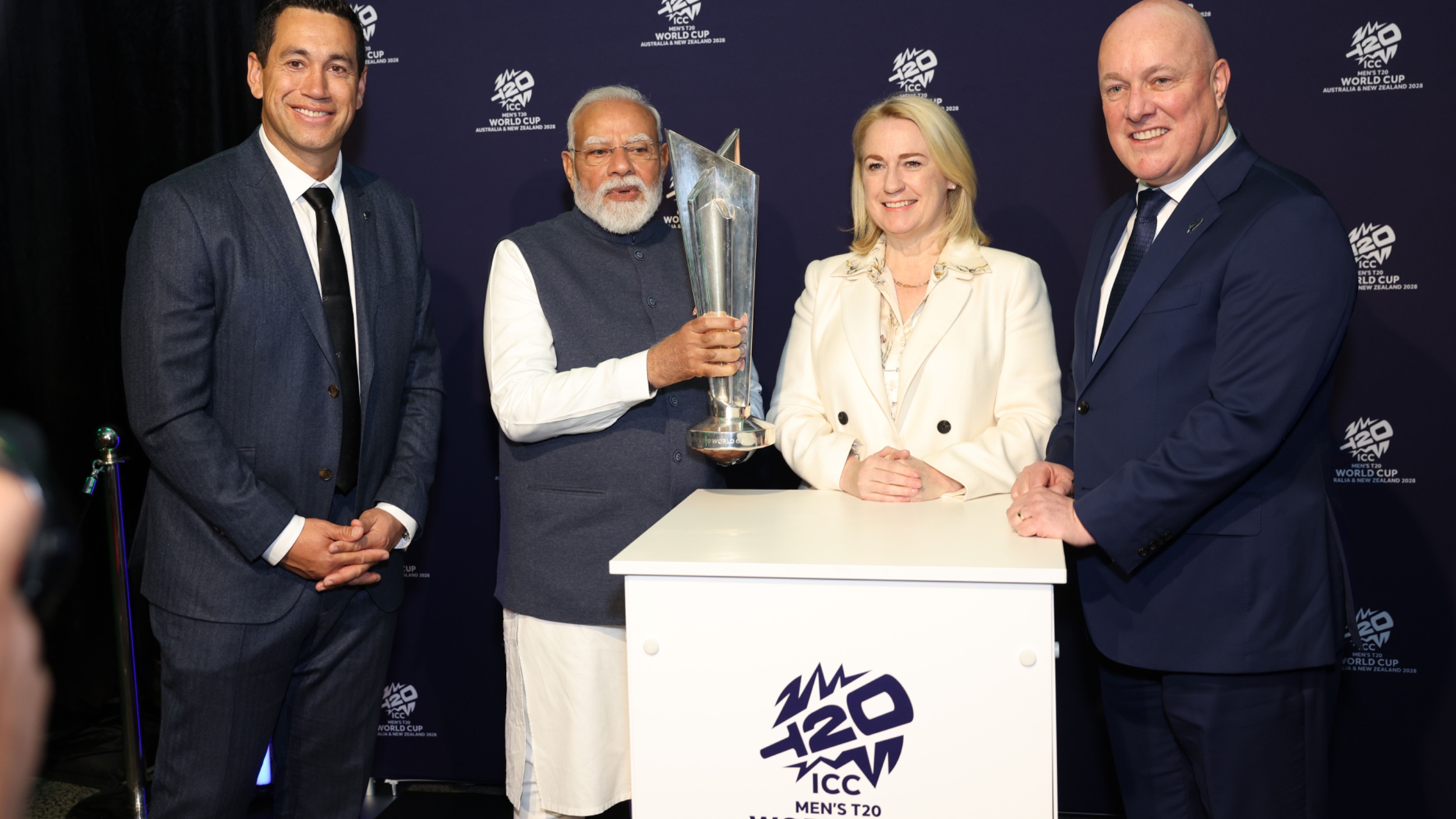
Sport will feature prominently during the visit. New Zealand is expected to support India’s Olympic ambitions by sharing expertise in high-performance coaching, sports science and athlete development.
India has expressed interest in learning from New Zealand’s sporting systems as it considers bidding to host the 2036 Olympic Games.
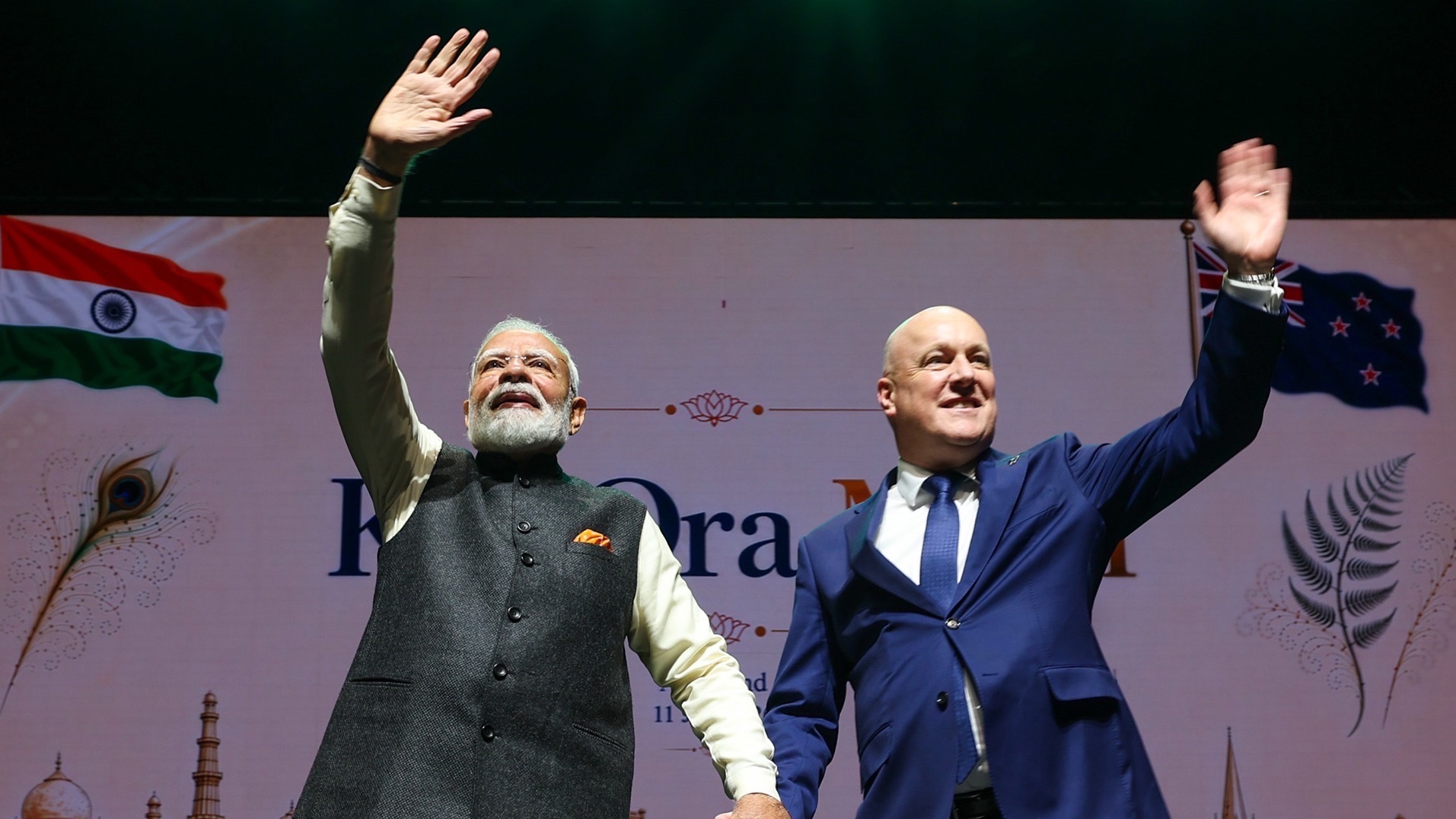
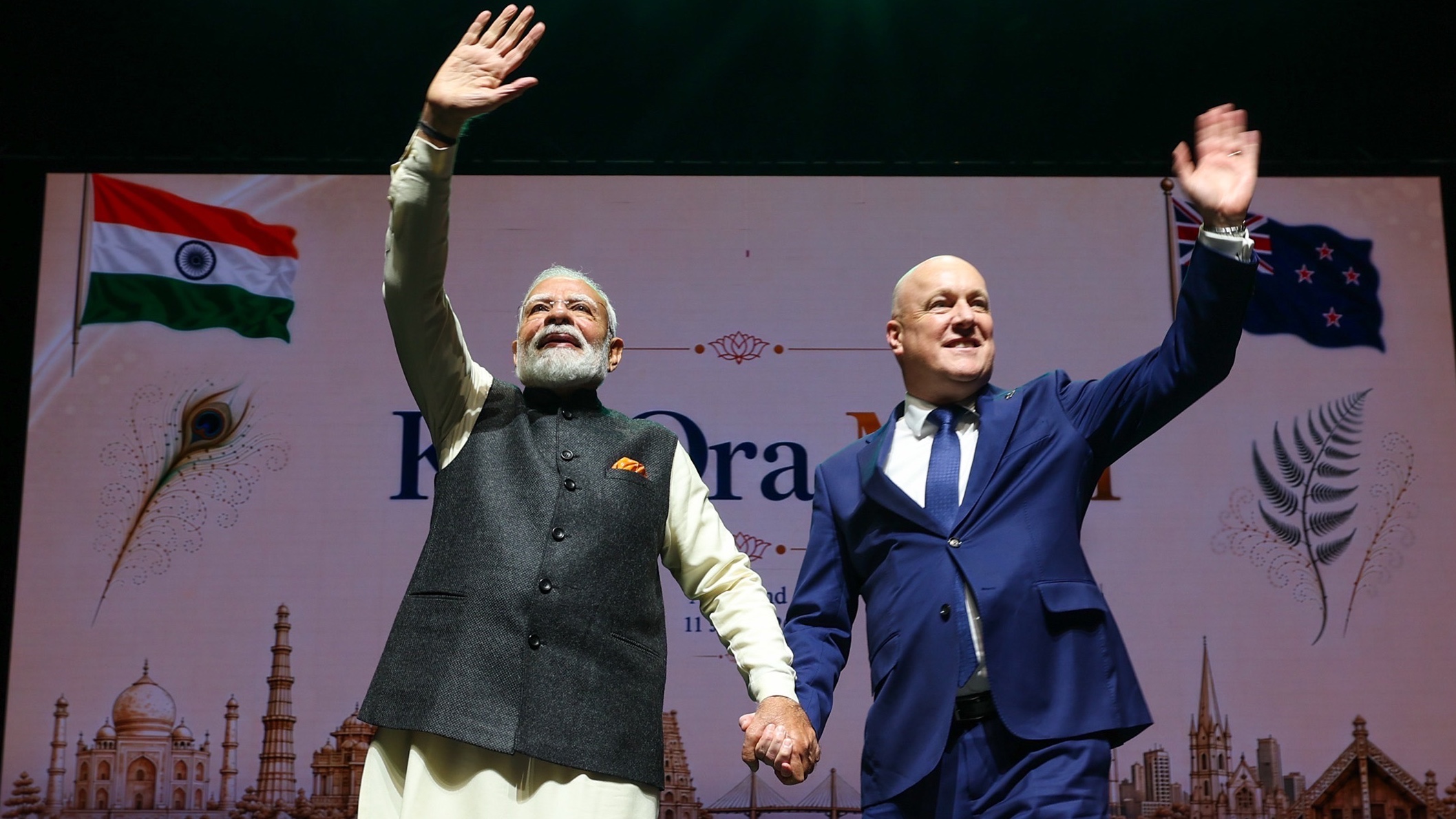
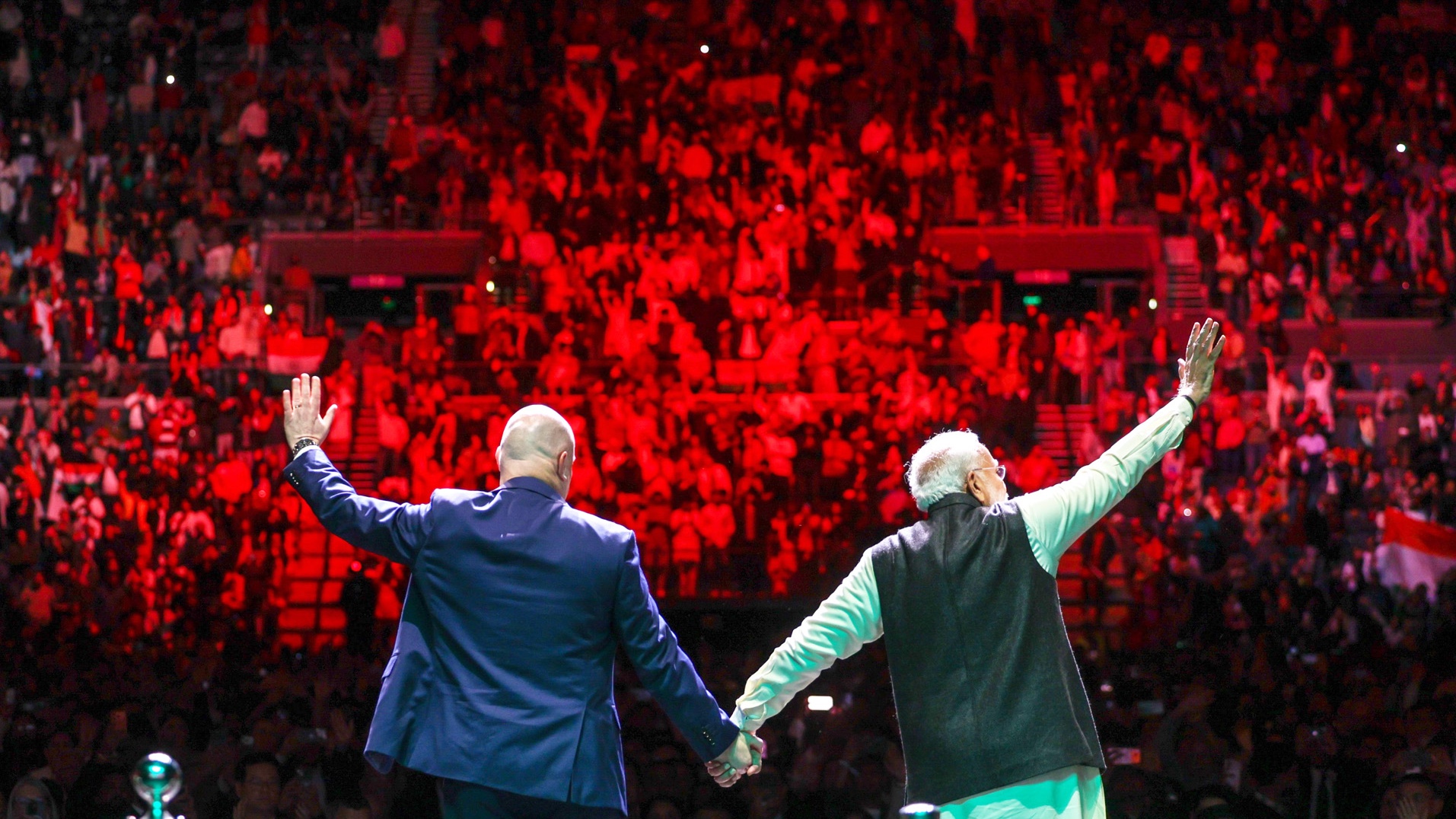
The public highlight of the visit will be the Kia Ora Modi community reception at Spark Arena.
The sold-out event is expected to attract about 12,000 people and run from 4pm until 8.30pm. Luxon is also expected to attend.
Modi will leave Auckland late on Saturday, ending a visit lasting about 24 hours.
The one-night trip ranks among Modi’s more compressed overseas visits, with his official, business and community engagements all taking place within a single day.
A visible signal to India
Luxon has made stronger ties with India a centrepiece of his foreign policy, arguing that successive New Zealand governments failed to invest enough attention in one of the world’s largest and most influential countries.
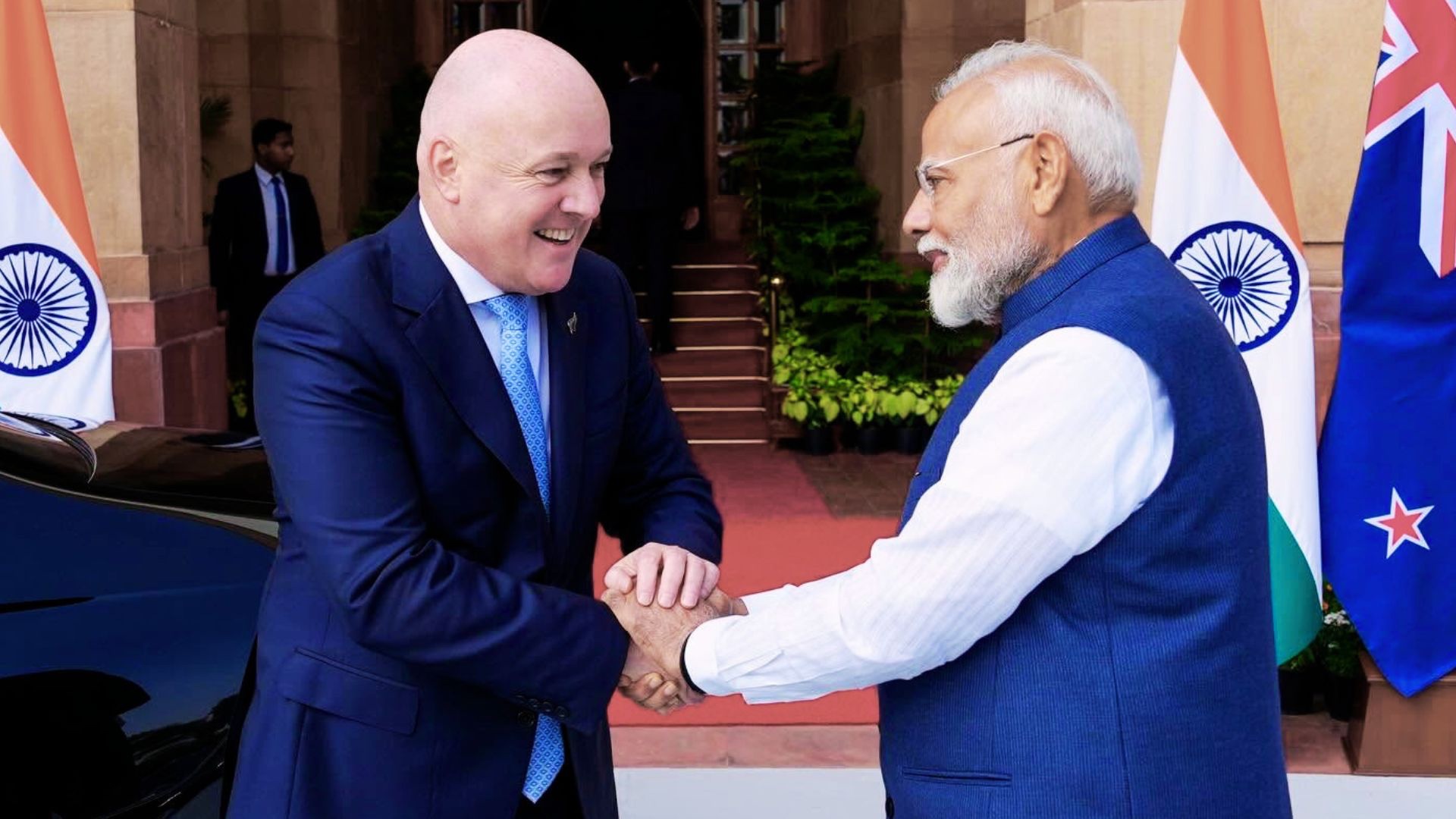
Modi’s visit follows Luxon’s trip to India and a sustained period of political, economic and diplomatic engagement between Wellington and New Delhi.
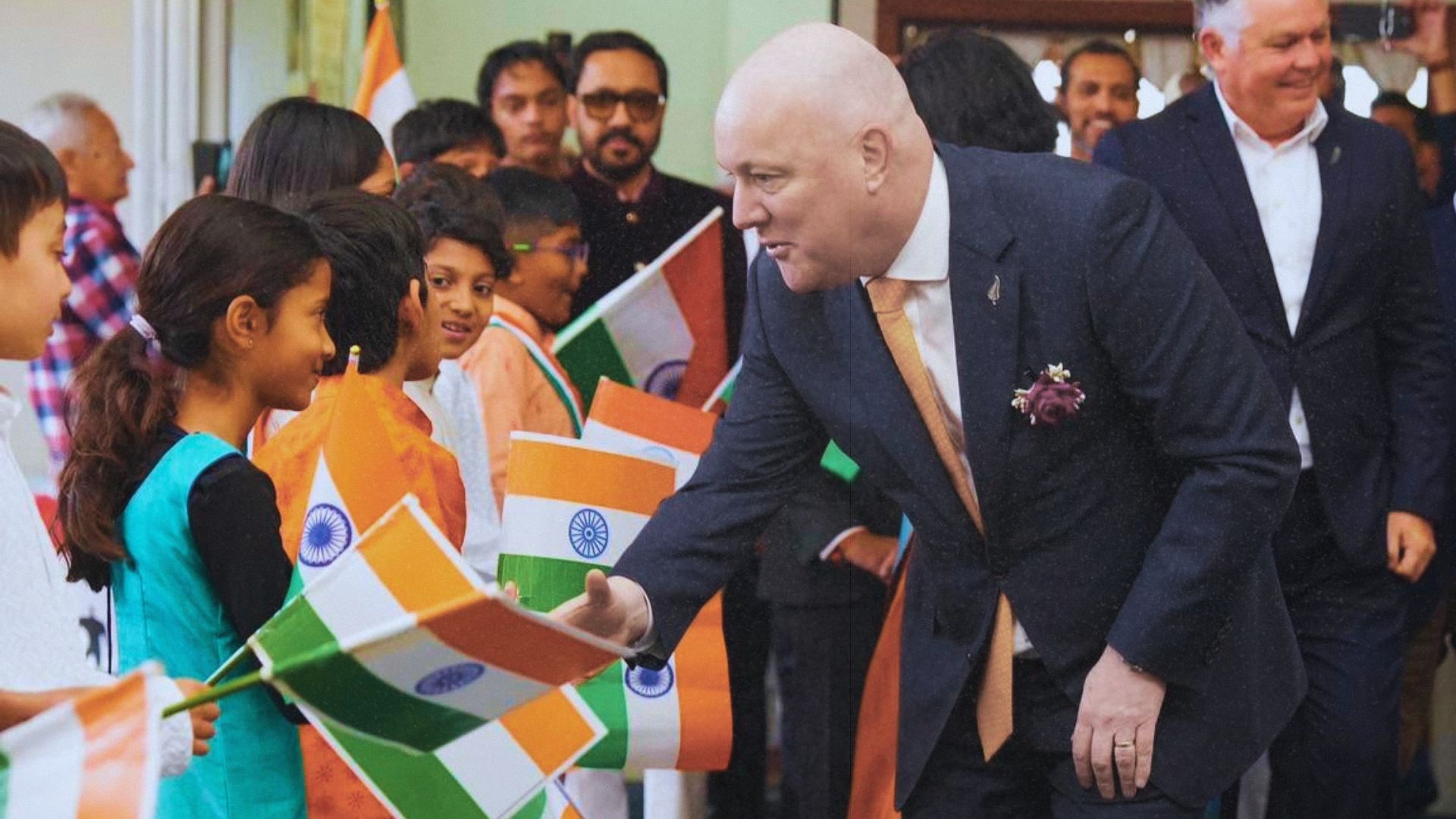
The visit also carries considerable domestic importance because of the scale and influence of New Zealand’s Indian community.
Before the formal welcome, bilateral talks or community reception began, Luxon had already used the visit’s first major image to communicate his government’s intentions.
His airport greeting showed that New Zealand intends to treat India as a priority relationship.
The handshake lasted only moments. The message behind it will shape the rest of Modi’s tightly-packed visit.