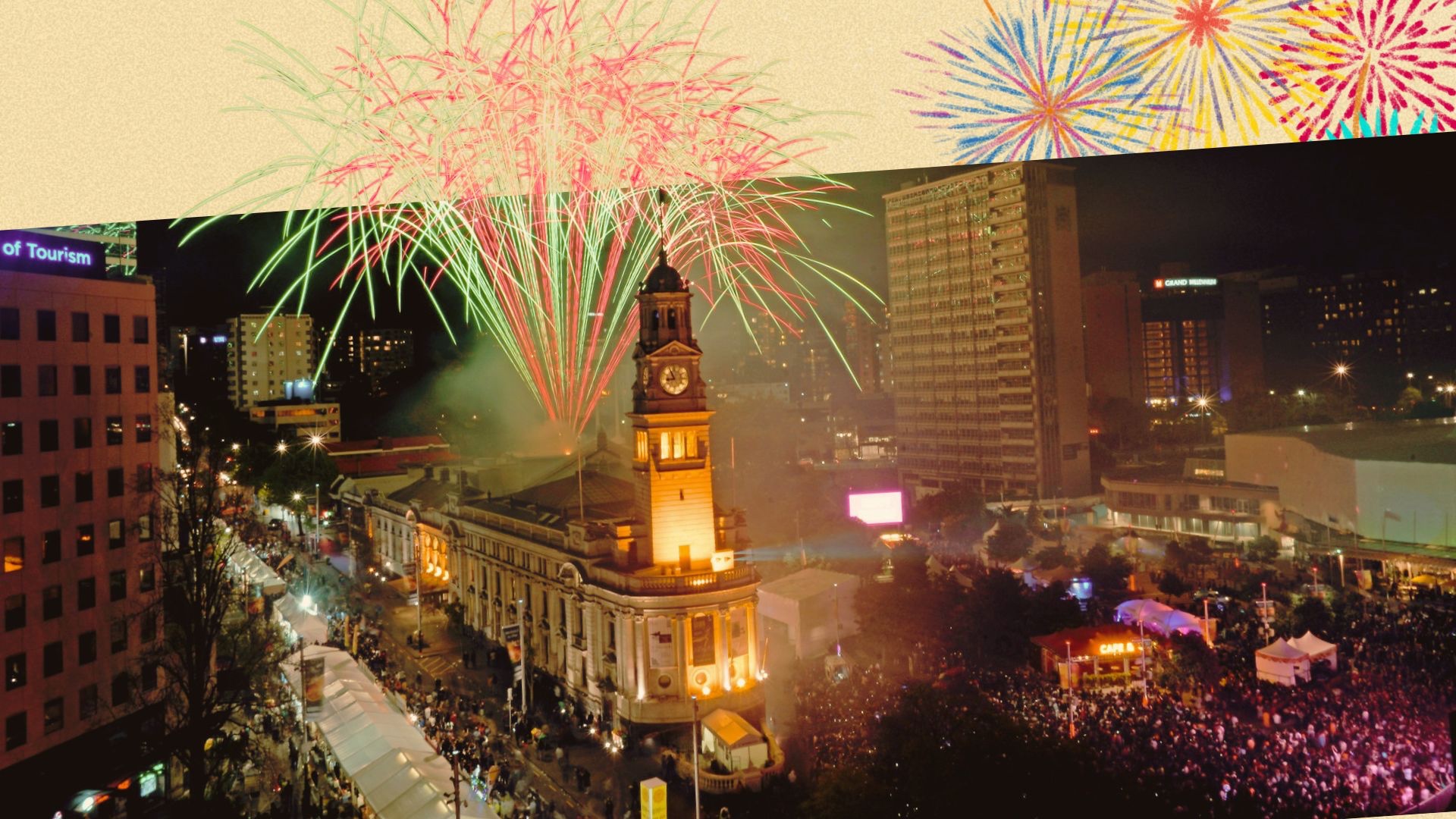

Private fireworks for festivals like Diwali to remain legal as government rejects ban
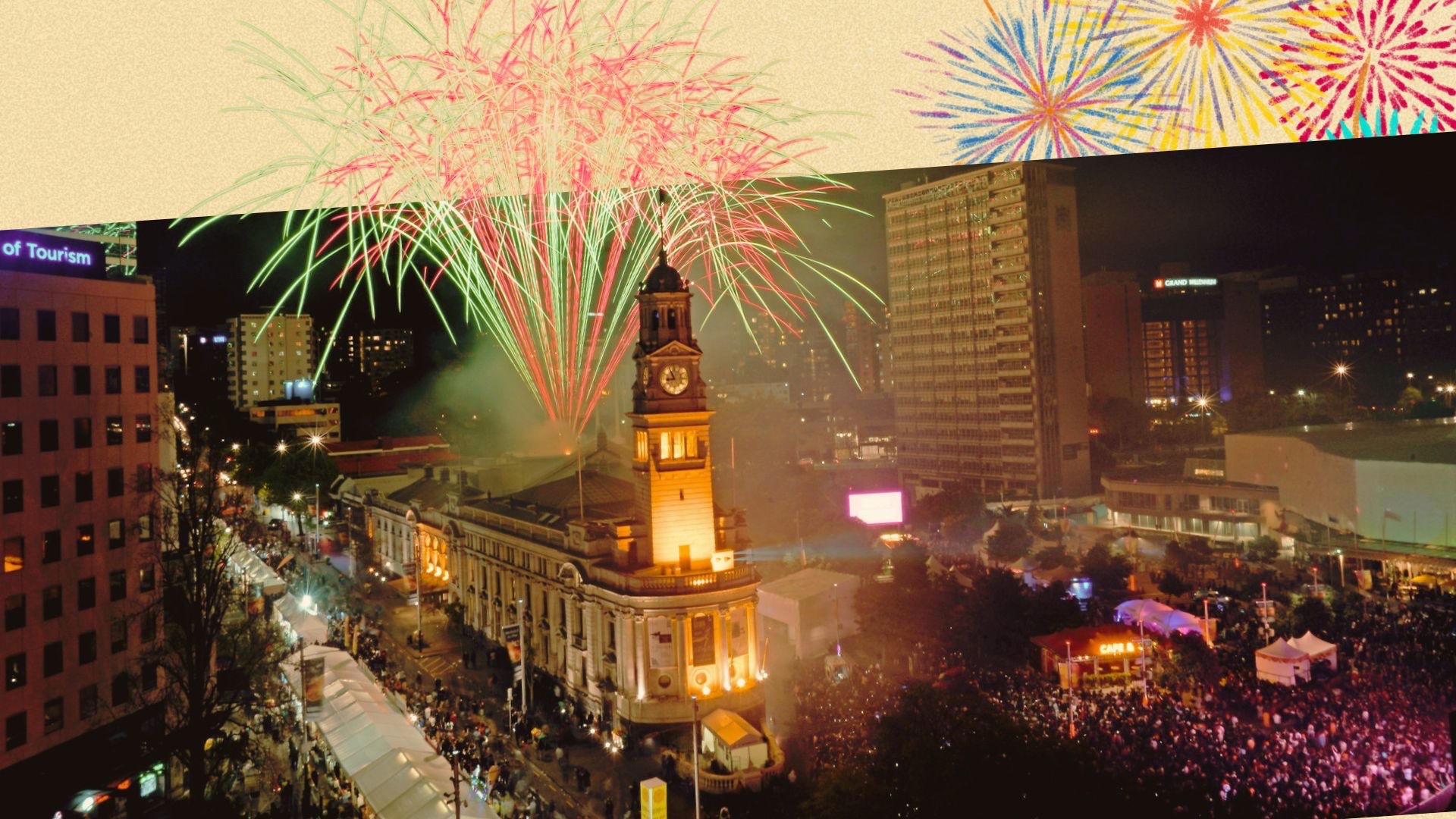
Animal rights groups have, for long, lobbied for a ban on private display of fireworks.
The government has turned down an unprecedented parliamentary recommendation to end public sale and private use of fireworks.
Private fireworks displays during festivals like Diwali will remain legal after the government rejected a parliamentary committee’s recommendation to ban public sales and private use.
The recommendation, presented on May 13, marked a landmark shift in a debate that has run through seven Parliaments for nearly two decades.
Across 14 petitions seeking tighter controls or bans, earlier committees had acknowledged concerns about injuries, fires and harm to animals but stopped short of recommending prohibition.


The petitions committee broke with that history in May, saying the evidence left it unable to recommend anything less than banning private fireworks and moving celebrations towards professionally managed public displays
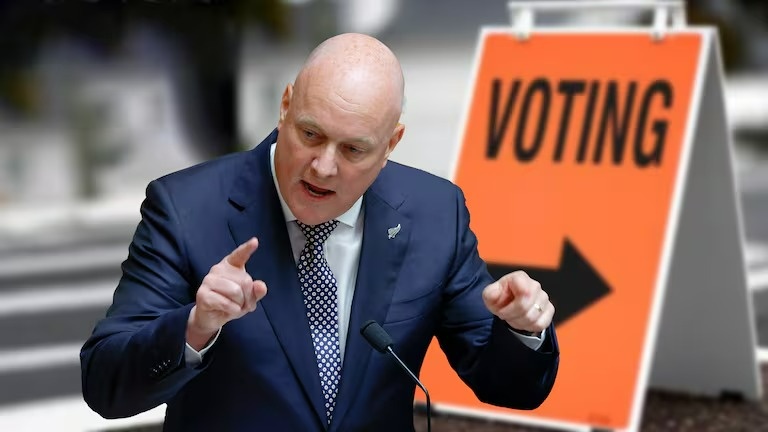
Responding to that recommendation on Tuesday, the government told the Parliament it would retain the existing regulatory framework rather than restrict fireworks to licensed public displays.
Students with NZ visas told not to travel as Auckland business school faces enrollment ban The school says existing students can continue their studies and that it is working to have the restrictions lifted.
Police have confirmed Rakesh Naidoo is not under investigation, Labour says "The police need to front up here and explain what is going on."
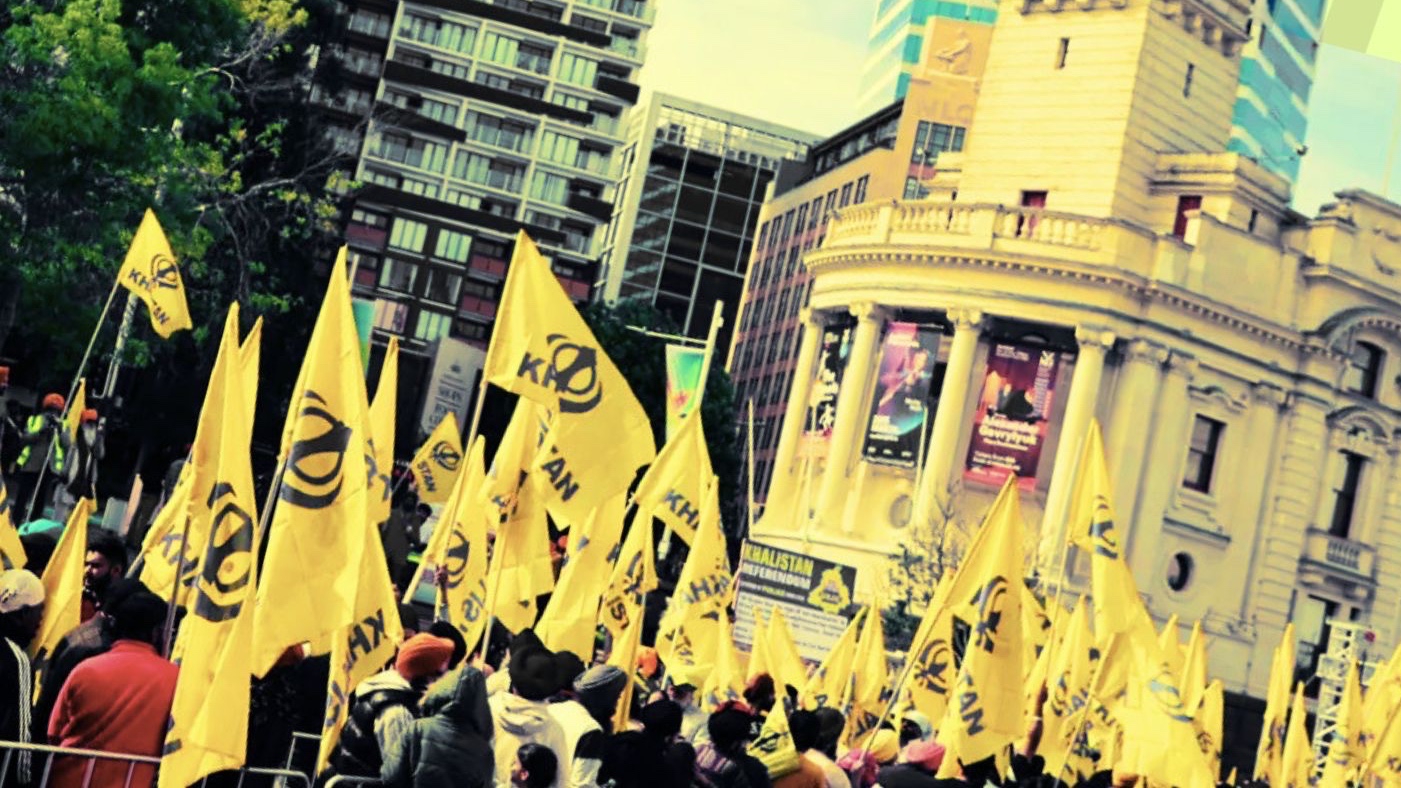
'Don't escalate': Appeal for calm as police increase presence during Diwali amid planned protests Police promise a visible presence and urge festivalgoers to avoid confrontation as Brian Tamaki plans a rally on the same day.
The decision means families and community groups will continue to be able to buy and use fireworks privately, subject to the existing rules.
The petition committee’s report had potentially significant implications for Diwali celebrations in New Zealand, where fireworks have increasingly become part of private, neighbourhood and community festivities.
It also recognised that fireworks were no longer used only around Guy Fawkes, but had become associated with occasions including Diwali, Chinese New Year, Matariki, weddings and New Year’s Eve.
However, the government has said it does not intend to progress the recommendation “at this time”.
“The government acknowledges the vommittee’s recommendation and the harms associated with fireworks use, including impacts on people, animals, and property,” its response said.
It also accepted that those harms often occurred in private and unpredictable circumstances, making them difficult to prevent through regulation alone.
But it said a complete ban would remove access to a longstanding and widely used lawful activity.
“While a ban would more directly address these risks, it would also remove access to a long-standing and widely used lawful activity,” the response said.
“The Government considers that retaining the status quo remains a proportionate response, balancing the need to manage harm with the importance of maintaining individual choice.”
Government chooses individual choice over ban
The response leaves the current system largely unchanged, with controls imposed when fireworks are sold and legal mechanisms available to deal with misuse.
The government said it would continue monitoring the issue and consider whether further changes were warranted.
Its decision marks the end, for now, of a parliamentary push that could have transformed the way fireworks were used during cultural and religious festivals.
The committee’s recommendation followed petitions from Animates NZ Holdings, Suzanne Cook and Raewyn Harrison.
The petitions highlighted concerns about injuries, fires, damage to property, distress to animals and the unpredictable use of fireworks throughout the year.
While recognising those harms, the government concluded that the existing framework remained a proportionate way to manage the risks.
It said removing access to fireworks altogether would be a significant restriction on an activity that remained legal and widely practised.