
Man who beat wife, then cited her career prospects to fight deportation must return to India

The man had been convicted also for drink driving in a separate incident.
The tribunal accepted the man's premise that his wife would suffer if he were deported. But it declined the appeal nevertheless.
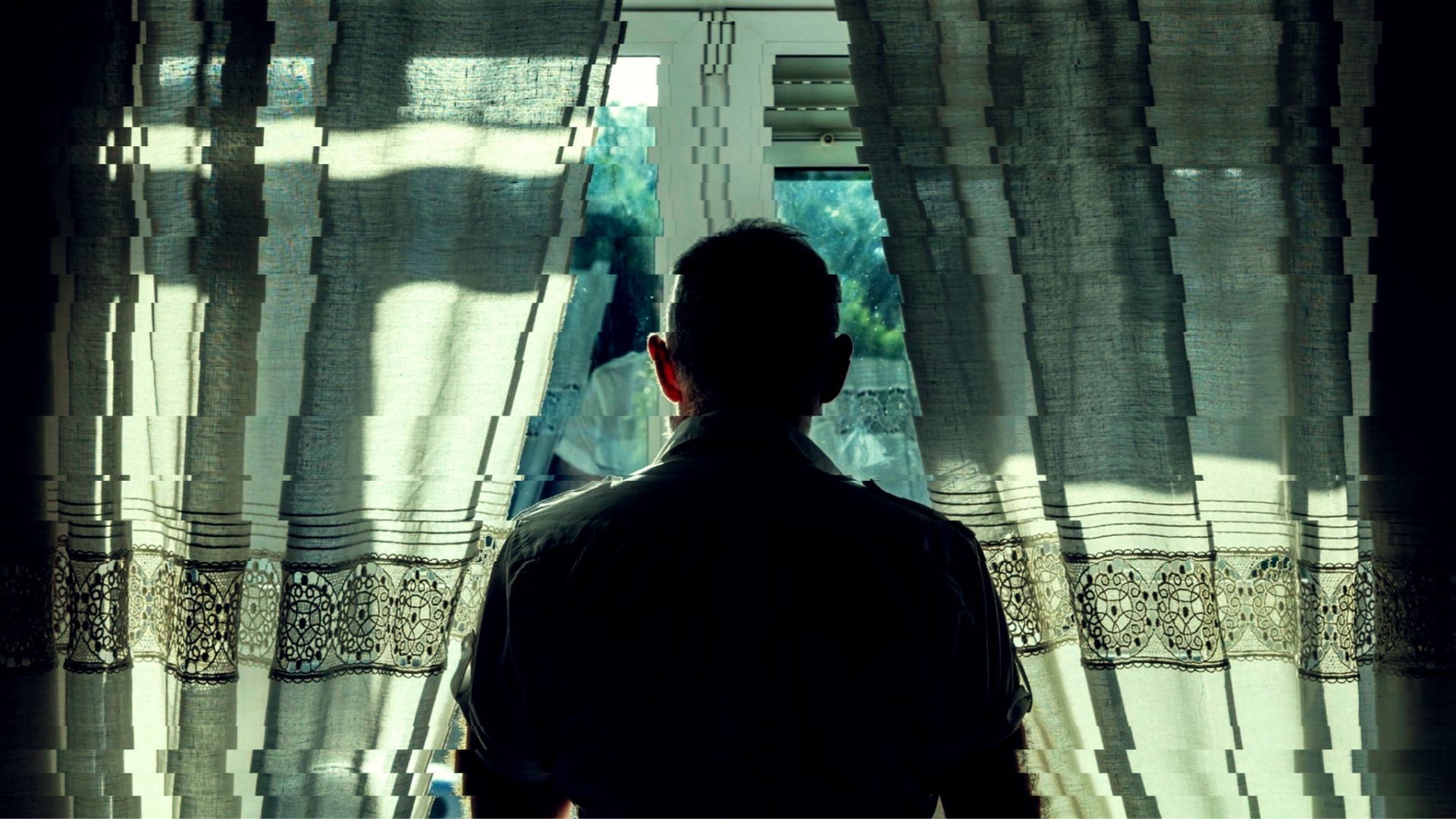
An Indian man who repeatedly whipped his wife with a leather belt later argued that deporting him could jeopardise her job as a registered nurse because she relied on him to care for their children.
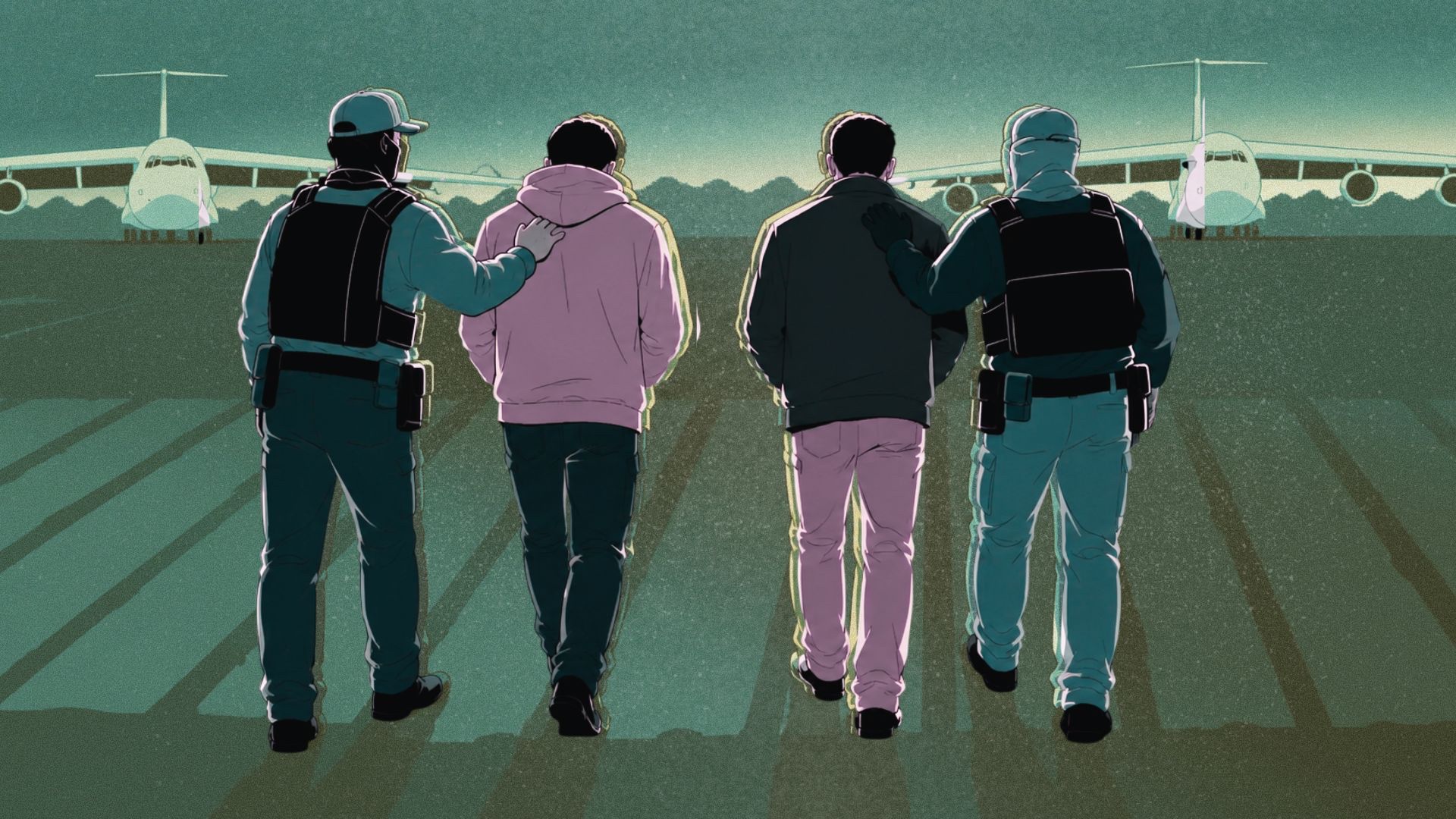
The Immigration and Protection Tribunal has rejected the 45-year-old Kerala man's humanitarian appeal, finding his family's circumstances did not meet the high threshold required to stop his deportation.
The decision, delivered by S Benson on August 11, said the man's deportation liability followed convictions for assaulting his wife, drink-driving and careless driving.
His wife came to New Zealand in August 2023 and obtained an Accredited Employer Work Visa three months later, allowing her to work as a registered nurse.
The man and the couple's two children joined her in April 2024. He received a partnership-based work visa and was working as a driver.
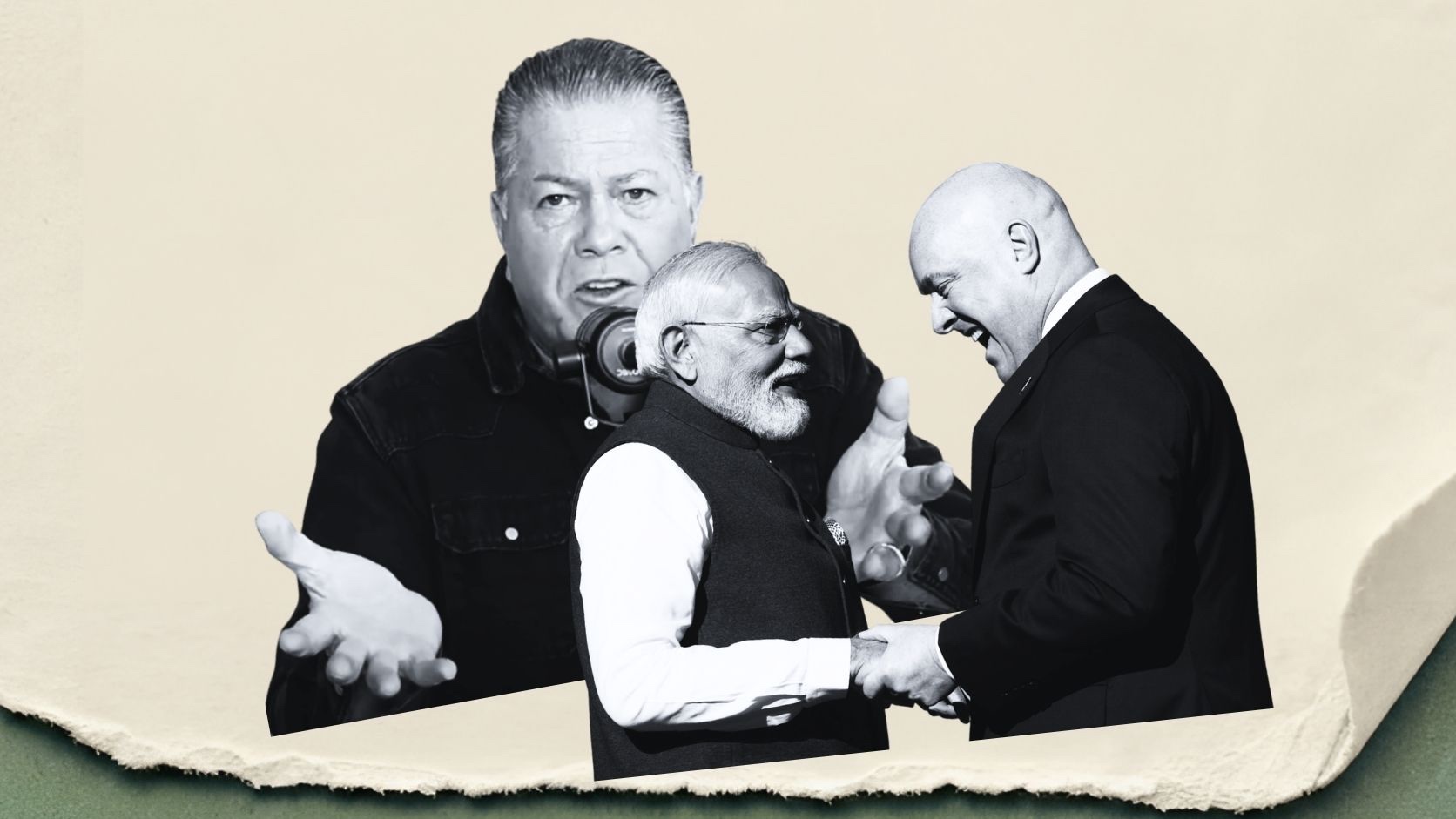
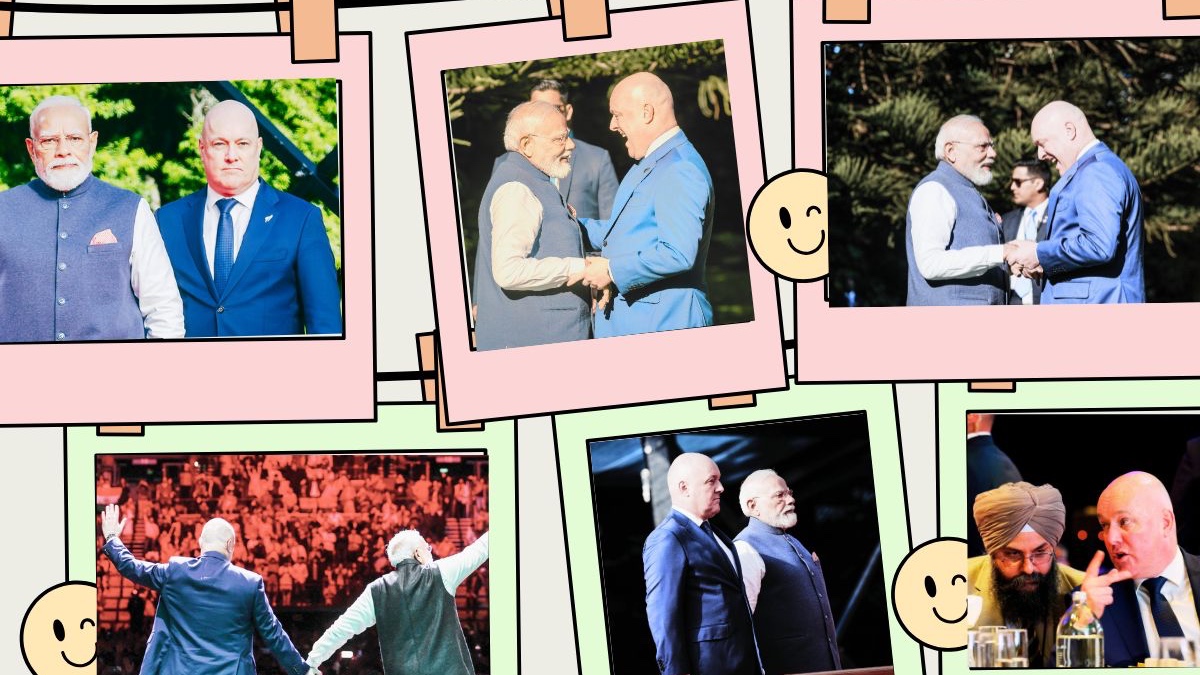
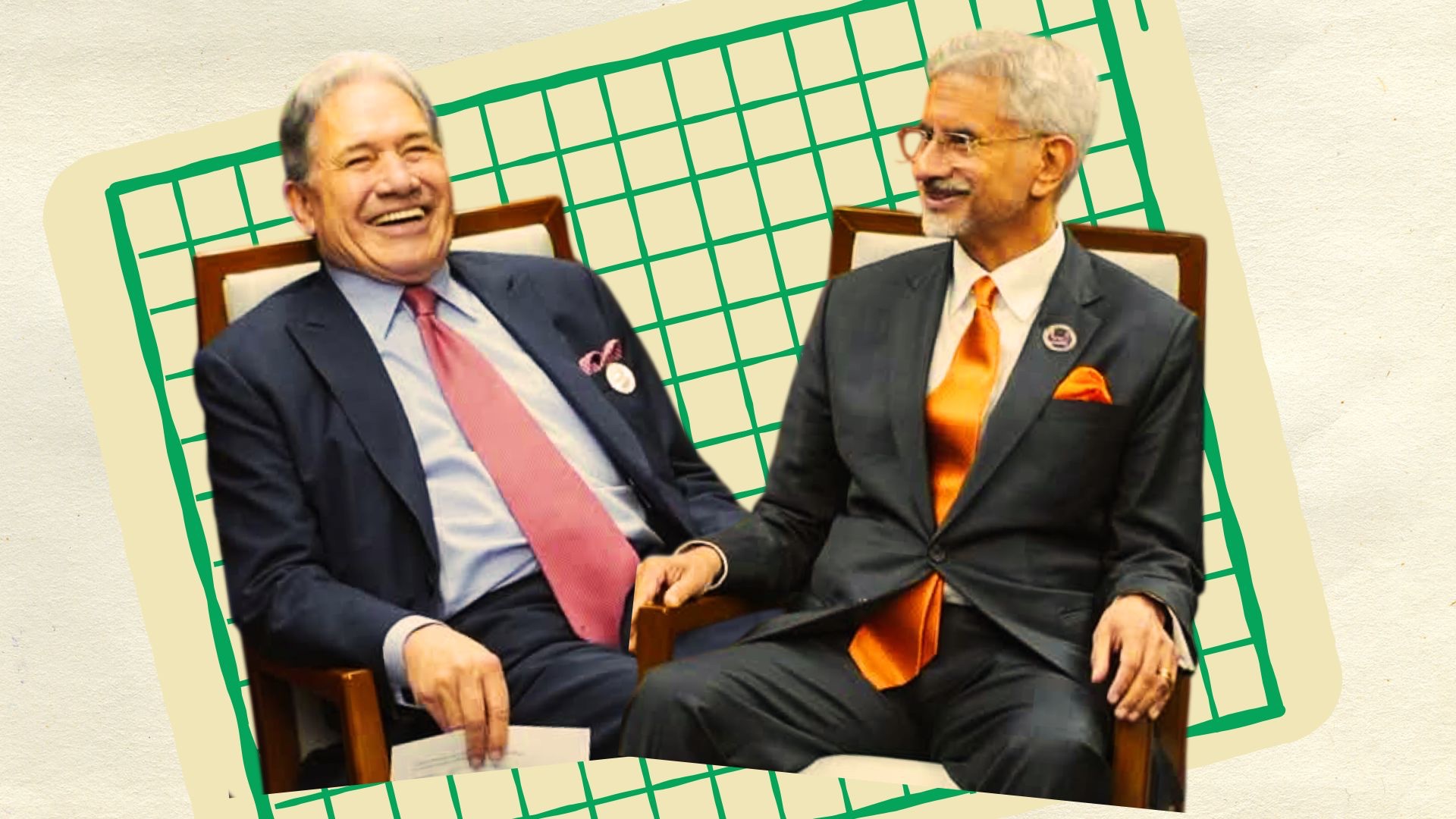
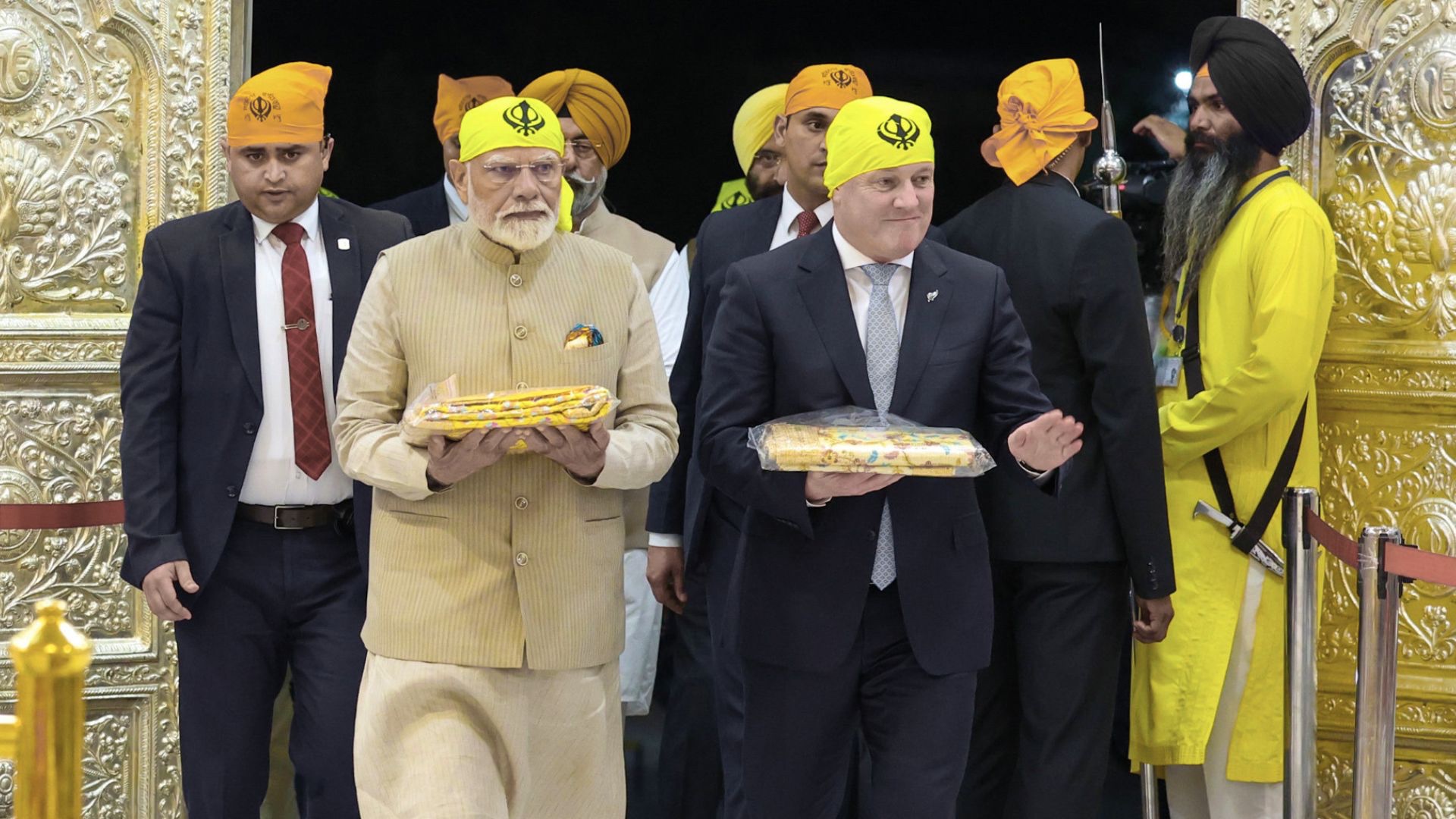
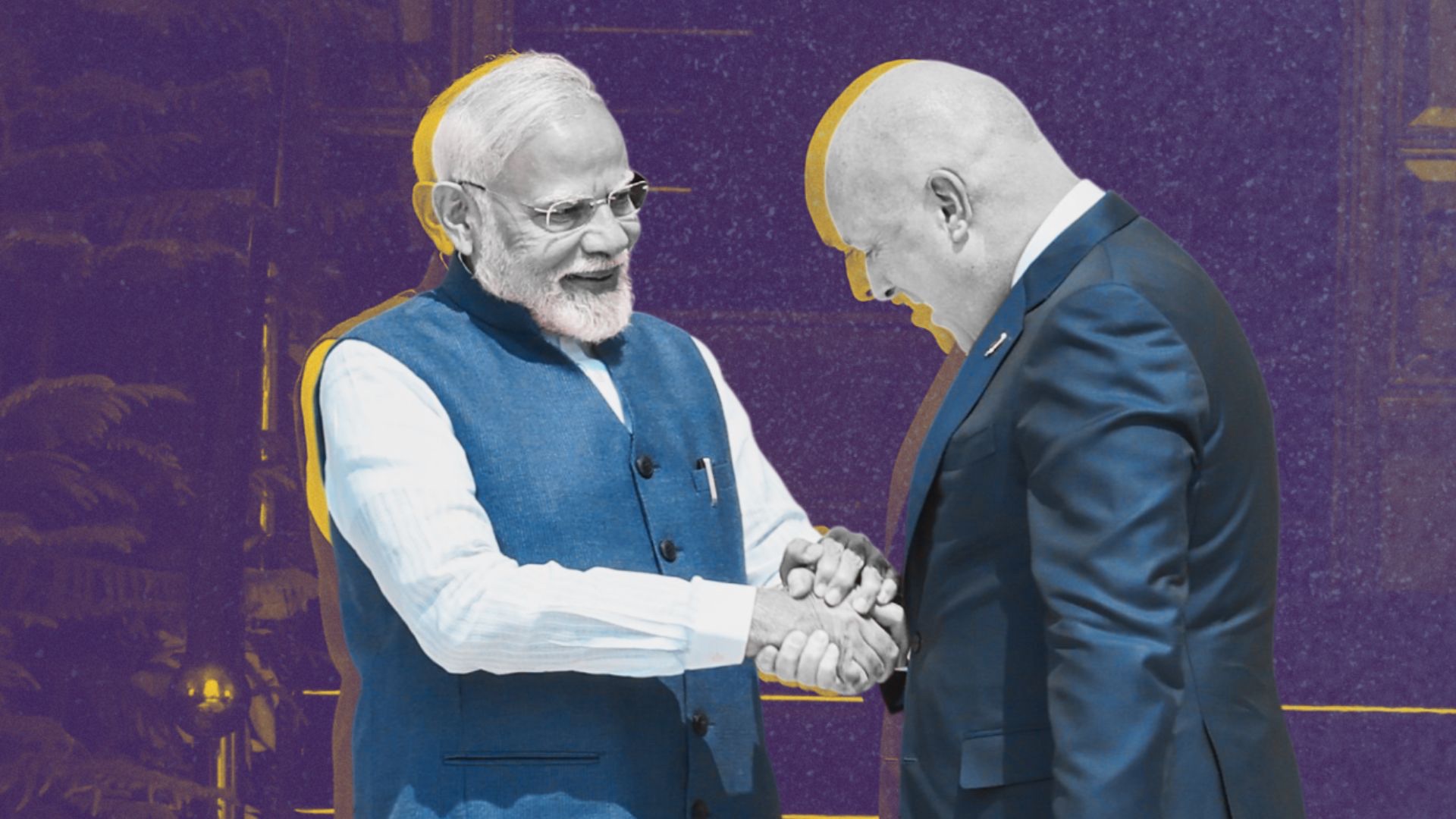
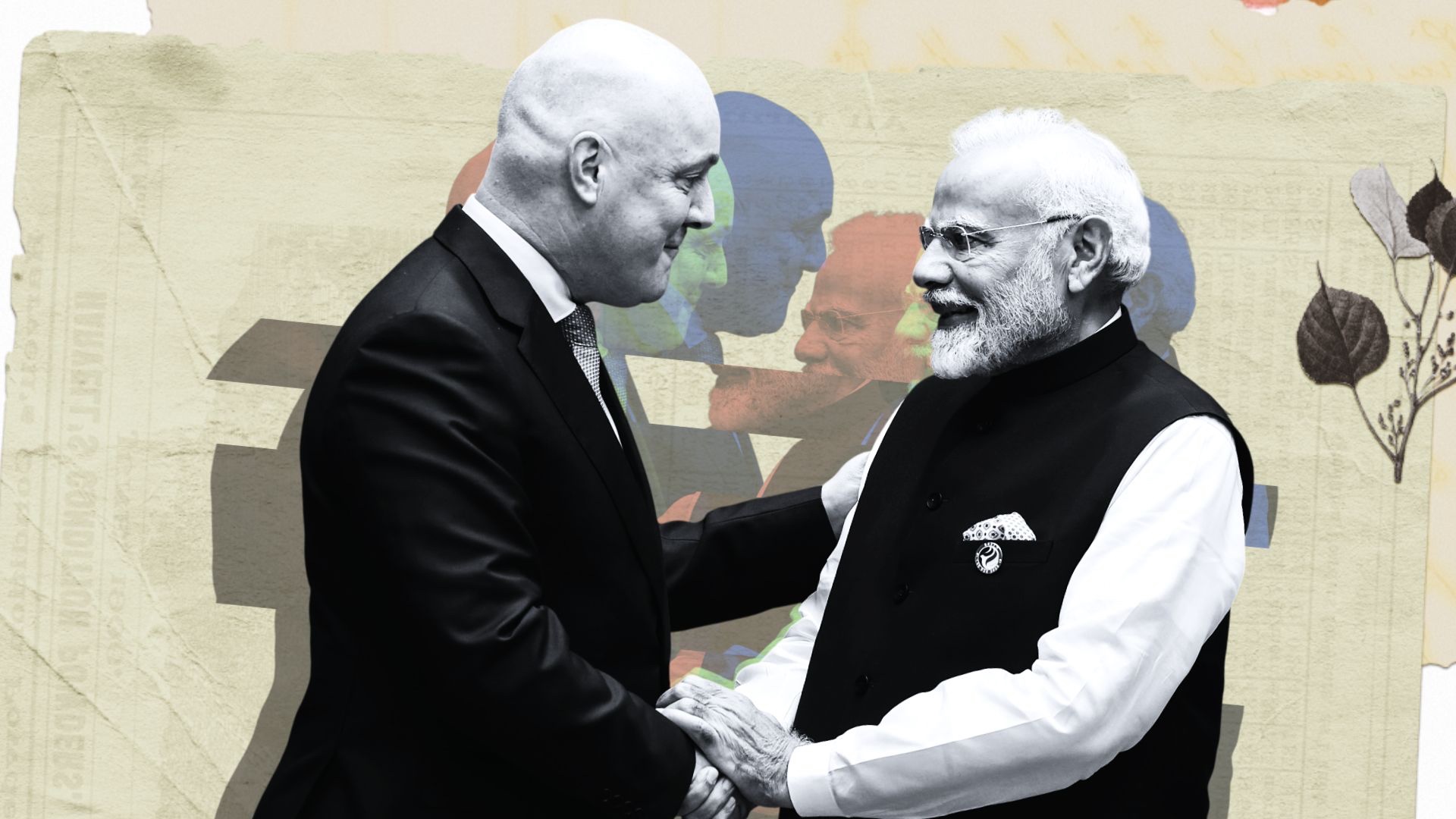
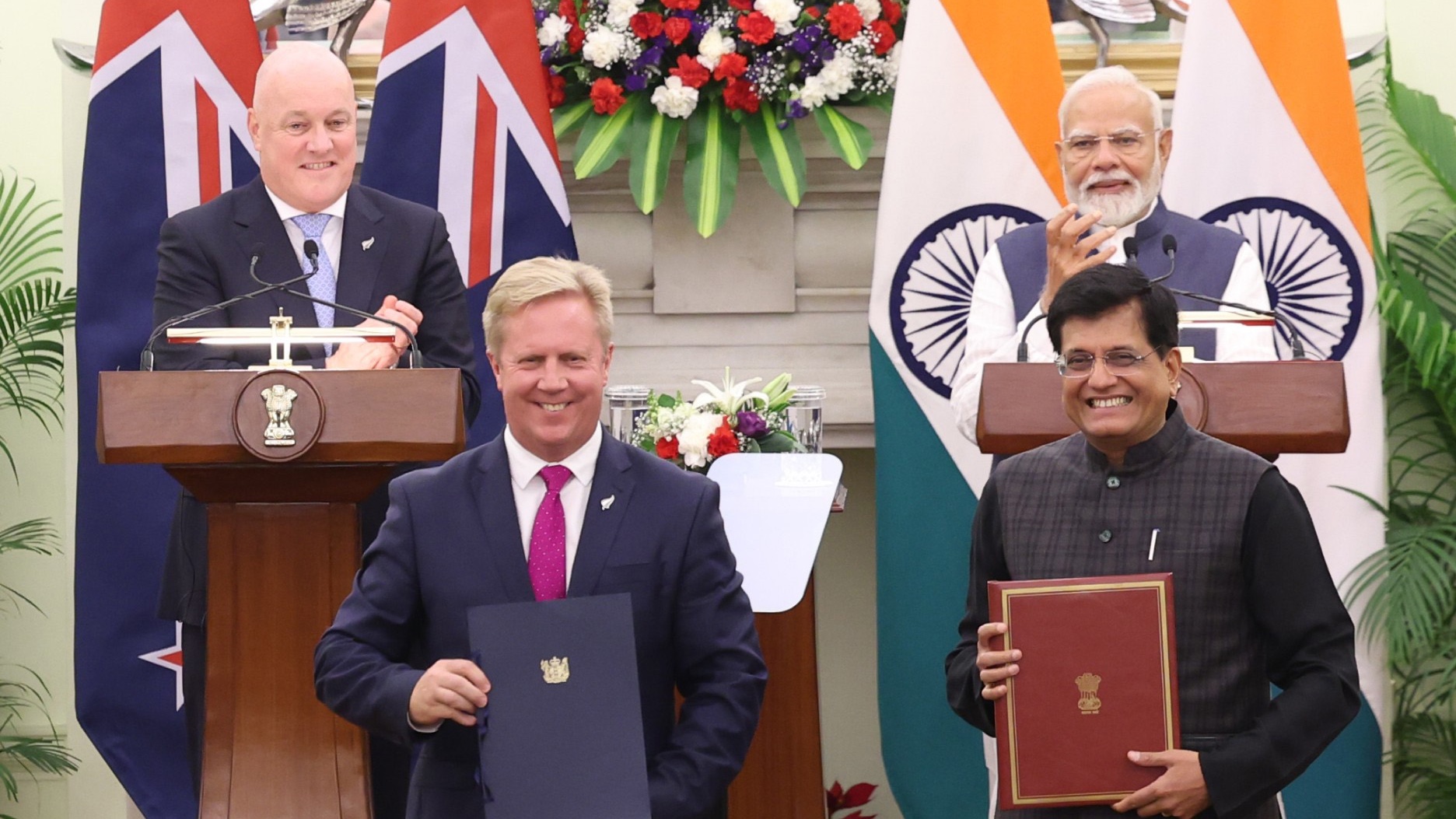
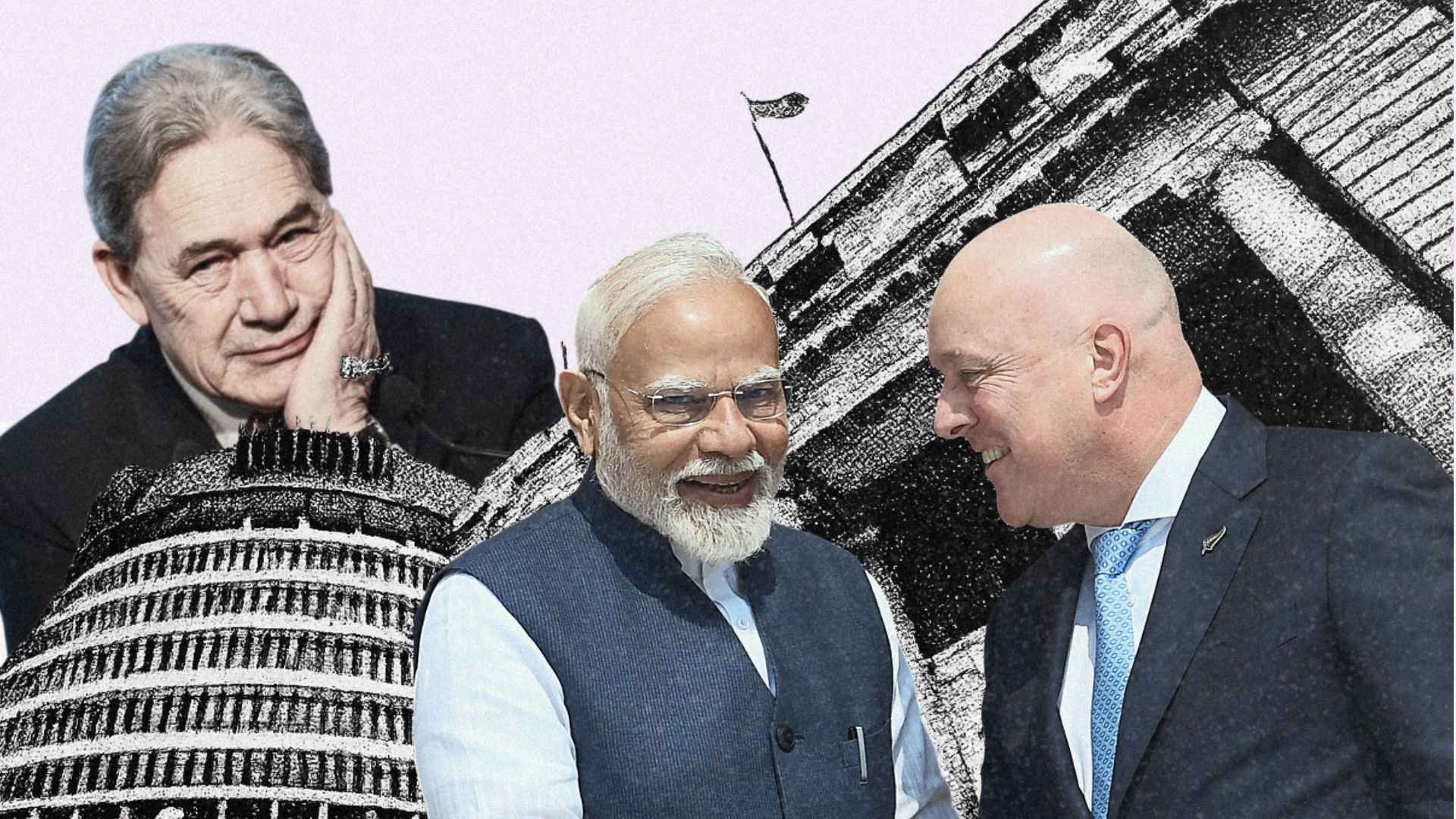
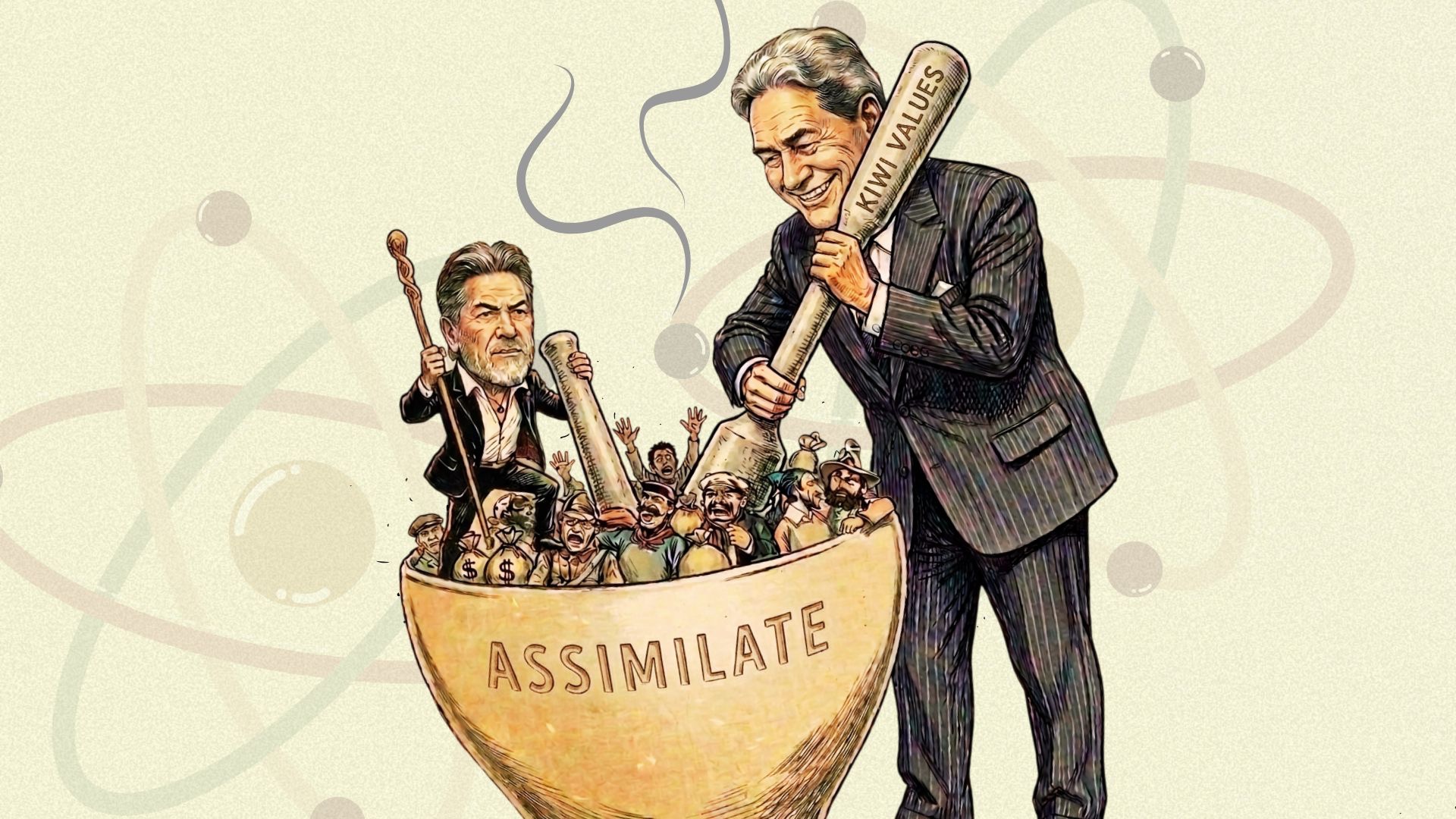
‘Two types of Indians’: Peters questions Kiwi Indians’ loyalty after watching Modi welcome The New Zealand First leader on why changing passports alone may not make someone a New Zealander.
BNZ Diwali rolls out Bollywood red carpet as Meenakshi Sheshadri revisits Damini in Auckland A Screen Auckland-backed cinema showcase is bringing South Asian films into Auckland theatres as part of this year’s Diwali celebrations.
International experts join Auckland’s Ayurveda Day celebrations Diet, yoga and connections with nature were among the themes explored at the event.
But on March 3, 2025, police were called to the family's home after an incident while the man was intoxicated.
A police summary quoted in the decision said there had already been two previous reported family harm incidents involving the couple, with the man identified as the "predominant aggressor" in both.
During the March incident, his wife was feeding their children dinner when an argument began. The man grabbed her arm and bent it with enough force that she believed he was going to break it.
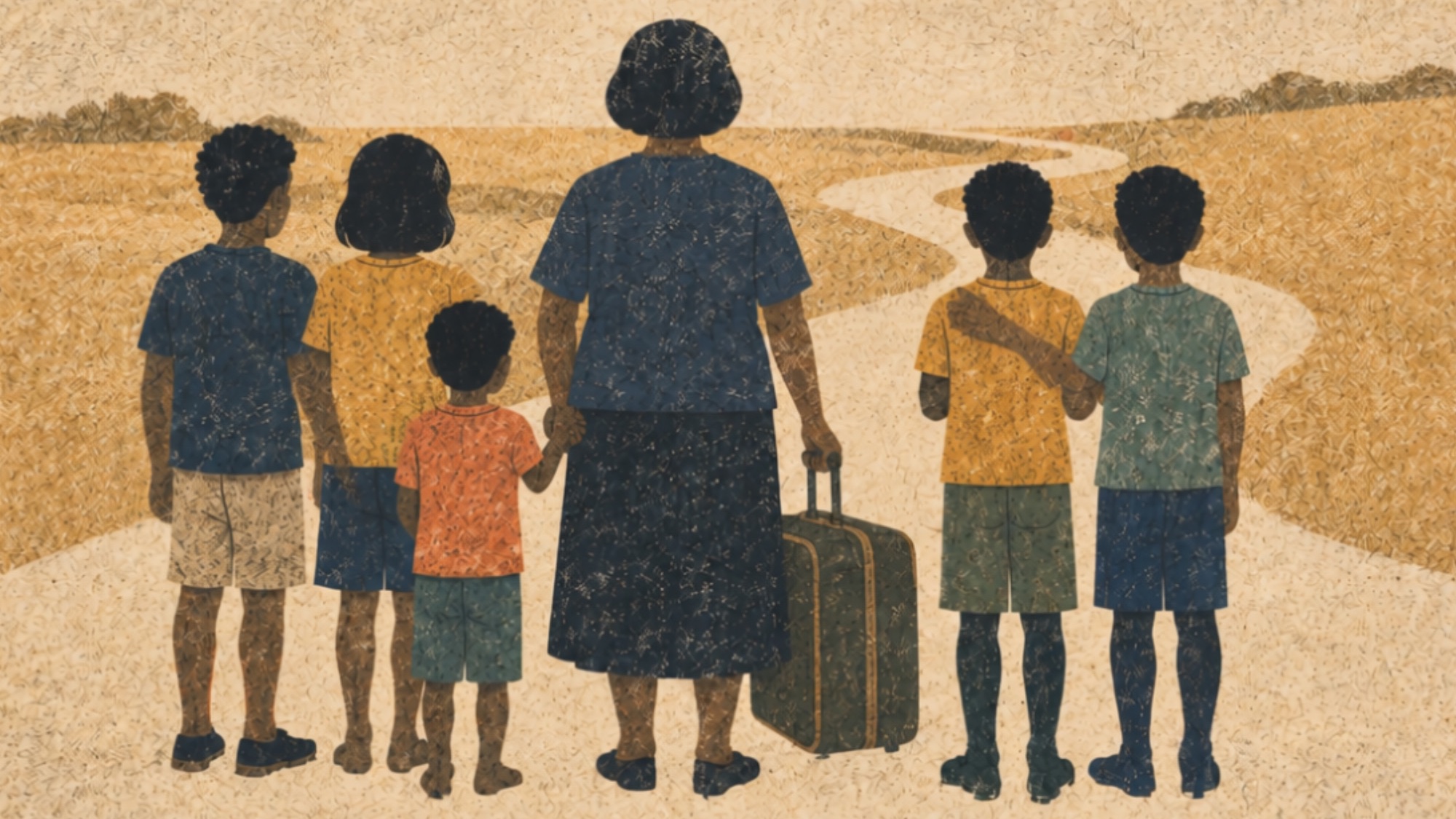
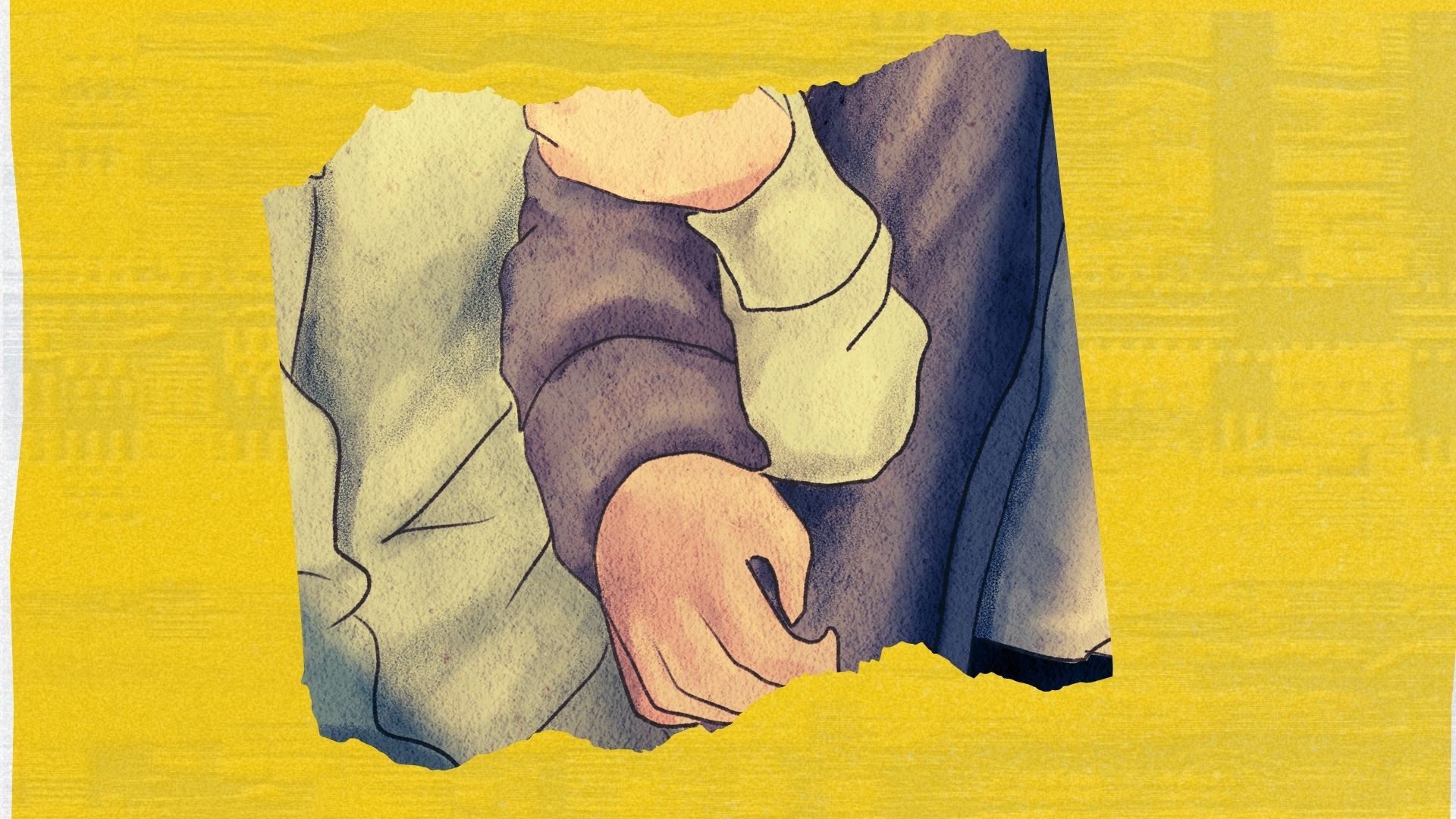
Then in front of the children he took off his leather belt, wrapped it around his hand and "repeatedly whipped her" on her arm and thigh, leaving welts and tenderness.
Three months later, he drove into two parked vehicles and continued driving despite onlookers trying to stop him. A subsequent blood test found him at least four times beyond the legal limit.
On September 9, 2025, he was convicted and sentenced to eight months' supervision. He was also convicted over the drink-driving incident and careless driving.
Immigration New Zealand served him with a deportation liability notice 10 days later, saying his convictions meant he was not a person of good character.
In attempting to stop his deportation, the man placed significant weight on the impact his removal would have on his wife's nursing career.
His lawyer argued he was the primary caregiver for their children and his wife worked day, evening and night shifts. Without him, she might be unable to continue working full-time and would need to make alternative childcare arrangements.
The man also argued there was a public interest in retaining "rehabilitated, contributing migrants who support partners employed in the health system".
His wife supported his appeal. She told the tribunal he provided daily care for their children, meals and household responsibilities and that without him it would be difficult to maintain her work-life balance.
She described him as a "kind, responsible and committed husband and father", saying the problems had arisen because of his alcohol use and that he had apologised to her and their children. The man had attended rehabilitation meetings and completed a 16-week violence-free programme.
The tribunal accepted deportation could make life substantially harder for his wife. If she and the children remained in New Zealand, she could have difficulty working night shifts and might have to pay for childcare or change jobs, resulting in lower income.
It also accepted that the children, aged 10 and four, had a close relationship with their father and that it was in their best interests to remain in the care of both parents.
But the tribunal also pointed to what had happened inside their home. It noted the two previous family harm incidents and said the March assault meant the children's home life had included "experiences of family violence perpetrated by the appellant".
It also said it could not be assumed his alcohol problems had been resolved simply because he had attended programmes and meetings.
The man's lawyer argued that if the whole family returned to India, his wife's nursing career would be "irreparably damaged".
The tribunal rejected that argument, noting she had obtained her nursing degree in India, previously worked there as a nurse and had since gained further experience in the UAE and New Zealand.
"There is no reason to suggest that she could not return to India and obtain employment again as a nurse," it said.
Ultimately, the tribunal said keeping the man in New Zealand was not the only way the family could remain together.
"Family unity could be achieved by the appellant remaining in New Zealand. However, it could also be achieved by the family returning to India."
It found there were no exceptional humanitarian circumstances and declined the appeal. The tribunal did, however, give the man five months on a work visa to organise his return to India.
If his wife and children decide to go with him, the period allows their elder child to finish the current school year. If they remain in New Zealand, it gives his wife time to arrange childcare or find different employment.