
FTA hustle: The Wellington think-tank promising to give New Zealand a hang of India

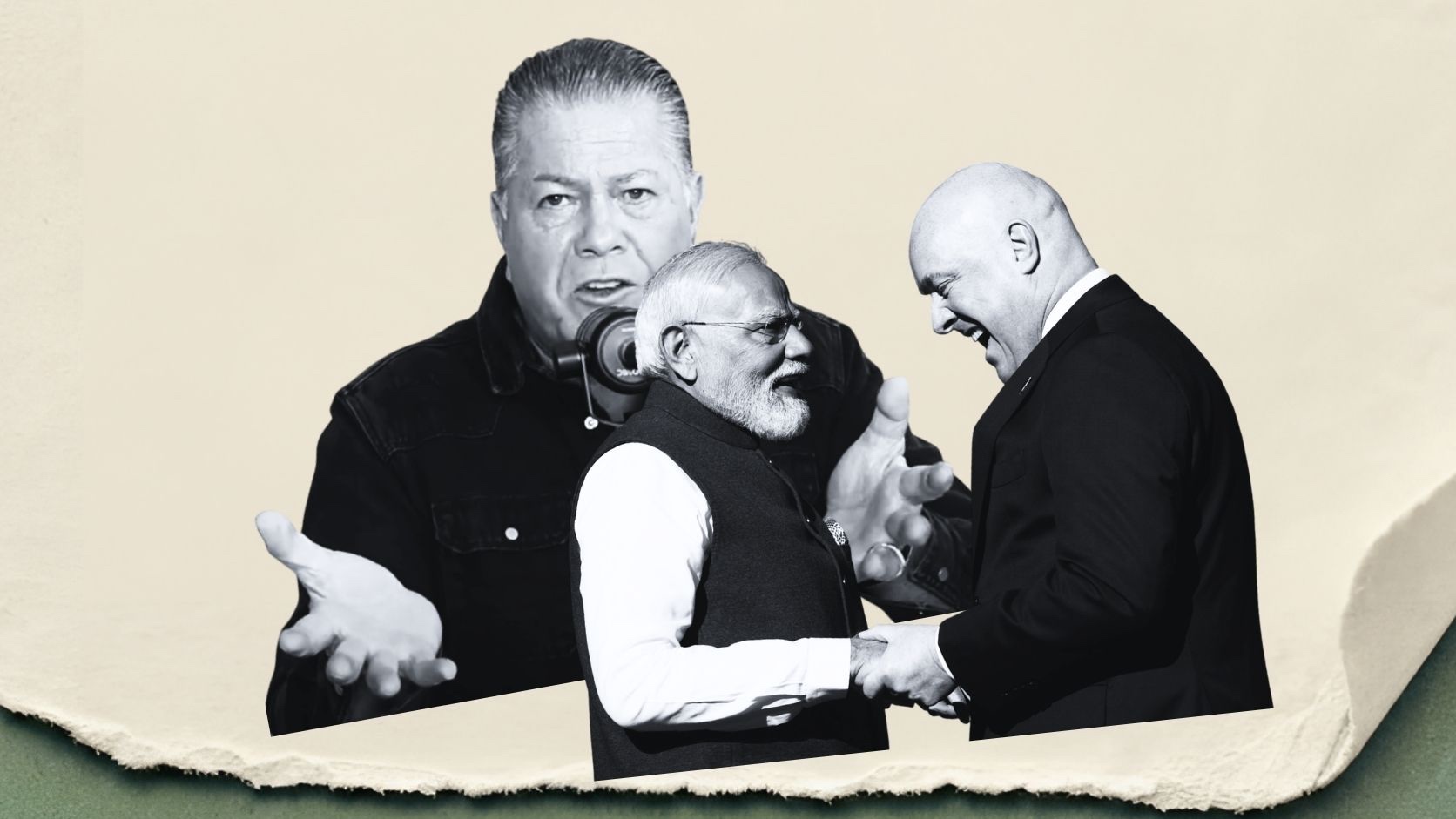
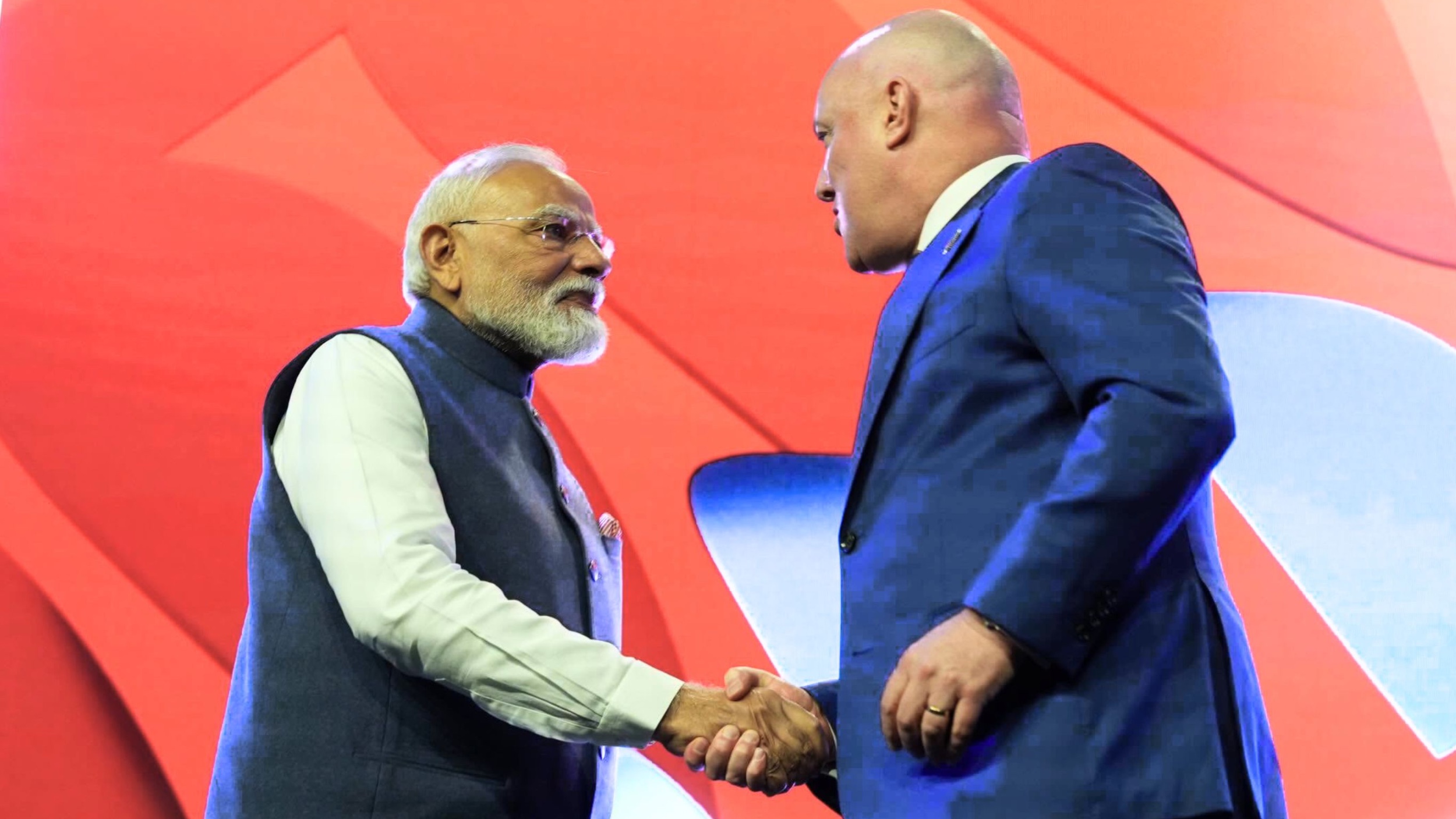
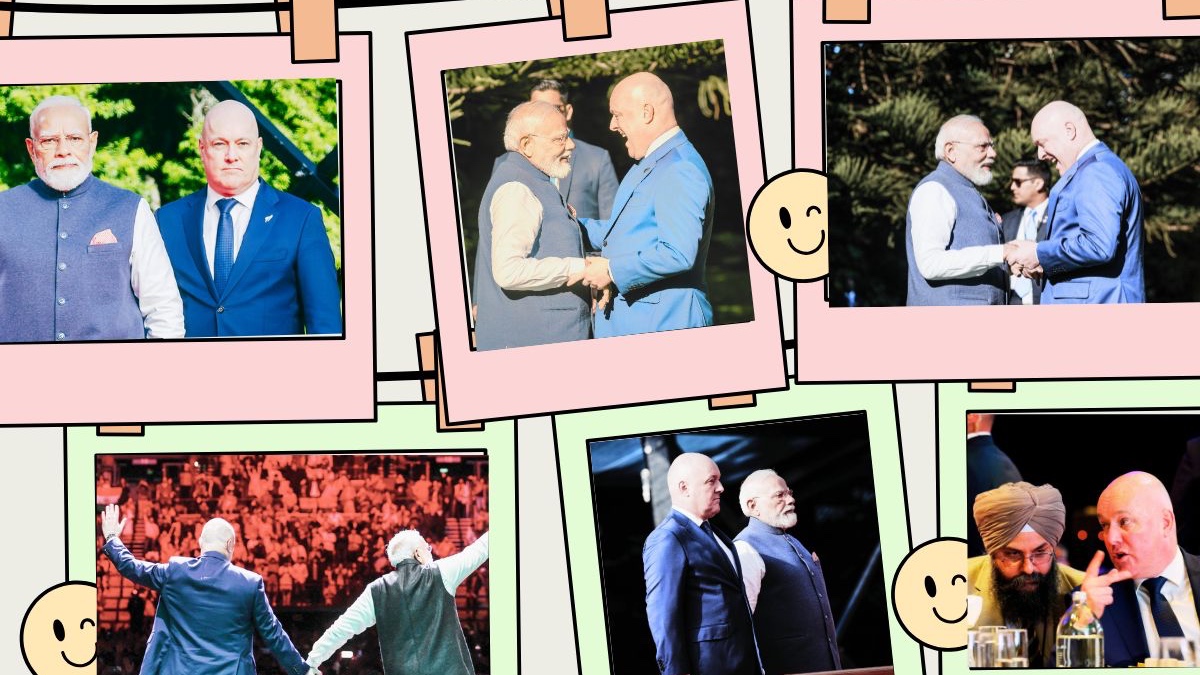
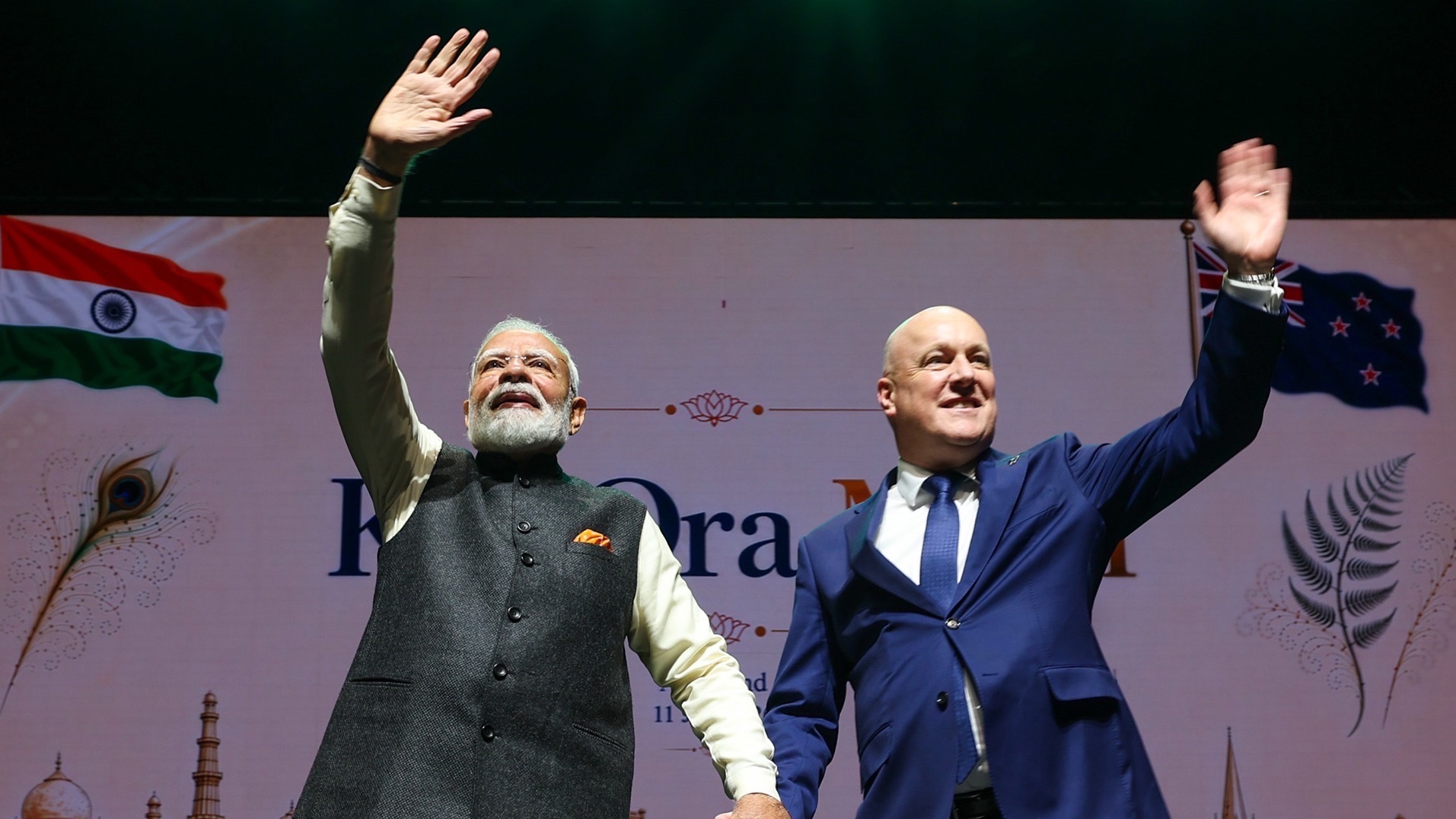
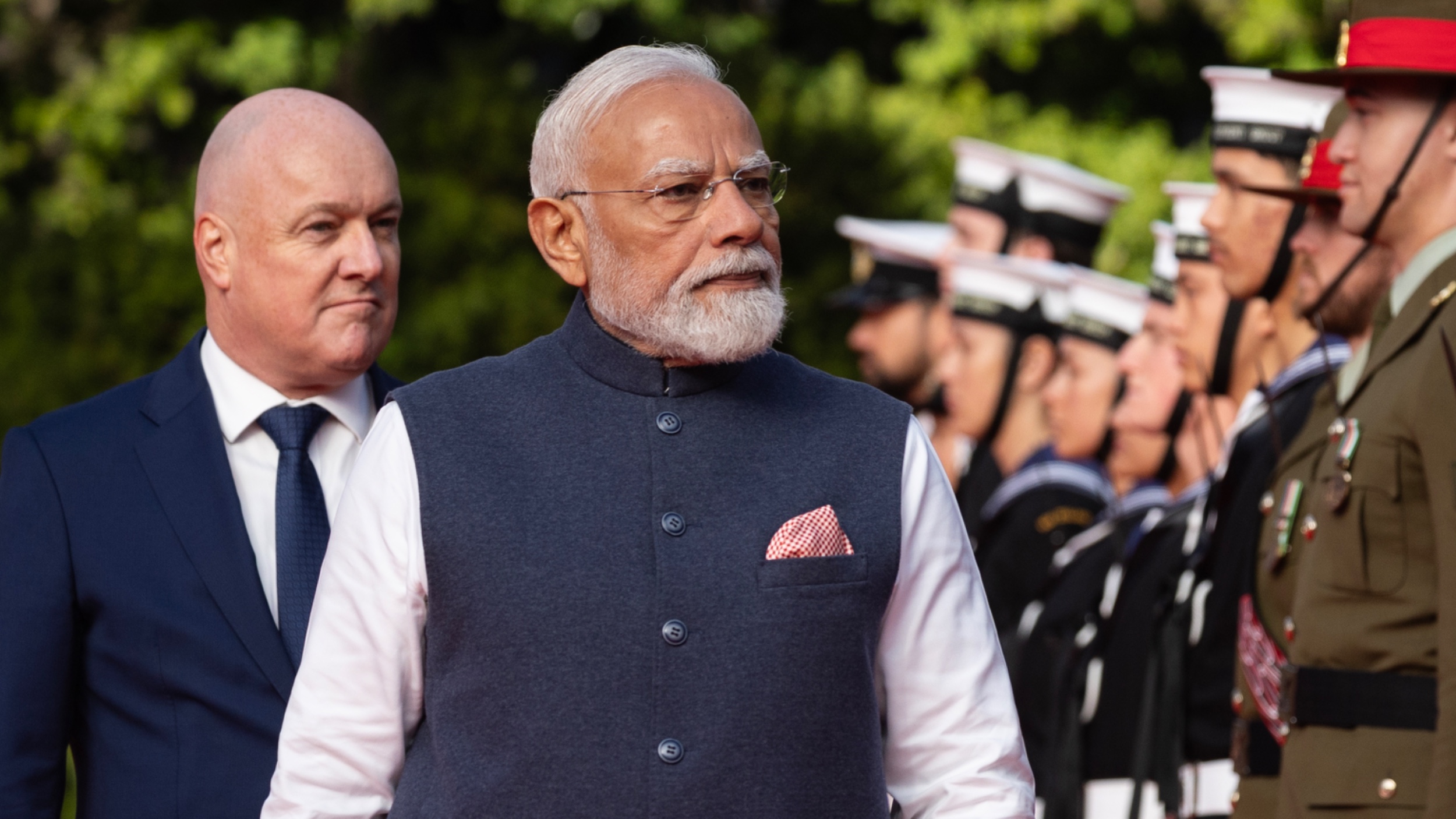
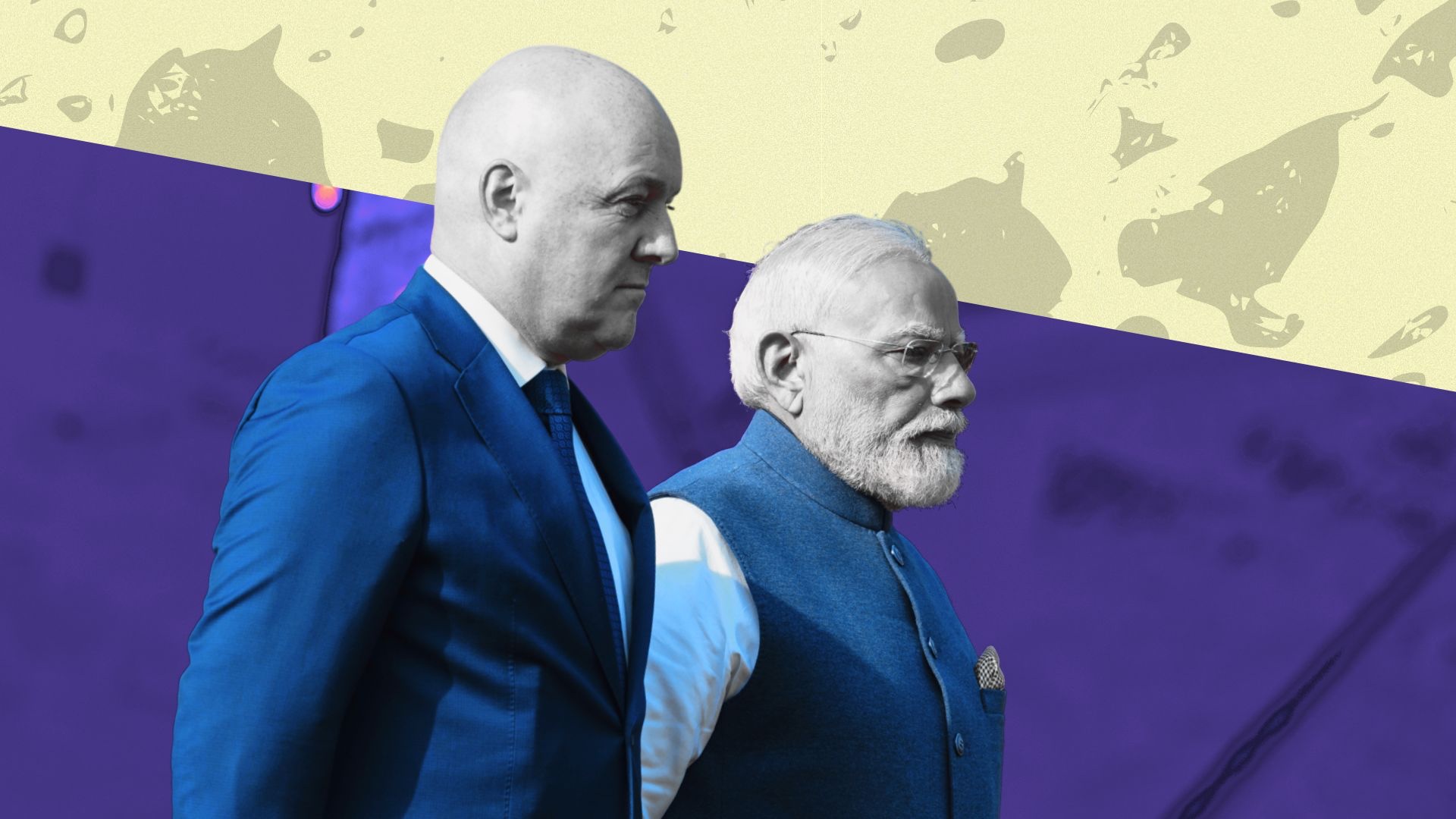
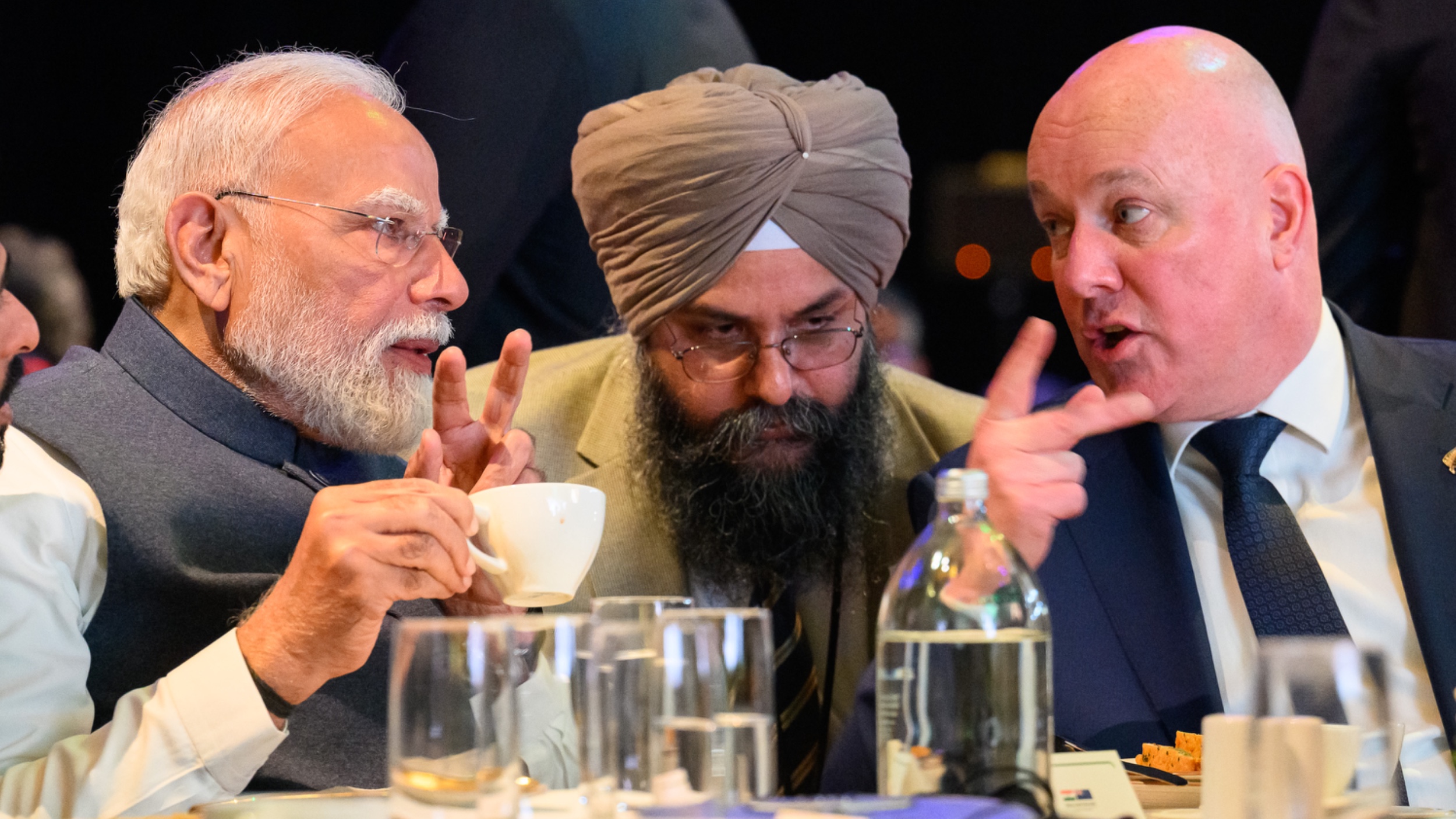
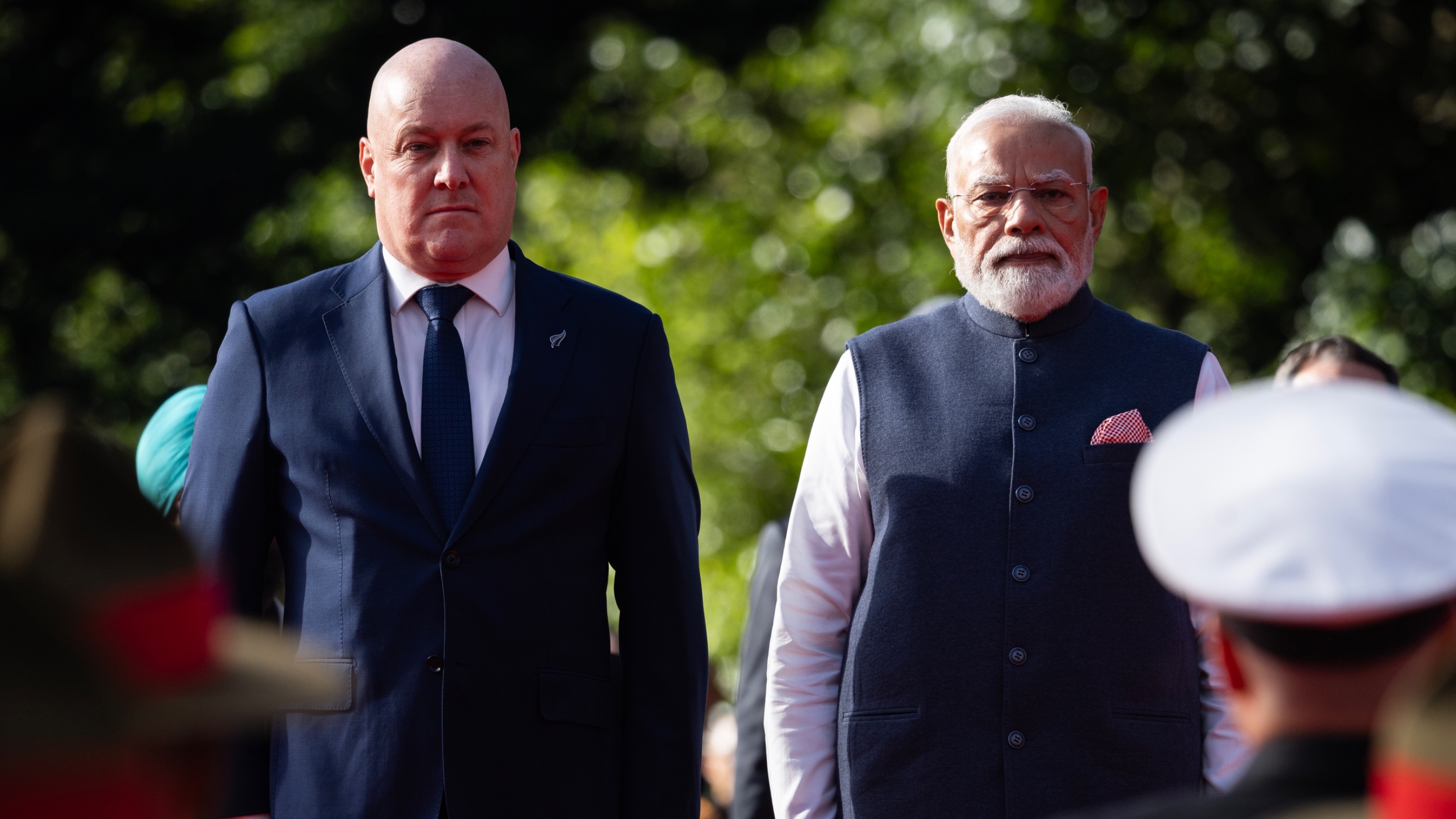
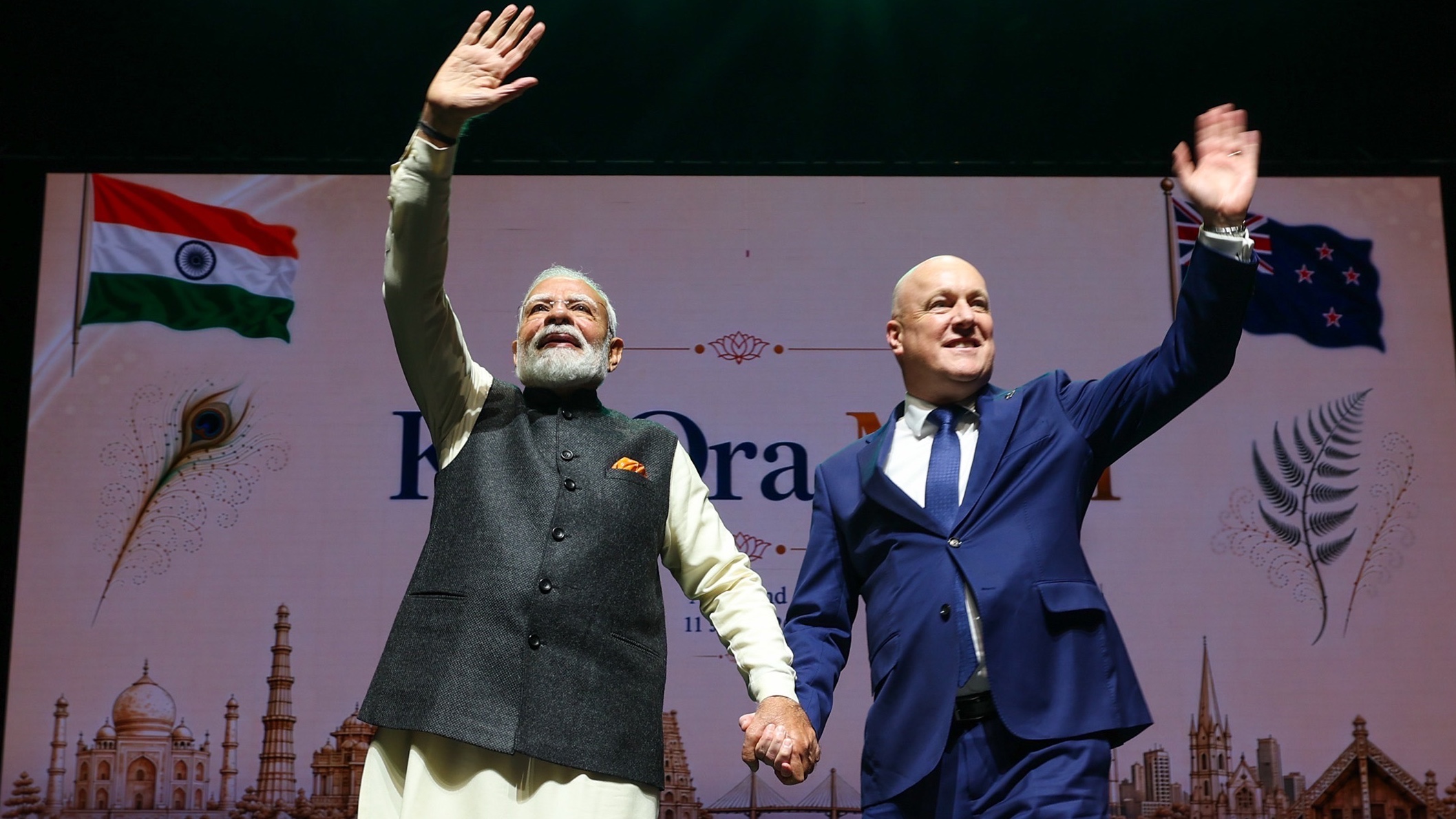
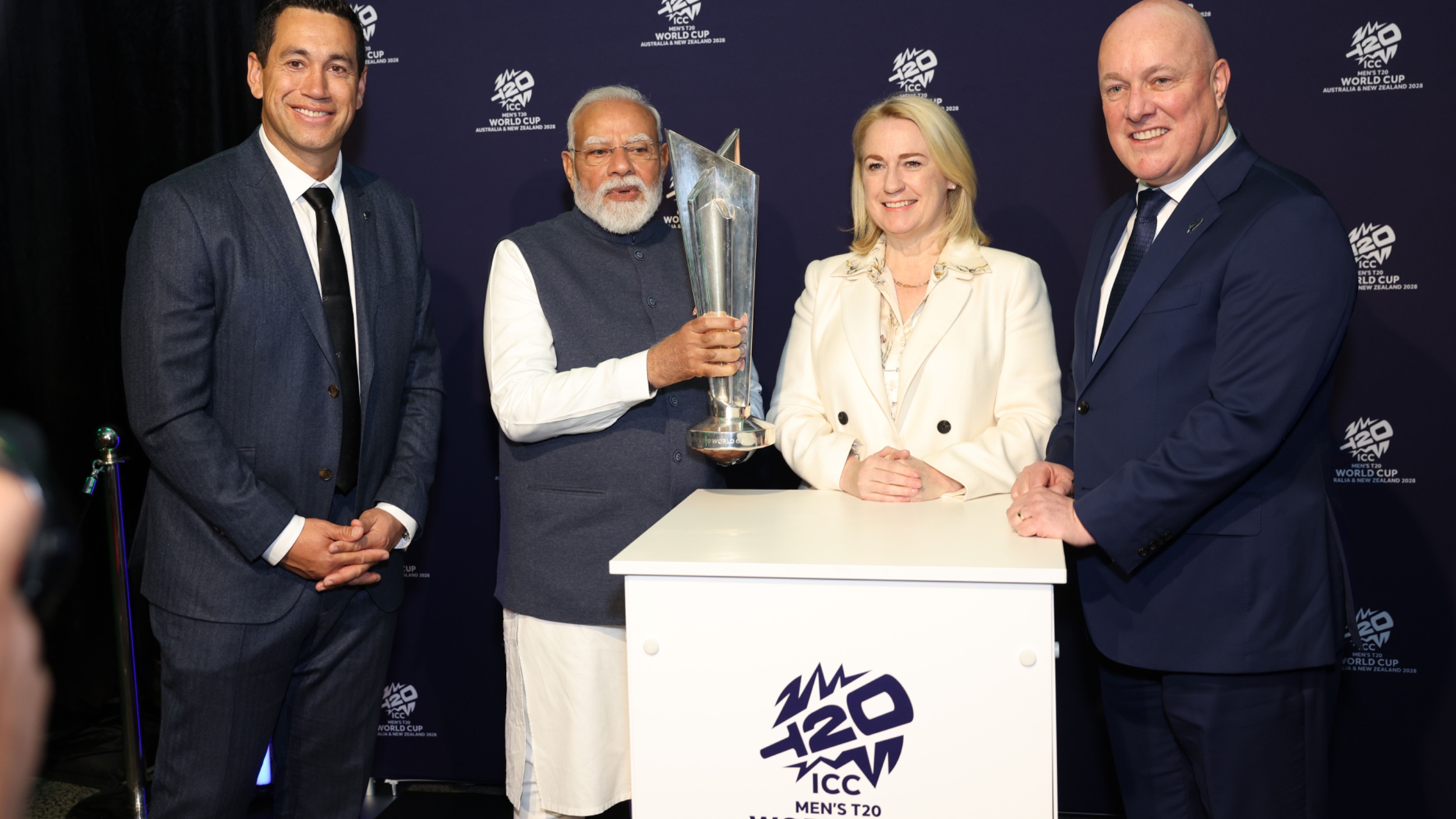
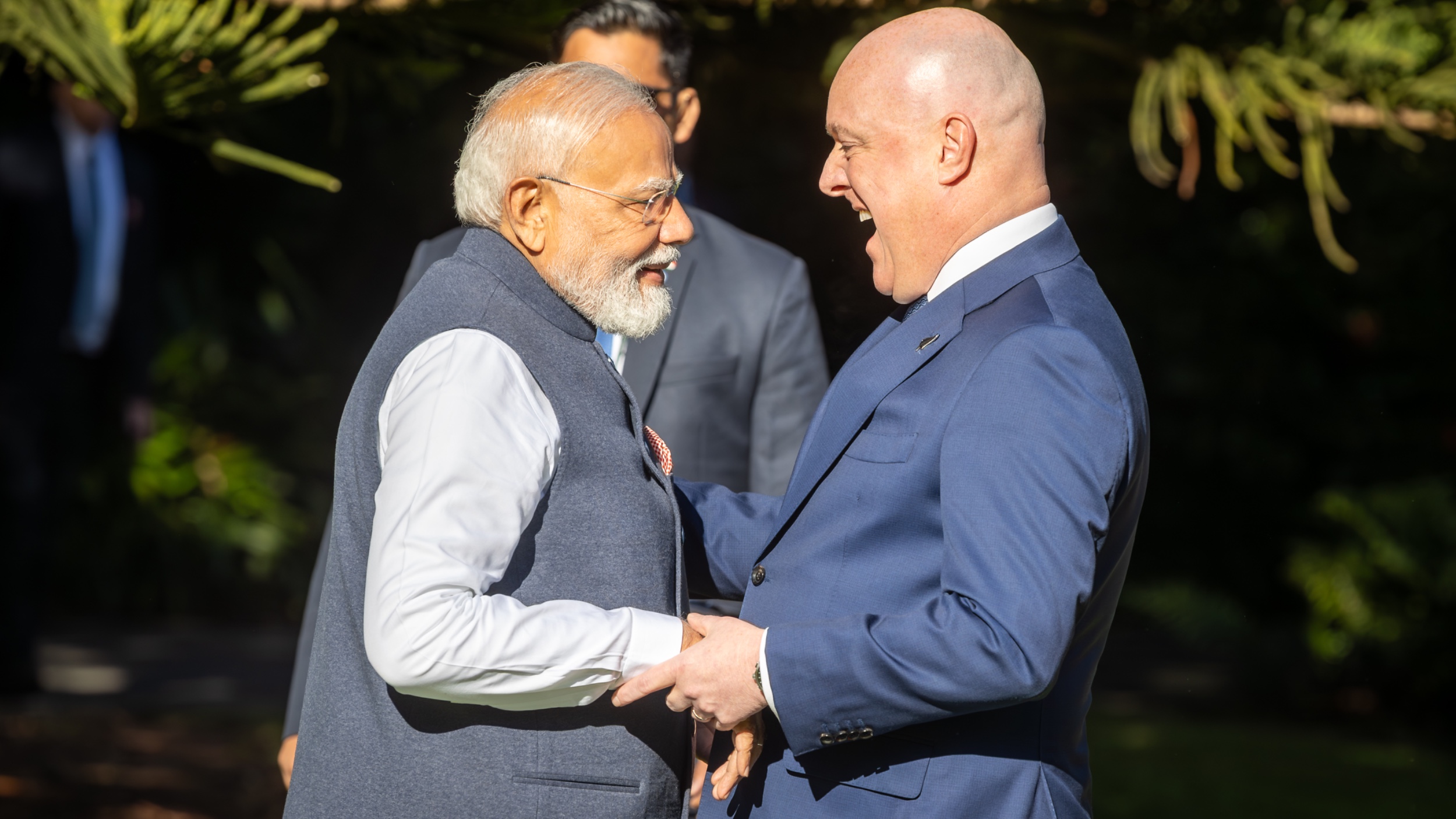
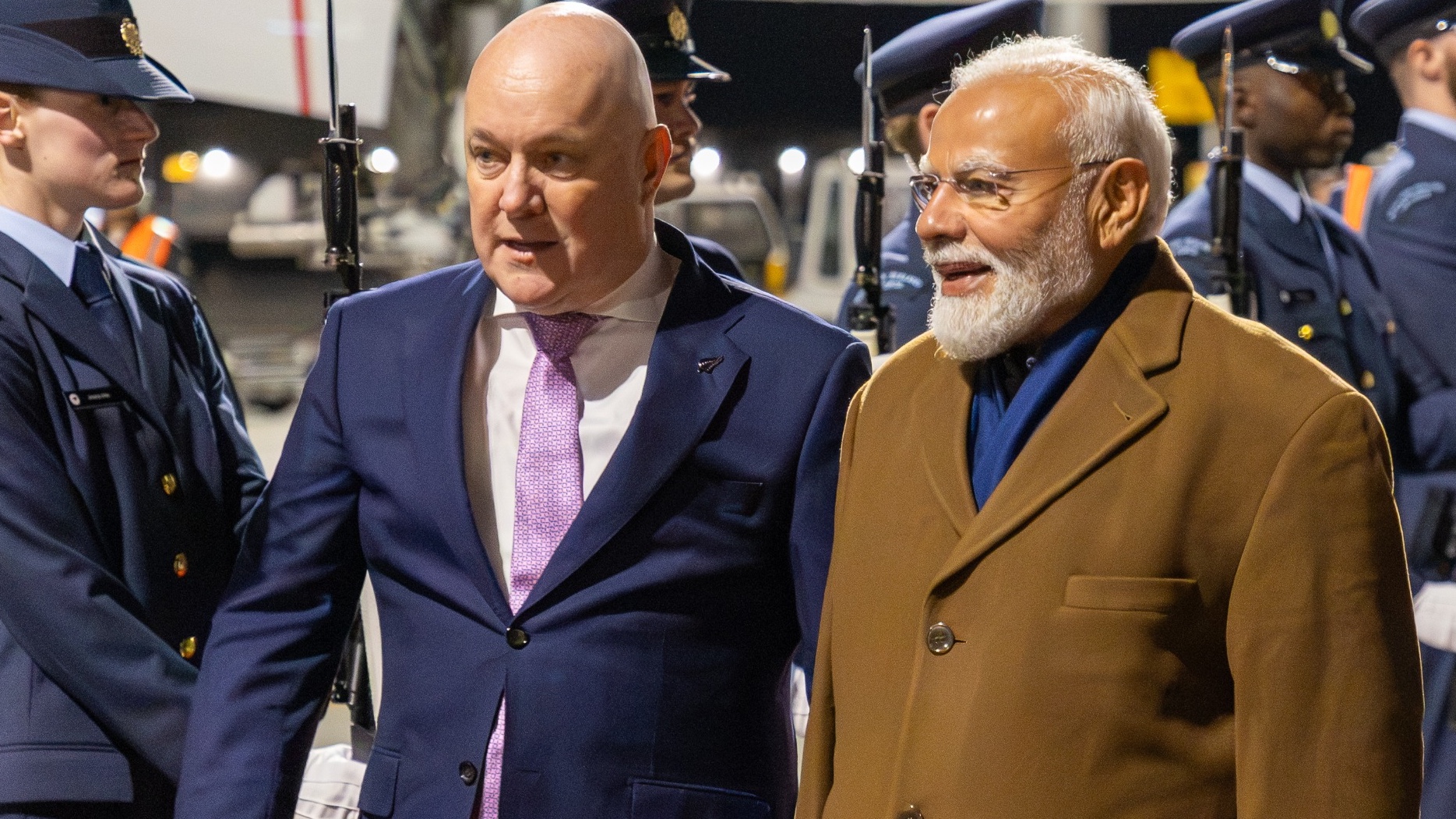
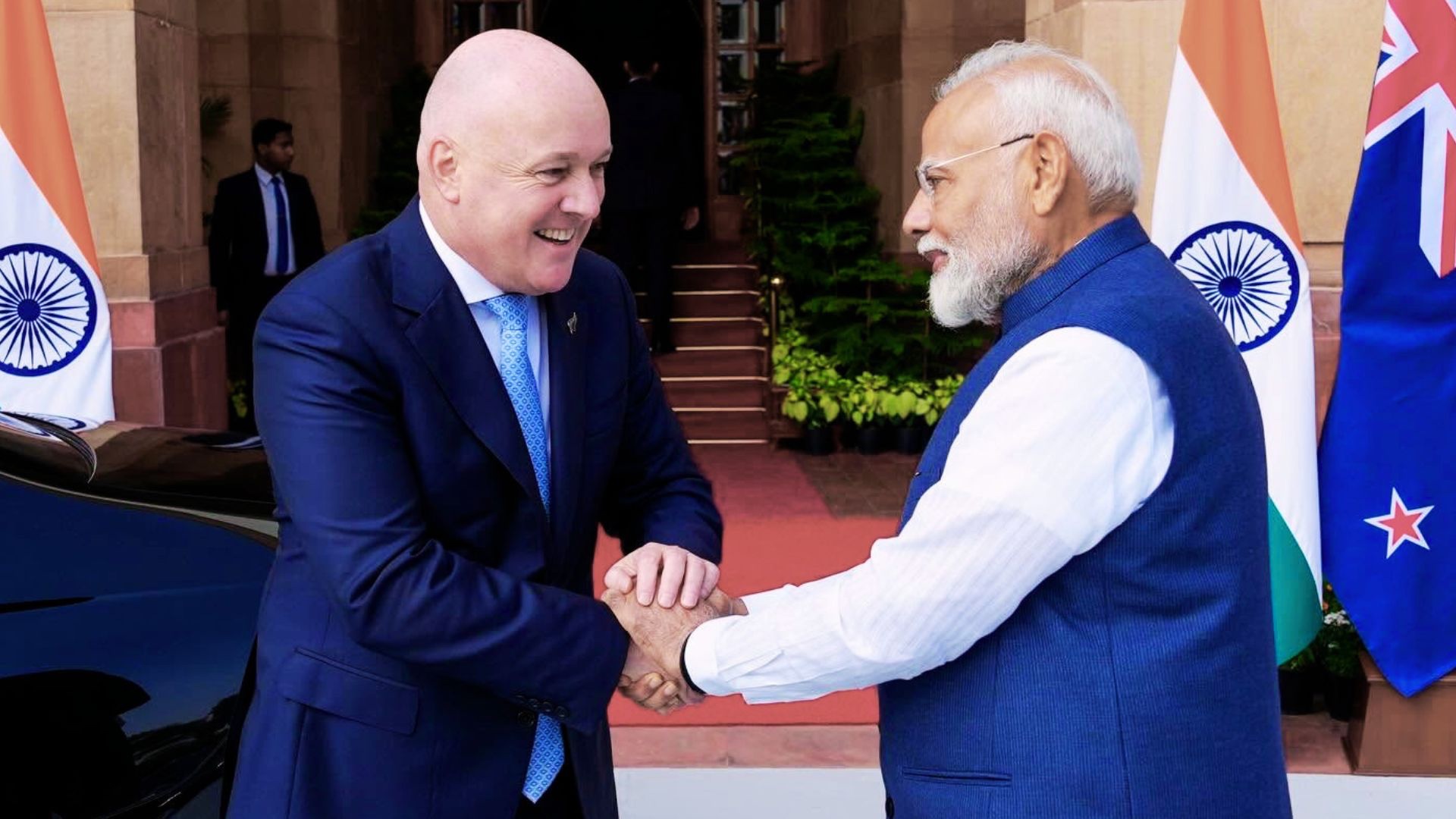
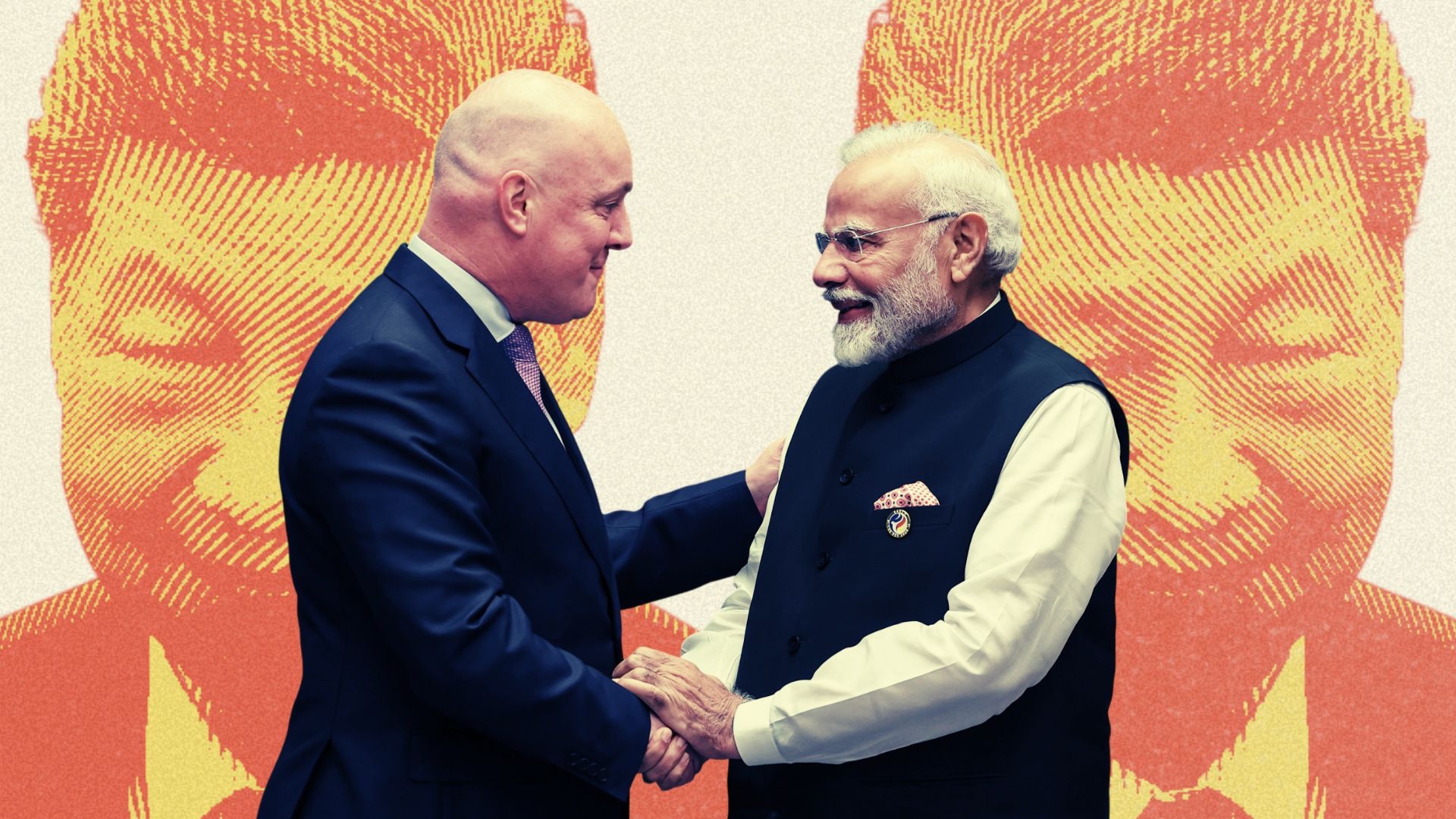
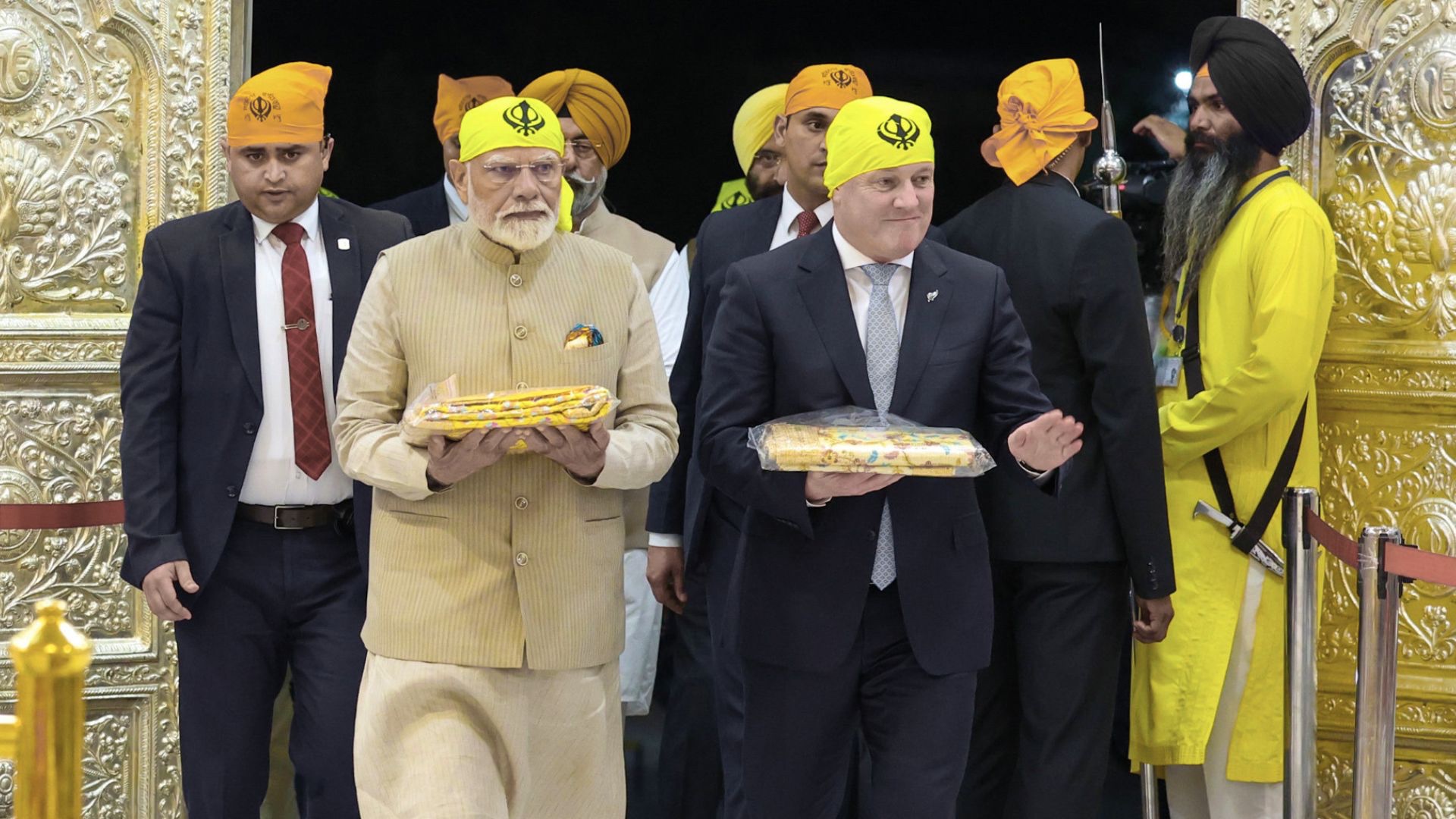
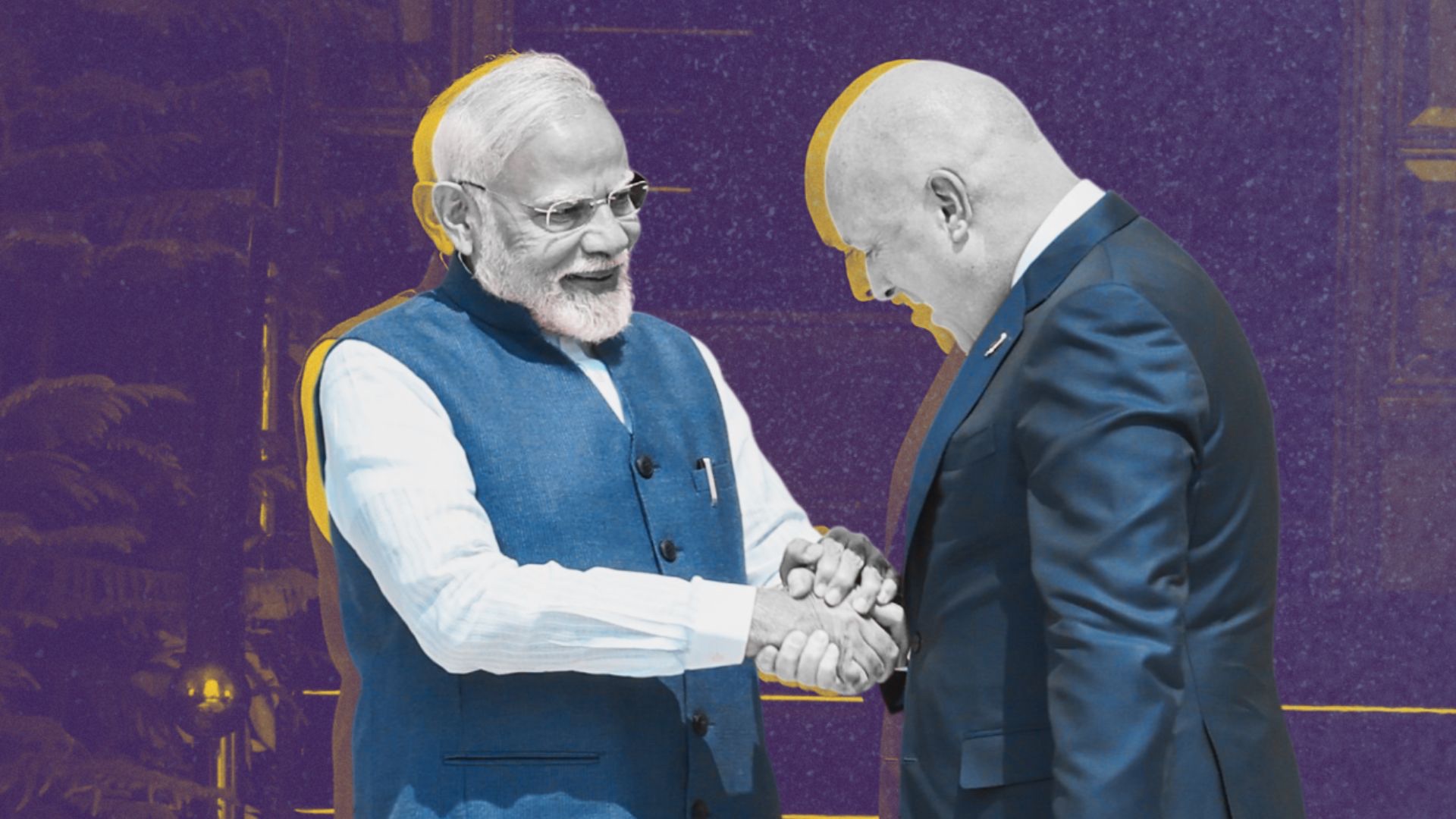
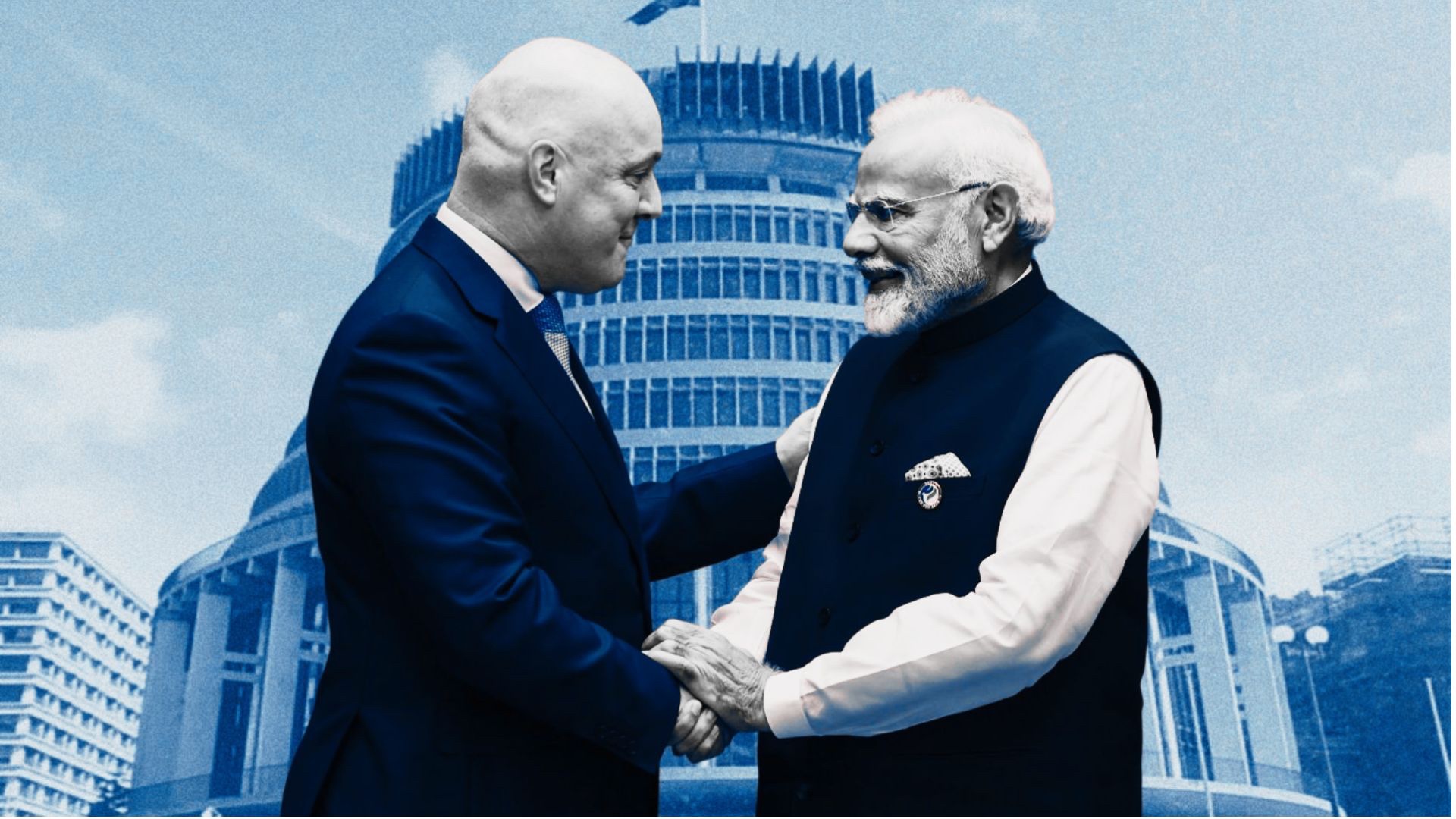
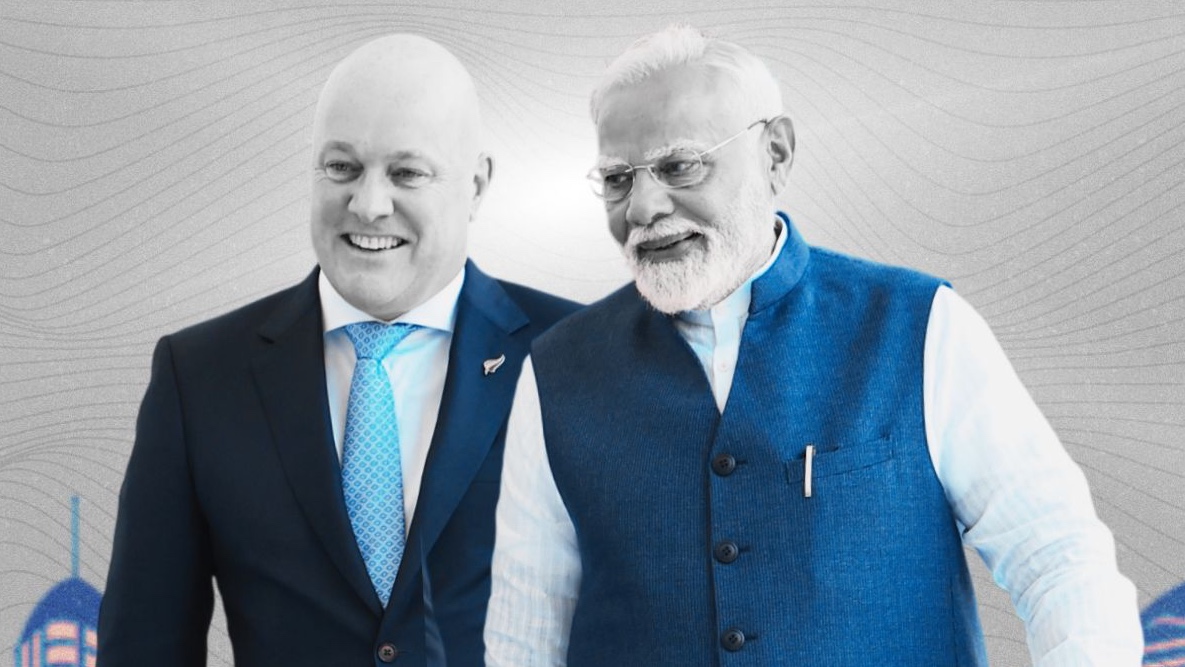
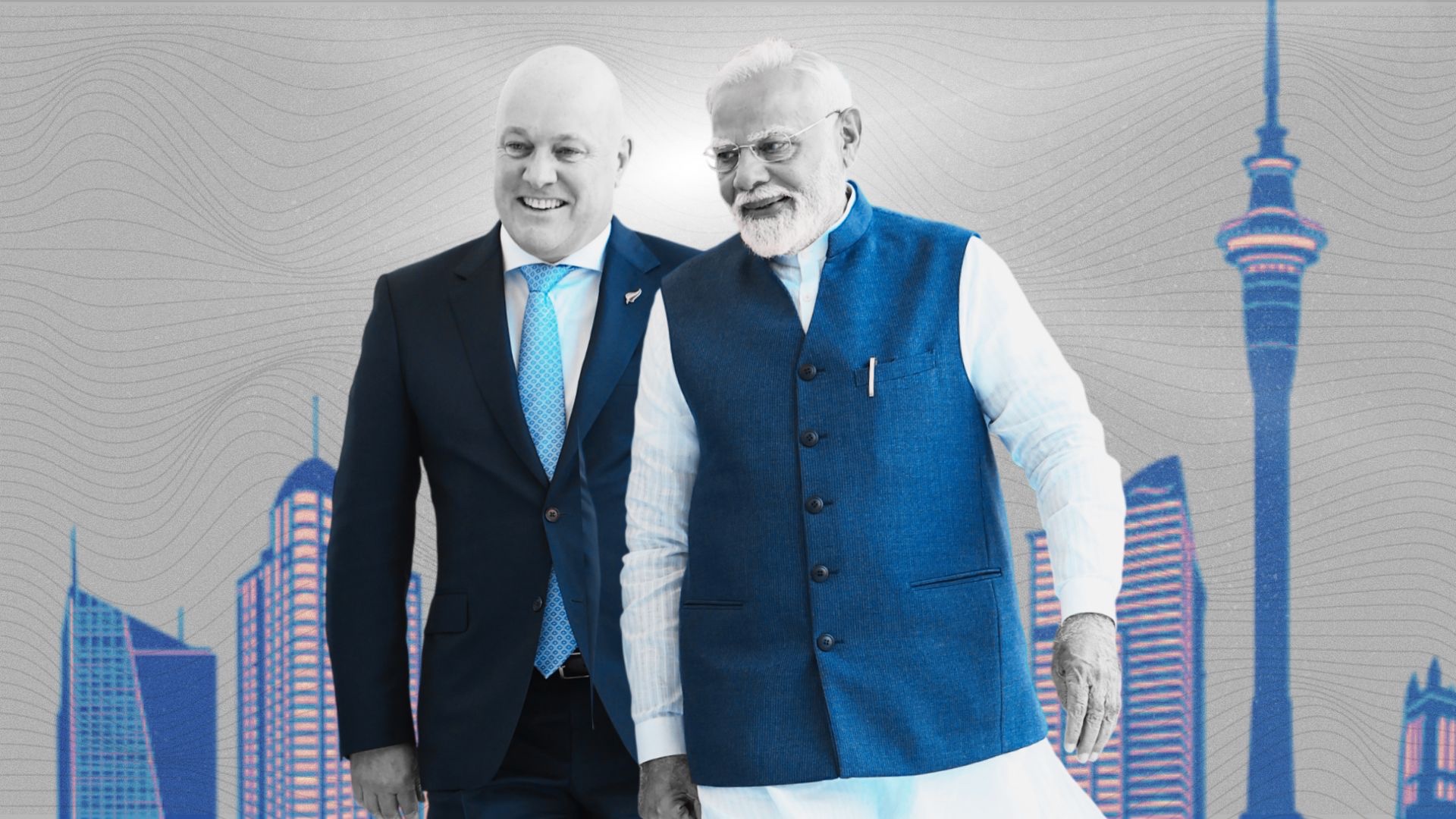
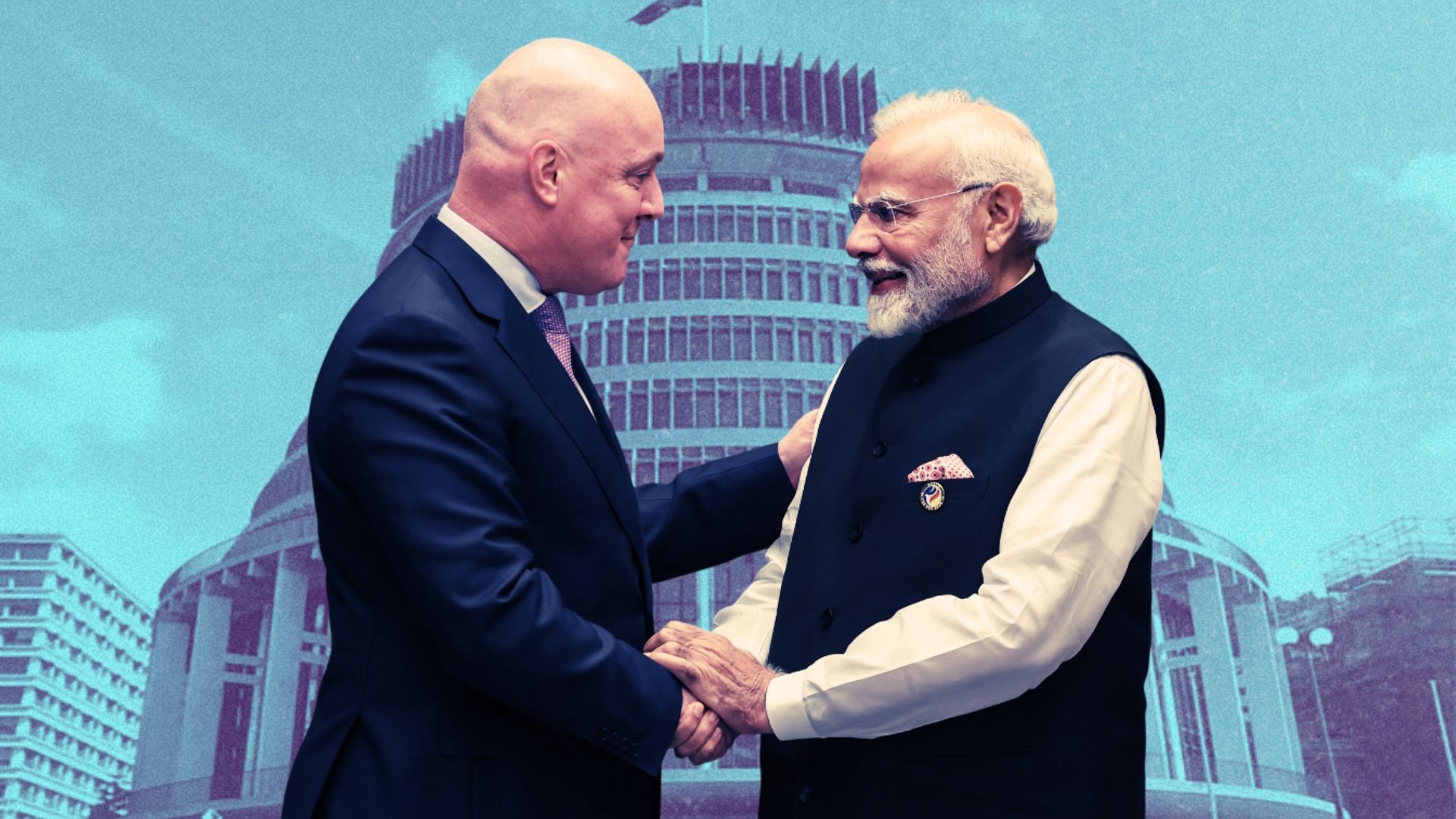
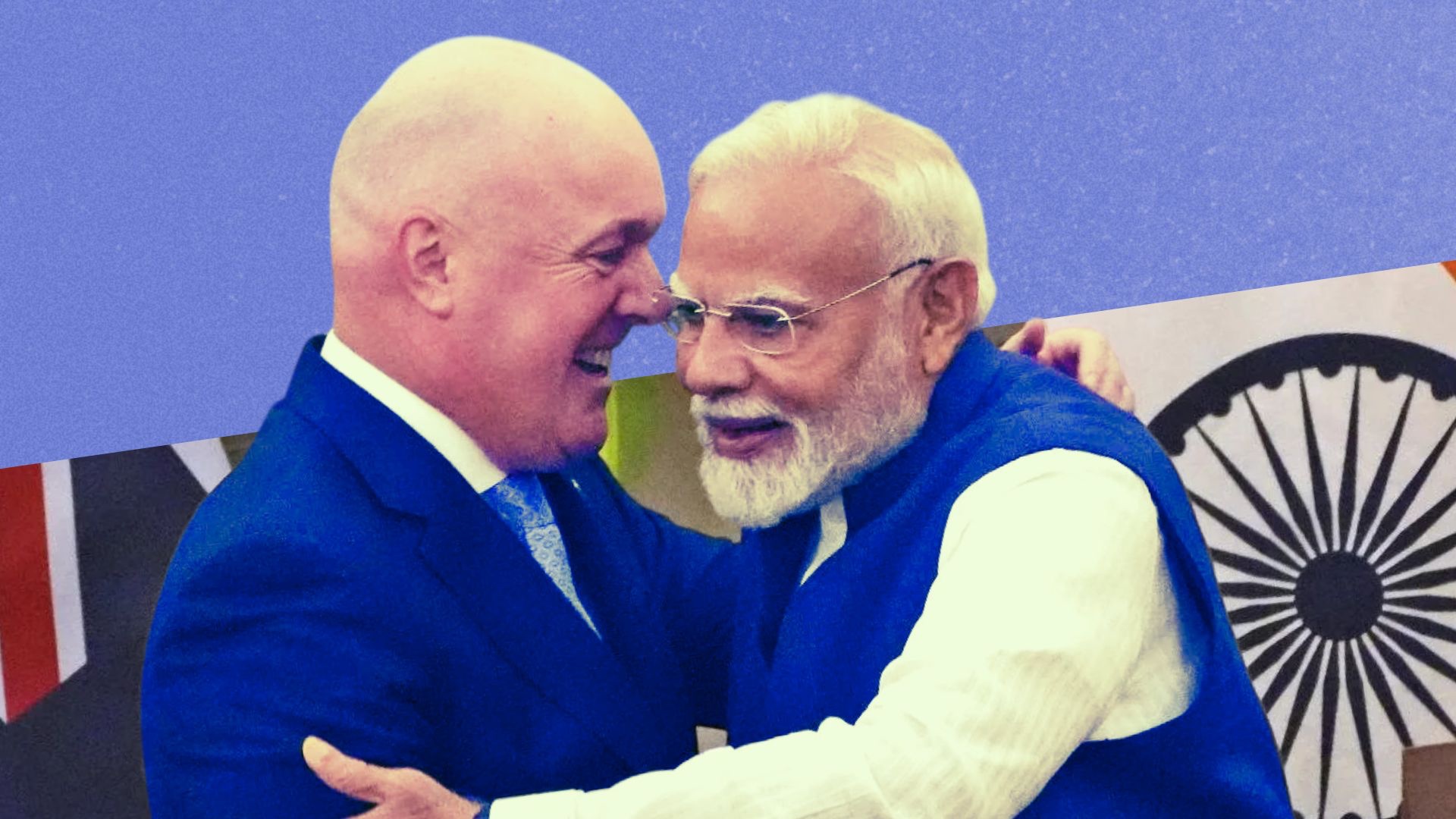
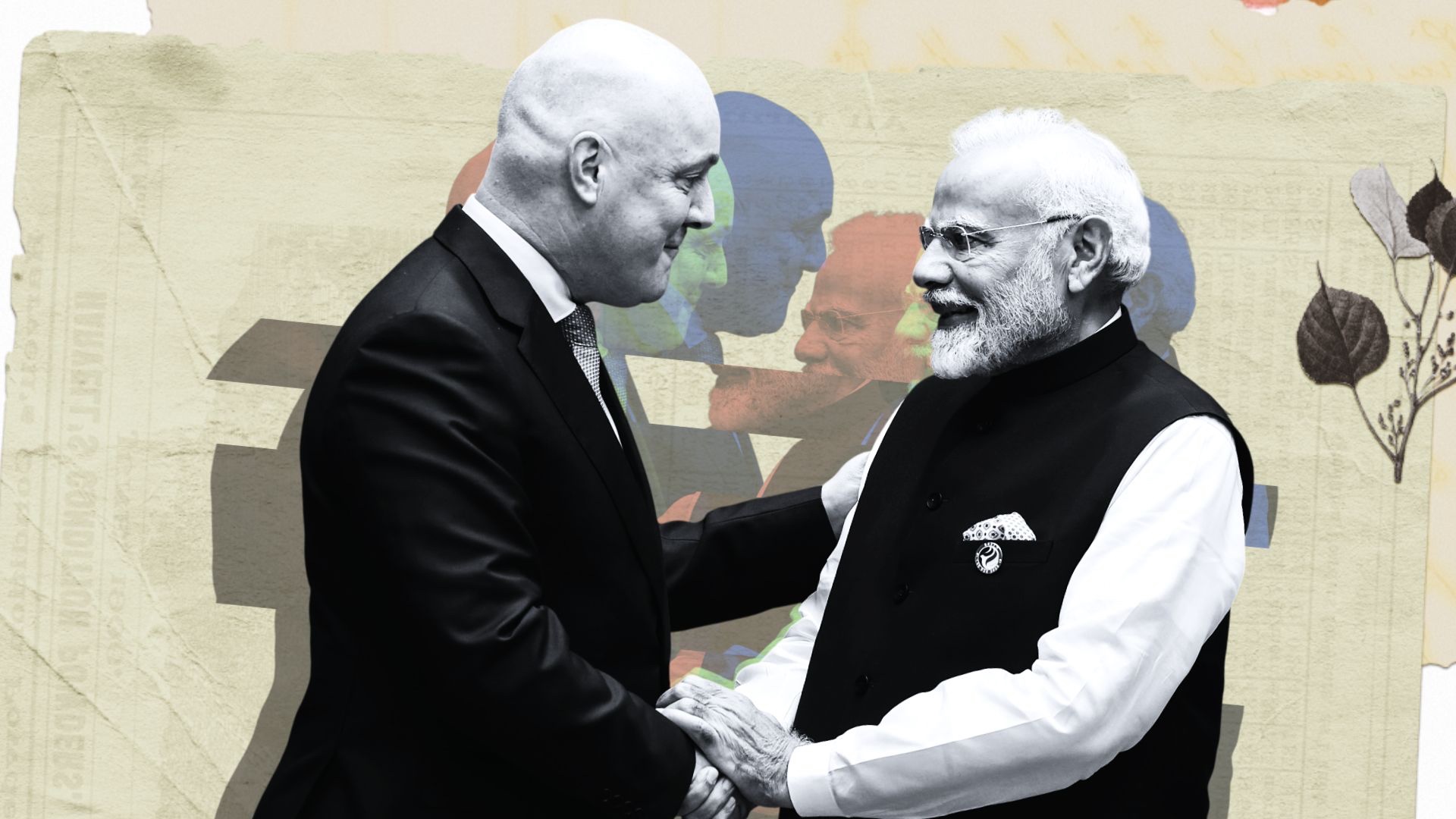
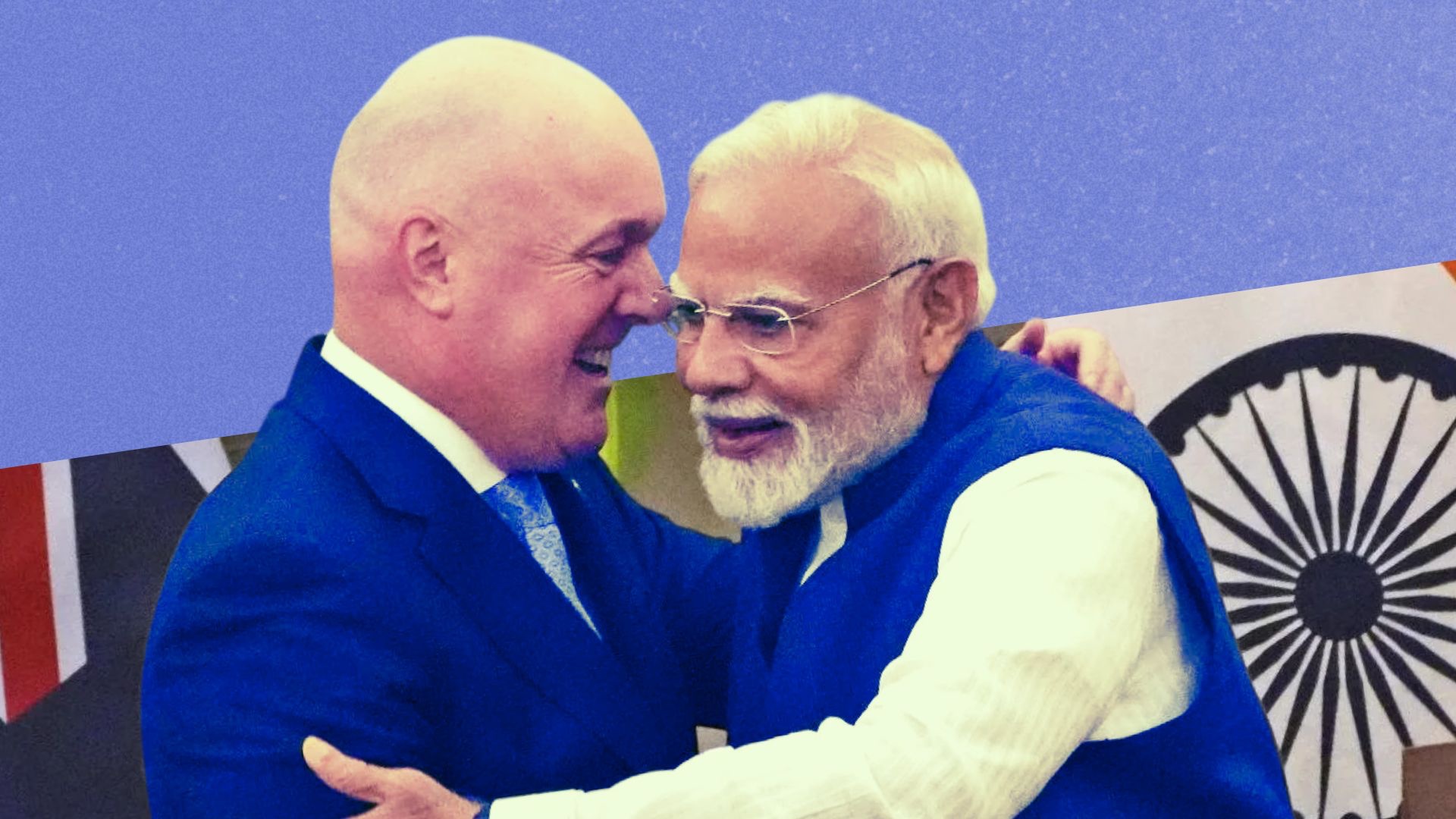
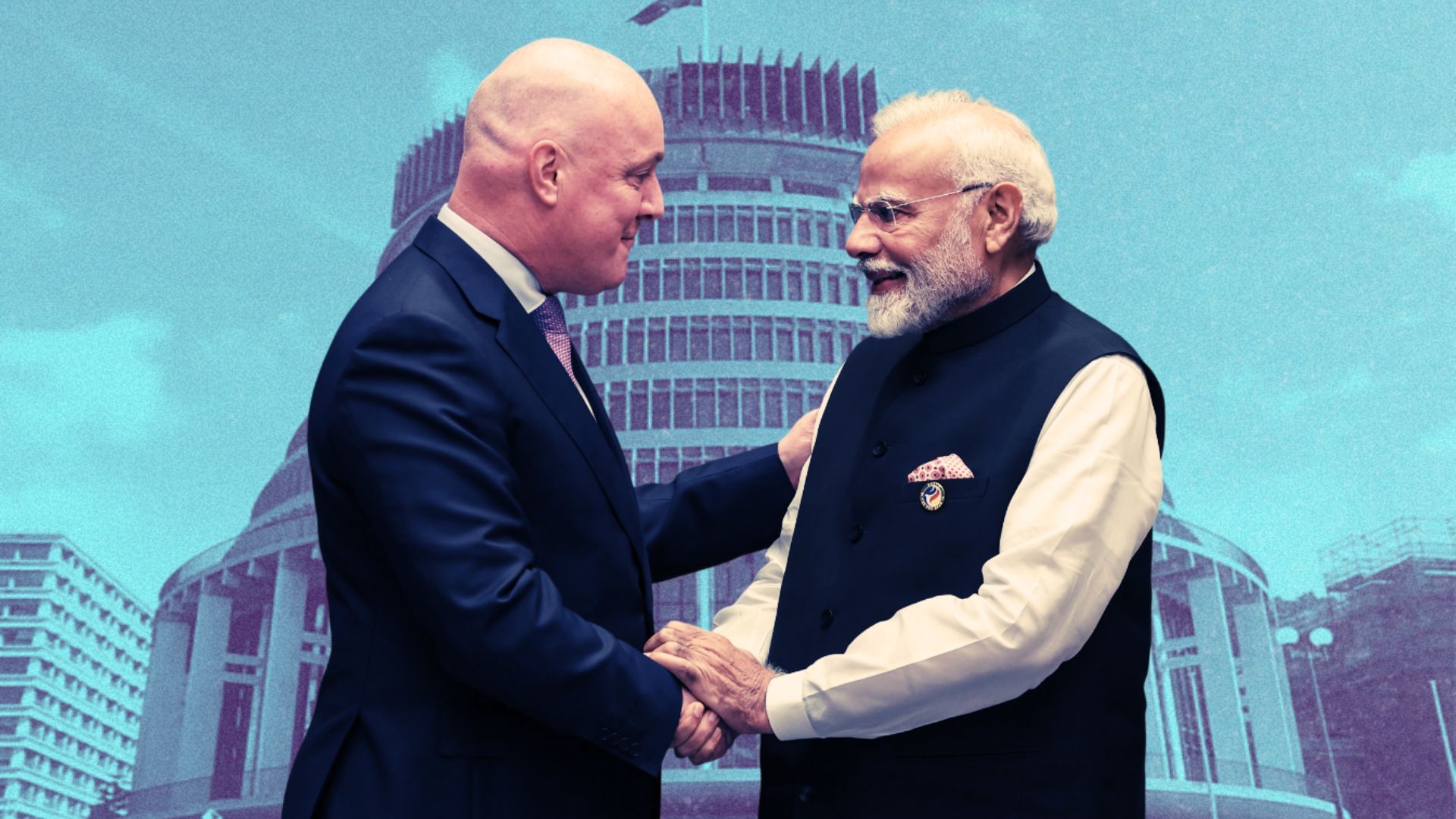
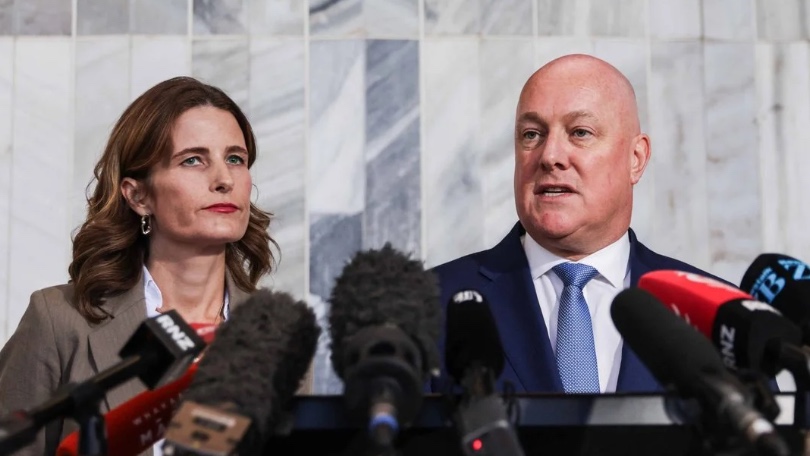
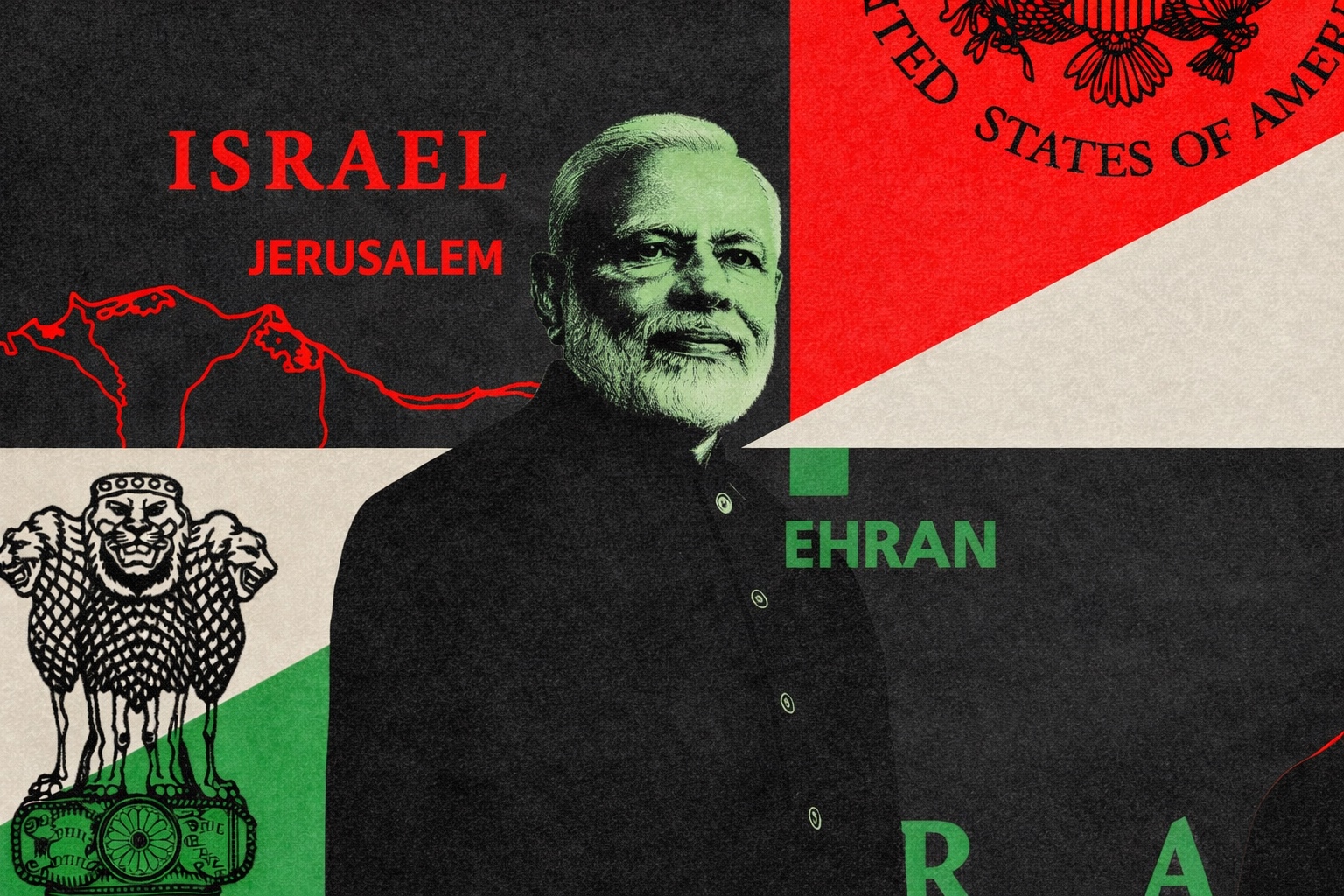
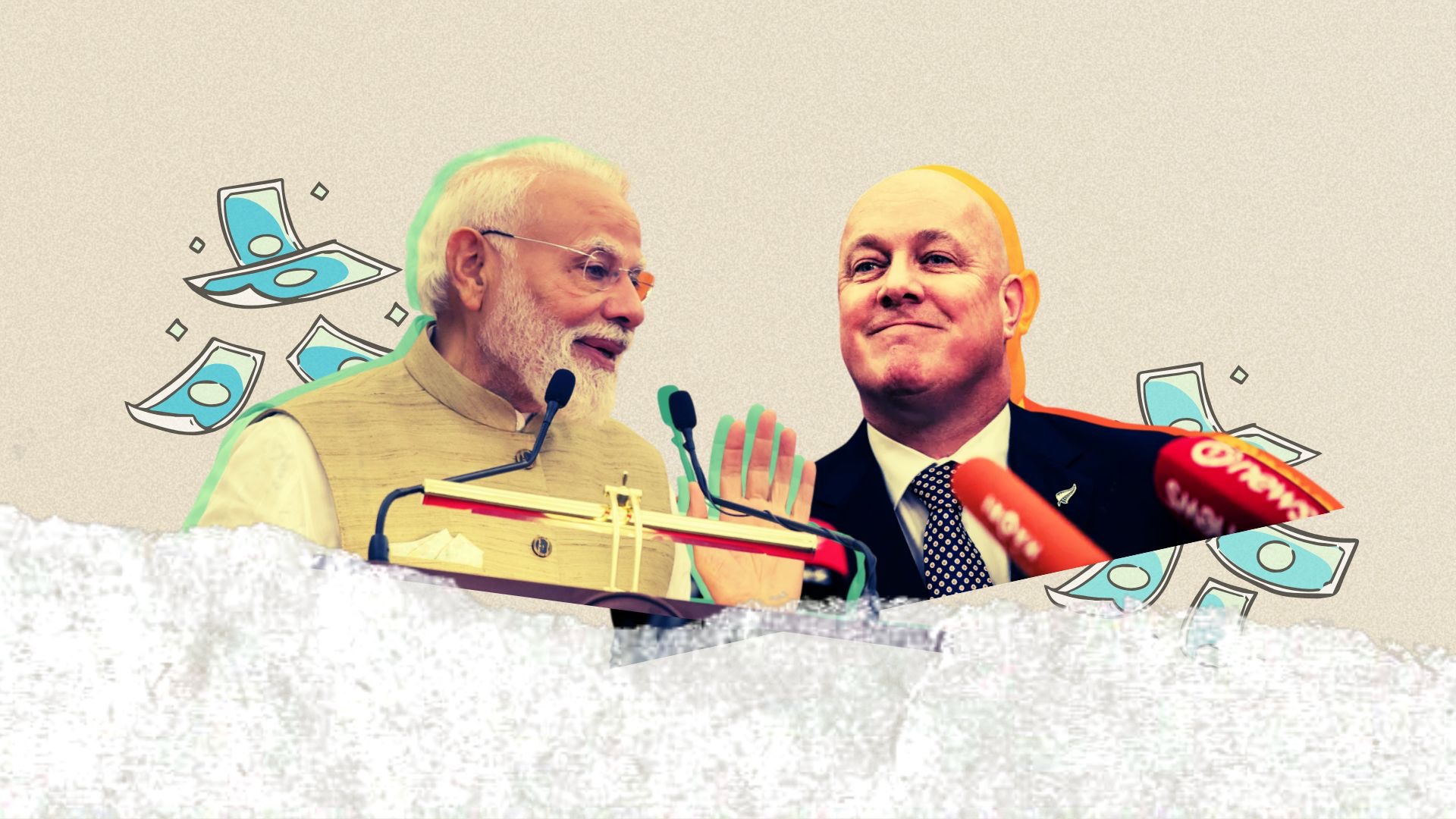
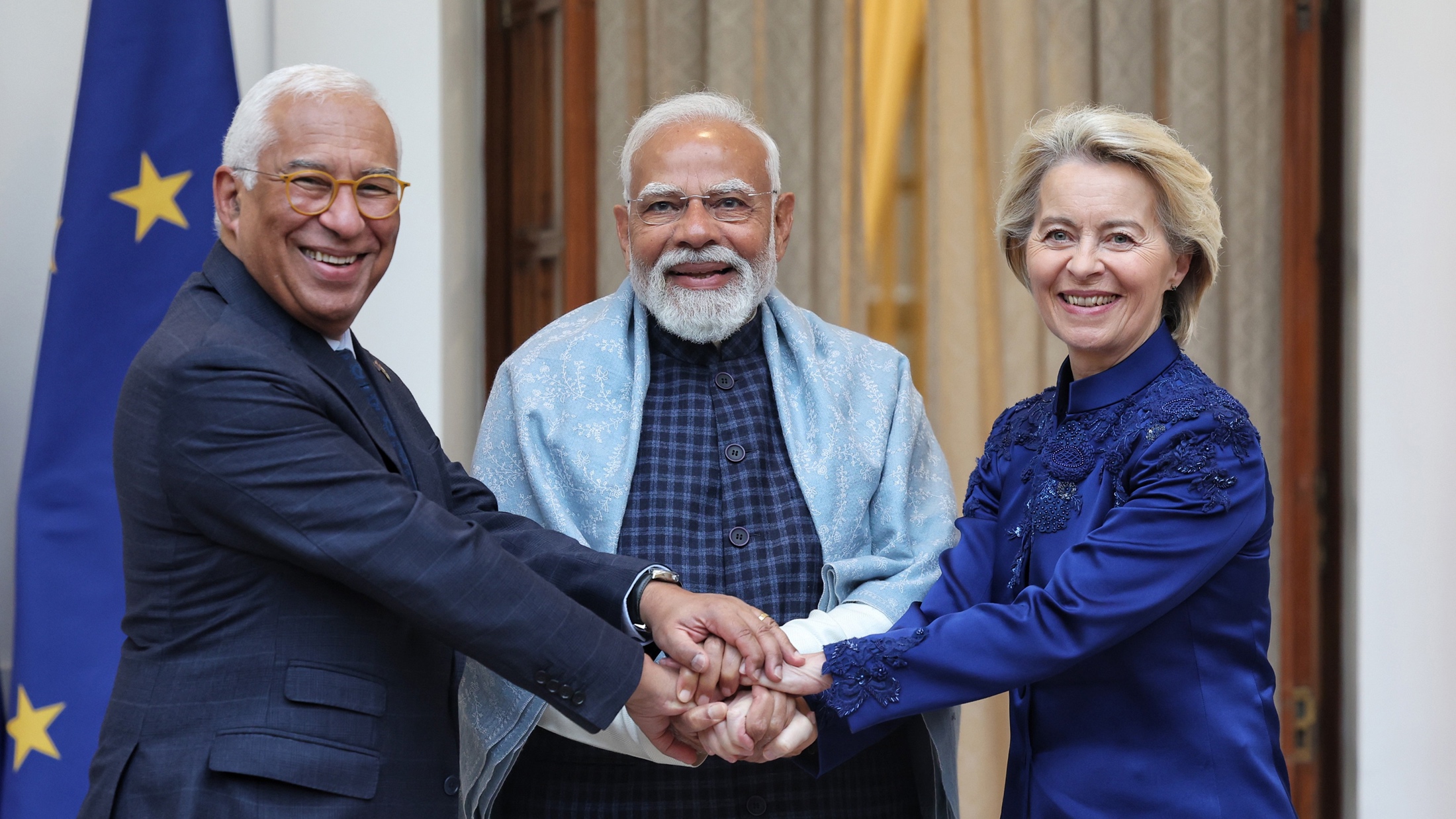
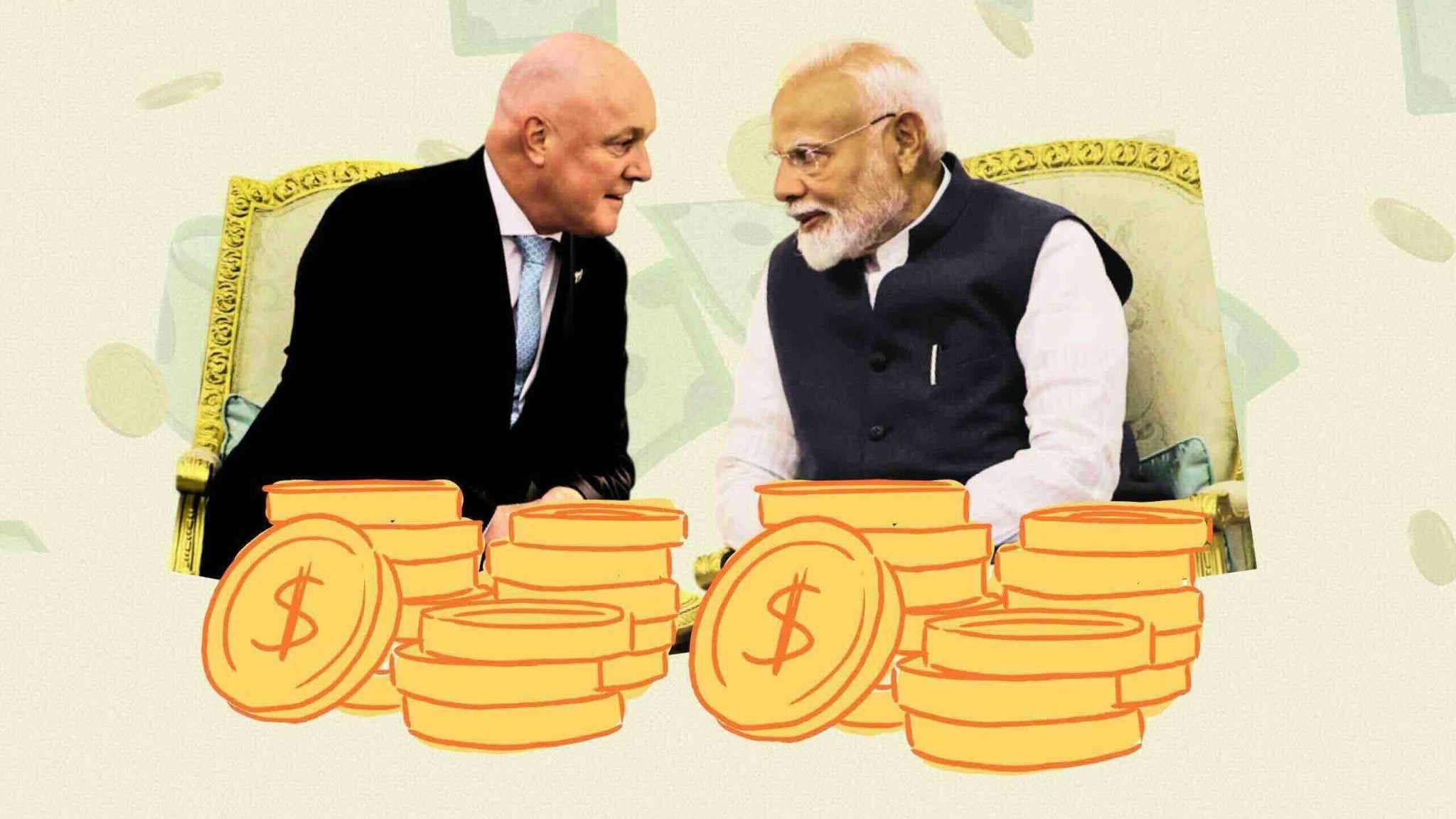
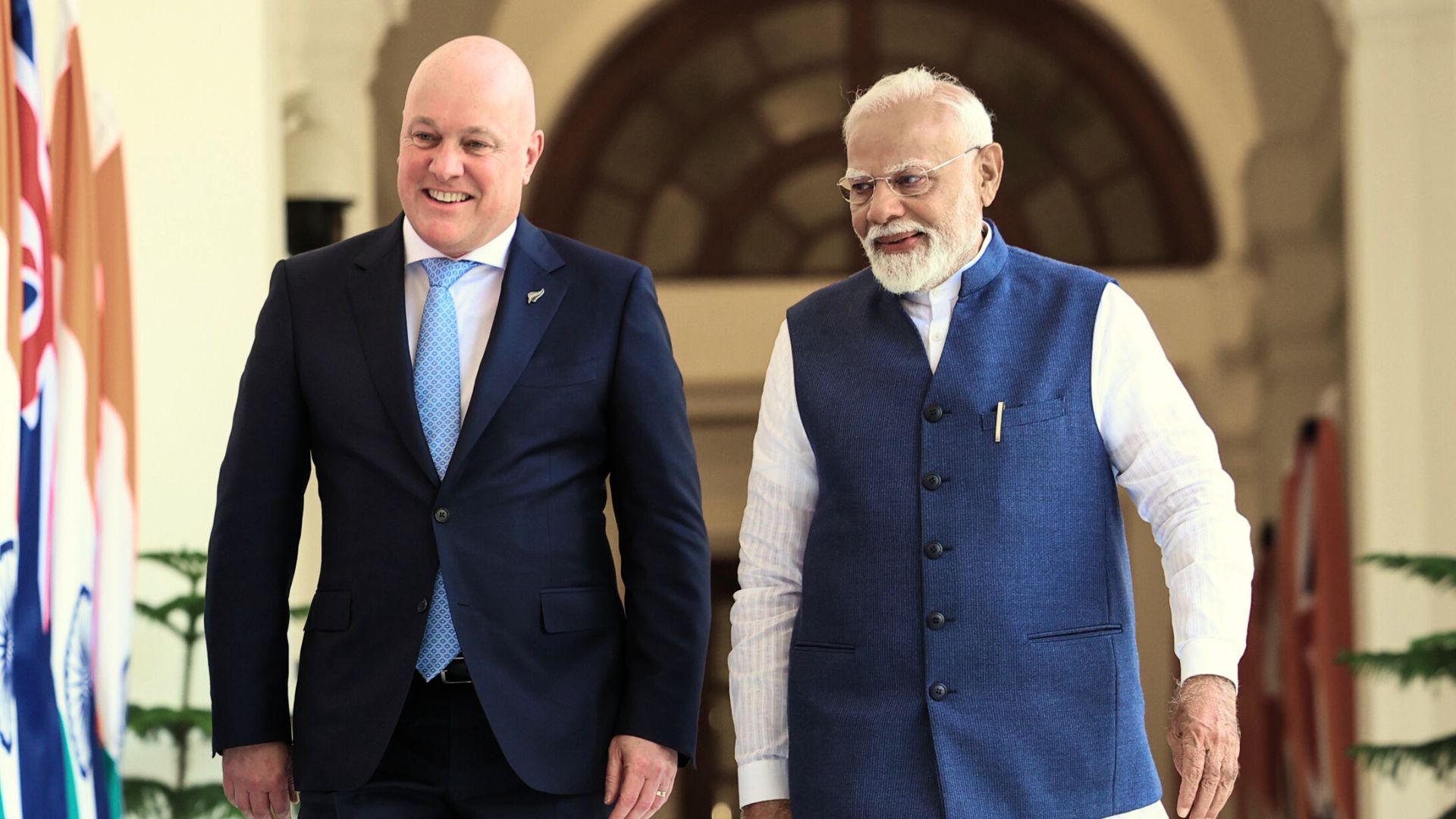
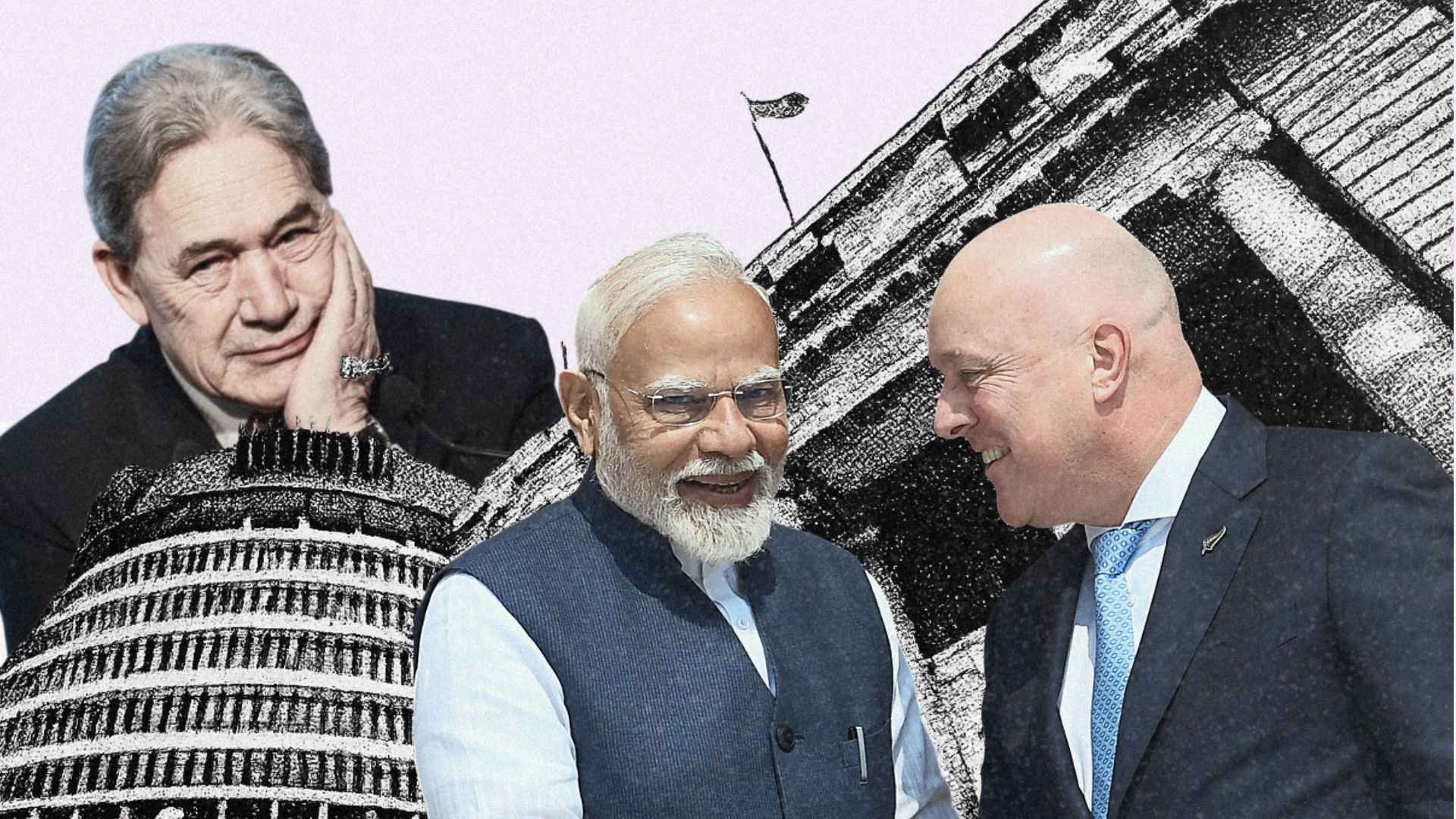
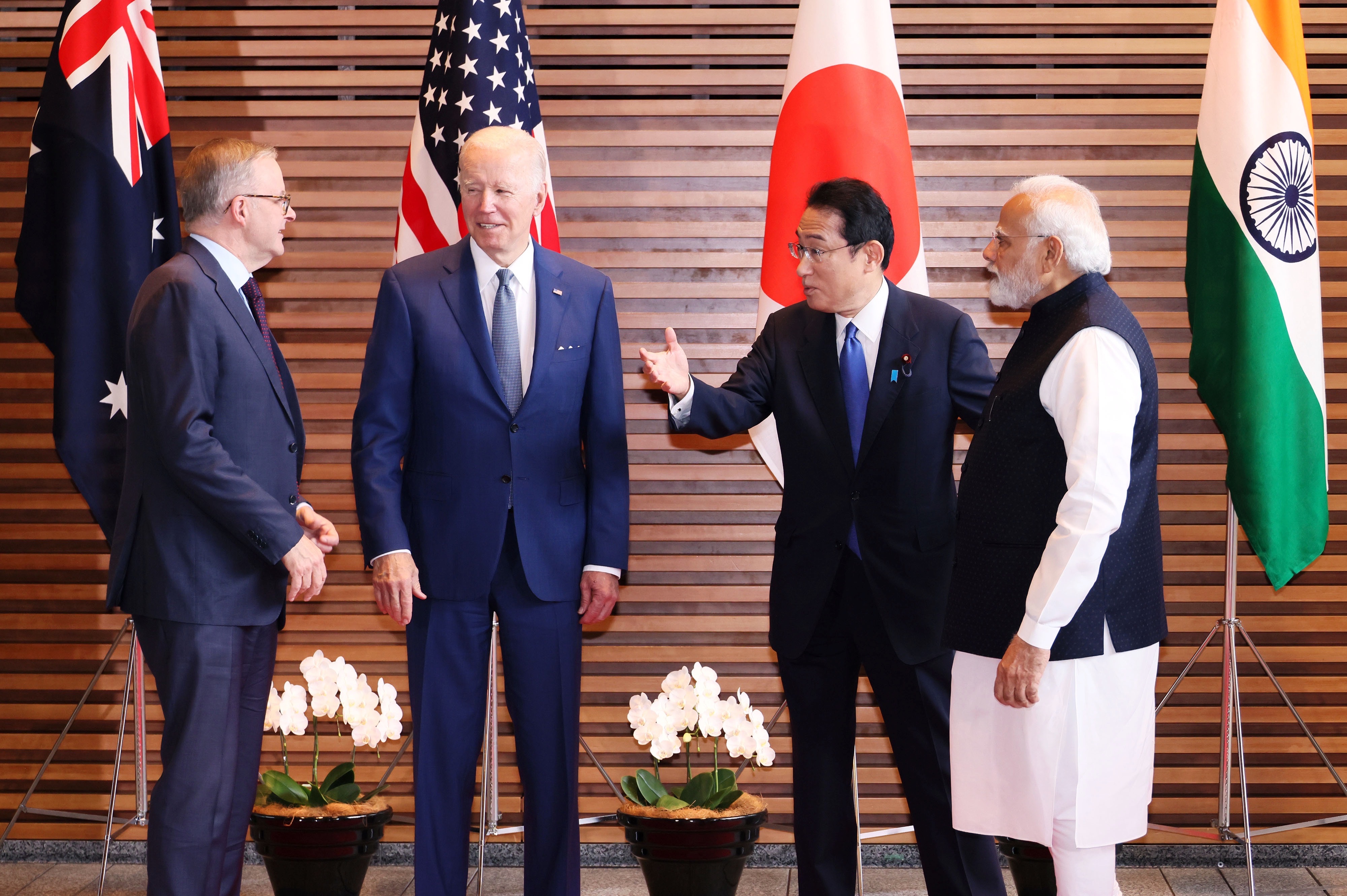
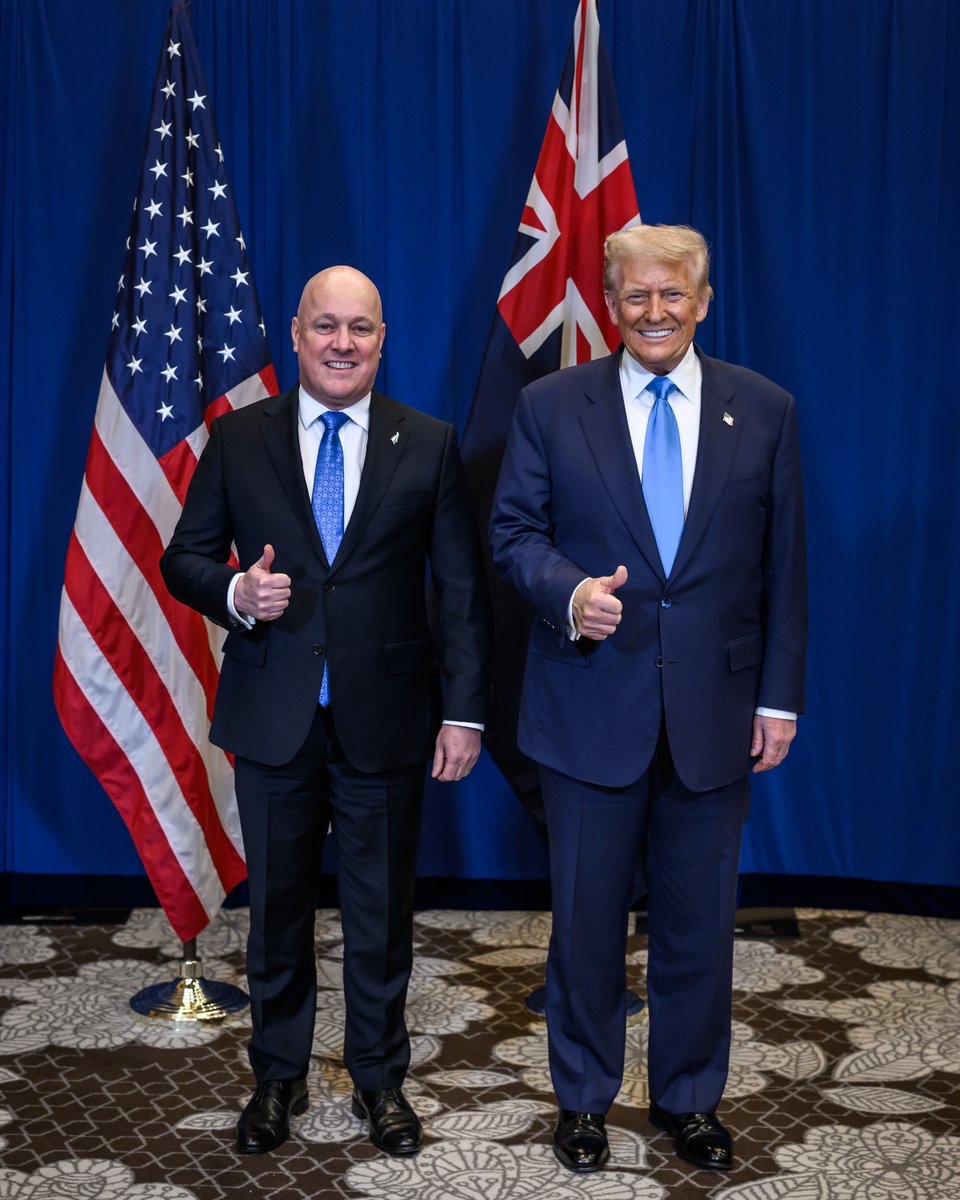
Prime minister Christopher Luxon and India's Narendra Modi.
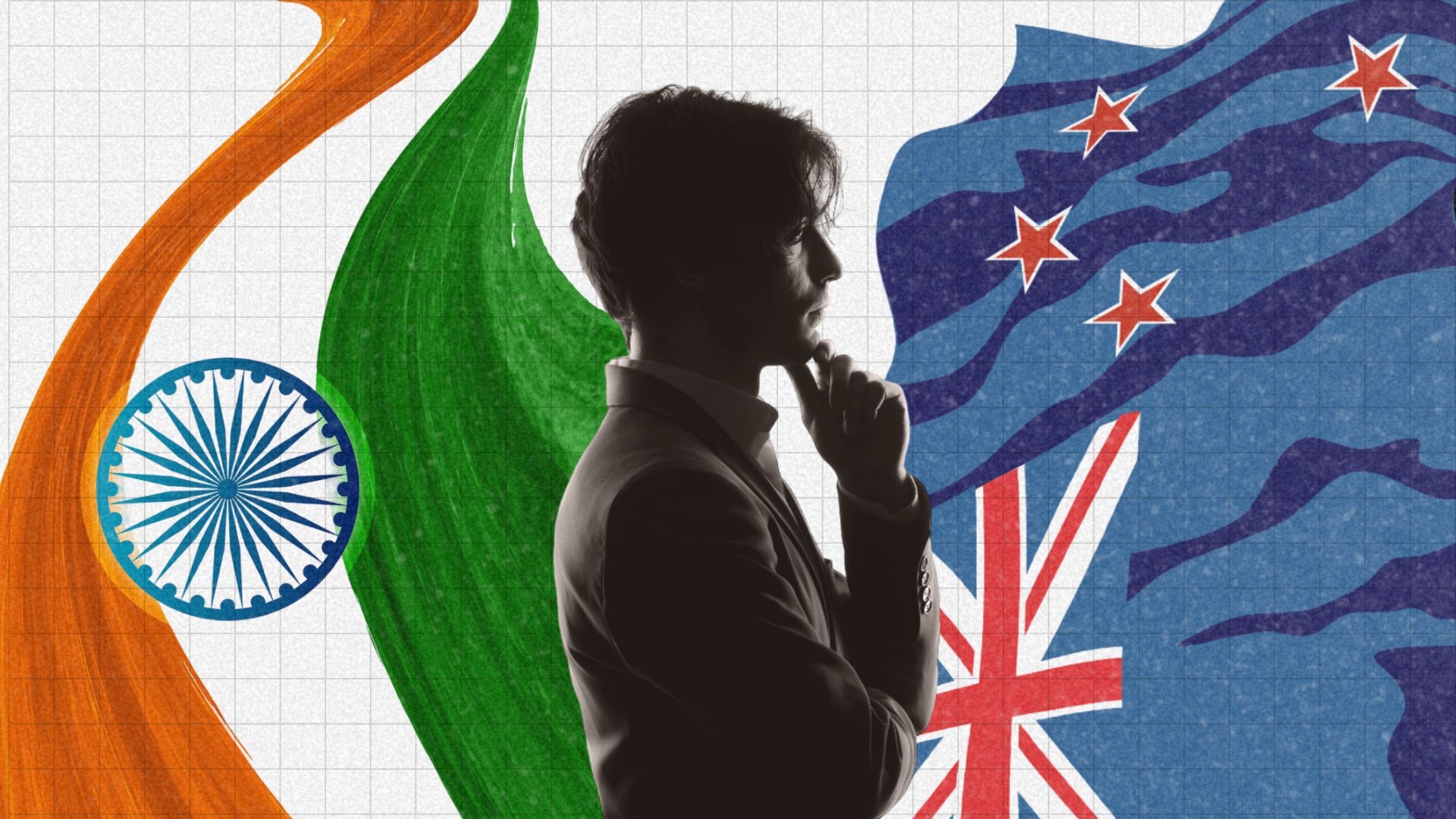
New Zealand has resurrected a research institute in the hope it'll help Kiwis better understand India in the post-FTA world.
As New Zealand and India deepen ties through a landmark free trade agreement and a new Strategic Partnership, academics and policymakers say one thing has become increasingly clear: New Zealand needs to understand India better.
That was the message behind the formal relaunch of the New Zealand India Research Institute (NZIRI) at Te Herenga Waka Victoria University of Wellington on July 22, 2026, reviving New Zealand's national research institute dedicated to India and New Zealand-India relations at a time when the bilateral relationship is evolving faster than ever.
Established originally in 2012, NZIRI brings together scholars from seven New Zealand universities to research India and New Zealand-India relations. Its work spans politics and security, economics and business, migration and diaspora, society and culture, and environment and sustainability.


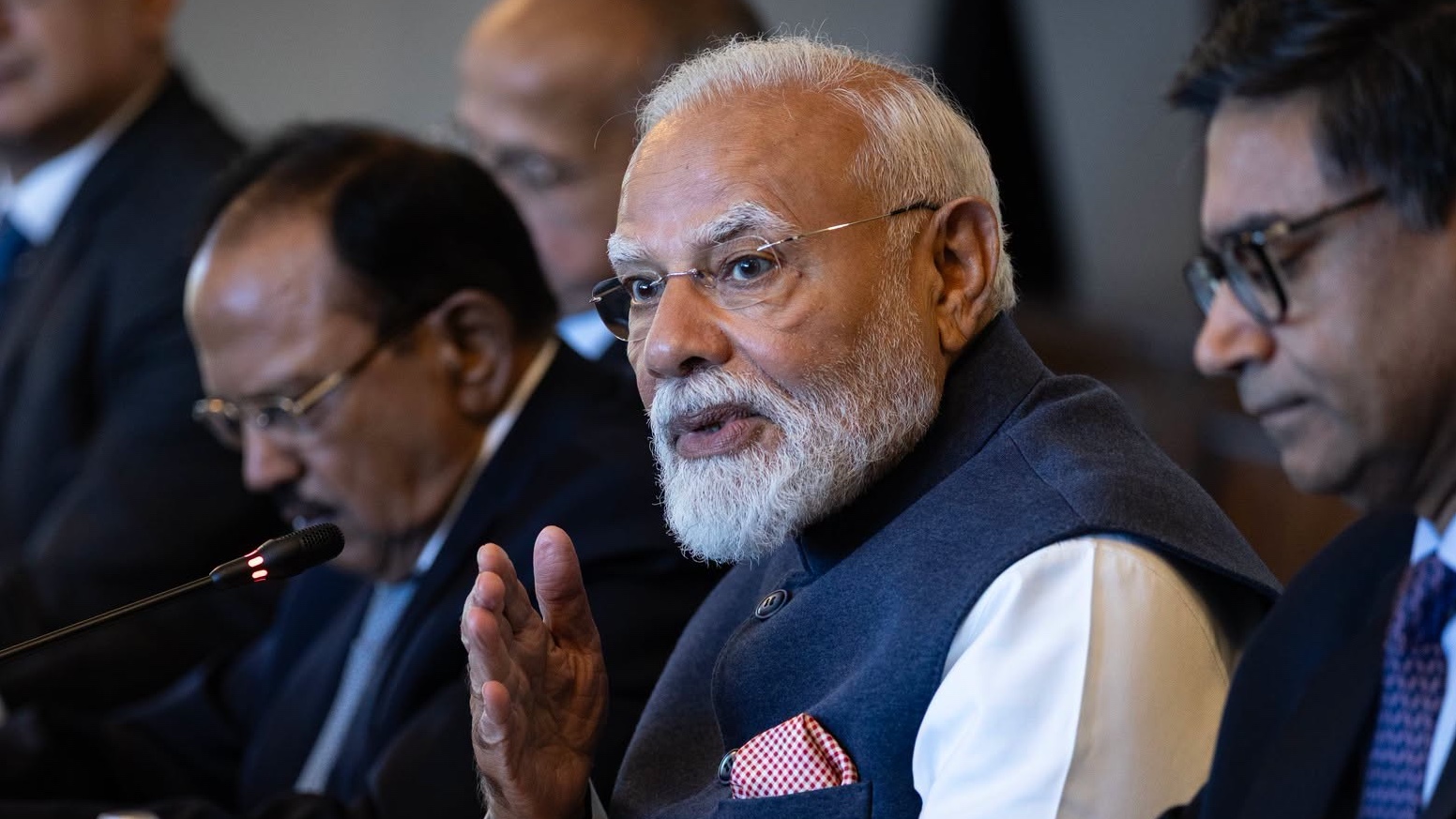
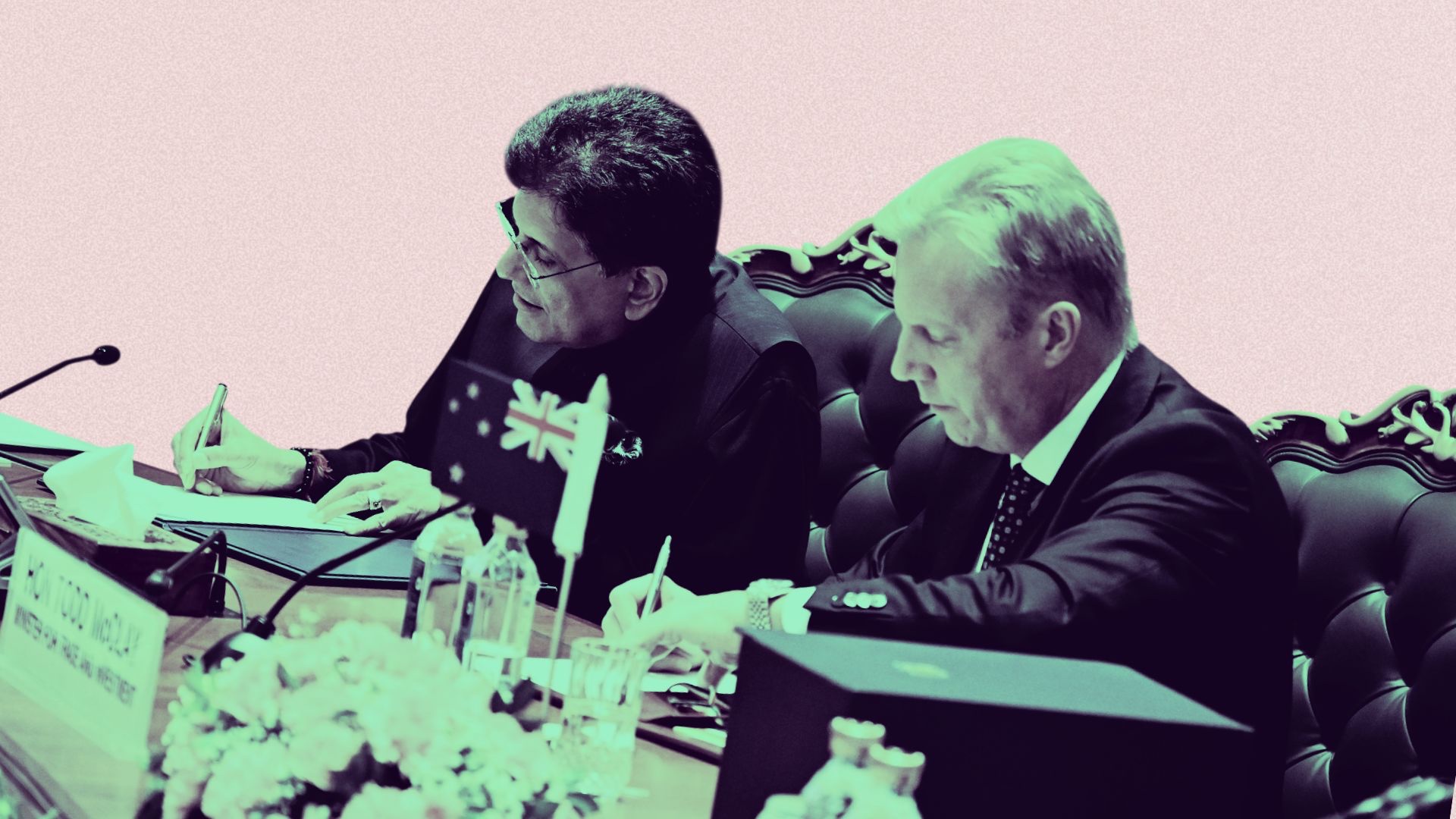
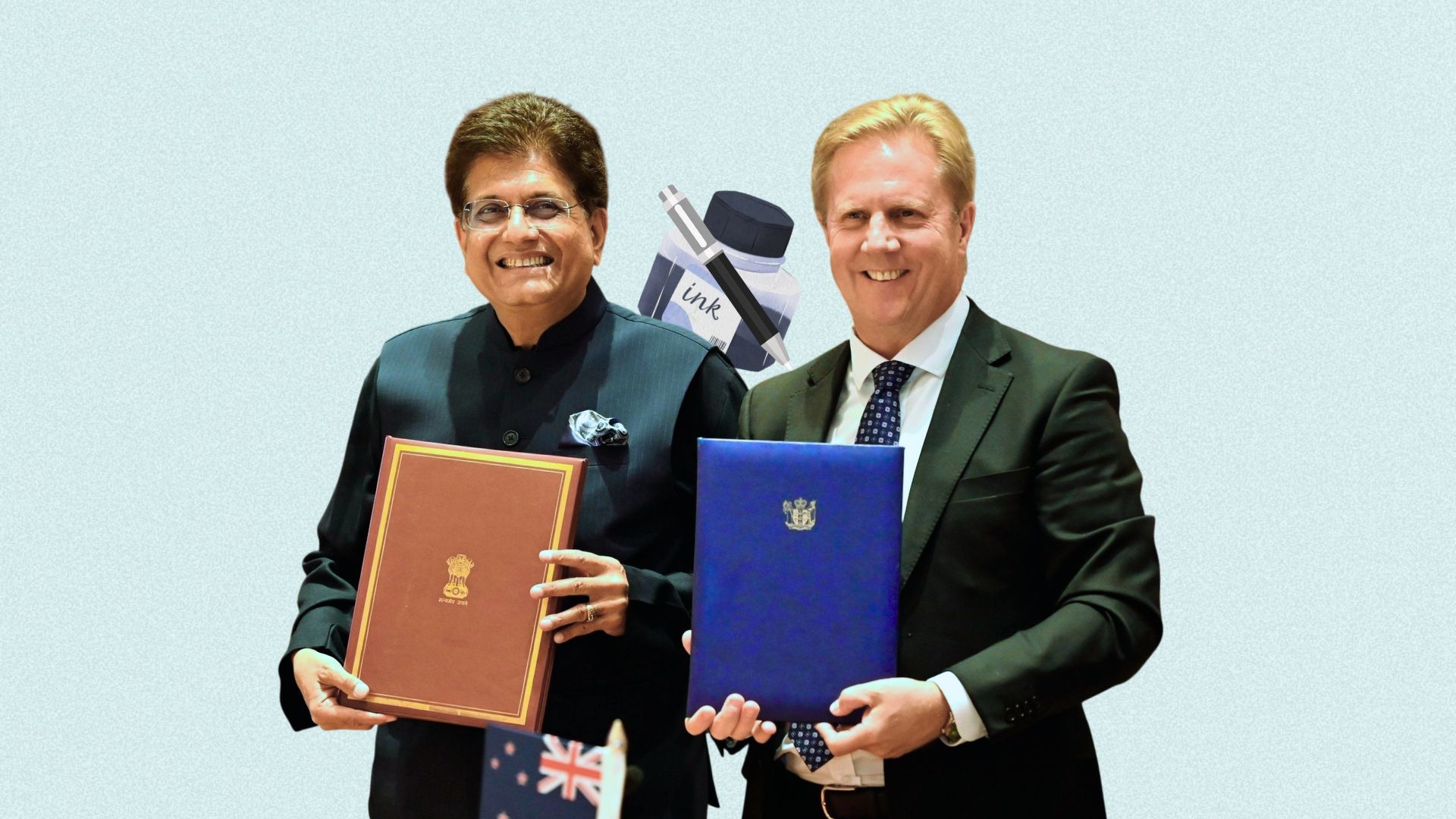
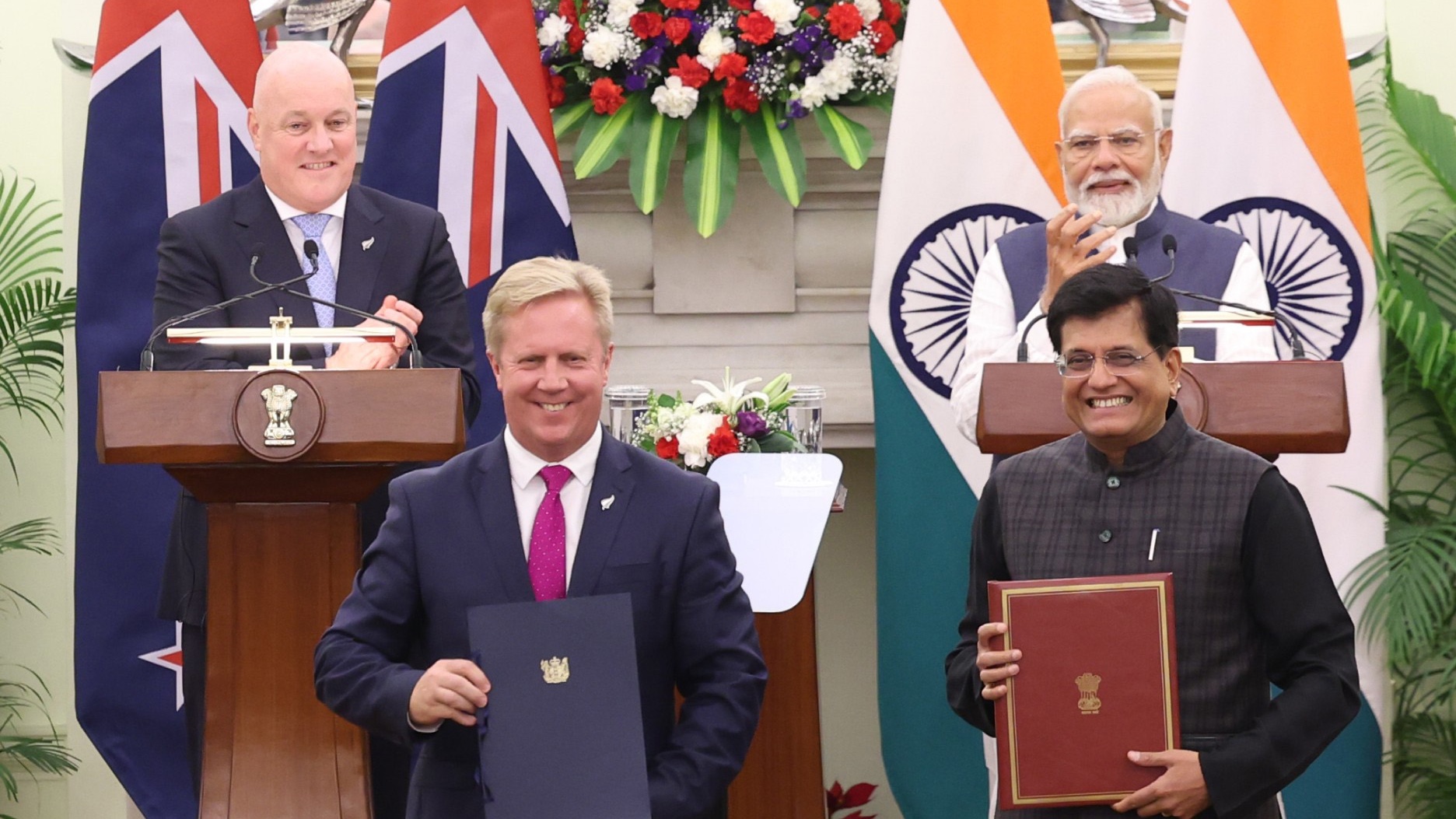
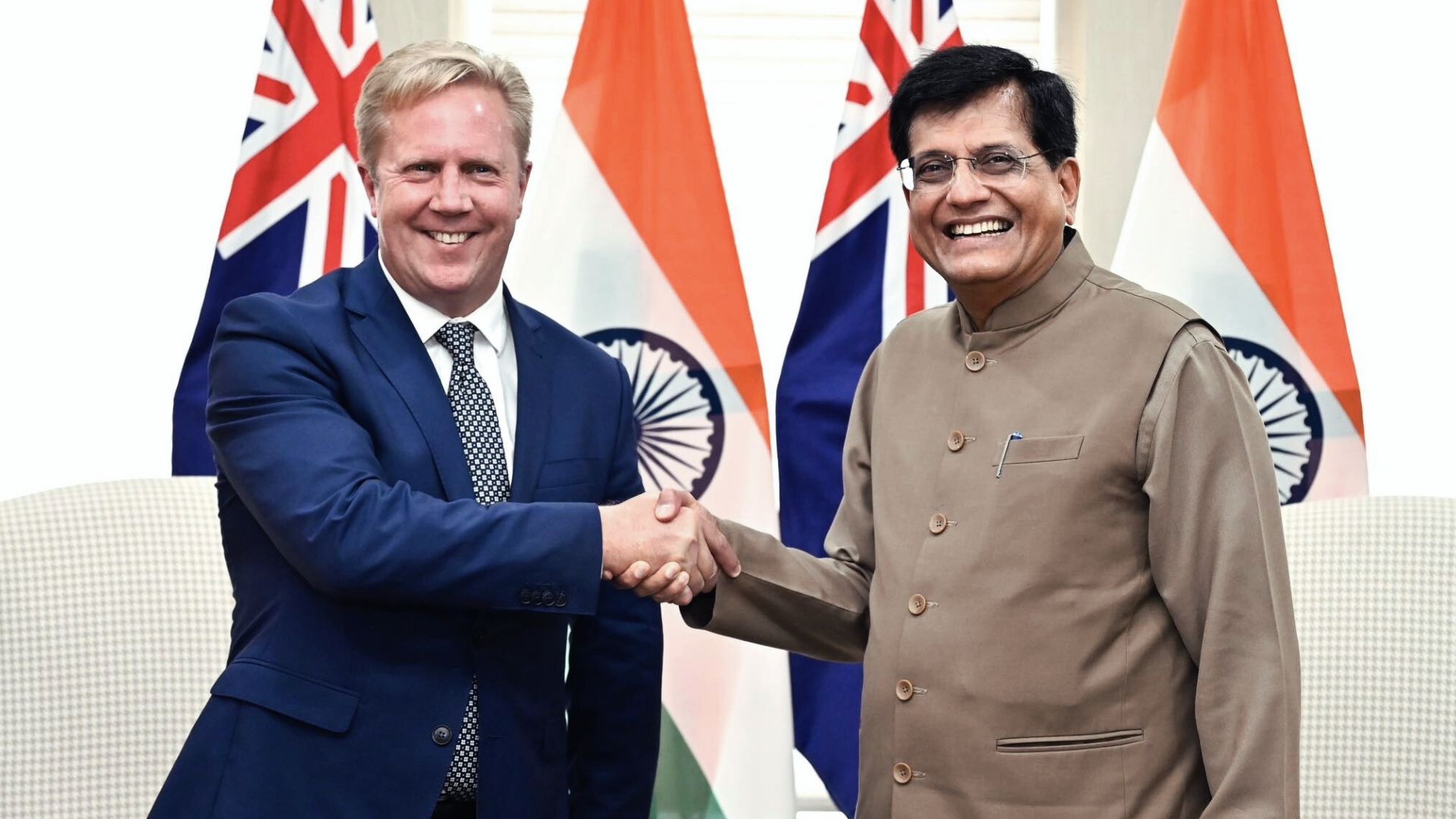
The institute's revival comes just months after New Zealand and India signed a free trade agreement, followed by Indian Prime Minister Narendra Modi's visit to New Zealand earlier this month- the first by an Indian Prime Minister in four decades.
During the visit, the two countries elevated their relationship to a Strategic Partnership and adopted a roadmap to 2030 covering cooperation across diplomacy, defence and security, trade, education, science and technology, disaster management, and people-to-people links.
'Devastating': Indian family racially abused in Christchurch, hunt on to identify attacker “We’ll always be reminded of this, thanks to this man who thinks we don’t belong.”
Immigration reset: National drops hints as parties on left and right target permanent residence New Zealand's permanent residence framework provides an edge over Australia and Canada in attracting overseas talent.
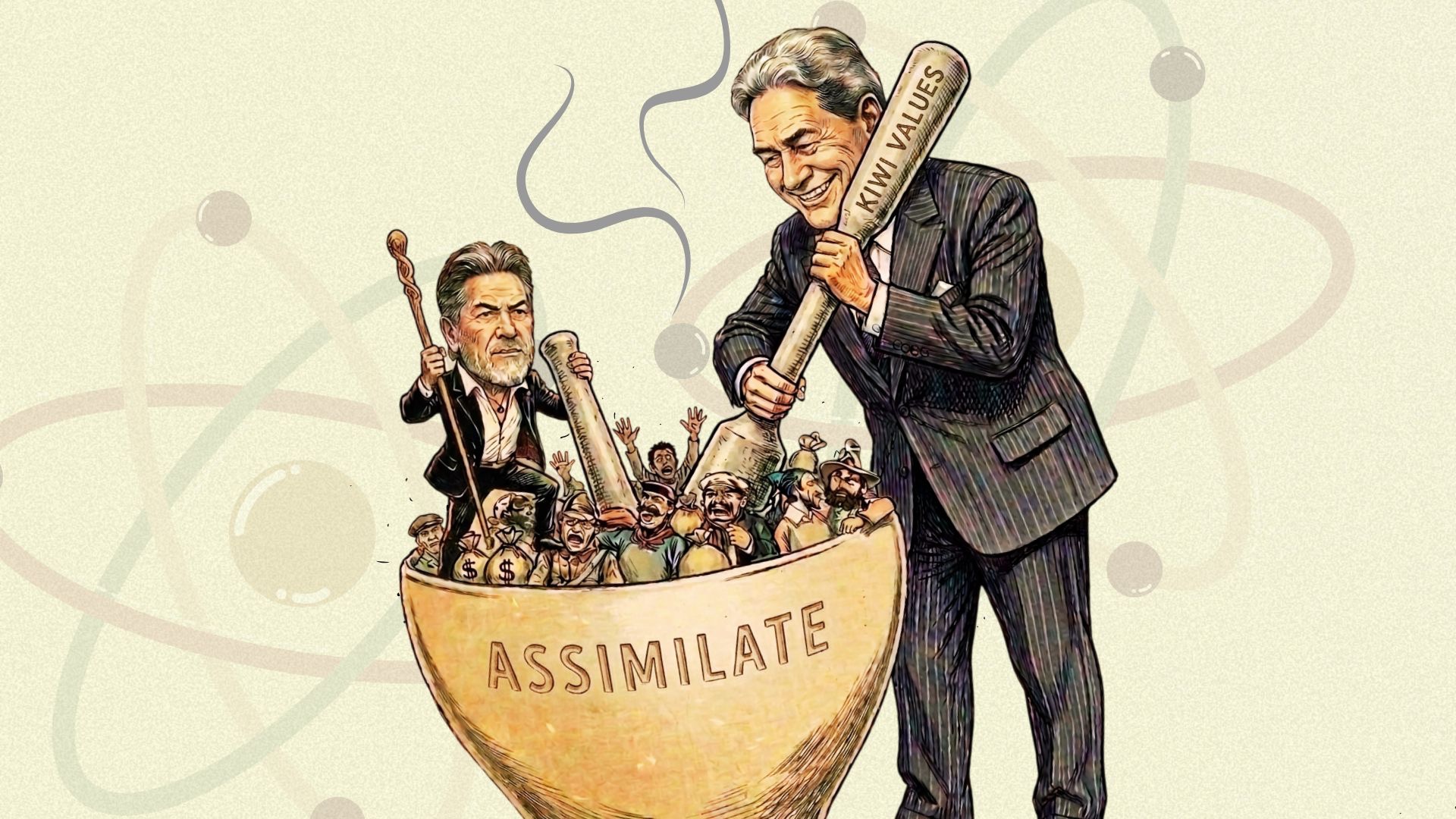
NZ First’s policy of division: Turning hatred of migrants into political power This is no immigration reform. It is the politics of exclusion presented as population planning.
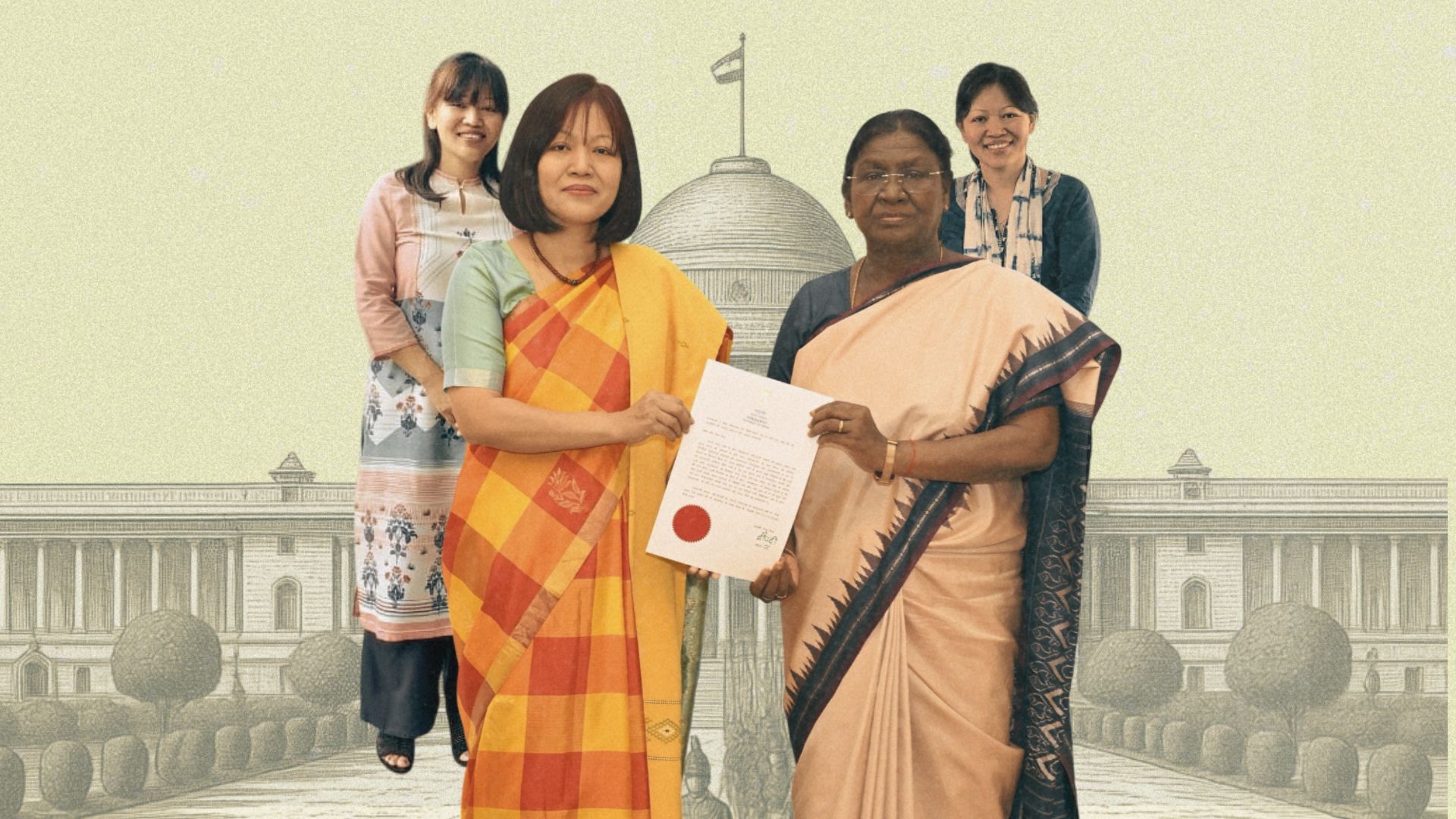
Speaking at the relaunch, India's high commissioner Muanpuii Saiawi said the timing was significant.
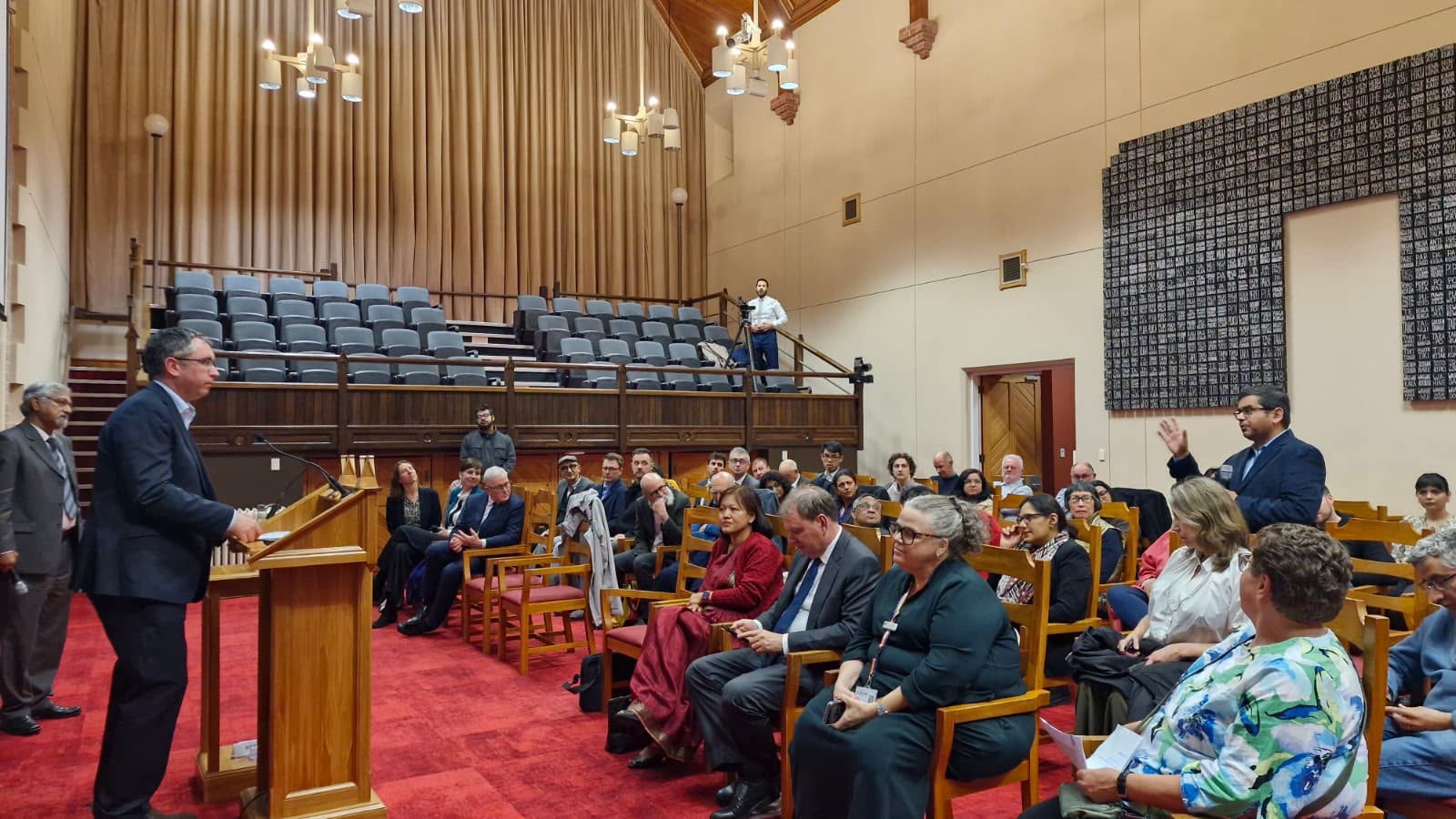
She described the institute as an important addition to the growing momentum in bilateral ties, pointing to the free trade agreement, the new Strategic Partnership and the Roadmap to 2030, which sets out cooperation across areas including trade, defence, education, science and technology, and people-to-people links.
"In the context of this historic visit, the NZIRI will play a valuable role in informing policymakers, researchers and the general public in both New Zealand and India on how our countries can forge ahead in taking our bilateral relationship to greater heights," she said.
That view was echoed by New Zealand's Ministry of Foreign Affairs and Trade, which supported the institute's revitalisation.
John Subritzky from MFAT, said India's scale and growing importance meant New Zealand needed long-term investment in knowledge and expertise.
"The scale, diversity and complexity of India demand sustained attention," he said.
"Understanding India properly takes long-term work across its history, politics, economy, society and foreign policy. It needs strong language and cultural knowledge and lasting relationships between New Zealand and Indian universities, scholars and policy institutions."
He said NZIRI could help build that capability by bringing together India expertise from universities across New Zealand, supporting emerging scholars and connecting New Zealand researchers with counterparts in India.
The institute could also strengthen New Zealand's capacity for Track II diplomacy, he said, creating opportunities for academics, officials, businesses and civil society to exchange ideas and build relationships outside formal government channels.
Although based at Te Herenga Waka Victoria University of Wellington, Subritzky stressed that the institute's role was a national one.
Professor Sally McArthur, Deputy Vice-Chancellor (Research) at Te Herenga Waka Victoria University of Wellington, said the combination of the free trade agreement and MFAT's support had helped bring the institute back at an important moment.
She said the university was committed to supporting independent research on India, New Zealand-India relations and the Indian diaspora.
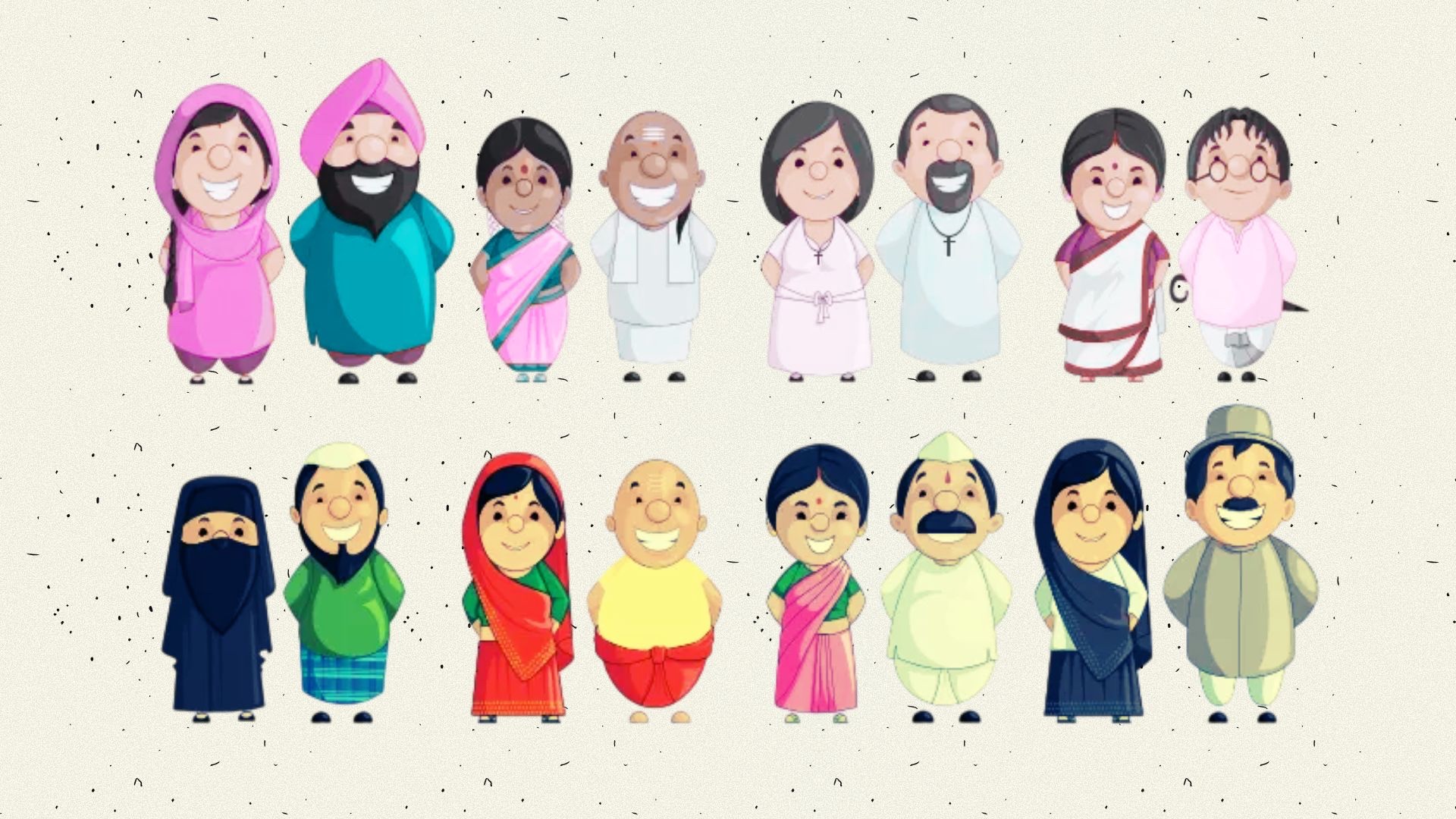
McArthur said New Zealand needed to recognise India's diversity and complexity rather than viewing it as a single, uniform country. She said NZIRI would help strengthen academic exchanges, research partnerships and policy engagement while bringing together expertise from universities across New Zealand.
She said NZIRI would help strengthen academic exchanges, research partnerships and policy engagement between New Zealand and India while bringing together expertise from universities across the country.
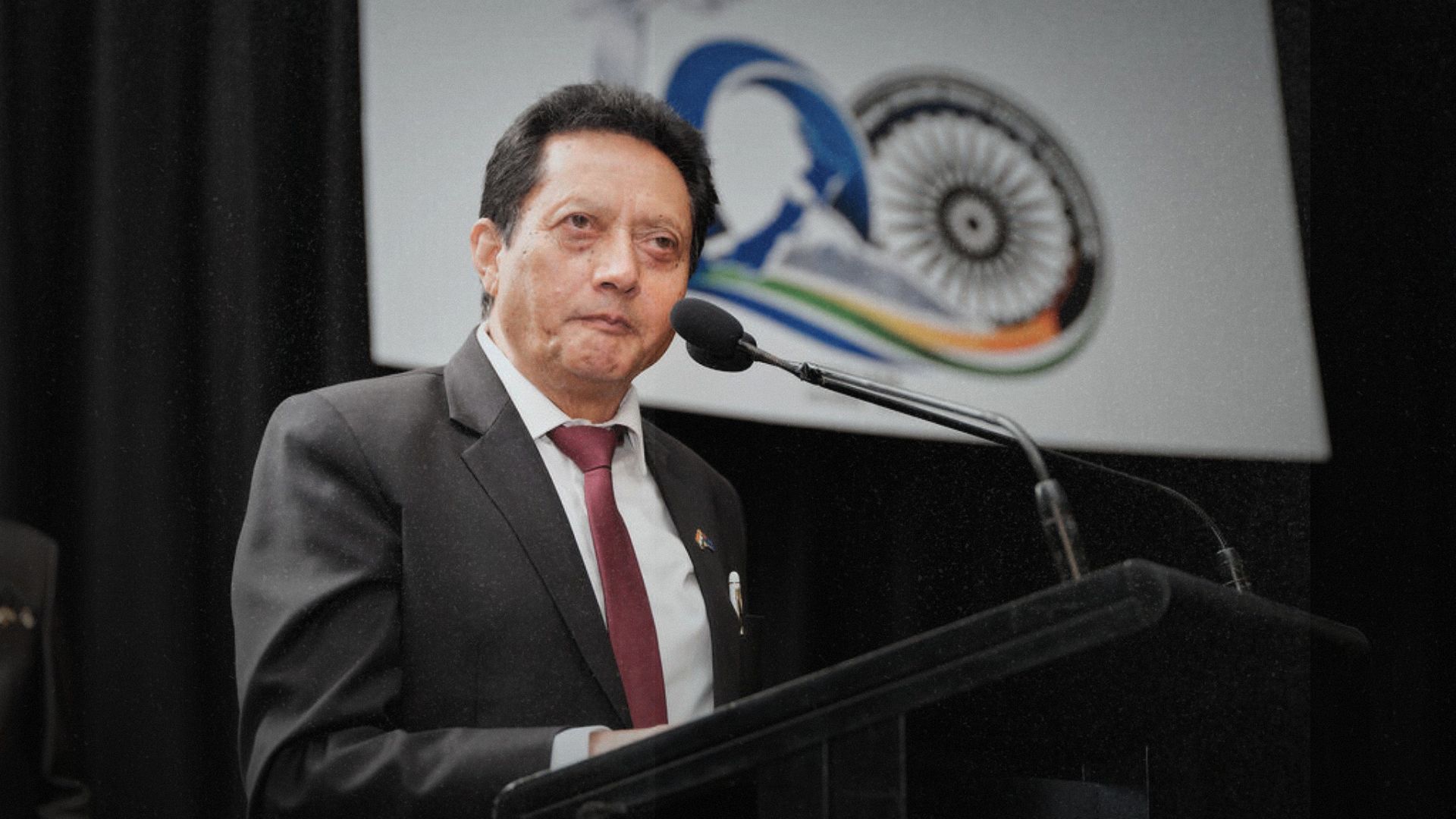
Speaking to the Asia Media Centre earlier this month, ahead of the formal relaunch, institute's interim director professor Sekhar Bandyopadhyay said the institute's first priority would be bringing together researchers working on India from across New Zealand before developing a coordinated national research agenda.
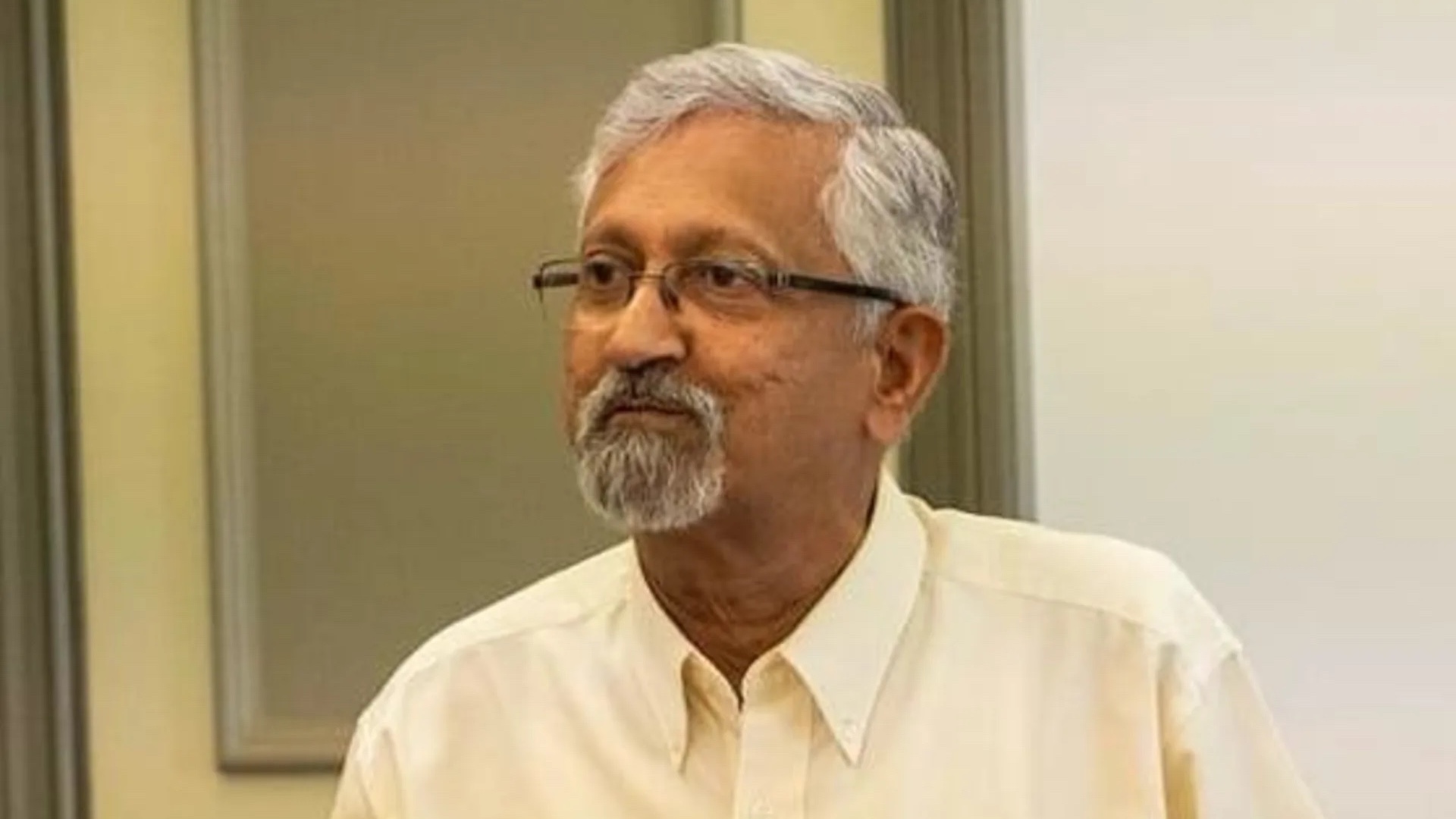
"The first priority of NZIRI will be to bring together the scholarly community in Wellington and in New Zealand as a whole, particularly those who are engaged in research on India," he said.
"We will then, in consultation with colleagues, work out an active research agenda and an events-based programme to showcase that research."
Recent postgraduate projects already reflect the breadth of work the institute hopes to support. Researchers have explored topics ranging from separatism in post-1947 India and environmental activism in the Aravalli region to autism research and the history of Indian food in New Zealand.
Bandyopadhyay believes the institute's return also reflects a broader shift in New Zealand's outlook.
"The FTA is one of the drivers, but not the only one," he told the Asia Media Centre.
"In the last couple of years India once again began to feature prominently in New Zealand's foreign policy priorities. It was because of that the government realised the need for an independent research body which could generate objective knowledge to inform policy planning."
He said the institute also hoped to broaden public conversations about India.
"There are many aspects of India which do not usually figure in public discourse in New Zealand. The NZIRI will focus on those aspects and bring them to the wider New Zealand public."
Professor Stephen Epstein, Head of the School of Languages and Cultures at Te Herenga Waka Victoria University of Wellington, shared a similar view when speaking to the Asia Media Centre earlier this month.
"India's growing importance to New Zealand is obvious," he said.
"But understanding India requires much more than familiarity with trade figures or geopolitical headlines. It requires sustained engagement with the country's languages, cultures, histories, social transformations and extraordinary diversity."
He said institutions such as NZIRI create spaces where scholars, policymakers, students and communities can learn from one another while building the networks needed for a mature and enduring relationship with India.
"One encouraging sign is the range of India-focused research now being undertaken by emerging scholars across disciplines at Victoria University of Wellington. Supporting and connecting that work will be an important part of ensuring that New Zealand develops the depth of knowledge needed for a mature and enduring relationship."
His comments reflect a broader picture emerging across New Zealand.
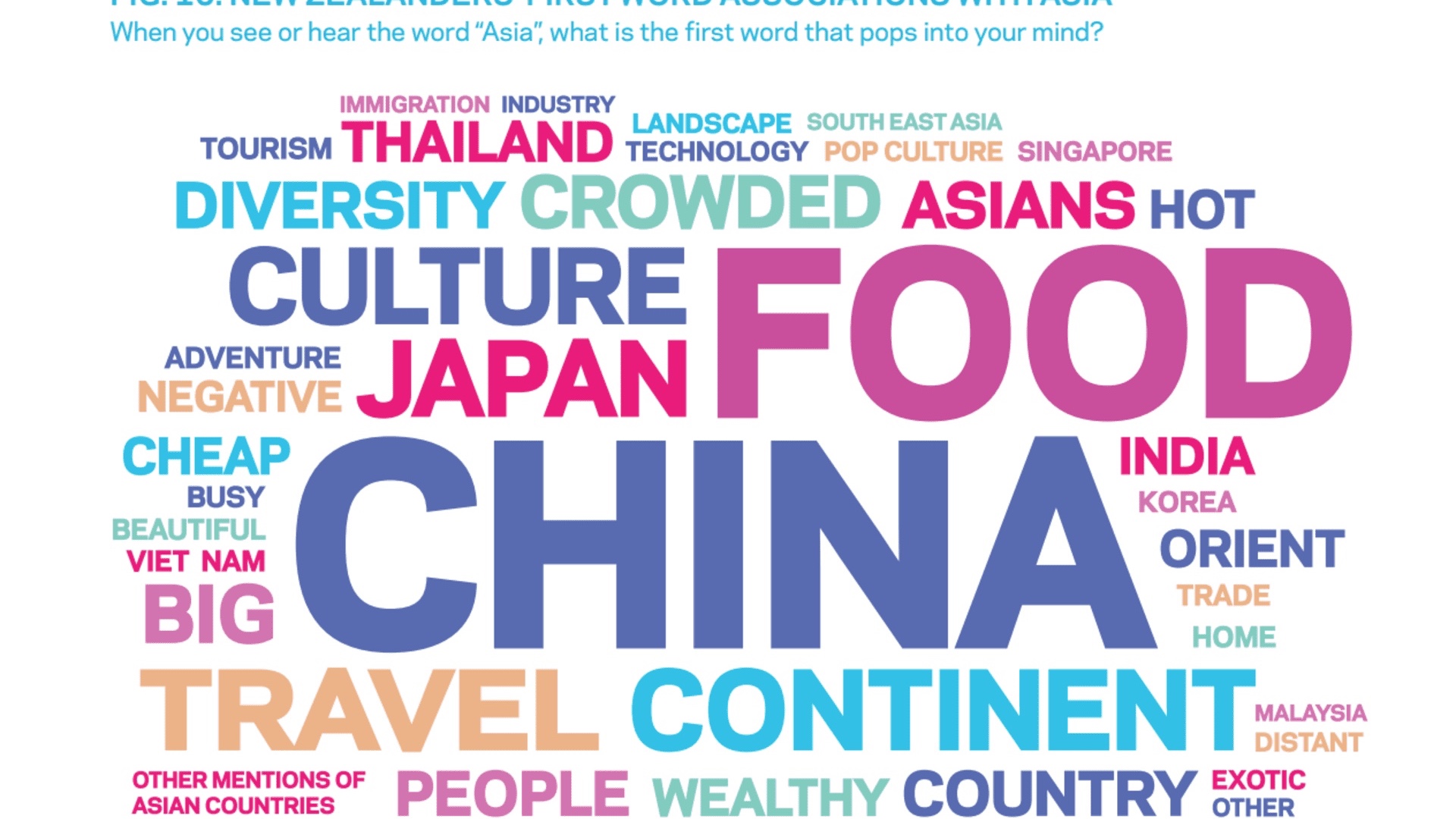
The Asia New Zealand Foundation's 2026 Perceptions of Asia survey found that 81 percent of New Zealanders believe it is important to strengthen political, economic and social ties with Asia, while 66 percent believe New Zealand should actively invest energy and resources into building partnerships with Asian countries.
But familiarity has not kept pace across the region. While 58 percent of New Zealanders say they know at least "a fair amount" about Asia, only 29 percent say the same about South Asia, the least familiar of Asia's three subregions.
Even so, South Asia's importance continues to grow. Half of New Zealanders now see the region as important to New Zealand's future, almost on par with Southeast Asia. India was ranked the third most important country in Asia to New Zealand's future, behind China and Japan.
The report also found that only 35 percent of New Zealanders could recall reading, watching or hearing Asia-related news in the previous three months, the lowest result recorded in the survey.
In many ways, those findings capture the challenge NZIRI hopes to address. New Zealand's relationship with India may be accelerating, but understanding of India - and South Asia more broadly - has yet to catch up.
Where is the Pacific in India's Indo-Pacific?
Understanding India today also means understanding how its role in the wider Indo-Pacific is evolving. That was the focus of the relaunch's public lecture on Wednesday by Professor Ian Hall of Griffith University.
Hall argued that India has become far more interested in Oceania and the Pacific over the past decade, driven by strategic competition with China, demand for natural resources, growing engagement with the Indian diaspora and its ambitions as a leading voice of the Global South.
But he cautioned against expecting a dramatic expansion of India's role in the region.
"The most blatant constraint in engaging with the Pacific is distance," he said.
India's relatively small diplomatic service, limited aid budget and modest economic engagement with Pacific Island countries also shape what New Delhi can realistically achieve.
"Trade is often the motive force behind strategic relationships," Hall said, arguing that governments find it harder to justify deeper strategic engagement without stronger commercial ties.
Figures presented during his lecture reflected that reality. Australia's trade with India continues to dwarf that of other Pacific countries, while New Zealand has emerged as India's second-largest trading partner in the Pacific, with two-way trade exceeding US$1 billion in recent years. Trade with most Pacific Island countries remains comparatively small.
Even so, Hall said India's growing interest in the region was unlikely to fade.
For NZIRI, that changing regional landscape reinforces why institutions dedicated to understanding India matter now more than ever.
As he wrapped up the evening, Bandyopadhyay left the audience with a simple message - "Watch this space." It was a fitting way to close the relaunch.
New Zealand's relationship with India is entering a new chapter. Trade agreements and strategic partnerships may define its next phase, but those behind NZIRI believe lasting relationships are built on something deeper: knowledge, curiosity and understanding.
If the institute succeeds, it won't simply help New Zealand know more about India. It will help New Zealand engage with one of its most important partners with greater depth and confidence.
(This story was first published at Asia Media Centre. The writer is a Wellington-based Media Advisor at the Asia Media Centre.)