
Coalition leadership is hard. But Luxon’s ‘nuclear option’ of dumping MMP is not the answer

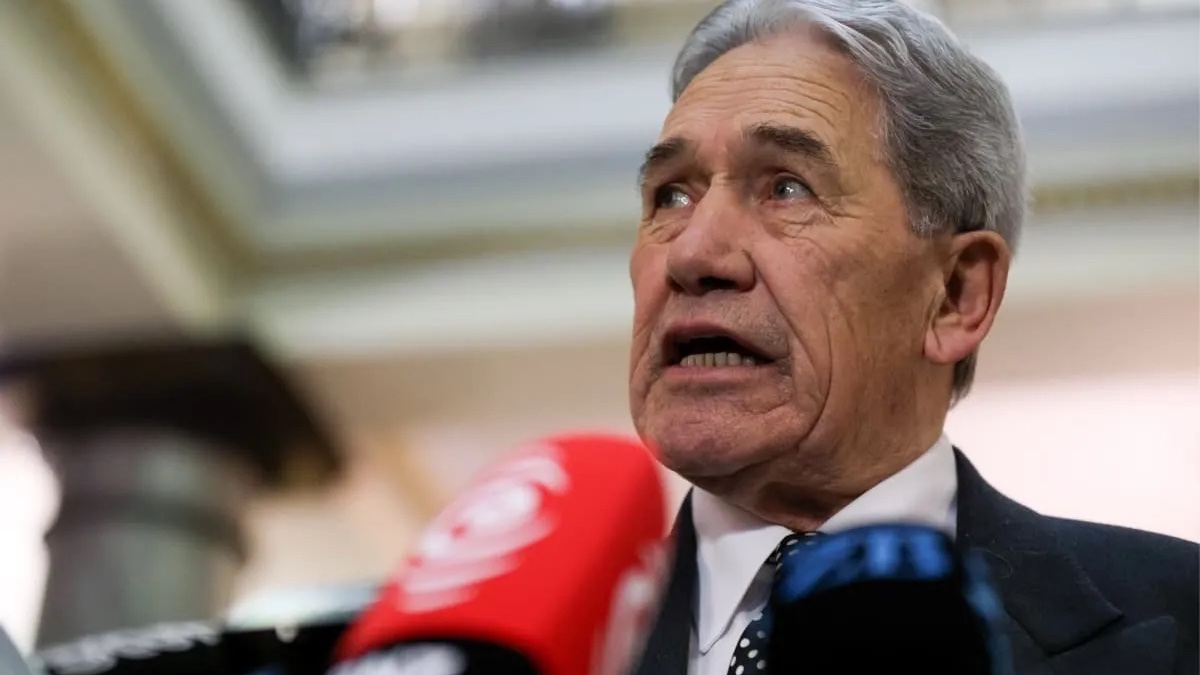
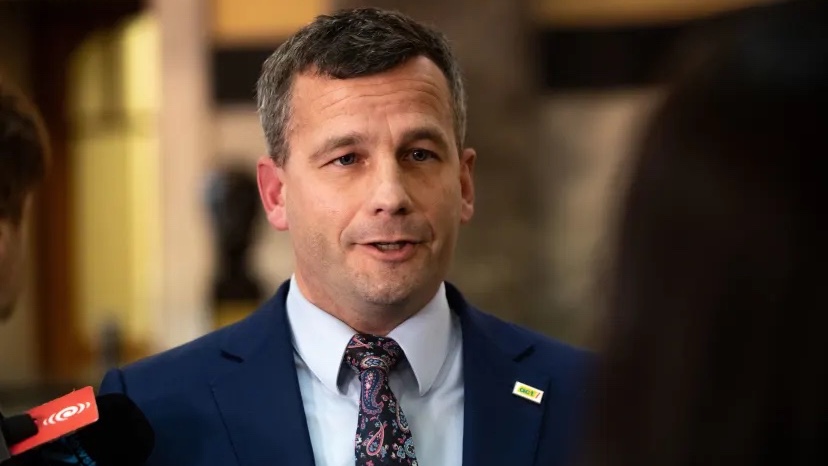
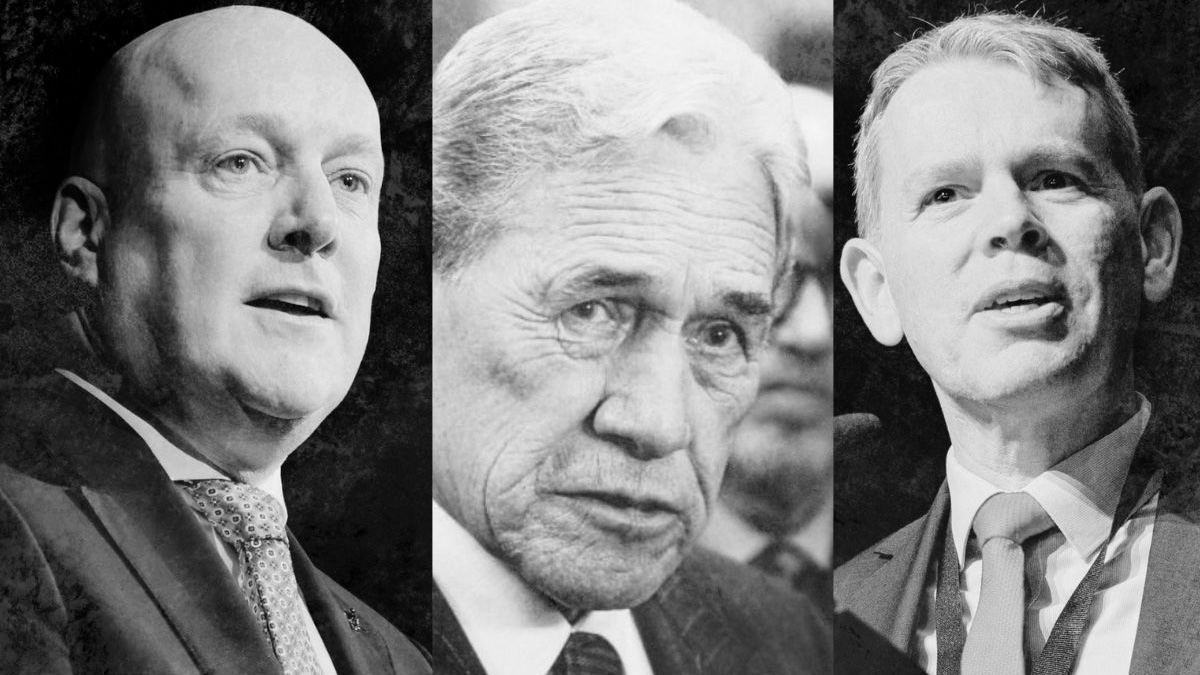
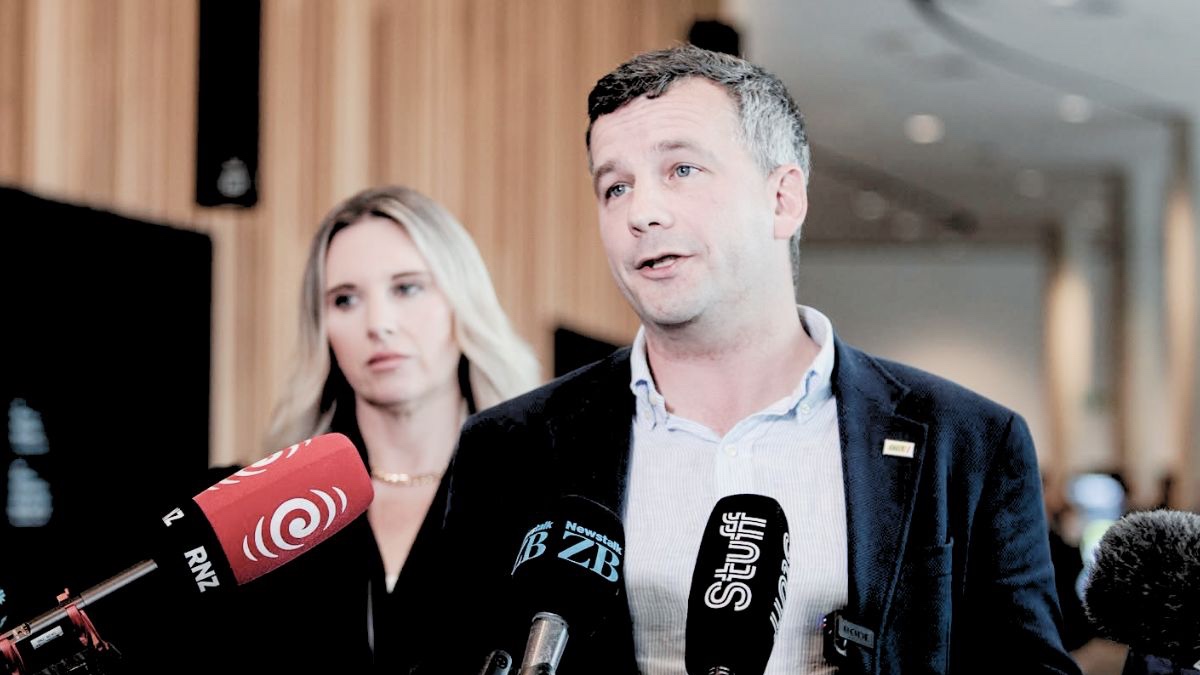
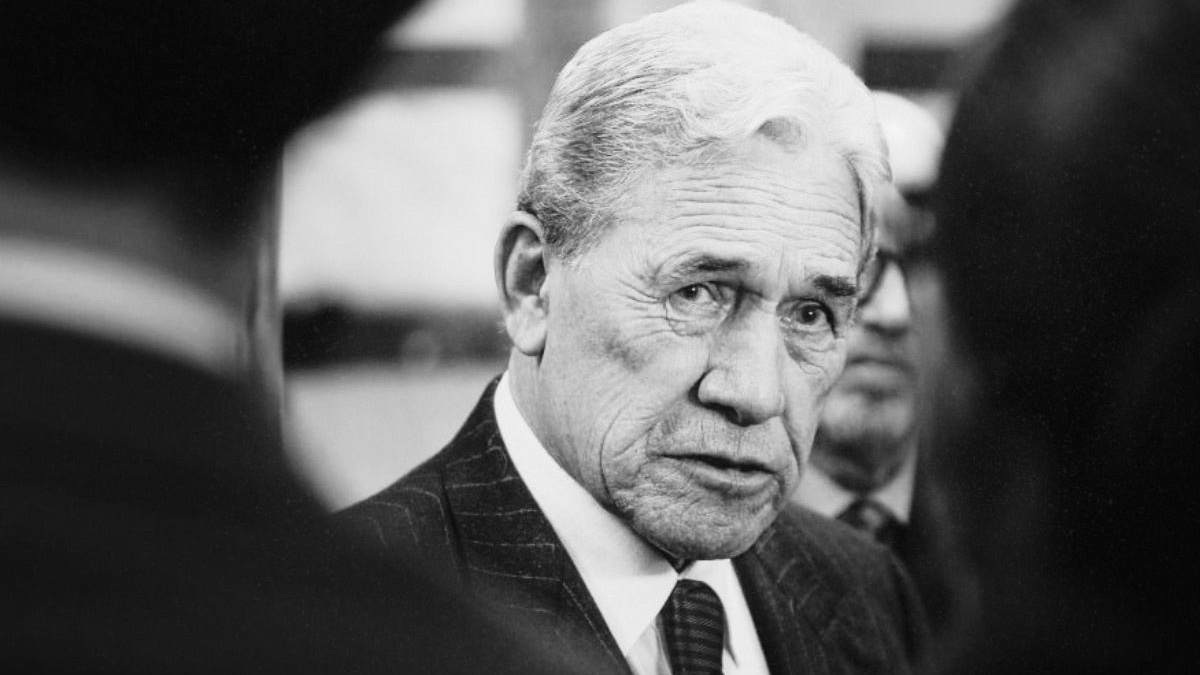
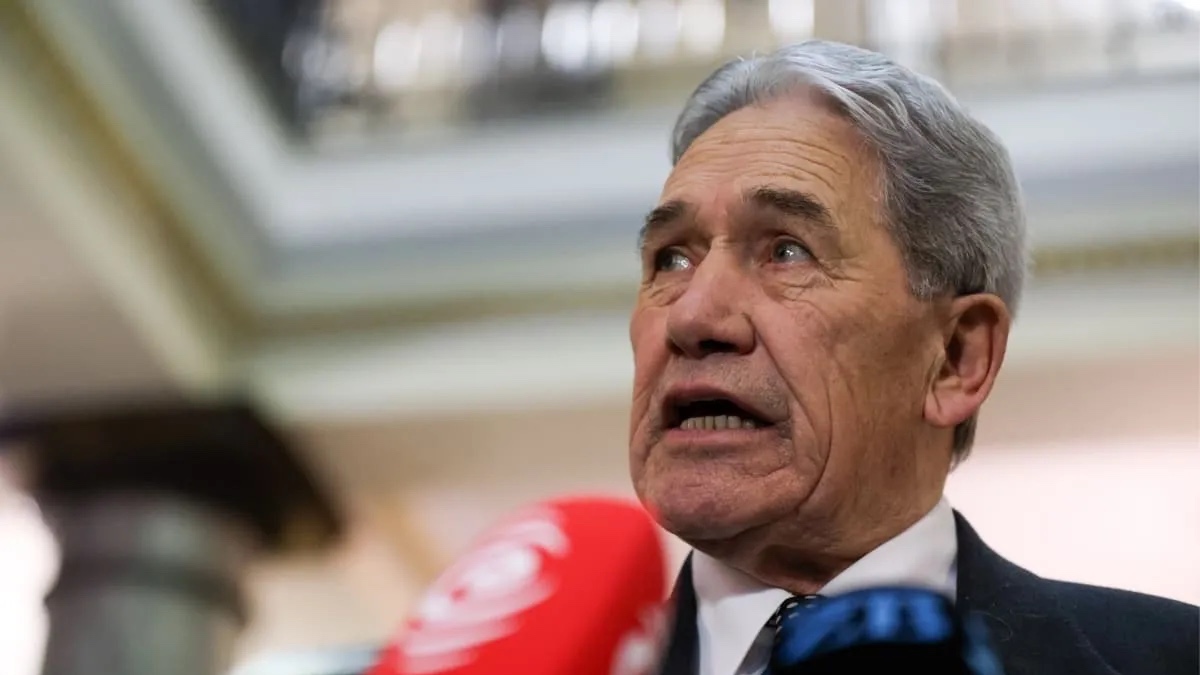
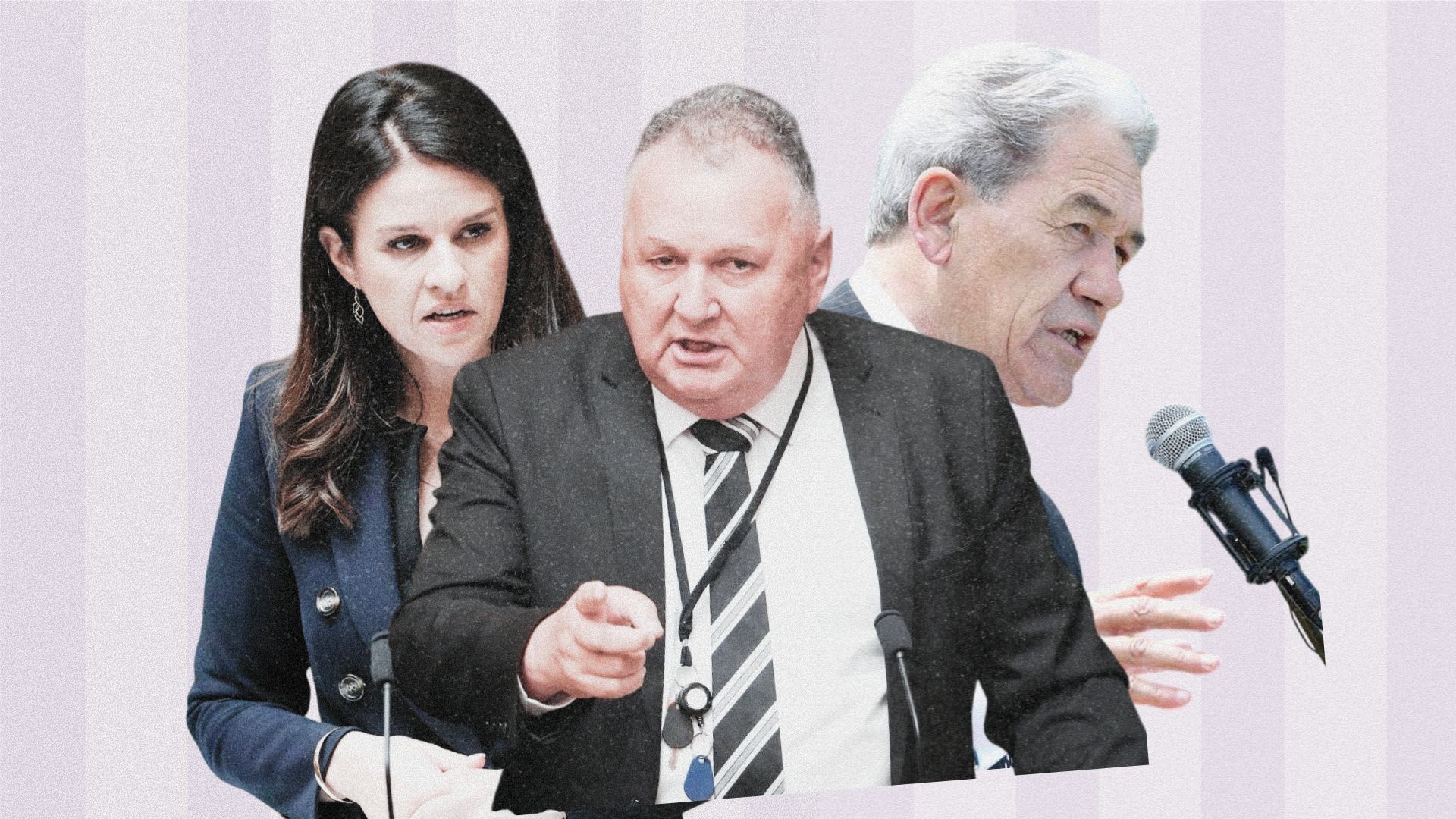
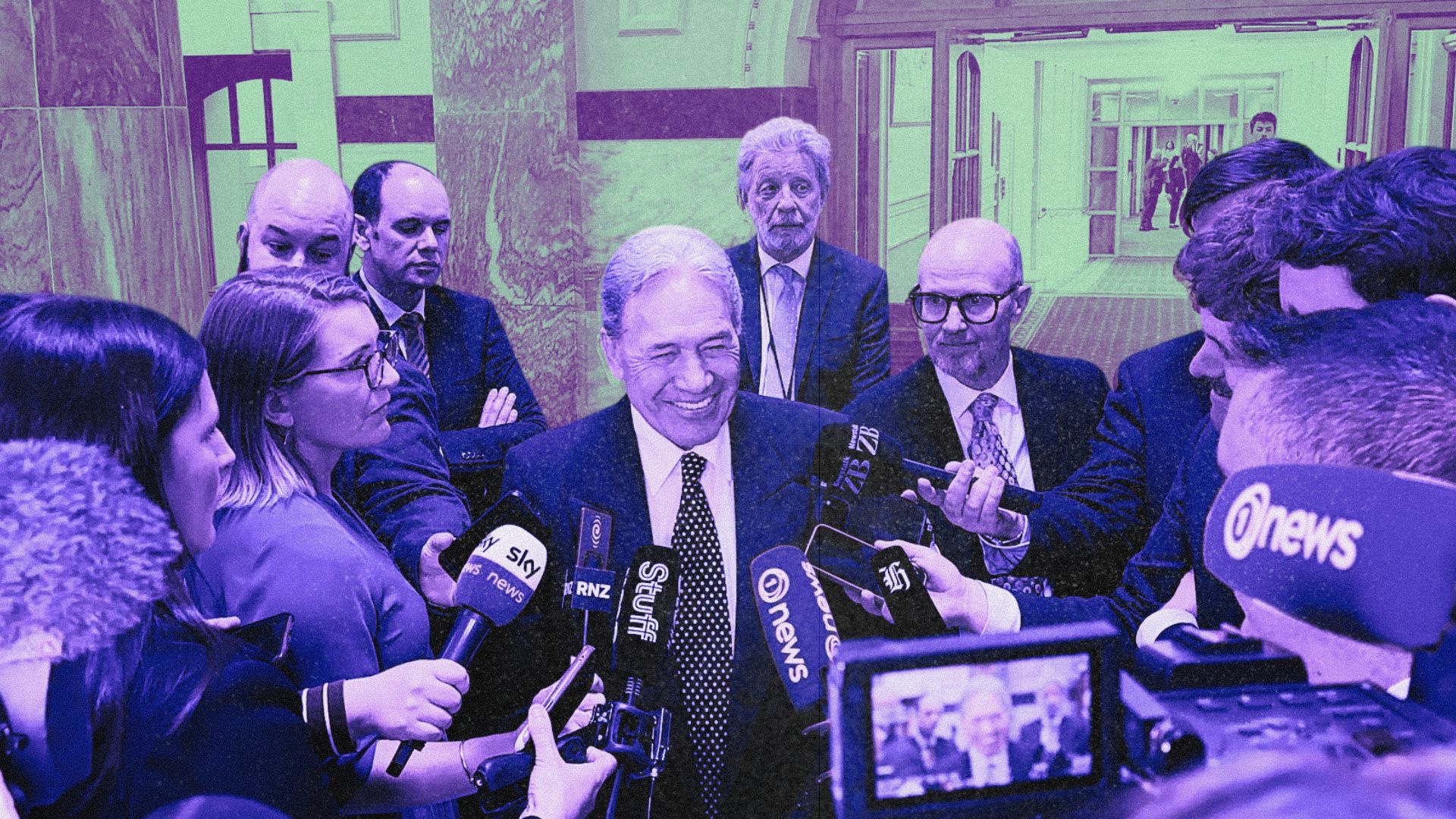
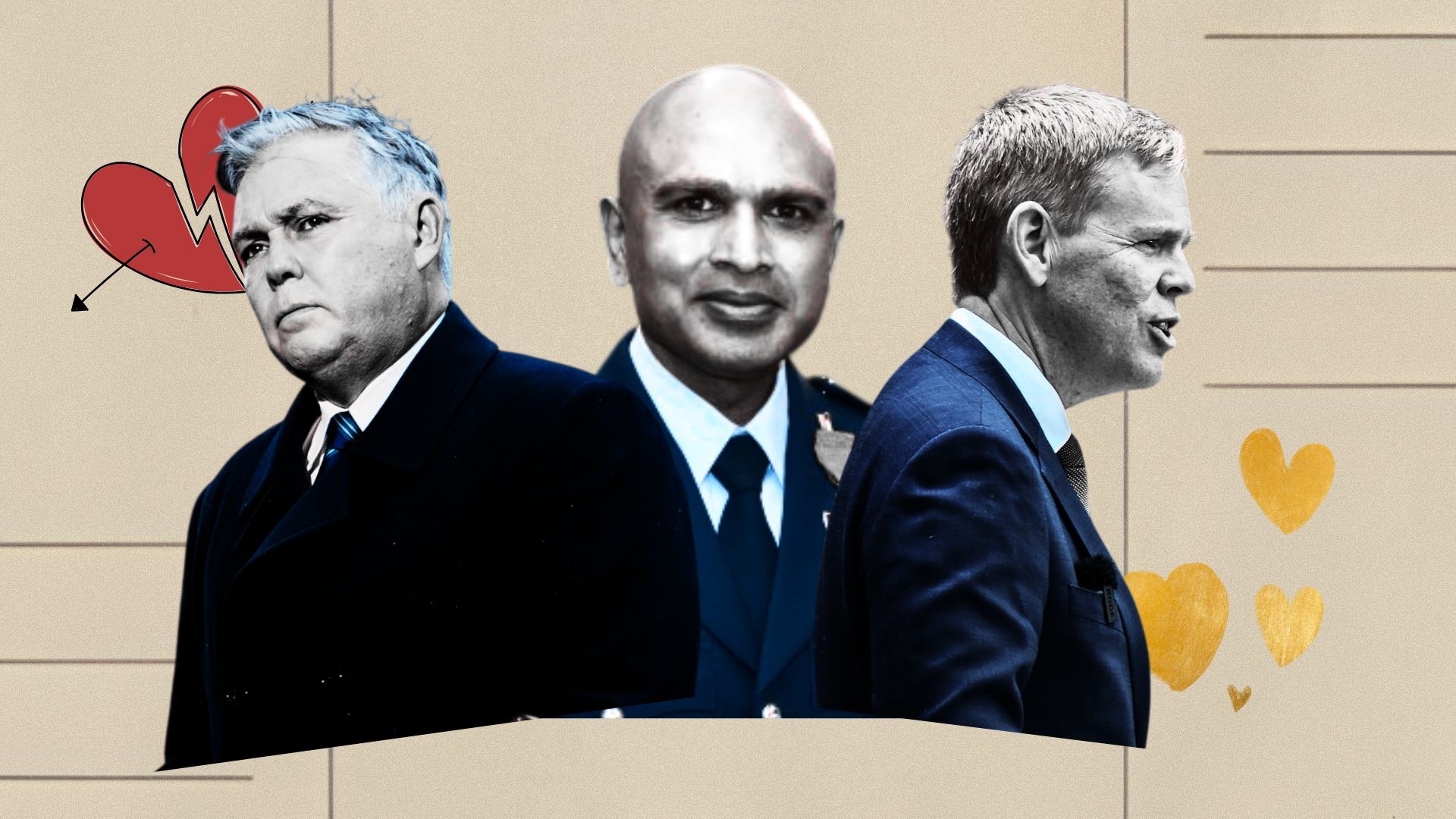
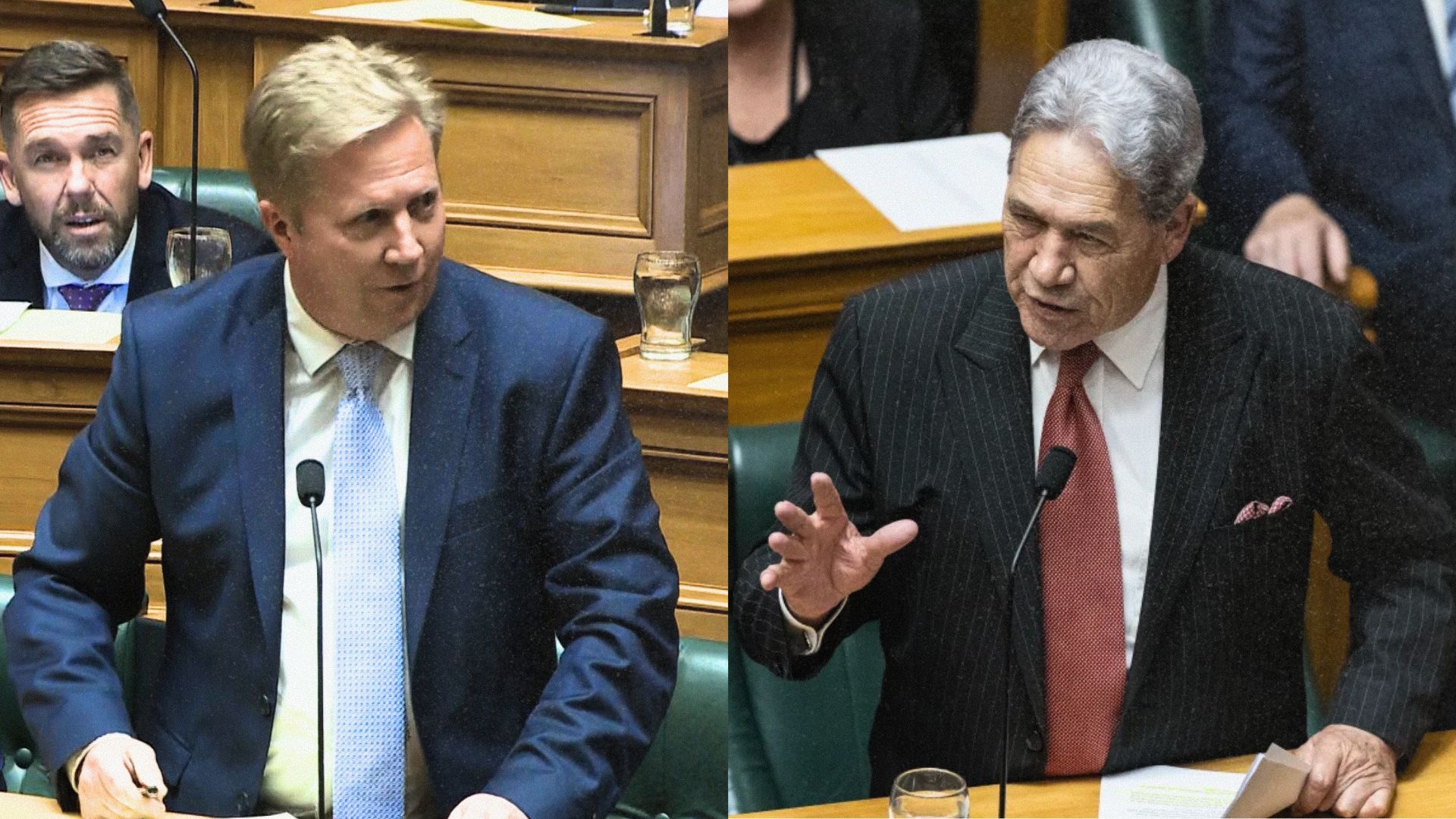
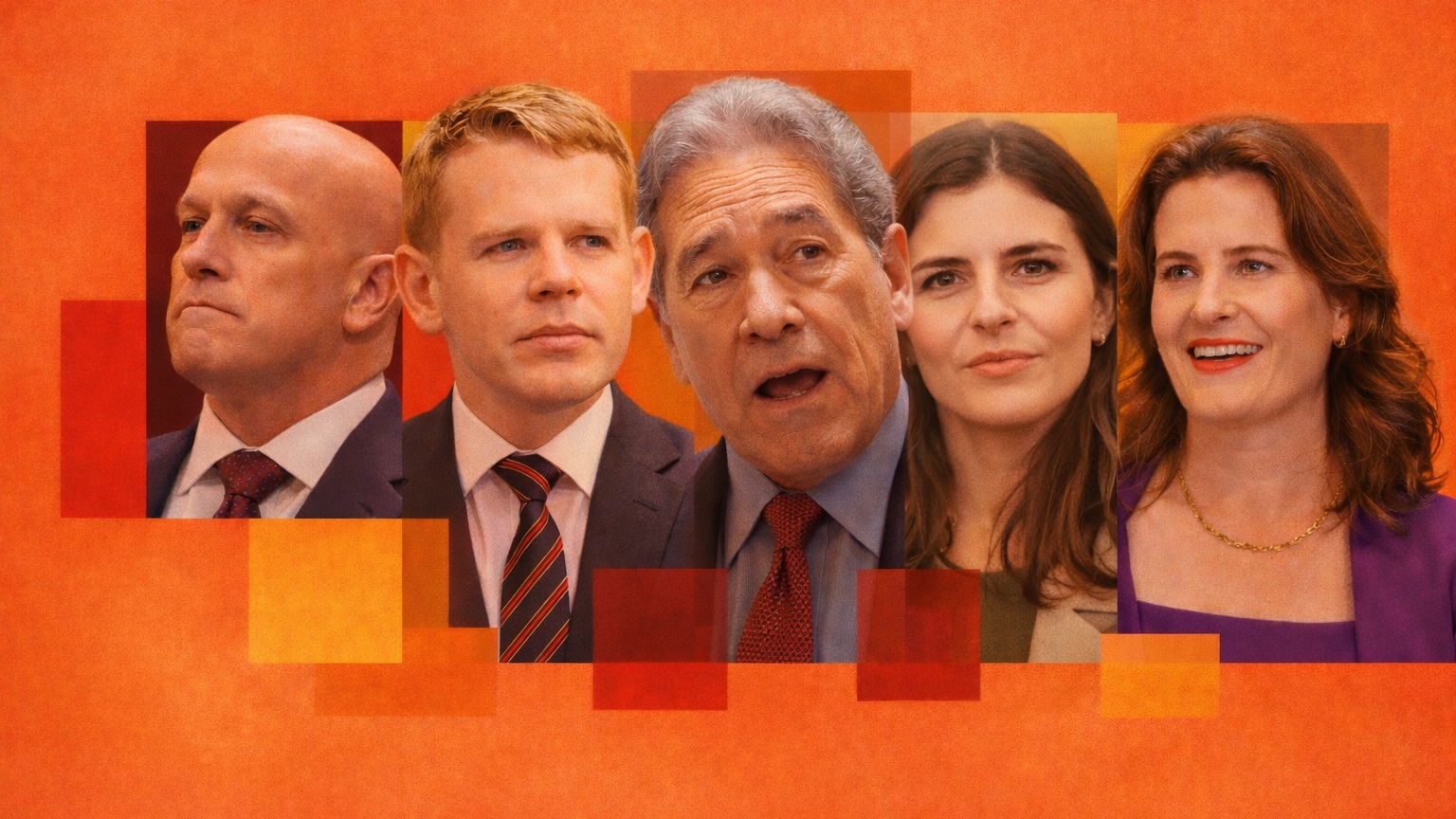
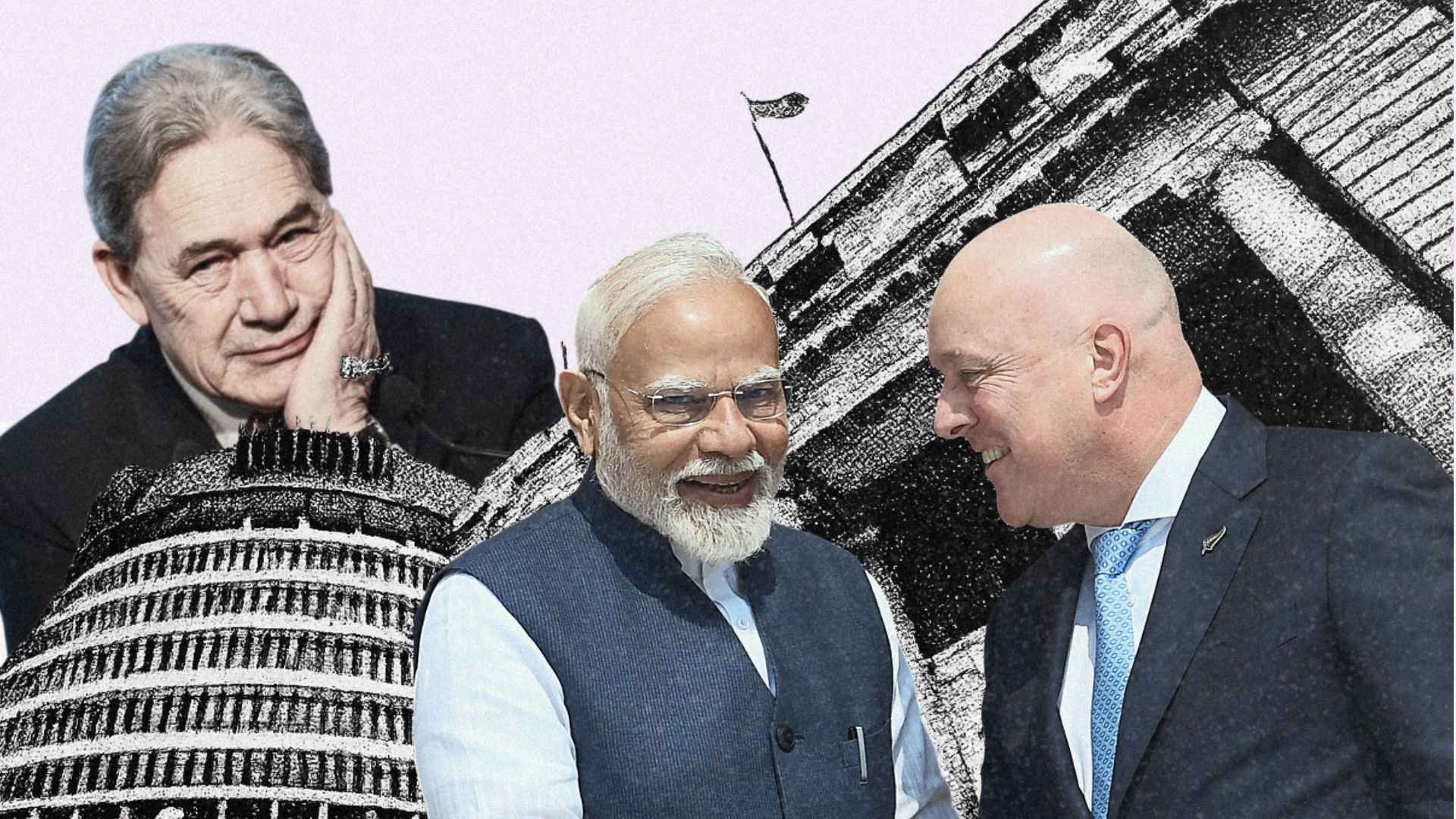
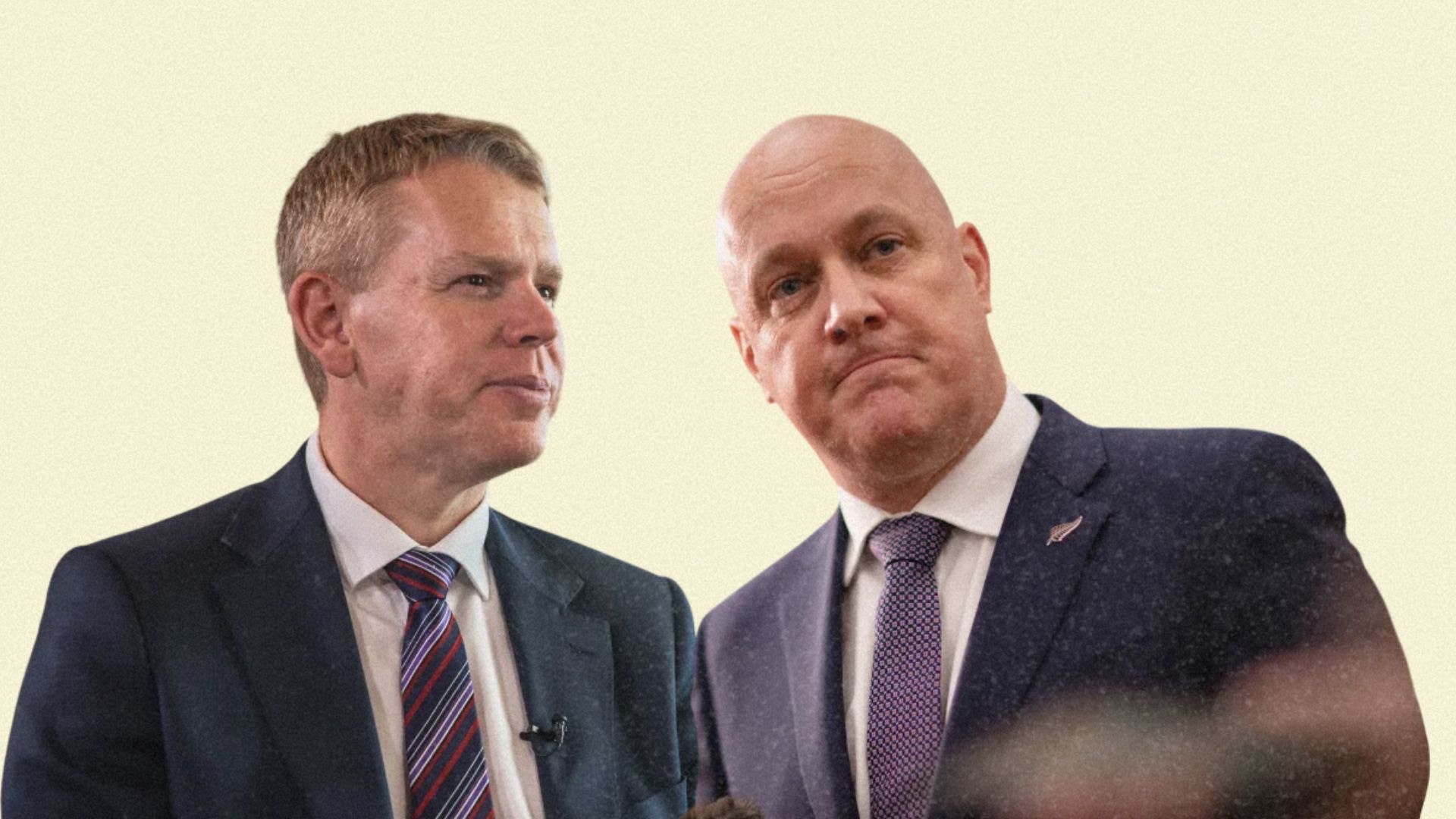
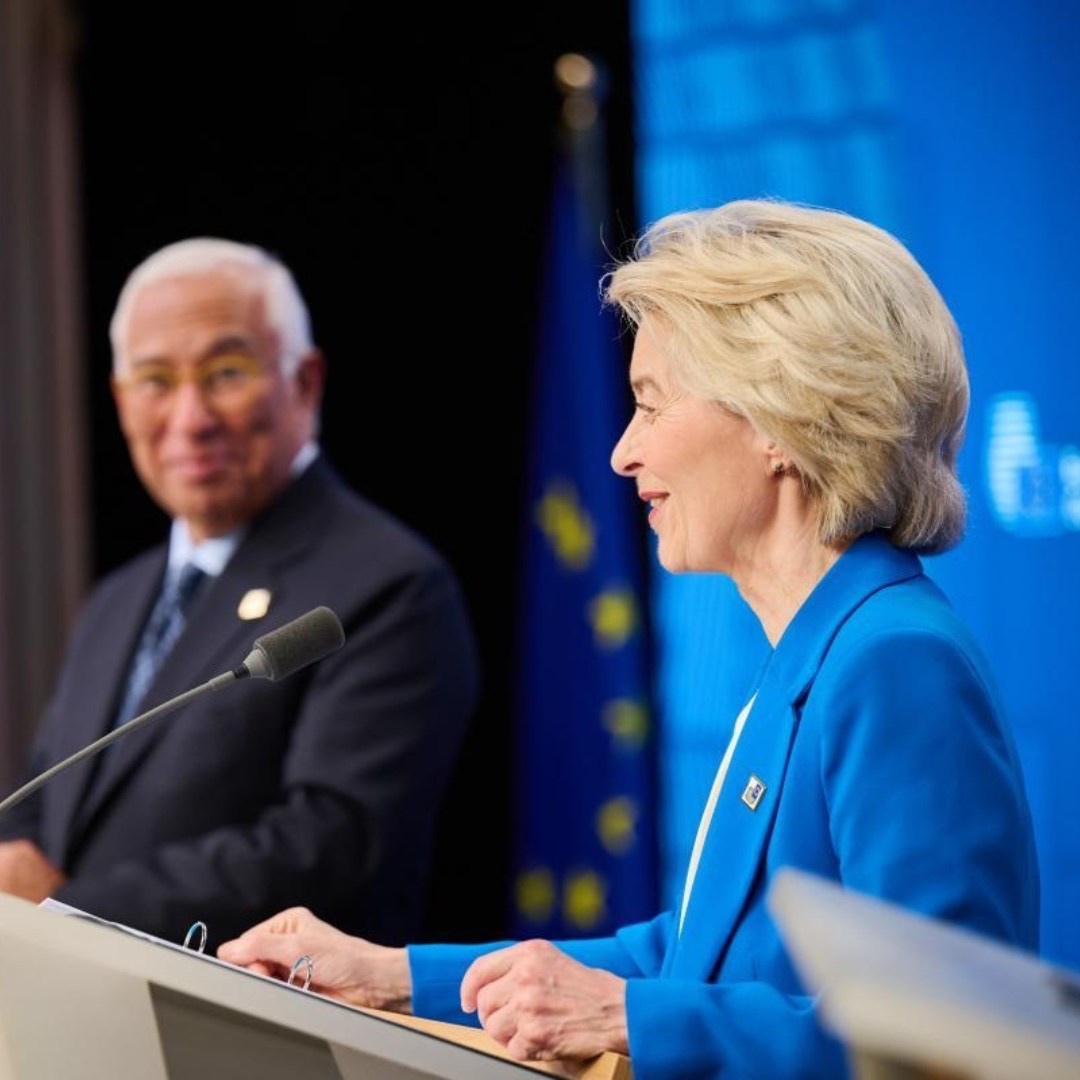
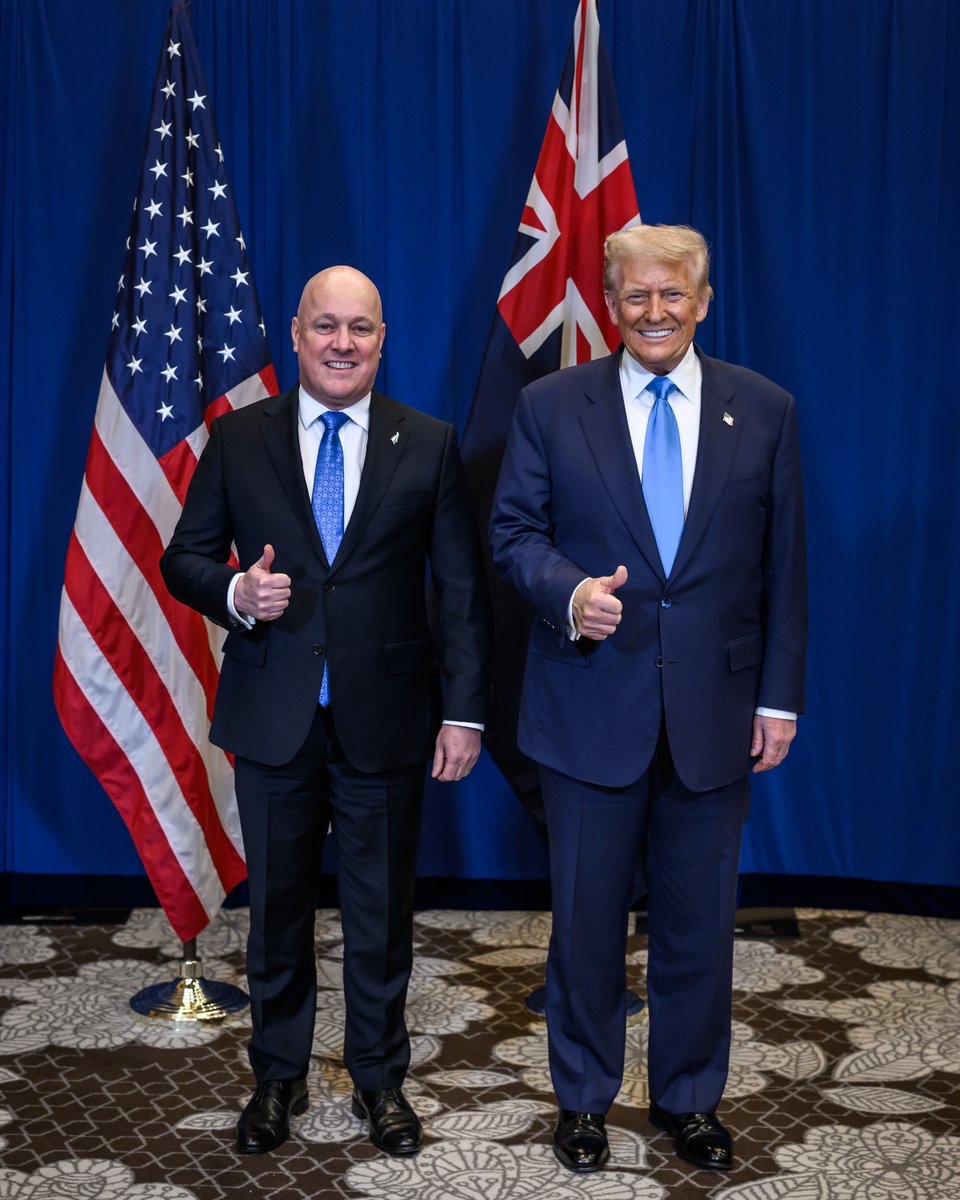
From left: David Seymour, Christopher Luxon and Winston Peters.
Casting the country back to an electoral system that delivered disproportionate power won't address the real problem.
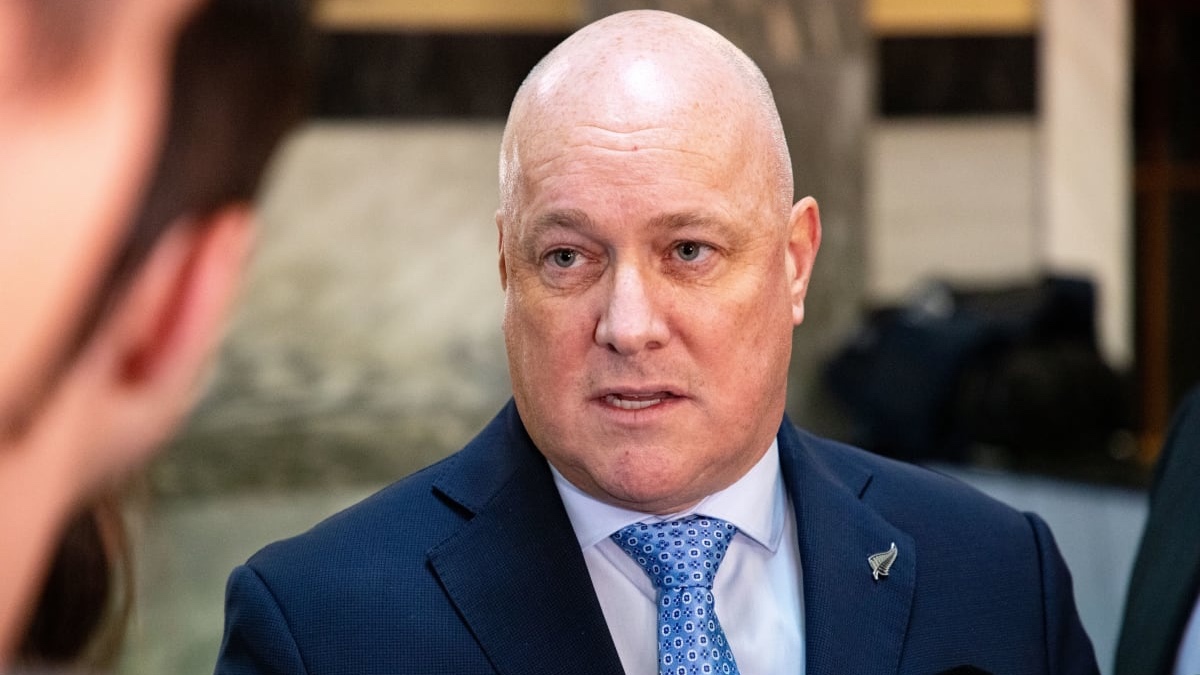
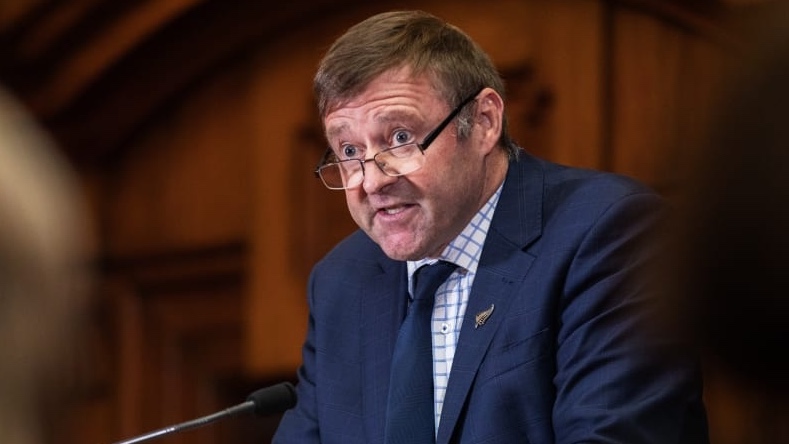
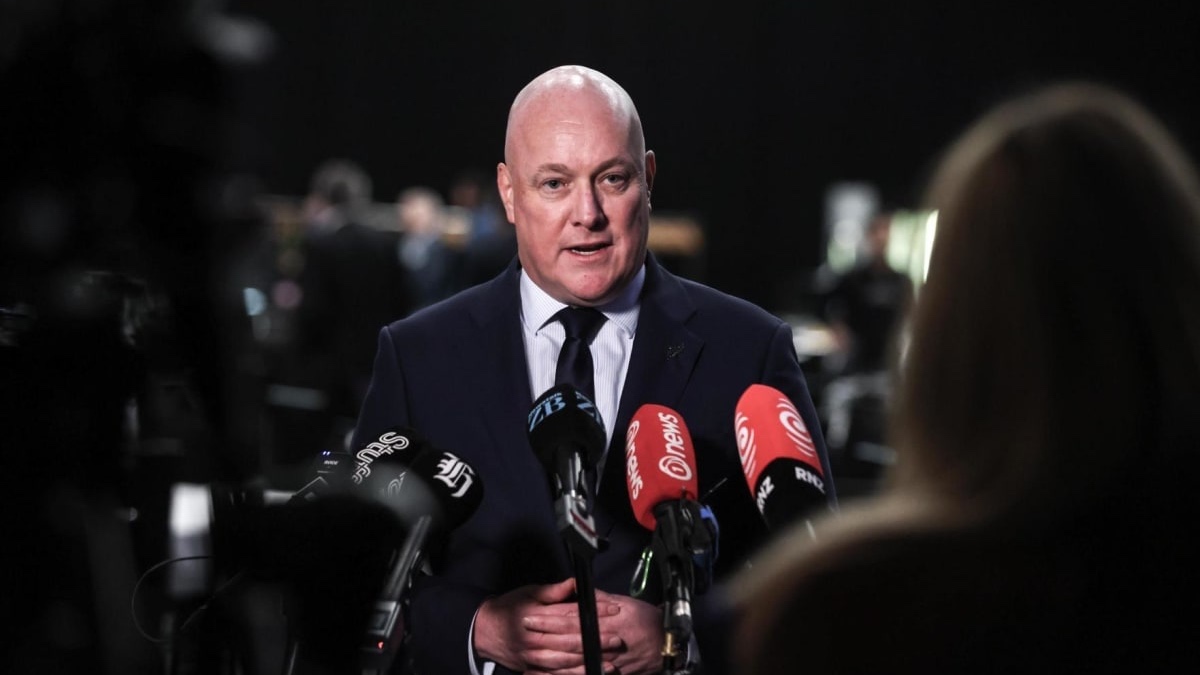
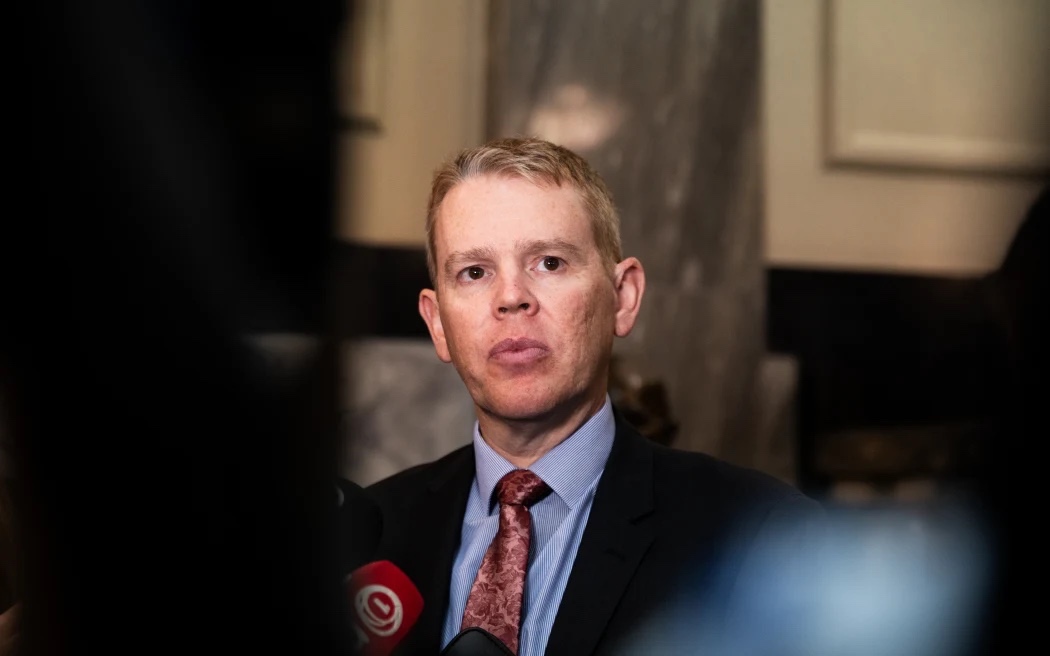
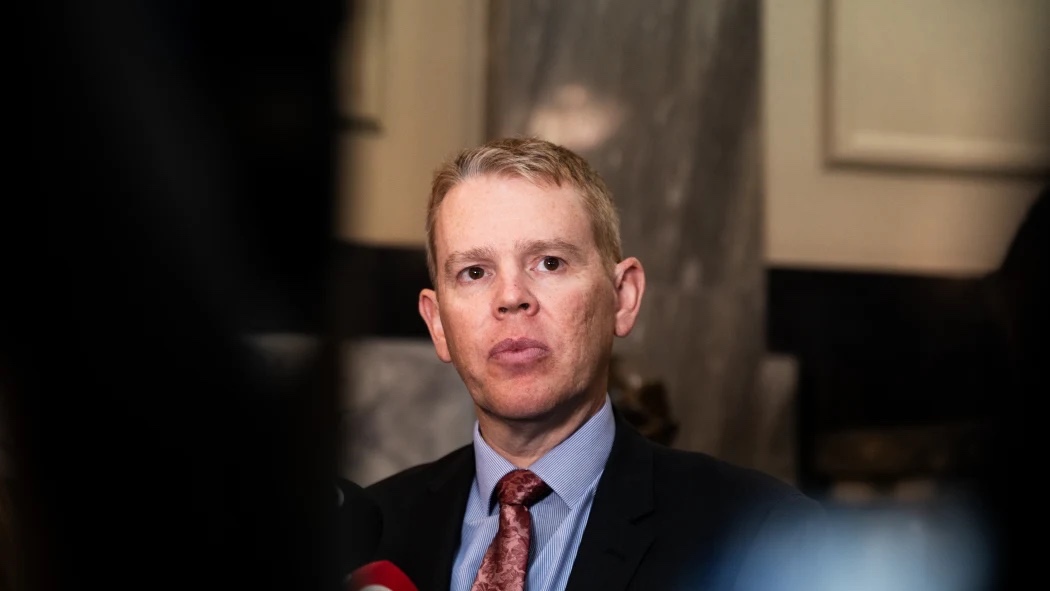
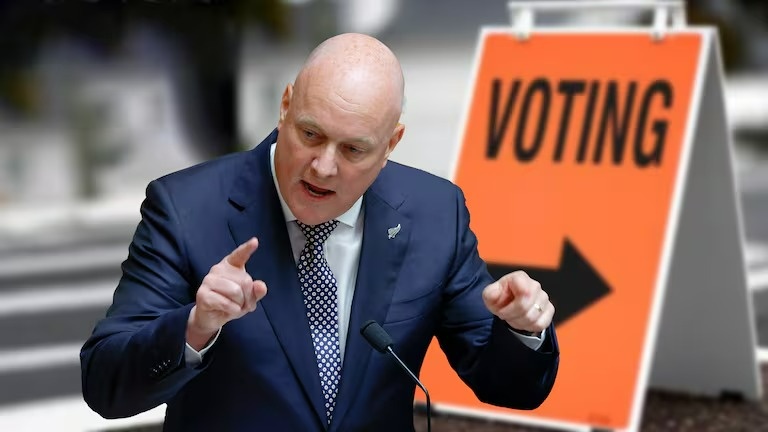
Opinion: Much to everyone’s surprise – including, it seems, his National Party colleagues – Prime Minister Christopher Luxon has committed to offering voters the chance to revisit their electoral system. Again.
Perhaps we shouldn’t be surprised – National has form when it comes to constitutional change.
Indeed, there’s a parallel between Luxon’s promise to hold a referendum on the voting system if reelected and the circumstances from which the mixed member proportional (MMP) system first emerged. Policy-making on the hoof features in both stories.
In 1978, under the old first-past-the-post (FPP) system, the National Party won an 11-seat parliamentary majority with fewer votes than the opposition Labour Party.
Unsurprisingly, at the next election – which National also won having lost the popular vote – Labour campaigned to establish a royal commission to examine the country’s electoral arrangements.
South Asian diaspora raises over $200,000 for New Zealanders missing in Nepal flood "I'm so proud of the Indian community here who...supported us, saying it is not a Nepal problem but our problem."
Tamakis launch Indian-origin candidate for Epsom who surrendered passport and has ‘assimilated’ “I know a whole lot of people are going to be like shocked,” says Hannah Tamaki.
Priyanca Radhakrishnan tries to puncture Luxon’s FTA victory, says India was already sold “Things have changed quite dramatically on the Indian government side,” says the Indian-origin Labour MP.
After taking office in 1984 (having won 60% of all parliamentary seats on the basis of 43% of all votes), Labour duly established the Royal Commission on the Electoral System – then proceeded to ignore its recommendations.
In the final televised leaders debate before the 1987 election, National’s Jim Bolger needled Labour’s David Lange into committing to a referendum on the electoral system if Labour was returned to office.
Lange appears to have misread his briefing notes. But Labour’s position was baked in the following day when deputy prime minister and minister of justice Geoffrey Palmer endorsed Lange’s commitment on television.
Yahoos and numpties
Labour’s failure to follow through on Lange’s commitment meant National could claim the electoral high ground in 1990. In the event, having undertaken to stage a single, binding referendum once in office, National proceeded to drag the process out.
An indicative referendum held in 1992 produced a clear indication voters wanted a new set of rules: 85% of the 55% of registered voters who participated opted for change.
At the second and binding referendum held in conjunction with the 1993 election, 53.9% of voters chose to replace the FPP system with a proportional one.
But Luxon and his political predecessors part ways on matters of due diligence.
Forty years ago, both major parties were thinking about electoral reform. The royal commission’s work, as well as miscellaneous select committee reports, provided context to the politics of electoral reform.
That is not the case in 2026, which raises obvious questions about what problem Luxon is trying to solve. Short of clearing the cabinet room of “yahoo or numpty” coalition partners, there seems to be no analysis of what that problem is.
It cannot be a concern about government effectiveness. The administration Luxon leads has not fallen over, budgets have been passed, the coalition has enthusiastically legislated its programme.
Clearly, then, Luxon is frustrated by the challenges of leading a multi-party government. But that is a matter of political management, not the system itself.
Tensions within multi-party governments are inevitable. But other MMP governments have found ways to manage these – through leadership, conflict resolution processes and judicious behind-the-scenes work by chiefs-of-staff.
None has reached for the nuclear option of electoral reform as a response to conflict inside cabinet.
A referendum on what?
Given the potential magnitude of the issue, there was remarkably little substance to Luxon’s pronouncement. It is hard to see quite what he is offering a referendum on.
Presumably, National’s policy team is now scrambling to work up talking points to questions the party will be fielding on the campaign trail:
1. Will voters be offered a simple choice of sticking with MMP or returning to FPP, or will other systems enter the mix?
2. Is a single binding referendum envisaged, or will there be a more protracted process?
3. Will an extended public education campaign be funded (as was the case 30-plus years ago)? Or will voters be asked to vote on a complex issue on the basis of their views on the nature of numpties and yahoos?
More broadly, and assuming FPP is what Luxon wants to see back, it is hard to imagine a majority of New Zealanders enthusiastically embracing a return to the old system.
But perhaps a refresher on its inequities is due for voters who only came of age under the present system:
1. In every election between 1951 and 1996, the government was formed by a party that won a majority of parliamentary seats with a minority of the vote.
2. Voters in a couple of marginal seats could determine the outcome of an election (in 1981, had 154 voters in three marginal seats cast their votes for Labour, the election result would have flipped).
3. Significant support for third parties (higher now than it was then) was rarely rewarded with parliamentary seats (most famously, Social Credit won 20% of the vote in 1981 but gained just two seats).
Casting the country back to an electoral system that delivered disproportionate power to a single political party supported by a minority of voters will not address the real problem.
And a four-year parliamentary term, which Luxon noted would also be part of the offer, could make matters even worse.
An electoral system is simply the method by which a country chooses its parliament. It does not and cannot address the elephant in the room – in Westminster systems, the fusion of the executive and legislative branches means governments dominate parliaments.
More electoral law reform is not the way out of the prime minister’s conundrum. Leadership and sound political management of cabinet is.
(This story was first published in The Conversation. The writer is professor of politics, Te Kunenga ki Pūrehuroa – Massey University.)