New Zealand tightens student visa rules, cuts work rights and toughens English checks

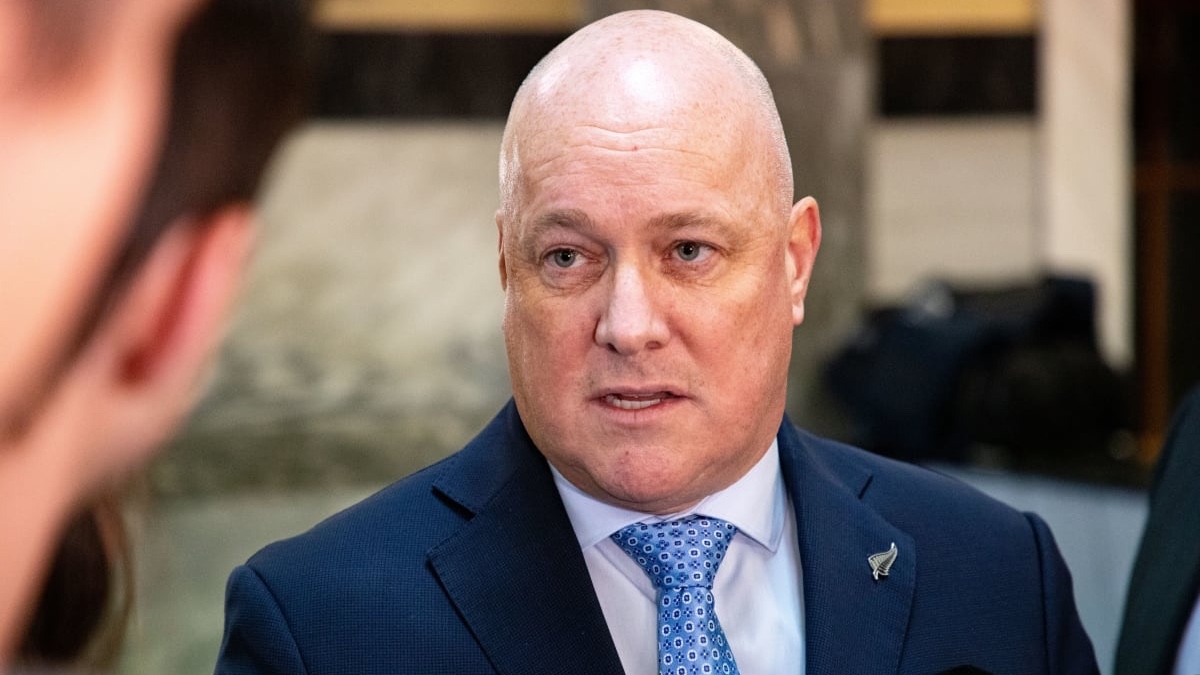
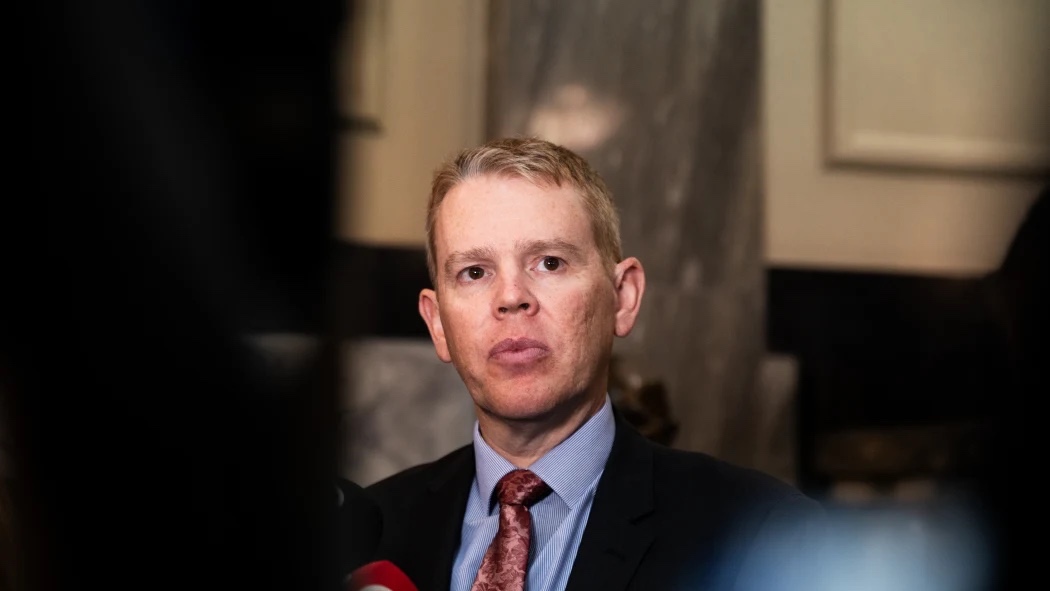
Immigration minister Erica Stanford. (Supplied photo)
New rules give immigration officers greater scrutiny over applicants.
New Zealand has announced sweeping changes to its student visa rules, removing unlimited work rights for research master's students, strengthening English-language checks and giving immigration authorities broader powers to suspend visa applications.
The four changes, announced by Immigration New Zealand (INZ) on October 27, take effect immediately. Three are aimed at tightening student visa compliance, while the fourth gives some international students more time to remain in the country after completing their studies.
One of the biggest changes affects international students pursuing research-based master's degrees, who have until now been permitted to work unlimited hours while studying.


Under the new rules, new applicants for these programmes will be restricted to 25 hours of work a week during their studies, although they may work full-time during eligible holidays.
This brings their work rights into line with those of most other master's students. INZ said the change reinforces the principle that studying, rather than working, must be the primary purpose of holding a student visa.
ACT says it has dropped poll promise to scrap permanent residency. But have they really? The party has retained its two-year stay requirement for future permanent residents, raising questions about what its policy reversal actually achieves.
Red flag as foreign students log thousands of insurance claims for depression, anxiety "It's becoming clearer that international students experience elevated levels of anxiety across a range of contexts here."
When home feels hostile: Navigating a year of anti-Indian hate From street harassment to political rhetoric, Indian New Zealanders reflect on rising hostility and what it means for their sense of belonging.
The restriction applies to only new applicants for research master's student visas. Existing visa holders should check the conditions attached to their visas. Doctoral students will continue to enjoy unlimited work rights.
English proficiency under greater scrutiny
Another significant change strengthens the role of English-language proficiency in determining whether an international student qualifies for a visa.
INZ has amended its immigration instructions to explicitly identify English-language ability as a key consideration when assessing whether applicants are likely to comply with their visa conditions.
The change could affect students whose English proficiency raises questions about their ability to successfully complete their courses.
Under INZ's guidance, immigration officers can request evidence of English-language ability, including results from recognised tests such as IELTS or TOEFL.
However, the announcement does not introduce a mandatory English-language test or a universal minimum score for all international student visa applicants.
It also does not explain what specific indicators immigration officers will use to identify students whose English ability may be inadequate, or what prompted the government to strengthen this requirement.
INZ already assesses whether applicants genuinely intend to study in New Zealand, including their proposed courses, previous education, financial circumstances and likelihood of meeting attendance and academic progress requirements.
The revised instructions make English proficiency a more explicit consideration in that assessment.
Awaaz has sought clarification from INZ on the reasons behind the change, how officers will assess applicants' English proficiency and whether additional testing or interviews could be required.
Broader powers to suspend visa processing
The third change expands INZ's ability to formally suspend student visa processing, including while an education provider is being investigated for possible non-compliance.
Previously, the circumstances in which processing could be formally suspended were more limited. Under the revised rules, INZ can suspend processing even while questions about an education provider's compliance are still being determined.
This means students applying to study with an institution facing regulatory scrutiny could experience delays in their visa applications before any final finding against the institution.
The announcement does not specify how long such suspensions could last, what criteria would trigger them or what protections would be available to affected students.
More time after studies end
While the first three changes tighten immigration controls, the fourth offers some relief to international students nearing the end of their courses.
Currently, student visas expire either on March 31 or one month after the completion of a course, depending on the programme and duration of study.
INZ has extended the one-month period to two months, giving affected students additional time to consider their next steps. This could include preparing an application for another visa, arranging further studies or making plans to leave New Zealand.
The March 31 expiry date remains unchanged. INZ has not clarified in its announcement whether the extension will automatically benefit existing visa holders or apply only to new visas.
The changes come into force immediately, with the department saying the overall objective is to protect the integrity of New Zealand's international student visa system while providing greater flexibility to students completing their qualifications.