
Unitec ordered to take back Kiwi-Indian analyst it fired without notice after two decades

The man began working with Unitec in 2005.
The showdown between the institute and the employee has been only temporarily resolved for now.
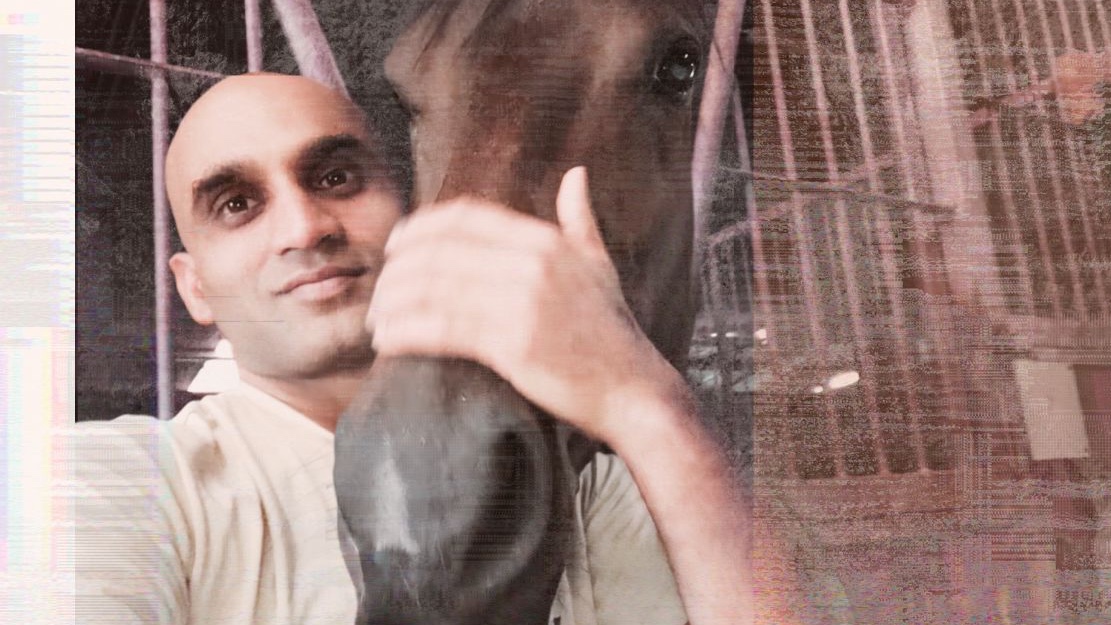
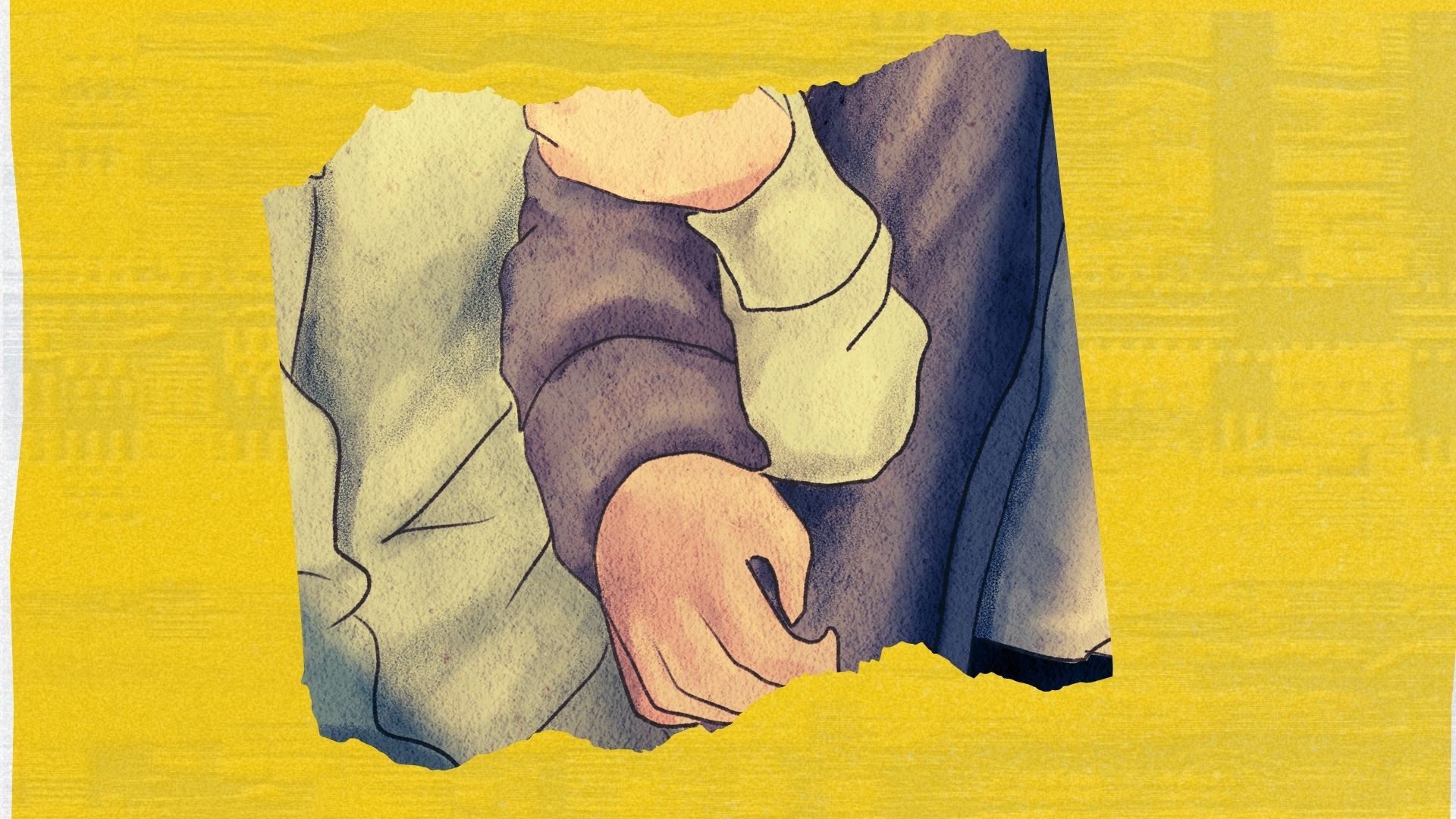
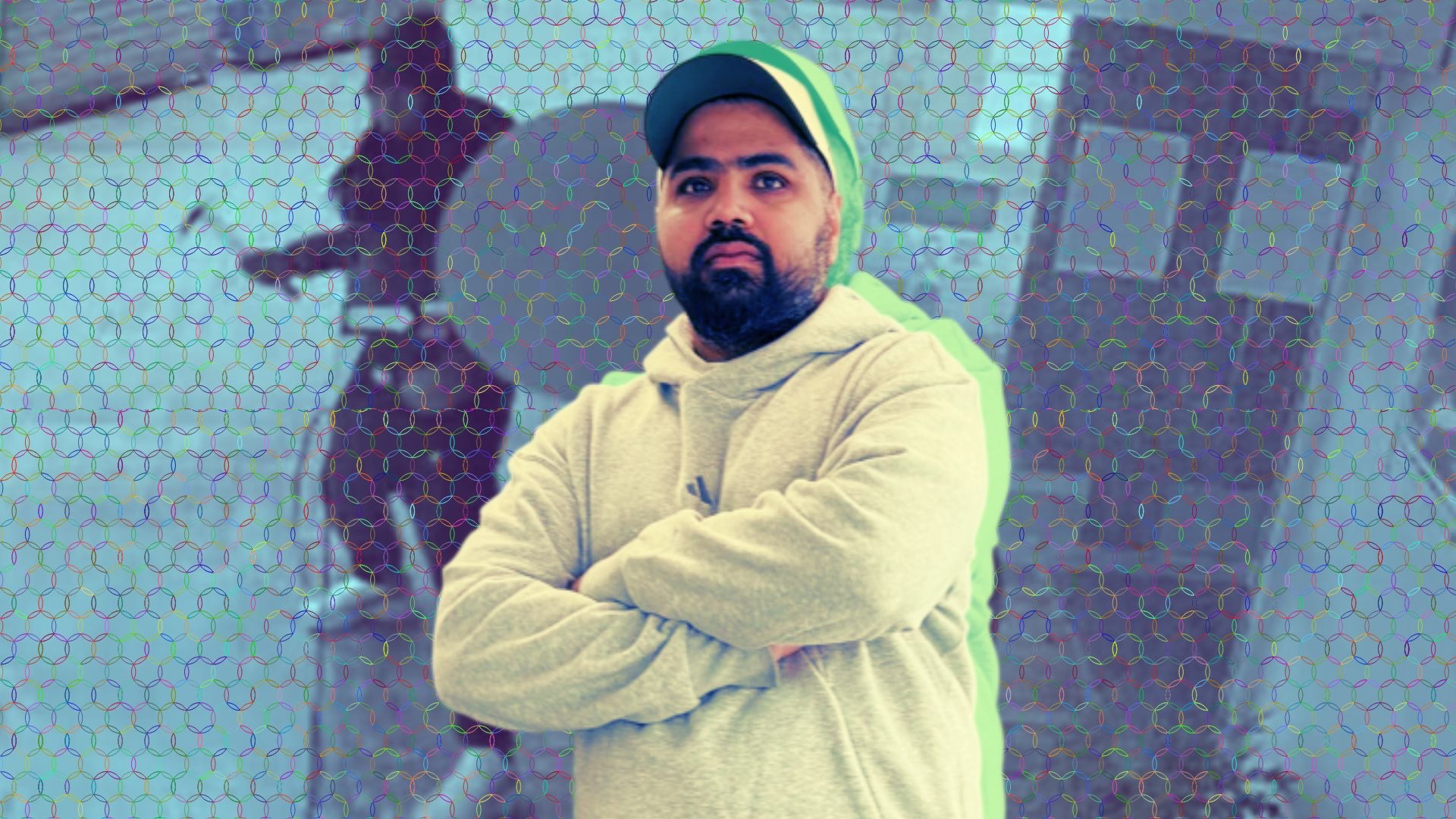
Unitec has been ordered to put a long-serving Kiwi-Indian analyst back on its payroll after firing him without notice for serious misconduct following nearly 21 years at the institution.
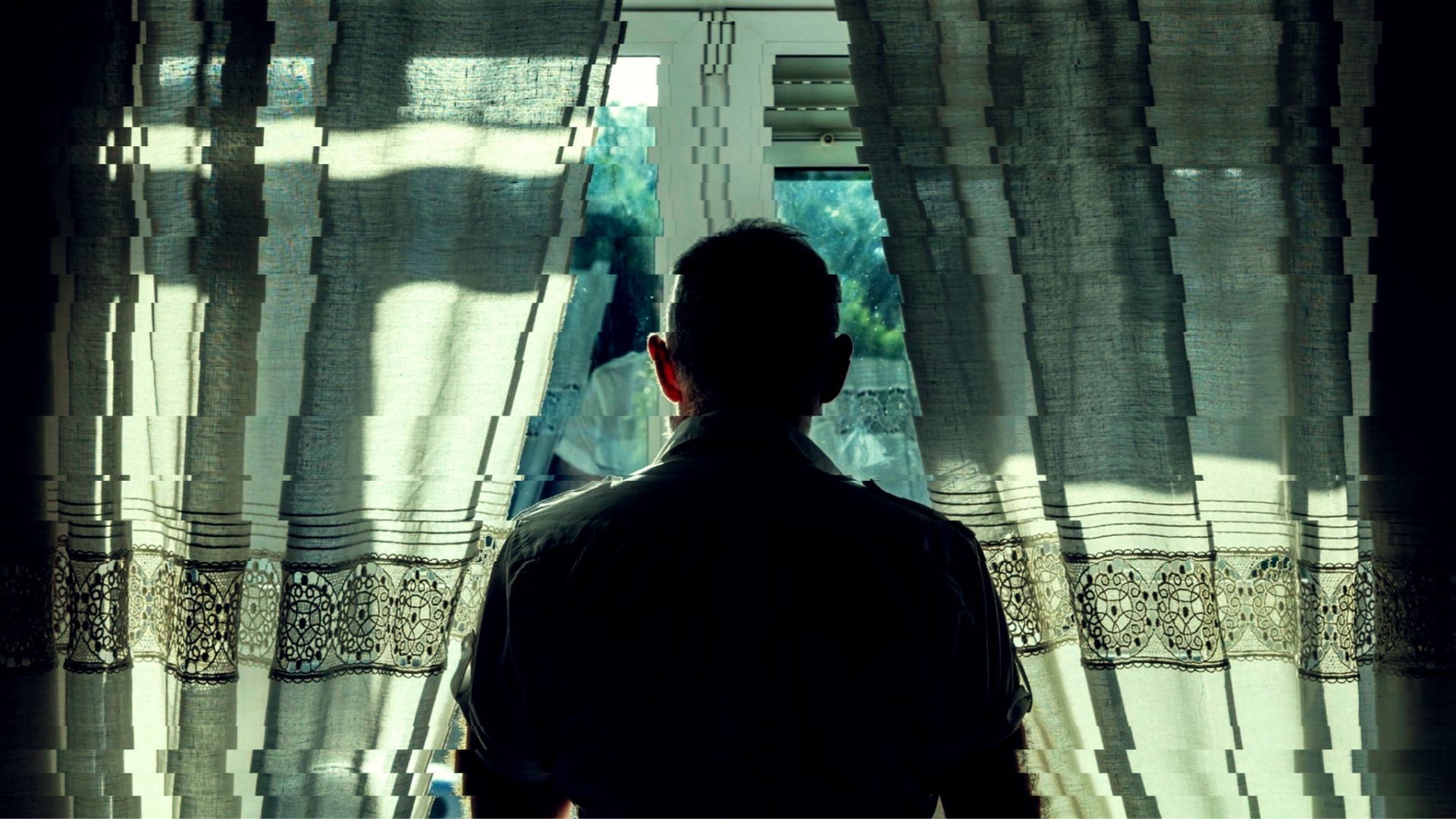
Gaurav (name changed) told the Employment Relations Authority (ERA) the dismissal left him “shocked, devastated and deeply distressed”, damaged his confidence and affected his ability to support his elderly parents.
The ERA hasn't suppressed the employee's name, but Awaaz has chosen to withhold his identity in light of the emotional distress and reputational harm he described following his dismissal.


In its order on September 11, the authority granted Gaurav interim reinstatement while it considers his claim that he was unjustifiably dismissed.
Gaurav began working for Unitec as a business analyst in August 2005 and had no previous disciplinary action against him. But his career unravelled within months after a change in reporting line at the beginning of 2026.
South Asian diaspora raises over $200,000 for New Zealanders missing in Nepal flood "I'm so proud of the Indian community here who...supported us, saying it is not a Nepal problem but our problem."
Tamakis launch Indian-origin candidate for Epsom who surrendered passport and has ‘assimilated’ “I know a whole lot of people are going to be like shocked,” says Hannah Tamaki.
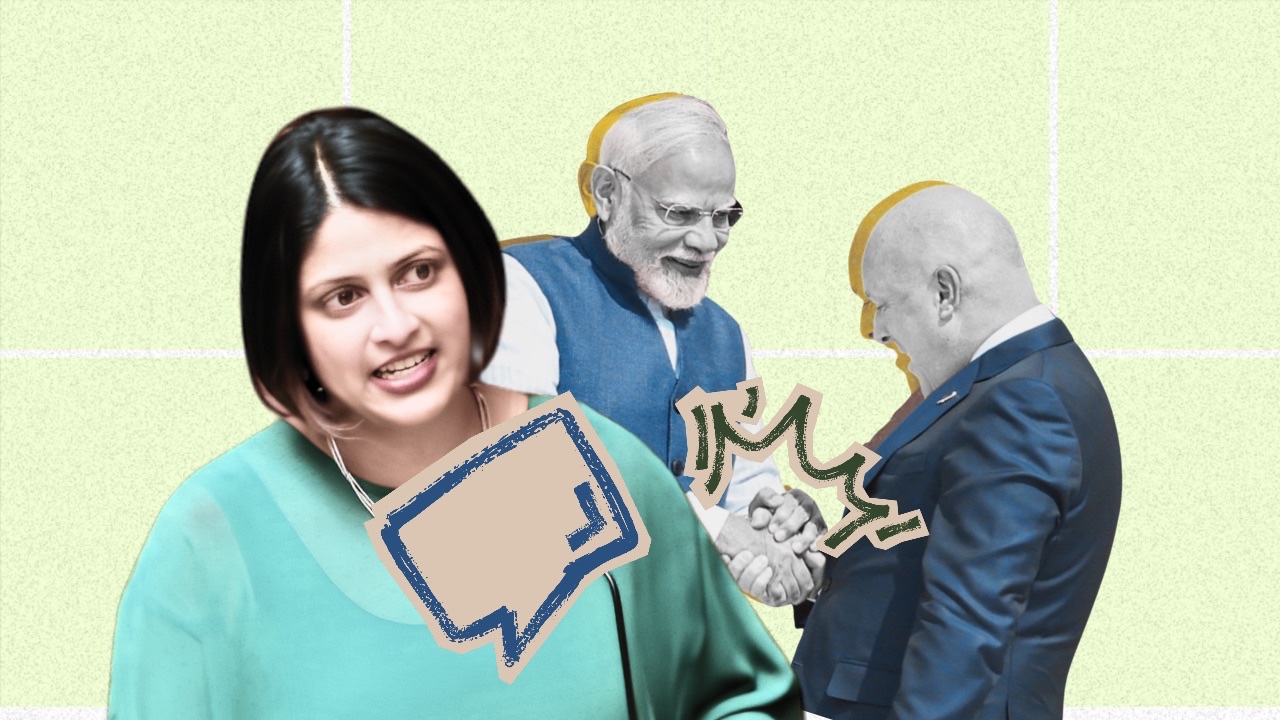
Priyanca Radhakrishnan tries to puncture Luxon’s FTA victory, says India was already sold “Things have changed quite dramatically on the Indian government side,” says the Indian-origin Labour MP.
At the centre of the dispute was a technically complex data project linked to reporting requirements for the government’s Tertiary Education Commission.
Gaurav told senior managers in January that the Data Systems Refresh project had not been delivered and later raised concerns about outstanding work, manual intervention and the resources needed to meet continuing reporting obligations.
Digital Services managers took a different view. They said the project had been completed and signed off in August 2025, and that the problems Gaurav was raising related instead to ongoing data-management and reporting work.
By April, that disagreement had become a disciplinary matter. Gaurav was accused of giving his manager and a senior executive false and misleading information about the project, including saying it had not been delivered when Digital Services considered it complete.
Other allegations included creating what the employer regarded as a false sense of urgency around data problems and providing misleading information about further consultant work.
Two allegations were ultimately upheld as serious misconduct and Gaurav was fired immediately on June 11. MIT-Unitec maintains the dismissal was justified and says Gaurav's conduct destroyed the trust and confidence required in the employment relationship.
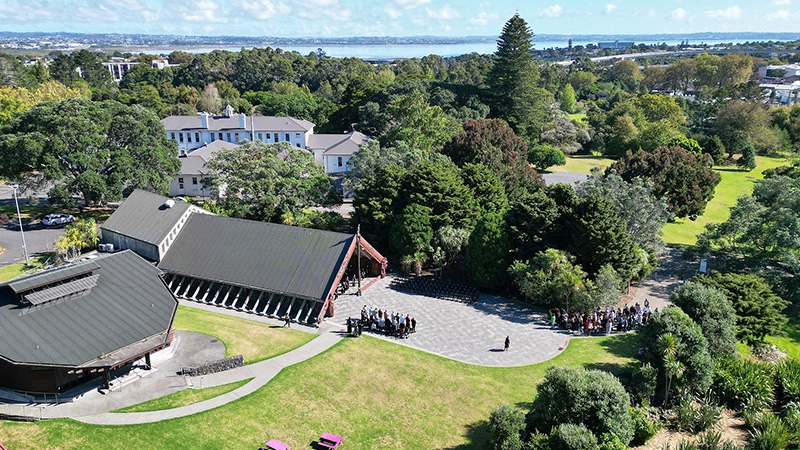
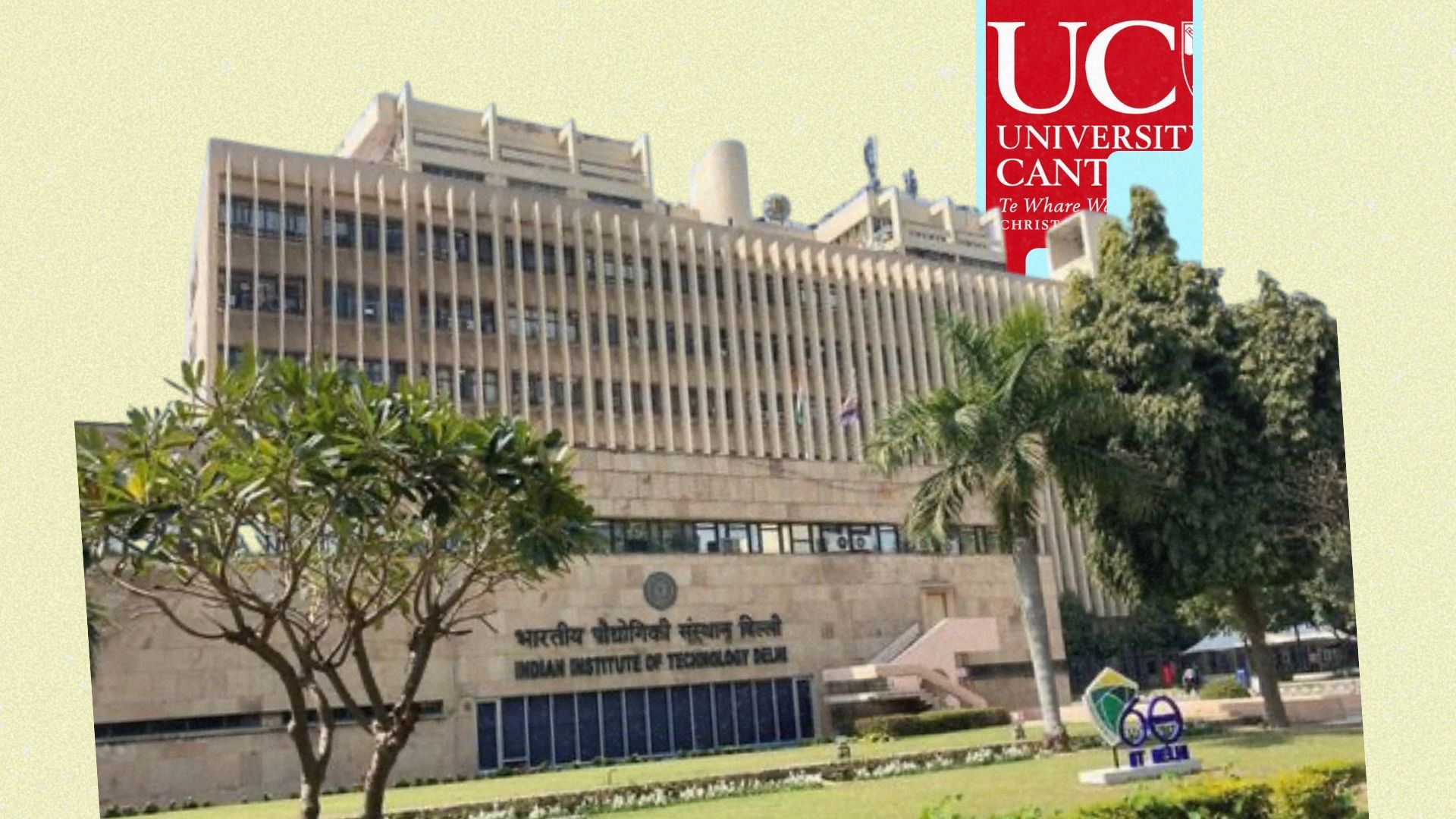
An aerial shot of the Manukau Institute of Technology and Unitec campus. (Supplied photo)
Gaurav disputes that conclusion. The latest authority decision does not determine whether the sacking was justified. That will be decided in the substantive case later.
But authority member Marija Urlich found Gaurav had established a seriously arguable case and questioned whether the employer moved too quickly from a complicated technical disagreement to formal misconduct allegations.
Urlich pointed to Gaurav's length of service, his relatively recent change in reporting line, the complexity of his involvement in the Data Systems Refresh project and the way that work overlapped with continuing reporting obligations.
Given those factors, and MIT-Unitec’s resources as a major public institution, she said it was arguable that a preliminary investigation should have been considered before disciplinary allegations were formulated.
The failure to do that, or to fairly consider whether such an investigation was needed, could go to the fairness and reasonableness of the disciplinary process and its outcome, the authority said.
It also found there was an arguable case that the evidence available to the decision-maker did not fairly support the intention and motivation attributed to Gaurav.
A key issue appears to be whether everyone involved meant the same thing when they described the project as “complete”.
The authority said there could reasonably have been different understandings of the project’s scope, particularly where it intersected with continuing reporting obligations.
For Gaurav, the consequences went well beyond the technical dispute. He told the authority that after more than 20 years as what he described as a respected and dedicated employee with an unblemished record, the dismissal caused continuing reputational and emotional harm.
It had “undermined his confidence” to consider other opportunities, he said. His enjoyment of life and socialising had also diminished, including because of his longstanding connections with the institution.
Gaurav also said he was the primary source of support for his elderly parents and losing his income affected his ability to continue supporting them.
MIT-Unitec challenged the extent of that harm, arguing Gaurav had provided limited evidence of financial loss and that his professional reputation had not been significantly damaged because relatively few people knew about his dismissal.
It also argued that returning him posed operational risks because senior managers no longer trusted him. The authority nevertheless found the balance tipped, although “finely”, in Gaurav's favour.
Urlich said Gaurav identified closely with his work and the harm caused by keeping him away from it “may be significant”. She also considered MIT-Unitec large enough to put safeguards in place to manage the risks it said his return would create.
“At the heart of this employment relationship problem is a dispute about a complex, technical system and Mr [Gaurav's] role within it,” Urlich said.
Gaurav was ordered back onto the payroll immediately. The parties were also directed to return to mediation to try to agree on his return to his former position or another role no less advantageous than the one he held when he was dismissed.
If they cannot agree, either side can return to the Authority for further directions.
The interim ruling does not permanently overturn Gaurav dismissal. Whether MIT-Unitec was justified in firing him for serious misconduct remains to be decided.