Social supermarket serves up cheaper food with a side of financial advice
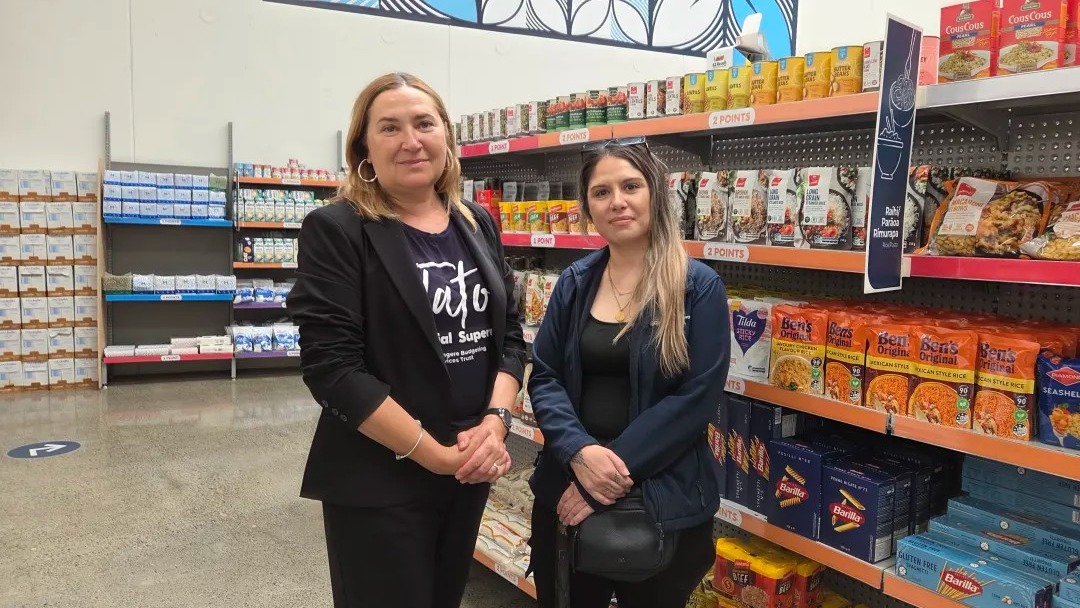
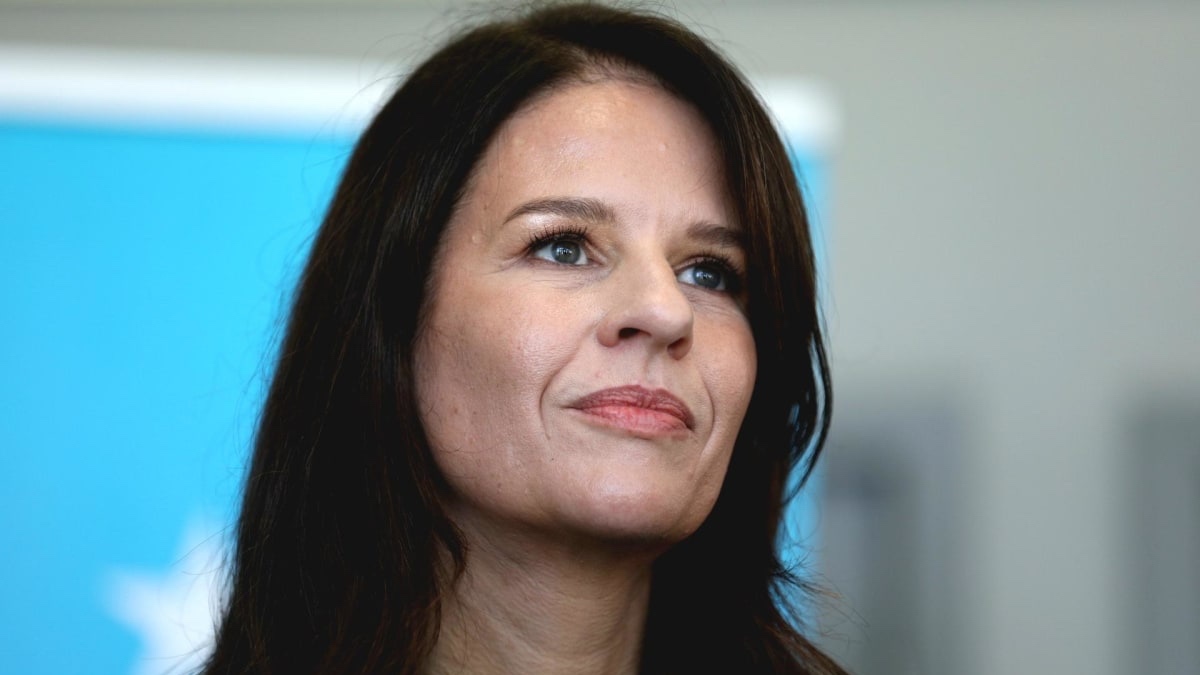
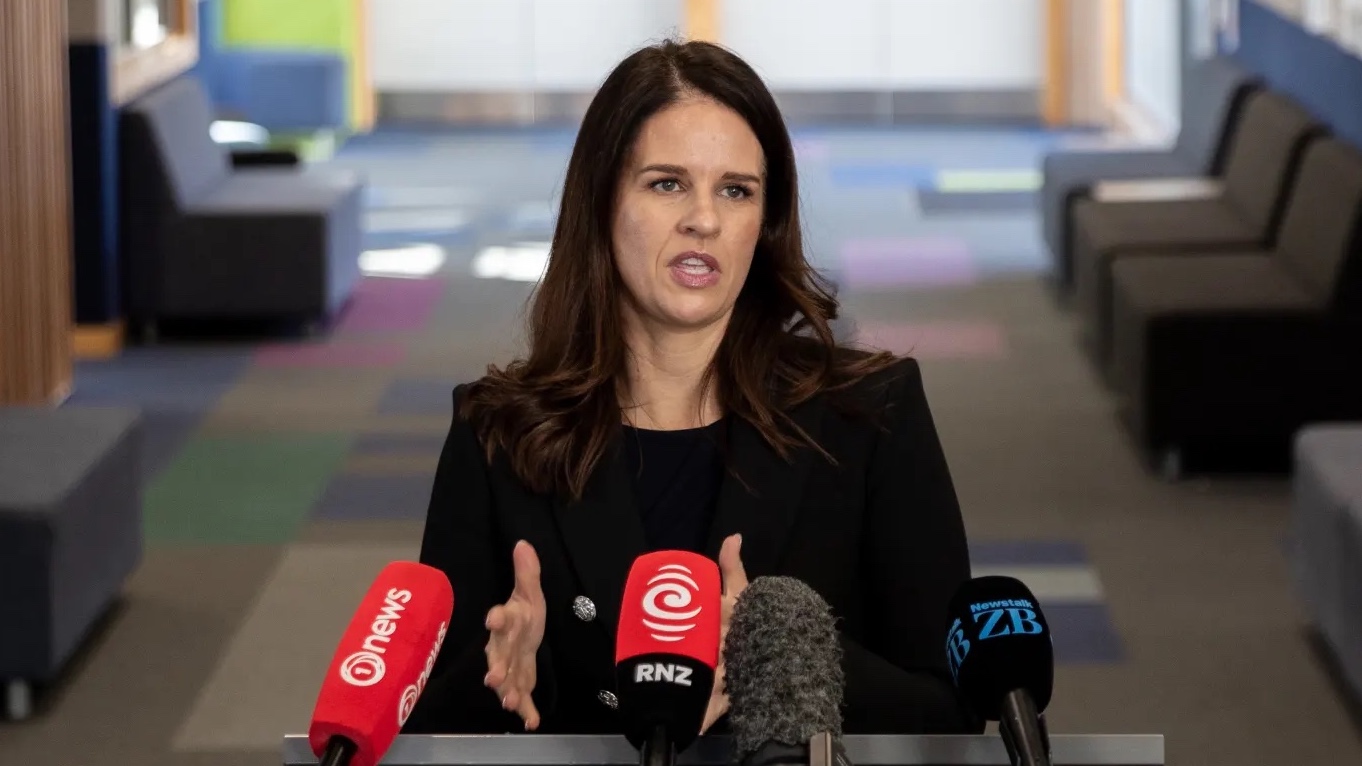
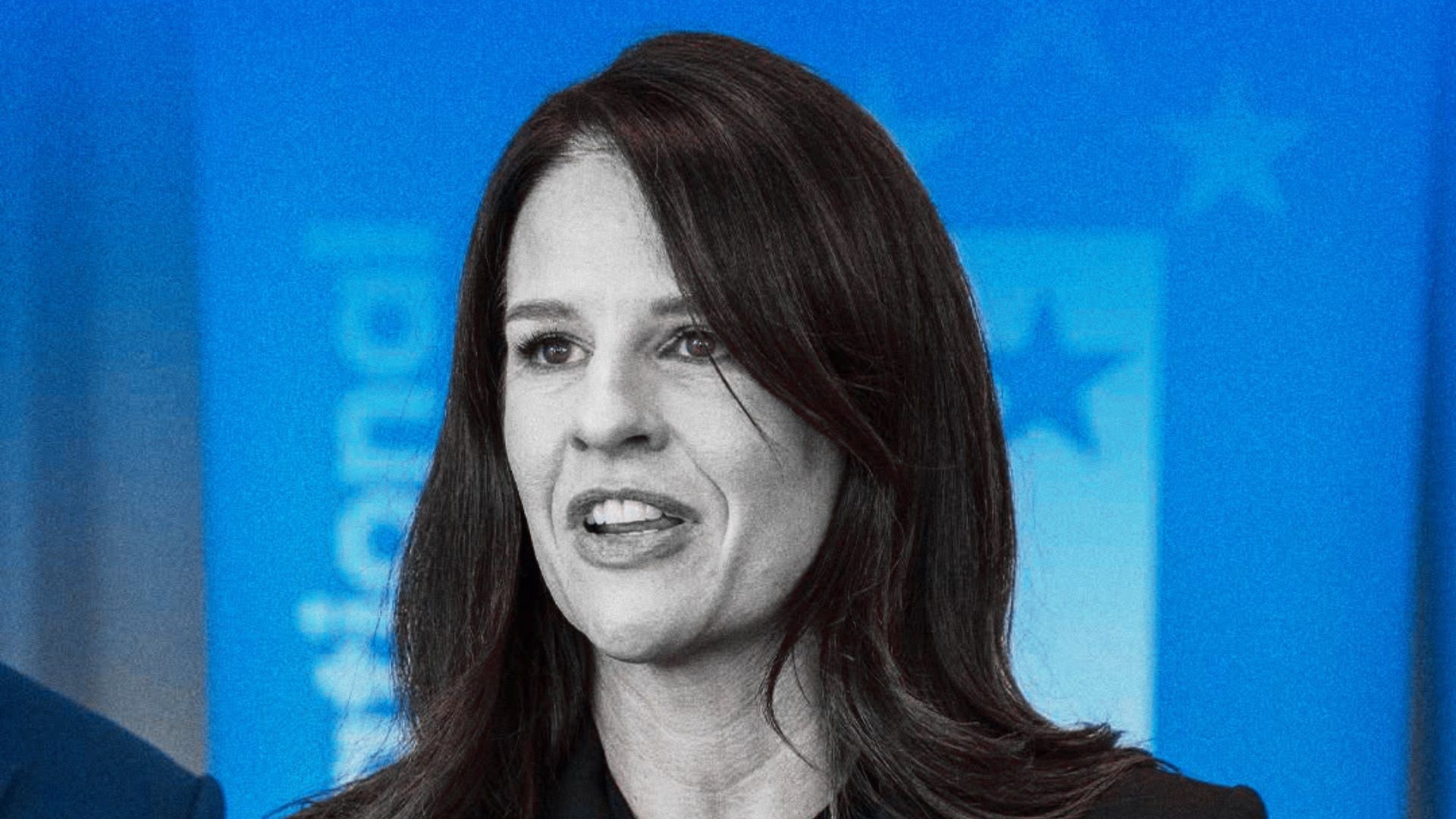
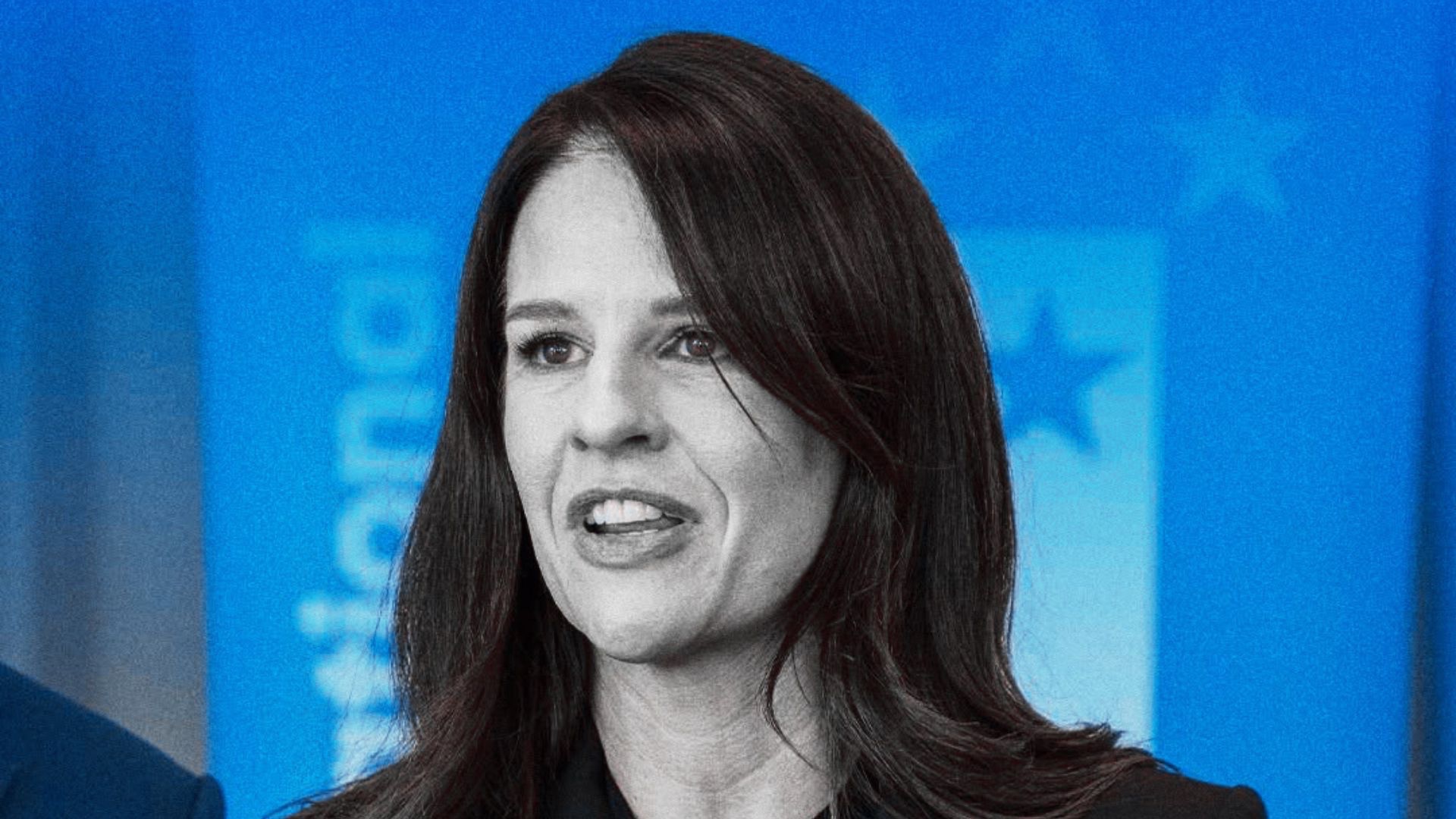
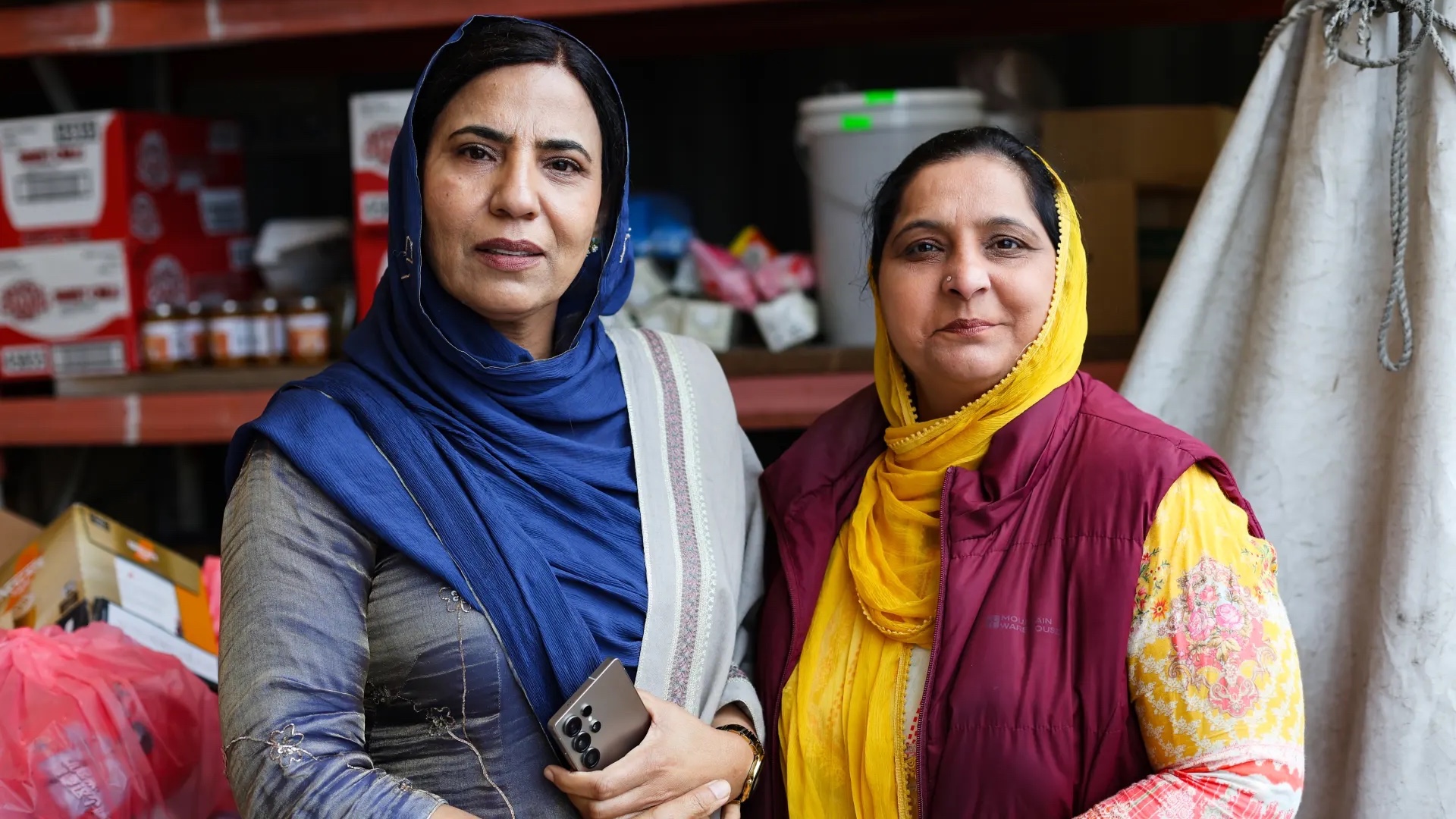
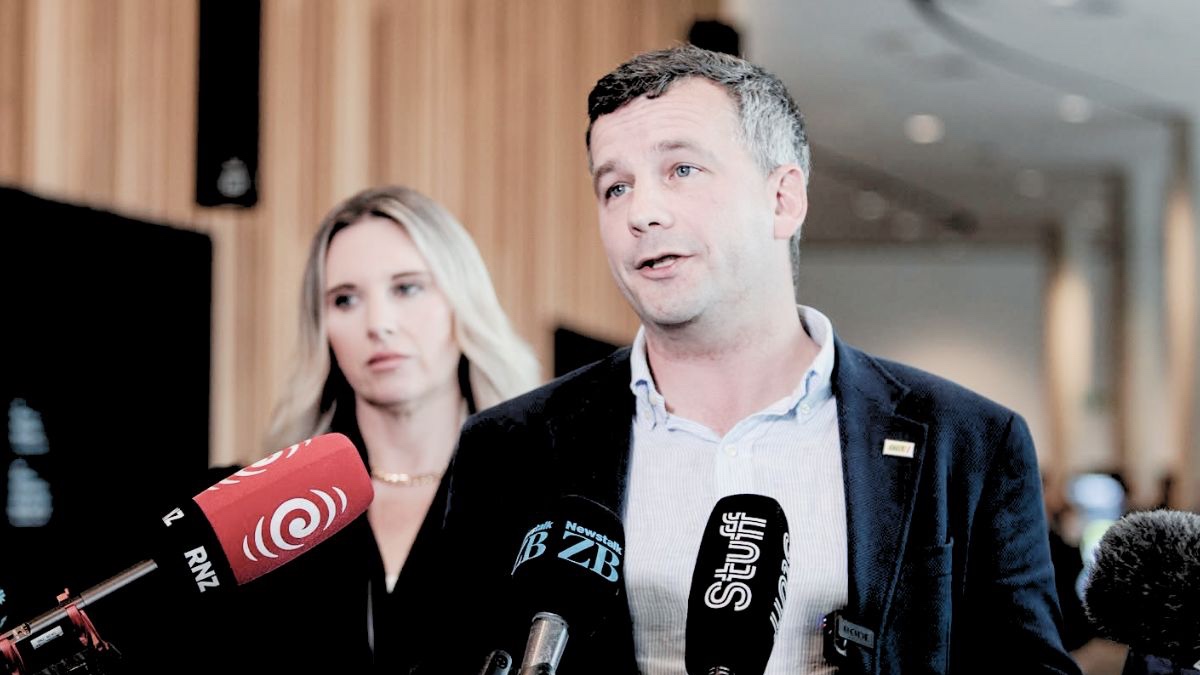
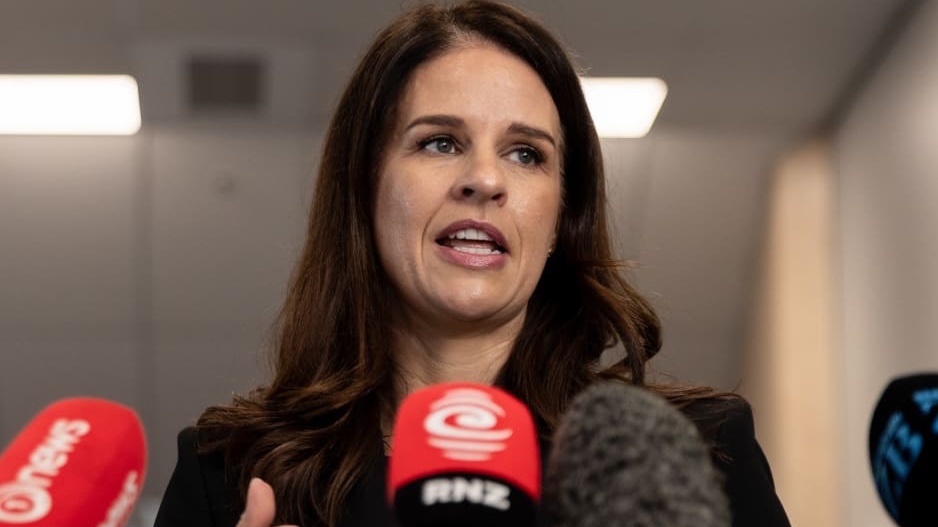
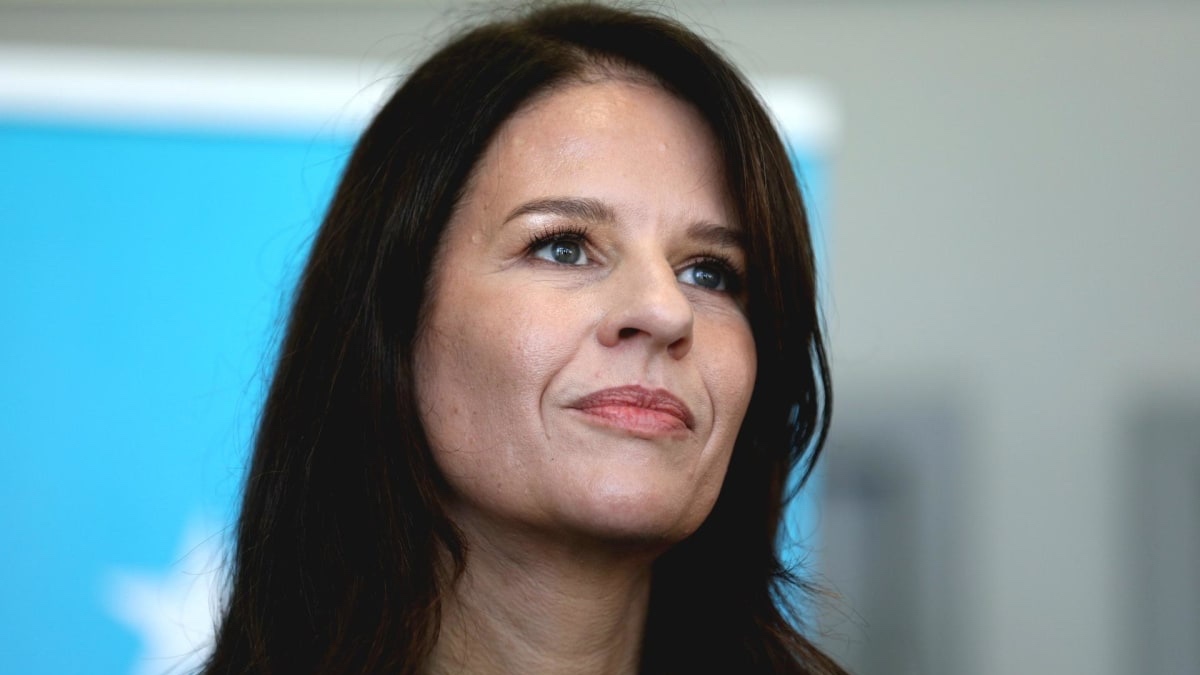
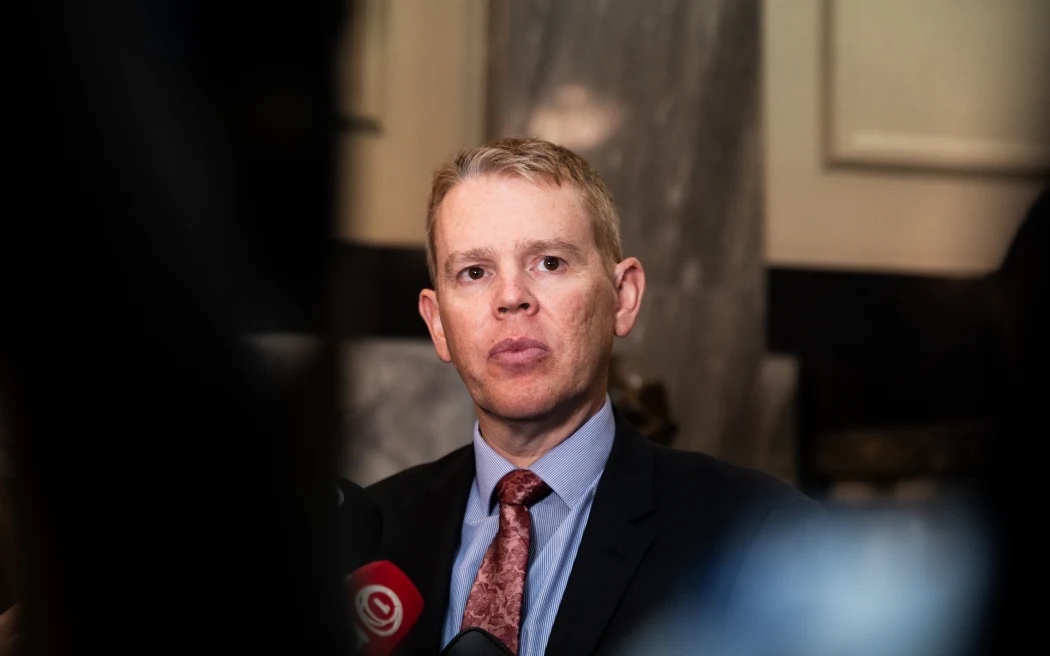
Lara Dolan (L) and Rosanna Nicholson at Māngere Budgeting Service Trust's Tatou Social Supermarket, where demand for budgeting support rose 64% in the past two years. (RNZ/Erin Johnson)
"Providing services like financial mentoring, cooking classes and health programmes alongside access to cheaper food makes a long-term difference"
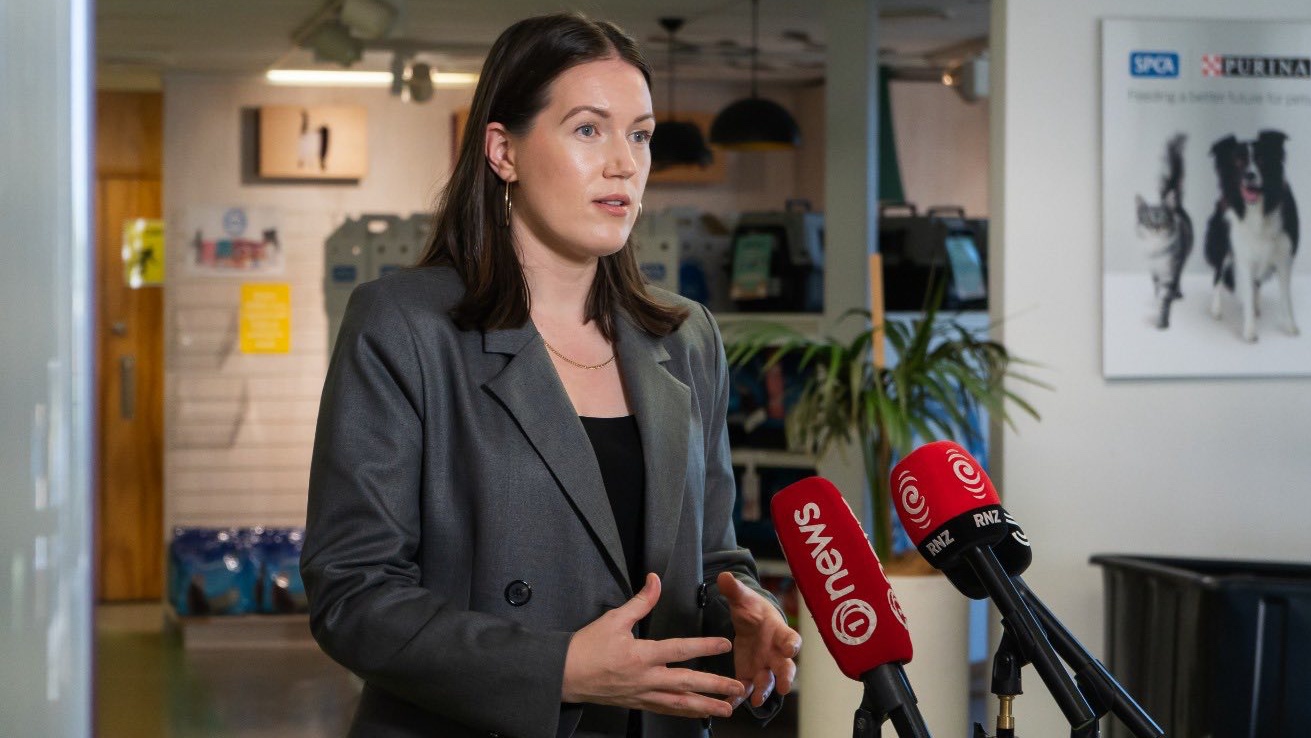
Serving up financial advice along with access to cheaper food is helping those finding it tough to put food on the table to support themselves, says Māngere Budgeting Service Trust CEO Lara Dolan.
The trust ran a food bank until April 2024, when it opened Tatou Social Supermarket alongside the budgeting service.
Dolan described it as a "hand-up" rather than a "hand-out".
Along with the change had come a steep rise in need. In the past two years, demand for food support had doubled, while demand for budgeting services had climbed by 64 percent, she said.
It was no surprise to Dolan when the 2026 Hunger Monitor found nearly one in three New Zealand households were moderately or severely food insecure.
A wave of funerals: The NZ student who went home to a wiped-out village Thousands of kilometres from his PhD studies in Christchurch, Sunil Tamang's heart remains with his people in Nepal.
Indian grocery worker was fired, deported. His former employer now must pay him $28K Two parcels of undeclared chewing tobacco gave the store grounds to fire him.
'Sleep scared': The wee hours call Christchurch Indian restaurant owners dread every night Indian Roots in Halswell has been burgled three times in three years.
Fuel price rises had added to the cost of living crisis, but unemployment and under-employment was a growing issue for those needing support, she said.
"They want to work, but there's simply no jobs for them."
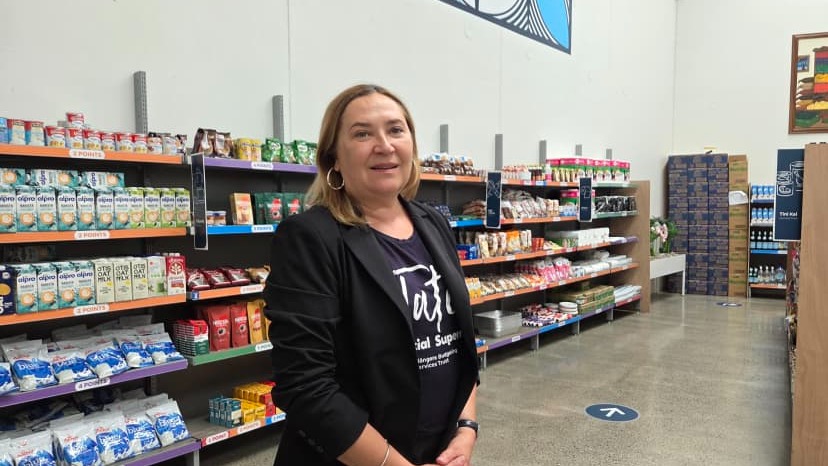
Dolan stressed the social supermarket, which ran on a points system was "not a discounted shop offering food, it's not how we work".
"The most important thing is that families are working with us," she said.
A large family got 75 points to spend on food and other groceries, like toiletries. It worked out to about $200 in retail value, because food companies and charities donated items that were available at zero points, including bread, meat, fruit and vegetables.
Those using the social supermarket also worked with a financial mentor.
Rosanna Nicholson came to the social supermarket having returned from Australia in difficult circumstances. A support worker suggested she visit the social supermarket for food support.
"I remember thinking 'this is so amazing', and then I also got guided to a financial mentor. So not only was I given food, but they were helping me beyond my immediate need."
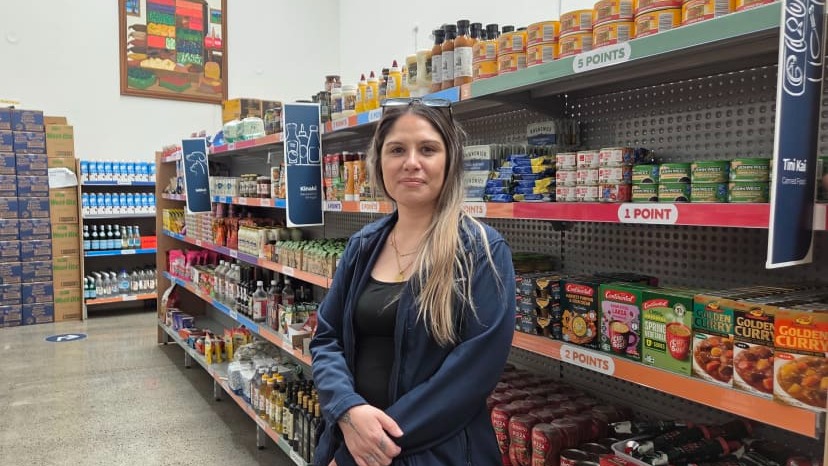
Nicholson now worked there as team leader, using her own experience to help others access support.
"We kind of go through the whole journey with them from the moment they walk in the door - if they need counselling, if they need financial mentoring, if they need food."
Those wrap-around services were vital for improving someone's situation beyond solving the immediate need for food, said Rodney Spinks, who was awarded a Churchill Fellowship to research international best practice for providing food support.
"Food insecurity is an ongoing chronic issue for all of us, not only in Australia but New Zealand, USA and UK where I visited."
Spinks intended to put his findings into practice and was setting up the first social supermarket in Launceston, Tasmania.
He found that simply giving access to cheaper food wasn't enough to solve the issue: "The wrap-around service is where you can actually make some social impacts, and that's the key to improving food security."
Providing services like financial mentoring, cooking classes and health programmes alongside access to cheaper food makes a long-term difference, he said.
Dolan said working with a financial mentor made a "huge difference" for the many clients who came to Māngere Budgeting Service with high levels of debt at high interest rates.
The service's financial mentors worked with the clients and finance companies to consolidate debt and lower interest rates - sometimes reducing interest from 32 to 15 percent.
"All of a sudden they go from a situation where they couldn't put food on the table to actually being able to support their own family."
For Dolan, "success" was when people moved on, able to budget for their families. It would also be a "success" if someone came to check if they could afford to buy a car on a high interest rate.
"It would be good if they can come and say 'Can you just check? Can I afford it? Is it a good idea?'"
She said services should not be an ambulance at the bottom of the cliff, but a barrier at the top to stop people falling.
Having come full circle, Nicholson was bracing for Christmas which brought pressure to spend up large: "That's what makes people go to get the loan and then next year they've got to deal with the consequences."
(This story was first published by RNZ)