Belonging
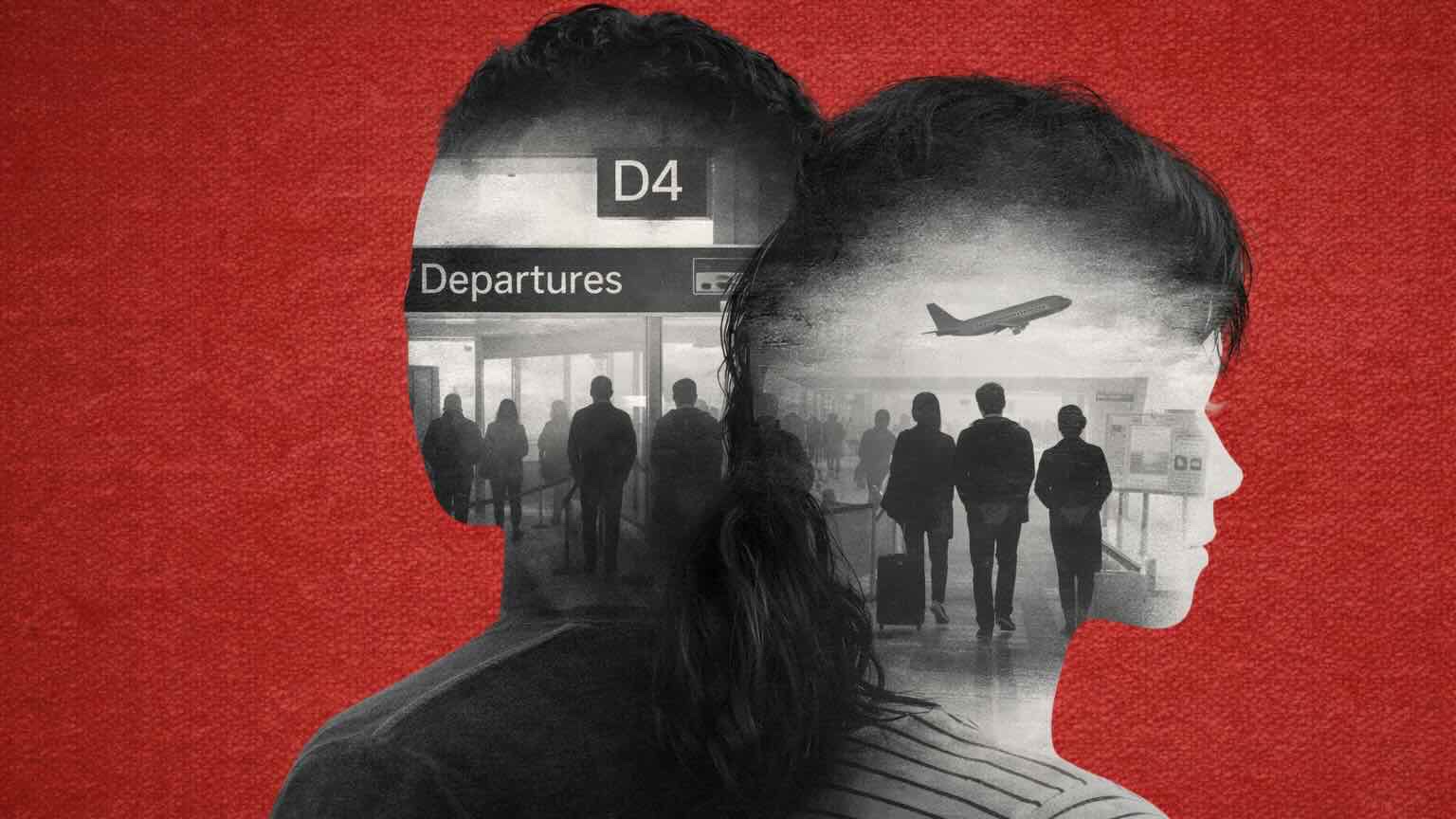
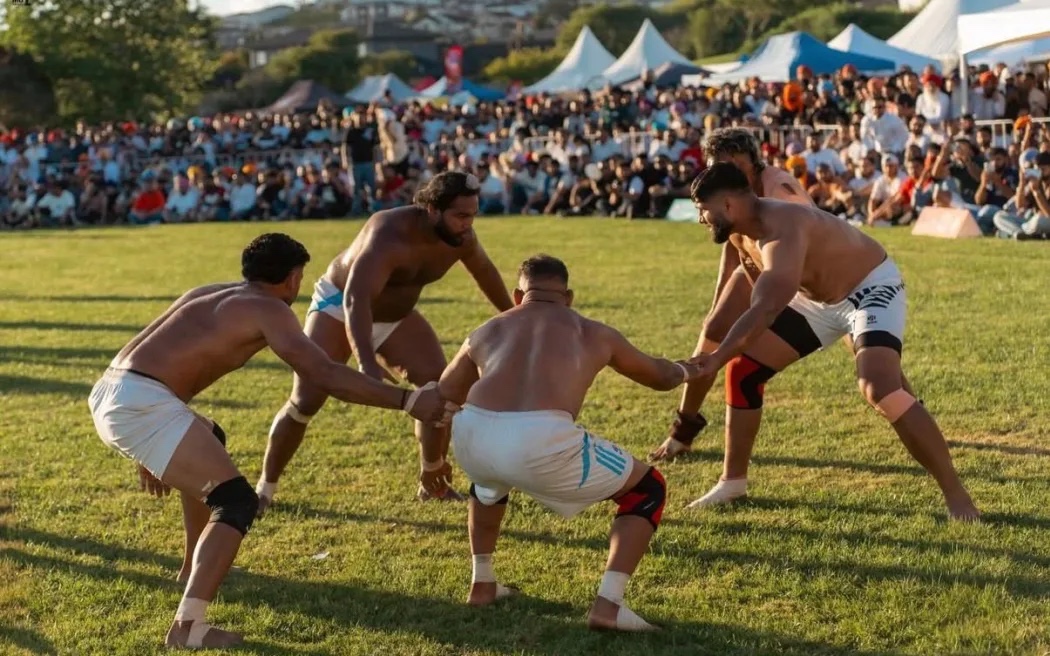
Can a migrant embrace a new home without abandoning old loyalties? Sports often offers a reckoning for migrants.
National's big ticket Indian-origin candidate on what ethnic representation really achieves and why New Zealanders still struggle to get along.
The production paid homage to the fight for independence from colonial rule in South Asia.
“We’ll always be reminded of this, thanks to this man who thinks we don’t belong.”
This is no immigration reform. It is the politics of exclusion presented as population planning.
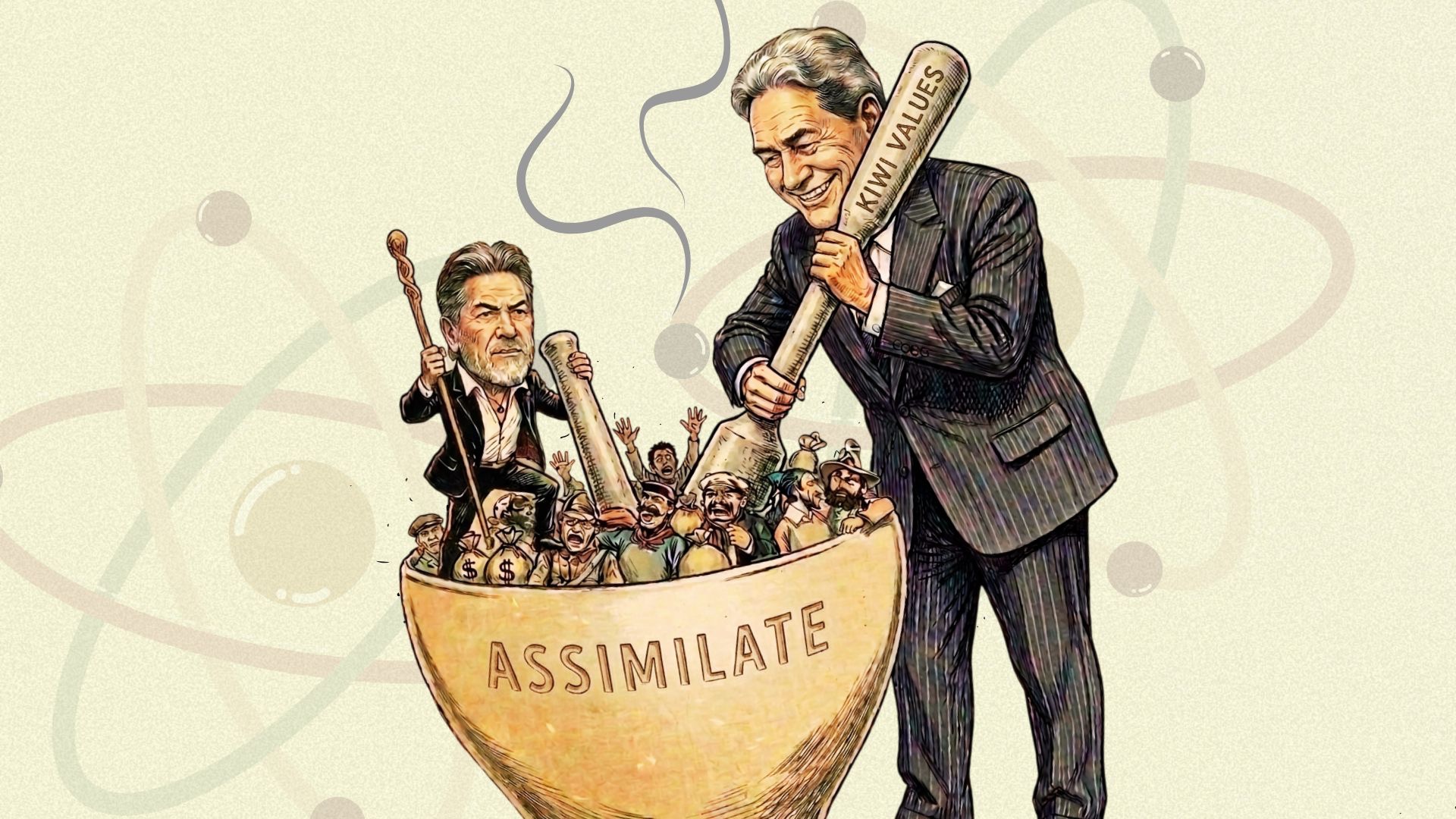
The party believes migrants need time to "put down roots" before they can graduate to permanent residency.
"This set of polices is about taking back control of the future of our country and valuing our unique citizenship the way it should be."
The ruling puts the spotlight back on migrant children who grew up in New Zealand while their parents overstayed their visa.
For migrants from countries that don't allow dual citizenship, becoming a New Zealand citizen isn't a straightforward decision.
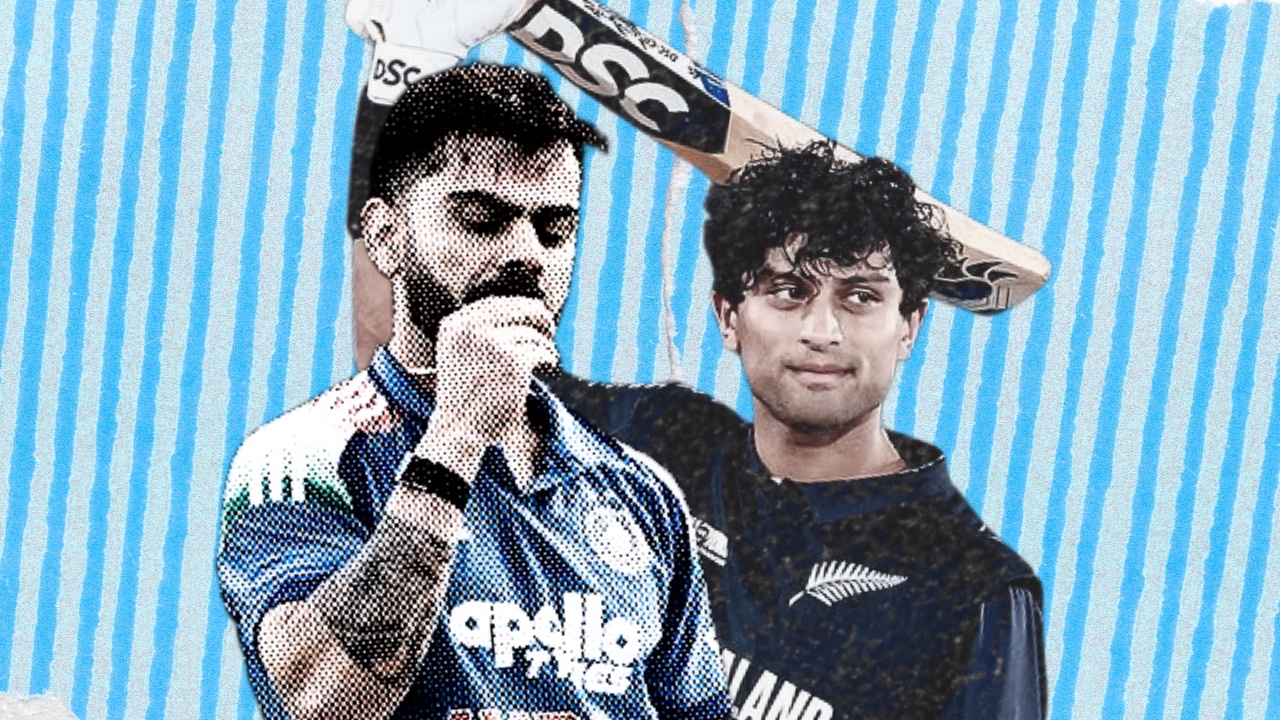
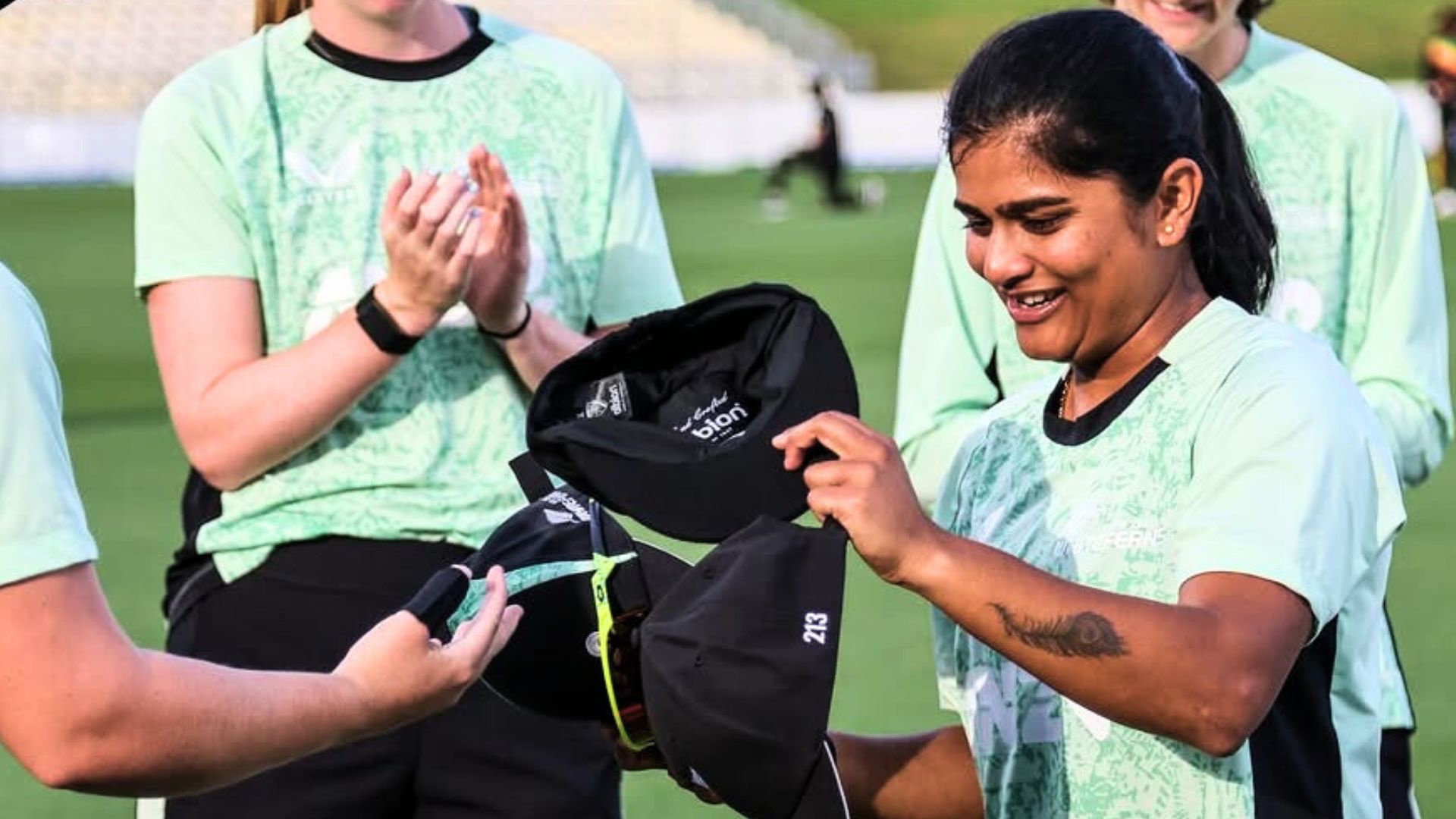
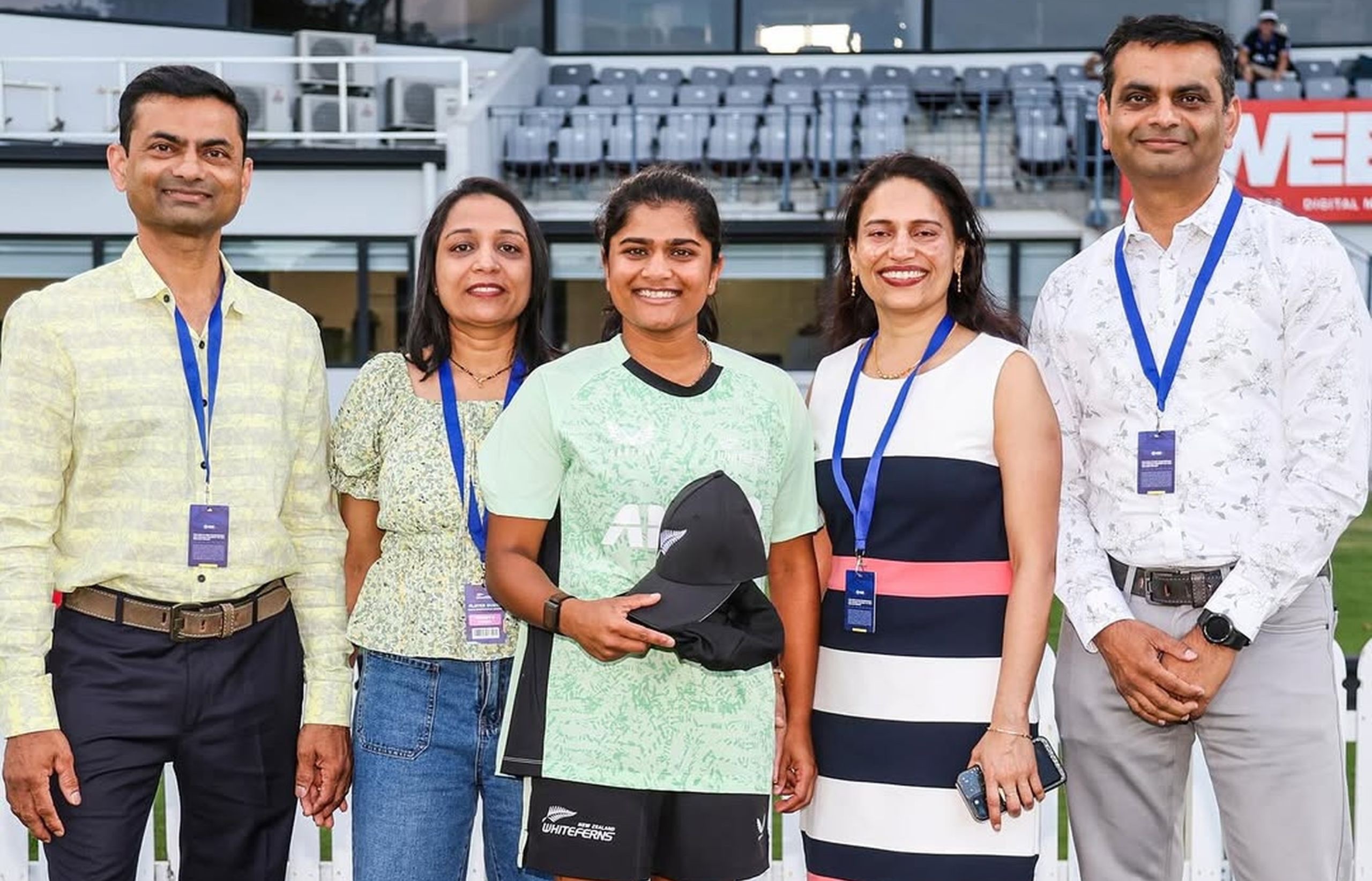
“What we really need to understand is where your heart is when New Zealand needs 14 runs off the final over.”
If an Indian teenager had behaved the exact same way, I probably wouldn't even have noticed it.
Aucklander Rishabh Kapoor has put his actor’s hat on as Prayas Theatre prepares to open its new absurd comedy, Mama Moo.
Instead of addressing structural problems, we are getting proposals increasingly concerned with distinguishing between us and them.
Bad behaviour by a migrant can quickly become a judgment on the whole community.
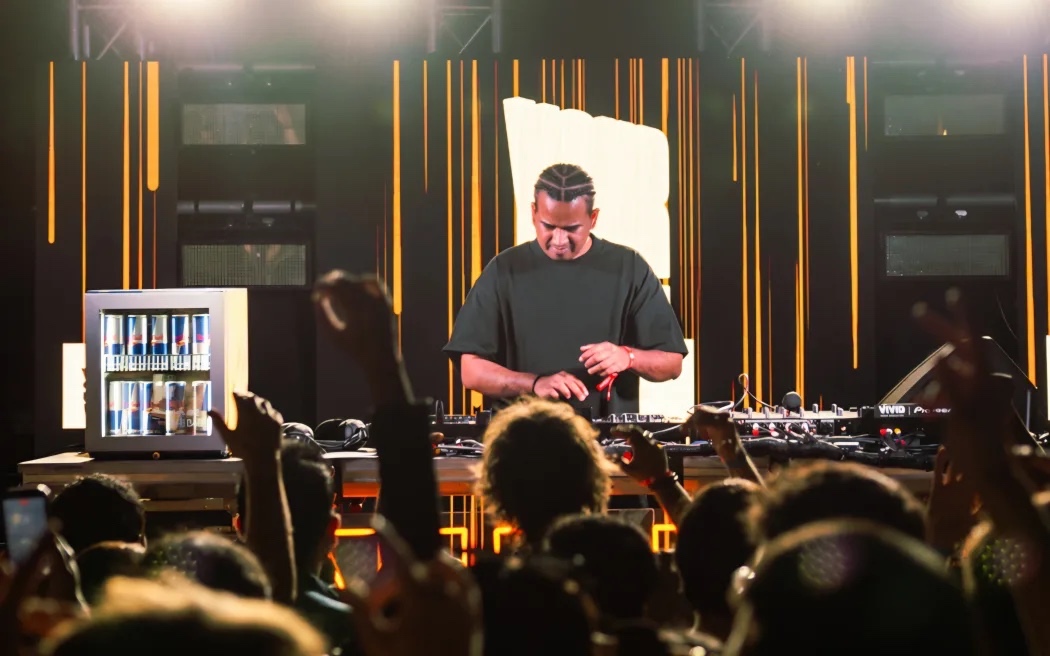
"It gives people time to de-stress and comes without the baggage of drinks or alcohol."
Social cohesion is often presented as something migrants must deliver to the host society. It is not.
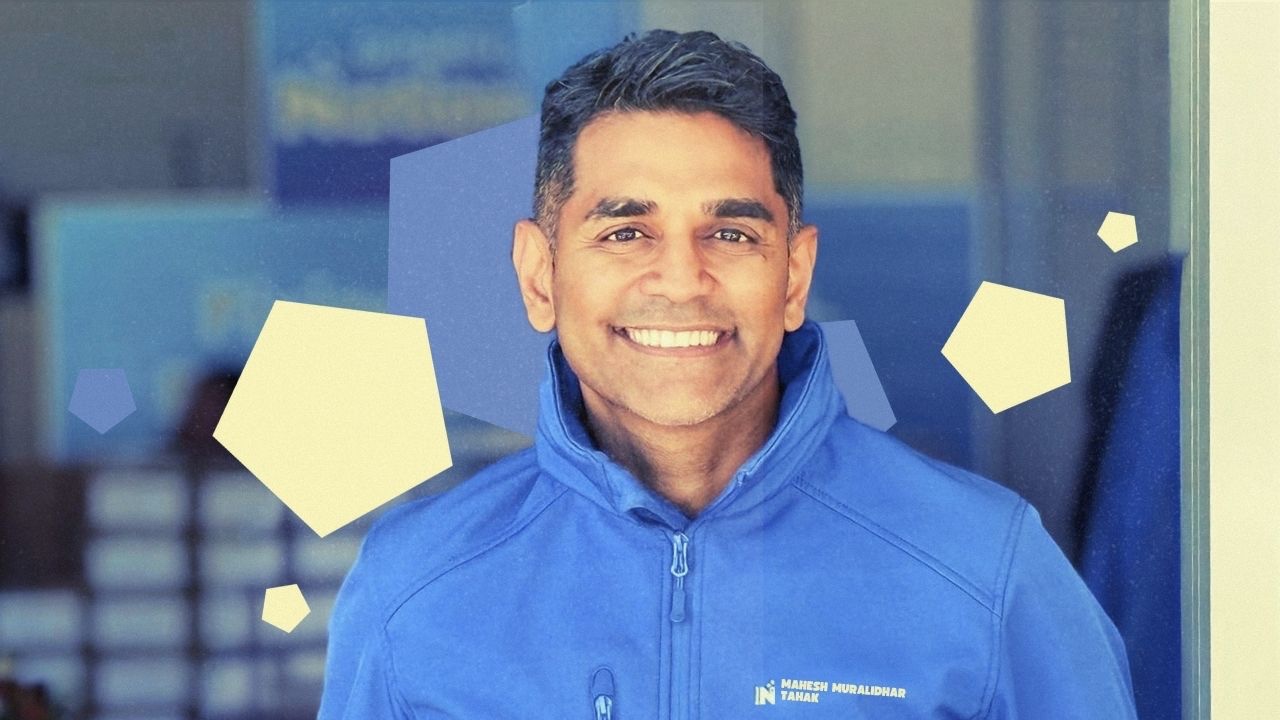
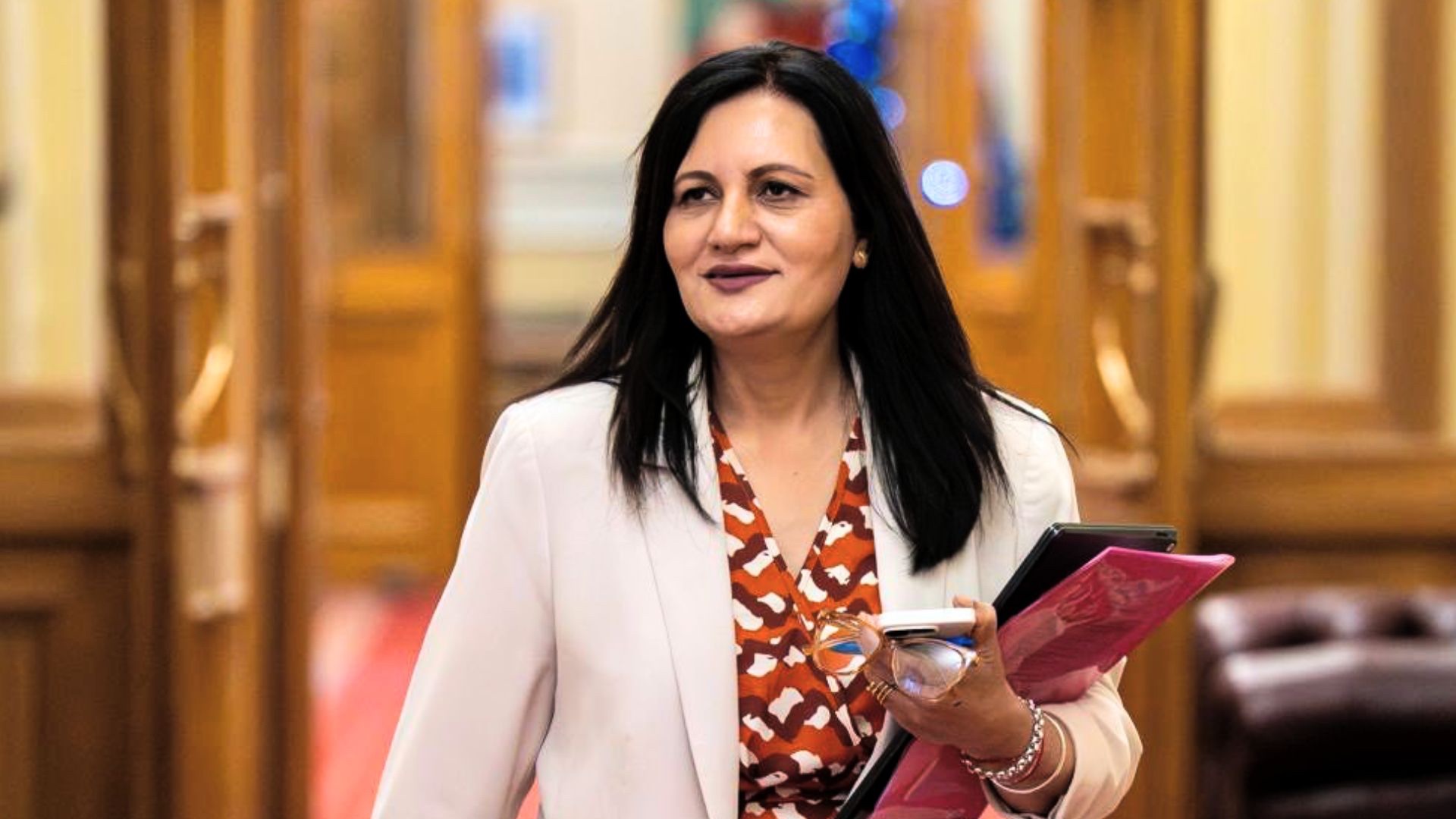
Mahesh Muralidhar’s ranking gives him a genuine shot at becoming a list MP. But it's nowhere close to safe.
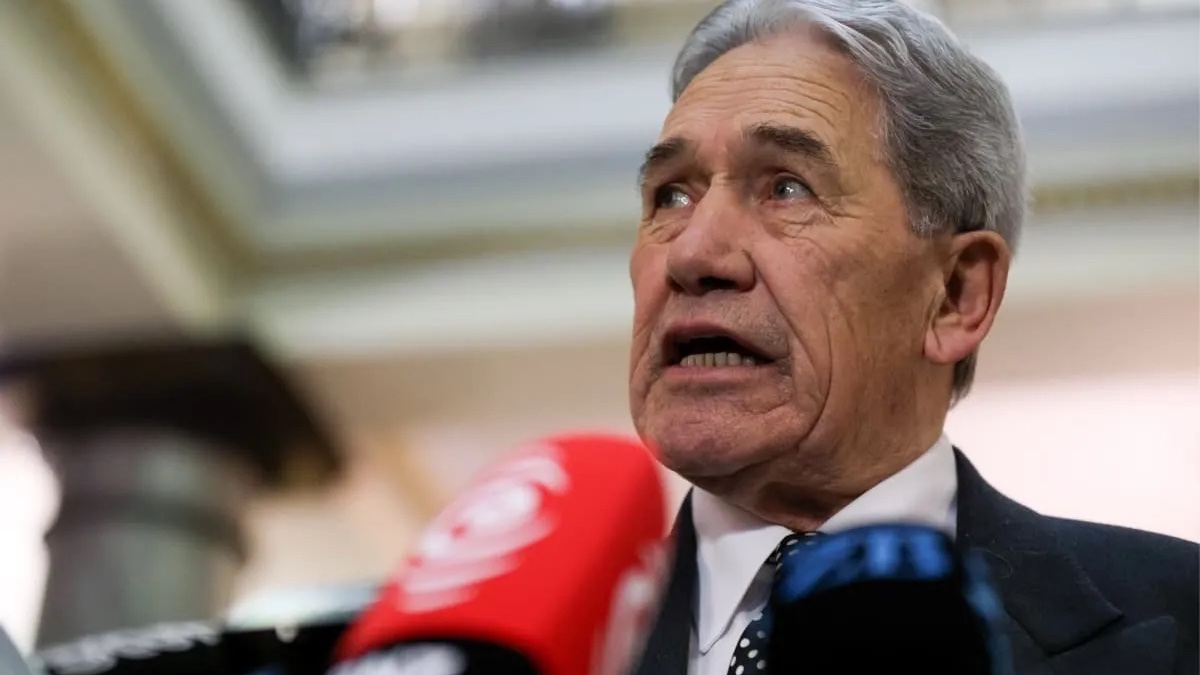
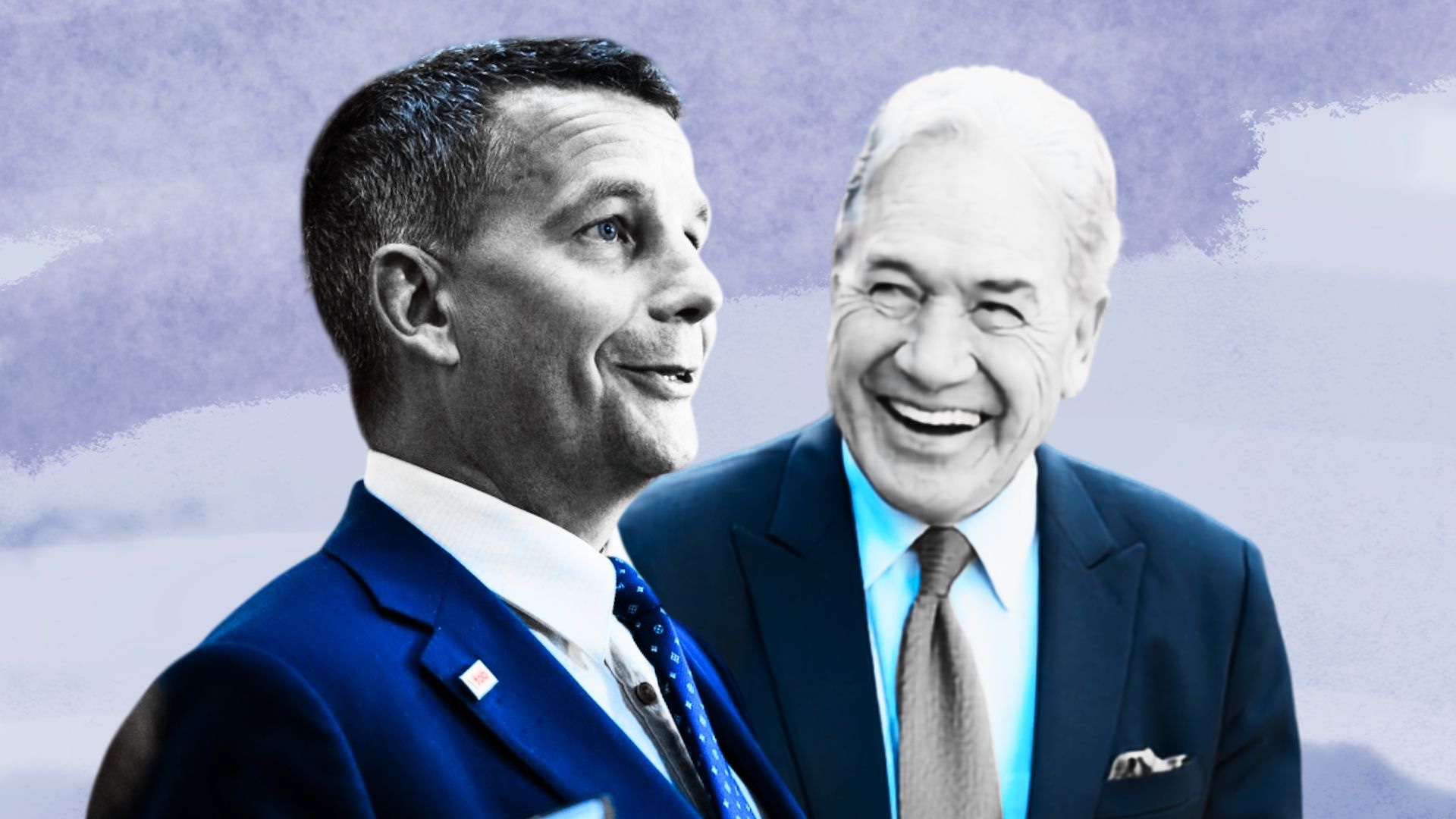
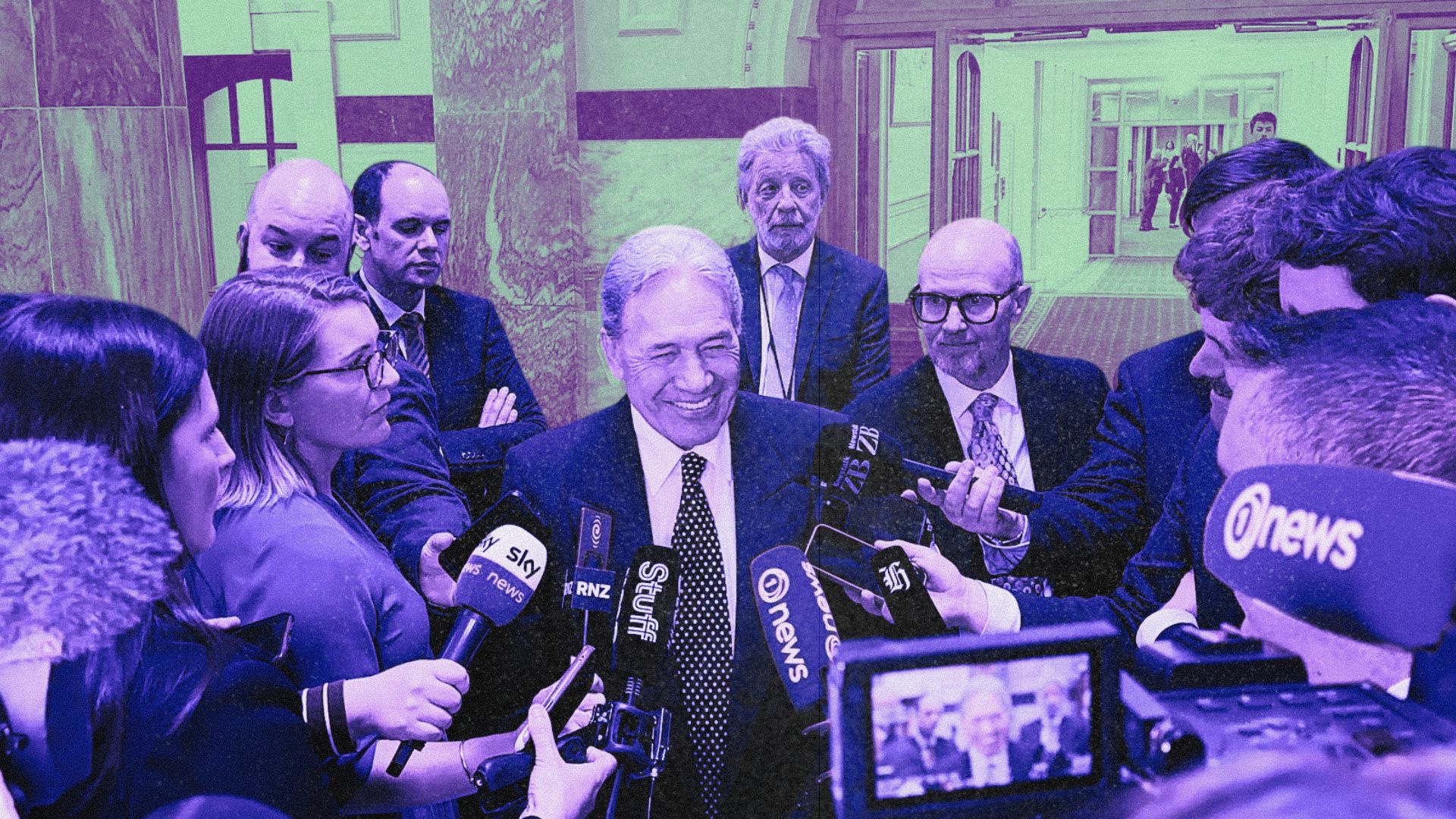
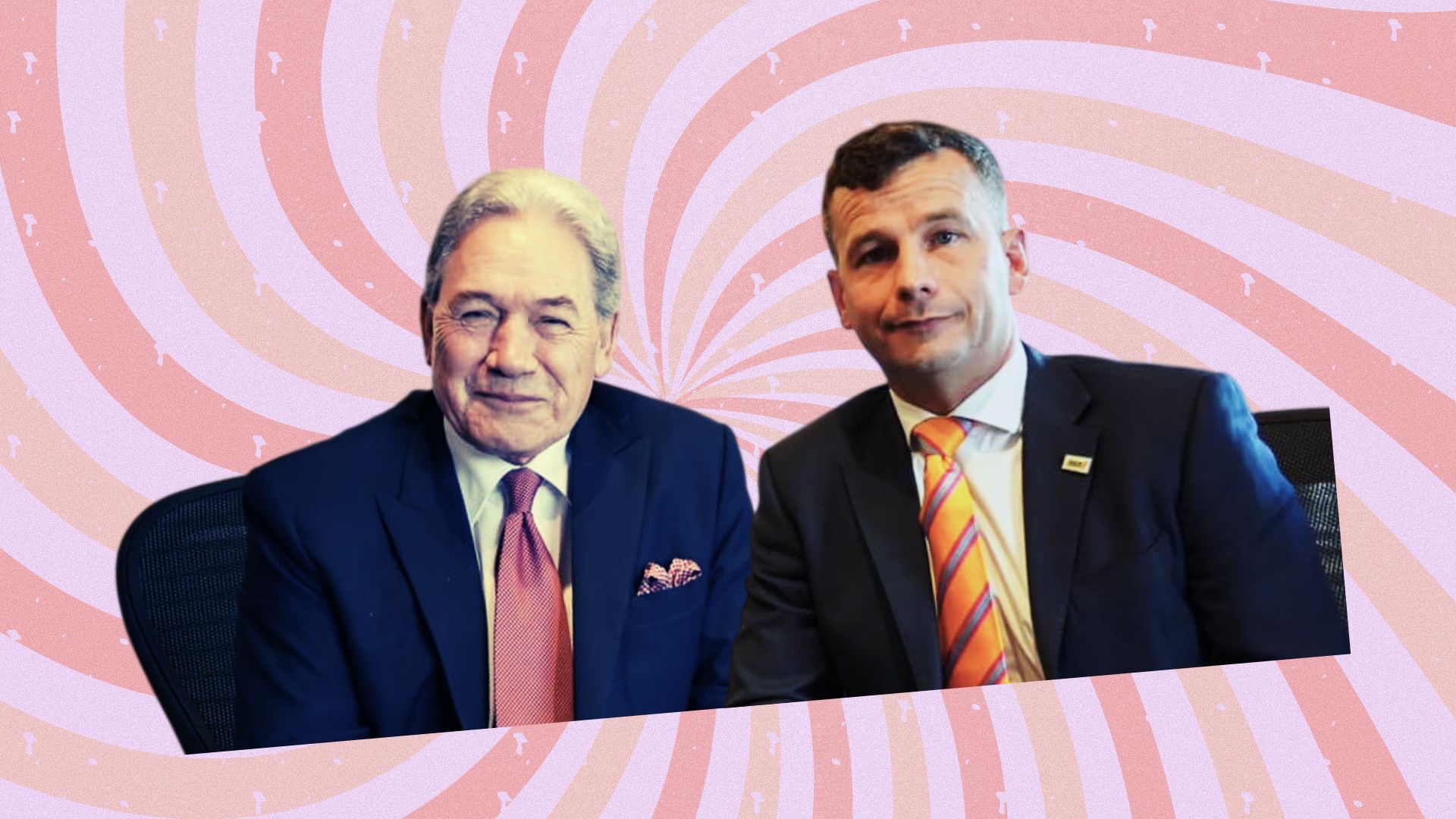
A blow-by-blow account of how Winston Peters tried to dodge questions on his racist slur in Parliament.
The ACT leader's failure to unequivocally condemn Peters' attack on a Chinese-born MP is eye-popping.
A new Private Training Establishment hopes to shift the conventional volunteer-led language classes to a more structured curriculum.
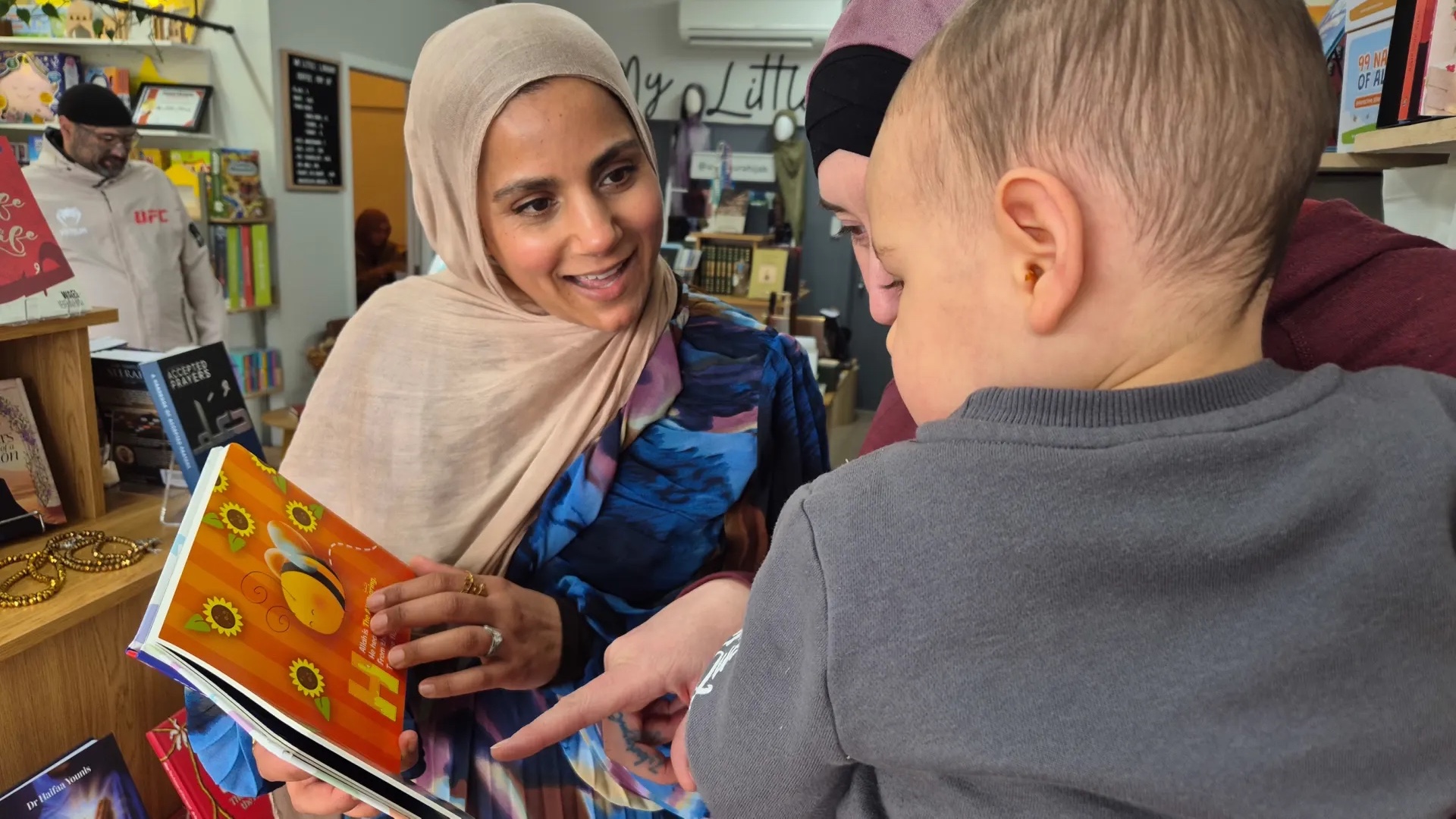
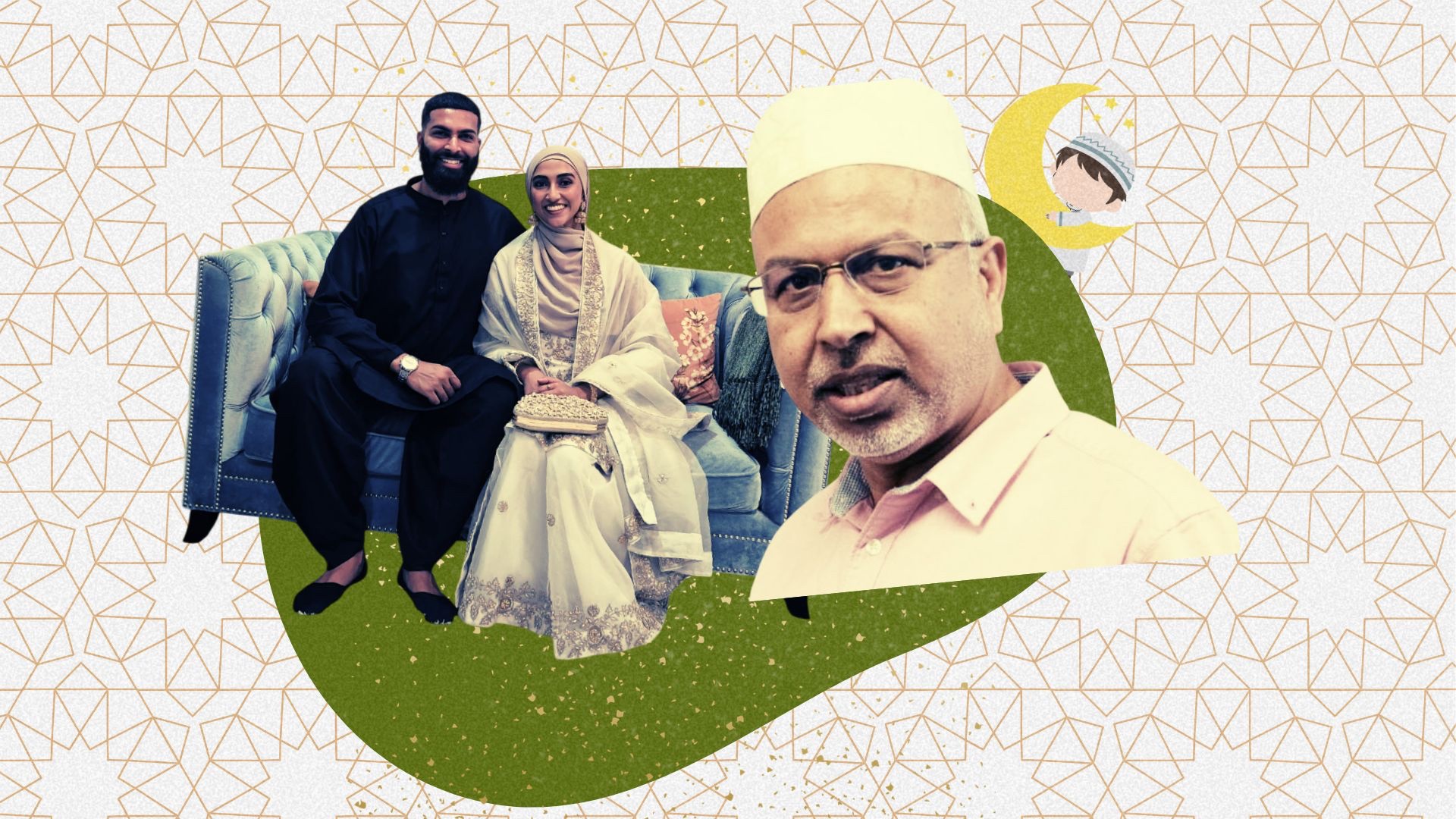
What started as a mother's search for books that reflected her family has grown into a rare Islamic bookshop, creating a space for friendships, learning and belonging.
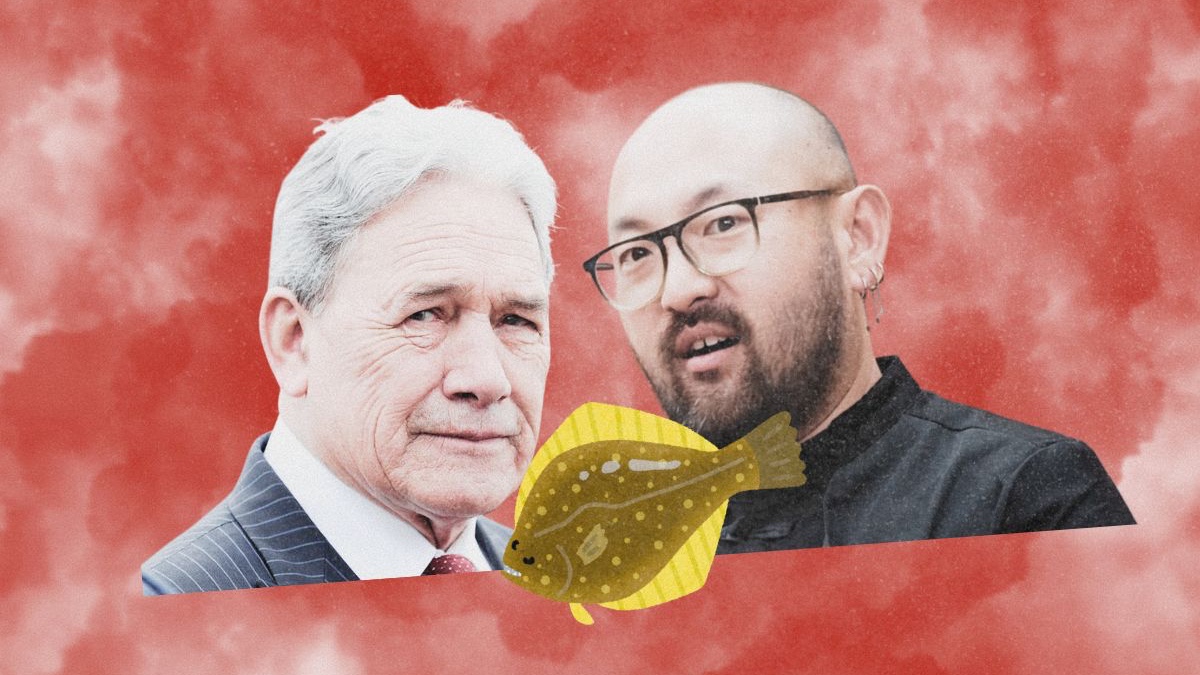
"Go back to your own country – that’s where they lie like a flatfish..."
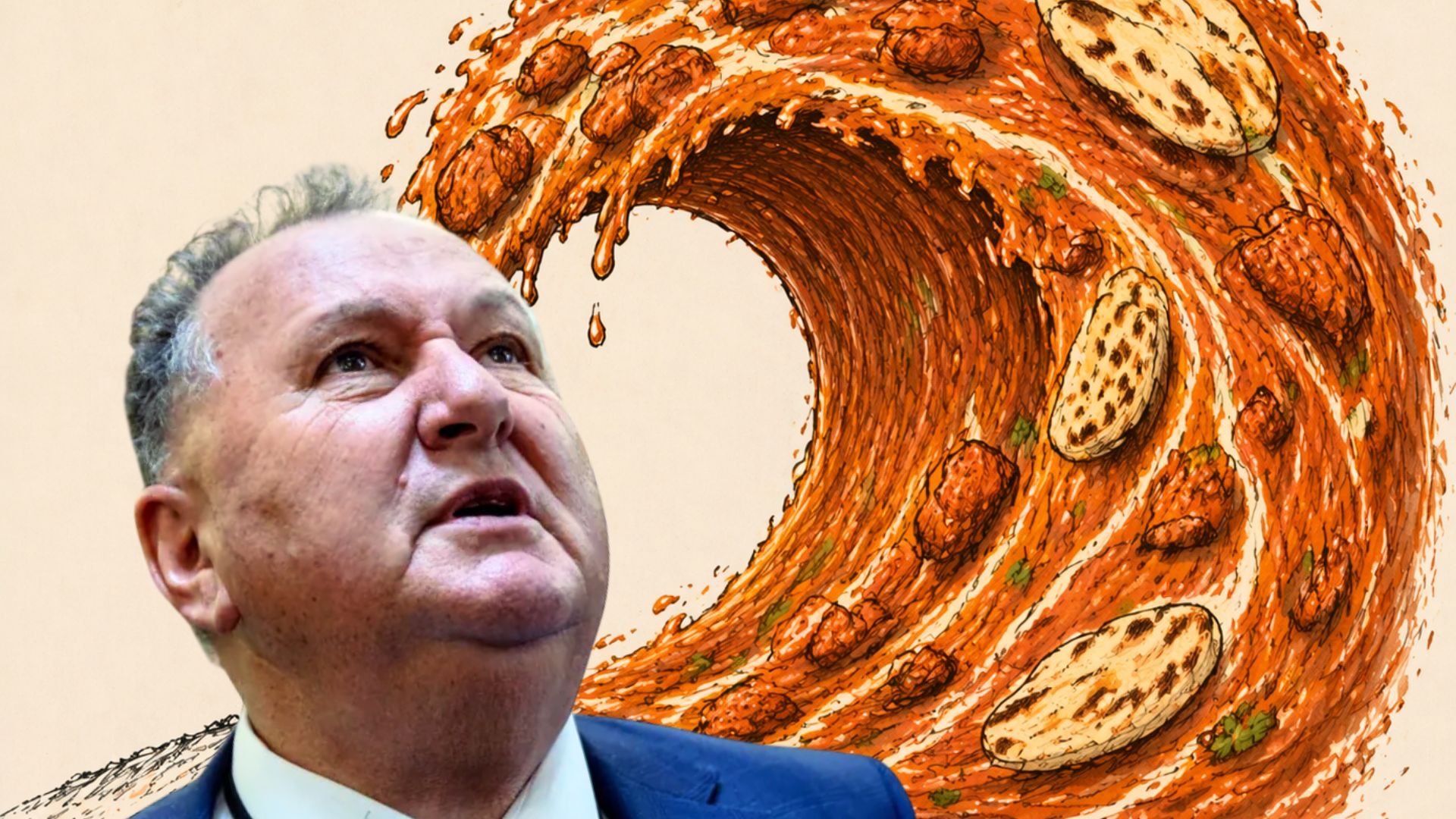
"Had he really called rai aloo, my mum’s mustard potatoes, curry?!"
"For my generation, his movies, his messages and his audio releases were always inspirational or motivational."
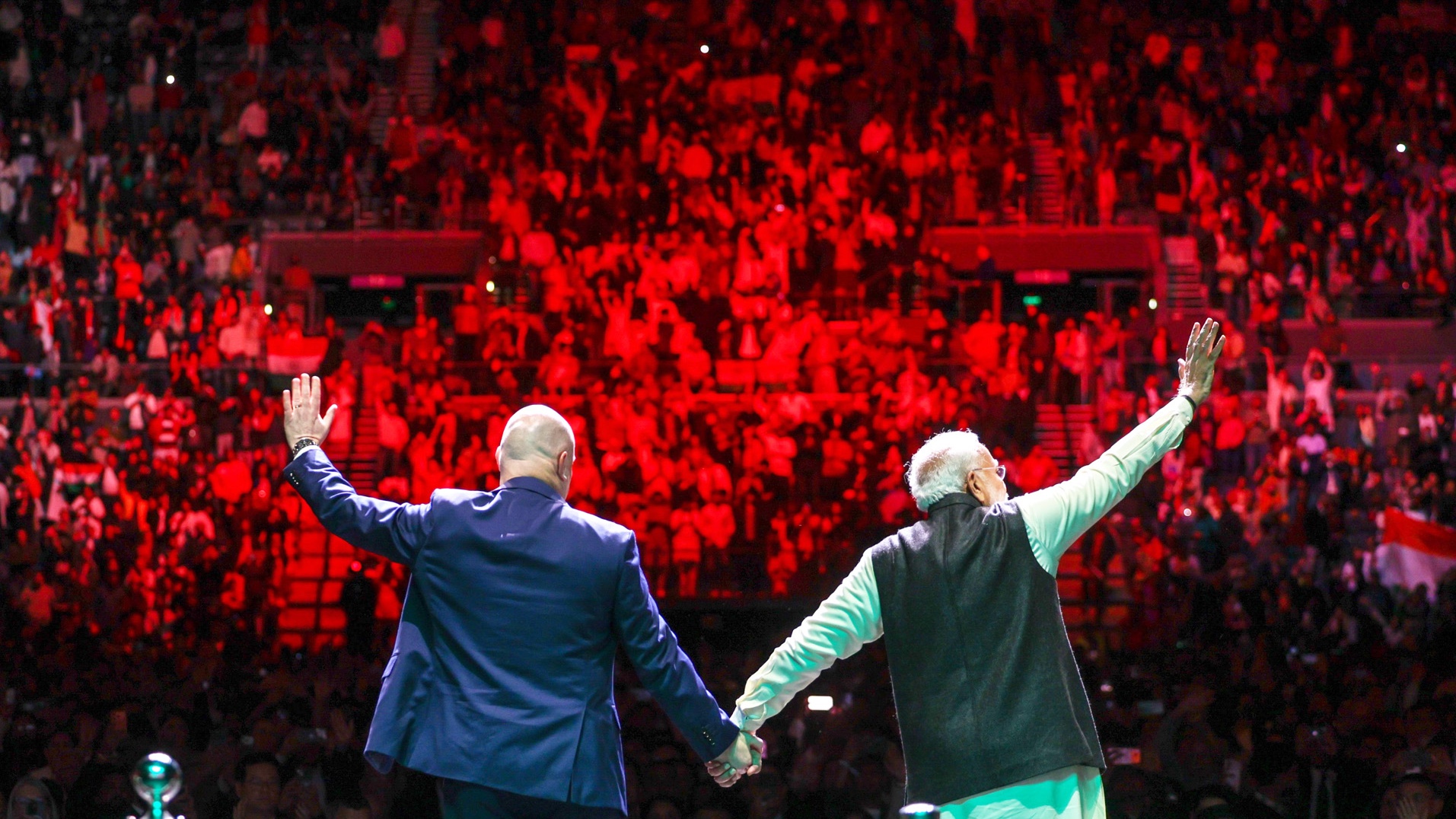
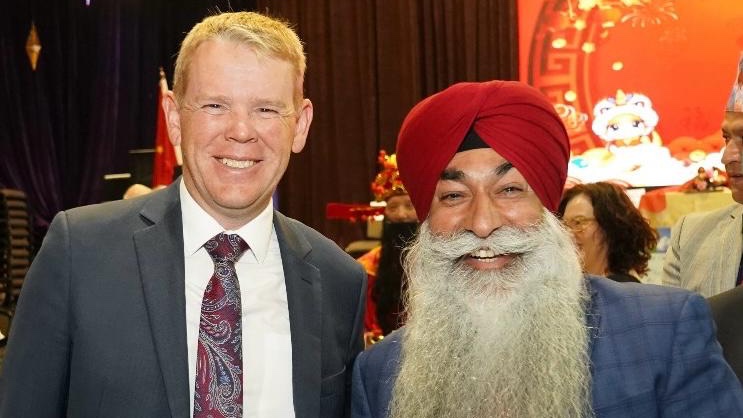
"It took 40 years for an Indian prime minister to return to New Zealand, but you will not have to wait that long again."
In 1986, the Royal Commission on the Electoral System had already examined the idea Winston Peters is proposing now.
"We argue gratitude should be reciprocal, acknowledging the interdependency between migrants and the state."
For ACT, his selection brings a candidate whose business background aligns closely with the party’s focus on enterprise and economic growth.
Over the centuries, India has welcomed a wide range of Christian traditions, including Pentecostal and many others.
National is framing the tech VC not just as an Indian-origin candidate, but rather a business candidate.
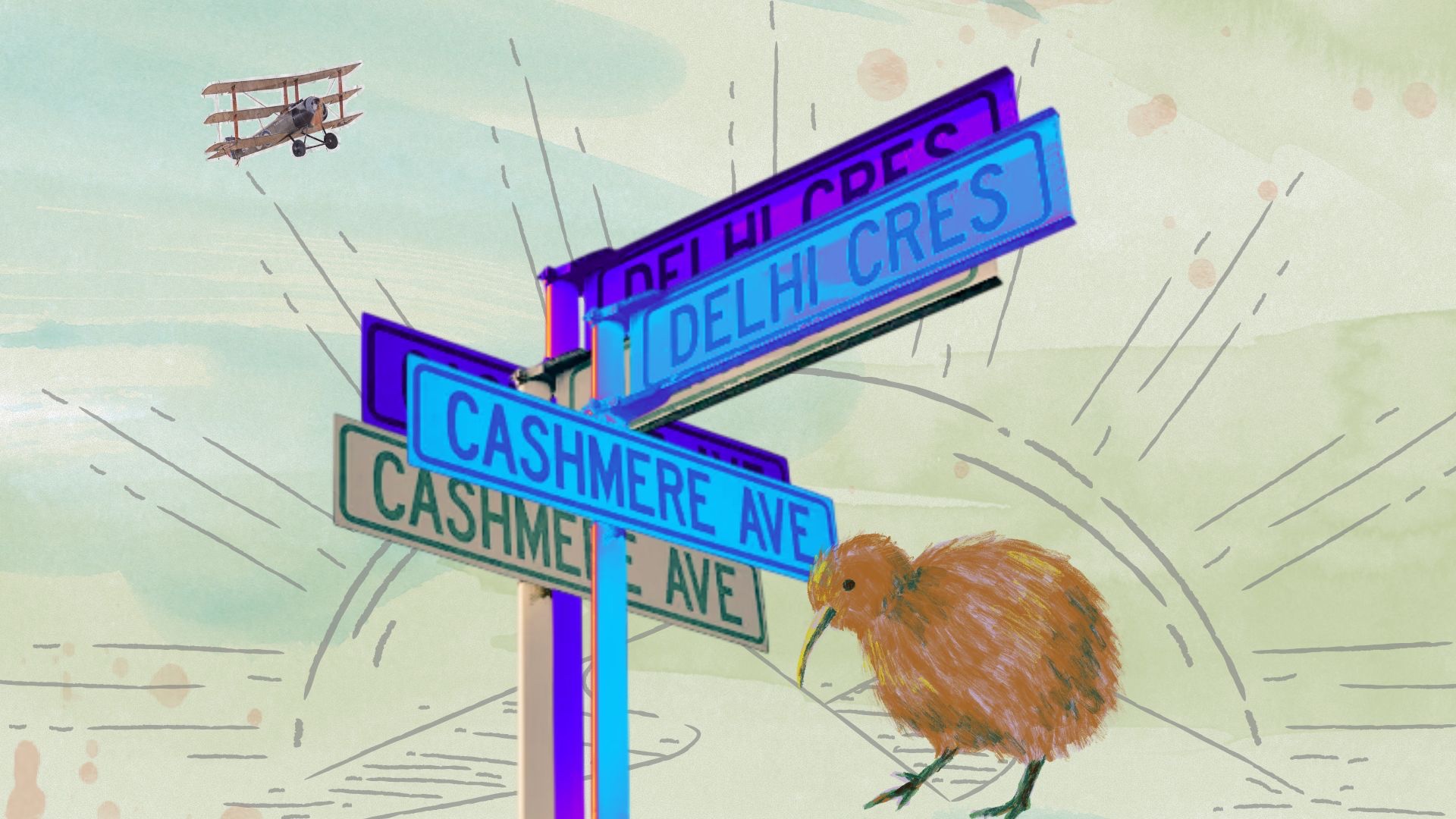
The capital city of Wellington features three suburbs with strong ties to India – Khandallah, Berhampore and Broadmeadows.
Prejudice becomes dangerous when influential people normalise it for political gain.
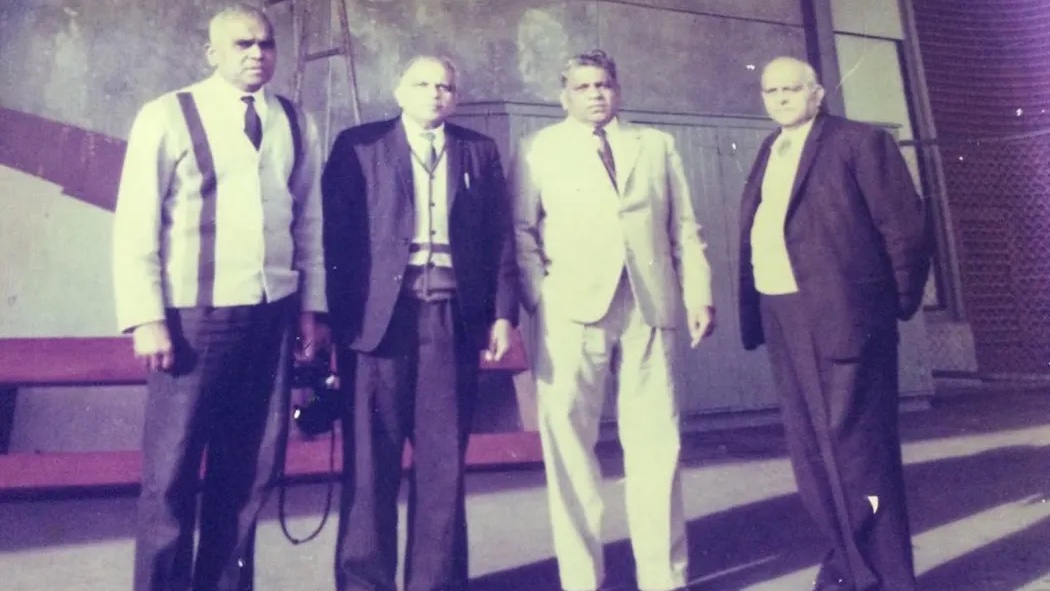
Rina Patel looks back at her grandparents' incredible journey in a bid to fill in the missing pieces of her family's past.
Dr Marewa Glover also has an idea exactly how many Indian and Chinese migrants can New Zealand accommodate without a problem.
Some parties are most committed to the view that some New Zealanders carry greater rights by virtue of ancestry.
“As a libertarian party, they have tended to be very pro immigration."
Former Te Pati Maori president Che Wilson reinforced "commitment to open engagement and mutual respect”.
"Labour is not the liberal guardian of immigration that some think."
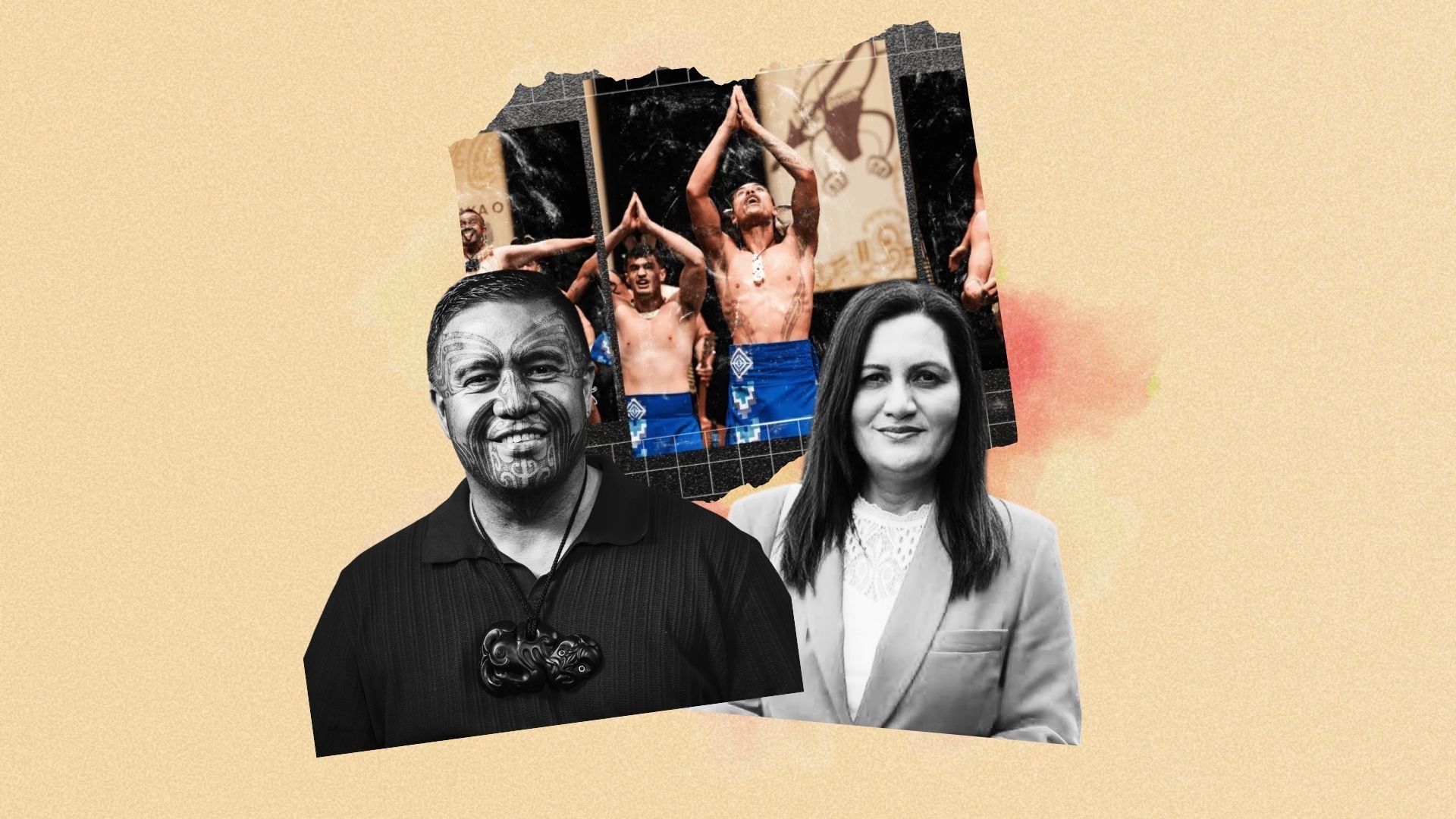
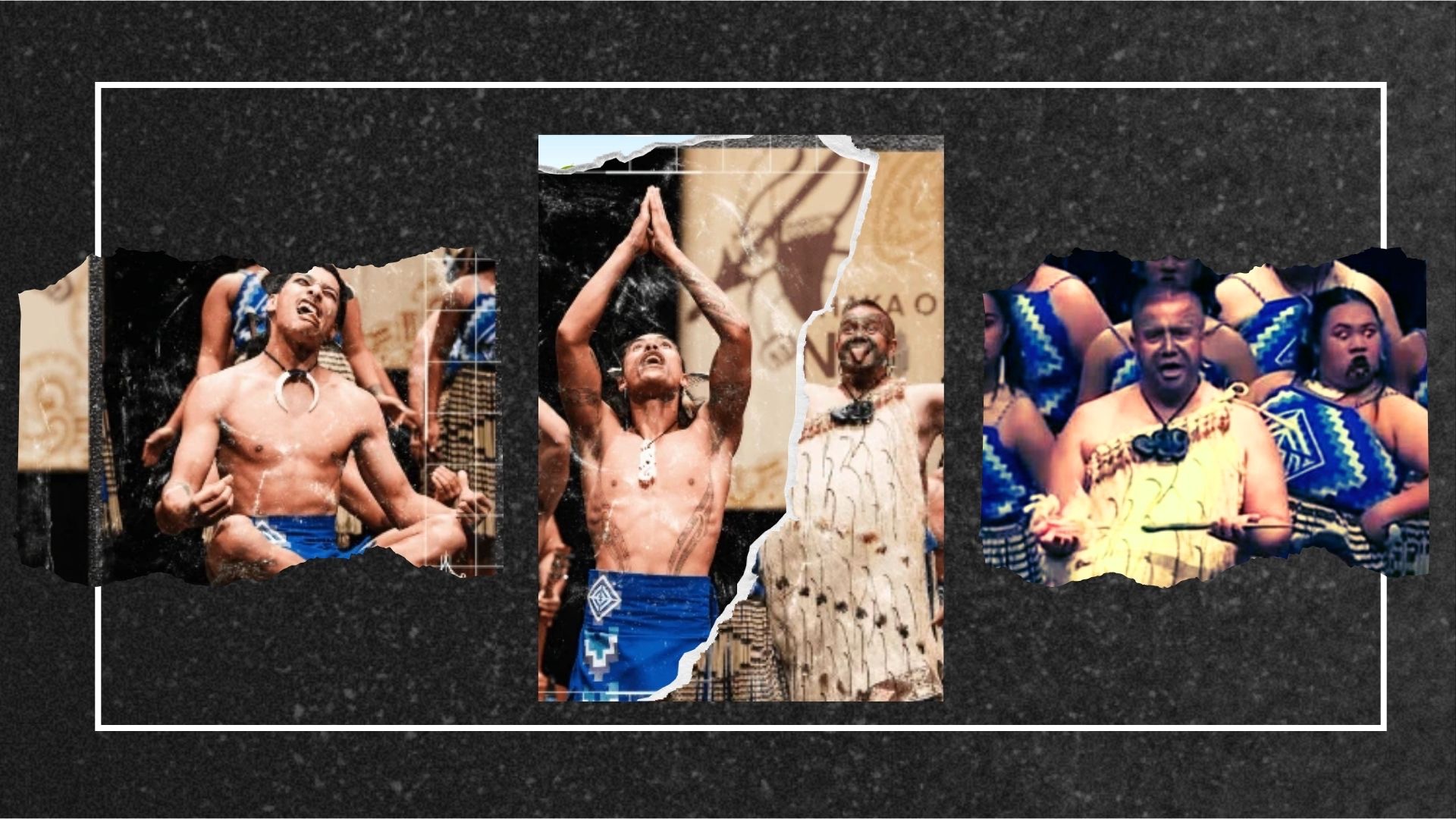
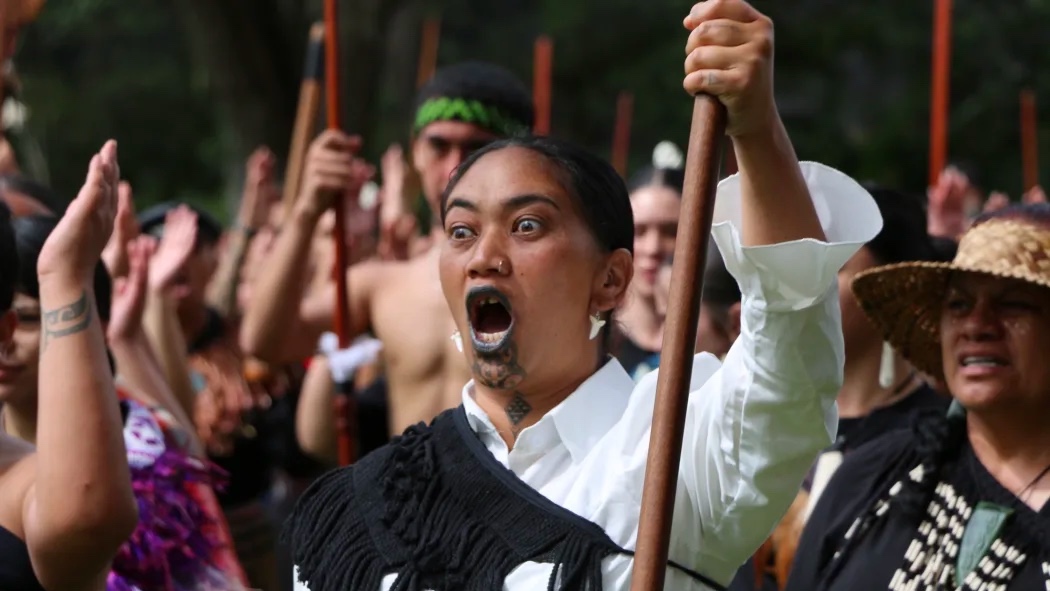
The haka organisers have proposed a hui with the Indian diaspora in New Zealand for reconciliation.
"Return to your own home, to vast land, to great poverty, to many problems."
Experts noted the use of a derogatory phrase and gestures associated with Indian cultural practices.
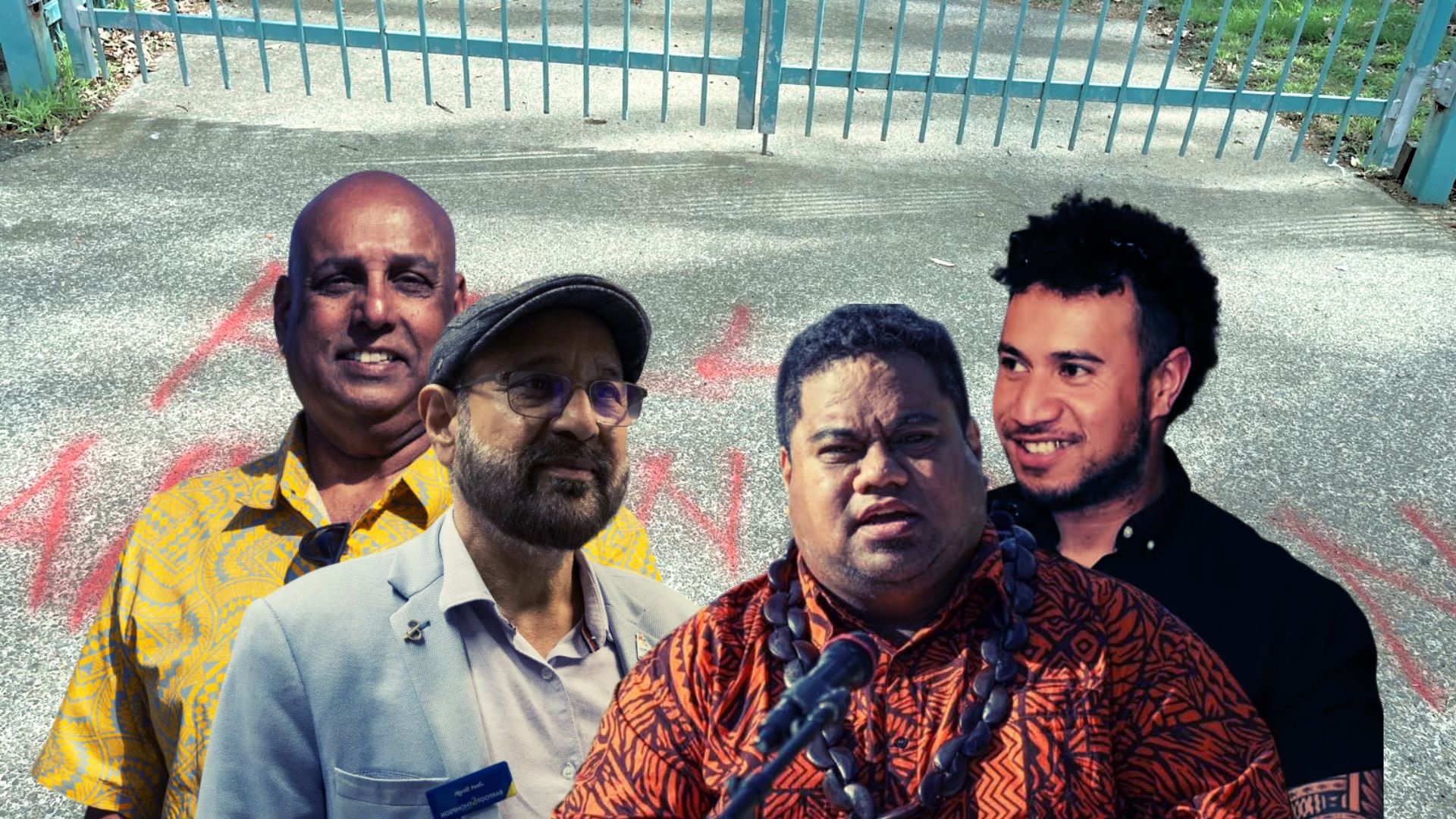
Twice now, the Otara-Papatoetoe Local Board has been handed a moment that required restraint.
“No one could say exactly when it happened. Only that it arrived on time.”
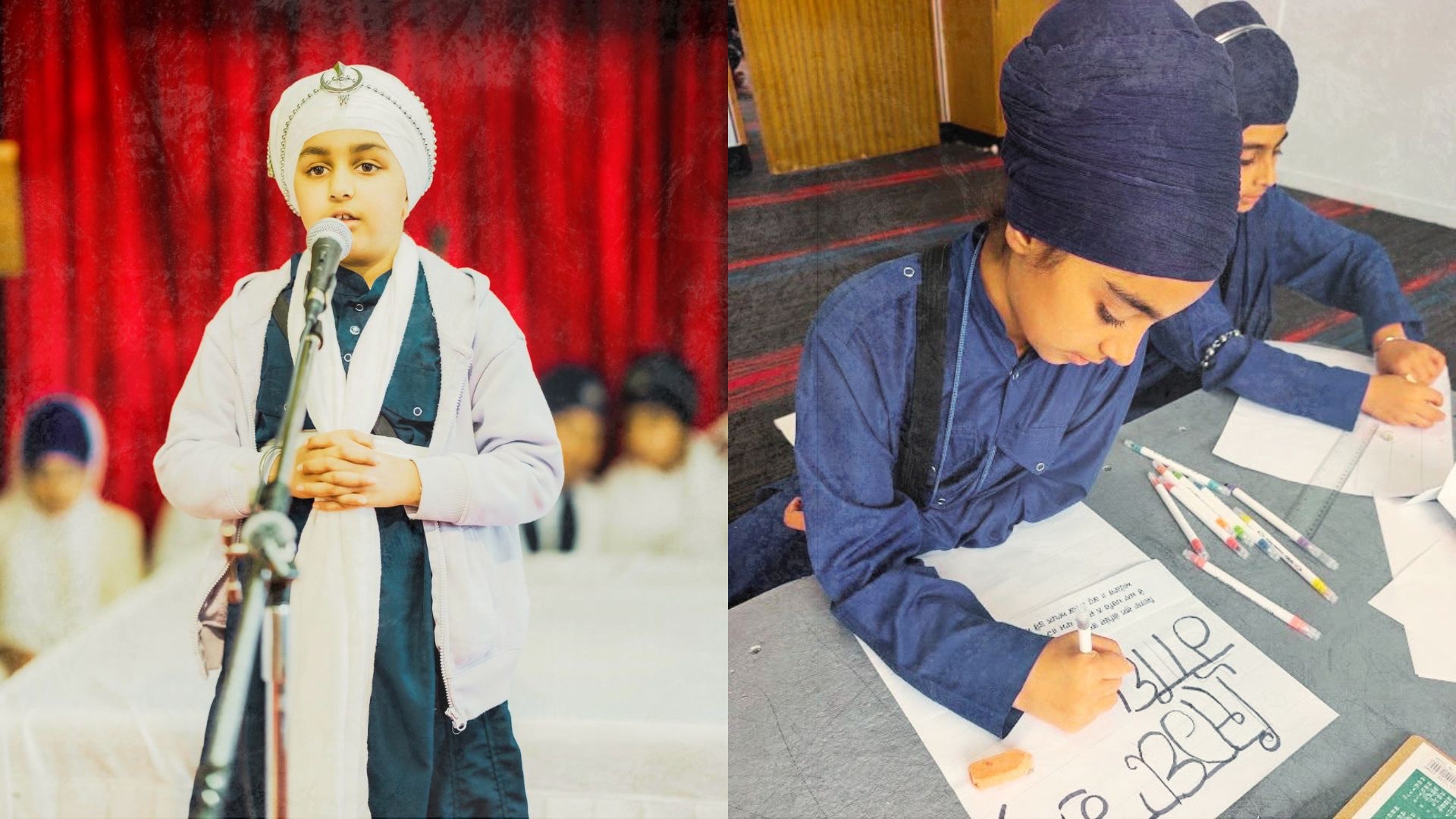
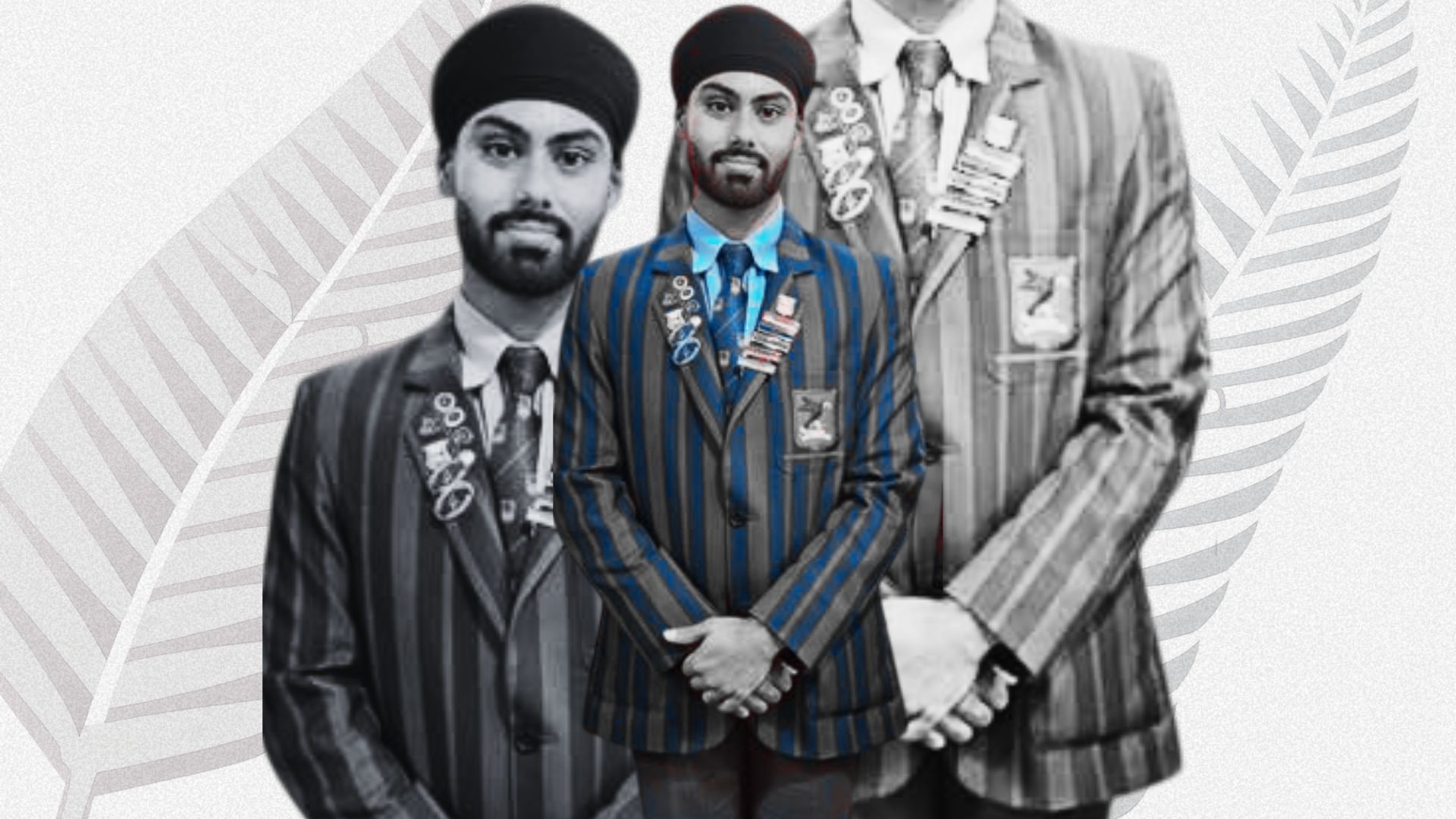
"My brown skin and my turban were often the first things people saw."
"When politicians say things that are discriminatory or hateful...it should be called out."
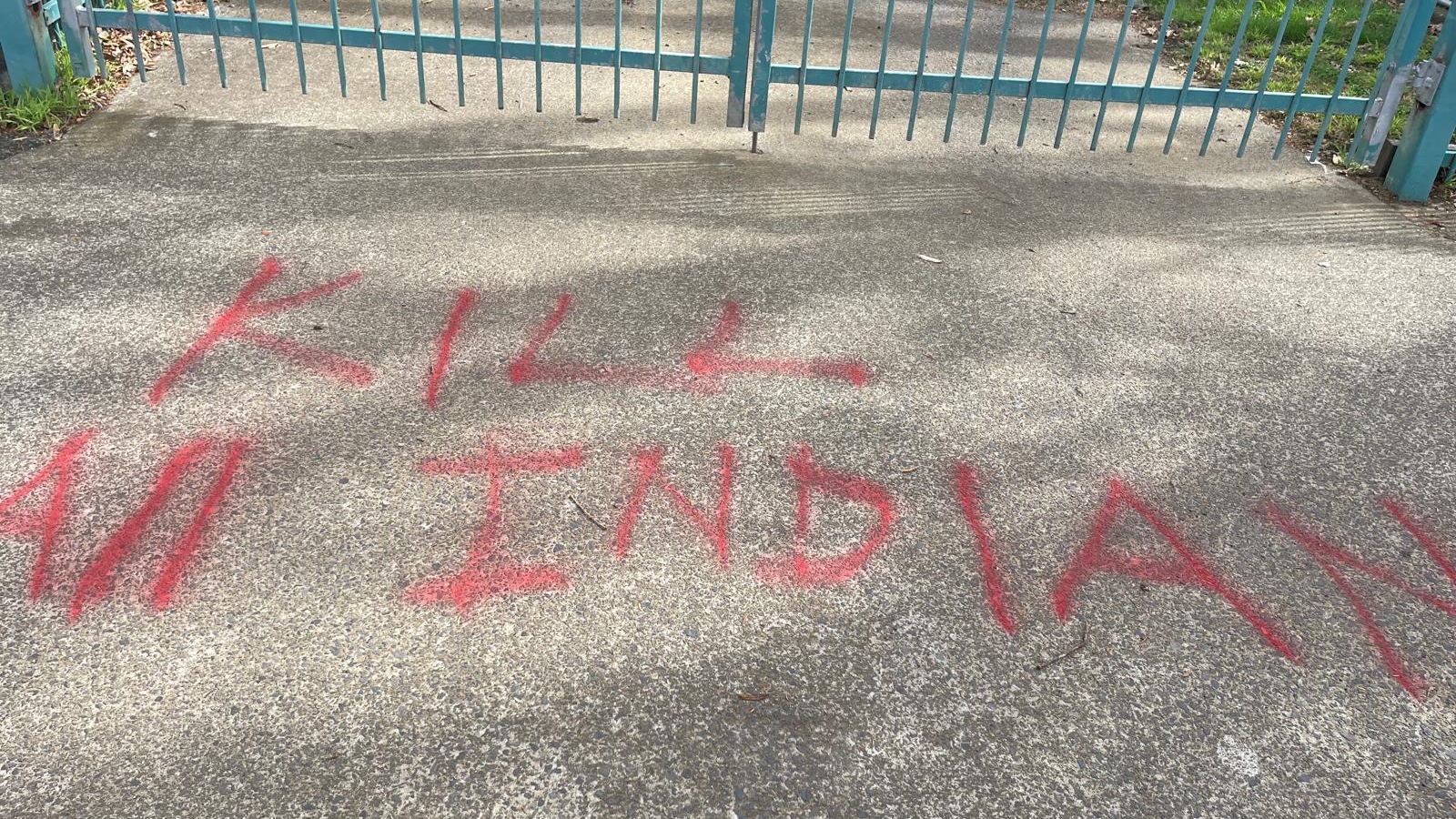
Police say the man, a local, has been charged with offensive behaviour and wilful damage.
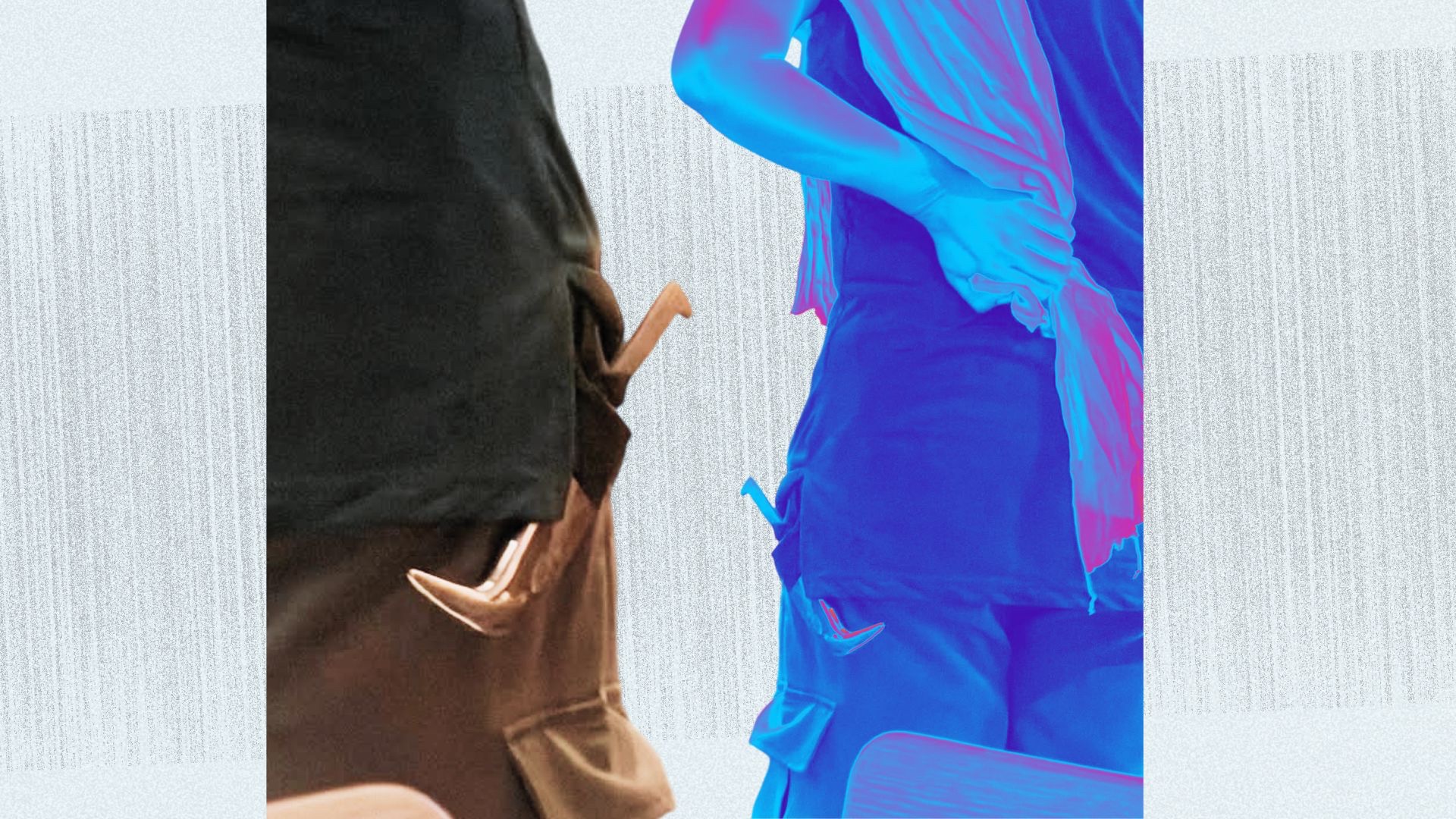
The ceremonial dagger is well accepted by the New Zealand police as a reasonably safe item of faith.
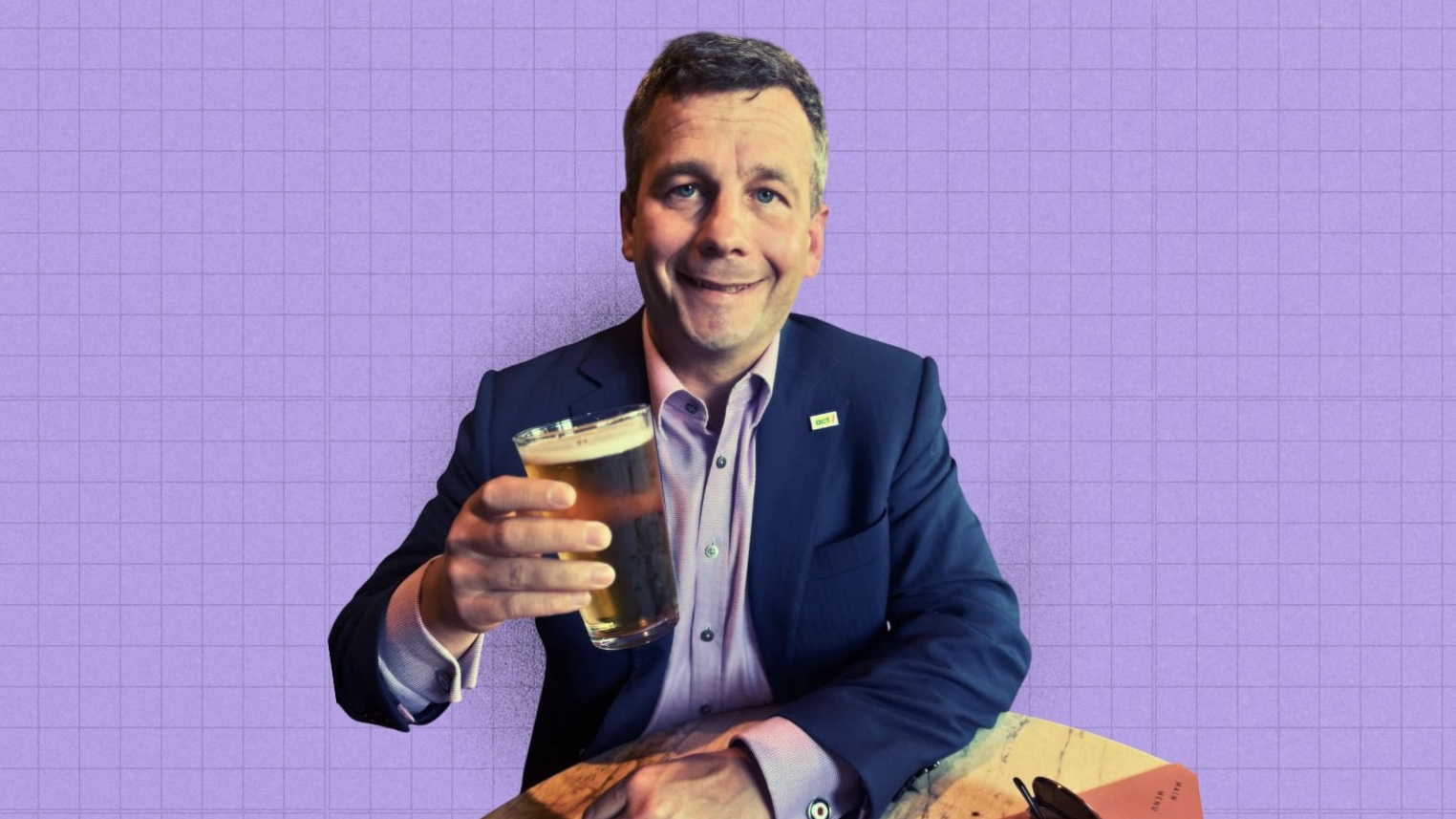
The story the ACT Party leader is telling is, frankly, quite appealing. But it can be intellectually thin.
Migration is a two-way street where no one side is a benefactor. Our politicians seem to forget that.
The government is reminding migrant residents about the bond of good behaviour they've signed.
Where National has been unsuccessfully fielding Indian candidates, Labour has demonstrated a more targeted approach.
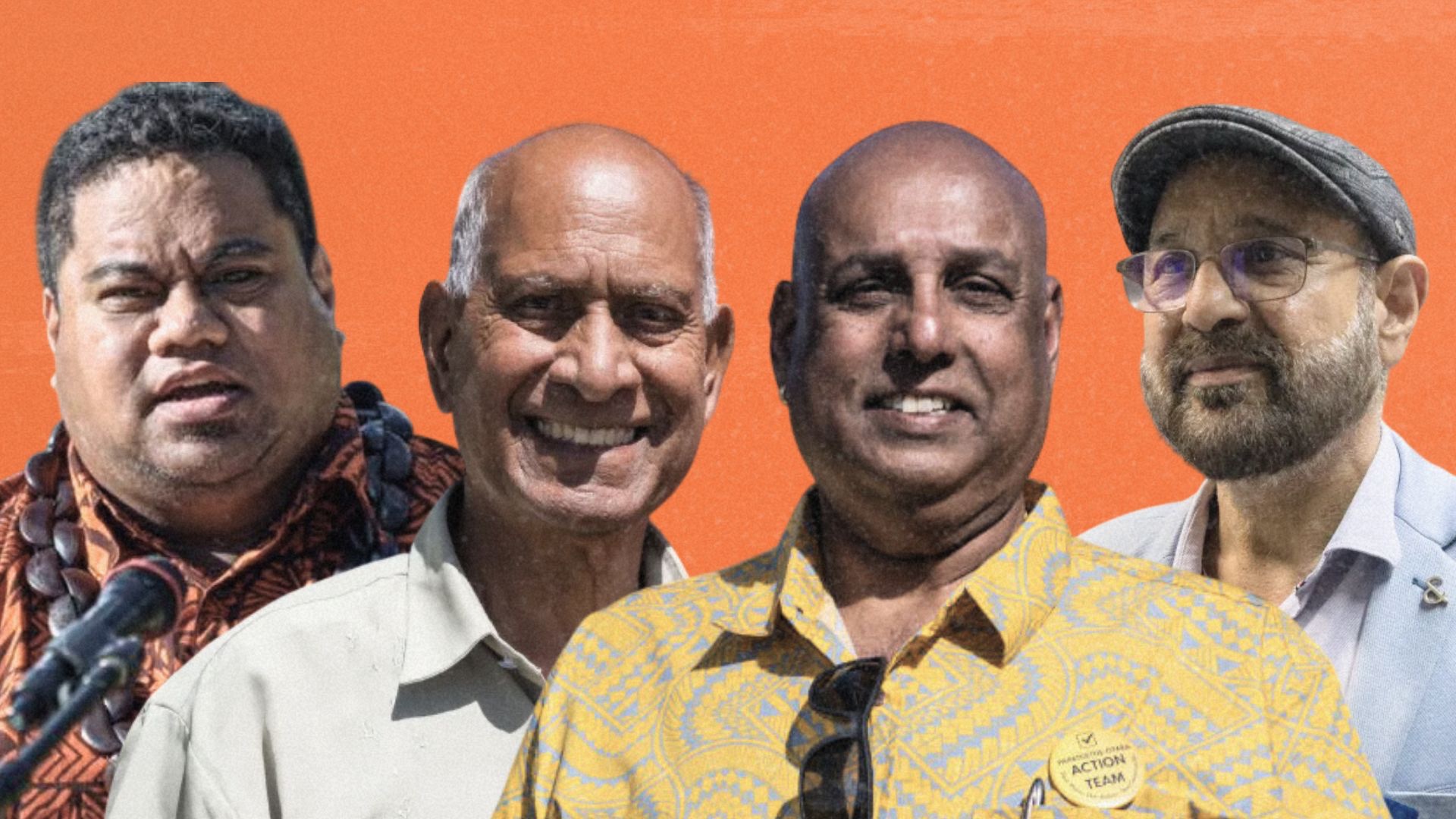
Even as South Asian representation has increased in Otara-Papatoetoe, leadership has largely remained the preserve of Pasifika leaders.
In Christchurch, New Zealand has already seen what harm unchecked build-up of hate and social tensions can unleash.
"So it was us, Smith, Singh and Patel and the Browns at the top."
"So important for someone to come in and make an immediate sort of impact," a commentator said about Patel's performance.
During early years, there weren't any large community iftars, no organised mosque programmes and very few halal food options.
"Divisive comments which target our ethnic communities have no place in New Zealand."
"Making them proud, making my family back in India proud as well. So I think it's a big moment.”
‘MishMash: Real Stories, Unreal Migrants’ is a fictional series inspired by the messy, funny, and sometimes brutal realities of Indians starting over in New Zealand.
Ananish Chaudhuri, Professor of Economics at University of Auckland, wonders who is speaking up for migrants in New Zealand.
Te Tiriti demands respect but it also demands room to learn. If curiosity is met with judgment or cancellation, we guarantee silence.
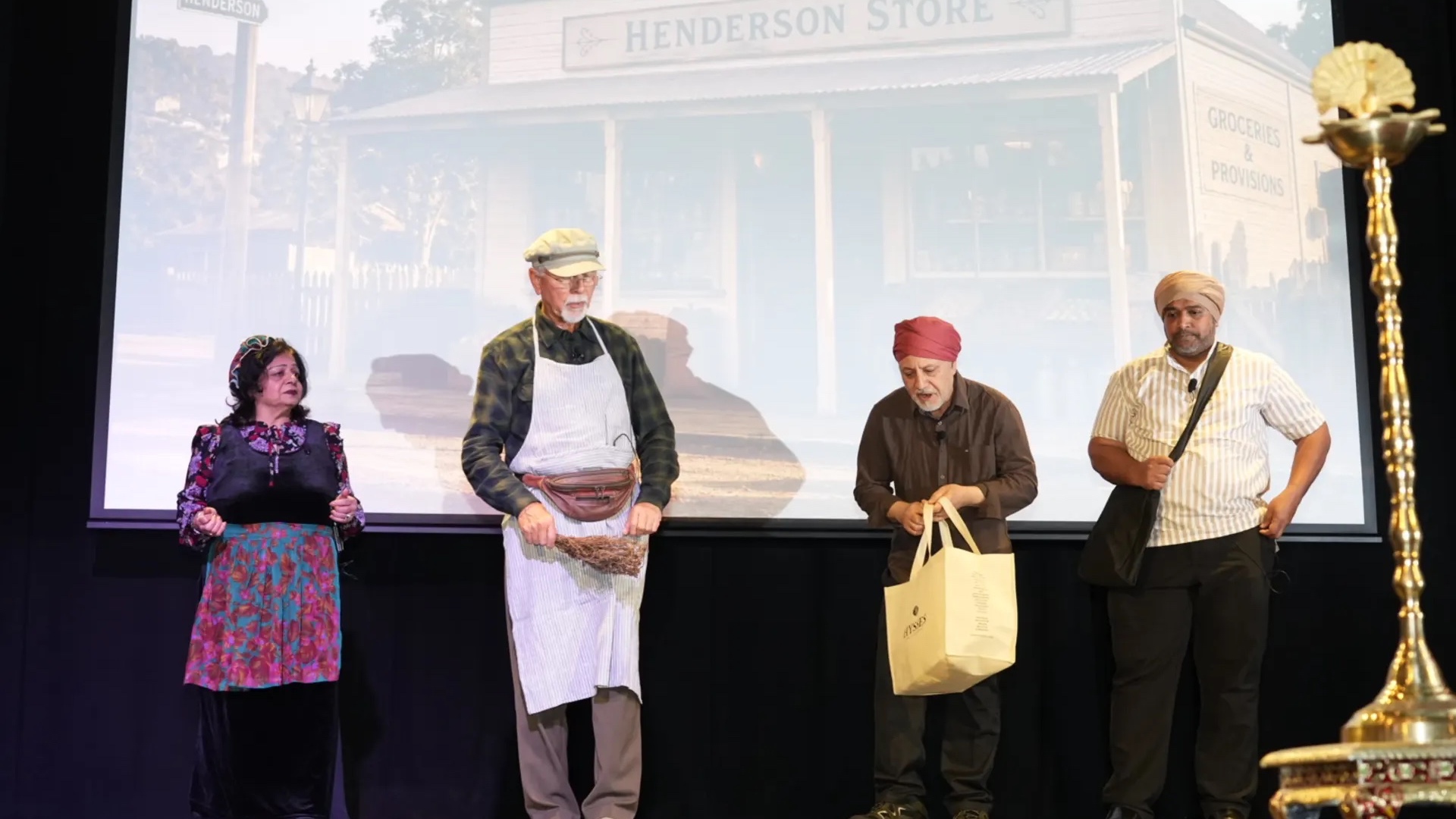
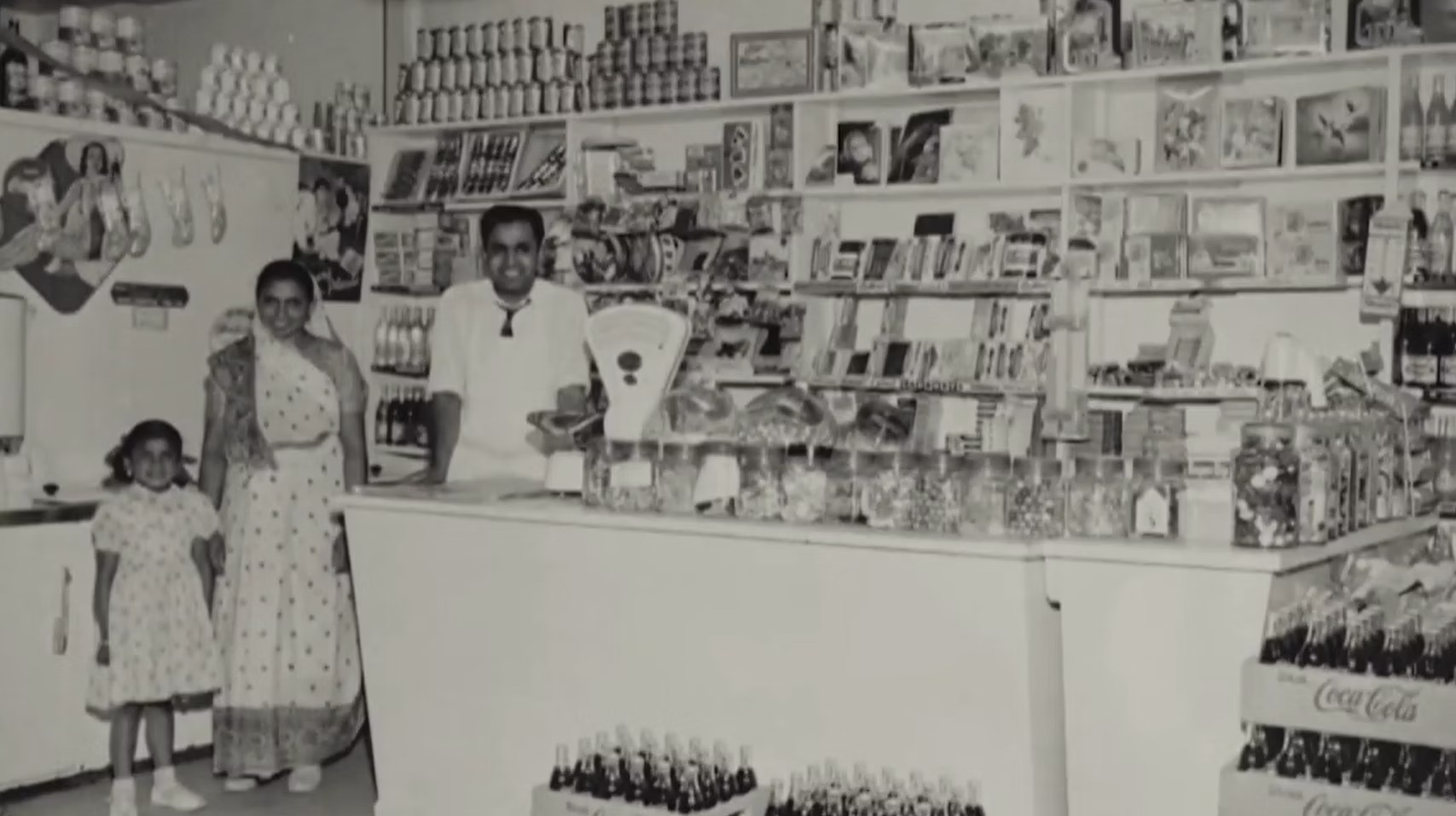
Professor Edwina Pio, New Zealand’s first professor of diversity, traces the history of the Indian-owned dairy shop in New Zealand. This was originally published in February 20, 2020.
Treaty literacy should empower migrants to interpret responsibilities, not merely comply with someone else’s instructions.
The future of this country depends on how well we listen to people who have chosen it deliberately, not casually.
Migration isn’t a clean swap where you exchange old habits for new ones. Every now and then, I catch myself doing something I moved here to escape.
Integration works best when a country allows migrants to add to it, not subtract from themselves.
To outsiders, the outcome looks like advantage. What is rarely seen is the cost.
Calls made for the Sikh community to turn against protests organized by True Patriots.
How long do we have to build lives, work double shifts, buy homes and raise children before New Zealand admits we are no longer guests?
There's more to that dish you bring to the family gathering. You have been warned.
The enigma of the Indian migrant and why it needs to be understood.
When an entire population group is missing from the governing party, policy blind spots are not an accident.
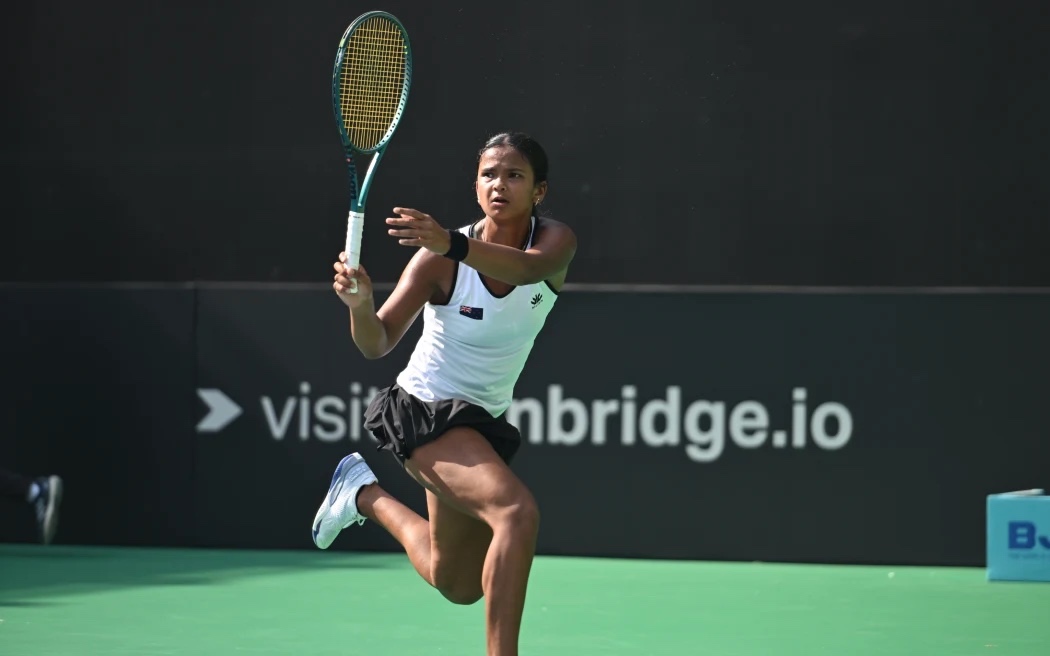
Young tennis stars want more Kiwi-Indians to take up the sport.
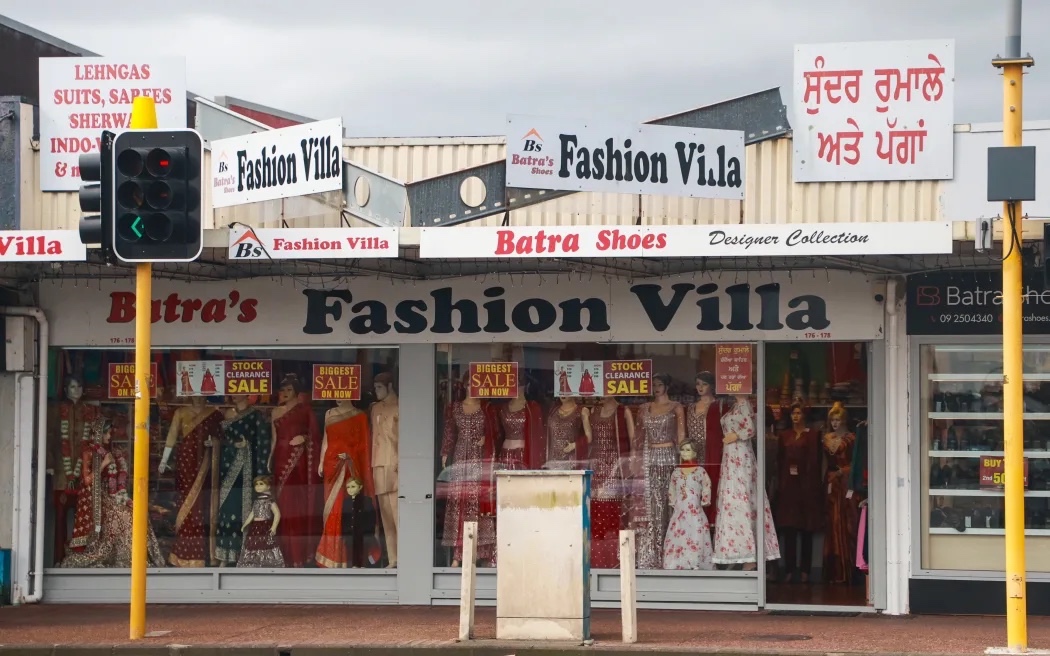
Outlets selling Indian footwear items such as mojaris, juttis and Kolhapuri chappals are proving popular.
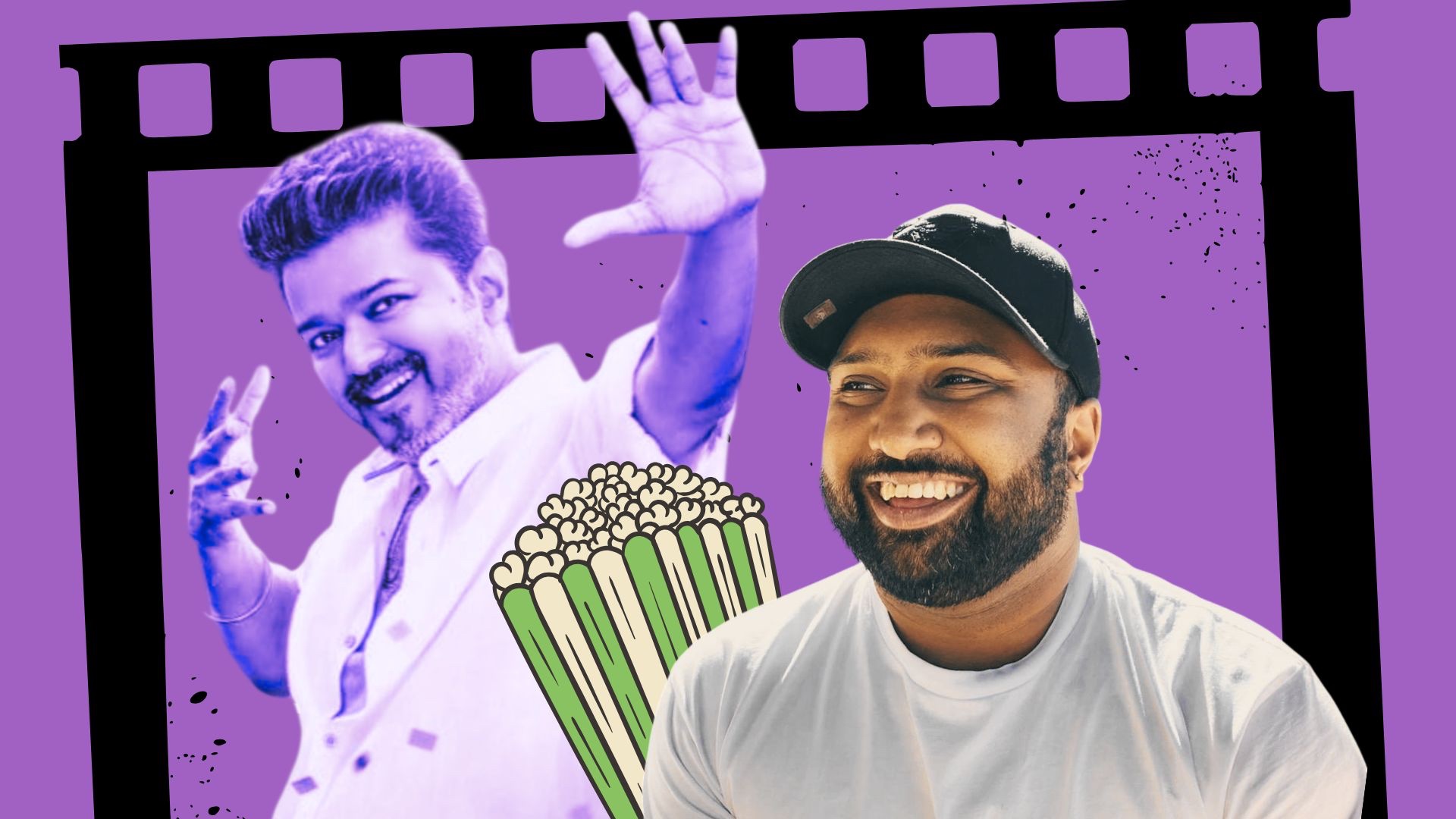
Regional Indian cinema is giving the mighty Bollywood a run for its money in New Zealand.
Tens of thousands have turned up to cheer at New Zealand's Indian community events in recent months.
Behind the scenes with Indian community theatre group Prayas, which has marked two decades on stage.
What was once a niche hobby has increasingly become a serious pursuit, particularly for women
Asian New Zealanders shine in New Year Honours list 2025